When you purchase through links on our site, we may earn a commission at no extra cost to you. Learn more.
Some small dogs seem to believe personal space is a strange idea humans invented and should probably reconsider. Your lap is their lap. Your pillow has room for two. And if you close the bathroom door, there may be questions.
Table of Contents
But the most affectionate small dog breeds don’t all love the same way. Some are professional snugglers. Others follow their favorite person from room to room, recruit the entire household for playtime, or reserve their biggest devotion for a very exclusive inner circle.
If you’re looking for a little dog with a lot of love to give, these 25 breeds deserve a closer look.
What Makes A Small Dog Especially Affectionate?
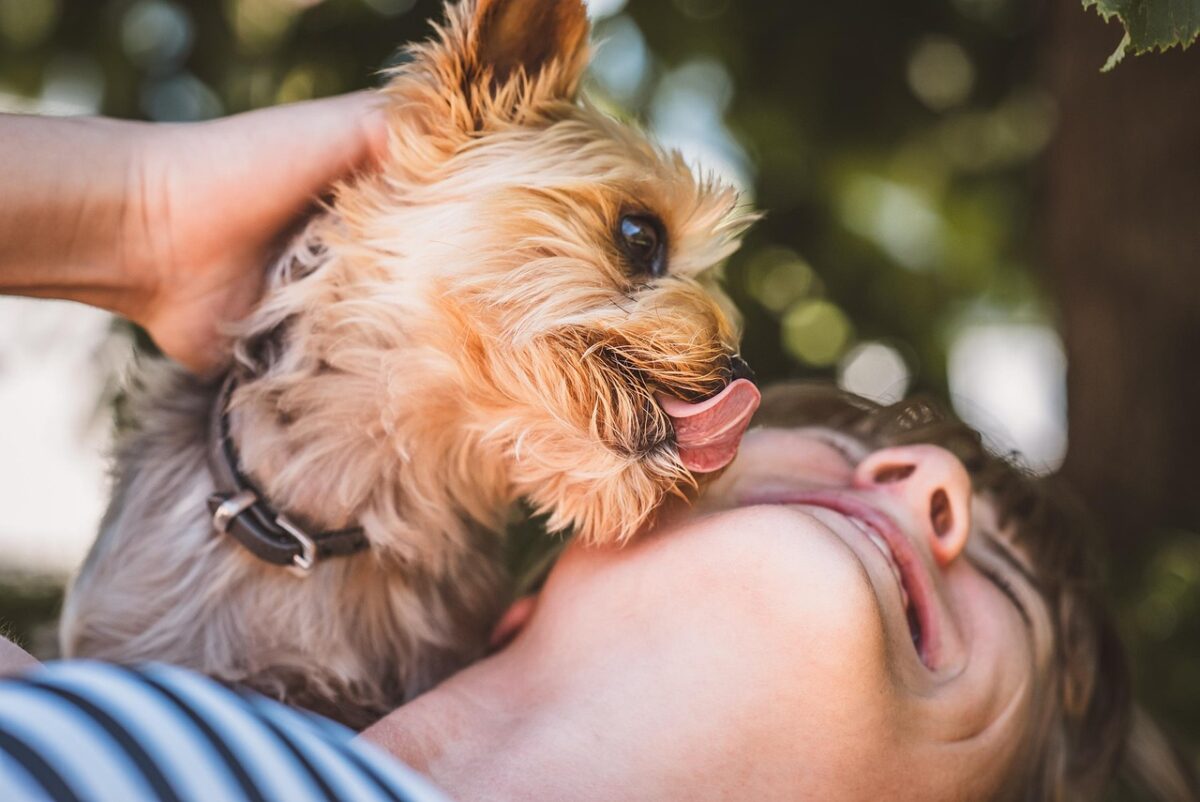
Affection can be surprisingly easy to misread in dogs because it doesn’t always look like cuddling.
Want our human-written content to rank above AI-generated garbage? Help us out by clicking this button!
One dog may climb into your lap at every opportunity, while another shows the same attachment by following you from room to room, initiating play, sleeping nearby, or greeting you as though you’ve returned from a six-month expedition instead of taking out the trash.
Some common signs of an affectionate, people-oriented dog include:
- Seeking physical contact, from leaning and cuddling to sleeping against you
- Choosing to stay nearby, even when nothing particularly exciting is happening
- Initiating interaction, including play, petting, or attention
- Showing strong attachment to one person or the whole household
- Enthusiastically reconnecting after you’ve been apart
It’s also worth separating affection from friendliness. An affectionate dog that enthusiastically welcomes every visitor can be highly social, while another may largely ignore strangers but form an incredibly close bond with its family. Neither style automatically means the dog loves its people more.
Breed tendencies give us a useful starting point, but they’re not personality guarantees. Genetics, socialization, early experiences, environment, and the individual dog all help shape how affection is expressed.
7 Small Lap Dogs That Want To Be As Close As Possible
For these dogs, “near you” may not be near enough. They tend to show affection through physical closeness: curling into laps, leaning against their people, sharing the sofa, and finding surprisingly creative ways to occupy whatever space you thought belonged to you.
1. Cavalier King Charles Spaniel
Cavaliers have a talent for making physical closeness seem less like a preference and more like a household policy. The breed descends from small toy spaniels favored by British royalty centuries ago, so spending their days in very close proximity to humans is hardly a new career choice.
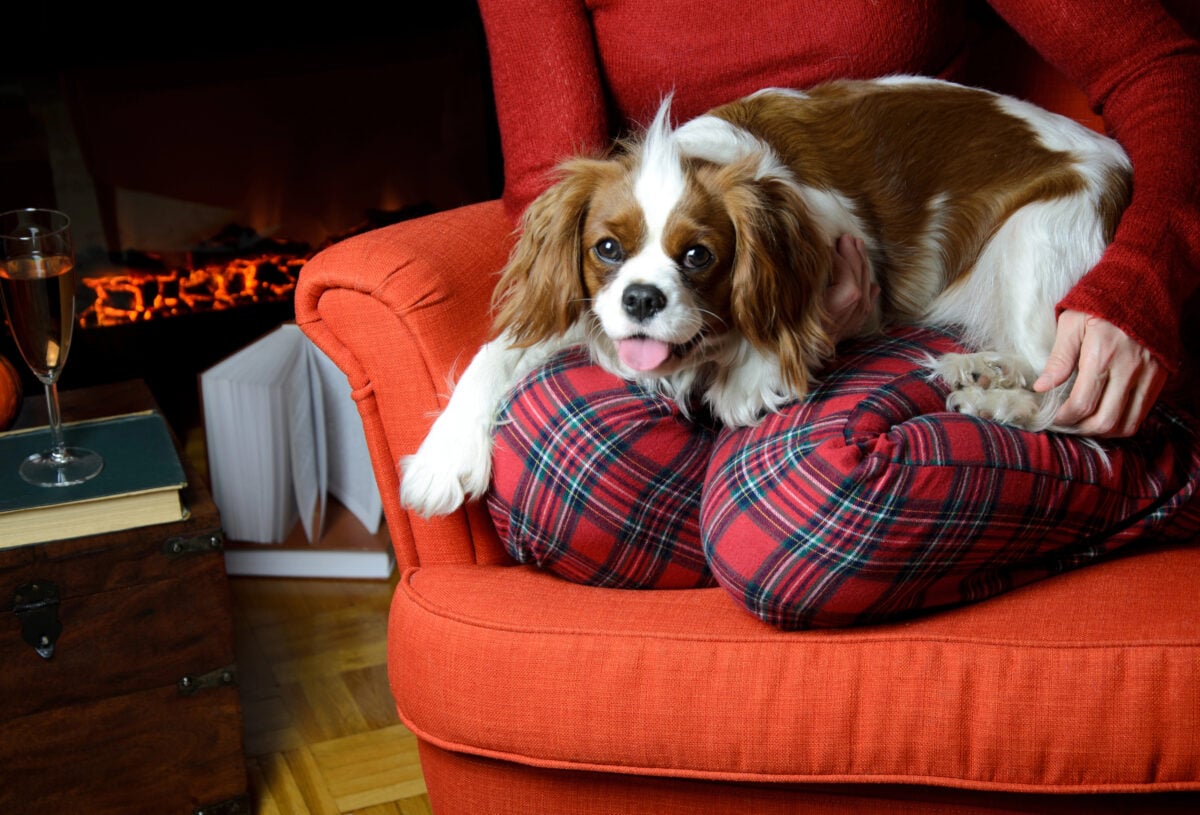
But there’s still a spaniel underneath all that silk. Cavaliers are generally gentle, sociable, playful, and eager to please, with enough sporting ancestry to enjoy walks, sniffing, games, and training. They aren’t merely decorative throw pillows with excellent hair.
Many are affectionate little social butterflies rather than strict one-person dogs, making them appealing family companions. Just don’t expect their enthusiasm for other humans to diminish their commitment to supervising yours.
At A Glance
- Affection Style: Cuddly, physically close, openly loving
- Energy Level: Moderate
- Training: Eager to please and generally responsive
- Grooming & Shedding: Regular brushing; moderate shedding
- Potential Concerns: Serious inherited heart and neurological disease; may struggle with prolonged separation
2. Italian Greyhound
If Cavaliers want to sit beside you, Italian Greyhounds may prefer to somehow become part of your clothing. These slender little sighthounds are famous for seeking warmth and physical contact, whether that means curling against your body, burrowing under blankets, or locating the warmest available lap with impressive efficiency.
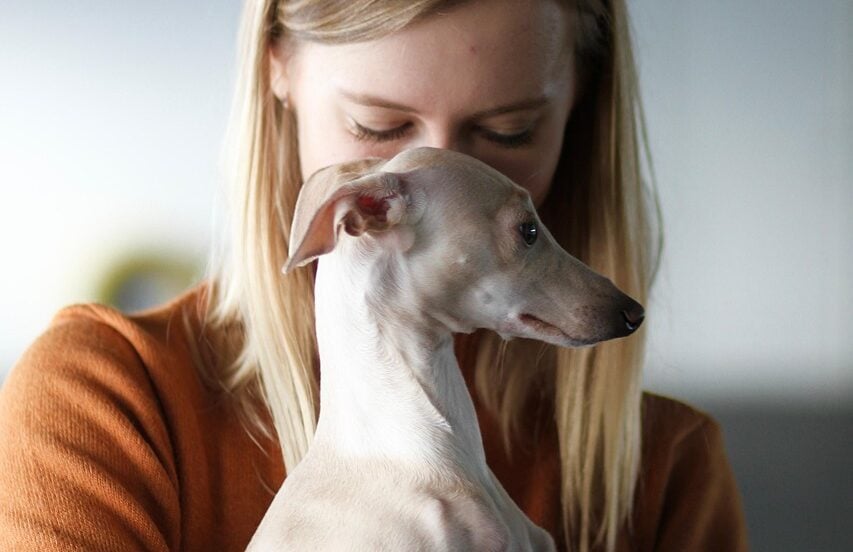
Italian Greyhounds have ancient roots, with small sighthounds appearing in Mediterranean art for centuries before becoming especially fashionable among European nobility.
Despite their delicate appearance, they’re playful, athletic, sensitive, and surprisingly mischievous. A comfortable Iggy can spend hours impersonating a heated throw blanket, then abruptly launch into a high-speed sprint through the house.
Their sensitive nature also means gentle, consistent training tends to work better than a heavy-handed approach.
At A Glance
- Affection Style: Intensely cuddly, touch-seeking, devoted
- Energy Level: Moderate; enjoys short bursts of high speed
- Grooming & Shedding: Minimal grooming; low to moderate shedding
- Training: Intelligent but sensitive; housetraining can be challenging
- Potential Concerns: Fragile legs, cold sensitivity, and separation issues
3. Shih Tzu
The Shih Tzu has been perfecting the companion-dog lifestyle for centuries. Developed in Tibet and refined in the Chinese imperial court, these little dogs were bred primarily to keep humans company, not herd livestock or chase vermin. Today, many remain remarkably committed to this assignment.
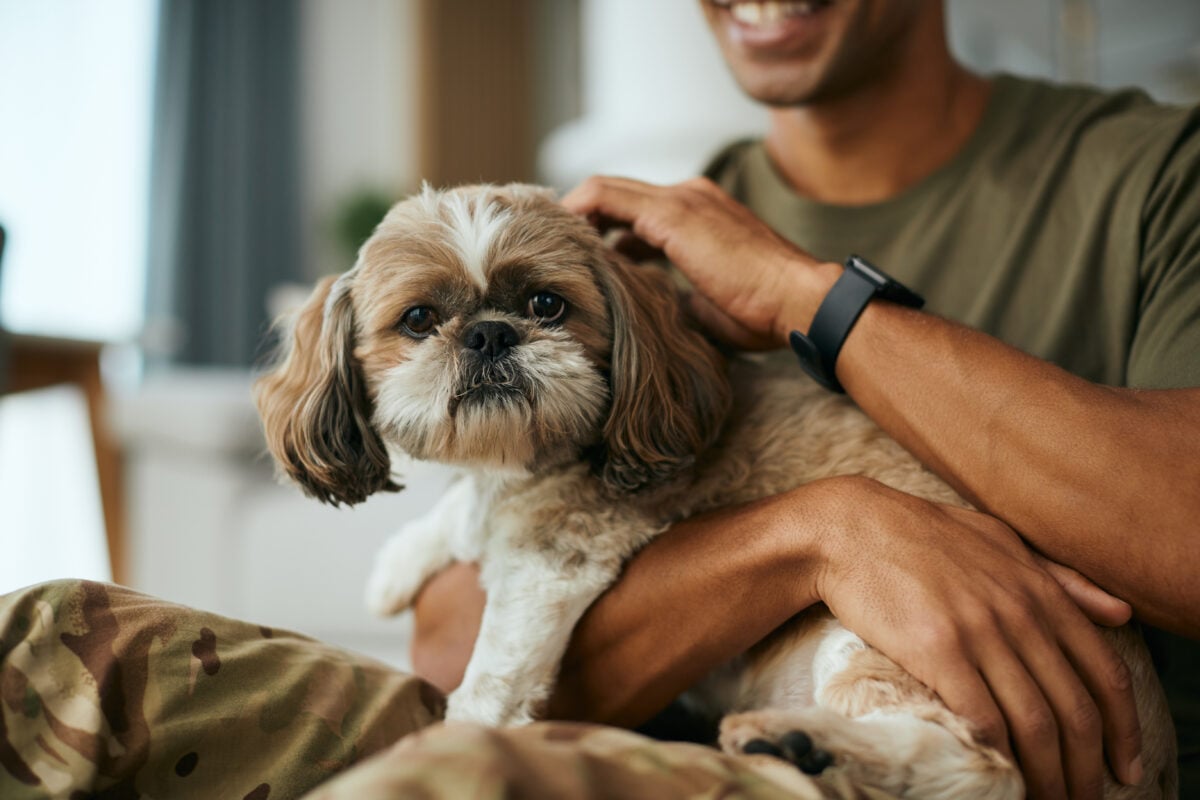
Shih Tzus are typically affectionate, outgoing, playful, and confident, often enjoying a good lap without needing to spend every waking minute glued to it. They tend to like people and can be surprisingly sturdy little characters beneath all that flowing hair.
They also possess just enough independence to remind you that living in a palace for generations apparently leaves an impression. Training usually goes best when there’s something in it for them — and they are perfectly comfortable reviewing your offer.
At A Glance
- Affection Style: Warm, cuddly, sociable
- Energy Level: Low to moderate
- Training: Intelligent but can be independent; consistency and rewards help
- Grooming & Shedding: High grooming needs; low shedding
- Health Concerns: Heat intolerance and breathing issues; coat maintenance can be demanding
4. Chinese Crested
The Chinese Crested may look like it has arrived specifically to win an avant-garde fashion competition, but the unusual wardrobe can overshadow just how affectionate this little dog tends to be.
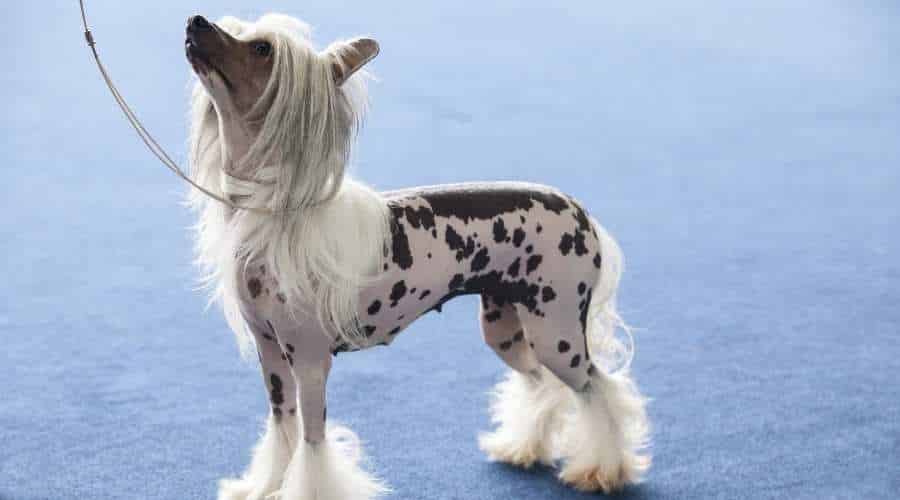
These dogs tend to form close bonds with their families and often prefer being tucked beside — or directly against — their favorite humans.
They’re typically playful, sensitive, lively, and wonderfully expressive, with a mischievous streak that keeps all that cuddling from becoming too dignified. Many enjoy games and short bursts of activity but are equally enthusiastic about returning to the nearest warm human afterward.
Chinese Cresteds come in two varieties: the (mostly) Hairless and the fully coated Powderpuff. One requires sweaters; the other arrives wearing its own.
At A Glance
- Affection Style: Close, cuddly, strongly people-oriented
- Energy Level: Moderate
- Training: Intelligent and responsive; sensitive to harsh handling
- Grooming & Shedding: Hairless dogs need skin care; Powderpuffs require regular brushing; minimal shedding
- Potential Concerns: Dental problems, skin issues, and sensitivity to cold
5. Pug
Pugs don’t merely love their people. Many seem genuinely puzzled by the suggestion that anything interesting could possibly happen without their involvement.
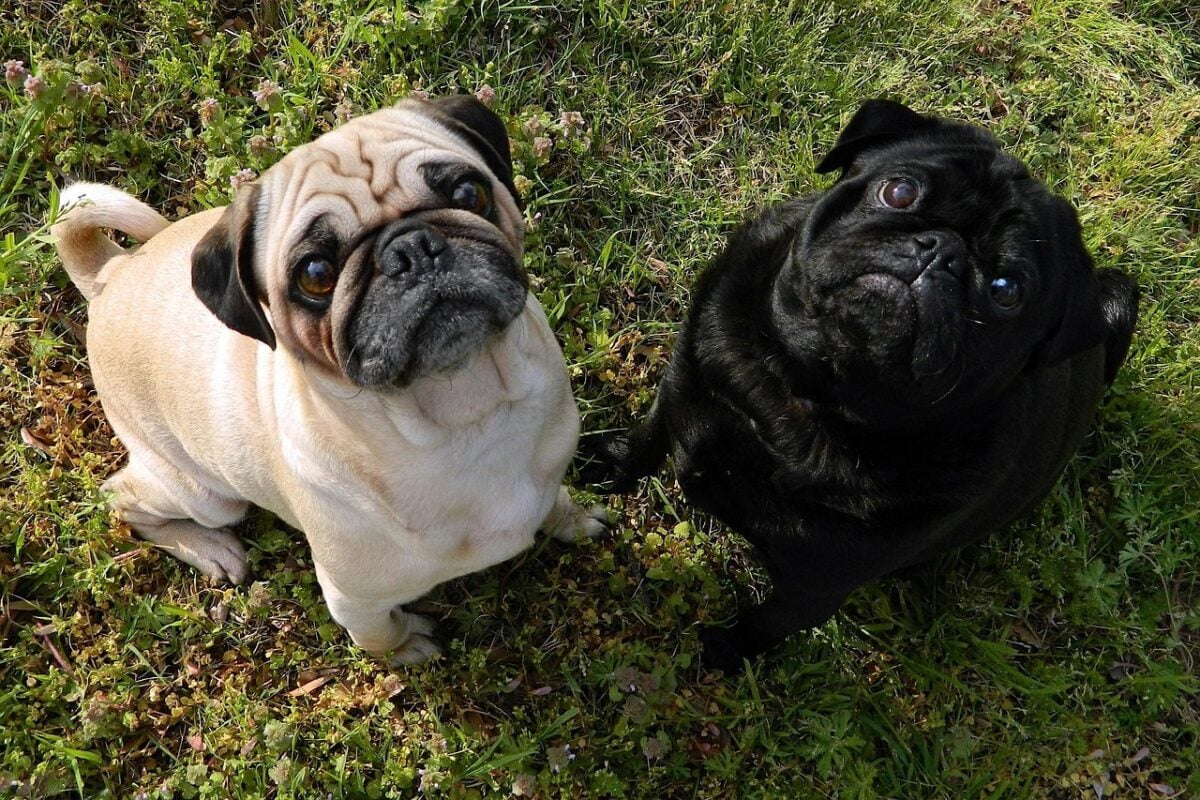
These compact companions tend to be affectionate, sociable, and happiest when they’re planted beside you or following along to investigate what you’re doing.
The breed has ancient roots in China, where Pugs were treasured companions of emperors before eventually charming their way into European royal households. That long history as a companion dog still shows.
Pugs are typically playful, adaptable, charming, and gloriously silly, with an impressive ability to turn ordinary household activities into opportunities for audience participation. They’re generally eager to interact but can bring an independent streak to training, particularly when your agenda conflicts with theirs.
At A Glance
- Affection Style: Cuddly, sociable, attention-loving
- Energy Level: Low to moderate
- Training: Food-motivated and capable, but sometimes stubborn
- Grooming & Shedding: Easy coat care; surprisingly heavy shedding
- Potential Concerns: Significant breathing and heat-tolerance issues; eye trauma; skin-fold infections
6. Japanese Chin
Japanese Chins tend to approach affection with slightly more dignity than some of their lap-dog colleagues. They’re devoted companions that enjoy being close to their people, but many also have an independent, almost catlike streak. You may get a loving lap dog without acquiring a tiny activities director who needs to approve every trip to the kitchen.
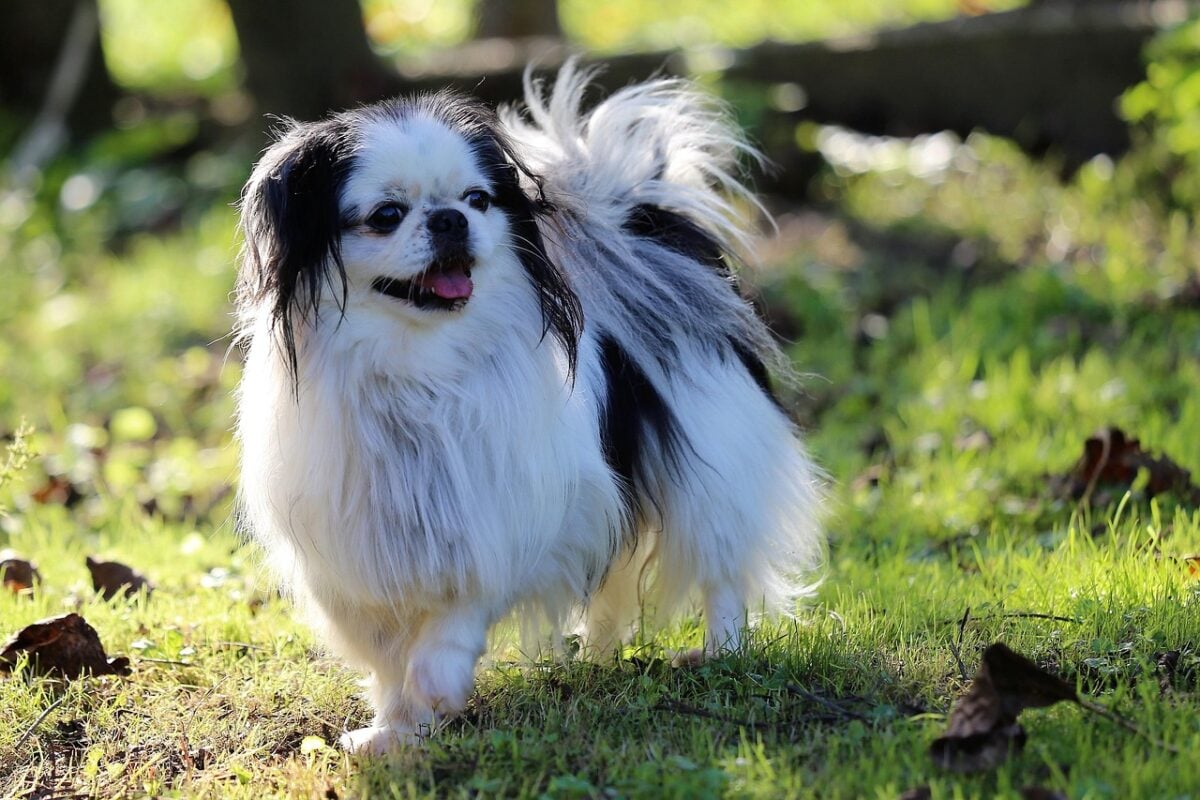
Despite the name, the breed’s earliest history likely traces back to China or Korea before it was developed and treasured in Japan as a companion to nobility.
Chins are typically sensitive, playful, charming, and surprisingly mischievous, often entertaining their families with climbing, perching, and bursts of silliness.
They can be reserved with unfamiliar people, making the affection they lavish, licensed via their own humans feel especially personal.
At A Glance
- Affection Style: Gentle, devoted, selectively cuddly
- Energy Level: Low to moderate
- Training: Intelligent and sensitive; responds best to positive methods
- Grooming & Shedding: Regular brushing; moderate shedding
- Health Concerns: Potential Concerns: Heat and breathing concerns; eye injuries; may be reserved with strangers
7. Maltese
The Maltese has spent centuries looking like it should be carried around on a velvet cushion, but there’s considerably more dog underneath that white coat than the packaging suggests.
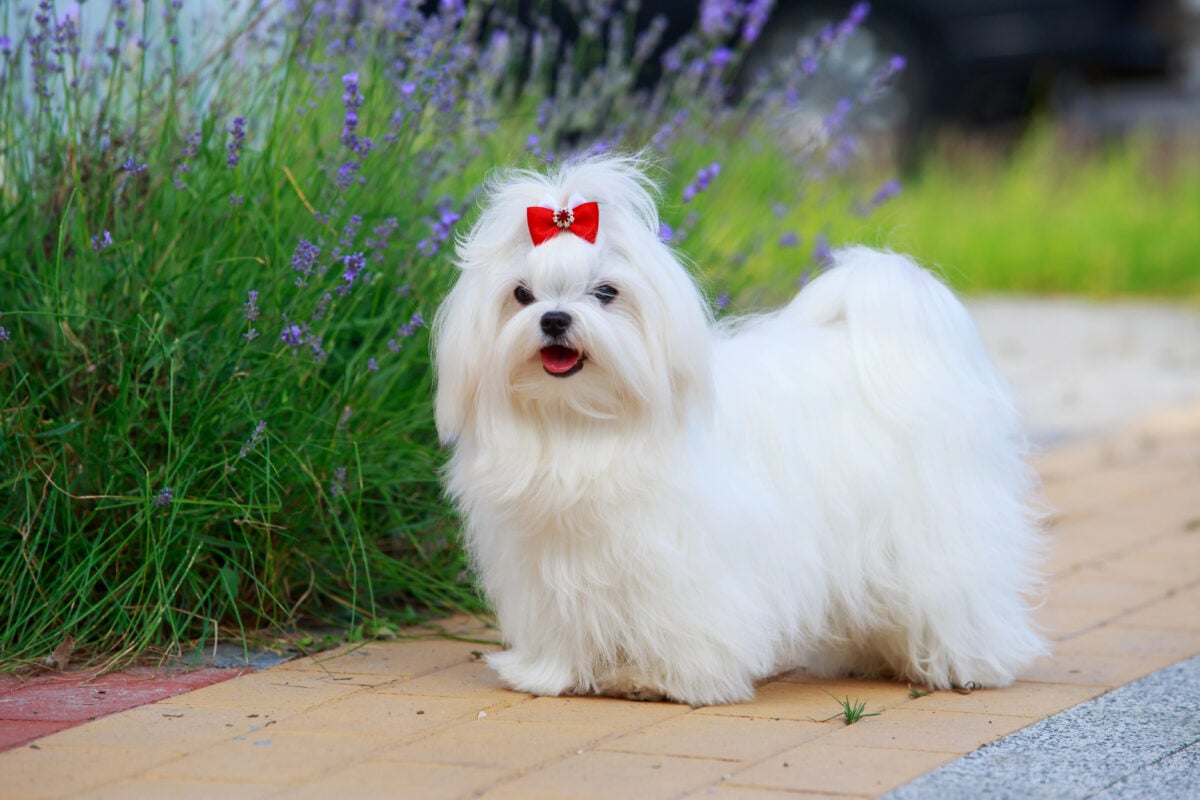
These tiny companions tend to form close bonds with their people and are often happiest curled in a lap, tucked beside someone on the sofa, or keeping tabs on their favorite human around the house.
With roots stretching back thousands of years around the Mediterranean, the Maltese has an exceptionally long history as a prized companion. Modern Maltese are typically affectionate, lively, confident, and playful, and many seem blissfully unaware that they weigh only a handful of pounds.
They’re intelligent and capable learners, although that combination of charm and confidence can occasionally produce some remarkably successful human training.
At A Glance
- Affection Style: Cuddly, devoted, people-focused
- Energy Level: Moderate
- Training: Intelligent and responsive; consistency helps prevent little-dog rulemaking
- Grooming & Shedding: High grooming needs; very low shedding
- Potential Concerns: Dental problems, fragile size, separation issues, and potentially frequent barking
7 Cheerful Small Dogs That Want To Be Part Of Everything
Not every affectionate small dog expresses love by settling into your lap and staying there. These dogs want in on the action. Games, walks, visitors, household projects they are spectacularly unqualified to assist with — being included can be just as important as being cuddled.
1. Havanese
The Havanese was practically built for companionship. Developed in Cuba and once favored by wealthy families in Havana, these little dogs have spent generations perfecting the art of being wherever the humans are and making themselves indispensable once they get there.
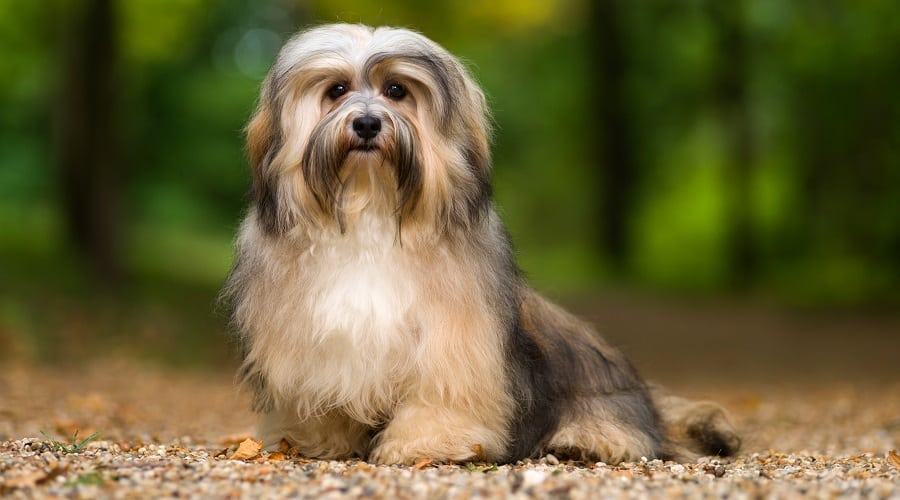
They’re typically affectionate, cheerful, intelligent, and highly social, with a playful streak that makes their companionship feel especially interactive.
Many Havanese enjoy cuddling, but they’re just as likely to seek connection through games, training, following you around, or enthusiastically participating in whatever you’ve decided to do.
Their combination of friendliness and adaptability can make them wonderful family dogs, although such devotion means they may not particularly appreciate being left out of the day’s proceedings.
At A Glance
- Affection Style: Social, interactive, enthusiastically people-focused
- Energy Level: Moderate
- Training: Intelligent, eager to engage, and generally responsive
- Grooming & Shedding: High grooming needs; low shedding
- Potential Concerns: Can struggle with being left alone; coat maintenance; alert barking
2. Boston Terrier
Boston Terriers tend to approach companionship with the enthusiasm of someone who has just discovered they’re invited to everything. They’re affectionate, people-oriented dogs that often want to play, investigate, greet visitors, and then collapse beside their humans once the day’s important business is complete.
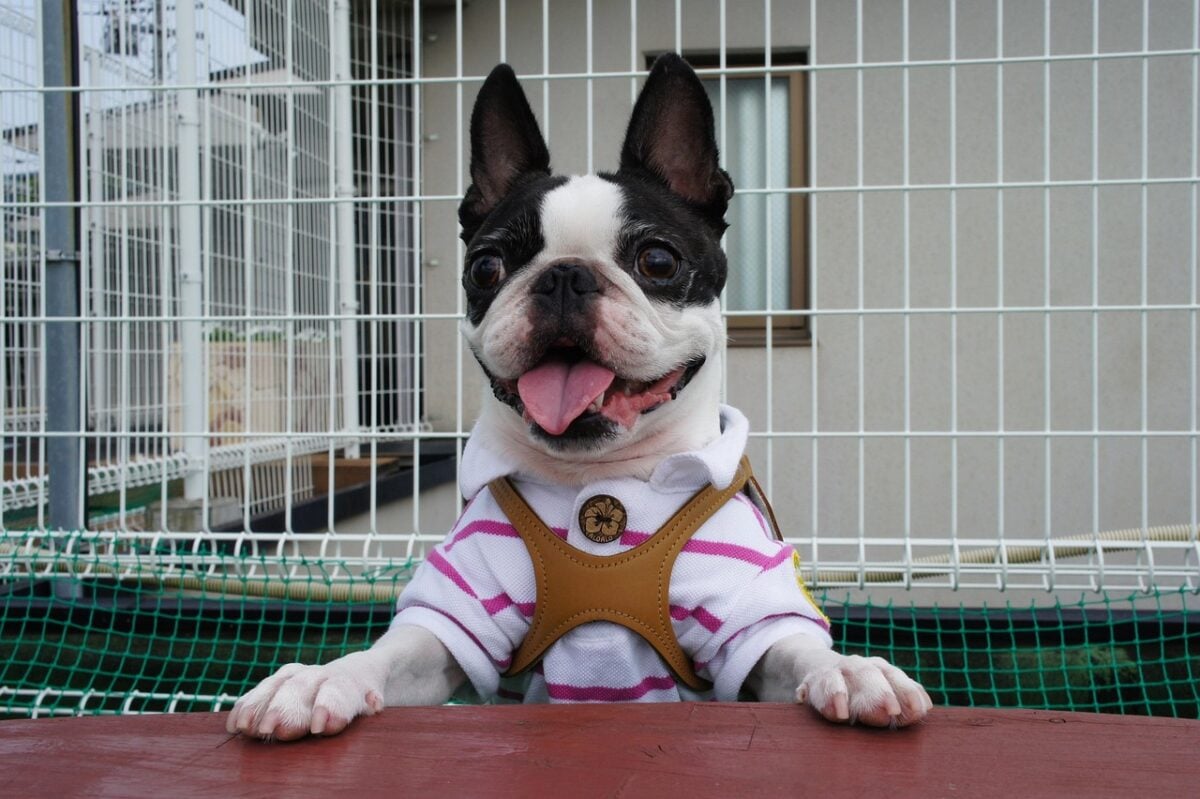
Developed in Boston in the late 1800s, the breed descended from considerably tougher dogs before becoming the friendly companion we know today. Modern Bostons are typically bright, playful, outgoing, and comical, with expressive faces that make their opinions, licensed via household events remarkably easy to interpret.
They usually enjoy learning and interacting with their people, although a stubborn streak can occasionally appear when the proposed activity wasn’t on their personal itinerary.
At A Glance
- Affection Style: Playful, social, enthusiastically involved
- Energy Level: Moderate
- Training: Intelligent and generally willing; can have a stubborn streak
- Grooming & Shedding: Easy coat care; low to moderate shedding
- Potential Concerns: Breathing/heat problems; eye issues; can be stubborn
3. Coton de Tulear
The Coton de Tulear doesn’t just want to live with you; it would very much like to be included in the group chat. These cheerful little companions are known for forming close family bonds and often express their affection by following their people, initiating play, and inserting themselves into whatever happens to be going on.
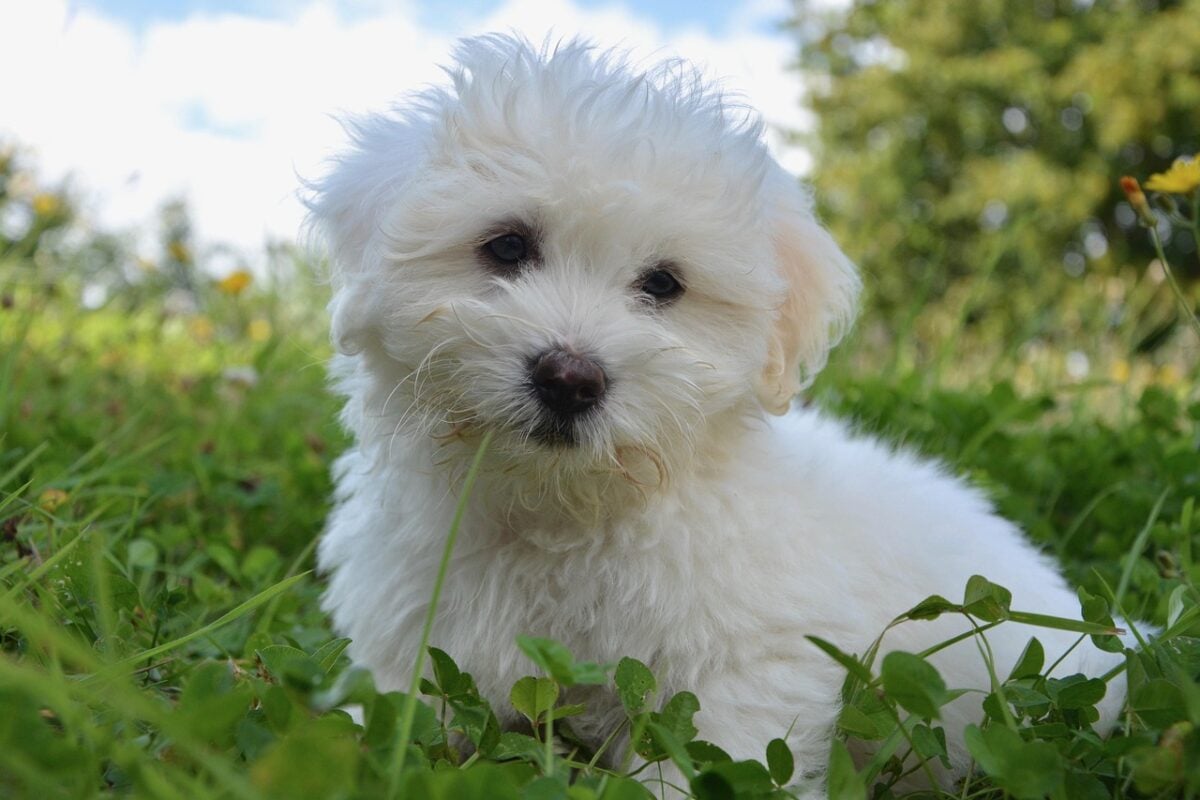
Named for the port city of Tuléar in Madagascar and its soft, cotton-like coat, the Coton was prized as a companion dog and became known as the “Royal Dog of Madagascar.”
They’re typically bright, sociable, playful, and famously clownish, sometimes walking on their hind legs or inventing their own entertainment when an audience is available.
That strong social streak is delightful, but many Cotons aren’t particularly enthusiastic about spending long stretches away from their people.
At A Glance
- Affection Style: Cheerful, interactive, closely bonded
- Energy Level: Moderate
- Training: Intelligent, eager to engage, and generally responsive
- Grooming & Shedding: Frequent brushing and coat care; low shedding
- Potential Concerns: Dislikes prolonged separation; substantial coat care; may become vocal
4. French Bulldog
French Bulldogs have a knack for behaving as though the household is a small company and they’ve somehow been promoted to management. They tend to be deeply people-oriented, happiest when they’re included in everyday life, whether that’s a walk around the block, visitors arriving, or supervising you while you attempt to eat something interesting.
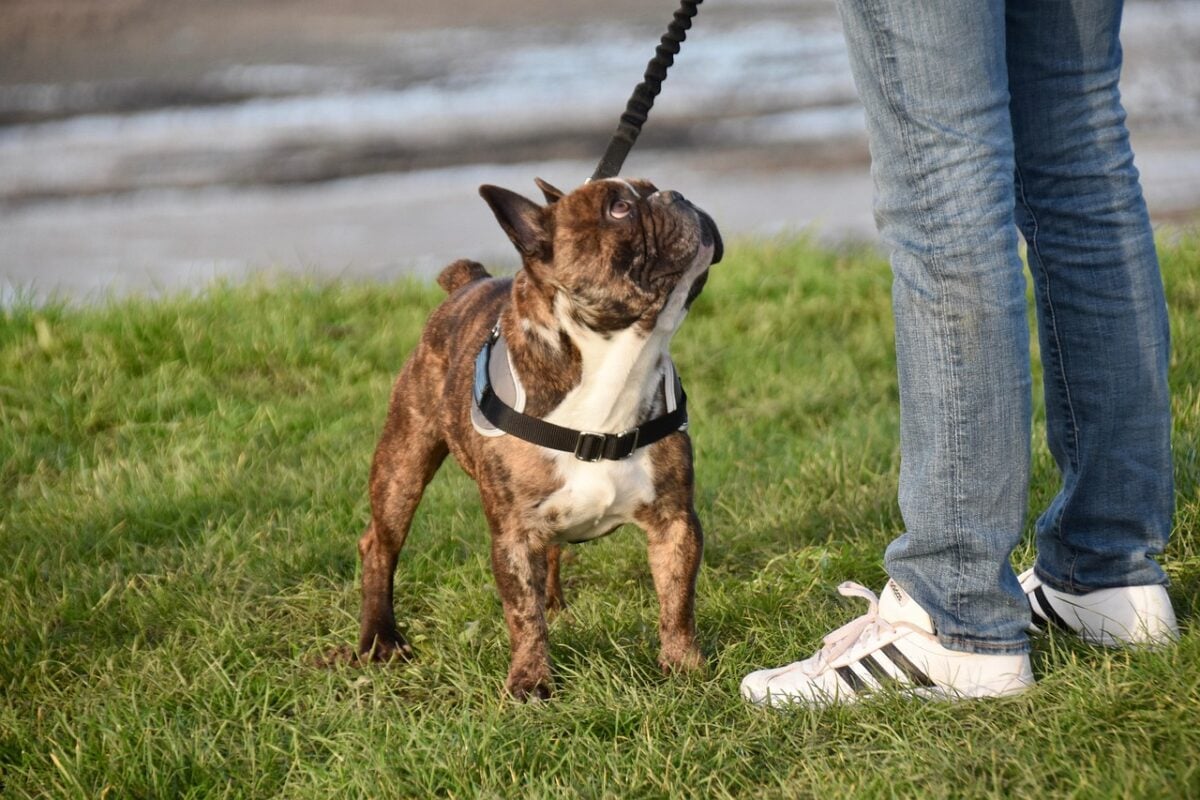
Despite the name, Frenchies developed partly from small Bulldogs brought from England to France in the 1800s, where they became fashionable companions.
Today’s French Bulldog is typically affectionate, playful, adaptable, and gloriously expressive, often combining serious cuddling ability with a talent for making ordinary moments entertaining.
They can be stubborn, but they’re also clever — and food has settled many a disagreement between a Frenchie and its human.
At A Glance
- Affection Style: Cuddly, playful, highly people-oriented
- Energy Level: Low to moderate
- Training: Intelligent but can be stubborn; rewards and consistency help
- Grooming & Shedding: Easy coat care; moderate shedding; skin folds need attention
- Potential Concerns: Significant breathing, heat, spinal, and skin concerns
5. Löwchen
With a name meaning “little lion” and a traditional haircut that leaves its hindquarters dramatically exposed, the Löwchen clearly wasn’t designed to blend into the background. Fortunately, the personality is every bit as appealing as the presentation. These small companion dogs tend to be affectionate, outgoing, and happiest when they’re actively involved with their people.
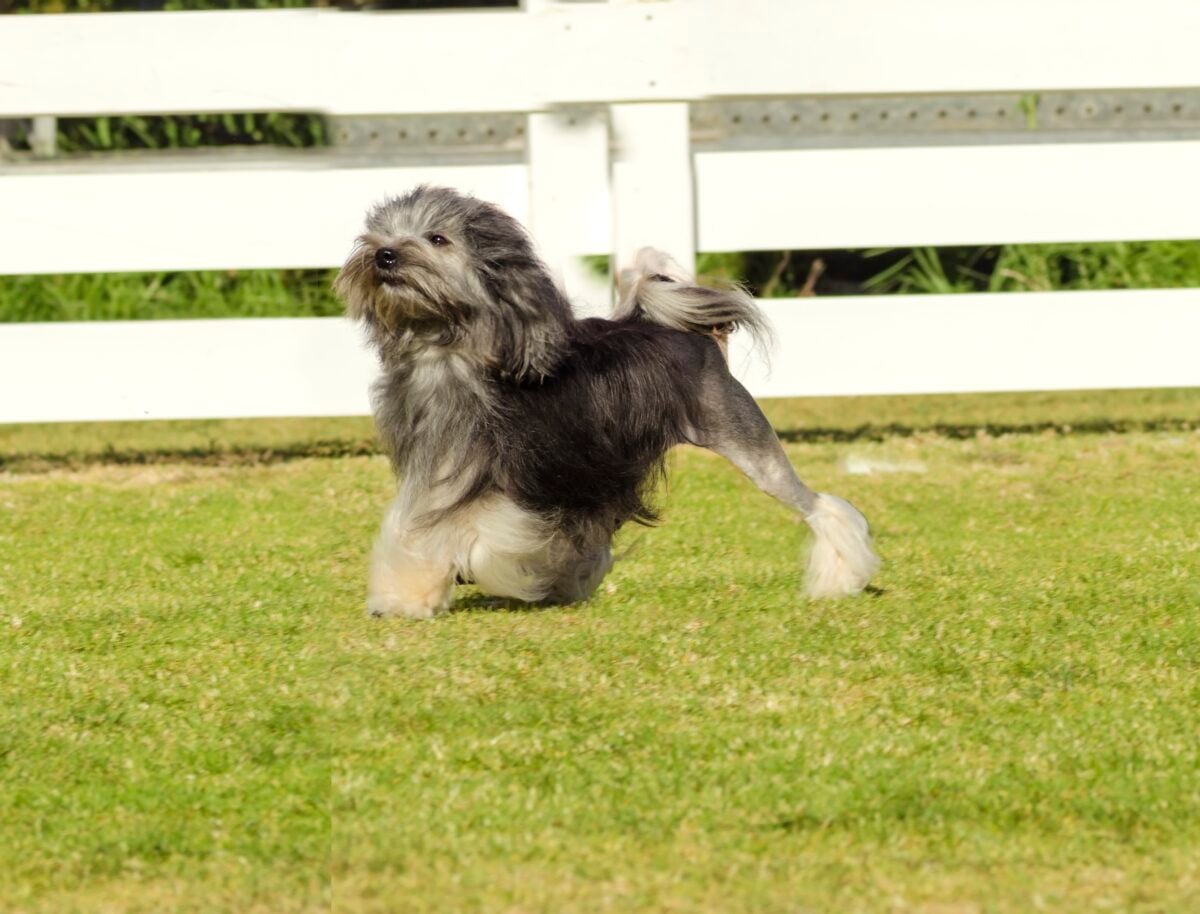
The breed appears in European artwork dating back centuries and was long kept as a companion, although its exact origins remain debated. Löwchen are typically bright, playful, confident, and surprisingly athletic, making them a good reminder that devoted lap-dog credentials don’t require spending the entire day horizontal.
They’re also enthusiastic learners and often enjoy training, games, and canine sports, which is useful when your tiny lion has opinions about the day’s entertainment schedule.
At A Glance
- Affection Style: Outgoing, playful, closely connected
- Energy Level: Moderate
- Training: Intelligent, eager to learn, and generally responsive
- Grooming & Shedding: Regular brushing and trimming; low shedding
- Potential Concerns: Coat maintenance; may be vocal; needs more activity than its lap-dog appearance suggests
6. Biewer Terrier
The Biewer Terrier may look like a tiny Yorkie dressed for a formal occasion, but this relatively young breed has developed an identity all its own. Biewers tend to be deeply attached to their families, often happiest following their people around, climbing into an available lap, or making sure nobody attempts an activity without proper terrier supervision.
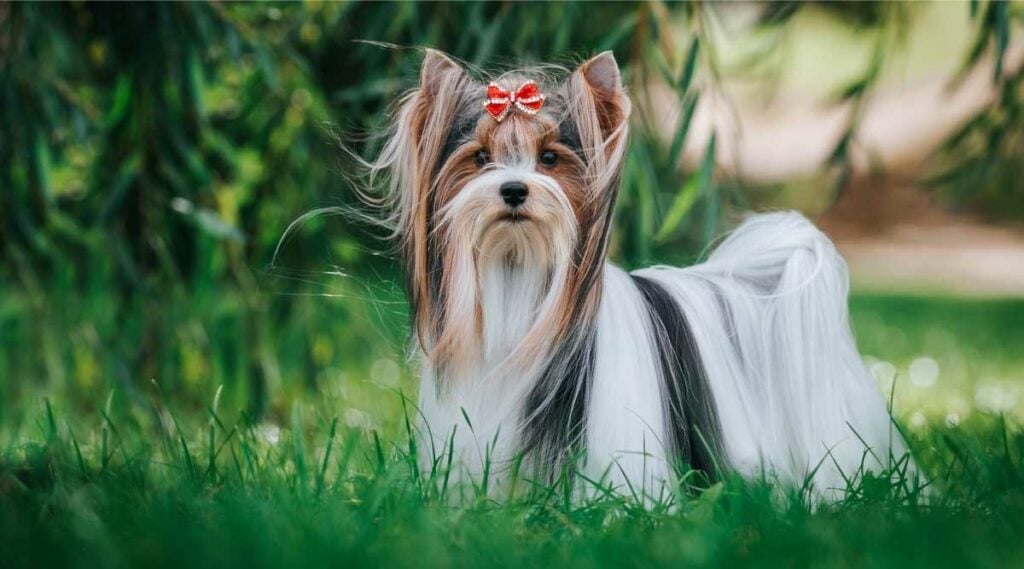
The breed originated in Germany in the 1980s from Yorkshire Terriers carrying a recessive piebald gene and was developed specifically as a companion. Biewers are typically affectionate, playful, curious, and cheerful, often combining close family bonds with a more broadly sociable personality than some dogs in this group.
They’re tiny, but rarely seem interested in behaving fragile. The attitude apparently arrived full-size.
At A Glance
- Affection Style: Closely bonded, playful, family-focused
- Energy Level: Moderate
- Training: Intelligent and eager to interact; consistency helps
- Grooming & Shedding: Frequent brushing if coat is kept long; very low shedding
- Potential Concerns: Demanding coat care, dental problems, patellar luxation, fragile size, and occasional barking
7. Bichon Frise
Some dogs choose a favorite person. The Bichon Frise is more likely to wonder why we need to be so stingy with the guest list. These cheerful companions are famously social, often spreading their affection across family members, visitors, and anyone else who appears sufficiently interested in making friends.
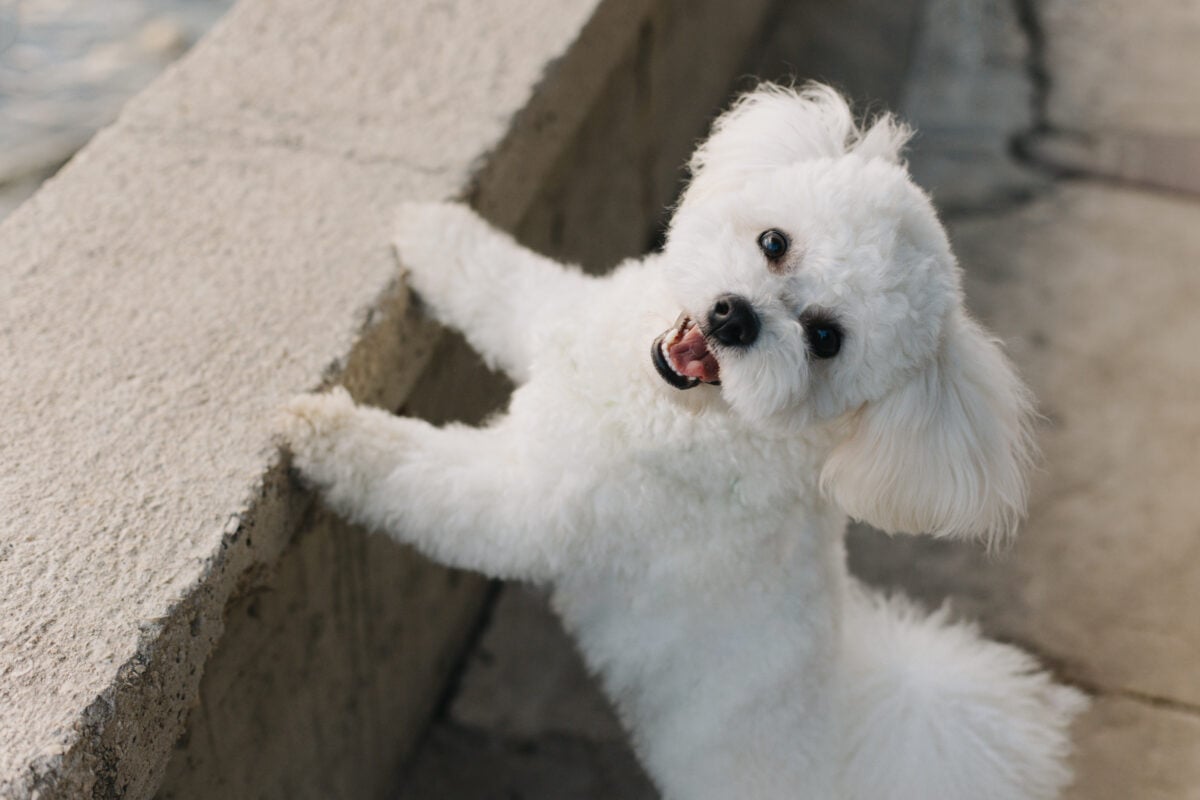
Bichons trace their ancestry to small Mediterranean companion dogs and later became favorites in European royal courts before spending time as street and circus performers. That varied résumé still makes sense today. They’re typically outgoing, playful, curious, and entertaining, with enough confidence to enjoy being the center of attention.
Bichons are clever and usually respond well to positive training, although housetraining can require patience. Apparently, charming an entire room and remembering where to pee are separate skill sets.
At A Glance
- Affection Style: Sociable, cheerful, openly affectionate
- Energy Level: Moderate
- Training: Intelligent and responsive; housetraining may take patience
- Grooming & Shedding: High grooming needs; very low shedding
- Potential Concerns: Demanding coat care; housetraining can take patience; prone to allergies and dental problems
6 Affectionate Small Dogs That Save Their Biggest Love For Their Chosen People
Some dogs distribute affection like free samples. These dogs can be a little more selective. They tend to reserve their strongest attachment for their family, inner circle, or one especially important human—and strangers may have to earn their way in.
That doesn’t necessarily mean unfriendly or fearful. For many of these breeds, affection is simply more personal than universal. Once you’ve been promoted to chosen-person status, however, there’s rarely much confusion about where you stand.
1. Chihuahua
A Chihuahua may weigh less than your average housecat, but nobody remembered to tell the Chihuahua. These tiny dogs are famously bold, alert, and full of opinions, yet many form remarkably intense bonds with their people. Some happily share the love across a household; others make their favorite person spectacularly obvious.
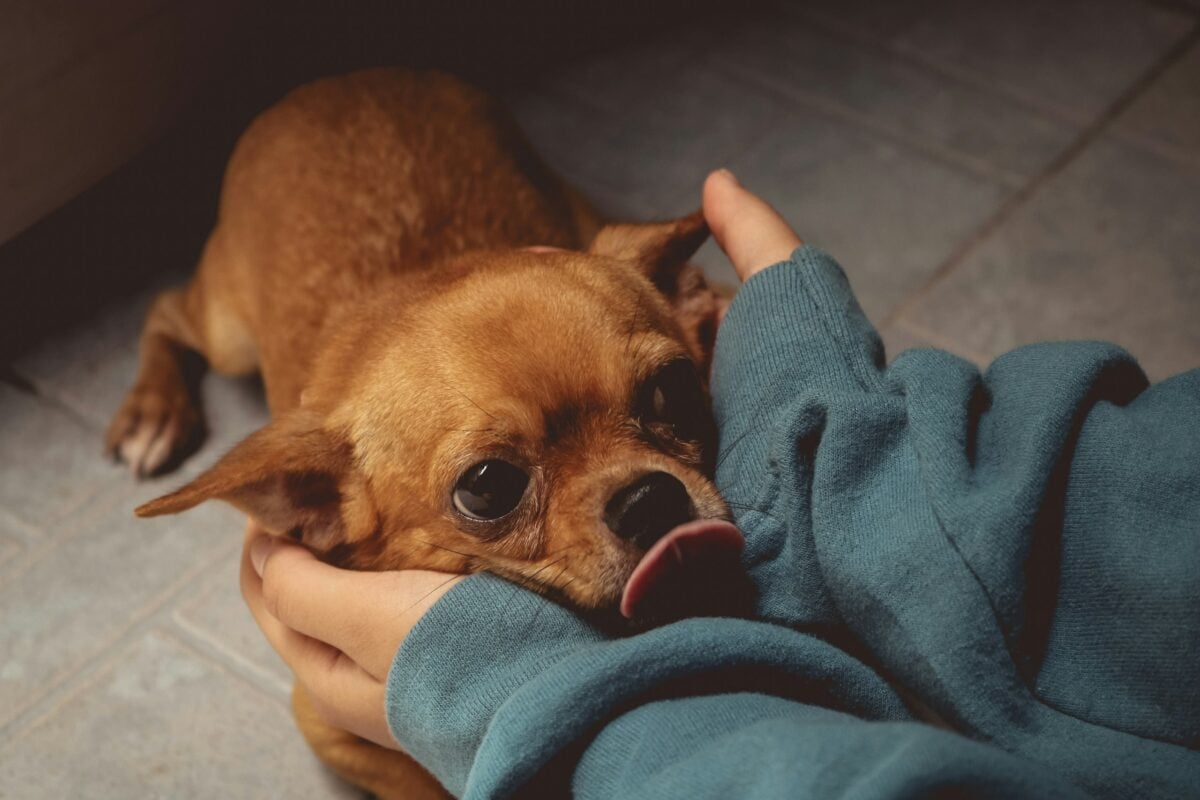
Named for the Mexican state of Chihuahua, the breed has roots that may extend back to companion dogs of pre-Columbian civilizations. Today’s Chihuahua is typically devoted, lively, confident, and highly observant, often happiest tucked into a chosen lap or keeping close tabs, licensed via its human.
Early socialization matters. Without it, devotion can occasionally become suspicion that everyone outside the VIP section requires further investigation.
At A Glance
- Affection Style: Intensely devoted, cuddly, often selective
- Energy Level: Moderate
- Training: Intelligent and capable; consistency and early socialization matter
- Grooming & Shedding: Easy to moderate coat care depending on variety; moderate shedding
- Potential Concerns: Fragile size, dental disease, patellar luxation, frequent barking, and wariness of strangers
2. Brussels Griffon
The Brussels Griffon has one of those faces that looks as though it has been listening to your problems and has several follow-up questions. Behind that almost-human expression is a sensitive little dog famous for forming exceptionally close attachments, sometimes singling out one person as the center of its remarkably small universe.
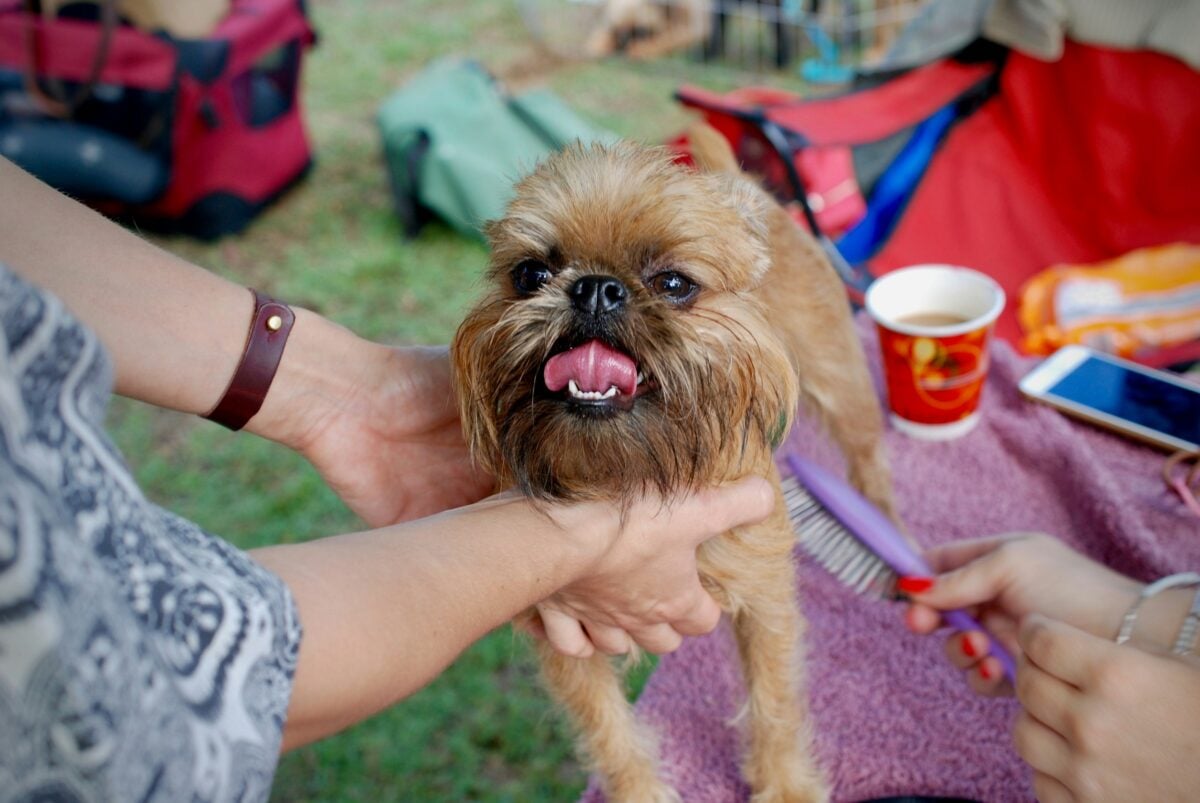
Developed in Belgium from small rat-catching dogs and later refined as a companion, the Griffon somehow retained both the confidence of a stable-yard worker and the emotional expectations of a lap dog. They’re typically curious, playful, alert, and wonderfully expressive, and many become enthusiastic little shadows around the house.
Griffs thrive on interaction and attention. They’re not usually looking for a rich independent life while their chosen human is elsewhere.
At A Glance
- Affection Style: Intensely attached, sensitive, people-focused
- Energy Level: Moderate
- Training: Intelligent and responsive, but sensitive; positive methods work best
- Grooming & Shedding: Varies by smooth or rough coat; rough coats need more maintenance
- Potential Concerns: Separation difficulty, heat intolerance, eye injuries, and sensitivity to rough handling
3. Yorkshire Terrier
The Yorkshire Terrier may arrive with a silky topknot and fit comfortably in your lap, but this is still a terrier who happens to have spectacular hair. Yorkies tend to be fiercely devoted to their people, often keeping close tabs on the household while remaining considerably more suspicious of whatever nonsense is happening outside it.
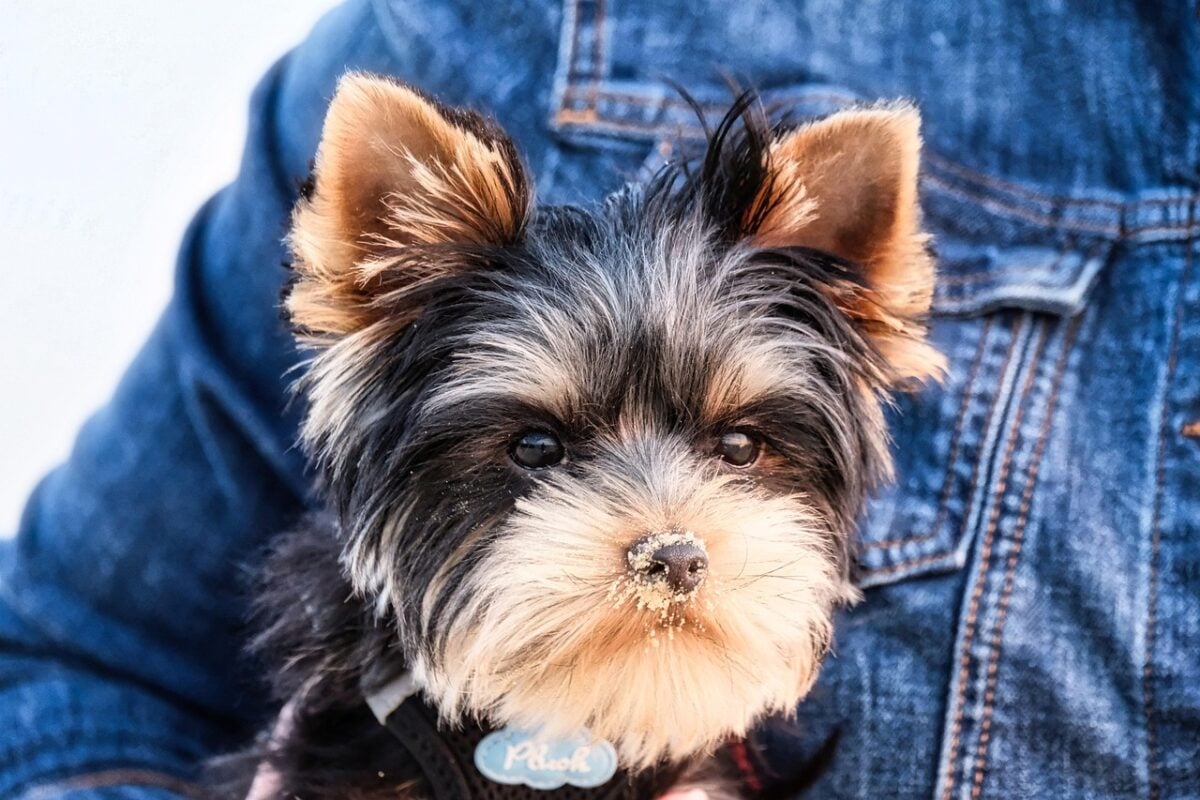
The breed was developed in 19th-century northern England, where its ancestors worked as ratters before the Yorkie became a fashionable companion. That history helps explain the modern combination of affection, confidence, curiosity, and considerable attitude packed into such a tiny body.
With their chosen people, Yorkies can be attentive and wonderfully cuddly. Everyone else may first need to clear security.
At A Glance
- Affection Style: Devoted, attentive, cuddly with their people
- Energy Level: Moderate
- Training: Intelligent and capable; consistency helps with an independent streak
- Grooming & Shedding: High coat maintenance when kept long; very low shedding
- Potential Concerns: Frequent barking, dental disease, fragile size, patellar luxation, and tracheal collapse
4. Tibetan Spaniel
Tibetan Spaniels tend to adore their families without feeling obligated to extend the same membership benefits to everyone who rings the doorbell. They’re affectionate and closely bonded with their chosen people, while unfamiliar humans may receive a considerably more measured evaluation.
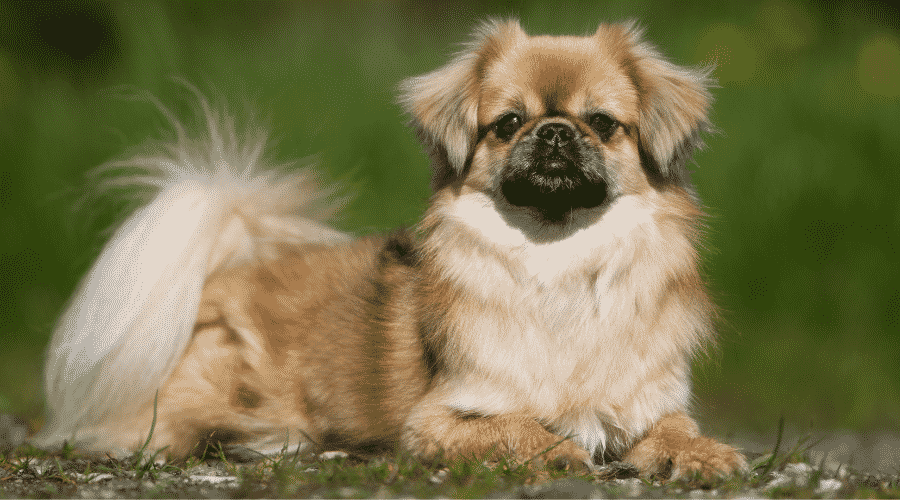
Despite the name, they’re not true spaniels. These ancient little dogs lived alongside Buddhist monks in Tibetan monasteries, where they served as companions and alert watchdogs, often perching in high places to survey their surroundings. Modern Tibbies retain that intelligent, sensitive, confident, and somewhat independent personality.
They enjoy closeness but aren’t necessarily constant lap dogs. Sometimes love means cuddling beside you. Sometimes it means monitoring the neighborhood from the back of your sofa while you remain safely within view.
At A Glance
- Affection Style: Devoted, selective, gently affectionate
- Energy Level: Moderate
- Training: Intelligent but independent; responds best to patient, positive training
- Grooming & Shedding: Regular brushing; moderate shedding with heavier seasonal shedding
- Potential Concerns: Reserved with strangers, alert barking, independent streak, and eye disorders
5. Dachshund
Dachshunds have never been famous for doing anything halfway. They were bred in Germany to pursue badgers underground, so perhaps we shouldn’t be surprised when that same determination gets redirected toward following a favorite person through the house.
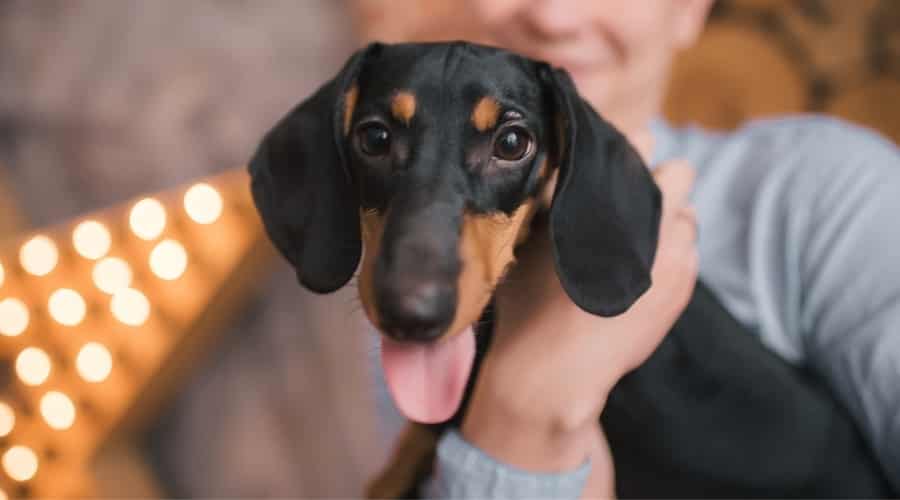
These low-slung hunters are typically bold, curious, clever, and remarkably self-assured for something built approximately six inches off the ground. Many form exceptionally close family bonds, love to cuddle, and develop an obvious favorite human.
That devotion comes with an independent streak. Dachshunds are perfectly willing to consider your instructions—they’d simply like final approval.
At A Glance
- Affection Style: Loyal, cuddly, often strongly attached to a favorite person
- Energy Level: Moderate
- Training: Clever but independent and persistent; consistency matters
- Grooming & Shedding: Varies by smooth, longhaired, or wirehaired coat; low to moderate shedding
- Potential Concerns: Back and spinal problems, frequent barking, digging, prey drive, and stubbornness
6. Pekingese
Pekingese have spent centuries being treated as very important little dogs, and some appear to have retained the paperwork. Bred as companions for Chinese royalty, they’re deeply devoted to their chosen people but often more reserved with strangers.
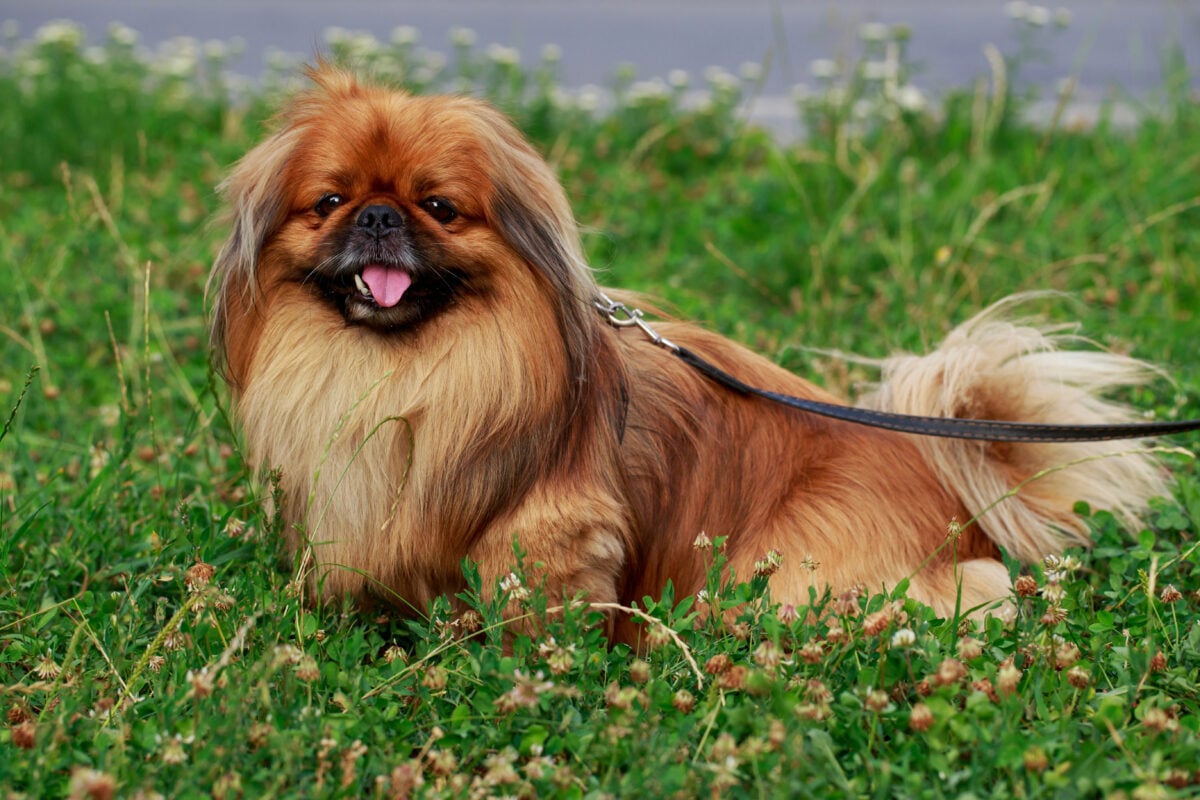
Modern Pekes are typically confident, independent, dignified, and surprisingly opinionated, balancing genuine lap-dog affection with a willingness to entertain themselves when the mood strikes.
They’re loving without necessarily being clingy, and they’re unlikely to confuse obedience with an obligation. A Pekingese may understand perfectly well what you’re asking. Whether the request merits action is a separate matter.
At A Glance
- Affection Style: Deeply devoted, selective, calmly affectionate
- Energy Level: Low to moderate
- Training: Intelligent but independent; patience and positive reinforcement help
- Grooming & Shedding: Frequent brushing; moderate to heavy shedding
- Potential Concerns: Breathing and heat intolerance, eye injuries, back problems, heavy coat maintenance, and stranger reserve
5 Affectionate Small Dogs With A Busy Side
Not every affectionate small dog plans to spend the day functioning as a heated throw pillow. Some are happiest connecting with their people through training, games, walks, exploring, and whatever else happens to be on the agenda.
These breeds still form close bonds and enjoy plenty of affection, but they also bring more energy, curiosity, or working-dog drive to the relationship. Small describes their dimensions, not necessarily their operating speed.
1. Papillon
The Papillon looks delicate enough to belong in a portrait, but nobody seems to have informed the Papillon that it’s supposed to be decorative. These tiny dogs are affectionate and highly people-oriented, yet many would happily trade an afternoon of uninterrupted lap time for training, games, or an adventure with their favorite human.
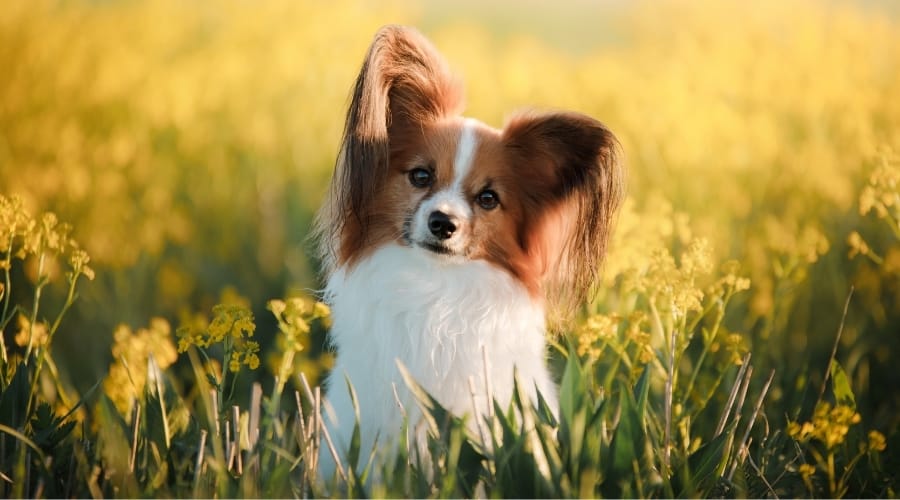
Named for their distinctive butterfly-shaped ears, Papillons have a long history as European companion dogs. They’re typically bright, curious, athletic, and remarkably trainable, with far more enthusiasm packed into their tiny frames than their elegant appearance suggests.
Many excel at obedience and dog sports, but they don’t need a competitive career. They simply appreciate humans who realize that togetherness can involve getting off the couch.
At A Glance
- Affection Style: Engaged, attentive, playful
- Energy Level: Moderate to high
- Training: Highly intelligent, eager, and very trainable
- Grooming & Shedding: Regular brushing; moderate shedding
- Potential Concerns: Fragile size, patellar luxation, dental problems, alert barking, and insufficient mental stimulation
2. Miniature Schnauzer
Miniature Schnauzers tend to love their families with the alert enthusiasm of someone who has appointed themselves head of household operations. They’re affectionate and people-oriented, but they’re also busy little dogs that want to walk, play, investigate, and keep track of anything remotely suspicious happening nearby.
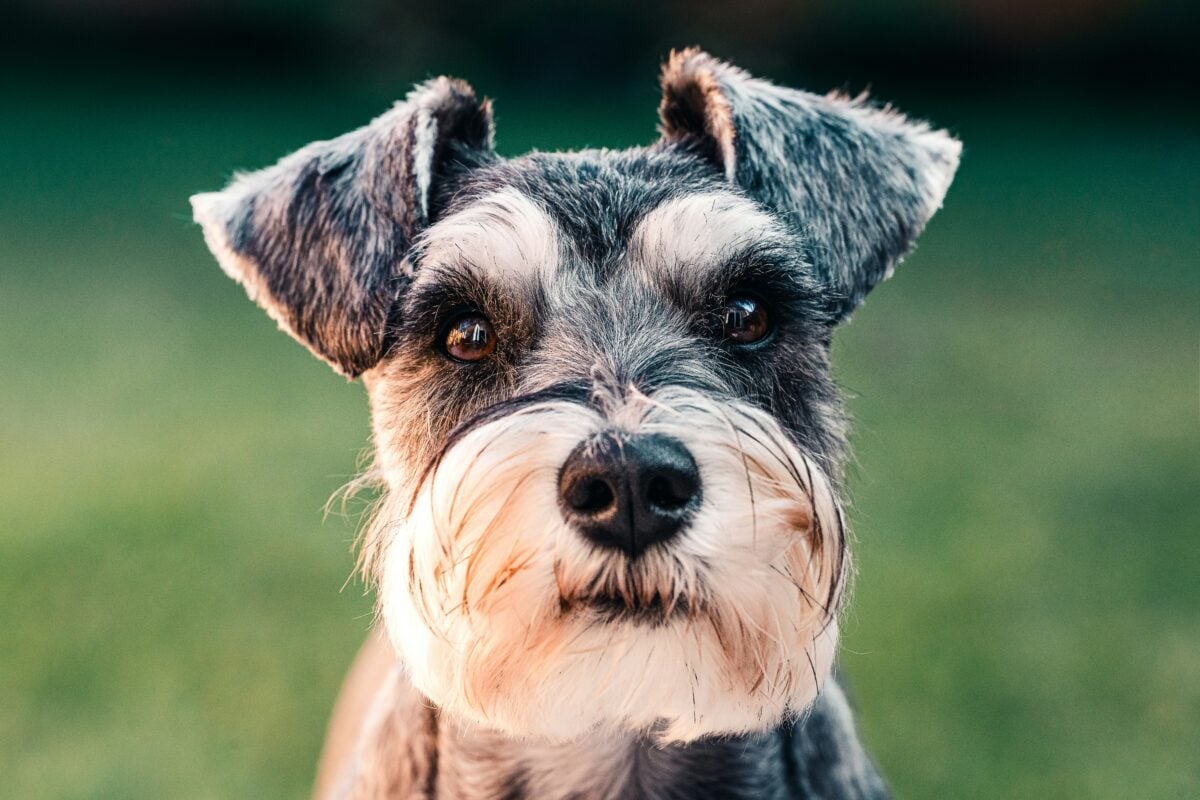
Developed in Germany as versatile farm dogs and ratters, Miniature Schnauzers are typically bright, spirited, confident, and highly trainable. Their working background still shows in their curiosity and willingness to have a job, even if today’s assignment is simply locating every squirrel in the neighborhood.
They’re loving companions, but they usually thrive with more than cuddles. Training, games, sniffing, and regular activity give that sharp little brain somewhere useful to go.
At A Glance
- Affection Style: Loyal, engaged, family-focused
- Energy Level: Moderate to high
- Training: Intelligent and highly trainable; benefits from mental stimulation
- Grooming & Shedding: Regular grooming and trimming; very low shedding
- Potential Concerns: Frequent barking, strong prey drive, and boredom without enough activity
3. Bedlington Terrier
The Bedlington Terrier looks remarkably like a lamb, which is excellent camouflage for a dog with genuine terrier credentials. These distinctive little dogs tend to be affectionate and loyal with their families, but they’re also lively, athletic, and considerably more adventurous than their soft appearance suggests.
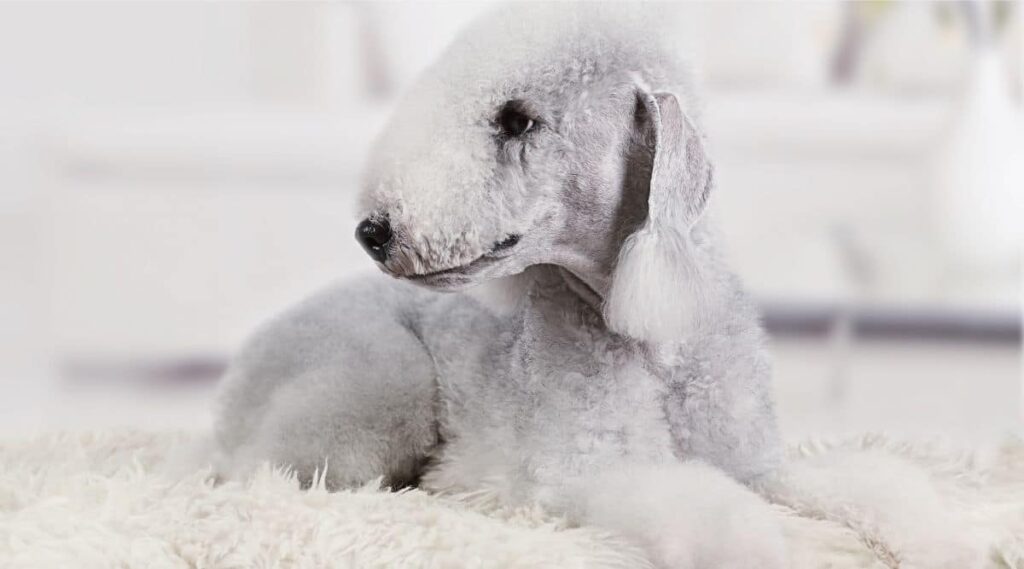
Developed in northern England for hunting and vermin control, Bedlingtons are typically intelligent, playful, spirited, and sensitive. Many enjoy cuddling with their people after the action is over, but they’ll also happily join you for walks, games, training, and opportunities to put their speed to use.
They’re often gentler in temperament than their working history might suggest, giving owners an appealing combination: a devoted companion with enough terrier underneath to keep things interesting.
At A Glance
- Affection Style: Loyal, gentle, playful
- Energy Level: Moderate to high
- Training: Intelligent and responsive; can have an independent terrier streak
- Grooming & Shedding: Regular professional grooming; very low shedding
- Potential Concerns: Copper storage disease, eye problems, prey drive, and substantial coat maintenance
4. Pomeranian
Pomeranians may look like someone put a very small dog inside an extravagant amount of fluff, but there’s plenty happening underneath it. These tiny companions often form close bonds with their people and love attention, yet they’re also lively, curious, and remarkably interested in everything going on around them.
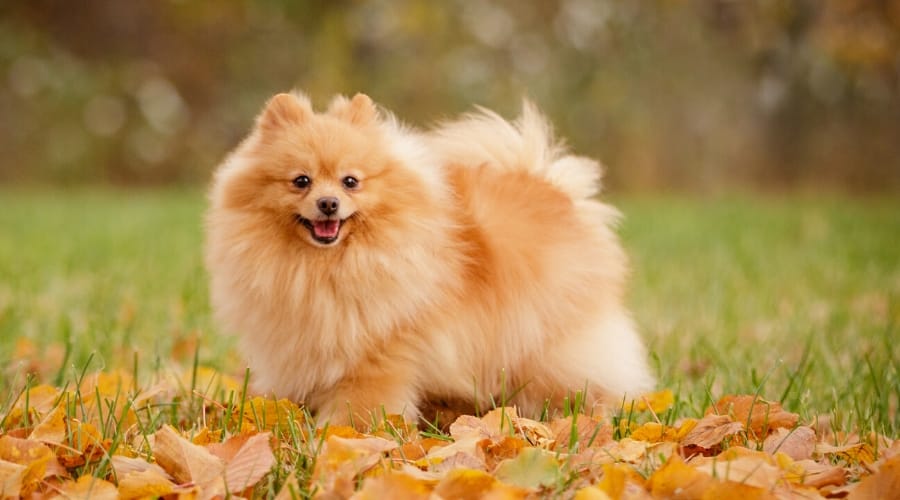
Poms descend from much larger Spitz-type dogs, which helps explain some of the confidence packed into their miniature frames. They’re typically bright, playful, outgoing, and alert, and many enjoy learning tricks, playing games, and accompanying their humans wherever small dogs are permitted to have opinions.
They’re certainly capable lap dogs, but don’t mistake portable for passive. A bored Pomeranian can find its own projects—and may provide loud progress reports.
At A Glance
- Affection Style: Attentive, playful, people-focused
- Energy Level: Moderate
- Training: Intelligent and eager to learn; consistency helps
- Grooming & Shedding: Frequent brushing; moderate to heavy shedding
- Potential Concerns: Frequent barking, dental problems, patellar luxation, tracheal collapse, and substantial coat care
5. Miniature Poodle
Miniature Poodles don’t just want your affection. They’d also like to know what we’re doing next. These highly people-oriented dogs often form close family bonds, but much of their connection comes through interaction—training, games, walks, retrieving, and learning whatever new skill you’ve accidentally convinced them is important.
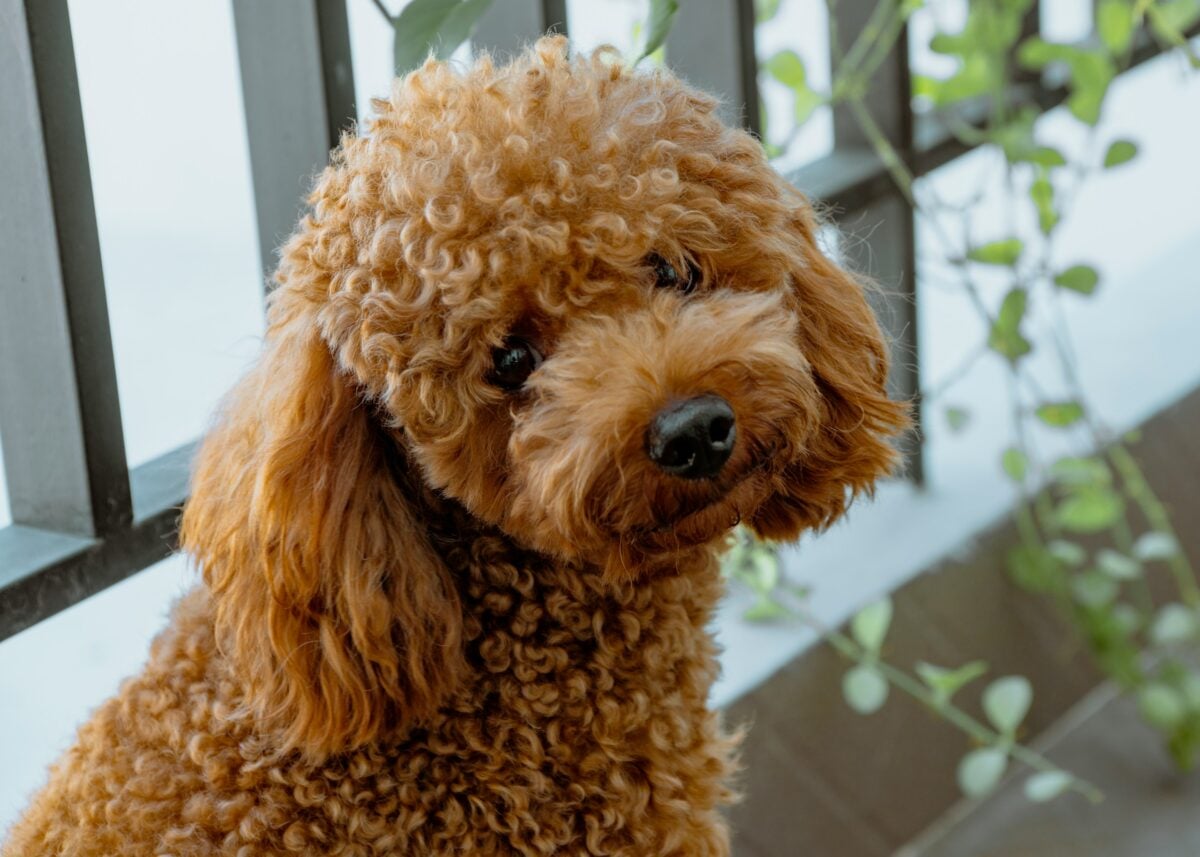
Poodles were originally developed as water retrievers, and the Miniature retains plenty of the breed’s intelligence, athleticism, curiosity, and eagerness to work with people. They’re exceptionally trainable and often seem to learn household routines before anyone remembers teaching them.
They can certainly be cuddly, but this is affection with a functioning agenda. Give a Miniature Poodle something interesting to do with you, and you’ve found one of the fastest routes to its heart.
At A Glance
- Affection Style: Interactive, attentive, deeply people-oriented
- Energy Level: Moderate to high
- Training: Exceptionally intelligent, responsive, and highly trainable
- Grooming & Shedding: High grooming needs; very low shedding
- Potential Concerns: Needs substantial mental stimulation, regular professional grooming, eye disorders, patellar luxation, and possible separation difficulty
Don’t Choose An Affectionate Small Dog By Cuteness Alone
With 25 extremely convincing faces working against you, choosing with your eyes alone is a risky strategy. The better question isn’t simply: Which dog is the most affectionate? It’s: Which kind of affection actually fits my life?
Before falling for a breed, think about what living together would look like:
- How much closeness do you actually want? There’s a difference between enjoying evening cuddles and having a dog who considers a closed bathroom door a personal betrayal.
- How active do you want to be together? A Pug and a Papillon can both be affectionate while having very different ideas about an entertaining afternoon.
- How much grooming are you willing to handle? Some low-shedding coats come with regular brushing, trimming, and professional grooming.
- How long will your dog regularly be alone? Several companion breeds on this list thrive on human interaction and may struggle with long stretches by themselves.
- How much training and mental stimulation do you enjoy? Clever, busy dogs can be enormously fun when their brains have somewhere productive to go.
- Do you want a social butterfly or a smaller inner circle? Some breeds welcome attention from almost anyone; others reserve their strongest attachment for their chosen people.
- What health risks and veterinary costs can you realistically manage? Being small doesn’t necessarily make a dog inexpensive to care for.
Breed Gets You Close, But Individual Temperament Makes The Match
Breed tendencies can help narrow 25 possibilities into a much more manageable shortlist. But you’re still choosing an individual dog, not a breed description.
Two dogs of the same breed can differ considerably in confidence, sociability, energy, independence, and how strongly they seek physical affection. If you’re hoping for a particular kind of companion, pay attention to the dog in front of you.
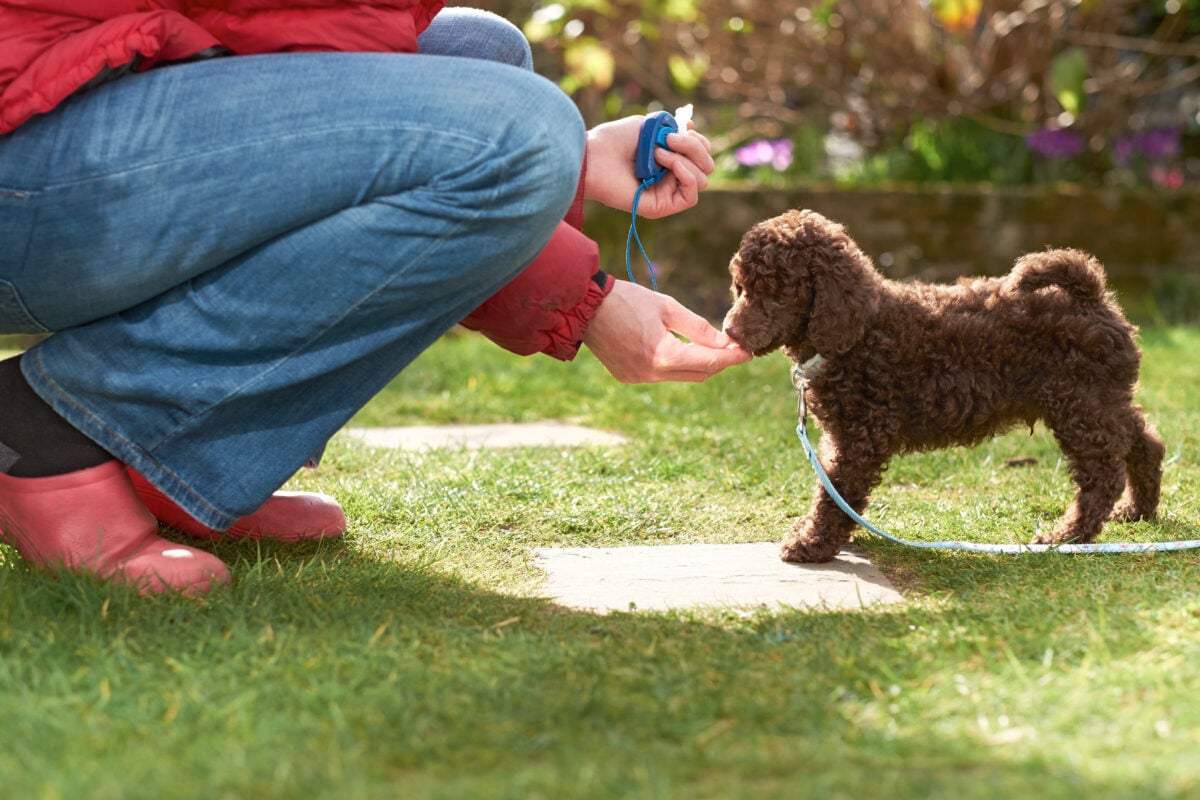
When talking with a breeder, rescue, or foster, ask how the dog seeks attention, responds to handling, behaves around unfamiliar people, settles when nothing is happening, and copes when left alone. Those details often tell you more about everyday compatibility than whether a breed is generally described as affectionate.
If knowing the dog’s established personality matters to you, an adult dog can offer an advantage: much more of the finished product is already visible.
Frequently Asked Questions
Still have questions about living with an affectionate little dog? We’ve answered a few common ones below. If there’s something we haven’t covered, ask us in the comments!
Are Male Or Female Small Dogs More Affectionate?
There’s no reliable rule that one sex is consistently more affectionate than the other. Individual temperament, socialization, past experiences, and the relationship you develop with your dog are generally more useful considerations.
Rather than choosing based on sex alone, look for a dog whose natural approach to affection matches yours.
Why Does My Small Dog Want To Sleep Against Me?
Dogs often seek physical contact while sleeping because it provides warmth, comfort, and a sense of security. Your dog may also have learned that sleeping against you is an excellent way to secure the most comfortable spot in the house.
However, sleeping separately doesn’t mean a dog is less attached. Some dogs simply prefer more space or a cooler sleeping surface.
Can You Make A Dog More Affectionate?
You can strengthen your relationship, but you can’t necessarily turn an independent dog into a dedicated lap dog.
Let your dog initiate contact, respect their signals, and build positive associations through play, training, and enjoyable time together. Avoid forcing cuddles or repeatedly picking up a dog that prefers keeping all four paws on the ground.
Why Is My Dog Affectionate With Me But Not My Partner?
Dogs can develop different relationships with individual household members. One person might handle most of the feeding and walks, while another offers the kind of interaction or physical contact the dog particularly enjoys.
Sometimes a dog simply prefers one person’s mannerisms, routine, or approach to handling. A preference isn’t necessarily a rejection of everyone else.
Do Affectionate Small Dogs Get Jealous?
They can display behaviors that resemble jealousy, particularly when their owner’s attention shifts to another dog. Research has documented jealousy-like responses in dogs, although interpreting their underlying emotions requires care.
If your dog pushes between you and another pet, interrupts interactions, or demands attention, avoid automatically rewarding the interruption. Reward calm behavior instead, and give each pet opportunities for positive individual attention.
Still Searching For Your Perfect Match?
Whether your ideal companion is a dedicated lap warmer, an enthusiastic adventure buddy, or a tiny dog who’s decided you’re their entire world, there’s plenty more to discover about how dogs choose, love, and bond with their humans.
Keep exploring with these guides:
- 12 Signs Your Dog Has Chosen You As Their Person — Find out whether you’re simply your dog’s favorite human or have officially achieved chosen-person status.
- Best Companion Dog Breeds — Discover loving companions of all sizes, from devoted lap dogs to affectionate gentle giants.
- 18 Dog Breeds You’d Never Expect To Be This Clingy — Meet some surprisingly devoted breeds whose appearances and reputations don’t tell the whole story.
- Dogs That Are OK Being Left Alone — Explore breeds that may be a better match if your schedule requires more independent companionship.
Now it’s your turn! Tell us about the most affectionate dog you’ve ever had and how they show affection in the comments. We’d love to hear about your little lovebugs!