When you purchase through links on our site, we may earn a commission at no extra cost to you. Learn more.
Your dog stiffens before you even realize you’re nervous. Your palms sweat, your heart rate rises, and suddenly your pup is alert, uneasy, or glued to your side.
Table of Contents
This isn’t your imagination. Research shows dogs can literally smell fear, detecting chemical changes in human sweat and breath long before we consciously recognize our emotions. But how does this work, and does fear actually change how dogs behave? Science has answers.
Key Takeaways: Can Dogs Smell Fear?
- Dogs can literally smell fear, detecting chemical changes in human sweat and breath.
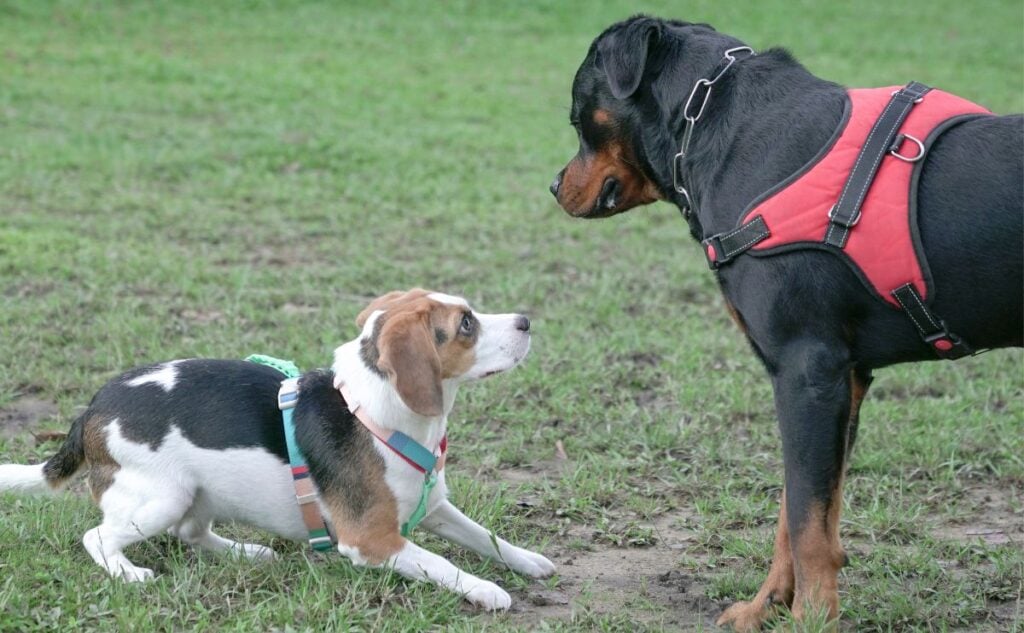
- Fear doesn’t make dogs aggressive—it often makes them anxious or uneasy instead.
- Dogs can also smell stress, with studies showing over 90% accuracy.
- Humans can’t hide emotional scents—even when we act calm.
- This ability plays a major role in how dogs react to nervous people, vet visits, and unfamiliar situations.
Seeing this behavior in action can make it easier to understand. The changes aren’t always dramatic, but they’re telling. In the video below, watch how the dog’s body language shifts as a tense moment unfolds. There’s no barking or lunging, only subtle cues like positioning, focus, and alertness that reflect how dogs often respond to human fear.
Can Dogs Really Smell Fear?
A widely held belief is that you never want to show fear around a dog you don’t know because they may react aggressively toward you. Well, it turns out that you can’t hide fear from canines.
Yes, it’s true—dogs can actually smell fear (and other emotions like stress and happiness). Their noses pick up on subtle chemical changes in the body, and the secret ingredient is our sweat.
When we feel fear, our bodies release stress-related hormones and compounds—think cortisol and adrenaline-related byproducts—that can slightly change the scent profile of our sweat and breath. These chemical changes, known as chemosignals, are released unconsciously and are impossible for humans to hide.
How do dogs accomplish such a superhuman feat? It’s all in their outstanding olfactory anatomy. Dogs have up to 300 million olfactory receptors, while humans have about six million. That gives dogs a sniffing ability estimated to be 10,000 to 100,000 times more sensitive than ours.
What Is the Jacobson’s Organ (And Why It Matters)
The true powerhouse behind a dog’s ability to smell fear is the Jacobson’s organ, also known as the vomeronasal organ. This specialized sensory system allows dogs to detect and interpret chemical signals that humans can’t consciously perceive.
- What it is: A secondary olfactory system separate from normal smell, designed specifically to analyze chemical signals called chemosignals.
- Where it’s located: Inside the nasal cavity, near the roof of the mouth, with direct neural connections to the brain.
- What it detects: Subtle chemical compounds related to emotions, reproductive status, social cues, and potential threats.
- Why humans don’t have it: Humans possess only a vestigial version of this organ, meaning it no longer functions in detecting chemical signals.
This extraordinary sensory system plays a critical role in canine social communication, mating behavior, and how dogs respond to emotional states like fear and stress in both humans and other animals.
What Science Proves: Dogs Can Smell Fear, Stress, and Happiness
In a 2017 study published in Animal Cognition, researchers at the University of Naples Federico II in Naples, Italy, confirmed their hypothesis that pet dogs could detect differences in fear and happiness in people by scent alone through chemosignals (body odors).

First, the research team collected sweat samples from the armpits of male human volunteers (who were not involved in the subsequent experiment with dogs) after they watched videos designed to cause fear, happiness, or a neutral response.
Then, scientists exposed dogs (Labrador and Golden Retrievers) to three stimuli—their owner, a stranger, and an odor dispenser containing either fear sweat, happy sweat, or no sweat (the control). They then monitored each dog’s heart rate, stress indicators, and behaviors (e.g., approaching, interacting, and gazing) directed to the three stimuli.
What Dogs Actually Did When They Smelled Fear
Researchers found that when the dogs were exposed to the happy sweat, they interacted more with the stranger than their owner and had lower heart rates. They also had lower heart rates when exposed to the neutral odor.
However, when dogs experienced the fear odor, they showed more signs of stress behaviors, had less interaction with strangers, and sought reassurance from their owners. They also had significantly higher heart rates than in the happy and neutral conditions.
But here’s where this research got even more interesting in terms of dogs’ reactions. These pups didn’t exhibit aggressive behavior at all when they smelled fear.
In fact, in the experiment, they exhibited signs of fear or uneasiness themselves. Of course, the owners and strangers weren’t displaying any body language that could cause the dogs to feel aggressive.
Why Smelling Fear Doesn’t Make Dogs Aggressive (But Does Change Behavior)
A common myth is that dogs become aggressive when they smell fear. In reality, scientific research shows the opposite is usually true. When dogs detect fear-related scents, they tend to experience emotional changes themselves rather than respond with hostility.
Studies have found that exposure to fear odors causes dogs to become more cautious, alert, and emotionally sensitive. Instead of approaching unfamiliar people or situations, many dogs seek reassurance from their owners or reduce social interaction altogether.
- Dogs mirror emotional states: Smelling fear often triggers anxiety or uncertainty in dogs rather than aggression.
- They prioritize safety: Dogs may stay closer to trusted humans when fear scents are present.
- Behavior becomes cautious, not confrontational: avoidance and vigilance are far more common than aggressive responses.
Aggressive behavior is more likely linked to factors such as threatening body language, past trauma, or inadequate socialization, not the scent of fear alone. When fear is detected without visual or physical cues of danger, dogs typically respond with empathy or self-protective behaviors.
Can Dogs Smell Stress Too? (The 90% Accuracy Discovery)
A 2022 study by a team at Queen’s University Belfast in Belfast, Northern Ireland, found evidence that canines can also smell stress in human sweat and breath. This study involved four dogs and 36 humans.
- Researchers gathered sweat and breath samples from participants both prior to and following a challenging math problem.
- Participants reported their stress levels before and after the task, and the researchers focused solely on samples from individuals whose blood pressure and heart rate had risen.
The dogs were trained to identify a lineup of scents and signal to the researchers which sample was the stress odor. At this point, the stress and relaxed samples were introduced. During each testing session, each dog received one relaxed and one stressed sample from the same individual, collected just four minutes apart.
Remarkably, the dogs correctly identified the stress samples with an accuracy rate of over 90%.
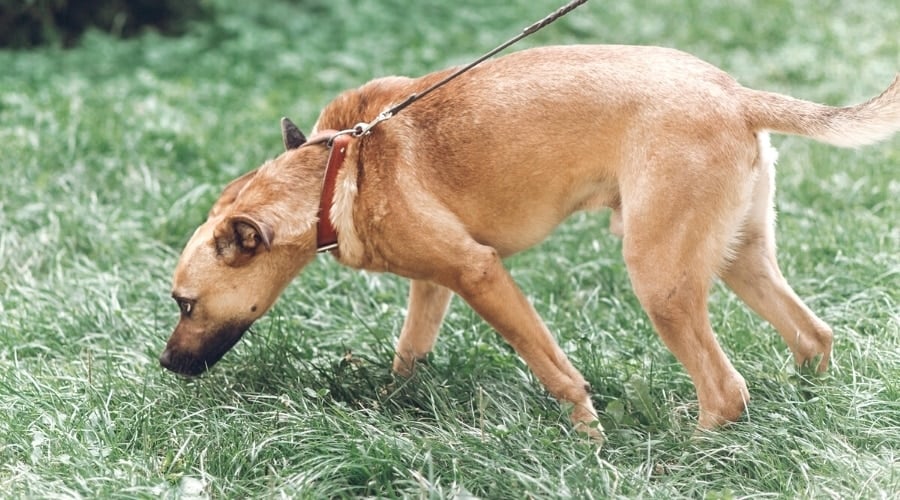
What makes this discovery especially important is how closely it mirrors real life. Stress isn’t always dramatic or obvious; sometimes it builds quietly during a hectic day, a vet appointment, or a difficult training session.
- Vet visits: A stressed owner may unknowingly transfer anxiety to their dog, even before entering the clinic.
- Training sessions: Frustration or tension can subtly influence how dogs respond to commands and cues.
- Owner anxiety: Dogs may react to ongoing emotional strain, not just sudden moments of fear.
This suggests dogs may respond to chronic stress in their owners, not just acute fear. Over time, repeated exposure to stress-related scents could influence a dog’s emotional state, behavior, and overall well-being.
In other words, dogs aren’t just reading our body language; they may be constantly monitoring invisible chemical signals that reflect how we’re feeling day after day.
Fear vs Stress vs Anxiety vs Excitement: What Dogs Detect—and What They Don’t
While dogs are remarkably skilled at detecting human emotions, it’s important to understand that they don’t perceive fear, stress, and anxiety in the same way humans consciously label them. Instead, dogs respond to the chemical and physiological changes associated with these emotional states.
- Fear: Fear is typically short-term and intense. When humans experience fear, the body releases stress hormones like adrenaline and cortisol, creating distinct chemical changes in sweat and breath. Dogs can reliably detect these sudden shifts and often respond with caution or unease.
- Stress: Stress can be either short-term or ongoing. Research shows dogs can identify stress-related scent changes even minutes after they occur. Because stress may persist throughout the day, dogs are likely exposed to these signals repeatedly.
- Anxiety: Anxiety is usually long-lasting and complex. While dogs may respond to the physical cues and stress-related chemicals linked to anxiety, science has not yet confirmed that dogs can distinguish anxiety as a separate emotional category by scent alone.
- Excitement: Excitement also creates chemical changes in the body, but these are linked to positive arousal rather than threat or distress. While dogs can detect these shifts, excitement-related scents tend to be short-lived and context-dependent. Dogs commonly respond with increased energy, playfulness, or friendly engagement rather than caution or avoidance.
In simple terms, dogs don’t recognize emotional labels; they react to the biological signals behind them. What matters most to a dog isn’t whether a person feels “fear” or “anxiety,” but how those emotions alter the body’s chemistry.
This distinction helps explain why dogs may react similarly to different emotional states and why ongoing emotional stress in humans can influence a dog’s behavior over time.
Fear vs Stress vs Anxiety vs Excitement: What Dogs Smell Quick Chart
Dogs don’t detect emotions by name. Instead, they respond to changes in body chemistry that occur during different emotional states. Here’s how fear, stress, anxiety, and excitement differ from a dog’s perspective.
| Emotional State | Type of Chemical Change | How Long Does It Lasts | How Dogs Commonly Respond |
|---|---|---|---|
| Fear | Sudden release of stress hormones such as cortisol and adrenaline-related byproducts | Short-term and intense | Heightened alertness, caution, seeking reassurance, and emotional mirroring |
| Stress | Ongoing chemical changes associated with prolonged pressure or tension | Short-term or chronic | Increased sensitivity, restlessness, changes in behavior over time |
| Anxiety | Persistent stress-related chemical signals, rather than a unique scent | Long-lasting or recurring | Hypervigilance, clinginess, behavioral sensitivity |
| Excitement | Arousal-related chemical changes not linked to threat or distress | Brief and situational | Playfulness, increased energy, friendly engagement |
Important note: While dogs clearly detect fear and stress through scent, science has not confirmed that anxiety has a distinct odor. Dogs are likely responding to the ongoing stress signals associated with anxiety rather than anxiety itself.
How a Human’s Fear Changes a Dog’s Behavior in Real Life
Because dogs respond to emotional scent signals, human fear and stress can subtly, but powerfully, shape how dogs behave in everyday situations. Often, these changes happen before a person realizes they’re feeling anxious at all.
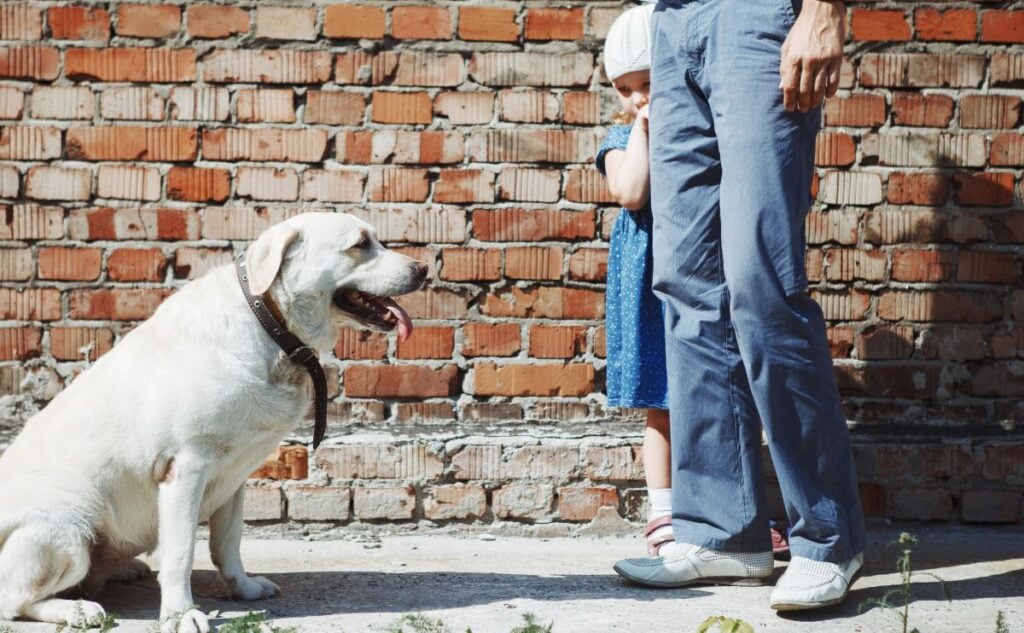
Vet Visits
Many dogs appear nervous the moment they arrive at the vet’s office. While unfamiliar smells and sounds play a role, a stressed owner can unintentionally amplify the situation. If a dog detects fear or tension through scent, it may become more alert, clingy, or resistant, not because the vet is dangerous, but because the dog senses emotional unease.
Trainer-style tip: Focus on calm, steady movements and neutral body language. Even brief moments of relaxed breathing before entering the clinic can help reduce emotional cues your dog may be picking up.
Meeting New People
Dogs often react differently to strangers who are nervous around dogs. A hesitant posture, combined with fear-related scents, can cause dogs to slow down, keep their distance, or appear unsure themselves. This is frequently misinterpreted as “bad behavior,” when it’s actually emotional feedback.
Trainer-style tip: Allow dogs to approach at their own pace. Avoid forcing interactions, and keep greetings calm and low-key to prevent emotional escalation.
Training Sessions
During training, frustration or self-doubt can change the emotional atmosphere more than missed commands. Dogs may hesitate, disengage, or seem stubborn when they’re actually responding to subtle stress signals rather than the exercise itself.
Trainer-style tip: Keep sessions short and upbeat. If tension rises, pause and reset rather than pushing through—dogs often perform better when emotional pressure is reduced.
Life at Home
Ongoing stress at home, busy schedules, financial pressure, or emotional strain can quietly affect dogs over time. While dogs aren’t absorbing emotions in a human sense, repeated exposure to stress-related chemical cues may influence their baseline behavior, making them more vigilant or sensitive.
Trainer-style tip: Consistent routines, predictable schedules, and calm interaction windows can help dogs feel secure even when life feels hectic.
Ultimately, dogs aren’t judging human emotions: they’re responding to them. Understanding this connection helps shift the focus from “What’s wrong with my dog?” to “What might my dog be reacting to?”
A Personal Story: Seeing Fear Through a Dog’s Eyes
A member of our team shared how her dog reacted during a tense, fearful situation she experienced, offering a real-life example of how dogs may respond when they sense human fear.
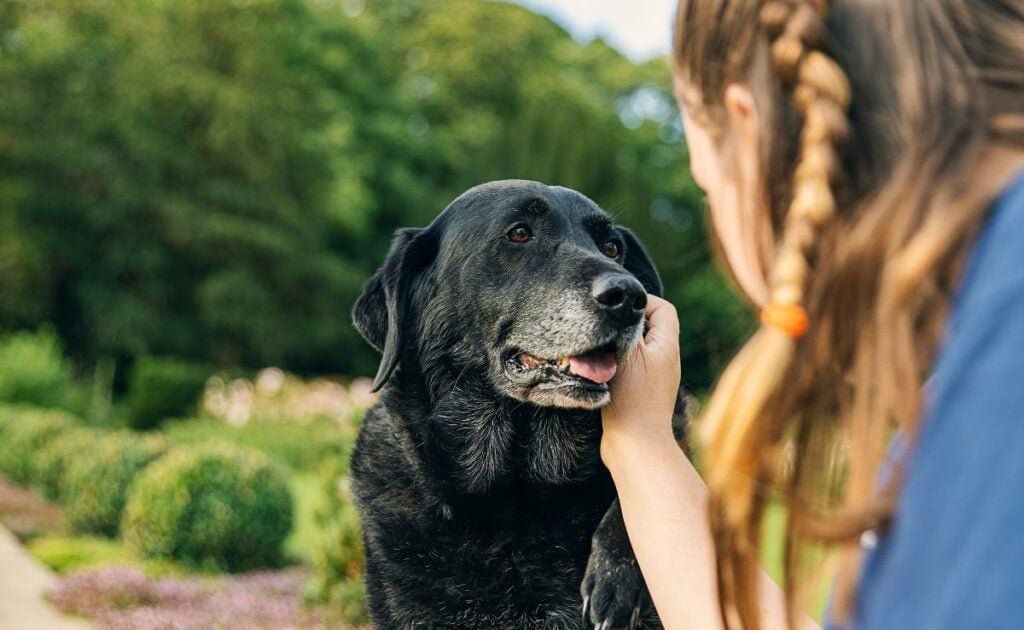
My 85-pound Lab–Pit mix, Bear, was always alert. Not anxious, watchful. Like he was quietly clocking the world while the rest of us went about our day.
One afternoon, a loud, angry argument broke out next door. I stepped outside to see what was happening, and one of the men suddenly redirected his anger toward me.
I didn’t say anything, but my body did.
I froze. My breathing changed. I felt that tight, uneasy drop in my stomach.
Bear picked up on it immediately.
His body stiffened. The hair along his back lifted. He let out a low growl, then calmly moved in front of me, placing himself between me and the man. No barking. No lunging. Just a clear shift from neutral to protective.
He wasn’t reacting to the yelling. He was reacting to me.
– Danielle DeGroot, Dedicated Dog Mom & Canine Journal Writer
Do Dogs Sense Fear in Other Animals?
Yes, dogs can sense fear in other animals, not just humans. This ability is deeply rooted in canine evolution and plays an important role in how dogs assess their surroundings.
Like humans, animals release chemical signals when they experience fear or stress. Dogs are highly attuned to these changes, allowing them to pick up on emotional states in other mammals and, potentially, in some reptiles and amphibians as well.
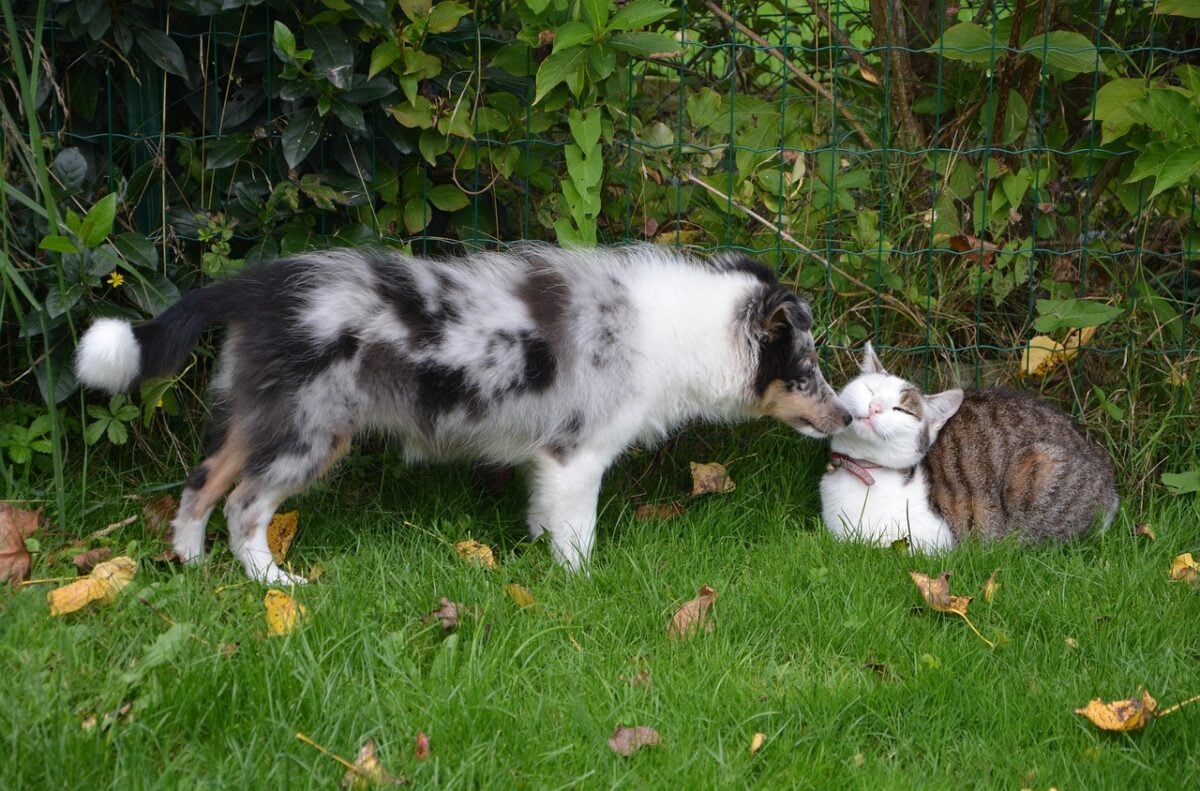
From an evolutionary perspective, this skill helps dogs—and their wild ancestors—identify potential prey, predators, or threats. Detecting fear can signal vulnerability, danger, or instability in another animal’s behavior.
In everyday life, this may explain why dogs sometimes react differently around frightened animals, such as nervous cats, wildlife, or unfamiliar dogs. Rather than responding randomly, dogs are often reacting to subtle chemical and behavioral cues that indicate fear.
While research on non-mammalian species is still limited, scientists agree that dogs’ sensitivity to fear-related cues in other animals is a crucial part of how they interpret and navigate the world.
What Other Animals Can Smell Fear (And Which Ones Probably Can’t)
Dogs aren’t the only ones in the animal kingdom to hold the treasured Jacobson’s organ. But which ones are gifted?
Scientists theorize that other animals exhibit the scent sensory ability to detect fear that dogs have due to the Jacobson’s organ. These include some other mammals, such as cats, horses, and cows. Reptiles, like snakes and lizards, and amphibians, including frogs and salamanders, also make the list.
The scientific jury is still out on these other animals, but emerging research has suggested that it may occur in horses.
Can Bees Smell Fear? The Myth Explained by Science
There’s an old myth that bees sting us because they can smell our fear. While bees don’t have the Jacobson’s organ, they can smell fear by using their antennae.
Honey bees have specialized receptors located on their antennae, specifically within thin hairs called sensilla, that detect airborne chemical compounds, like pheromones.
It’s believed that when bees detect the chemicals our bodies produce when we’re fearful, they interpret it as a threat and go into fight-or-flight mode. Honey bees can also share that scent with their hive members, warning them of potential danger.
If nearby, this can quickly lead to a coordinated swarming response. This communication method is essential for honey bees to protect their hive.
Can Dogs Smell Disease the Same Way They Smell Fear?
In some ways, yes—but there are important differences.
Dogs detect both disease and fear through changes in body chemistry, but the source and consistency of those changes aren’t the same. Fear and stress create temporary chemical shifts in sweat and breath, while many diseases cause ongoing metabolic changes that alter a person’s scent over time.
Studies have found that trained dogs can identify scent markers associated with conditions such as:
Unlike fear or stress, which fluctuate moment to moment, disease-related scent changes are often more stable. This consistency is one reason dogs can be trained to detect medical conditions in controlled settings.
That said, a dog reacting differently to someone doesn’t mean illness is present. Dogs respond to a wide range of scent cues, and emotional states like stress, fear, or excitement can also influence behavior.
In short, dogs use the same extraordinary sense of smell—but they’re responding to different types of chemical information depending on whether the change comes from emotion or disease.
Frequently Asked Questions About Dogs and Emotional Scents
Here are some common questions pup owners have about their pups regarding emotional and illness sensitivity. Don’t see yours here? Ask us in our comments, and we’ll do our best to answer.

Can Dogs Sense Fear in Humans Even If We Act Calm?
Yes. Even when we appear calm on the outside, dogs can still detect fear through subtle chemical changes in sweat and breath. These scent signals are released unconsciously, meaning a person may feel composed while their body chemistry tells a different story. Dogs often notice these changes before humans are aware of them.
Do Dogs React Differently to Fear vs Confidence?
Often, yes. Fear-related scents and body language can make dogs more cautious, hesitant, or emotionally sensitive. Calm confidence, steady movements, relaxed posture, and predictable behavior tend to produce more relaxed responses. Dogs don’t interpret confidence as dominance, but as emotional stability.
Can You Train a Dog to Ignore Fear or Anxiety Scents?
Dogs can’t be trained to stop detecting scents, but they can be trained to respond calmly to them. Through consistent training, socialization, and positive reinforcement, dogs can learn appropriate behaviors even when exposed to fear or stress-related cues from humans or other animals.
Why Dogs Sniff So Intensely (And Why They Have Zero Social Shame)
If you have a sniff-happy dog, you’ve probably experienced a few awkward moments, like a surprise crotch sniff or having to pull your pup away from another dog’s rear end.
While uncomfortable for humans, this behavior is completely normal for dogs. Areas like the groin and rear release strong chemical signals that provide information about identity, emotional state, and health. Much of this data is processed through the Jacobson’s organ, which specializes in detecting complex scents.
That’s why dogs sniff so intently, and without hesitation. If crotch sniffing is becoming an issue, check out our guide on why dogs smell crotches and how to curb the habit. Curious about canine greetings? Learn more about why dogs sniff other dogs’ butts. To dogs, sniffing isn’t rude; it’s how they understand the world.
Have You Seen a Dog React to Fear Before?
Whether it was your own dog picking up on your emotions or a moment that surprised you, we’d love to hear about it. Share your experience in the comments; your story might help other dog owners understand their pups a little better.