
When you purchase through links on our site, we may earn a commission at no extra cost to you. Learn more.
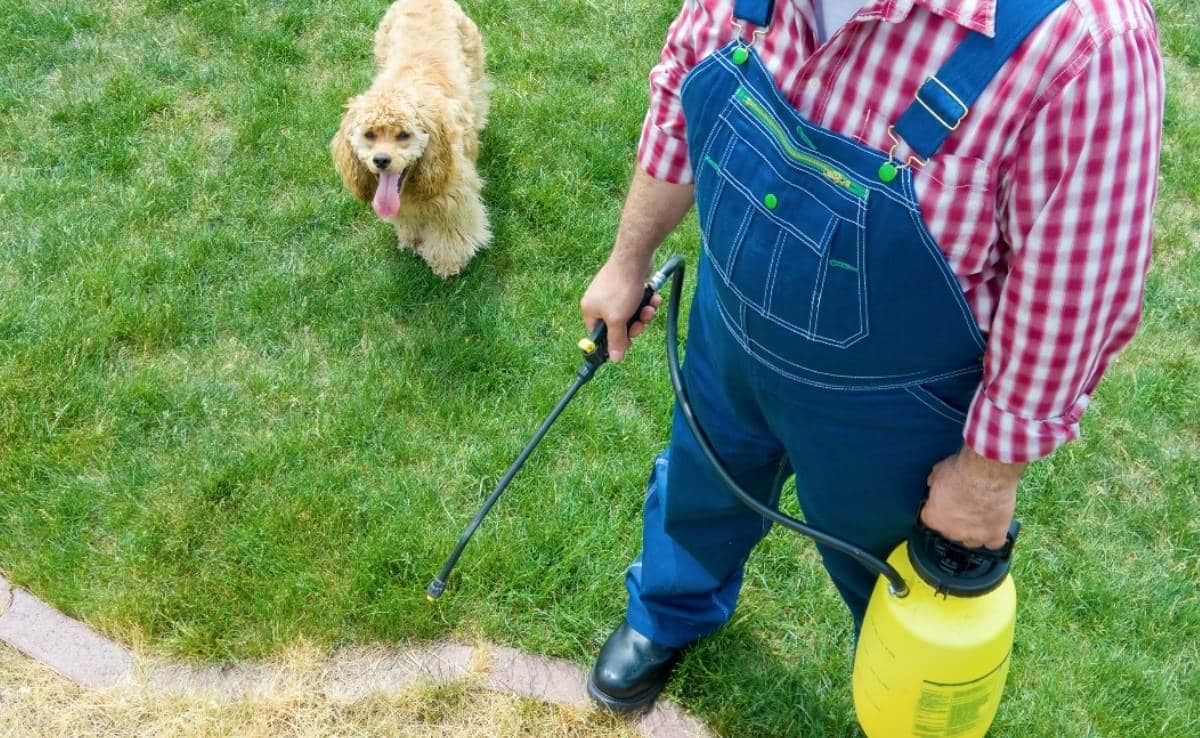
Roundup may look harmless once it disappears into the grass, but the riskiest moment for dogs is often right after spraying, when they walk through wet residue and then lick their paws. That kind of exposure can lead to drooling, vomiting, diarrhea, and other poisoning symptoms, especially if your dog ate treated grass or a product directly.
Table of Contents
In this guide, you’ll get a clear answer on when Roundup is most dangerous, what to do immediately after exposure, and which weed-control options are safer for dog owners.
Quick Answer: Is Roundup Safe for Dogs?
Roundup isn’t equally dangerous in every situation. For dogs, the biggest risk often comes down to timing, contact, and whether they lick or ingest residue after exposure. In the sections below, we explain when Roundup is most concerning, what symptoms to watch for, and how to protect your dog after accidental exposure.
The video below explains a little more about Roundup and whether it is safe for pets.
What Is Roundup, and Why Can It Be Risky for Dogs?
Roundup is one of the most commonly used weed killers for lawns, driveways, and garden areas. It’s designed to kill weeds effectively, but for dog owners, the bigger question is what happens when curious pets step, sniff, lick, or roll through treated spaces.
Its key ingredient, glyphosate, is a non-selective herbicide, meaning that it kills nearly all plants rather than specific species. Glyphosate prevents plants from making the proteins needed for growth. Roundup also contains other undisclosed inactive ingredients.
The risk depends on several factors, including the product formula, whether the area is still wet, and how your dog comes into contact with it. In many cases, problems start when dogs pick up residue on their paws or coat and then ingest it while grooming. Understanding how that exposure happens is key to reducing the risk.
Is Roundup Toxic to Dogs?
Roundup’s primary ingredient, glyphosate, is generally considered harmful to dogs if ingested or with external contact when it’s still wet (for short-term toxicity). However, major animal welfare organizations and professional veterinary associations in the U.S. haven’t taken a stance on Roundup or glyphosate as toxic for pets.
The U.S. Environmental Protection Agency’s (EPA) most recent assessment of glyphosate in 2020 doesn’t address companion animals and even goes so far as to say that glyphosate doesn’t pose health risks for humans from its current use (more on that later).
However, the EPA does say it identified potential ecological risks to mammals and birds and further stated, “These risks are expected to be limited to the application area or areas near the application area.” Despite no data included, this statement alone suggests that pet parents should avoid using Roundup (and other weed killers containing glyphosate) in areas where their pets spend time.
Is Roundup toxic once it’s dry? According to Roundup’s website, “people and pets may enter the treated area after the spray has dried.” However, independent research hasn’t conclusively shown that glyphosate, when dried in your yard, is safe for pets.
How Toxic Is Roundup To Dogs?
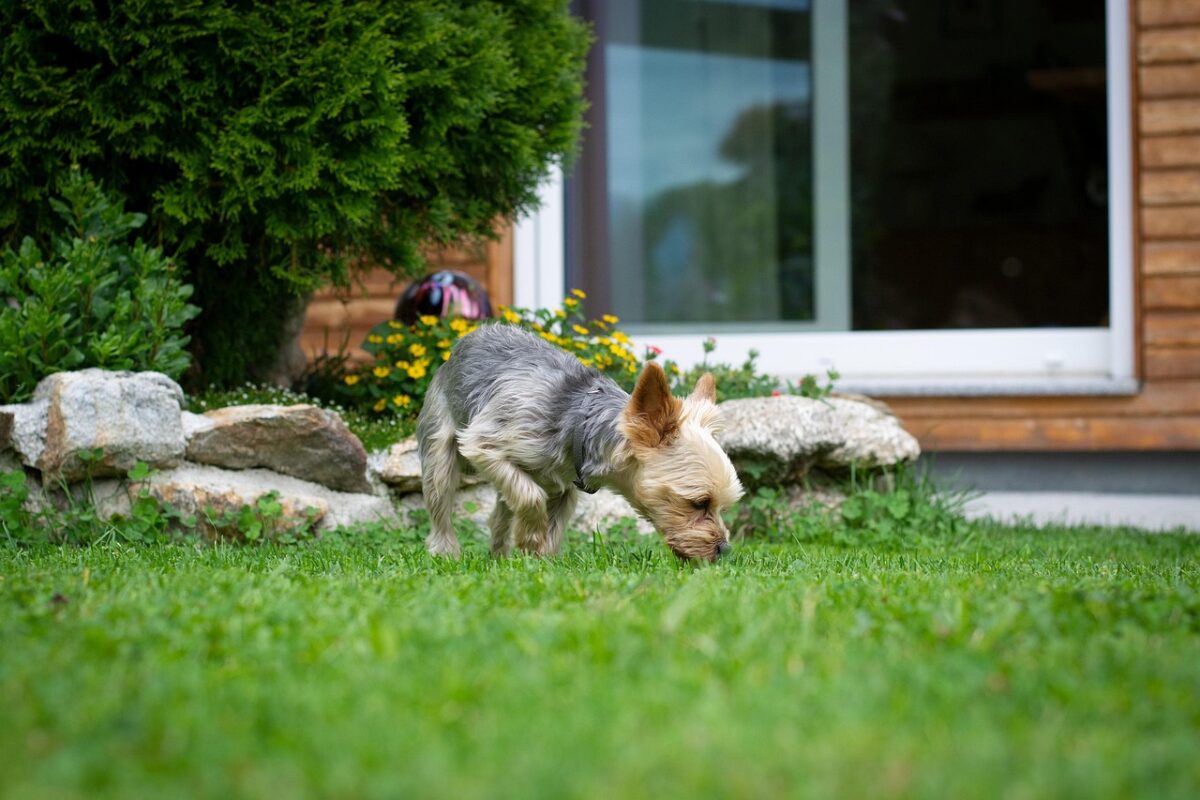
What we know most clearly is the short-term risk. Veterinary and poison-control data show that glyphosate exposure can cause issues like vomiting, diarrhea, drooling, lethargy, and irritation in dogs, particularly after direct ingestion or fresh contact. The longer-term health debate is less settled, which is why many pet owners choose to be cautious even when a product is marketed as usable around the yard.
Two separate studies of animal poison control centers in the United Kingdom and France found that the most common symptoms of glyphosate ingestion included:
- Vomiting
- Diarrhea
- Labored breathing
- Lethargy
- Hypersalivation (excessive drooling)
The U.K. poison center also reported pulmonary edema (fluid in the lungs) in five out of 992 dogs and two dogs that required euthanasia. These studies only focused on short-term symptoms of exposure to glyphosate. It’s also important to note that cats suffer more serious symptoms.
Symptoms of Roundup Exposure in Dogs
Symptoms can vary depending on how much exposure happened and whether your dog swallowed the product or came into contact with fresh residue on grass, plants, paws, or fur. In most cases, the earliest signs are stomach-related and may include vomiting, diarrhea, excessive drooling, reduced appetite, and general lethargy.
Some dogs may also show irritation after exposure, especially if the product got on their skin, in their eyes, or into their nose or mouth. That can look like redness, pawing at the face, watering eyes, skin discomfort, coughing, or unusual restlessness after being in a freshly treated area.
More serious reactions are less common, but they can happen—especially after larger exposures or direct ingestion of the product. Warning signs may include weakness, staggering, breathing difficulty, or collapse. If your dog develops symptoms after possible exposure to Roundup, it’s safest to contact your veterinarian or a pet poison hotline right away.

How Long After Spraying Roundup Is It Safe For Pets?
Roundup can take half an hour to two hours or more to completely dry, but this depends on the weather and your environment. To be on the safe side, experts recommend waiting 24 or 48 hours before letting your pets into the treated area.
However, if you think your dog or cat might eat the grass or plants in your yard, you shouldn’t use Roundup or other chemicals at all.
What Should I Do If My Dog Is Exposed To Roundup?
If you know or suspect your dog came into contact with Roundup before it fully dried, act quickly.
Quick Action Box: What To Do If Your Dog Is Exposed to Roundup
If your dog may have come into contact with Roundup, acting quickly can help reduce the risk and prevent symptoms from getting worse.
- Move your dog away from the treated area right away.
- Rinse exposed paws, fur, or skin thoroughly with plenty of water. If the product got in your dog’s eyes, flush them gently with water for at least 20 minutes.
- Stop your dog from licking its paws, coat, or anything from the treated area until you’ve cleaned it off.
- Do not induce vomiting or give home remedies unless a veterinarian or pet poison expert tells you to.
- Call your veterinarian or pet poison control if your dog licked Roundup, ate treated grass, swallowed any product, or starts showing symptoms.
- Have the product name, label, or a photo of the container ready when you call.
- Go to an emergency vet right away if your dog has trouble breathing, collapses, becomes very weak, or has severe or worsening symptoms.
Pet poison help
- ASPCA Animal Poison Control: (888) 426-4435
- Pet Poison Helpline: (855) 764-7661
What If My Dog Licked Roundup?
If your dog licked or ingested Roundup, you should contact your veterinarian immediately. The same is true if your dog starts vomiting, drooling, acting weak, having diarrhea, or showing breathing problems after exposure. When you call, have the product name, label, or a photo of the container ready so the vet or poison expert can give advice based on the exact formulation.
If it’s outside of your vet’s operating hours, call the Pet Poison Helpline at (855) 764-7661 or the ASPCA Animal Poison Control Center at (888) 426-4435 and go to an emergency vet clinic. The immediate effects can depend on how much Roundup your dog has ingested, but you want to be as cautious with your pup as possible.
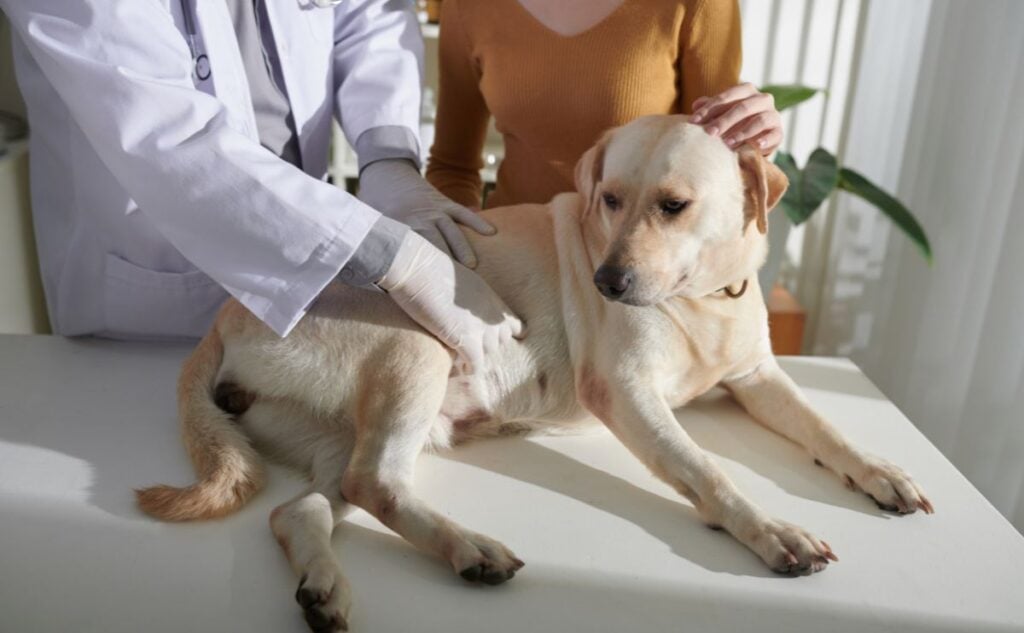
Many exposures turn out to be mild, especially when owners act quickly, but it is still worth taking seriously. Roundup products can vary, and the type of ingredients beyond glyphosate can affect how irritating or toxic the product is. Prompt rinsing, stopping further exposure, and getting expert guidance are the most important first steps.
What If My Dog Rolled In Roundup?
If your pup’s fur, skin, or paws come into contact with wet Roundup, you should immediately bathe his entire body with shampoo.
You may also need to flush out his eyes with a saline solution if you suspect Roundup got into his eyes.
Roundup can cause irritated skin and eyes with direct contact, and you don’t want your pup to lick any residue off his fur or paws. After bathing, keep an eye on your dog for any abnormal symptoms for at least 24 hours.
Pet Insurance May Help Cover The Vet Bill
Vet care for a poisoned pet can result in an expensive bill. Treatment for pesticide poisoning can cost anywhere from $300 to $1,000 or more. That’s an unexpected cost that many of us can’t afford out of pocket. By planning ahead, pet insurance can help cover unforeseen accidents like this.
You can learn more about pet insurance and decide if it’s something that could help you manage your pet-related expenses.
What About Long-Term Health Effects?
The long-term picture is less clear than the short-term one. While dogs can absorb lawn chemicals from treated areas, and glyphosate exposure in pets has been documented, research has not conclusively shown that Roundup itself causes cancer or other chronic disease in dogs.
If you’ve kept up with the news over the last few years, you’ve likely seen coverage about the numerous lawsuits filed against Bayer, the current manufacturer of Roundup, claiming that their product is responsible for causing cancer in humans. Much of the litigation is still ongoing, but some plaintiffs have won their cases against Bayer (and some have lost).
The unfortunate reality is that even experts aren’t on the same page about the long-term risks of glyphosate exposure to humans or our pets — despite scientific research that suggests a link between glyphosate and several long-term health concerns in humans, including cancer.
The stance of the EPA is that glyphosate “is not likely to be carcinogenic to humans.” However, the International Agency for Research on Cancer (IARC), an agency of the World Health Organization, classifies glyphosate as a 2A substance, “probably carcinogenic to humans.”
Does this possible link between glyphosate and cancer in humans apply to dogs? It’s not certain at this point, but many pet advocates advise erring on the side of caution and assume that our pets’ exposure to glyphosate could possibly cause cancer and other long-term health problems.
Studies Of Lawn Chemicals & Dog Cancer
A growing body of research supports a possible link between lawn chemicals and an increased risk for canine cancer. A six-year study by Tufts University veterinary researchers found that exposure to certain types of lawn care chemicals, including pesticides, herbicides, and others, may increase the risk of canine malignant lymphoma (CML). However, the researchers didn’t identify specific ingredients.
Several studies over the last 20 years have found that dog owners’ use of herbicides containing 2,4-dichlorophenoxyacetic acid (2,4-D) was associated with a greater risk of canine malignant lymphoma and bladder cancer in dogs.
Recent dog studies published in 2025 found detectable glyphosate exposure in pet dogs, but they did not find significantly higher urinary glyphosate levels in dogs with lymphoma compared with controls, so the long-term cancer question remains unsettled
Avoiding Roundup in Public Places
Because Roundup is so widely used in parks, along sidewalks, near curbs, and in other shared spaces, stay alert when you’re out with your dog.
- Avoid letting your dog walk through grass, weeds, or planted areas that look freshly sprayed or still appear wet.
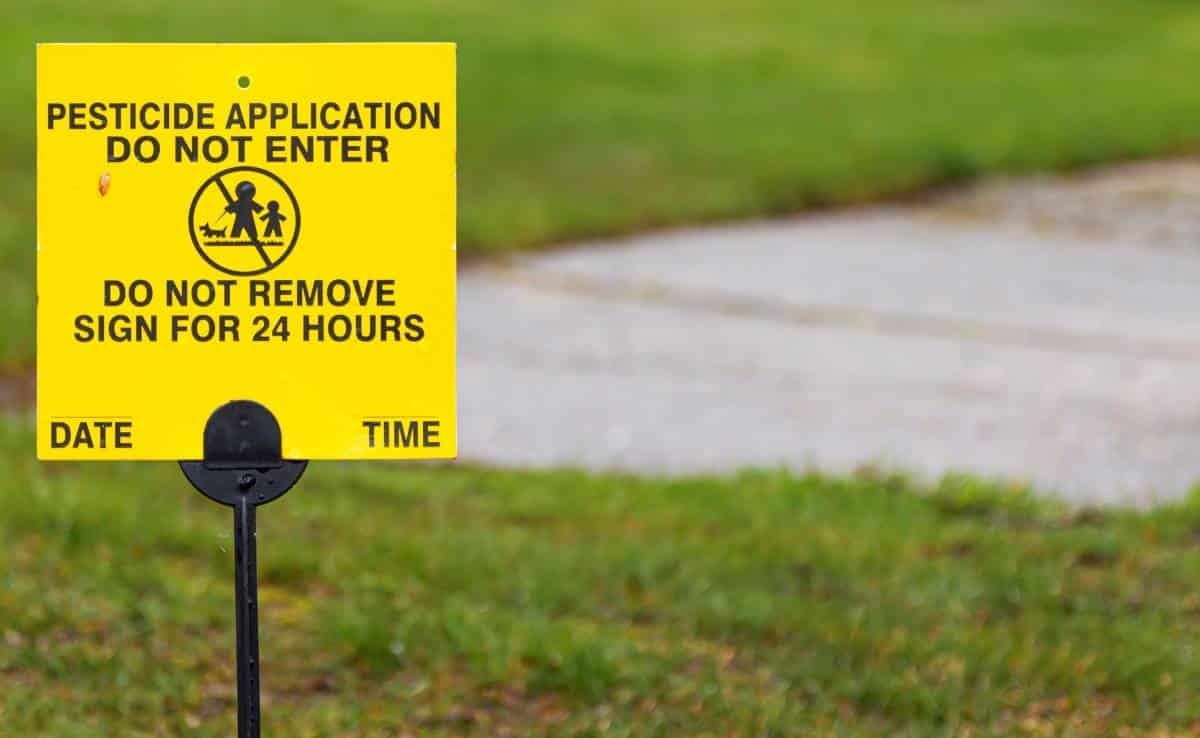
- It’s also smart to steer clear of spots marked with treatment signs or areas where landscaping crews have recently been working.
Dogs can easily pick up chemical residue on their paws and fur during walks, then ingest it later when they groom themselves. To reduce that risk, wipe or rinse your dog’s paws after walks, especially if you’ve passed through public green spaces, roadside strips, or recently maintained areas. Taking a few simple precautions can help limit your dog’s exposure to Roundup and other lawn chemicals.
FAQ About Roundup and Dogs
Questions about Roundup and dogs are common, especially when exposure can happen in several different ways. Whether you’re wondering about treated grass, dried residue, or what symptoms to watch for, the answers below cover some of the most important concerns pet owners have.
If you still have a question we didn’t answer, leave it in the comments, and we may add it to this section.
Can dogs walk on grass sprayed with Roundup?
Dogs should stay off treated grass until the spray has fully dried. That’s when the risk of picking up residue on their paws, fur, or skin is highest.
Is Roundup still dangerous after it dries?
The risk appears lower once Roundup has dried, but that does not necessarily mean there is no risk at all. Dogs that lick their paws, chew treated plants, or have repeated contact with recently sprayed areas may still be exposed to residue.
What happens if a dog licks Roundup?
A dog that licks Roundup may develop vomiting, diarrhea, drooling, reduced appetite, or lethargy. More serious reactions are less common, but any direct ingestion should be taken seriously.
Should I wash my dog after Roundup exposure?
Yes. If your dog walked through wet spray or got Roundup on its paws, fur, or skin, rinse the exposed area well with water as soon as possible.
When should I call the vet?
Call your veterinarian or a pet poison hotline right away if your dog licked the product, ate treated grass, swallowed anything from a freshly sprayed area, or starts showing symptoms like vomiting, drooling, diarrhea, weakness, or breathing problems.
Can Roundup cause long-term health problems in dogs?
The long-term picture is less clear than the short-term one. Some studies have raised concerns about lawn chemicals and dog health, but the research has not conclusively shown that Roundup itself causes cancer or other chronic disease in dogs.
How Dangerous Are Lawn Chemicals For Our Pets? (Video)
Dr. Karen Shaw Becker, a well-known holistic veterinary blogger, teamed up with Rodney Habib, founder of Facebook’s popular Planet Paws, to warn pet parents about the dangers of yard lawn sprays. Their video is a must-watch if you’re considering using chemicals in your yard.
What Weed Killer Is Safe For Dogs?
Ideally, you want to use a weed killer that says pet-safe on the label (but check the ingredients to be sure).
Avoid products that contain 2,4-D, carbon tetrachloride, chloroform, diquat dibromide, glyphosate, and sethoxydim, as they can all be harmful to pets.
Fortunately, you have several options for a dog-safe weed killer. Two of our favorites are Sunday and Green Gobbler, which are natural weed killers.
Another all-natural option that’s safe for pets is white vinegar. The acids in vinegar are effective in killing weeds if you target the base of the plant to get into the root system.
Mix one gallon of white vinegar, one cup of salt, and one teaspoon of dish soap, and apply it to weeds using a spray bottle. You may need to reapply a few times for tough weeds.
Safer Alternatives to Chemical Weed Killers
If you want to reduce your dog’s exposure to weed killers, the safest place to start is with non-chemical control methods. In many home landscapes, routine herbicide use is not necessary if you stay on top of weeds early and make it harder for them to come back.
- Hand-pulling, hoeing, and spot removal are often the simplest options for small problem areas.
- Mulch can also do a lot of the heavy lifting by blocking sunlight and helping prevent weed seeds from sprouting. I
- n garden beds, landscape fabric topped with mulch may help in some areas, and keeping plants close enough together to shade bare soil can also reduce weed growth over time.
For lawns, simple maintenance changes can help suppress weeds naturally.
- Setting your mower a little higher, keeping turf thick and healthy, and filling in thin or bare patches can all make it harder for weeds to take over.
- If you do end up using a weed-control product, spot-treating a small problem area is generally a better approach than spraying the entire yard.
The key message for pet owners is this: “natural” does not always mean harmless, but using fewer chemicals and targeting only the weeds that truly need treatment can lower your dog’s overall exposure.
Dog-Proofing Your Yard Is Essential
A dog-safe yard is about more than choosing the right weed-control method. It also means reducing everyday hazards that can expose your dog to chemicals, toxic plants, or other common garden risks.
To ensure the safety of your pup, it’s always a good idea to use pet-friendly lawn products, including weed killers and lawn fertilizer, which can be especially toxic to dogs. I recommend storing all of your products out of your pup’s reach. You should also use caution when gardening in your yard. Learn which plants are poisonous for dogs to keep your furry friend safe. And use caution when choosing your mulch, plant fertilizers, insecticides, and other gardening essentials to make sure they don’t contain any toxic chemicals.
Have You Used Roundup Around Your Dog?
Have you dealt with Roundup exposure, switched to a safer weed-control method, or found an approach that works better for a dog-friendly yard? Share your experience in the comments. Your story may help other pet owners make safer choices and learn what has worked in real life.