When you purchase through links on our site, we may earn a commission at no extra cost to you. Learn more.
Most English Bulldogs are overfed, and the consequences show up fast. Extra weight doesn’t just change how they look, it makes breathing harder, puts pressure on joints, and increases health risks over time. So, how much should you really be feeding your Bulldog?
Table of Contents
This feeding chart gives you exact portions by age, weight, and calories, so you can get it right from the start. Bookmark this. You’ll use it more than you think.
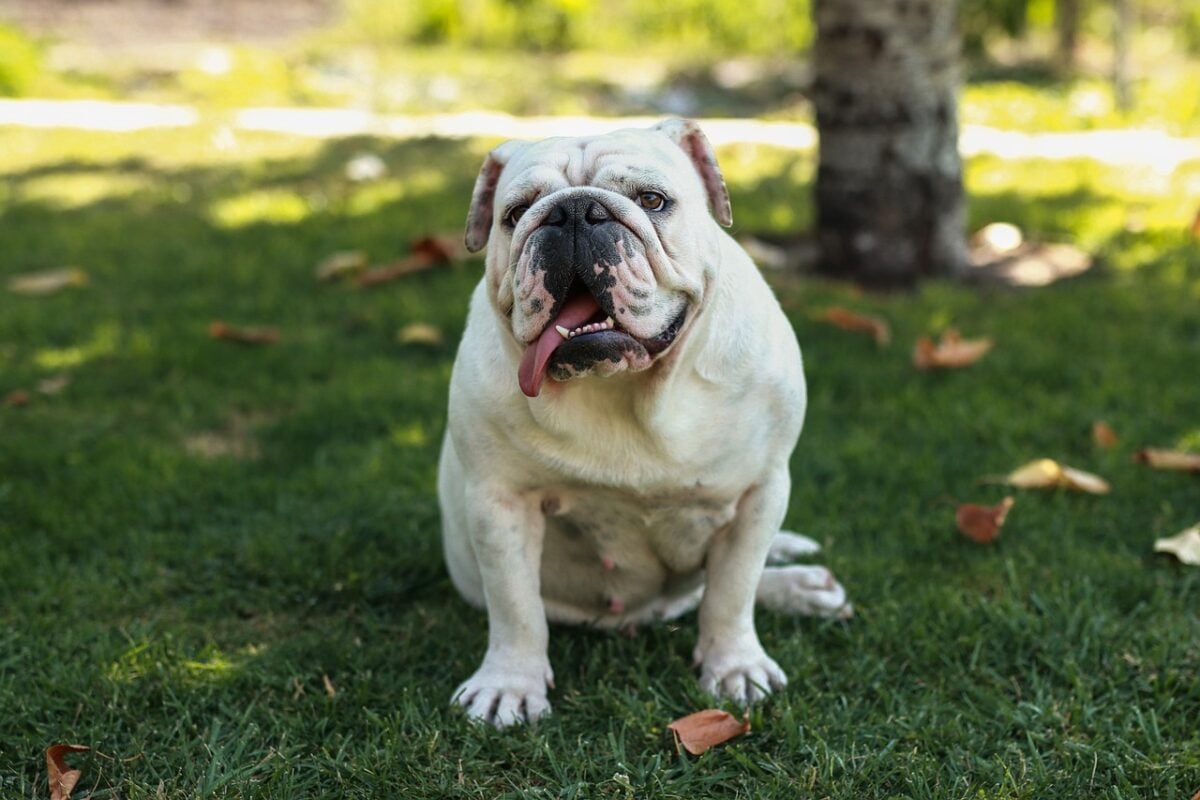
Quick Answer: How Much Should I Feed My English Bulldog?
Because English Bulldogs are prone to obesity, breathing issues, and joint strain, feeding the right amount is critical, not optional.
- Puppies: Most English Bulldog puppies eat 1 to 3 cups per day, divided into 3 to 4 meals
- Adults: Adult English Bulldogs typically eat 2 to 3 cups daily, split into 2 meals
These amounts assume standard kibble with roughly 350–450 calories per cup. Most adult English Bulldogs need approximately 25–35 calories per pound of body weight per day, depending on age, activity level, and body condition.
Even small overfeeding can lead to weight gain, increased breathing difficulty, and added pressure on joints, which is why using a feeding chart is the most accurate way to portion your dog’s meals.
English Bulldog Feeding Chart By Age & Weight
This chart shows estimated daily calorie needs, cup ranges, and feeding frequency for English Bulldogs from puppyhood through adulthood. Use it as your baseline, but don’t stop there.
Bulldogs vary a lot in metabolism, activity level, and body condition, so small adjustments can make a big difference over time.
Want our human-written content to rank above AI-generated garbage? Help us out by clicking this button!
| Age | Average Weight | Type Of Food | Estimated Daily Calories* | Meals Per Day |
|---|---|---|---|---|
| 0–3 weeks | 1–3 lbs | Mother’s milk | Nursing only | On demand |
| 3–4 weeks | 3–5 lbs | Mother’s milk + mush | 150–275 | 4–6 |
| 4–8 weeks | 5–10 lbs | Milk, mush, and/or small-breed puppy food (softened) | 225–460 | 4–6 |
| 8–12 weeks | 10–15 lbs | Large-breed puppy formula | 375–625 | 4 |
| 3–4 months (12–16 weeks) | 15–20 lbs | Large-breed puppy formula | 510–775 | 4 |
| 4–6 months | 20–30 lbs | Puppy formula | 630–1,045 | 3 |
| 6–9 months | 30–40 lbs | Puppy formula | 715–1,085 | 2–3 |
| 12+ months (adult) | 40–50 lbs | Adult formula | 885–1,280 | 2 |
| Senior (7+ years) | 40–50 lbs | Adult / senior formula | 775–1,120 | 2 |
*Calorie needs vary by activity level and spay/neuter status. Calories in this chart represent moderate activity and spay/neuter at 6 months.
How Much Should You Really Feed An English Bulldog Puppy? (By Age)
English Bulldog puppies grow quickly, but feeding isn’t just about growth. It’s about controlled development without excess weight gain.

0–3 Weeks: Nursing Only
What they eat: Mother’s milk (or veterinary milk replacer)
How often: On demand
Newborn Bulldogs are small but dense, weighing around 14 to 20 ounces (roughly 0.8 to 1.25 lbs) at birth. During these early weeks, they should remain with their mother and nurse frequently throughout the day.
Mother’s milk provides colostrum, which is essential for immune development and early growth. There is no need for supplementation unless nursing issues arise.
If a puppy is not nursing or appears weak, contact your veterinarian immediately.
3–4 Weeks: Early Transition Begins
What they eat: Mostly milk, with very diluted puppy mush introduced
How often: 4–6 small meals daily
Around week 3 to 4, you can begin introducing a thin puppy mush made from wet food mixed with water or milk replacer. At this stage, the mixture should be mostly liquid. Many puppies won’t show much interest right away, which is normal.
Milk is still the primary nutrition source.
4–8 Weeks: Weaning Phase
What they eat: Puppy mush + nursing and/or small-breed puppy food (softened)
How often: 4–6 small meals daily
This is the gradual transition to solid food. Slowly reduce the liquid content of the mush while increasing the solid portion.
Avoid rushing this process. Bulldog puppies can be sensitive to sudden dietary changes.
By week 6–8, most puppies should be relying more on solid food than milk.
8 Weeks–4 Months: Rapid Growth (Highest Risk of Overfeeding)
What they eat: High-quality puppy formula (softened or dry)
How often: 4 meals per day
This is where many owners unintentionally overfeed.
Bulldog puppies always seem hungry, but their calorie needs are not unlimited. Overfeeding during this stage doesn’t create a bigger, healthier dog — it creates early fat accumulation that can stress joints and breathing.
Stick to measured portions and avoid free-feeding.
4–6 Months: Growth Slows, Structure Matters
What they eat: Puppy formula
How often: 3 meals per day
Growth is still happening, but not as aggressively. This is where excess calories begin to convert into fat instead of supporting development.
Keep meals structured and monitor body condition closely. You should start to see a defined waist forming. If not, it may be time to adjust portions.
6–12 Months: Transition Phase
What they eat: Puppy formula (gradual transition to adult food)
How often: 2–3 meals per day
By this stage, Bulldogs are nearing their adult size but are still developing internally. Begin slowly mixing in adult food around 9–12 months, depending on your dog’s growth and body condition.
Bulldogs should grow thick and muscular — not round and heavy.
12–18+ Months: Maturity Isn’t One-Size-Fits-All
According to the Bulldog Club of America, some English Bulldogs reach full maturity around 14–16 months, while others may continue developing closer to 18–24 months.
That means:
- Some dogs benefit from staying on puppy food longer
- Others are ready for full adult portions sooner
Your dog’s body condition matters more than their age.
Why Feeding Precision Matters More For Bulldogs
English Bulldogs aren’t just prone to weight gain, they’re structurally vulnerable to it. Even small changes in body fat can have an outsized impact on how they breathe, move, and regulate heat.
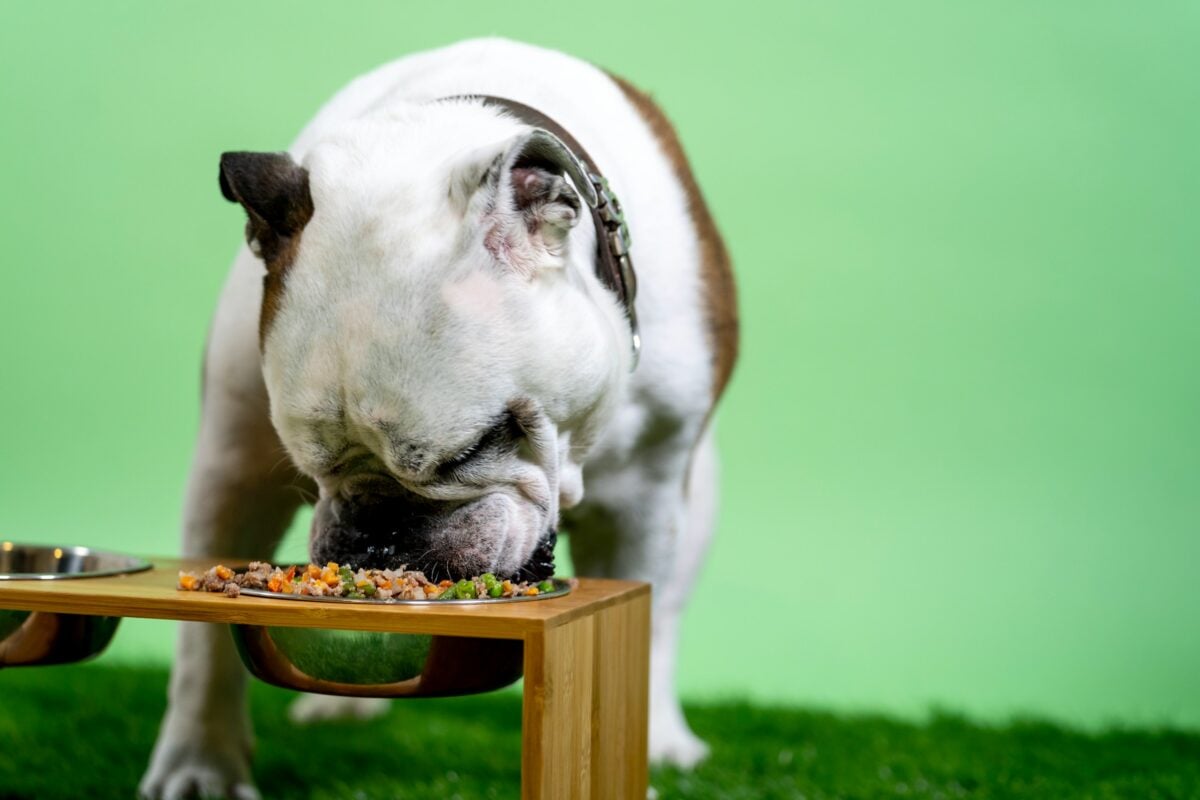
1. Breathing Gets Worse With Weight Gain
Bulldogs already have narrowed airways due to their facial structure. Extra fat — especially around the neck and chest — adds resistance and makes breathing more difficult.
Even a small weight gain can:
- Worsen snoring and labored breathing
- Reduce exercise tolerance
- Increase sensitivity to heat
Learn more about English Bulldog health issues, including brachycephalic obstructive airway syndrome (BOAS).
2. Joint Stress Builds Quickly
Bulldogs carry most of their weight in a front-heavy frame with compact, compressed joints. That structure leaves less room for error.
Extra weight increases the risk of:
- Hip dysplasia
- Arthritis
- Reduced mobility over time
What looks like a “thick” Bulldog can quietly become a mobility issue within months.
3. Heat Intolerance Becomes More Dangerous
Bulldogs already struggle to regulate body temperature. Excess weight makes it worse by:
- Trapping heat
- Reducing cooling efficiency
- Increasing the risk of overheating
This is why overweight Bulldogs are more prone to heat exhaustion, even during mild activity.
The #1 Feeding Mistake Bulldog Owners Make
The most common feeding mistake Bulldog owners make is overfeeding without realizing it — usually through oversized portions, frequent treats, or “just a little extra” between meals.

Because Bulldogs are highly food-motivated and naturally lower energy, those small extras add up fast and often lead to steady weight gain, breathing strain, and joint stress.
Here’s a closer look at how dramatically calorie needs can vary, using a 40-pound adult Bulldog as an example.
| Lifestyle/Activity | Spay/Neuter Status | Estimated Daily Calories |
|---|---|---|
| Indoor/inactive | Intact | 800–975 |
| Indoor/inactive |  | 665–810 |
| Low activity | Intact | 930–1,135 |
| Low activity | | 775–950 |
| Moderate activity | Intact | 1,065–1,300 |
| Moderate activity | | 885–1,085 |
To Keep Your Bulldog Healthy & Properly Sized:
- Measure every meal using a standard measuring cup
- Avoid free-feeding or “topping off” the bowl
- Limit treats or include them in your daily calorie total
- Stick to consistent mealtimes
- Choose a high-quality food appropriate for your dog’s age and activity level
Important: If you can’t easily feel your dog’s ribs with light pressure, portions likely need adjusting.
How To Tell If Your English Bulldog Is Overweight
Forget the bowl. Look at the dog.
English Bulldogs are naturally thick and muscular, which makes it easy to miss early weight gain. What looks “stocky” can quietly cross into overweight. Use this quick check regularly:
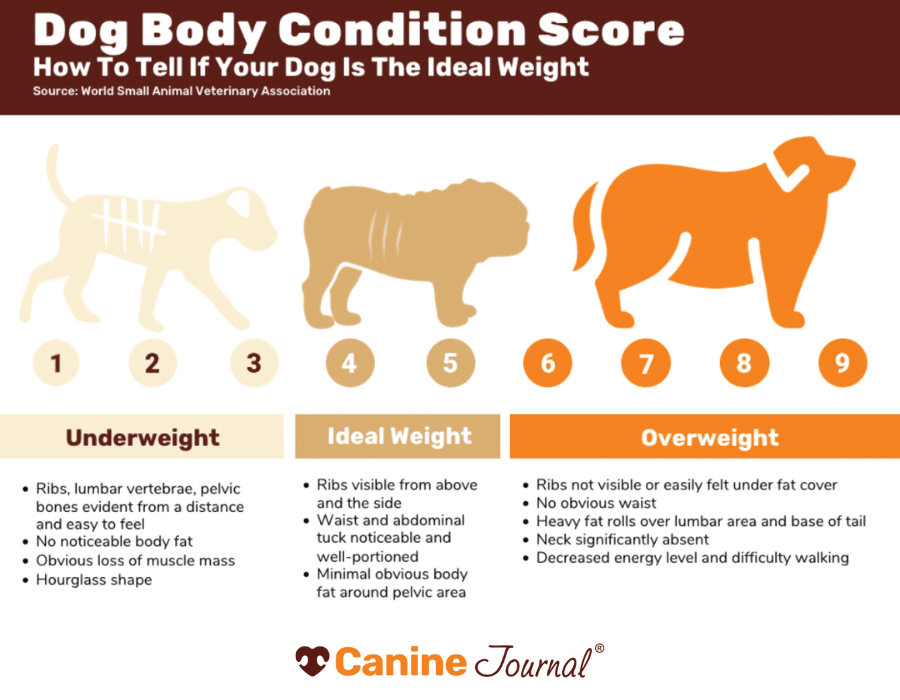
Rib Check
You should be able to feel the ribs easily with light pressure, but not see them.
- If ribs are hard to find or require pressing, your Bulldog may be overweight
- If ribs are very prominent, they may be underweight
Think covered, not buried.
Waistline Test (Top View)
Look down at your dog from above.
- There should be a subtle waist behind the ribs
- If the body looks oval, wide, or uniform from shoulders to hips, weight gain is likely
Bulldogs won’t have a dramatic waist, but there should still be some shape.
Side Profile
From the side, the abdomen should tuck upward slightly behind the ribcage.
- A straight or sagging belly line often indicates excess fat
- A slight upward curve = ideal
This is one of the easiest ways to spot gradual weight gain.
Energy & Stamina
Changes in movement often show up before obvious body changes. Overweight Bulldogs may:
- Tire quickly on walks
- Avoid activity or play
- Sit or lie down more often
- Show reduced endurance overall
Because Bulldogs are already lower energy, these changes can be subtle.
Scale Reality Check: Weigh your Bulldog monthly. Even a 3–5 pound increase on a 40–50 lb dog is significant.
Puppy Food vs Adult Food: When To Switch
Most English Bulldogs transition to adult food around 12 months, but timing isn’t one-size-fits-all. Some Bulldogs continue developing until 14–18 months, so the right time to switch depends on your dog’s growth and body condition. Learn more via our English Bulldog growth chart.

Why Puppy Food Matters Early On
Puppy formulas are designed to support rapid growth and development. Key differences include:
- Higher calorie density: Puppies need more energy per pound to support growth
- Increased protein: Supports muscle development and tissue repair
- Fat & DHA: Provides energy and supports brain and vision development
- Balanced minerals: Proper calcium and phosphorus levels are critical for bone development
For Bulldogs, this balance matters even more due to their compact structure and joint stress risk.
When Switching Too Early Causes Problems
Switching to adult food too soon can:
- Limit growth support
- Reduce essential nutrient intake
- Impact proper muscle and bone development
When Switching Too Late Causes Problems
Keeping your Bulldog on puppy food too long can:
- Increase daily calorie intake
- Lead to unnecessary weight gain
- Add stress to joints and breathing
When in doubt, reach out to your vet for support.
Calories vs Cups: Why It Matters More Than You Think
Not all dog food has the same calorie density. One cup of food can range from 300 to over 500 calories, depending on the formula. That means two Bulldogs eating the same “amount” of food could be getting very different calorie intakes.
Bulldogs don’t need a large calorie surplus to gain weight. Even a 100-calorie difference per day can lead to noticeable weight gain over time. That’s the equivalent of:
- An extra handful of kibble
- A few calorie-dense treats
- Or switching to a richer formula without adjusting portions
What Most Owners Get Wrong
Many feeding guidelines are based on volume (cups), not calories. So if you switch brands, change formulas, or add toppers and treats — but keep feeding the same number of cups — you may be overfeeding without realizing it.
What To Do Instead
- Check the calories per cup on your dog food label
- Adjust portion sizes when switching foods
- Factor in treats, which should stay under 10% of daily caloric intake
Calories — not cups — determine whether your Bulldog gains or maintains weight. For more tips, read our articles covering obesity in dogs and how to help a dog lose weight.
Types Of Dog Food
There’s no single “best” diet for every Bulldog. The right choice depends on your dog’s needs, your budget, and how you prefer to feed.
Because Bulldogs are prone to obesity and joint strain, calorie control and nutrient balance matter more than the feeding style itself.
Dry Food (Kibble)
Kibble is the most widely used dog food option due to its convenience and affordability. Commercial dog food must be complete and balanced for its intended life stage, providing a mix of protein, fats, carbohydrates, vitamins, and minerals.
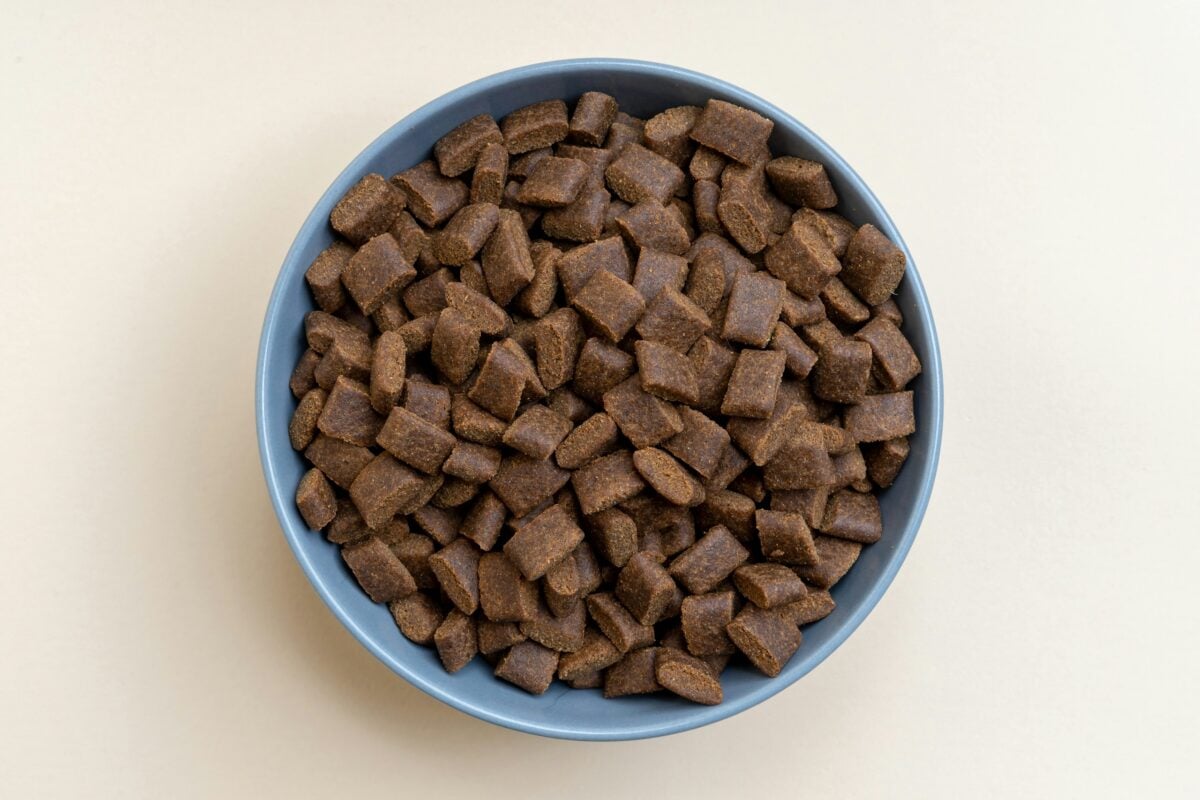
Ingredient lists are ordered by weight, along with a guaranteed analysis showing protein, fat, fiber, and moisture.
For English Bulldogs, look for formulas that support:
- Moderate calorie density
- Joint health (glucosamine, chondroitin)
- Skin support (omega fatty acids)
Kibble can be served dry or slightly softened with water or broth, especially for puppies or seniors.
Pros
- Shelf-stable and easy to measure precisely
- Most budget-friendly option
- Convenient for consistent feeding schedules
- Crunchy texture may help reduce plaque buildup
Cons
- Quality varies significantly between brands
- Lower moisture content than fresh or wet diets
- Easy to over-pour, especially for calorie-dense formulas
Bulldog Tip: Measure portions carefully. An extra handful per day can quickly lead to weight gain in this breed.
Bottom Line: High-quality kibble works well for most Bulldogs, but portion accuracy is critical.
Wet Food (Canned)
Wet food is softer, more aromatic, and often more appealing to picky eaters. It typically comes in cans or pouches and contains higher moisture levels.
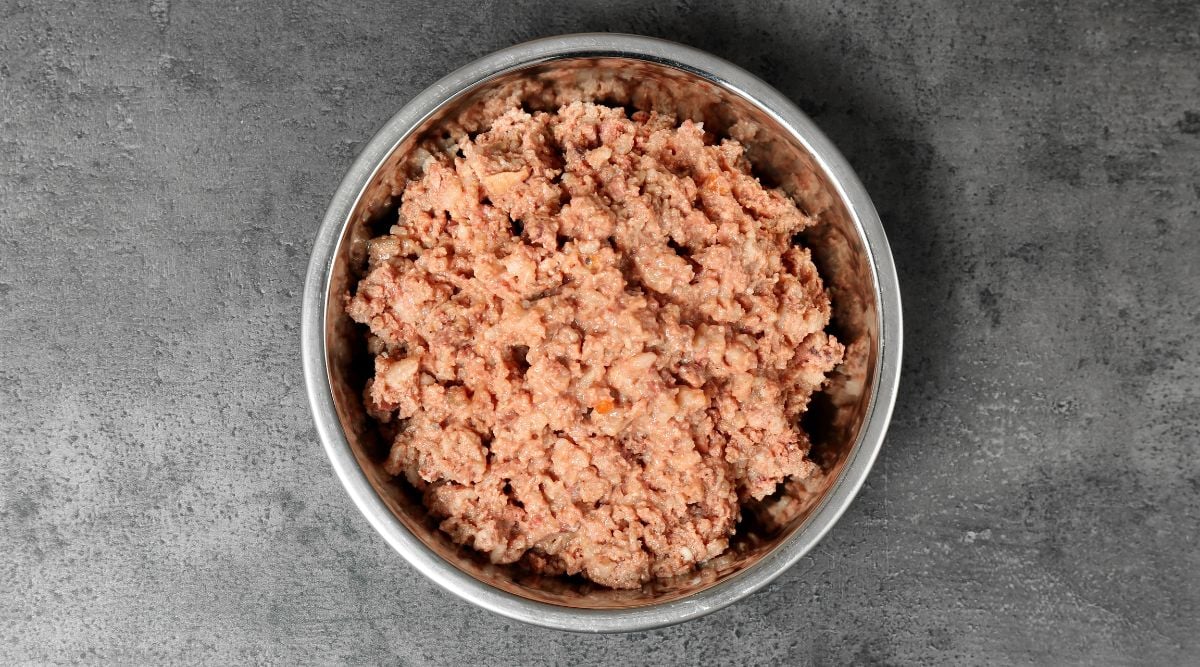
For Bulldogs, wet food can be especially helpful for:
- Dogs with dental issues
- Picky eaters
- Dogs that need extra hydration
Because wet food contains more water, it may help with hydration and satiety.
Pros
- Highly palatable
- Higher moisture content
- Easier to chew
Cons
- More expensive per calorie than kibble
- Can contribute to overfeeding if portions aren’t measured
- Does not support dental health like kibble
Bottom Line: Wet food is a good option for picky or older Bulldogs and is often used as a topper.
Fresh / Human-Grade Food
Fresh diets use minimally processed, whole ingredients and are typically delivered refrigerated or frozen. Many are pre-portioned based on calorie needs, which can simplify feeding.

For Bulldogs, fresh food can:
- Support digestion
- Improve coat and skin health
- Make portion control easier when pre-portioned
However, calorie density still matters. Even fresh diets can lead to weight gain if portions are too large.
Note: “Human-grade” is not a regulated term, so quality depends on the manufacturer.
Pros
- Whole, recognizable ingredients
- Higher moisture content
- Often supports digestion and skin health
- Pre-portioned options available
Cons
- More expensive
- Requires refrigeration or freezing
- Shorter shelf life
Bottom Line: Fresh food can work very well for Bulldogs, especially those with sensitivities, but cost is higher.
Home-Cooked Diets
Some owners prefer preparing meals at home for full control over ingredients.

For Bulldogs, this approach requires careful planning. Improperly balanced diets can worsen:
- Joint issues
- Skin conditions
- Weight problems
If you choose this route, work with a veterinarian or veterinary nutritionist to ensure proper nutrient balance.
Pros
- Complete control over ingredients
- Helpful for dogs with sensitivities
- Uses fresh, minimally processed foods
Cons
- Easy to create nutrient deficiencies
- Requires precise formulation
- Time-intensive
Bottom Line: Home-cooked diets can be healthy but require careful planning and professional guidance.
Raw, Prey Model, Or BARF Diets
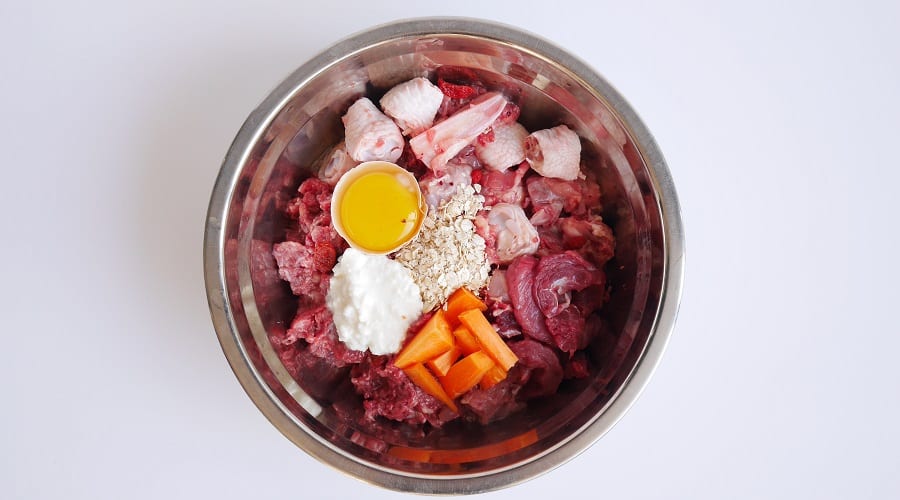
Raw diets focus on uncooked meat, organs, and bone, sometimes with added vegetables. You can prepare meals at home or purchase commercially balanced raw diets.
Pros
- Minimally processed ingredients
- High nutritional content
Cons
- Risk of bacterial contamination
- Difficult to balance without expertise
- Higher cost
- Bone fragments may pose risks
Bottom Line: Raw feeding requires careful planning. Commercially prepared balanced options are safer than DIY.
Vegan Diet
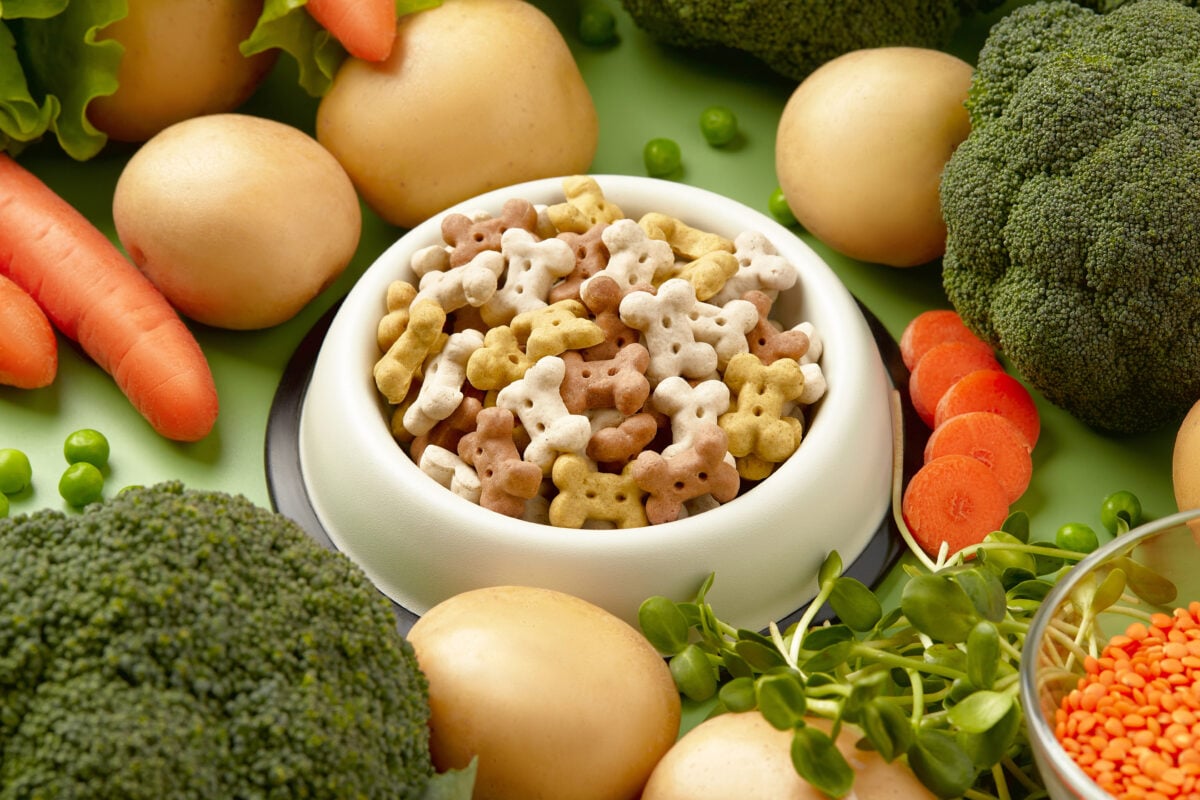
Dogs are omnivores and can digest plant-based diets when properly formulated.
Pros
- Avoids animal-based allergens
- High in fiber and plant nutrients
Cons
- Limited long-term breed-specific research
Bottom Line: Bulldogs can do well on properly formulated vegan diets, but nutrient balance is essential.
How Common Dog Diets Compare (At A Glance)
There’s no single “best” diet. Each feeding style has trade-offs in cost, convenience, and nutritional control.
| Diet Type | Primary Protein Source | Prep & Convenience | Cost Range |
|---|---|---|---|
| Commercial Dog Food (Dry & Wet) | Animal proteins, meat meals, or plant-based formulas | Dry: very convenient / Wet: moderate | $ |
| Homemade or Human-Grade (Cooked) | Animal proteins, plant proteins, or a combination | Moderate to high | $$–$$$ |
| Raw / PMR / BARF | Raw muscle meat, organs, bone | Moderate to high | $$$ |
| Vegan / Plant-Based | Legumes, grains, supplemented amino acids | Very convenient to moderate | $$ |
What Nutrients Do English Bulldogs Need?
Because English Bulldogs are prone to obesity and structural strain, nutrient quality matters just as much as calorie control. They need nutrition that supports muscle maintenance, joint health, skin integrity, and controlled weight.
Protein
Protein supports muscle maintenance, immune function, tissue repair, and overall body condition. For Bulldogs, this is especially important because:
- They carry a heavy, compact frame
- Muscle support reduces strain on joints
- Lean body mass helps prevent excess fat gain
Dogs require 10 essential amino acids from food, including:
- Arginine
- Histidine
- Isoleucine
- Leucine
- Lysine
- Methionine
- Phenylalanine
- Tryptophan
- Valine
Animal-based proteins such as chicken, turkey, beef, lamb, and fish naturally provide all essential amino acids in balanced proportions. Some plant proteins, including soy and quinoa, can also be complete when properly formulated.
Bottom Line: High-quality, complete protein supports muscle strength, immune health, and long-term structural support.
Fat
Fat is a concentrated energy source and plays a major role in overall health. For Bulldogs, fat intake needs to be balanced, not excessive.
Healthy fats support:
- Skin barrier function (important for allergy-prone Bulldogs)
- Coat health
- Hormone production
- Absorption of vitamins A, D, E, and K
Key fatty acids include:
- Omega-3s (EPA, DHA) → anti-inflammatory support
- Omega-6s (linoleic acid) → skin and coat health
Common high-quality fat sources include chicken fat, beef tallow, fish oil, ground flaxseeds, flaxseed oil.
Bottom Line: Healthy fats support joints, skin, hormones, and energy levels, but portion control is essential to prevent weight gain in Bulldogs.
Carbohydrates
Dogs do not require carbohydrates, but they can provide useful nutrients and fiber. For Bulldogs, fiber plays an important role in:
- Digestive health
- Stool quality
- Satiety (helping prevent overeating)
Quality carbohydrate sources include pumpkin, sweet potato, quinoa, and brown rice.
Bottom Line: Carbohydrates can be a good source of fiber and antioxidants, but excessive carbs can contribute to weight gain in calorie intake isn’t controlled.
Vitamins & Minerals
These support:
- Bone and joint health
- Immune function
- Metabolism
- Nerve signaling
For Bulldogs, proper mineral balance is critical, especially during growth. Rather than micromanaging nutrients, choose foods that:
- Meet AAFCO standards for the correct life stage
- Are formulated for medium breeds or English Bulldogs
- Provide complete and balanced nutrition
Water
Water supports every function in your dog’s body, including:
- Nutrient transport
- Temperature regulation
- Joint lubrication
- Digestion
As a general rule, dogs drink about 1 ounce of water per pound of body weight daily, though this varies by diet.
Note: Bulldogs are prone to overheating, so hydration is especially important.
Why Nutrition Quality Matters More For Bulldogs
Nutrition does more than fuel your dog. It influences how their body functions at a cellular level.
Research shows that diet can impact gene expression, which plays a role in aging, immunity, and overall health. In other words, what you feed your dog doesn’t just affect weight. It can influence how their body responds to stress, repairs tissue, and regulates inflammation over time.
Why This Matters More For English Bulldogs
English Bulldogs aren’t just another breed when it comes to nutrition. They are genetically and structurally more sensitive to poor diet quality.
They are already predisposed to:
- Skin conditions and allergies
- Joint stress and mobility issues
- Chronic low-grade inflammation
A lower-quality diet can quietly worsen these issues over time, even if your dog’s weight appears normal.
What Higher-Quality Nutrition Supports
A well-formulated diet can help:
- Reduce inflammation that contributes to joint discomfort
- Support skin barrier health and reduce itchiness
- Improve digestion and nutrient absorption
- Maintain lean body mass instead of excess fat
What To Look For In Higher-Quality Food
Focus on:
- Clearly named protein sources (not vague “meat by-products”)
- Balanced omega-3 and omega-6 fatty acids
- Controlled calorie density
- Added joint-support nutrients like glucosamine
At A Glance: Best Food For English Bulldogs
Looking for the best dog food for English Bulldogs? Take a look below at some of our top picks.
| Best Overall | Puppy | Dry | Wet |
|---|---|---|---|
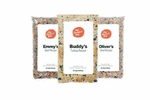 | 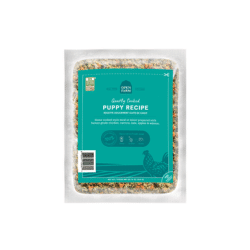 | 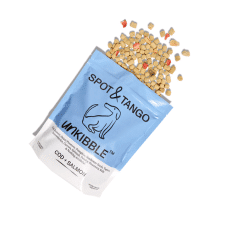 | 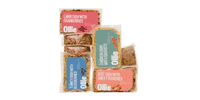 |
| The Farmer’s Dog | Open Farm Puppy | Spot & Tango UnKibble | Ollie |
| Visit Website | Visit Website | Visit Website | Visit Website |
| Read Review | Read Review | Read Review | Read Review |
For more information, see our guide to the best dog foods for English Bulldogs.
4 Ingredients To Be Cautious Of In Dog Food
No single ingredient determines quality on its own. But some additives are used more for shelf life and marketing than actual nutrition.
For English Bulldogs, ingredient quality matters even more because they are prone to inflammation, skin issues, and weight gain.
When reading labels, be cautious of:
- BHA, BHT, or Ethoxyquin: Synthetic preservatives used to prevent fat spoilage. Many higher-quality foods use natural preservatives like mixed tocopherols instead.
- Artificial dyes: Added only for visual appeal. They provide no nutritional benefit and have been linked to behavioral and health concerns in human and animal studies.
- Vague meat sources (“animal fat,” “meat meal”): Unspecified ingredients make it difficult to assess quality and traceability. Look for clearly named proteins like chicken, beef, or salmon.
- Rendered or generic fats: Choose foods with named fat sources such as chicken fat or salmon oil instead of generic “animal fat,” which can vary in quality.
Frequently Asked Questions
Even with a feeding chart, there are always a few gray areas. From constant hunger to meal timing to choosing the right food, here are the most common English Bulldog feeding questions, answered clearly.
Don’t see your question? Respond in the comments, and we’ll get back to you!
Should Bulldogs Be On Weight Management Food?
Only if needed. Weight management formulas can help if your dog:
- Gains weight easily
- Is less active
- Has already become overweight
However, many Bulldogs can maintain a healthy weight with proper portion control and standard high-quality food.
How Often Should I Adjust My Bulldog’s Food?
Check body condition monthly and adjust as needed. Changes in activity level, age, and weight should all trigger a portion review.
Are Treats Ruining My Bulldog’s Diet?
They can be. Even small extras add up quickly in this breed.
Treats should make up no more than 10% of daily calories.
Feeding Is Just The Start…
Feeding your Bulldog correctly is one of the most important things you can do for their long-term health. But it’s only part of the picture. To go deeper, explore: