When you purchase through links on our site, we may earn a commission at no extra cost to you. Learn more.
Pugs and Boston Terriers often get lumped together as “small flat-faced dogs,” but living with one is not the same experience. While they share similar facial features and compact size, their personalities, energy levels, and day-to-day lifestyle needs can feel surprisingly different once they’re in your home.
Table of Contents
If you’re deciding between these two popular companion breeds, the differences go far beyond looks. From temperament and exercise needs to health risks and training style, this guide breaks down what actually matters when choosing between a Pug and a Boston Terrier.
Breed Comparison
- Height10-14 Inches
- Height15-17 Inches
- Weight14-18 Pounds
- Weight12-25 Pounds
- TemperamentWarmhearted, Steadfast, Fun
- TemperamentLively, Stubborn, Intelligent
- EnergyLow Energy
- EnergyAverage
- HealthAverage
- HealthAverage
- Lifespan12-15 Years
- Lifespan13-15 Years
- Puppy Prices$1,000 and Up
- Puppy Prices$1,200 to $2,500
Start Here: The Mistake People Make Comparing Pugs & Boston Terriers
Many people assume the biggest difference between Pugs and Boston Terriers comes down to looks. Both breeds have short muzzles, compact bodies, and large expressive eyes. If you’re browsing photos online or meeting puppies quickly, it’s easy to think they’re essentially the same type of dog.
But their personalities and daily lifestyles can feel very different once they’re living in your home.
Pugs tend to lean toward the relaxed side of the companion dog spectrum. They love being close to their people and are often happiest lounging beside their owners or quietly following them from room to room.
Boston Terriers usually bring more energy and playfulness into the mix. They’re often described as lively, curious, and entertaining, with a stronger desire for games, interaction, and activity.
For many owners, that difference in energy and temperament ends up being the biggest factor when deciding which breed fits their lifestyle.
Appearance: Similar Faces, Different Dogs
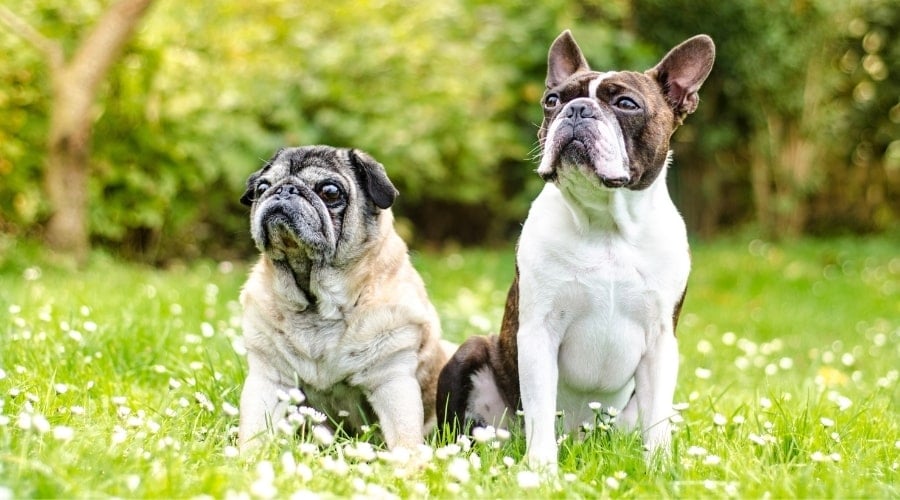
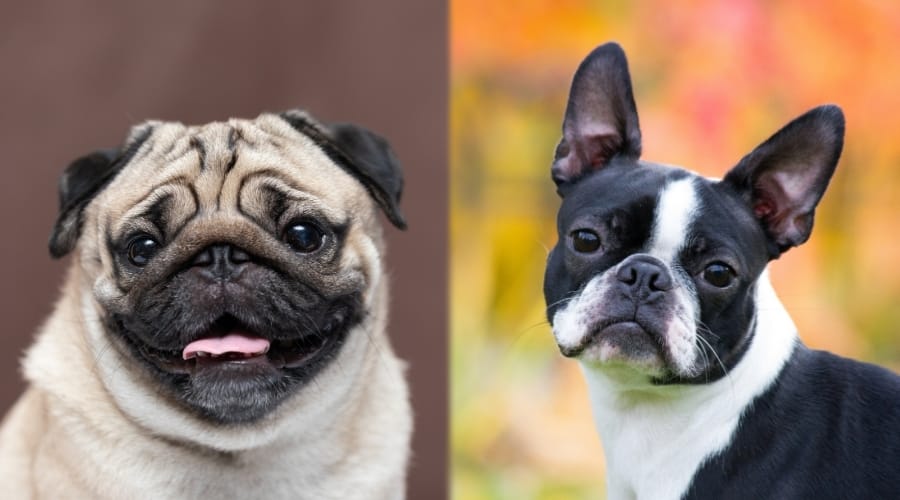
At first glance, Pugs and Boston Terriers can look surprisingly alike. Both breeds have flat faces, prominent eyes, and compact bodies that give them a distinctive appearance among small dogs.
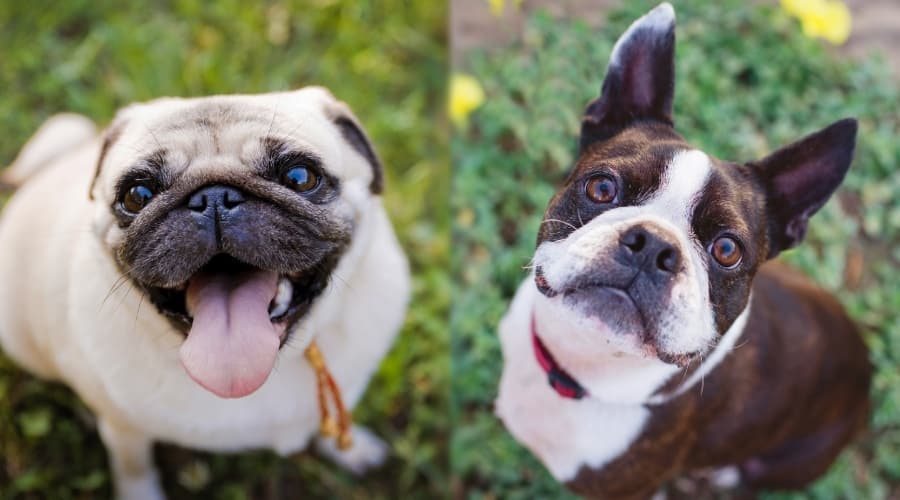
However, once you look more closely at their build, facial features, and coat patterns, the differences become much easier to spot. These physical traits can also hint at differences in health, energy level, and lifestyle needs.
Size & Build
Boston Terriers are typically a bit taller and more athletic than Pugs. Most stand 15 to 17 inches tall and weigh between 12 and 25 pounds, giving them a leaner and more upright posture.
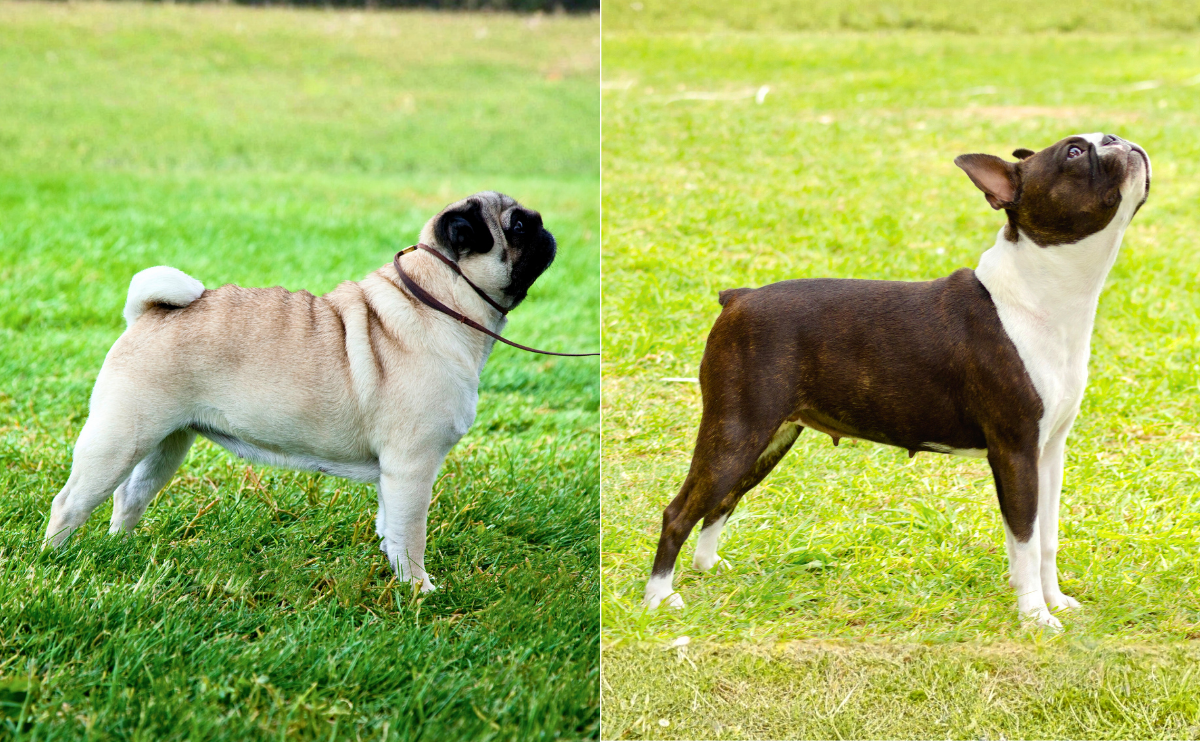
Pugs are shorter and stockier by comparison. They usually stand 10 to 14 inches tall and weigh 14 to 18 pounds, with a rounder body and a tightly curled tail that contributes to their compact appearance.
Because of these differences, Boston Terriers often appear more agile and energetic, while Pugs have a sturdier, more compact look that reflects their history as companion dogs.
Face & Expression
Both breeds belong to a group of dogs known as brachycephalic breeds, which have shortened skulls and flattened facial structures.
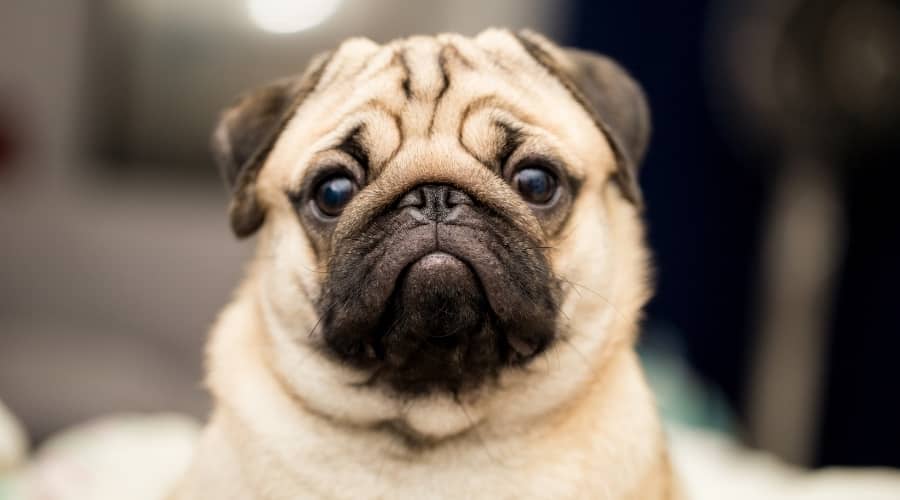
Pugs are known for their deep facial wrinkles, round eyes, and soft, expressive faces. Their expressions often appear relaxed or slightly comical, which is part of what makes the breed so recognizable.
Boston Terriers have fewer wrinkles and a more alert appearance. Their large upright ears and smoother facial structure give them a sharper, more animated expression.
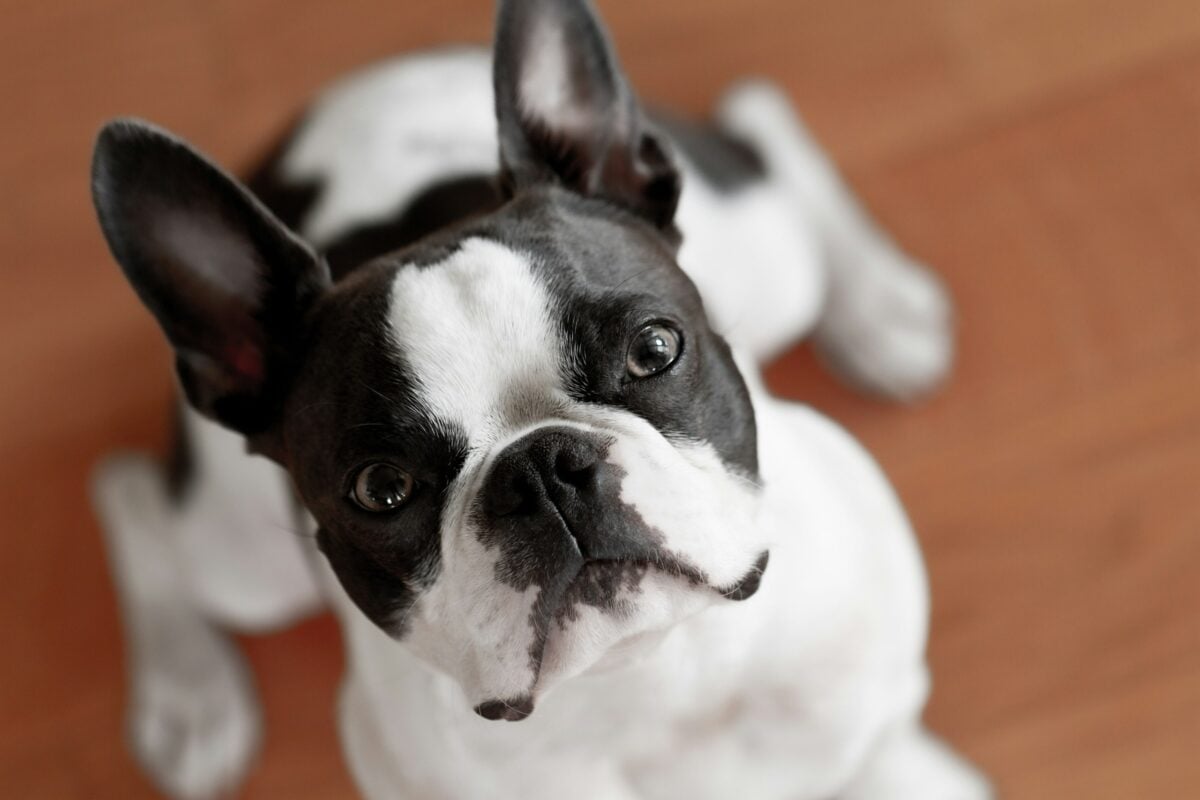
Because of these structural differences, Boston Terriers often look more energetic or attentive, while Pugs tend to look more relaxed.
Coat Colors & Patterns
Boston Terriers are famous for their tuxedo-like markings. Most appear in black and white, though brindle and seal variations are also common.
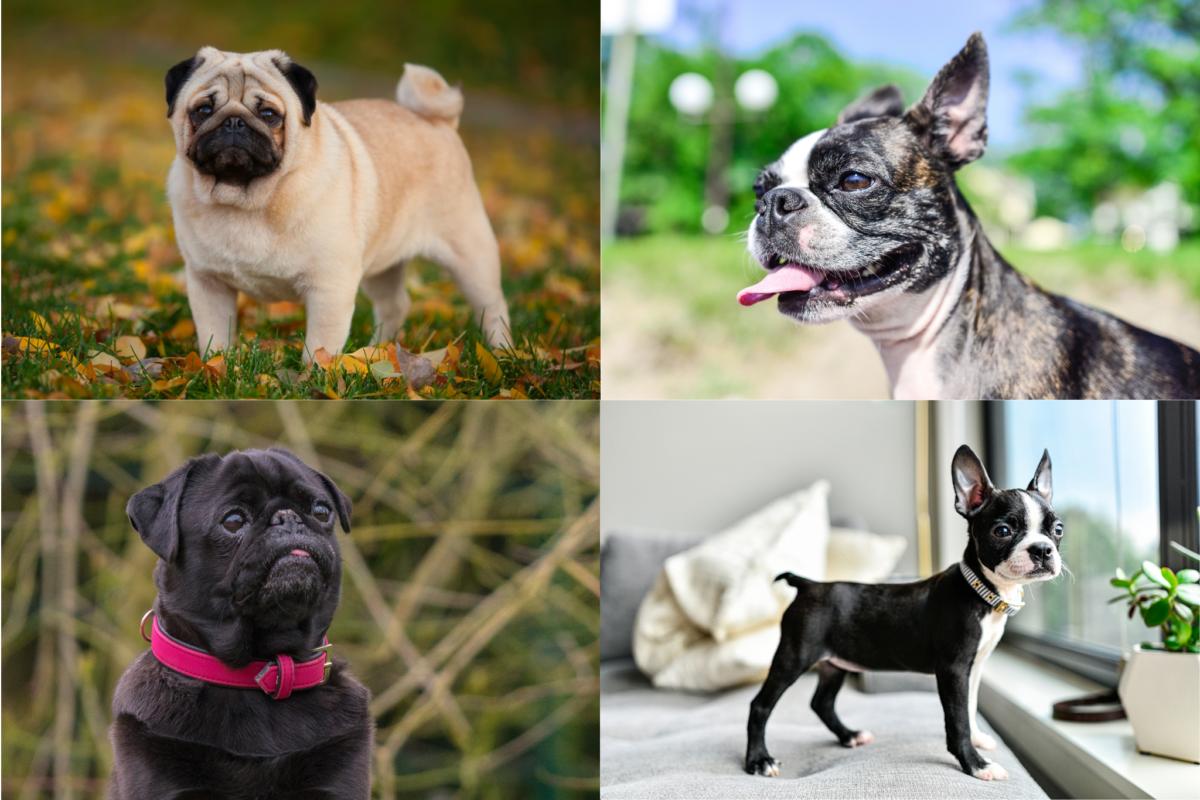
Pugs usually appear in fawn or black coats, often with a dark facial mask. Rare color variations exist, including white Pugs, though these are uncommon.
Despite these color differences, both breeds have short coats that are relatively easy to maintain.
Quick Appearance Recap
Pug:
- Shorter and stockier build
- Wrinkled face
- Fawn or black coat
- Curled tail
Boston Terrier:
- Taller and more athletic
- Smooth face with upright ears
- Black, brindle, or seal tuxedo coat
- Short straight tail
Temperament & Personality
While Pugs and Boston Terriers are both affectionate companion dogs, their personalities can feel quite different in everyday life.
Both breeds enjoy spending time with their families and tend to form strong bonds with their owners. However, the way they show affection, their energy level, and how they interact with people can vary depending on the breed.
Understanding these differences can help you picture what daily life with each dog might actually look like.
Affection & Bonding Style
Pugs are famously people-oriented dogs. They were bred primarily as companion animals, and many still behave like classic “shadow dogs” that enjoy staying close to their owners throughout the day.
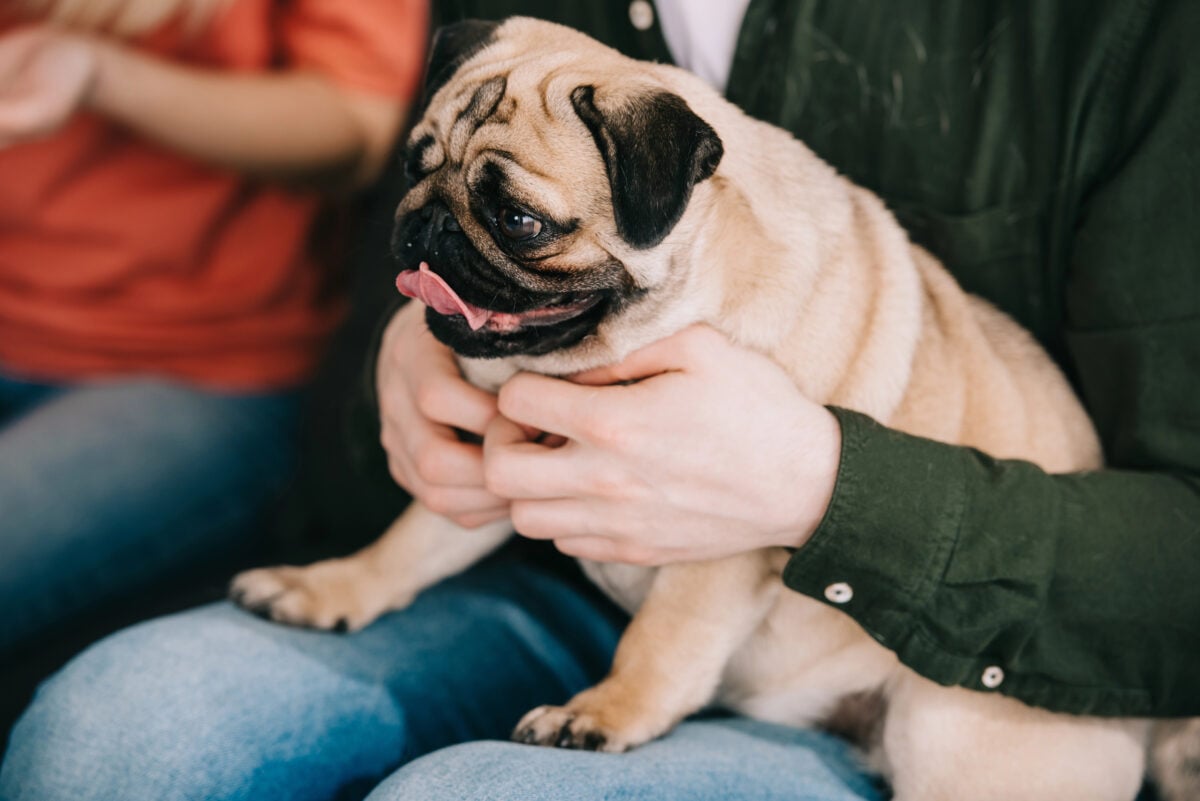
Many Pugs are happiest lounging beside their people on the couch or quietly following them from room to room. Their calm, affectionate nature often makes them a favorite among owners looking for a relaxed companion.
Boston Terriers are also affectionate, but they often show their attachment through play and interaction. Instead of quietly lounging nearby, many Boston Terriers prefer engaging with their owners through games, toys, or short bursts of activity.
This difference in bonding style can influence how active your daily routine with the dog becomes.
Playfulness & Energy
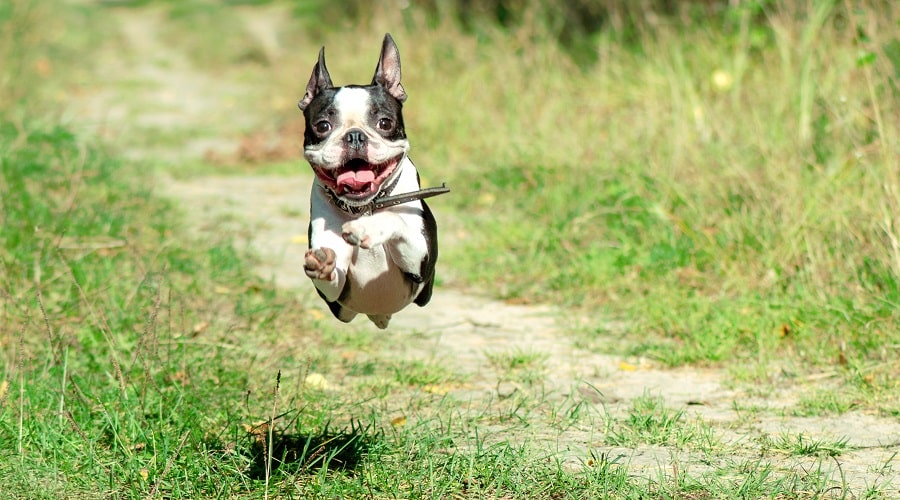
Boston Terriers are typically more energetic and playful than Pugs. They often enjoy games, toys, and interactive play sessions throughout the day. Many owners describe them as lively, entertaining dogs that like to stay mentally and physically engaged.
Pugs can certainly be playful as well, but their activity tends to come in shorter bursts. After a quick play session, many are perfectly happy returning to a comfortable resting spot.
For owners who prefer a calmer companion dog, this difference in energy level can be an important factor. Learn more in our guide to low-energy dog breeds.
With Kids & Other Pets
Pugs often have a gentle temperament that works well with calm households and respectful children. Their relaxed nature can make them patient companions.
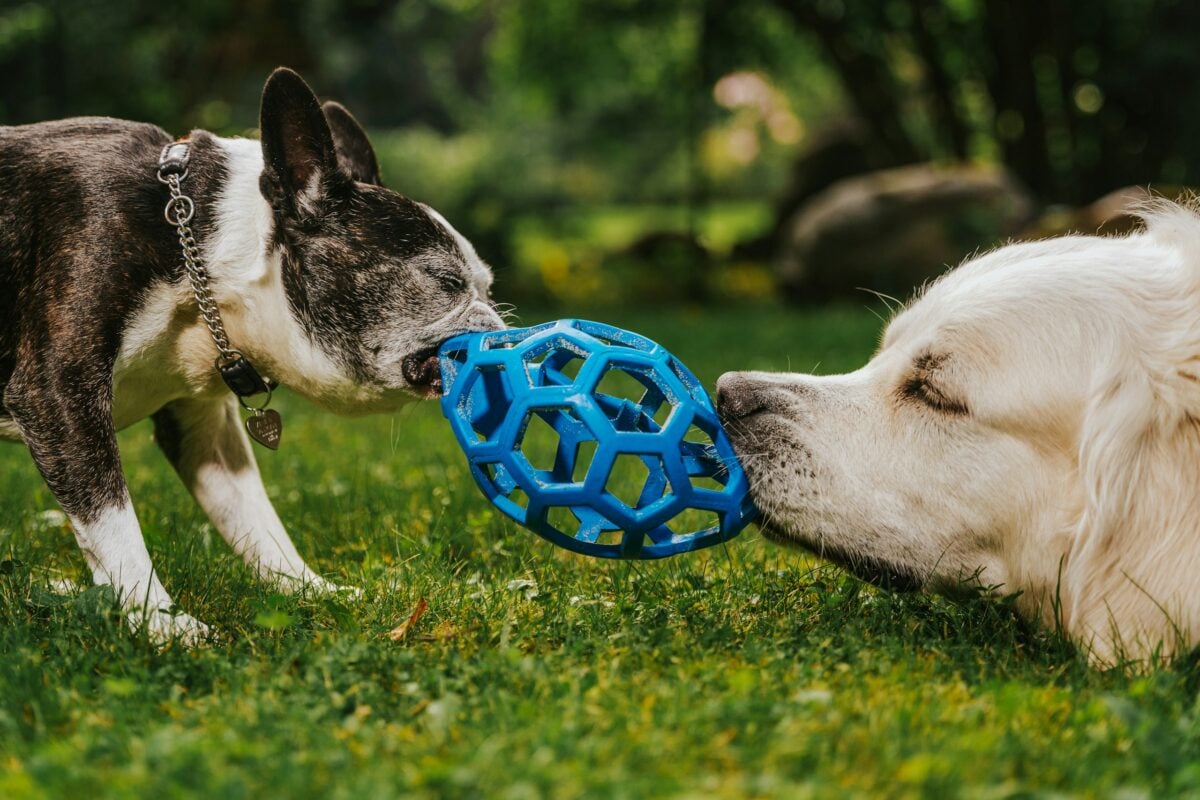
Boston Terriers are also good family dogs but may bring more enthusiasm and energy into playtime. Their playful personality can make them especially entertaining for active households.
Both breeds can do well in family environments when properly socialized. Early socialization helps them become comfortable around children, visitors, and other pets. Learn more about how to socialize your puppy.
Quick Personality Snapshot
Pug:
- Calm, affectionate companion
- Loves lounging with people
- Playful but lower energy
Boston Terrier:
- Energetic and playful
- Enjoys interaction and games
- Often more active throughout the day
Energy & Daily Rhythm
While both Pugs and Boston Terriers are small companion dogs, their daily activity levels can feel quite different once they’re living in your home.
Some small breeds are content with moderate activity and lots of downtime, while others enjoy more play, stimulation, and exercise throughout the day. Understanding where each breed falls on that spectrum can help prevent mismatched expectations for new owners.
Pug Activity Level
Pugs are generally considered a lower-energy companion breed. While they still enjoy walks and occasional playtime, many are perfectly happy spending large portions of the day relaxing near their owners.
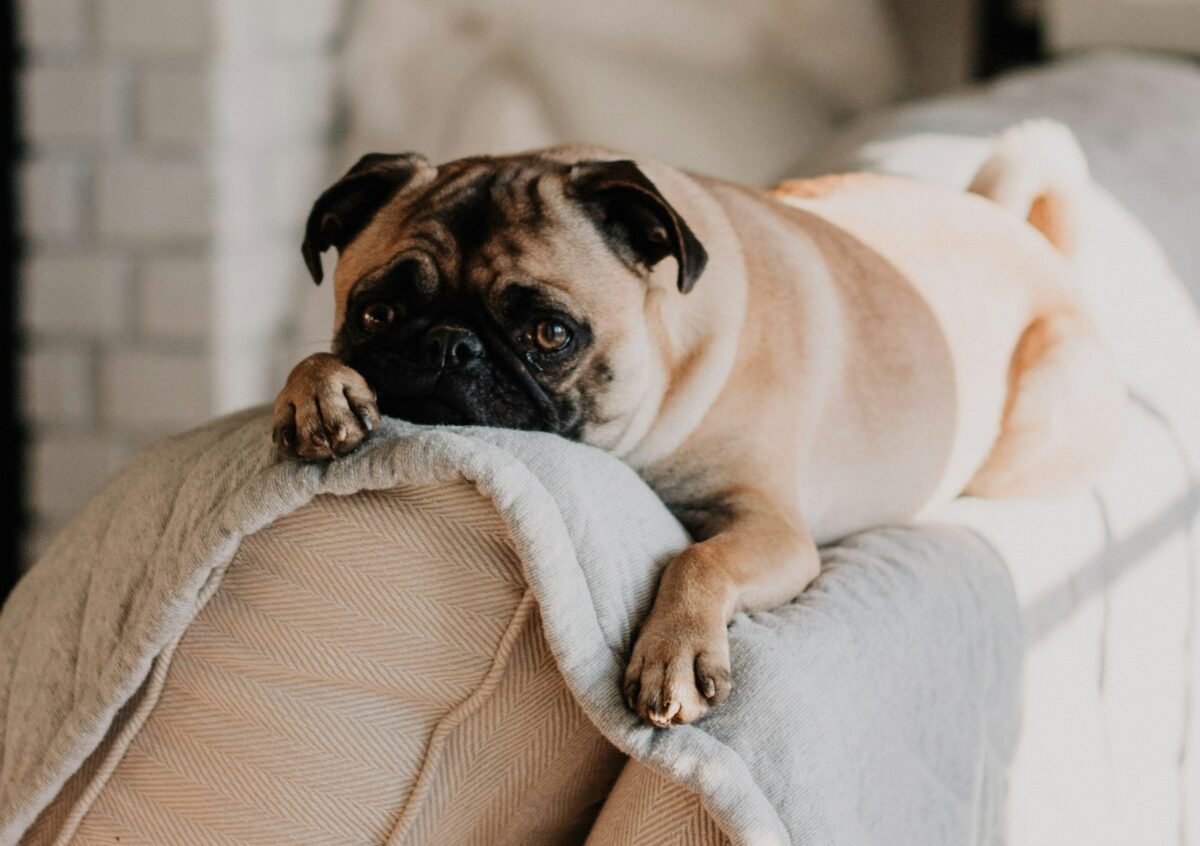
Short daily walks and a bit of indoor play are usually enough to keep most Pugs satisfied. Many owners find that their Pug prefers lounging on the couch or following them from room to room rather than seeking constant activity.
Because of their shortened airways, Pugs may also struggle with intense exercise, especially during hot weather. Keeping exercise moderate and consistent is usually the best approach.
Boston Terrier Activity Level
Boston Terriers typically have more energy and curiosity than Pugs. Many enjoy daily walks, play sessions, and interactive toys. Their lively personality means they often look for ways to stay engaged throughout the day, especially when their owners are nearby.
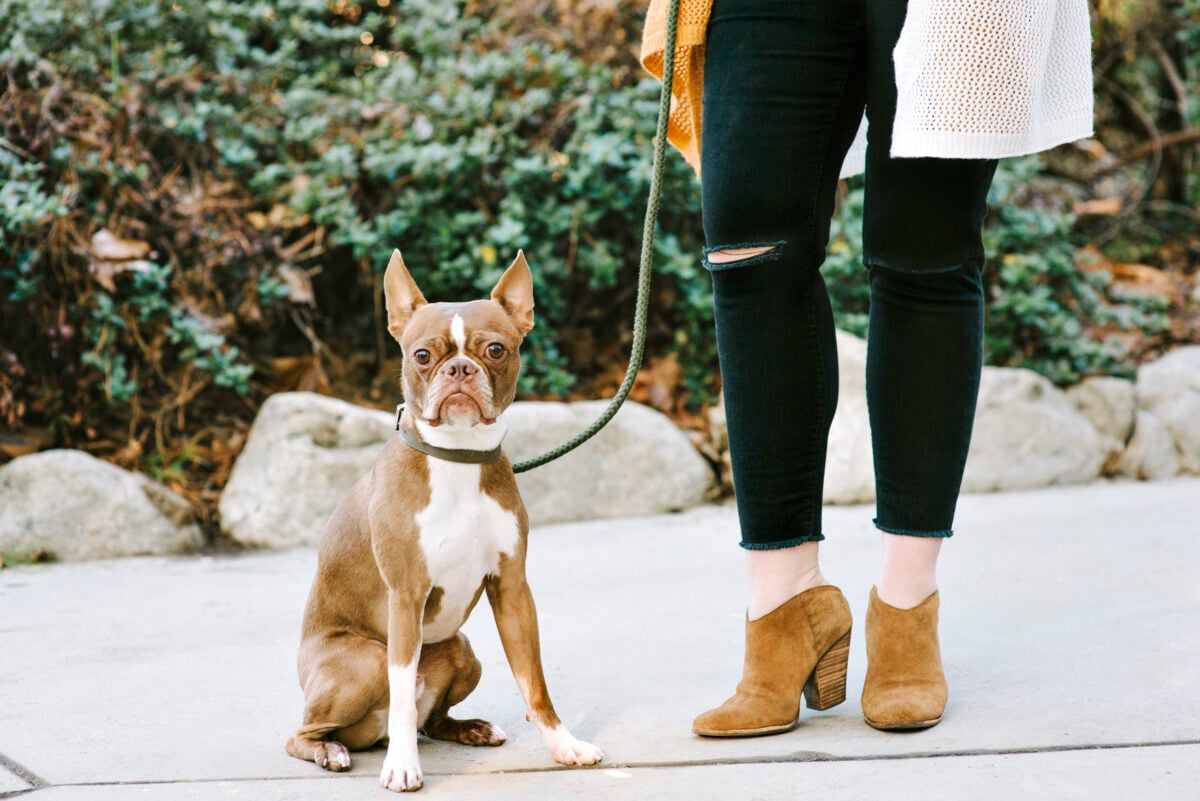
While they are still small dogs, Boston Terriers tend to be more playful and athletic than Pugs. Regular activity helps prevent boredom and keeps them mentally stimulated.
If their energy isn’t directed into exercise or play, some Boston Terriers may develop unwanted behaviors like excessive barking or chewing.
Daily Life Comparison
In practical terms, living with these two breeds can feel quite different from day to day. A Pug may happily spend the afternoon relaxing nearby while you work, watch TV, or read. Boston Terriers are more likely to check in frequently for attention, toys, or playtime.
Neither lifestyle is better or worse, but the difference in activity level can influence how well each breed fits into your routine. For example, households looking for a relaxed companion may find a Pug easier to manage, while owners who enjoy more interactive play often appreciate the Boston Terrier’s energy.
Training & Intelligence
Pugs and Boston Terriers are both intelligent dogs, but their approach to learning can feel quite different during training. While both breeds can learn commands and household rules successfully, their motivation, attention span, and willingness to cooperate often vary. Understanding these differences can help owners choose training strategies that work best for each breed.
Pug Training Style
Pugs often approach training with a bit of independence. Many owners describe Pugs as playful and curious, yet sometimes stubborn when asked to repeat commands over and over. If training becomes repetitive or boring, a Pug may simply lose interest.
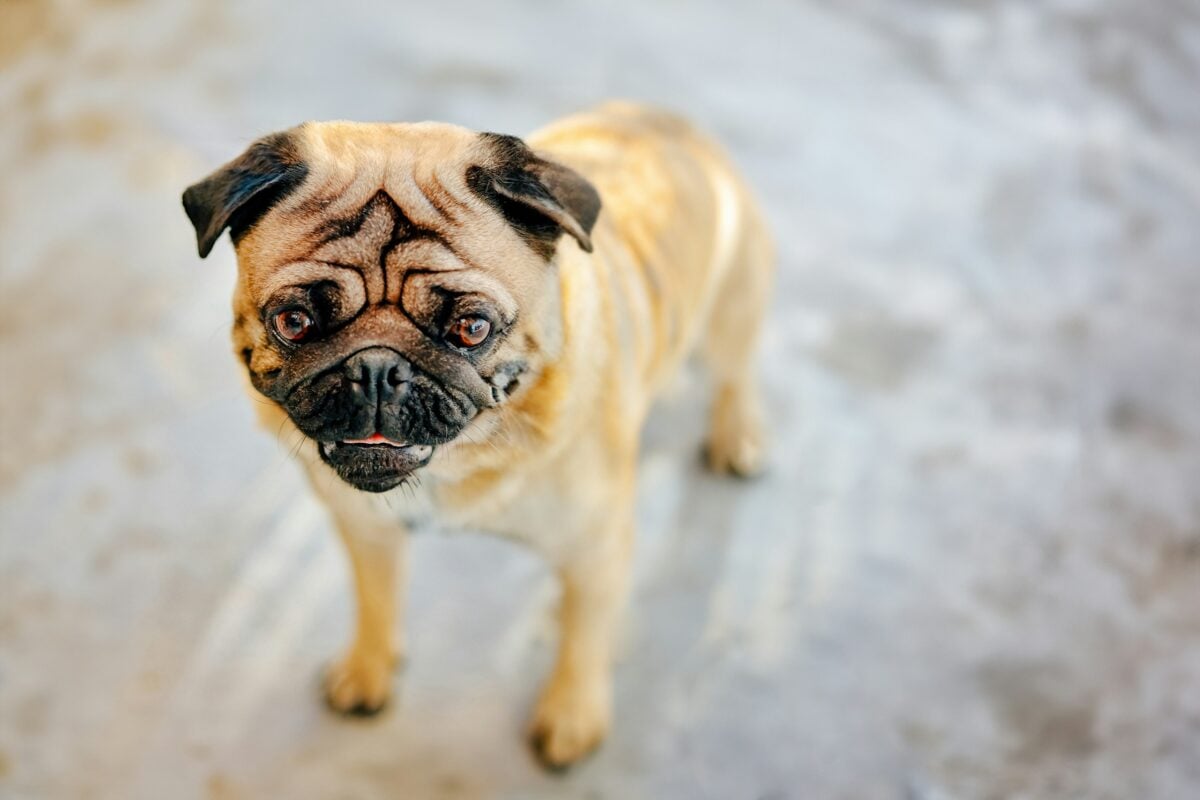
Short, engaging training sessions usually work best. Positive reinforcement, treats, and praise tend to keep Pugs motivated and willing to participate.
Boston Terrier Training Style
Boston Terriers are often eager to engage with their owners, which can make training feel more interactive. Many Boston Terriers respond well to structured routines and enjoy learning new commands, tricks, or games. Their playful personality often helps them stay engaged during training sessions.
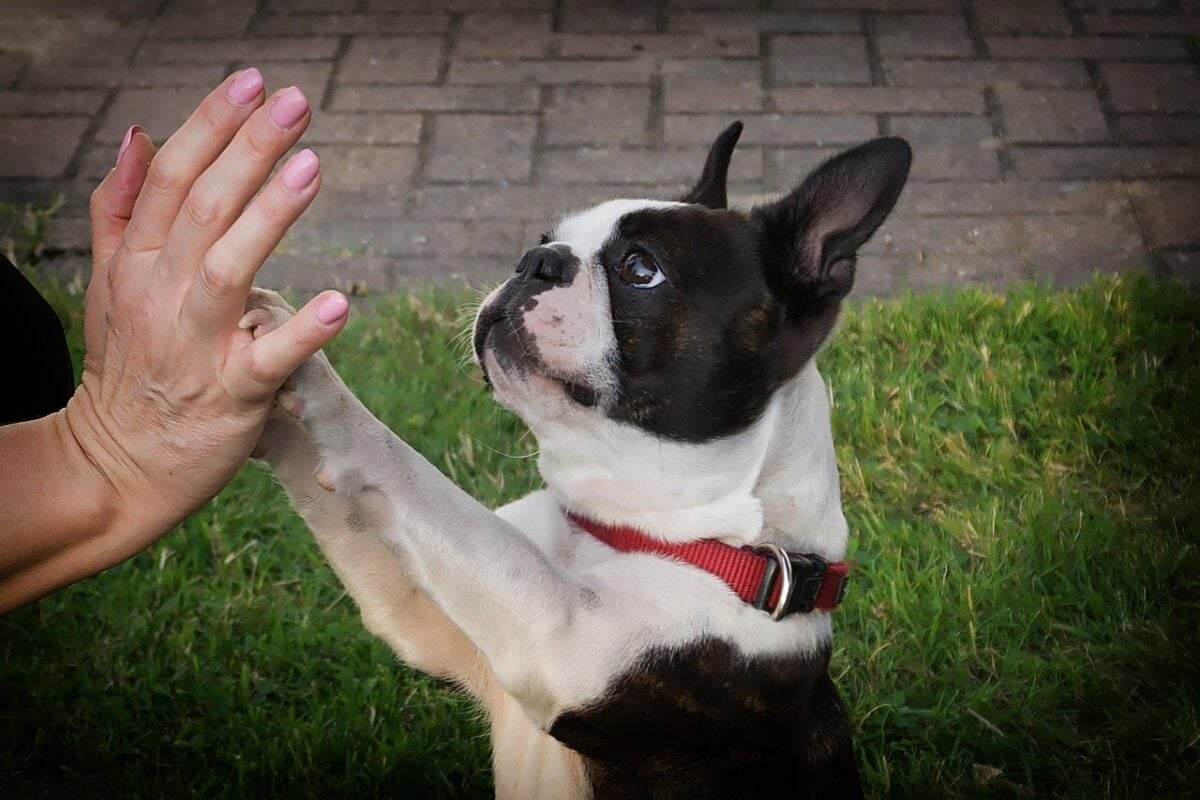
Because they tend to enjoy interaction and activity, Boston Terriers may pick up commands more quickly when training is presented as a fun challenge rather than a strict routine.
Which Breed Is Easier To Train?
Many owners find Boston Terriers slightly easier to train than Pugs.
Boston Terriers often enjoy working with their owners and may stay focused during longer training sessions. Pugs can certainly learn commands as well, but their independent streak sometimes makes them less enthusiastic about repetitive training.
That said, both breeds benefit from early socialization and consistent positive reinforcement.
Health Considerations
Both Pugs and Boston Terriers share certain health risks due to their facial structure. As brachycephalic breeds, they have shortened skulls and airways that can sometimes lead to breathing difficulties.
However, each breed also has its own set of health concerns that prospective owners should understand before bringing one home. Learning about these risks can help owners prepare for long-term care and make informed decisions about diet, exercise, and preventative health.
Shared Brachycephalic Risks
Pugs and Boston Terriers have shortened muzzles and compact facial structures. Because of these features, both breeds may experience breathing issues related to narrowed airways. Pug are especially prone to brachycephalic syndrome, which can make intense exercise, hot weather, or stressful situations more difficult.
Pug Health Concerns
Pugs are prone to several breed-specific health conditions, many of which are related to their body structure and genetics. Some of the most common concerns include:
- Breathing difficulties
- Eye problems
- Skin infections
- Joint issues
- Obesity
Maintaining a healthy weight is one of the most important steps owners can take to support a Pug’s long-term health. Learn more in our article covering Pug health issues.
Boston Terrier Health Concerns
Boston Terriers also experience several additional breed-specific conditions. Some of the more common health issues include:
- Eye conditions such as cataracts
- Breathing problems
- Joint conditions
- Hearing issues in some lines
Responsible breeding practices and regular veterinary care can help reduce the risk of many inherited conditions. Learn more about Boston Terrier health issues.
Nutrition & Weight Management
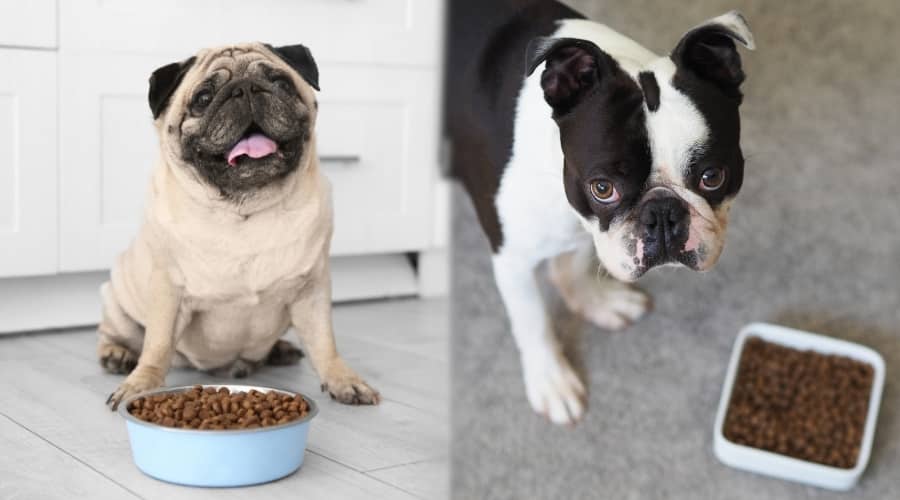
Diet plays a major role in maintaining long-term health for both breeds. Pugs in particular are known for their strong appetites and can gain weight quickly if portion sizes are not monitored carefully.
Additional Resources
Insurance & Preventative Care
Because both breeds can develop costly health conditions over time, many owners consider pet insurance as a way to manage unexpected veterinary expenses. Planning ahead for potential health needs can make long-term care easier and more predictable.
Additional Resources
Grooming & Shedding
Pugs and Boston Terriers both have short coats that are relatively easy to maintain compared with many other breeds. However, shedding levels and grooming routines can still differ slightly between the two.

Shedding Differences
Boston Terriers generally shed lightly throughout the year. Their short, smooth coat typically requires minimal brushing and produces less loose hair compared with many other breeds.
Pugs also have short coats, but they often shed more noticeably, especially during seasonal coat changes. Many owners are surprised by how much loose fur a Pug can produce despite its small size.
Coat Maintenance
Boston Terriers typically require minimal grooming due to their smooth coat. Weekly brushing is usually enough to remove loose hair and keep their coat looking clean.
Pugs may need slightly more attention, particularly around their facial wrinkles. Cleaning and drying these folds regularly helps prevent moisture buildup and skin irritation.
Puppy Prices
The price of a Pug or Boston Terrier puppy can vary depending on several factors, including breeder reputation, location, pedigree, and demand for the breed. In general, Boston Terriers tend to cost slightly more than Pugs, though there is significant overlap between the two price ranges.
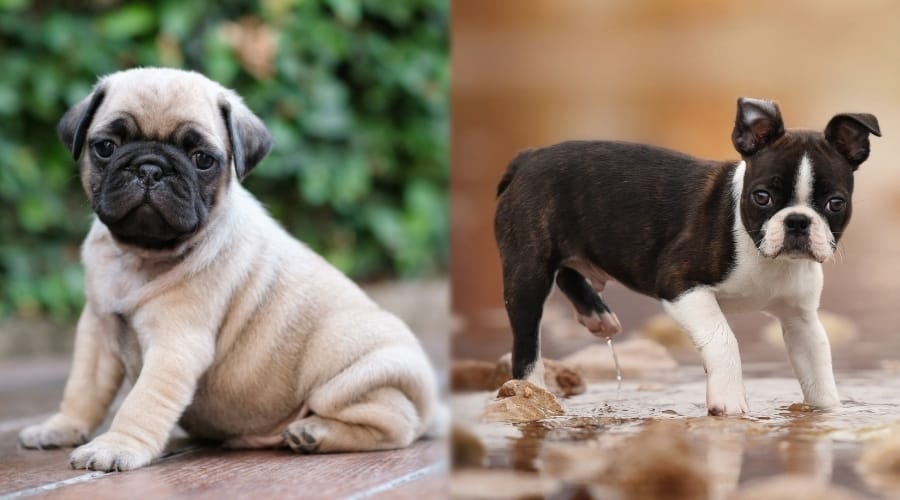
Dogs from well-established breeders with documented health testing and strong pedigrees may cost significantly more. Rare coat colors or unique markings can also increase the price of a puppy.
Beyond The Purchase Price
The initial purchase price is only one part of the long-term cost of owning a dog. Veterinary care, food, training, toys, and preventative healthcare all contribute to lifetime expenses. Flat-faced breeds like Pugs and Boston Terriers may also require additional medical care related to breathing issues or eye conditions.
Which One Fits Your Life Better?
Pugs and Boston Terriers are both affectionate companion dogs, but their personalities, activity levels, and care needs can make one breed a better match for certain households. Thinking about your daily routine, energy level, and expectations for a dog can help clarify which breed may fit more naturally into your lifestyle.
Best For Apartment Living
Both breeds can adapt well to apartment living, especially when they receive regular exercise and attention from their owners.
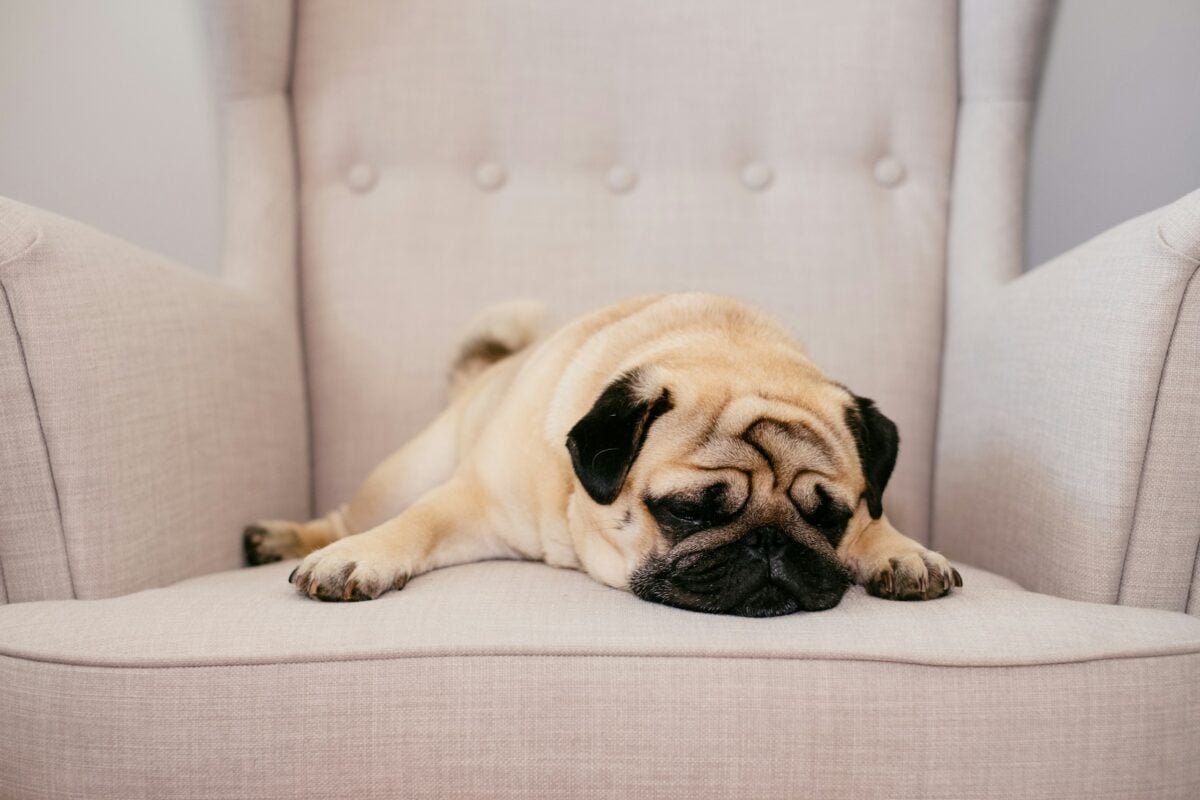
Pugs are often especially comfortable in smaller homes because of their calmer temperament and lower activity level. Boston Terriers can also thrive in apartments, but they may require more daily playtime and activity to burn off their energy.
Best For Active Owners
Boston Terriers are often the better choice for owners who enjoy a more active lifestyle. Their playful personality and curiosity mean they often enjoy games, walks, and interactive activities throughout the day.
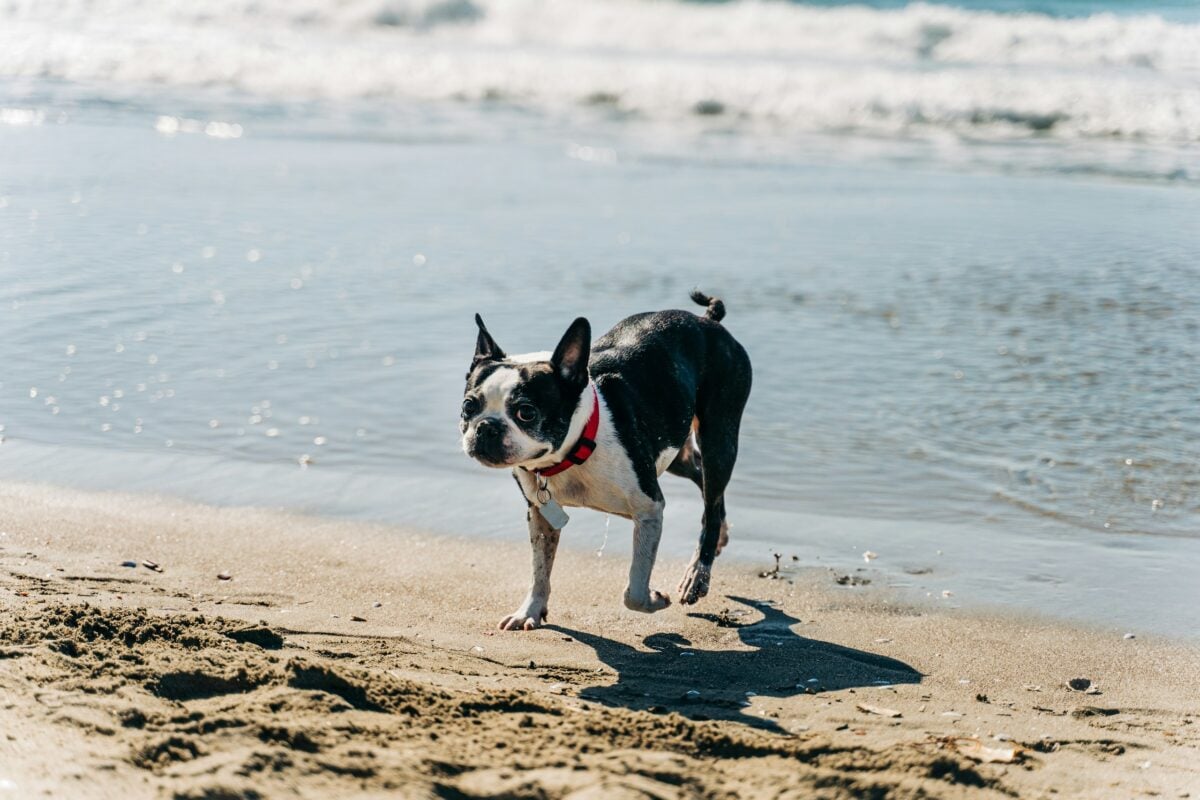
Pugs can certainly enjoy activity as well, but they are usually more content with shorter bursts of exercise followed by relaxation.
Best For First-Time Dog Owners
Both breeds can be good choices for first-time owners, especially when their needs are understood ahead of time.
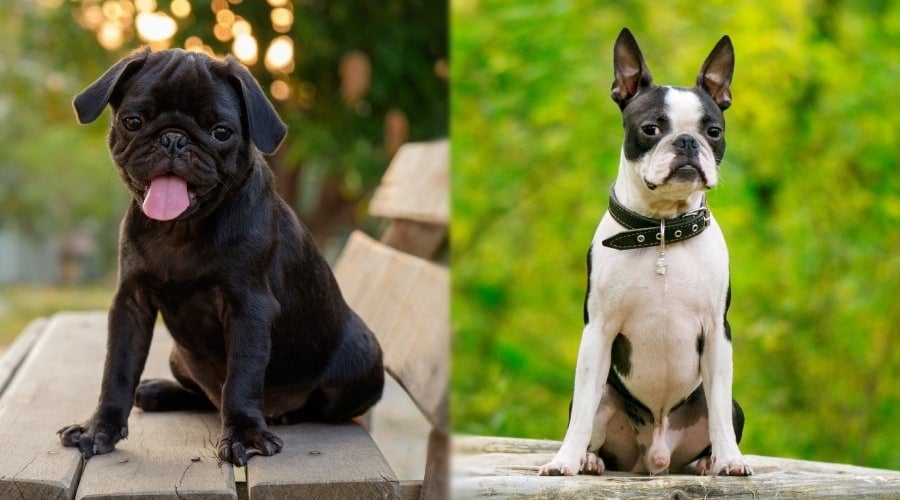
Boston Terriers often respond well to structured training and interactive engagement, which some first-time owners may find easier to manage. Pugs can also be wonderful beginner dogs, but their stubborn streak may require patience during training.
Best For A Relaxed Companion
If your goal is a calm, affectionate dog that enjoys spending quiet time with you, a Pug may be the better match. Many Pugs are happiest lounging beside their owners, making them excellent companions for relaxed households.

Boston Terriers can certainly enjoy downtime as well, but their playful personality often means they seek more interaction and activity throughout the day.
Quick Reality Check
Both Pugs and Boston Terriers are affectionate companion dogs that thrive when they spend plenty of time with their families. The biggest difference between the two breeds usually comes down to energy level and daily activity.
Pugs often lean toward the calm side of the spectrum, while Boston Terriers bring more playfulness and curiosity into everyday life. If you want a relaxed companion who enjoys lounging beside you, a Pug may be the better fit. If you prefer a small dog with a bit more energy and interaction, Boston Terriers often stand out.
8 More Flat-Faced Breeds People Consider
If you’re exploring dogs with expressive faces and compact builds, you may also encounter these breeds during your search.
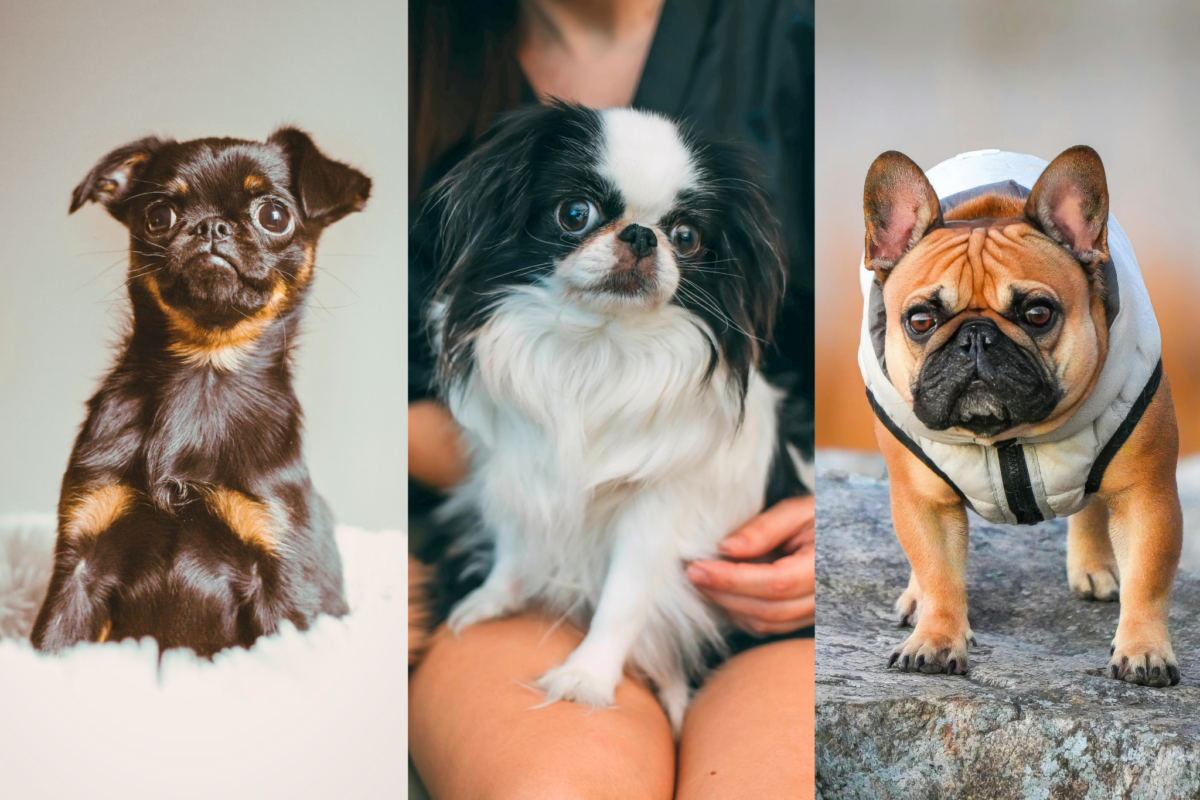
- French Bulldog: A playful and affectionate companion breed known for its bat-like ears and strong attachment to its owners.
- Cavalier King Charles Spaniel: A gentle companion breed with a softer brachycephalic face and a reputation for being affectionate and easygoing.
- Pekingese: An ancient companion breed with a very flat face and luxurious coat that tends to be loyal, calm, and a bit independent.
- Shih Tzu: A small companion dog originally bred for royalty that combines a flat face with a long, flowing coat.
- Lhasa Apso: Originally bred as a watchdog in Tibetan monasteries, this small breed has a flat face, long coat, and independent personality.
- Brussels Griffon: A tiny but confident dog with an expressive face and bold personality that often forms strong bonds with its owners.
- Japanese Chin: A graceful toy breed with a flat face and silky coat that is known for its cat-like independence.
- Affenpinscher: A small, spirited dog with a short muzzle and distinctive “monkey-like” expression that gives the breed its nickname.
Frequently Asked Questions
Choosing between a Pug and a Boston Terrier often raises practical questions about temperament, care requirements, and long-term health. These quick answers address some of the most common concerns prospective owners have when comparing these two popular companion breeds.
Don’t see your question? Respond in the comments, and we’ll get back to you!
Are Boston Terriers Healthier Than Pugs?
Both breeds can experience health challenges related to their flat facial structure. Pugs tend to be more prone to breathing difficulties and weight gain, while Boston Terriers may experience eye conditions or hearing issues in some lines.
Responsible breeding, proper nutrition, and regular veterinary care can help reduce the risk of many health problems for either breed.
Which Breed Is Easier To Train?
Boston Terriers are often considered slightly easier to train because they tend to be more eager to engage with their owners and enjoy interactive learning.
Do Pugs Or Boston Terriers Shed More?
Both breeds shed, but Pugs usually shed more noticeably despite their short coat. Boston Terriers typically shed lightly throughout the year, while Pugs may produce more loose hair during seasonal coat changes.
Do Boston Terriers Bark More Than Pugs?
Boston Terriers may bark slightly more often, especially when they become excited or want attention. Pugs tend to be quieter overall, though individual personalities can vary between dogs.
Proper training and early socialization can help prevent excessive barking in either breed.
Still Deciding Between Small Breeds?
If you’re still exploring similar breeds, comparing a few additional dogs can help you narrow down the best fit for your lifestyle. You may also want to explore these related breed comparisons: