When you purchase through links on our site, we may earn a commission. Here’s how it works.
Bringing home a Rottweiler puppy is exciting and a little intimidating. These dogs grow fast, and feeding them wrong early can cause lifelong joint and weight issues.
Table of Contents
This feeding chart breaks down exactly how much to feed your Rottie at every stage, with quick answers and vet-backed guidance you can trust. Bookmark this. You’ll come back to it more than once.

Quick Answer: How Much Should I Feed My Rottweiler Puppy?
Most Rottweiler puppies eat 3-4 meals per day and stay on large-breed puppy food until 12–24 months, depending on growth rate and neuter status. Portion size varies by age, weight, and food type, which is why using a feeding chart matters.
Rottweiler Feeding Chart By Age & Weight
This chart shows average daily calorie needs and feeding frequency for Rottweiler puppies and young adults. Always adjust slightly based on activity level and body condition.
| Age | Weight (lbs) | Type Of Food | Calories | Meals Per Day |
|---|---|---|---|---|
| 0-3 weeks | .8-4.2 | mother’s milk | 105-339 | unlimited |
| 3-4 weeks | 2.9-6.4 | mother’s milk and mush | 255-468 | unlimited |
| 4-6 weeks | 4.6-11 | mother’s milk and mush | 366-702 | 4-6 |
| 6-8 weeks | 8.8-11 | mother’s milk and puppy diet | 594-702 | 4-6 |
| 8 weeks to 6 months | 8.8-77.1 | puppy diet | 594-2,014 | 3-4 |
| 6-9 months | 66-101.4 | puppy diet | 1,790-2,472 | 2 |
| 9-12 months | 79.4-110.2 | puppy diet | 2,058-2,632 | 2 |
| 12-24 months | 95-120 | puppy diet or adult diet | 2,354-2,804 | 1-2 |
How Much Should You Really Feed A Rottweiler Puppy? (By Age)
Like any puppy, feeding a baby Rottie requires careful attention. Your pup must grow slowly and steadily to avoid the joint abnormalities common in large breeds.
While your pup will initially live off of mom’s milk, they will eventually switch to balanced puppy food and finally an adult formula. Every puppy’s food needs will differ; however, you can refer to these general guidelines when feeding your Rottweiler puppy.

Weeks 0 – 3
During the initial weeks, puppies should be with their mother and nursing throughout the day. Mom’s milk has the nutrients necessary to provide all puppies’ needs.
During this time, a puppy’s weight may vary based on the size of the litter and how much milk the mother produces. So long as your pup gets plenty of mother’s milk, they should receive all their nutritional requirements without any additional support.
If your puppy cannot get enough milk, talk to your vet about a puppy formula milk substitute.
Weeks 3 – 4
At week three, your puppy’s eyes and ears are opening. They’ll be gaining weight but doing little more than nursing and sleeping. Puppies will begin developing teeth and will start weaning at around four weeks.
Separate puppies from mom during mealtime and introduce mush or canned wet food mixed with milk replacer and water. Don’t be worried if your puppy is not immediately interested in the mush mixture. Mother’s milk will still provide all the nutrients they need.
Over time, gradually increase food portions and the length of separation.
Weeks 4 – 6
You’ll notice lots of “firsts” at four to six weeks. Your puppy will take short walks around their space. They will become more interested in the world around them.
Continue offering bowls of puppy mush throughout the day while gradually decreasing the amount of water and increasing the amount of solid food. Your Rottie should be eating four to six meals per day.
Weeks 6 – 8
Most puppies are fully weaned by seven to 10 weeks, so you should prepare for this transition. You’ll likely see puppy teeth growing in at six weeks, which means your puppy can explore solid foods.
You should still feed four to six balanced meals daily to encourage slow, steady growth. Consult your veterinarian if your dog shows no interest in solid food at six to eight weeks.
8 Weeks – 6 Months
During this time, puppies should fully transition to puppy food. Your pup may continue nursing for up to 10 weeks, at which time their mother should stop producing milk. You may reduce feedings to three to four meals throughout the day.
6 – 12 Months
This is often the phase where Rottweilers act starving five minutes after eating.
Towards the 12-month mark, consider switching your puppy to adult food. Larger breeds like the Rottweiler don’t reach full maturity until two years of age.
If your puppy still has lots of growing to do, you may keep them on puppy food for up to 24 months. Consult your veterinarian for a timeline based on your dog’s age, health, activity level, neuter/spay status, and anticipated adult weight.
12 – 24 Months
Larger breeds like the Rottweiler can continue growing until they are two years of age. This means that they can potentially continue eating a puppy diet until 24 months.
That said, some veterinarians recommend switching from puppy food to adult food once your pup is spayed or neutered, as this procedure lowers your pet’s caloric needs. In larger breeds, spaying or neutering typically occurs around 12 to 16 months, as early neutering can affect skeletal growth.
Other factors affecting the transition from puppy to adult food include weight, overall health, and activity level. When in doubt, consult your veterinarian.
The #1 Feeding Mistake That Makes Rottweilers Overweight
Rottweilers are experts at convincing people they’ve never been fed. Ever.

The most common feeding mistake Rottweiler owners make is overfeeding without realizing it — usually through oversized portions, frequent treats, or “just a little extra” between meals. Because Rottweilers are food-motivated and fast-growing, these small extras add up quickly and can lead to excess weight and joint strain.
To keep your Rottie healthy and growing at the right pace:
- Measure every meal using a standard measuring cup
- Limit table scraps and calorie-dense treats
- Stick to consistent mealtimes instead of free-feeding
- Monitor body condition and adjust portions as your puppy grows
- Choose a high-quality food formulated for your dog’s age, size, and activity level
Important: If you can’t easily feel your dog’s ribs with light pressure, portions likely need adjusting.
A Simple Feeding Schedule That Prevents Accidents & Overfeeding
A consistent feeding schedule is a cornerstone of good health and well-being. Typically, puppies are fed three to four times daily to ensure they receive enough vital nutrients for growth and development.
An example feeding schedule for puppies may be 7 am, noon, and 5 pm. Try to keep the final feeding around the 5 o’clock mark so that your puppy has ample time to digest their food and eliminate it before bedtime.
Puppy Food vs Adult Food: Why Switching Too Early Causes Problems
Feeding your pup age-appropriate food is crucial for their growth and development.

Key differences between puppy vs. adult food include:
- Caloric content: Puppies have a higher metabolic rate, requiring more calories per pound of body weight to support their growth and energy needs.
- Protein content: Puppy formulas typically have a higher protein content, as the amino acids in protein support muscle growth and development.
- Fat content: Because puppies are more active than adult dogs, their food will include higher fat content to support sustained energy. Puppy formulas often feature omega-3 fatty acid docosahexaenoic acid (DHA), which supports brain and vision development.
- Vitamins and minerals: Puppy formulas contain higher levels of specific vitamins and minerals to support growth and development
We do not recommend serving adult dogs puppy food. These formulas typically contain more calories than needed and can contribute to weight gain and obesity, especially in dogs that lead a more sedentary lifestyle.
Different Types Of Puppy Food
Below are the current diet options available for puppies and adult dogs.
Dry Food (Kibble)
Standard kibble is a popular choice among Rottweiler owners because it’s convenient, affordable, and easy to store. There are countless varieties of dry food on the market, so it should be easy to find one that suits your needs. When it’s mealtime, serve kibble as-is or mix with water or bone broth for added hydration.
The downside to kibble? Dry food is somewhat notorious for containing less-than-desirable ingredients — from unhealthy to potentially harmful. Some of the controversial ingredients in kibble are listed below in our section on dog food ingredients to avoid.
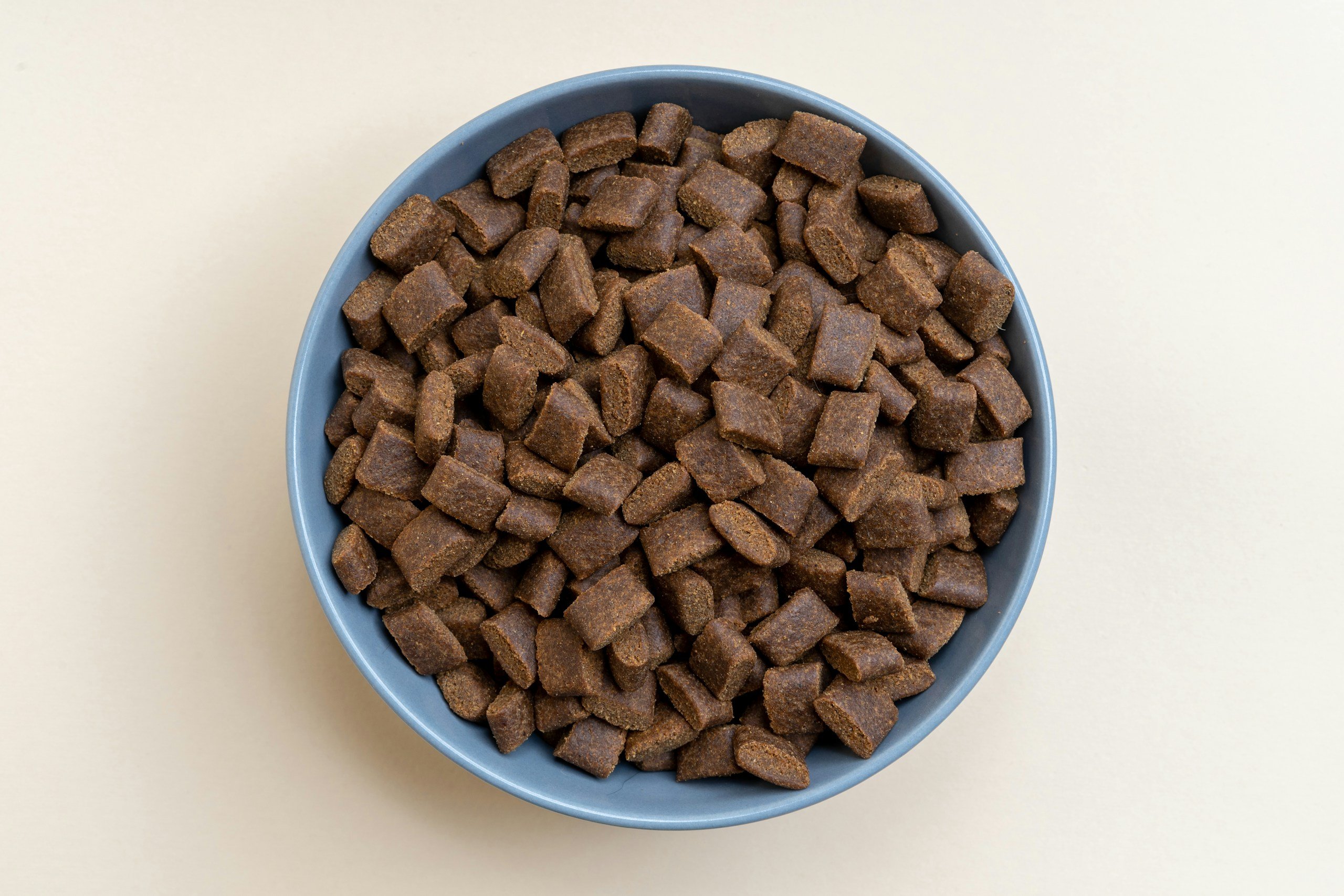
Commercially available pet food must be nutritionally complete and balanced for its intended life stage, providing an appropriate mix of protein, fats, carbohydrates, vitamins, and minerals. Ingredient lists are displayed in order by weight, along with a guaranteed analysis showing crude protein, fat, fiber, and moisture percentages.
Pros
- Convenient, shelf-stable, and easy to measure
- Typically the most budget-friendly feeding option
- Widely available in large-breed puppy formulas
- Crunchy texture may help reduce plaque buildup
Cons
- Quality varies widely between brands
- Some formulas contain artificial additives or low-quality fillers
- Lower moisture content than fresh or wet foods
Bottom Line: Kibble is convenient and affordable, but quality varies widely. Look for a large-breed puppy formula with named proteins, controlled calcium, and no artificial colors or preservatives.
Wet Food (Canned)
Commercial wet food comes in cans or pouches and is widely available. It’s often more appealing to puppies than kibble due to its aroma and soft texture, making it a common choice for picky eaters or dogs transitioning to solid food.

When buying wet food, ensure the containers (cans and pouches) are Bisphenol A (BPA) free. This chemical is a known endocrine disruptor in people and pets. Exposure has been associated with many adverse health effects in dogs, including cancer, diabetes, heart and kidney disease, and thyroid and reproductive disorders.
Pros
- Highly palatable and appealing to most dogs
- Higher moisture content supports hydration
- Typically higher in protein and fat than dry food
Cons
- More expensive per calorie than kibble
- Lower calorie density, requiring larger portions
- Does not provide the same dental abrasion as dry food
Bottom Line: Wet food is highly palatable and hydrating, but it’s usually more expensive and lower in calories per cup. Many owners use it as a topper rather than a full-time diet.
Fresh (Human-Grade)
The rise of human-grade food came from a consumer demand for high-quality, fresh dog food.
Unlike traditional, feed-grade commercial dog foods, makers of human-grade dog foods claim that their pet food is manufactured in accordance with applicable human food regulations and thus does not contain certain by-products, chemicals, fillers, or “4D meats” — or those meats that were not sourced from slaughtered animals but rather from animals that were found “dead, dying, diseased, or down” and processed at rendering plants.

While “human grade” is not a regulated term, the Association of American Feed Control Officials (AAFCO) recommends certain voluntary guidelines for manufacturers when labeling their products as “human grade.” Keep in mind that it is the manufacturer’s responsibility to ensure quality sourcing, processing, and packaging, so you should always look into each company individually rather than relying on marketing buzzwords.
Pros
- Made with whole, recognizable ingredients
- Higher moisture content than kibble
- Often supports digestion and weight management
- Appeals to owners seeking premium food options
Cons
- Significantly more expensive than kibble
- Requires refrigeration or freezing
- Shorter shelf life
Here are some additional characteristics to look for in human-grade foods:
- Recipes feature real meat, poultry, and fish instead of meat by-products
- Recipes feature whole foods, including fruits, vegetables, whole grains, beans, seeds, and eggs
- Meals are formulated by board-certified veterinary nutritionists
- A focus is placed on traceability and transparency when it comes to ingredient sourcing and supply chain
- The company seeks out third-party quality control and certifications
Many human-grade dog food producers also focus on ethical, social, and sustainability efforts. This may include reducing environmental impacts, committing to certain animal welfare standards, and supporting its workers and community.
Bottom Line: Fresh dog food can support digestion, weight management, and coat health when properly formulated. It tends to cost more, so it works best for owners who want premium ingredients and convenience.
Home Cooked
Home-cooked diets give owners full control over ingredients and preparation methods. This approach requires careful planning to meet a puppy’s nutritional needs.

Longevity Spotlight: What Some Of The Longest-Lived Dogs Ate
Before commercial dog food existed, most dogs ate versions of what their owners prepared at home. Interestingly, several of the longest-living dogs on record were fed home-prepared diets:
- Chanel, a Dachshund that lived to be 21 years old, ate home-cooked chicken in her dog food.
- Bramble, a Border Collie who lived to be 25 years old, was fed a vegan diet of rice, lentils, and vegetables.
- Bluey, the oldest dog on record at 29 years old, ate kangaroo and emu.
While these diets were very different, they all emphasized fresh, minimally processed foods.
Pros
- Complete control over ingredient quality
- Can be tailored for food sensitivities
- Uses fresh, whole foods
Cons
- Easy to create nutrient imbalances compared to commercial foods
- Requires time, planning, and consistency
- May need veterinary or nutritionist guidance
Bottom Line: Home-cooked diets offer full control over ingredients, but they must be carefully balanced. Always work with a veterinarian or canine nutritionist to avoid nutrient deficiencies.
Raw, Prey Model, Or Biologically Appropriate Raw Food (BARF)
Raw feeding, also known as the Prey Model or BARF diet, stems from the belief that most of today’s health problems in dogs stem from not feeding them a species-appropriate diet. Instead of commercially prepared kibble or wet food, the raw diet focuses on providing pets with uncooked meat as their ancestors would eat in the wild.
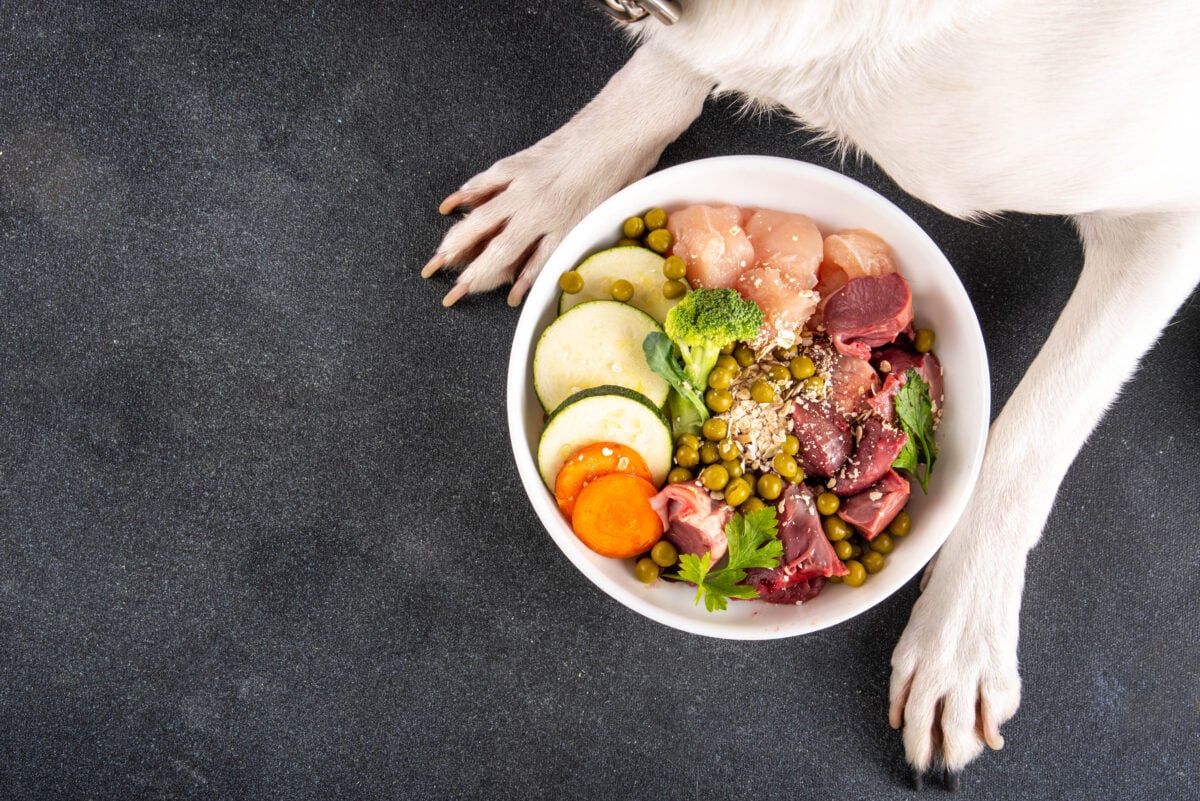
Those who follow the Prey Model stick to meals consisting of 80% muscle meat, 10% bone, 5% liver, and 5% other secreting organs. On the other hand, the BARF Diet is 70% muscle meat, 10% edible bones, 7% vegetables, 5% liver, 5% other secreting organs, 2% seeds or nuts, and 1% fruit.
Pros
- Minimally processed, simple ingredient lists
- Higher moisture content than kibble
- Ground bone may support dental health
- Some owners report improved coat condition, stool quality, and energy
Cons
- Higher cost compared to kibble
- Risk of bacterial contamination
- DIY recipes may lead to nutrient deficiencies
- Bones may pose choking or blockage risks
If you are considering a raw diet for your Rottie, we recommend buying packaged raw dog food. This way, the company is responsible for providing your pet with a quality, well-balanced meal.
Bottom Line: Raw diets appeal to owners seeking minimally processed food, but they come with higher cost and safety considerations. Freeze-dried or professionally prepared raw diets are generally safer and more convenient than DIY raw feeding.
Vegan Diet
Vegan dog diets rely on plant-based ingredients to meet nutritional requirements without animal products. Dogs are omnivores and can digest plant foods when diets are properly formulated.
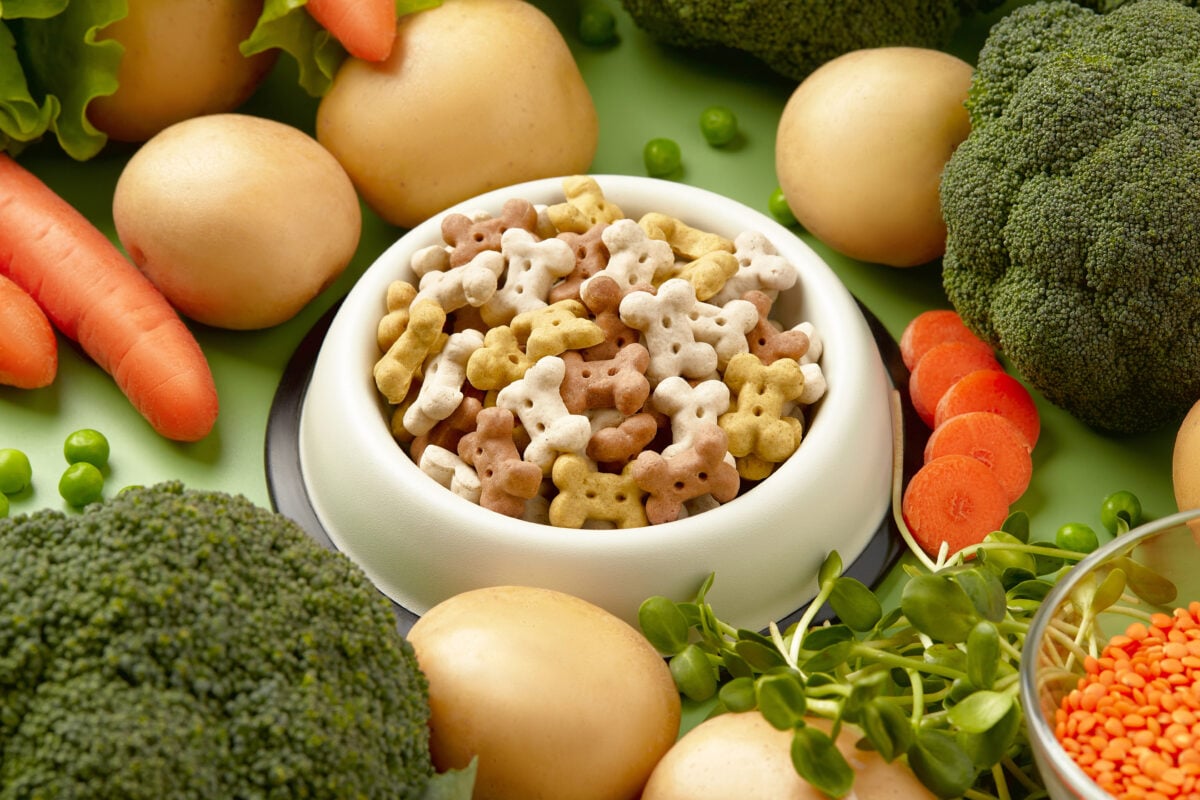
Research shows that dogs indeed benefit from plant phytochemicals, which support the immune system, prevent DNA damage, reduce inflammation, and slow cancer cell growth. The latest research suggests that vegan dog foods are highly digestible and perform better than meat-based dog foods when exploring health outcomes.
Pros
- Rich in plant phytochemicals (e.g, antioxiants) and fiber
- Avoids common animal-based allergens
- May benefit dogs with certain animal-protein sensitivities
Cons
- Requires careful formulation to meet nutrient needs
- Limited long-term, breed-specific research
Bottom Line: Dogs can thrive on well-formulated vegan diets, but ingredient quality and nutrient balance matter. Choose products that meet AAFCO standards and are formulated by veterinary nutritionists.
How Common Dog Diets Compare (At A Glance)
There’s no single “best” diet for every dog. Each feeding style comes with trade-offs related to nutrition, cost, convenience, and risk. This comparison gives you a high-level view so you can better understand how different dog diets stack up before choosing what fits your dog and lifestyle.
| Diet Type | Primary Protein Source | Prep & Convenience | Cost Range |
|---|---|---|---|
| Commercial Dog Food (Dry & Wet) | Animal proteins, meat meals, or formulated plant proteins | Dry: very convenient / Wet: moderate | $ |
| Homemade or Human-Grade (Cooked) | Animal proteins, plant proteins, or a combination | High | $$–$$$ |
| Raw / PMR / BARF | Raw muscle meat, organs, bone | Moderate to high prep | $$$ |
| Vegan / Plant-Based | Legumes, grains, supplemented amino acids | Very convenient to moderate | $$ |
Importance Of High-Quality Dog Food
Diet plays a huge role in overall health. A balanced diet provides essential nutrients and can boost your pet’s immunity, increase energy levels, improve mood, and reduce the risk of developing lifestyle-related diseases, including heart disease and diabetes.
High-quality foods can even ward off hereditary diseases through a process called gene regulation. A healthy diet supports the body’s ability to control which genes are expressed, turning on “good genes” and switching off “bad genes.”
The Rottweiler lifespan averages eight to 10 years, but with a well-balanced, quality diet, you may be able to extend your dog’s healthy years.
At A Glance: Best Dog Foods For Rottweilers
| Puppy | Dry | For Allergies | Senior |
|---|---|---|---|
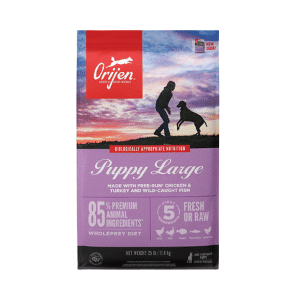 |  |  | 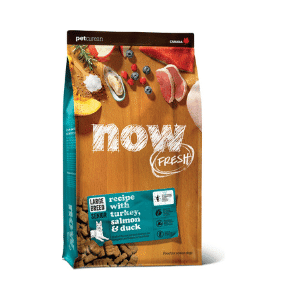 |
| Orijen Large Breed Puppy | Merrick Back Country | The Farmer’s Dog | Now Fresh Grain-Free Large Breed Senior |
| View on Chewy | View on Amazon | Visit Website | View on Chewy |
| Read Review | Read Review | Read Review | Read Review |
5 Ingredients To Avoid In Dog Food
Not all dog food ingredients serve the same purpose. Some additives are included for preservation, appearance, or cost efficiency rather than nutritional value. Understanding what these ingredients are and why they’re used can help you make more informed choices when selecting food for your Rottweiler.
1. Butylated Hydroxyanisole (BHA), Butylated Hydroxytoluene (BHT), & Ethoxyquin
These are synthetic antioxidants used to preserve fats and extend shelf life.
- BHA and BHT are considered “generally recognized as safe” by the FDA but have shown carcinogenic effects in laboratory animal studies
- The Center For Science In The Public Interest gives BHA an “avoid” rating and BHT a “caution” rating
- Ethoxyquin is not approved for use in human food but is still permitted in animal feed
- Ethoxyquin has been linked to adverse health effects in both animals and humans
2. Food Dyes & Artificial Colorants
Artificial coloring is added to pet food for human appeal, not canine nutrition.
- Caramel color may contain 4-methylimidazole (4-MIE), a known animal carcinogen
- Dyes such as Blue 2, Red 40, Yellow 5, and Yellow 6 have been associated with behavioral issues and cancer in human studies
- Dogs do not require colored food, making these additives unnecessary
3. Unnamed Meat & Bone Meal
These ingredients come from the rendering process and lack transparency.
- Can be sourced from mixed or unspecified animal species, including carcasses from animal shelters, farms, feedlots, and ranches.
- May include lower-quality animal parts and by-products
- Makes it difficult to assess protein quality and sourcing
- Often used as a cost-cutting measure rather than a nutritional one
4. Propylene Glycol
This additive is used to retain moisture in semi-moist dog foods.
- Derived from ethylene glycol, the same compound found in antifreeze, and can be toxic in large amounts
- Prohibited in cat food by the FDA but still allowed in dog food
- Offers no nutritional benefit to dogs
5. Rendered Fat
Rendered fat is often sprayed onto kibble to enhance flavor.
- Can be a source of harmful microorganisms or toxins
- Quality and sourcing are often poorly regulated
- Frequently listed vaguely as “animal fat” or “poultry fat”
Why Is Large Breed Puppy Food Important?
Larger breeds like the Rottweiler are prone to growth-related health issues, such as hip and elbow dysplasia. To reduce your puppy’s risk of developing growth abnormalities, look for puppy food specially formulated for larger-breed puppies.

From there, feed your pup controlled proportions to promote slow and steady growth. Excessive calories can cause rapid growth and weight gain, which are risk factors for dogs with a genetic predisposition.
For those looking for an alternative to commercially available puppy food, work with your veterinarian to ensure your furry friend gets a complete and balanced diet for slow, steady growth.
What Nutrients Do Rottweiler Puppies Need?
Your puppy needs six essential nutrients: proteins, fats, carbohydrates, vitamins, minerals, and water. The AAFCO provides regulations for dog nutrition, which you can view in full on its website.
We’ve included minimum requirements for both puppy and adult dogs so that you can see their different nutritional needs for some of the most essential puppy nutrients for growth and development.
You don’t need to memorize this. Look for foods that meet AAFCO large-breed puppy standards.
| Nutrient | Growth & Reproduction Minimum | Adult Maintenance Minimum |
|---|---|---|
| Crude Protein | 22.5% | 18.0% |
| Crude Fat | 8.5% | 5.5% |
| Eicosapentaenoic + docosahexaenoic acid | 0.05% | Not determined |
| Minerals | ||
| Calcium | 1.2% | 0.5% |
| Phosphorus | 1.0% | 0.4% |
| Sodium | 0.3% | 0.08% |
| Magnesium | 0.06% | 0.06% |
| Vitamins & Other | ||
| Vitamin A | 5000 IU/kg | 5000 IU/kg |
| Vitamin D | 500 IU/kg | 500 IU/kg |
| Vitamin E | 50 IU/kg | 50 IU/kg |
| Thiamine | 2.25 mg/kg | 2.25 mg/kg |
| Riboflavin | 5.2 mg/kg | 5.2 mg/kg |
| Pantothenic acid | 12 mg/kg | 12 mg/kg |
| Niacin | 13.6 mg/kg | 13.6 mg/kg |
| Pyridoxine | 1.5 mg/kg | 1.5 mg/kg |
| Folic acid | 0.216 mg/kg | 0.216 mg/kg |
| Vitamin B12 | 0.028 mg/kg | 0.028 mg/kg |
| Choline | 1360 mg/kg | 1360 mg/kg |
Protein
Protein is a source of energy for our furry friends. It also plays a significant role in processes throughout the body, including:
- Body structure, strength, and elasticity
- Fluid balance
- Growth and maintenance of tissues
- Hormone signaling
- Immune health
- Nutrient transport and storage
- pH balance
Amino acids are the building blocks of protein. They offer a wide range of benefits to dogs.
For example, the amino acid tryptophan is a precursor of the neurotransmitter serotonin and can help relieve stress, anxiety, and aggression. So, the next time your dog seems anxious, try giving them a bit of tryptophan-packed turkey or tofu.
Of the 20 amino acids that make up protein, 10 are “essential” amino acids for dogs. This means that half of the amino acids a dog’s body can synthesize on their own, and 10 must be supplied by food.
The essential amino acids for dogs are:
- Arginine
- Histidine
- Isoleucine
- Leucine
- Lysine
- Methionine
- Phenylalanine
- Tryptophan
- Valine
Protein can come from both animal and plant-based sources.
Animal-sourced proteins are considered “complete” proteins as they provide all the essential amino acids your pup needs without combining various protein sources (there are also some complete plant proteins, including quinoa and soybeans).
Fat
Fats are the second-most important macronutrient for canines. They provide energy and perform many functions in the body, including:
- Carrying fat-soluble vitamins A, D, E, and K
- Making hormones
- Protecting organs
- Proving insulation to keep the body warm
The building blocks of fats are called fatty acids. Fatty acids also offer various health benefits.
DHA fatty acid supports brain and vision development, making it especially important in puppy food. DHA is so crucial that some pet parent even supplement their pup’s diet with fish oil — a significant source of this fatty acid.
Dietary fats are grouped into three types based on their molecular structure: omega-3s, omega-6s, and omega-9s. While dogs can synthesize omega-9s in their body, certain omega-3s and omega-6s must be consumed through your dog’s diet.
The following are essential fatty acids for dogs:
- Omega-3s: alpha-linolenic acid (ALA), docosahexaenoic acid (DHA), and eicosapentaenoic (EPA)
- Omega-6s: linoleic acid (LA)
Note: Arachidonic acid (AA) is another omega-6 fatty acid obtained from foods like animal organs and meat. Unlike cats, dogs can convert LA to AA, so it is not considered an essential fatty acid.
Quality sources of fats for dogs include:
- Chicken fat: An unsaturated fat that is a source of omega-3 and omega-6 fatty acids. Chicken fat is notably high in omega-6 LA, an essential fatty acid for dogs that supports skin and coat.
- Beef tallow (preferably grass-fed): Saturated fat that is a source of conjugated linoleic acid (CLA), a type of omega-6 fatty acid known for its anti-inflammatory properties.
- Ground flaxseeds or flaxseed oil: These seeds are composed of predominantly polyunsaturated fatty acids, including the omega-3 fatty acid ALA.
- Fish or fish oil (anchovies, krill, sardines, salmon, and other small, oily fish): Fish are a significant source of omega-3 fatty acids DHA and EPA. EPA plays a vital role in immune response and has anti-inflammatory properties.
The AAFCO recommends a 30:1 ratio of omega-6s to omega-3s, which is reflected in commercial pet foods.
Carbohydrates
While the AAFCO provides no guidelines for carbohydrate intake, this macronutrient can still play a valuable role in your pup’s health:
- Complex carbs provide an array of nutrients, including antioxidants, fatty acids, fiber, minerals, and vitamins.
- The fiber in carbohydrates provides a feeling of fullness to support weight management.
- Research shows dietary fiber plays a role in diabetes prevention and control in dogs.
- Not only does fiber bulk up stools to encourage bathroom regularity, but it can also feed the beneficial bacteria in the gut’s microbiome. Healthy gut flora plays a part in immunity, digestion, mood, and more.
Healthy sources of carbs for dogs include:
- Apples: A good source of nutrients. In particular, apples are a significant source of the phytochemical quercetin. This flavonoid promotes inflammatory relief and antioxidant activity in the body. It also acts as a natural antihistamine, which may benefit dogs needing allergy relief.
- Pumpkin: A significant source of vitamins, minerals, and other phytochemicals. Pumpkin’s blend of soluble and insoluble dietary fiber makes it beneficial for both constipation and diarrhea.
- Quinoa: Packed with plant-based protein, fiber, and other nutrients. Quinoa is considered a “pseudograin,” meaning it’s prepared and provides similar nutrients to grain; however, it’s actually a dried seed and thus gluten-free.
Vitamins & Minerals
Vitamins are organic substances animals need for normal cell growth, function, and development. Minerals are naturally occurring elements or compounds that support the body’s development and function. There are hundreds of minerals classified as either primary or trace minerals.
Water
Water is crucial for all bodily metabolic functions. Thus, its benefits to the body are far-reaching. Here are some examples of how water benefits your pooch:
- Aids in digestion and absorption of nutrients
- Carries nutrients in and out of cells
- Cushions brain and spinal cord
- Lubricates joints
- Regulates body temperature
As a general guideline, your pup should drink around one ounce of water per pound of body weight daily.
Frequently Asked Questions
We’ve received various questions from our readers about feeding Rottweiler puppies, and we have answered those questions here. Don’t see yours? Respond in the comments, and we’ll get back to you!
How Much Do Rottweiler Puppies Grow Each Week?
From birth to around eight weeks, Rotties gain an average of .5 to 1 pound per week. From there, a dog’s weight will continue to increase.
Various factors, including height, length, and bone density, determine weight increase. Between three and 24 months old, male Rottweilers average 10 pounds per month; female Rottweilers are slightly lower at around 9 pounds per month.
Our Rottweiler growth chart article goes into detail, including puppy milestones and a full growth chart timeline.
What Is The Proper Diet For A Rottweiler?
It’s not necessarily the diet itself but rather the quality of the diet that affects health outcomes. Both vegan and raw meat diets perform well compared to conventional meat diets.
So, regardless of the diet you choose for your pooch, ensure it features quality ingredients. For a meat-centric diet, this could mean seeking out quality meats — such as grass-fed beef — or a well-balanced plant-based kibble that features pup-friendly superfoods.
Best Dog Food For Rottweilers
Now that you’ve got the feeding schedule down and understand the basics of Rottweiler nutrition, you’re likely curious about which foods we recommend. Our article on the best dog food for Rottweilers shares top picks for puppies, adult dogs, seniors, and beyond.