When you purchase through links on our site, we may earn a commission at no extra cost to you. Learn more.
If your dog suddenly smells like fish, check the back end first.
Table of Contents
It’s one of those smells you recognize instantly—and wish you didn’t. That unmistakable rotten-fish odor often comes from a dog’s anal glands, two small sacs near the anus that hold some seriously smelly fluid.
But here’s where it gets a little weird: the smell doesn’t always come from your dog’s butt. Fishy odors can also come from the mouth, urine, ears, skin, or skin folds. Some dogs even release anal-gland fluid when they’re frightened or stressed.
Where the odor is coming from—and what your dog is doing when you notice it—can help narrow down the cause.

Where Is The Fishy Smell Coming From?
Before blaming the anal glands, try to pinpoint where the smell is strongest.
| Where You Smell It | Possible Cause | Look For |
|---|---|---|
| Rear end | Anal-gland fluid, impaction, or infection | Scooting, licking, swelling, discomfort, sudden strong odor |
| Breath | Dental disease, something stuck in the mouth, or licking the rear end | Bad breath, red gums, difficulty chewing, drooling |
| Urine | Urinary tract infection or another urinary problem | Frequent urination, straining, accidents, blood in urine |
| Skin or folds | Bacterial or yeast infection | Redness, itching, greasy skin, discharge, recurring odor |
| Ears | Ear infection | Head shaking, scratching, redness, discharge, tenderness |
| After fear or stress | Anal glands releasing suddenly | Brief fishy odor after a scare, car ride, vet visit, or stressful event |
A one-time odor after your dog gets startled may disappear quickly. An odor that keeps returning, gets stronger, or comes with pain or other symptoms deserves more attention.
Why Does My Dog’s Butt Smell Like Fish?
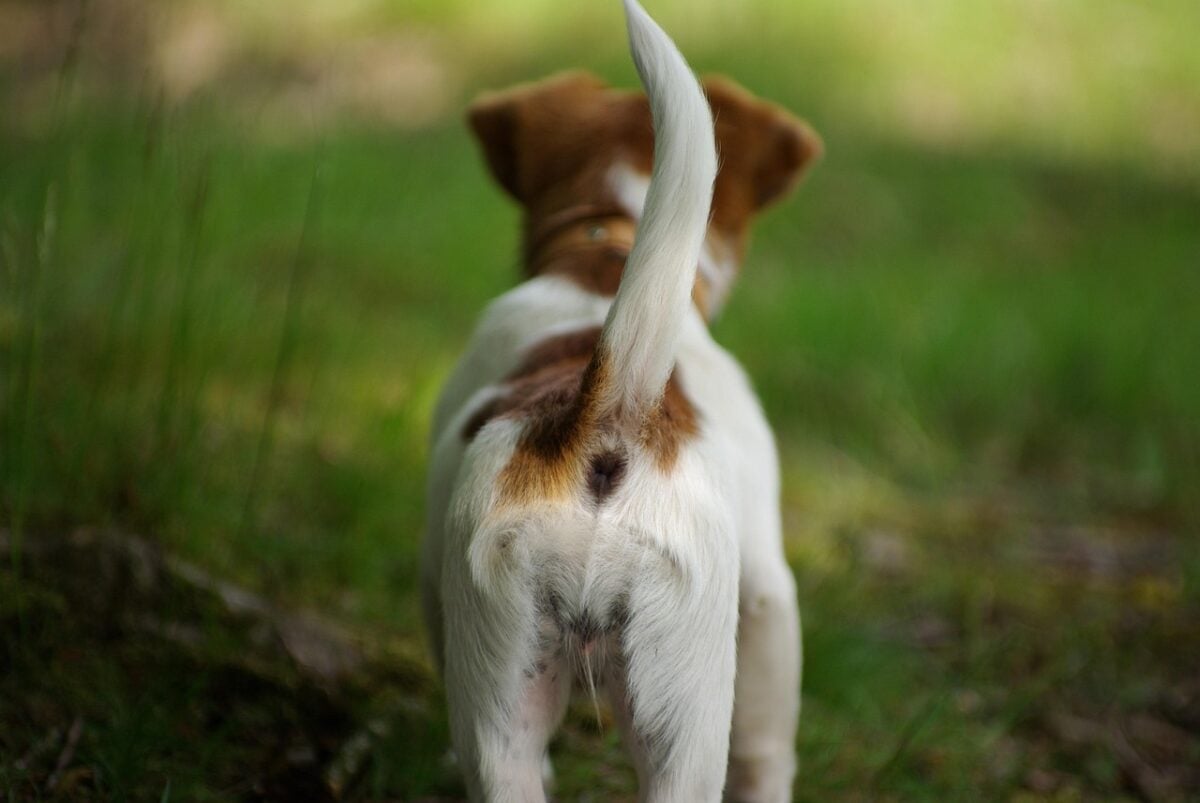
If the smell is strongest around your dog’s rear end, the anal glands are one of the first places to look.
Dogs have two small anal sacs located beside the anus. These sacs contain a strong-smelling fluid that normally releases in small amounts when a dog passes stool. The scent can be musky, metallic, or unmistakably similar to rotten fish.
Tiny glands, enormous stink.

Dogs may also release this fluid suddenly when they are frightened, startled, or stressed. If the smell appears once after a scary moment and your dog seems otherwise comfortable, it may simply be a temporary anal-gland release.
Problems can develop when the sacs do not empty properly or become irritated, impacted, infected, or abscessed.
Signs Your Dog’s Anal Glands May Be The Problem
Watch for:
- Scooting or dragging the rear end across the floor
- Repeated licking or chewing around the anus
- A sudden, powerful fishy smell
- Oily or foul-smelling fluid where your dog was sitting
- Redness or swelling beside the anus
- Sensitivity when sitting or when the rear end is touched
- Straining or discomfort while passing stool
Scooting does not automatically mean an anal-gland problem, but when several of these signs appear together—especially with that distinctive fishy smell—the anal sacs become a more likely suspect.
Why Do Anal-Gland Problems Happen?
Normally, pressure during a bowel movement helps empty the sacs. If they do not empty effectively, the material inside can thicken and build up.
Loose stools or ongoing digestive problems may make normal emptying more difficult for some dogs. Weight, anatomy, allergies, and previous anal-sac problems may also play a role.
If your dog repeatedly develops anal-gland trouble, talk with your veterinarian about the underlying cause rather than treating each smelly episode on its own.
How Do You Get Rid Of The Anal-Gland Smell?
If your dog simply released a small amount of anal-gland fluid after being frightened, gently cleaning the soiled fur with a dog-safe grooming wipe or mild dog shampoo may be enough.
If your dog is scooting repeatedly, appears painful, has swelling, or keeps producing the odor, cleaning the fur will only cover up the symptom. A veterinarian may need to examine the anal sacs and determine whether they are full, impacted, inflamed, infected, or affected by another problem.
Some dogs with recurring issues may need their glands expressed periodically, but this should be based on veterinary guidance rather than done routinely for every dog.
Do not try to squeeze or internally express painful, swollen, or abnormal-looking anal glands yourself. An infected or abscessed gland may require medical treatment.
Other Methods
To get rid of the fishy stink, owners can try a variety of methods. These include pet cleaning wipes that come in many scents, are soft, and often hypoallergenic. These are quite convenient and work temporarily. However, these may not be effective for all pups, especially those with long hair near the butt area.
Keeping your pup’s rear end clean is another helpful tactic. Instead of washing the entire pup, simply scrub the rear end and legs with a high-quality, odor-controlling pet shampoo.
Pet cleaners that contain enzymes are helpful, but these are most often made for furniture or fabric, not to spray directly on your pet.
Why Does My Dog’s Breath Smell Like Fish?
If the odor is clearly coming from your dog’s mouth, don’t automatically blame the anal glands.

Dental disease is an important possibility. Plaque and tartar buildup, inflamed gums, an infected tooth, or something stuck between the teeth can all produce unpleasant breath.
There is also a particularly gross possibility: a dog that has been licking fishy anal-gland fluid from its rear end or even eating poop may temporarily carry that smell on its breath. Yes, unfortunately, that explanation is as gross as it sounds.
Check for red or bleeding gums, heavy tartar, drooling, difficulty chewing, pawing at the mouth, or a sudden change in appetite. Persistent foul breath deserves a veterinary or dental examination rather than simply being covered with treats or breath fresheners.
How To Combat Fishy Breath
One thing owners should keep in mind is that the key to fresh breath for canines is their diet. Dogs that are experiencing digestive issues are more likely to experience gland malfunctions, as well as lick that area more. It is essential to ensure your pup is not allergic to the protein or other ingredients in their food or has other food sensitivity issues owners should be aware of. Diet imbalances can lead to poor digestion and soft or loose stools.
Adding probiotics to your pup’s diet can help balance harmful bacteria with good ones. Striving to feed your dog a diet made from high-quality ingredients that are easy to digest is a safe way to go.
In some cases, digestive sensitivity can happen if pets eat food with more than one animal protein source. Switching to a single protein source diet and avoiding corn, wheat, and soy may also be beneficial. Additionally, the use of dental chews can be helpful in keeping bad breath at bay.
Very foul-smelling breath can also be caused by bowel disease, kidney disease, or diabetes mellitus. If your pup has persistent foul-smelling breath, it is best to consult your veterinarian and rule out any underlying medical causes.
Why Does My Female Dog Smell Like Fish?
If the fishy odor seems to be coming from your female dog’s genital area, vaginitis or another infection around the vulva may be the cause. Vaginitis is inflammation of the vagina and is commonly associated with bacterial infection.

Dogs may also lick the area frequently, urinate more often, or develop vaginal discharge.
Look for signs such as:
- Redness or irritation around the vulva
- Frequent licking of the genital area
- Mucus, pus, blood, or other unusual discharge
- Frequent urination or accidents
- A strong or unusual odor
A veterinarian can examine your dog and determine whether an infection, irritation, urinary problem, or another condition is responsible.
Watch For Pyometra In Unspayed Females
One potentially serious cause of vaginal odor or discharge is pyometra, a uterine infection that primarily affects intact female dogs. It can become life-threatening and requires prompt veterinary treatment.
Possible signs include vaginal discharge, lethargy, loss of appetite, increased thirst or urination, vomiting, and abdominal swelling. However, dogs with a closed-cervix pyometra may have little or no visible discharge, so an unspayed female that suddenly seems very sick should be evaluated promptly.
Contact your veterinarian right away if an unspayed female has foul-smelling discharge along with lethargy, vomiting, loss of appetite, increased thirst, or other signs of illness.
And remember, the smell may not be coming from the reproductive tract at all. If the odor is strongest around the rear end, anal glands are still a common possibility. If it comes from the skin, folds, or ears, bacterial or yeast-related skin problems may be responsible instead.
Why Does My Dog’s Pee Smell Like Fish?
If you notice the odor most strongly when your dog urinates, a urinary problem may be responsible.
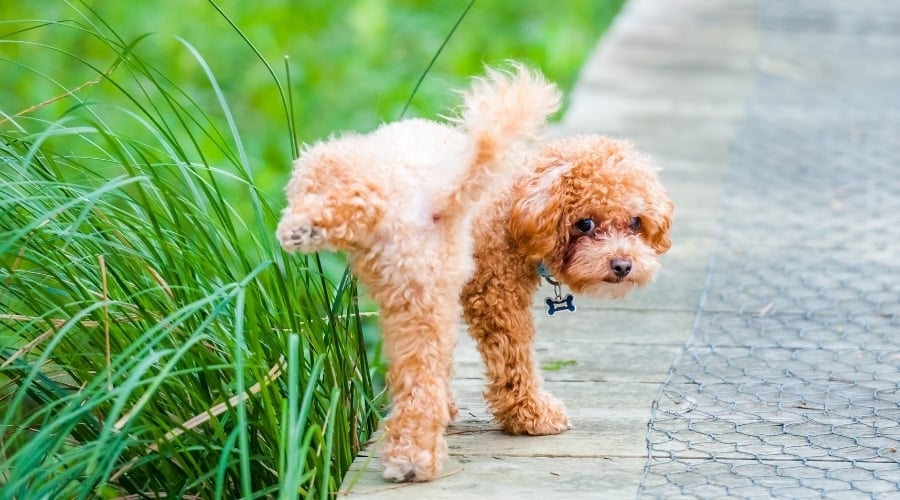
A urinary tract infection (UTI) can change the smell of urine. Watch for frequent attempts to urinate, passing only small amounts, accidents in the house, straining, licking around the urinary opening, or blood in the urine.
Other urinary conditions, including bladder stones, can cause similar signs.
Contact your veterinarian if your dog’s urine suddenly develops a strong, unusual odor—especially if your dog is also straining, urinating more often, or showing discomfort.
If your dog repeatedly tries to urinate but produces little or no urine, seek veterinary care promptly.
Could The Fishy Smell Be Coming From The Skin Or Ears?
Sometimes the source is neither the mouth nor the back end.
Skin & Skin Folds
Dogs with deep wrinkles or skin folds can trap moisture, oils, and debris. Bacterial or yeast overgrowth may then produce a strong, musty, sour, or occasionally fishy odor.
Look for:
- Red or irritated skin
- Itching or scratching
- Greasy skin
- Discharge
- Hair loss
- Repeated odor after bathing
Simply masking the smell will not clear an underlying infection.
Ears
An ear infection can also produce a surprisingly strong odor.
Check your dog’s ears for redness, discharge, excessive wax, scratching, head shaking, or pain when the ear is touched. If these signs accompany the smell, schedule a veterinary examination rather than putting random cleaners or home remedies into the ear.
Why Does My Dog Smell Like Fish When Scared?
Here’s one of the stranger reasons a perfectly healthy dog can suddenly stink like fish.
When some dogs become frightened, startled, or highly stressed, their anal sacs can release a small amount of fluid. The odor may appear almost instantly after a loud noise, stressful car ride, veterinary visit, confrontation with another animal, or other frightening event. Not exactly the stress response anyone wants to deal with.
If the smell disappears and your dog has no scooting, swelling, pain, or recurring anal-gland symptoms, the episode may simply have been a stress response.
If it happens frequently or your dog seems uncomfortable, mention it to your veterinarian.
Can Diet Or Digestive Problems Cause A Fishy Smell?
Diet usually isn’t the direct source of that classic fishy anal-gland smell, but digestive problems can sometimes contribute indirectly.
Dogs with frequent soft stools or diarrhea may not put as much pressure on the anal sacs during bowel movements, which may make normal emptying less effective for some dogs.
If loose stools and anal-gland problems keep occurring together, talk with your veterinarian about your dog’s diet, stool quality, allergies, weight, and overall digestive health.
Avoid making major diet changes or adding supplements solely to treat anal-gland problems without first identifying why the problem keeps coming back.
When Should I Call The Vet?
A brief fishy smell with no other symptoms is not always an emergency. Repeated odor or obvious discomfort is different.
Call your veterinarian if:
- The fishy smell keeps returning or doesn’t go away
- Your dog repeatedly scoots or licks the rear end
- You notice swelling, redness, or a lump near the anus
- Your dog appears painful when sitting or passing stool
- You see blood, pus, or an open wound near the anus
- Your dog’s breath remains unusually foul
- Urine smells abnormal, and your dog is straining or urinating frequently
- An ear smells bad and is red, painful, itchy, or producing discharge
- Skin odor is accompanied by redness, itching, sores, or discharge
- Your dog seems lethargic, stops eating, vomits, or otherwise seems unwell
Seek prompt veterinary care if your dog is repeatedly trying to urinate but cannot produce a normal stream, has severe pain, or appears seriously ill.
The important part isn’t simply getting rid of the smell. It is figuring out why the smell is happening.

What Not To Do
Fishy dog odor is memorable enough that your first instinct may be to get rid of it immediately. Avoid these common mistakes:
Don’t Ignore A Smell That Keeps Coming Back
A one-time anal-gland release can happen. Repeated fishy odor, especially with scooting, licking, swelling, urinary changes, or pain, deserves investigation.
Don’t Force Painful Anal Glands To Empty At Home
If the area is swollen, painful, bloody, or unusually firm—or your dog is resisting because it hurts—stop. Impacted, infected, or abscessed anal sacs need proper evaluation.
Don’t Cover The Problem With Harsh Deodorizers
Avoid perfumes, household cleaners, essential oils, or strongly scented products on sensitive skin around the anus, genitals, ears, or face. Use products specifically made for dogs, and don’t put anything into the ears without appropriate guidance.
Don’t Assume Every Fishy Smell Is An Anal-Gland Problem
Check where the smell is actually coming from. The mouth, urine, skin, folds, and ears can all produce abnormal odors, and treating the wrong body part won’t fix the problem.
How To Get Rid Of Fishy Smell From A Dog
Getting rid of a fishy smell starts with figuring out where it is coming from and what is causing it. Covering the odor with shampoo or deodorizing products may help temporarily, but it will not fix an underlying anal-gland, dental, urinary, skin, or ear problem.
Here is what to do based on where you notice the smell:
- Rear end: Anal-gland fluid is a common cause. If the smell keeps returning or your dog is scooting, licking the area, swollen, or uncomfortable, have your veterinarian check the anal glands for impaction, inflammation, or infection.
- Breath: Persistent fishy or foul breath can be linked to dental disease, infected teeth, gum disease, or something stuck in the mouth. A veterinary dental exam may be needed.
- Urine: A strong or unusual urine odor can occur with a urinary tract problem. Contact your vet if your dog is also urinating frequently, straining, having accidents, or passing blood.
- Skin or folds: Red, itchy, greasy, or smelly skin may point to a bacterial or yeast infection that needs proper treatment.
- Ears: A strong odor along with head shaking, scratching, redness, tenderness, or discharge can be a sign of an ear infection.
- After fear or stress: Some dogs suddenly release anal-gland fluid when frightened or stressed. If the odor is brief and your dog has no other symptoms, gently cleaning the soiled fur may be all that is needed.
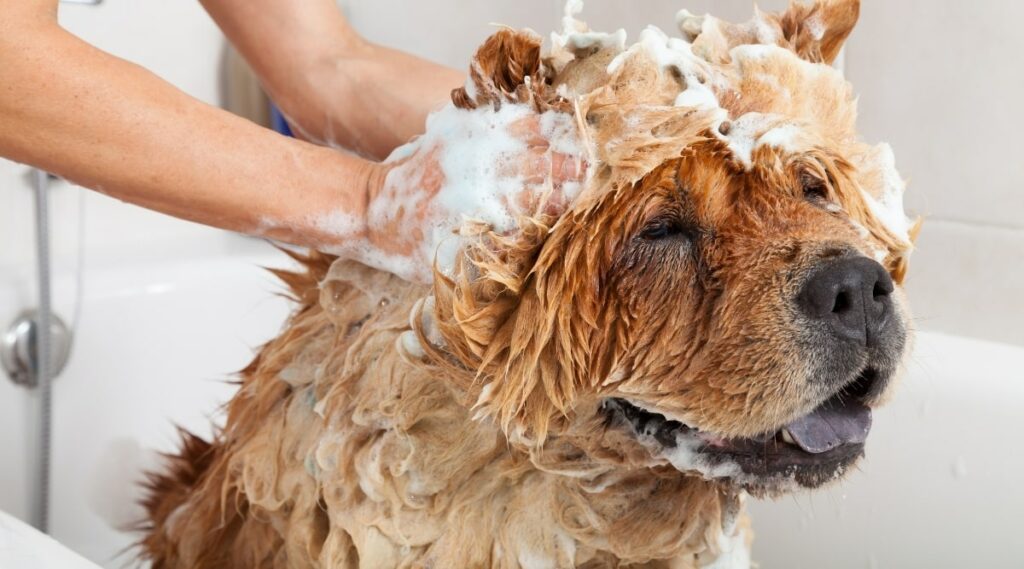
Once the underlying problem has been treated, you can remove any lingering smell from the coat with a dog-safe wipe or mild dog shampoo. Wash bedding, blankets, or furniture covers that absorbed the odor as well.
For dogs with recurring problems, prevention depends on the cause. Regular dental care, keeping skin and ears healthy, and addressing frequent loose stools or digestive issues may help reduce repeat episodes.
Call your veterinarian if the fishy smell keeps coming back or is accompanied by scooting, excessive licking, swelling, pain, blood or discharge, trouble pooping or urinating, or other changes in your dog’s behavior or health.
Most importantly, do not try to forcefully express painful or swollen anal glands at home and do not rely on harsh deodorizing products to hide a recurring smell.
Frequently Asked Questions
Fishy dog odors can be confusing because the same smell can come from several different places—and not every case means there is a serious problem. These quick answers cover some of the most common questions owners have about anal glands, recurring odors, and when it is worth calling the vet.
Is it normal for dogs to smell like fish?
A brief fishy smell can happen occasionally, especially if your dog releases anal-gland fluid after pooping, becoming frightened, or getting stressed. In those cases, the odor may be strong but should fade fairly quickly.
However, your dog should not smell like fish all the time. A persistent or recurring odor can point to anal-gland problems, dental disease, a urinary issue, or a skin or ear infection.
Contact your veterinarian if the smell does not go away, keeps returning, or is accompanied by scooting, licking, swelling, pain, discharge, difficulty urinating, or other unusual symptoms.
How often do dogs need their anal glands expressed?
Most dogs do not need their anal glands expressed on a routine schedule. Healthy anal sacs typically empty naturally when a dog passes stool.
Some dogs, however, develop recurring anal-gland problems and may need occasional expression or other treatment based on a veterinarian’s recommendation.
If your dog frequently scoots, licks the rear end, develops a fishy smell, or seems uncomfortable, have your vet check the anal glands rather than automatically expressing them at home.
Why does my dog smell like fish but isn’t scooting?
Scooting is only one possible sign of an anal-gland problem. Some dogs may release a small amount of anal-gland fluid without scooting at all, particularly when they are frightened or stressed.
The odor may also be coming from somewhere else. Check your dog’s breath, urine, skin, folds, and ears for other signs such as redness, discharge, itching, or irritation.
If the smell keeps returning and you cannot identify the source, a veterinary exam can help narrow it down.
Why does my dog suddenly smell like fish?
A sudden fishy smell from the rear end often happens when a dog’s anal sacs release fluid. This can occur during a bowel movement or when a dog becomes scared, nervous, or excited.
If it happens once and your dog otherwise seems comfortable, it may not be cause for concern. Repeated sudden odors, however, can be a reason to have the anal glands checked.
Can a dog’s diet cause a fishy smell?
Diet is not usually the direct cause of the classic fishy anal-gland odor, but digestive problems can sometimes contribute.
For example, frequent loose stools or diarrhea may make it harder for the anal sacs to empty normally. If your dog regularly has both digestive issues and anal-gland problems, ask your veterinarian whether diet, allergies, stool quality, or another underlying issue could be playing a role.
When should I worry about a fishy smell?
Call your veterinarian if the odor is persistent or keeps coming back, especially if you also notice scooting, excessive licking, swelling, pain, blood, pus, an open wound, straining to poop, frequent urination, difficulty urinating, vomiting, loss of appetite, or lethargy.
These signs suggest there may be more going on than a simple one-time anal-gland release.
Still Have Questions About That Fishy Smell?
Sometimes the hardest part is simply figuring out where the smell is coming from. If you’re still stumped, tell us what you’re noticing in the comments below—where the odor seems strongest, when it happens, and whether your dog has any other symptoms.
We’d love to hear about your experience, and your question may help another dog owner dealing with the exact same stinky mystery. Just remember that we cannot diagnose your dog in the comments, so contact your veterinarian directly if your pup is in pain, seems unwell, or has symptoms that are getting worse.
The Bottom Line
When it comes to fishy dog smells, the nose often knows something is up.
A fishy-smelling dog is gross, but the location of the stink gives you an important clue.
Rear end? Think anal glands first.
Mouth? Check the teeth and gums.
Urine? Watch for UTI symptoms.
Skin or ears? Look for redness, itching, discharge, or irritation.
Only after a scare? It may simply be a temporary anal-gland release.
If the smell is persistent, painful, or accompanied by other symptoms, don’t focus on deodorizing your dog. Have your veterinarian help find and treat the source.
Keeping Anal Glands Healthy
You cannot prevent every anal-gland problem, but healthy digestion, firm stools, regular exercise, and maintaining a healthy weight may help the glands empty normally.
A few simple habits can support anal-gland health:
- Feed a balanced diet with appropriate fiber. Well-formed stools help put natural pressure on the anal sacs during bowel movements. If your dog regularly has soft stools or diarrhea, ask your veterinarian whether a diet change or added fiber may help.
- Maintain a healthy weight. Excess weight can contribute to a variety of health problems and may make anal-gland issues harder to manage. If you’re unsure whether your dog is overweight, see our guide to healthy weight and obesity in dogs.
- Encourage daily exercise. Regular activity supports healthy digestion and overall body condition.
- Keep an eye on stool quality. Frequent diarrhea, constipation, straining, or unusually soft stools are worth discussing with your veterinarian, especially if your dog also has recurring anal-gland problems.
- Provide fresh water every day. Good hydration supports normal digestion and stool consistency.
- Address recurring digestive or skin problems. Allergies, chronic diarrhea, and other underlying issues may contribute to repeat anal-gland trouble in some dogs.
Some owners add pumpkin or other sources of fiber to their dog’s diet, but more fiber is not automatically better. The right amount depends on your dog’s diet, stool quality, and overall health. Talk with your veterinarian before making major dietary changes or adding supplements such as probiotics.
If your dog repeatedly develops a fishy smell, scoots, licks the rear end, or needs frequent gland expression, don’t rely on home remedies alone. Recurring anal-gland problems are a reason to look for an underlying cause.
Constipation and other digestive problems can also make bowel movements uncomfortable, so learn more about the signs and treatment of constipation in dogs if your pup is straining or having trouble passing stool.
What Else Could Be Causing That Smell?
Still trying to get to the bottom of that fishy funk? Learn more about anal gland problems in dogs, the signs of a UTI in dogs, and how to spot and treat a dog ear infection. The source of the smell can tell you a lot about what your pup may need next.
Does Your Dog Have A Fishy-Smelling Story?
If you’ve ever caught a whiff of that unmistakable fishy smell from your dog, you’re definitely not alone. Share your dog’s stinky story in the comments below! Tell us where the smell was coming from, what caused it, and what finally helped. Your experience could help another dog owner solve their own fishy mystery.