When you purchase through links on our site, we may earn a commission at no extra cost to you. Learn more.
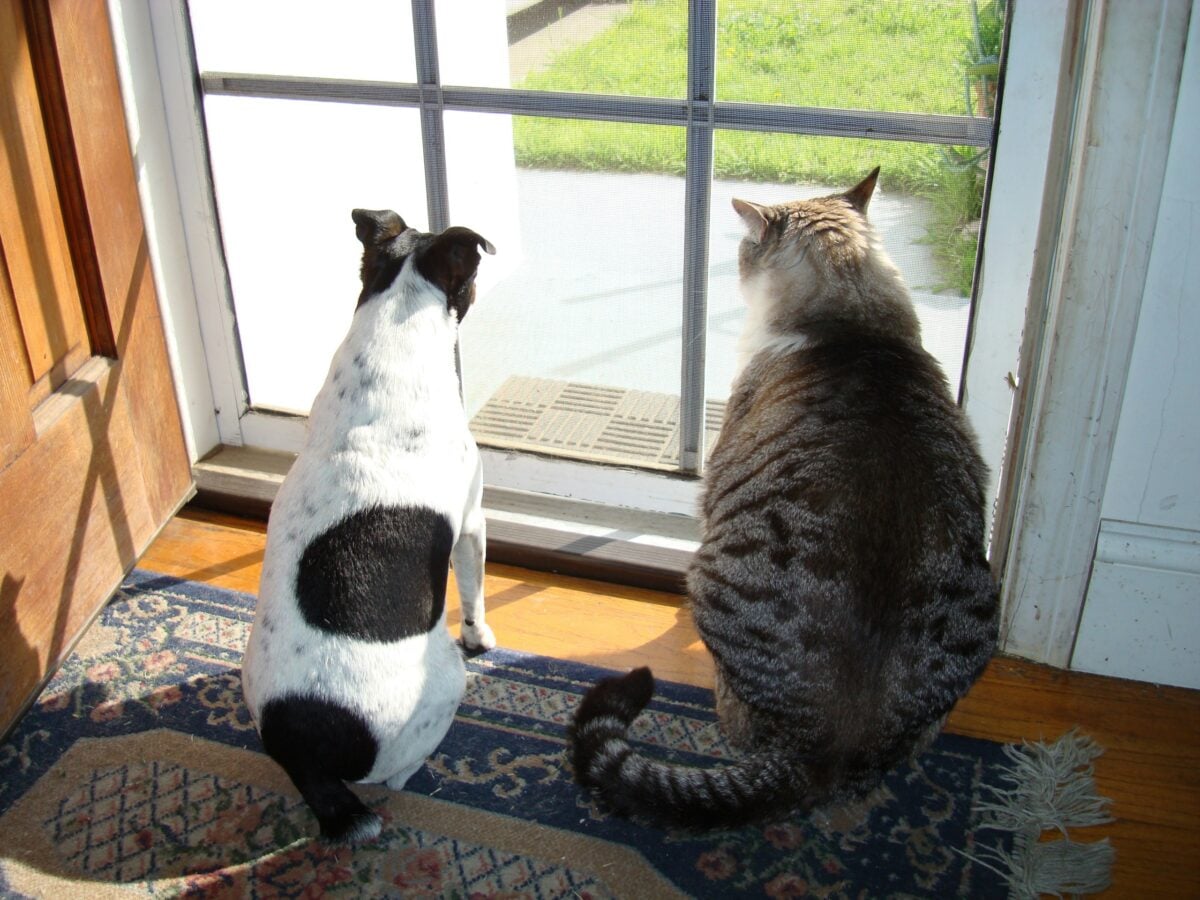
Some dogs fetch tennis balls. Others spend their afternoons perched on the back of the couch, staring out the window before curling up beside you for a quiet evening of cuddles.
Table of Contents
While dogs are usually known for being extroverted, eager-to-please companions, certain breeds behave in surprisingly cat-like ways. They may be more independent, socially selective, or calmer than the average dog. Some are intensely curious, while others are fully committed to ignoring commands unless they personally benefit from listening.
If you have ever looked at your dog and thought, “this is basically a cat in a dog suit,” you are definitely not alone. Here are 15 dog breeds that often act far more like cats than traditional dogs.
Cat-Like Dog Breeds At A Glance
If you already know what you love most about cats, this quick guide can help you find the dog breeds that are the best match.
| If You Love This About Cats… | Dog Breed Match |
|---|---|
| Calm, low-drama households | Whippet, Greyhound |
| Cozy lap-cat energy | Italian Greyhound, Pekingese |
| Independence and self-sufficiency | Shiba Inu, Chow Chow, Scottish Terrier |
| Velcro attachment to one person | Brussels Griffon, Chihuahua |
| Curious, playful personalities | French Bulldog, Miniature Pinscher |
| Quiet companionship | Saluki, Afghan Hound |
| Cat-like grooming habits | Japanese Chin, Basenji |
7 Signs Your Dog Might Secretly Be A Cat
From perchingon furniture to quietly observing the room from across the couch, these are among the most recognizable signs that your dog may actually be more feline than canine.
1. They Climb, Perch, Or Sit On Furniture Like A Cat
Cat-like dogs treat the house like a climbing gym. Some perch on the backs of couches, balance on armrests, or quietly monitor the room from the highest spot possible. Japanese Chins and Shiba Inus are especially known for this behavior.
For many of these dogs, it is less about comfort and more about observation. Much like cats, they seem to enjoy having the best view in the house.
2. They Treat Training More Like A Negotiation
Independent breeds often approach training differently than eager-to-please dogs like Golden Retrievers or Labrador Retrievers. Instead of immediately responding to commands, they may pause, stare at you thoughtfully, and decide whether participation feels worthwhile.
This is especially common in breeds like the Shiba Inu, Afghan Hound, Chow Chow, and Scottish Terrier.
3. They Can Be Socially Selective
Not all dogs immediately want attention from every person they meet. Some are naturally more reserved and prefer observing new people before deciding whether they are worth interacting with.
Much like cats, these dogs often become far more affectionate, playful, and social once they feel comfortable. Chow Chows, Salukis, and Scottish Terriers are especially known for forming deep bonds while still remaining somewhat selective about strangers.
4. They Groom Themselves Constantly
Some dogs are surprisingly obsessed with staying clean. Basenjis are the most famous example and are known for grooming themselves with their paws almost like cats.
5. They Love Watching The World Go By
Cats are natural observers, and some dogs absolutely share that same personality trait. Breeds like the Saluki, Chow Chow, and Japanese Chin are especially known for this calm, observant energy.
6. They Use Their Paws Like Tiny Hands
Most dogs primarily use their noses and mouths to explore the world. Cats, on the other hand, are much more likely to investigate things with their paws thanks to their greater dexterity.
That’s why some dogs stand out for being surprisingly “handsy.” They paw at toys, tap objects, swat at water bowls, open cabinets, or gently touch people for attention.
Japanese Chins and Basenjis are especially known for using their paws to investigate things rather than relying entirely on their mouths.
7. They Want Affection… But Usually On Their Own Terms
Many cat-like dogs are deeply affectionate, but they tend to approach affection differently than stereotypical “Velcro dogs.”
Rather than demanding nonstop attention, these breeds often prefer quieter companionship. They may follow their favorite person from room to room, curl up beside them on the couch, or quietly sit nearby without constantly asking for interaction.
For many owners, that selective affection is actually part of the appeal. When these dogs choose to be close to you, it often feels especially meaningful.
Bonus Sign: Your Dog Learned A Few Tricks From The Cat
Dogs are surprisingly good at picking up behaviors from the animals they live with, including cats. Some owners report their dogs rubbing against furniture, sitting on windowsills, squeezing into impossibly small spaces, or even giving little head bumps for attention after growing up around feline housemates.
Scientists call this social learning, and it happens when animals observe and copy the behavior of others. So if your dog suddenly starts acting suspiciously cat-like after spending years with a cat sibling, they may have picked up a few habits along the way.
Watch: This dog learned a few behaviors from his cat companions.
4 Dog Breeds For People Who Love Independent Cats
Not everyone wants a clingy, constantly-on-the-go dog. These breeds tend to enjoy companionship without needing nonstop attention, making them especially appealing to people who love the quieter, lower-pressure vibe many cats naturally bring to a home.
They’re often selective with their affection, appearing aloof to strangers or guests, but once everyone leaves, you’ll find them ready for one-on-one time with their favorite person.
These breeds also tend to be more comfortable spending time alone than the average dog, although every dog is different. While they still need exercise, enrichment, and companionship, they’re often better suited for people who appreciate a more confident, independent pet personality.
1. Japanese Chin
If there were ever a dog that genuinely seemed convinced it was a cat, it would probably be the Japanese Chin. This tiny companion breed is famous for climbing onto furniture, balancing on the backs of couches, pawing at objects, and quietly observing the household from elevated perches.
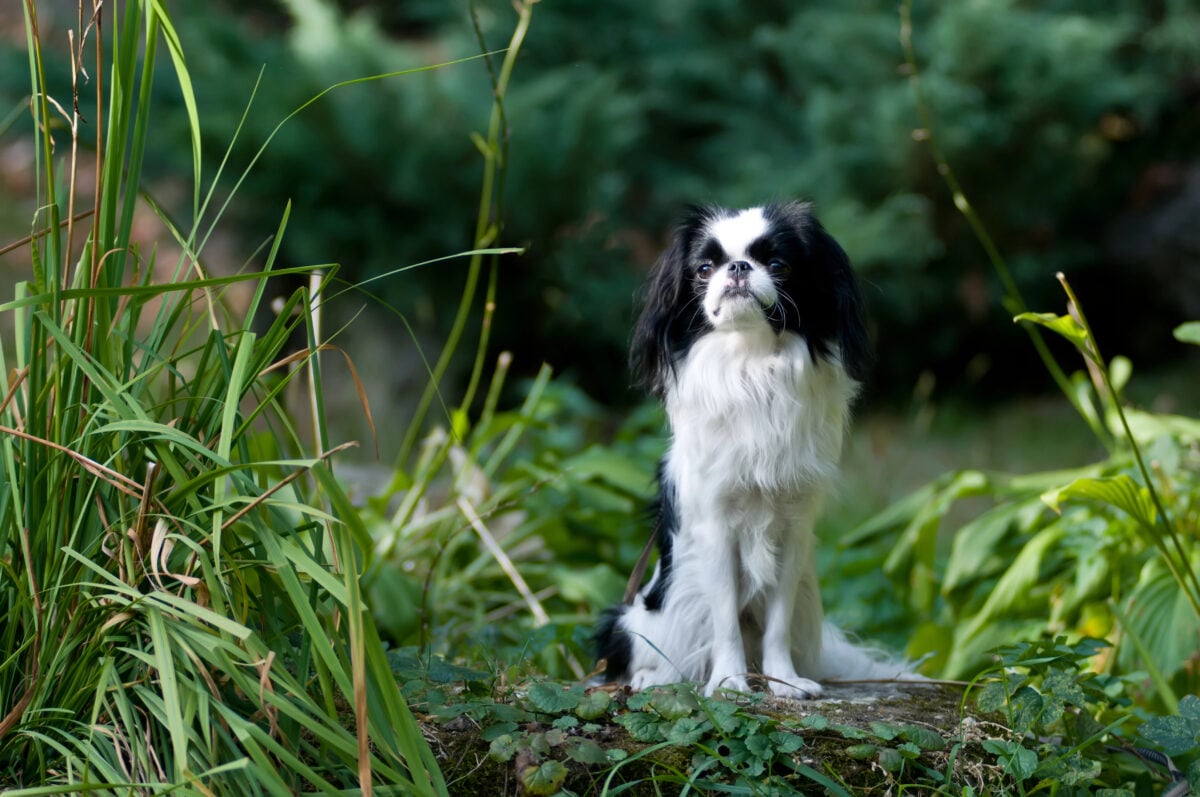
Japanese Chins are affectionate, but they rarely feel overwhelming or demanding. They tend to bond closely with their people while still maintaining an independent streak that feels very feline. They are quiet, calm, and do not need much exercise to be happy.
- Size: Toy breed (7–11 pounds)
- Temperament: Quiet, charming, observant, slightly independent
- Energy Level: Moderate
- Social/Adaptability: Adapts well to apartments and quieter households
- Family Life: Often bonds closely with one or two favorite humans and usually does well in calm households with respectful children
- Best For: Cat lovers who want a gentle, low-key canine companion
Fun Fact: Japanese Chins are known for a behavior called the “Chin spin,” where they excitedly twirl in circles on their hind legs.
2. Shiba Inu
The Shiba Inu has built an entire internet reputation around acting like cats. Confident, intelligent, and famously stubborn, this breed often behaves more like an independent roommate than an eager-to-please pet.
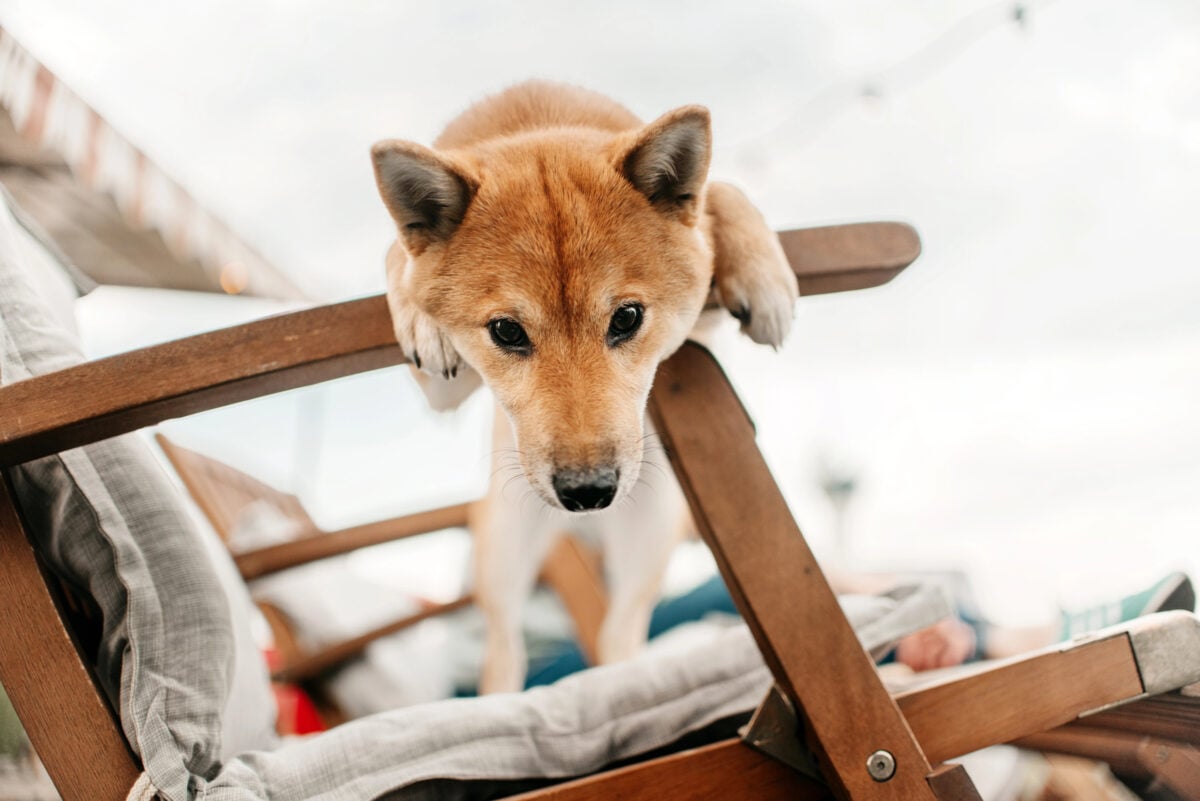
Shibas usually prefer affectionon their own terms and are known for their selective listening skills. Many owners describe them as clean, quiet around the house, and surprisingly cat-like in their agility and curiosity. They are highly observant dogs that often seem to be studying everything around them before deciding whether to participate.
- Size: Small to medium (17–23 pounds)
- Temperament: Alert, independent, confident
- Energy Level: Moderate to high
- Social/Adaptability: Can be reserved with strangers and selective with other pets
- Family Life: Best with owners who respect boundaries and individuality; may be selective with unfamiliar dogs or overly rough children
- Best For: Experienced owners who love strong personalities and low-cling companions
Warning: Shiba Inus are notorious escape artists and should always be kept on a leash and in a secure area. They can climb just about anything if they set their mind to it.
3. Chow Chow
If you like the idea of a dog that loves you and ignores everyone else, the Chow Chow is for you. These fluffy, lion-like dogs are famously loyal and often prefer calm companionship over chaotic social interaction.
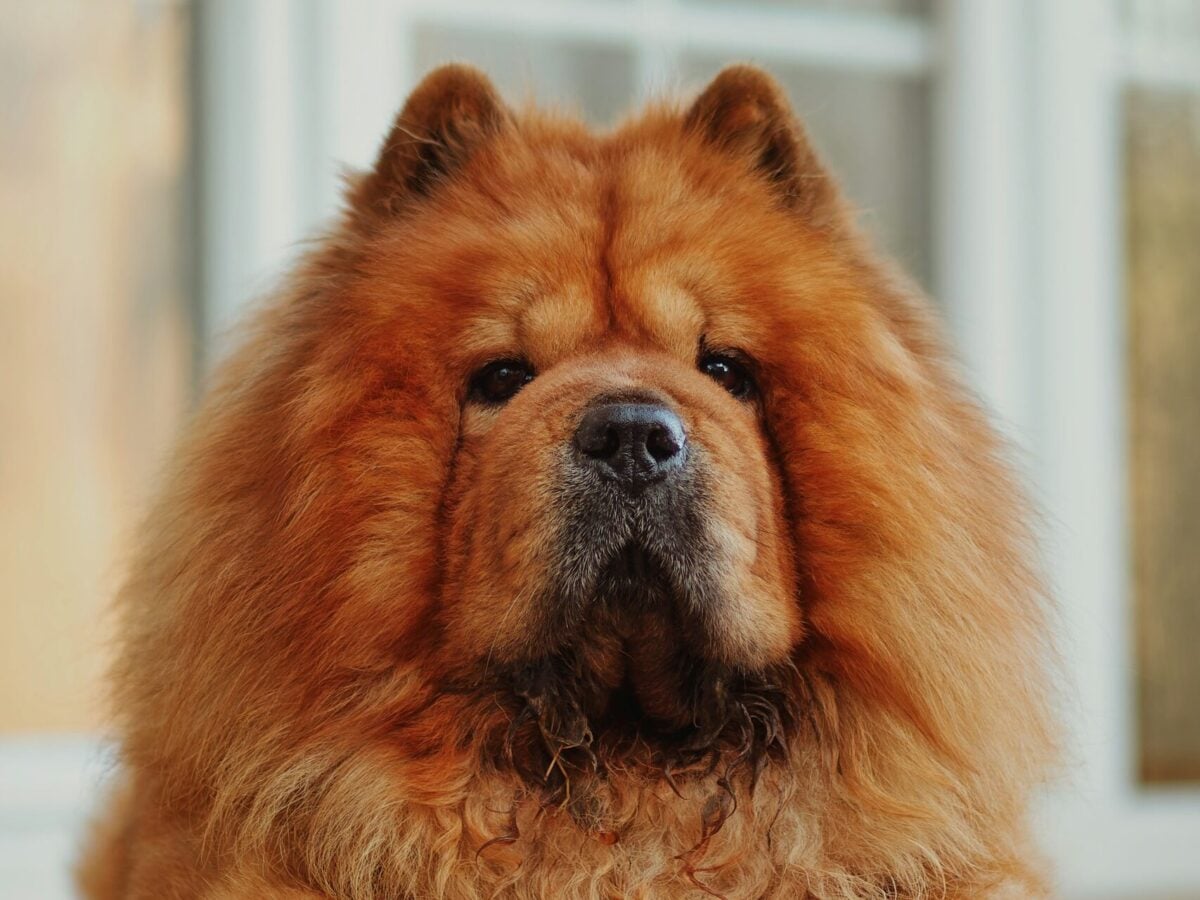
Unlike highly social breeds that constantly seek approval, Chow Chows tend to be more self-contained and dignified. They dislike excessive handling and often prefer to show their affection in subtle ways rather than being openly needy or clingy. Many are perfectly content quietly observing the room from their favorite spot rather than demanding constant attention.
- Size: Medium to large (45–70 pounds)
- Temperament: Loyal, dignified, reserved
- Energy Level: Moderate
- Social/Adaptability: Often wary of strangers and prefers predictable environments
- Family Life: Typically does best with respectful older children and calm households; early socialization is important around strangers and other pets
- Best For: People who appreciate quieter, independent companions
History Spotlight: Despite their teddy-bear appearance, Chow Chows were originally developed in China for guarding and working roles.
4. Basenji
The Basenji is one of the most behaviorally unique dog breeds in the world and easily one of the most cat-like. These sleek, intelligent dogs are famous for grooming themselves with their paws, being “barkless,” and displaying an independent streak that can make training feel more like a negotiation.
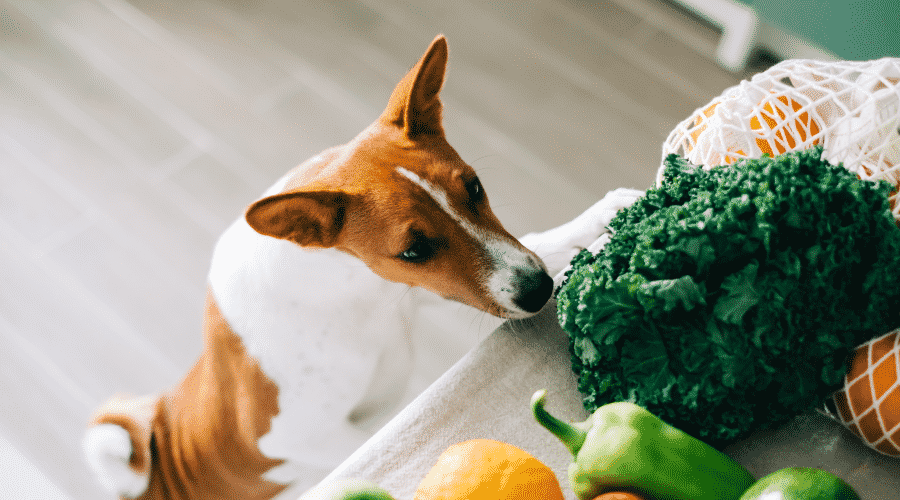
Basenjis are curious, agile, and incredibly clever problem-solvers. They often enjoy doing their own thing and can come across as emotionally selective compared to more eager-to-please breeds.
- Size: Small (20–24 pounds)
- Temperament: Intelligent, curious, mischievous
- Energy Level: High
- Social/Adaptability: Can become bored easily without mental stimulation
- Family Life: Often bonds intensely with family members; supervision recommended around children and other pets
- Best For: Active owners who enjoy quirky, highly intelligent dogs
Important Note: While Basenjis have an independent personality, they are not always ideal for being left alone for long periods. Many are prone to boredom and separation anxiety if under-stimulated.
Top 4 Dog Breeds For People Who Want A Calm, Cozy House Cat Vibe
Some people love cats because they bring a peaceful, low-drama energy to the home. They curl up beside you for hours, seek out the warmest spot in the house, and somehow turn lounging into a full-time profession. These dog breeds capture that same sleepy, cuddly, comfort-loving vibe.
While they still enjoy occasional bursts of energy and play, these dogs are usually happiest relaxing indoors with their favorite humans. If your dream pet spends more time napping in sunbeams than demanding nonstop activity, these breeds may be exactly your speed.
1. Greyhound
Despite being built like elite athletes, Greyhounds are famously lazy indoors. Many first-time owners are shocked to discover that these sleek racing dogs are actually gentle couch potatoes that prefer soft blankets, quiet routines, and long naps after short bursts of exercise.
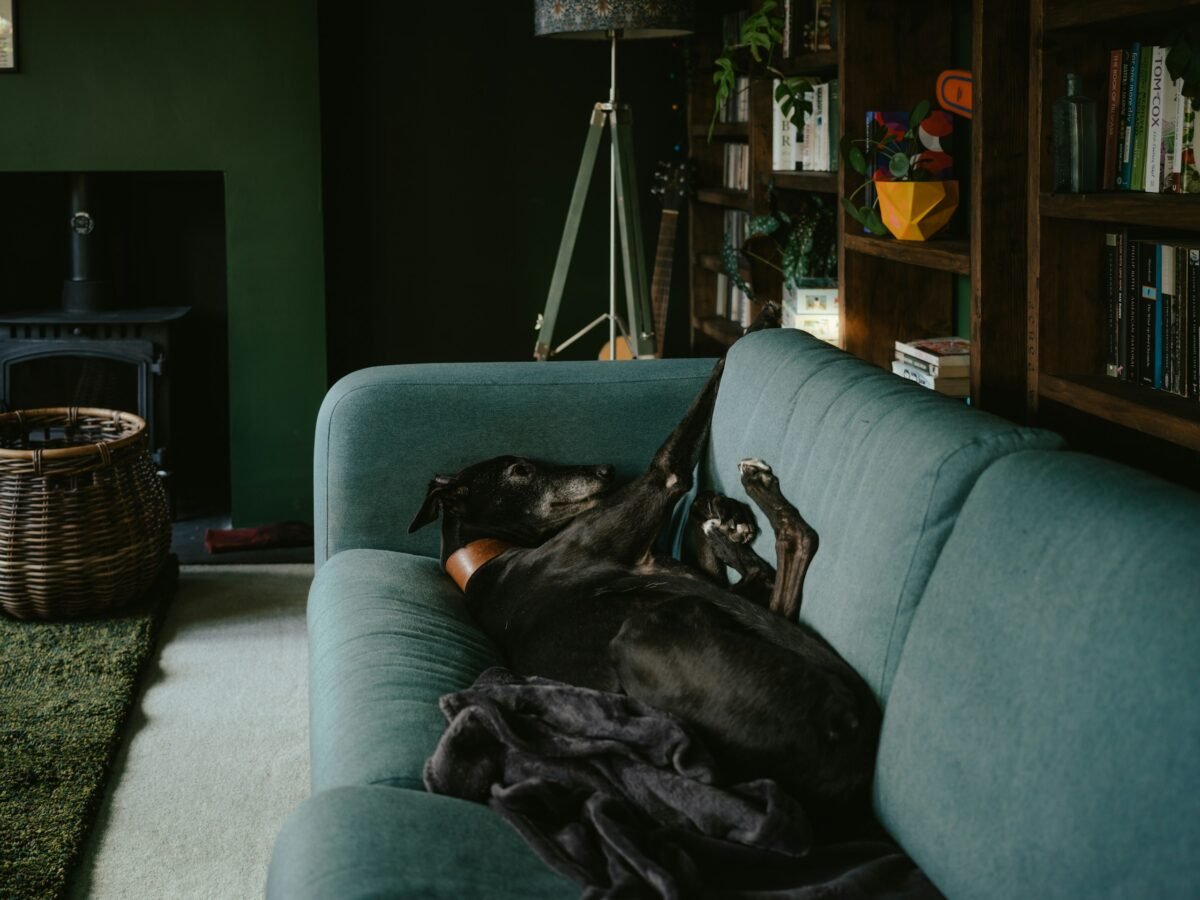
Greyhounds are calm, affectionate, and surprisingly sensitive companions. They tend to have a peaceful presence in the home and are often content spending hours stretched across the couch like oversized house cats soaking up the sun.
- Size: Large (60–70 pounds)
- Temperament: Gentle, quiet, affectionate
- Energy Level: Moderate outdoors, low indoors
- Social/Adaptability: Usually adapts well to calm homes and apartment living
- Family Life: Often does well with respectful children and enjoys quiet companionship
- Best For: People who want a large but surprisingly relaxed and low-drama dog
House Cat Energy: Greyhounds are famous for alternating between short bursts of speed and marathon-level napping sessions. See our article on why dogs (and cats) get zoomies.
2. Pekingese
The Pekingese has mastered the art of luxurious lounging. Originally bred as companions for Chinese royalty, these small dogs tend to approach life with the calm confidence of a pet that fully expects furniture privileges and personal admiration.
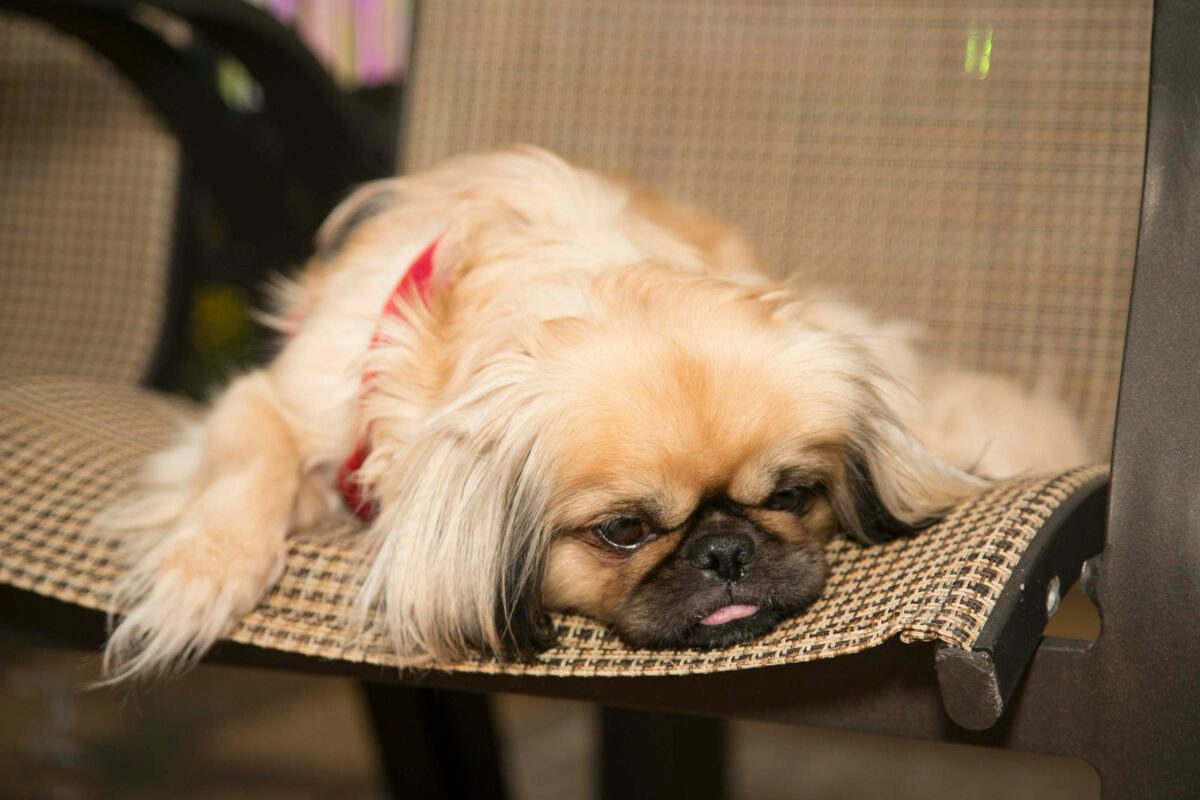
Pekingese are affectionate with their families, but they usually prefer companionship on their own terms. They are often quiet around the house, low-energy indoors, and perfectly content spending long stretches relaxing beside their favorite human while observing the room with quiet judgment.
- Size: Toy breed (7–14 pounds)
- Temperament: Independent, slow-paced, loyal
- Energy Level: Moderate
- Social/Adaptability: Usually adapts well to quieter homes and apartment living
- Family Life: Often bonds deeply with family but may dislike rough handling from young children
- Best For: People who love independent, low-energy companions with strong personalities
Worth Noting: Compared to many companion breeds, Pekingese are often more comfortable spending time alone and are generally less prone to separation anxiety. Many are perfectly content lounging independently until their favorite person returns home.
3. Whippet
Whippets combine athletic agility with some of the strongest “professional lounger” energy in the dog world. These elegant little sprinters love running outside, but once they are back indoors, they are usually happiest burrowed under blankets or curled tightly against their favorite person.
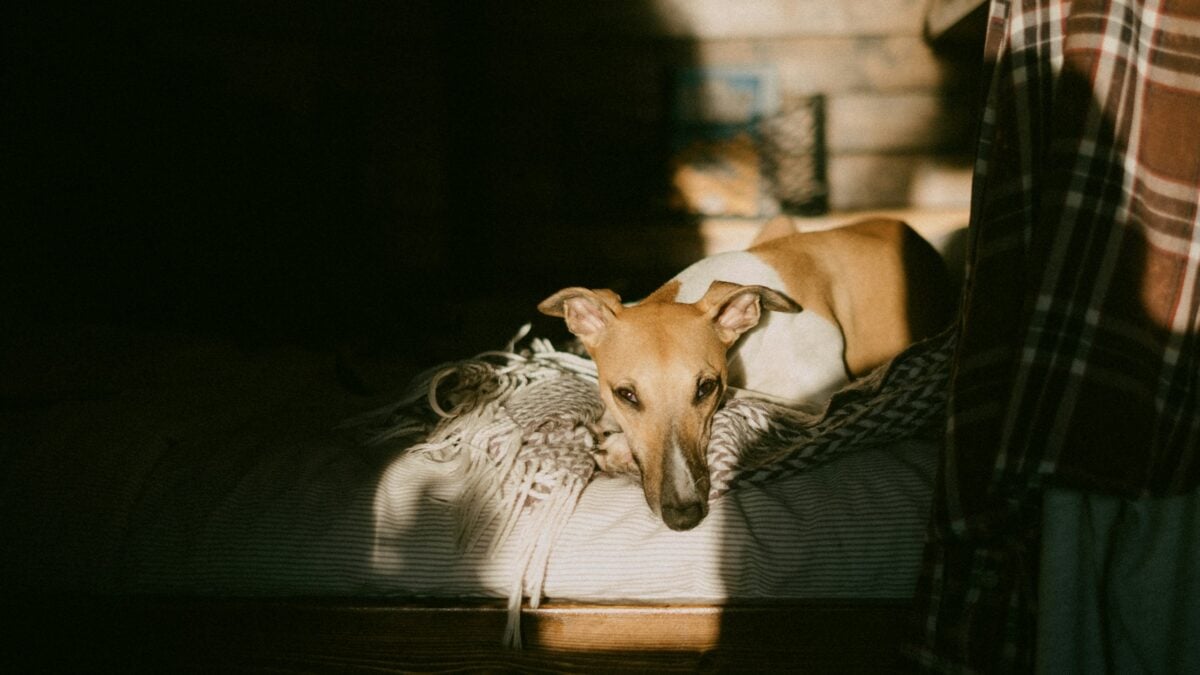
Quiet and affectionate without being overly demanding, Whippets often fit naturally into calm households. Their gentle personalities and love of comfort make them feel remarkably similar to cozy indoor cats that spend most of the day rotating between naps and warm spots around the house.
- Size: Medium (25–40 pounds)
- Temperament: Calm, affectionate, playful
- Energy Level: Moderate to high
- Social/Adaptability: Usually adaptable and easygoing in quieter homes
- Family Life: Affectionate with family members and great with children and other pets
- Best For: People who want a playful, cuddly dog
Fun Fact: Whippets are notorious blanket thieves and will often burrow completely under covers to stay warm.
4. Italian Greyhound
Italian Greyhounds are obsessed with warmth, comfort, cuddling, and finding the softest possible place to sleep at all times. They are affectionate and emotionally sensitive, but they also carry themselves with a graceful, cat-like elegance.
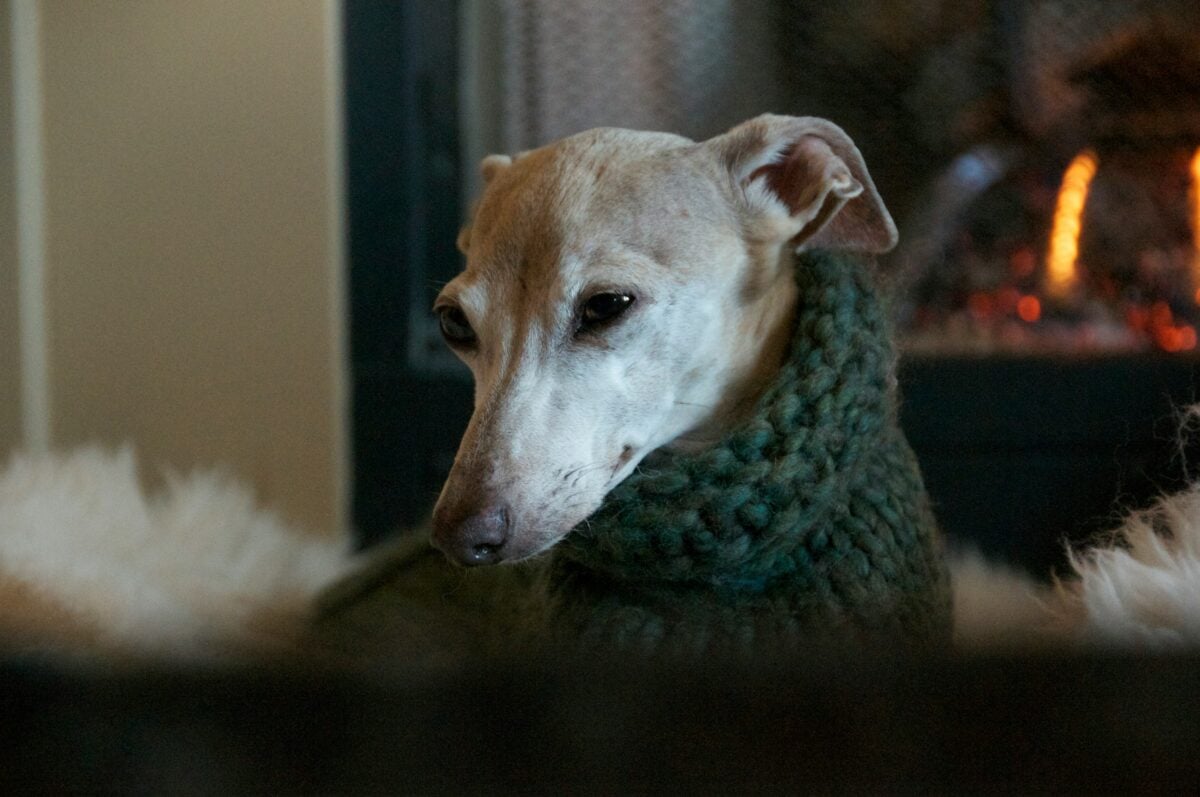
Italian Greyhounds are known for curling into impossibly small sleeping positions, climbing onto furniture, and quietly following patches of sunlight around the house like tiny sunbathing cats.
- Size: Toy breed (7–14 pounds)
- Temperament: Affectionate, sensitive, playful, alert
- Energy Level: Moderate
- Social/Adaptability: Thrives in calm indoor environments
- Family Life: Bonds closely with family members; not recommended for houses with young children, as their structure makes them more susceptible to accidental injury from rough play
- Best For: People who want a cuddly, elegant companion with major lap-cat energy
Important: Italian Greyhounds are extremely sensitive to cold and will likely need their own doggy wardrobe to stay warm in cooler climates.
Top 4 Dog Breeds With “Orange Cat Energy”
Some dogs are calm and dignified. These dogs are not those dogs.
Much like the internet stereotype surrounding orange cats, these breeds are chaotic, impulsive, and constantly one minor inconvenience away from creating a completely avoidable problem. That said, their oversized personalities are exactly what makes them so lovable.
If you enjoy pets that keep life entertaining, these dogs bring the same unpredictable energy that makes orange cats internet legends.
1. French Bulldog
French Bulldogs may not physically resemble cats, but spiritually, many of them absolutely operateon orange-cat logic. They are stubborn, dramatic, obsessed with comfort, and fully capable of making bizarre decisions with complete confidence.
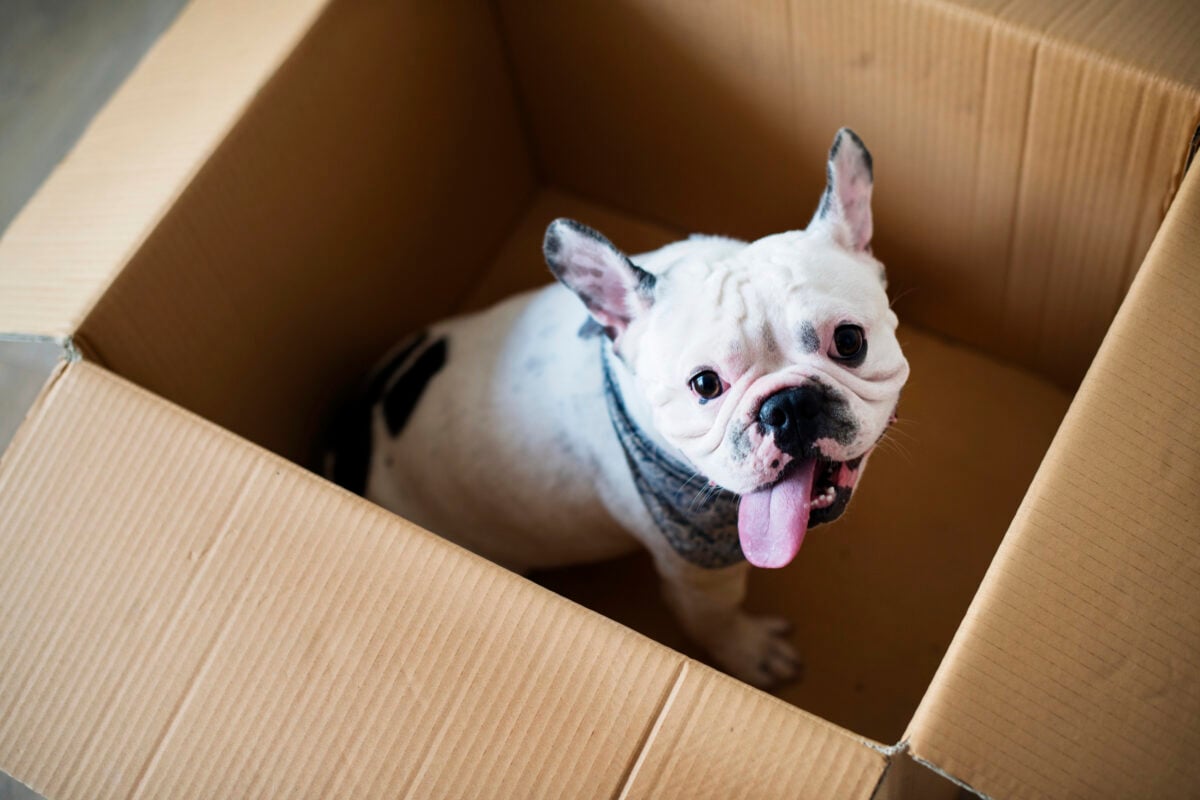
Frenchies are playful and affectionate, but they also tend to have a chaotic streak that keeps owners constantly entertained. One minute, they are snoring upside down under a blanket, and the next, they are sprinting through the house at full speed because they saw a shadow move.
- Size: Small (16–28 pounds)
- Temperament: Playful, goofy, adaptable
- Energy Level: Moderate
- Social/Adaptability: Usually highly adaptable and thrives around people
- Family Life: Often does very well with children and enjoys being involved in household activity
- Best For: People who want a funny, affectionate companion with endless personality
Health Note: French Bulldogs are prone to breathing difficulties due to their flat faces, so they can struggle with heat, overexertion, and intense exercise. Most are much happier lounging indoors in air conditioning than training for a marathon.
2. Chihuahua
Chihuahuas may be tiny, but many carry themselves with the confidence of a pet that believes it runs the entire household. Much like certain cats, they can switch from cuddly lap companion to tiny gremlin with almost no warning.
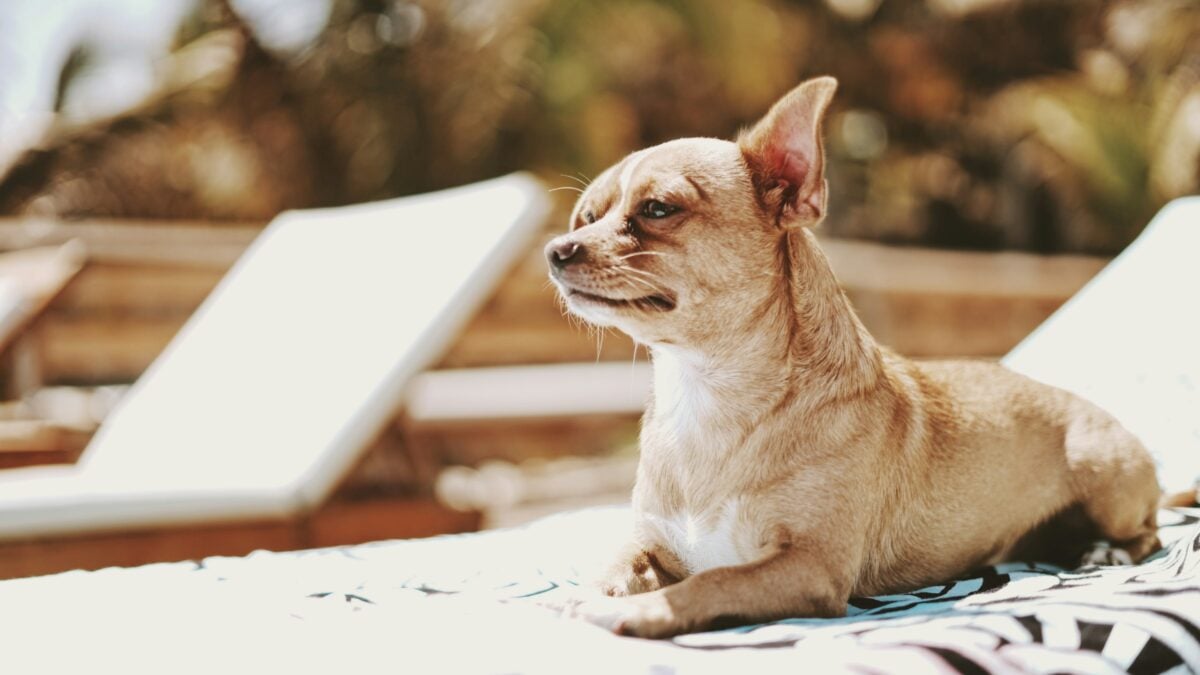
These dogs love warmth, soft blankets, cozy hiding spots, and choosing exactly when they want affection. They are often deeply loyal to their favorite person while remaining suspicious of strangers.
- Size: Toy breed (2–6 pounds)
- Temperament: Loyal, alert, bold, sassy
- Energy Level: Moderate
- Social/Adaptability: Can be wary of strangers but usually adapts well to smaller living spaces
- Family Life: Often bonds intensely with one person and may prefer calmer households
- Best For: People who appreciate huge personalities packed into tiny bodies
Worth Noting: Chihuahuas come in both short-haired and long-haired varieties.
3. Miniature Pinscher
The Miniature Pinscher carries itself with the confidence of a much larger animal, which is part of what makes this breed feel so cat-like. Bold, curious, and completely self-assured, Min Pins often behave like tiny supervisors determined to investigate absolutely everything happening in the house.
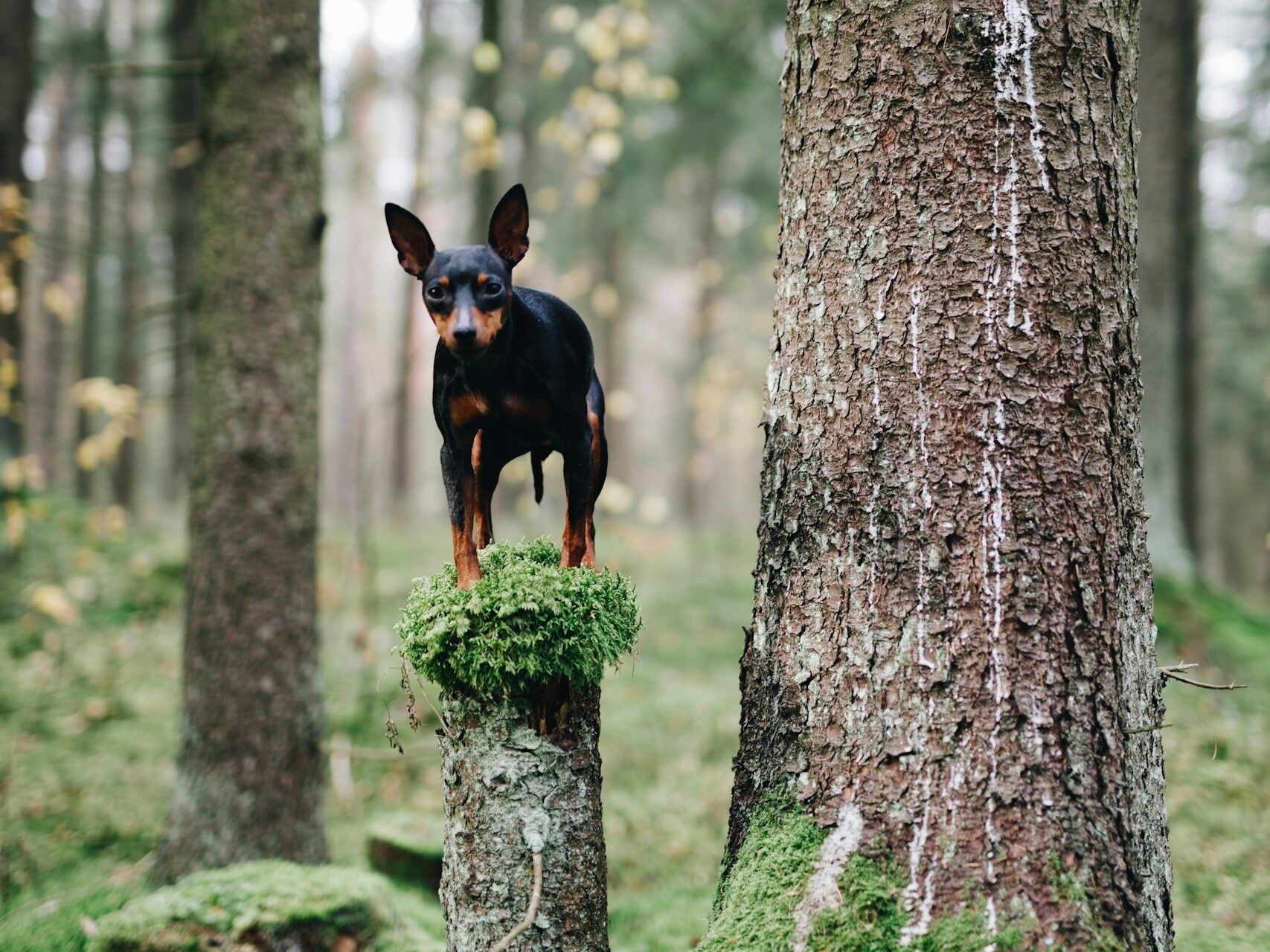
These dogs are intelligent, agile, and surprisingly graceful. Much like confident cats, they tend to move through the world as if they naturally belong wherever they decide to climb, explore, or perch. Their huge personalities and fearless attitude make them endlessly entertaining companions.
- Size: Toy breed (8–12 pounds)
- Temperament: Bold, fearless, curious, energetic
- Energy Level: High
- Social/Adaptability: Intelligent and adaptable, but can become bossy without training
- Family Life: Often bonds closely with family, but may be too intense for very young children
- Best For: Owners who enjoy confident, high-energy dogs with huge personalities
Worth Noting: Miniature Pinschers are excellent climbers and problem-solvers, so keeping them mentally stimulated is important.
4. Brussels Griffon
The Brussels Griffon feels less like a traditional dog and more like a tiny eccentric roommate with strong opinions. These expressive little dogs are intensely observant and emotionally dramatic.
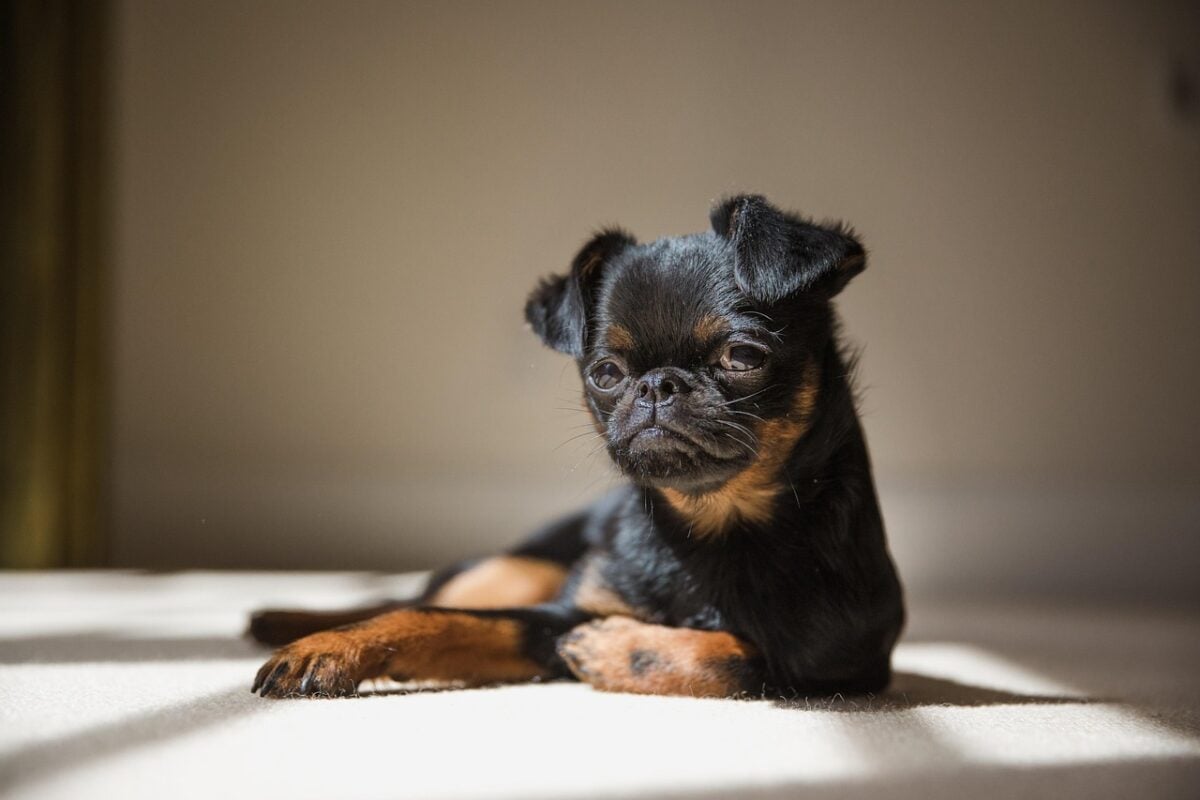
Griffons are affectionate and deeply bonded to their people, but they also have a mischievous side that makes them endlessly entertaining. Their almost human facial expressions only add to the feeling that they are silently judging every decision you make throughout the day.
- Size: Toy breed (8–12 pounds)
- Temperament: Affectionate, alert, loyal
- Energy Level: Moderate
- Social/Adaptability: Usually adapts well to apartment life and close companionship
- Family Life: Bonds deeply with family and often prefers gentler handling; supervision recommended with young children and other dogs
- Best For: People who want a quirky, highly expressive companion animal
Personality Note: Brussels Griffons are known for forming extremely strong attachments to their favorite humans while still maintaining plenty of dramatic independence.
Top 3 Dog Breeds That Act Like Royalty
Some dogs act goofy. Others act like they personally descended from ancient nobility and are mildly offended that you interrupted their lounging schedule.
These breeds tend to be elegant, emotionally selective, confident, and surprisingly self-possessed. Much like regal house cats, they often prefer admiration over obedience and affection on their own terms.
1. Afghan Hound
The Afghan Hound looks less like a normal dog and more like a celebrity who accidentally wandered into your living room. With their flowing coat, graceful movements, and emotionally detached demeanor, Afghan Hounds are famous for carrying themselves with unmistakable elegance.
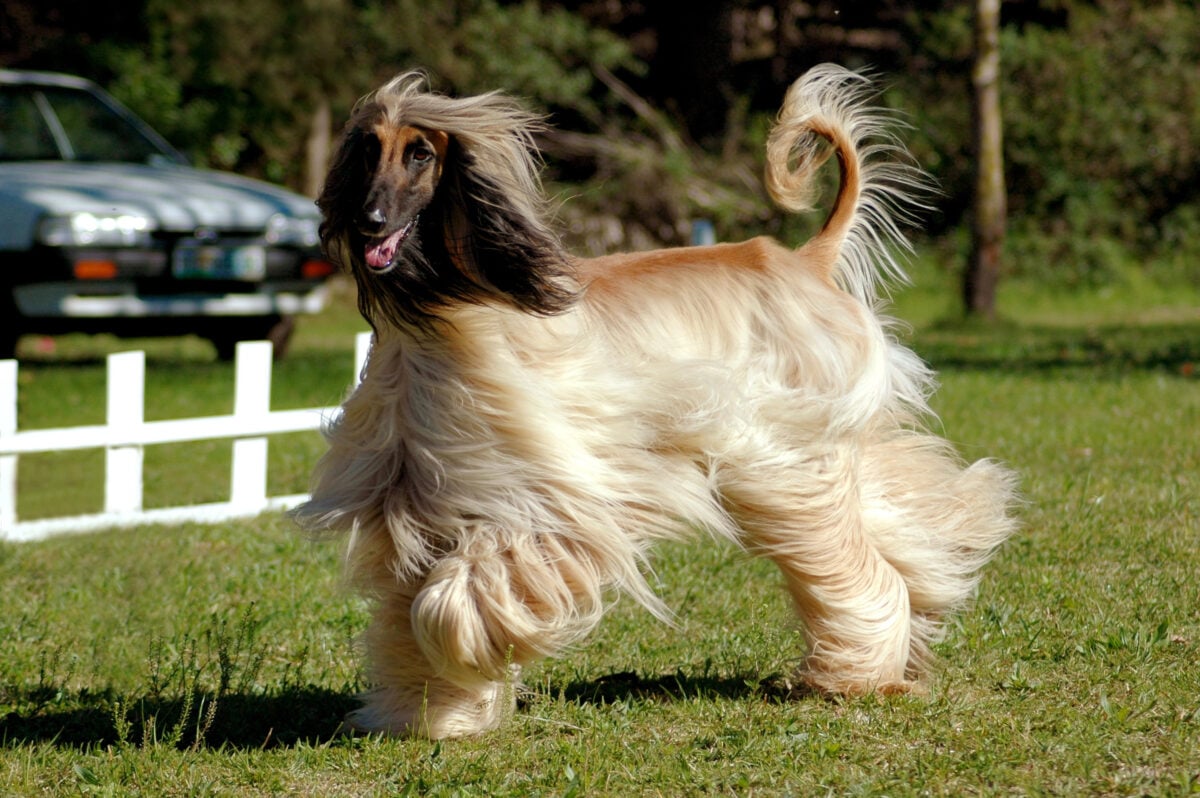
These dogs are intelligent but notoriously independent thinkers. While they can be affectionate with their families, they are rarely eager-to-please in the traditional sense.
Much like a glamorous cat, they often seem fully aware of how beautiful they are and completely uninterested in proving anything to anyone.
- Size: Large (50–60 pounds)
- Temperament: Loyal, elegant, aloof
- Energy Level: Moderate to high
- Social/Adaptability: Usually reserved with strangers and prefer routine
- Family Life: Can be affectionate with family but often prefers respectful interaction over constant attention; usually does best with gentler children and careful introductions to smaller pets
- Best For: People who appreciate graceful, independent pets with dramatic personalities
Worth Noting: Afghan Hounds require significant coat maintenance to keep their long, silky fur healthy and tangle-free.
2. Scottish Terrier
Confident, stubborn, and full of personality, Scotties are known for their dignified attitude and strong sense of independence.
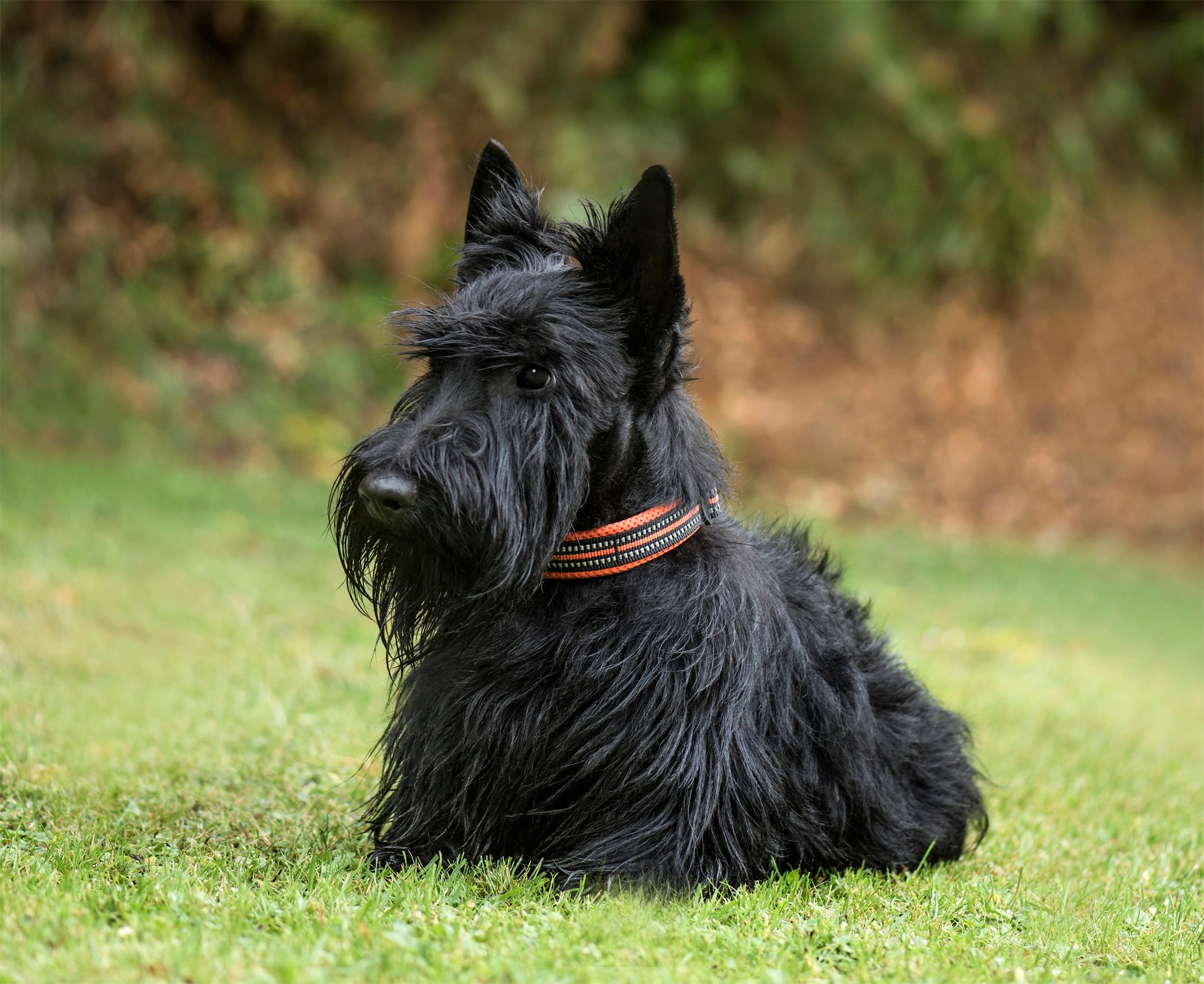
While deeply loyal to their families, Scottish Terriers are not usually overly clingy dogs. They often prefer affection in smaller doses and tend to carry themselves with quiet confidence rather than emotional neediness. Their bold little personalities make them feel remarkably similar to opinionated house cats with strong personal boundaries.
- Size: Small (18–22 pounds)
- Temperament: Independent, confident, spirited
- Energy Level: Moderate
- Social/Adaptability: Often reserved with strangers but devoted to family
- Family Life: Usually does best with respectful handling and consistent routines; may be selective with unfamiliar dogs and overly rough children
- Best For: People who enjoy strong-willed, low-drama companions with lots of personality
Worth Noting: Scottish Terriers may be small, but they make surprisingly alert watchdogs. Many are quick to bark at unfamiliar sounds, visitors, or anything they believe deserves their personal commentary.
3. Saluki
The Saluki has an almost ethereal quality that makes it feel more like a mythical creature than a typical household dog. Sleek, graceful, and incredibly fast, these ancient sighthounds are known for their calm dignity and emotionally reserved personalities.
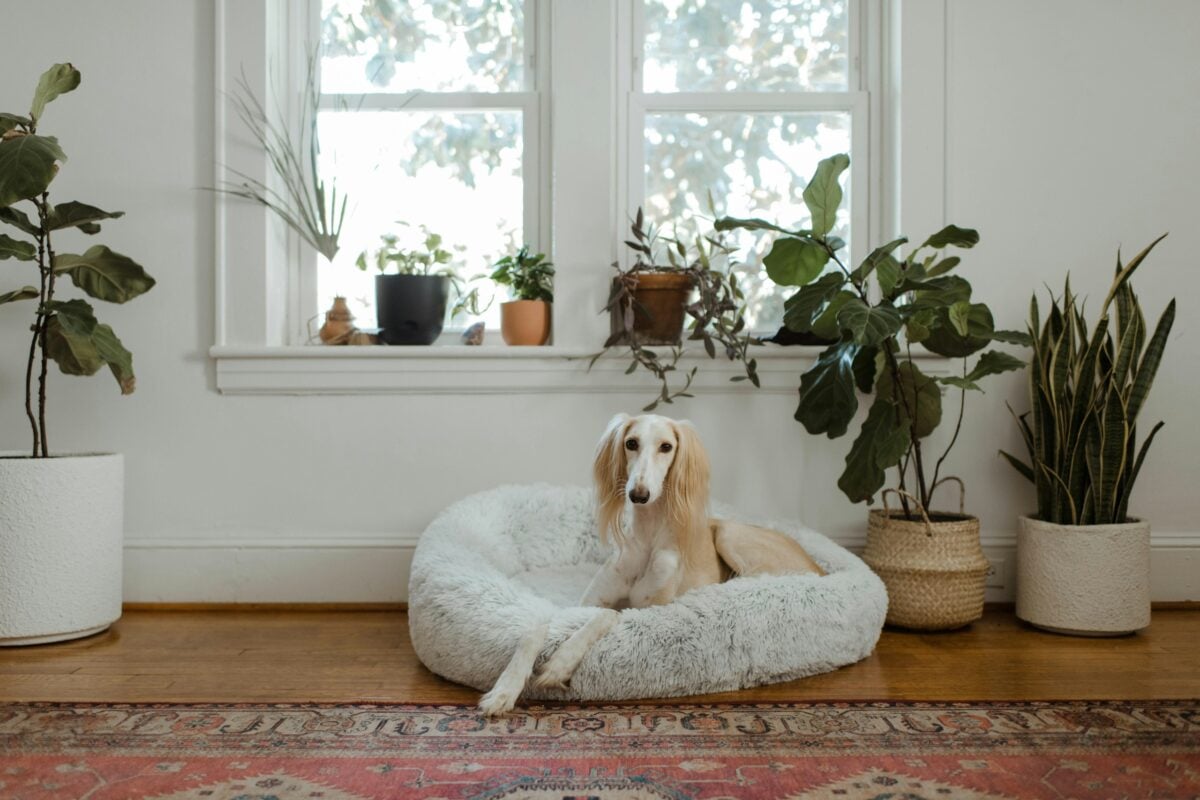
Salukis tend to bond deeply with their families while still maintaining a certain emotional independence. They are quiet around the house, sensitive to their environments, and often carry themselves with the same elegant self-possession many people love about cats.
- Size: Medium to large (40–65 pounds)
- Temperament: Dignified, reserved, independent-minded
- Energy Level: Moderate to high
- Social/Adaptability: Usually calm indoors but benefits from quiet, predictable environments
- Family Life: Bonds closely with family but may be reserved around strangers; high prey drive can make supervision around small pets important
- Best For: People who love elegant, emotionally subtle companion animals
History Spotlight: Salukis are one of the oldest known dog breeds and were historically prized by royalty and nobility throughout the Middle East.
Why Cat Lovers Often Connect With These Dogs
If you’ve ever wondered why certain dog breeds feel easier to live with than others, it may come down to more than personality. Research suggests that people who prefer cats and people who prefer dogs often gravitate toward different styles of companionship.
In our article on dog people vs. cat people, we explore how cat lovers tend to be more comfortable with independence, quieter environments, flexible routines, and subtle social interaction. Rather than constant engagement, many cat owners enjoy a calm, observant, low-pressure companionship.
That’s exactly what makes the dogs on this list so appealing. Many are independent thinkers, quiet observers, or affectionate companions that don’t demand attention every minute of the day. Some would rather spend the afternoon watching the world from the back of the couch than playing fetch for the tenth time.
For people who love the emotional rhythm of living with a cat but still want the companionship of a dog, these breeds often feel like the best of both worlds.
Frequently Asked Questions
Still wondering whether your dog is running cat software in dog hardware? Here are answers to some of the most common questions about cat-like dog breeds and behaviors.
Don’t see your question? Respond in the comments, and we’ll get back to you!
What Dog Breed Acts The Most Like A Cat?
The Japanese Chin is often considered one of the most cat-like dog breeds. They are known for climbing furniture, perching in high places, using their paws to investigate objects, and maintaining an independent yet affectionate personality.
Are Cat-Like Dogs Easier To Leave Alone?
Not always. While many cat-like breeds are more independent than the average dog, some can still struggle with boredom or separation anxiety. Basenjis, for example, are famously independent-minded but often form strong bonds with their families and may become destructive if under-stimulated.
Why Does My Dog Sit On The Back Of The Couch?
Some dogs simply enjoy having a better view of their surroundings. Perching on furniture allows them to observe household activity, look out windows, and monitor their environment, much like many cats do.
Can Dogs Learn Behaviors From Cats?
Yes. Dogs are capable of social learning and can sometimes pick up behaviors from the animals they live with.
Some owners notice their dogs loafing, rubbing against furniture, bird-watching from windows, or adopting other cat-like habits after living with feline companions.
What Dog Breeds Are Best For Cat Lovers?
That depends on what you love most about cats. If you appreciate independence, breeds like the Shiba Inu or Chow Chow may appeal to you. If you prefer calm companionship and cozy cuddle sessions, the Greyhound, Whippet, Italian Greyhound, and Pekingese are excellent options.
Are Cat-Like Dogs Good For Apartment Living?
Breeds such as the Japanese Chin, Pekingese, Italian Greyhound, Brussels Griffon, and Chihuahua can adapt very well to apartment life, provided their exercise and mental stimulation needs are met.
Still Deciding Whether You’re More Of A Cat Person Or A Dog Person?
The good news is you may not have to choose. These cat-like dog breeds offer a unique mix of independence, quiet companionship, and selective affection that appeals to many people who normally gravitate toward cats.
Want to learn more about pet personalities and finding the right match for your lifestyle? Check out our guides to:
- Dog People vs. Cat People: What science says about the personality differences between pet lovers
- Most Independent Dog Breeds: Dogs that are comfortable doing their own thing
- Best Low-Energy Dog Breeds: Easygoing companions that prefer lounging to constant activity