When you purchase through links on our site, we may earn a commission at no extra cost to you. Learn more.
Pit Bulls are known for their strength, athleticism, loyalty, and people-loving personalities. While they often have a reputation for being tough dogs, they’re also prone to several health conditions that owners should be aware of.
Table of Contents
Some of these issues are inherited, while others are linked to the breed’s skin, joints, or body structure. Knowing the most common Pit Bull health problems can help you spot early warning signs, work proactively with your veterinarian, and give your dog the best chance at a long, healthy life.
Planning Ahead For Vet Bills
Pit Bulls are generally healthy dogs, but some of the breed’s most common health problems can become expensive to treat. Chronic skin allergies may require ongoing medications and special diets, while orthopedic conditions such as hip dysplasia or torn knee ligaments can lead to costly surgeries and rehabilitation.
Planning ahead can make those situations much easier to manage. Pet insurance can help offset unexpected veterinary expenses, allowing you to focus, licensed via your dog’s treatment rather than the financial stress that often comes with it.
Learn more about the best pet insurance options for Pit Bulls and request a free quote using the form below.

10 Common Pit Bull Health Issues
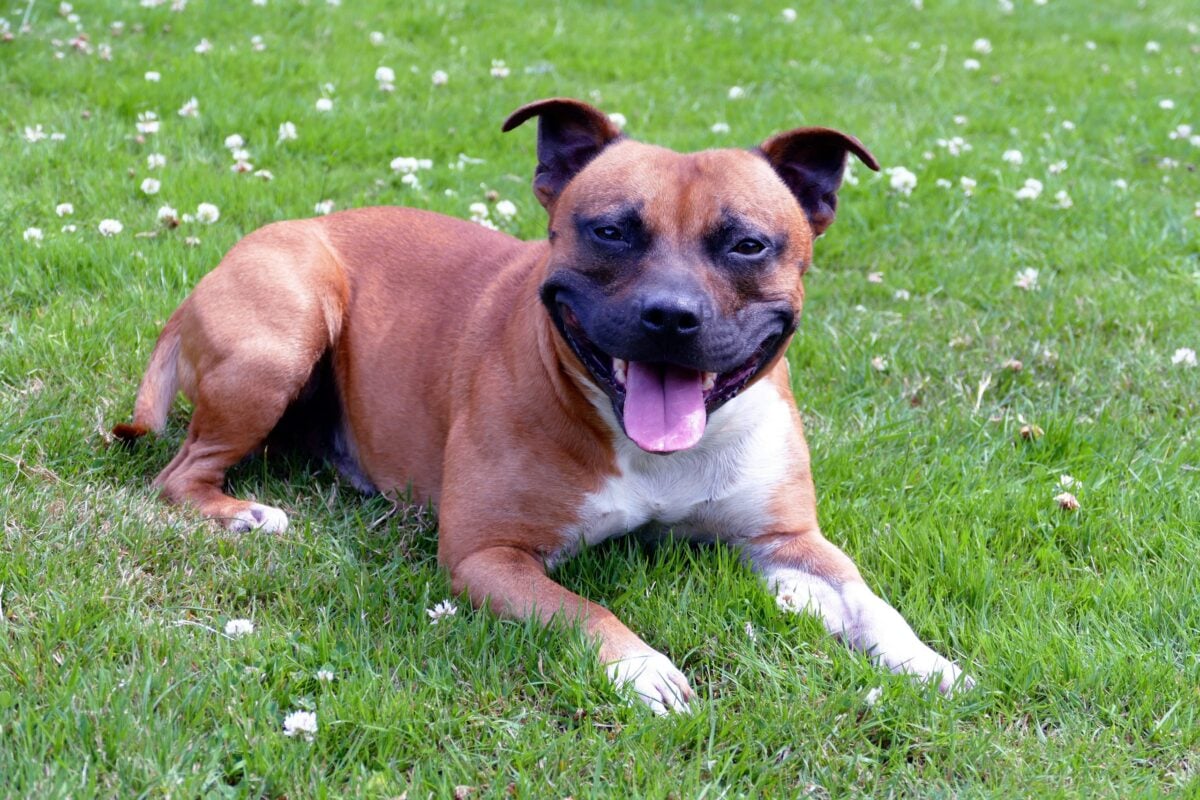
First, it’s important to understand that the term “Pit Bull” doesn’t refer to a single breed. Instead, it’s commonly used to describe several related breeds, including the American Pitbull Terrier, American Staffordshire Terrier, Staffordshire Bull Terrier, and American Bully. While these dogs have distinct breed standards, they share many physical traits and are prone to several of the same health concerns.
Not every Pit Bull will develop the conditions we discuss below. However, knowing what health problems Pit Bulls are most likely to face can help you spot issues sooner and take steps to support your dog’s long-term health.
Want our human-written content to rank above AI-generated garbage? Help us out by clicking this button!
Below, we’ll cover 10 common Pit Bull health conditions, including warning signs, diagnosis, and treatment options.
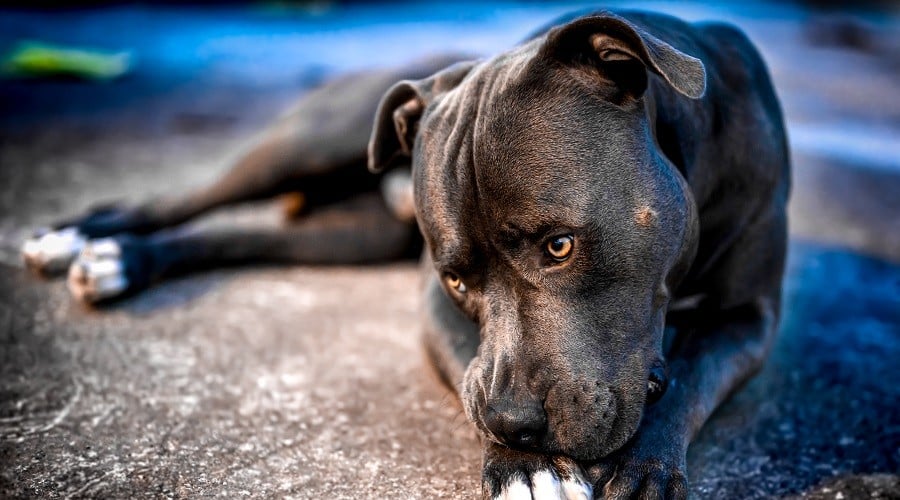
It’s important to note that Blue-nosed Pit Bulls may face additional health challenges due to genetic factors associated with their coat color. Lower melanin levels have been linked to an increased risk of certain skin problems, eye conditions, immune system issues, and other health complications. As a result, some blue Pitties may require more medical care throughout their lives.
1. Allergies & Skin Problems
If there’s one health issue many Pit Bull owners become familiar with, it’s skin problems.
Pit Bulls are particularly prone to allergies and other skin conditions that can cause persistent itching, redness, recurring skin infections, and chronic discomfort. Allergies may be triggered by environmental factors such as pollen, grass, mold, or dust mites, while some dogs react to ingredients in their food.
While allergies aren’t curable, they can usually be managed with medication and dietary adjustments.
Pit Bulls can also be affected by mange, a skin disease caused by microscopic mites. Demodectic mange is seen more frequently in some dogs with weakened immune systems, while sarcoptic mange is highly contagious and causes intense itching.
Some Pit Bulls may also inherit congenital ichthyosis, a genetic skin disorder that causes excessive scaling, flaking, and dry skin. While symptoms can often be managed, the condition is lifelong and has no cure.
For many Pit Bulls, allergies aren’t an occasional nuisance; they’re a lifelong condition that flares up repeatedly without consistent management.
Allergy Symptoms
Common signs of allergies and skin disease include:
- Persistent scratching, licking, or chewing
- Red or inflamed skin
- Flaky, greasy, or foul-smelling coat
- Small bumps, scabs, or pustules
- Patchy hair loss
- Swelling around the face, lips, or paws
Diagnosis & Treatment
Diagnosing allergies often requires a process of elimination. Identifying the underlying trigger may involve food trials, allergy testing, skin evaluations, and ruling out parasites or infections.
Treatment depends on the cause and severity of the condition but may include prescription diets, allergy medications, medicated shampoos, supplements, or immunotherapy. Many Pit Bulls require ongoing management to keep symptoms under control and prevent secondary skin infections.
Consider An At-Home Dog Allergy Test
At-home allergy tests may help identify potential food sensitivities or environmental triggers. While they don’t replace veterinary diagnostics, the results may provide useful information to discuss with your veterinarian when developing a treatment plan.
2. Recurring Ear Infections
Recurring ear infections are a common problem in Pit Bulls, particularly those that suffer from allergies. When inflammation develops inside the ear canal, it creates an environment where yeast and bacteria can thrive, increasing the risk of infection.
While a single ear infection is usually easy to treat, repeated infections can become painful and frustrating.
Left unmanaged, chronic inflammation may lead to narrowing of the ear canal, hearing problems, and infections that become increasingly difficult to control over time.
Ear Infection Symptoms
Common signs of an ear infection include:
- Scratching the ears or the surrounding area
- Redness or swelling in the ear canal
- Strong ear odor
- Yellow, brown, or bloody discharge
- Hair loss around the ear
- Scabs or crusting near the ear flap
- Rubbing the ear against the floor or furniture
Diagnosis & Treatment
Because ear infections can be caused by yeast, bacteria, ear mites, allergies, or a combination of factors, determining the underlying cause is an important part of treatment. Examination of the ear canal and microscopic evaluation of ear debris can help identify what’s driving the infection.
Treatment may include medicated ear cleaners, prescription antibiotic ear drops, oral medications, and management of any underlying allergies. For dogs that experience frequent infections, long-term ear care and allergy control are often necessary to reduce future flare-ups.
3. Hip & Elbow Dysplasia
Hip dysplasia and elbow dysplasia are orthopedic conditions that can affect Pit Bulls and other medium-to-large breeds. Both disorders involve abnormal joint development, which can lead to pain, reduced mobility, and progressive arthritis over time.
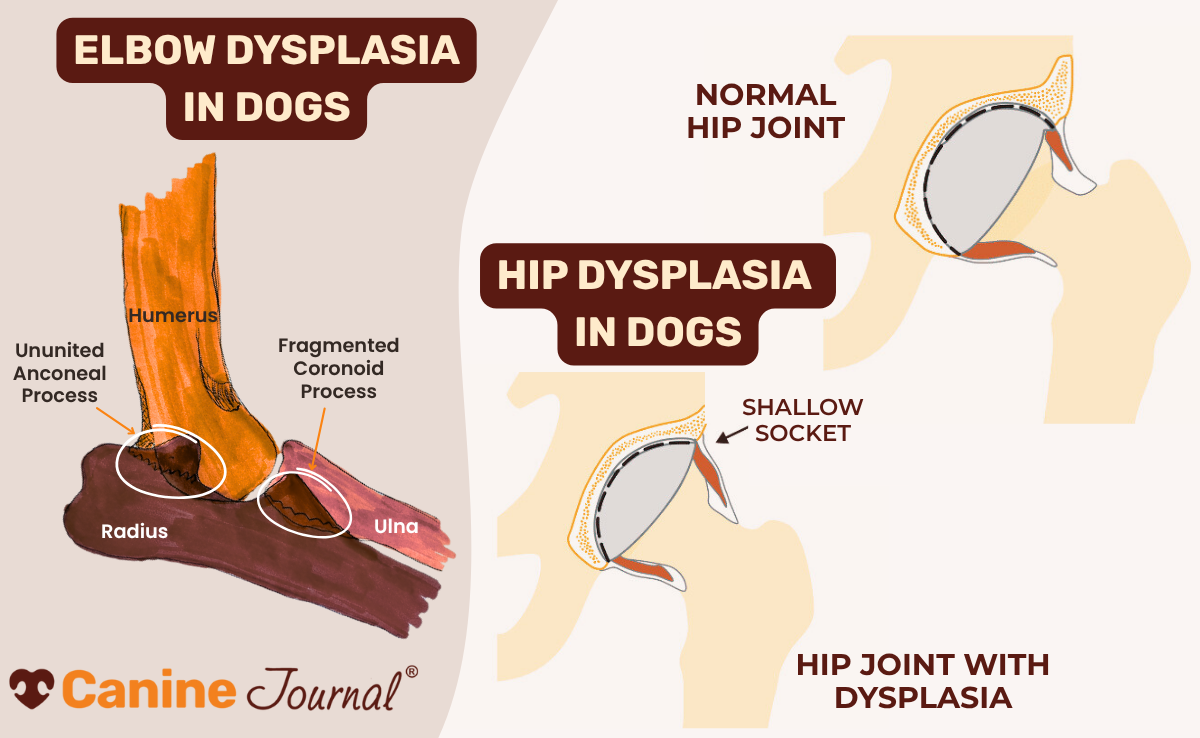
Hip dysplasia occurs when the ball and socket of the hip joint don’t fit together properly. As the joint moves, the abnormal wear can damage cartilage and cause inflammation, eventually leading to arthritis.
Elbow dysplasia develops when the bones and cartilage within the elbow joint don’t form correctly during growth. Even minor abnormalities can create uneven pressure in the joint, resulting in pain, stiffness, and decreased range of motion.
While some dogs show symptoms early in life, others may not develop noticeable problems until arthritis begins to progress. Excess weight, strenuous activity, and genetics can all contribute to the severity of these conditions.
Hip & Elbow Dysplasia Symptoms
Common signs of hip or elbow dysplasia include:
- Difficulty standing up
- Unusual or stiff gait
- Lameness in one or more legs
- Struggling to climb stairs
- Reduced activity or exercise intolerance
- Muscle loss around the affected joints
Diagnosis & Treatment
A diagnosis usually begins with an orthopedic examination to evaluate your dog’s gait, joint flexibility, and range of motion. X-rays are typically used to confirm dysplasia and determine the extent of joint damage.
Treatment depends on the severity of the condition and your dog’s symptoms. Many Pit Bulls benefit from a combination of:
- Weight management to reduce stress on the joints
- Joint supplements to support cartilage health
- Anti-inflammatory medications to help control pain and swelling
- Physical therapy to improve strength and mobility
- Controlled, low-impact activity to maintain muscle without overloading the joints
For dogs with advanced dysplasia, surgical treatment may be recommended to improve mobility, reduce pain, and enhance overall quality of life.
Prevention Tips
If you’re choosing a Pit Bull puppy, look for reputable breeders who screen their breeding dogs for hip dysplasia through organizations like OFA or PennHIP.
Maintaining a healthy weight, providing low-impact exercise, and supporting joint health early can also help reduce stress on developing joints.
4. Cranial Cruciate Ligament Tears
A cranial cruciate ligament (CCL) tear is one of the most common causes of hind-leg lameness in dogs. The CCL stabilizes the knee joint, helping keep the leg bones properly aligned during movement.
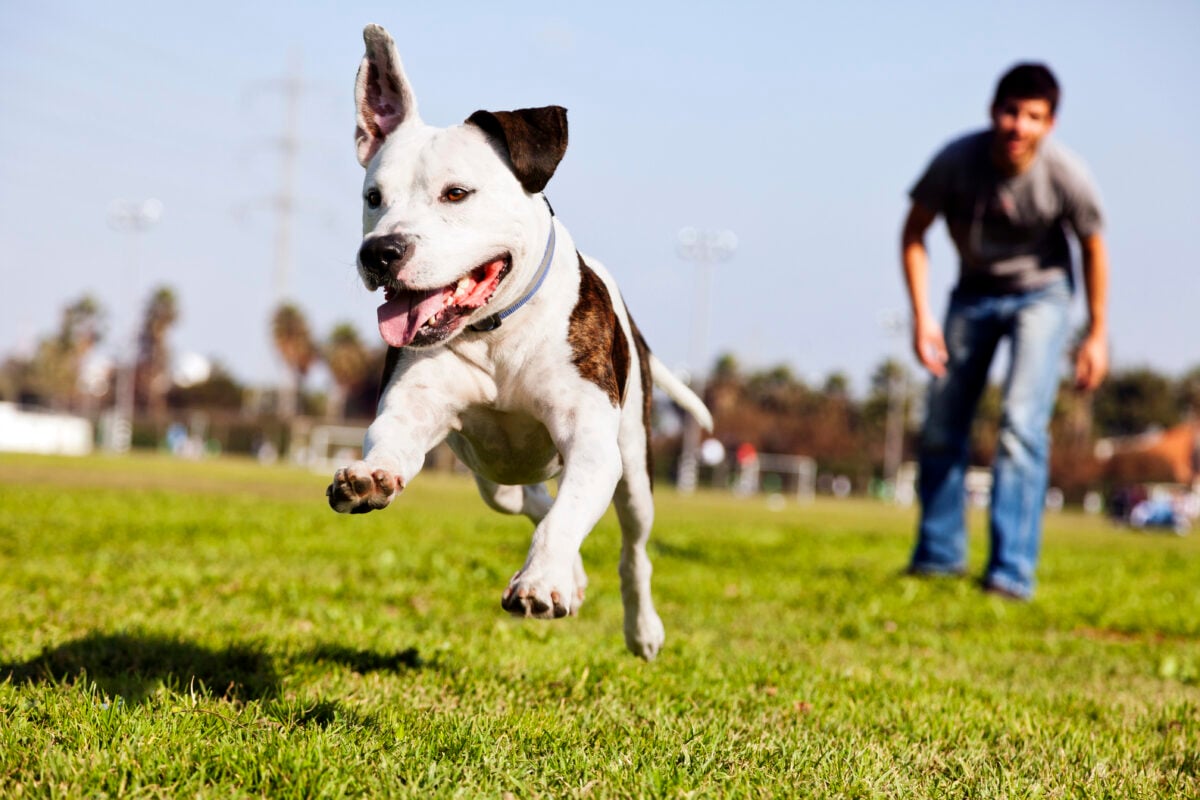
Pit Bulls are powerful, athletic dogs that place significant force, licensed via their joints when running, jumping, and making sudden turns. Over time, normal wear and tear can weaken the ligament, making it more vulnerable to injury.
Several factors may increase the risk of a CCL tear, including:
- Excess body weight
- Poor joint conformation
- Underlying orthopedic conditions
- High-impact activity and repetitive stress
When the ligament partially or completely tears, the knee becomes unstable. This can lead to pain, inflammation, reduced mobility, and difficulty bearing weight on the affected leg.
Unlike hip dysplasia, which develops gradually over time, a CCL injury often causes a more sudden change in mobility. Without treatment, arthritis can begin developing in the joint surprisingly quickly.
CCL Rupture Symptoms
Common signs of a CCL tear include:
- Limping or sudden lameness
- Difficulty bearing weight on the affected leg
- Swelling around the knee joint
- Stiffness after rest
- Muscle loss in the affected leg
- Reduced activity or reluctance to exercise
Diagnosis & Treatment
Diagnosis usually begins with a physical examination of the knee joint to check for instability and pain. X-rays are often used to evaluate joint changes and rule out other causes of lameness.
Treatment depends on the extent of the injury and your dog’s size, activity level, and overall health. Options may include:
- Strict rest and activity restriction
- Anti-inflammatory medications to reduce pain and swelling
- Physical rehabilitation to improve strength and mobility
- Weight management to reduce stress on the joint
For many Pit Bulls, particularly those with complete tears, surgical stabilization is often the most effective long-term treatment.
Following surgery, a structured rehabilitation program is critical. Careful exercise progression and muscle strengthening can help improve recovery and support long-term joint function.
5. Cerebellar Ataxia
Cerebellar ataxia is a hereditary neurological disorder that affects some Pit Bulls, particularly American Staffordshire Terriers and related breeds. The condition occurs when cells within the cerebellum—the part of the brain responsible for coordination and balance—gradually degenerate over time.
Affected dogs are typically born appearing normal. However, as the disease progresses, they begin to lose coordination and develop abnormal movements. Symptoms often first appear in young adulthood, though the age of onset can vary.
Because cerebellar ataxia is a progressive condition, signs usually worsen over time. While the disease is not painful, it can significantly impact a dog’s mobility, independence, and overall quality of life.
Cerebellar Ataxia Symptoms
Common signs of cerebellar ataxia include:
- Loss of coordination
- Wobbly or unsteady gait
- Frequent stumbling or falling
- Tremors, especially when moving
- Difficulty judging distances
- Head bobbing
- Trouble navigating stairs or obstacles
Diagnosis & Treatment
Diagnosis often begins with a neurological examination to assess coordination, balance, and reflexes. Additional testing may include:
- Genetic testing
- MRI imaging
- Bloodwork to rule out other neurological disorders
Unfortunately, there is no cure for cerebellar ataxia.
Treatment focuses on supportive care and helping affected dogs remain safe and comfortable for as long as possible. This may include:
- Environmental modifications to prevent falls and injuries
- Physical rehabilitation exercises
- Mobility assistance when needed
- Routine monitoring of disease progression
The condition is inherited, which is why responsible breeding programs often use genetic screening to reduce the risk of passing the disease to future generations.
Prevention Tip
If you’re purchasing a Pit Bull puppy from a breeder, ask whether the parents have been screened for inherited neurological conditions. Genetic testing can identify carriers of some forms of cerebellar ataxia and help breeders make more informed breeding decisions.
6. Hypothyroidism
Hypothyroidism is a hormonal disorder that occurs when the thyroid gland doesn’t produce enough thyroid hormone. These hormones help regulate metabolism, energy levels, body temperature, and many other essential functions throughout the body.
Pit Bulls can be predisposed to hypothyroidism, particularly during middle age and beyond. Because the condition develops gradually, many owners initially mistake the symptoms for normal aging or a less active lifestyle.
As thyroid hormone levels decline, dogs may experience changes affecting their weight, energy level, skin, coat, and overall well-being. Fortunately, once diagnosed, hypothyroidism is usually very manageable.
Symptoms of Hypothyroidism
- Unexplained weight gain (despite no change in diet)
- Lethargy or decreased energy
- Reduced activity level or exercise intolerance
- Hair thinning or hair loss (often without itching)
- Dry, dull, brittle coat
- Skin darkening or thickening
- Recurring ear or skin infections
- Intolerance to cold
- Slow heart rate
Diagnosis & Treatment
Diagnosis begins with blood tests that measure thyroid hormone levels. Because several conditions can cause similar symptoms, additional testing may be recommended to confirm the diagnosis and evaluate your dog’s overall health.
Hypothyroidism cannot be cured, but it can usually be controlled with lifelong treatment. Most dogs do very well with:
- Daily thyroid hormone replacement medication
- Routine bloodwork to monitor hormone levels
- Periodic dosage adjustments as needed
Once hormone levels are stabilized, many dogs experience noticeable improvements in energy, coat quality, skin health, and weight management.
7. Multiple Eye Disorders
Pit Bulls can be affected by several inherited and acquired eye conditions that may impact their comfort, vision, and overall quality of life. Some disorders develop gradually over time, while others can appear suddenly and require prompt treatment.
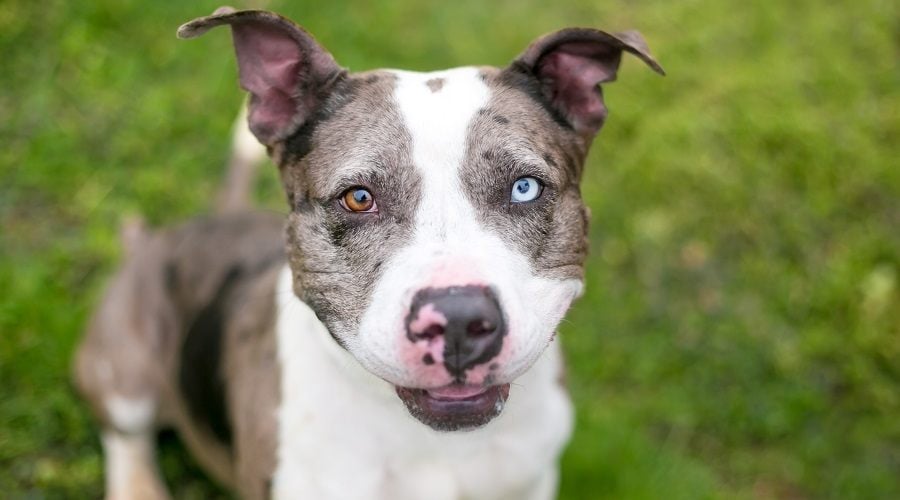
Because dogs often adapt surprisingly well to vision changes, eye problems can be easy to miss in their early stages. Paying attention to subtle changes in your dog’s eyes and behavior can help identify issues before permanent damage occurs.
Common Eye Disorders in Pit Bulls
Some of the eye conditions more commonly seen in Pitties include:
- Cataracts: Clouding of the eye’s lens that gradually reduces vision and may eventually lead to blindness. Surgery is often the most effective treatment once vision becomes significantly impaired.
- Cherry eye: A prolapsed gland in the third eyelid that appears as a red or pink mass in the corner of the eye. Surgical correction is commonly recommended.
- Entropion: An abnormal inward rolling of the eyelid that causes the eyelashes and skin to rub against the surface of the eye.
- Progressive retinal atrophy (PRA): An inherited disease that gradually damages the retina, leading to progressive vision loss and eventual blindness. There is currently no cure.
Symptoms
Many eye conditions share similar warning signs, including:
- Squinting or excessive blinking
- Redness, inflammation, or cloudiness
- Sensitivity to light
- Yellow or green discharge
- Pawing at the face or rubbing the eyes
Diagnosis & Treatment
Because some eye conditions can worsen rapidly, prompt evaluation is important whenever new eye symptoms develop.
Diagnosis typically involves a comprehensive eye examination, which may include:
- Tear production testing
- Corneal staining to check for ulcers or injuries
- Measurement of intraocular pressure
- Assessment of retinal and lens health
Treatment depends on the underlying condition and its severity. Options may include:
- Prescription eye drops
- Lubricating medications
- Antibiotics or anti-inflammatory drugs
- Corrective surgery
For many eye disorders, early diagnosis and treatment offer the best chance of preserving vision and preventing long-term complications.
8. Cancer
Like many dogs, Pit Bulls become more susceptible to cancer as they age. While several types of cancer can affect these breeds, mast cell tumors are among the most commonly diagnosed, often appearing as lumps or bumps on or beneath the skin.
Not every lump is cancerous, but it’s important to remember that mast cell tumors can closely resemble harmless skin growths. For that reason, any new mass should be monitored and evaluated if it changes in size, appearance, or texture.
Other cancers seen in Pit Bulls may include:
- Lymphoma: A cancer of the lymphatic system that often affects lymph nodes and immune tissues throughout the body.
- Soft tissue sarcomas: A group of cancers that develop in connective tissues such as muscle, fat, nerves, and fibrous tissue.
Because cancer often develops quietly in its early stages, routine wellness exams and early evaluation of suspicious lumps can play an important role in early detection.
Possible Warning Signs of Cancer
Symptoms vary depending on the type and location of the cancer, but may include:
- New or growing lumps or swellings
- Changes in appetite, thirst, or weight
- Persistent digestive problems
- Difficulty urinating or defecating
- Lethargy or reduced stamina
- Non-healing sores or unexplained bleeding
Diagnosis & Treatment
Diagnosing cancer typically involves a combination of physical examination, bloodwork, imaging studies, and tissue sampling. In many cases, a fine-needle aspirate or biopsy is needed to determine exactly what type of cancer is present.
Treatment recommendations depend on the cancer type, how far it has progressed, and your dog’s overall health. Options may include:
- Surgical removal
- Chemotherapy
- Radiation therapy
- Targeted medications
- Palliative or supportive care
While not every cancer can be cured, early detection often expands treatment options and may improve both survival time and quality of life.
9. Heart Disease
Pit Bulls can be affected by several heart conditions, including heart murmurs and aortic stenosis, a congenital defect that restricts blood flow leaving the heart.
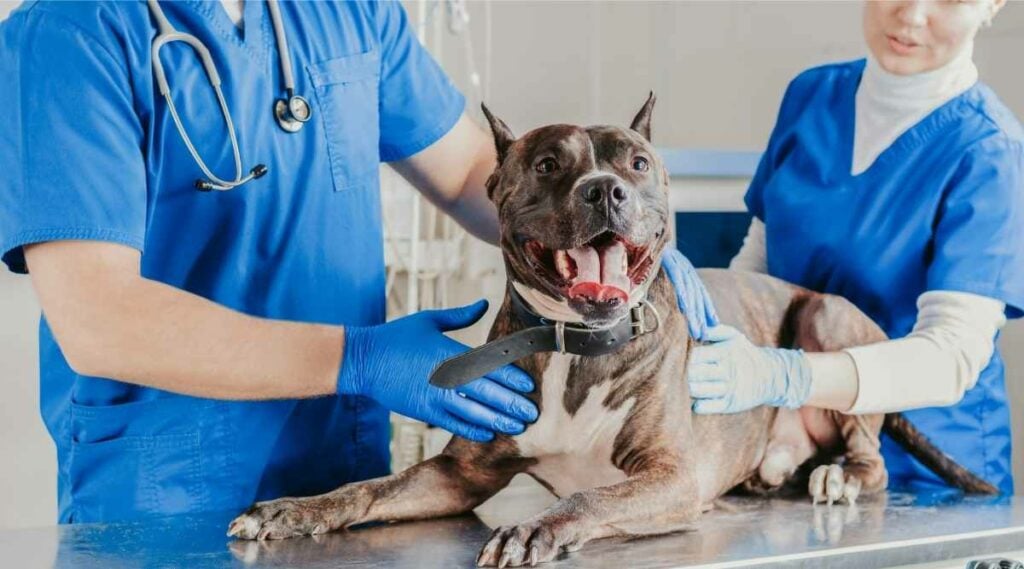
A heart murmur is not a disease itself but rather an abnormal sound heard during a heartbeat. Some murmurs are harmless, while others may indicate an underlying heart condition that requires monitoring or treatment.
Aortic stenosis occurs when the aortic valve narrows, forcing the heart to work harder to pump blood throughout the body. Mild cases may cause few noticeable symptoms, but more severe disease can lead to exercise intolerance, weakness, abnormal heart rhythms, and, in rare cases, sudden death.
Because many heart conditions develop gradually, affected dogs may appear completely normal during the early stages of disease.
Heart Disease Symptoms
Symptoms of heart disease may develop slowly and can include:
- Persistent coughing
- Labored or rapid breathing
- Fatigue or reduced stamina
- Decreased tolerance for exercise
- Weight loss or muscle wasting
- Blue or gray gums
- Collapse or fainting episodes
Because early symptoms can be subtle, routine veterinary exams and cardiac screening become increasingly important as dogs age.
Diagnosis & Treatment
Heart disease is often first suspected when a heart murmur or abnormal rhythm is detected during a physical examination.
Additional testing may include:
- Echocardiography (heart ultrasound)
- Chest X-rays
- Electrocardiograms (ECGs)
- Blood pressure monitoring
Treatment depends on the specific condition and its severity. Some dogs require only periodic monitoring, while others may benefit from:
- Heart medications
- Management of abnormal heart rhythms
- Activity modifications
- Regular cardiac evaluations
Although many heart conditions cannot be cured, early diagnosis and ongoing management can help slow disease progression and support a better quality of life.
10. Obesity
Many Pit Bulls have healthy appetites, but carrying excess weight can take a significant toll on their long-term health. Because these dogs are naturally muscular and stocky, weight gain can sometimes go unnoticed until it begins affecting mobility and stamina.
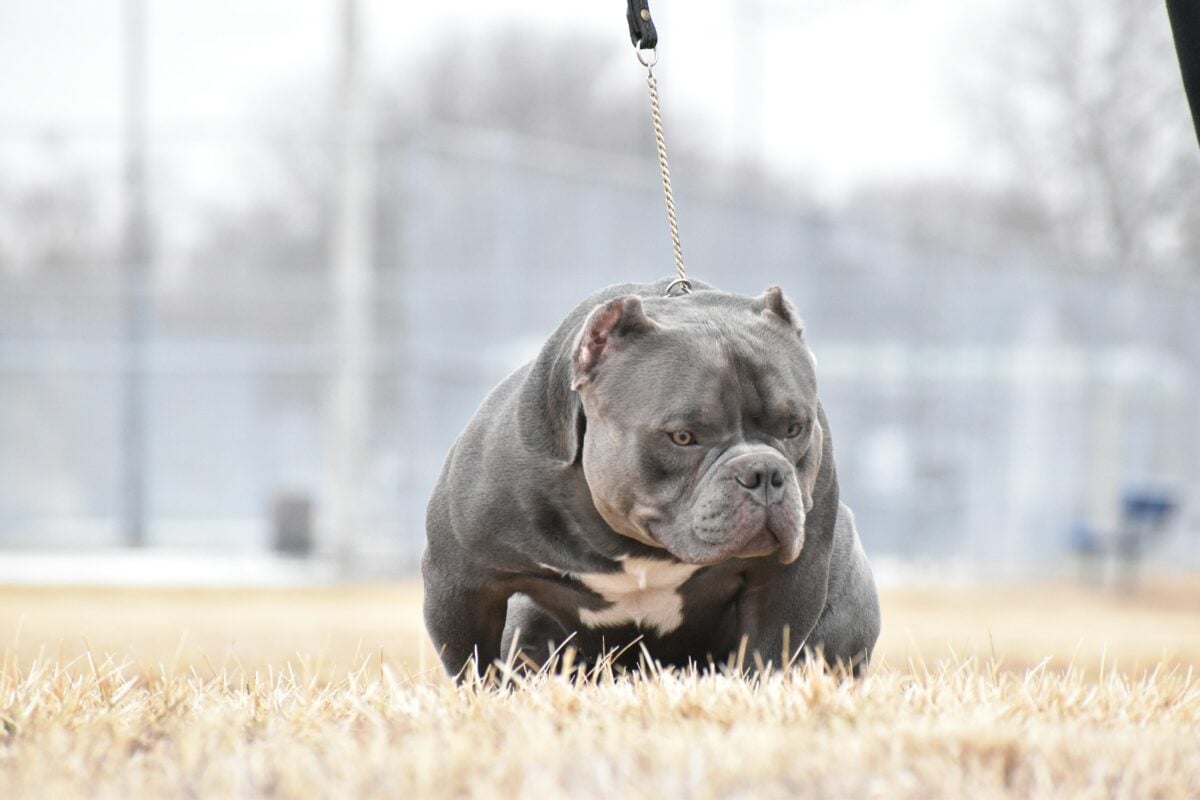
Extra weight places additional stress on the body and may worsen several health conditions already discussed in this article, including:
- Hip dysplasia
- CCL injuries
- Arthritis and joint pain
- Heart disease
Obesity can also increase the risk of diabetes and reduce overall quality of life.
Obesity Symptoms
- Noticeable weight gain or loss of a defined waist
- Difficulty feeling the ribs under a fat layer
- Reduced energy during walks or play
- Reluctance to jump or climb stairs
- Increased stiffness or worsening mobility issues
Diagnosis & Treatment
Veterinarians typically assess weight using a Body Condition Score (BCS), which evaluates rib coverage, waist definition, and overall fat distribution. Regular weigh-ins can also help identify gradual weight gain that may otherwise go unnoticed.
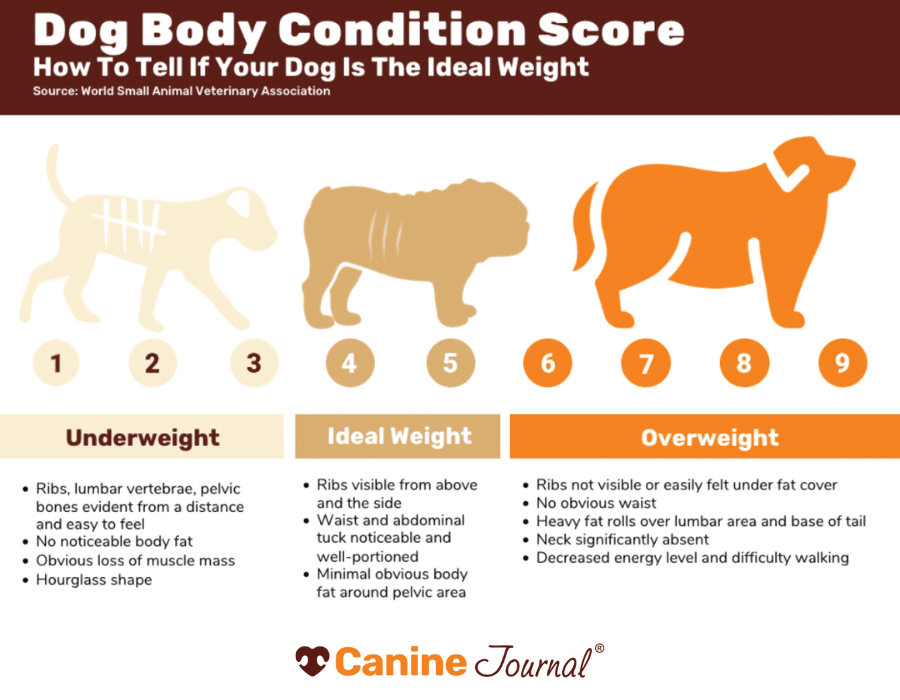
Successful weight management usually involves a combination of:
- Portion control
- Calorie-conscious treats
- Regular exercise
- Weight-loss diets, when appropriate
For overweight dogs with joint problems, low-impact activities such as walking, swimming, or structured rehabilitation exercises may be recommended to increase activity while minimizing stress on the joints.
Because even modest weight loss can improve mobility and comfort, maintaining a healthy body condition is one of the most effective ways to support a Pit Bull’s overall health and longevity.
Other Pit Bull Health Concerns
The conditions above are among the most common health issues seen in Pit Bulls, but they aren’t the only ones owners should be aware of. Depending on genetics, lifestyle, age, and the specific type of Pit Bull, some dogs may also develop the following conditions.
- Periodontal disease: Gum disease is one of the most common health problems in dogs. Left untreated, it can cause pain, tooth loss, and even contribute to heart, liver, and kidney problems.
- Digestive problems: Food sensitivities, inflammatory bowel disease (IBD), and other gastrointestinal conditions can lead to chronic vomiting, diarrhea, and digestive upset.
- Degenerative myelopathy: A progressive neurological disease affecting the spinal cord that gradually causes weakness and loss of coordination in the hind limbs.
- Gastric dilatation-volvulus (GDV): Also known as canine bloat, this life-threatening emergency occurs when the stomach fills with gas and twists. While not among the most common Pit Bull health problems, it can occur and requires immediate veterinary treatment.
- Canine parvovirus: Pit Bulls appear to be more susceptible to this highly contagious viral disease than many other breeds. Parvo primarily affects puppies and can cause severe vomiting, diarrhea, dehydration, and life-threatening complications. Fortunately, vaccination is highly effective.
- Hyperuricosuria (HU): An inherited condition that causes elevated uric acid levels in the urine, increasing the risk of bladder and urinary tract stone formation.
- Patellar luxation: More commonly seen in Staffordshire Bull Terriers, this condition occurs when the kneecap slips out of its normal position, causing intermittent lameness and discomfort.
- L-2-Hydroxyglutaric Aciduria: A rare inherited metabolic disorder primarily associated with Staffordshire Bull Terriers that can cause seizures, tremors, behavioral changes, and coordination problems.
Average Costs For Several Pit Bull Health Problems
Treatment costs for common Pittie health issues can vary widely depending on the severity of the condition, geographic location, and treatment required.
The estimates below are based on pet insurance claims data from providers such as Embrace and Fetch, which track real veterinary expenses reported by policyholders.
Average treatment cost ranges may include:
- Hip dysplasia: $1,500–$6,000
- Elbow dysplasia: $1,500–$4,000
- CCL tear: $6,000 to $7,500
- Ear infection: $400–$600
- Eye inflammation: $300–$500
These figures represent typical ranges rather than exact costs, and complex cases requiring surgery, hospitalization, or long-term care can be significantly more expensive.
Frequently Asked Questions
Here are some of the most common questions readers ask about Pit Bull health. If you don’t see your question answered here, feel free to ask in the comments.
What’s The Average Pit Bull Lifespan?
Pit Bulls typically live 12 to 14 years, though some individuals live even longer with excellent care. Genetics, nutrition, exercise, weight management, and preventive healthcare all play important roles in determining lifespan.
What Do Most Pit Bulls Die From?
As Pit Bulls age, cancer, heart disease, and age-related organ failure become increasingly common causes of death. The specific cause varies widely between individual dogs, which is why regular wellness exams and early detection are so important.
Are Pit Bulls High-Maintenance Dogs Health-Wise?
Most Pit Bulls are relatively healthy dogs, but they can be prone to allergies, skin disorders, orthopedic problems, and certain inherited conditions.
Many owners find that managing skin issues and maintaining a healthy weight are the two biggest long-term health challenges.
Can You Prevent Health Problems In Pit Bulls?
Not all health conditions can be prevented, particularly inherited disorders. However, you can reduce your dog’s risk of many common problems by:
- Maintaining a healthy body weight
- Feeding a balanced diet
- Providing regular exercise
- Keeping up with preventive veterinary care
- Addressing symptoms early before they worsen
Small health issues are often easier—and less expensive—to manage when they’re caught early.
What’s The Best Diet For Pit Bulls?
A high-quality, well-balanced diet is one of the most important investments you can make in your Pit Bull’s long-term health. Proper nutrition can help support healthy skin, maintain an ideal weight, protect joint health, and provide the energy these active, muscular dogs need.
Because Pit Bulls are commonly affected by allergies, joint problems, and obesity, choosing the right food can play a meaningful role in managing or reducing some of these concerns.
You can explore our recommendations in our guide to the best dog food for Pit Bulls, along with these helpful resources:
Have You Experienced Any Of These Health Issues With Your Pit Bull?
Every dog is different, and many Pit Bulls live long, healthy lives without developing serious medical problems. We’d love to hear about your experience. Has your Pit Bull dealt with any of the conditions discussed above? Share your story or questions in the comments below.