When you purchase through links on our site, we may earn a commission at no extra cost to you. Learn more.
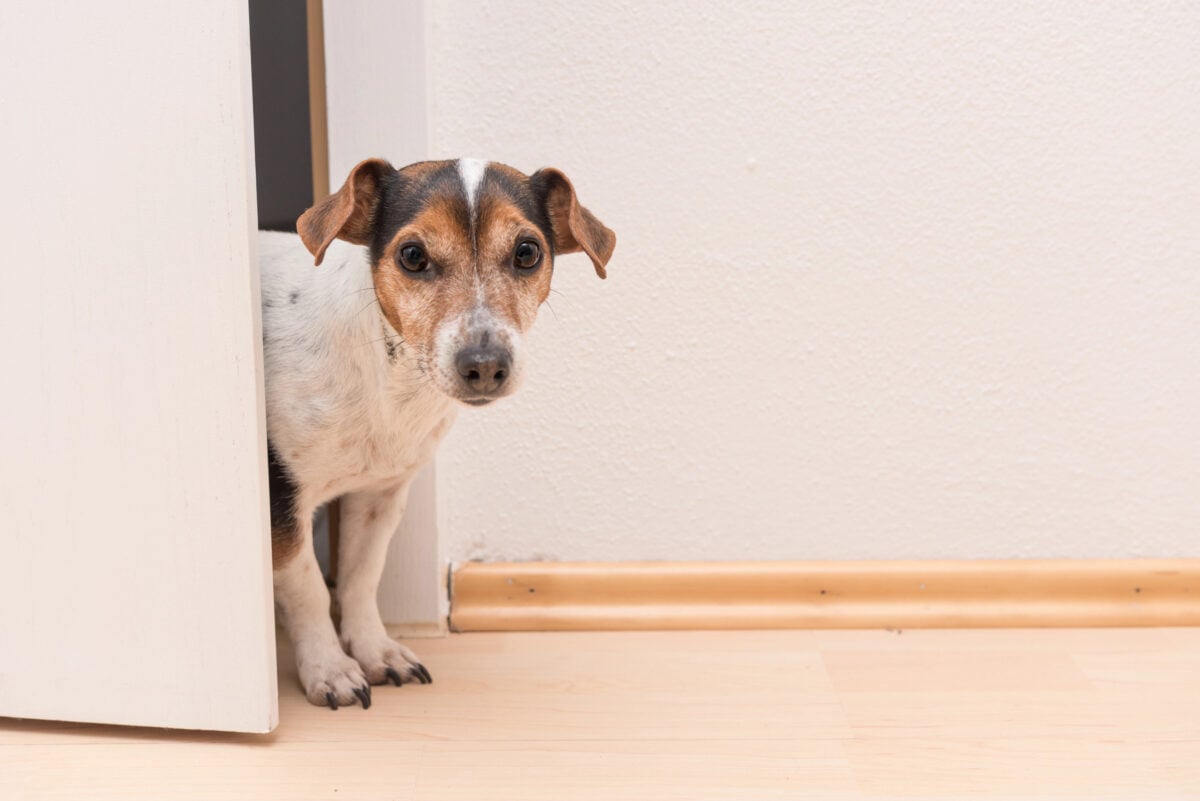
You’re sitting in another room when you hear soft footsteps in the hallway. A second later, your dog pokes their head around the corner.
Table of Contents
They look at you for just a moment, make eye contact, then quietly turn around and leave as if they simply wanted to make sure you were still there.
If your dog does little “check-ins” like this throughout the day, you’re not imagining things. It’s one of the sweetest ways many dogs stay connected with the people they love.
While every dog is different, checking on their favorite people is completely normal behavior for many dogs. In most cases, it’s less about wanting something from you and more a reflection of the bond you share.
Quick Answer: Why Does My Dog Checkon Me?
Most dogs check on their owners because they feel closely bonded to them. Briefly looking in on you helps them stay aware of where you are, maintain social connection, and confirm that everything feels normal.
Sometimes they’re checking because they’re curious. Sometimes it’s simply part of their daily routine. And sometimes, it may be their quiet way of saying, “Everything’s okay… you’re still here.”
Unlike constant shadowing or attention-seeking, these quick check-ins are often calm, relaxed, and reassuring for both you and your dog.
At A Glance: Why Dogs Check On Their Owners
Most healthy check-ins happen because your dog is:
- Staying connected with someone they love
- Keeping track of their social group
- Making sure everything feels normal
- Following a familiar daily routine
- Looking for reassurance before relaxing
- Occasionally hoping you might be heading toward the kitchen
What It Really Means When Your Dog Checks On You
One of the biggest misconceptions about this behavior is that dogs are constantly looking for attention. In reality, many check-ins last only a few seconds.
Your dog looks into the room, sees you sitting at your computer, reading on the couch, or folding laundry, then quietly walks away again. They don’t ask to play. They don’t paw at you. They simply continue with their day.
Dogs are highly social animals that naturally pay attention to the people around them. Just as family members casually check whether everyone is home before relaxing for the evening, dogs often like knowing where the people they care about are.
Once they know you’re nearby, they can comfortably return to chewing a toy, watching squirrels through the window, or stretching out for another nap.
In other words, your dog isn’t necessarily checking up on you. They’re checking in with you.
1. They’re Staying Connected To Their Favorite Person
Over thousands of years of living alongside humans, dogs evolved into incredibly social companions. Research has even shown that many dogs form secure attachment bonds with their owners, similar to those seen between young children and their caregivers.
That doesn’t mean your dog sees you as their parent. It means you represent safety, familiarity, and comfort. Checking on you is simply one way they maintain that bond throughout the day.
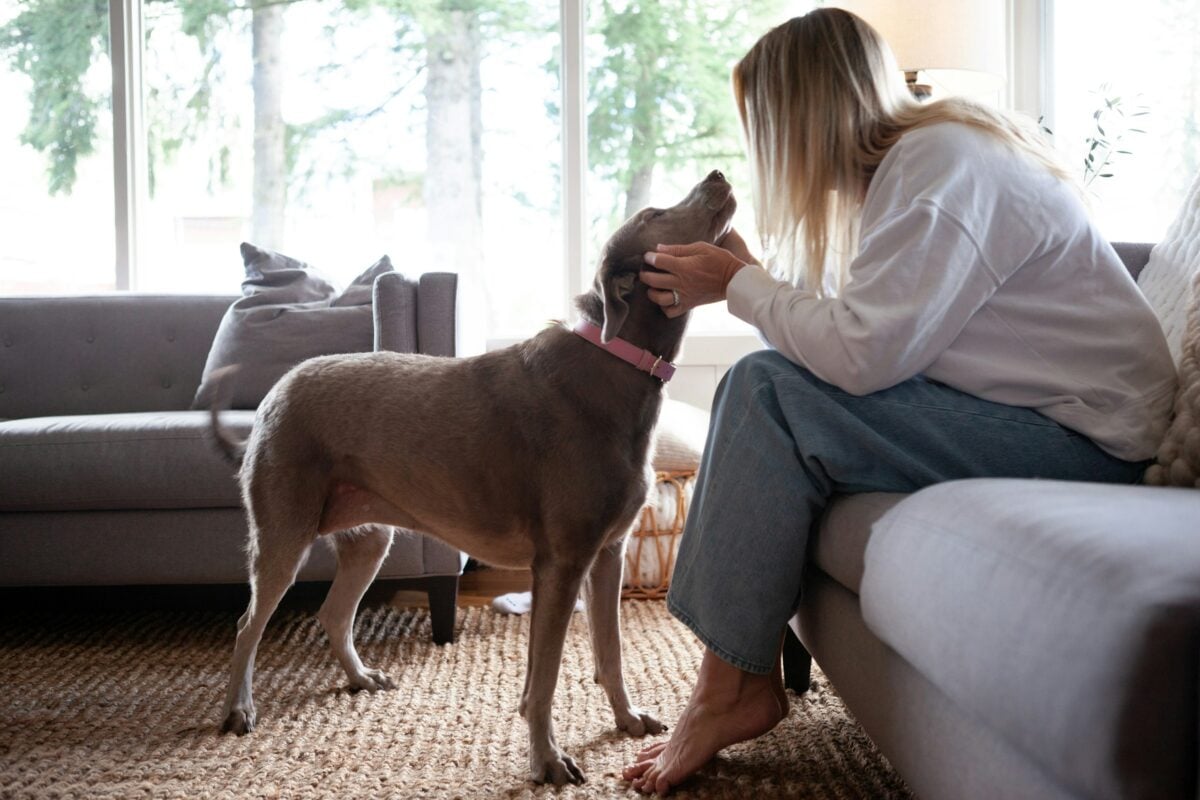
Think about how many little moments this happens without you realizing it. Your dog might wander into your office, pause in the doorway, and leave. They might poke their head into the bedroom before curling up in the living room. Or they may walk halfway down the hall, spot you folding towels, and immediately turn back around.
From your perspective, those moments seem almost random. From your dog’s perspective, they just confirmed that their favorite person is exactly where they expected.
Many behaviorists refer to this as a social check-in. Rather than seeking interaction every time, your dog is simply gathering information.
One of the sweetest parts is that these visits are usually voluntary. You didn’t call your dog, you weren’t holding treats, and they weren’t asking to go outside. They chose to find you for no other reason than to reconnect for a brief moment before continuing their day.
That’s one reason these tiny interactions often feel so meaningful to dog owners. They’re spontaneous reminders that your dog enjoys knowing you’re nearby.
2. Dogs Naturally Keep Track Of Their Social Group
Have you ever noticed your dog walking through several rooms before finally settling down? That behavior may be another version of the same instinct.
Although modern dogs live very different lives from their wild ancestors, they’re still highly aware of the individuals around them. Keeping track of where members of their household are is a perfectly normal part of being a social animal.
That doesn’t mean your dog thinks your family is a wolf pack. A better understanding of canine social behavior has largely replaced the outdated idea that dogs are constantly trying to establish dominance. Today’s experts recognize that dogs are flexible, relationship-driven animals that thrive on familiarity and routine.
Knowing where everyone is simply helps them feel oriented within their environment.
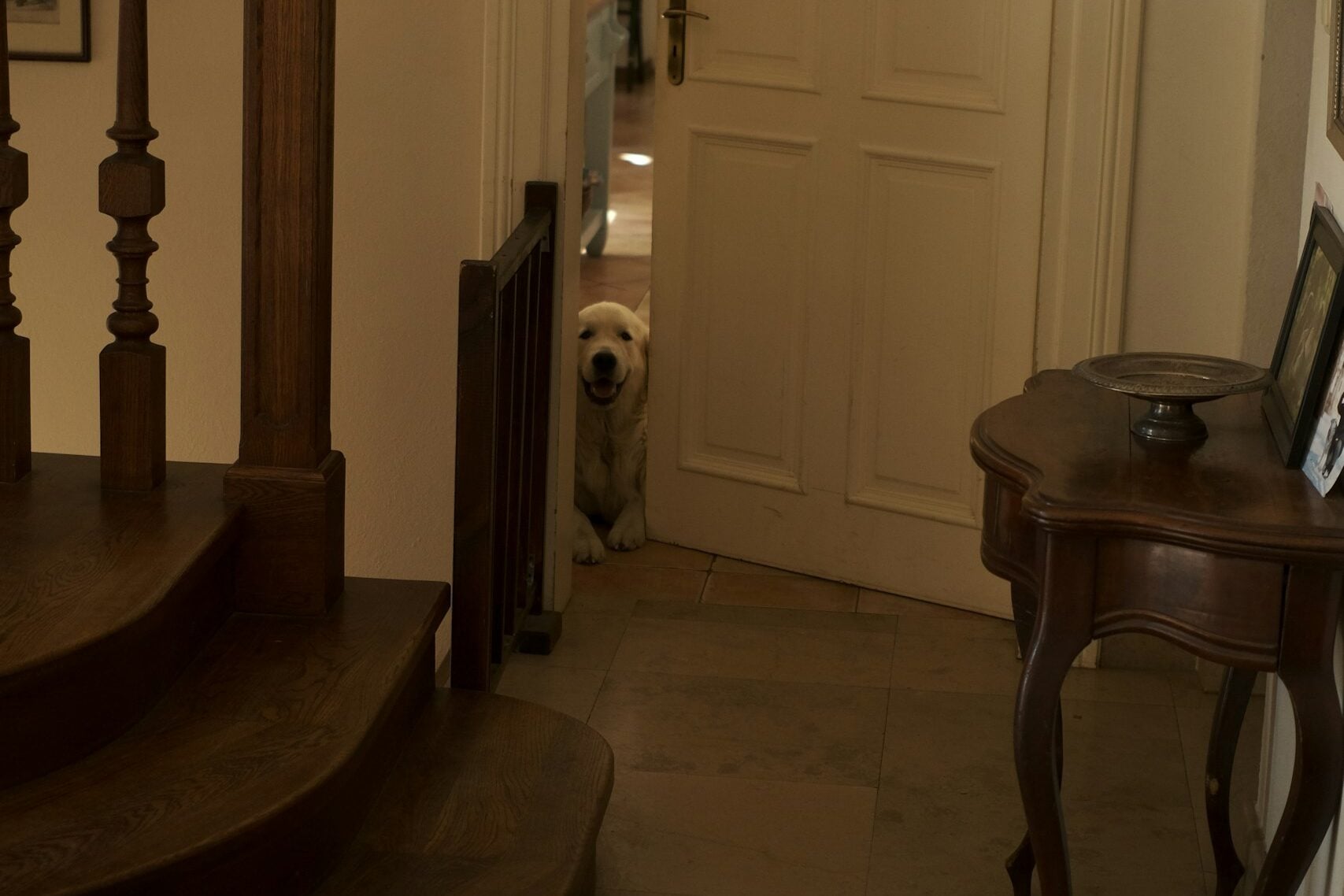
You may notice your dog:
- Walk through the house before choosing a place to nap.
- Peek into each occupied room during the evening.
- Check whether the kids are still playing outside.
- Visit your bedroom before settling downstairs.
- Pause outside a closed office door before lying down nearby.
For some dogs, it’s almost like taking attendance. Once they’ve confirmed everyone is home, they seem perfectly content to relax.
This is especially common in households where family members are frequently moving between rooms. Dogs naturally adjust by casually monitoring everyone’s location throughout the day.
That doesn’t mean they’re anxious. Quite the opposite. A relaxed dog often performs these quiet check-ins because they know exactly what to expect afterward.
Did You Notice? Many dogs seem to do one final walk through the house before bedtime. They’ll glance into the bedroom, peek into the bathroom, check the hallway, and only then curl up in their favorite sleeping spot It’s almost as if they’re making one last “everything’s normal” check before ending the day.
3. Sometimes They’re Making Sure You’re Okay
Have you ever been sick in bed and noticed your dog checkingon you far more often than usual? Or maybe you’ve been crying, working unusually late, or spending an entire afternoon in one room, only to have your dog quietly wander in every so often to see what you’re doing.
Dogs are incredibly observant. They notice changes in your daily routine, body language, facial expressions, movement, and even the sounds you make around the house. If something seems different, many dogs naturally become more attentive.
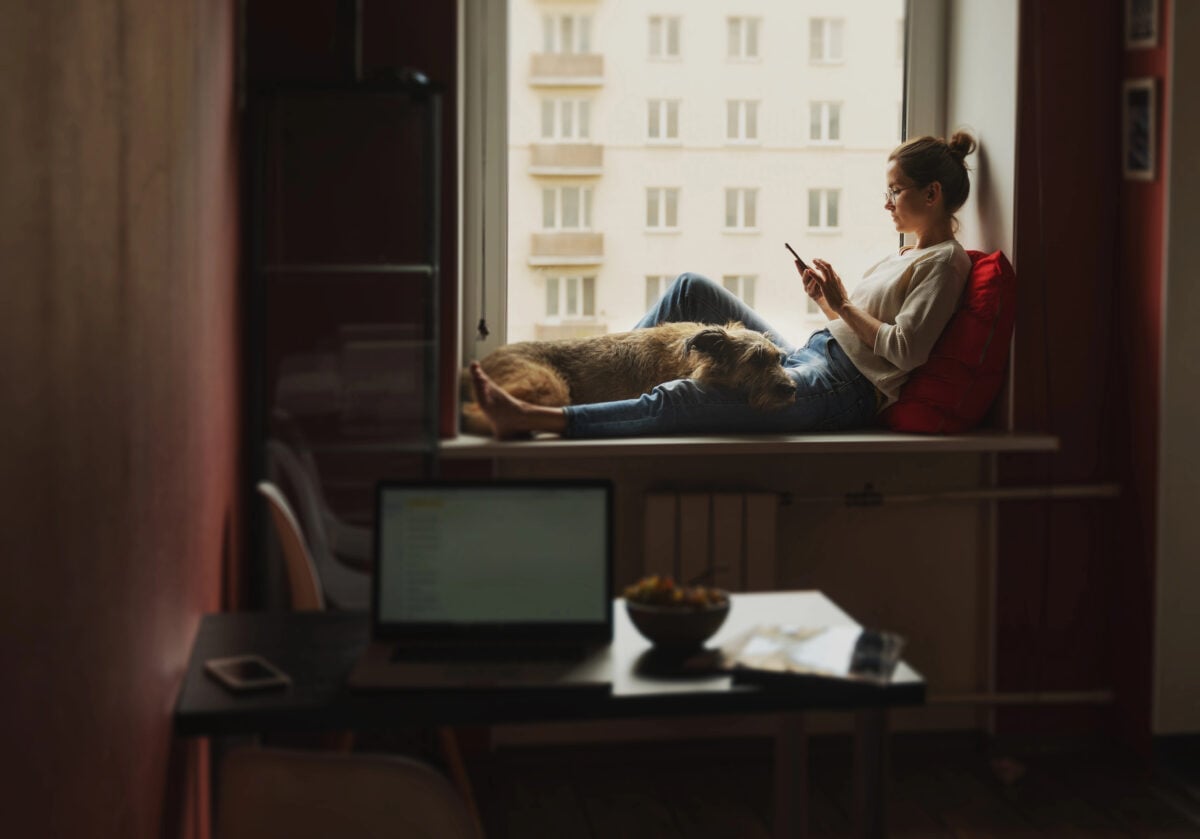
That doesn’t necessarily mean they understand exactly what’s wrong. Instead, they’re responding to the fact that something about you has changed.
Small changes are enough for many dogs to increase their check-ins. Some dogs will simply peek into the room more often. Others may quietly lie beside the bed for a while before leaving again.
These aren’t necessarily attempts to “fix” the problem. They’re often gentle ways of staying close until things feel normal again.
For many owners, these moments become some of the most memorable examples of the human-animal bond. Your dog may not fully understand what you’re experiencing, but they often recognize that something is different, and their instinct is to stay connected.
4. They’re Following A Routine (And You May Have Accidentally Reinforced It)
Dogs thrive on routines. While we often think about routines in terms of mealtimes and walks, dogs also develop routines around their people.
Maybe every morning you head into your home office with a cup of coffee. Around 10 o’clock, your dog wanders in, looks at you for a second, then heads back to their favorite sunny spot in the living room.
Or perhaps every evening you read in bed while your dog naps downstairs. Before settling in for the night, they make one quick trip upstairs to confirm you’re exactly where they expected.
These little visits often become part of your dog’s daily rhythm. Sometimes they’re even unintentionally reinforced.
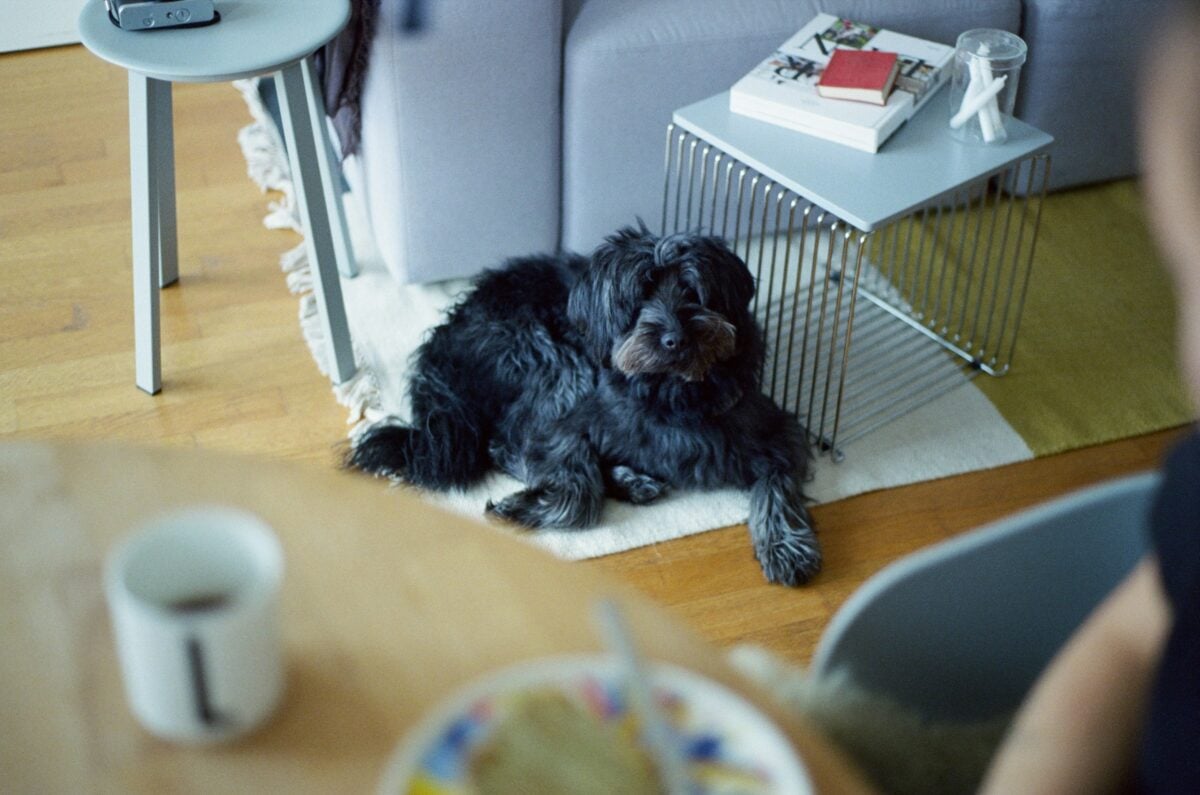
If your dog checkson you and occasionally gets a smile, a few gentle pets, or a cheerful “Hi, buddy,” they’ve learned that stopping by is a pleasant experience.
That doesn’t mean they’re only visiting because they expect attention. Many dogs continue checking in even when nothing happens at all.
The behavior itself simply becomes part of the routine. Seeing you for a few seconds is enough before they move on to whatever they planned to do next.
This is one reason dogs often seem to know exactly where to find us at certain times of day. They’re not reading the clock; they’re following the predictable patterns that make life feel familiar.
Little Ways Dogs Check On You That You May Never Have Noticed
Once you notice them, you’ll probably realize your dog has been quietly checking in with you all along.
- Peeking around the corner. You’re working, watching TV, or folding laundry when your dog quietly pokes their head into the room. They make eye contact for a second, then disappear again.
- Leaving a nap just to find you. Your dog wakes up, stretches, walks into the room you’re in, looks at you for a moment, then returns to the exact same bed to continue sleeping.
- Checking before settling down. Many dogs seem to do a quick walk through the house before choosing where to nap or sleep for the night.
- Looking up whenever you move. You get up to refill your coffee or grab something from another room, and your dog briefly lifts their head to watch where you’re going.
- Waiting outside the bathroom. Whether they lie outside the door or gently nudge it open with their nose, many dogs simply want reassurance that you haven’t disappeared.
- Looking back during walks. If your dog glances over their shoulder every so often, they’re often checking that you’re still with them before continuing to explore.
- Finding you after you get home. In a busy household, some dogs make a point of locating you before settling in, even if they’ve already greeted everyone else.
- Making eye contact across the room. Sometimes your dog doesn’t move at all. They simply look over from their bed, make brief eye contact, and go right back to relaxing.
- Checking on you before bedtime. Some dogs seem to make one last visit before everyone turns in for the night, peeking into bedrooms or walking through the hallway before curling up in their own favorite sleeping spot.
Quick Check-In Checklist
Your dog may be quietly checking on you if they regularly:
- Peek around corners
- Wander into the room for only a few seconds
- Leave a nap to find you
- Wait outside the bathroom
- Look up whenever you walk past
- Check every room before settling down
- Make brief eye contact before walking away again
If several of these sound familiar, your dog is probably performing perfectly normal social check-ins.
Why Dogs Keep Looking Back At You During Walks
Checking in doesn’t only happen at home. If you’ve ever walked your dog on a trail, through the neighborhood, or across a large park, you’ve probably noticed them glance back at you every so often.
Sometimes they keep walking. Other times, they make eye contact for just a split second before continuing down the path.
In many cases, they’re doing the same thing they do around the house. They’re checking that you’re still with them.
Dogs naturally monitor the movement of the people they’re walking with, especially when they’re off-leash or on a long leash, where there’s more distance between you. A quick look back helps them keep track of where everyone is and whether the group is staying together.
For dogs with reliable recall, these regular check-ins are often a great sign. They’re paying attention to you even while exploring their surroundings.
That’s one reason trainers often reward dogs that voluntarily look back during walks. Instead of waiting until your dog ignores you, you’re reinforcing the habit of checking in on their own.
Your Dog Isn’t Checking Up On You. They’re Checking In With You.
It’s easy to joke that your dog is supervising you. Maybe they watch while you cook dinner, peek into your office every hour, or quietly observe you as you fold laundry before walking away.
It can almost feel like they’re making sure you’re doing everything correctly. But that’s probably not what’s happening.
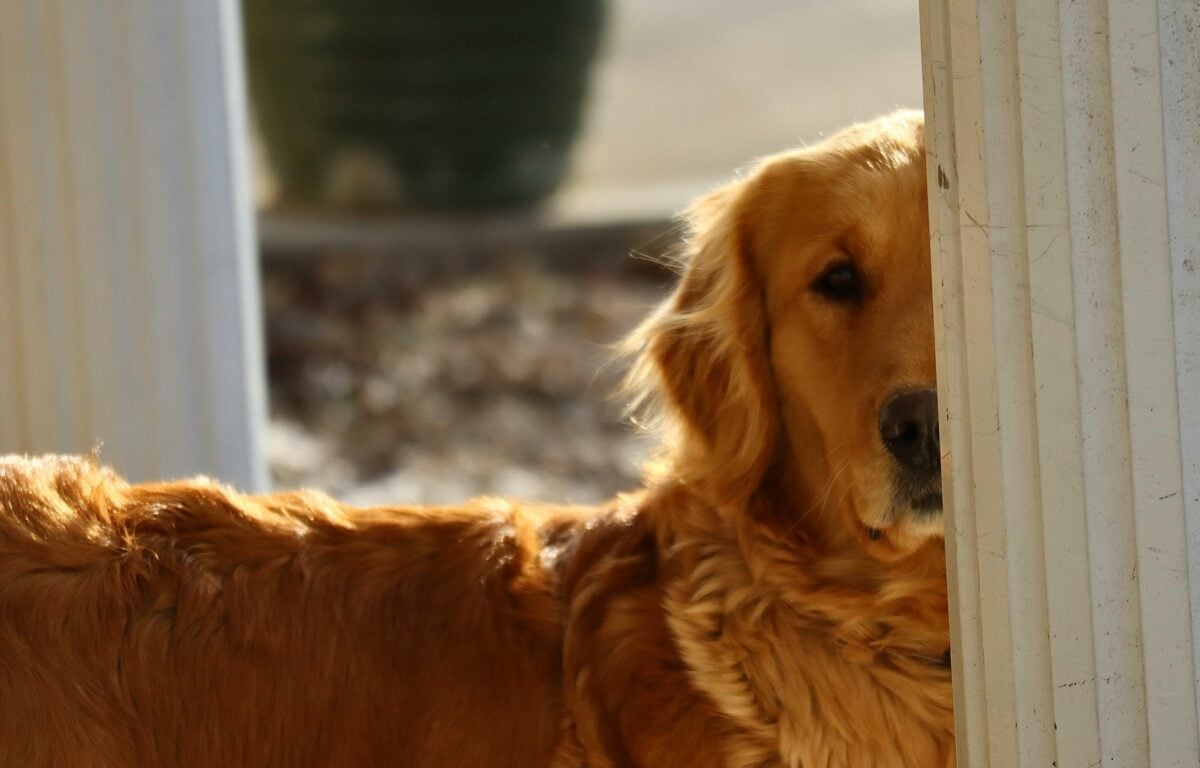
Dogs aren’t evaluating your productivity or wondering why you’ve been staring at your computer all afternoon. They’re maintaining social contact. For highly social animals, knowing where trusted companions are is simply part of everyday life.
Think about how often family members casually ask, “Where’s Mom?” or “Have you seen Dad?” Like people, dogs naturally like to know where the people they care about are. Their version just happens to involve soft footsteps, a curious glance around the corner, and a tail that gives a small wag before disappearing again.
Do Some Breeds Check On Their Owners More Than Others?
Every dog has their own personality, so you’ll find both independent dogs and “Velcro dogs” in almost every breed. That said, some breeds are generally more likely to perform frequent check-ins because they were developed to work closely alongside people.
Sporting breeds, herding breeds, and many companion breeds often enjoy keeping tabs on their owners throughout the day. You may notice this behavior more often in breeds such as:
- Golden Retriever
- Labrador Retriever
- Australian Shepherd
- Border Collie
- Vizsla
- Shetland Sheepdog
- Cavalier King Charles Spaniel
These dogs often enjoy regular interaction and naturally pay close attention to their surroundings.
On the other hand, breeds known for being more independent, such as Chow Chows, Shiba Inus, or Afghan Hounds, may check in less frequently.
That doesn’t mean they’re any less attached to their families. They simply express that bond differently.
An independent dog may quietly look into the room once or twice before spending the afternoon on their own. A more people-oriented dog might repeat that same routine every 20 minutes. Both behaviors can be perfectly normal.
At the end of the day, your dog’s individual personality matters far more than their breed. Some mixed-breed dogs become enthusiastic hallway inspectors. Some companion breeds are surprisingly content entertaining themselves for hours.
Every relationship develops its own rhythm.
Is Your Dog Checking On You… Or Trying To Tell You Something?
Sometimes your dog simply wants to know where you are. Other times, they’re trying to get your attention because they need or want something. Learning to read the rest of their body language can help you tell the difference.
| Just Checking In | Trying To Get Your Attention |
|---|---|
| Brief glance before walking away | Continues staring at you |
| Relaxed body and soft expression | Intense, expectant stare |
| Returns to resting or playing | Stays nearby and waits |
| Doesn’t vocalize | May whine, huff, bark, or paw |
| Looks satisfied after seeing you | Keeps trying until you respond |
| Happens randomly throughout the day | Often occurs near mealtime, walks, or bedtime |
Some breeds, especially herding breeds like Australian Cattle Dogs and Border Collies, are famous for using an intense, unwavering stare to communicate with both livestock and people. Owners sometimes joke about the “Heeler stare” because it often means, “I’m waiting for you to do something.” That’s very different from a quick hallway peek or a passing glance before your dog goes back to relaxing.
Normal Check-Ins vs Clinginess: What’s The Difference?
If your dog enjoys checking up on you, that doesn’t automatically mean they’re overly dependent or experiencing separation anxiety.
Healthy check-ins are usually brief, relaxed, and voluntary. Your dog looks in on you, confirms everything is normal, then happily goes back to napping, playing, or watching the world outside the window.
Clinginess looks different. Instead of simply checking in, a clingy or anxious dog may struggle to settle unless they’re right beside you.
| Normal Check-Ins | Possible Clinginess or Anxiety |
|---|---|
| Briefly peeks into the room | Follows you from room to room without settling |
| Looks back during walks | Becomes distressed if you move out of sight |
| Comfortably naps in another room | Rarely relaxes unless touching you |
| Checks in, then returns to an activity | Constantly seeks reassurance or attention |
| Remains calm when you’re home | Paces, whines, or appears restless throughout the day |
| Is comfortable spending time independently | Shows signs of panic when left alone |
The biggest difference is your dog’s emotional state. A dog performing normal social check-ins usually appears relaxed and confident. An anxious dog often looks worried, restless, or unable to settle.
Many confident, well-adjusted dogs love checking on their owners throughout the day while also enjoying plenty of independent time.
When Frequent Check-Ins Could Signal Anxiety
In most households, occasional check-ins are simply part of a healthy relationship between dogs and their owners; however, if your dog’s behavior suddenly changes or becomes much more intense, it’s worth paying closer attention.
For example, a dog that once happily napped in another room may suddenly begin following your every step, whining when doors close, or becoming distressed whenever they lose sight of you. That doesn’t necessarily mean they have separation anxiety, but it could suggest they’re feeling unusually insecure or uncomfortable.
Other signs that may point to anxiety include:
- Constant shadowing that never lets up
- Pacing instead of relaxing
- Whining or barking whenever you leave the room
- Difficulty settling, even when you’re home
- Excessive panting or drooling without another obvious cause
- Destructive behavior or attempts to escape when left alone
- Sudden changes after moving, losing another pet, welcoming a new baby, or another major life event
It’s also worth remembering that behavioral changes can sometimes have a medical cause. Pain, hearing or vision loss, cognitive decline in senior dogs, or other health issues may cause a dog to seek more reassurance than usual.
If your dog’s check-ins become unusually frequent, seem driven by distress, or appear alongside other changes in behavior, schedule a visit with your veterinarian. They can help rule out medical problems and determine whether anxiety or another behavioral concern may be contributing.
The good news is that for the vast majority of dogs, those quiet hallway peeks and quick visits throughout the day are simply another way of maintaining a close bond with the people they love.
Frequently Asked Questions
Once owners start noticing these little check-ins, they often begin spotting them everywhere. Here are answers to some of the most common questions about this sweet canine behavior.
Don’t see your question? Respond in the comments, and we’ll get back to you.
Why Does My Dog Keep Peeking Into The Room?
Many dogs briefly peek into a room simply to see where their owner is located. Once they’ve confirmed you’re nearby, they often return to whatever they were doing. These short visits are a common way dogs maintain social connection throughout the day.
Why Does My Dog Look At Me And Then Walk Away?
Sometimes your dog doesn’t need anything at all. Making eye contact before walking away may simply be their way of checking in. They’re confirming that everything is normal before continuing with their day.
Why Does My Dog Keep Looking Back At Me During Walks?
Looking back helps many dogs monitor where their owner is and whether they’re staying together as a group. It’s a common behavior, especially in attentive dogs that naturally like checking in during walks.
Does Checking On Me Mean My Dog Loves Me?
By itself, no single behavior can measure how much a dog loves someone. However, relaxed, voluntary check-ins are often one of many signs of a strong bond. When combined with other affectionate behaviors, they can reflect the trust, comfort, and attachment your dog feels toward you.
Should I Worry If My Dog Suddenly Starts Checking On Me More Often?
A sudden increase in check-ins isn’t always a cause for concern, but it deserves your attention.
Changes in routine, stress, aging, illness, pain, or anxiety can all affect your dog’s behavior. If the increase is accompanied by clinginess, restlessness, changes in appetite, or other unusual symptoms, contact your veterinarian for guidance.
Keep Learning About Your Dog’s Behavior
The little things dogs do often tell us more than we realize. If you enjoyed learning about this behavior, you might also like: