When you purchase through links on our site, we may earn a commission at no extra cost to you. Learn more.
Most dog owners know they should clean their dog’s teeth. Far fewer actually do it consistently.
Table of Contents
Not because they don’t care, but because toothbrushing often turns into a wrestling match, especially with adult dogs or rescues who never learned to tolerate it. Add busy schedules, a squirmy mouth, and a dog who would rather chew literally anything else, and dental care is often the first routine to fall apart.
The good news is this: brushing is the gold standard, but it’s not the only thing that helpffeel better while plaque continues to build.
This guide breaks down what actually works, what helps a little, and how to build a realistic dog-teeth-cleaning routine that fits real life, not perfection.
Want our human-written content to rank above AI-generated garbage? Help us out by clicking this button!
Start Here: Why Dog Teeth Cleaning Matters More Than You Think
Dental disease doesn’t start with missing teeth or obvious pain. It starts quietly, often before owners notice anything is wrong.
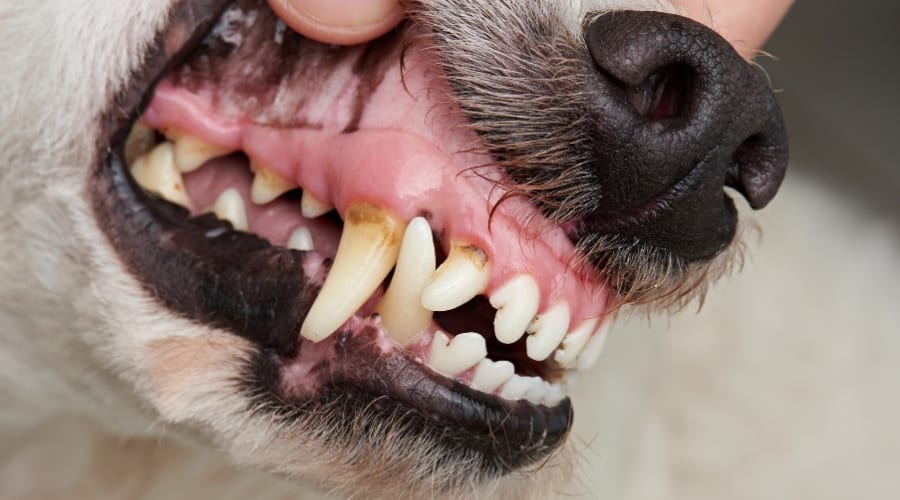
Plaque begins forming on a dog’s teeth within hours after eating. If it isn’t removed, it hardens into tartar, creeps under the gumline, and triggers inflammation. By the time bad breath becomes noticeable, dental disease is usually already established.
In fact, most dogs show signs of periodontal disease by age three. That means dental damage is often well underway long before a dog ever sees a toothbrush or dental chew.
Poor dental health doesn’t just affect the mouth. Chronic gum infection allows bacteria to enter the bloodstream, which can strain the heart, kidneys, and liver over time. It can also lead to pain, tooth loss, and expensive veterinary cleanings later in life.
Here’s the key takeaway before going any further: You don’t need a perfect dental routine. You do need a consistent one.
Whether that includes brushing, wipes, chews, or a combination of methods, doing something regularly is far more protective than doing nothing while aiming for perfection.
In the sections below, we’ll walk through:
- How often do dog teeth actually need cleaning
- Why brushing works best (and how to do it properly)
- What helps when brushing doesn’t happen
- Which alternatives are worth your time, and which are mostly hype
If you’ve ever felt overwhelmed or guilty about dog dental care, you’re in the right place.
How Often Should You Clean Your Dog’s Teeth?
In an ideal world, dogs would have their teeth brushed daily. In the real world, most dogs are lucky if it happens once a week.
Here’s what actually matters: frequency beats perfection.

Plaque starts forming within hours after your dog eats. If it isn’t removed, it hardens into tartar within a few days.
Once tartar forms, brushing alone can’t remove it; only professional cleaning can. That’s why consistency is key.
A realistic dental care hierarchy looks like this:
- Daily brushing: Best protection against plaque and gum disease
- Brushing a few times per week: Still highly effective
- Weekly brushing + dental support tools: Better than no brushing
- No brushing, but daily dental chews or wipes: Helps slow damage
- Occasional dental treats only: Minimal benefit
If brushing never happens, doing something every week is still far better than doing nothing while waiting for the “perfect” routine. The goal is not spotless teeth but rather slowing plaque buildup enough to protect your dog’s gums, comfort, and long-term health.
The Gold Standard: How To Properly Brush Your Dog’s Teeth
Brushing your dog’s teeth is the most effective way to remove plaque before it turns into tartar. No chew, spray, or additive works as well.
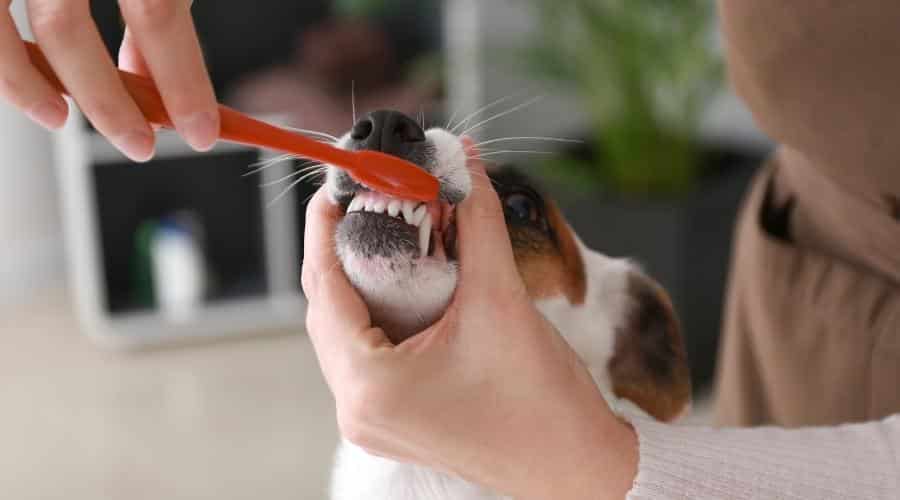
That said, brushing doesn’t need to look like a full human dental routine to be effective. A proper dog teeth brushing session is:
- Short
- Gentle
- Focused on the outer surfaces of the teeth
You do not need to brush every tooth perfectly for it to help.
3 Reasons Brushing Works Best
- Plaque sticks to teeth in a soft, biofilm-like layer. Brushing physically disrupts and removes it before it hardens.
- Most alternative products only soften plaque or slow buildup. They don’t fully remove it.
- Even brushing for 30–60 seconds can significantly reduce plaque when done consistently.
How To Brush Your Dog’s Teeth (Without Stress)
Many dogs tolerate brushing better when it’s calm, quick, and followed by praise or a reward.
You’ll need:
- A dog-specific toothbrush or finger brush
- Dog toothpaste only (never human toothpaste)
Step-By-Step Basics
- Lift your dog’s lips gently rather than opening their mouth
- Focus on the outer surfaces of the teeth, especially the back molars
- Use small circular motions or gentle strokes
- Stop before your dog becomes stressed
For a full step-by-step walkthrough, you can reference our detailed guide on how to brush your dog’s teeth properly, which breaks down techniques for puppies, adult dogs, and first-timers.
Puppies vs Adult Dogs
Puppies adapt quickly and often accept brushing within a few weeks when introduced gently. Adult dogs, especially rescues, may need more time.
That doesn’t mean brushing is impossible. It just means progress may be slower and incremental.
How Long Until Brushing Makes A Difference?
Bad breath often improves within a few weeks. Gum health improves with consistent brushing over time.
If your dog already has heavy tartar or inflamed gums, brushing helps prevent things from getting worse but won’t reverse advanced disease. In those cases, brushing is most effective after a professional dental cleaning.
Bad dog breath isn’t just a smell problem. Persistent odor can be a sign of plaque buildup, gum disease, or other underlying health issues. See the most common causes of bad dog breath in dogs and our picks for the best bad-breath fixes.
Dog Toothpaste: What To Use (And What To Avoid)
Toothpaste matters more than many dog owners realize.
The right formula can make brushing easier, safer, and far more effective. The wrong one can cause stomach upset or turn brushing into a negative experience your dog learns to avoid.
Here’s what actually makes a difference.
Why Human Toothpaste Is A Hard No For Dogs
Human toothpaste is unsafe for dogs, even in small amounts.
Most formulas contain ingredients such as xylitol, fluoride, or foaming agents that dogs should not ingest. Since dogs don’t spit, anything you put on their toothbrush is going to be ingested.
That’s why dog toothpaste is designed to be:
- Safe to swallow
- Non-foaming
- Appealing in taste and smell
Skipping toothpaste entirely is safer than using the wrong kind.
Why Enzymatic Toothpaste Works Better
Enzymatic toothpaste doesn’t just mask bad breath. It actively breaks down plaque by targeting the bacteria that form it.
This is important because:
- Plaque is a bacterial biofilm, not just surface debris
- Enzymes keep working even after brushing stops
- Dogs who resist brushing still benefit from lingering enzymatic action
If brushing sessions are short or imperfect, enzymatic formulas help fill in the gaps.
Vet-Approved Enzymatic Toothpaste Dogs Often Prefer
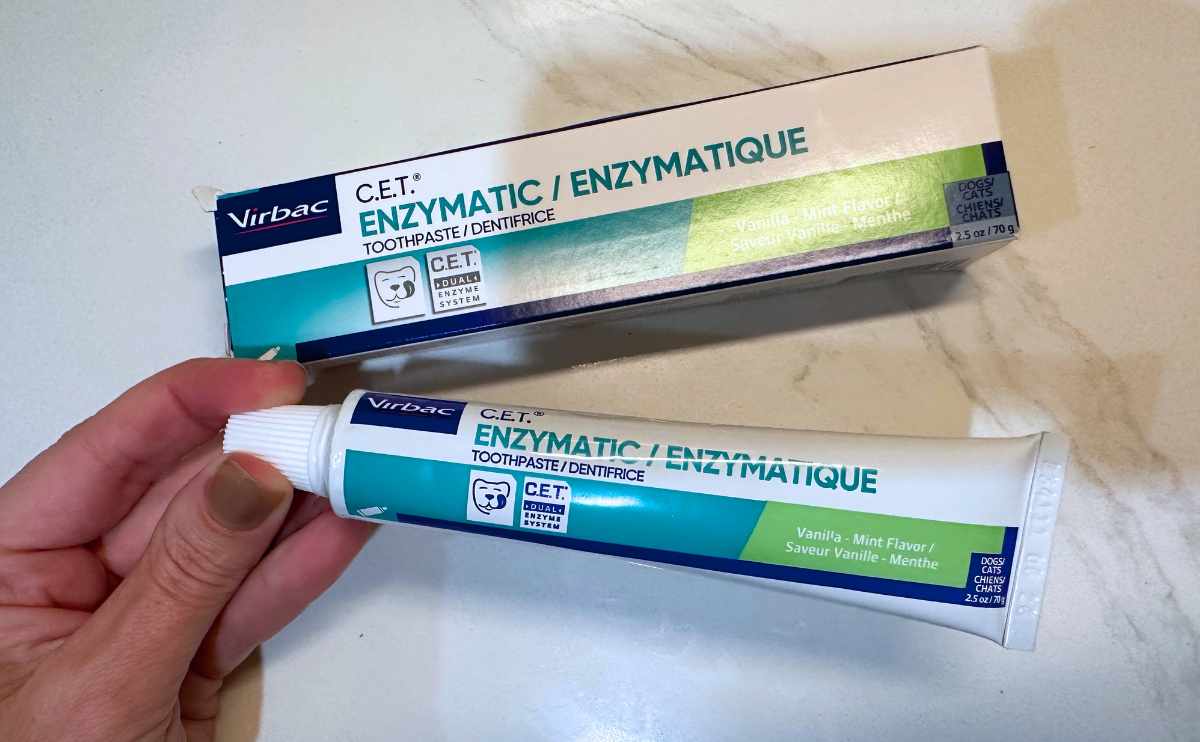
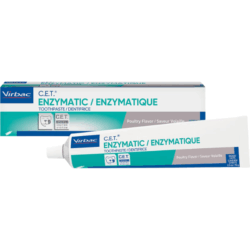
One of the most widely recommended options by veterinarians is Virbac C.E.T. Enzymatic Toothpaste.
View On Chewy | View On Amazon
It comes in multiple dog-friendly flavors, including:
- Beef
- Poultry
- Seafood
- Malt
- Vanilla mint
Flavor matters more than people expect. Switching to a flavor your dog genuinely enjoys makes a noticeable difference in their willingness to sit still for brushing. I use the poultry flavor with my dog, and it’s been a game-changer for consistency.
If your dog resists brushing, trying a new toothpaste flavor is often one of the easiest wins.
A Tooth Gel Alternative (Still Requires Brushing)
If you’re looking for an alternative to traditional enzymatic toothpaste, TropiClean Fresh Breath Oral Care Brushing Gel is another brushing-compatible option.
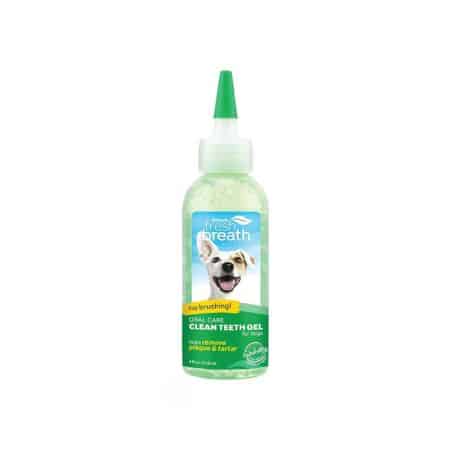
It’s used the same way as toothpaste and still requires brushing to physically remove plaque. Where it stands out is immediate breath support.
The gel has a minty flavor that noticeably reduces odor, and it contains chlorophyll, a natural deodorizer that helps neutralize odors. It’s especially handy after dogs eat something they shouldn’t… including their own poop.
While enzymatic toothpaste remains the top choice for plaque control, this gel can be a good alternative if:
- Your dog prefers gel over paste
- You want extra breath-freshening support
- You’re rotating products to keep brushing positive
Does Flavor Really Matter?
Yes. A lot.
Dogs experience toothpaste almost entirely through smell and taste. If they hate it, brushing becomes stressful fast. If they enjoy it, brushing feels more like a treat than a chore.
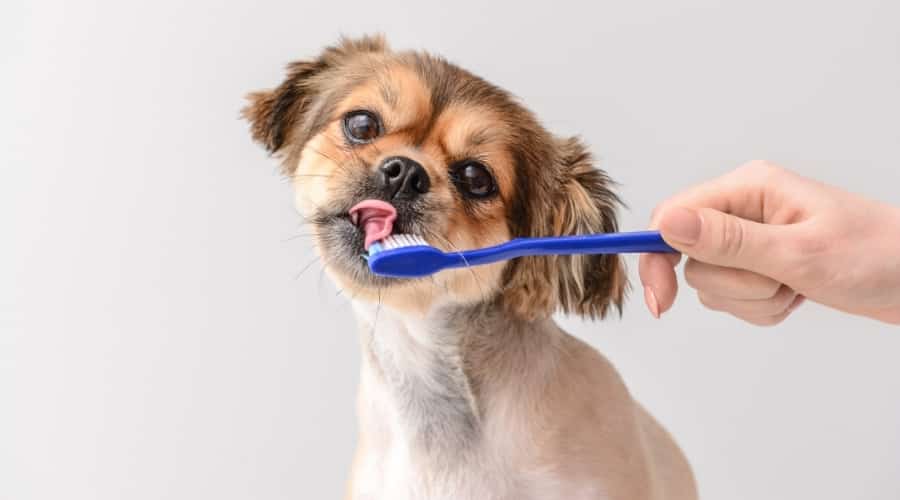
When choosing toothpaste or gel, prioritize:
- Enzymatic formulas
- Dog-safe ingredients
- A flavor your dog willingly accepts
You don’t need the strongest mint or the most complicated ingredient list. You need something your dog won’t fight you over.
Bottom Line On Dog Toothpaste
Toothpaste isn’t optional if you’re brushing, but it doesn’t need to be complicated.
Avoid human toothpaste. Choose an enzymatic formula. Pick a flavor your dog actually likes.
If Brushing Doesn’t Happen: What Still Helps
Let’s be honest. For a lot of dogs, brushing doesn’t happen regularly — or at all.
That doesn’t mean dental care is pointless. It just means the approach needs to be realistic.
While brushing is the most effective way to remove plaque, it’s not the only way to slow dental disease. The key is understanding what these alternatives can do, and what they can’t.
Think of brushing as the gold standard. Everything else is damage control — and some forms of damage control work far better than others.
What Alternatives Can (And Can’t) Do
Non-brushing dental tools generally work by:
- Scraping plaque through chewing or wiping
- Softening plaque so it’s easier to remove later
- Reducing odor-causing bacteria
What they don’t do well is remove hardened tartar or clean under the gumline. That’s why consistency matters so much when brushing isn’t part of the routine.
Used daily or several times per week, the right alternatives can:
- Slow plaque buildup
- Improve breath
- Reduce gum inflammation
- Delay the need for professional cleanings
Used occasionally, they mostly just make owners feel better.
Consistency Matters More Than The Method
A daily dental chew is more effective than a toothbrush used once a month. A wipe used three times a week helps more than a spray used occasionally.
Dental care works best when it’s routine, even if the routine isn’t perfect.
If brushing feels overwhelming, the goal should be to build a habit your dog tolerates and you’ll actually stick to. You can always layer in brushing later.
Stacking Methods Works Better Than Picking One
When brushing doesn’t happen, combining tools becomes especially important.
For example:
- Dental chews for daily mechanical cleaning
- Wipes a few times per week for targeted plaque removal
- Water additives or sprays for breath and bacterial control
Each method alone does a little. Together, they do a lot more.
This stacking approach is often what keeps dogs comfortable and functional between veterinary dental cleanings.
A Quick Reality Check Before We Rank Options
Some dental products genuinely reduce plaque. Others mainly freshen breath. A few are overhyped and don’t do much at all.
In the next section, we’ll break down the best dog teeth cleaning alternatives, ranked by effectiveness, so you can see which options are actually worth your time and money.
If brushing isn’t happening right now, this is where you want to focus.
10 Best Ways To Clean Your Dog’s Teeth Without Brushing (Ranked)
If brushing isn’t part of your dog’s routine, these alternatives can still help reduce plaque, improve breath, and slow dental disease. They’re ranked from most effective to least impactful based on how well they actually clean teeth when used consistently.
None of these fully replace brushing, but some come surprisingly close.
Tier 1: Most Effective Non-Brushing Options
These options provide real mechanical plaque removal and are your best bet if brushing doesn’t happen.
1. Dental Chews
High-quality dental chews are one of the most effective brushing alternatives when given daily.
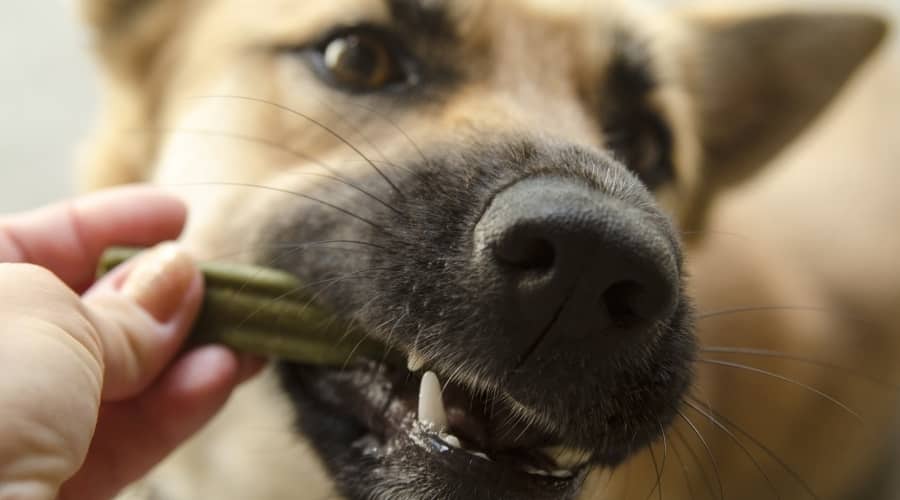
The chewing action helps scrape plaque from teeth, especially the back molars, where buildup is most common. Many chews are also textured or enzyme-coated to improve their cleaning ability.
Dental chews work best when they are:
- Given every day
- Appropriately sized for your dog
- Firm enough to require sustained chewing
Occasional chews help breath. Daily chews help teeth. View our picks for best dental chew for dogs.
2. Dental Wipes
Dental wipes are one of the closest alternatives to brushing. They allow you to physically wipe plaque from the tooth surface and along the gumline without using bristles. Many dogs tolerate wipes better than toothbrushes, especially adult dogs who resist brushing.
They’re most effective when:
- Used several times per week
- Focused on the outer surfaces of the teeth
- Paired with another dental tool, like chews
If your dog won’t accept a toothbrush, wipes are often the easiest upgrade. View our pick for the best dental wipes.
3. Dental Chew Toys
Dental chew toys provide long-lasting mechanical cleaning through repeated chewing.

They don’t clean as precisely as wipes, but they’re handy for dogs who love to chew and hate having hands near their mouth. Over time, the chewing action helps reduce plaque and stimulate the gums.
They work best for:
- Dogs who chew daily
- Power chewers
- Supplemental dental care
Look for toys designed specifically for dental use rather than soft rubber toys.
Tier 2: Helpful With Consistency
These options don’t remove plaque on their own, but they slow buildup and reduce odor when used regularly.
4. Dental Sprays
Dental sprays help control odor-causing bacteria and soften plaque over time. They’re most effective when sprayed directly onto the teeth and gums rather than misted into the mouth.
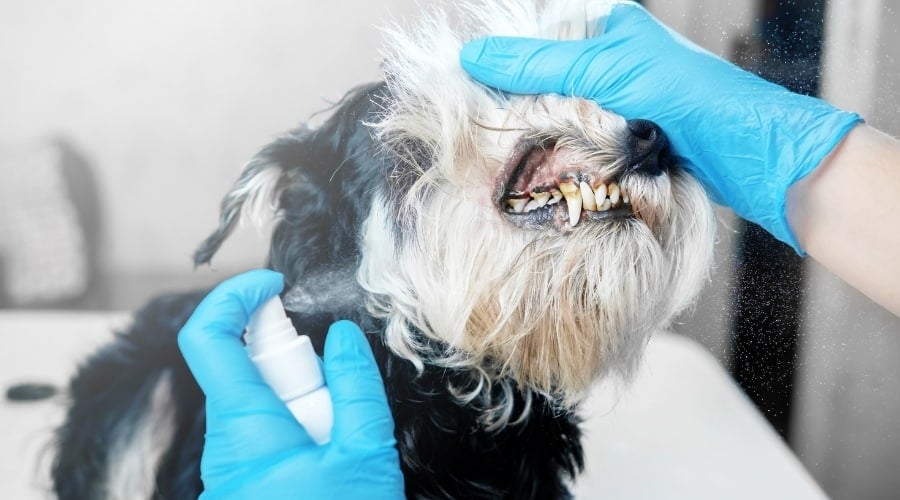
Sprays work best as a support tool rather than a standalone solution.
5. Water Additives
Water additives are one of the easiest dental tools to use. They work passively by reducing bacterial growth as your dog drinks.
While they don’t remove plaque, they help slow its progression and improve breath when used daily.
They’re best used as:
- A low-effort baseline
- Support for chews or wipes
- An option for dogs who resist handling
6. Dental Supplements
Dental supplements are often overlooked, but some formulas can genuinely support oral health when used consistently.
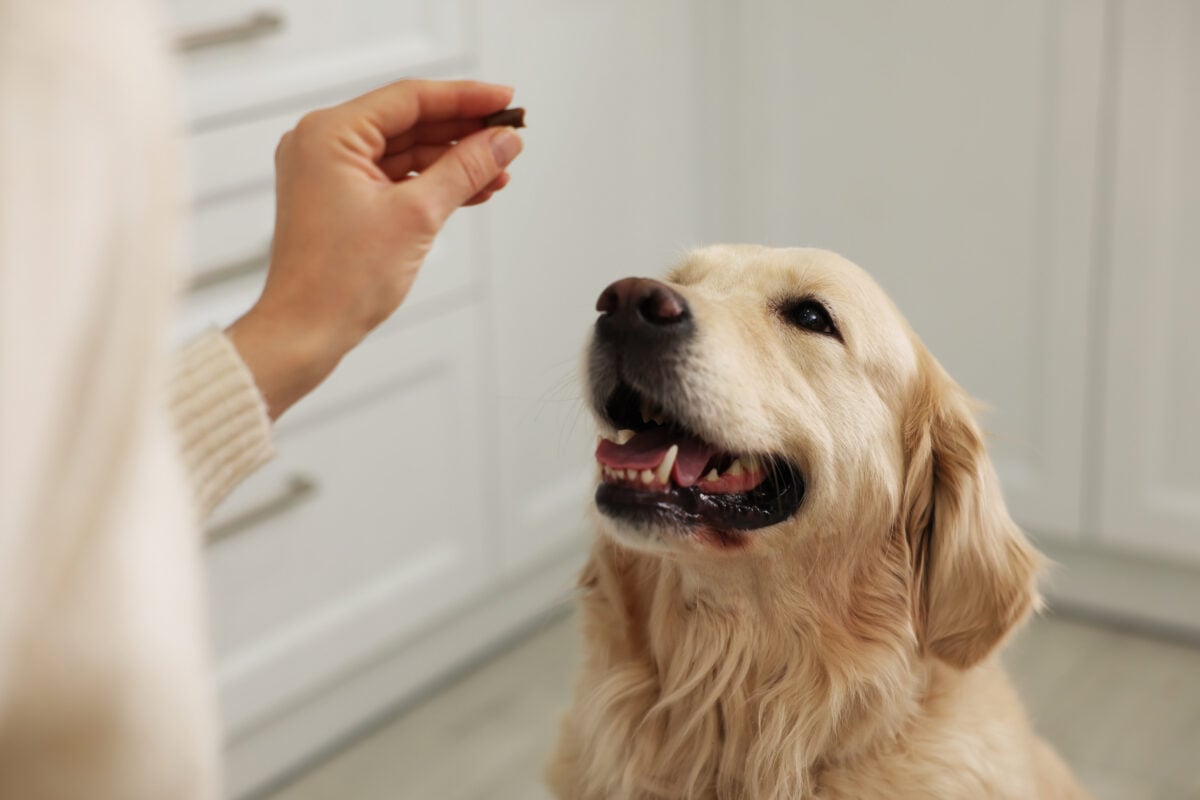
Rather than mechanically scraping plaque, these supplements work systemically by:
- Supporting a healthier balance of oral bacteria
- Reducing biofilm formation (plaque is a biofilm)
- Helping soften plaque so it’s easier to remove
- Improving breath from the inside out
One well-known example is ProDen PlaqueOff, which offers kelp-based dental supplements in powders, soft chews, and bones. Research shows that certain types of kelp exhibit anti-biofilm activity, meaning they can interfere with plaque formation rather than just masking odor.
Dental supplements work best when:
- Used daily
- Combined with at least one mechanical method (chews, wipes, or toys)
- Viewed as long-term support rather than a quick fix
They won’t remove heavy tartar, licensed via their own, but they can slow plaque buildup, freshen breath, and make other dental tools more effective over time.
7. Diet & Crunchy Foods
Crunchy foods provide mild mechanical cleaning through chewing. Dry kibble and firm vegetables like carrots or bell peppers can help slow plaque buildup compared to soft or sticky foods.
Diet alone won’t clean teeth, but it does influence how quickly plaque accumulates.
Tier 3: Conditional Or Controversial Options
These options can help in some situations but come with limitations or risks.
8. Raw Bones
Raw bones can provide effective plaque scraping through natural chewing.
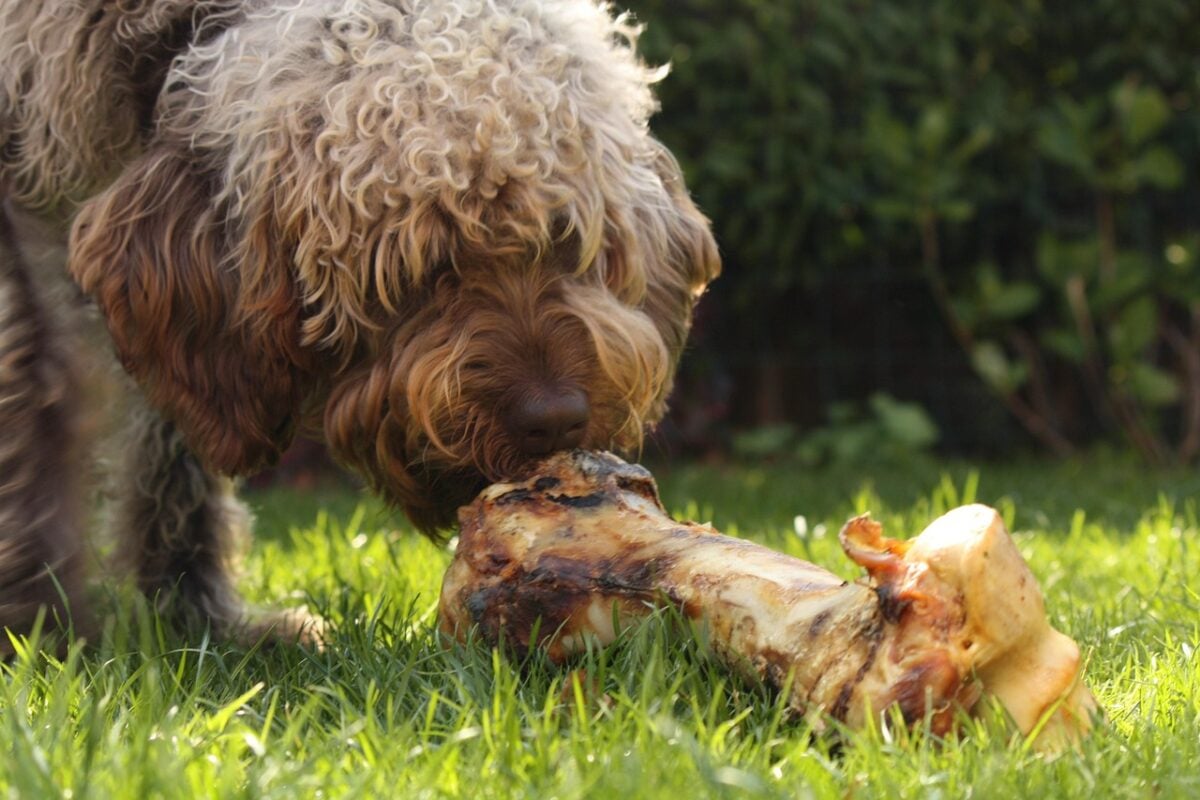
However, they must always be:
- Raw, never cooked
- Appropriately sized
- Used under supervision
Raw bones aren’t suitable for every dog and should be discussed with your vet if you’re unsure.
9. Deer & Elk Antlers
Antlers last a long time and provide chewing stimulation, but they’re extremely hard.
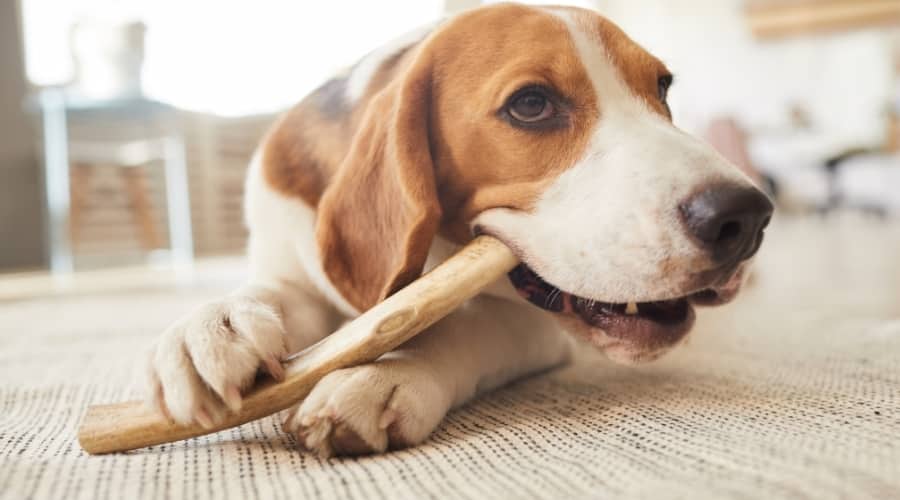
While they may help reduce plaque, they also carry a higher risk of tooth fractures, especially for aggressive chewers. They’re best reserved for light to moderate chewers and short, supervised sessions.
10. Coconut Oil
Coconut oil has mild antimicrobial properties and can help freshen breath.
However, it does not remove plaque on its own. It works best as a supportive ingredient rather than as a primary dental-cleaning method.
Professional Dog Teeth Cleaning: When It’s Necessary
At-home dental care goes a long way, but sometimes it isn’t enough.
Once plaque hardens into tartar and creeps under the gumline, no chew, wipe, or spray can remove it. At that point, a professional veterinary dental cleaning is the only way to reset your dog’s oral health.
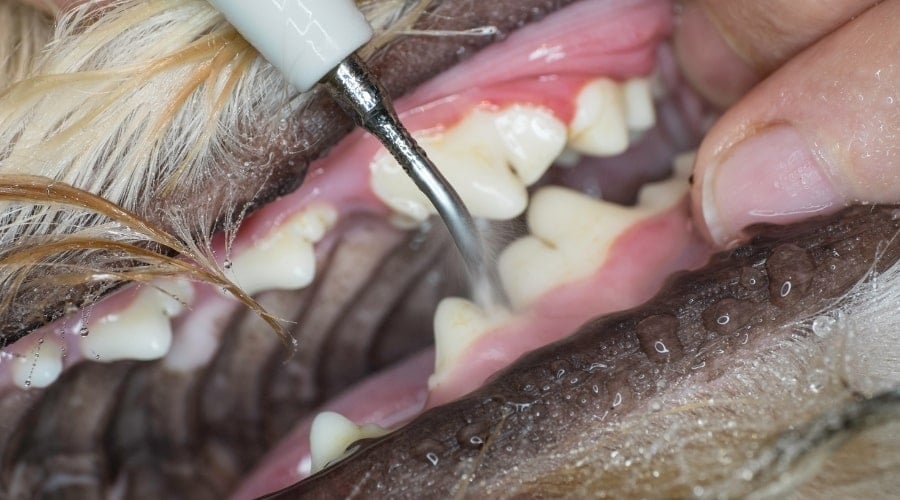
Signs Your Dog May Need A Professional Cleaning
Some warning signs are subtle. Others are hard to miss.
Common signs include:
- Persistent bad breath
- Red, swollen, or bleeding gums
- Yellow or brown tartar buildup
- Reluctance to eat hard food
- Pawing at the mouth or face
If you notice pain, loose teeth, or visible infection, don’t wait. Dental disease is painful, even when dogs hide it well.
Why Anesthesia Is Used
Professional dental cleanings are performed under anesthesia for good reason.
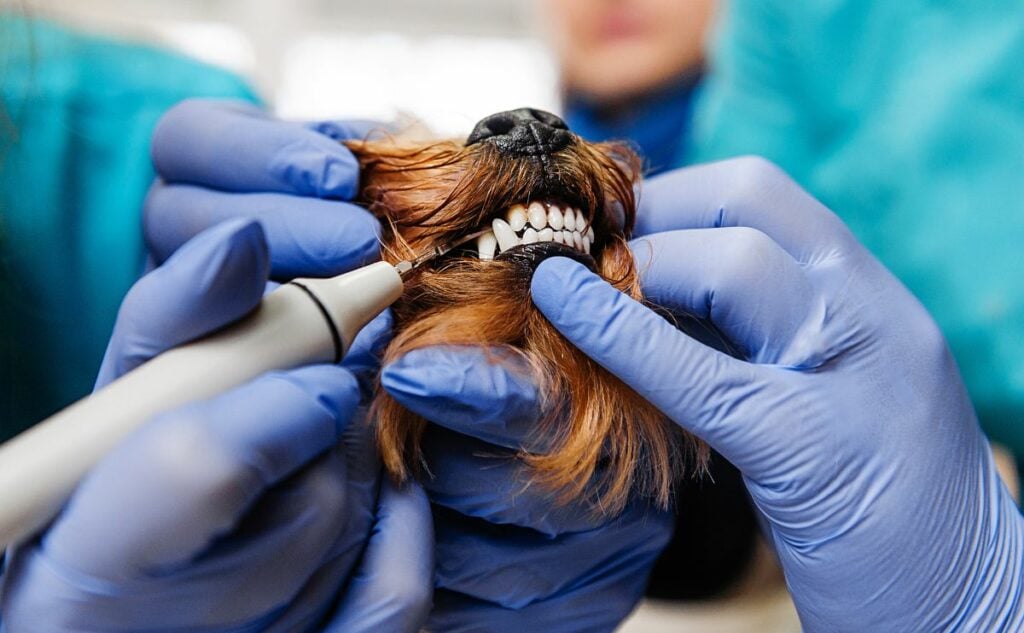
It allows the veterinarian to:
- Clean below the gumline where disease starts
- Take dental X-rays
- Remove painful or infected teeth safely
- Prevent stress or injury
While anesthesia can sound scary, modern veterinary protocols make it very safe for healthy dogs. Your vet will screen for risks beforehand.
How Often Do Dogs Need Professional Cleanings?
There’s no one-size-fits-all answer.
Some dogs need cleanings every year. Others can go several years with good at-home care. Smaller breeds and dogs prone to dental disease often need them more frequently.
The goal is not to avoid professional cleanings forever but to delay them and reduce severity through consistent home care.
How To Help A Dog Who Hates Toothbrushing
If your dog hates toothbrushing, you’re not alone. Most dogs weren’t taught to tolerate it early, and suddenly introducing a toothbrush can feel threatening. The key is lowering the bar, not forcing compliance.
Start Smaller Than You Think
You don’t need to brush teeth on day one.
Start with:
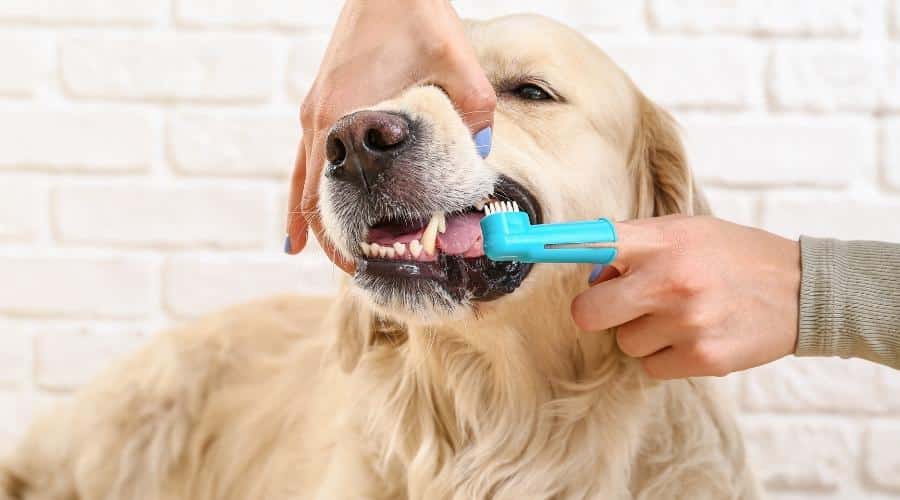
- Gently lifting your dog’s lips
- Letting them lick toothpaste from your finger
- Touching teeth briefly, then stopping
These steps build tolerance without triggering stress.
Use The Right Tools
Many dogs hate toothbrush bristles but tolerate:
- Finger brushes
- Dental wipes
- Soft silicone brushes
Switching tools alone can completely change a dog’s reaction.
Keep Sessions Short & Positive
Most effective brushing sessions last under one minute. Stop before your dog becomes frustrated. Progress comes from repetition, not perfection.
If brushing still isn’t tolerated, wipes and chews are far better than giving up entirely.
Frequently Asked Questions
When it comes to cleaning a pup’s teeth, some owners still have questions. Here are some of the most commonly asked questions relating to doggy dental hygiene.
Don’t see your question? Respond in the comments, and we’ll get back to you!
Do Dogs Really Need Their Teeth Cleaned?
Yes. Dogs develop plaque and dental disease the same way humans do. Without intervention, it leads to pain, infection, and tooth loss over time.
How Do I Know If My Dog’s Teeth Are Bad?
Bad breath, red gums, tartar buildup, and changes in eating habits are common signs. However, dental disease often starts before symptoms are obvious.
Are Dental Chews Enough On Their Own?
Dental chews help, especially when used daily, but they don’t clean under the gumline. They work best as part of a broader routine.
How Often Should I Clean My Dog’s Teeth?
Daily brushing is ideal. A few times per week is still effective. If brushing doesn’t happen, use dental chews or wipes consistently.
When Should I See The Vet?
If you notice pain, bleeding gums, severe odor, or heavy tartar buildup, it’s time to schedule a veterinary exam. Early intervention prevents bigger problems later.
More Dog Dental Questions, Answered
Dog teeth cleaning is just one part of the bigger oral health picture. If you’re wondering what’s normal, what’s not, or what might come next as your dog grows and ages, these guides can help you go deeper.
Learn when puppies lose their baby teeth, what it means if your dog is grinding their teeth, and whether dogs can get braces in cases of severe dental or jaw issues. Staying informed makes it easier to spot problems early and keep your dog comfortable long term.