When you purchase through links on our site, we may earn a commission at no extra cost to you. Learn more.
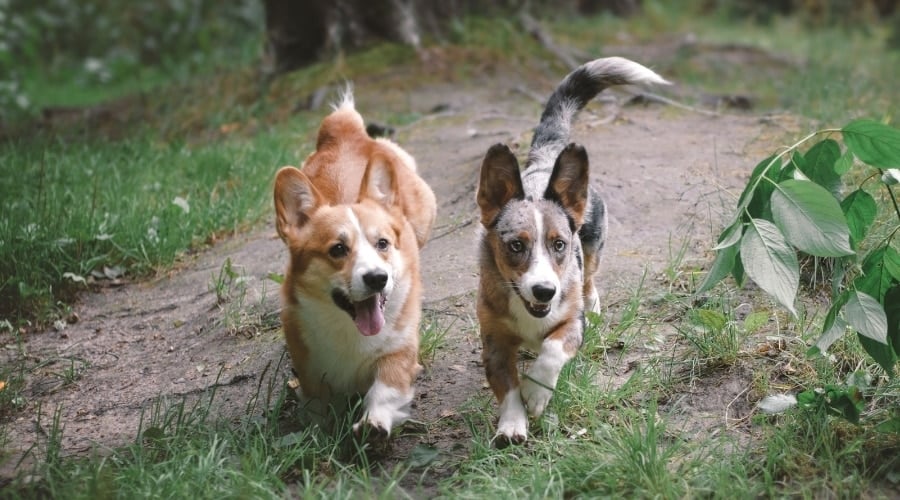
At first glance, Cardigan Welsh Corgis and Pembroke Welsh Corgis look like the same dog wearing a slightly different outfit. Same low ride, same fox face, same ability to steal attention in any room.
Table of Contents
But one of these Corgis walked out with a tail, and the other did not. That missing detail is just the start of a surprisingly long list of differences that go far beyond looks.
Breed Comparison
- Height10.5 – 12.5 inches
- Height10 – 12 inches
- Weight (lb)30 – 38 (male), 25 – 34 (female)
- Weight (lb)Up to 30 (male), up to 28 (female)
- TemperamentLoyal, affectionate, smart
- TemperamentAlert, friendly, smart
- EnergyHigh
- EnergyHigh
- SheddingSeasonal
- SheddingRegularly
- Lifespan12 – 15 years
- Lifespan12 – 13 years
- Puppy Prices$1,000 and up
- Puppy Prices$1,000 – $2,000 or more
Start Here: The One Difference Everyone Misses
At first glance, Cardigan Welsh Corgis and Pembroke Welsh Corgis look like copy-paste dogs. Same long body, same short legs, same “I absolutely own this room” energy.
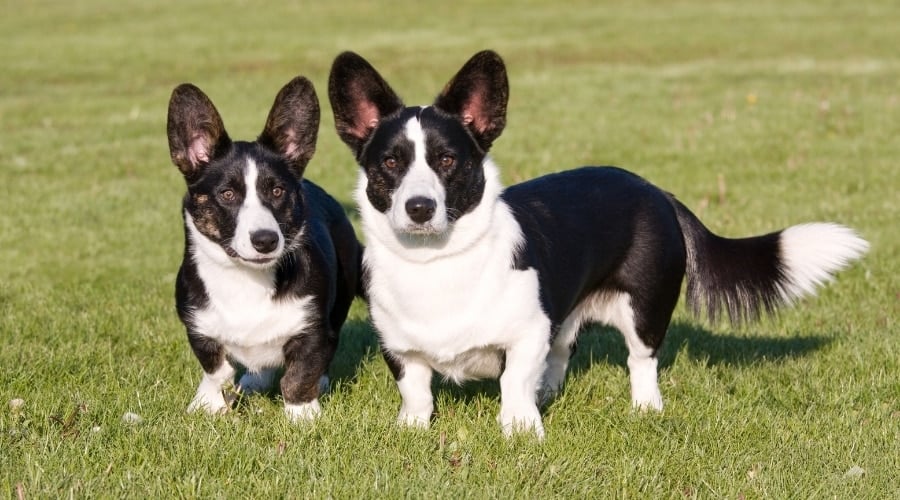
But turn them around and the illusion breaks. One of these Corgis has a long, fluffy tail, and the other does not, and that single detail is the fastest way to tell them apart.
Here’s the part most people don’t realize. That tail difference isn’t just cosmetic; it connects to real differences in movement, communication, personality, and even long-term health.
Quick Takeaway: If you can only remember one thing, remember this: Cardigans have tails, Pembrokes don’t, and that difference runs deeper than looks.
The Tail Thing (Yes, It’s A Big Deal)
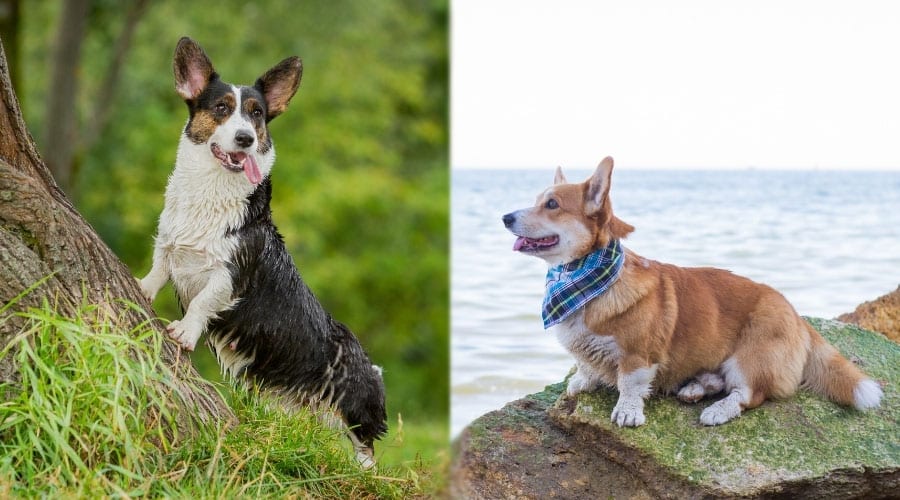
Let’s get it out of the way. Cardigan Welsh Corgis have long, fox-like tails, while most Pembroke Welsh Corgis do not, giving us that famous Corgi butt.
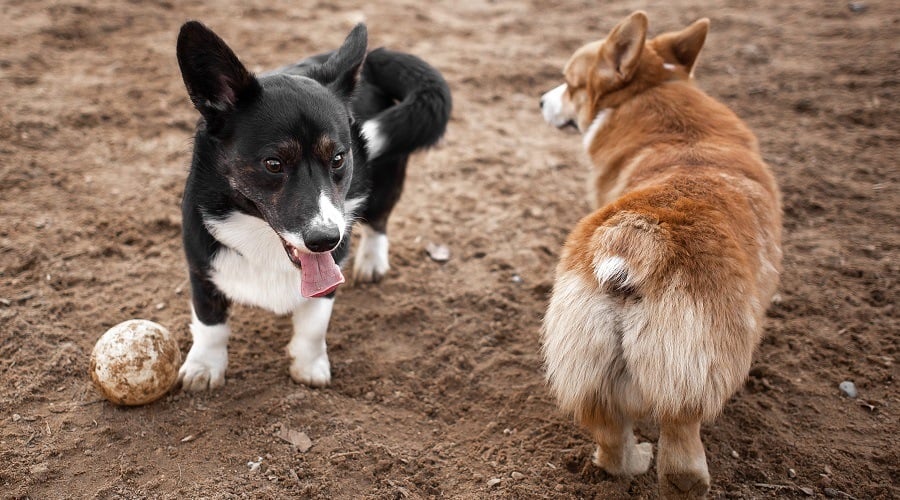
In Pembrokes, short or missing tails come from two places. Some are born with a natural bobtail due to a specific gene, while others are docked as puppies to meet traditional breed standards.
Here’s the important nuance. Not all Pembrokes are tailless. Some Pembroke Welsh Corgis have full, fluffy tails that look very similar to a Cardigan’s.
So why does the tail still matter? Because Cardigans always have long tails, while Pembrokes are the only Corgi breed where tail length varies. That makes the tail the fastest clue, but not the only one.
Quick Tail Check: All Cardigans have long tails. Pembrokes may have no tail, a short tail, or a full tail.
They’re Not Identical (Here’s What To Look For)
Once you get past the tail, a few other physical differences start to jump out. You just have to know where to look.
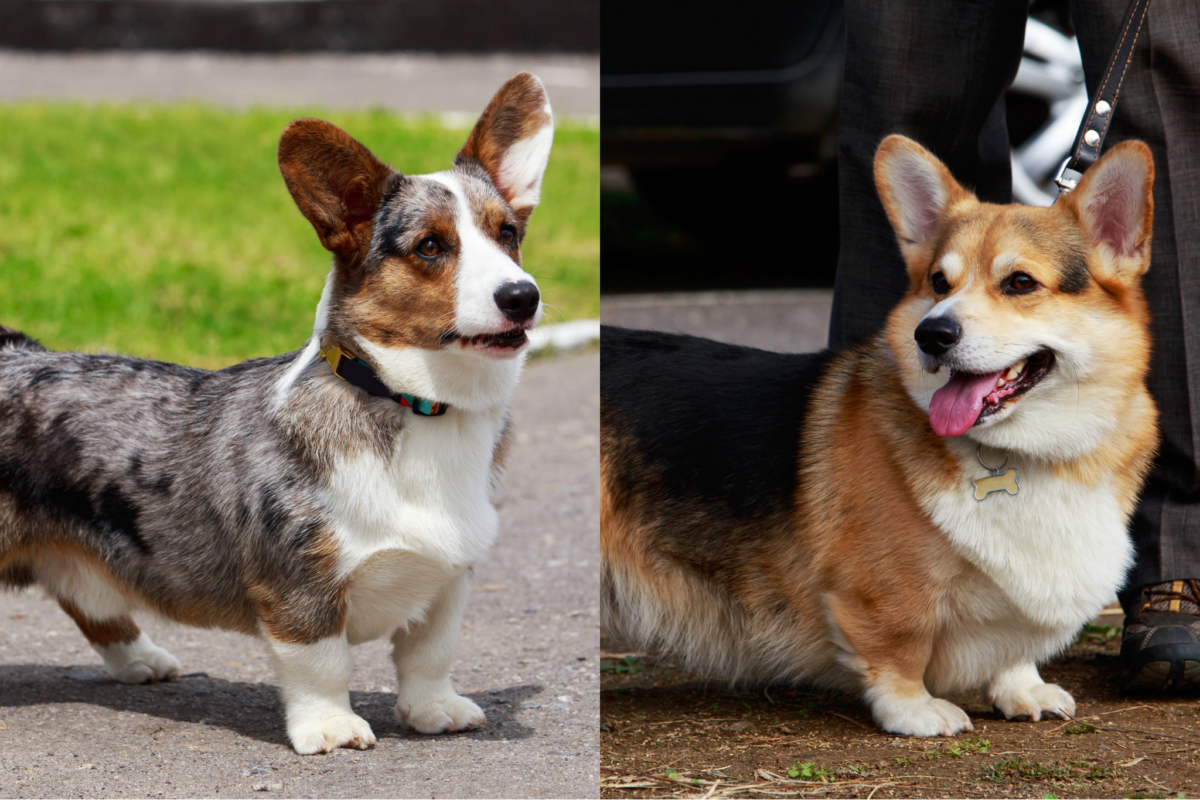
Cardigan Welsh Corgis tend to be slightly larger and heavier-boned. Their bodies feel longer and more substantial, giving them a sturdier, more old-school working-dog look.
Pembroke Welsh Corgis are usually a bit smaller and more compact. They look springier, a little sharper around the edges, and more “animated” even when standing still.
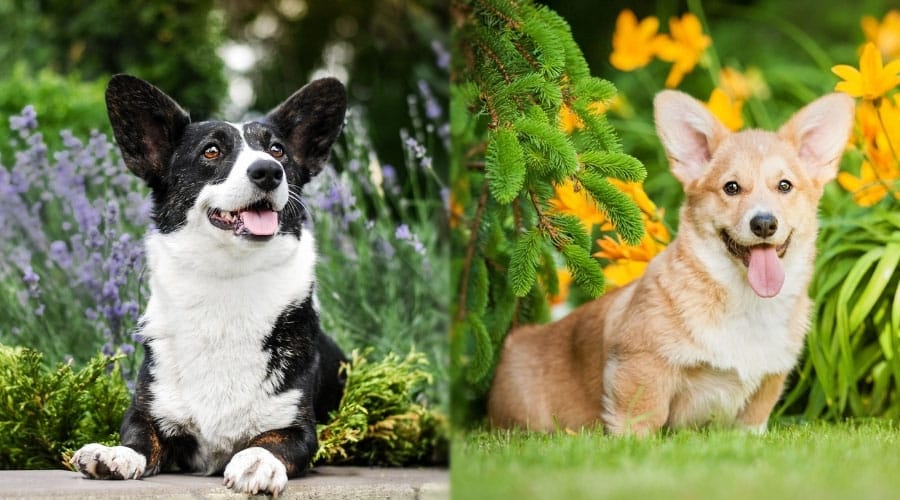
Ears are another quick tell. Cardigans have larger, rounder ears, while Pembrokes have smaller, pointier ears that sit more upright.
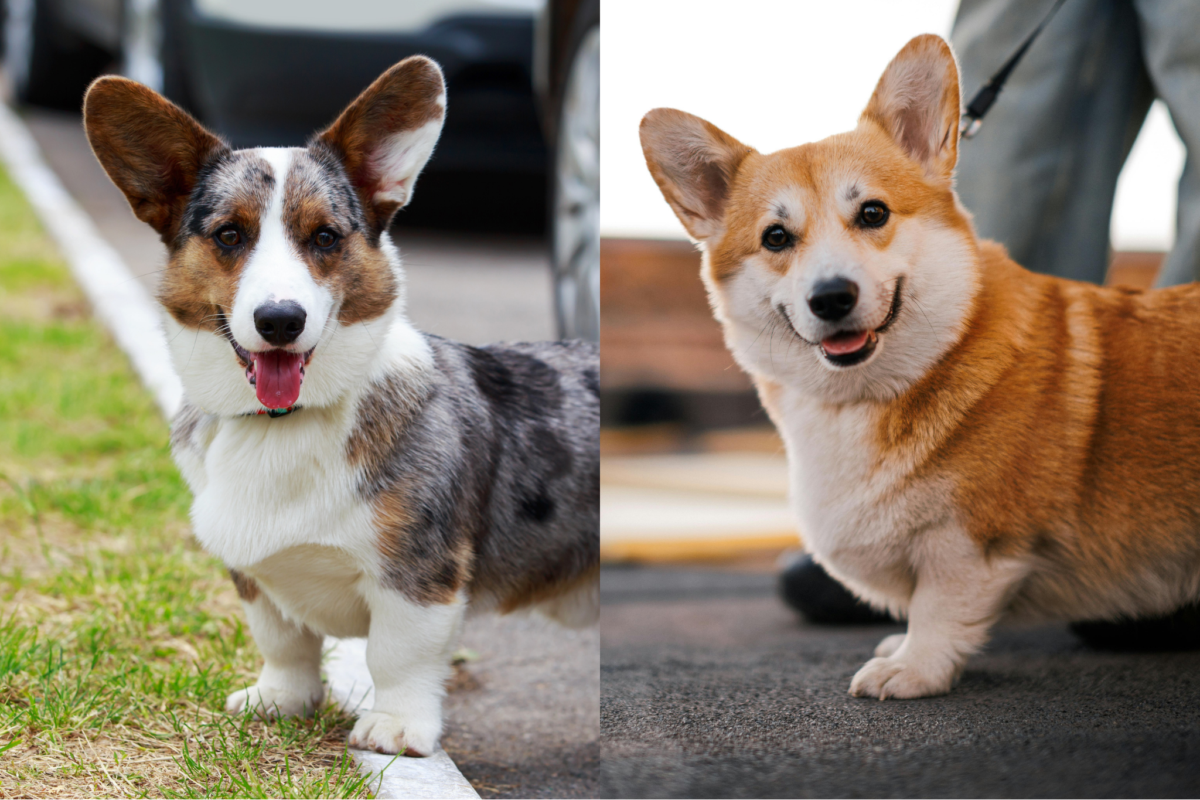
Coat color also sets them apart. Pembrokes come in a limited range of colors, while Cardigans show up in a much wider variety, including patterns you’ll never see on a Pembroke.
None of these differences are dramatic on their own. But once you see them together, it becomes obvious these dogs aren’t the same breed wearing different accessories.
Quick Spotting Tips: Longer body and rounder ears usually point to a Cardigan. Lighter build and sharper ears usually mean Pembroke.
Same Shape, Different Vibe
From the neck down, Cardigans and Pembrokes look nearly identical. In real life, though, they give off very different energy once you spend more than five minutes with them.
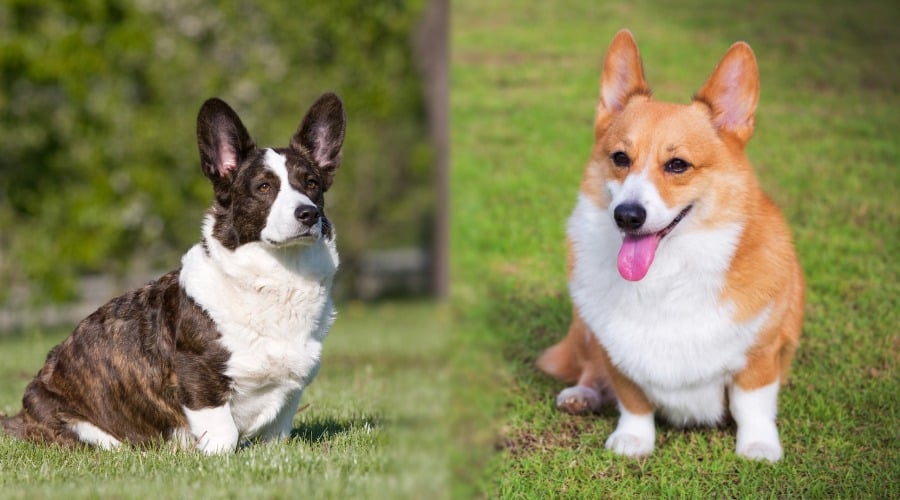
Cardigan Welsh Corgis tend to be more reserved and thoughtful. They often hang back, assess the situation, and decide whether something is worth their time or trust.
Pembroke Welsh Corgis are usually the opposite. They’re more openly social, quicker to charm strangers, and far more likely to assume everyone they meet is a new best friend.
Neither temperament is better, but they feel different when you live with them. One feels like a clever little watchdog with opinions, the other like a cheerful class clown who thrives on attention.
Which One Fits Your Life Better?
This is where the choice gets personal. These two Corgis may share a silhouette, but they don’t always fit the same households equally well.
A Cardigan Welsh Corgi may be a better fit if you want:
- A slightly calmer, more observant dog
- A pup that bonds deeply with their people but isn’t overly social
- A corgi that feels more “working dog” than entertainer
A Pembroke Welsh Corgi may be a better fit if you want:
- A friendly, outgoing dog who loves attention
- A Corgi that thrives in busy households or social environments
- A more easygoing, people-focused personality
Most families are happy with either, but this difference matters more than coat color or ear shape. When people say one Corgi “just fits better,” they’re usually talking about this section without realizing it.
Energy, Training & Living With Them Day To Day
Despite their short legs, both Corgi types are energetic, athletic dogs that need daily outlets for their energy. Expect about 45 minutes of real exercise, not just a stroll around the block.
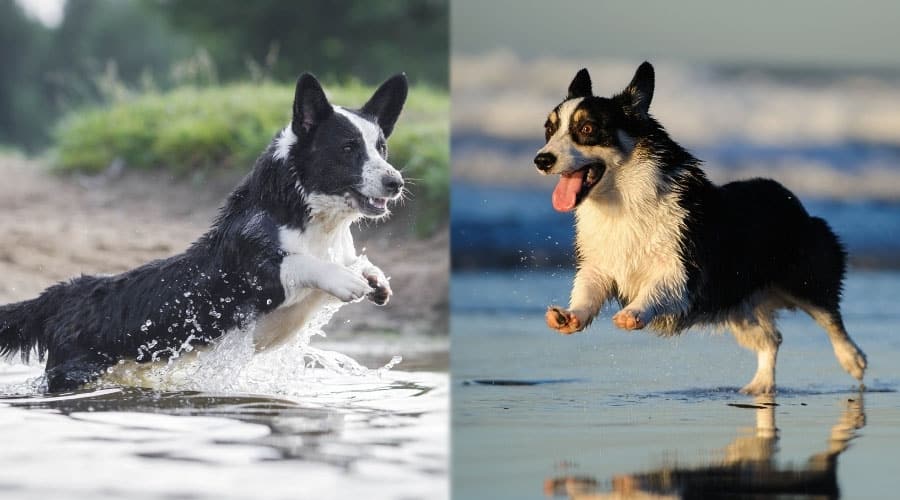
They’re intelligent, food-motivated, and very capable learners, but they’re also independent thinkers (aka stubborn). Training works best when it’s short, upbeat, and slightly entertaining, because Corgis get bored faster than people expect.
Note: If you plan to crate train your Corgi, start early on in life and make sure to train with a Corgi-sized dog crate.
Pembrokes tend to bring more chaotic enthusiasm to daily life. They’re quicker to turn everything into a game and often stay puppy-like well into adulthood.
Cardigans usually channel their energy more deliberately. They’re still playful, but they’re more likely to pause, observe, and decide whether something is worth the effort.
Quick Takeaway: If you want a Corgi who keeps you laughing, Pembrokes deliver. If you want one who feels quietly clever and a little serious, Cardigans often win people over here.
The Health Tradeoffs Nobody Talks About
Both Cardigans and Pembrokes are generally healthy dogs, but their long backs and short legs come with built-in risks. The Cardigan’s life expectancy is 12 to 15 years, whereas the Pembroke is slightly less at 12 to 13 years.
The Cardigan’s National Breed Club recommends him to be tested for Hip Dysplasia, Degenerative Myelopathy and Progressive Retinal Atrophy. The Pembroke’s National Breed Club recommends that he is tested for Hip Dysplasia, but also to undergo an ophthalmologist evaluation.
Intervertebral Disc Disease is a concern for both breeds, which means jumping off furniture and stairs can take a toll over time. Weight management matters more for Corgis than for many other dogs, because even a few extra pounds strain their spine.
Cardigans tend to have a slightly longer lifespan and are often less prone to obesity, partly due to their build and temperament. Pembrokes, while equally sturdy, are more likely to pack on weight if their diet and exercise aren’t monitored closely.
This doesn’t mean one Corgi is unhealthy and the other isn’t. It just means choosing the right one also means deciding how proactive you’re willing to be about movement, weight, and prevention
Nutrition
The Cardigan and the Pembroke Corgi will consume the same amount of food per day, between 1 and 1 ½ cups.

If your Corgi is an active pup then they will probably need the extra ½ cup, but if they prefers the lapdog life then feed them just 1 cup. For more guidance, see our Corgi feeding chart.
Feeding your pup high-quality food that is packed with the best nutrients is one of the best ways to keep them in tip-top condition and away from the veterinarian.
Grooming
The Cardigan and the Pembroke have similar coats, in that they have a dense undercoat that keeps them warm and a fluffy overcoat. As a result of this, they will need brushing 2 to 3 times a week.
As the months get warmer, they will begin to shed all the fur that is not needed, and there is a significant amount of fur to get rid of considering their size! During shedding seasons, it is best to brush them daily to keep their coat manageable.
View our picks for best brushes for Corgis (and why it matters).
Placement tip:
Price, Popularity & Why Pembrokes Are Everywhere
If you feel like you see Pembroke Welsh Corgis everywhere, you’re not imagining it. Pembrokes are significantly more popular in the U.S., and that visibility shapes everything from price to public perception.
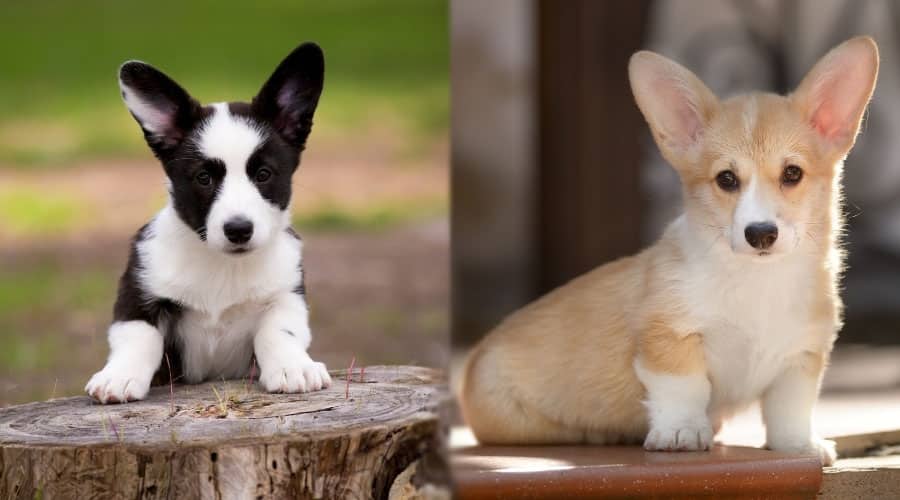
Part of this comes down to history. Pembrokes rose to global fame thanks to royal ownership, pop culture exposure, and decades of breeding focused on companion traits. Cardigans, by contrast, stayed quieter, more regional, and closer to their original working roots.
That popularity gap shows up at purchase time. Pembroke puppies often cost more and have longer waitlists, while Cardigans can be slightly easier to find through responsible breeders, though both breeds still require patience and research.
Neither popularity nor price says anything about quality. It mainly reflects how one Corgi became a cultural icon, while the other remained a favorite of people who like a dog that flies a little under the radar.
Related Reading
A Quick Look At Where These Corgis Came From (And Why It Matters)
Cardigan Welsh Corgis are the older of the two breeds, with roots stretching back thousands of years in Wales. They were bred as versatile farm dogs, expected to think independently and make decisions without constant direction.
Pembroke Welsh Corgis developed later and were more tightly associated with human companionship and herding work that favored speed and responsiveness. Over time, that bred-in sociability became one of their defining traits.

This difference in origin helps explain a lot of what people notice today. Cardigans often feel more reserved and deliberate, while Pembrokes tend to be more outgoing and people-focused.
In other words, the personality gap didn’t appear by accident. It was shaped by what each dog was initially bred to do long before corgis became internet-famous.
Other Corgi Mixed Breed Pups
Both the Cardigan Welsh and Pembroke Welsh Corgi breeds are used in other popular mixes. Here are a few:
- The Beagi mix
- The Corgi Poodle mix
- The Corgi Lab mix
- Golden Corgis
- The Porgi mix
- The Horgi mix
- The Shiba Corgi
- Chihuahua Corgi mixes
Quick Verdict: Which Corgi Is Right For You?
If you’ve made it this far, you probably already have a favorite. This section just puts words to what your gut is telling you.
Choose a Cardigan Welsh Corgi if you want:
- A slightly calmer, more observant personality
- A Corgi that bonds deeply but isn’t instantly social
- A dog that feels thoughtful, steady, and quietly confident
- A Corgi with a long tail and clearer body language signals
- A breed that flies under the radar a bit more
Choose a Pembroke Welsh Corgi if you want:
- A friendly, outgoing dog who loves attention
- A Corgi that thrives in busy, social households
- A playful, goofy personality that stays puppy-like longer
- A tail-less silhouette most people picture when they think “corgi”
- A breed with wider availability and pop-culture familiarity
Frequently Asked Questions
Still unsure which Corgi is which, or which one fits your lifestyle better? These are the most common questions people ask when comparing Cardigan Welsh Corgis and Pembroke Welsh Corgis, including tail differences, temperament, exercise needs, and family suitability.
Don’t see your question? Respond in the comments, and we’ll get back to you!
What Is The Difference Between A Cardigan Welsh Corgi And A Pembroke Welsh Corgi?
Cardigan Welsh Corgis and Pembroke Welsh Corgis are two distinct breeds with different histories, physical traits, and temperaments. While they look similar at first glance, differences in tail length, build, personality, and popularity set them apart.
Are Cardigan Welsh Corgis And Pembroke Welsh Corgis The Same Breed?
No. They are recognized as separate Corgi breeds by major kennel clubs. They were briefly interbred in the past, but today they are considered entirely distinct.
Do Pembroke Welsh Corgis Have Tails?
Some do. Many Pembroke Welsh Corgis have naturally short tails or were historically docked, but some Pembrokes have full-length, fluffy tails.
Cardigan Welsh Corgis always have long tails.
Which Corgi Is Calmer, Cardigan Or Pembroke?
Cardigan Welsh Corgis are generally calmer and more reserved, especially around strangers. Pembroke Welsh Corgis tend to be more outgoing, playful, and socially confident.
Are Corgis Good Family Dogs?
Yes. Both Cardigan and Pembroke Welsh Corgis can make excellent family dogs.
Pembrokes often thrive in busy households, while Cardigans may be better suited for families who prefer a quieter, more observant dog.
How Much Exercise Do Cardigan And Pembroke Corgis Need?
Both breeds are energetic and typically need around 45 minutes of daily exercise. Mental stimulation, such as training or puzzle toys, is just as important as physical activity.
Which Corgi Is Easier To Train?
Both corgi breeds are intelligent and food-motivated, which helps with training. Pembrokes may feel easier for first-time owners due to their people-focused nature, while Cardigans can be more independent thinkers.
Still Obsessed With Corgis?
If this comparison just made you love Corgis even more, you’re not alone. From the iconic Corgi sploot to their outsized personalities and endless need for enrichment, there’s a lot more to explore.
Next, check out the best toys for Corgis and a roundup of Corgi dog names that fit everything from regal to ridiculous.