
When you purchase through links on our site, we may earn a commission at no extra cost to you. Learn more.
Corgi mixes can inherit those unmistakable short legs and oversized ears, but almost everything else can be a surprise. Cross a Corgi with a Husky, Poodle, Golden Retriever, or even a Rottweiler, and differences in size, shedding, energy, barking, and temperament can be huge.
Table of Contents
So, which Corgi mix actually fits your life?
We compare 22 popular and unusual Corgi mixes below, including their typical energy level, grooming needs, trainability, family considerations, and suitability for apartments and first-time owners. You’ll also find quick picks for different lifestyles and the health considerations to research before bringing a Corgi mix home.
Just remember, mixed-breed traits aren’t guaranteed. A puppy can favor either parent, so use these profiles as a starting point and choose the individual dog, not just the adorable Corgi-shaped package.
Want our human-written content to rank above AI-generated garbage? Help us out by clicking this button!
So leash up your curiosity and scroll on, because these low-riders might just steal your heart… and your sandwich.
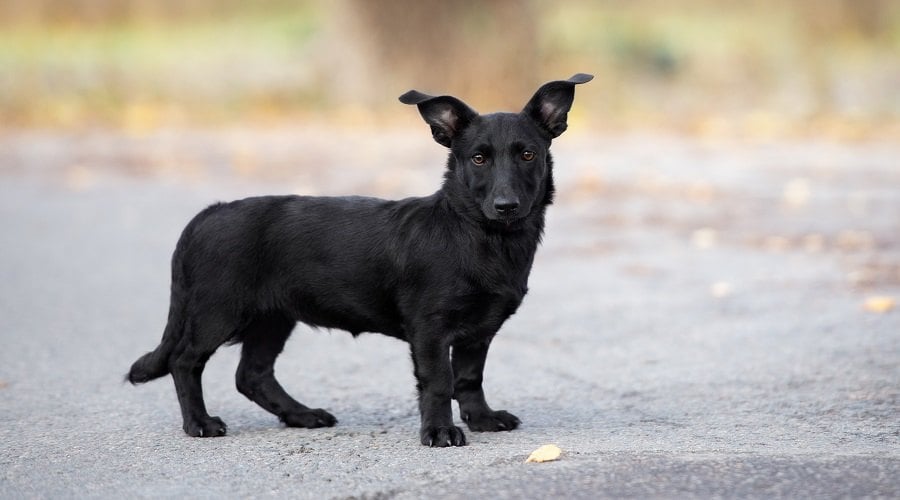
Why Corgi Mixes Are So Popular
Corgis already have the internet in a chokehold, and for good reason. They’re tiny herding dogs with big-dog confidence, pointy ears like radar dishes, and butts that jiggle like jelly on a mission.
Now mix that with another breed? You’ve created chaos, but it’s cute.
Corgi mixes have exploded in popularity thanks to their:
- Comically adorable appearances
- Unique personalities (equal parts stubborn and sweet)
- Portable size (they fit in most laps and some tote bags)
- And let’s be honest, a meme-worthy rear end that refuses to be ignored
They’re basically the dog version of a viral TikTok. Except they bark.

Quick Pick: Match the Corgi Mix to Your Lifestyle
Let’s break it down simply. With so many Corgi mixes to choose from, finding the right one isn’t just about which face makes you say, “Aww.” Your daily routine, living space, activity level, and tolerance for barking or shedding also matter. This chart can give you a quick look at some of the better-matched Corgi mixes for certain lifestyle needs, but keep in mind: no two Corgi mixes are alike; Corgi mixes can vary a lot, even within the same mix. We’ll get more into choosing the right mix for your lifestyle later on in this article.
| You Are… | Try This Mix |
|---|---|
| Apartment dweller | Chigi, Porgi, Corgipoo |
| First-time dog owner | Golden Corgi, Beagie |
| Allergic to fur (but not love) | Corgipoo, Cortese |
| Active and outdoorsy | Bluorgi, Augie, Borgi |
| Want a built-in bodyguard | Rottgi, Corgi Pit, Dobergi |
| Live somewhere snowy | Horgi, Corgoyed |
Think of it like dog dating. Don’t just swipe for the cuteness. Choose for compatibility.
Pembroke vs. Cardigan: Does It Matter for a Corgi Mix?
Before exploring Corgi mixes, it helps to know that there are two distinct Corgi breeds: the Pembroke Welsh Corgi and Cardigan Welsh Corgi.
Pembrokes are generally smaller and lighter, with more pointed ears and traditionally docked tails. Cardigans tend to be slightly larger and heavier-boned, with broader, more rounded ears and a long, full tail. Their personalities can differ, too, although temperament always varies by individual dog.
Knowing which Corgi is in the mix can give you more context about the size, appearance, and personality you might expect. But genetics aren’t predictable, especially in mixed breeds, so a Corgi mix may favor either parent in surprising ways.
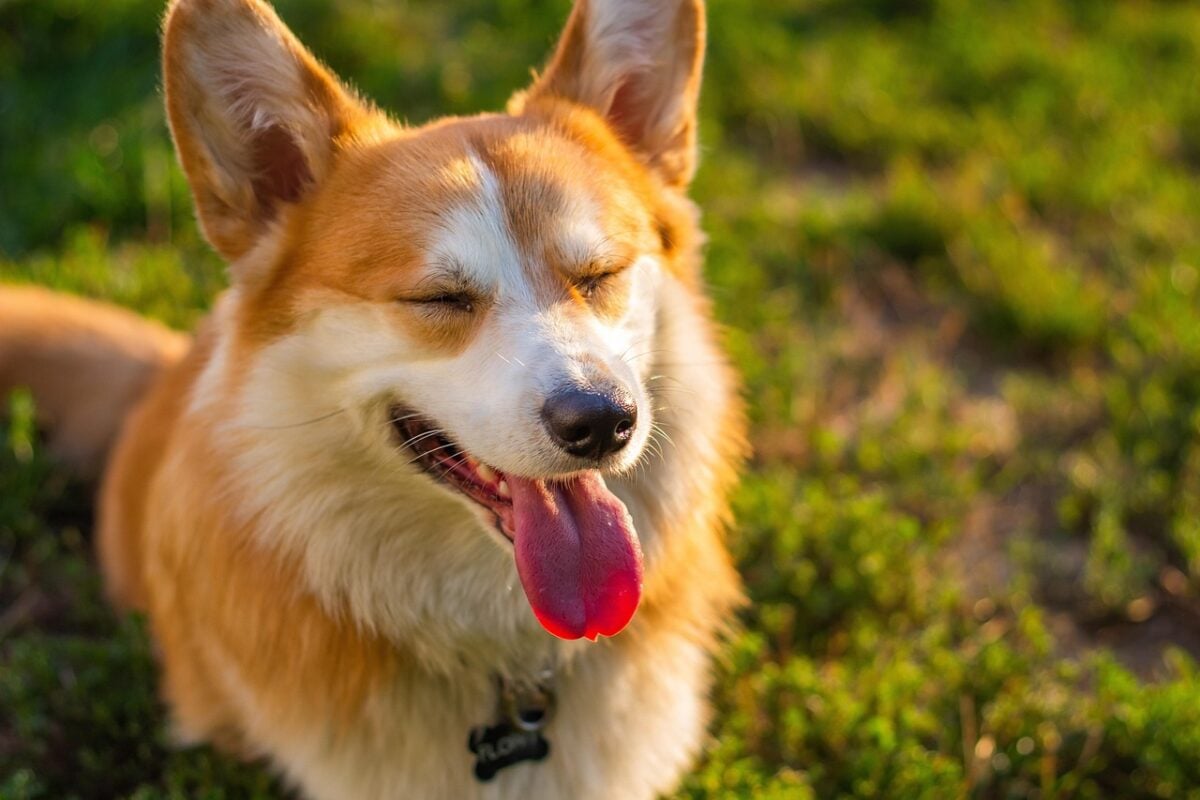
What to Expect From a Corgi Hybrid
Every Corgi mix is a little surprise package. Like mystery-flavored jelly beans with fur.
Some things you can usually expect:
- Short legs, thanks to the Corgi’s dwarfism gene
- A big personality in a compact frame
- Strong herding instincts (yes, they might try to herd your toddler)
- Loyalty overload. They’ll follow you everywhere, including the bathroom
But no two mixes are alike. Temperament, coat type, and trainability can vary even between siblings. Genetics loves to keep us guessing.
Energy, Grooming, Size, and Health Considerations
Corgi mixes can vary a lot dependingon their non-Corgi parent. Here’s what to expect:
- Energy: Some need daily runs and puzzle toys (Horgi); others are content with a walk and a nap (Porgi)
- Grooming: Expect shedding. Fluffier mixes require daily brushing. Doodles may need professional grooming
- Size: Most range between 15 and 35 pounds, but fluff adds visual bulk
- Health: Be aware of hip dysplasia, back issues like IVDD, obesity, and breed-specific conditions. Mixed breeds can be hardier, but not invincible
Adult size can vary considerably—even within the same litter—because a mixed-breed dog may favor either parent’s build. The ranges in this guide are estimates rather than breed standards.
A note about Corgi mix traits: Unlike established purebred breeds, these crosses don’t have standardized temperaments, sizes, coats, or energy levels. A puppy may favor either parent—or fall somewhere in between. The traits below are reasonable expectations based on the parent breeds, not guarantees. If you’re considering a specific dog, evaluate that individual dog’s temperament and health rather than relying on the mix name alone.
The Signature Corgi Butt (Yes, It’s a Real Thing)
One of the most recognizable features of any Corgi and many of their mixes is that unmistakable, rounded backside.
Whether it’s the soft fluff of a Horgi, the perfectly poofy rear of a Corgi Pom, or the compact wiggle of a Golden Corgi, that signature Corgi silhouette often shows up in hybrids. Short legs, a slightly swaying gait, and a plush, expressive tail are just part of the package.
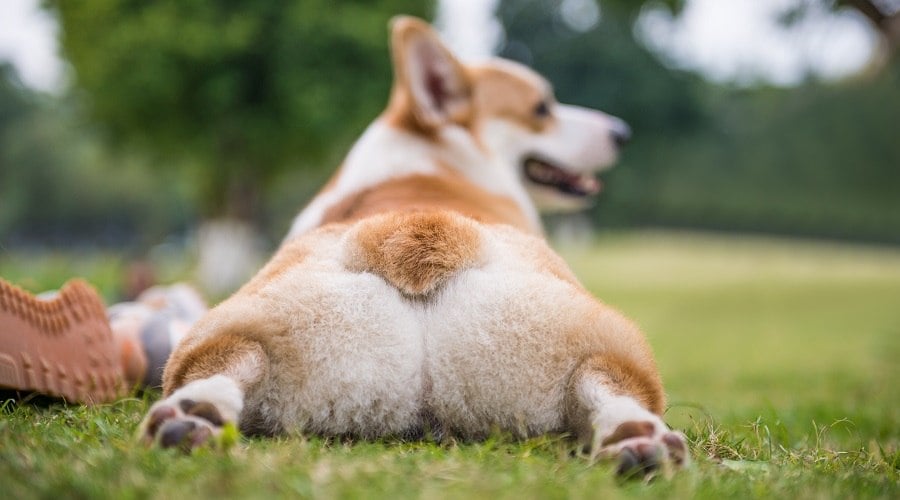
In breeds like the Corgipoo, the back end might have a curlier texture, while a Corgoyed might have a thick, cloud-like coat. But whether sleek, fluffy, or somewhere in between, it’s the way they carry themselves that wins people over.
There’s something undeniably endearing about the way Corgi mixes move… It’s a gentle reminder that a dog doesn’t need to be big to leave a big impression
Meet the Corgi Mixes: 22 Unique Crossbreeds to Love
From fluffy to sleek, mellow to energetic, these Corgi mixes offer something for just about every type of dog lover. While they all carry a bit of that signature Corgi charm, whether it’s the short legs, the bold personality, or the ever-famous wiggle, each mix brings its own blend of traits, quirks, and lovable surprises.
Whether you’re looking for a family-friendly companion, a high-energy adventurer, or just the cutest dog on your street, the perfect Corgi combo might be waiting below.
Quick tip: If you’re choosing between several Corgi mixes, start with your lifestyle, rather than appearance. Active households may enjoy a high-drive herding mix, while apartment dwellers may prioritize barking and exercise needs more. If you dislike dog hair, coat type and grooming requirements may matter more than size.
5 Best Corgi Mixes for Apartments & Compact Living
Living in a small space doesn’t mean you have to miss out on big personality. These Corgi mixes are compact, adaptable, and tend to thrive in apartments or smaller homes. Just make sure to keep them mentally stimulated and well-exercised.
1. Chigi (Corgi + Chihuahua)
The Chigi is a bold and sassy companion with alert tendencies and a big heart in a small frame. Not to be confused with the Chorgi, this little dude is one of the smallest on this list.
Typically, he will inherit the smaller head of the Chihuahua but with the ears of the Corgi, again creating another bat-like pooch. He also inherits the Corgi’s smile and big ears, which adds to his cutesy charm.
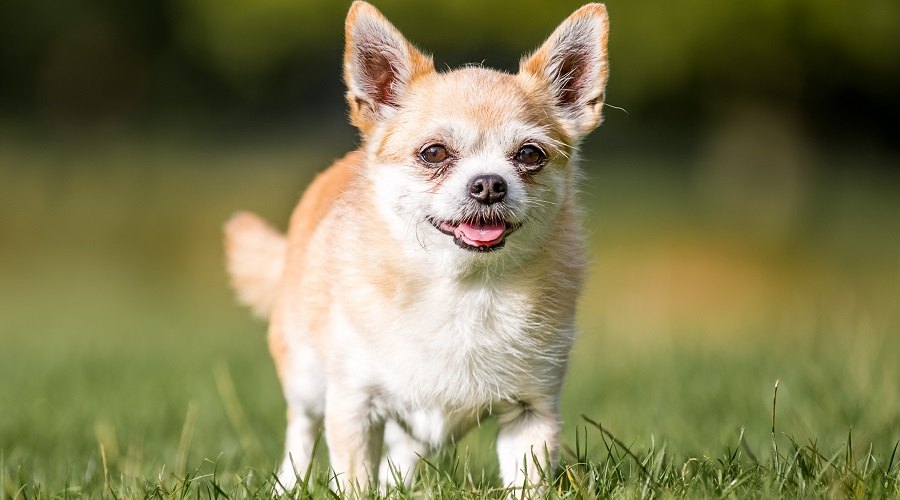
If the Chihuahua is not socialized properly, it will become overly vocal. With the Corgi’s similar tendency to bark, if you invite one of these dogs into your home, be sure to socialize it well with other dogs and humans.
This is particularly important if he inherits the Chihuahua’s stubborn side! Aside from this, he makes a delightful family pet whom everyone will adore.
- Size: Small
- Energy: Moderate; daily walks and play are usually enough, with some mental stimulation.
- Barking: High potential. Both parent breeds can be quite vocal, so early socialization and bark training are especially useful.
- Coat Type: Short to medium
- Shedding: Moderate
- Grooming Needs: Minimal to weekly brushing
- Trainability: Moderate
- Good With Kids: With supervision
- Ideal For: Singles, apartments, confident handlers
- First-time owner: Moderate. Their size is manageable, but stubbornness and vocal behavior can challenge inexperienced owners.
2. Porgi (Corgi + Pug)
The Porgi is playful and affectionate with a soft spot for naps. Known for its snorts and charm, this mix is a joy in small spaces.
The Porgi is an adventurous and brave little guy who is setting the designer small-dog world alight! With his short and stout stature, goofy eyeballs, and big ears, he certainly is a quirky-looking pup that will turn heads!

He is known for his outbursts of energy, as well as his love for a nap. If he inherits the flat face of his Pug parent, then he will be a snuffer by day and a snorer by night. Therefore, you can expect a fair bit of noise all day long, and though some find this trait adorable, it certainly is not for everyone.
With the Corgi’s royal seal of approval from the Queen of England, and the Chinese Emperor’s fascination with the Pug, the Porgi would undoubtedly win the hearts of anyone he meets, and he would most certainly be fit for any King or Queen.
- Size: Small
- Energy Level: Low to moderate
- Barking: Moderate. Some may inherit the Corgi’s alert barking, while Pug-like snorting and other noisy breathing can also occur.
- Coat Type: Short
- Shedding: Moderate
- Grooming Needs: Minimal
- Trainability: Moderate
- Good With Kids: Yes
- Ideal For: Apartment dwellers, low-maintenance homes
- First-time owner: Good to moderate. Their affectionate nature can suit beginners, but training still needs consistency.
3. Corgipoo (Corgi + Poodle)
This clever, curly-coated mix is playful, easy to train, and perfect for small spaces and homes with allergy sufferers. If you have slight dog allergies, but you definitely need a Corgi in your life, then the Corgipoo is your best bet. It is essential to note that, like most Doodle mixes, this breed is not guaranteed to be hypoallergenic.

Overall, it is likely that he will be less likely to trigger your allergies than most other Corgi mixes. The Corgipoo will take any color of its Poodle or Corgi parents, so there are a lot of choices here!
He will strike a family-friendly balance between excitability and relaxation, and this adaptable dog will seamlessly integrate into your family life.
- Size: Small to medium
- Energy Level: Moderate to high; expect a clever dog that needs both physical exercise and mental stimulation.
- Barking: Moderate potential. Poodles and Corgis can both be alert and vocal.
- Coat Type: Wavy or curly
- Shedding: Low to moderate
- Grooming Needs: Requires regular brushing and grooming
- Trainability: High
- Good With Kids: Yes
- Ideal For: Allergy-prone families, apartments, first-time owners
- First-time owner: Good to moderate. Trainability can be a plus, but intelligence can also translate into mischief when bored.
4. Cortese (Corgi + Maltese)
Introducing the Cortese – a charming and determined dog breed resulting from the crossbreed of a Corgi and a Maltese. The Cortese is a silky-coated sweetheart with low shedding tendencies and a loyal, sociable nature that fits well in smaller homes.

Despite their small size, these pups possess an incredible amount of energy and intelligence, making them highly entertaining and engaging. However, their strong-willed nature requires consistent and positive training to overcome their stubbornness.
Don’t let their friendly and sociable nature fool you, as the Cortese is not an ideal watchdog due to their lack of suspicion towards strangers. Nonetheless, they make for a delightful addition to any family, readily forming bonds with children and animals of all kinds. With such a loving and loyal companion by your side, what more could you ask for?
- Size: Small
- Energy: Moderate; small does not necessarily mean sedentary.
- Barking: Moderate to high potential, particularly if the dog inherits the Maltese’s alertness.
- Coat Type: Silky, medium length
- Shedding: Low to moderate
- Grooming Needs: Professional grooming every 4–6 weeks
- Trainability: Moderate
- Good With Kids: Yes
- Ideal For: Small homes, allergy-conscious families
- First-time owner: Moderate to good. Their manageable size helps, but consistent training is important.
5. Corgi Pom (Corgi + Pomeranian)
Compact and full of fluff, the Corgi Pom is a lively and loving breed, though it is often vocal. Best for owners who can keep up with brushing and barking.
The Corgi Pom is a common mixed-breed because these two pint-sized pups are similar in stature, making them an easy match for a crossbreed designer dog. The Corgi will bring the active side, while the Pomeranian brings all the yaps.

This little pup can live a long life, but if you don’t enjoy a dog that barks regularly, this is probably not the breed for you. These little mixes are known to be barkers, so make sure to plan accordingly if you live in a smaller space or have neighbors who don’t appreciate louder dogs.
- Size: Small
- Energy: Moderate to high; expect a lively little dog that enjoys play and attention.
- Barking: High potential. This is one of the more important considerations for apartment or close-neighbor living.
- Coat Type: Long and fluffy
- Shedding: High
- Grooming Needs: Frequent brushing
- Trainability: Moderate
- Good With Kids: Yes, with supervision
- Ideal For: Small households, experienced owners
- First-time owner: Moderate. Their small size is appealing to beginners, but vocal behavior and independence require consistent training.
5 Corgi Mixes Great for Families & First-Time Owners
These Corgi mixes tend to be gentle, friendly, and easy to live with — especially for new dog owners or households with children. They’re playful, affectionate, and love being part of the family routine.
1. Golden Corgi (Golden Retriever + Corgi)
The Golden Corgi brings the classic Golden Retriever charm in a more compact frame. Affectionate and eager to please, this pup is great with kids and beginners alike.
The Golden Corgi resembles a Golden Retriever, but with extremely short legs. He tends to inherit the golden sheen of the Retriever, with the odd white Corgi splash here and there. His fur, like that of both his parents, is medium length, and he is known to shed and blow his coat just as much. Expect a moderate shedder who will add a touch of golden shimmer to all your furniture.

Golden Retrievers are known for their family-friendly personality and being one of the gentlest dogs around, so if you add a little of the Corgi’s clown personality, you can expect a kind and comical canine addition. If you are after a Golden Retriever but aren’t ready for a dog of that size, then the Golden Corgi makes the perfect compact alternative.
- Size: Medium
- Energy: Moderate to high; expect daily walks, play, and interaction rather than a purely sedentary companion.
- Barking: Moderate. The Corgi side may increase alert barking.
- Coat Type: Medium, golden
- Shedding: Moderate to heavy
- Grooming Needs: Weekly brushing
- Trainability: High
- Good With Kids: Yes
- Ideal For: Families, gentle homes, new dog owners
- First-time owner: Good to moderate. The Golden Retriever influence may help with trainability, while the Corgi can add independence.
2. Beagie (Beagle + Corgi)
Friendly, fun-loving, and full of personality, the Beagie is a cheerful family dog who thrives in social environments and loves companionship.
The Beagie, with his parents’ love for food, is known to be just as hungry, if not twice as hungry, so expect that he will always be on the scavenge for snacks and scraps. This means that his family needs to monitor his treat intake carefully and ensure that he does not become too porky because he can easily become obese if left to his own devices.

He is friendly, affectionate, and fun to be around, and he has the perfect balance of bouncy energy and the need for chill time, which is just another reason why he makes a perfect addition to any family. Just like the Horgi, this guy is known to be noisy too, and because the Beagle is a howler, expect the Beagie to be quite vocal!
The Beagle is known for its droopy ears, just like Snoopy, whereas the Corgi is known for its large, erect ears, so it is anyone’s guess whose ears he will inherit! His coat will be smooth, and he will likely inherit the earthy tones of both parents.
- Size: Medium
- Energy: Moderate to high; this mix benefits from daily walks, play, and opportunities to sniff and explore.
- Barking: High potential. Beagles can bay and howl, while Corgis are often alert barkers.
- Coat Type: Short to medium
- Shedding: Moderate
- Grooming Needs: Weekly brushing
- Trainability: Moderate
- Good With Kids: Yes
- Ideal For: Social families, kids, first-time owners
- First-time owner: Moderate. Their friendly nature is appealing, but food motivation, independence, and vocal behavior require management.
3. Corgidor (Labrador + Corgi)
A sweet, energetic companion that balances the Labrador’s loyalty with the Corgi’s charm. Perfect for homes that want a versatile family dog. The Corgidor makes a wonderful family pet, and it is proving to be one of the most popular Corgi mixes, mainly because its Labrador parent is one of the most popular dog breeds in America.

His sweet and caring nature, boundless loyalty, and energetic sense of humor make him a well-balanced pup for the whole family. When you combine that with the Corgi’s energy and sweet side, the Corgidor is one of the most perfect canine concoctions of all time!
One of the Corgidors’ most noticeable characteristics is his ears, and boy, will you notice them from miles away! The Labrador has big ears that drop down, but if you add the Corgi’s erect ears, they create one of the biggest canine bat ears you’ll ever see.
- Size: Medium
- Energy: Moderate to high; best for owners who enjoy daily walks, games, and active family time.
- Barking: Moderate potential, particularly if the Corgi’s alert nature comes through.
- Coat Type: Short to medium
- Shedding: Moderate
- Grooming Needs: Weekly brushing
- Trainability: High
- Good With Kids: Yes
- Ideal For: Active families, kid-friendly homes
- First-time owner: Good to moderate. Both breeds can be people-oriented, although the Corgi side may add stubbornness.
4. Chorgi (Chow Chow + Corgi)
Fluffy and fun, the Chorgi may be a bit more reserved, but it remains loyal and playful. Great for families seeking a unique and gentle companion. Undoubtedly the fluffiest of them all, you can expect to find as much of his fur on you as you can on him!

The Chorgi’s parents vary significantly, with the Corgi being a happy-go-lucky pup and the Chow Chow being a serious and dignified gentleman who does not suffer fools kindly, so the Chorgi’s personality is entirely dependent on who he takes after most.
However, if you expect him to be a little more mature than the playful Corgi, and a more relaxed version of the cautious Chow Chow, then you can’t really go wrong. In Cantonese, the word ‘Chow’ means edible, and the Chorgi is so seriously cute that you really could just eat him up!
- Size: Medium
- Energy: Moderate; generally less demanding than the highest-drive mixes, but still needs daily activity.
- Barking: Moderate to high potential because both parent breeds can be alert and vocal.
- Coat Type: Long and thick
- Shedding: High
- Grooming Needs: High — daily brushing
- Trainability: Moderate
- Good With Kids: Yes, with supervision
- Ideal For: Calm families, indoor homes
- First-time owner: Moderate to challenging. A more independent temperament can make consistent training particularly important.
5. Augie (Australian Shepherd + Corgi)
Energetic, clever, and playful, the Augie is perfect for families who want an entertaining and loving pup who enjoys attention and play. The Augie is a happy little bundle of fun, whose parents are both herders, so you can expect the Augie to be a herding dog regardless of whose genes he inherits.

He is less intense than the Australian Shepherd, and he requires less exercise due to his shorter legs, which are quicker to tire, but the Augie is no lap dog. Thankfully, he tends to inherit his Corgi parent’s eagerness to please his master, so this makes training much more bearable.
The most striking thing about the Augie is his coloring and his bright eyes, be they blue, green, brown, or a mix of any of them! And when you combine that with his fluffier coat and stumpy little legs, this guy is one memorable-looking doggo. He will need more weekly brushing than the Corgi, but he is totally worth it.
- Size: Medium
- Energy: High. This mix is better suited to owners who enjoy substantial daily exercise and training.
- Barking: Moderate to high potential, particularly if the Australian Shepherd’s alertness and herding tendencies are inherited.
- Coat Type: Medium, fluffy
- Shedding: Moderate to heavy
- Grooming Needs: Weekly brushing
- Trainability: High
- Good With Kids: Yes
- Ideal For: Active families, homes with kids
- First-time owner: Moderate to challenging. Intelligence is helpful, but high drive can overwhelm inexperienced owners.
6 Corgi Mixes for Active or Experienced Owners
Some Corgi mixes are known for their high energy, drive, and intelligence. These pups thrive best with experienced handlers, regular mental stimulation, and ample exercise. If you’re looking for a smart sidekick who can keep up, these are your go-to mixes.
1. Corman Shepherd (German Shepherd + Corgi)
Loyal and protective, this mix possesses watchdog instincts and an abundance of energy. He needs structure, training, and strong leadership to thrive.
Here we have a dog that simply looks like a dwarf German Shepherd. This pup has the bigger head of the German Shepherd, the small legs of the Corgi, and he seems to have inherited both of their ears to create large bat ears that are twice the size, and they seem to go on forever!
He is slightly bigger in stature compared to the Corgi, but with his fluffier coat, he is just as cute.

He has lots of energy and a protective flair that he inherits from his German Shepherd parent, so you can expect a loyal dog who will defend his master and family. This mix might be slightly aloof with strangers at first, but once he realizes that they are a friend, he is super quick to warm up to them, and his new best mate will be playing and scratching his belly in no time.
If he doesn’t like someone, then expect him to bark quite a lot, as he will attempt to herd the person away from his master.
- Size: Medium
- Energy: High; needs structured exercise, training, and mental stimulation.
- Barking: High potential, particularly when alert or protective.
- Coat Type: Thick double coat
- Shedding: Heavy
- Grooming Needs: High
- Trainability: High
- Good With Kids: Yes, with supervision
- Ideal For: Experienced owners, guard roles, active homes
- First-time owner: Better suited to experienced owners who are comfortable with training and socialization.
2. Horgi (Husky + Corgi)
The Horgi is full of personality, vocal, mischievous, and always on the move. Best for owners who can match this pup’s need for activity and attention.
This Corgi mix has a few names to his belt, including the Siborgi, the Horgski, and Corgski, but whatever you like to call him, know that he is a spunky little guy with a huge personality! He tends to inherit his Husky parent’s talkative nature, which means you can expect some funny conversations with this guy, and he will have a few siren or musical instrument impressions up his sleeve.
The Horgi will also be quite the mischievous pup, so if your house is silent, you’d best go and see what he is up to!
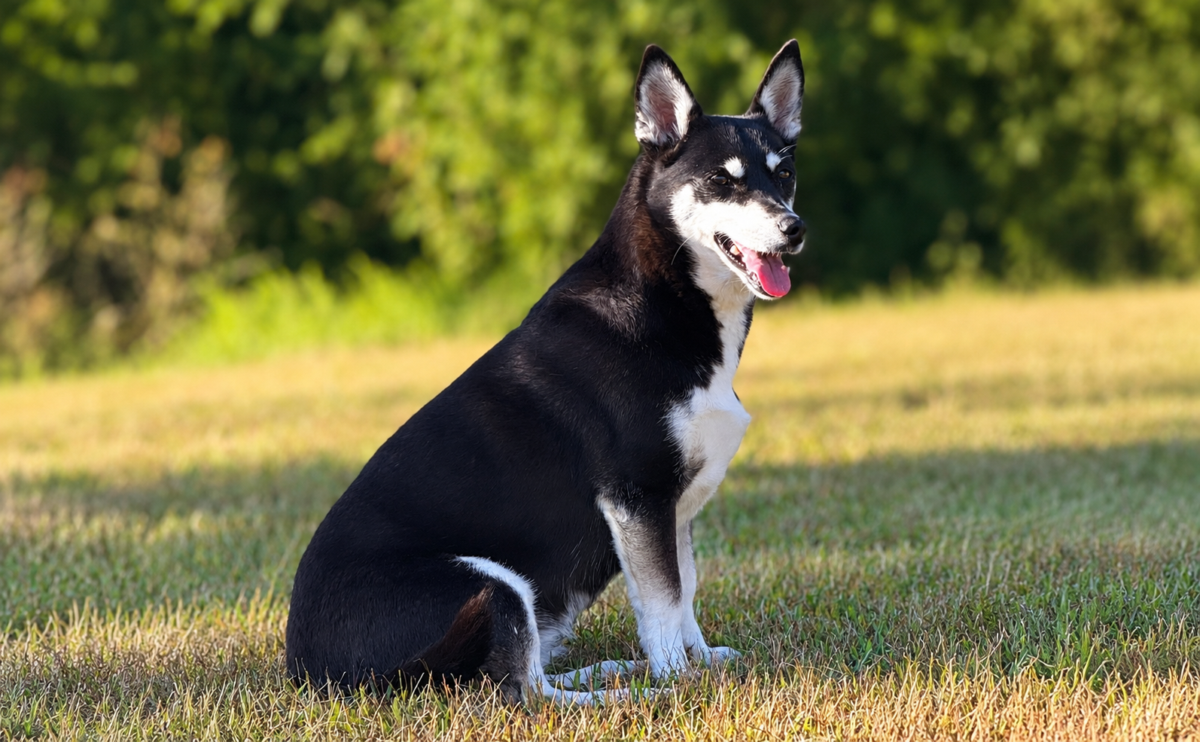
He is much shorter and squatter compared to the Husky, but much more athletic than the Corgi, and with his Husky parent being one of the most energetic dogs around, you should provide him with about an hour’s exercise every day.
He also has a thick and lustrous double coat that will keep him warm and cover you in his hair, so you should expect to spend a lot of time brushing him.
- Size: Medium
- Energy: High. Daily exercise plus mental stimulation is essential.
- Barking: Very high potential; expect vocalizing, howling, and other forms of communication.
- Coat Type: Thick double coat
- Shedding: Heavy
- Grooming Needs: High — frequent brushing
- Trainability: Moderate
- Good With Kids: Yes
- Ideal For: Active homes, experienced owners, colder climates
- First-time owner: Moderate to challenging. Their personality can be fun but demanding.
3. Rottgi (Rottweiler + Corgi)
The Rottgi is alert and loyal, with natural protective instincts. A great match for confident handlers who can offer structure and socialization.
He is also known as the Corgweiler, but we prefer the Rottgi. This Corgi mix is one of the rarest on the list, but he isn’t any less cute! Overall, he takes the shape and the ears of the Corgi but with the color markings and head of the Rottweiler.
Sometimes his head can look quite disproportionate compared to his long body, but this allows for a bigger smile, which just adds to his charm.

He will make a great watchdog, given the Rottweiler’s background and employment as a protection dog, and the Corgi’s tendency to bark. He might be quite aloof with strangers at first, but once the Rottgi’s master has accepted the stranger onto his estate, then he will be the first to jump on his lap!
The Rottgi needs a moderate amount of exercise compared to some of the other smaller Corgi mixes, but he still loves an afternoon nap or two.
- Size: Medium
- Energy: Moderate to high; needs regular exercise and structured activities.
- Barking: Moderate to high potential, especially when alert.
- Coat Type: Short to medium
- Shedding: Moderate
- Grooming Needs: Weekly brushing
- Trainability: Moderate
- Good With Kids: Yes, with supervision
- Ideal For: Experienced owners, watchdog roles
- First-time owner: Better suited to experienced owners who can provide consistent training and socialization.
4. Corgi Pit (American Pit Bull Terrier + Corgi)
This confident and affectionate mix can make a great therapy or companion dog — if given consistent training and a purpose. Those who find the Pitbull scary (even though they really aren’t!) will probably find the Corgi Pit slightly less intimidating.
The Corgi Pit inherits his Pitbull’s sensitive side, so expect a dog who is very intuitive and will know when to cheer his master, but he inherits both of his parents’ energy and fun-loving side, so expect twice the entertainment. For this reason, the Corgi Pit would make a great therapy dog!

He tends to have a smoother coat thanks to the Pitbull genes, which means that he is much easier to groom. The Corgi Pit will probably be more prone to skin allergies, but with medication and ointments readily available, this should not be an issue at all.
Equally, on the flip side, he tends to live longer than the purebred Corgi thanks to the Pitbull’s longevity, so you will probably have this guy by your side for a bit longer!
- Size: Medium
- Energy: High; expect a playful, athletic dog that needs regular physical and mental activity.
- Barking: Moderate potential, although individual dogs can vary considerably.
- Coat Type: Short
- Shedding: Low to moderate
- Grooming Needs: Minimal
- Trainability: High
- Good With Kids: Yes, with early socialization
- Ideal For: Active homes, confident handlers
- First-time owner: Moderate. Trainability may be good, but strength, energy, and socialization needs shouldn’t be underestimated.
5. Dobergi (Doberman + Corgi)
The Dobergi is alert, affectionate, and thrives in homes that offer discipline and structure. A great small-guard dog mix.
The Dobergi, a bit like the Rottgi, is a somewhat unlikely pairing, but one that seems to work quite well. Just like his parents, he is very people-oriented, and he will be very affectionate with his immediate family. As long as he is well-socialized as a puppy, he will also be pleasant with strangers; however, if not, he will likely inherit the aloofness of his Doberman parents.

This guy will tend to look much like the Corgi, but with the colorings of the Doberman Pinscher. Like most of the mixes here, the Dobergi will inherit the large ears of the Corgi, but they will tend to be much longer and thinner, much like the Doberman’s ears. These pups are still on the smaller side; you’ll want to make sure you equip them with a properly sized harness (on the smaller side) in order to fit them properly.
- Size: Medium
- Energy: High; this mix is best for owners who enjoy regular exercise and training.
- Barking: Moderate to high potential because both parent breeds can be alert and watchful.
- Coat Type: Short
- Shedding: Low to moderate
- Grooming Needs: Minimal
- Trainability: High
- Good With Kids: Yes, with socialization
- Ideal For: Experienced handlers, structured homes
- First-time owner: Better suited to experienced owners because of energy, alertness, and training requirements.
6. Corgoyed (Samoyed + Corgi)
A fluffy snow pup with a sweet heart and a big smile. This mix requires cold weather, lots of brushing, and love.
The Corgoyed is another fluffball whose coat will keep you busy with the vacuum cleaner. His fluffy exterior is not just cute, but it serves the purpose of keeping him warm. His Samoyed parent is from the freezing, harsh lands of Russia, so if you live in a warm climate, he may not do so well. We recommend choosing a mix with less fur. If you live somewhere cold, then this guy would be happy to be yours.

His mellow temperament suits a calmer and more docile family environment, but thanks to the Corgi’s excitable personality, you should expect energy bursts regularly throughout the day.
- Size: Medium
- Energy: High; regular exercise and mental stimulation are important.
- Barking: Moderate to high potential; both parent breeds can be vocal.
- Coat Type: Thick double coat
- Shedding: Heavy
- Grooming Needs: Very high
- Trainability: Moderate to high
- Good With Kids: Yes
- Ideal For: Cold climates, experienced owners
- First-time owner: Moderate to challenging because of grooming, energy, and training demands.
6. Rare or Unique-Looking Corgi Mixes
If you’re after a pup that turns heads at the park, these unusual Corgi combinations offer quirky looks, standout coats, or hard-to-find personalities. These Corgi mixes are lesser-known but incredibly striking. Whether it’s a spotted coat, unusually long ears, or a striking facial structure, each of these pups stands out in a crowd and might just be your perfect one-of-a-kind companion.
1. Dalgi (Dalmatian + Corgi)
The Dalgi’s spotted coat and stocky frame make for a fun contrast. He’s playful, alert, and definitely eye-catching.
This is another memorable-looking Corgi mix, with spots that would make Cruella de Vil jealous. His coat is longer than that of the Dalmatian, and while he is not as smooth to the touch, he is just as gorgeous. He obviously is much shorter and stockier than a Dalmatian, but slightly more athletic than the thick Corgi.

The Dalgi makes for a great playmate, and he has a lot of energy and attitude that will keep any master on his toes. The Dalmatian is known to make a great watchdog, and with the Corgi’s love for barking, you will soon know if there is an intruder around. If it is a watchdog that you are after, the Dalgi wins paws down. But once he feels that he has watched everyone away, you will quickly find him on your lap for a cuddle.
- Size: Medium
- Energy: High; this mix is likely to need substantial daily exercise.
- Barking: Moderate to high potential, especially when the dog inherits the Corgi’s alertness.
- Coat Type: Short to medium
- Shedding: Moderate
- Grooming Needs: Low to moderate
- Trainability: Moderate
- Good With Kids: Yes
- Ideal For: Playful homes, watchdog fans
- First-time owner: Moderate to challenging because of energy and potential independence.
2. Greygi (Greyhound + Corgi)
Low-key and lovable, the Greygi is a total sweetheart. Just like a few of the other larger mixes on this list, the Greygi simply looks like a Greyhound but with shorter legs. His parents’ completely different appearances have led to a quirky-looking canine, but their temperaments are proving to be quite compatible indeed.

Both of his parents are so affectionate that the Greygi will melt your heart in no time! And contrary to popular belief, while the Greyhound is thought to be super energetic given his racing athleticism, he is actually quite partial to an afternoon snooze or three.
He only has short outbursts of energy, which means that the Greygi’s short little legs should be able to handle his little outbursts. He has a bug-like face, which is long and pointy, with the Corgi’s big eyes and smile. Although his quirky looks might not be for everyone, he will certainly gain a lot of attention.
- Size: Medium
- Energy: Low to moderate overall, although short bursts of energetic running are still likely.
- Barking: Low to moderate potential compared with some other Corgi mixes.
- Coat Type: Short
- Shedding: Low to moderate
- Grooming Needs: Minimal
- Trainability: Moderate
- Good With Kids: Yes
- Ideal For: Seniors, unique-dog lovers
- First-time owner: Moderate to good for owners who prefer a calmer companion but are prepared for individual temperament differences.
3. Spitzgi (Spitz + Corgi)
This rare floof is ultra-fluffy and alert, with watchdog instincts and a confident stance. He’ll bark at everything — adorably so.
The Spitzgi simply looks like a smaller Corgi with an extra fluffy exterior. He is such an adorable pup that you will never want to put him down, and neither will passersby, for that matter! His color will be entirely dependent on the color of his Spitz parent, but typically, this guy is a golden or brown color.

The Spitzgi is another rare Corgi mix, simply because the German Spitz is one of the lesser-known breeds here, and not for any other reason. Those who know this breed understand that he is a barky and feisty dog who likes to let people know that he is around.
- Size: Small to medium
- Energy: High; this is likely to be an active, alert little dog.
- Barking: High. Vocal behavior should be considered before choosing this mix, especially for apartment living.
- Coat Type: Long and fluffy
- Shedding: High
- Grooming Needs: High — daily brushing
- Trainability: Moderate
- Good With Kids: Yes, with supervision
- Ideal For: Fluff fanatics, bark-friendly homes
- First-time owner: Moderate to challenging because of vocal behavior, energy, and independence.
4. Corger (Boxer + Corgi)
This goofball brings non-stop energy and comedy to your home. Expect playfulness, expressive faces, and a lot of heart.
The Corger is a very energetic dog who inherits excitable and humorous genes from both his parents, so if you are after a Corgi mix that will provide you with hours of comedy gold, then look no further than this guy. There is never a dull moment with the Corger about!

The Corger’s size is somewhere between the Boxer and Corgi, but he tends to be more muscular compared to the Corgi, so expect a sturdier dog. His coat will be similar to the Corgi’s, and it will likely have a combination of both his parents’ colors and markings.
- Size: Medium
- Energy: High; expect plenty of play, exercise, and interaction.
- Barking: Moderate potential, although individual dogs vary.
- Coat Type: Short to medium
- Shedding: Moderate
- Grooming Needs: Moderate
- Trainability: Moderate
- Good With Kids: Yes
- Ideal For: Humorous homes, energetic families
- First-time owner: Moderate. Their friendly personality can be appealing, but their energy may be demanding for a novice.
5. Borgi (Border Collie + Corgi)
A compact herder with tons of smarts, the Borgi is energetic, quick-thinking, and seriously hardworking, or happy just chasing a ball.
It goes without saying that the Border Collie Corgi mix is one of the best herding dogs around! With his Border Collie’s intelligence and the Corgi’s small stature that avoids those cattle kicks, he would make a great addition to any farm.

Alternatively, if you are simply seeking a family companion, then he will be just as good with his gentle and sweet nature, with a little twist of cheekiness, thanks to the Corgi.
He will tend to look like the Border Collie but much smaller, with the short Corgi legs and larger ears. He will also typically inherit the Border Collie’s white and black markings, but he really could be any color of either parent.
- Size: Medium
- Energy: Very high. This mix is likely to thrive on exercise, training, dog sports, and mentally demanding activities.
- Barking: Moderate to high potential, particularly when bored or stimulated.
- Coat Type: Medium, dense
- Shedding: Moderate
- Grooming Needs: Weekly brushing
- Trainability: High
- Good With Kids: Yes
- Ideal For: Farms, agility lovers, active families
- First-time owner: Better suited to experienced or highly committed owners who enjoy training.
6. Bluorgi (Blue Heeler + Corgi)
A high-drive working dog with short legs and a cattle-chasing brain. Not ideal for small spaces, but perfect for rural life or agility.
The Blue Heeler Corgi blend brings together two breeds traditionally popular with horse people. The two breeds have similar mindsets and instincts but differ in body type and coat thickness, reflecting the environment they were bred to serve.

The Corgi’s ancestors in Great Britain and Belgium had adapted to a cooler climate than the dry heat where the Blue Heeler, a color variety of the Australian Cattle Dog, was developed.
Both parent breeds have the innate drive to give chase and move cows. Your Blue Heeler Corgi mix will be a high-energy dog that requires a lot of exercise to burn off its excess energy. Even though they may not have the longest legs, they make great companions for an easy jog.
Keep this blend securely leashed when you’re out together. His strong herding instinct will move him to give chase if something catches his eye.
- Size: Medium
- Energy: Very high. This mix needs substantial exercise and purposeful activities.
- Barking: Moderate to high potential, particularly when alert, excited, or trying to control movement.
- Coat Type: Short to medium
- Shedding: Moderate
- Grooming Needs: Weekly brushing
- Trainability: High
- Good With Kids: Yes
- Ideal For: Farms, joggers, herding families
- First-time owner: Better suited to experienced, active owners.
How to Choose the Right Corgi Mix for Your Lifestyle
Corgi mixes aren’t one-size-fits-all. They’re more like coffee orders. Some are sweet and chill; others are double espresso with a shot of chaos.
The cutest Corgi mix isn’t necessarily the best match for your household. The other parent breed can dramatically change a mix’s energy level, grooming needs, vocalness, and training requirements. Before choosing a Corgi mix, think about what you can realistically provide every day—not just which puppy has the most adorable face.
Ask yourself:
- Do you want a hiking partner or a couch companion?
- Can you handle barking and sass?
- Do you mind a little shedding, or a full-blown fur storm every spring?
The right mix for you depends on your space, lifestyle, patience, and how often you’re willing to lint-roll your clothes.
If you want a more laid-back companion
Look toward mixes with calmer parent breeds, such as the Porgi or Greygi. They may suit owners who enjoy walks and playtime but don’t want a dog that needs hours of activity every day.
Keep in mind that “lower energy” doesn’t mean no exercise. Every dog still needs regular movement, enrichment, and interaction.
If you’re an active owner
Consider mixes involving energetic working or sporting breeds, such as the Augie, Borgi, Bluorgi, Horgi, Corgi Pit, or Corman Shepherd.
These dogs may thrive with owners who enjoy hiking, long walks, training, agility, games, or other activities. They may be a poor match for a household looking for a dog happy with a quick walk around the block.
If you live in an apartment
Size isn’t the only factor. A small Corgi mix can still be challenging in an apartment if it is highly energetic, prone to barking, or needs lots of mental stimulation.
The Chigi, Corgipoo, Cortese, and Porgi may be worth considering, depending on the individual dog’s temperament and your ability to provide daily exercise. Conversely, some larger mixes can adapt surprisingly well to apartments when their exercise and enrichment needs are consistently met.
Noise is worth considering, too. Corgis can be vocal, and some mixes inherit that tendency from both sides.
If you want a lower-maintenance coat
Don’t assume that a Corgi mix automatically has a Corgi’s coat—or that crossing a Corgi with a low-shedding breed guarantees a low-shedding dog.
Coat type can vary considerably. The Corgipoo and Cortese may inherit lower-shedding coats, but those coats can require more brushing and professional grooming. Other mixes, particularly those involving double-coated breeds, may shed heavily and need frequent brushing.
If avoiding dog hair is a priority, meet the dog and ask about both parents’ coats before deciding.
If you’re a first-time dog owner
Look beyond size and appearance. A small dog isn’t necessarily easier, and a friendly dog isn’t necessarily easy to train.
A first-time dog owner may find a Corgi mix easier to manage when its exercise, grooming, barking, and training needs fit comfortably into their routine. Mixes with strong working, herding, or independent traits—such as the Borgi, Bluorgi, Augie, Horgi, and Corman Shepherd—can be especially rewarding for committed owners but may require more training experience.
If you have children or other pets
Temperament matters more than the mix’s name. Some Corgi mixes can be affectionate, playful family companions, but herding instincts can sometimes lead to chasing, circling, or nipping at running children or other pets.
Early socialization, supervision, and reward-based training can help. Don’t choose a mix solely because its parent breeds have a reputation for being “good with kids.”
If barking would be a problem
Pay particular attention to the parent breeds. Corgis are often alert and vocal, and mixes involving other vocal breeds—such as the Horgi, Chigi, Beagie, Corgi Pom, or Spitzgi—may be especially important to evaluate for noise sensitivity.
If you share walls with neighbors, ask yourself whether you can comfortably manage barking, howling, and alert behavior before bringing one home.
Common Questions About Corgi Mixes
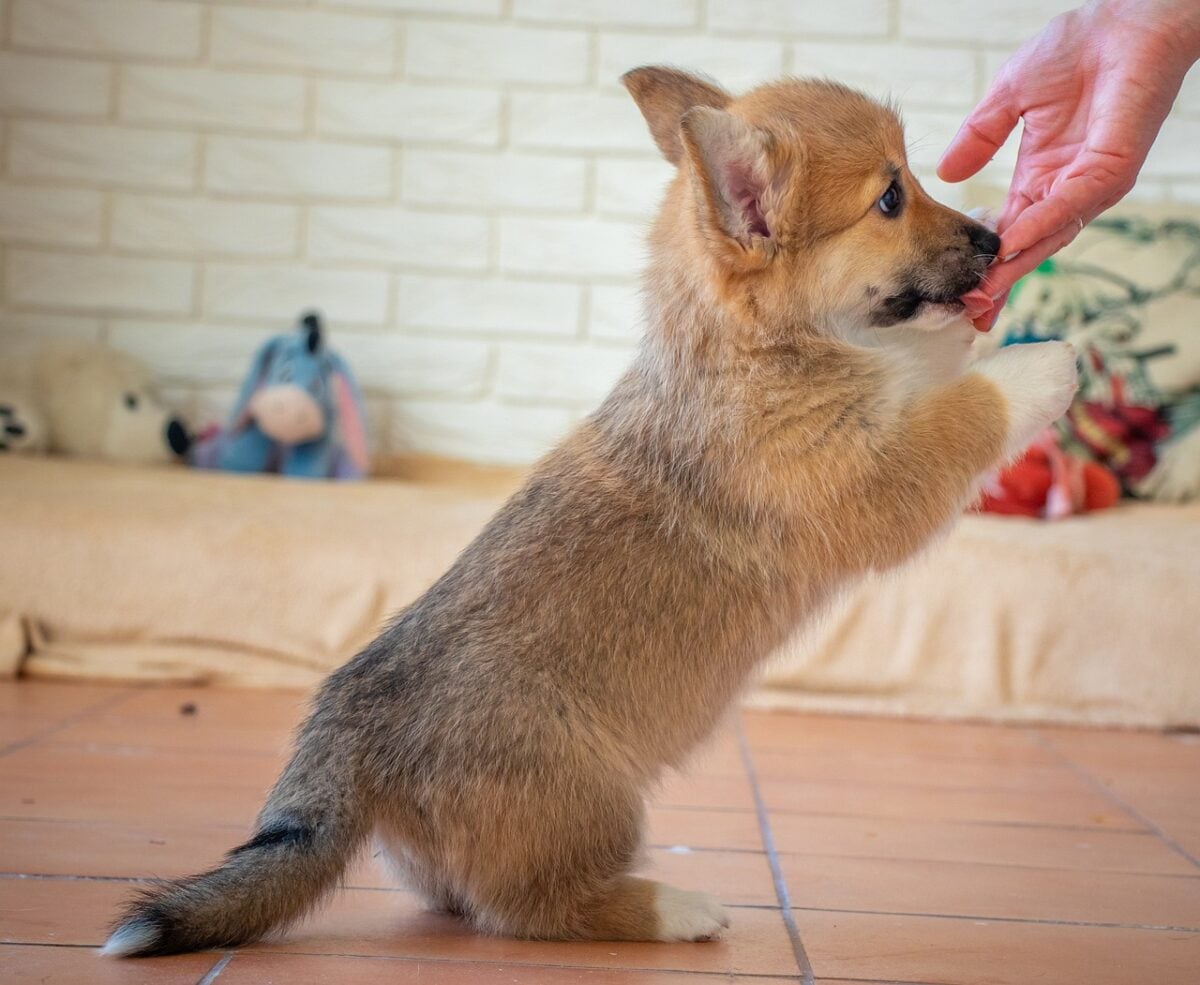
Curious about what it’s really like to live with a Corgi mix? Whether you’re thinking of adopting one or just want to know more about these short-legged charmers, we’ve answered the most popular questions dog lovers ask about Corgi hybrids. If you don’t see yours, just let us know in the comments.
Are Corgi mixes good for first-time dog owners?
Some Corgi mixes can be a good fit for first-time owners, but it dependson the individual mix and your lifestyle. A Corgipoo, Corgidor, or Golden Corgi may be manageable for a committed first-time owner, while higher-energy mixes such as the Borgi, Augie, Bluorgi, or Corman Shepherd may require more exercise, training, and experience. Corgis can also be independent and strong-willed, so consistent, reward-based training is important regardless of the mix.
Which Corgi mixes are good for families?
Family-friendly Corgi mixes include the Golden Corgi, Beagie, and Corgidor. These dogs tend to be gentle, playful, and great with children. They thrive in busy households where they receive plenty of attention and mental stimulation. Always supervise play with young children, especially around smaller or more excitable mixes.
How big do Corgi mixes get?
Corgi mixes generally range from 15 to 45 pounds and stand 10 to 18 inches tall at the shoulder, depending on the other breed involved. For example, a Chigi (Corgi + Chihuahua) may stay under 20 pounds, while a Corman Shepherd (Corgi + German Shepherd) can reach closer to 40+ pounds. Most retain the Corgi’s signature short legs and long body.
Do Corgi mixes shed a lot?
Most Corgi mixes are not hypoallergenic. Many shed moderately to heavily, particularly those that inherit the Corgi’s dense double coat. Expect regular brushing and increased shedding during seasonal coat changes. Some mixes with naturally lower-shedding parent breeds, such as Corgipoo (Corgi + Poodle) or Cortese (Corgi + Maltese), may shed less, but coat type can vary considerably from dog to dog. A lower-shedding coat may also require more frequent brushing or professional grooming.
Are Corgi mixes good for apartment living?
Some Corgi mixes can adapt well to apartment living, but size isn’t the only consideration. Energy level, barking, and mental stimulation needs can matter just as much as a dog’s physical size. Smaller mixes such as the Chigi, Corgipoo, Cortese, or Porgi may be easier to accommodate in a small home, as long as they get enough daily exercise and enrichment. Higher-energy or particularly vocal mixes may be more challenging in an apartment.
Do Corgi mixes bark a lot?
Many Corgi mixes can be vocal. Corgis can be alert barkers, and some mixes may inherit vocal tendencies from both parent breeds. Beagies, Horgis, Chigis, Corgi Poms, and Spitzgis, for example, may require extra attention to bark management. Early socialization, training, exercise, and enrichment can help reduce nuisance barking, although individual dogs vary.
Are Corgi mixes good with other pets?
They can be, but their individual temperament and inherited instincts matter. Some Corgi mixes are social and playful with other dogs, while mixes with strong herding or prey-drive tendencies may be more likely to chase or try to control other animals. Introduce pets gradually, supervise interactions, and use training to reinforce calm behavior around other animals.
Are Corgi mixes easy to train?
Many Corgi mixes are intelligent and learn quickly, but that doesn’t always mean they’re easy to train. Corgis can be independent and stubborn, while other parent breeds may add strong instincts or high energy. Short, positive training sessions, consistency, and rewards can help. If a mix inherits strong herding instincts, you’ll also want to teach appropriate alternatives to chasing, circling, or nipping.

Do Corgi mixes have health issues?
Yes. Like any dog, Corgi mixes can inherit health conditions from either parent, so potential risks vary by mix. Corgis’ long backs and short legs make intervertebral disc disease (IVDD) a key consideration, while excess weight can put extra strain on the spine and joints.
Hip and elbow problems can also occur, particularly when the other parent breed is prone to joint issues. Genetics, growth, exercise, and body weight can all influence joint health.
The other parent may also introduce breed-specific concerns, such as eye, heart, or breathing problems. If you’re getting a puppy from a breeder, ask for health testing results for both parents and check which screenings are recommended for each parent breed.
Keeping Your Corgi Mix Happy & Healthy
A few basics can help support your Corgi mix’s long-term health:
- Maintain a healthy weight: Follow your veterinarian’s feeding recommendations and adjust portions as needed.
- Provide regular exercise: Daily walks and mental enrichment are important, but activity should match your dog’s age, health, and energy level. Learn how often to walk your dog based on their energy level and age.
- Schedule routine vet visits: Regular exams can help monitor weight, mobility, eyes, joints, and other breed-specific concerns, as well as illnesses that can be prevented with key dog vaccinations.
- Know the warning signs: Back pain, limping, difficulty getting up, changes in gait, or breathing problems warrant a call to your veterinarian.
- Ask about parent health testing: If buying from a breeder, request the actual test results for both parents. Testing can reduce some risks but cannot guarantee a healthy puppy.
Health Considerations by Parent Breed
When choosing a Corgi mix, don’t focus only on the Corgi side of the family. Your dog can inherit health risks from either parent breed, so it’s worth researching both. For example, some mixes may have additional orthopedic, eye, heart, breathing, or other breed-specific concerns based on their non-Corgi parent.
If you’re getting a puppy from a breeder, ask about health testing for both parents and look into the health conditions commonly associated with each breed. A mix doesn’t automatically avoid the health concerns of either parent—consider the full genetic picture.
Before You Buy a Corgi Mix Puppy
Found a Corgi mix puppy you love? Before committing, ask the breeder about health testing for both parent breeds. A puppy being “vet checked” is not the same as the parents completing recommended screening for inherited health conditions.
Ask the breeder for:
- Health-test results for the Corgi parent. Ask which screenings were completed and request documentation rather than relying on a verbal assurance that the parent is healthy.
- Testing appropriate for the other parent’s breed. A Corgi mix can inherit health risks from either side, so screening shouldn’t stop with the Corgi parent.
- Information you can independently verify. When applicable, ask for the parents’ registered names or identification numbers so you can look up health-testing results yourself.
- Health and temperament history. Ask about known health problems and temperament concerns in the parents, close relatives, and previous litters.
- A chance to meet the mother when practical. This can give you useful insight into her temperament, condition, and the environment in which the puppies are being raised.
- A written contract. Responsible breeders should clearly explain their health guarantees and what happens if you can no longer care for the dog.
Watch for red flags: Be cautious if a breeder won’t provide health-testing documentation, discourages you from asking questions, always has puppies available, won’t discuss the parent dogs, or pressures you to pay quickly.
No breeder can guarantee that a puppy will never develop a health problem. The goal of appropriate health screening is to make informed breeding decisions and reduce avoidable risk—not promise a perfectly healthy dog.
Ready for Life With a Corgi Mix?
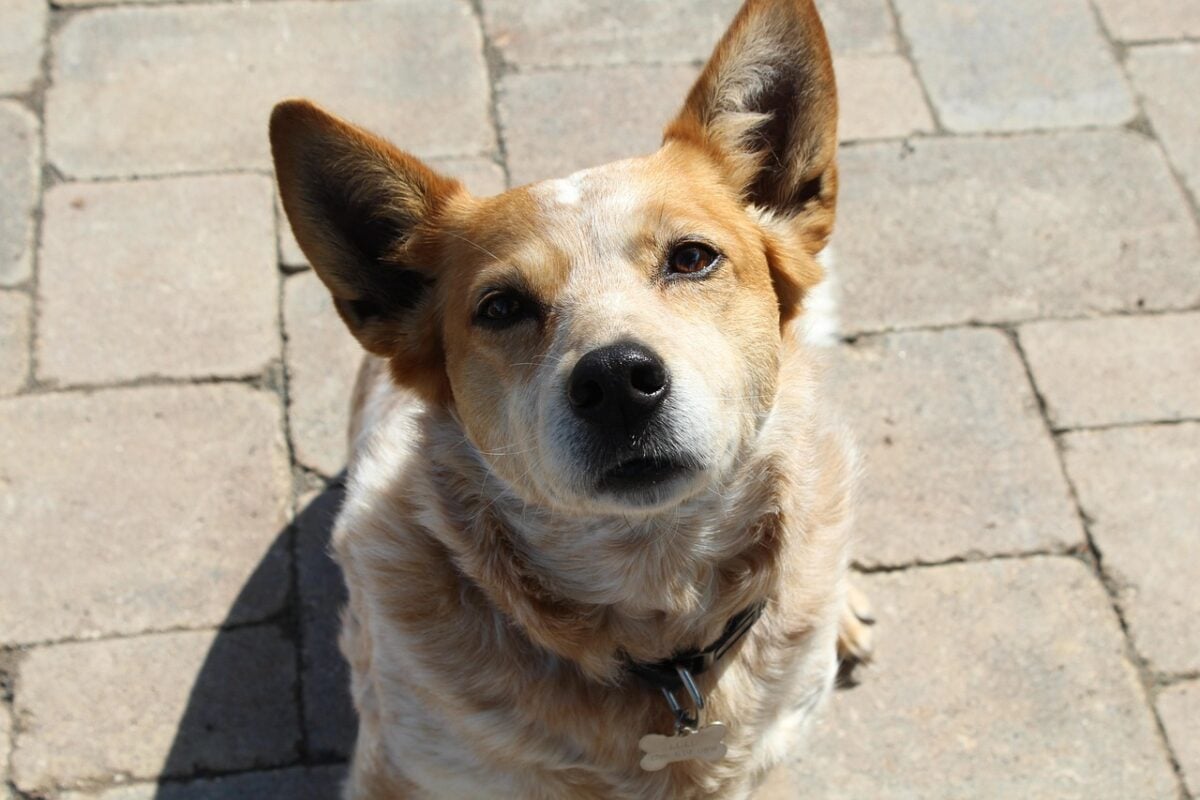
Corgi mixes can be wonderful companions, but the right match depends on much more than those adorable short legs. Consider the individual dog’s temperament, energy, grooming needs, and health—not just the breeds in the mix.
Still weighing your options? Our guide to picking the right dog breed can help narrow your search. You can also explore more mixed-breed dogs or learn whether designer dogs are healthier than purebreds before making your decision.
Does a Corgi Mix Run Your House?
Do you have a Corgi combo of your own? Whether your pup is a wiggle-butted Horgi, a sassy Chigi, or a one-of-a-kind mystery mix, we’d love to hear all about them! Drop a comment below and tell us what makes your Corgi hybrid so special… the quirks, the cuddles, and the chaos. Bonus points for sharing their cutest nickname or a funny habit!