When you purchase through links on our site, we may earn a commission. Here’s how it works.
If your dog smells like a Fritos factory, that’s not your imagination. It’s a telltale sign of yeast overgrowth, and it can make your pup itchy, smelly, and uncomfortable.
Table of Contents
The good news is that you can often calm it down with proper home care and a few preventive measures. Let’s break down why it happens and how to fix it naturally with the top dog yeast infection home remedies.
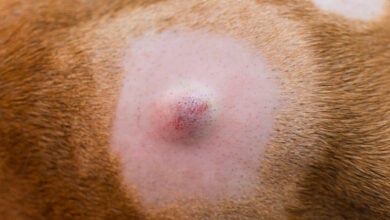
What Is A Yeast Infection?
Yeast is a type of fungus that naturally lives on your dog’s skin, ears, and paws. In small amounts, it’s harmless and even helps maintain a healthy balance of microorganisms.
The problem starts when yeast grows out of control. Warm, moist areas, such as the ears, between the toes, or skin folds, create the perfect environment for yeast overgrowth, medically known as candidiasis. Once yeast takes over, you might notice a musty or corn-chip-like odor, along with itching and redness.
Yeast infections aren’t contagious, but they can be stubborn. Treating them early and addressing the root cause, not just the symptoms, is key to preventing flare-ups.
Check out our more in-depth guide on dog yeast infections to learn more.
5 Common Causes Of Yeast Overgrowth
Yeast thrives in warm, moist environments, which means certain conditions can cause it to multiply quickly. Once it gets a foothold, even small imbalances can trigger another flare-up.
Here are some of the most common culprits:
- Moisture & Humidity: Dogs who swim often, lick their paws, or live in humid climates are more prone to yeast overgrowth. Damp fur and skin folds trap moisture that yeast loves.
- Allergies: Food or environmental allergies can weaken your dog’s skin barrier and disrupt the balance of healthy bacteria, making it easier for yeast to spread.
- Antibiotics: While antibiotics kill harmful bacteria, they also wipe out the beneficial bacteria that keep yeast under control.
- Diet: High-carb diets can feed yeast growth. Food allergies can also trigger inflammation and itching.
- Underlying Health Conditions: Conditions such as hypothyroidism, hormonal imbalances, or weakened immune systems can make it more challenging for your dog’s body to regulate yeast levels.
Signs Your Dog Might Have A Yeast Infection
Yeast can grow almost anywhere on a dog’s body, but it usually shows up on the skin, ears, or paws. Each area has its own telltale signs, and knowing which one you’re dealing with can help you choose the proper remedy.
Skin Yeast Infections
This type can appear anywhere, but is most common in warm, damp areas such as the armpits, groin, or skin folds.
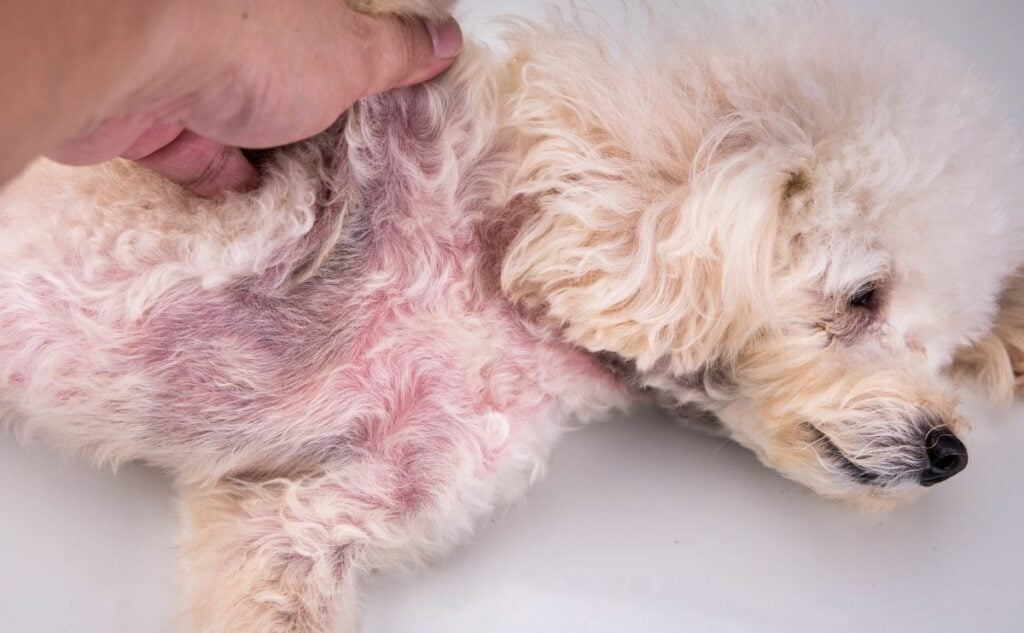
Watch for:
- Itchy, irritated skin
- Frequent licking or chewing
- Red bumps or rashes
- Brown discoloration
- Greasy coat or thickened skin
- Musty or “yeasty” odor
Ear Yeast Infections
The ears are a favorite spot for yeast. Infections often cause thick, dark buildup and a strong odor.
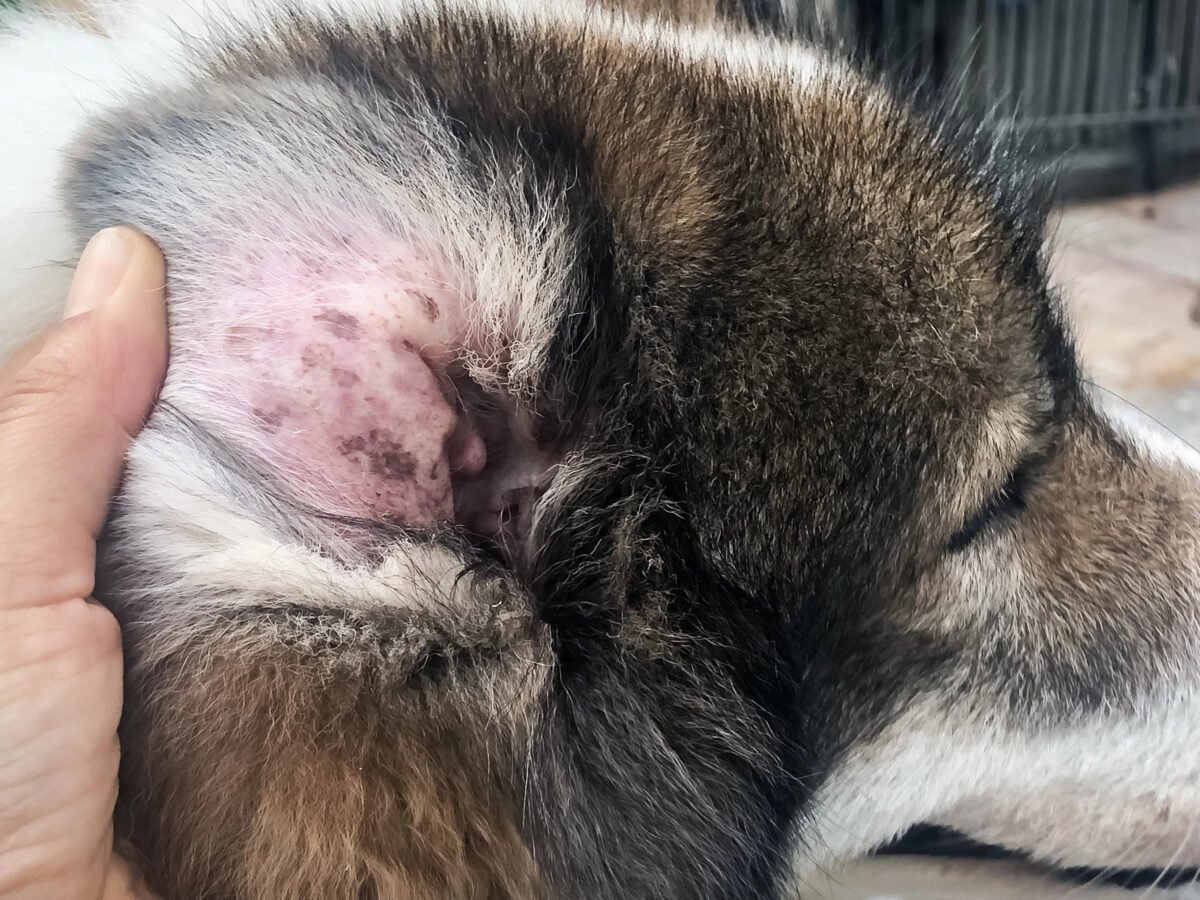
Watch for:
- Head shaking or constant ear scratching
- Red, inflamed ear canals
- Brown or black discharge
- Strong, musty smell
For natural ways to help, see our guide on treating a dog ear infection without a vet.
Paw Yeast Infections
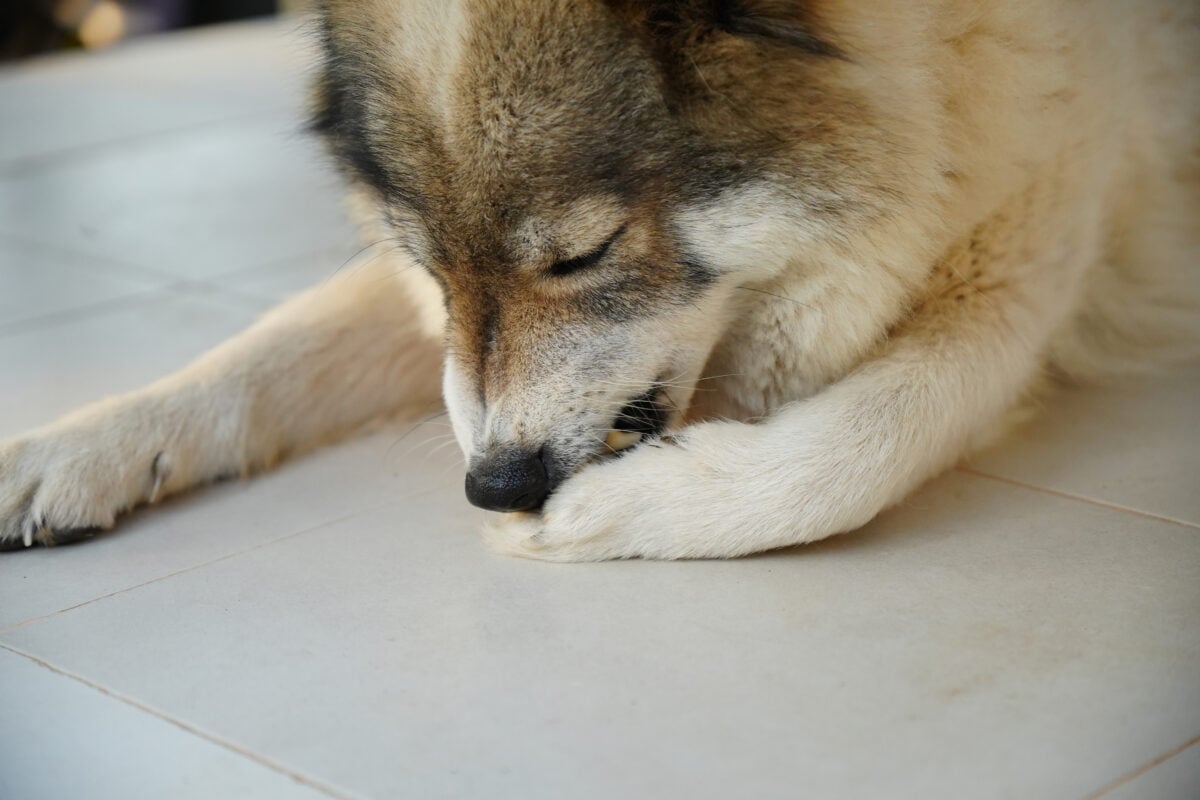
Your dog’s paws are constantly exposed to moisture, from morning dew and wet grass to puddles, snow, and swimming sessions. When water gets trapped between the toes or under the paw pads, it creates the perfect environment for yeast to grow.

Environmental triggers also play a big role. Grass, pollen, and lawn chemicals can irritate the skin and weaken your dog’s natural barrier, allowing yeast to take hold more easily. Dogs that frequently lick or chew their paws can exacerbate the problem by keeping the area moist.
Watch for:
- Persistent licking or chewing at paws
- Moist, red, or inflamed areas between toes or pads
- Brown staining or discoloration of fur
- A sour or “yeasty” smell coming from the paws
Yeast Infection Or Allergies?
It can be challenging to distinguish between them, as both can cause itching, redness, and irritation. The key difference is in the pattern and the smell.
Yeast infections are often more localized — like constant paw licking or a single itchy ear — and tend to have a musty or corn-chip odor. Allergies, on the other hand, usually cause more widespread itching without that distinct yeast smell.
If your dog’s symptoms keep returning after treatment, underlying allergies could be making yeast problems worse.
Why It Keeps Coming Back
If your dog’s yeast infection clears up only to return a few weeks later, you’re not alone. Yeast thrives when the skin’s natural balance is thrown off, and unless that balance is restored, the cycle tends to repeat.
Several factors can keep yeast coming back:
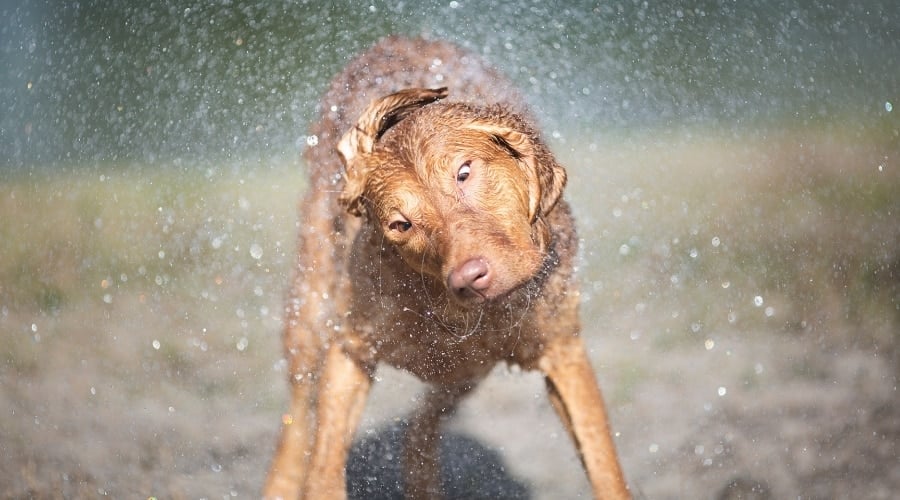
- Moisture that never fully dries. Dogs who love swimming or lick their paws often create a constantly damp environment that yeast loves.
- Unaddressed allergies. Food or environmental sensitivities can trigger inflammation, setting the stage for recurring infections.
- Imbalanced gut health. When the bacteria in your dog’s digestive system are out of balance—often due to antibiotics, stress, or poor diet—it can affect yeast levels on the skin.
- Incomplete treatment. Stopping treatment too early may leave behind just enough yeast to regrow once conditions are right again.
To break the cycle, it’s essential to identify the root cause, not just treat the symptoms. Once you do, most dogs can stay yeast-free with a few simple care habits.
Pro Tip: Even after symptoms improve, continue your dog’s treatment for several days to ensure all yeast cells are eliminated and regrowth doesn’t sneak back.
How Vets Diagnose & Treat Yeast Infections
Even if you plan to manage your dog’s yeast infection at home, it’s helpful to know how veterinarians confirm the diagnosis. Many skin problems appear similar, and a quick examination can help rule out bacteria, mites, or allergies.
Diagnosis
Your veterinarian may start by conducting a quick visual and olfactory check. If your dog has an ear infection, you might even see them swab the ear with a cotton-tipped applicator and give it a sniff; yeast has a distinct, sour odor that experienced vets recognize immediately.
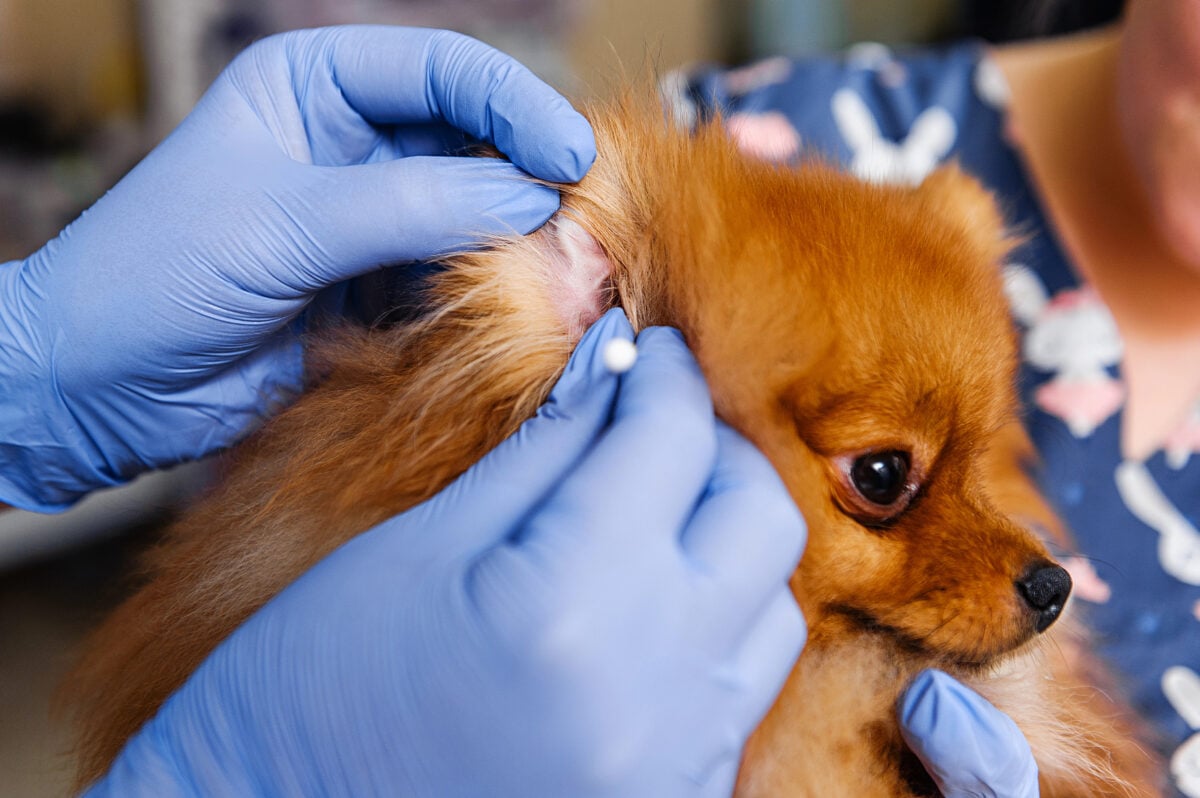
To be sure, your veterinarian will take a small sample from the affected area and examine it under a microscope. This test, known as cytology, confirms the presence of yeast cells and assesses the severity of the infection.
In recurring or stubborn cases, your vet may also run tests for allergies or other underlying conditions that make yeast harder to control.
Treatment
Veterinary treatment often includes antifungal shampoos, medicated wipes, ear drops, or topical creams to remove yeast from the skin and soothe irritation. For more widespread or chronic infections, vets may prescribe oral antifungal medication that works systemically.
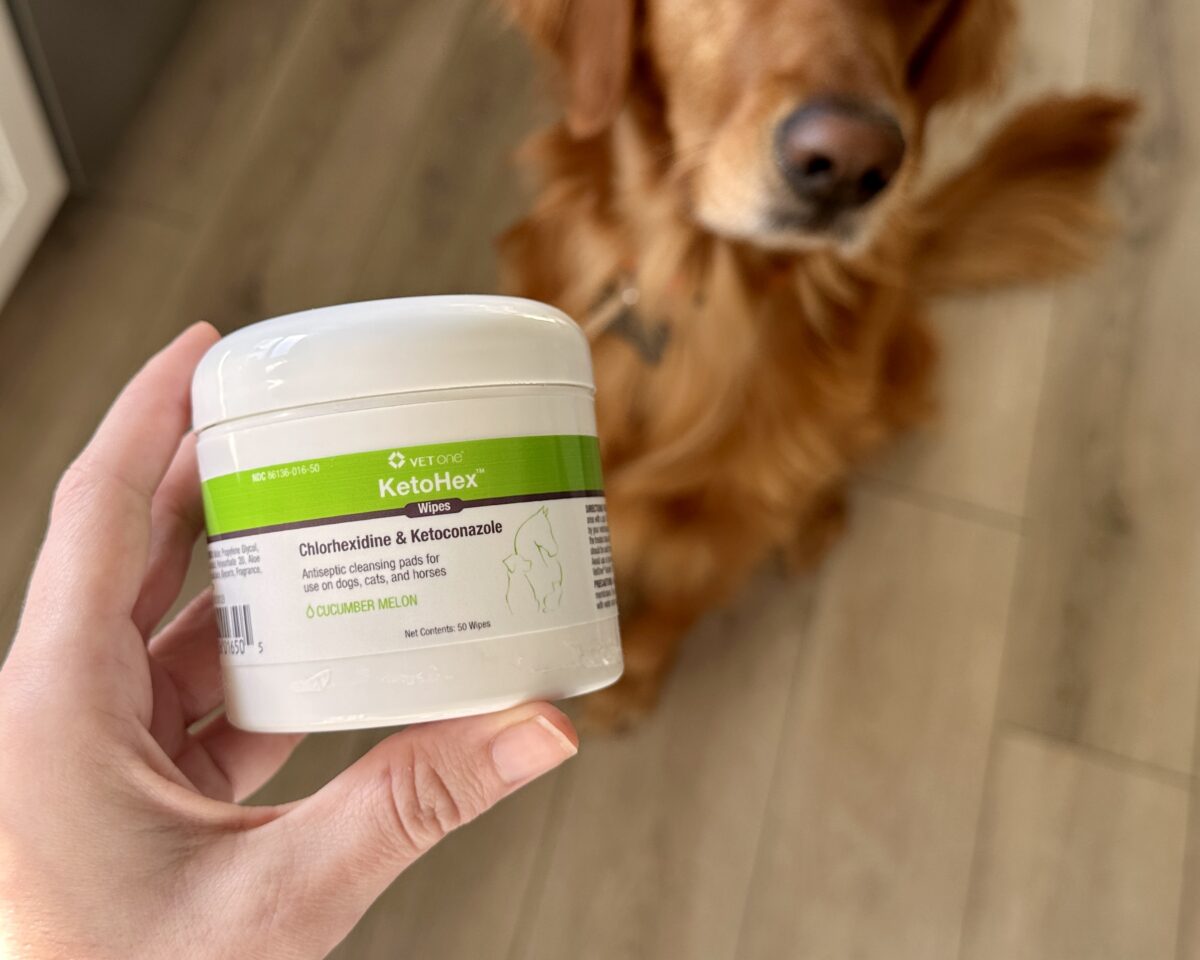
Home care and prescription treatments usually work best together, especially when paired with regular cleaning and moisture control to stop yeast from returning.
Did You Know? Breeds with floppy ears or lots of skin folds, like Cocker Spaniels, Bulldogs, and Basset Hounds, are naturally more prone to yeast infections because moisture and warmth get trapped more easily.
4 Natural Remedies That Actually Work
These dog yeast infection home remedies can help calm yeast overgrowth and support healing, but they’re not one-size-fits-all. Always check with your vet before trying a new treatment, especially if your dog’s skin is broken or the infection is spreading.
1. Coconut Oil (Medium-Chain Fatty Acids)
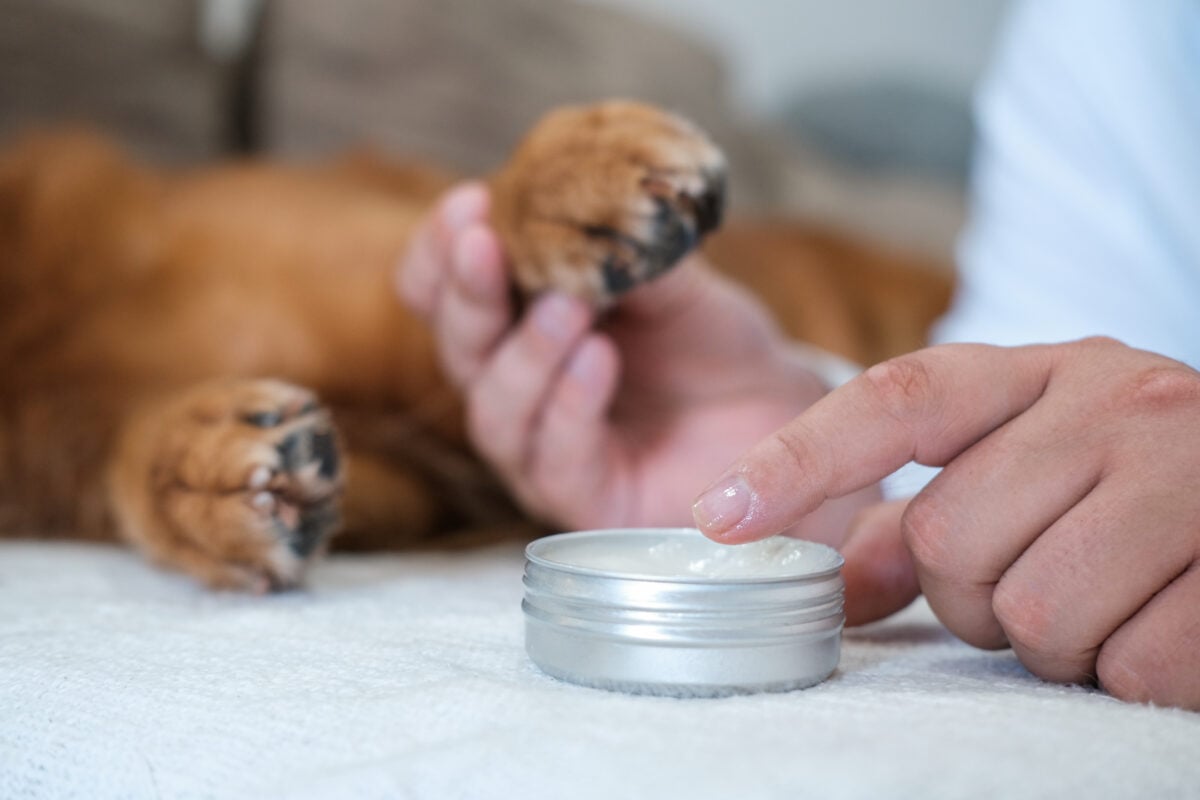
Coconut oil is a fantastic dog yeast infection home remedy. It is rich in medium-chain fatty acids (MCFAs), including caprylic and lauric acid, which have been shown to have antifungal effects against Candida in laboratory studies.
In a 2022 study, MCFAs were also found to be effective against Malassezia pachydermatis, the fungus responsible for most cases of yeast dermatitis in dogs, including strains resistant to common antifungal drugs.
In practical terms, coconut oil can be used both topically and internally to support skin health and help control yeast overgrowth.
How To Use
- Topical: Apply a thin layer of coconut oil to clean, dry skin once a day.
- Internal: Add about ¼ teaspoon per 10 pounds of body weight to your dog’s food once daily. Start slowly and monitor for any increase in greasiness or odor.
2. Oregano Essential Oil (Diluted)
Oregano essential oil is another effective dog yeast infection home remedy. It contains compounds such as carvacrol and thymol, which have shown strong antifungal effects.
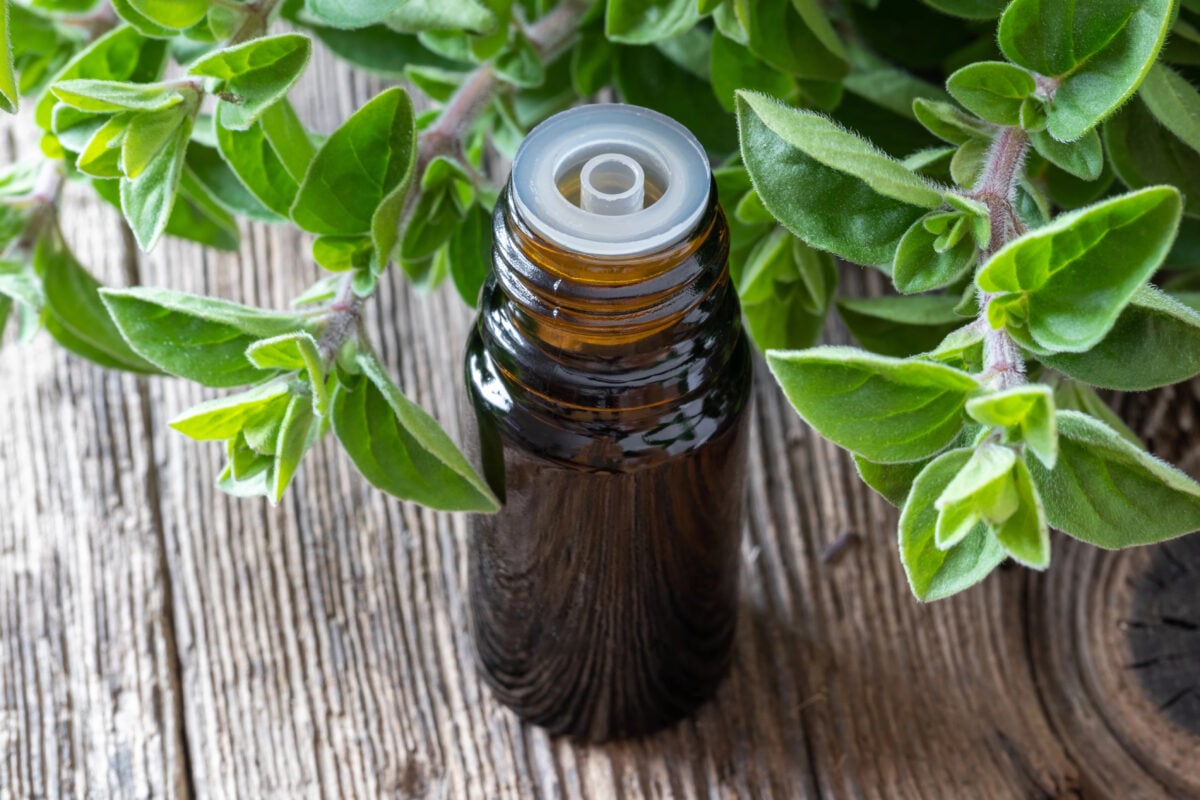
In laboratory tests, oregano oil completely stopped the growth of Candida albicans and reduced resistant fungal biofilms in more recent research.
Because oregano essential oil is highly concentrated, it must always be diluted before use. Applying it directly to your dog’s skin or ears can cause burning or irritation.
How To Use
- Dilute first: Mix 1 drop of oregano essential oil with 1 tablespoon of a carrier oil such as coconut or olive oil.
- Topical application: Use a cotton pad to apply a very small amount to affected skin once daily.
- Monitor closely: Stop use if you see redness, discomfort, or any worsening of symptoms.
Note: Oregano oil’s strength is both its advantage and its risk. When used correctly and sparingly, it can help quickly kill yeast and support recovery, but always confirm with your veterinarian before applying any essential oil to your dog’s skin.
3. Probiotics
Yeast problems aren’t just skin-deep. When your dog’s gut bacteria are out of balance, it can weaken immune defenses and allow yeast to grow systemically. Supplementing with probiotics helps restore that balance from the inside out.

Lactobacillus strains — such as L. acidophilus, L. rhamnosus, and L. salivarius — have been shown to help control yeast by supporting a healthy gut microbiome in canines. High-quality canine probiotics usually include multiple strains and a high culture count measured in CFUs (colony-forming units).
Probiotics are an especially helpful dog yeast infection home remedy for pups with systemic yeast issues — when itching, odor, or recurrent infections hint that the whole body needs rebalancing rather than just spot treatment.
How To Use
- Choose a canine-specific probiotic with several Lactobacillus strains and at least 1 billion CFUs per serving.
- Look for formulas that also include prebiotics for best results.
- Give daily to maintain steady microbial support.
Plain, unsweetened yogurt with live cultures can offer gentle probiotic support if your dog tolerates dairy, but it isn’t potent enough to treat an active infection. For more consistent results, use a supplement designed for higher CFU counts and targeted strains.
4. Colloidal Silver
If you’re a fan of natural remedies, you may already have colloidal silver in your medicine cabinet. This antimicrobial liquid has been studied for its ability to combat bacteria, viruses, and fungi, and it’s sometimes used to help soothe skin wounds or infections.

A 2023 study evaluating silver-based shampoos for treating Malassezia yeast infections in dogs suggested that silver shampoos may help reduce yeast levels; however, the researchers noted that larger studies are still needed to determine the most effective concentration and dosing regimen.
How To Use
- Apply liquid or gel to clean, dry skin using a cotton pad once or twice daily.
Colloidal silver is available in various forms, including liquids, gels, and sprays. Always purchase from a reputable source, as particle size and purity significantly impact both safety and effectiveness. Sovereign Silver is one trusted dog-friendly brand known for its tiny particle size.
When To Call The Vet
Dog yeast infection home remedies can help with mild infections, but some cases need professional care. If symptoms aren’t improving within a week — or they seem to be getting worse — it’s time to schedule a vet visit.
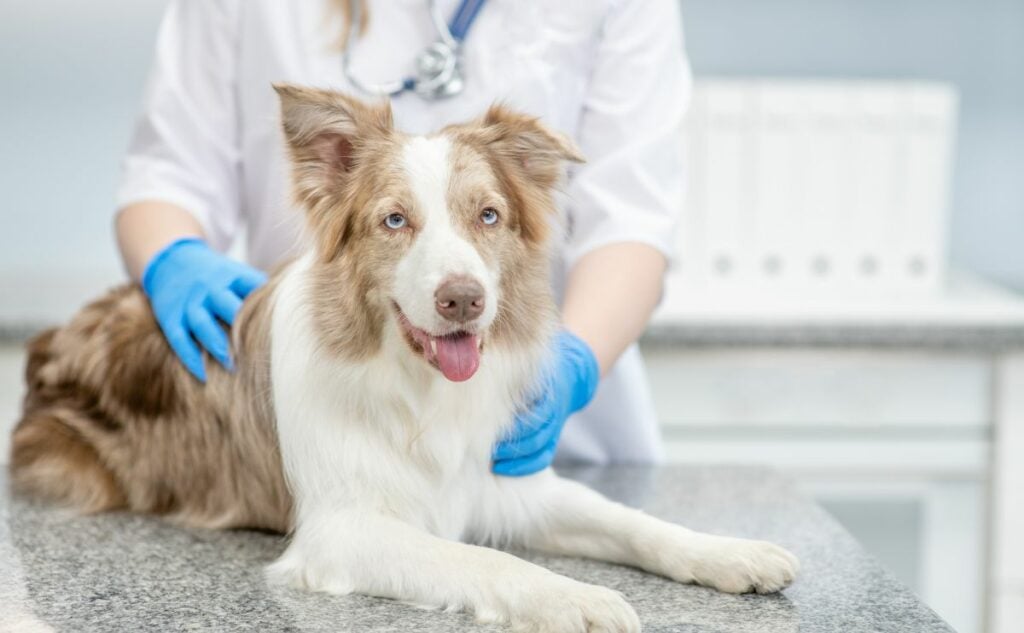
Call your veterinarian if you notice:
- Persistent or spreading redness, sores, or hair loss
- Thick, greasy, or crusted skin
- Constant itching, paw chewing, or head shaking
- A strong, sour, or musty odor that keeps returning
- Discharge from the ears or open lesions
Your vet may recommend diagnostic tests to confirm yeast and rule out bacteria, parasites, or allergies. Severe or recurring infections often respond best to a combination of antifungal medication, medicated shampoo, and dietary changes to restore balance inside and out.
Preventing Yeast From Coming Back
Once your dog’s skin is clear and the smell is gone, prevention becomes the key to keeping yeast under control. Since yeast thrives in warm, moist environments, staying ahead of moisture and supporting balance within the body can make a significant difference.
Keep Your Dog Dry
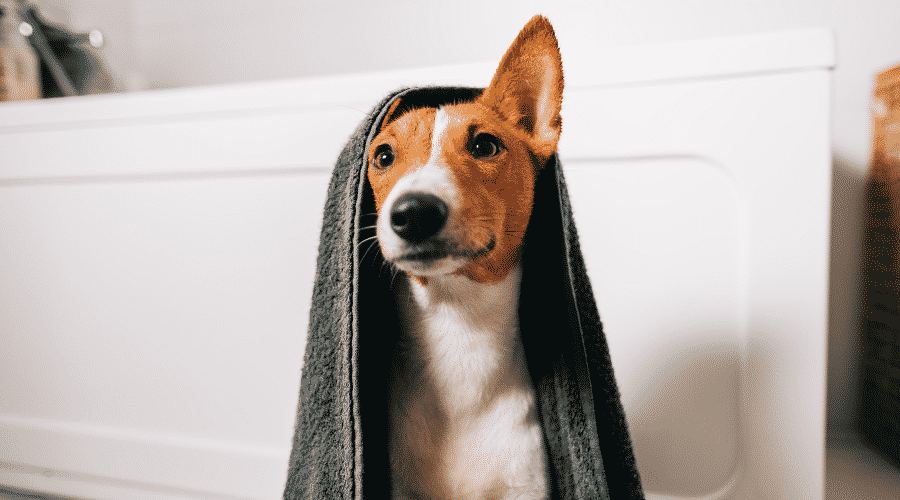
After swimming, baths, or walks on wet grass, thoroughly dry your dog’s ears, paws, and skin folds. Moisture trapped between toes or under wrinkles is a common trigger for yeast growth.
A soft towel or low-heat hairdryer on a cool setting can help.
Clean Ears Regularly
Use a gentle, vet-approved ear cleanser once or twice a week, especially for breeds with floppy ears or narrow canals. Avoid alcohol-based products, as they can irritate or dry the skin.
Cleaning helps prevent buildup and keeps yeast from reestablishing itself.
Support Gut & Skin Health
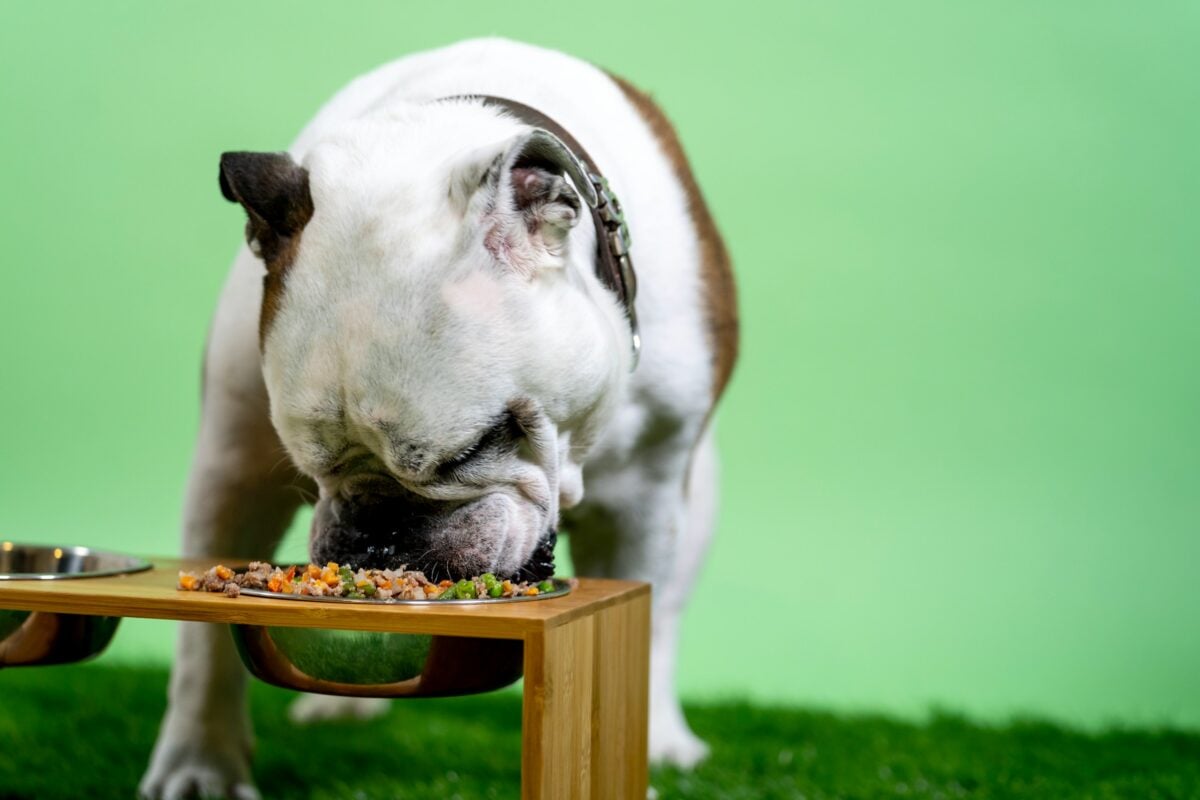
A healthy microbiome is your dog’s best defense against recurring yeast. Feed a balanced diet with minimal fillers and processed carbohydrates, since yeast feeds on excess sugars. Probiotics and prebiotic fiber can help maintain gut balance and reduce systemic yeast overgrowth.
Helpful supplements include:
- Coconut or MCT oil: Helps inhibit yeast.
- Omega 3-6-9 blends: Help reduce inflammation and strengthen the skin barrier.
Introduce new supplements gradually, and always check with your veterinarian for proper dosing.
Address Allergies
If your dog’s yeast infections keep returning, allergies may be fueling the problem. Food sensitivities and environmental triggers (like pollen, dust, or grass) can weaken the skin’s natural defenses.
Your vet can help identify and manage these triggers through elimination diets or allergy testing.
Bathe On A Schedule
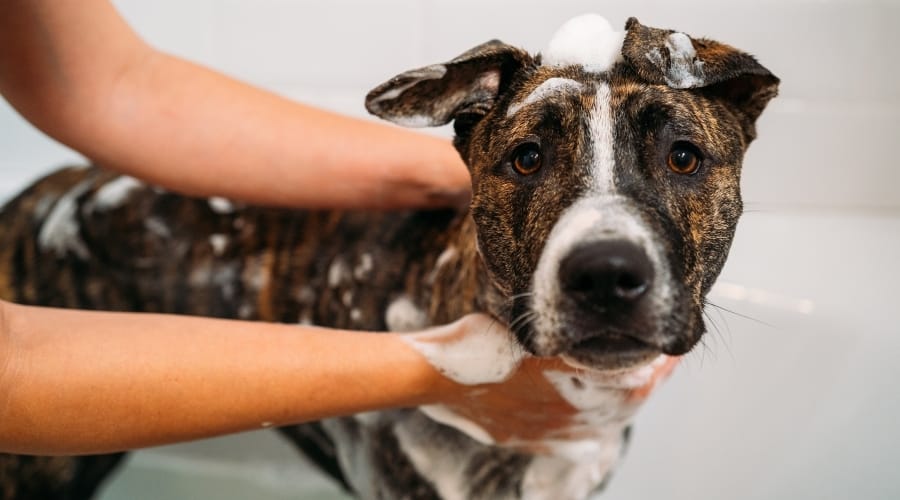
Regular baths help keep your dog’s skin balanced and free of debris. Use a gentle antifungal or oatmeal-based shampoo every few weeks, depending on your vet’s guidance.
Rinse thoroughly and dry completely afterward, paying special attention to paws and ears.
Frequently Asked Questions
We know some of our readers still have questions about dog yeast infection remedies and natural yeast infection treatments for dogs. If you don’t see your question, respond below, and we’ll find out for you.
What’s the Best Dog Yeast Infection Home Remedy?
The best remedy depends on the location and severity of the infection. For mild cases of skin yeast overgrowth, coconut oil or diluted oregano oil can help reduce it. For systemic or recurring issues, probiotics are often the most effective long-term support because they restore balance from within.
If your dog’s symptoms don’t start improving within a week, or if you see spreading redness or sores, it’s best to contact your veterinarian for professional treatment.
What Can I Give My Dog Orally For Yeast Infections?
Probiotics are one of the safest and most beneficial oral options for yeast control. Look for canine-specific supplements that contain multiple Lactobacillus strains and at least one billion CFUs per dose.
Some owners also use small amounts of coconut oil internally for its antifungal properties. However, it is essential to start slowly and consult with your veterinarian to avoid stomach upset or unwanted weight gain.
Combining oral support with a topical dog yeast infection home remedy can offer more complete results.
How Long Do Yeast Infection Home Remedies Take to Work?
Most mild cases show improvement within a week of consistent home treatment, but deeper skin or ear infections may take several weeks to fully clear. The key is consistency; yeast can regrow quickly if treatment stops too soon.
If you’ve tried a dog yeast infection home remedy for 10 to 14 days without improvement, contact your vet. Persistent cases often need prescription antifungal medication to fully clear.
Can Dog Food Cause Yeast Infections?
Diet can play a big role in yeast control. High-carbohydrate foods (like those containing corn, wheat, or starch-heavy fillers) can feed yeast and worsen symptoms. Dogs with food sensitivities may also experience inflammation that makes the skin more prone to yeast overgrowth.
Switching to a balanced diet with limited ingredients and higher-quality protein can often reduce flare-ups over time. Always transition gradually to prevent digestive upset.
Will A Yeast Infection Go Away On Its Own?
Mild cases sometimes improve as the skin dries out and balances naturally; however, most yeast infections require treatment to resolve fully. Without intervention, yeast often lingers in moist areas and flares up again once conditions are right.
Early treatment with a proven dog yeast infection home remedy gives your dog faster relief and lowers the risk of recurrence.
Does Your Dog Need A New Diet?
Speaking to your vet is wise if you think your dog’s diet is responsible for their reoccurring yeast infections. If they suspect allergens are the cause, in addition to adding natural yeast infection treatments, check out our guide on the best foods for dogs with allergies.
If you want a higher-quality diet with natural ingredients, head to our fresh food options guide. Often, you can tailor these diets to your dog’s food intolerances.