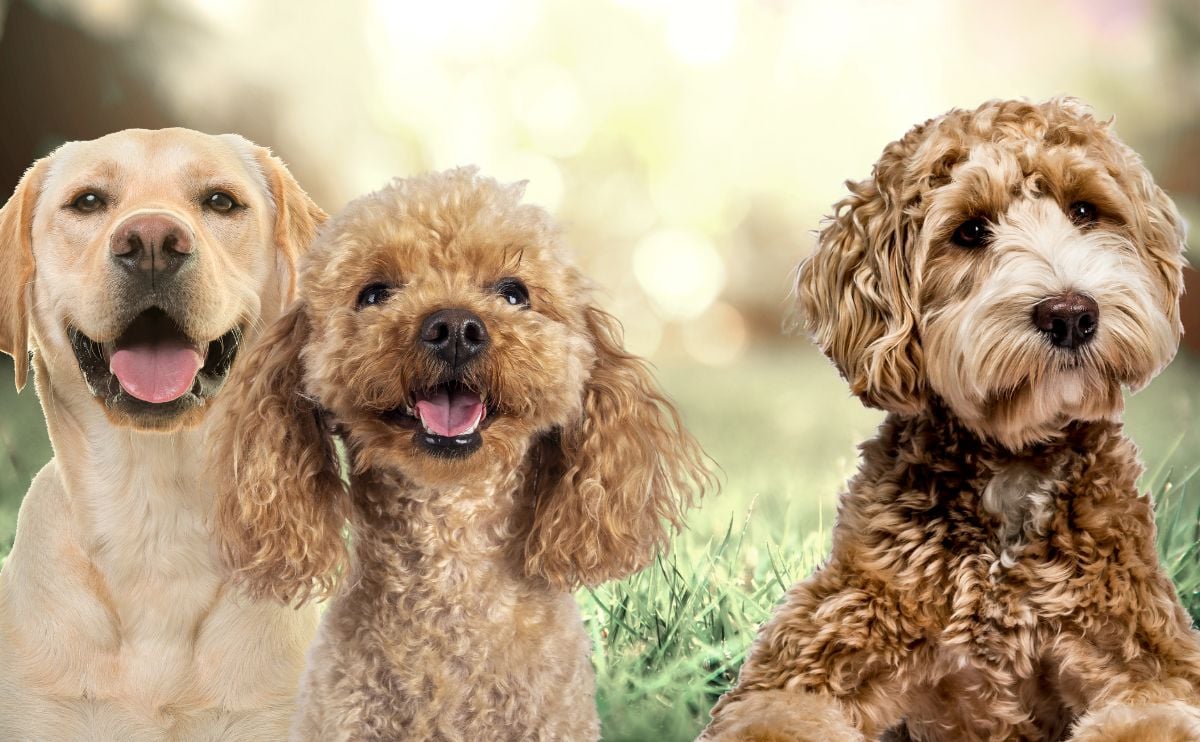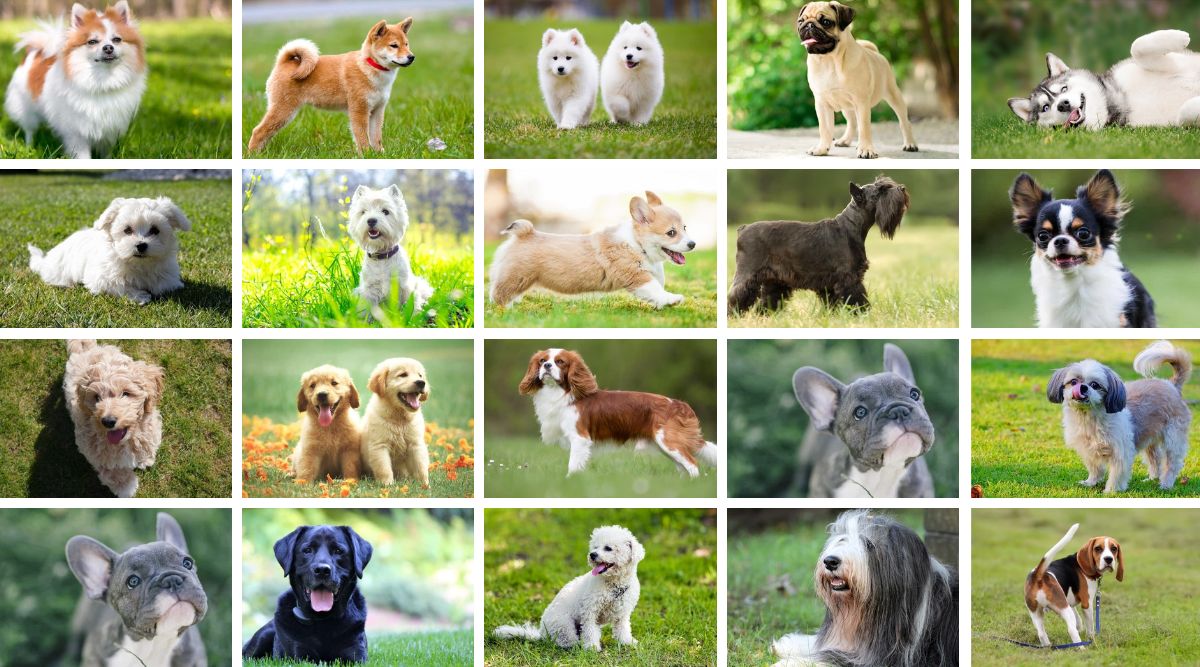
When you purchase through links on our site, we may earn a commission. Here’s how it works.
Some dogs greet every morning like it’s a surprise party thrown in their honor. Their tails start before their brains do. They assume the doorbell is good news. They treat a basic walk like a once-in-a-lifetime event. If you’ve ever lived with one, you know: certain dogs don’t just have good days — they operate on permanent optimism.
Table of Contents
While every pup brings joy in their own way, some breeds are simply wired with a more consistently upbeat temperament. When people search for the happiest dog breeds, they’re usually looking for visible enthusiasm, easy sociability, and a cheerful baseline that holds steady even when life gets boring.
Below, you’ll find 20 of the happiest dog breeds organized by size, along with what fuels their joy and what kind of home helps that happiness thrive.
How We Measured The Unmeasurable
“Happiness” isn’t an official breed standard. It’s a pattern you see over time. Certain breeds consistently lean toward cheerfulness, resilience, and social openness. That doesn’t mean every individual dog fits the stereotype or that your dog isn’t thrilled to be alive. It simply means some temperaments default to optimism more reliably than others.
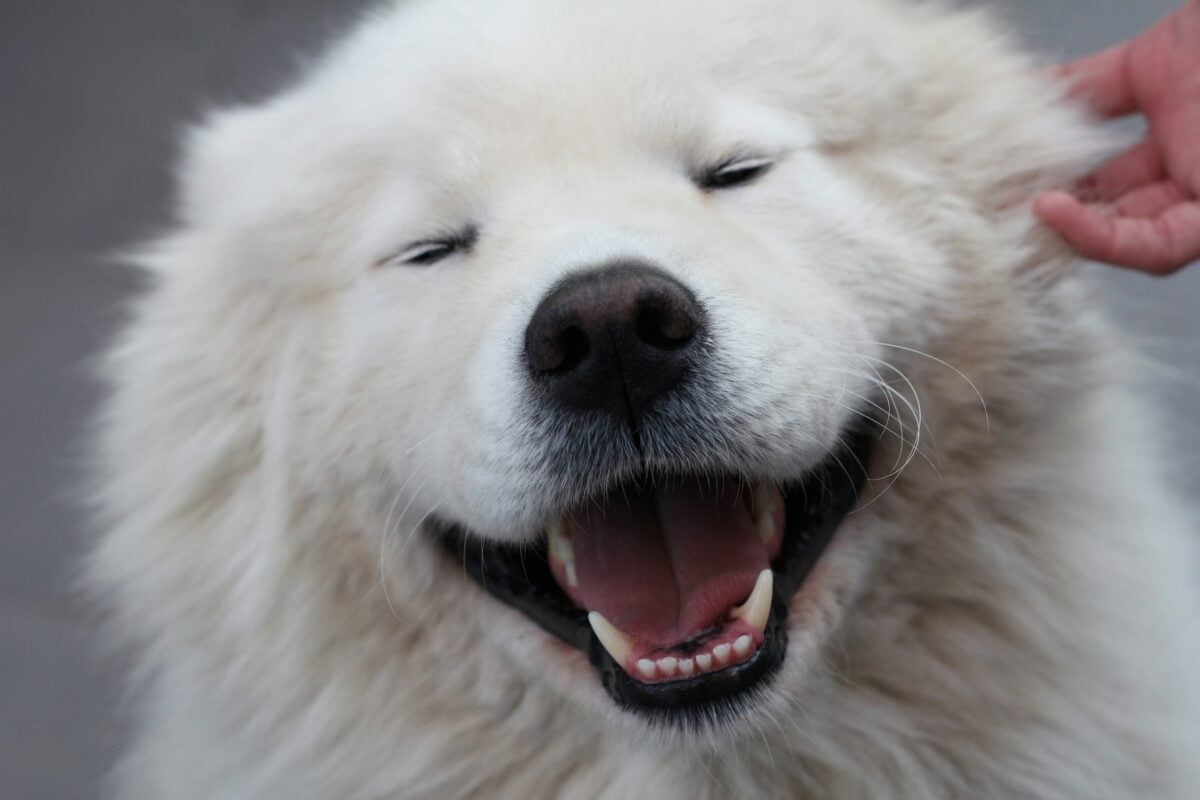
Before the debates begin, here are the signs of a happy dog and what we looked for when identifying the happiest dog breeds:
Positive Demeanor
Some dogs wake up assuming the day will go well. They recover quickly from minor stressors. They’re not deeply suspicious of ceiling fans or emotionally destabilized by the sound of a spoon hitting a bowl. A positive demeanor shows up as resilience — the tendency to bounce back rather than spiral.
Affectionate & Loyal
Happy dogs generally like their people. Not in a “fine, I’ll tolerate you” way, but in a deliberate, enthusiastic, “I-choose-you” way. They seek connection, respond warmly to attention, and prefer involvement over isolation. It’s less about neediness and more about genuine attachment.
High Sociability
Many of the happiest dog breeds assume the world is friendly until proven otherwise. They’re comfortable around new people, children, other dogs, and, yes, the delivery driver who absolutely did not come specifically to see them. Their baseline reaction to strangers is curiosity, not suspicion.
Playfulness & Energy
Visible joy often involves motion. Full-body tail wags. Sudden sprints or zoomies for no clear reason. Immediate agreement when someone says the word “walk.” Energy levels vary by breed, but a willingness to engage — to play, train, explore, or participate — is a common thread.
Pint-Sized Happy Dog Breeds
Joy doesn’t require square footage. Some of the most visibly upbeat dogs come in compact, apartment-friendly packages. They’re proof that optimism scales down just fine.
1. Bichon Frise
Bichon Frises behave like someone quietly pressed the “celebration” button and forgot to turn it off. They move with bounce, maintain eye contact like they’re hosting an event, and seem personally invested in keeping the mood light. Their cheerfulness is habitual.
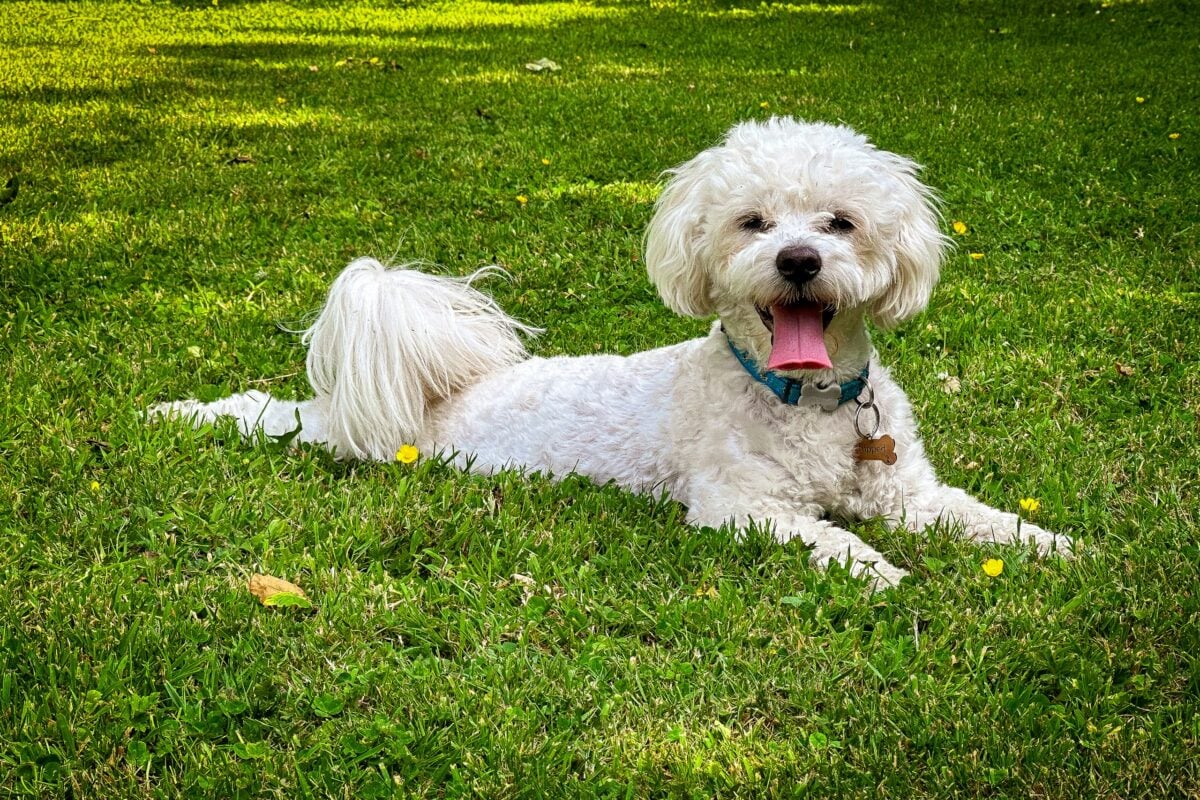
Originally bred as companion dogs, Bichons thrive on interaction and attention. Their happiness tends to hold steady in homes where they’re included, engaged, and not left alone for long stretches.
While they don’t require marathon-level exercise, they do enjoy play sessions and mental stimulation. When bored or under-stimulated, that cheerfulness can turn into attention-seeking. But when properly engaged, they’re consistently bright, socially confident, and eager to connect.
Temperament Snapshot
- Energy Level: Moderate (short bursts of enthusiastic activity)
- Social Style: Social butterfly
- Joy Trigger: Human interaction, playtime, being noticed
- Why They’re One of the Happiest Dog Breeds: Their baseline expression reads cheerful, even at rest.
Happiness Profile: Tail-Wag Endurance 8/10 | Stranger Enthusiasm 9/10 | Zoomie Frequency 7/10
2. Cavalier King Charles Spaniel
Cavalier King Charles Spaniels don’t advertise their happiness loudly — they radiate it quietly. They look at their people like they’ve just been handed good news, even if nothing particularly remarkable is happening. Their joy shows up as steady warmth rather than spectacle.
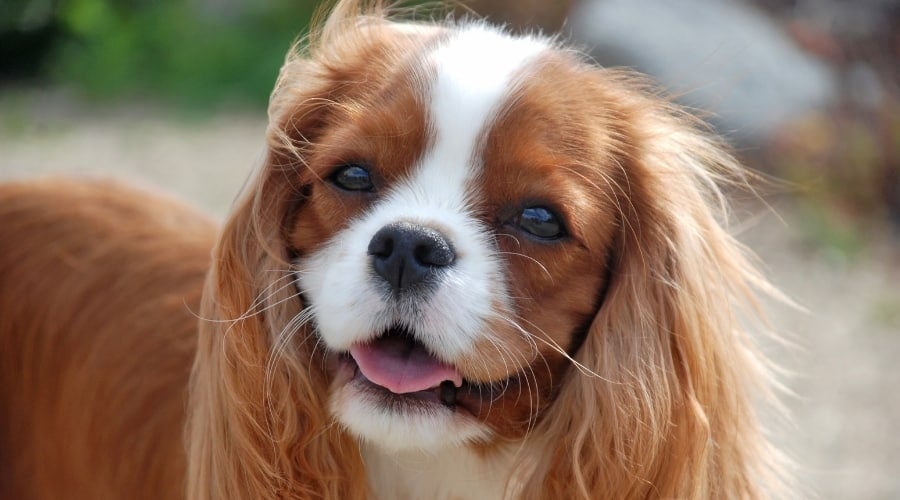
Bred specifically as companion dogs, Cavaliers are deeply people-oriented and tend to flourish in homes where they can stay close to their humans. They’re adaptable, generally gentle, and often emotionally intuitive.
Their happiness is relational. It depends more on the connection than on constant activity. While they enjoy play and short walks, they don’t need intense stimulation to stay cheerful. However, long periods of isolation can dampen that soft, content temperament.
Temperament Snapshot
- Energy Level: Moderate (balanced bursts of play and calm)
- Social Style: Velcro with manners
- Joy Trigger: Lap time, inclusion in daily routines, gentle play
- Why They’re One of the Happiest Dog Breeds: Their contentment is people-centered and consistently affectionate.
Happiness Profile: Tail-Wag Endurance 8/10 | Stranger Enthusiasm 8/10 | Zoomie Frequency 6/10
3. Boston Terrier
Boston Terriers carry themselves like they’re aware something amusing might happen at any moment, and they’d like to be involved. Their expressions alone suggest commentary. Their happiness is animated, expressive, and slightly mischievous.
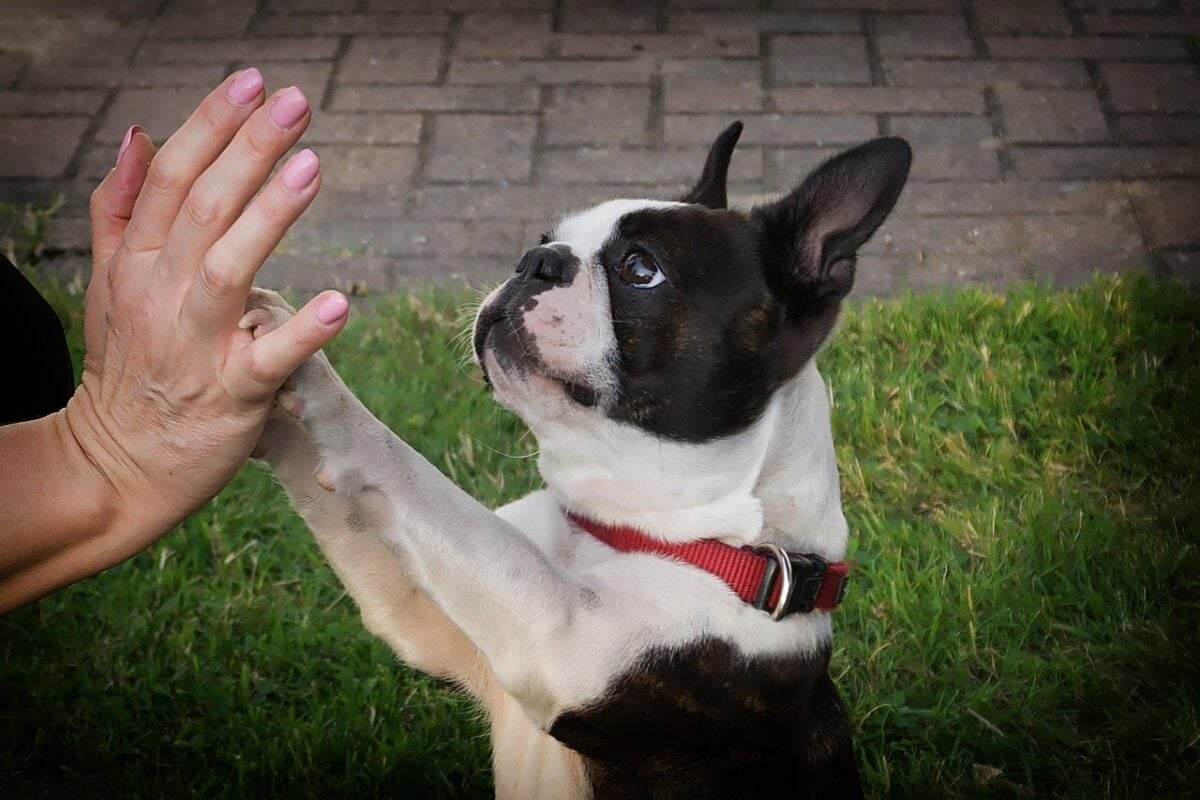
Originally bred as companion dogs, Bostons are social, adaptable, and often eager to engage. They tend to thrive in households that offer regular interaction and moderate activity. While not as high-drive as working breeds, they do enjoy play and mental stimulation.
Their joy is interactive — it feeds off reaction and participation. When included in family life, they’re upbeat, alert, and consistently entertaining.
Temperament Snapshot
- Energy Level: Moderate to High (bursts of enthusiastic play)
- Social Style: Outgoing companion
- Joy Trigger: Games, attention, being part of the action
- Why They’re One of the Happiest Dog Breeds: Their enthusiasm is visible and socially driven.
Happiness Profile: Tail-Wag Endurance 8/10 | Stranger Enthusiasm 8/10 | Zoomie Frequency 8/10
4. Maltese
Maltese dogs don’t require a spectacle to be happy. They’re content when they’re close, included, and acknowledged. Their cheerfulness feels steady and attachment-driven rather than chaotic.
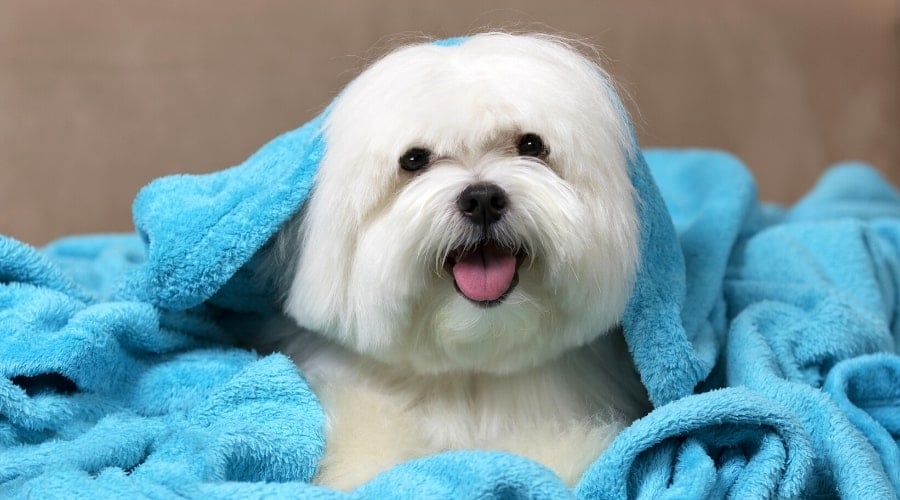
As long-standing companion dogs, Maltese are deeply bonded to their people. They often flourish in calm homes where affection is freely given and proximity is constant. They enjoy play, but they’re equally satisfied lounging nearby.
Their happiness depends more on closeness than stimulation. Extended separation can make them anxious, but when their social needs are met, they’re affectionate and consistently warm.
Temperament Snapshot
- Energy Level: Moderate (balanced and adaptable)
- Social Style: Devoted companion
- Joy Trigger: Physical closeness, praise, gentle play
- Why They’re One of the Happiest Dog Breeds: Their contentment stays steady when they feel connected.
Happiness Profile: Tail-Wag Endurance 7/10 | Stranger Enthusiasm 7/10 | Zoomie Frequency 6/10
5. Pug
Pugs approach life with theatrical sincerity. They react enthusiastically to minor events and seem genuinely pleased that you exist. Their happiness is physical, expressive, and often slightly dramatic.
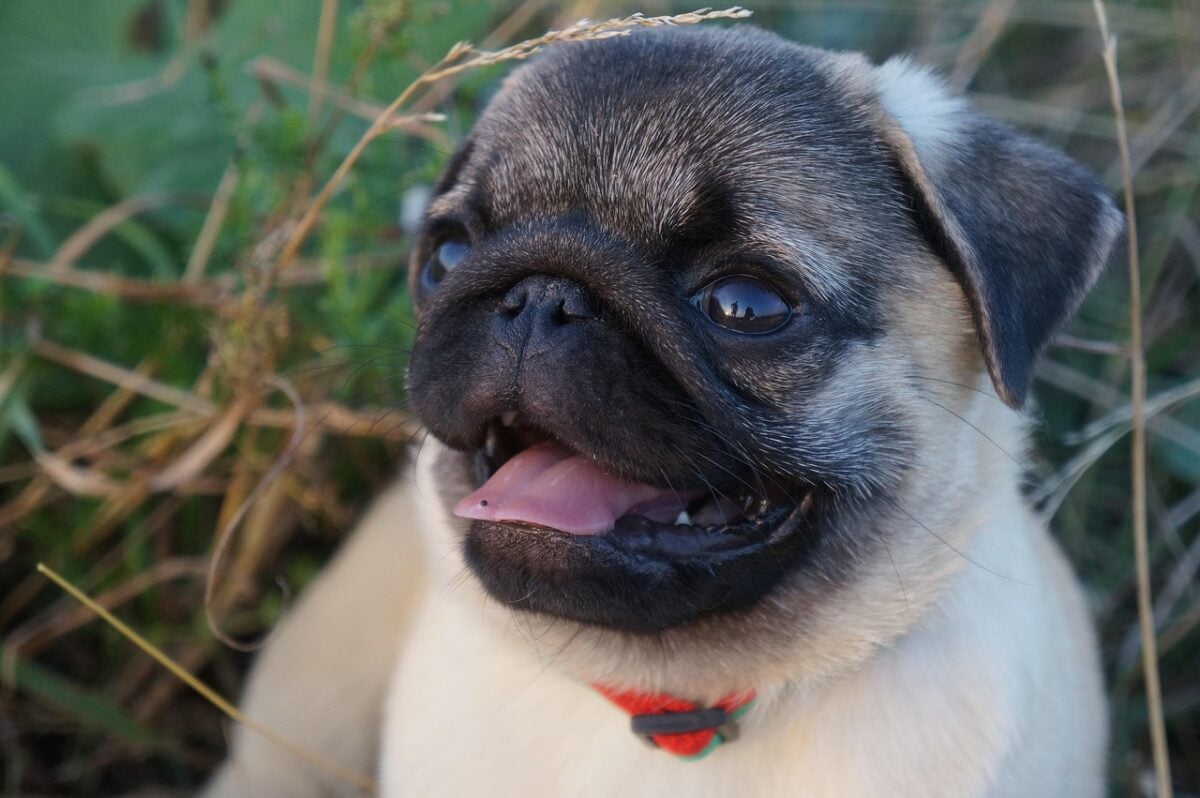
Originally bred as lap companions, Pugs thrive in interactive households. They enjoy play and attention but don’t require extreme exercise. Because of their brachycephalic build (flat faces), activity should be moderated, especially in heat.
Their joy is fueled by engagement — they want to be involved. When included and stimulated appropriately, they maintain a playful, good-natured temperament.
Temperament Snapshot
- Energy Level: Moderate (short bursts, followed by strategic rest)
- Social Style: Attention-seeking extrovert
- Joy Trigger: Play sessions, eye contact, being center stage
- Why They’re One of the Happiest Dog Breeds: Their expressive enthusiasm is consistent and socially reinforced.
Happiness Profile: Tail-Wag Endurance 8/10 | Stranger Enthusiasm 8/10 | Zoomie Frequency 7/10
6. Shih Tzu
Shih Tzus project calm satisfaction. They’re less likely to launch into dramatic displays and more likely to settle nearby with quiet contentment. Their happiness is steady, affectionate, and low-drama.
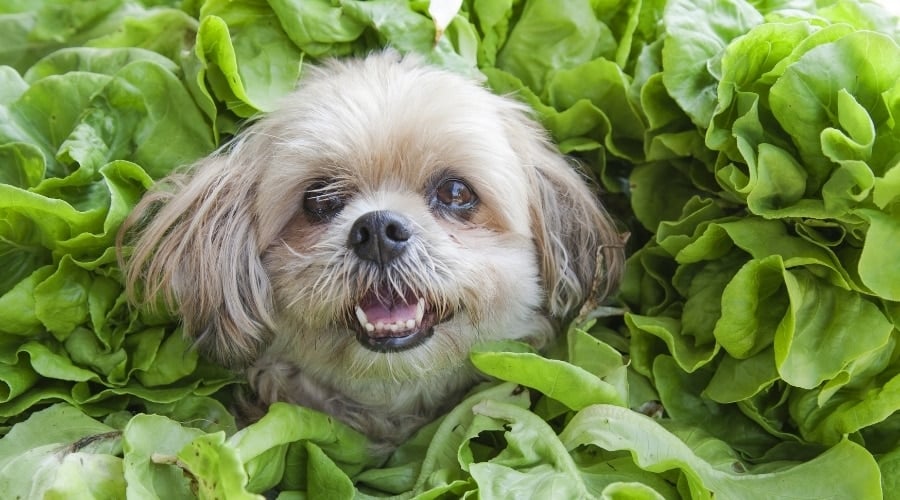
Bred as royal companion dogs, Shih Tzus tend to thrive in stable homes where companionship is readily available. They enjoy moderate play but don’t require high levels of activity to stay cheerful.
Their temperament leans toward gentle contentment rather than visible exuberance. While they form strong bonds, they’re typically adaptable and socially pleasant when well socialized.
Temperament Snapshot
- Energy Level: Low to Moderate (calm with playful moments)
- Social Style: Affectionate but independent
- Joy Trigger: Comfortable routines, attention, short play sessions
- Why They’re One of the Happiest Dog Breeds: Their warmth feels constant and emotionally balanced.
Happiness Profile: Tail-Wag Endurance 7/10 | Stranger Enthusiasm 7/10 | Zoomie Frequency 5/10
7. French Bulldog
French Bulldogs don’t do subtle. They’re expressive, reactive, and often convinced that the room revolves around them. Their happiness shows up in bold reactions and unapologetic participation.
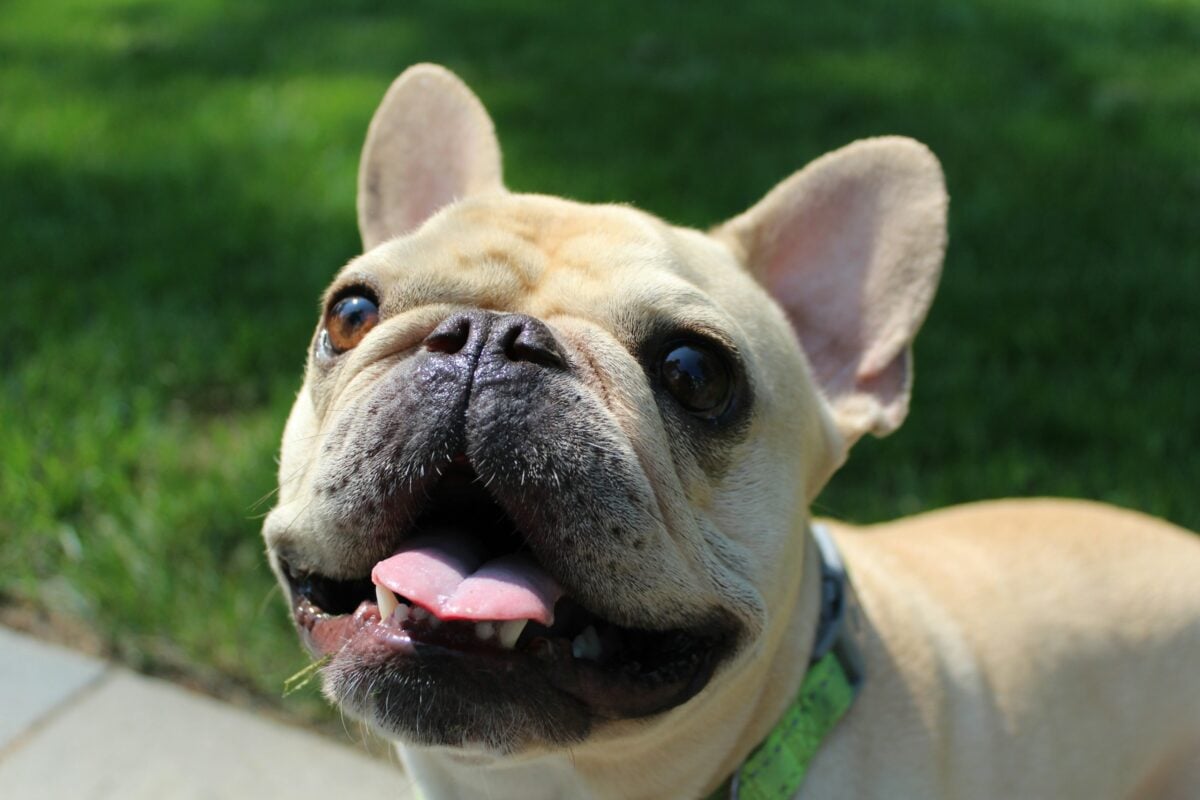
As companion dogs, Frenchies thrive in lively, interactive homes. They form strong bonds and enjoy being involved in daily routines. Due to their brachycephalic structure, activity should be moderate, but mental engagement and social interaction are important.
Their joy is social — they light up when attention is available. When included and properly cared for, they’re playful, entertaining, and consistently affectionate.
Temperament Snapshot
- Energy Level: Moderate (playful but not endurance athletes)
- Social Style: Charismatic companion
- Joy Trigger: Attention, interactive play, novelty
- Why They’re One of the Happiest Dog Breeds: Their enthusiasm is expressive and people-centered.
Happiness Profile: Tail-Wag Endurance 8/10 | Stranger Enthusiasm 8/10 | Zoomie Frequency 7/10
Medium-Sized Happy Dog Breeds
Medium-sized dogs often hit the sweet spot between enthusiasm and manageability. Many of them were bred for work, which means their happiness tends to be tied to engagement, movement, and having something to do.
8. Cocker Spaniel
Cocker Spaniels don’t wag their tails. They mobilize them. The movement tends to involve the entire back half of the dog, especially when they make eye contact with someone they like. Their happiness is affectionate, visible, and generously distributed.

Originally bred as sporting dogs, Cockers enjoy activity but are just as content being close to their families. They thrive in homes that offer regular interaction, moderate exercise, and positive reinforcement.
Their joy is relational first, recreational second. While they benefit from outdoor time and mental stimulation, their emotional anchor is connection.
Temperament Snapshot
- Energy Level: Moderate to High (especially outdoors)
- Social Style: Affectionate velcro
- Joy Trigger: Praise, walks, interactive play
- Why They’re One of the Happiest Dog Breeds: Their enthusiasm feels sincere and people-centered.
Happiness Profile: Tail-Wag Endurance 9/10 | Stranger Enthusiasm 8/10 | Zoomie Frequency 7/10
9. Beagle
Beagles approach life nose-first. If something smells promising, they are already happy about it. Their optimism is curiosity-driven and fueled by movement.

Bred as scent hounds, Beagles thrive when they have opportunities to explore and engage their senses. They’re social, playful, and often comfortable around children and other dogs. Their happiness is activity-based, especially when it involves following a scent or participating in a game.
Without sufficient stimulation, they can become vocal or restless, but when properly exercised, they’re animated and good-natured.
Temperament Snapshot
- Energy Level: High (especially outdoors)
- Social Style: Friendly explorer
- Joy Trigger: Scent trails, outdoor adventures, play
- Why They’re One of the Happiest Dog Breeds: Their enthusiasm is tied to curiosity and movement.
Happiness Profile: Tail-Wag Endurance 8/10 | Stranger Enthusiasm 8/10 | Zoomie Frequency 8/10
10. Pembroke Welsh Corgi
Corgis carry themselves like small executives with short legs and strong opinions. They are confident, expressive, and often very pleased with their own performance. Their happiness blends playfulness with self-assurance.
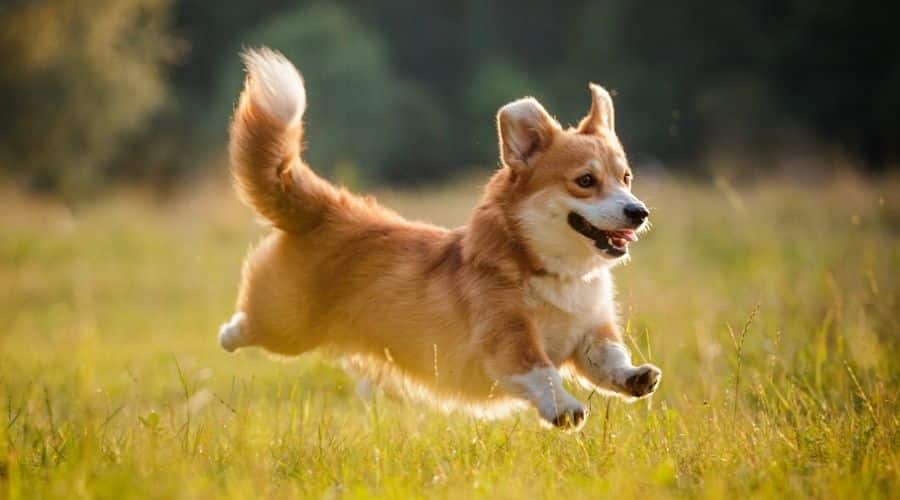
Originally bred for herding cattle, Pembroke Welsh Corgis are intelligent and active. They thrive when mentally engaged and included in daily activity. While affectionate with their families, they can be alert and opinionated.
Their joy often activates when they feel involved and purposeful. Structured play and training keep that cheerfulness well directed.
Temperament Snapshot
- Energy Level: Moderate to high (mentally engaged)
- Social Style: Confident companion
- Joy Trigger: Training sessions, games, active households
- Why They’re One of the Happiest Dog Breeds: Their enthusiasm is both social and task-driven.
Happiness Profile: Tail-Wag Endurance 8/10 | Stranger Enthusiasm 7/10 | Zoomie Frequency 8/10
11. Australian Shepherd
Australian Shepherds don’t express happiness casually. Their joy has direction. It’s often pointed at a task, a movement, or something that clearly needs organizing. Their cheerfulness intensifies when they feel useful.
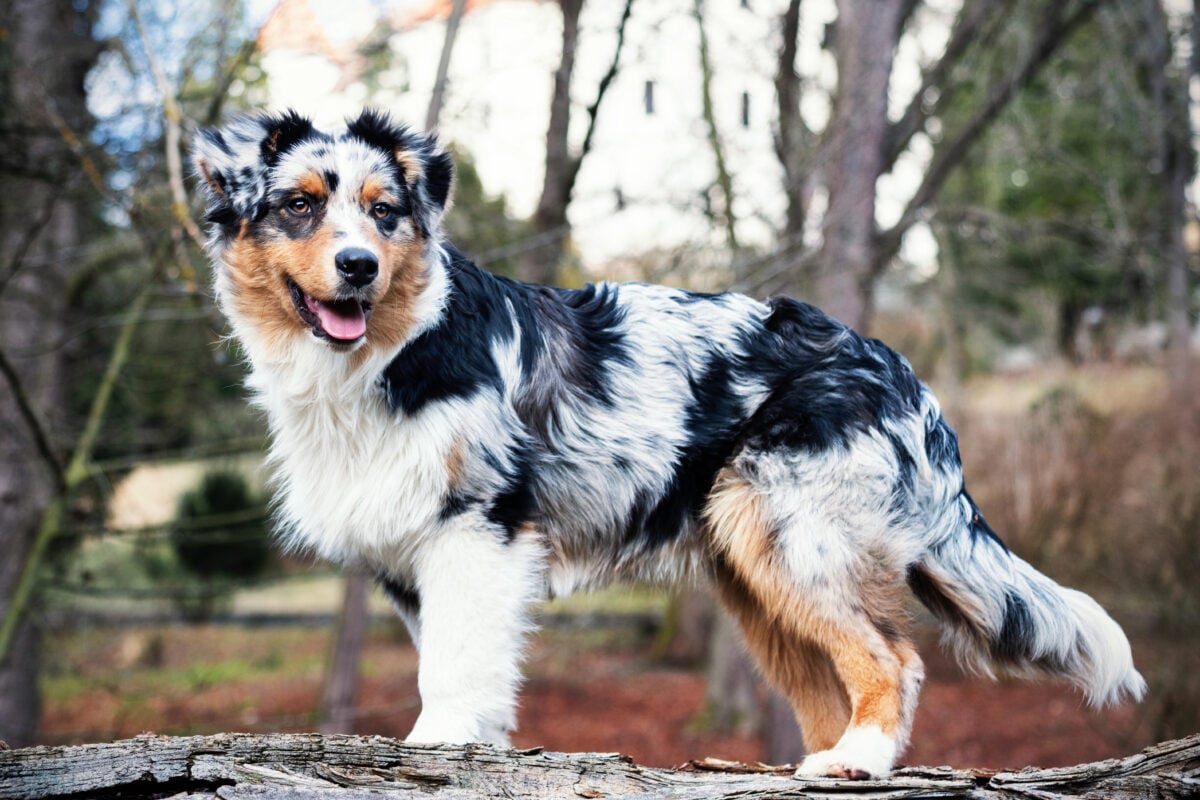
Bred for herding livestock, Aussies are intelligent, energetic, and deeply bonded to their families. They require regular physical exercise and mental challenges to maintain emotional balance. Their happiness is achievement-based — it depends on engagement.
Without adequate stimulation, they can become restless, but when properly exercised and trained, they’re intensely enthusiastic and loyal.
Temperament Snapshot
- Energy Level: High (sustained and mentally driven)
- Social Style: Loyal inner circle
- Joy Trigger: Agility, advanced training, having a job
- Why They’re One of the Happiest Dog Breeds: Their optimism is activated through purpose.
Happiness Profile: Tail-Wag Endurance 8/10 | Stranger Enthusiasm 6/10 | Zoomie Frequency 9/10
12. Poodle
Standard Poodles combine intelligence with sociability in a way that often reads as composed enthusiasm. They enjoy interaction, but they especially enjoy figuring things out. Their happiness sharpens when their brains are engaged.
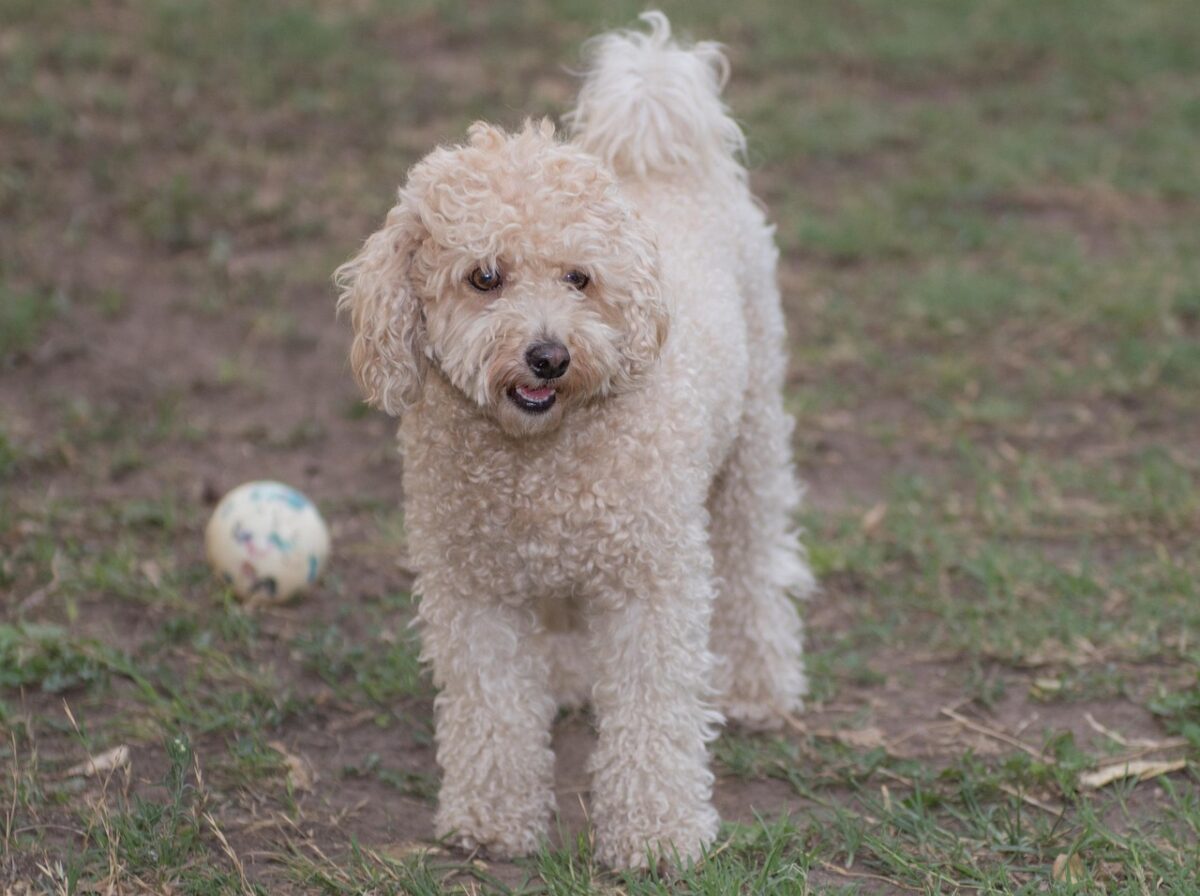
Originally bred as water retrievers, Standard Poodles are active and highly trainable. They thrive in homes that provide both exercise and mental stimulation. While generally friendly, they’re also observant and adaptable.
Their joy is fueled by learning, interaction, and participation. Boredom tends to dampen their demeanor, but engagement keeps them bright and responsive.
Temperament Snapshot
- Energy Level: Moderate to high (mentally and physically active)
- Social Style: Engaged and responsive
- Joy Trigger: Training, problem-solving, interactive play
- Why They’re One of the Happiest Dog Breeds: Their cheerfulness rises with stimulation.
Happiness Profile: Tail-Wag Endurance 8/10 | Stranger Enthusiasm 7/10 | Zoomie Frequency 8/10
13. Shetland Sheepdog
Shetland Sheepdogs are alert, expressive, and often visibly pleased when they understand what’s happening. They seem to enjoy being in sync. Their happiness feels cooperative rather than chaotic.
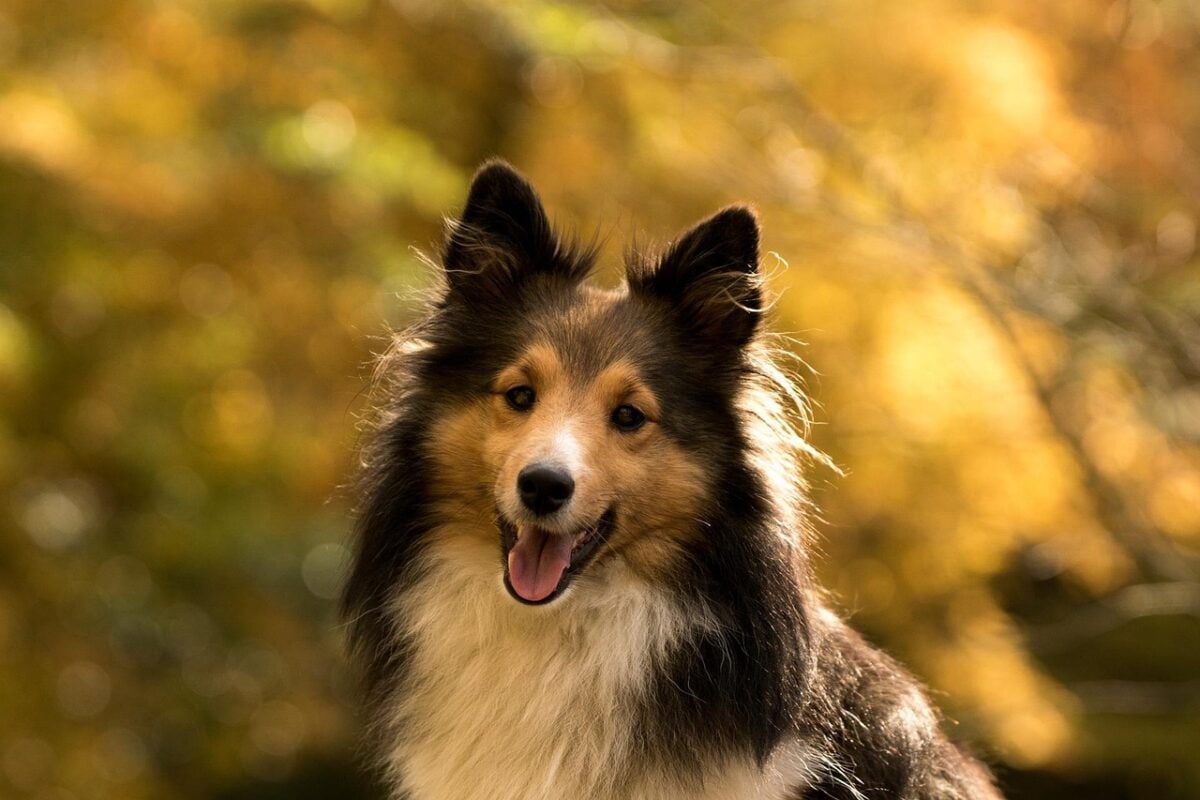
Bred for herding, Shelties are intelligent and eager to please. They form strong bonds with their families and often respond enthusiastically to structured training and activity.
While sometimes reserved with strangers, they’re affectionate at home. Their joy is tied to connection and collaboration. Mental engagement keeps them emotionally steady.
Temperament Snapshot
- Energy Level: Moderate to high (responsive and agile)
- Social Style: Devoted and observant
- Joy Trigger: Training, routine interaction, shared activity
- Why They’re One of the Happiest Dog Breeds: Their enthusiasm aligns with involvement.
Happiness Profile: Tail-Wag Endurance 8/10 | Stranger Enthusiasm 6/10 | Zoomie Frequency 7/10
14. Border Collie
Border Collies don’t just enjoy activity — they expect it. Their focus sharpens when there’s a task in front of them. Their happiness is achievement-oriented and mentally charged.
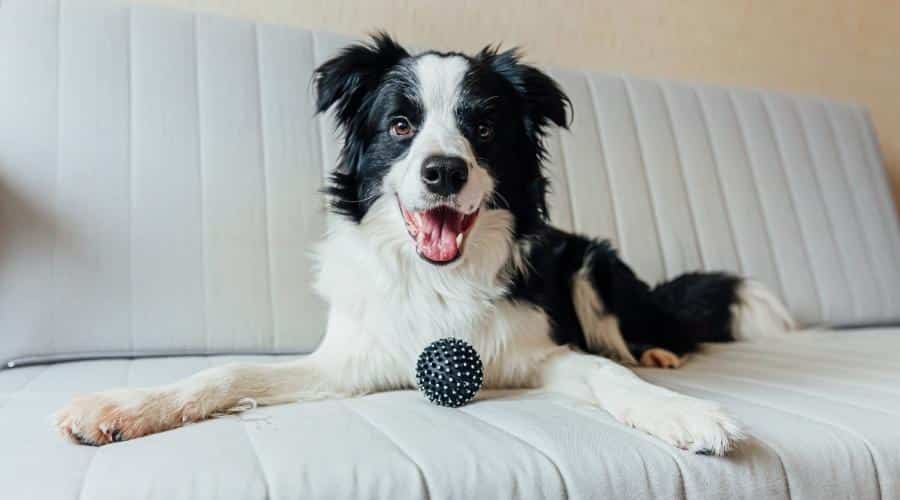
As one of the most intelligent herding breeds, Border Collies require significant physical exercise and advanced mental stimulation. They’re intensely loyal and thrive when given structured work or complex training.
Their cheerfulness peaks when they’re challenged. Without engagement, they can become restless, but when properly stimulated, they’re energetic, responsive, and visibly driven.
Temperament Snapshot
- Energy Level: High (intense and sustained)
- Social Style: Loyal and task-focused
- Joy Trigger: Herding games, advanced training, structured activity
- Why They’re One of the Happiest Dog Breeds: Their joy ignites through accomplishment.
Happiness Profile: Tail-Wag Endurance 8/10 | Stranger Enthusiasm 6/10 | Zoomie Frequency 9/10
Large-Sized Happy Dog Breeds
Large dogs often make their happiness unmistakable. When they’re cheerful, the furniture knows. But beyond the physical presence, many larger breeds are known for steady temperaments, social confidence, and visibly expressive enthusiasm.
15. Bernese Mountain Dog
Bernese Mountain Dogs don’t rush their happiness. They project it calmly, with soft expressions and steady proximity. Their joy feels grounded and emotionally warm rather than explosive.
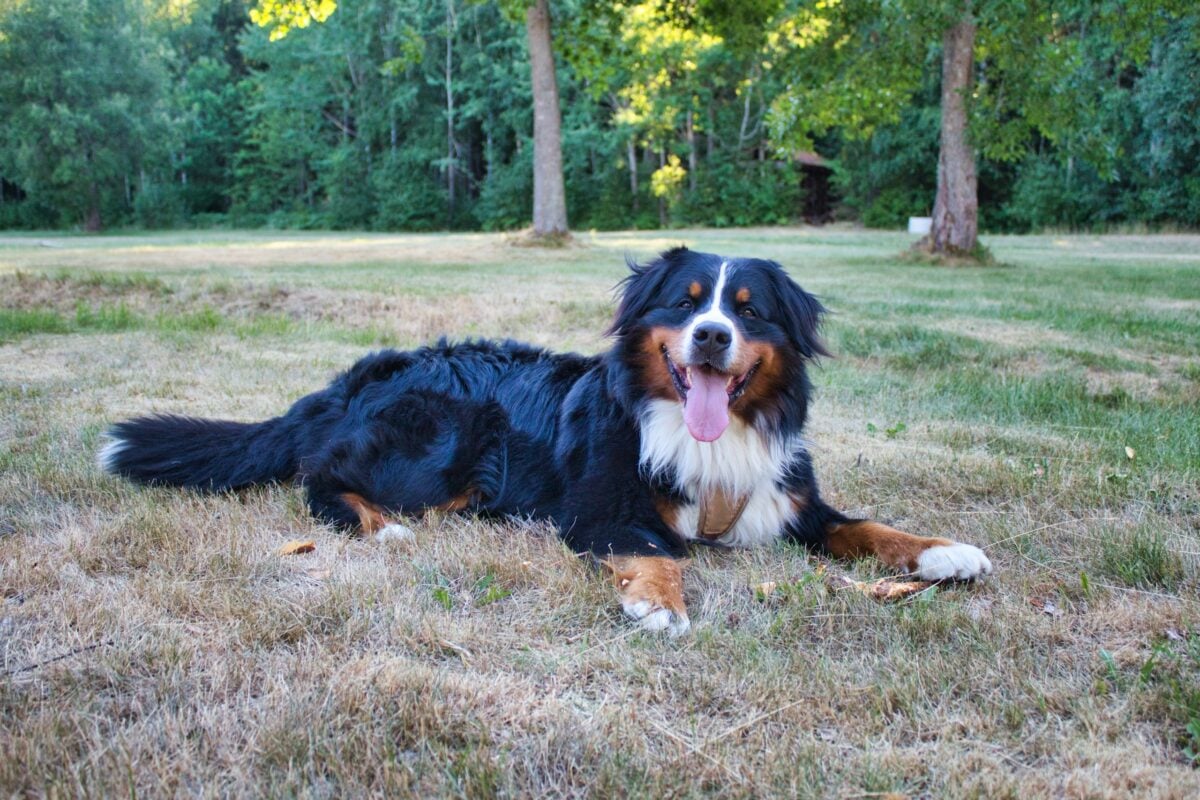
Originally bred as working farm dogs, Berners are strong, patient, and deeply bonded to their families. They thrive in homes where they can stay close and participate in daily routines. While they enjoy outdoor activity, they’re not relentless athletes.
Their happiness depends more on companionship and stability than on stimulation. When included and well cared for, they’re gentle, affectionate, and consistently content.
Temperament Snapshot
- Energy Level: Moderate (steady and balanced)
- Social Style: Devoted family companion
- Joy Trigger: Being near their people, outdoor time, calm interaction
- Why They’re One of the Happiest Dog Breeds: Their warmth is constant and emotionally steady.
Happiness Profile: Tail-Wag Endurance 7/10 | Stranger Enthusiasm 7/10 | Zoomie Frequency 5/10
16. Boxer
Boxers approach life like it’s an ongoing game. They bounce, pivot, and occasionally appear to invent activities mid-air. Their happiness is physical, playful, and difficult to ignore.
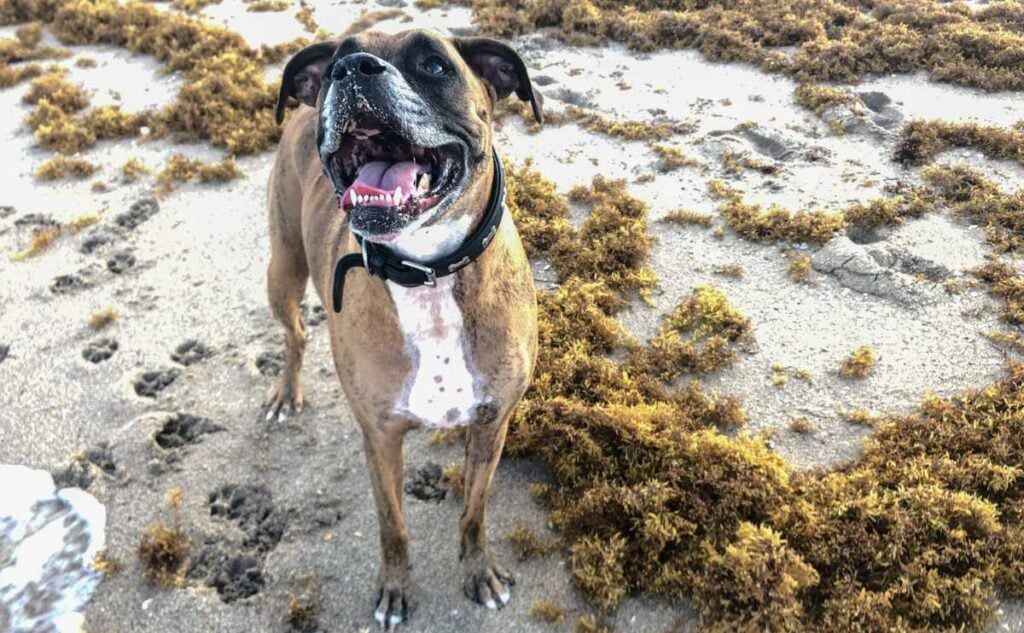
Originally bred as working and guard dogs, Boxers are energetic and people-oriented. They require regular exercise and benefit from consistent training. Their joy thrives on movement and interaction.
When mentally and physically engaged, they maintain a buoyant, affectionate temperament that often extends well into adulthood.
Temperament Snapshot
- Energy Level: High (play-driven and expressive)
- Social Style: Playful extrovert
- Joy Trigger: Rough-and-tumble play, attention, and active households
- Why They’re One of the Happiest Dog Breeds: Their enthusiasm is visibly sustained and contagious.
Happiness Profile: Tail-Wag Endurance 9/10 | Stranger Enthusiasm 8/10 | Zoomie Frequency 9/10
17. Labrador Retriever
Labradors operate under the assumption that most things are good news. They greet guests, toys, and occasionally empty rooms with equal optimism. Their cheerfulness is broad, obvious, and socially reinforced.
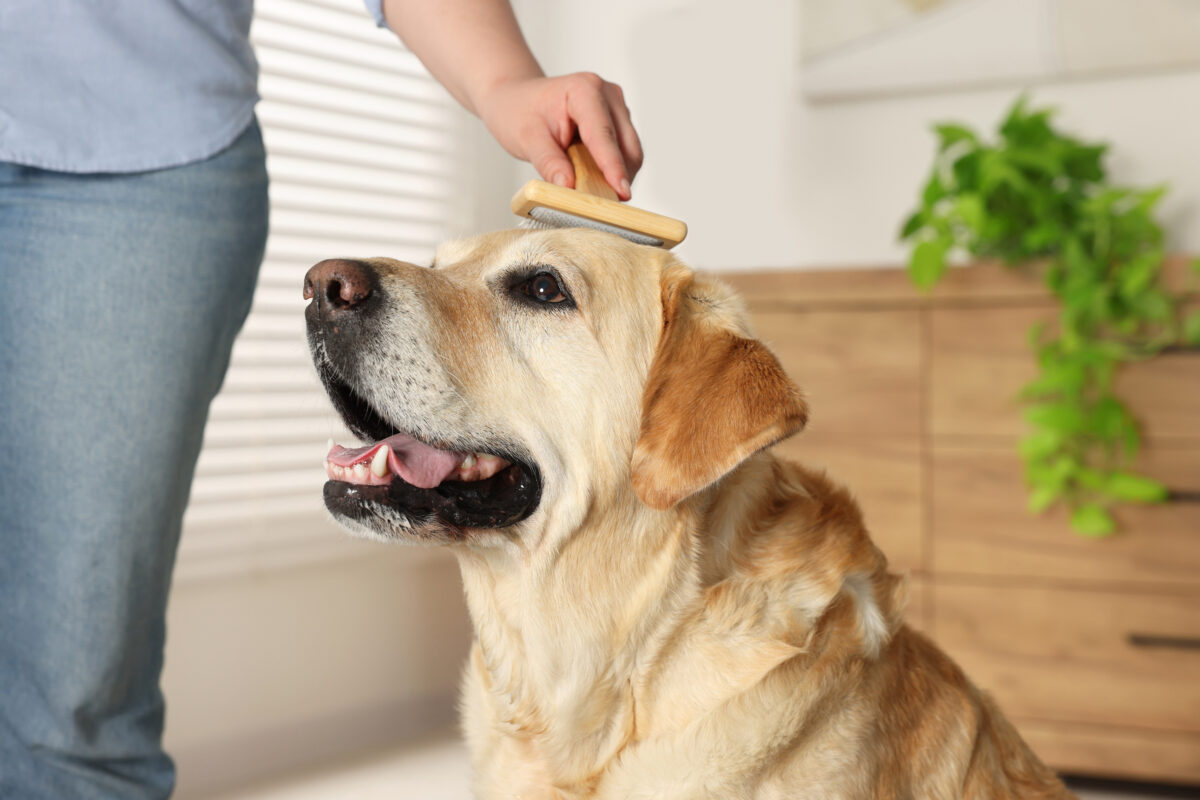
Bred as retrievers, Labs are active, trainable, and highly people-oriented. They thrive in households that provide exercise, mental engagement, and inclusion.
While they benefit from structure, they’re typically adaptable and outgoing. Their happiness is social and activity-driven, anchored by strong bonds with their families.
Temperament Snapshot
- Energy Level: High (joy-powered and steady)
- Social Style: Unfiltered social enthusiast
- Joy Trigger: Fetch, water, praise, shared activity
- Why They’re One of the Happiest Dog Breeds: Their optimism tends to default to “yes.”
Happiness Profile: Tail-Wag Endurance 10/10 | Stranger Enthusiasm 10/10 | Zoomie Frequency 8/10
18. Irish Setter
Irish Setters rarely do anything halfway. Their movement is fluid, fast, and usually enthusiastic. Their happiness is kinetic and outward-facing.
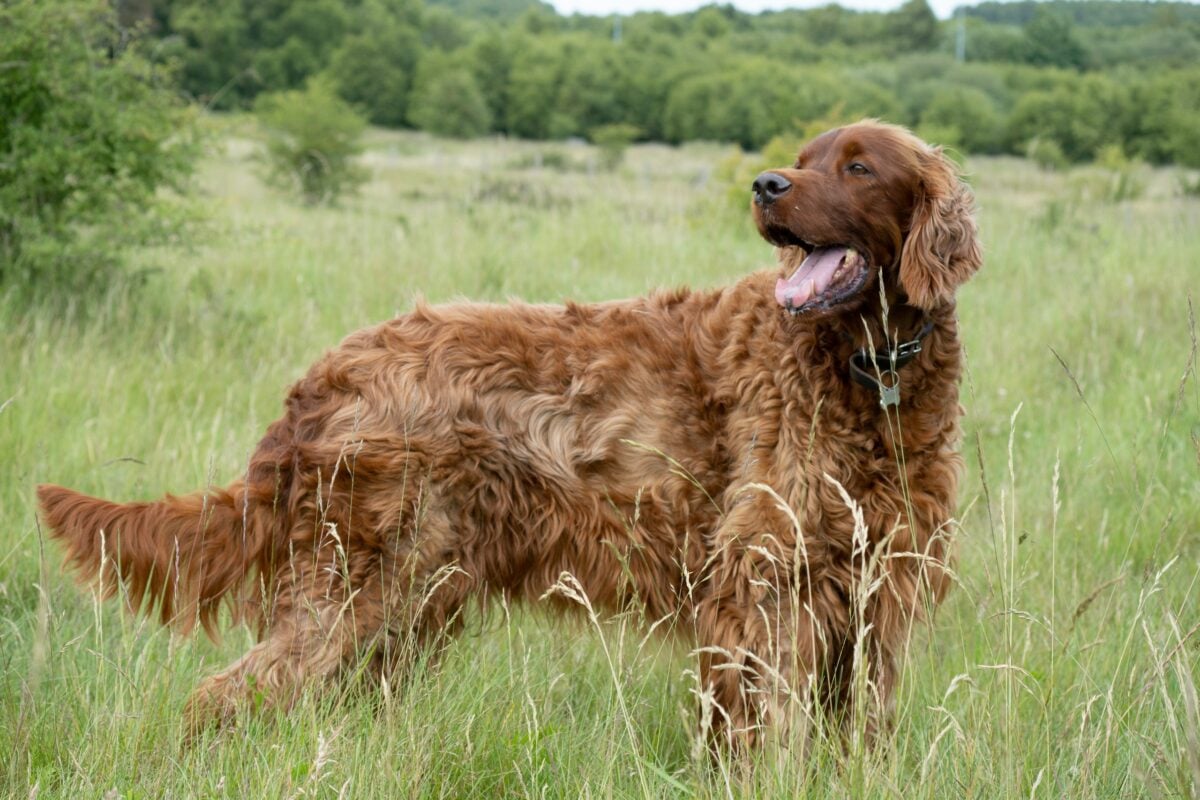
Originally bred as sporting dogs, Irish Setters require significant physical exercise and benefit from consistent engagement. They tend to be friendly, affectionate, and socially confident.
Their joy shows up in motion, especially outdoors. When properly exercised, they’re animated, warm, and consistently upbeat.
Temperament Snapshot
- Energy Level: High (athletic and expressive)
- Social Style: Friendly and outgoing
- Joy Trigger: Running, outdoor play, active interaction
- Why They’re One of the Happiest Dog Breeds: Their enthusiasm thrives on movement and companionship.
Happiness Profile: Tail-Wag Endurance 8/10 | Stranger Enthusiasm 8/10 | Zoomie Frequency 9/10
19. Samoyed
Samoyeds are famous for their “smile,” but the expression matches the temperament. They tend to be sociable, playful, and visibly pleased to participate. Their happiness is expressive and people-centered.
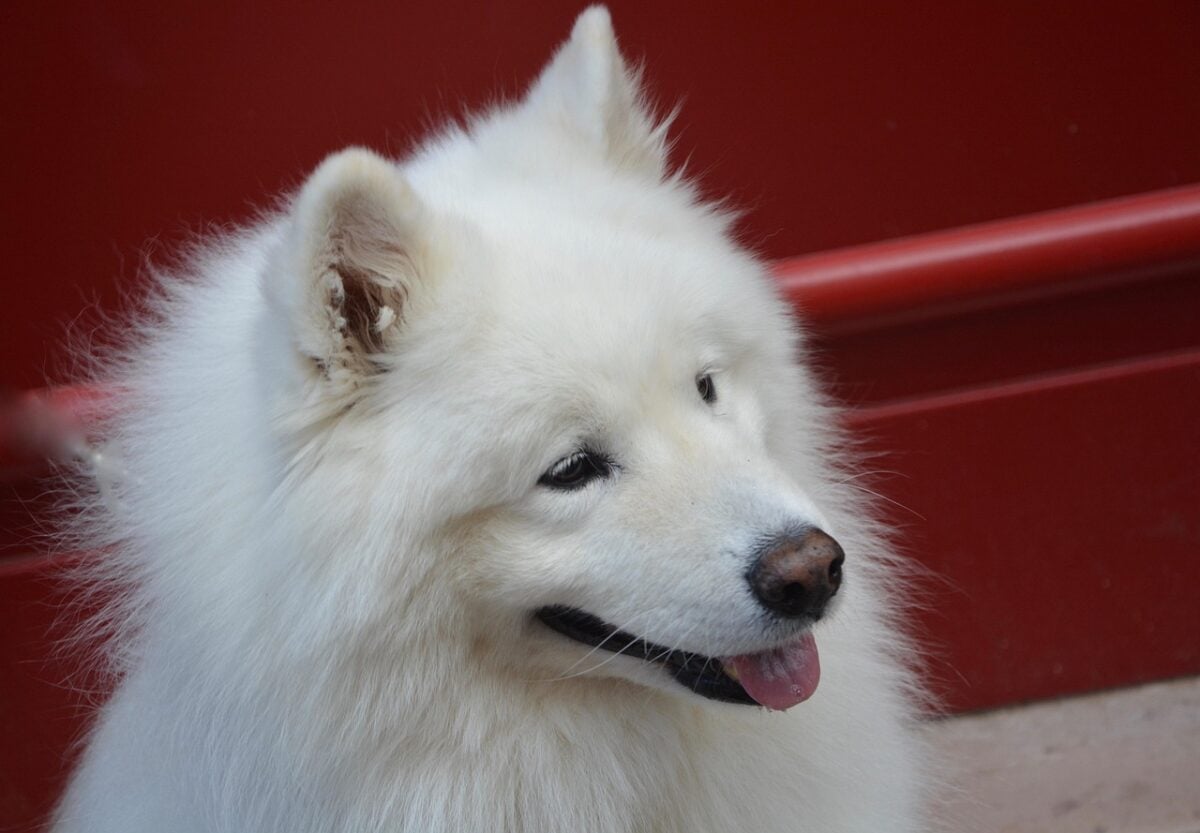
Bred to work alongside humans in cold climates, Samoyeds are active, intelligent, and highly social. They require regular exercise and consistent interaction to maintain emotional balance.
Their joy thrives on companionship and shared activity. When mentally and physically engaged, they’re lively and affectionate.
Temperament Snapshot
- Energy Level: High (active and responsive)
- Social Style: Social and engaged
- Joy Trigger: Interaction, outdoor time, attention
- Why They’re One of the Happiest Dog Breeds: Their cheerfulness is outward and consistent.
Happiness Profile: Tail-Wag Endurance 9/10 | Stranger Enthusiasm 9/10 | Zoomie Frequency 8/10
20. Golden Retriever
Last, but certainly not least, is the Golden. Golden Retrievers rarely hide their enthusiasm. They greet familiar routines as if they’ve just been reintroduced to something wonderful. Their happiness is obvious, generous, and socially expansive.
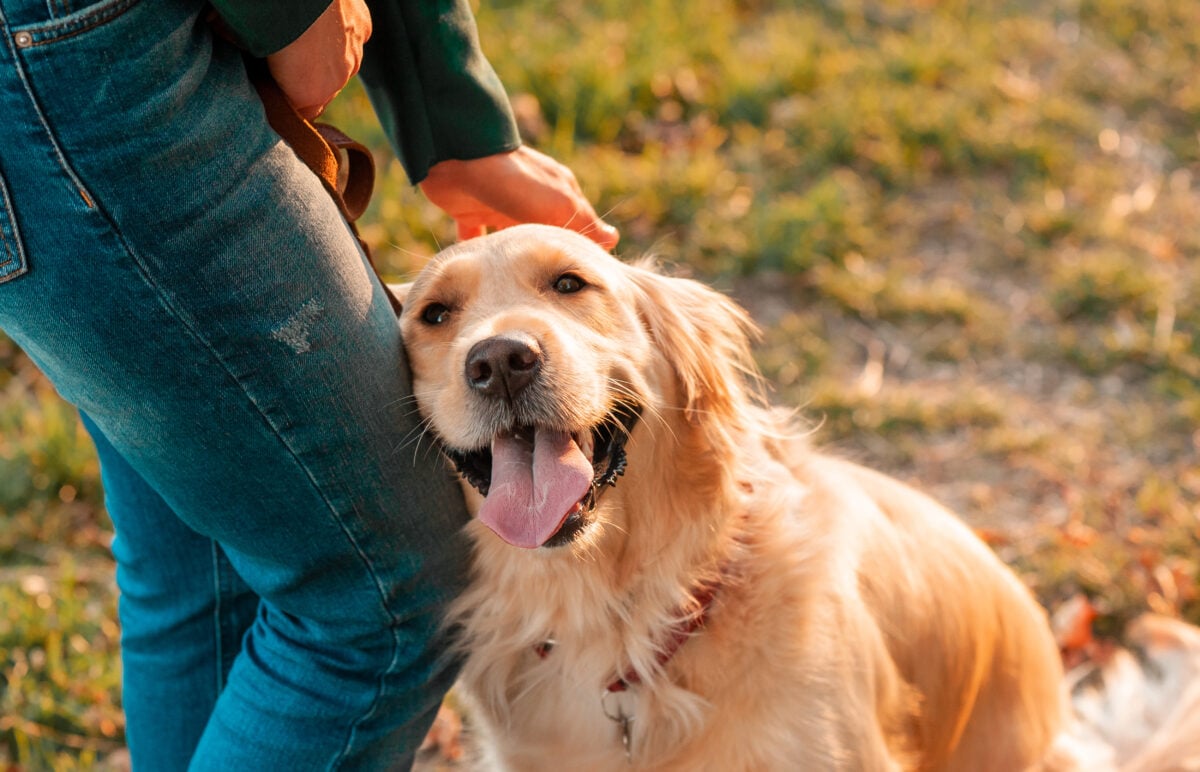
Originally bred as sporting retrievers, Goldens are active, trainable, and deeply people-oriented. They thrive in homes that offer regular exercise, mental stimulation, and inclusion in daily life.
While they require structure and activity to stay balanced, they’re typically resilient and adaptable. Their joy blends social confidence with steady affection, making it both visible and sustainable.
Temperament Snapshot
- Energy Level: High (active but emotionally steady)
- Social Style: Universally friendly
- Joy Trigger: Fetch, water, praise, shared activity
- Why They’re One of the Happiest Dog Breeds: Their optimism feels durable and widely distributed.
Happiness Profile: Tail-Wag Endurance 10/10 | Stranger Enthusiasm 10/10 | Zoomie Frequency 8/10
Why Happiness Looks Different From Breed to Breed
Not all joy looks the same. In dogs, happiness is influenced by genetics, original purpose, and daily environment. Veterinary sources, such as the Merck Veterinary Manual, consistently note that genetics and early development both contribute to temperament patterns.
Many of the breeds on this list were developed for specific jobs, and those roots still shape how they express emotion today.
For example:
- Herding breeds were bred to stay alert, responsive, and mentally engaged.
- Sporting breeds were selected for stamina, enthusiasm, and cooperation.
- Companion breeds were designed primarily to bond closely with humans.
That history matters. A dog bred for collaboration may express happiness through activity and purpose.
A companion breed may show it through proximity and affection.
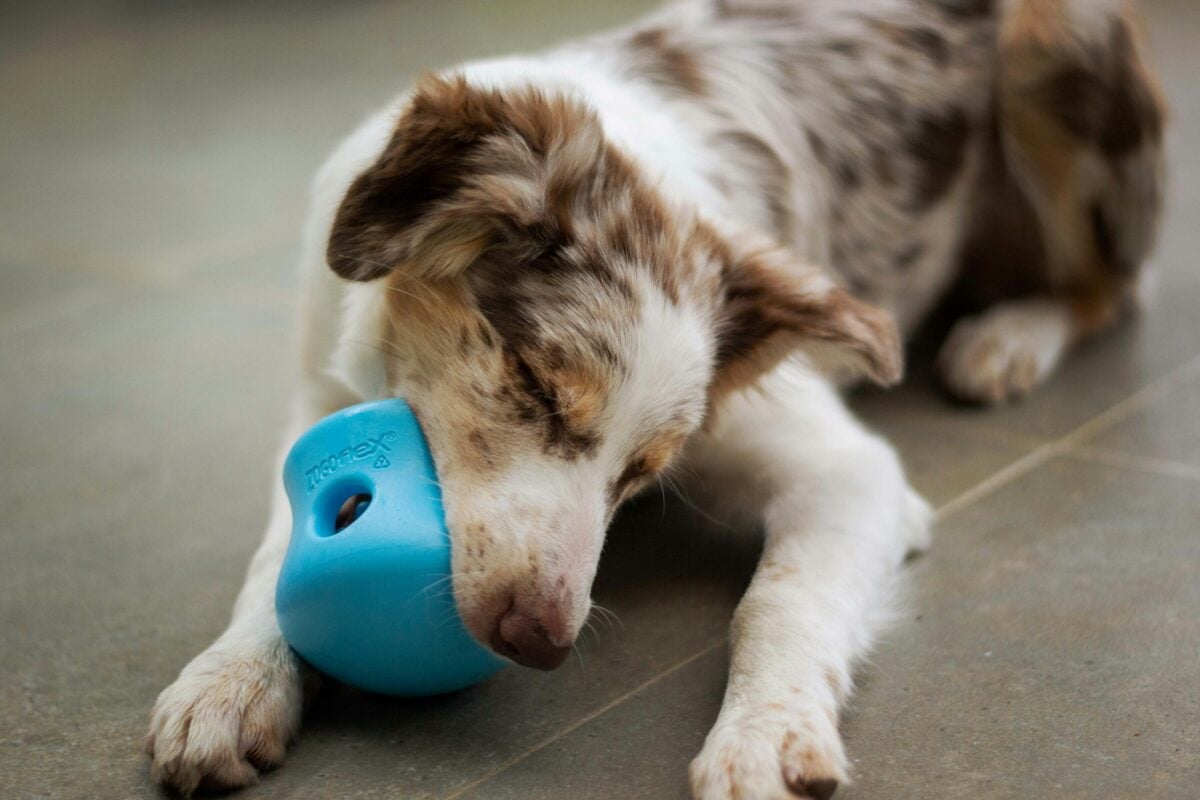
Environment plays a role, too. Even the most naturally cheerful dog benefits from:
- Regular exercise
- Mental stimulation
- Consistent routines
- Positive social interaction
Without those, even an upbeat temperament can flatten.
Quick Picks: Find A Happy Dog That Fits Your Lifestyle
Not every kind of happiness fits every household. Some dogs radiate calm contentment. Others operate at full enthusiasm by 6:15 a.m. The key isn’t choosing the “happiest” dog; it’s choosing the one whose version of happiness aligns with your routine. Here’s a quick way to narrow it down.
Best For Low-Energy Homes
If your ideal evening involves a couch, a blanket, and minimal cardio, look for breeds whose happiness doesn’t depend on constant stimulation. These breeds tend to show steady, relational happiness rather than relentless motion.
Strong Matches:
- Cavalier King Charles Spaniel – Prefers lap access over cardio metrics
- Maltese – Small footprint, minimal chaos
- Shih Tzu – Calm presence with excellent couch discipline
- Bernese Mountain Dog – Large body, surprisingly reasonable daily agenda
Best For Active Lifestyles
If your weekends involve trails, long walks, structured training, or spontaneous outdoor plans, you’ll want a dog whose joy increases with movement. For these breeds, activity fuels cheerfulness.
Strong Matches:
- Labrador Retriever – Will retrieve anything, including your motivation
- Golden Retriever – Enthusiasm with built-in endurance
- Australian Shepherd – Needs a job, will invent one if necessary
- Irish Setter – Runs first, reflects later
- Border Collie – Mentally drafting a to-do list while you tie your shoes
Best For Apartments
These apartment-approved pups can thrive in smaller spaces when they receive consistent interaction and mental stimulation.
Strong Matches:
- Bichon Frise – Compact optimism with manageable volume
- Boston Terrier – Social, adaptable, surprisingly efficient
- French Bulldog – Moderate energy, maximal personality
- Maltese – Takes up very little space, emotionally takes up more
- Cavalier King Charles Spaniel – Content anywhere you’re sitting

Best For First-Time Dog Owners
Some breeds are more forgiving. They’re adaptable, eager to please, and less likely to unravel over small mistakes. Their temperaments tend to default toward cooperation.
Strong Matches:
- Labrador Retriever – Assumes you meant well
- Golden Retriever – Patient, cooperative, and ready to try again
- Cocker Spaniel – Responsive and emotionally available
- Bichon Frise – Socially motivated and eager to participate
- Cavalier King Charles Spaniel – Relational, steady, and low-drama
Better For Experienced Owners
These breeds are often happy, but their happiness depends on structure, engagement, and clear expectations. When properly stimulated, they’re intensely enthusiastic. Without it, they can become restless.
Strong Matches:
- Border Collie – Requires stimulation and a clearly defined purpose
- Australian Shepherd – Thrives on direction and mental engagement
- Standard Poodle – Highly trainable, highly observant
- Pembroke Welsh Corgi – Confident, capable, occasionally opinionated
Frequently Asked Questions
Choosing a dog based on temperament naturally raises follow-up questions. If you don’t see yours here, drop it in the comments — we read them, and other dog owners benefit from real-world perspectives, too.
What Is The Most Happy Dog Breed Overall?
There isn’t one universal “happiest” breed. That said, Labrador Retrievers and Golden Retrievers are often cited for their consistently upbeat, socially confident temperaments. Their enthusiasm tends to be visible, resilient, and widely distributed.
Are Small Dogs Happier Than Large Dogs?
Not necessarily. Small dogs often express happiness through attachment and social enthusiasm. Large dogs may show it through physical play or steady companionship. Happiness isn’t about size — it’s about temperament fit.
Are Mixed-Breed Dogs Just As Happy?
Absolutely. Mixed-breed dogs can be just as cheerful, affectionate, and resilient as purebreds. Temperament depends more on individual personality, genetics, and environment than pedigree alone.
Can You Make A Dog Happier?
You can’t manufacture temperament, but you can support it. Meeting a dog’s core needs strengthens their natural cheerfulness. Most dogs thrive with:
- Consistent routines
- Regular exercise
- Mental stimulation
- Positive social interaction
Do Some Dogs “Smile” More Than Others?
Some breeds have facial structures that appear smile-like, such as Samoyeds, but visible joy isn’t limited to expression. Tail position, body language, responsiveness, and play behavior often tell a clearer story than teeth.
What If My Dog Isn’t Naturally Outgoing?
Outgoing doesn’t equal happy. Many dogs are quietly content, deeply bonded, and emotionally steady without being social butterflies. Happiness can look calm, reserved, and secure.
Temperament Is Only Part Of The Picture
The happiest dog breeds tend to share a few things: social confidence, resilience, and an overall cheerful baseline. But “happy” is only one part of the decision. The dog that’s perfect for your home is the one whose temperament and real-life needs match your routine — energy level, training demands, grooming, health considerations, and how much time they’ll spend alone.
If you’re narrowing down your shortlist, these Canine Journal guides can help you sanity-check the practical side:
Living with a professionally cheerful dog? We want evidence. Does your Golden assume every knock at the door is good news? Has your Boxer ever thrown a full-body celebration over absolutely nothing? Share your most over-the-top happy dog stories in the comments.