When you purchase through links on our site, we may earn a commission. Here’s how it works.
On most afternoons, right when I’m hitting that mid-day slump, my little dog Falkor wanders over like he’s checking on my productivity. He climbs onto the couch, drops beside me with all the grace of a loaf of bread, and lets out a dramatic, soul-deep sigh, the kind that suggests he’s been the one grinding away at work all day.
Table of Contents
I can’t help laughing, but I also can’t help wondering: what’s behind that theatrical exhale? Is he feeling completely relaxed, mildly annoyed, or just updating his internal “human supervision” log?
Dogs sigh for a handful of different reasons, and those quiet little moments can tell you a lot about what’s going on in their heads. Here’s how to decode each type of sigh and what your pup might be trying to say.
What Counts as a Sigh in Dogs?
A dog’s sigh is more than a heavy breath. It has a rhythm and weight to it, the slow inhale, the long exhale, and the tiny pause afterward when their whole body settles. You have probably seen your dog do it after curling into a favorite spot, dropping beside you, or finally giving up on getting your attention.
But what actually makes it a sigh?
How Dogs Sigh vs. How Humans Sigh
We tend to sigh when we are overwhelmed, relieved, annoyed, or thinking hard. Dogs do not attach the same layers of meaning that we do, but the physical act is surprisingly similar.
A dog’s sigh is usually:
- A long, audible exhale
- Done while lying down or settling in
- Paired with relaxed or very intentional body language
- Lower and softer than a huff or grunt
Humans often sigh to express emotion or reset our thoughts.
In humans, spontaneous sighs occur about every five minutes. But scientists also know that in people, the frequency of sighing increases under stress, certain psychiatric conditions, such as depression or anxiety disorders, and hypoxia (low levels of oxygen in the body’s tissues).
Dogs sigh more as a shift in state, moving from alert to relaxed, from active to resting, or from hopeful to accepting that nothing exciting is happening.
And there is a part most people do not expect.
The Surprising Biology Behind Those Long Breaths
Inside the lungs are tiny air sacs called alveoli. They work like small balloons that bring oxygen into the bloodstream. These little structures can collapse over time, especially when the body is resting. A sigh acts as a natural reset, reinflating the lungs so they work the way they should.
Dogs sigh for this reason, too.
A sigh helps them:
- Keep their lungs healthy
- Shift their nervous system toward calm
- Transition from activity to rest
- Release leftover tension
A relaxed dog typically takes about 15 to 30 breaths per minute, according to the Cornell College of Veterinary Medicine. Sighs act as deeper resets within that normal rhythm.
So even when the moment feels dramatic or emotional, the big exhale after your dog drops beside you, there is a real biological purpose behind it.
When Dogs Sigh, Context Is Everything
A sigh from your dog can feel like a message, but the meaning is never found in the sound alone. Dogs rely on the entire moment, not just the breath itself, to communicate what they are feeling.

Before you draw any conclusions, it helps to slow down and notice the details surrounding that long exhale.
What to Notice in the Moment
A sigh often follows a shift in energy. Your dog may be settling beside you, adjusting on the couch, watching you from the floor, or reacting to something that just happened. These small cues offer the first hints about what the sigh might mean.
- What your dog was doing immediately before the sigh
- Whether the sigh happened during quiet time or after activity
- If something changed in the environment
- Whether your dog is seeking attention or choosing to rest
The moment around the sigh is usually more revealing than the sigh itself.
The Role of Body Language
A sigh paired with soft eyes communicates something very different than a sigh paired with alert ears. Your dog’s posture and expression shape the meaning behind the sound.
- Eye shape and gaze
- Ear position
- Muscle tension or looseness
- Tail position
- Whether your dog is curled up, stretched out, or sitting upright
Body language is the key that turns a simple sound into something more understandable.
The Importance of Timing and Situation
The timing of the sigh matters just as much as how it sounds. Context helps clarify whether the sigh signals calm, disappointment, or simple fatigue.
- Is it early in the day or right before bedtime
- Did your dog just finish a walk or a play session
- Has your dog been waiting for your attention
- Is your dog preparing to settle or reacting to a change
These surrounding details help shape the meaning behind the sigh. When you take the moment, the posture, and the timing together, the picture becomes much clearer. These clues set the stage for understanding the most common reasons behind dog sighs, which come next.
The Most Common Meanings Behind Dog Sighs
This is where the clues begin to come together. Once you pay attention to the moment, the posture, and the timing, the sigh itself starts to make more sense. Dogs sigh for a few common reasons, and each one has its own feel and rhythm.
1. The Relaxed Sigh
This is the long, slow exhale your dog gives when settling into a comfortable spot. You will usually see loose muscles, soft eyes, and a body that sinks into the floor or blanket. It is a sign that your dog feels safe, calm, and ready to rest.
2. The “Not What I Wanted” Sigh
Sometimes a sigh is a hint of disappointment. Your dog may let out this sound after realizing playtime is over or that the treat jar is staying closed. The posture is more alert, and the eyes are often open and watching you. It is a small vocal hint that your dog had different hopes for the moment.
3. The Wind Down Sigh
This sigh often appears after a walk, a training session, or a burst of excitement. It helps your dog’s body shift from an active state to a restful one. You may notice your dog lowering their body, stretching out, or circling before settling in for a nap.
During rest, a dog’s breathing becomes slower and more regular. A sigh helps shift the body into this calmer pattern after activity.
4. The Boredom Sigh
A bored sigh tends to happen when your dog has nothing to do and wants a change in the environment. The posture is more upright than relaxed, and your dog may glance toward you or shift around before letting out the exhale. It is a quiet invitation for you to offer attention or activity.
Each of these sighs tells a different story. When paired with body language and context, they reveal what your dog is trying to express in that quiet moment. The next section explains how to read those physical cues more clearly.
What a Dog’s Sigh Looks Like
A sigh can sound the same from one moment to the next, but the way your dog holds their body can completely change the meaning. Dogs communicate through posture, muscle tone, and facial expression. When you combine these signals with the sigh itself, the message becomes much clearer.
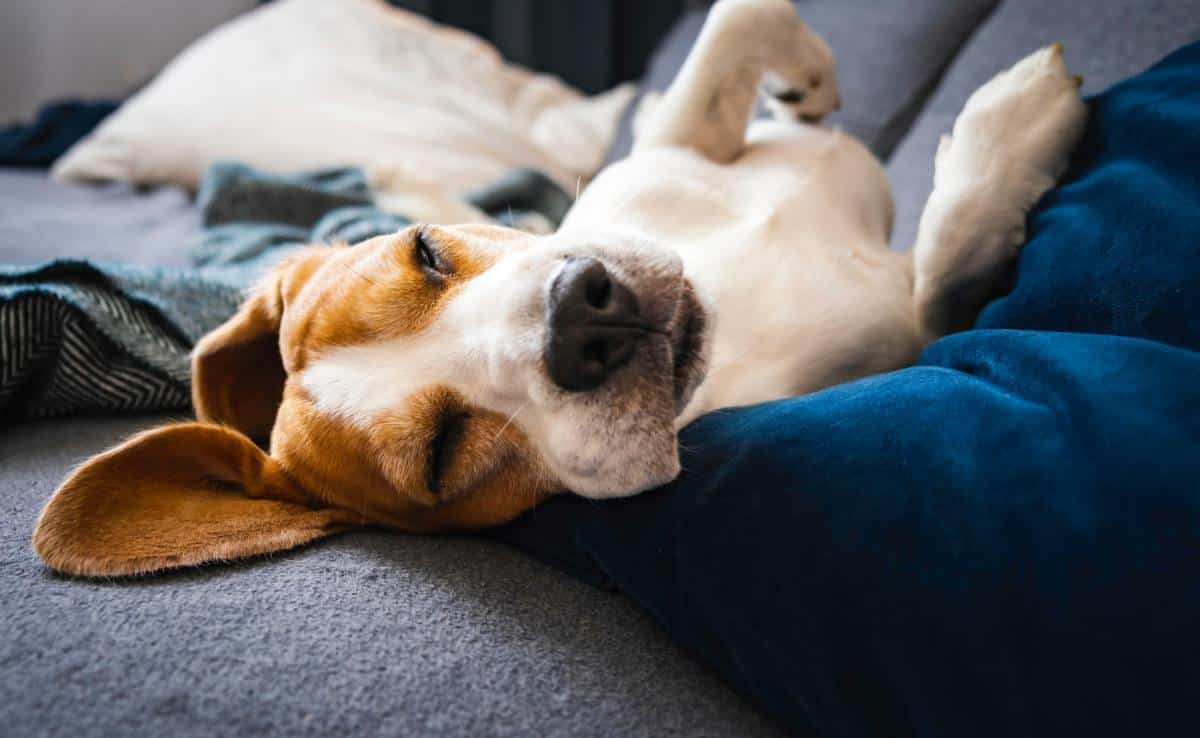
This cute Beagle’s happy sigh might remind you of your furry friend when she’s getting some shut-eye.
Eyes, Ears, Muscles, and Posture
Start by noticing the shape of your dog’s eyes. Soft, half-closed eyes usually hint at calm and relaxation. Wide-open eyes with a steady stare can point toward frustration or anticipation.
Ear position also adds important context. Ears that fall naturally or gently to the side often show that your dog is at ease. Ears that are forward, perked, or scanning the room indicate alertness or interest.
Look at the body as a whole. Loose muscles, a curved spine, and a relaxed belly often match a peaceful sigh. A dog that is stiff, upright, or sitting in a tall posture is more likely to be expressing boredom or a desire for engagement.
- Soft eyes and droopy ears suggest relaxation
- Forward ears and open eyes often pair with disappointment or anticipation
- Loose muscles match contentment
- A stiff or upright posture can signal waiting or frustration
Real Life Examples
The Couch Flop: Your dog hops up beside you, sinks into the cushions, and releases a long breath. The eyes soften, and the body melts into the couch. This is a relaxed sigh, often tied to comfort and closeness.
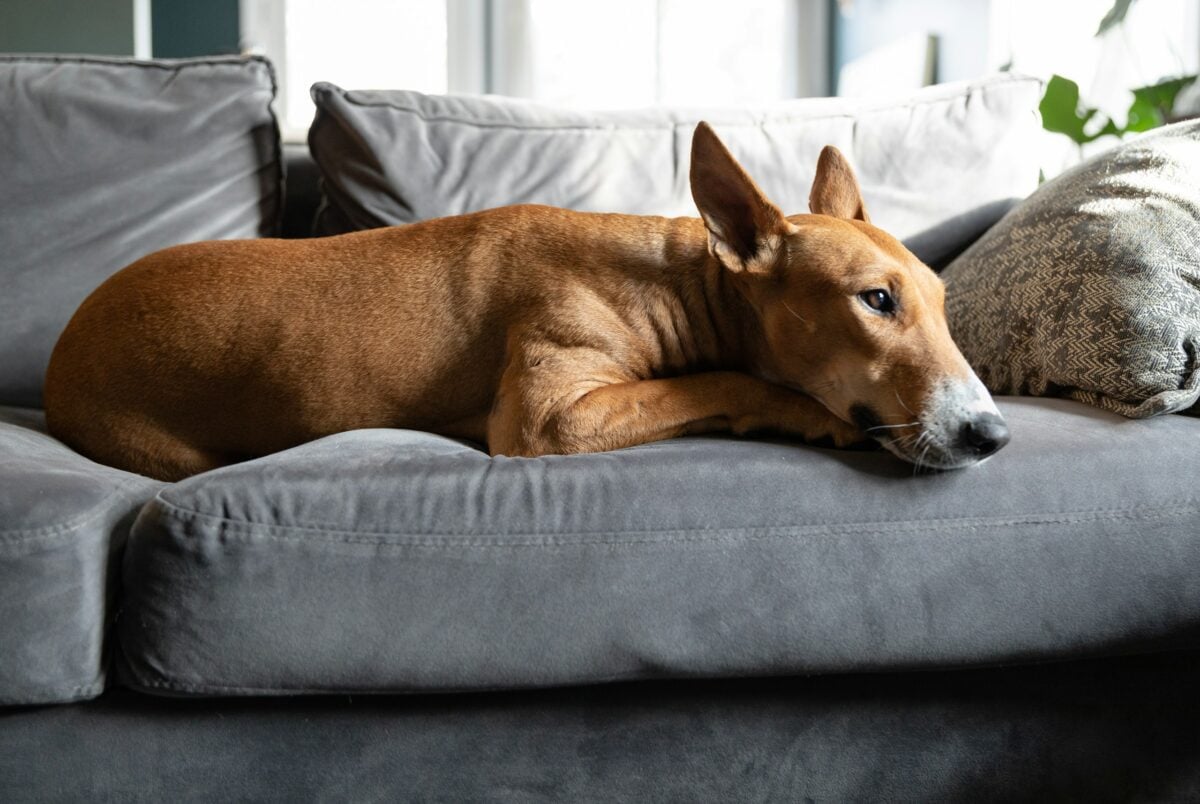
The Hopeful Watch: Your dog sits at your feet, ears forward, eyes focused on you. When nothing exciting happens, they let out a single deep exhale. This is a disappointed sigh, often linked to unmet expectations.

The Post Walk Drop: After a long walk or romp outside, your dog settles on the floor, stretches out, and sighs as the body unwinds. This is a fatigue-based sigh that helps the body shift toward rest.
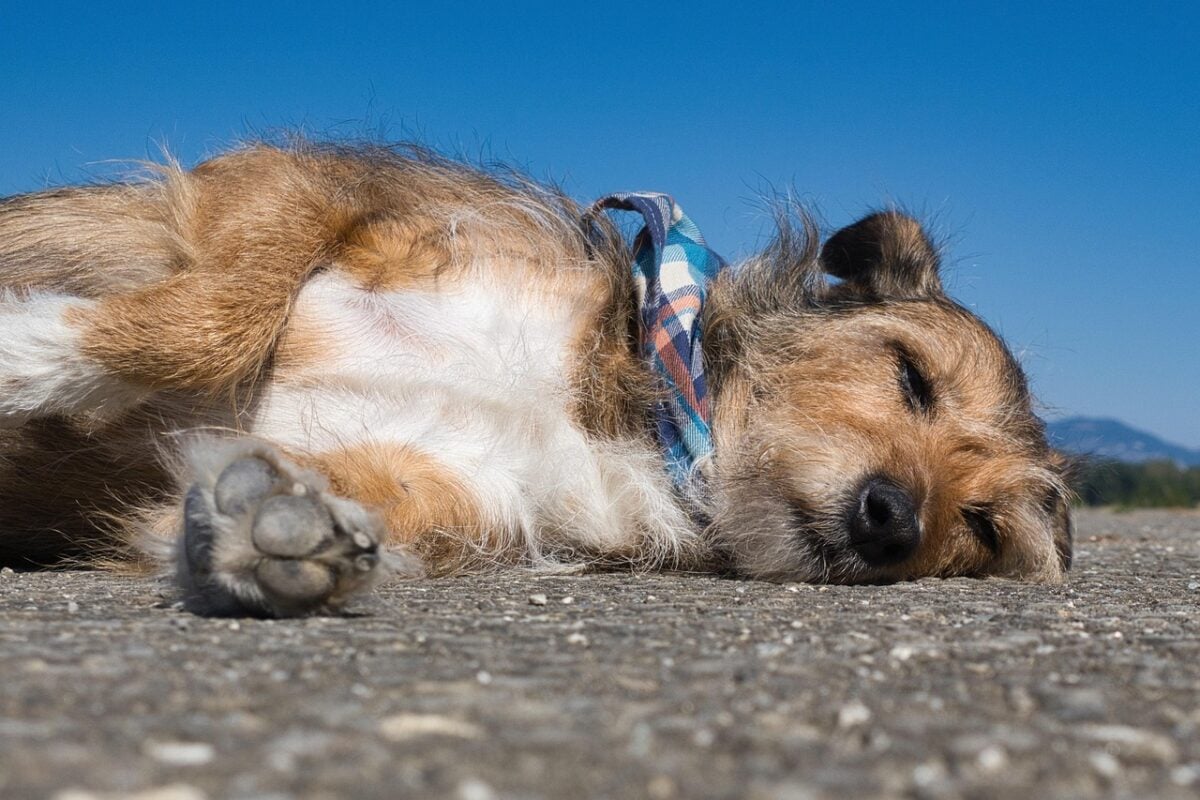
The Waiting Game: Your dog lies on the floor but keeps the head lifted, ears active, and gaze alert. A sigh follows, but the posture stays tall. This often signals mild boredom or a desire for attention.
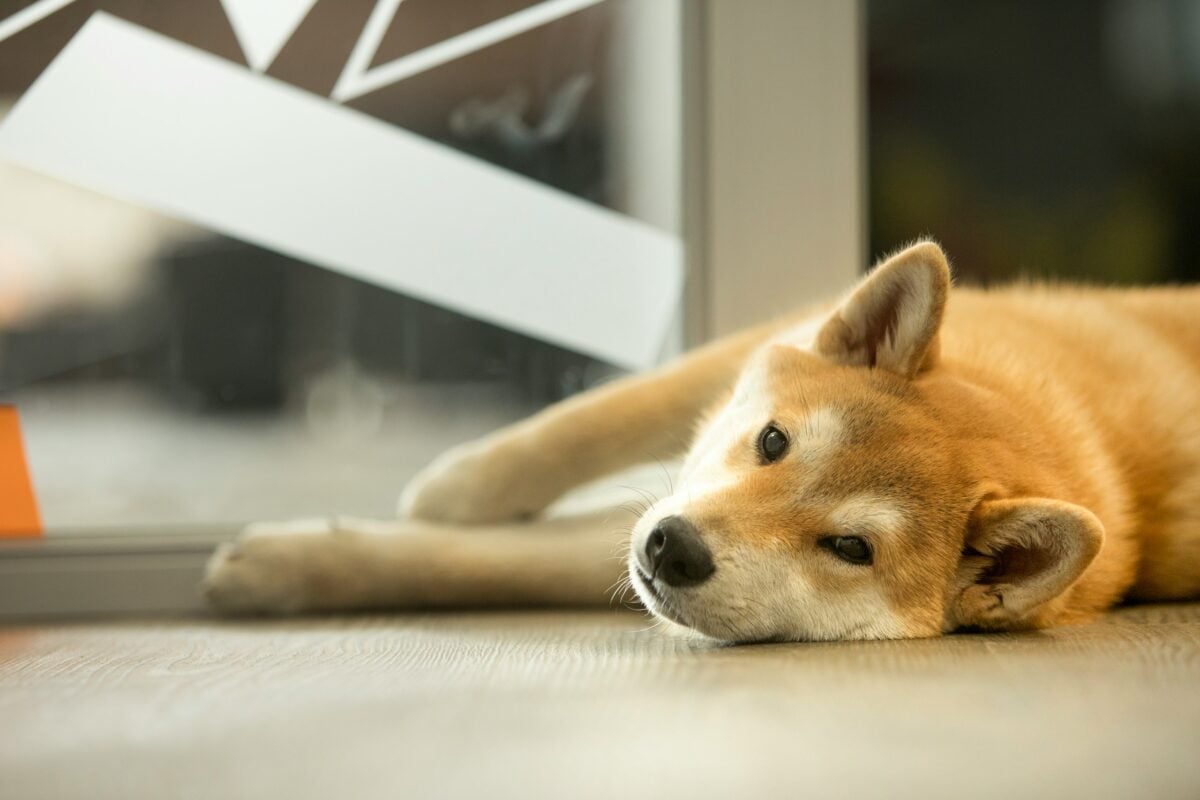
These visual cues help turn a simple breath into a message you can understand. Once you recognize the body language that pairs with each sigh, it becomes much easier to know what your dog is feeling.
Do All Dogs Sigh the Same Way?
Most dogs sigh for similar reasons, but the way those sighs sound and look can vary based on breed, age, and personality. Some dogs are naturally more vocal, while others express themselves with quieter, more subtle breaths.
Breed Differences
Brachycephalic breeds such as Pugs and French Bulldogs often produce louder or breathier sighs due to their airway structure. Larger breeds may sigh with deeper chest movement, while smaller dogs tend to have lighter, softer exhales. These variations are normal and often tied to physical build.
Puppies and Seniors
Puppies sigh more during rest as their bodies adjust to rapid growth and new experiences. Seniors may sigh more often when settling down, especially if they are dealing with stiffness or general tiredness. Both age groups use sighing as a natural way to shift from activity to calm.
Personality Driven Sighs
Some dogs are naturally expressive and sigh often to show their feelings or get your attention. Others are quieter and reserve sighing for moments of deep rest. A dog’s individual temperament shapes how dramatic or subtle their sighs tend to be.
Here’s another adorable example of a sighing dog:
Contentment vs. Frustration vs. Discomfort: A Quick Comparison Chart
Sighs can sound similar, but the meaning becomes clearer when you compare posture, expression, and the moment leading up to the sound. This simple chart helps you tell the difference between the most common types of sighs.
| Type of Sigh | What It Looks Like | Common Triggers | What It Usually Means |
|---|---|---|---|
| Contentment | Soft eyes, relaxed muscles, loose body, sinking into the floor or couch | Settling beside you, resting after mild activity, cozy spots, quiet time | Your dog feels safe, calm, and comfortable |
| Frustration or Disappointment | Open eyes, alert ears, upright posture, watching you or the environment | Play ending, not getting attention, waiting for something that does not happen | Your dog had a different expectation and is adjusting to it |
| Discomfort or Stress | Shifting positions, stiff muscles, restless movements, pacing, tense eyes | Unfamiliar visitors, loud noises, physical discomfort, anxiety, and disrupted routine | Your dog is trying to cope with tension or physical discomfort |
| Fatigue | Stretched out body, deeper breathing, slow movements before lying down | Post walk, after play, long days, physical exertion | Your dog is winding down and shifting into rest |
| Boredom | Upright posture, head lifted, ears attentive, mild fidgeting | Lack of stimulation, no recent activity, waiting for interaction | Your dog wants engagement or a change in the environment |
When you pair these cues with the situation and your dog’s unique personality, the message becomes much easier to understand.
When Frequent Sighing Suggests Something More
Most sighs are completely normal, but a noticeable increase in sighing can sometimes point to stress, discomfort, or a change in your dog’s environment or health. The meaning becomes clearer when you pay attention to patterns that appear alongside the sighs.

These clues help you understand when something deserves closer attention.
Behavior-Based Causes
Some dogs sigh more often during moments of frustration, confusion, or emotional tension. When sighing appears alongside restless behavior, it often suggests that your dog is trying to manage a feeling rather than settling into comfort.
- Restlessness and sighing: A dog may shift positions, stand up, lie down again, and sigh repeatedly when they cannot get comfortable. This often appears during storms, while waiting for family members, or in new settings.
- Pacing and sighing: A dog that walks back and forth and sighs between passes may be experiencing anticipation, uncertainty, or low-level anxiety. The pattern suggests that something in the environment feels unsettled.
- Sighing with yawns or lip licking: Yawning and lip licking are stress signals when they appear out of context. When these small cues happen near a sigh, your dog may be trying to release pressure or calm themselves. This is common during grooming, vet visits, or moments of handling that feel uncomfortable.
- Environmental triggers: Sudden noises, unfamiliar visitors, changes in routine, or being confined to a crate or separate room can all lead to more frequent sighing. In these situations, the sigh is often a response to the surroundings rather than a physical issue.
When Sighing Signals Stress
Some sighs appear when a dog is trying to cope with tension rather than settling into rest. These quick cues help you spot the difference.
- Restlessness: Repeated shifting or repositioning, with short sighs, often indicates your dog cannot relax.
- Pacing: Walking back and forth with deep exhales can suggest uncertainty or mild anxiety.
- Yawns or lip licking: When these appear out of context near a sigh, your dog may be trying to release stress.
- Environmental triggers: Visitors, loud noises, changes in routine, or crate time can all increase stress-related sighing.
If sighing rises during these moments, your dog may be responding to tension in the environment. A quiet space and a calm routine often help them settle.
Medical Causes
Frequent sighing can also appear when a dog is experiencing physical discomfort. Dogs may use deep breaths as a way to release tension or manage changes in how their body feels. These signs do not diagnose a condition, but help you notice when a vet check may be useful.
- Joint or muscle discomfort: Dogs with stiffness or soreness may sigh more as they try to settle into a comfortable position. You may see slow movements, hesitation before lying down, or shifting from side to side.
- Respiratory challenges: Irritation or reduced airflow can lead to deeper or more frequent breaths. Coughing, noisy breathing, or visible effort during inhalation or exhalation are important signals to observe.
- Heart-related concerns: Changes in breathing patterns can happen when the heart is working harder than usual. Frequent sighing may be accompanied by low energy, reduced stamina, or an increased need for rest. These cues can develop gradually and are worth monitoring.
- Stress-related fatigue: After extended periods of anxiety or tension, some dogs sigh more simply because the body is tired. This is common after separation stress, noisy events, or busy days with many changes. Breathing may become shallower during stress, so some dogs use deeper breaths or sighs to release tension once the stressor passes.
Veterinary programs, such as the UC Davis School of Veterinary Medicine, note that changes in breathing patterns, including deeper or more frequent sighs, can be early indicators of airway irritation or cardiovascular strain.
What Vets Look For
When sighing becomes frequent, veterinarians focus on the bigger picture rather than the sound itself. They look for patterns that indicate whether the sighing is behavioral, physical, or environmental.
- Changes in normal breathing or effort during inhalation
- Shifts in appetite or energy level
- Signs of pain while lying down or standing up
- Coughing, wheezing, or noisy breathing
- Restlessness that appears at specific times of day
- Overall posture and muscle tension
A single sigh is not a cause for concern. The key is to watch for changes in frequency or for sighs that appear alongside other noticeable behaviors.
When to Check With Your Veterinarian
A single sigh is rarely a concern. The time to reach out to your veterinarian is when sighing appears with other changes, such as altered appetite, decreased activity, visible discomfort, or any shift in normal breathing. A quick conversation can help determine whether the behavior is typical or worth a closer look.
Understanding these health-related possibilities helps you separate normal sighing from something that may need attention. When combined with body language and context, these clues give you a clearer picture of what your dog is experiencing.
How to Respond to Your Dog’s Sighs
Once you understand the context behind a sigh, responding becomes much easier. Here are simple ways to support your dog based on what the sighing is paired with.
- If your dog looks relaxed: Soft eyes and a loose body usually mean comfort. Let your dog rest or offer gentle affection if they seek it.
- If your dog seems disappointed: Open eyes and alert ears often mean they hoped for something. Offer a calm redirect, such as a toy or a short, easy cue.
- If your dog appears bored: Upright posture and mild fidgeting signal a need for stimulation. Provide a walk, puzzle toy, or brief training session.
- If your dog shows stress signals: Pacing, lip licking, or out-of-context yawning may point to tension. Lower the noise level, create space, and allow your dog to settle.
- If your dog may be uncomfortable: Sighing combined with stiffness or slow movements can reflect physical discomfort. Offer a soft resting place and monitor for changes.
Small adjustments based on posture and timing help your dog feel understood and supported. Over time, you will recognize your dog’s patterns and respond with confidence.
Your Dog’s Sighs Explained: The Questions Every Owner Asks
Once you start paying attention to the small moments behind each sigh, it is natural to wonder what else your dog may be expressing. These quick answers clear up the questions many owners ask most often. If you still have questions, feel free to share them in our comments.
Why does my dog sigh when she lies down?
Dogs often let out a long, drawn-out sigh when they’re tired and need to lie down to get some rest. This can occur after a long walk, a strenuous game of fetch, or other exercises. In most cases, this is just a sign that your dog is instinctively getting more air into her lungs and winding down for some much-needed rest time.
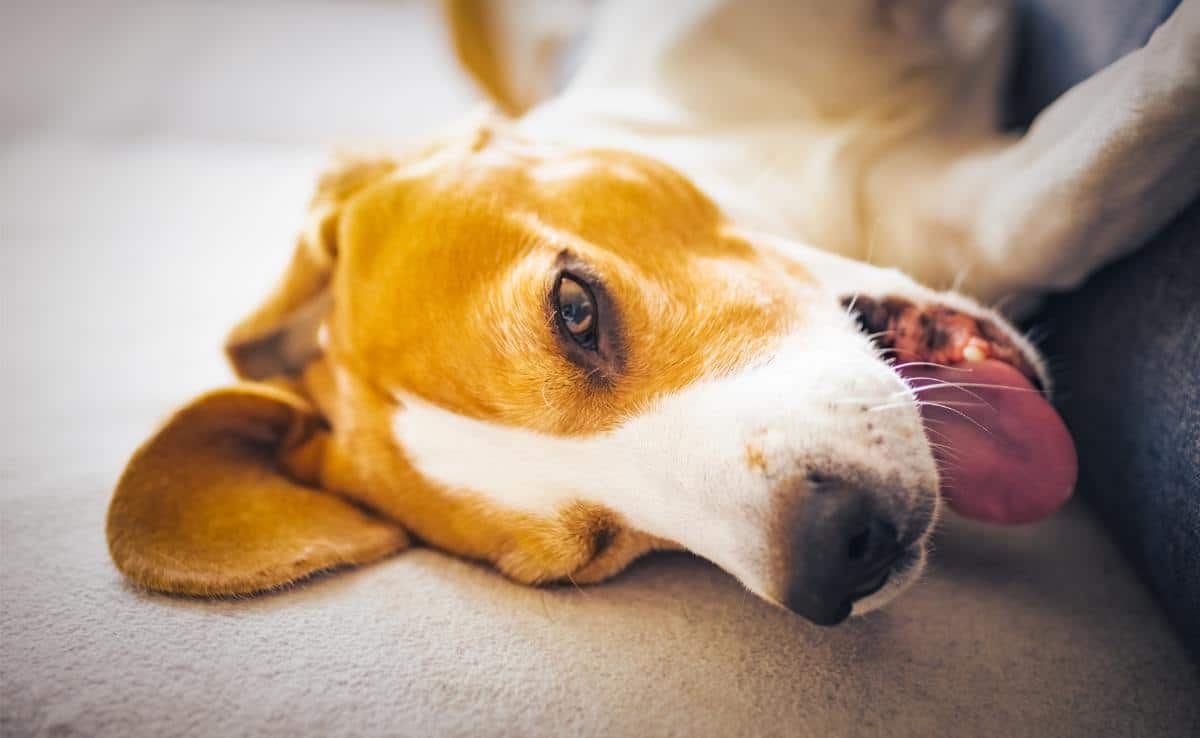
The pup below is a great example of a relaxed pup.
Do dogs sigh when they are happy?
Yes. A long, gentle exhale with relaxed eyes and a loose body often reflects comfort. Many dogs sigh this way when settling beside a person they trust.
Why does my dog sigh when I pet them?
This usually means your dog feels safe and relaxed. The sigh helps their body settle into calm, especially during slow, gentle petting.
Why does my dog sigh when I stop petting them?
This can be mild disappointment or a simple shift from interaction to rest. If your dog’s posture stays relaxed, the sigh is just part of settling down.
Is a sigh the same as a groan?
No. A sigh is a deep breath, while a groan carries a vocal sound. Groans often appear during stretching or as the body settles into comfort.
How often should a dog sigh?
There is no fixed number. Many dogs sigh during transitions into rest or when adjusting to a small emotional shift. A sudden change in frequency is worth noting.
These answers highlight the small cues that turn a simple sigh into something you can understand. Once you learn your dog’s patterns, the meaning behind each sigh becomes much clearer.
What Do Other Dog Vocalizations Mean?
Dogs use many sounds to communicate. Groans, huffs, whines, howls, and even snoring all carry their own meaning, and each one tells you something different about how your dog feels.
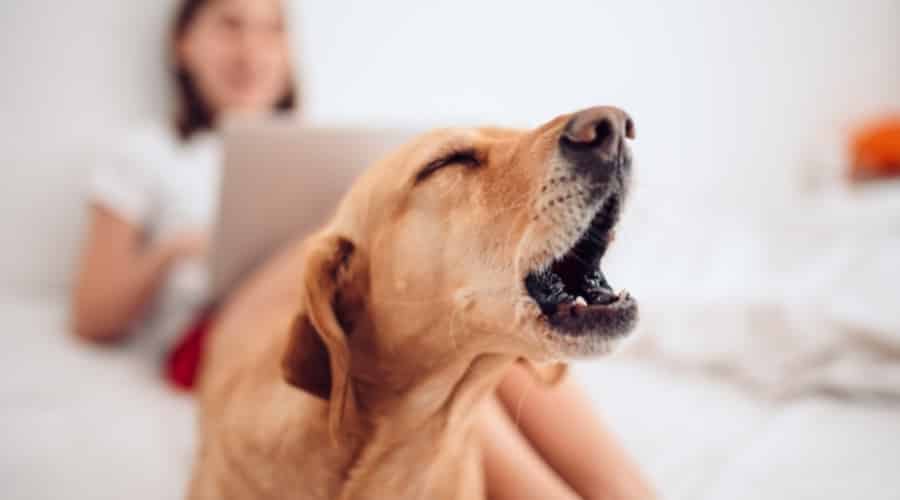
Light snoring is usually normal and often appears when a dog is deeply relaxed. It becomes worth watching only if it is sudden, unusually loud, or paired with changes in breathing. Sleep apnea can be a concern and should be discussed with your vet.
Groans often show comfort during stretching, huffs can signal mild frustration, and whines or howls may reflect excitement or stress. The posture your dog shows during these sounds helps reveal what they are trying to express.
If you want to explore these vocal cues further, our guides on barking, growling, howling, and whining explain what each sound means and when it may need attention. Learning how your dog uses sighs, snores, and every sound in between helps you connect more deeply with their emotions and respond in ways that make them feel understood.
Share Your Dog’s Best Dramatic Sigh
Every dog has a signature sigh. Maybe it is the tired flop after a walk, the disappointed breath when you finish your snack, or the full body collapse that suggests they have endured the hardest day in canine history.
We would love to hear your dog’s most dramatic sigh moments. Drop your stories in the comments and let us know how your pup uses their Oscar-worthy breaths to communicate with you.