When you purchase through links on our site, we may earn a commission. Here’s how it works.
Ignoring feels personal. You say your dog’s name. Nothing. No ear flick. No glance. Just a dog who’s suddenly very focused on literally anything else. Of course, you ask yourself, “Why is my dog ignoring me?”
Table of Contents
If you’ve noticed how selective this can be, you’re not imagining it. Your dog can hear a snack wrapper from three rooms away, yet somehow misses your voice entirely. Sure, it’s frustrating, but it’s also useful. How? It’s a sign you’re paying attention, and it points to how dogs actually sort information.
This usually isn’t about stubbornness or a slipping bond. It’s about priority. Once you understand what your dog is responding to in that moment, the behavior starts to feel less like rejection and more like something that can be explained.
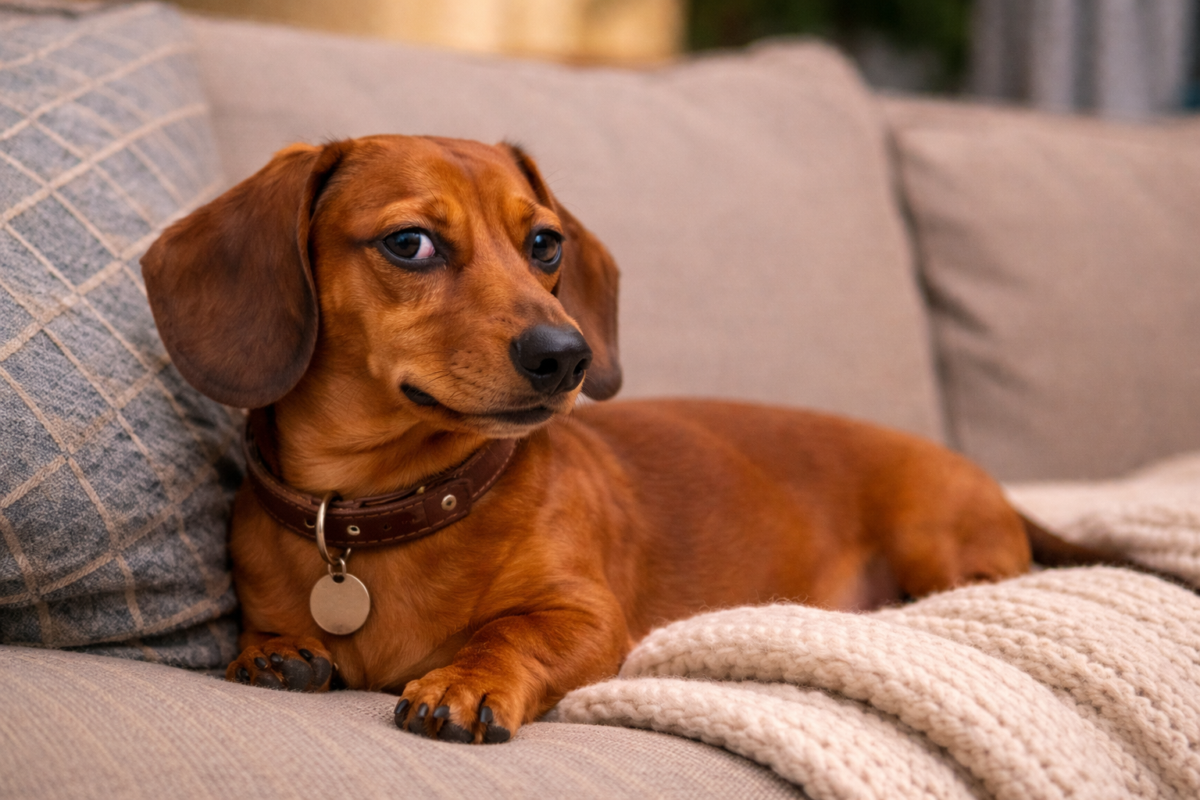
What “Ignoring” Actually Means In Dog Behavior
When owners say their dog is ignoring them, they’re usually describing something very specific: no response. Not confusion. Not deafness. Just a noticeable lack of follow-through.
That distinction matters. And if you’ve picked up on it, you’re already reading your dog more accurately than you might think. Most dogs do hear their owners. They just don’t always act on what they hear.
Awareness Usually Comes First
In many cases, your dog registers you before they respond. The signs are minor, but they’re there. You might notice:
- A brief ear twitch
- A quick glance without movement
- A pause that feels promising, then quietly fizzles out
Those moments are easy to miss unless you’re paying attention. Catching them means you’re already tuned in, even if your dog isn’t cooperating just yet.
“Ignoring” Tends To Follow Patterns
This behavior rarely shows up at random. Most owners notice the identical versions again and again. Common patterns include:
- Delayed responses, where your dog responds once the moment passes
- Partial responses, like acknowledgment without action
- Context-specific silence, where cues work at home but vanish elsewhere
If one of these feels familiar, that’s actually helpful. Patterns tell you where responsiveness breaks down, not whether it exists at all.
A Small Mindset Shift That Helps
Instead of thinking, “My dog is ignoring me,” try thinking: “My dog is prioritizing something else.”
That shift removes a lot of frustration. It also reflects how dogs actually make decisions. When you see ignoring as information instead of attitude, you’re in a much better position to understand what’s happening and what to adjust next.
And no, it doesn’t mean you’ve lost your dog’s attention forever. It just means something else briefly had the floor.
What Kind of “Ignoring” Dog Do You Have?
Most dogs don’t ignore their people in the same way. If you’ve been nodding along so far, you’ll probably recognize at least one of these.
- The Selective Listener: Hears everything. Responds… selectively.
- The Environmental Consultant: Needs to sniff, scan, and assess before replying.
- The Polite Delayer: Acknowledges you right away. Responds eventually.
- The Public Amnesiac: Perfect at home. Forgets everything in public.
- The “One More Second” Dog: Almost responds. Needs one last sniff.
- The Overstimulated Optimist: Fully intends to listen. Too much happening.
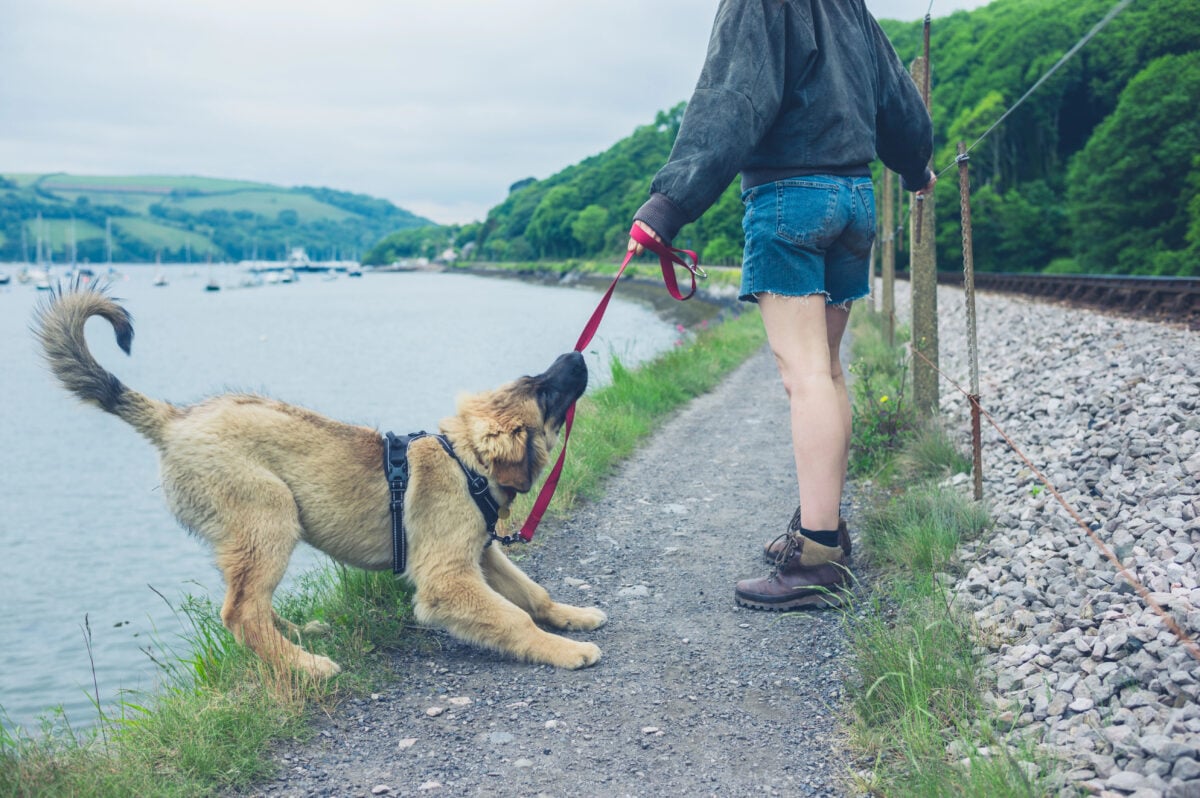
Why Your Dog Tunes You Out In The Moment
If your dog listens well in some situations and not at all in others, that usually comes down to context. Dogs respond based on what’s happening around them right now. The moment itself carries a lot of weight.
From your dog’s point of view, your voice is one signal in a busy stream of sensory input, environmental activity, and learned expectations that quietly guide where their attention goes.
Their attention shifts toward whatever stands out most in that mix. That shift happens quickly and without much deliberation on your pup’s part.
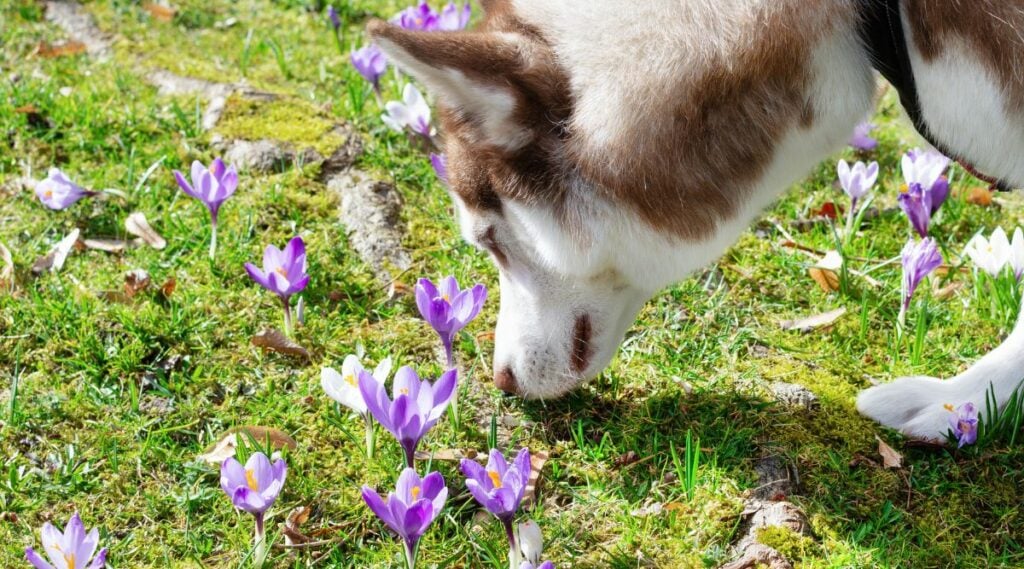
1. Smells Often Take The Lead
Smell tends to pull focus more quietly than movement, which is why it’s easy to underestimate. The yard might look unchanged to you.
To your dog, it’s full of updates.
- Who was here?
- What were they up to?
- Why this spot deserves serious attention
That kind of information holds attention for a long time, especially when your dog is already engaged with it.
2. Movement Changes The Picture
Movement grabs attention differently.
- Squirrels with urgent plans
- Leaves behaving unpredictably
- Anything that moved when it absolutely didn’t need to
Even small, unpredictable motion can interrupt a familiar cue. This is why a dog who responds easily indoors may struggle the moment something starts moving outside.
3. Social Settings Add Complexity
Other people and dogs increase the amount of information your dog has to process.
These environments come with:
- New smells all stacked on top of each other
- People or dogs behaving just unpredictably enough
- Movement that keeps changing direction
- Emotional energy that’s noticeably louder
With more going on, attention spreads out. Responses often slow down until things feel more settled.
4. Past Experiences Matter Here, Too
Dogs learn patterns quickly. If responding slowly hasn’t changed anything in the past, waiting becomes part of the pattern. Not because your dog is pushing boundaries, but because there’s no apparent reason to rush. This tends to show up when:
- Cues are repeated often
- Follow-through varies
- Rewards arrive late or inconsistently
Your dog is responding based on what has made sense before.
A Reassuring Way To Look At It
When a dog responds well in some situations and not others, it usually means the skill is there. They know the cue. They’ve responded to it before. They’re capable of doing it again.
The difference lies in what’s competing for attention in that moment. Once those patterns become clear, frustration drops and problem-solving gets easier.
Emotional States That Shut Down Responsiveness
Understanding what competes for your dog’s attention explains a lot. But sometimes responsiveness drops even when the environment hasn’t changed much. That’s where your dog’s emotional state starts to matter more than what’s happening around them.
Dogs don’t separate emotion from behavior. If something feels off, exciting, or overwhelming, their ability to respond shrinks a bit.
This doesn’t mean your dog has forgotten their cues. It means their mental bandwidth is being used for something more pressing.
1. Anxiety, Fear, Or Stress
Think about moments when your dog seems physically present but mentally clocked out with you. Their body goes still, their mouth closes, their eyes track the room like they’re waiting for a pop quiz.

In that state, responding to cues drops low on the priority list, because their nervous system is busy doing threat assessment.
Stress and anxiety narrow focus. A dog worried about unfamiliar sounds, slippery floors, tense interactions, or past experiences is concentrating on staying safe, which often shows up as:
- Slower responses or no response at all
- Freezing, pacing, or sudden disengagement
- Seemingly selective hearing in specific places
Veterinary experts, such as the Merck Veterinary Manual, note that stress and anxiety can reduce a dog’s responsiveness, even when cues are familiar and well-learned. However, as the environment becomes more emotionally stable, there’s simply more bandwidth for your voice to register with your pup.
2. Over-Arousal & Excitement
Excitement can look a lot like confidence, but it runs on the same bandwidth problem. When arousal spikes, impulse control drops, and cues start bouncing off. It’s why your dog can respond perfectly in the living room and completely forget their name the moment a new person appears.
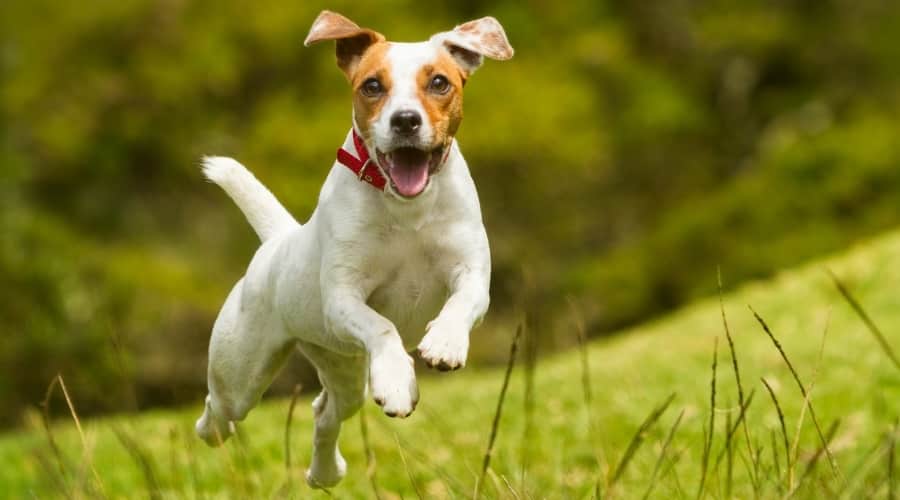
In these moments, your pup isn’t choosing to ignore you. Their brain is busy processing movement, anticipation, and momentum, and sound cues tend to get filtered out. You’ll notice it most when:
- Greetings turn chaotic
- Play escalates faster than expected
- Familiar cues disappear during high-energy moments
Why This Matters
If you’ve already noticed that your dog struggles more when they’re worried, overstimulated, or wound up, adjusting expectations in these moments helps more than repeating cues ever will. Nothing is wrong here. Your dog isn’t being stubborn. Their brain is simply very full.
When Ignoring Is A Physical Limitation
Sometimes responsiveness drops not because of motivation or emotion, but because something physical makes responding harder than it used to be. These changes are often gradual, which makes them easy to misread.

1. Discomfort Changes How Quickly Dogs Respond
Dogs are good at working around discomfort, especially when it builds slowly. A dog dealing with stiffness, soreness, or low-level pain may still understand a cue. They may just pause before acting, or skip responding altogether when the effort feels higher than usual. You might notice:
- Slower reactions to familiar cues
- Hesitation before moving, turning, or getting up
- Better responses in some positions than others
2. Sensory Changes Are Easy To Miss
Hearing and vision don’t usually disappear overnight. They fade quietly.
A dog with mild hearing loss may respond well when you’re nearby but miss cues from another room. Vision changes can affect responsiveness in low light or unfamiliar spaces, even if things seem fine during the day. This can look like:
- Missed responses unless you’re in view
- Delayed reactions to spoken cues
- Better responsiveness when routines are predictable
If you’ve noticed small changes like this, you’re not overthinking it. Many owners catch these shifts long before they’re obvious.
3. Aging & Cognitive Decline
As dogs age, processing speed changes. They may still understand cues, but it takes longer for the message to travel from hearing to action. That pause is easy to misread, especially if your dog used to respond instantly.
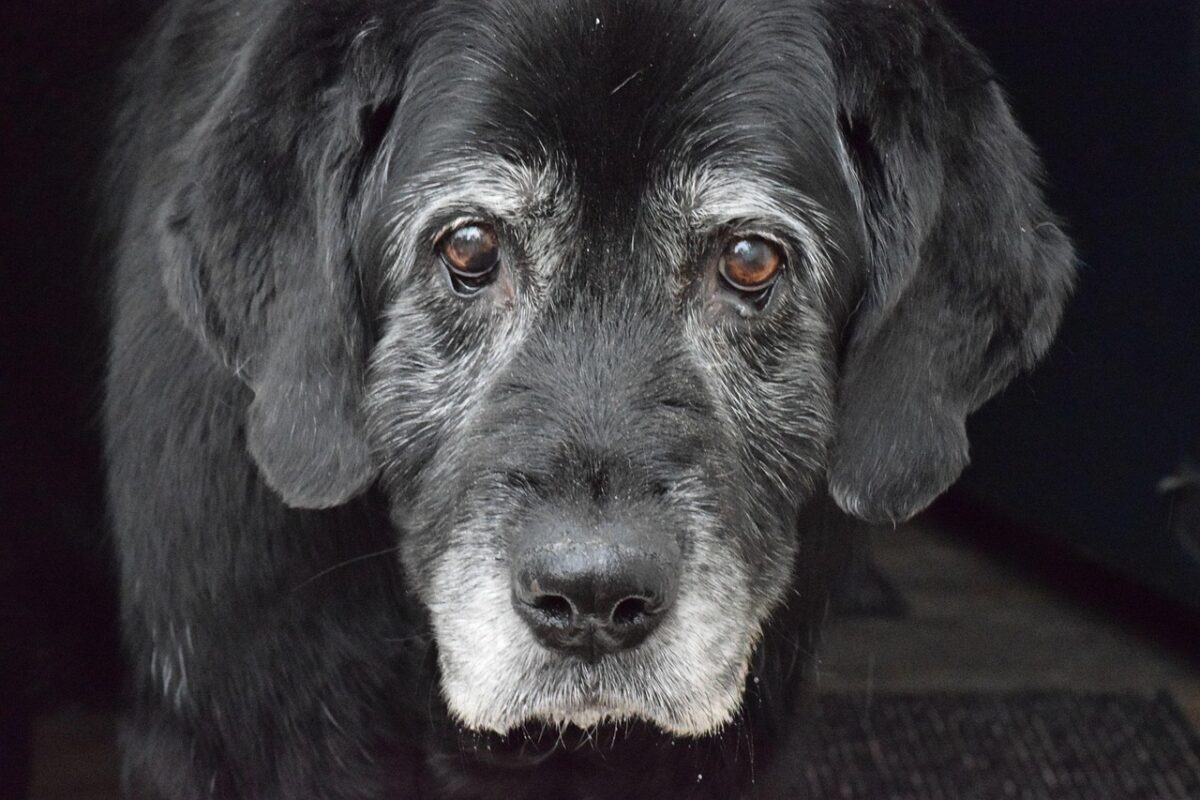
The American Animal Hospital Association’s senior care guidelines recognize that aging can affect how dogs process cues. You might notice:
- Delayed responses that improve after a few seconds
- Confusion in new environments but not familiar ones
- Long-standing habits that stay solid while newer cues fade
These shifts aren’t about effort or connection. They reflect how aging brains prioritize information, which means expectations and timing often need minor adjustments as you move forward.
Why This Matters
When physical changes influence responsiveness, repeating cues or adding pressure rarely helps. What does help is noticing patterns — when responses slow, where they drop off, or when your dog seems more comfortable engaging again.
If you’ve already picked up on these shifts, you’re doing precisely what attentive owners do. You’re noticing how your dog moves through the world as it changes, and adjusting expectations as needed.
Motivation Gaps You Accidentally Created
Sometimes, tuning out is simply practical from your dog’s point of view. When daily life stops asking much of them, responsiveness can slide down the priority list without anyone intending it.
This often shows up softly. Your dog isn’t acting out. They’re just spending a lot of time staring out the window, repositioning themselves for better naps, or deeply investigating the same patch of floor they’ve walked over a hundred times before.

1. When Mental & Physical Needs Aren’t Quite Met
A dog with unmet needs doesn’t always misbehave. Many don’t. Instead, they disengage.
When days lack enough movement, novelty, or problem-solving, cues start to blend into the background. They’re still heard. They just don’t feel essential. You might notice:
- Wandering attention during familiar routines
- Half-hearted responses that fade quickly
- Strong interest in the environment and low interest in interaction
Your dog isn’t being difficult. What’s happening is that their brain is underoccupied, and tuning out becomes the easiest option. If you’ve caught yourself thinking, “They used to care more about this,” you’re probably right.
2. When Reinforcement Has Lost Value
Rewards rarely stop working all at once. They fade gradually.
A treat that once caused immediate enthusiasm can start to feel ordinary, especially if it shows up late or always looks the same. Meanwhile, the environment keeps offering exciting alternatives, often without requiring anything in return. You’ll often see this when:
- Your dog checks to see if the reward is visible before responding
- Cues work indoors, but unravel the moment you step outside
- Engagement spikes briefly, then drifts off again
In these moments, repetition doesn’t help much. What helps is restoring value, so interaction starts to feel worth choosing again, even when something more interesting is nearby. The fix is making interaction worth choosing again.
Human Habits That Teach Dogs To Tune You Out
Ignoring doesn’t always come from the dog. Small, well-intentioned habits on the human side can quietly teach a dog that cues are flexible, optional, or emotionally loaded. This happens slowly, usually during everyday moments when no one is paying close attention.
1. Inconsistent Cues & Mixed Signals
Dogs learn patterns faster than words. When cues change even slightly from day to day, or different people use different versions of the same request, responsiveness starts to erode.
Your pup is sorting through conflicting information and hesitating because clarity is missing. You’ll see this when:
- A cue that works on Tuesdays but not Thursdays
- A pause while your dog watches your face for extra information
- Strong responses with one person and hesitation with another
Over time, inconsistency teaches dogs to wait and see what comes next.
2. When Commands Get Repeated Too Often
Repeating a cue feels productive, especially when you’re in a hurry. To your dog, it often sounds like background chatter that hasn’t yet required action. When nothing changes after the first request, waiting (in your dog’s mind) becomes a reasonable strategy.
You’ll notice this pattern when:
- Responses that only happen after the third or fourth repeat
- Your dog moves at a pace that suggests there’s no real deadline
- Your voice gets louder while your dog remains very calm about the situation
Repetition without follow-through quietly trains patience instead of responsiveness.
3. Punishment, Frustration, Or Past Learning History
Dogs remember how past interactions make them feel. If cues are often followed by tension, negative corrections, or unpredictable reactions, some dogs reduce engagement as a coping strategy.
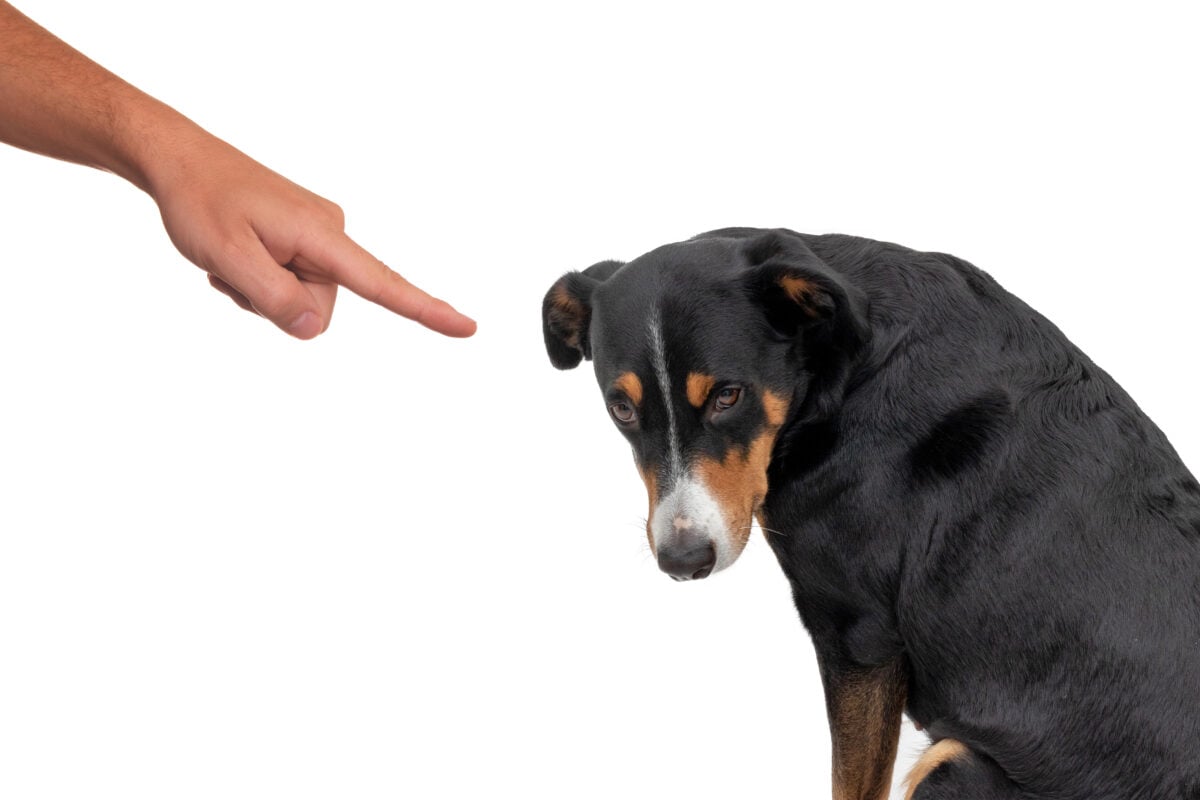
The American Veterinary Society of Animal Behavior and other behavioral experts caution that punishment-based approaches can increase fear and suppress engagement in our pups.
This can look like:
- Turning away or disengaging when addressed
- Slower responses after mistakes
- Better performance when the pressure is low
Learning history shapes responsiveness. When cues feel emotionally predictable, participation tends to return without force.
Does This Sound Familiar?
- Your dog listens best when things are calm and predictable
- Responsiveness drops after your routines change or when days get busy
- Repeating cues doesn’t help, but timing sometimes does
If so, you’re not dealing with a stubborn dog or a training failure. You’re seeing how attention changes with context.
How To Rebuild Responsiveness (Without Starting Over)
If your first thought is, Great, now I have to retrain my dog, take a breath. You probably don’t. What usually helps is tightening a few everyday moments that have gone a little fuzzy over time.
1. Make Paying Attention Worth It Again
Attention improves when it benefits your pup — in the right way. That doesn’t mean turning every interaction into a training session. It means occasionally rewarding your dog for choosing you without being asked. This works best when:
- Rewards arrive quickly
- Engagement earns something unexpected
- Interaction ends before interest fades
You’re not training obedience here; you’re rebuilding the habit of noticing each other.

2. Say Less But Mean It More
Most of us talk to our dogs a lot. Too much, quite honestly (I’m certainly guilty of this). We repeat cues. We add commentary. We say their name while they’re already busy and then keep going when nothing happens.
Over time, dogs learn there’s no rush. However, dogs need clear instructions immediately. You may see improvement when:
- You use the same cue the same way every time
- You say it once — requests aren’t repeated
- You wait until your pup responds
Dogs respond best to clear, consistent signals. Extra words, repeated commands, or emotional overlays dilute meaning over time. One cue, delivered once, carries more weight than a stream of reminders.
3. Pick Moments That Aren’t Stacked Against You
Training fails most often when the environment is working against you too much. Managing distance, distractions, and setup gives cues a fighting chance before you ever say a word. That might look like:
- Increasing space from high-value distractions
- Choosing calmer moments to practice
- Adjusting expectations based on location
4. Match Effort To Your Pup’s Emotional State
A dog’s ability to respond changes with stress, excitement, and fatigue. Expecting the same performance in every state leads to frustration on both sides. Adjusting effort to the moment keeps communication intact.
Lower demands work best when:
- Arousal is high
- The environment is new
- Your dog is mentally or physically tired
Responsiveness grows fastest when expectations track what your dog can process right now.
5. Give Your Pup Something Better To Do
Responsiveness improves when a dog’s day isn’t built entirely around waiting. Waiting to go out. Waiting to eat. Waiting for something to happen.
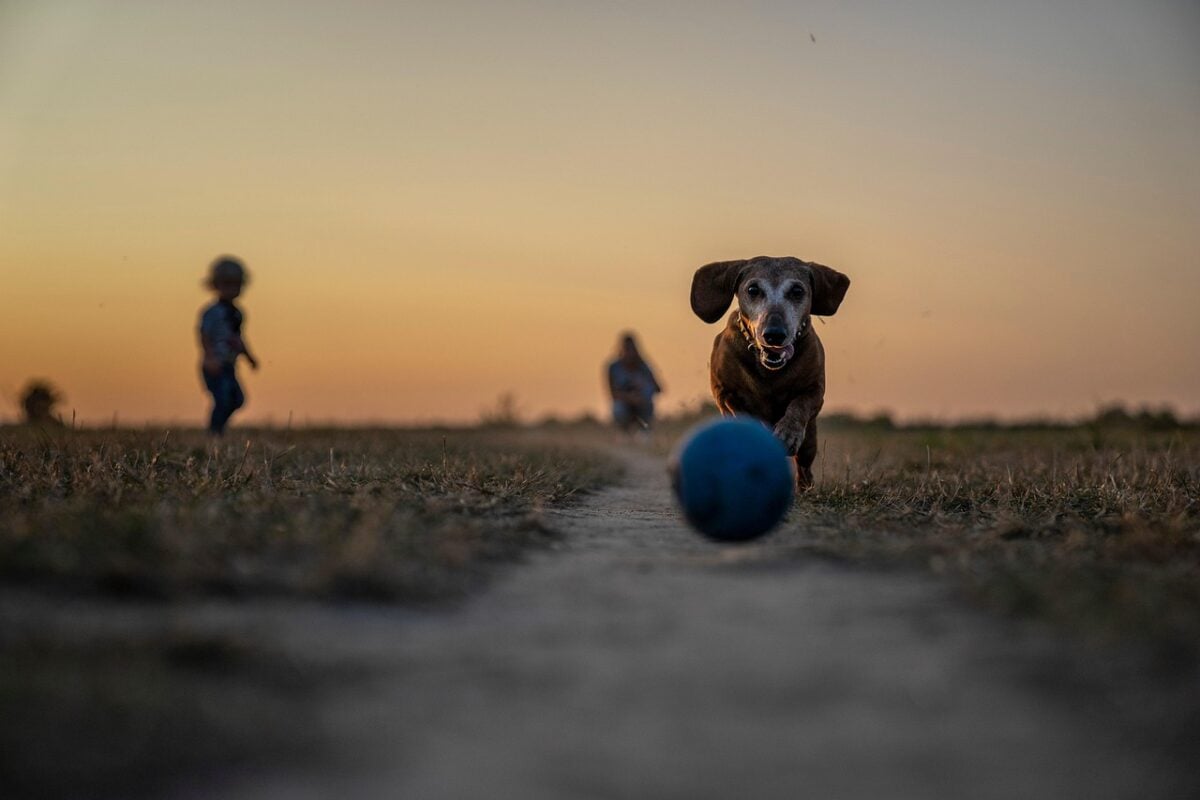
A dog with nothing to engage their brain tends to disengage from people instead. Mental and physical outlets don’t need to be complicated. They just need to exist. Try:
- Short walks that allow actual sniffing, not just covering distance
- Simple problem-solving, like snuffle mats, puzzle toys, or brain games
- Small jobs that let your dog participate, even if they invent their own rules
If you’ve ever noticed your dog listens better after a good walk, a game, or a chance to use their brain, you’re not imagining it. Engagement and responsiveness tend to go hand in hand.
When dogs are mentally and physically satisfied, they don’t have to search for stimulation elsewhere. They’re calmer. They settle faster. And they have more room to notice you.
When Professional Help Is The Right Move
Most of the time, selective listening is something you can sort out at home. But there are moments when bringing in a professional is a smart next step. The key is noticing how the change shows up, not blaming yourself or your dog for it.
When A Vet Visit Makes Sense
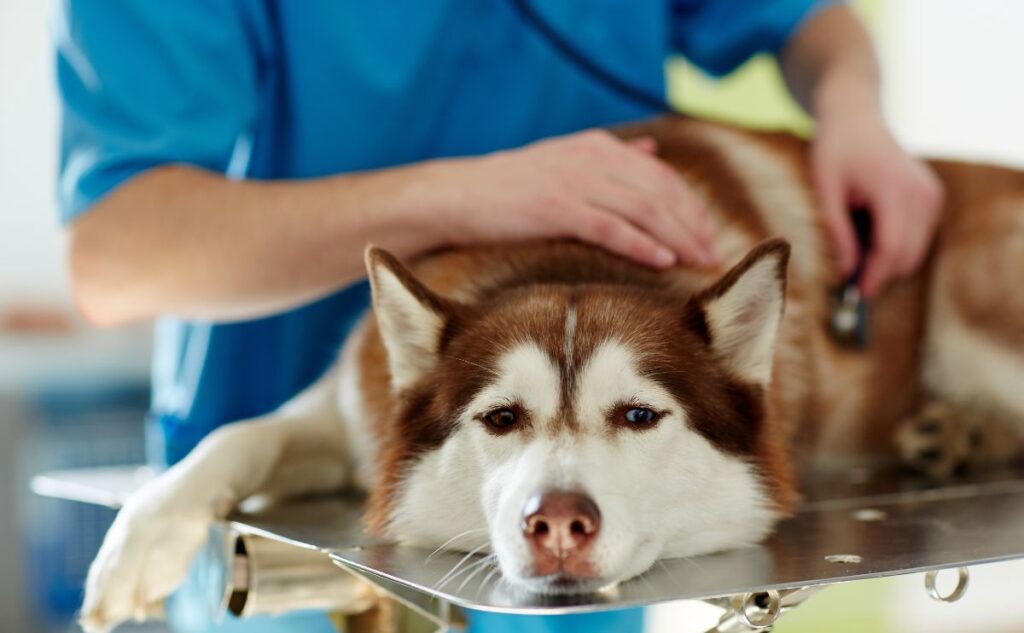
If responsiveness changes quickly, unevenly, or alongside other subtle signs, it’s worth considering a medical angle. Dogs don’t separate physical discomfort from behavior, so what looks like ignoring can be the first visible sign that something else is going on.
A vet check is beneficial when you notice:
- Sudden drops in responsiveness
- Changes in movement, appetite, or sleep
- Missed cues paired with stiffness, hesitation, or slower motion
Ruling out pain, sensory loss, or neurological changes gives you a more straightforward path forward.
When A Trainer Or Behaviorist Can Help
If responsiveness issues persist and occur in specific situations, outside support can help spot patterns that are hard to see in daily life. The right fit depends on the problem. In general:
- A trainer helps refine cues, timing, and environment setup
- A behaviorist addresses fear, stress, or emotional responses tied to learning
Good professionals don’t rush to labels or blame. They look at patterns, context, and adjustments that make things easier for everyone involved.
When Pet Insurance Can Help
Most “ignoring” issues don’t turn out to be medical. But when responsiveness changes and a vet visit is on the table, costs can rise quickly. Pet insurance can help take some of the pressure out of that decision.
If a behavior change leads to medical questions, insurance may help cover:
- Diagnostic tests
- Bloodwork or imaging to rule out pain or neurological issues
- Treatment for illness, injury, or mobility problems
- Medications tied to an underlying condition (coverage for medication depends on the policy you choose)
Some insurance plans even cover behavioral therapy when deemed necessary by your vet. Having coverage can make it easier to get answers sooner, rather than waiting it out. Check out our expert’s guide on the best pet insurance providers to learn more.
A Quick Reality Check
Most plans don’t cover pre-existing conditions, and coverage must be in place before problems arise. That’s why pet insurance works best as a safety net, not a last-minute fix.
Frequently Asked Questions
These questions tend to come up when ignoring feels sudden, personal, or situational. Each one points to a slightly different breakdown in communication. Don’t see your question here? Ask us in our comments.
Why Is My Dog Ignoring Me All Of A Sudden?
A new environment, a routine change, a stressor, or physical discomfort can all quickly affect responsiveness. If the shift feels abrupt or uneven, it’s worth paying attention to what changed around your dog before assuming the behavior itself is the issue.
Is My Dog Ignoring Me On Purpose?
No. Dogs don’t really do things on purpose in the way people mean it. When a dog doesn’t respond, it’s usually because something else has their attention or they’re not in a great state to process cues right then. That’s decision-making, not defiance.
Does Ignoring Mean My Dog Isn’t Bonded To Me?
No. Bonding and responsiveness aren’t the same thing. Many deeply attached dogs still tune out when distracted, overwhelmed, or tired. Ignoring moments says more about context than connection.
Why Is My Dog Avoiding Me?
Avoidance and ignoring aren’t the same thing. Avoidance often shows up when interaction predicts pressure, confusion, or discomfort, so your dog creates distance instead of disengaging passively.
Watch for patterns. If avoidance appears in specific situations or after certain cues, that context holds the explanation.
Why Does My Dog Ignore Me When I Call His Name?
A name only works if it reliably leads to something meaningful. When it’s used constantly, repeated without follow-through, or paired with frustration, it becomes background noise instead of a signal.
Name responses improve when the association is clear, and the outcome is worth noticing.
Why Does My Dog Ignore Me When Other People Are Around?
Social settings change the math. New people, movement, and unfamiliar behavior increase competition for attention, often overwhelming cues that work perfectly at home.
This isn’t preference or loyalty shifting. It’s your dog responding to the most relevant input in that environment.
Understanding Your Dog’s Behavior
If you want to better understand how dogs process information, communicate, and navigate relationships with the people around them, these guides offer useful next steps:
- Ultimate Guide To Dog Body Language
- How Do Dogs Communicate With Each Other?
- Do Dogs Get Jealous?
- Why Does My Dog Stare at Me?
Which moments of “ignoring” feel most familiar in your home, and when do you notice your dog tuning back in on their own? Share any insights in our comments. Your experiences may help a fellow dog owner.