When you purchase through links on our site, we may earn a commission at no extra cost to you. Learn more.
One day, your Doxie’s zooming across the living room. Next, they can’t move their back legs. Dachshunds are adorable drama queens, but some of their biggest health issues don’t make a scene until it’s serious (and expensive).
Table of Contents
From sudden spine problems to sneaky vision loss, here’s what every Dachshund owner needs to watch now, before it’s too late.
Most Dachshund health issues don’t start with a crisis. They start with tiny changes that are easy to miss until the damage is already done.

The Part No One Warns You About
Loving a Dachshund means accepting a hard truth most owners aren’t warned about: some of their biggest health risks are expensive, even when you do everything right.
Not only can it help you cover the cost of your Doxie’s health care, but it also offers you peace of mind knowing that your pup is cared for, rather than worrying about the financial implications of getting them better.
Most providers do not cover pre-existing conditions, which is why it is wise to cover them when they are a puppy. Our pet insurance reviews offer you the best options and help you find a company that fits your needs. You can also get a free quote below.

Top 9 Dachshund Health Problems (Symptoms & Treatments)
These sausage-shaped sweethearts may be small, but their health problems can be big, sudden, and expensive. Here are the most common conditions that sneak up on Dachshunds, and what you need to look out for.
I spoke with Dr. Rebecca MacMillan, BVetMed BSAVA PGCertSAM MRCVS, to learn more about Dachshund health issues from an expert who has seen a wide range of Doxie patients.
With her expertise, plus my first-hand experience and deep-dive research as a Doxie parent, I’ve broken down the top nine Dachshund health issues every owner should know about, including the sneaky symptoms that often get missed until it’s too late.

Note: Not every condition below can be fully prevented, but many can be delayed, reduced, or caught early with the right habits. Knowing what to watch for changes outcomes.
1. Intervertebral Disc Disease
Also known as: “Why your Doxie should never be a stunt dog.” Dachshunds may be shaped like hot dogs, but their backs are not built for bouncing. IVDD happens when the squishy discs between their vertebrae start to break down, kind of like the cushioning in an old couch.
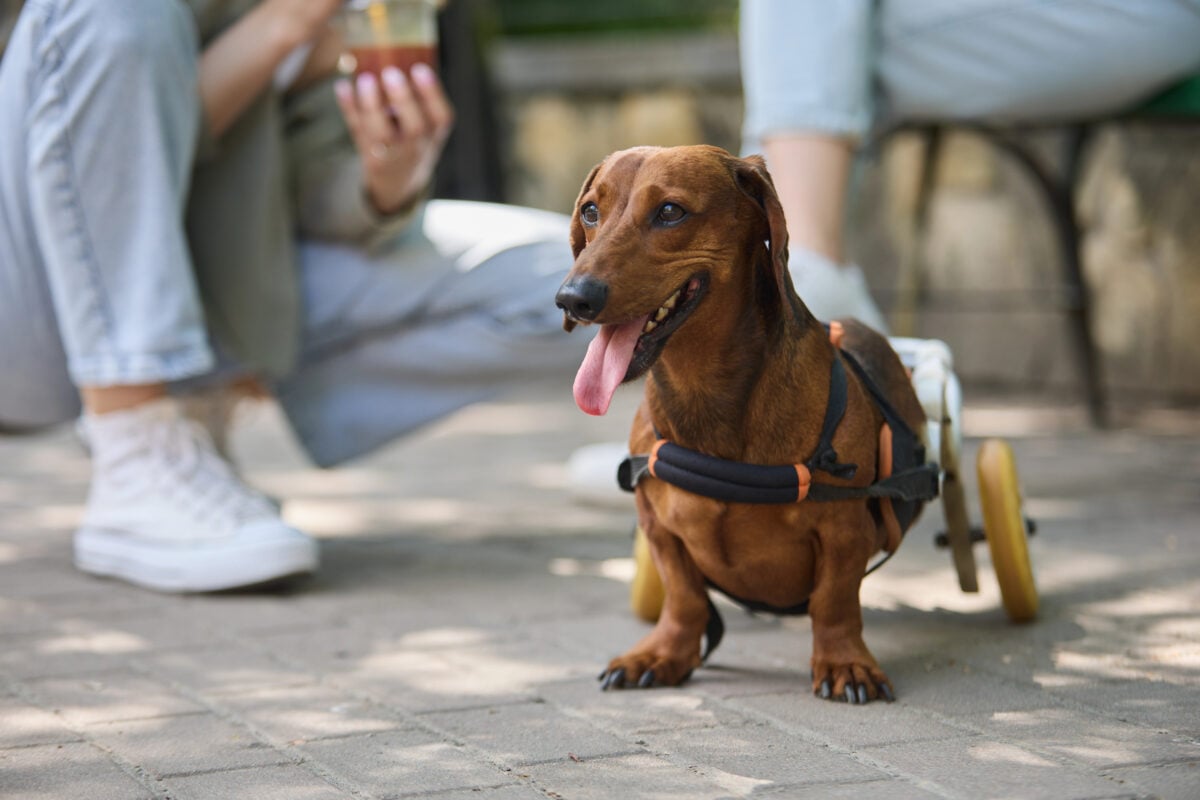
This can lead to herniated discs, spinal cord compression, and in severe cases, painful paralysis. Here’s the kicker: Dachshunds account for a whopping 40–75% of all IVDD cases, according to the American College of Veterinary Surgeons. Their adorable long-and-low build puts them at higher risk than any other breed.
Reality Check: Many Dachshunds show subtle spinal changes months before IVDD becomes obvious. Hesitation on stairs, slower movement, or mild wobbliness often appear long before paralysis.
Jumping off furniture may not seem dramatic, but to a Doxie’s spine, it’s like parkour without a safety net. That’s why ramps (not leaps) should be your Doxie’s best friend. I always tell fellow owners: “If your couch is tall, your dog needs a runway.”
Symptoms
- Back and/or neck pain
- Weak legs
- Difficulty standing
- Dragging feet
- Being unsteady
- Tripping or falling regularly
- Incontinence
- Irritation
- Paralysis
Diagnosis & Treatment
Most Doxies are diagnosed with IVDD between ages 3 and 6, and the best way to confirm it is with an MRI scan. In mild cases, vets may try meds and strict rest, but in most situations, surgery is eventually needed.
Waiting too long can make things worse. IVDD doesn’t go away on its own, and the spinal cord can keep deteriorating.

Surgery involves removing bone and disc material to relieve pressure on the spine, followed by months of recovery, including crate rest and zero jumping. It’s intense, but it can save your Doxie’s mobility.
If you’re a breeder (or working with one), there’s also genetic testing that can identify IVDD risk and help reduce it in future litters.
My Personal Experience With IVDD In Dachshunds
I dog-sat a senior Doxie for two weeks, and she was recovering from spinal surgery as a result of IVDD. Despite being in the “recovery” phase, she was determined to jump onto and off everything and disregarded the ramps her owners purchased.
It was hard work taking care of her because she literally had no fear, and she couldn’t be left to wander around the flat. Her flat was on the fourth floor, and I had to carry her in a special Doxie carry bag up and down the stairs.
I felt the pressure to take care of her, considering her post-op recovery. It took several months after that before she returned to her usual self, and her owner said it was an intense few months with regular acupuncture and hydrotherapy sessions.
2. Diabetes
Diabetes is the most common type of diabetes seen in dogs, and Dachshunds are more at risk of developing it, along with other small dog breeds. It is a metabolic disorder that affects how the body converts food to energy.
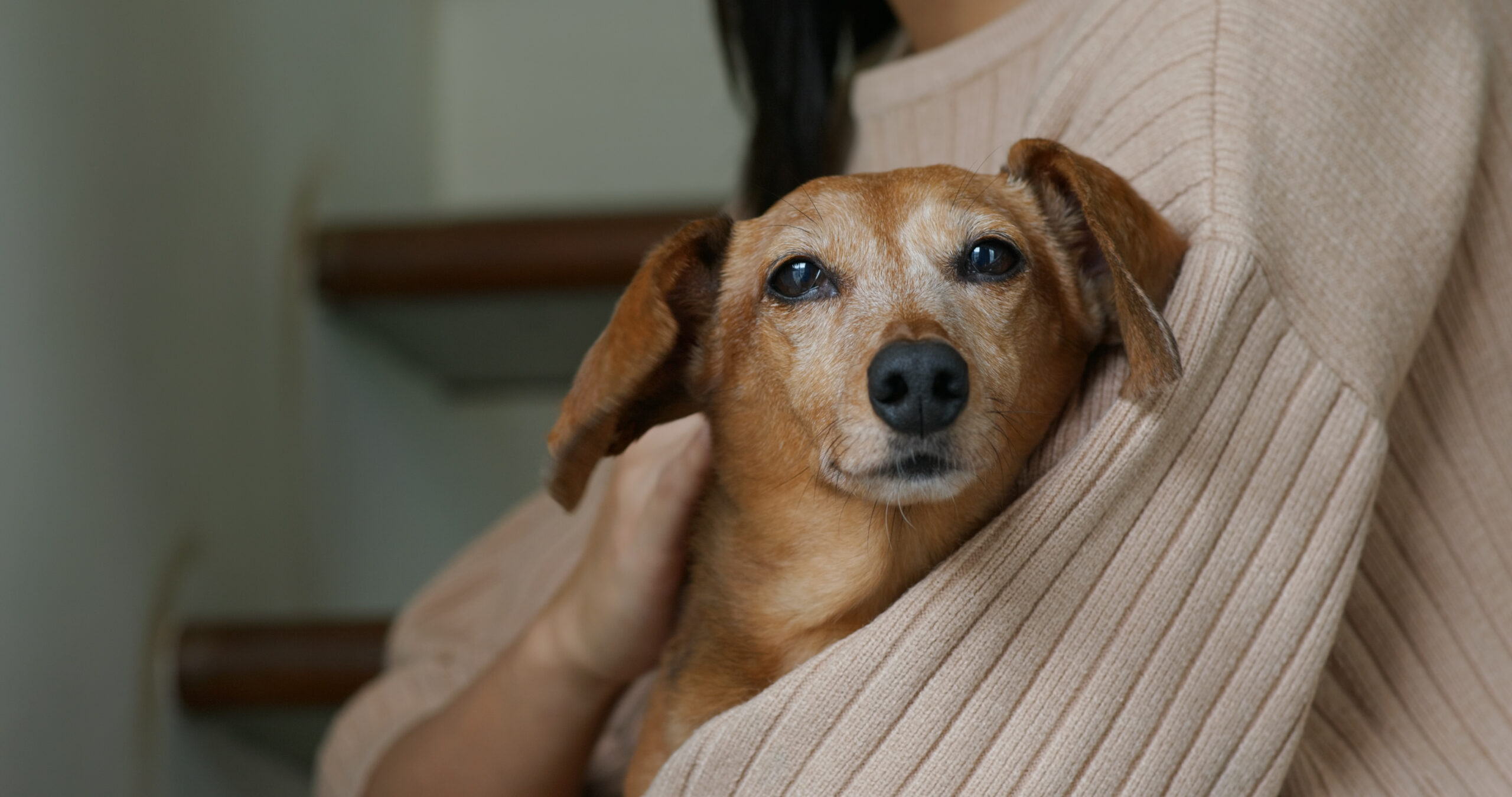
Not only is it a serious health condition, but it also leads to a variety of secondary health concerns, such as cataracts, enlarged liver, kidney failure, life-threatening ketoacidosis, and more.
Symptoms
- Excessive thirst
- Increase in urination
- Weight loss
- Change in appetite
- Cloudy eyes
- Recurring infections
- Vomiting
- Lethargy
- Depression
Diagnosis & Treatment
Diagnosis usually occurs between 7 and 10 years old. Your vet can diagnose diabetes with simple testing for excessive glucose in the blood and urine. Blood tests can detect high liver enzymes and electrolyte imbalances, also indicating diabetes
Treatment usually involves daily insulin injections, consistent and moderate exercise, and a change in diet.
3. Vision Disorders
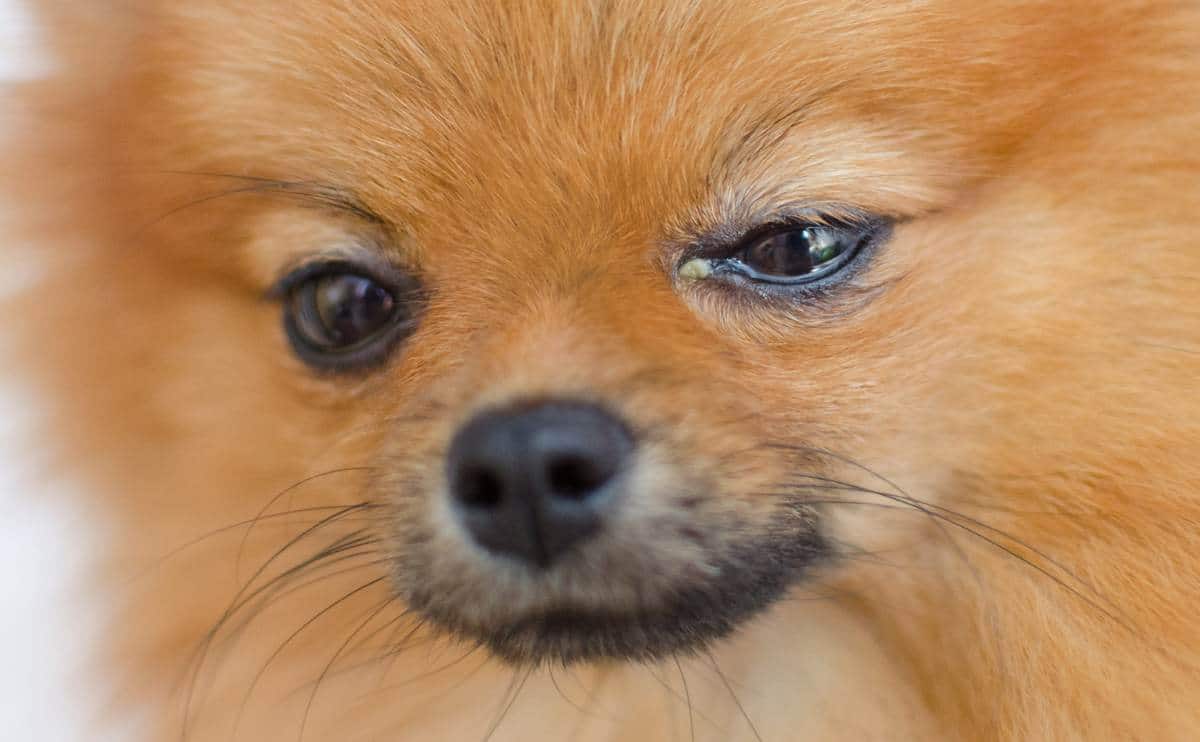
There are many vision disorders in dogs, and the most common eye problems in Dachshunds include corneal disease, distichiasis, persistent pupillary membrane (PPM), glaucoma, progressive retinal atrophy (PRA), and cataracts. Eye disorders can lead to significant discomfort and pain, and sometimes vision loss.
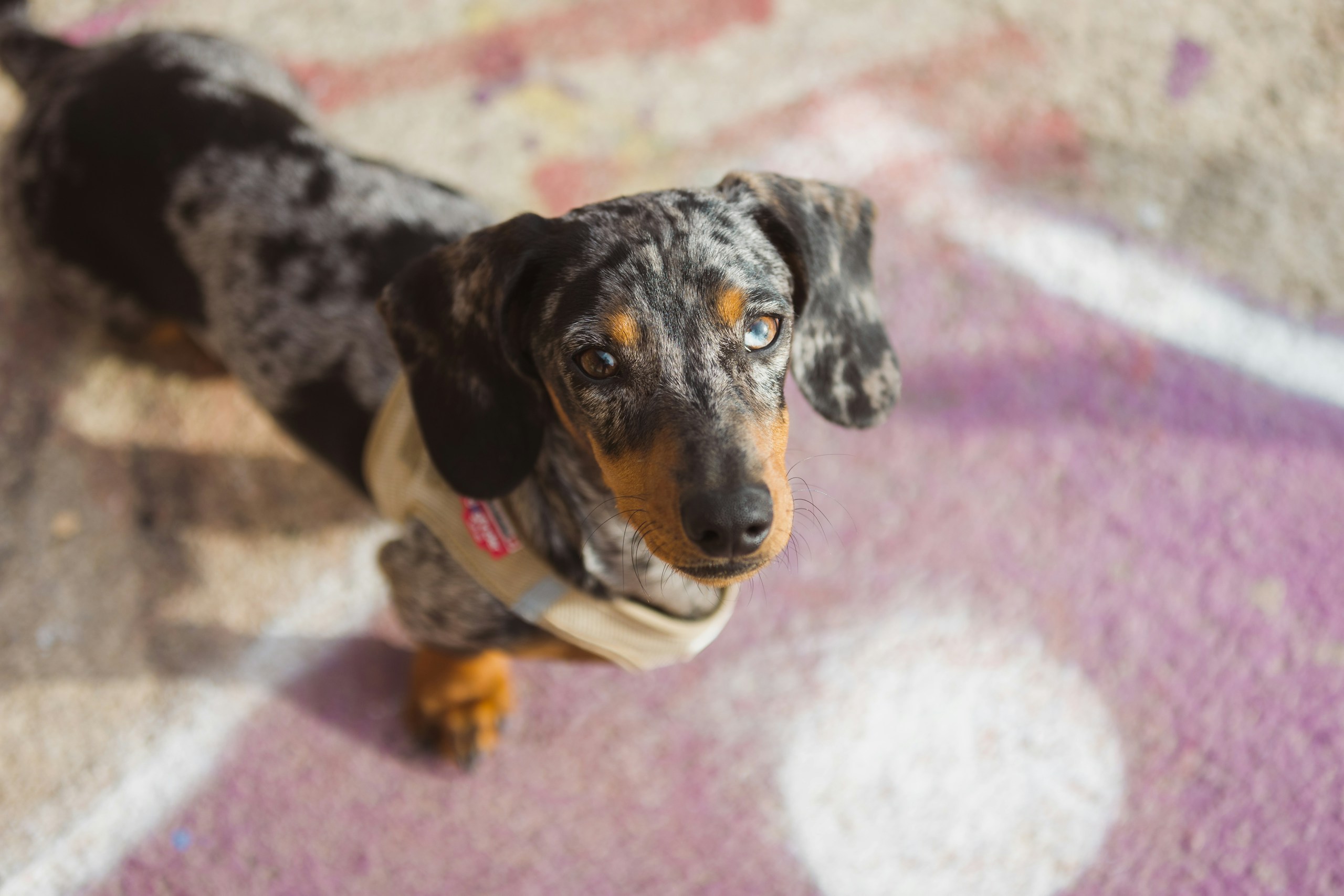
Specific vision problems are more common in Dachshunds with a dapple or white patterned coat, which is essentially a merle pattern. Double merles, which are dogs born with two copies of the merle gene, are at a higher risk of eye disorders, as well as vision and hearing problems.
Why This Matters: Many owners choose coat patterns for looks alone, not realizing some colors come with higher risks for vision and hearing loss. In Dachshunds, color genetics aren’t cosmetic.
Breeders should never breed two dapple Doxies, and genetic testing can help breeders avoid the most severe issues. Learn more about Dachshund coat colors and how their color can affect their health.
Symptoms
- Redness in the eye
- Swollen eyes
- Excessive blinking
- Pawing at their eyes
- Excessive tears or discharge
- Extreme dryness
- Light sensitivity
- Hesitant behavior
- Startling easy
- Bumping into objects
Diagnosis & Treatment
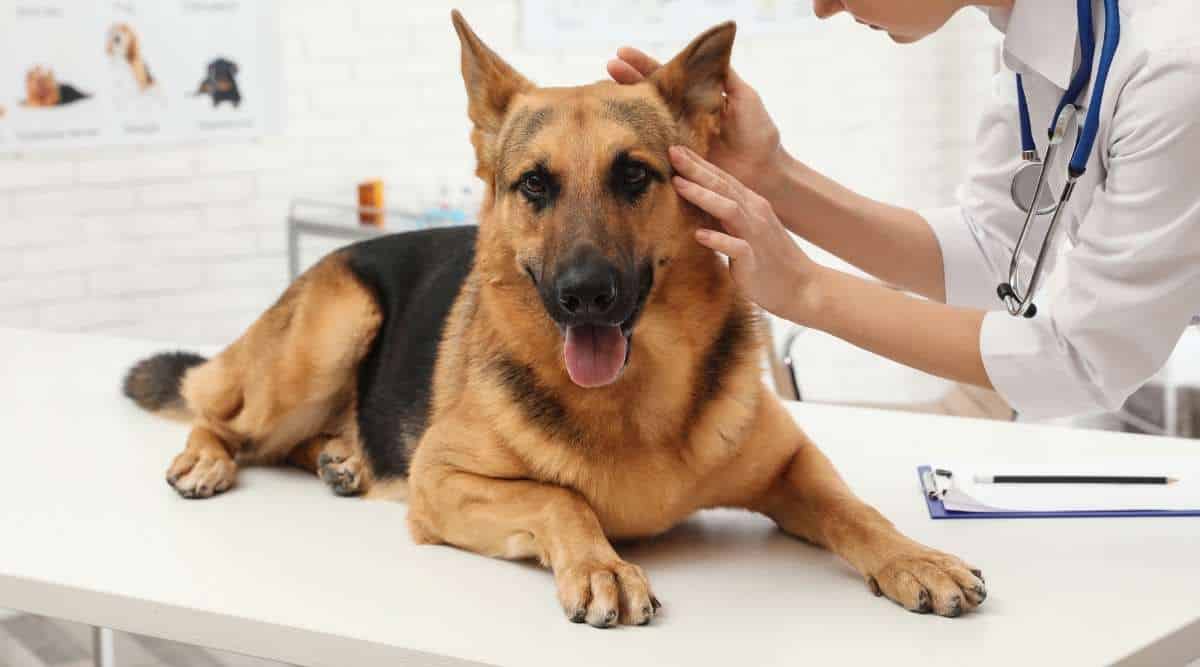
A veterinarian must examine your Doxie to determine the cause of their eye disorder.
Treatment varies depending on the disorder. Some conditions can be treated with eye drops and antibiotics, while others require eye surgery.
4. Patella Luxation
A luxating patella is also known as a trick or floating knee. It is a developmental condition in which the kneecap develops abnormally and dislocates or moves out of its normal position.

The kneecap can shift toward the inside of the leg, known as medial luxation, or toward the outside of the leg, referred to as lateral luxation. Although a traumatic injury can be the cause, most cases are congenital (present from birth) and hereditary.
This is why working with a breeder who screens their Doxies for patellar luxation is important. It is more common in smaller dog breeds than larger dogs and can cause severe discomfort and pain.
Symptoms
- Weakness or hobbling
- Struggling to stand up or jump
- Kicking out
- Reluctance to walk or run
- Bow-legged appearance
- Yelping or vocalizations of pain
Often Missed Early Signs:
- A brief skip while walking
- Hesitation before jumping
- One leg lifting temporarily, then “fixing itself”
Diagnosis & Treatment
Your veterinarian must assess your dog with a physical examination to diagnose a luxating patella. They usually assess the grade and the level of cartilage damage via an X-ray.
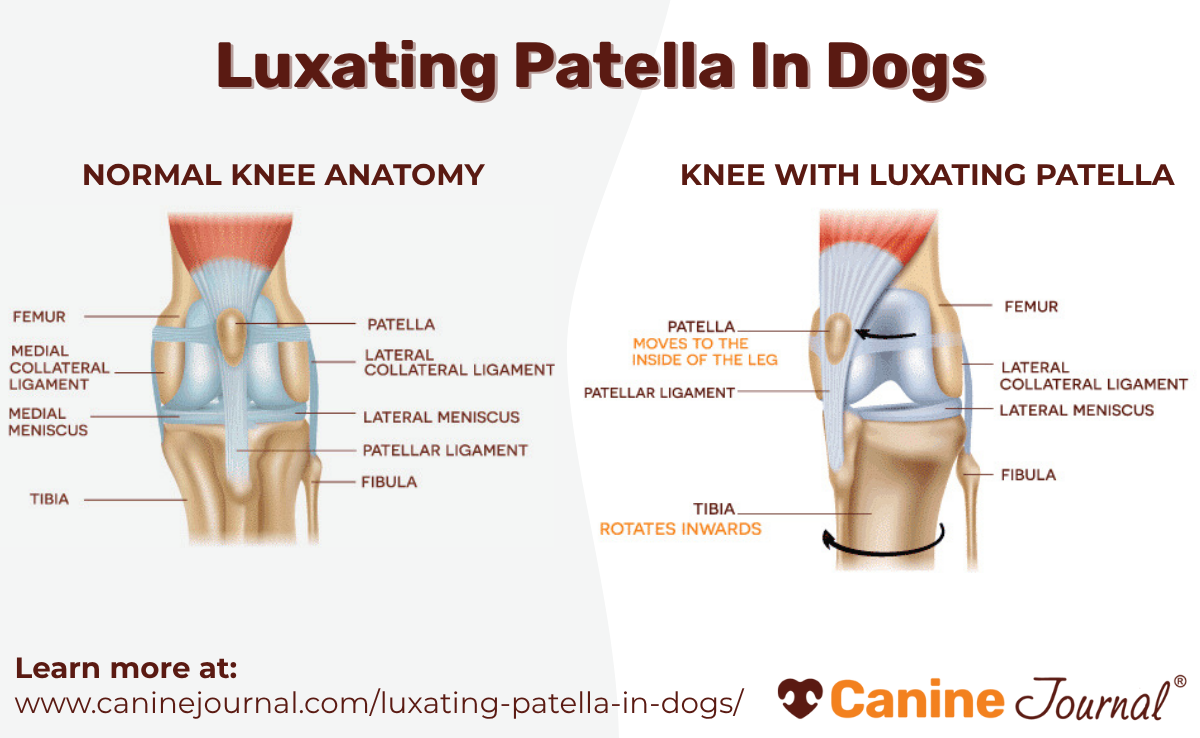
This health issue can occur once, and your vet can reposition it. Please do not attempt this yourself. Sometimes, the patella can move frequently, and if it does, your vet might recommend corrective surgery to prevent it from happening again.
5. Heart Disease
There are various types of heart disease, including mitral valve disease (MVD), pulmonic stenosis, and dilated cardiomyopathy (DCM). Most heart disease in dogs results from the weakening or degeneration of heart valves.

Over time, the heart has to work harder, putting strain on the cardiac system. Blood can also leak into the weak valves, putting further strain on the heart. In their later years, heart failure is a leading cause of death among Dachshunds.
If You Only Read One Thing: Heart disease and IVDD are the two most common causes of serious health decline in Dachshunds later in life. Both often progress silently before obvious symptoms appear.
Symptoms
- Shortness of breath
- Coughing
- Fatigue
- Exercise intolerance
- Weight loss
- Behavioral changes
- Irritation
- Poor sleep
- Collapsing
Diagnosis & Treatment
Regular vet visits can help identify heart disease early, which might be indicated by a murmur. If diagnosed early, medications can help prolong your Doxie’s life. In severe cases or if untreated for too long, your vet might suggest heart surgery.
Sadly, if undiagnosed, sudden death and congestive heart failure can occur. This is why regular health checks are essential.
6. Lafora Disease
Lafora disease is a rare neurological disease, and little research has been conducted on it. Although it can occur in any breed, it seems more prevalent in miniature wire-haired Dachshunds, Basset Hounds, and Beagles.
While rare, Lafora disease is devastating when it appears. Early awareness matters most for owners of wire-haired Dachshunds and dogs from lines without genetic screening.
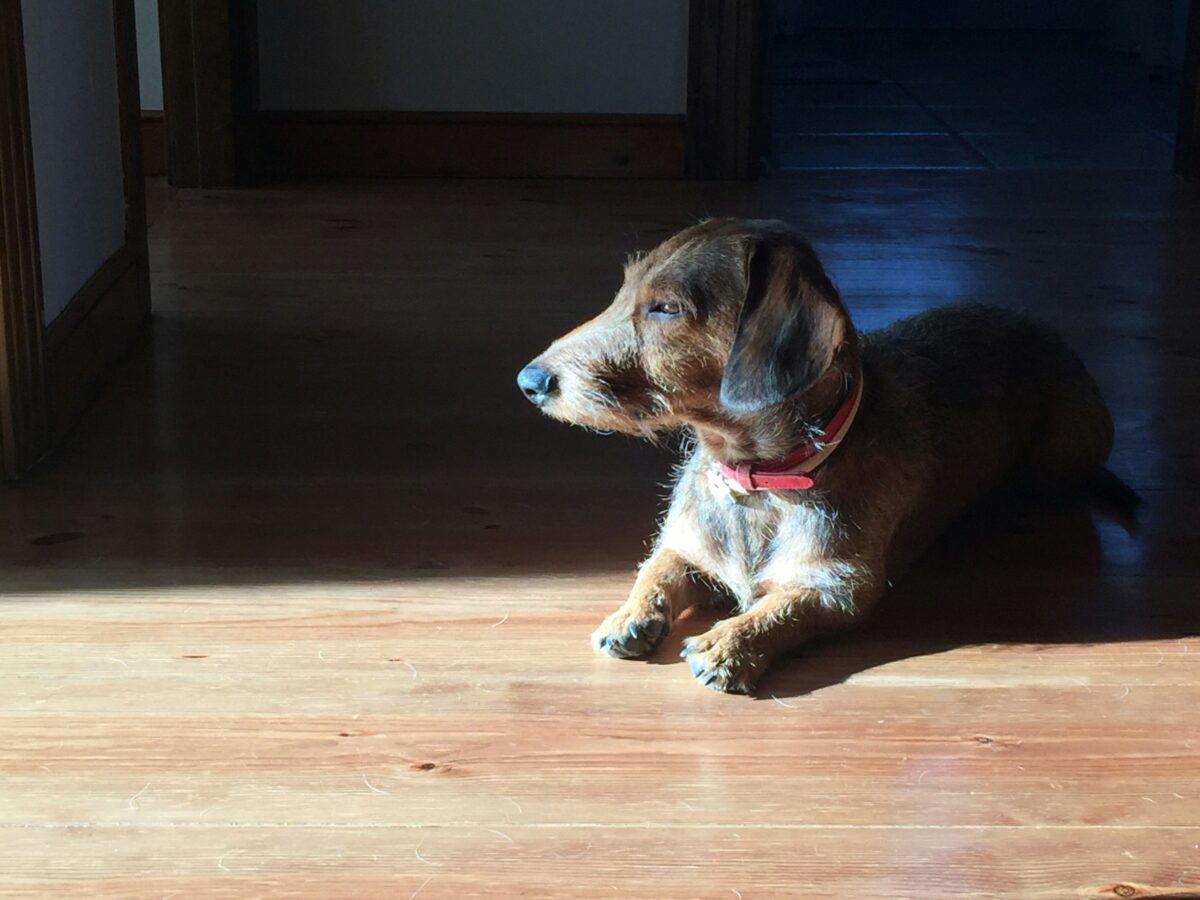
It’s similar to epilepsy and causes jerking and seizures. Lafora is progressive and causes neurological changes over time, which can lead to ataxia (lack of muscle control), blindness, and dementia.
Symptoms
- Rapid shaking or jerking of the head
- Panicked behavior
- High-pitched vocalizations
- Loss of balance
- Seizures
- Dementia
- Blindness
Diagnosis & Treatment
Affected dogs typically show symptoms after five years. Your veterinarian can only diagnose the disease by identifying Lafora bodies through microscopic evaluation of muscle, nerve, or liver biopsies. They might also request an MRI brain scan to rule out other potential health issues.
Fortunately, Lafora disease and epilepsy are treatable with drug therapy and lifestyle changes to avoid flashing lights and exercising in direct sunlight. Your vet might suggest dog sunglasses and a dietary change to a low-glycemic diet.
7. Dental Disease
Periodontal diseases in dogs are more common (and serious) than owners realize, and they can affect your dog’s overall health and eventually lead to organ failure.
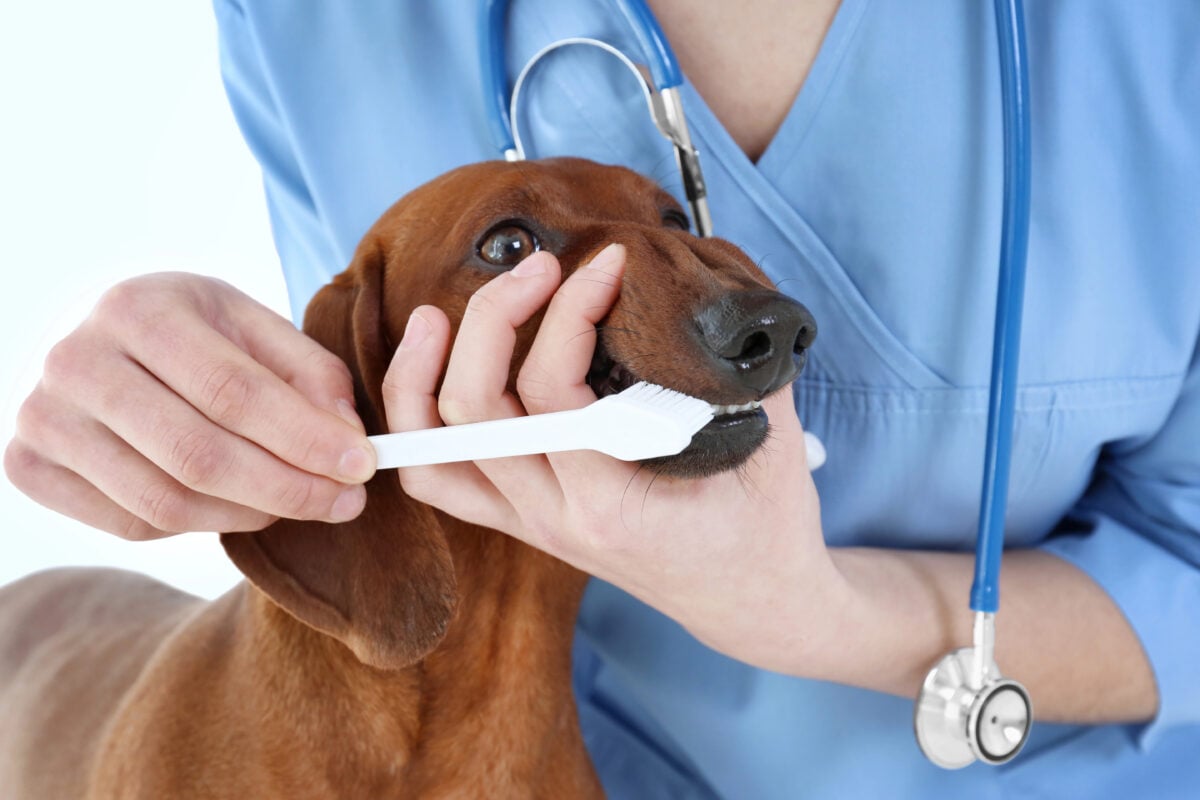
Periodontal disease is more frequent in smaller breeds because of the compact nature of their teeth. So, it’s essential to take your Dachshund’s dental hygiene seriously.
Symptoms
- Brown teeth
- Red or inflamed gums
- Smelly breath
- Pawing at their mouth
- Behavioral or eating changes
Diagnosis & Treatment
Your vet needs to inspect your dog’s mouth to diagnose periodontal disease. They might also require an X-ray to assess the damage to the teeth and gum tissues.
Treatment usually includes professional dental cleaning and maintaining dental hygiene at home. In more severe cases, your vet might recommend antibiotic treatment and surgery.
Learn how to brush your dog’s teeth in our dental health guide and how much dog teeth cleaning costs.
8. Obesity
Being overweight or obese is a massive problem for Dachshunds. Not only is it unhealthy for any dog breed, but for Doxies, it can put significant strain on their spine, which increases the risks of IVDD.

Being overweight and obese puts pressure on their joints and cardiac system and leads to less activity, which spirals into one big health problem. It can also lead to other health concerns such as diabetes, arthritis, kidney and liver disease, and increase the risk of certain cancers.
If you need help determining whether your Doxie needs to lose weight, check out our guide on how heavy your dog should be.
9. Chondrodystrophy
Dachshunds are a chondrodystrophic breed, which means their distinctive short legs result from a genetic mutation that affects cartilage and bone growth. Cute as it is, this same trait is also what makes Doxies so prone to spinal problems like IVDD, joint issues, and other health complications.
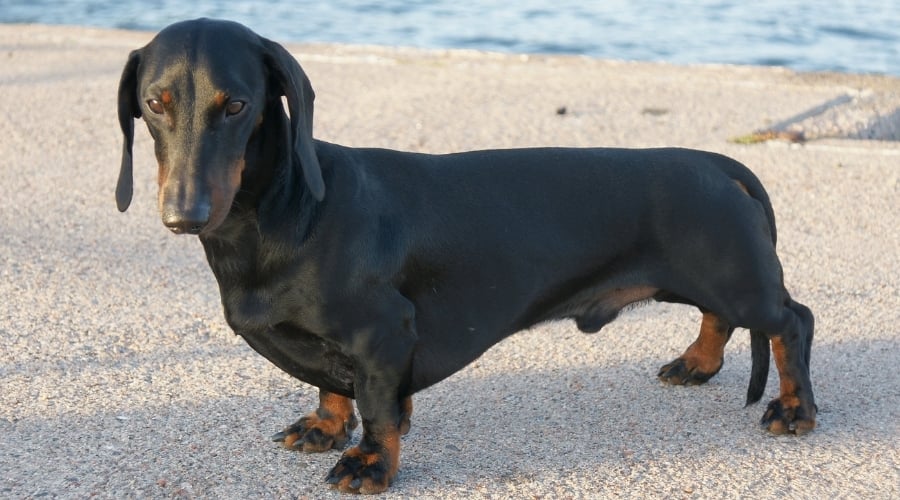
In other words, the very thing that gives them their “hot dog” look also puts them at higher risk for some of their most serious medical conditions.
Here’s what Dr. Rebecca MacMillan has to say about this Weiner dog health issue:
The most common Dachshund helath issue that I see in the clinic is spinal problems. Dogs with chondrodystrophy are much more prone to experiencing problems with these discs.
The discs become harder and more fragile, making them more likely to ‘slip.’ When a slipped disc occurs, it can press on the nerves within the spinal cord, leading to problems such as pain, loss of sensation in the limbs, complete paralysis, and incontinence.
This can occur suddenly and seemingly without warning. Owners may notice problems with their dog, such as wobbliness, weakness, difficulty getting up, dragging their feet, or complete paralysis.
Some dogs may even require spinal surgery, a major operation typically performed at a specialist hospital. I have certainly had to refer patients in the past to specialist veterinary centers for advanced diagnostic imaging (MRI scans) and surgery.
Due to their chondrodystrophy, Dachshunds are also prone to issues like angular limb deformities (legs that are at abnormal angles, stopping the toes from pointing forward). This can lead to abnormal wear and tear on nearby joints.
– Dr. Rebecca MacMillan, a Veterinarian Contributor for Canine Journal
My Personal Experience With Dachshund Health Issues
I rescued a five-month-old Doxie named Chips in June 2023. Thankfully, she is a healthy pup showing no signs of disease or other health issues. However, within the first week of having her, she ended up in the emergency vet hospital. Here’s my experience:
Despite being an experienced dog owner and a former professional dog walker and sitter with a certificate in pet first aid, I nearly lost my pup within a few days of becoming a Doxie mom. I instantly knew she was super curious and cheeky, but I underestimated how much.

One evening, she got into a tray of painkillers in a zipped bag, which was in a closed pocket at the bottom of my gym bag, which was in a cupboard. She ate eight tablets of ibuprofen and became very sick with ibuprofen poisoning.
She lost all control of her back end, and my husband rushed her to the vet. They pumped her stomach and administered activated charcoal, and the vet said she was lucky to make a full recovery.
Read our Dr. Cuddles ReadyRESCUE review to learn more about this detox first-aid treatment, which can help in these medical emergencies.
Top 6 Ways To Keep Your Dachshund Healthy
Dachshunds may be small, but keeping them healthy takes some big dedication. Their long backs, curious noses, and snack-loving personalities mean prevention is everything.
Here’s how to give your Doxie the best shot at a long, happy life:
- Protect Their Back – Use ramps for furniture, block off stairs, and discourage jumping. Even daily leaps on and off the couch can add up to serious spinal trouble (hello, IVDD).
- Watch Their Waistline – A “chunky sausage” might look cute, but obesity is one of the fastest ways to shorten a Dachshund’s life. Stick to measured meals, limit table scraps, and make healthy treats part of training. We have a guide on the best dog food for Dachshunds.
- Keep Them Moving (Safely) – Regular walks and controlled play are great, but avoid activities that stress their spine, like roughhousing with bigger dogs or too much stair climbing.
- Stay on Top of Dental Care – Small mouths = big dental issues. Brush regularly, use vet-approved chews, and schedule dental checkups to avoid painful (and pricey) periodontal disease.
- Regular Vet Visits – Doxies are prone to a handful of sneaky health problems, from heart murmurs to hormonal issues. Routine exams and bloodwork can catch them early, before they spiral into something serious.
- Mind Their Skin & Coat – Keep an eye out for itching, bald spots, or flaky skin. Allergies and coat issues are common, and early treatment makes a huge difference in comfort.
Average Costs For Dachshund Health Issues
According to Fetch Pet Insurance, the three most common conditions Dachshund parents file claims for are IVDD, diabetes, and eye disorders. Associated costs for these health problems over a lifetime are as follows:
- Intervertebral Disk Disease (IVDD): $5,000 to $6,500
- Diabetes $5,600 to $8,700
- Vision disorders: $4,200 to $5,400
5 More Dachshund Health Conditions To Keep An Eye Out For
Even beyond the “big eight,” Dachshunds are prone to a handful of other health problems that can creep up quietly and cause long-term trouble if not caught early. Although this is not a complete list, here are some other Dachshund health issues worth knowing about:
- Hip Dysplasia – While more common in big dogs, Dachshunds aren’t immune. A malformed hip joint can cause stiffness, limping, and arthritis later in life. You might notice your Doxie hesitating on stairs or struggling to jump onto the couch.
- Cushing’s Disease – This hormonal disorder occurs when the body produces excessive cortisol. Signs include hair loss, thinning skin, a pot-bellied appearance, and constant thirst or urination.
- Epilepsy (Non-Lafora) – Not all Dachshund seizures are linked to Lafora disease. Some dogs develop idiopathic epilepsy, which can cause anything from small twitching episodes to full-body seizures.
- Autoimmune Disorders – In rare cases, a Doxie’s immune system goes rogue and attacks its own body. This can lead to conditions such as hypothyroidism.
- Skin & Coat Problems – Dachshunds often deal with allergies (to food, fleas, or the environment), yeast infections, and dry, itchy skin.
Many of these conditions develop gradually. Keep an eye out for subtle changes, limping, hair loss, unusual thirst, or unexplained tiredness. Catching problems early means better treatment options and a healthier, happier Doxie.
Frequently Asked Questions
We know some of our readers still have questions about Dachshunds’ common health issues and how best to care for them. If you can’t see your question below, please respond in the comments, and we’ll find the answer for you.
Do Dachshunds Have Health Issues?
Like all dog breeds, Dachshunds are predisposed to several health issues.
According to Fetch Pet Insurance, the three most common Weiner dog health issues are IVDD, diabetes, and eye disorders. The Dachshund Club of America also recommends screening for patella luxation, heart disease, and eye disorders.
Should I Get Pet Insurance For My Dachshund?
You should definitely consider getting pet insurance for your Dachshund. While you cannot predict your Doxie’s health future, with pet insurance, you can rest easy knowing you’re taking steps to protect them and your wallet.
As you can see above, vet bills can be costly, and I’d never be without pet insurance because I’d likely face financial difficulty without it.
What Is The Life Expectancy Of A Dachshund?
Dachshunds are a relatively healthy dog breed with an expected lifespan of 12 to 16 years. All dogs are different, and not all Doxies reach this age, but many have lived well beyond this age.
Learn more about Dachshund lifespans and what to expect.
What Do Dachshunds Usually Die From?
Most Dachshunds live long and happy lives, typically dying of old age. Aside from generic old Dachshund health problems, the two most common causes of death in Doxies are heart disease and complications resulting from IVDD.
Dachshund Preventive Care 101
Now that you know more about the most common Dachshund health issues, you should research ways to keep your Doxie as healthy as possible. Preventive care is important, and staying up to date on vaccinations, along with flea and tick protection, helps keep your Doxie safe.