When you purchase through links on our site, we may earn a commission at no extra cost to you. Learn more.
Some dogs age gracefully. Others turn 10, grow an impressive set of gray eyebrows, and still launch themselves across the living room because someone touched the tennis ball.
Table of Contents
Their legs may be a little slower and their naps considerably more serious, but the puppy operating the controls never really left. They still bring you toys, start games nobody agreed to, celebrate walks like they’ve won a major award, and occasionally produce a set of zoomies that seems medically inadvisable.
Some breeds are especially famous for hanging onto that playful streak well into adulthood and even their senior years. Here are the dogs most likely to grow old without entirely growing up.

What Does It Mean For A Dog To “Stay Playful?”
Play doesn’t look the same in every dog. Some live for fetch or tug. Others prefer wrestling, chasing, digging, sniffing out hidden treats, or stealing your clean laundry and waiting just far enough away to make their intentions clear.
That playful streak can show up in several ways:
- Toy play: Fetching balls, squeaking toys, or initiating tug
- Social play: Wrestling, chasing, play bows, and other dog-to-dog antics
- Interactive play: Recruiting their humans for games, attention, or a highly unnecessary chase through the house
- Brainy play: Puzzles, hide-and-seek, training games, and searching for hidden treats
- Exploratory play: Sniffing, digging, investigating, and generally needing to know what everyone else is doing
When we talk about breeds that stay playful the longest, we’re looking at dogs that often hold onto that desire to engage, investigate, play games, and be ridiculous with their people well beyond puppyhood.
Breed tendencies matter, but so do personality, health, lifestyle, and whether someone keeps saying yes when the toy lands at their feet.
Playful Isn’t The Same As High-Energy
A dog can have enormous exercise needs without being especially playful, while another may be perfectly content lounging around until someone produces a favorite toy.
Energy describes how much activity a dog needs. Playfulness is more about their desire to engage, interact, and turn that activity into a game.
The simplest way to think about it:
- High energy: “I need something to do.”
- Playful: “I’ve decided you need something to do.”
Of course, plenty of dogs are both. But a dog doesn’t need endless stamina to keep a playful personality, which becomes especially important as they get older.
20 Dog Breeds That Seem To Stay Puppies Forever
Every dog is an individual, but some breeds have earned a reputation for hanging onto their playful side long after puppyhood is officially over. Their games may change, and their stamina may eventually slow down, but convincing them that they’re “too old for this” can be surprisingly difficult.
From relentless retrievers to terriers with absolutely no retirement plans, these 20 breeds tend to keep funon the agenda.
1. Boxer
If any breed deserves to open this list, it’s the Boxer. These dogs have a reputation for carrying their goofy, exuberant personality well beyond puppyhood, sometimes while sporting a gray muzzle that suggests they should know better.
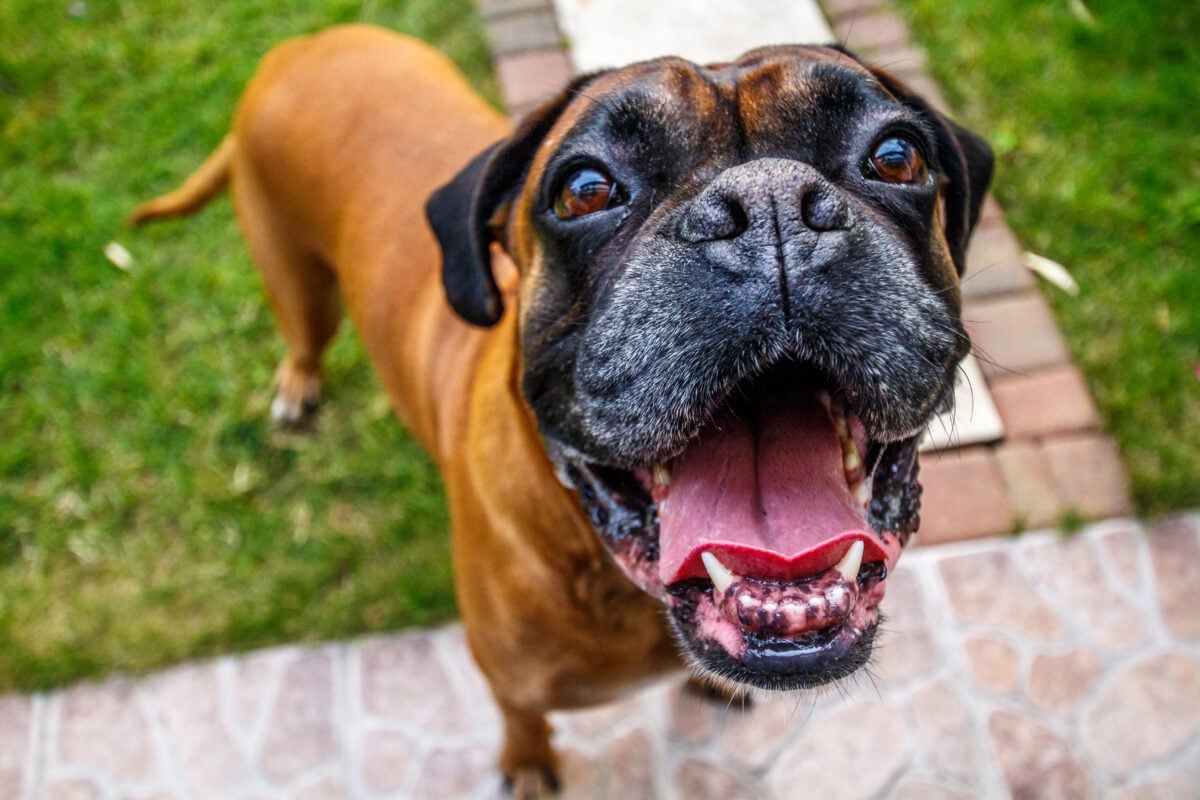
Boxers are deeply people-oriented and tend to be affectionate, expressive, athletic, and wonderfully ridiculous. They bounce, wrestle, chase, and can turn greeting their favorite person into an event requiring considerably more floor space.
They’re also intelligent, powerful dogs, so consistent training matters when all that youthful enthusiasm comes in an adult-size package. Many remain eager for games as they age, even when those games eventually become shorter.
At A Glance
- Best fit: Active owners who want a highly interactive companion
- Surprise trait: Often more emotionally sensitive than their clownish reputation suggests
- Exercise needs: High
- Training style: Positive, consistent, and started early
2. Labrador Retriever
A Labrador can accumulate gray whiskers, a distinguished senior-dog expression, and years of life experience without reconsidering one fundamental belief: if someone has a ball, something important is about to happen.

Labs were developed as working retrievers, and many remain enthusiastic about fetching, swimming, carrying things, and doing almost anything alongside their humans. They’re also famously trainable and often highly food-motivated, making games and reward-based training an easy fit.
That love of food has a downside. Extra weight can make staying active harderon aging joints, so keeping a Lab lean can help preserve comfortable movement. The fetch sessions may eventually get shorter; enthusiasm for The Ball can be considerably more stubborn.
At A Glance
- Best fit: Active households that want a social, highly trainable companion
- Surprise trait: Labs mature slowly, and adolescent-style exuberance can stick around considerably longer than new owners expect
- Watch for: Weight gain, particularly as activity levels decline with age
- Senior sweet spot: Swimming, shorter retrieves, and sniffing games
3. Jack Russell Terrier
The Jack Russell Terrier is small enough to pick up with one arm, which is convenient because their personality seems designed for a much larger animal. These compact terriers are bold, athletic, curious, and remarkably committed to staying busy.

Developed to hunt foxes, Jack Russells often retain strong prey drive and an intense interest in chasing, digging, searching, and investigating. Fetch, tug, scent games, and puzzles can all put those instincts to productive use.
They’re also clever, independent thinkers, so boredom can result in a recreational program of their own design. Many stay spirited well into later life, even when the activities themselves need to become gentler.
At A Glance
- Best fit: Engaged owners who enjoy training, activity, and a dog with opinions
- Surprise trait: Their original working role required them to pursue foxes underground, helping explain the breed’s extraordinary persistence
- Prey drive: Very high
- Brain needs: Very high
4. Golden Retriever
Golden Retrievers have a special talent for making enthusiasm look like a personality trait. They’re famously social, affectionate dogs that tend to remain deeply interested in whatever their people are doing, whether that’s throwing a ball or attempting a household task that apparently requires supervision.
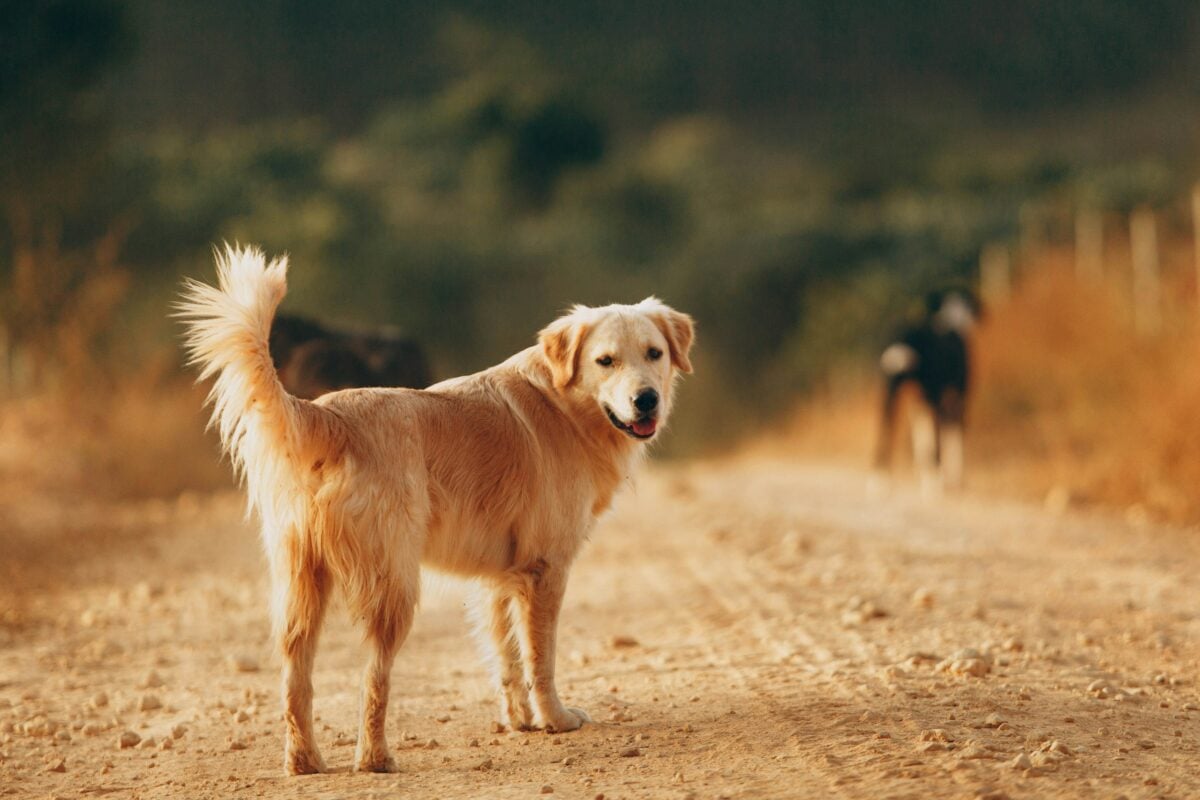
Their retrieving heritage means many Goldens adore fetching, swimming, carrying toys, and proudly transporting objects nobody asked them to retrieve. They’re also sensitive, eager to please, and responsive to positive training, so learning tricks can become part of the fun.
That desire to participate often persists as they get older. The pace may change, but many senior Goldens remain very interested in being included.
At A Glance
- Best fit: Families and individuals who want a highly involved companion
- Surprise trait: Many Goldens have an exceptionally soft mouth, a trait developed to retrieve game without damaging it
- Training style: Eager and responsive; positive methods suit their sensitive nature
- Grooming needs: Moderate to high
5. Boston Terrier
Boston Terriers didn’t get the nickname “American Gentleman” because they’re especially committed to behaving with dignity. These compact companion dogs are affectionate, expressive, curious, and remarkably talented at turning ordinary moments into entertainment.
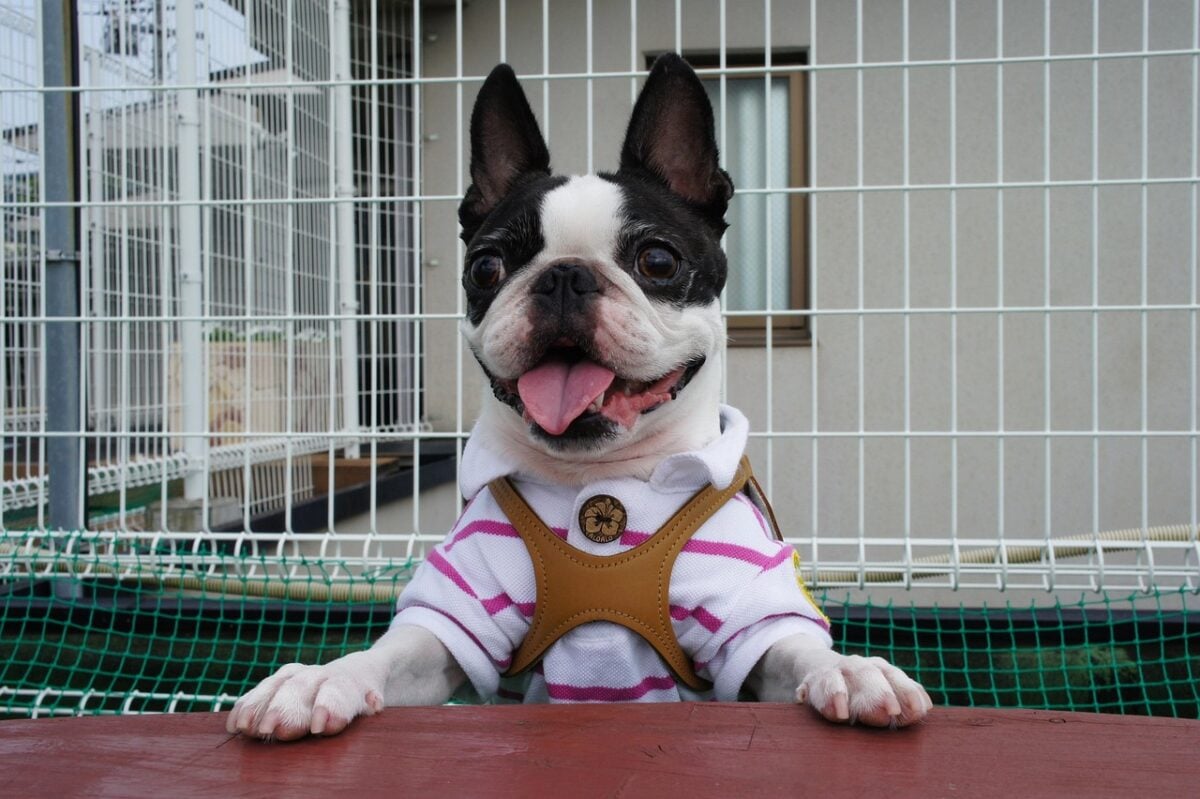
Much of their playfulness is people-focused. Many love tug, toys, short games of fetch, zoomies, and inserting themselves into whatever their humans are doing. Their intelligence also makes tricks and training games another fun outlet.
Because Boston Terriers are brachycephalic, or flat-faced, strenuous activity and hot weather require extra care. The desire to play may remain strong even when their human needs to call halftime.
At A Glance
- Best fit: People who want an entertaining, interactive dog in a compact package
- Surprise trait: Despite their polished “American Gentleman” nickname, Boston Terriers descend partly from dogs originally bred for fighting
- Exercise needs: Moderate
- Watch for: Heat and strenuous activity because of their flat-faced anatomy
6. Dalmatian
Dalmatians were built to keep moving. Historically used as carriage dogs, they ran alongside horse-drawn coaches for miles, and that combination of stamina, athleticism, and enthusiasm is still very much present in the modern breed.

Many Dalmatians love running, hiking, fetch, training games, and anything that lets them participate with their people. They’re intelligent dogs with an independent streak, so keeping training interesting can work better than endless repetition.
That famous spotted coat comes with a less visible consideration: Dalmatians have a genetic predisposition to forming certain urinary stones, so appropriate diet, hydration, and veterinary care are especially important.
At A Glance
- Best fit: Active owners looking for an athletic dog that can keep up with an adventurous lifestyle
- Surprise trait: Dalmatians once ran alongside horse-drawn carriages, sometimes covering considerable distances
- Exercise needs: High
- Training style: Consistent, positive, and varied enough to keep their attention
7. Beagle
A Beagle doesn’t necessarily need a toy to have fun. Sometimes the world simply smells too interesting to take the day off. These cheerful hounds tend to remain curious and enthusiastic about exploring, particularly when their famous noses are involved.
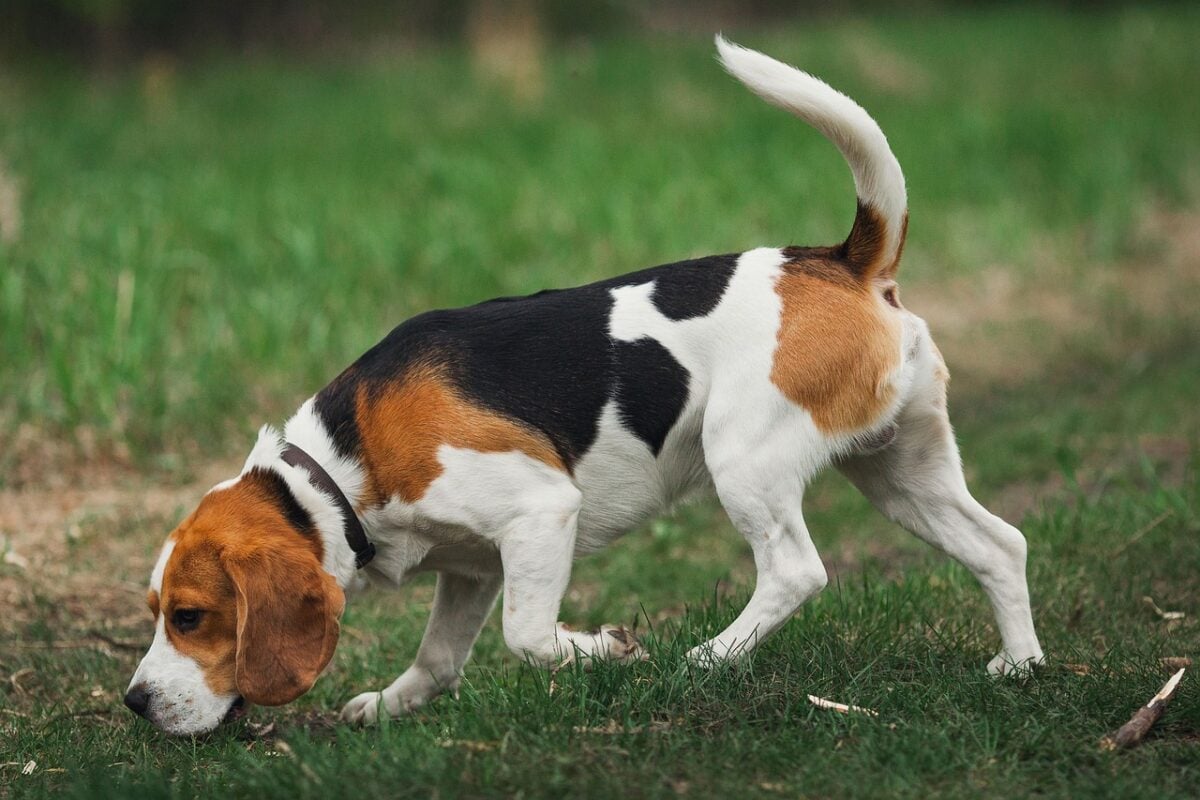
Originally bred to follow scent trails, Beagles often love sniffing games, food puzzles, hide-and-seek, exploring new places, and anything that lets them search for something interesting. They’re social dogs, too, and many enjoy playing with both people and other dogs.
That nose can also outrank your opinion. Beagles have an independent streak and can become impressively selective listeners when they’ve found an exciting scent, making secure spaces and recall training especially important.
At A Glance
- Best fit: Owners who enjoy walks, exploration, and scent-based activities
- Surprise trait: Beagles were bred to hunt in packs, which helps explain why many are particularly social and dislike being left out
- Prey drive: High
- Training style: Rewards need to compete with a nose that has its own priorities
8. Papillon
With their enormous butterfly-shaped ears and dainty build, Papillons can look like dogs whose main hobby should involve sitting decorativelyon expensive furniture. The reality is considerably busier.
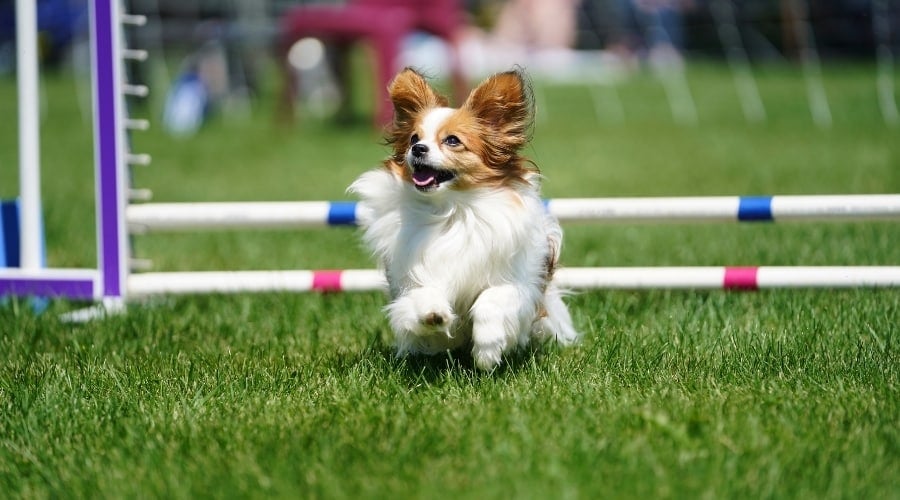
Papillons are bright, athletic, highly trainable little dogs that often love learning tricks, chasing toys, running, and tackling games that make them think. Many excel at dog sports such as agility despite weighing less than some dogs’ heads.
Their small size can make exercise easier to adapt as they get older, while mental games offer another way to keep that busy brain engaged when marathon zoomies become less appealing.
At A Glance
- Best fit: Owners who want a small, highly trainable dog with plenty of personality
- Surprise trait: Their delicate appearance hides a legitimate canine athlete; Papillons can excel in sports such as agility and obedience
- Brain needs: High
- Exercise needs: Moderate
9. Australian Shepherd
Australian Shepherds don’t just want something to do. They’d often prefer an assignment, instructions, and perhaps a performance review afterward. These intelligent, athletic herding dogs tend to thrive on activities that engage both their bodies and brains.

Many Aussies love Frisbee, fetch, agility, trick training, herding-style games, and anything that involves learning a new skill. Their strong attachment to their people can make interactive games especially rewarding.
That intelligence comes with responsibility. An under-stimulated Aussie can become very creative about finding work, and their homemade job descriptions aren’t always convenient. Providing appropriate mental challenges can remain important even as physical exercise changes with age.
At A Glance
- Best fit: Active owners who genuinely enjoy training and giving their dog things to do
- Surprise trait: Despite the name, the Australian Shepherd was largely developed into the breed we recognize today in the United States
- Brain needs: Very high
- Watch for: Herding instincts can be redirected toward children, pets, and anything else that moves
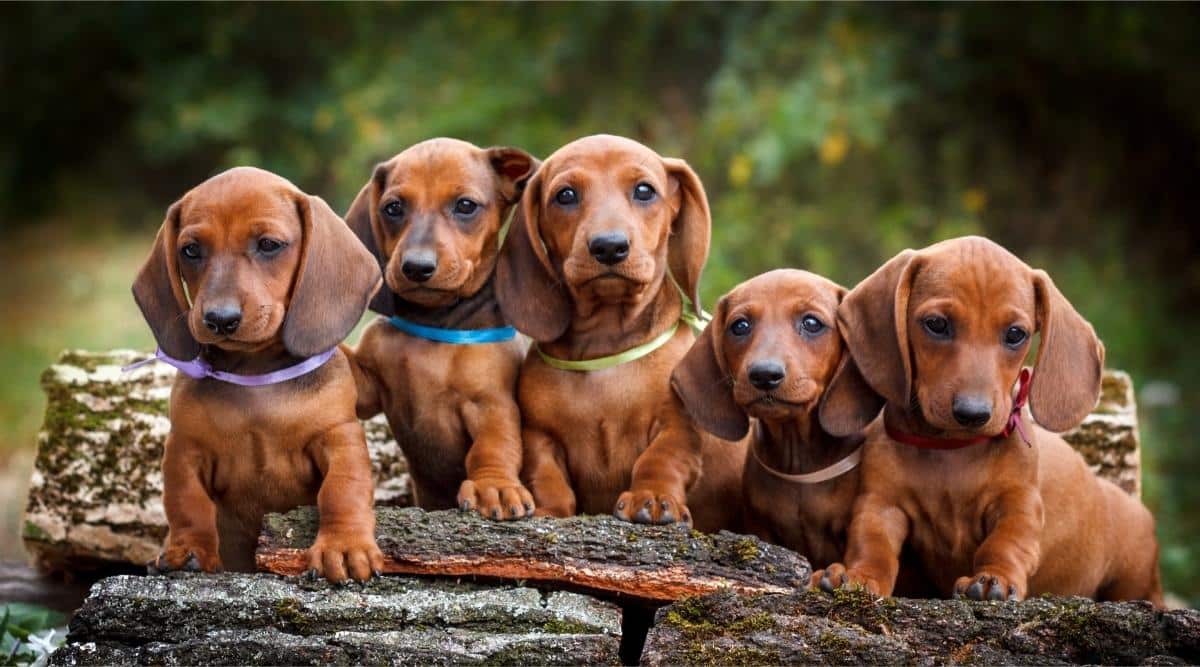
10. Dachshund
Dachshunds have the proportions of a dog designed by committee and the confidence of one that believes absolutely nothing went wrong. Many retain a bold, curious, mischievous streak long after puppyhood, especially when there’s something to chase, investigate, or steal for dramatic effect.
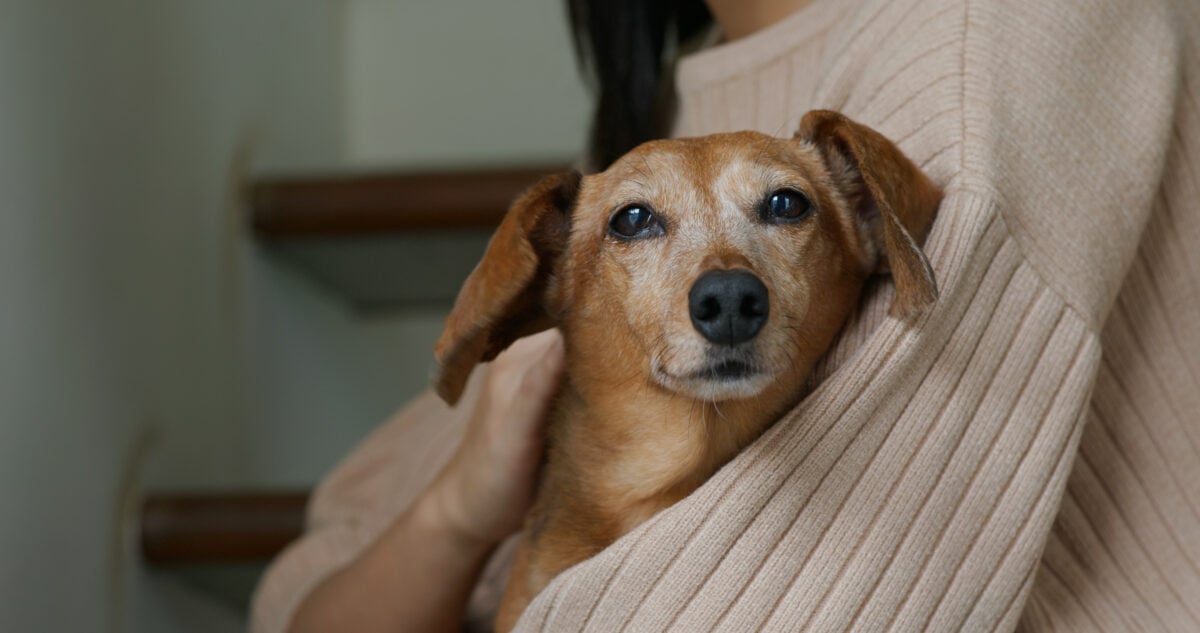
Originally bred to hunt badgers, Dachshunds often enjoy digging, scent games, puzzles, short games of chase, and burrowing into anything remotely blanket-shaped. They can also be independent and stubborn, so training works best when there’s something worthwhile in it for them.
Because their long backs make them more vulnerable to spinal problems, maintaining a healthy weight and choosing lower-impact games becomes especially important as they age.
At A Glance
- Best fit: Owners who appreciate independence, humor, and a dog with strong opinions
- Surprise trait: Those unusual proportions had a serious purpose: Dachshunds were developed to pursue badgers into underground dens
- Prey drive: High
- Watch for: Protecting their back and maintaining a healthy weight throughout life
Does Your Dog Still Think They’re A Puppy?
Age is technically a matter of record. Your dog is under no obligation to find that record persuasive.
You may be living with a permanent puppy if your supposedly mature dog still:
- Brings you toys without being asked and waits for the obvious next step
- Drops into an enthusiastic play bow when the mood strikes
- Gets the zoomies despite having a distinguished collection of gray whiskers
- Tries to recruit younger dogs into games
- Steals something specifically to be chased, then looks deeply disappointed if you refuse to participate
- Recognizes the squeak of a favorite toy from an unreasonable distance
- Turns the words “Do you wanna go…” into a full-body emergency
- Occasionally attempts something athletic that suggests nobody has explained their current age to them
If several sound familiar, you probably already know that growing older and growing up are two very different things.
11. Brittany
Brittanys have the kind of enthusiasm that makes a simple trip outside feel like excellent news. Bred as versatile bird dogs, they’re athletic, curious, and typically happiest when they can move, explore, and do something alongside their people.
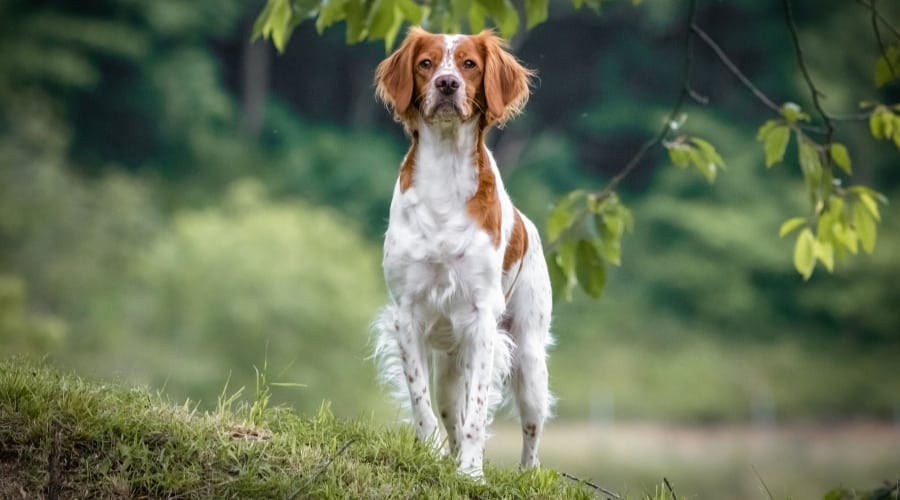
That sporting background makes running, retrieving, scent work, hiking, and outdoor games natural outlets. Brittanys are also intelligent and eager to learn, but many have a sensitive side, so positive, reward-based training tends to suit them better than heavy-handed methods.
They’re energetic dogs that need more than an occasional stroll around the block. With appropriate activity throughout life, many retain that eager, ready-for-the-next-adventure personality well beyond puppyhood.
At A Glance
- Best fit: Active, outdoorsy households that want their dog involved in the adventure
- Surprise trait: Despite commonly being called a Brittany Spaniel in the past, the breed works more like a pointing dog than a traditional flushing spaniel
- Exercise needs: Very high
- Training style: Positive and encouraging; many Brittanys are sensitive to harsh handling
12. Standard Poodle
The elaborate haircut can be misleading. Underneath all that carefully arranged fluff is an athletic retriever with a brain that expects to be consulted. Standard Poodles are intelligent, highly trainable dogs that often remain eager to learn and interact throughout adulthood.

Many enjoy fetch, swimming, puzzles, trick training, and games that require actual problem-solving. That combination of brains and athleticism gives owners plenty of ways to adjust play as their dog ages.
Poodles also come with a considerable grooming commitment. Their curly coats grow continuously and require regular brushing and professional grooming, regardless of how undignified their recreational activities become.
At A Glance
- Best fit: Owners who want brains, athleticism, and a dog they can do things with
- Surprise trait: That elaborate show-dog exterior belongs to a breed originally developed as a water retriever
- Brain needs: High
- Grooming needs: High
13. English Springer Spaniel
English Springer Spaniels have a talent for approaching activities as though this may be the best thing anyone has suggested all week. Originally developed as sporting dogs, they’re energetic, affectionate, and typically happiest when they’re doing something with their people.

Their working heritage lends itself naturally to retrieving, swimming, scent games, hiking, and exploring outdoors. They’re also highly trainable and tend to thrive when physical activity is combined with opportunities to use their brains.
Springers are notably people-oriented, which is part of their charm but also means they generally need plenty of companionship and engagement. They’re not designed to be decorative additions to the household.
At A Glance
- Best fit: Active households looking for an affectionate, enthusiastic companion
- Surprise trait: English Springer and Cocker Spaniels were once separated largely by size, with larger pups used to “spring” game and smaller ones used for woodcock
- Exercise needs: High
- Social style: Strongly people-oriented and happiest with plenty of involvement
14. Pembroke Welsh Corgi
Corgis may be low to the ground, but very little about their personality is similarly understated. Pembroke Welsh Corgis are bright, confident herding dogs that often retain a lively, mischievous streak throughout adulthood.
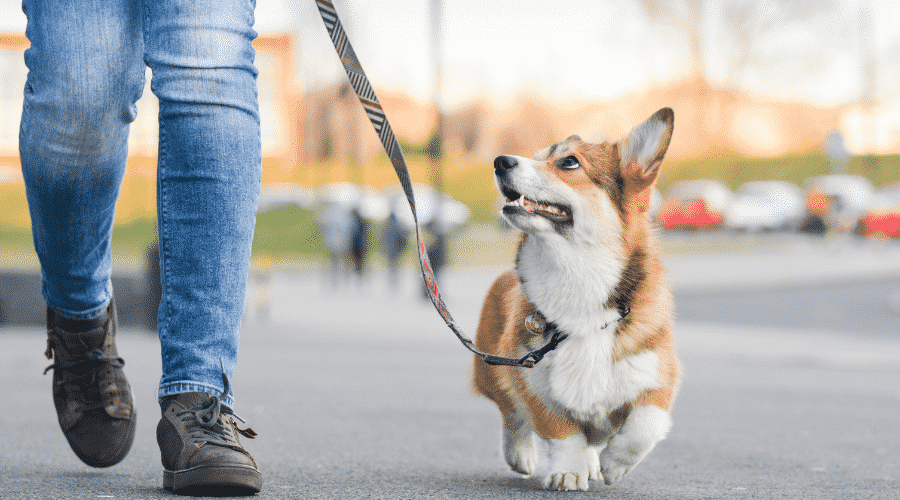
Their working background helps explain why many enjoy chasing, fetching, puzzle toys, training games, and activities that give them something to figure out.
Herding instincts can also surface as attempts to organize moving children, pets, or occasionally humans who don’t realize they need managing.
Because Corgis can gain weight easily, keeping them lean is especially important for comfortable movement as they age. Those short legs still have plenty of places they’d like to go.
At A Glance
- Best fit: Engaged owners who want a smart, outgoing dog in a compact body
- Surprise trait: Those tiny legs belong to a genuine cattle herder bred to work around animals vastly larger than itself
- Brain needs: High
- Watch for: Weight gain and a tendency to herd moving members of the household
15. Irish Setter
Irish Setters have the glamorous red coat of a dog headed for a portrait sitting and the enthusiasm of one who just discovered the backyard for the first time. These outgoing sporting dogs are famously energetic, affectionate, and often slow to let go of their youthful exuberance.
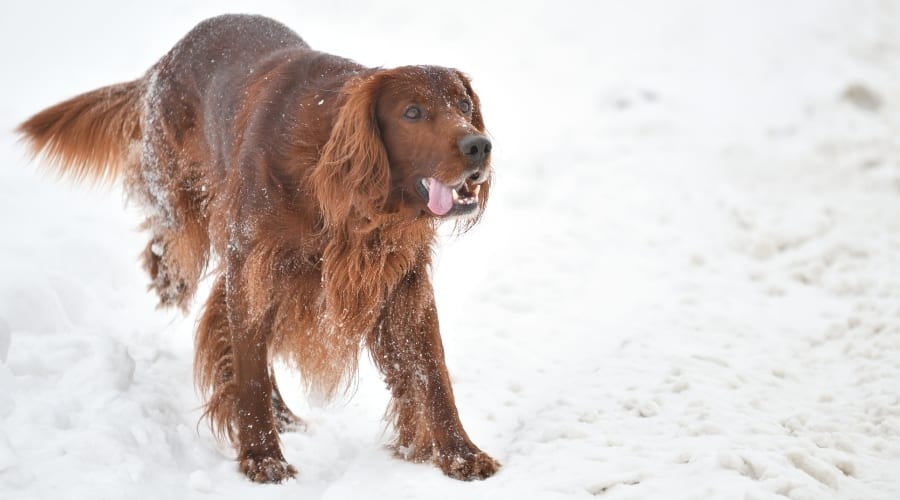
Bred to locate game birds, Irish Setters tend to thrive on running, exploring, retrieving, scent work, and outdoor adventures with their people. They’re intelligent and trainable, although their enthusiasm can occasionally arrive several seconds before their concentration does.
They’re also highly social dogs. Irish Setters generally want to be part of family life, making them a better match for households offering plenty of companionship, exercise, and interaction.
At A Glance
- Best fit: Active households that want an affectionate, outdoorsy dog heavily involved in family life
- Surprise trait: Irish Setters tend to mature slowly, with youthful behavior often lasting longer than owners expect
- Social style: Highly people-oriented and happiest with plenty of companionship
- Exercise needs: High
16. Miniature Schnauzer
A Miniature Schnauzer can have magnificent eyebrows, an impressive beard, and absolutely no intention of minding their own business. These sturdy little dogs tend to be alert, curious, intelligent, and very interested in whatever is happening around them.
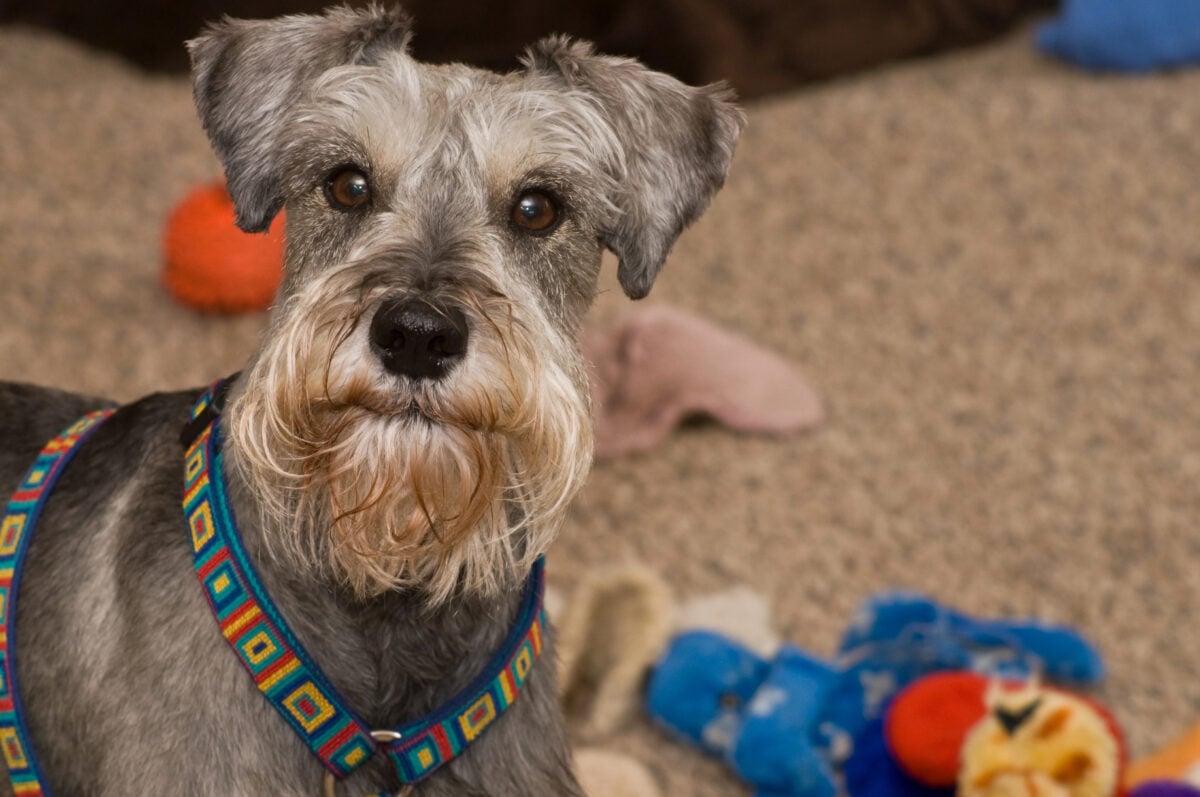
That curiosity translates nicely into games, walks, puzzles, training, chasing toys, and sniffing out interesting smells. Their manageable size also makes it relatively easy to keep adapting activities as they get older.
Miniature Schnauzers were developed as farm dogs and ratters, so alert barking and an urge to pursue small critters can come with the package. Early training helps set boundaries for the neighborhood surveillance department.
At A Glance
- Best fit: Owners who want a sturdy, lively smaller dog that’s involved in daily life
- Surprise trait: Unlike the Standard and Giant Schnauzers, the Miniature Schnauzer is classified by the AKC as a terrier
- Prey drive: Moderate to high
- Watch for: Alert barking can turn ordinary neighborhood activity into breaking news
17. Cocker Spaniel
Cocker Spaniels bring a softer flavor of playfulness to this list. They’re affectionate, merry dogs that often remain eager to participate in family life, whether that means playing a game, exploring outside, or following their favorite person to see what happens next.

Their sporting ancestry can show up in a love of retrieving, sniffing, walking, and searching games, while their people-oriented nature makes interactive play especially appealing. Cockers also tend to be sensitive, so positive training generally suits them well.
Those beautiful ears and silky coats aren’t self-maintaining. Regular grooming and ear care are part of the deal with this perpetually cheerful package.
At A Glance
- Best fit: Owners who want an affectionate, cheerful dog with moderate-to-high activity needs
- Surprise trait: The breed’s name comes from its historical specialty: hunting woodcock
- Training style: Gentle and positive; Cockers can be sensitive
- Grooming needs: High, with regular ear care important, too
18. Shetland Sheepdog
Shetland Sheepdogs aren’t necessarily looking for chaos. They’d often prefer entertainment with instructions. Exceptionally bright and responsive, Shelties tend to enjoy activities that let them learn, anticipate, and work closely with their people.

Tricks, agility, fetch, puzzles, and training games can all appeal to that busy herding-dog brain. Many are also deeply tuned in to their families, noticing routines and household activity with impressive precision.
That awareness has another side: Shelties can be sensitive and famously vocal, particularly when something noteworthy occurs. Their definition of noteworthy may include deliveries, squirrels, unfamiliar noises, or Tuesday.
At A Glance
- Best fit: Owners who enjoy training and want an exceptionally attentive companion
- Surprise trait: Shelties aren’t simply miniature Rough Collies; they developed as a distinct working breed in Scotland’s Shetland Islands
- Brain needs: Very high
- Watch for: Vocal tendencies can make them enthusiastic commentators on household events
19. Portuguese Water Dog
The name provides a fairly substantial clue. Portuguese Water Dogs were bred to work alongside fishermen, and today’s dogs often retain the athleticism, intelligence, and eagerness to participate that made them useful working companions.

Many love swimming, retrieving, training, puzzles, and active games with their people. They’re smart enough to learn quickly, but that also means a bored Portuguese Water Dog may find something more interesting to do without waiting for authorization.
Their curly or wavy coat sheds relatively little, but low shedding does not mean low maintenance. Regular brushing and grooming are necessary to prevent mats and keep that distinctive coat manageable.
At A Glance
- Best fit: Active owners who want an athletic dog heavily involved in family life
- Surprise trait: These dogs once worked alongside fishermen, carrying messages between boats and helping retrieve lost gear from the water
- Exercise needs: High
- Grooming needs: High despite relatively low shedding
20. West Highland White Terrier
Westies have perfected the appearance of a respectable little white dog while retaining the terrier conviction that something interesting could happen at any moment. They’re confident, curious, sturdy, and often remarkably spirited as they move through adulthood.

Originally bred to hunt vermin, Westies commonly enjoy chasing, digging, sniffing, exploring, and toys that let them use their prey instincts. Their compact size makes many games relatively easy to modify when youthful stamina eventually starts to fade.
They’re still terriers, though. Independence and prey drive don’t automatically disappear because the dog fits nicelyon your lap. A Westie may adore you while maintaining several strongly held personal policies.
At A Glance
- Best fit: Owners who enjoy terrier personality in a sturdy, compact package
- Surprise trait: Their bright white coat had a practical purpose: it helped hunters distinguish the dogs from the quarry they were pursuing
- Prey drive: High
- Training style: Consistent and engaging, with room for an independent thinker
Why Some Dogs Stay Playful Longer Than Others
So why is one 10-year-old dog still delivering toys to everyone in the room while another decided years ago that the couch offers everything they need from life? Breed matters, but it’s only part of the story.
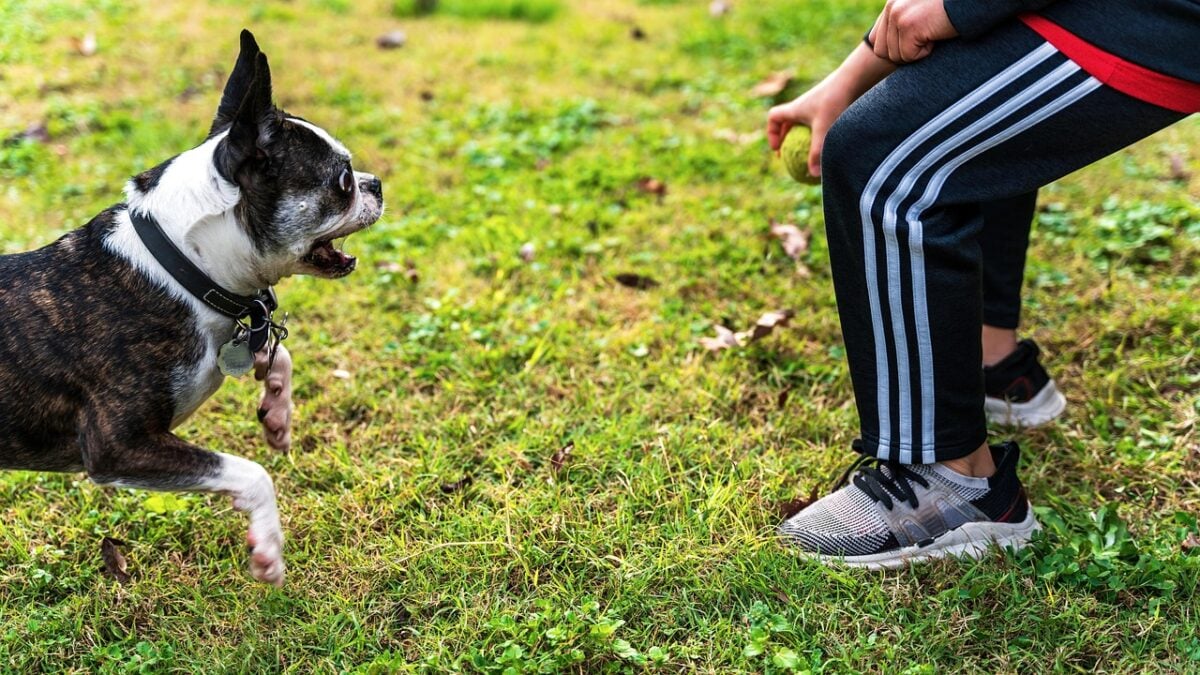
Several things can influence how much of that playful spark sticks around:
- Breed tendencies: Genetics can influence what a dog finds rewarding. Retrievers may remain obsessed with carrying and fetching, while terriers might prefer chasing, digging, or searching.
- Individual temperament: Some dogs are simply more playful than others. Personality can easily outrank the breed stereotype, which is why two dogs of the same breed may behave very differently.
- Learning history: Play gets reinforced. A dog who has spent years discovering that bringing you a toy starts a fantastic game has years of successful negotiations behind that behavior.
- Physical health: The desire to play and the ability to play aren’t always the same thing. Weight, joint comfort, stamina, and other health changes can affect what a dog can comfortably do.
- Opportunity: Dogs need chances to play. Regular games, walks, toys, training, and interaction with their people give playful behavior somewhere to go.
And that absolutely includes mixed breeds. Mixed-breed dogs can remain wonderfully playful well into their later years, but ancestry alone may not tell you exactly what that personality will look like. The individual dog in front of you is far more informative than the collection of breeds on a DNA report.
How To Keep Your Dog Playing Comfortably As They Age
One of the trickier things about living with an aging dog is that their enthusiasm doesn’t always receive the same memo as their body. Your senior dog may still desperately want the ball thrown across the yard even if their joints would prefer to file a formal objection.
Aging doesn’t necessarily eliminate the desire to play. It may simply change what good play looks like. Arthritis and joint discomfort can make jumping, sharp turns, and repeated sprints uncomfortable.
Extra weight adds more stress to those movements, while changes in stamina, vision, hearing, dental comfort, or heat tolerance can make old favorite games harder.
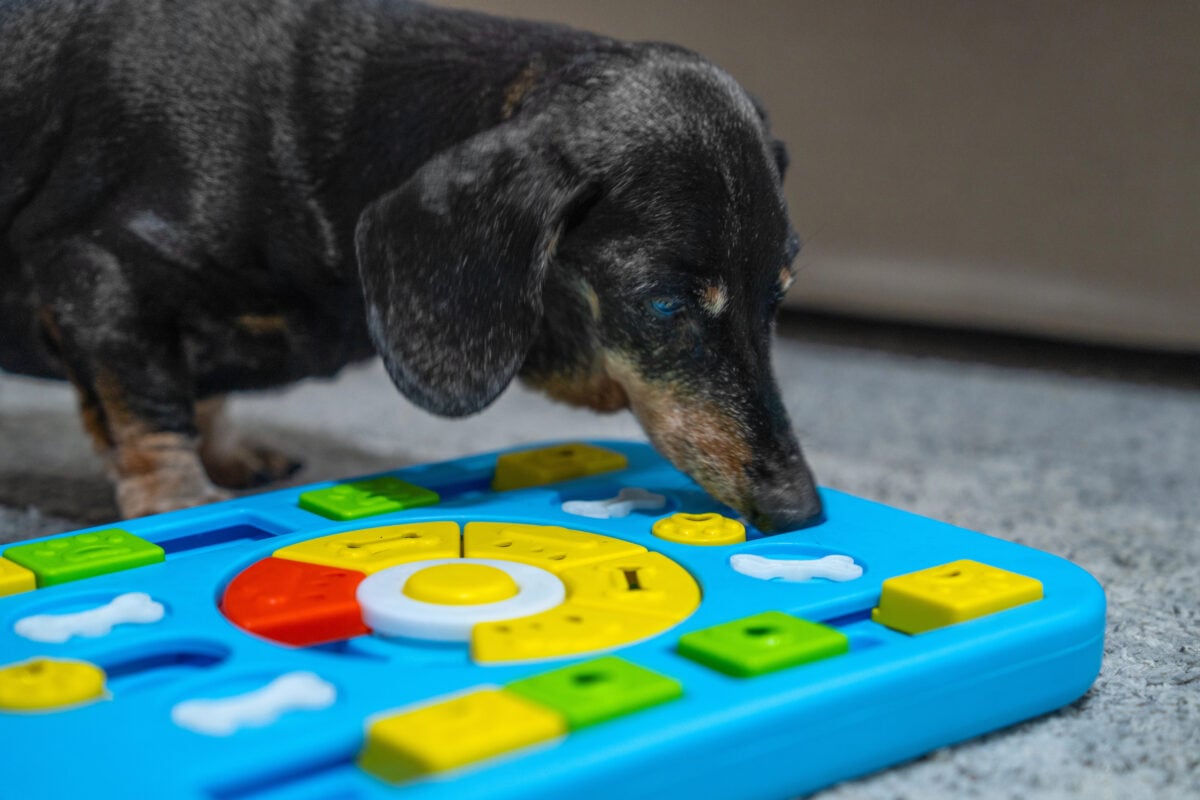
The goal isn’t to retire the fun. It’s to adapt it to the dog you have today.
- Shorten fetch sessions and stop before your dog becomes exhausted.
- Roll balls along the ground instead of encouraging repeated jumping and hard landings.
- Try sniff-and-search games, food puzzles, or hide-and-seek when running isn’t as comfortable.
- Keep tug gentle and controlled, particularly if dental problems are a concern.
- Consider swimming for dogs that enjoy water and can do it safely.
- Choose grass, rugs, or other grippy surfaces over slippery floors for active games.
- Give older dogs a little time to warm up rather than launching immediately into strenuous activity.
- Try several short play sessions instead of one exhausting marathon.
Most importantly, let your dog’s comfort set the pace. The 12-year-old brain may still be proposing puppy-level decisions, but somebody in the household needs to have veto power.
When “Slowing Down” Deserves A Second Look
Dogs naturally change as they age, and there’s no age when a dog is supposed to stop playing. What matters more is whether something has changed from your dog’s normal behavior.
A senior dog gradually preferring shorter walks is different from a dog who suddenly leaves their beloved tennis ball untouched or stops joining a game they’ve enjoyed for years.
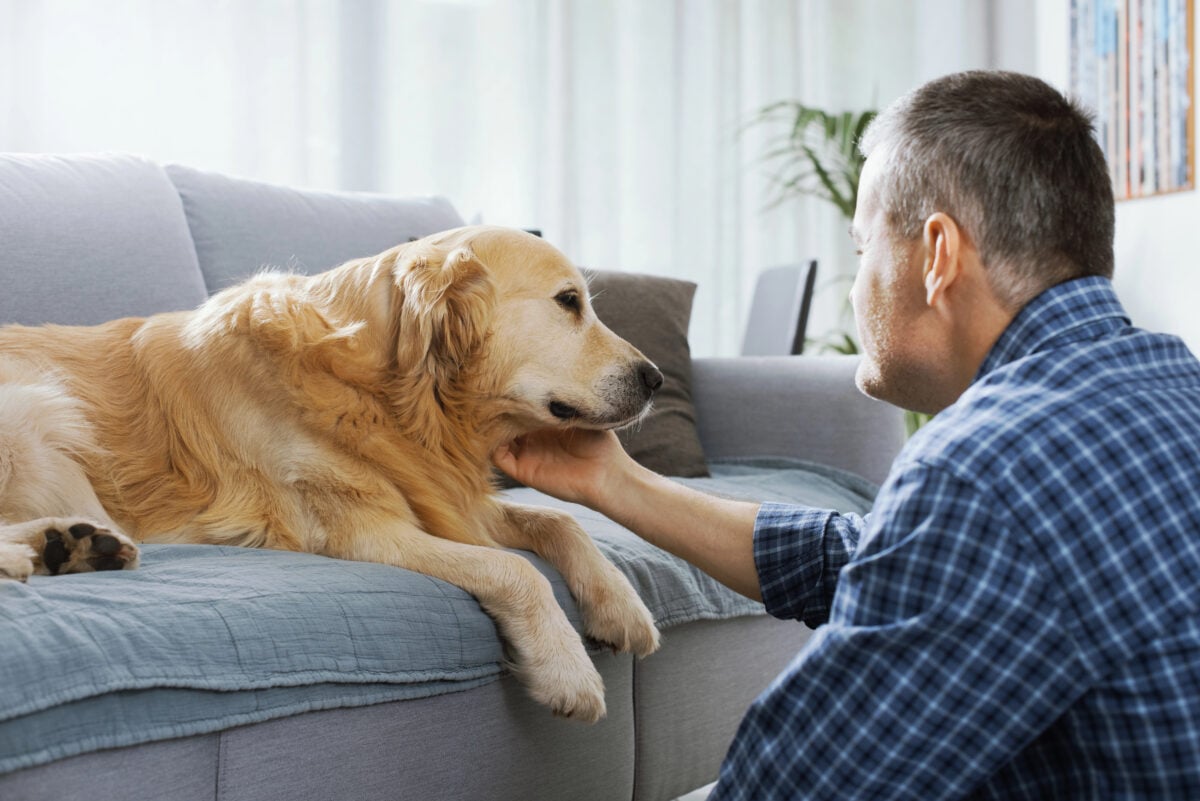
Pay attention to changes such as:
- Suddenly losing interest in favorite games or activities
- Struggling to stand up or get comfortable
- Limping or moving differently
- Hesitating before jumping, climbing stairs, or running
- Becoming tired much faster than usual
- Yelping, flinching, or reacting during movement
- Avoiding touch in an area they previously didn’t mind
- Changes in appetite, sleep, mood, or behavior alongside reduced activity
A noticeable or sudden change in your dog’s usual enthusiasm is worth discussing with your veterinarian, particularly when it’s accompanied by pain, mobility problems, or other new symptoms.
Why Pet Insurance Is Worth Considering Before Your Dog Gets Older
It’s easy to put off thinking about pet insurance when your dog is healthy, active, and still launching tennis balls into your lap. But pet insurance generally doesn’t cover pre-existing conditions, so waiting until stiffness, pain, or another health problem appears can mean that condition is excluded from coverage.
Getting a policy while your dog is younger and healthy can help cover eligible unexpected illnesses, injuries, diagnostic testing, and treatment later in life. See our guide to the best pet insurance companies to compare providers, coverage, costs, and more.
Playful Or Overstimulated? How To Tell The Difference
A dog racing around the house at top speed isn’t automatically having the time of their life. Play, overarousal, and anxiety can sometimes look surprisingly similar from a distance, especially when there’s barking, running, jumping, or general chaos involved.
The difference is often easier to spot when you look at the dog’s whole body and whether they can dial the intensity back down.
Playful dogs often show:
- Loose, wiggly body language
- Bouncy or exaggerated movements
- Play bows
- Natural pauses before re-engaging
- An ability to stop, disengage, or respond when the game changes
Overarousal may look more like:
- Frantic or increasingly intense movement
- Mouthing that becomes progressively rougher
- Repeated jumping or barking that keeps escalating
- Difficulty settling even after the activity stops
- Ignoring another dog’s attempts to disengage
Anxiety can include:
- Pacing or persistent restlessness
- Panting unrelated to exercise or heat
- Avoidance or attempts to leave
- A tucked or tense posture
- Repeated stress behaviors such as lip licking or yawning
One behavior by itself doesn’t tell the whole story. Look at what happened before it, the rest of your dog’s body language, and whether they’re choosing to continue the interaction.
Frequently Asked Questions
Still wondering whether your dog’s refusal to grow up is normal? Here are answers to a few common questions about puppy-like behavior, senior zoomies, and keeping older dogs engaged.
If we didn’t cover yours, drop your question in the comments below and tell us a little about your dog.
At What Age Do Dogs Usually Stop Acting Like Puppies?
There’s no universal birthday when puppy behavior disappears. Physical maturity, social maturity, and personality don’t operate on the same schedule.
Adolescence can extend well beyond the first year, particularly in larger breeds, while traits such as curiosity, toy obsession, and enthusiasm for games may stick around for life. A mature dog can be perfectly grown-up in some situations and still lose all composure when the favorite ball appears.
Do Smaller Dogs Stay Playful Longer Than Large Dogs?
Not necessarily, although smaller dogs generally have longer lifespans and tend to age physically more slowly than very large breeds. That can give them more years of active play, but size alone doesn’t determine playfulness.
Breed tendencies, individual personality, health, weight, conditioning, and opportunities to play all matter. A senior Boxer can be far more interested in games than a much younger small dog.
Can You Encourage An Older Dog To Play More?
Yes, but follow your dog’s interests rather than trying to recreate their puppy years. A dog who no longer wants to sprint after a ball might love searching for hidden treats, solving a food puzzle, playing gentle tug, or sniffing out a toy.
Experiment with lower-impact activities and shorter sessions. If a normally playful dog suddenly loses interest altogether, that’s different and deserves attention.
Why Does My Senior Dog Still Get Zoomies?
Because getting older doesn’t eliminate excitement. Senior dogs may still burst into a quick lap around the yard or living room when they’re happy, excited, or ready to play. Those brief explosions of enthusiasm can be completely normal for an individual dog.
Just remember that zoomies aren’t a health certificate: watch for slipping, stiffness, pain, unusual fatigue, or other changes before and after those high-speed celebrations.
Growing Older Is Mandatory. Growing Up Appears To Be Optional.
The muzzle gets grayer. The naps get longer. But somebody squeaks The Toy, and suddenly we’re making decisions like we’re nine months old again.
If your dog is entering their distinguished-gray-whiskers era, these guides can help you keep the fun going:
- Learn how to care for a senior dog, including changes in exercise, mobility, nutrition, and mental stimulation.
- Try these brain games for dogs when your pup wants entertainment without another high-impact workout.
- Find the best dog toys for different play styles, from fetchers and chewers to dogs that would like their toys to require a minor engineering degree.
- See which dog breeds tend to live the longest and what factors can influence canine lifespan.
And now we want to hear about yours: Does your dog still act like a puppy despite considerable evidence that they are not one? Tell us their breed, age, and the ridiculous thing they still do in the comments.