When you purchase through links on our site, we may earn a commission at no extra cost to you. Learn more.
You can accidentally teach a puppy a bad habit in less time than it takes to clean up their latest potty accident.
Table of Contents
Bringing home a puppy is exciting, until you’re surviving on little sleep, cleaning up accidents, wondering if all the biting is normal, and Googling every strange behavior at 2 a.m. One minute they’re curled up in your lap, and the next they’re chewing your favorite shoes or having another potty accident on the rug.
If you’ve caught yourself wondering whether you’re making mistakes, you’re in good company. Nearly every new puppy owner feels overwhelmed during those first few weeks, especially when there’s so much conflicting advice online. The good news? Most early puppy mistakes are completely fixable if you catch them before they become lifelong habits.
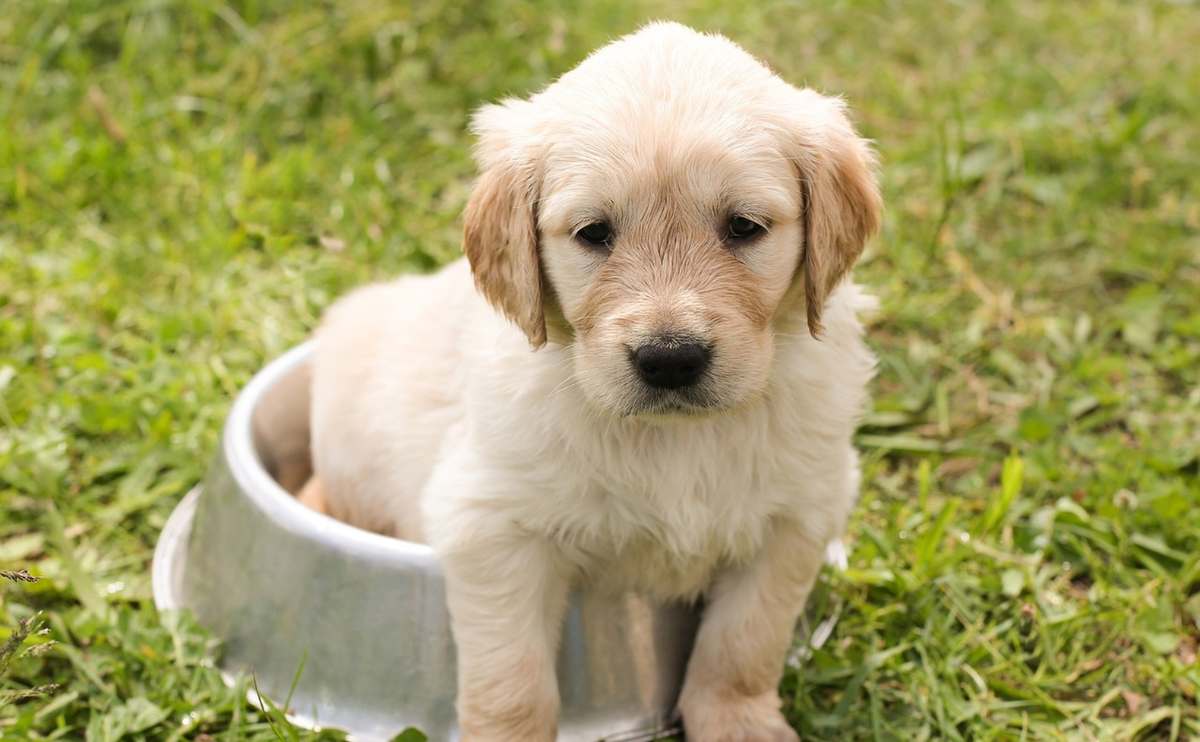
The biggest problems usually aren’t caused by “bad puppies.” They’re often the result of small, well-intentioned decisions that accidentally teach behaviors you didn’t mean to encourage. Knowing which mistakes to watch for can save you a lot of frustration and help your puppy grow into a confident, well-behaved companion.
Most Puppy Mistakes Are Easier To Fix Than You Think
Before you worry that you’ve already messed something up, remember this: puppies are learning every single day, and so are their owners. A few early mistakes won’t ruin your dog’s behavior for life—what matters most is recognizing them and making small adjustments.
Keep these reminders in mind:
- Puppies are always learning. Every interaction teaches your puppy something, whether you realize it or not. The sooner you reinforce good habits, the faster they’ll stick.
- Consistency matters more than perfection. You don’t have to respond perfectly every time. Giving your puppy the same clear expectations day after day is what leads to lasting progress.
- Every puppy owner makes mistakes. Even experienced dog owners run into setbacks. Accidents, chewing, and sleepless nights are all part of the learning process.
- Small problems are easier to fix early. Habits like jumping, nipping, barking, or pulling on the leash are much easier to redirect when they’re just starting than after they’ve become routine.
- Progress happens one day at a time. Focus on building good habits through patience, positive reinforcement, and repetition rather than expecting overnight results.
With that in mind, here are some of the most common puppy mistakes—and how to avoid them.
12 Common Puppy Mistakes—and What to Do Instead
Here are some of the most common puppy mistakes that owners often make when they are not armed with the correct first-time puppy-parent tips.
1. Giving Your Puppy Too Much Freedom
Puppies need constant supervision and small boundaries. Without it, they can get into a lot of trouble and develop bad behaviors, like chewing on furniture, ripping up clothing, biting, nipping, going potty inside, and more.
Many professional dog trainers recommend attaching a puppy training line or house line to your pup’s collar and leaving it there. Use a house line only under active supervision. Remove it before crating, sleeping, or leaving the puppy unattended because it may snag on furniture or other objects.
You can purchase a line or use a standard leash, but be sure to cut the handle off so it doesn’t get caught on things around your house. A house line allows you to get control of your puppy immediately and redirect unwanted behaviors. You don’t use the house line as a leash; rather, it just drags around on the floor. When you need to stop your puppy from doing something, you simply step on the line or grab it.
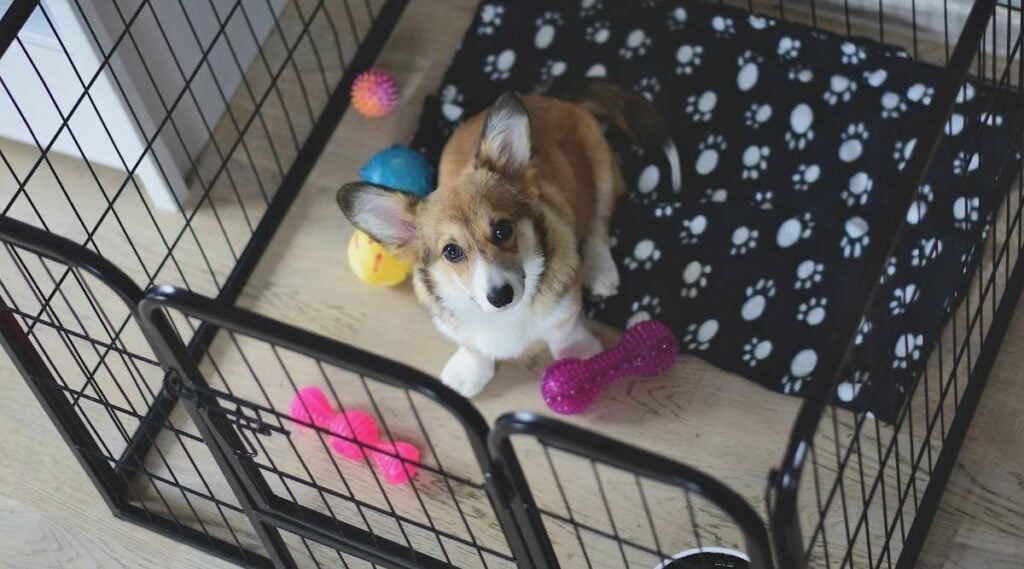
It’s equally important for you to enclose your puppy in the room with you, which may require the use of several dog gates around your house. Too much space to roam away from you is too much freedom.
When you can’t supervise your puppy, it’s crate time. How long do you need to use a house line? For months — until you find yourself not needing it to get your puppy under control.
2. Failing To Crate Train Properly
Many puppy owners choose to crate train their dogs. Crate training is important for many reasons, primarily because it provides your pup with a safe personal space where he cannot harm himself or get into troubling behaviors when you’re not watching him.
While crate training can feel intimidating at first, when done correctly, it’s one of the most effective tools for raising a confident, well-behaved puppy. A crate isn’t meant to be a punishment; it’s a safe space that can support potty training, prevent destructive chewing, and help your puppy learn to settle independently.
If you’re new to crate training or want more tips for making it a positive experience, check out the “All About Crate Training” section below, where we cover best practices to help your puppy learn to love their crate.
3. Waiting To Start Puppy Training
Puppies as young as eight weeks old are entirely capable of learning obedience commands. Begin with the basics of sit, stay, down, and come. Early training gives your puppy focus and confidence. It makes your little furball realize that there are rules and that you’re in charge. Early training also sets a foundation for a well-mannered dog down the road. Use rewards and praise rather than negative measures to train your puppy.
4. Not Socializing Your Puppy
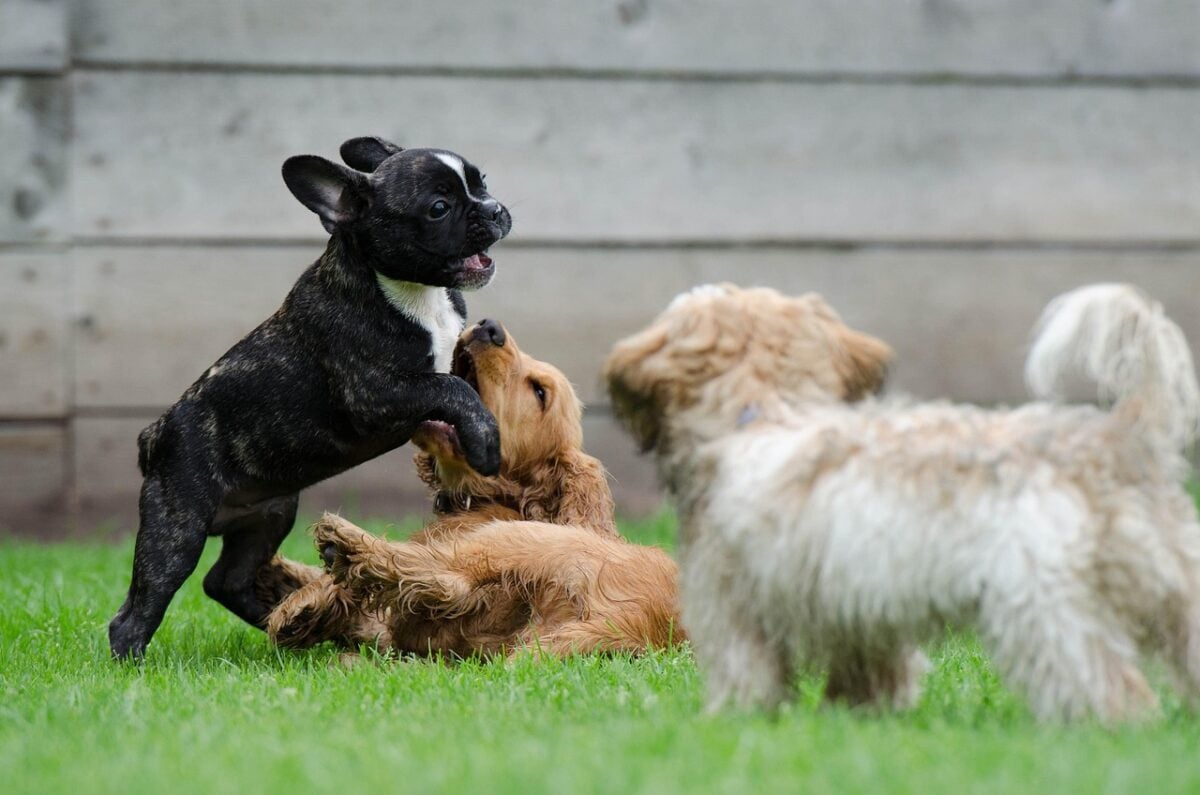
Socializing your puppy with other dogs and people is particularly crucial to your puppy’s behavioral development. Research has shown that the key window for socialization is between eight and 16 weeks of age. It’s paramount to raising a well-adjusted and happy dog who interacts with others appropriately.
Although puppies can contract diseases by picking up small amounts of excrement left behind by sick dogs in public places, the American Veterinary Medical Association (AVMA) states that dog behavior problems from lack of puppy socialization are of greater concern than the chance of contracting a disease in a public place.
Additionally, being aware of puppy fear periods can help you understand and manage behaviors that may arise during these sensitive developmental stages.
Socializing Is About More Than Meeting Other Dogs
Many new puppy owners assume socialization means letting their puppy greet as many dogs and people as possible. In reality, good socialization is about helping your puppy feel calm and confident around the everyday sights, sounds, and experiences they’ll encounter throughout life. The goal isn’t constant interaction—it’s teaching your puppy that the world is a safe place.
Healthy socialization can include experiences like:
- Hearing traffic, sirens, or household noises from a comfortable distance
- Walking on different surfaces like gravel, grass, sand, or wooden decks
- Watching bicycles, skateboards, or strollers go by,
- Observing children playing without needing to interact
- Seeing people wearing hats, sunglasses, uniforms, or carrying umbrellas
- Visiting pet-friendly stores or outdoor cafés to take in new sights and sounds
- Sitting quietly and watching the world while rewarding calm behavior
The more positive experiences your puppy has during their early socialization window, the more likely they are to grow into a confident, well-adjusted adult dog.
5. Failing To Establish A Routine
Dogs thrive on routine, and the earlier you establish a reliable one, the better. It helps puppies to know when they’ll sleep, play, eat, go on walks, and go potty. A routine leads to less confusion and stress and helps build confidence in your furry bundle of joy. It’s also a huge bonus when house training, so your pup eventually learns when it’s time to go and when it’s not.
6. Free Feeding
Don’t just place a bowl of puppy food down and leave it for your little buddy to graze on all day. It’s important for dogs to know there are set mealtimes. For puppies, this helps make housetraining easier, so you can establish a consistent, reliable potty-time schedule. As dogs get older, free feeding can lead to weight gain.
7. Feeding Table Scraps
Sharing food with your puppy may feel harmless, especially when they are staring up at you during dinner. However, feeding directly from the table can quickly teach begging, whining, pawing, or hovering whenever people eat.
Table scraps can also pose health risks. Rich, greasy, or high-fat foods may cause digestive upset and have been associated with pancreatitis in dogs. Other foods commonly found in meals—including grapes, raisins, onions, garlic, chocolate, xylitol, alcohol, and caffeine—can be toxic. Even foods that are not poisonous can add excess calories or interfere with the balanced nutrition a growing puppy needs.
This does not mean every human food is automatically unsafe. Small pieces of plain, dog-safe foods can occasionally be offered as treats, provided they are appropriate for your puppy and your veterinarian has not recommended dietary restrictions. Give these foods away from the dining table and count them toward your puppy’s daily treat allowance.
A helpful rule is to reserve most of your puppy’s food for a complete and balanced puppy diet, use part of their regular kibble for training, and avoid sharing seasoned leftovers. If your puppy eats a potentially toxic food, contact your veterinarian or a pet poison-control service immediately.
8. Using Punishment Instead of Redirection
When your puppy has another potty accident, chews your favorite shoes, or won’t stop biting your hands, it’s easy to get frustrated. Many new owners instinctively yell, scold, or punish unwanted behavior, hoping their puppy will quickly learn what not to do.
The problem is that puppies don’t always understand why they’re being punished. Instead of learning the correct behavior, they may simply become confused, fearful, or anxious around you. Punishment can also damage the trust you’re trying to build during those important first few months.
Rather than focusing on what your puppy is doing wrong, redirect them toward what you’d like them to do instead.
For example:
- If they’re chewing a table leg, calmly replace it with an appropriate chew toy.
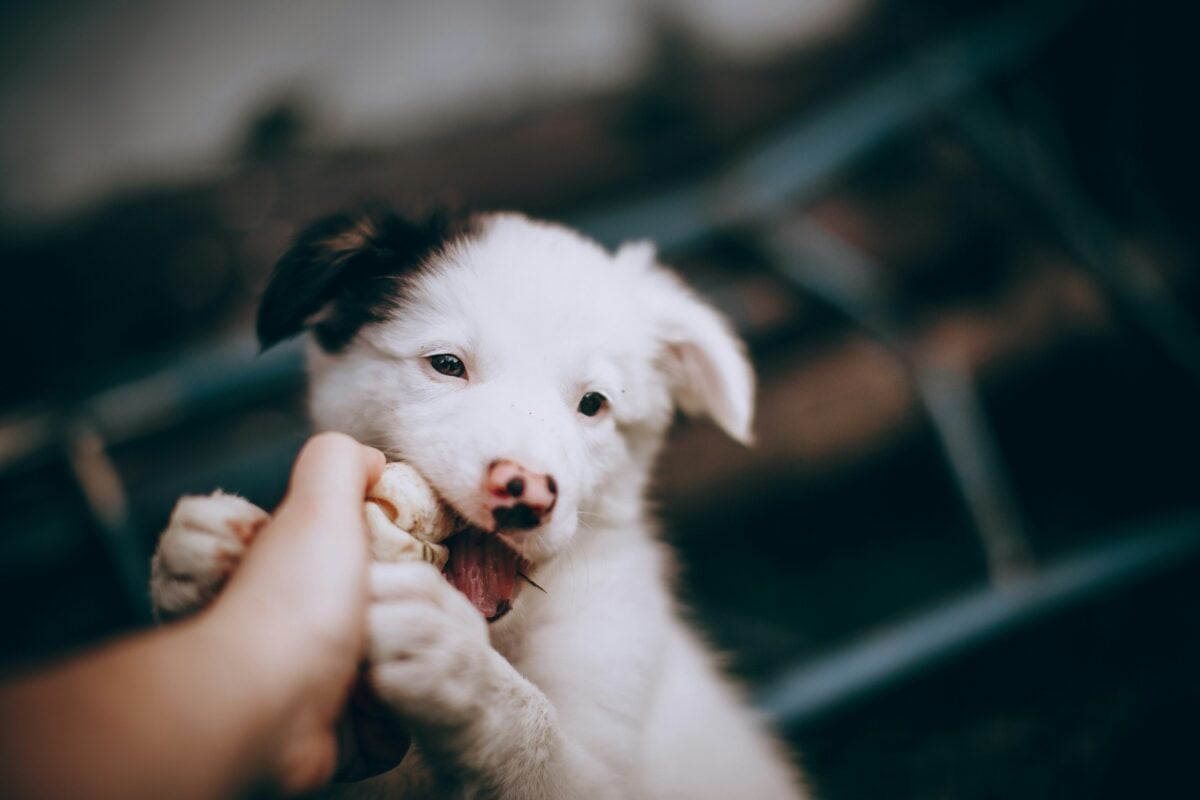
- If they’re biting your hands during play, stop the game and offer a toy instead.
- If you catch them starting to potty indoors, calmly take them outside to finish and reward them for going in the right place.
Every puppy makes mistakes while they’re learning. Consistently rewarding good choices instead of punishing bad ones helps your puppy understand exactly what you expect and makes training a much more positive experience for both of you.
9. Not Teaching Alone Time Early
It’s natural to want to spend every minute with your new puppy. After all, they’re adorable, and they’re adjusting to a brand-new home. But if your puppy is never left alone, they may struggle to feel comfortable whenever you leave the house.
Some puppies become so accustomed to constant attention that even short absences can lead to excessive barking, destructive chewing, or separation-related anxiety as they grow older.
Teaching independence doesn’t mean leaving your puppy alone for hours on the first day. Instead, start with small, positive experiences that help them learn it’s okay when you’re not right beside them. Learning to be alone is an important life skill. Starting early can help your puppy grow into a confident, independent dog that’s comfortable whether you’re home or away.
10. Skipping Handling Practice
Most puppies don’t naturally enjoy having their paws touched, ears examined, or nails trimmed. That’s why it’s important to introduce gentle handling long before your first grooming appointment or veterinary visit.
Many owners wait until they need to clean their puppy’s ears, brush their teeth, or trim their nails. Unfortunately, that first experience often happens when the puppy is already uncomfortable or frightened, making future handling even more difficult.
Instead, spend a few minutes each day helping your puppy become comfortable with being handled.
Practice things like:
- Gently touching each paw before rewarding with a treat.
- Looking inside their ears for a second or two.
- Briefly lifting their lips to check their teeth.
- Running a brush over their coat.
- Letting them see and sniff nail clippers or a grinder before they’re ever used.
Keep sessions short, calm, and rewarding. These small exercises can make grooming, vet visits, and routine care far less stressful throughout your dog’s life.
11. Underestimating Teething
If your puppy seems determined to chew everything in sight, more likely than not, they’re just being a puppy.
Between about 3 and 6 months of age, puppies go through an intense teething phase. Chewing helps relieve sore gums, explore the world around them, and burn off extra energy. Unfortunately, furniture legs, shoes, remote controls, and children’s toys often become tempting targets.
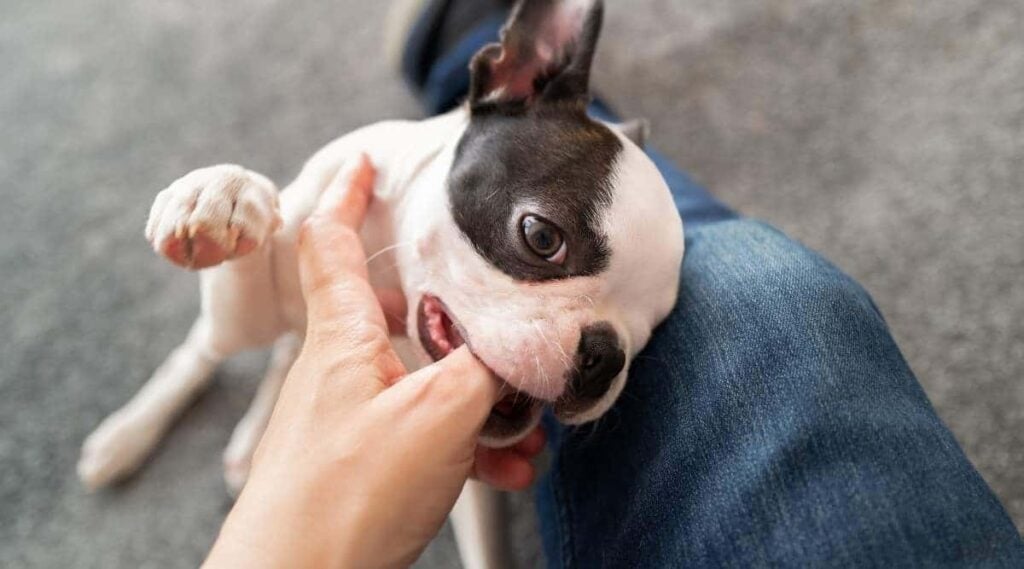
Instead of expecting your puppy to simply stop chewing, it can help to keep a variety of chew-safe toys around and rotate them regularly. Redirect your puppy to a toy whenever they start chewing something they shouldn’t. And remember to provide plenty of physical exercise to reduce boredom, which can lead to chewing out of nervousness or boredom.
Remember that teething won’t last forever. With patience, supervision, and consistent redirection, most puppies gradually outgrow this stage and develop better chewing habits as they mature.
12. Not Prioritizing Enough Sleep
An overtired puppy can look like an energetic puppy. They may become increasingly mouthy, race around the house, ignore cues, chew inappropriate objects, or struggle to settle. Owners sometimes respond by adding more exercise or play, which can make the behavior worse.
Puppies need frequent opportunities to rest throughout the day. Create a predictable routine that alternates potty breaks, meals, short training sessions, gentle play, and quiet naps. A crate, exercise pen, or puppy-safe room can provide a calm place to sleep without constant household stimulation.
If your puppy suddenly becomes wild, bitey, or unable to focus, consider whether they need a nap rather than more activity. Teaching a puppy how to settle is just as important as teaching them how to play.
Start with one change today: reduce your puppy’s unsupervised freedom, create a simple feeding and potty schedule, and reward one behavior you want to see more often.
All About Crate Training
Crate training is one of the best ways to help your puppy feel safe while building healthy habits from the very beginning. Although some new owners worry that using a crate is unkind, dogs naturally seek out cozy, den-like spaces where they can relax without distractions. When introduced gradually and paired with positive experiences, a crate becomes a place your puppy chooses to rest—not somewhere they fear.
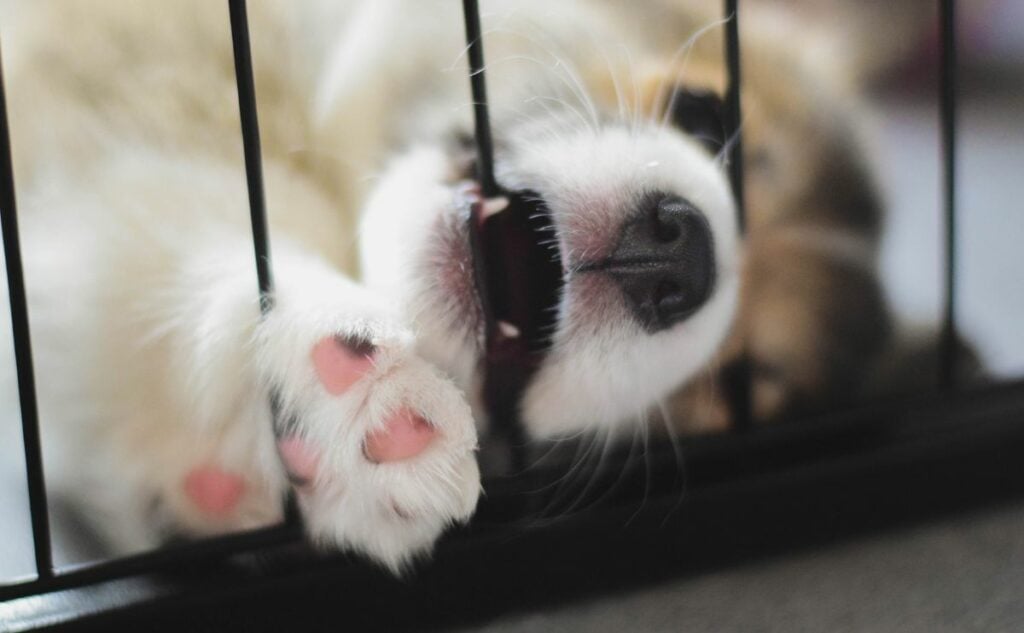
A crate can also make life much easier during those first few months. It supports potty training, prevents destructive chewing when you can’t supervise your puppy, and teaches them how to settle down on their own. The key is to help your puppy see the crate as a positive part of their daily routine rather than a punishment.
Here are a few tips to make crate training successful:
- Introduce the crate gradually. Let your puppy explore it at their own pace with the door open before expecting them to stay inside.
- Create positive associations. Feed meals in the crate, toss treats inside, and offer favorite toys or stuffed food puzzles during crate time.
- Start with short sessions. Close the door for just a minute or two while your puppy stays calm, then slowly increase the time as they become more comfortable.
- Use the crate as part of a routine. Crate time after play sessions or meals can help puppies settle down and prepare for naps.
- Never use the crate as punishment. If your puppy only goes into the crate after doing something “wrong,” they’ll quickly learn to dislike it.
- Don’t expect your puppy to stay crated for long periods. Young puppies need frequent potty breaks, exercise, playtime, training, and social interaction throughout the day.
With patience and consistency, many puppies begin to see their crate as their own bedroom—a quiet, familiar place where they can rest and recharge whenever they need a break.
Frequently Asked Questions
New puppy owners have a ton of questions about raising their dogs the right way. Here are some of the most common questions they ask. Don’t see yours here? Ask us in the comments.
What Is the Biggest Mistake New Puppy Owners Make?
One of the biggest mistakes new puppy owners make is giving their puppy too much freedom too soon. Allowing unrestricted access to your home before your puppy has learned basic rules can lead to potty accidents, destructive chewing, and other unwanted habits.
Instead, gradually expand your puppy’s access as they become more reliable, using tools like baby gates, playpens, or a crate to help set them up for success.
Is It Bad to Let a Puppy Sleep in Your Bed?
There’s nothing inherently wrong with letting your puppy sleep in your bed, but many trainers recommend waiting until they’re fully potty trained and comfortable sleeping independently.
Young puppies may need overnight potty breaks, and sharing a bed too soon can make it harder to establish consistent sleep routines or crate training. Whether your puppy sleeps in a crate, dog bed, or with you, the most important thing is that they have a safe, comfortable place to rest.
What Puppy Habits Should I Stop Early?
The earlier you address unwanted behaviors, the easier they are to change. Focus on preventing habits like jumping on people, biting or mouthing, chewing household items, pulling on the leash, and begging for food before they become part of your puppy’s routine.
Use positive reinforcement and redirection to teach your puppy what you want them to do instead, and remember that consistency from everyone in the household is key.
What Is The Most Difficult Stage Of A Puppy?
Raising puppies is challenging for sure, but the most difficult stage varies by dog. From what I’ve found, many puppy owners consider the ages between 2 and 5 months the most difficult. This phase is when you’re potty and crate training and can’t take your eyes off your puppy.
However, others say adolescence can be equally challenging (sounds like raising human kids, right?). Starting around 8 months of age, some dogs go through significant hormonal changes and can become headstrong about their independence, yet they still need some supervision.
At What Age Do Puppies Get Easier?
Many puppy owners say there’s a sweet spot between 5 and 8 months (the exact age depends on the breed and individual dog) when they’re not dealing with the constant hassles of training a young puppy. This period is also when major teething issues have subsided.
Don’t Worry, Mistakes Happen
Don’t beat yourself up for being a bad pet parent. Mistakes are inevitable. Give yourself (and your dog) grace and room to grow. Healthy habits are not formed overnight. They take persistence and practice, paying off in the end.
If you need additional help, we recommend trying online dog training as a great way to learn the basics on your own schedule at home.
Puppyhood Is The Best Time To Consider Pet Insurance
As a new puppy owner, now is a good time to think about pet insurance. Most puppies haven’t developed major health issues yet, and because most pet insurance plans don’t cover pre-existing conditions, enrolling while your dog is young can help you qualify for broader coverage.
Pet insurance can also provide peace of mind during the unpredictable puppy months, when curious dogs are more likely to chew on things they shouldn’t and run into dangerous situations.
Want to learn more? Check out our Pet Insurance 101 guide to see how pet insurance works and whether it’s a good fit for your puppy.
Your Quick Guide To Puppy Care
Raising a puppy involves plenty of trial and error. You do not need to get every decision right immediately, but a little preparation can make training, feeding, healthcare, and bonding much easier.
As your puppy grows, use these guides to stay one step ahead:
- Learn when to stop feeding puppy food based on your dog’s size, growth, and development—not simply their first birthday.
- Follow our puppy vaccine schedule to understand which vaccinations puppies may need and when to discuss them with your veterinarian.
- See what to expect during your puppy’s first year, from early development and teething to adolescence.
- Get the whole family involved with this printable puppy contract for kids, which helps establish responsibilities and expectations before bad habits begin.
- Explore simple ways to bond with your new puppy or rescue dog and build trust through routines, play, training, and quality time.
Puppyhood can feel overwhelming, but it does not last forever. Focus on consistent routines, reward the behaviors you want to see again, and make adjustments as your puppy grows. The work you put in now can help shape a confident, healthy, and well-mannered adult dog.
Share Your Puppy Mistake
What puppy mistake caught you by surprise? Share your experience in the comments—your story may help another new puppy parent feel less alone and avoid the same challenge.