When you purchase through links on our site, we may earn a commission at no extra cost to you. Learn more.
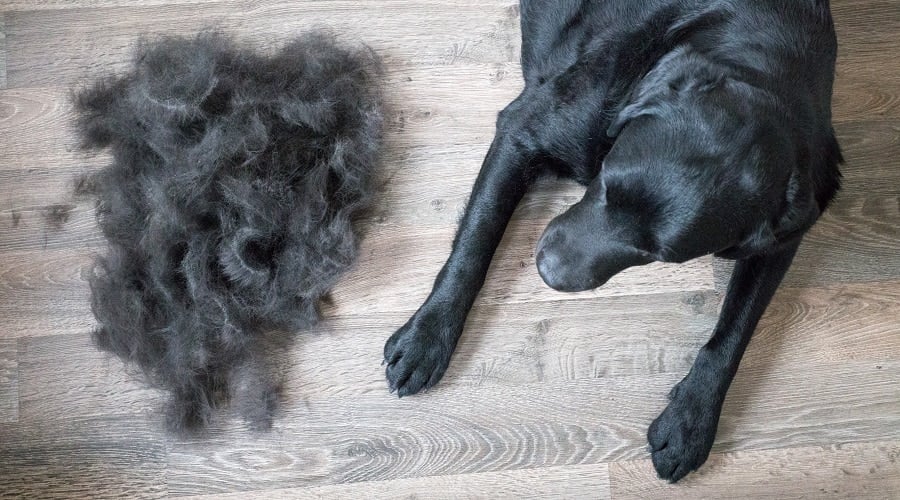
Do Labs shed? Yes. And during seasonal shedding, it can feel like they’re trying to replace your carpet.
Table of Contents
If you live with a Labrador, you already know the reality: fur on the floors, fur on your clothes, fur floating through the air like it has its own agenda.
But here’s the good news: Labrador shedding isn’t random, and it isn’t a defect. It’s predictable.
This guide breaks down when coat blow happens, why it feels so intense, and what actually helps reduce the fur without fighting a battle you can’t win.
Do Labs Shed More Than Other Dogs?
Short answer: Yes. Long answer: Yes, and there’s a biological reason for it.
Labrador Retrievers have a dense double coat. That means they have two layers of fur working together.
The outer layer, called the guard coat, is made of coarser, water-resistant hairs that protect against dirt and moisture. Beneath that sits the undercoat — a thick, soft layer designed to insulate against both cold and heat.
This undercoat is what drives most of the shedding.
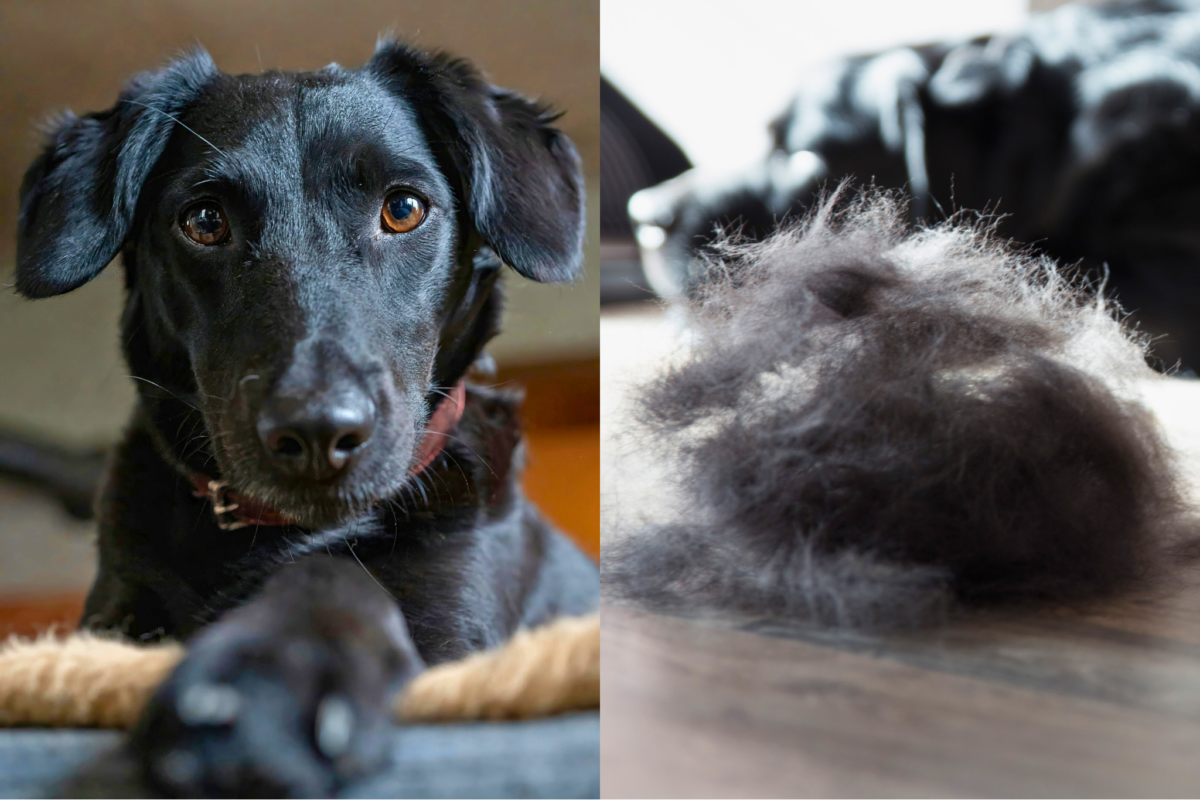
Labs don’t shed because something is wrong. They shed because their coat is constantly renewing itself. And twice a year, that renewal accelerates during coat blowout season.
Compared to many breeds, Labradors shed more heavily because their undercoat is particularly dense. They are not alone in this category — other double-coated breeds like German Shepherds and Siberian Huskies also shed heavily — but Labs are consistent year-round shedders in addition to their seasonal blowouts.
Understanding the double coat is key. Once you know how it works, the shedding feels less mysterious and much more manageable.
When Labs Shed The Most
Labradors shed year-round. But twice a year, it ramps up dramatically. This is called coat blowout.
In spring, Labs shed their thick winter undercoat to prepare for warmer weather. In fall, they shed their lighter summer coat to make room for insulation again. These seasonal transitions usually happen between mid-March and late May, and again in early fall.
During coat blowout, the shedding isn’t subtle. You’ll notice:
- Hair clumps after brushing
- Fur collecting in corners
- Increased vacuum frequency
- Loose undercoat coming out in handfuls
This phase can last anywhere from two to six weeks, depending on climate and your dog’s individual cycle.
The key is understanding that this isn’t excessive shedding. It’s normal double-coat turnover.
Do Labs Ever Stop Shedding?
No. But they do settle into a lighter, manageable baseline outside of coat-blow windows.
Labradors are genetically designed to shed. Their water-resistant double coat protects them in all kinds of weather. That protection comes with maintenance.
You can’t stop shedding entirely. What you can do is control how much ends up on your floors.
The difference isn’t in eliminating fur. It’s in building the right routine.
Spring & Fall Coat Blowout Survival Plan
When your Lab hits a coat blowout, the goal isn’t to stop shedding. It’s to get ahead of it. Here’s how to manage the 2–6 week surge without turning your home into a fur ecosystem.
1. Increase Brushing Frequency (Temporarily)
During a coat blowout, brushing once a week won’t cut it.
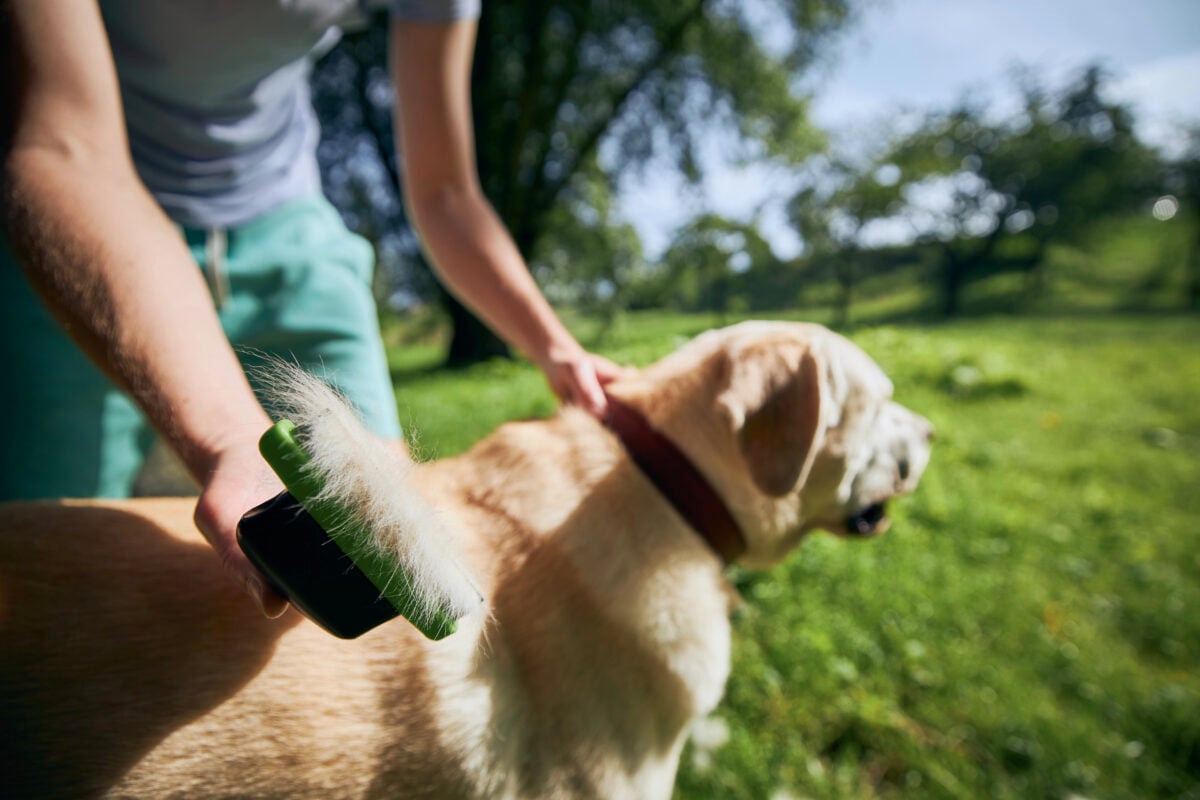
Aim for:
- 3–5 times per week
- Daily if the undercoat is releasing heavily
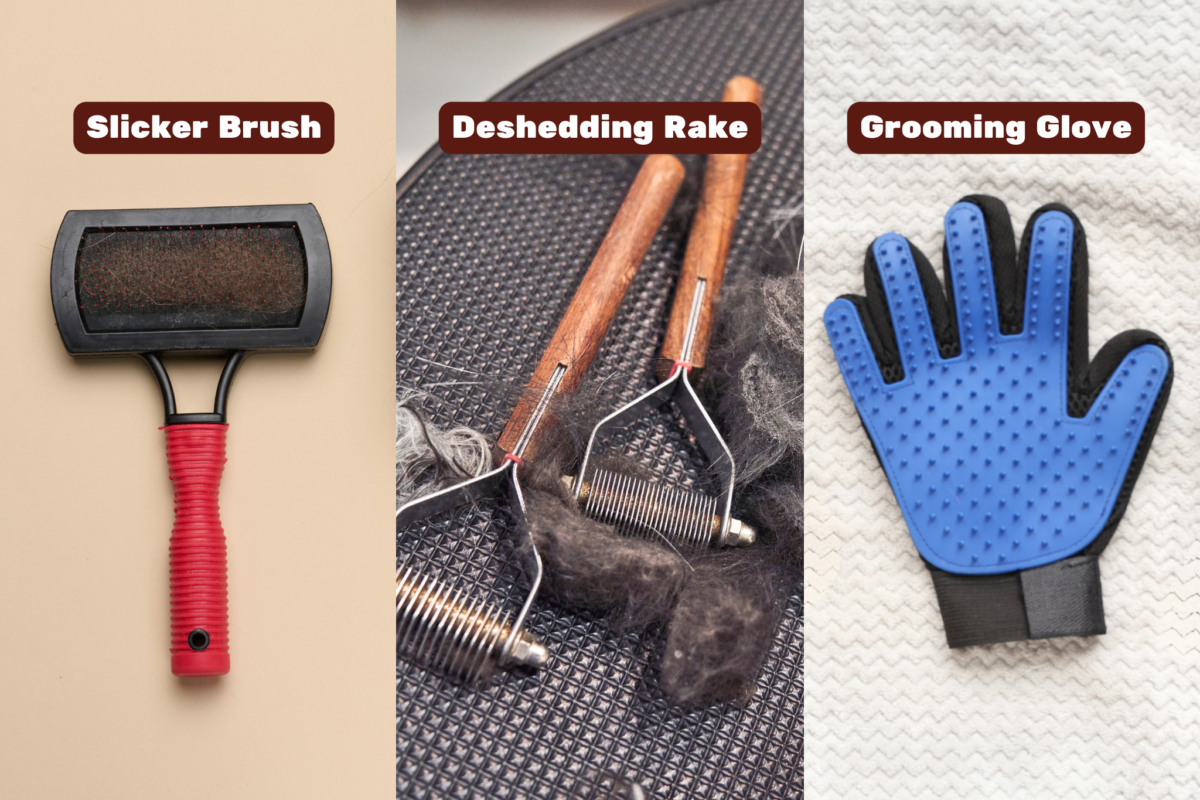
Focus on removing loose undercoat before it ends up on your couch. A high-quality undercoat rake or de-shedding tool will make the biggest difference during this window. Regular slicker brushes help, but they don’t always reach the dense underlayer.
2. Time Your Bath Strategically
A bath during peak blowout can help release dead undercoat faster.
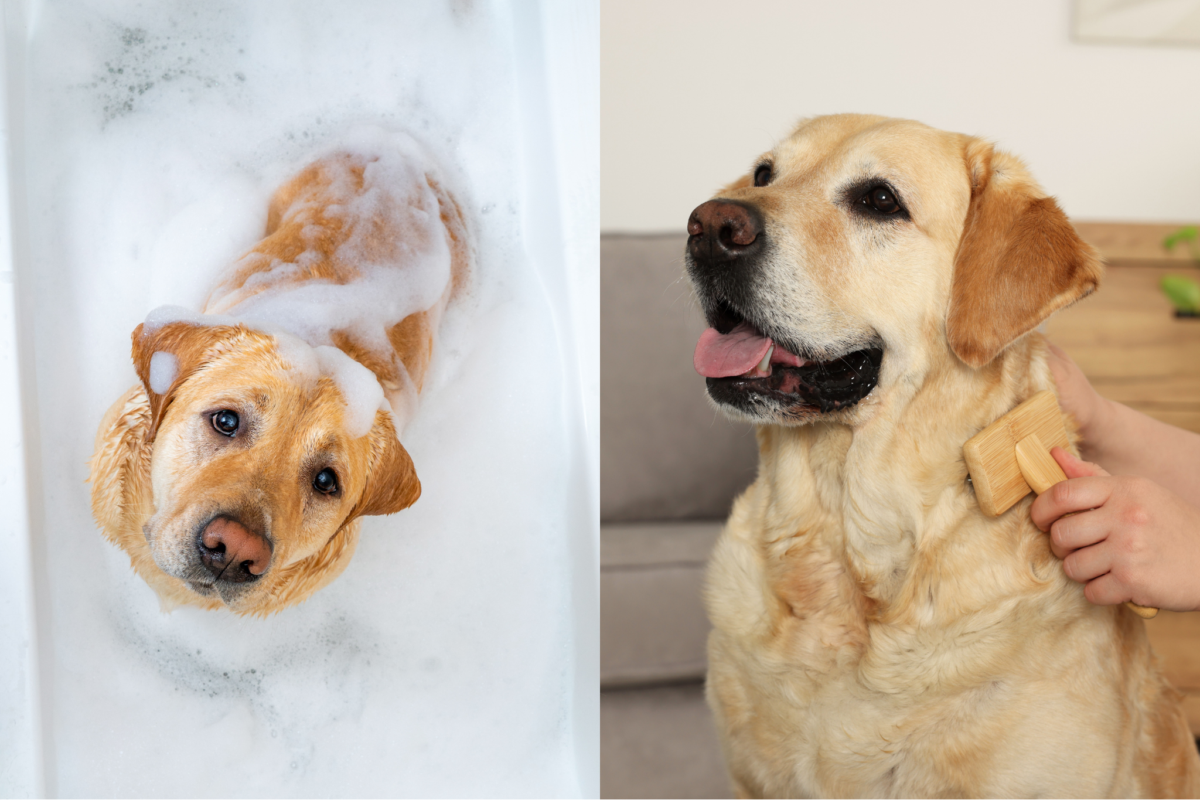
Use:
- A de-shedding or shed-control shampoo
- Lukewarm water
- A high-velocity dryer if available (professional groomers use this to “blast” loose undercoat out)
Do not over-bathe. One well-timed bath during peak shedding is usually enough.
3. Support The Coat From The Inside
Healthy skin sheds more efficiently. Make sure your Lab’s diet includes:
- High-quality animal protein
- Adequate omega-3 fatty acids
- Balanced fat levels
If the coat looks dull, flaky, or excessively dry, diet may be amplifying normal seasonal shedding. We’ll go deeper on nutrition later, but during coat blowout season, internal support matters.
4. Control The Environment
You won’t eliminate loose hair, but you can contain it. During coat blowout season:
- Vacuum more frequently
- Use washable throws on high-traffic furniture
- Run an air purifier in main living areas
- Brush outdoors whenever possible
Think of this as temporary seasonal maintenance, not permanent chaos.
5. Know What’s Normal vs. Concerning
A coat blowout should look like:
- Even shedding across the body
- No bald patches
- No redness, hot spots, or scabbing
- No behavioral signs of itching or discomfort
If you notice:
- Patchy hair loss
- Skin irritation
- Excess scratching
- Sudden increase outside seasonal windows
That’s not just coat turnover. That’s something to investigate. We’ll cover medical causes below.
Quick Reality Check: Every double-coated dog goes through coat blowouts. Labs are just particularly efficient at it. Once you recognize the timing, you can plan around it instead of feeling blindsided every spring and fall.
5 Reasons Your Lab Is Shedding More Than Usual
Labradors are heavy seasonal shedders. But if the amount of fur suddenly increases outside of coat blowout season, something else may be contributing. Here are five common reasons shedding ramps up.
1. Low-Quality Dog Food
A poor-quality diet can weaken the skin barrier and increase shedding. Labs need adequate protein and omega-3 fatty acids to maintain coat health.
Look for foods that include salmon, fish oil, or flaxseed and avoid formulas heavy in fillers.
2. Too Much Or Too Little Bathing
Overbathing strips natural oils. Underbathing allows loose undercoat to accumulate. For most Labs, a bath every 4–6 weeks is sufficient unless they’re actively in a coat blowout.
3. Allergies Or Fleas
If shedding is paired with itching, redness, or patchy hair loss, allergies or skin infections may be involved.
Bald spots, hot spots, or constant scratching warrant a veterinary check.
4. Dry Air Indoors
Cold-weather heating can dry out the skin, leading to brittle fur and increased shedding. Running a humidifier in winter can help stabilize skin moisture.
5. Stress Or Environmental Changes
Major routine changes, travel, or anxiety can temporarily increase shedding.
If shedding coincides with behavioral changes, address stress and anxiety alongside grooming.
4 Ways To Manage Your Lab’s Shedding
You can’t stop your Labrador from shedding. What you can do is manage how much ends up on your floors.
If shedding suddenly changes in pattern or intensity, check with your veterinarian before assuming it’s seasonal.
1. Brushing
Brushing is the single most effective way to control Labrador shedding.

Consistency matters more than intensity.
- During normal periods: Brush 2–3 times per week.
- During seasonal shedding: Brush daily or every other day.
Helpful Tools
- A quality slicker brush, like the Hertzko self-cleaning brush, helps maintain the topcoat and remove loose surface hair. It won’t pull large amounts of undercoat, but it keeps everyday shedding under control and prevents matting.
- During spring and fall coat blowouts, a proper undercoat rake or deshedding tool makes a major difference. Use gently and avoid overworking the same area to prevent irritation.
- Grooming mitts, like the Delomo grooming gloves, are helpful for quick touch-ups and dogs who dislike traditional brushes. They won’t replace a deshedding tool during coat blowout, but they help maintain daily control.
In-Depth Review For The Best Labrador Brushes
For a deeper dive, check out our in-depth review guide on the best brushes for Labs. We break down exactly which tools work best for tackling that thick double coat and keeping the fur fallout under control.
2. Shampoos
Bathing helps loosen dead undercoat and remove debris. Labradors can have sensitive skin, so choosing the right shampoo matters.

For most Labs:
- Bathe every 4–6 weeks.
- Avoid overbathing, which strips natural oils.
Look for:
- Oatmeal-based formulas
- Fragrance-free options
- Deshedding-specific shampoos during peak shedding
If skin irritation is present, consider medicated formulas and consult your veterinarian. You can read more in our guide on how often you should bathe your dog for more guidance on this.
3. Diet
Skin health begins with nutrition.

Labradors benefit from:
- High-quality animal protein
- Omega-3 fatty acids
- Balanced fat content
If the coat appears dull, flaky, or excessively dry, diet may be amplifying normal seasonal shedding.
In-Depth Lab Food Guide
For more on what to feed your Lab, check out our in-depth guide on the best food For Labradors. It covers the best formulas, ingredients to look for, and tips to support a healthy Lab coat from the inside out.
4. Supplements
Fish oil is one of the most effective coat-support supplements. Omega-3 fatty acids support skin barrier health and may reduce excess shedding over time.
Always confirm dosage with your veterinarian before adding supplements.
4 Ways To Keep Your Home Clean
Even with all the brushing, bathing, and supplements, some fur is still going to win the battle. That’s where your home setup comes in.
On top of using pet-safe cleaning products, these tools and tricks can help you stay ahead of the fluff and maybe even feel like you’re winning.
1. Robot Vacuum
A robot vacuum won’t stop the shedding, but it will stop you from vacuuming every day like a maniac. Set it, forget it, and watch it collect your Lab’s latest “donation.”
I recommend the Shark IQ Robot Self-Empty XL. This self-cleaning robot vacuum maps your home so you can send it straight to trouble spots (like the fur zone under the couch). It also works with Alexa.
Set “no-go zones” around your dog’s food and water bowls to keep things peaceful. The brush roll is designed to handle pet hair without getting tangled. And the self-emptying base holds up to 45 days of fur, dirt, and whatever else your Lab leaves behind.
Check out our guide on the best robot vacuums for pet hair.
2. Vacuum
Try a powerful corded upright if a robot vacuum isn’t cutting it. They’re great for deep cleans and stubborn fur and don’t run out of battery mid-shed.
Bissell’s 2998 MultiClean Allergen Lift-Off Pet Vacuum is a great pick for pet owners battling fur. The Lift-Off canister makes it easy to clean stairs and furniture, and the tangle-free brush roll handles pet hair without clogging.
It also has a HEPA-sealed system that traps 99.97% of allergens. This is a highly-rated, budget-friendly vacuum designed with shedding pets in mind.
We have also researched the best vacuums for pet hair with more options and advice on keeping your home as fur-free as possible.
3. Air Purifier
As Labradors are constant shedders, dander, dust, and allergens stay airborne long after the fur settles. An air purifier traps these microscopic particles, reducing sneezing and allergy flare-ups. Plus, it also cuts down on pet odors and keeps the air feeling cleaner.
The GermGuardian Air Purifier AC5350B is a solid, all-around air purifier that uses a True HEPA filter to capture 99.97% of allergens like dust, pollen, pet dander, and even mold spores.
It also features UV-C light technology, which adds an extra layer of germ-fighting power by targeting airborne viruses and bacteria. The activated charcoal filter helps reduce odors from pets without filling your room with ozone.
We have a comprehensive guide on the best air purifiers for pets and tips on how to choose the best one for your home.
4. Couch Covers
Let’s be honest, your Labrador thinks the couch is theirs. And if you’re not using a couch cover, their fur, dander, and drool will prove it.
Couch covers are a must-have for Lab owners. They protect your furniture from daily shedding, muddy paws, and those surprise full-body flops. The best ones are machine-washable, stay put (even during zoomies), and match your decor just enough to pretend the fur was never there.
Want help picking the right one? Check out our guide to the best couch covers for pets. We’ve rounded up the most durable, fur-resistant, and Lab-approved options.
Medical Reasons For Excess Shedding
Labradors are heavy shedders by nature, but there’s a difference between normal fur fallout and something that signals a bigger problem.
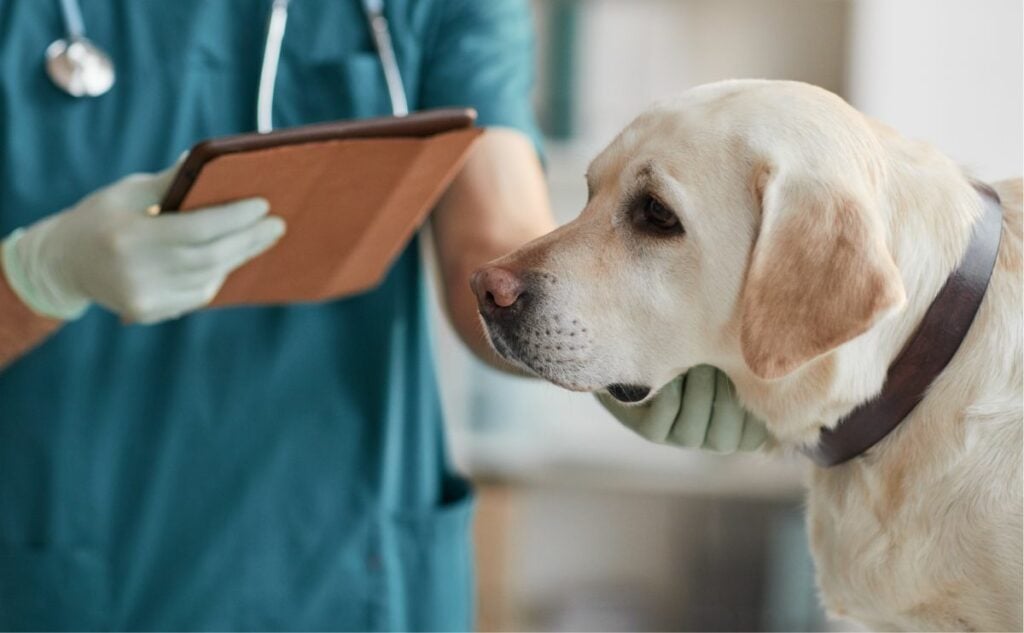
If your Lab’s coat suddenly looks patchy or dull or constantly itching like they’re auditioning for a flea commercial, it’s time to pay attention. Here are the signs it might be more than just shedding:
- Bald patches or uneven thinning
- Excessive scratching, licking, or chewing
- Red, irritated, or flaky skin
- A dull, brittle coat that’s lost its shine
- Changes in energy, appetite, or behavior
Possible Causes To Ask Your Vet About
Shedding alone isn’t always the issue. It’s the pattern, intensity, and what’s going on with their skin or overall health that matters.
- Allergies: Food, dust, grass, or even laundry detergent can trigger reactions.
- Parasites: Fleas, ticks, or mites can cause severe itching and patchy fur loss.
- Skin infections: Bacterial or fungal issues often appear as hot spots or scaly patches.
- Thyroid or hormonal problems: These can mess with your Lab’s metabolism and coat.
- Nutrient deficiencies: Low-quality diets lacking omega fatty acids or protein can worsen shedding.
What To Do
Monitor any sudden changes in your dog’s skin or behavior. Take photos, jot down when it started, and call your vet. Catching these issues early saves your sanity and can keep your Lab healthier and happier in the long term.
Can You Shave A Lab?
I get it, after dealing with tumbleweeds of fur, shaving your Lab might sound like the ultimate shortcut. Less fur, less vacuuming… right?
Wrong. Please put down the clippers.
Labradors have a double coat for a reason. It keeps them warm in the winter and cool in the summer by regulating body temperature.
Shaving that coat disrupts their natural insulation, opens the door to sunburn and skin irritation, and can actually make shedding worse as the coat grows back unevenly.
And no, it doesn’t stop the hair from coming. It just makes it shorter, harder to clean, and somehow even more annoying.
You can’t shave your way out of Lab shedding, only into a worse coat and a guilty conscience. Groom smart, don’t shave desperate.
Black, Yellow, & Chocolate Labs: Who Sheds The Most?
You’ve seen the fur. But does your Lab’s color make a difference in how much they shed?

Technically? No.
Labrador Retrievers come in three primary color combinations: yellow, chocolate, and black. There are also rarer Red Labradors and Silver Labradors (but these are not accepted show colors.)
All Labs have the same double coat and the same mission to cover your house in hair.
But there’s a visual twist that tricks your brain: darker fur shows up more on light furniture, while lighter fur sticks out on dark clothes. So it can feel like certain colors shed more.
That said, some Lab owners swear their yellow Labs are fluff factories, while others blame their chocolate-coated chaos monsters. It’s not the color. It’s the individual dog, the season, and how often you’re brushing (or not brushing… I’m not judging).
Even the English and American Labradors, who are the same breed, shed the same. So, pick your fighter because they all shed. A lot.
Frequently Asked Questions About Labrador Shedding
Got more questions about Labrador shedding? You’re not alone. Here are some of the most common ones we get. But if we missed yours, respond in the comments and we’ll do our best to answer!
Why Do Labs Shed So Much?
Labradors shed a lot because they have a double coat, a dense undercoat for insulation, and a water-resistant topcoat. This helps them adapt to all climates but also means they shed more than single-coated breeds.
Why Do Labs Shed In The Winter?
Just before winter, Labs start dropping their summer coat to grow into thicker winter ones, leading to an uptick in the fur around the house. You’ll see the same pattern before spring, too.
When Do Labs Shed The Most (Spring, Summer, Fall, Or Winter)?
Yes, to all three, but spring and fall are the worst. Summer shedding tends to be lighter, and winter shedding happens mostly in early cold months.
Translation: fur happens all year.
When Do Labs Shed Their Puppy Coat?
Labs start shedding their soft puppy coat around 4 to 5 months old. This is when their adult double coat grows in, and your vacuum becomes part of the family. Check out our Labrador puppy growth chart guide for more puppy milestones.
How Can I Reduce Labrador Shedding In The House?
Regular brushing, monthly baths, a high-quality diet, and tools like robot vacuums or air purifiers can make a huge difference. It’s about managing, not eliminating, the fluff.
What Type Of Brush Is Best For A Labrador?
Use a de-shedding tool during heavy shedding seasons and a slicker brush for regular upkeep. Each tackles a different layer of the coat.
How Often Should I Bathe My Labrador?
Once a month or every two months is usually enough. Bathing too often can dry out their skin and lead to even more shedding. Use a gentle, dog-safe shampoo, preferably one with moisturizing ingredients.
Do Supplements Help With Shedding?
Yes, omega-3 fatty acid supplements, like fish oil, support healthy skin and coat. They can help reduce shedding over time and also improve joint, brain, and heart health.
Is My Lab Shedding Too Much?
It may be more than normal shedding if you notice bald spots, excessive itching, or red, irritated skin. Allergies, parasites, or health issues could be at play, so check with your vet.
What’s Next For You & Your Lab?
If shedding is your biggest frustration right now, your next step is building a simple coat-blow routine.
Start with:
- Our guide to the best brushes for Labradors
- Labrador health issues to watch for if shedding seems abnormal
- The best dog food options for shedding
Shedding is part of life with a Lab. Managing it well makes the rest of that life a lot easier.