When you purchase through links on our site, we may earn a commission at no extra cost to you. Learn more.
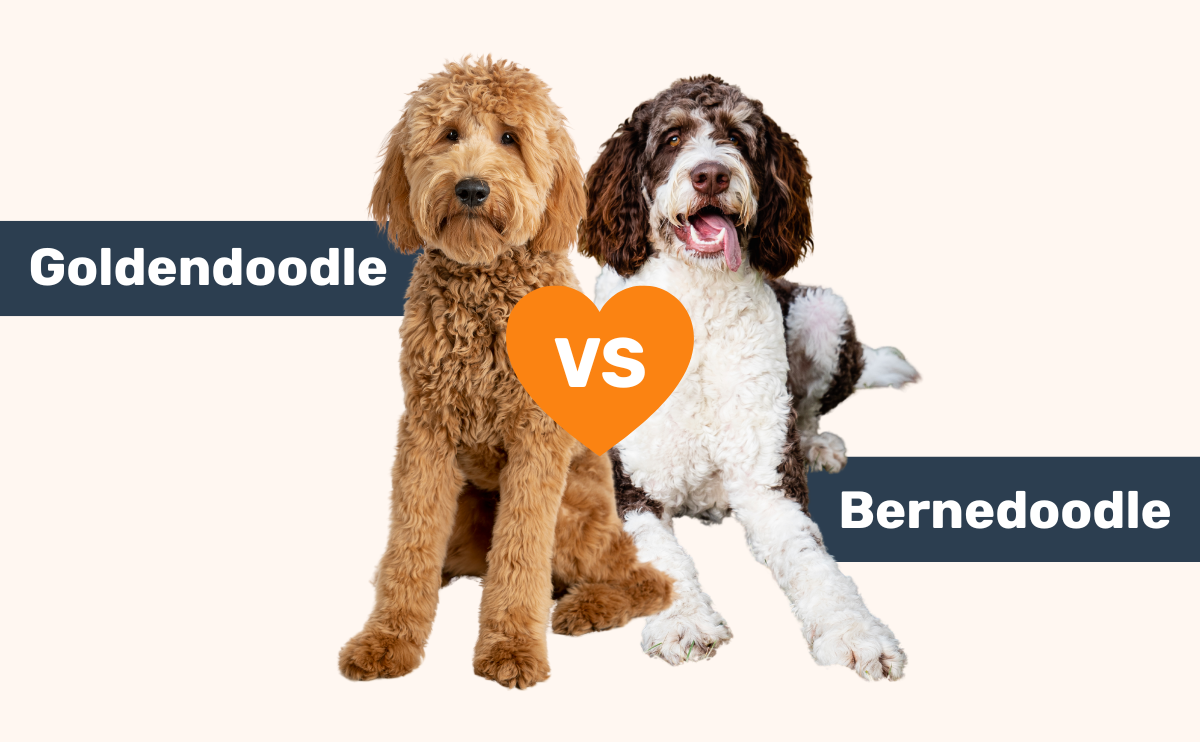
Bernedoodles and Goldendoodles may look like two versions of the same fluffy dog, but living with them can be surprisingly different.
Table of Contents
One may be more likely to greet every stranger like a long-lost friend. The other may take longer to warm up, grow considerably larger, and be happier settling down after the day’s activity. And despite what you may have heard, neither comes with a guaranteed non-shedding, hypoallergenic coat.
So, which one actually fits your life?
In this Bernedoodle vs Goldendoodle comparison, we look beyond appearance and compare the differences that affect owners every day, including temperament, size, exercise, training, grooming, health, cost, and family life. You’ll also learn which popular Doodle claims you shouldn’t rely on when choosing a puppy.
Want our human-written content to rank above AI-generated garbage? Help us out by clicking this button!
Breed Comparison
- Height22–27 in.
- Height20–24 in.
- Weight55-100+ lbs
- Weight50-90 lbs
- TemperamentGood-Natured, Affectionate, Protective
- TemperamentFriendly, Playful, Affectionate
- EnergyModerate to High
- EnergyHigh
- HealthAverage
- HealthAverage
- Lifespan12-15 Years
- Lifespan10-15 Years
- SheddingVariable
- SheddingVariable
- Price$2,000 and Up
- Price$1,000 and Up
These are general tendencies, not guarantees. Size, generation, genetics, socialization, and training all influence the dog you eventually bring home.
Same Doodle Label, Different Dogs
Bernedoodles and Goldendoodles both have Poodle ancestry, but their other parent breeds contribute some important differences.
Goldendoodles combine the Poodle with the Golden Retriever. Many are friendly, enjoy playing, and are eager to join family activities.
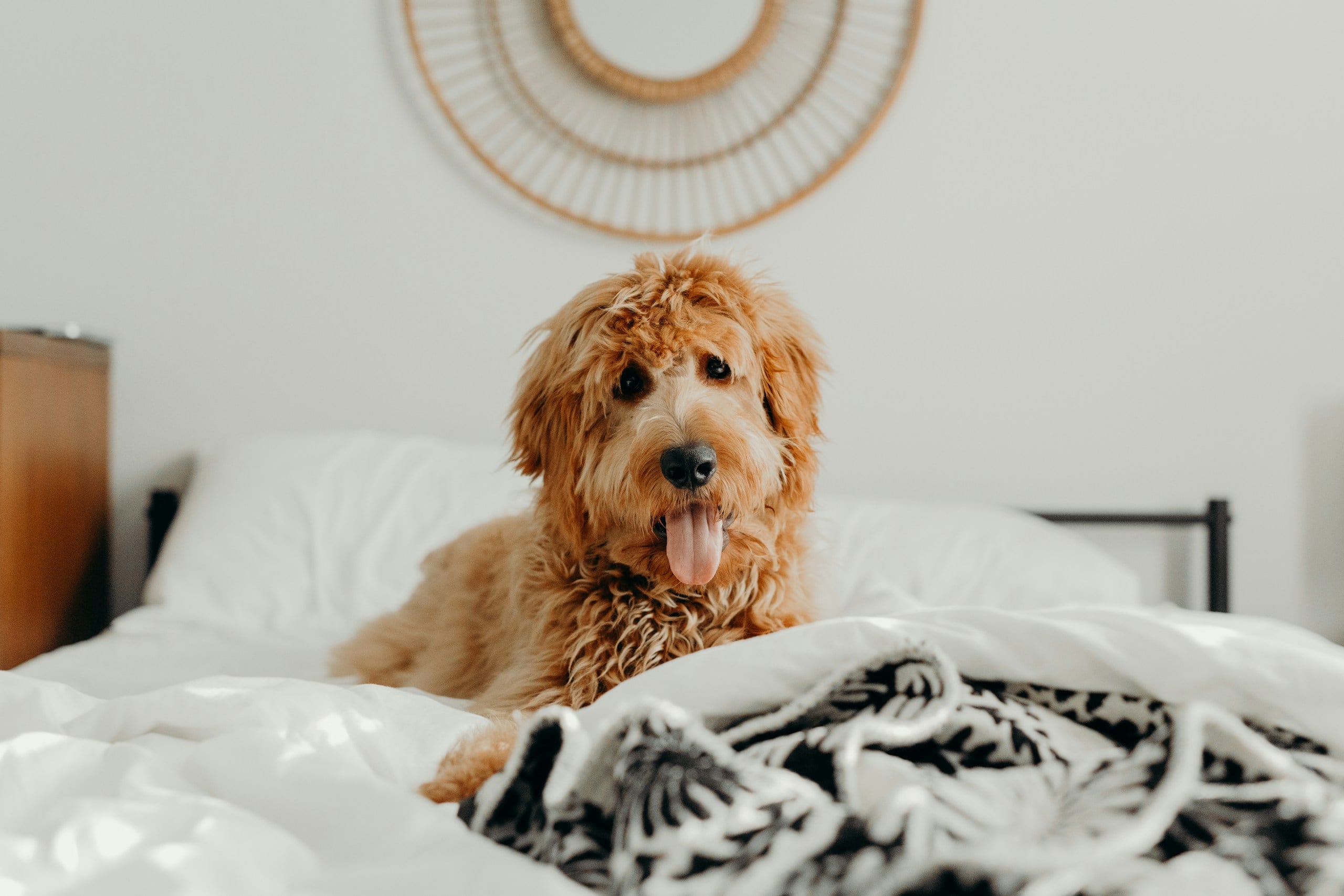
Those parent-breed influences help explain some of the differences you’ll see throughout this Bernedoodle vs Goldendoodle comparison.
Bernedoodles combine the Poodle with the Bernese Mountain Dog. Many are affectionate and playful, though they can also be reserved or watchful at times.
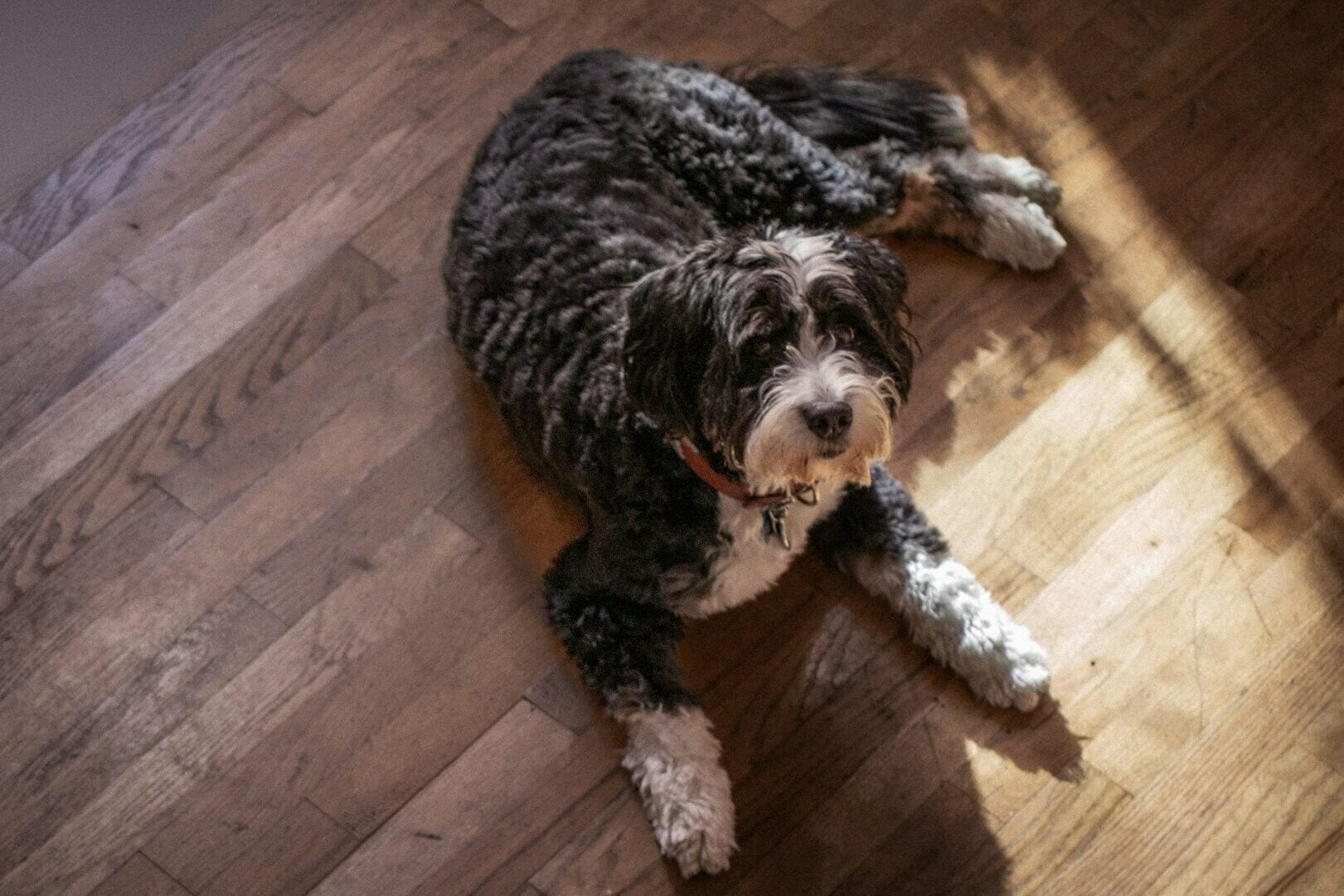
Goldendoodle vs Bernedoodle: Head To Tail
The physical differences become easier to spot when you compare size, build, and coat.
Size & Weight: Mini vs Standard Matters
The terms “Mini” and “Standard” don’t guarantee a specific size for these mixes. So adult dogs can vary significantly in size.
| Dog | Height | Weight |
|---|---|---|
| Standard Goldendoodle | 20–24 in. | 50–90 lbs. |
| Mini Goldendoodle | 13-20 in. | 15-35 lbs. |
| Standard Bernedoodle | 22–27 in. | 70–90+ lbs. |
| Mini Bernedoodle | 18–22 in. | 25–50 lbs. |
| Micro Bernedoodle | 12–17 in. | 10–24 lbs. |
Standard Bernedoodles are generally heavier and more substantial than similarly sized Goldendoodles. Mini versions overlap more, and their adult size depends heavily on the parents used in the breeding.
If size matters to your household, ask for the actual height and weight of both parents and, when available, adult dogs from previous comparable litters.
Face & Build
Goldendoodles often have a lighter, more athletic appearance and an animated expression.
Bernedoodles frequently have a broader, heavier build, particularly in Standard sizes. Their Bernese ancestry can produce a wider head, more substantial frame, and stockier appearance.
Coat, Shedding & Allergy Expectations
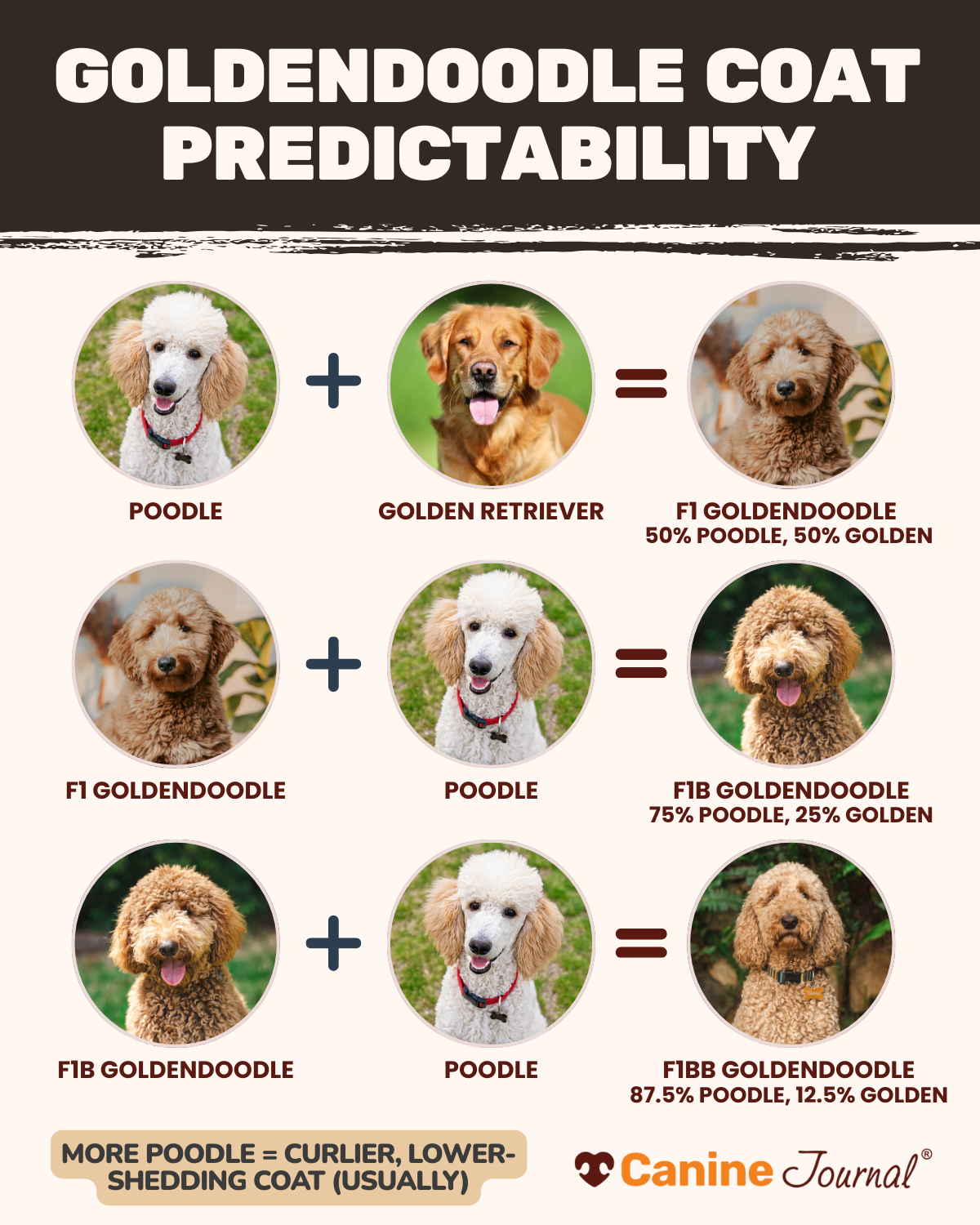
Coat is one of the least predictable parts of the Bernedoodle vs Goldendoodle comparison. Both mixes can have straight, wavy, or curly hair, and shedding can range from minimal to much more noticeable.
First-generation Goldendoodles (F1) can show considerable coat variation. Backcrosses such as F1B have more Poodle ancestry and may be more likely to inherit Poodle-like coat characteristics, but generation alone doesn’t guarantee a specific texture or shedding level.
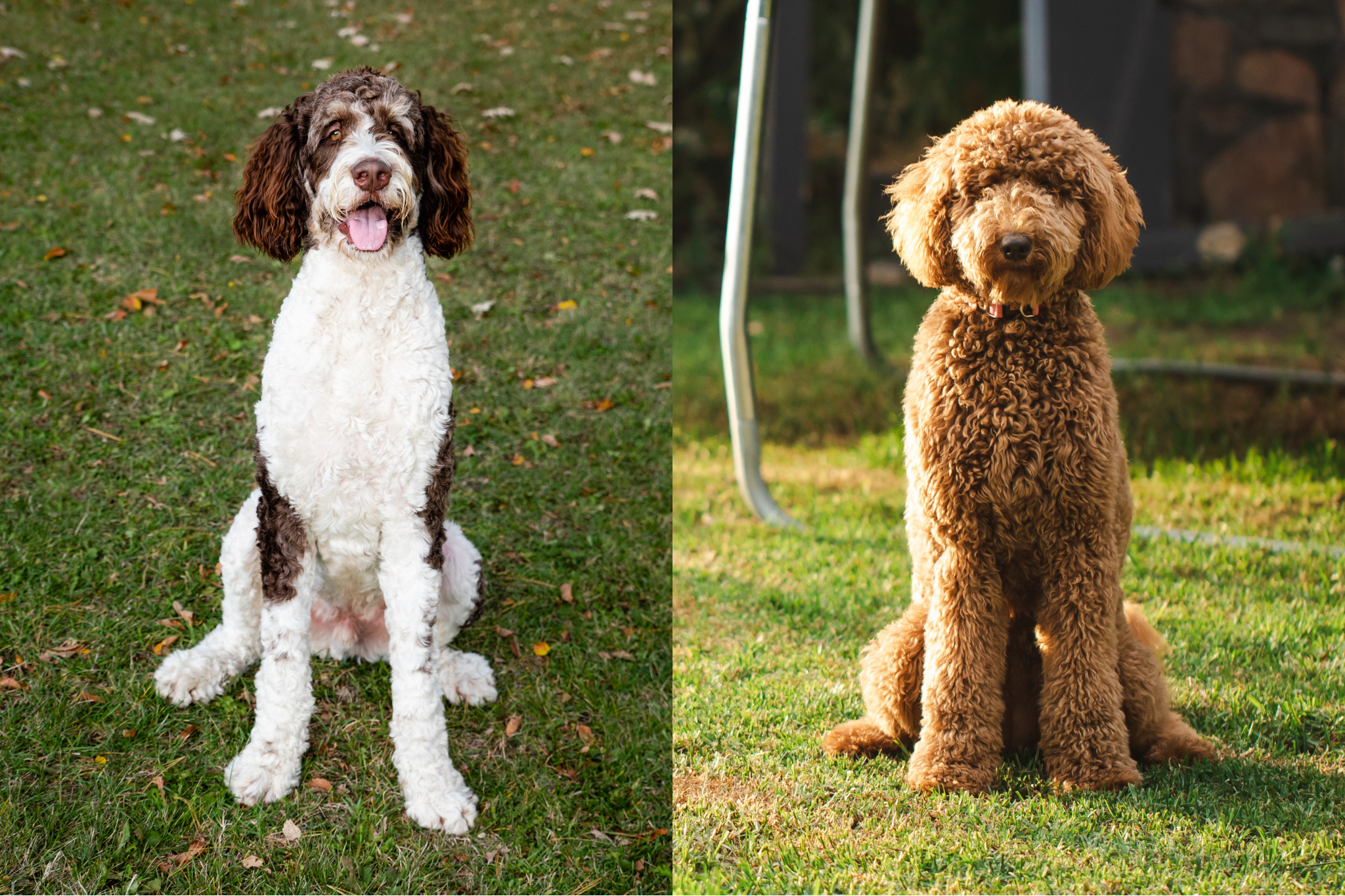
Goldendoodles appear in a wide range of solid colors, including apricot, black, brown, red, cream, white, silver, and blue.
Common patterns include:
- Abstract: A solid base with white markings.
- Parti: Predominantly white with patches of another color.
- Phantom: Defined lighter markings on a darker base.
- Merle: A mottled or marbled pattern.
Bernedoodle coats can be similarly variable. F1, F1B, F2, and multigenerational breeding can influence coat traits, but puppies within these generations can still differ.
Traditional tri-color, black, white, and rust are especially recognizable. Bernedoodles can also be phantom, sable, chocolate, parti, and other colors or patterns.
A puppy’s coat color can change significantly as it grows older.
Allergy Reality Check: Neither mix is guaranteed to be hypoallergenic. If dog allergies are a significant concern, spend time with the individual dog before bringing one home rather than relying on coat type or generation alone.
Temperament: Calm Companion vs Social Butterfly
Both mixes tend to be intelligent and affectionate, but their social styles can feel quite different.
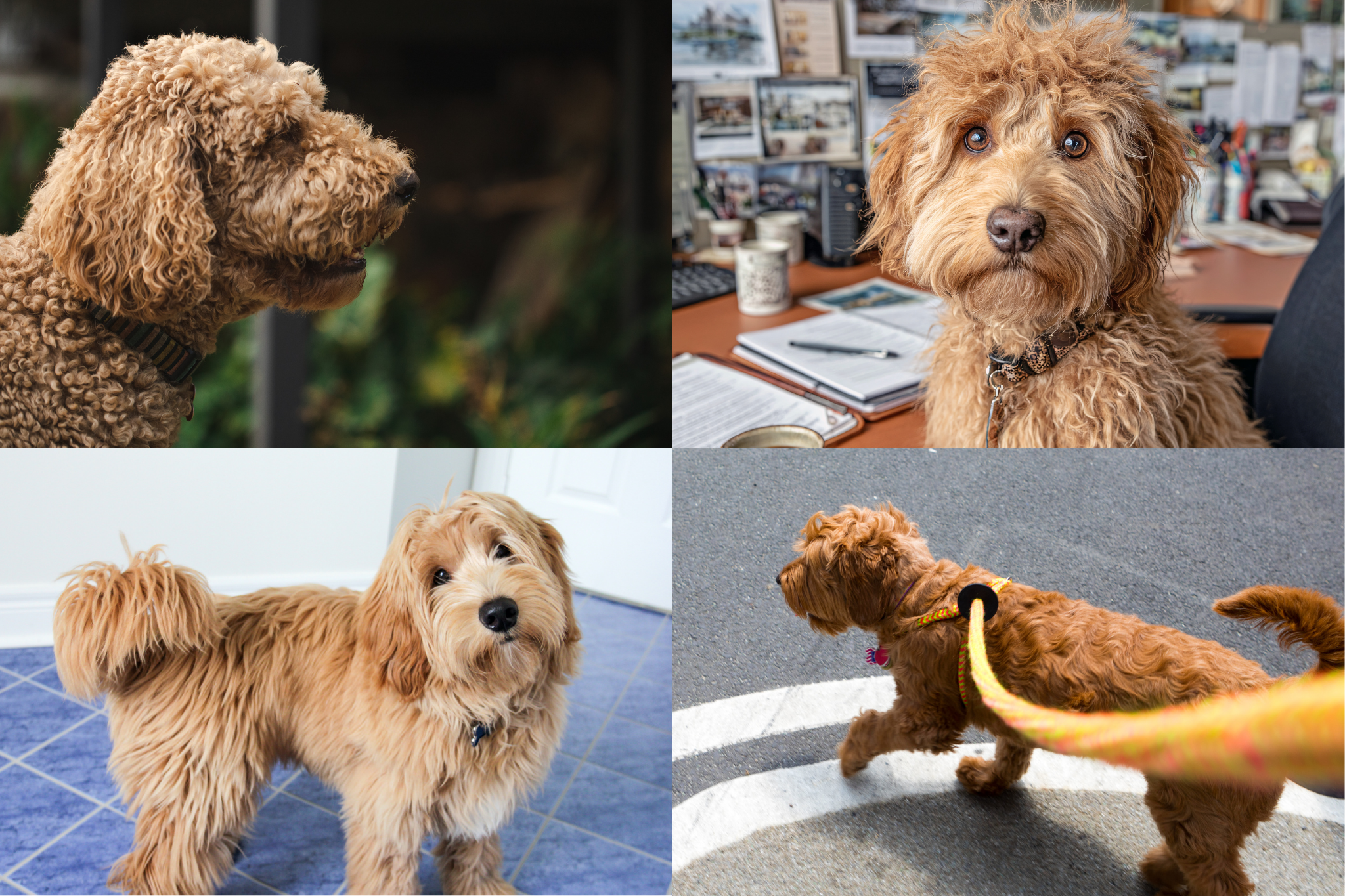
Goldendoodle Personality
Goldendoodles are often highly people-oriented. Many enthusiastically greet visitors and enjoy being involved in whatever their family is doing.
That social enthusiasm can make them fun companions for active households, although particularly energetic dogs may require plenty of engagement throughout the day.
Bernedoodle Personality
Bernedoodles are often more reserved with unfamiliar people and may take longer to warm up. At home, many enjoy staying close to their families and are generally happy to relax between activities.
Some also inherit an independent streak, which can influence training.
Energy & Exercise: What Daily Life Actually Looks Like
Both Goldendoodles and Bernedoodles need regular exercise, but they may use and manage their energy differently at home.
Goldendoodles often stay active and engaged throughout the day, enjoying activities such as fetch, retrieving games, walks, swimming, and time spent interacting with their owners. Bernedoodles can be playful and energetic too, but many are more likely to settle into a relaxed routine once they’ve had enough exercise.
For many healthy adult dogs, about an hour of daily physical activity is a good starting point. However, exercise needs vary based on factors such as age, size, health, and individual energy level. Puppies and younger dogs may need shorter, more frequent activities, while older dogs may benefit from gentler exercise.
Physical activity is only part of the equation. Mental stimulation through training sessions, sniffing walks, puzzle feeders, and interactive games can help prevent boredom and keep both breeds engaged without simply adding more physical exercise.
Training & First-Time Owner Fit
Training is another useful distinction in a Bernedoodle vs Goldendoodle comparison.
Goldendoodles are often eager to engage and respond enthusiastically to training, which can make them approachable for first-time owners. Their excitement can still lead to jumping, pulling, and overexuberant greetings if training isn’t consistent.
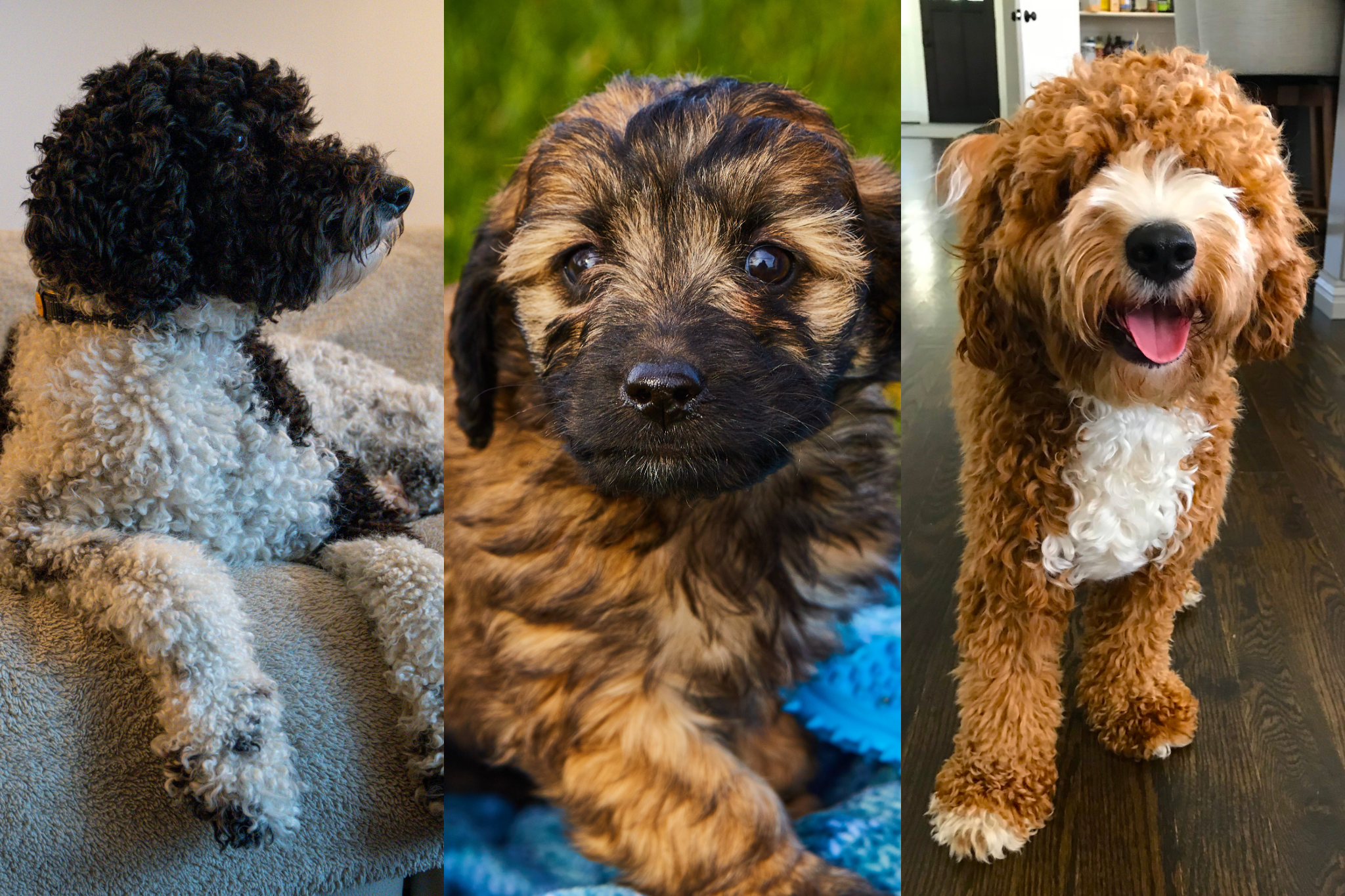
Bernedoodles are intelligent but can have a more independent streak. Patient, consistent training that uses rewards is especially effective.
Both need early socialization. Bernedoodles with a naturally reserved temperament particularly benefit from positive exposure to different people, animals, environments, sounds, and experiences.
For a first-time owner, the better fit depends on what you’re prepared to manage: a Goldendoodle’s enthusiasm and activity or a Bernedoodle’s potential independence, size, and sensitivity.
Leash Skills, Crates & Routine
Start leash training early, with Standard dogs that may become large, powerful adults. Both mixes can benefit from positive crate training and learning to settle independently.
However, a crate isn’t a treatment for separation anxiety. Dogs showing significant distress when alone may need professional behavioral guidance.
If professional training becomes necessary, costs can add up. See Does Pet Insurance Cover Training? Which Providers Offer Reimbursement For Behavior Or Obedience Classes? to learn when training or behavioral support may qualify for coverage.
Which One Fits Your Life Better?
After evaluating temperament, energy, training needs, and tolerance for alone time, think about how each trait matches your household’s lifestyle.
Active & Social Households
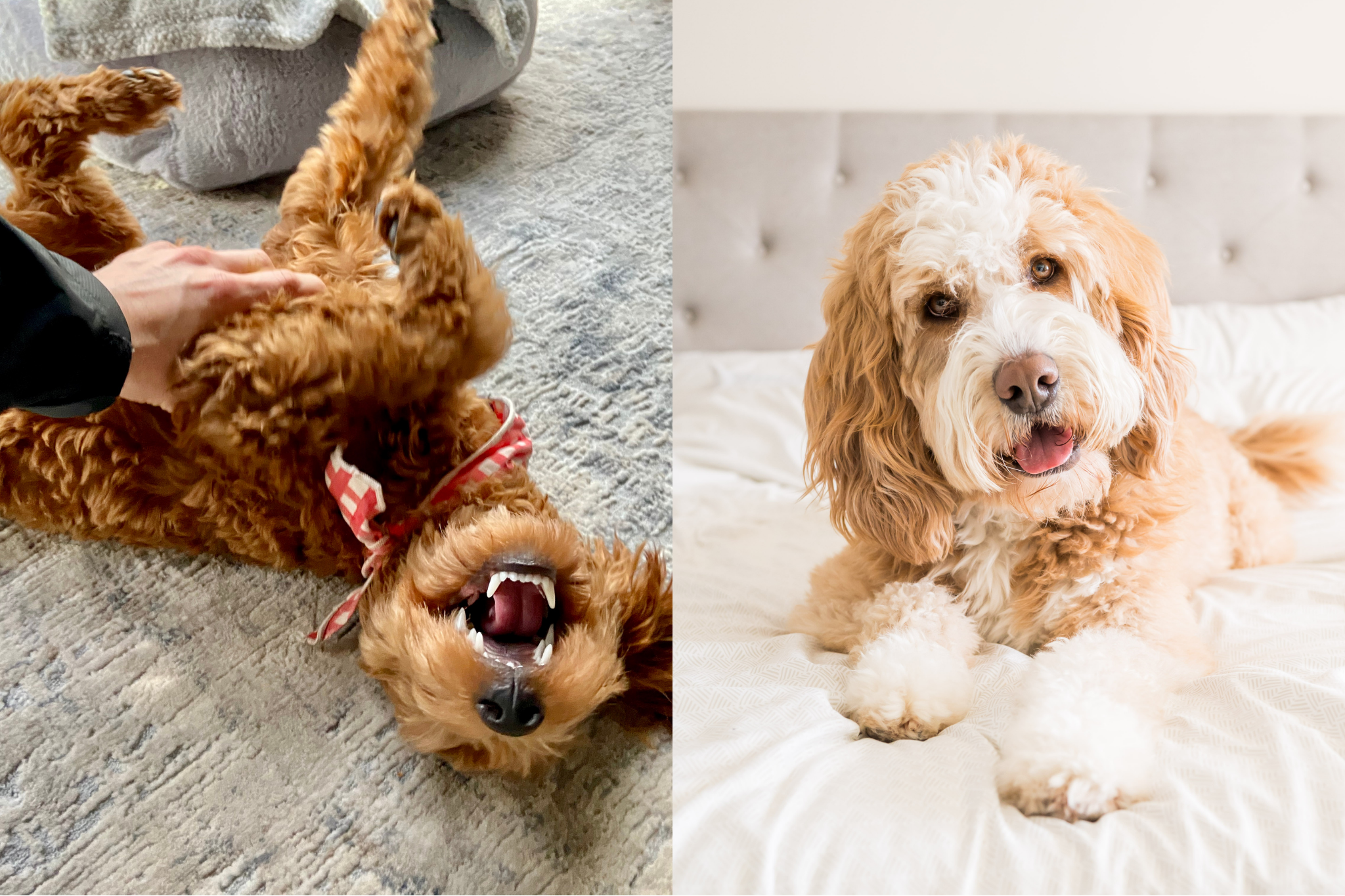
Goldendoodles often fit naturally into households that enjoy outings, visitors, play, and frequent interaction.
Bernedoodles can also be active companions, but many families prefer a dog that can join activities and settle afterward.
Apartment Living
Both mixes can live happily in an apartment if they receive enough exercise, training, and mental stimulation.
Mini versions may be physically easier to manage in limited space, but size alone doesn’t determine apartment suitability. Barking, indoor manners, access to outdoor exercise, and the dog’s ability to settle matter just as much.
Alone Time & Busy Owners
Do not choose either mix if you expect the dog to be comfortable spending long days alone.
Bernedoodles can become strongly attached to their families, and some experience separation anxiety. Goldendoodles are also social dogs that may struggle when they don’t receive enough companionship, exercise, or stimulation.
If you work from home, teach your puppy to spend short periods away from you rather than letting constant companionship become its only routine.
For owners with busy schedules, focus less on which Doodle supposedly handles solitude better and more on whether you can consistently provide exercise, training, grooming, mental stimulation, and companionship.
Grooming: The Time & Cost Commitment
Grooming is a major ongoing commitment for both dogs. Depending on coat length and texture, regular home brushing and professional grooming may be necessary to prevent painful mats.
Bernedoodle Grooming
Bernedoodles can develop thick, dense coats that hide tangles close to the skin. Pay particular attention to friction areas such as the ears, collar, armpits, legs, and belly.
Goldendoodle Grooming
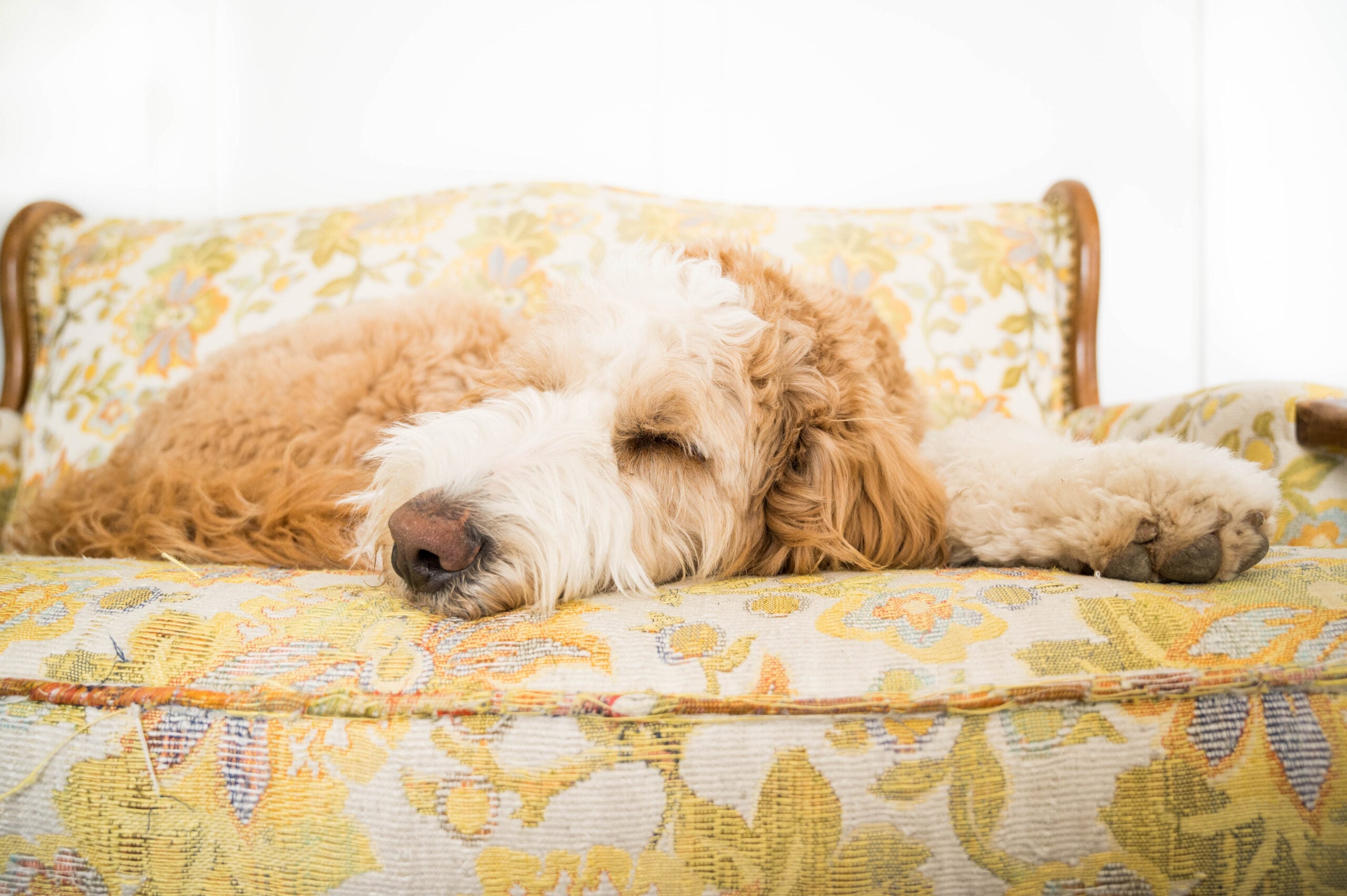
Goldendoodles also require consistent coat maintenance. Longer hair around the ears, belly, legs, neck, and tail can tangle quickly without regular brushing.
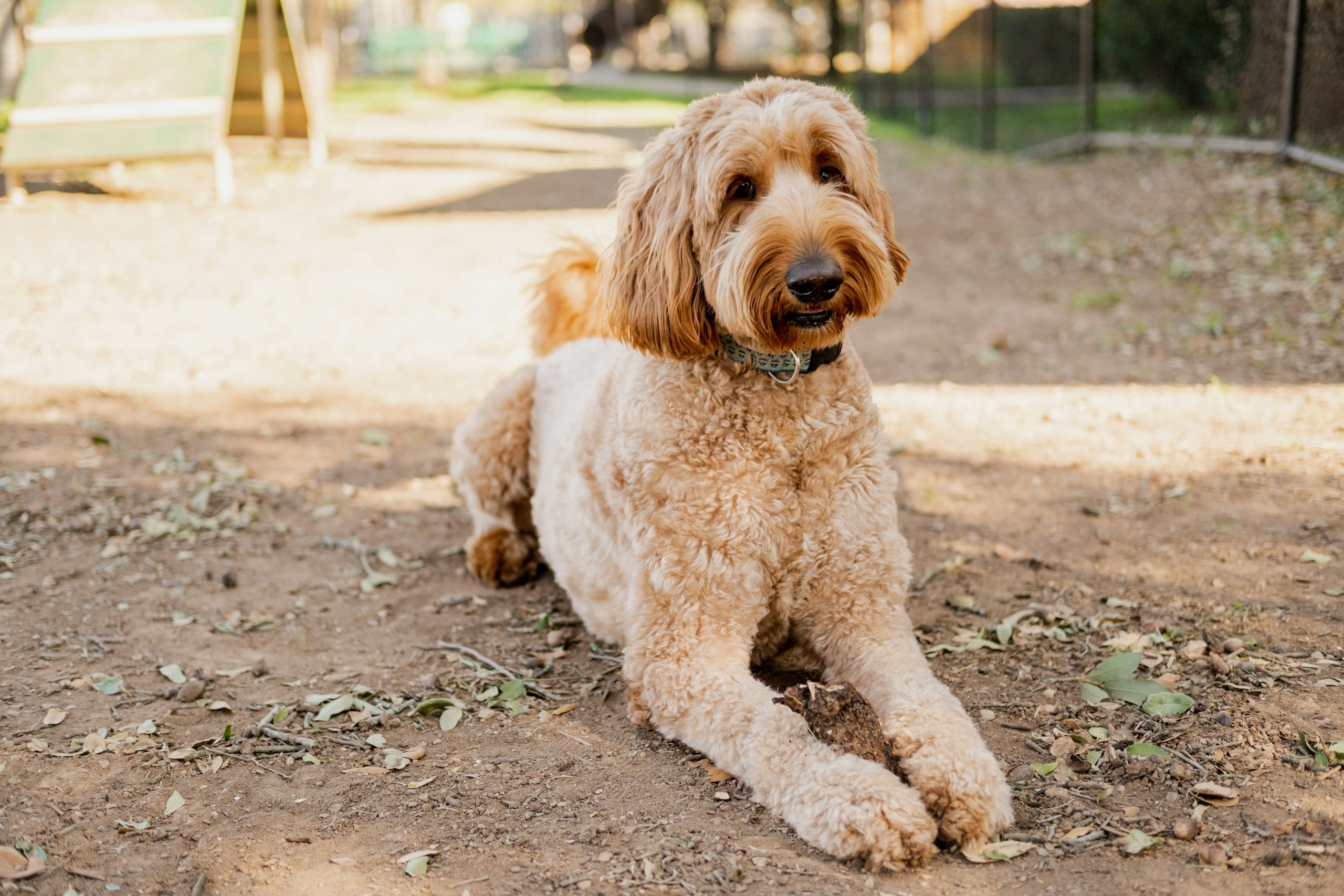
A lower-shedding coat isn’t necessarily lower maintenance. Curly hair can trap loose hair rather than releasing it, contributing to mats.
Professional appointments throughout the year can become a significant recurring expense, so include grooming in your ownership budget before choosing either mix.
Health: Look At Both Parent Breeds
When evaluating Bernedoodle vs Goldendoodle health, look beyond the Doodle label. Each mix can inherit traits from both parent breeds.
Bernedoodle Health Considerations
Potential concerns include:
- Hip dysplasia
- Elbow dysplasia
- Eye conditions
- Von Willebrand’s disease
- Other conditions associated with the parent breeds
Large Standard Bernedoodles also need special attention for joint health and other conditions that affect large dogs.

Goldendoodle Health Considerations
Goldendoodles can inherit health concerns from either parent breed, including:
- Hip and elbow dysplasia
- Eye disorders
- Skin and allergy problems
- Health risks associated with Golden Retriever and Poodle ancestry
Smaller Goldendoodles may face different orthopedic concerns, including patellar luxation.
What To Ask A Breeder
Ask what health screening was completed for both parent breeds and request documentation rather than accepting “DNA tested” as a complete answer.
Relevant screening can include orthopedic, eye, cardiac, and genetic testing depending on the parent breeds. Responsible screening can’t guarantee a healthy puppy, but it helps breeders make more informed breeding decisions.
What Does Each Doodle Cost To Own?
Purchase price is only the beginning of the Bernedoodle vs Goldendoodle cost comparison.
Larger dogs usually cost more to feed and may cost more for medication, boarding, and some veterinary services. Determine food requirements based on each dog’s size, age, activity level, health, and diet, instead of using a set amount for the mix.
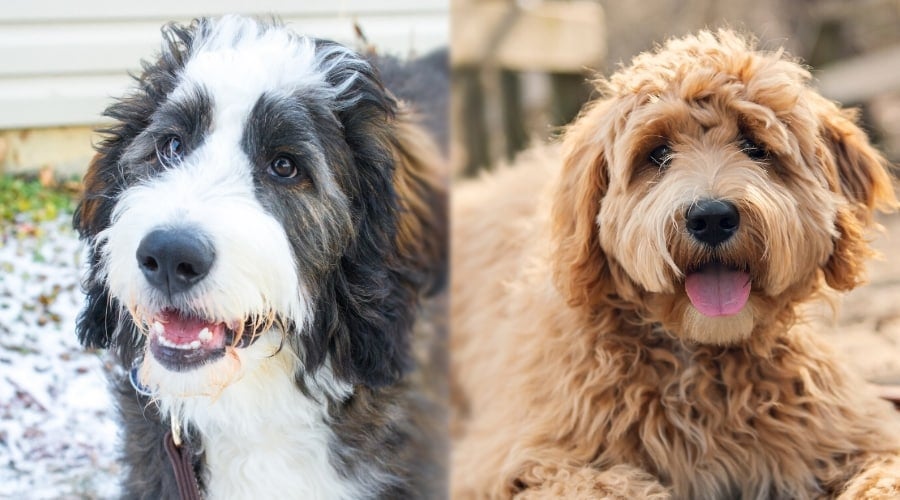
For more detailed guidance, see our Goldendoodle feeding chart.
Plan for recurring expenses such as food, veterinary care, preventive medications, professional grooming, training, toys, enrichment, and unexpected medical care.
Puppy Prices
Bernedoodle puppies may start around $2,500, while Goldendoodle puppies may start closer to $1,000, although prices vary considerably by breeder, location, size, demand, and other factors.
Price and coat color shouldn’t outweigh health screening, temperament, puppy-raising practices, breeder transparency, and ongoing support.
3 Doodle Myths Worth Knowing Before You Choose
Doodle labels can create expectations that don’t always match reality. Here are three common assumptions to reconsider before choosing a puppy.

1. Bernedoodles Are Low-Energy Dogs
A calmer household temperament doesn’t automatically mean low energy. Bernedoodle puppies and adolescents can be highly active and still require regular exercise, play, and mental stimulation.
2. “Mini” Guarantees A Small Adult Dog
Mini Doodles can vary considerably in adult size. The Poodle parent, other parent, genetics, and breeding strategy all influence how large a puppy eventually becomes.
If adult size is important, ask about both parents and previous comparable litters rather than relying solely on the “Mini” label.
3. A Curly Coat Is Easier To Maintain
Curlier coats may shed less visibly, but that doesn’t make them maintenance-free. Loose hair can get trapped in the coat, contributing to tangles and matting.
Regular brushing and professional grooming are still important.
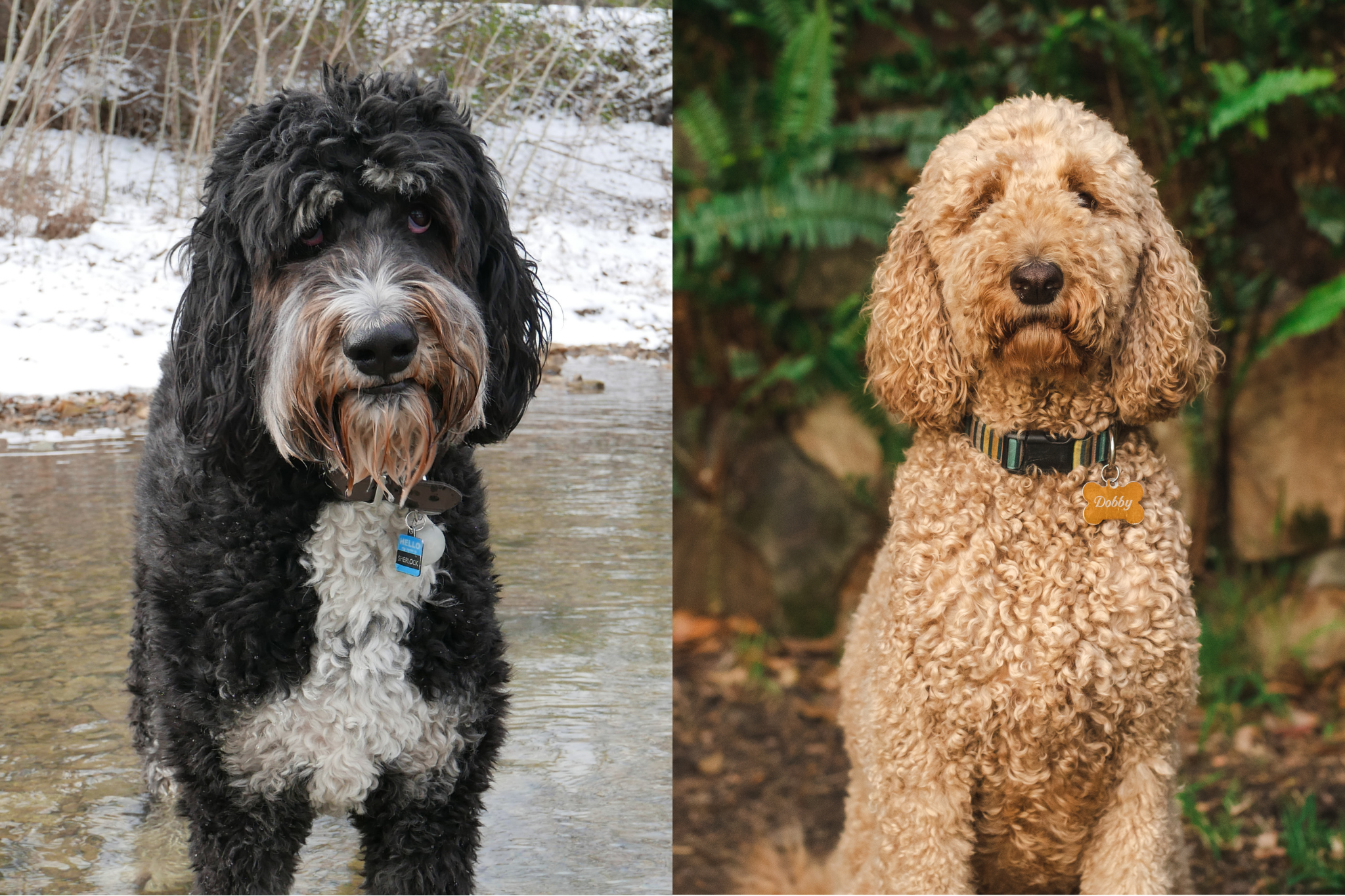
Frequently Asked Questions
Still deciding between a Bernedoodle and a Goldendoodle? These frequently asked questions cover a few more differences that may help you choose. If we haven’t answered your question, leave it in the comments below, and we’ll be happy to help.
Which Is Better For Families With Young Children?
Either mix can become an affectionate family dog with proper training and socialization. Consider each dog’s temperament and adult size, especially if you have toddlers or young children, since an energetic Standard Doodle could unintentionally knock them over while playing. Always supervise interactions between young children and dogs.
Do Bernedoodles Or Goldendoodles Bark More?
Either mix can be vocal, and barking varies considerably by individual. Bernedoodles may be more alert to unfamiliar people or activity around the home, while some Goldendoodles bark out of excitement, boredom, or to seek attention. Training, socialization, exercise, and environment all influence barking.
Can Bernedoodles & Goldendoodles Live With Cats?
Either can potentially live successfully with cats, especially when introduced carefully and raised around them. Individual prey drive, excitement level, training, and the cat’s comfort with dogs matter more than choosing one Doodle mix over the other.
When Do Bernedoodles & Goldendoodles Calm Down?
Puppies and adolescents of both mixes can be energetic, impulsive, and demanding. Many become easier to manage as they mature, but there isn’t a single age when every Doodle suddenly becomes calm.
Regular exercise, training, mental stimulation, and teaching your dog to settle are all essential during adolescence.
Does F1 vs F1B Affect Temperament?
Generation tells you about the breeds represented in a dog’s ancestry, but it doesn’t guarantee personality.
Parent temperament, genetics, early socialization, training, and environment can all influence behavior. Don’t choose F1 or F1B solely because you’ve been promised a specific personality.
What Should I Ask Before Choosing A Puppy?
Ask about parent temperament, adult size, health screening, grooming expectations, socialization, and how the puppies are raised.
A responsible breeder should be willing to discuss both the strengths and challenges of their dogs rather than promising a perfectly calm, non-shedding, or allergy-friendly puppy.
Before You Choose: A Quick Decision Checklist
Before bringing home a Bernedoodle or Goldendoodle, make sure the realities of Doodle ownership fit your lifestyle. Ask yourself:
- Size: Am I comfortable with the dog’s potential adult size, not just the size I hope they’ll reach?
- Exercise: Can I provide daily walks, play, and mental stimulation—even when I’m busy or the weather is bad?
- Training: Do I have the time and patience for consistent training and socialization, especially during puppyhood?
- Grooming: Am I prepared for frequent brushing and regular professional grooming throughout the dog’s life?
- Companionship: How many hours will my dog regularly spend alone, and does that fit the individual dog’s needs?
- Costs: Can I comfortably budget for food, grooming, routine veterinary care, training, and unexpected medical expenses?
- Children & pets: Does the individual dog’s temperament, energy level, and size work well with everyone already in my household?
- Health: Have I researched the health concerns of both parent breeds and asked the breeder for appropriate health-testing documentation?
- Expectations: Am I choosing based on the dog in front of me rather than expecting a Doodle label or generation to guarantee temperament, size, shedding, or coat type?
If several of these questions give you pause, taking more time to research may help you find a dog that’s a better match. The goal isn’t simply to choose between a Bernedoodle and a Goldendoodle—it’s to choose a dog whose needs you can realistically meet for years to come.
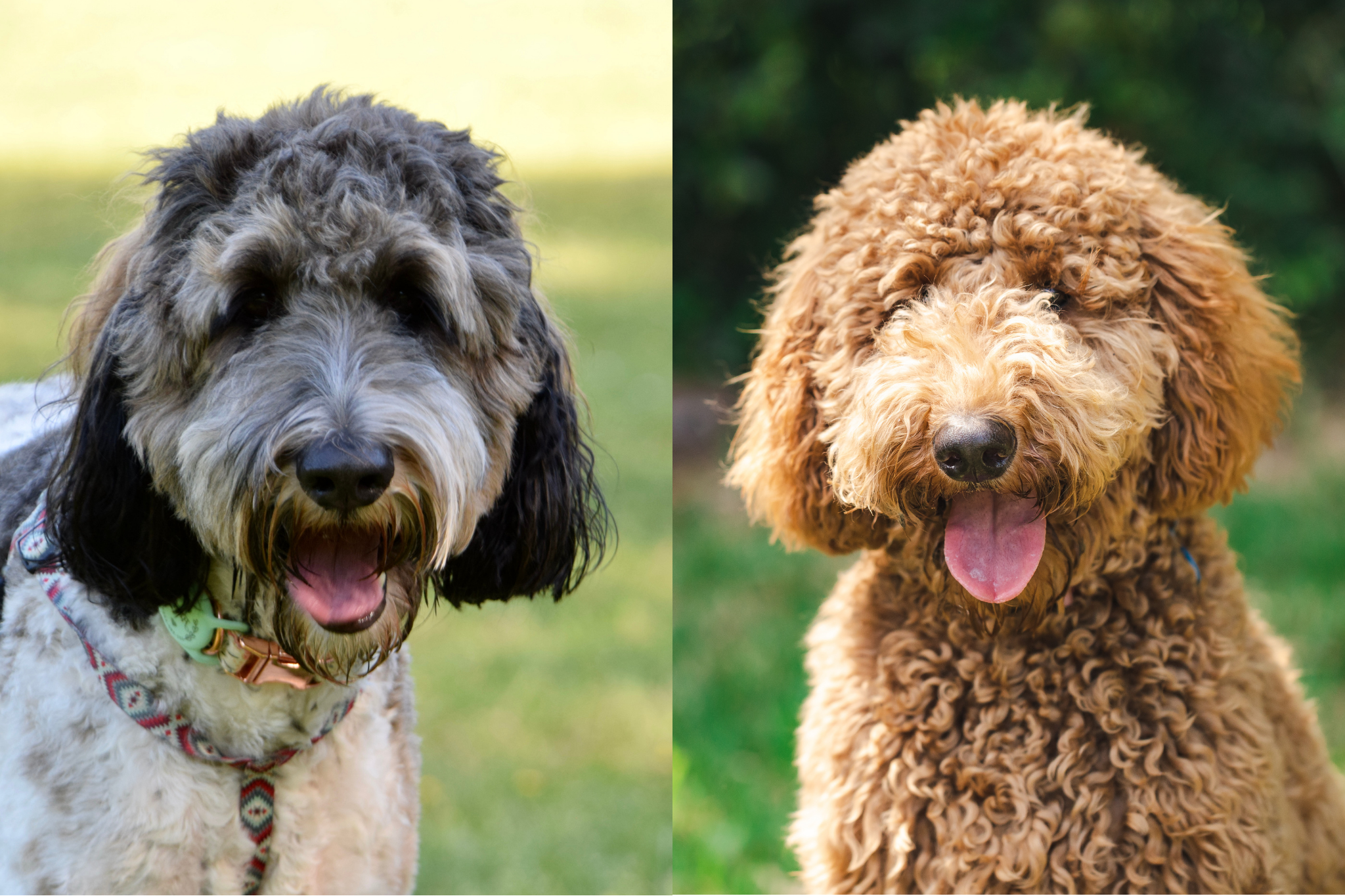
Other Poodle Mixes To Consider
If neither Bernedoodles nor Goldendoodles fit your lifestyle, there are plenty of other options. Our guide to 60+ Poodle mixes can help you explore breeds with different sizes, energy levels, temperaments, and grooming needs.
- Labradoodle – Often athletic and energetic, with substantial exercise and grooming needs.
- Sheepadoodle – Often larger, with a dense coat and significant grooming commitment.
- Cockapoo – Smaller and easier to manage physically, but still requires regular grooming and companionship.
- Cavapoo – A smaller, affectionate Poodle mix that can suit owners looking for lower exercise demands than many larger Doodles.
Each mix brings a different combination of size, energy, temperament, and coat care, so focus on the traits that best match your household and daily routine.
Bernedoodle vs Goldendoodle: The Bottom Line
Choosing between a Bernedoodle and a Goldendoodle ultimately comes down to which dog’s size, energy, temperament, and care needs better fit your everyday life. Whichever you prefer, focus on the individual dog rather than assuming every Doodle will match typical breed traits.
Still deciding between the two? Share what you’re looking for in the comments below, and we’ll be happy to help.