When you purchase through links on our site, we may earn a commission at no extra cost to you. Learn more.
You probably don’t think your house smells like dog. But then a friend stops by, takes one step inside, and says, “Wow. Does your house always smell like a wet dog, or did I come on a special day?”
Table of Contents
Suddenly, you’re questioning the air you’ve been breathing for the past six months.
The problem? You may have gone nose-blind to your own house. Your dog smells perfectly fine to you, and frankly, you’re a little offended by the accusation.
But here’s the twist: Your dog might not be the biggest reason your house smells like dog.
Want our human-written content to rank above AI-generated garbage? Help us out by clicking this button!
Some surprisingly innocent everyday habits could be making things worse, and a few of the worst offenders might be hiding right under your nose. Literally. Here’s what to look for and how to get rid of the stink.
Why Does Your House Still Smell Like Dog After You’ve Cleaned?
Here’s the frustrating part: A clean dog doesn’t automatically mean a house that smells fresh. Even dogs with excellent hygiene leave a little something behind wherever they go.
The major contributors include:
- Skin oils: Natural oils from your dog’s coat transfer to bedding, furniture, and other surfaces.
- Hair and dander: Loose fur and tiny flakes of dead skin collect in carpets, fabrics, and hard-to-reach places.
- Saliva: Drooling, licking, and chewing leave behind residue that can develop an unpleasant smell.
- Moisture: Wet fur, damp paws, and humidity can intensify odors and encourage the growth of odor-producing microorganisms.
None of this means your dog is dirty. It’s simply part of living with an animal who doesn’t consider upholstery maintenance a personal responsibility.
The real trouble starts when all that material builds up. Fabrics, carpets, and cushions can hold onto odor-producing residue long after the visible dirt is gone. That’s why bathing your dog or vacuuming the house doesn’t always solve the problem.
11 Ways Your Dog (And You) May Be Making Your House Smell Worse
Some of these habits are obvious. Others are so ordinary you probably wouldn’t think twice about them. And a few of the biggest odor offenders might be things you haven’t washed since you brought your dog home.
1. Sleeping In The Same Dog Bed Every Night
Your dog loves their bed. They sleep in it, drool on it, and occasionally drag something into it that probably belonged outside. Meanwhile, the bed hasn’t been washed since the last presidential election, and your dog sees absolutely no problem with this arrangement.
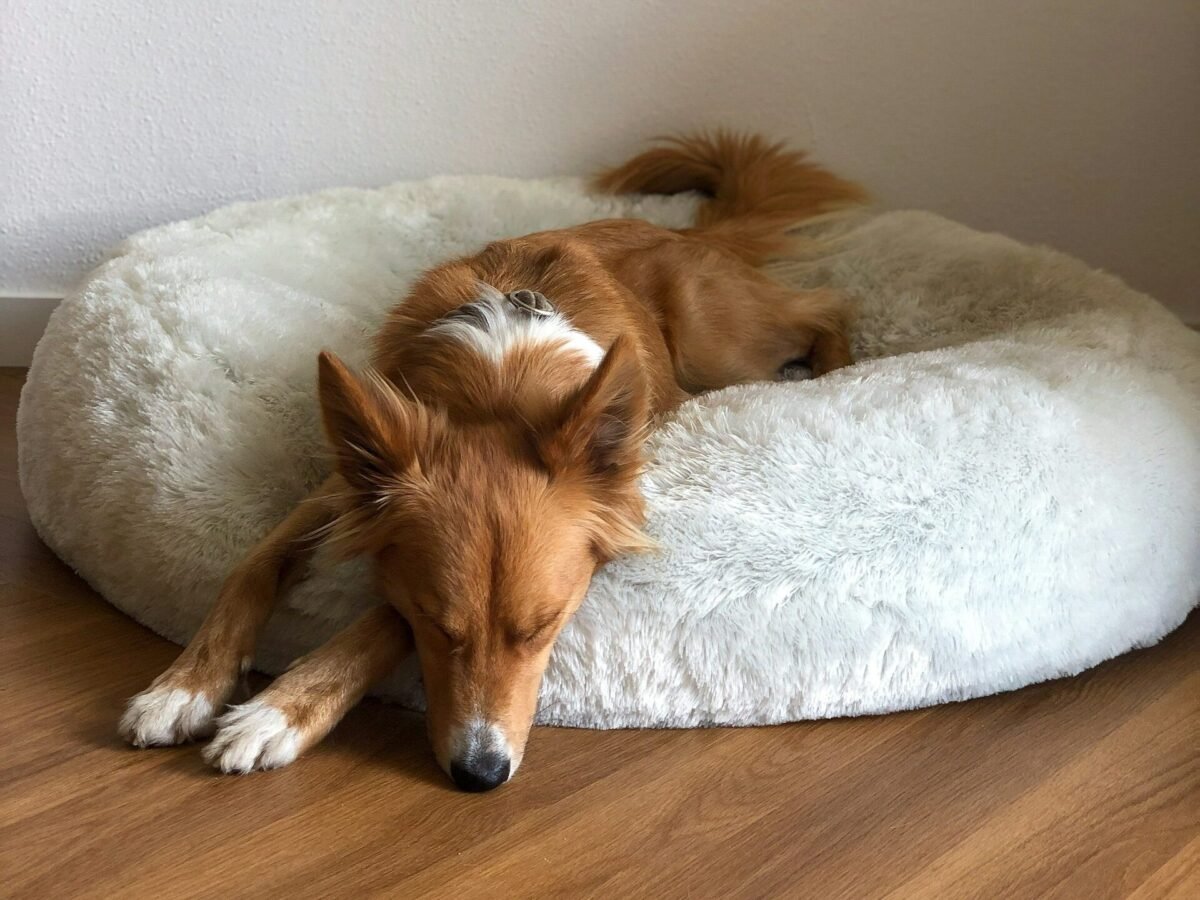
Dog beds collect skin oils, loose fur, dander, dirt, and moisture. Even a bed that looks clean can hold onto some impressive odors, especially when your dog sleeps there every night.
But many owners overlook this: Washing the cover doesn’t necessarily clean the entire bed. Foam inserts and thick stuffing can absorb moisture and develop their own lingering smells.
How to keep the stink under control:
- Wash removable covers regularly. Follow the care label and adjust the frequency based on use.
- Check the insert. If it still smells after you wash the cover, the odor may be trapped deeper inside.
- Clean underneath the bed. Hair, dirt, and moisture can collect on the floor or crate tray.
- Dry everything thoroughly. Damp fabric against thick foam can create another odor problem.
If your dog’s bed doesn’t have a removable cover, a fully machine-washable bed may be easier to maintain.
2. Coming Inside Wet And Drying Off On Everything
Your dog comes inside soaking wet, shakes off approximately three gallons of water, and immediately heads for the most expensive piece of furniture you own. Apparently, your couch is a towel, and nobody bothered to tell you.

Wet fur makes normal doggy odors much more noticeable. And when your dog shakes, rolls around, or settles onto the furniture, that moisture transfers to blankets, rugs, and cushions, leaving behind a lingering wet-dog smell.
But the dog isn’t the only problem. Damp towels left in a pile can develop musty odors, especially when airflow is poor or humidity slows drying.
How to stop the wet-dog takeover:
- Keep an absorbent mat and towels by the door. Catch moisture and muddy paws before your dog makes a break for the living room.
- Dry the important spots. Focus on the coat, belly, legs, and paws, including between the toes when needed. Pay particular attention after muddy walks rather than making every trip outside a full paw-washing ceremony.
- Give wet fur time to dry. Encourage your dog to settle somewhere easy to clean before reclaiming the couch.
- Hang damp towels and blankets to dry. A fan or better ventilation can help speed things up in humid conditions.
For dogs who regularly swim or come home soaked, a dedicated set of quick-drying towels can make the routine easier.
3. Rolling In Something Disgusting And Bringing It Home
You’re enjoying a lovely walk when your dog discovers something so revolting it should probably be investigated by local authorities. Naturally, they throw themselves onto it like they’ve just discovered the world’s most luxurious spa treatment.

Some dogs love rolling in animal droppings, decaying material, or other strong-smelling substances. Researchers aren’t entirely sure why, although scent-related instincts may play a role.
Unfortunately, whatever your dog found so irresistible can cling to their coat and eventually end up on your furniture, rugs, car seats, and bedding. Your dog, meanwhile, couldn’t be happier with their new fragrance.
Before your dog brings their masterpiece indoors:
- Inspect and clean their coat. Check the areas they rolled on, and use dog-safe shampoo if you need to bathe them.
- Wash contaminated gear. Collars and harnesses can pick up the same unpleasant smell.
- Check where they’ve been lounging. Their bed or favorite couch spot may need cleaning if they made it inside before you noticed.
Did You Know? Wolves Have Some Questionable Fragrance Preferences, Too.
A 2024 study found that captive wolves rolled in scents ranging from animal droppings to curry and rosemary. Researchers still aren’t sure exactly why canines roll in scents, but apparently even the wolf family has some very unconventional ideas about perfume.
4. Claiming The Same Couch Cushion Every Day
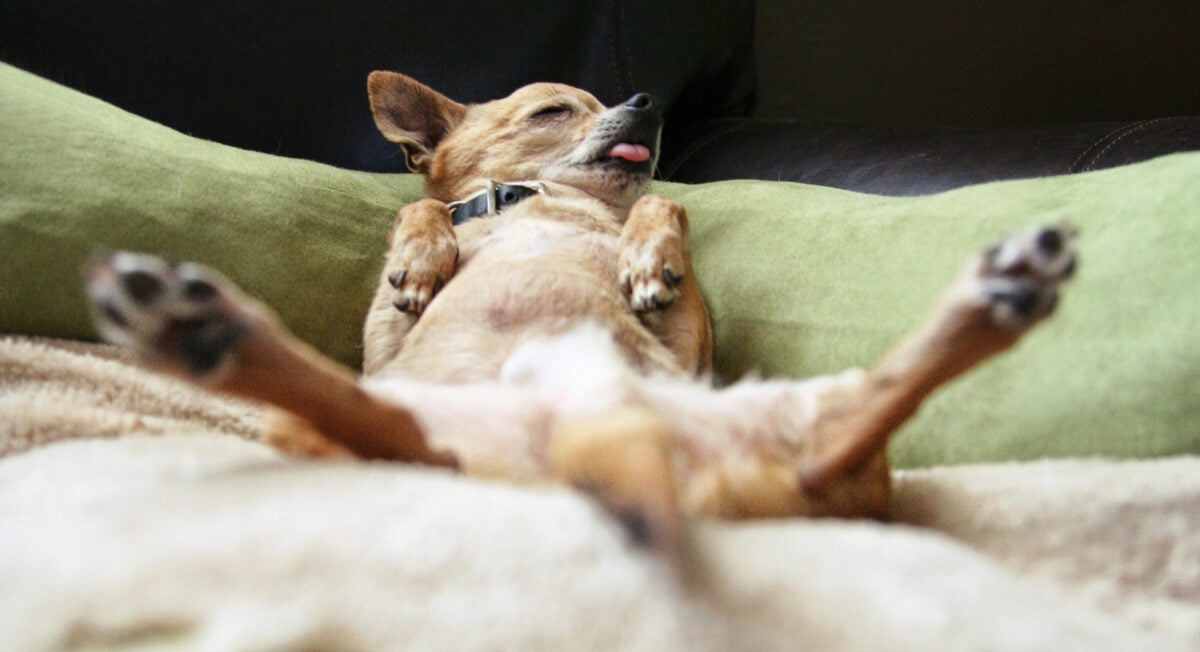
You bought the couch. You picked out the cushions. You might even remember a time when you were allowed to sit wherever you wanted. Now your dog owns a third of the furniture, and you apparently need permission to use it.
Unfortunately, their favorite spot may also be one of the smelliest places in the house.
Unlike a washable dog bed, upholstered furniture can trap skin oils, saliva, and everyday grime deep within the fabric. Cushion seams and padding can hold onto odors even after you’ve vacuumed away every visible hair.
Here’s how to reclaim your couch without starting a custody battle:
- Use washable throws or furniture covers. They’re much easier to clean than the upholstery underneath.
- Vacuum seams and crevices. Don’t overlook the gaps between cushions and underneath them.
- Clean upholstery appropriately. Check the manufacturer’s care label before using water, steam, or cleaning products.
If one particular cushion still smells after cleaning, the odor may have reached the padding, where ordinary surface cleaning won’t help much.
5. Wearing The Same Collar Or Harness Through Everything
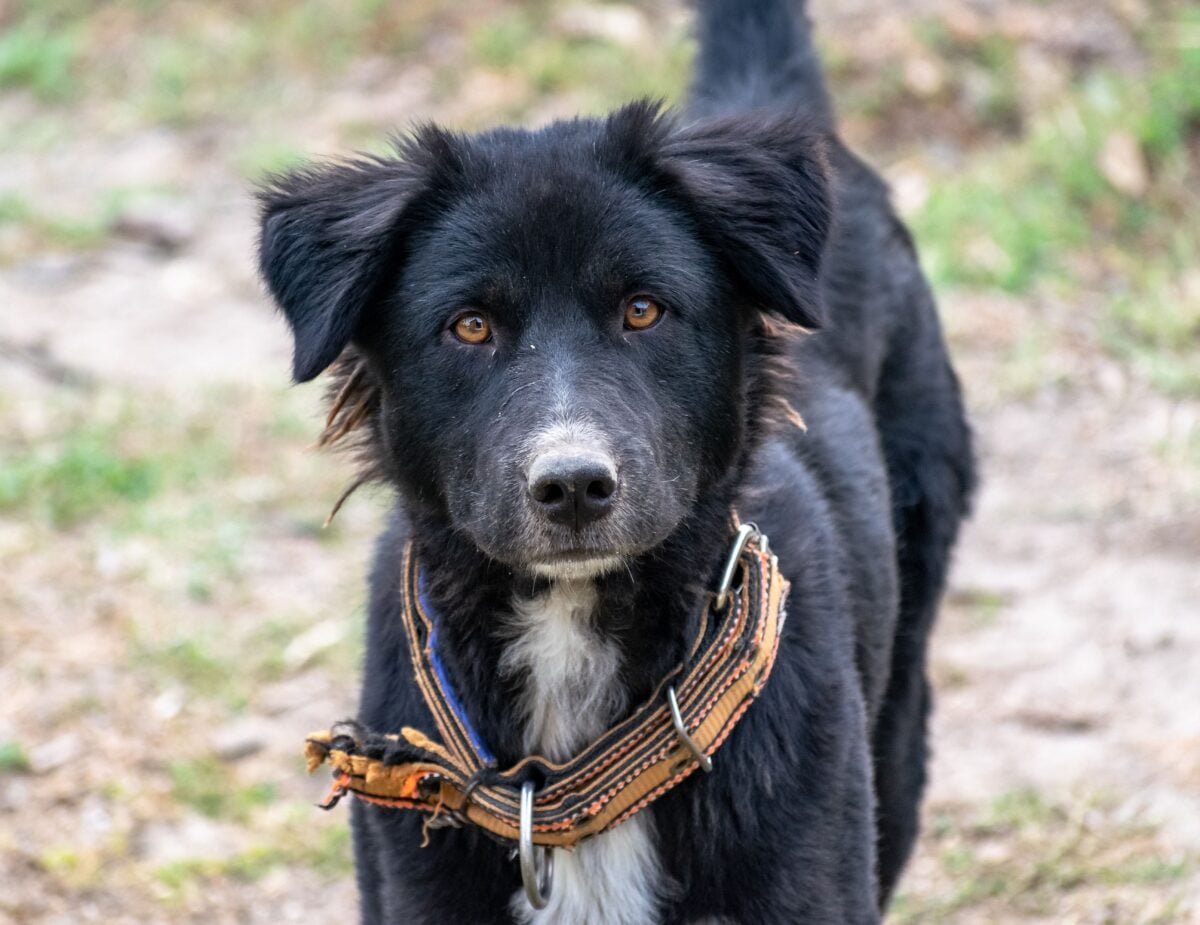
Your dog gets regular baths, sleeps on freshly washed bedding, and generally lives a pretty pampered life. Meanwhile, their collar has survived seven summers, three lakes, and a mysterious incident behind the garage that nobody wants to discuss.
It’s easy to overlook something your dog wears every day. But fabric collars and padded harnesses absorb skin oils, dirt, saliva, and moisture from all those outdoor adventures.
And here’s what many owners don’t realize: That lingering dog smell might be coming from the collar, not your freshly bathed dog.
Before you schedule another bath, try this:
- Give the collar a sniff. Remove it and check whether it’s the real source of the smell.
- Wash collars and harnesses as directed. Follow the care label and allow padded materials and webbing to dry completely.
- Inspect for wear. Check the stitching, buckles, and hardware while you’re at it. Damaged equipment may need replacing.
If your dog’s gear takes a while to dry, keeping a spare collar or harness makes it easier to rotate between washes.
6. Drooling And Licking The Same Household Surfaces
Some dogs drool a little. Others produce enough saliva to suggest they’re secretly operating a car wash. Unfortunately, your furniture appears to be the primary customer.
But you don’t need a slobbery Saint Bernard to have this problem. Even dogs that rarely drool may spend their evenings licking blankets, working over the same spot on the couch, or resting a damp chin on your favorite pillow.

Repeated saliva exposure can leave behind a stubborn, unpleasant smell, especially when it soaks into fabrics. And unlike a puddle of drool on the floor, residue in upholstery isn’t always obvious until you get close enough to regret investigating.
To keep the slobber under control:
- Protect and wash favorite spots. Use washable throws where your dog rests their head or regularly licks, and launder them as needed.
- Wipe down hard surfaces. Remove dried saliva from compatible furniture, floors, and other nonporous surfaces before it builds up.
Pay attention to changes in licking or drooling, too. A dog who suddenly starts licking household surfaces excessively or drooling much more than usual may have an underlying medical or behavioral issue worth discussing with your veterinarian.
7. Turning The Feeding Area Into A Permanent Splash Zone
Some dogs take a polite sip of water. Others approach their bowl like they’re trying to drain a swimming pool with their face. By the time they’re finished, the kitchen floor looks like it survived a minor plumbing disaster.
And the food situation isn’t always much better. Kibble crumbs, stray bits of wet food, and slobber can accumulate around bowls and feeding mats. Food residue can spoil, and moisture trapped beneath mats can cause musty odors.
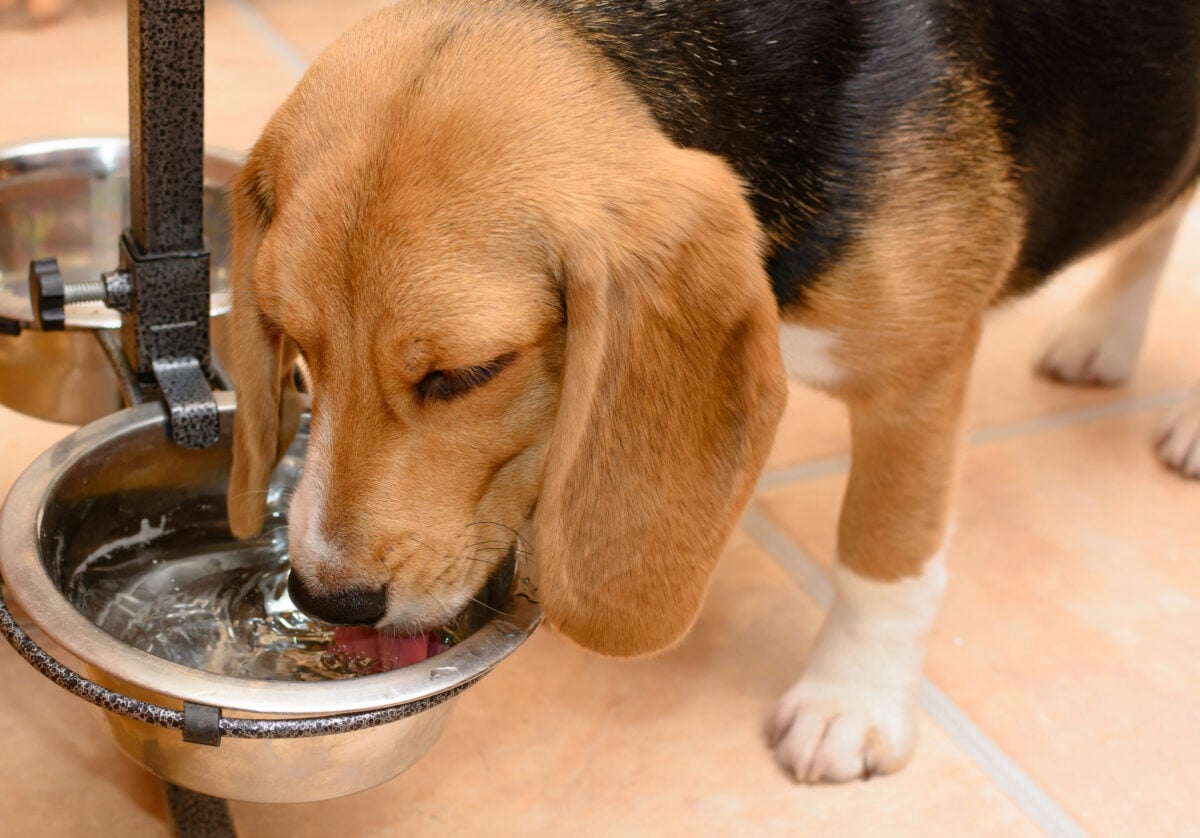
Here’s something you might not notice: Water bowls can develop a slippery film called biofilm, a buildup of microorganisms that cling to surfaces. That’s why continually topping off the water isn’t the same as washing the bowl.
A few ways to clean up your dog’s dining habits:
- Wash food bowls after meals. Use warm, soapy water or a dishwasher if they’re dishwasher-safe.
- Clean water bowls daily. Empty, wash, rinse, and refill rather than simply adding fresh water.
- Check beneath feeding mats. Remove trapped food and dry any moisture collecting underneath.
- Contain the splashes. A washable waterproof mat or spill-resistant bowl can help with enthusiastic drinkers.
Did You Know? Your Dog’s Food Bowl Can Be A Bacterial Hotspot.
In a 2023 study examining 96 dog food bowls, researchers found that bowls used for wet food had higher overall bacterial counts than those used for dry food. The takeaway? Even if your dog has licked their dinner bowl so thoroughly it looks professionally polished, that doesn’t mean it’s clean.
8. Keeping The Same Chew Toy In Circulation For Far Too Long
Every dog has that toy. The one that’s missing an ear, has changed colors at least twice, and smells like it was recovered from a swamp. Naturally, it’s their most treasured possession, and throwing it away would be an unforgivable betrayal.
Unfortunately, well-loved toys can become impressive little odor factories. Plush toys absorb saliva, rope toys can stay damp deep within their fibers, and rubber toys collect grime in their grooves. Food-stuffable toys are especially good at hiding bits of leftover treats in places you’d never think to check.
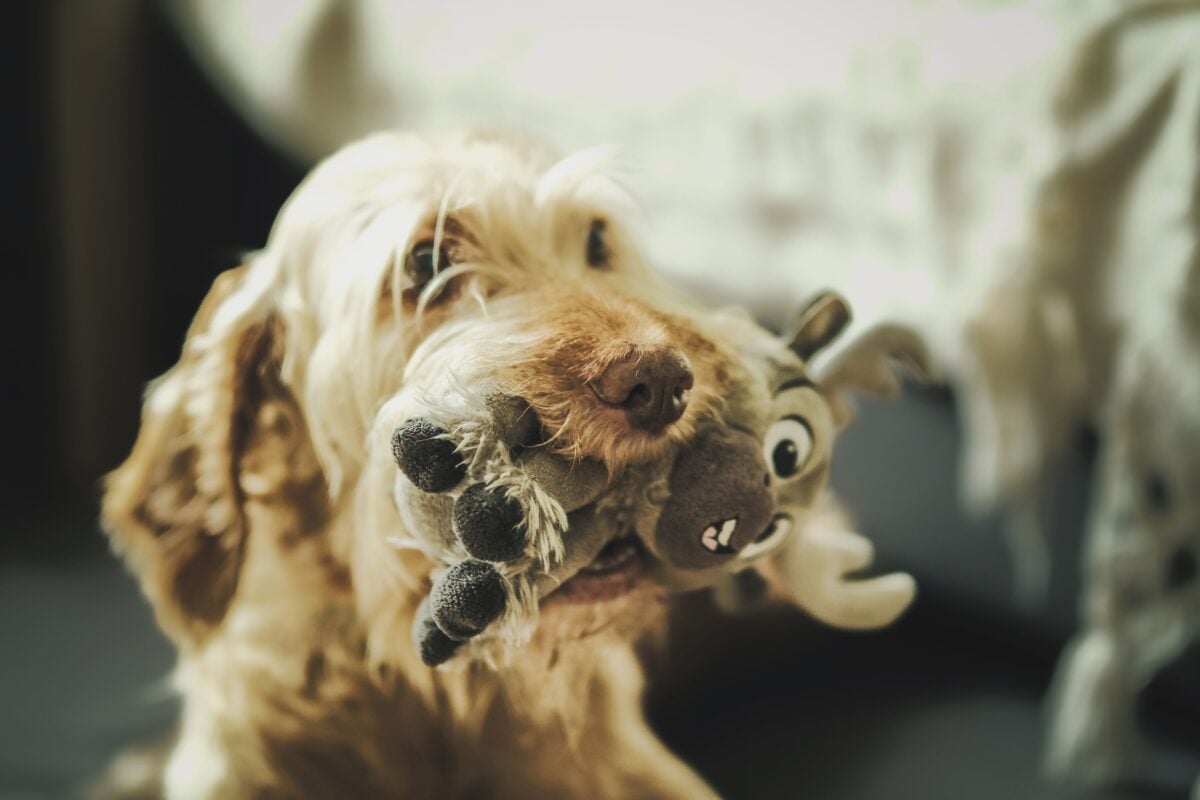
And because these prized possessions travel between your dog’s mouth, bed, and favorite lounging spots, the smell doesn’t necessarily stay with the toy.
Before your dog’s favorite toy requires its own quarantine zone:
- Wash plush and rope toys as directed. Check the care label, inspect for damage, and let them dry completely.
- Scrub rubber and food-stuffable toys. Pay attention to grooves, openings, and hidden food residue. Clean food-contact toys after use.
- Know when to retire a toy. Persistent odors, unraveling rope, exposed stuffing, or loose pieces can mean it’s time for a replacement.
If your dog has one particularly disgusting favorite, introducing a similar replacement before retiring the original might make the breakup a little less traumatic for both of you.
9. Letting Hair And Dander Build Up In Rugs And Carpets
You vacuum on Monday. By Wednesday, there’s enough fur under the couch to assemble a second dog. At this point, you’re not entirely sure whether your dog is shedding or slowly manufacturing a replacement.
But the fur tumbleweeds aren’t necessarily what’s making your house smell. Dog hair can carry skin oils, dander, dust, and outdoor debris, much of which settles into rugs and carpets. Even after the visible hair is gone, odor-producing residue can remain trapped in the fibers.
And don’t forget the dirt your dog brings home. Entry rugs and high-traffic routes are particular trouble spots, especially if your dog makes a daily trip from the muddy backyard to their favorite couch cushion.
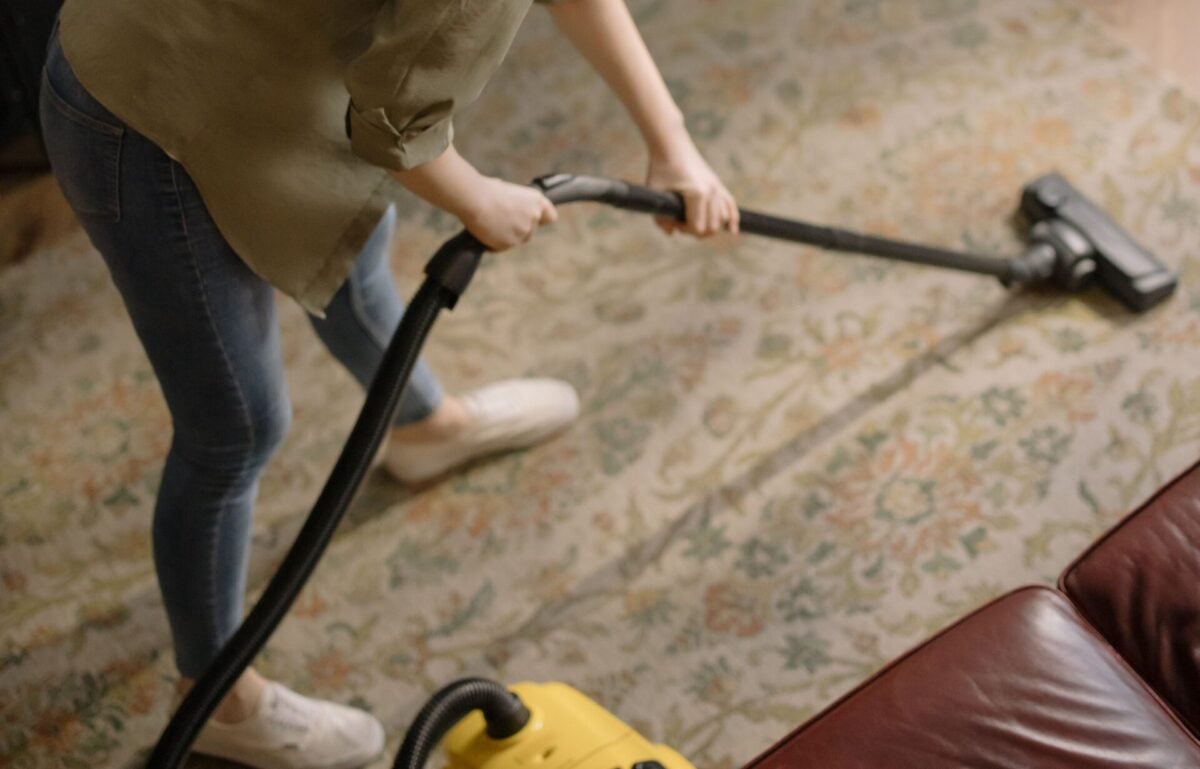
Here’s where to focus your cleaning efforts:
- Target your dog’s favorite routes. Vacuum entryways, sleeping areas, and regularly traveled stretches of carpet more frequently.
- Use the right attachments. Crevice tools and upholstery brushes help reach along baseboards, stairs, and beneath furniture.
- Deep-clean when needed. Vacuuming removes loose debris, but embedded dirt and odors may require appropriate carpet cleaning.
- Wash entry rugs regularly. Consider washable mats in areas that collect the most tracked-in dirt.
One more thing: Check your vacuum’s brush roll, filters, and dust container. A machine clogged with dog hair won’t pick up debris effectively, no matter how enthusiastically you push it around.
10. Leaving Old Accidents That Never Got Completely Cleaned
Remember that little accident your dog had three months ago? You cleaned it up, the stain disappeared, and everyone moved on. Unfortunately, the carpet may still be holding a grudge.
Dog urine can soak through carpet fibers into the padding underneath, sometimes reaching the subfloor. Upholstery, mattresses, and flooring seams can also trap urine residue long after the visible evidence has disappeared.
Here’s the frustrating part: Ordinary household cleaners may remove the stain without eliminating the odor. And if your dog can still detect the scent, they may be more likely to return to that spot.
How to tackle stubborn accident odors:
- Use an enzymatic pet cleaner. These products help break down urine residue rather than simply masking the smell. Follow the label instructions.
- Look beyond the visible stain. Urine can spread beneath carpets or upholstery farther than you’d expect.
- Avoid oversaturating surfaces. Excess moisture can damage flooring or padding and create additional problems.
- Consider professional cleaning. If contamination has reached padding, subfloors, or furniture foam, surface treatments may not be enough.
If your previously house-trained dog suddenly starts having accidents, don’t assume it’s a training issue. Urinary problems, incontinence, and other health conditions can sometimes be responsible, particularly in older dogs. A veterinary checkup can help identify the cause.
11. Going Too Long Between Grooming Sessions
Your dog hasn’t had a bath in a while, and they’re perfectly happy with the arrangement. In fact, mention the word “bath,” and they suddenly remember an urgent appointment under the dining room table.
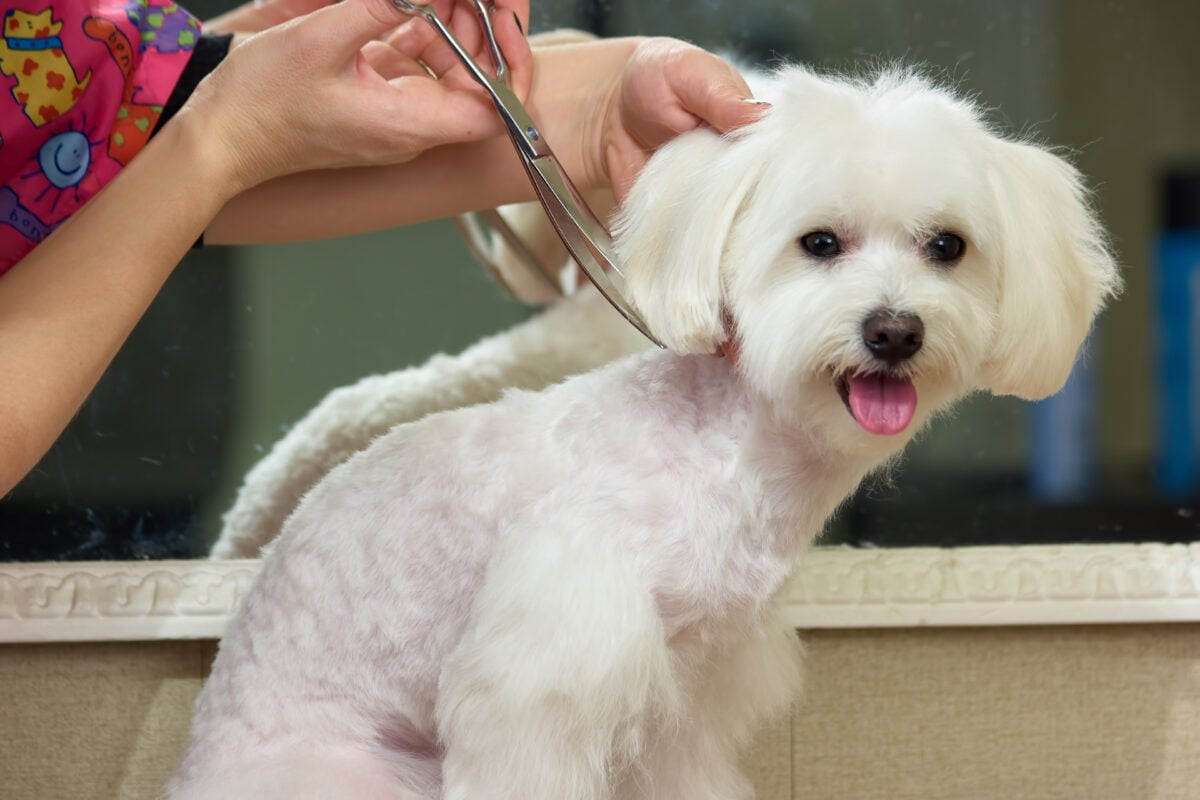
But between grooming sessions, loose hair, natural oils, dead skin cells, and outdoor debris can accumulate in your dog’s coat. Without regular grooming, that buildup can contribute to stronger odors, particularly in dogs with thick coats, long fur, or a passion for investigating muddy places.
Brushing removes loose hair and debris before they end up around your house. Bathing helps remove accumulated dirt and oils, but more frequent baths aren’t always better. Overbathing or using harsh shampoos can irritate your dog’s skin.
Keep your dog’s grooming routine working for both of you:
- Brush according to coat type. Some dogs need daily attention, while others require less frequent brushing.
- Bathe when needed. Consider your dog’s coat, activities, and skin condition rather than following a rigid schedule.
- Use dog-friendly shampoo. Human shampoos generally aren’t formulated for canine skin.
- Pay attention to skin folds. Dogs with wrinkles may need extra cleaning and thorough drying to prevent trapped moisture and irritation.
- Consider professional grooming. Some coats require specialized trimming, brushing, or maintenance that’s difficult to manage at home.
How Often Should You Clean Your Dog’s Stuff?
You don’t need to spend your weekends disinfecting everything your dog has ever touched. But a few regular cleaning habits can prevent your living room from developing the atmosphere of a heavily used dog kennel.
Here’s a practical starting point for keeping your dog’s belongings fresh.
| Dog Item | Suggested Cleaning Frequency |
|---|---|
| Food bowls | After every meal |
| Water bowls | Daily |
| Dog bed covers | Weekly, or sooner if dirty |
| Blankets and couch throws | Weekly, depending on use |
| Plush and rope toys | Every 1–2 weeks, or sooner if heavily used |
| Rubber and food-stuffable toys | After use with food; otherwise as needed |
| Collars and harnesses | Every few weeks, or after muddy or wet adventures |
| Entry rugs and mats | Weekly, or more often during wet weather |
| Furniture covers | Weekly, or sooner with heavy shedding or drooling |
These are starting points, not universal rules. Dogs who shed heavily, drool frequently, swim regularly, or share their home with other pets may require more frequent cleaning.
And don’t worry, you don’t need to turn your laundry room into a laboratory every time you wash a dog blanket. Regular cleaning removes dirt and germs, while disinfecting kills germs on surfaces.
According to the Centers for Disease Control and Prevention (CDC), routine cleaning is generally sufficient for most pet belongings. Disinfecting may be necessary during illness, after contamination with urine or feces, or in higher-risk households.
The simplest rule? If something is visibly dirty, damp, or starting to smell, don’t wait for its scheduled laundry day.
When The Smell Is Coming From Your Dog, Not Your House
You’ve washed the bedding, scrubbed the floors, and cleaned enough dog toys to question some of your life choices. But there’s still a smell, and it’s following your dog around like an extremely unpleasant personal assistant.
Sometimes, the problem isn’t your housekeeping. A new, unusually strong, or persistent odor can signal an underlying health issue, especially when it seems to come from one particular part of your dog’s body.
What’s That Smell? A Quick Guide
| Smell You Notice | Where To Check |
|---|---|
| Musty or stale | Damp bedding, towels, skin, or coat |
| Sour or unpleasant | Saliva-soaked fabrics or irritated skin |
| Fishy | Rear end, possibly anal glands |
| Persistent foul breath | Teeth, gums, or mouth |
| Strong ear odor | Ears, especially with redness or discharge |
| Urine-like | Old accidents, urine-soiled fur, or urinary issues |
These are clues, not diagnoses. Odors can overlap, so pay attention to where the smell originates and whether your dog has other symptoms.
Health Problems That Can Cause Unusual Dog Odors
- Dental disease: Persistent foul breath can accompany gum disease or infected teeth. Watch for difficulty chewing, bleeding gums, excessive drooling, or reluctance to eat.
- Ear infections: An unpleasant odor may occur alongside head shaking, scratching, redness, discharge, or sensitivity when the ears are touched.
- Skin infections: Bacterial infections and yeast overgrowth can cause noticeable odors, sometimes alongside itching, greasy skin, redness, sores, or hair loss. Skin folds can be particularly vulnerable to irritation and trapped moisture.
- Anal gland problems: A strong fishy odor, repeated scooting, excessive rear-end licking, swelling, or discomfort may indicate an anal gland issue. Occasional anal gland secretion isn’t necessarily abnormal.
When should you call the vet? Schedule an exam for a new, unusually strong, or persistent odor, especially when other symptoms are present. Pain, significant swelling, discharge, or a dog who seems unwell warrants more prompt veterinary attention.
Pet Insurance Can Help With Unexpected Health Problems
If that mysterious dog smell turns out to be an ear infection, skin condition, or another medical problem, diagnosing and treating the underlying issue can mean unexpected veterinary expenses.
Pet insurance can help cover the cost of diagnosing and treating eligible illnesses and accidents, depending on your policy. Coverage may include examinations, diagnostic testing, medications, and other necessary treatments.
Keep in mind that pre-existing conditions are generally excluded, and coverage varies by provider. That’s why it’s worth considering pet insurance before your dog develops a health problem rather than waiting until symptoms appear.
Before You Reach For The Air Freshener…
When your house smells like dog, it’s tempting to reach for a spray and declare victory. Congratulations, your living room now smells like lavender-scented wet dog.
Air fresheners may temporarily mask odors, but they won’t remove the source. And not every fragrance, essential oil, or cleaning product is safe to use around pets.
Eliminate the odor source first, choose products appropriate for homes with dogs, and follow label directions. Keep pets away from treated surfaces until they’re safe for contact.
What Should You Clean First If Your House Smells Like Dog?
Your house smells like dog, you’ve got approximately 37 other things to do, and deep-cleaning every surface your dog has ever touched isn’t happening today.
Rather than launching a full-scale cleaning operation, start with the most likely offenders and work your way down.
Your 5-Step Dog Smell Detective Checklist
- Start with the soft stuff. Wash dog bed covers, blankets, couch throws, and towels. These are easy places to start and may make an immediate difference.
- Hunt down anything damp. Check beneath feeding mats, dog beds, and around entryways. Don’t overlook toys that never seem to dry completely.
- Target your dog’s favorite hangouts. Vacuum their preferred couch cushion, sleeping area, and regular routes through the house, paying attention to seams and corners.
- Investigate stubborn hotspots. If one area smells noticeably worse, look for old accidents, contaminated padding, or upholstery that needs deeper cleaning.
- Follow your nose to the dog. Check their coat, collar, ears, mouth, and rear end. If a strong or unusual odor seems to be coming directly from your dog, contact your veterinarian.
Here’s the detective trick: If the smell disappears after cleaning but returns a few days later, notice where it comes back first. That can help you identify the source instead of repeatedly cleaning the entire house.
Frequently Asked Questions About Dog Smells In The House
Still wondering why your house smells like a wet dog convention even after you’ve cleaned? Here are a few more things worth knowing about stubborn odors, air purifiers, and that unmistakable wet-dog smell. Don’t see your question here? Ask us in the comments!
Why Does My Dog Smell So Much Worse When They’re Wet?
That unmistakable wet-dog smell actually has some science behind it. Microorganisms living naturally on your dog’s skin and coat produce compounds that contribute to their scent. When fur gets wet, moisture helps release some of those odor compounds into the air, making them easier for your nose to detect.
That’s why a dog who smelled perfectly fine five minutes ago can suddenly fill an entire room with their personal fragrance.
Can An Air Purifier Get Rid Of Dog Smell?
An air purifier can help, but it won’t eliminate every source of dog odor.
HEPA filters capture airborne particles such as dander and dust, while activated carbon filters can reduce certain airborne odors. However, neither will remove oils, saliva, or other residue embedded in your carpet, furniture, or dog bedding.
For the best results, choose an air purifier with appropriate filtration and continue cleaning the surfaces where odors originate.
Why Does My House Still Smell Like Dog Right After I Clean?
The odor may be coming from somewhere your regular cleaning doesn’t reach. If one area smells bad despite repeated cleaning, check beneath cushions, rugs, or flooring for contamination.
Pay attention to whether the smell returns in the same location. Persistent odors may require deeper cleaning, professional treatment, or replacing contaminated materials.
Can Opening Windows Help Get Rid Of Dog Smell?
Yes! Fresh-air ventilation can help dilute lingering indoor odors and reduce stuffiness, especially when the weather allows you to open windows on opposite sides of the house.
However, ventilation won’t remove odor-causing material from fabrics or other surfaces. And on particularly humid, smoky, or high-pollen days, opening windows may do more harm than good for your indoor air quality.
Your House Is Clean. Now, About Those Other Dog Habits…
You may have figured out where that mysterious dog smell is coming from, but your four-legged roommate still has plenty of questionable habits worth investigating.
Ever wondered why your dog does some of the things that make living with them so entertaining (and occasionally exhausting)?
- Why Does Your Dog Lick Everything? Discover what’s behind their obsession with licking the couch, carpet, and practically everything else.
- Why Does Your Dog Sleep Pressed Against You? Find out why your dog insists on sharing your personal space, even when there’s an entire empty bed available.
- Why Does Your Dog Follow You Everywhere? Explore why some dogs become permanent shadows, following their humans from room to room.
Now we need to know: What’s the most revolting thing your dog owns that they absolutely refuse to give up? A blanket that could be classified as a biological weapon? A stuffed animal that smells like it’s been buried in a swamp since 2009? Tell us in the comments! We’re especially interested in the dogs who react to laundry day like you’ve just destroyed a priceless family heirloom.