When you purchase through links on our site, we may earn a commission at no extra cost to you. Learn more.
Trust isn’t built in a single moment. It develops through hundreds of walks, shared routines, gentle care, and everyday experiences that teach your dog you’re someone they can rely on.
Table of Contents
As that trust grows, many dogs begin showing it in small, repeatable habits. Some choose to sleep beside you. Others lean against your leg, relax during grooming, or look to you when something feels uncertain.
No single behavior proves trust on its own, but when you notice several of these habits together, they often reveal something even more meaningful than an enthusiastic greeting at the door: a dog who genuinely feels safe, comfortable, and secure with you.
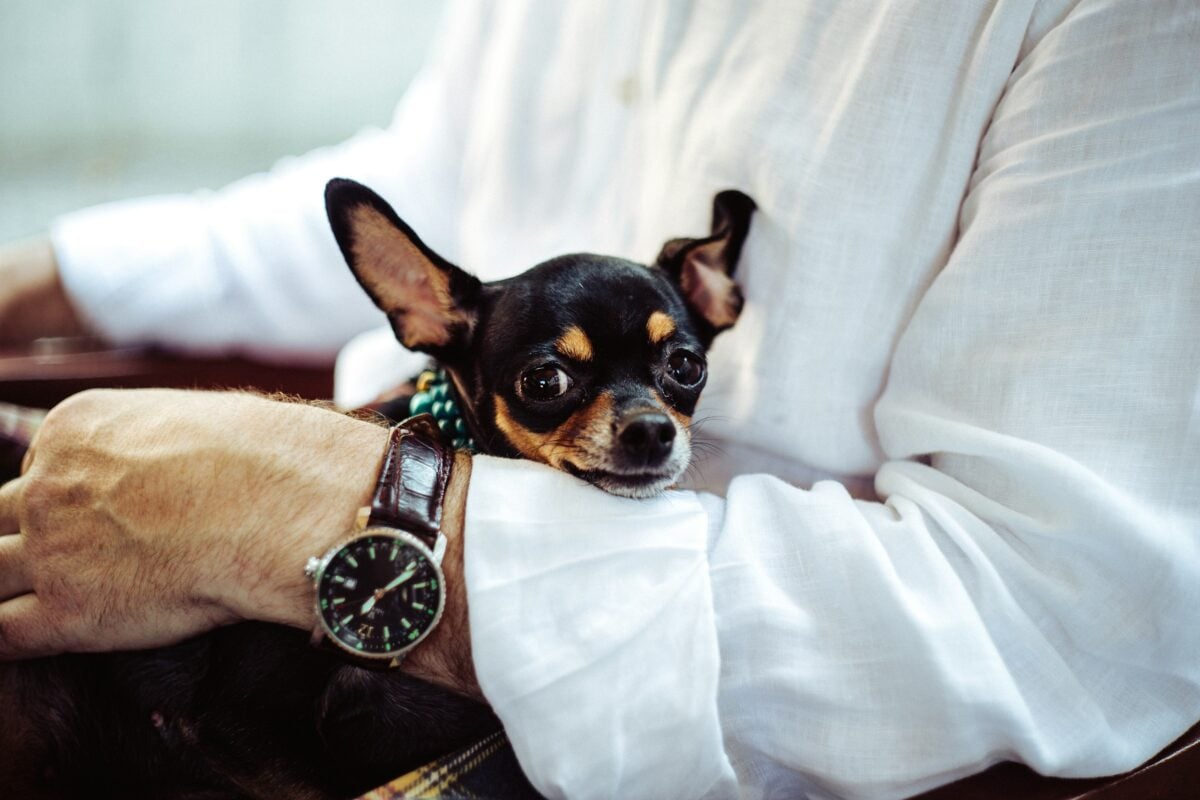
Trust Doesn’t Always Look The Same
Some dogs wear their heartson their sleeves. They greet you with full-body tail wags, cover you in kisses, and celebrate every time you walk through the door.
Others dogs are much more reserved. They may rarely jump, lick faces, or seek constant attention, yet still have complete trust in the people they love.
That’s because affection and trust aren’t exactly the same thing.
Affection reflects your dog’s emotional bond with you and their desire for closeness. Some dogs are naturally more affectionate than others.
So-called “Velcro dogs,” like many Vizslas, Doberman Pinschers, and Golden Retrievers, often seek frequent physical contact and prefer to stay close to their favorite people. More independent dogs may show that same bond in much quieter ways.
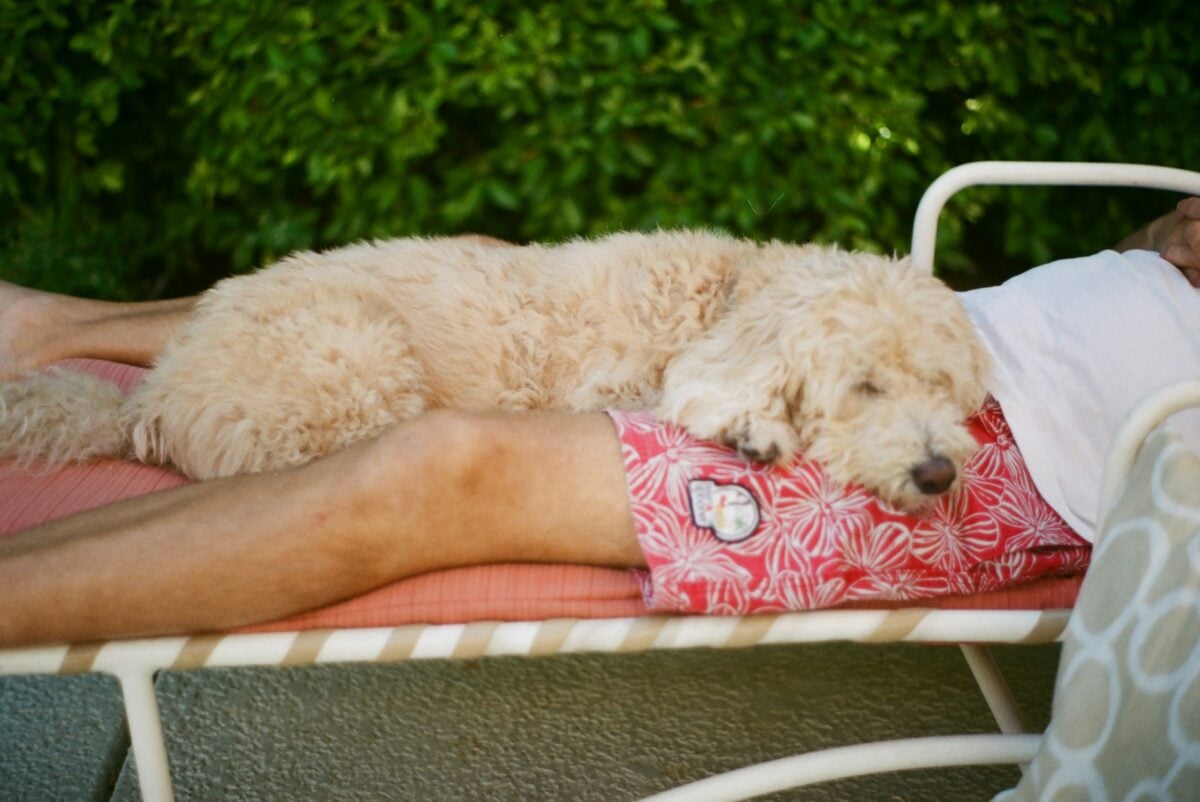
Trust, on the other hand, is about feeling safe. It’s the confidence that you’re predictable, dependable, and someone they can rely on.
A dog that trusts you feels comfortable being vulnerable around you. They can relax, sleep deeply, accept gentle handling, and look to you for reassurance when something feels uncertain.
As trust grows, many dogs become more comfortable showing affection, and positive, affectionate interactions can strengthen trust over time. While the two are closely connected, they aren’t interchangeable.
That’s why this article focuses on everyday habits that often reflect a dog’s sense of safety and security. Whether your dog is constantly by your side or simply relaxes completely in your presence, these quiet behaviors can reveal just how much they trust you.
1. They Sleep Soundly Around You
Sleep is one of the most vulnerable times for a dog. When dogs fall into a deep sleep, their muscles relax, they become less aware of what’s happening around them, and they temporarily let their guard down.
That’s why many dogs naturally choose to sleep where they feel safest.
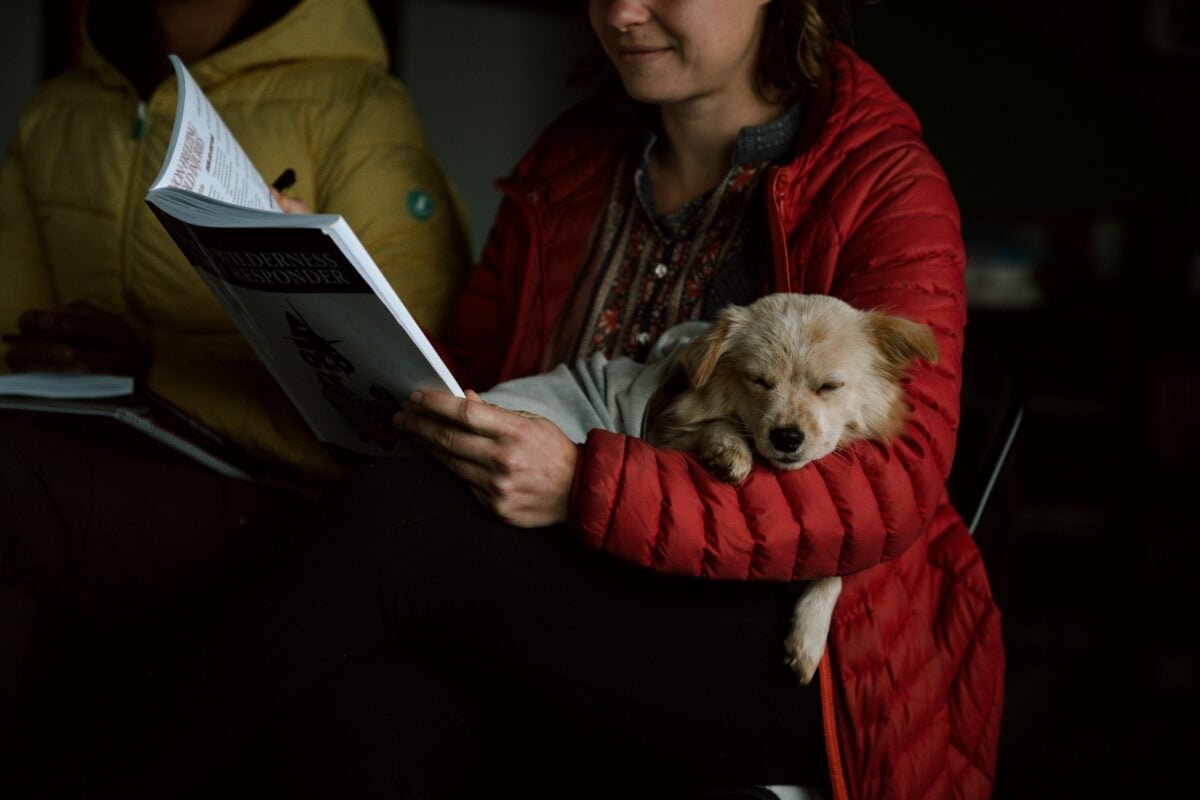
If your dog regularly sleeps beside you or near you, it often reflects the comfort and security they’ve developed in your relationship. While proximity is part of the picture, the way they sleep can offer even more clues about how safe they feel.
Sleeping Beside You
Many dogs choose to sleep close to their favorite people because your presence helps them feel safe and secure. They may curl up at your feet, claim the other end of the couch or bed, or even sleep between your legs.
The important part is that they’ve chosen to rest near someone they trust. For many dogs, being close enough to hear, smell, or occasionally checkon you is all the reassurance they need.
Sleeping With Their Back Or Butt Facing You
This sleeping position often surprises owners because it can seem a little… impolite. In reality, many behaviorists believe it can be a sign of trust.
When a dog turns their back toward you, they’re putting themselves in a vulnerable position with the expectation that you’ll have their back. They feel safe enough to rest without constantly monitoring what’s happening behind them.
It’s one small way dogs may be communicating, “I trust you to watch my back while I relax.” Learn more in our article covering why dogs sleep with their butt facing you.
Sleeping Belly-Up
A dog sleeping on their back with their belly exposed is often one of the clearest signs they’re completely relaxed.
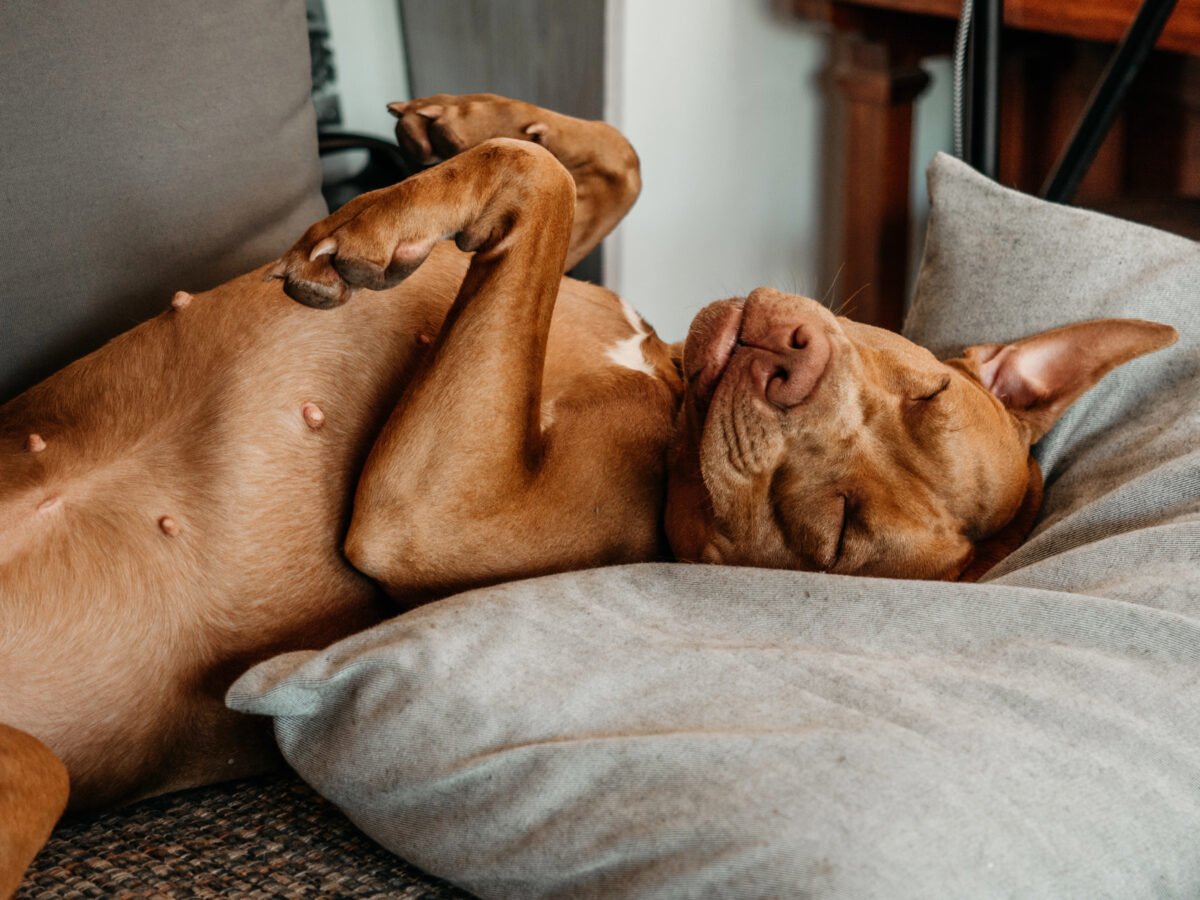
While some dogs roll over to ask for belly rubs or as an appeasement gesture, sleeping belly-up is different. In this position, they’re deeply relaxed and unconcerned about protecting themselves.
Not every dog enjoys sleeping this way, especially larger breeds or dogs that simply find other positions more comfortable. But, for dogs that do, it’s often a sign they feel exceptionally safe in their environment.
Sleeping Deeply Without Startling Easily
One of the biggest signs of trust isn’t a specific sleeping position at all. It’s how deeply your dog sleeps.
Does your dog:
- Let out a long sigh before drifting off
- Twitch during dreams?
- Stay asleep while you quietly move around the room?
Those are all signs that your dog feels comfortable enough to relax fully.
When a dog consistently sleeps deeply in your presence, it often reflects how secure they feel around you.
The Takeaway: A dog that sleeps soundly around you isn’t just getting comfortable. They’re showing they feel safe enough to be completely vulnerable in your presence.
2. They Choose Physical Contact
When dogs trust someone, many become comfortable initiating physical contact in quiet, unforced ways.
Sometimes it’s leaning against your leg while you’re standing in the kitchen. Other times it’s resting their head on your lap while you watch TV or read a book. Some dogs simply like having a paw touching your foot or curling up so their back is pressed gently against yours while they sleep.
This choice often reflects a sense of safety and comfort. By leaning into you or resting part of their body against yours, your dog is relaxing in your personal space and showing they don’t feel the need to stay guarded.
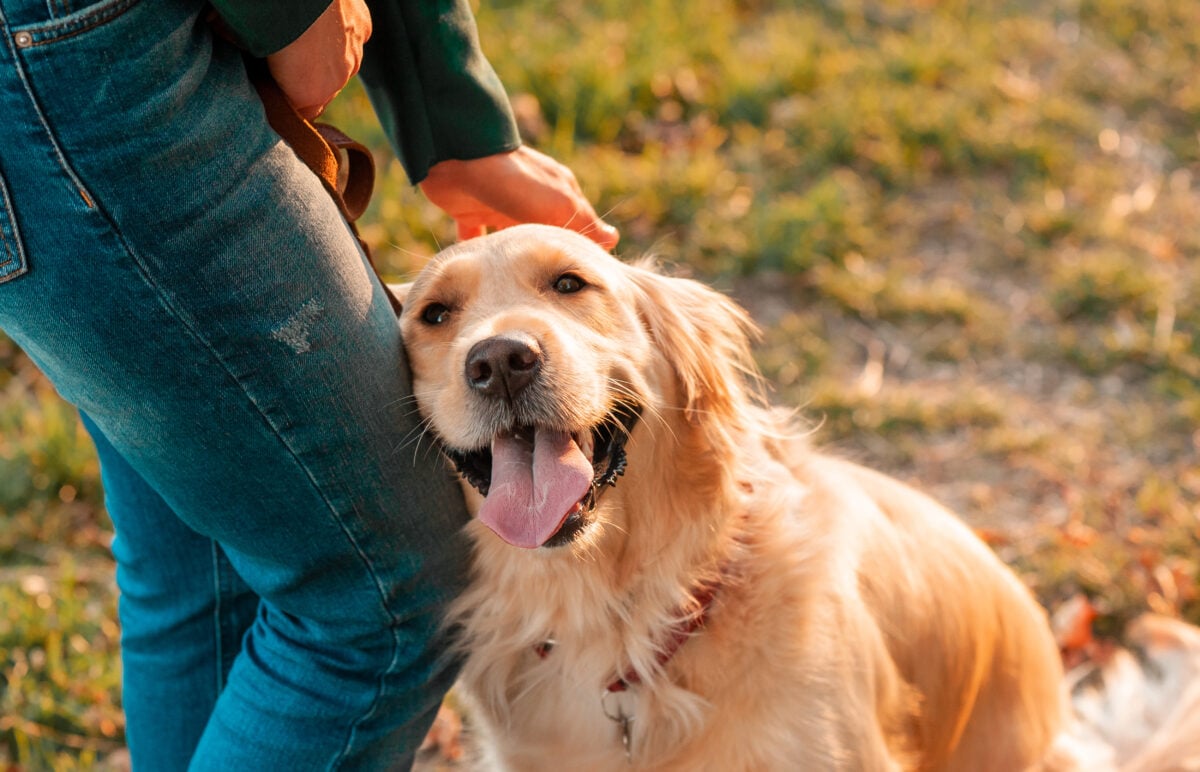
Some dogs are naturally more physically affectionate than others, while more independent dogs may reserve those moments for quiet eveningson the couch.
The amount of physical contact matters less than the willingness to initiate it. Even a dog that only occasionally rests their head on your knee or leans against your leg may be showing a great deal of trust.
The Takeaway: When your dog voluntarily leans on you, rests their head on you, or simply stays in gentle contact, they’re often showing that your presence feels safe, familiar, and comforting.
3. They’re Completely Relaxed Around You
One of the biggest signs of trust is how your dog carries themselves around you.
Dogs that feel safe don’t have to stay on high alert. Instead, you’ll often notice loose muscles, soft facial expressions, relaxed movements, and an overall sense of ease. Their body language says they’re comfortable enough to let their guard down.
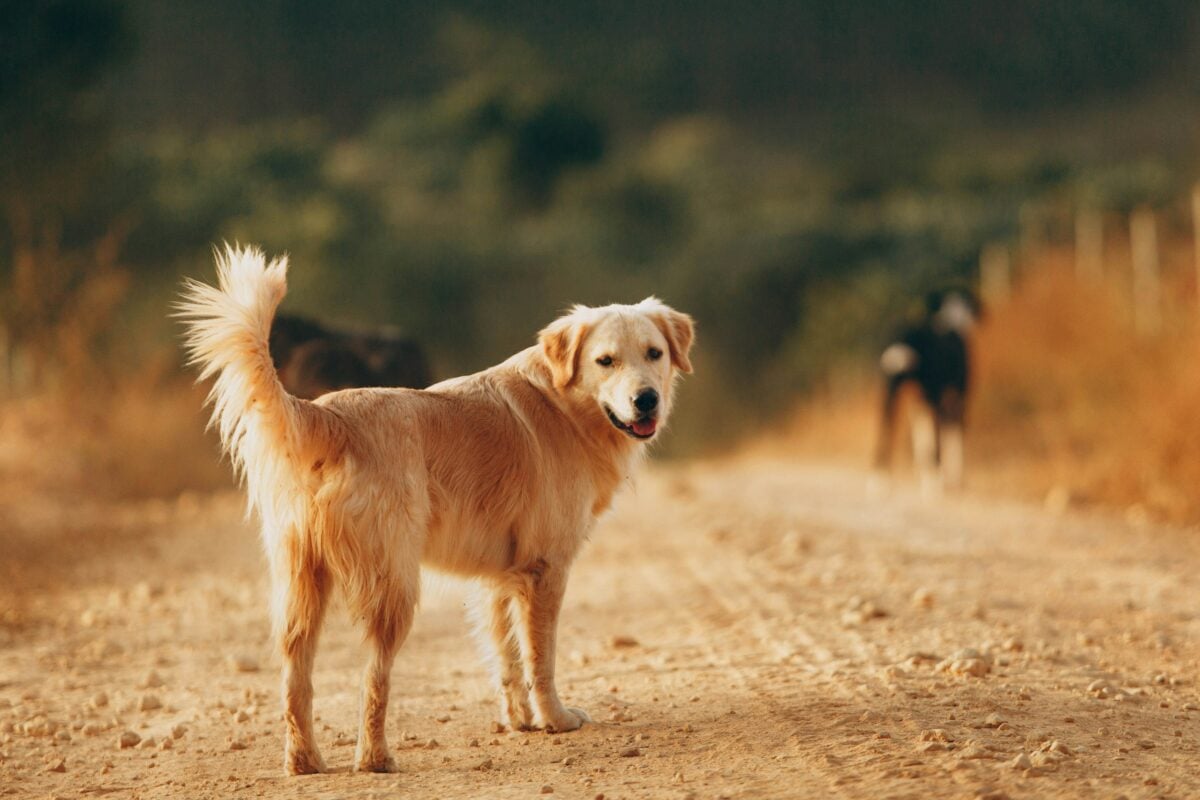
Perhaps they greet you with a full-body stretch when you arrive home or look at you with soft, relaxed eyes before glancing away again. You might notice their tail wagging in broad, loose sweeps instead of stiff, rapid movements, or their body becoming wonderfully floppy when they’re lying beside you.
None of these behaviors proves trust on its own, but when these relaxed behaviors appear together, they often paint a picture of a dog that feels completely comfortable in your presence.
If you’re unsure what relaxed dog body language looks like, here are some common signs:
- Soft eyes and relaxed lids (may look like dog is squinting)
- A relaxed mouth that may hang slightly open
- Loose muscles instead of a stiff posture
- A neutral/horizontal tail held loose
- Gentle, full-body tail wags
A dog that’s feeling anxious or uncertain often looks very different. Their muscles may tense, their mouth may close tightly, and they may constantly scan their surroundings instead of fully relaxing.
The Takeaway: A relaxed dog doesn’t feel the need to stay on guard. When your dog’s entire body communicates comfort and ease, it’s often one of the clearest signs they feel safe with you.
4. They Trust You With Their Care
One of the biggest signs of trust often appears during everyday care.
Think about the last time you trimmed your dog’s nails, checked their paws after a walk, cleaned their ears, or brushed their teeth. Most dogs don’t love these activities, but a dog that trusts you is often more willing to let you handle them because they know you’re not trying to harm them.
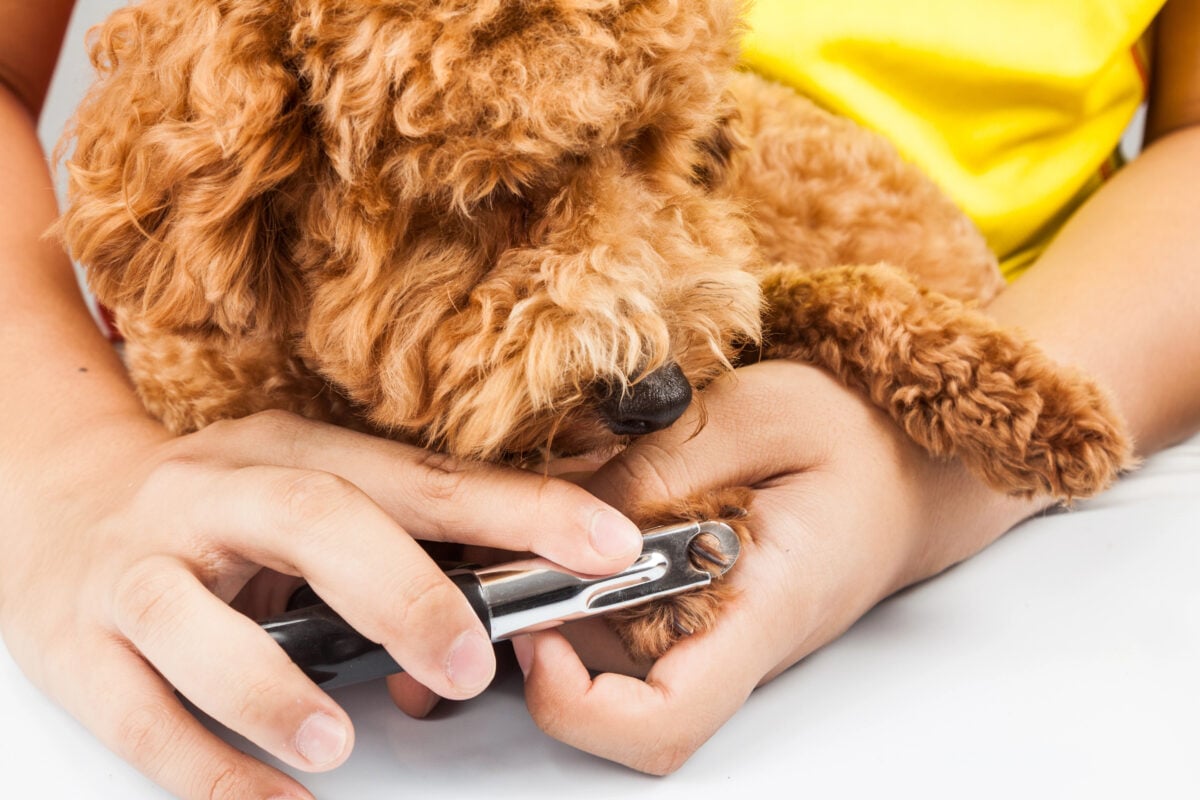
Behavior professionals often refer to this as cooperative care. The goal isn’t for your dog to enjoy every grooming task, but for them to willingly participate because they’ve learned that handling leads to positive experiences rather than fear or discomfort.
You may notice this trust in small ways. Your dog might calmly offer a paw after a muddy walk, relax while you look inside an ear, or allow you to gently brush their teeth instead of pulling away immediately.
It’s that willingness to be handled — not the body part itself — that often reflects trust.
Of course, context matters. Even the most trusting dog may resist handling if they’re injured, frightened, or in pain. Always move slowly, watch your dog’s body language, and respect their boundaries.
The Takeaway: Your dog doesn’t have to love nail trims or ear cleanings to trust you. But when they consistently allow you to care for them with patience and cooperation, it’s often a sign they feel safe in your hands.
5. They Look To You When They Feel Vulnerable
Trust becomes especially apparent when your dog encounters something unfamiliar, uncertain, or uncomfortable.
Just like a young child might glance at a parent — or quietly move closer to them — when something feels uncertain, dogs often look to the people they trust for reassurance. They’re checking your response to help decide whether a situation is safe or something to worry about.
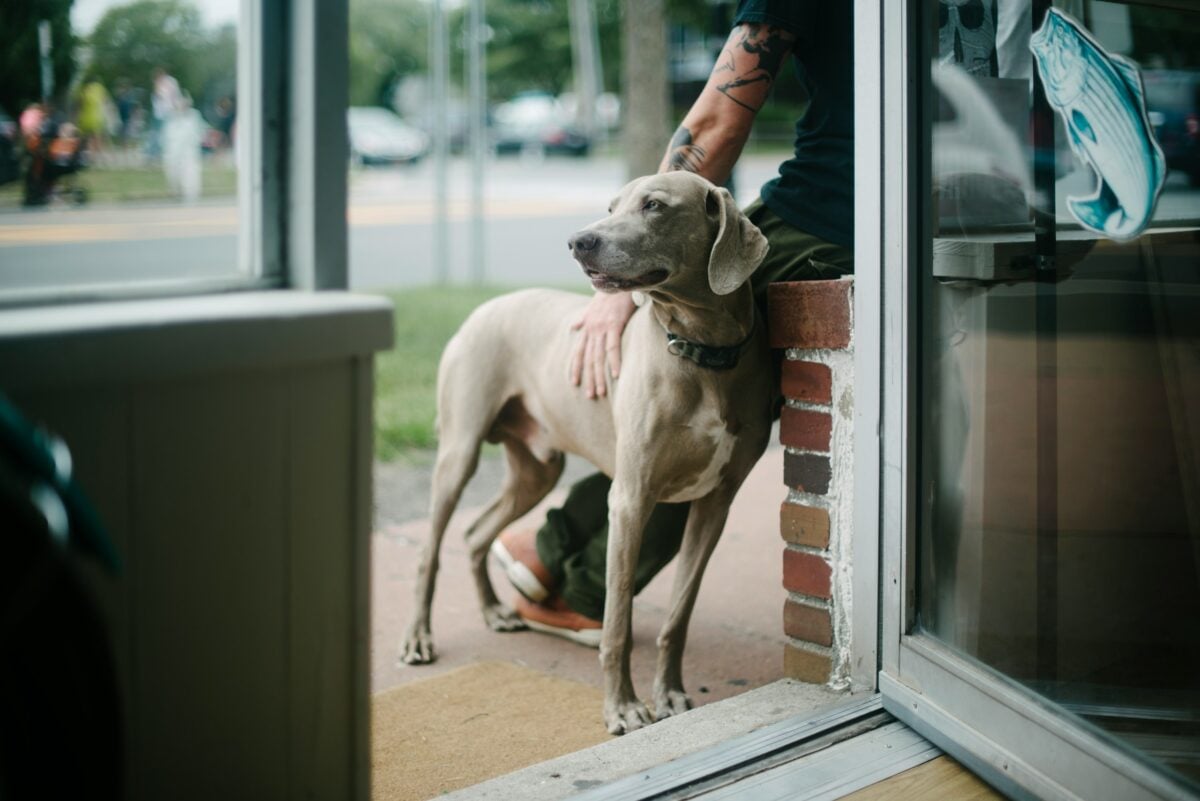
You may notice this during thunderstorms, at the veterinarian’s office, when meeting new people, or even while walking past an unfamiliar object. A quick glance in your direction can be your dog’s way of asking, “Are we okay?”
Your dog may also show that trust in other subtle ways during vulnerable moments, such as:
- Leaning against you in unfamiliar environments or mildly stressful situations, using your presence as a source of comfort.
- Making eye contact while pooping, when they’re temporarily in a vulnerable position and naturally look to someone they trust to keep watch.
- Checking in while meeting or playing with an unfamiliar dog, briefly looking back at you before continuing to play or interact.
Looking to you for reassurance doesn’t necessarily mean your dog is fearful or anxious. Confident dogs do it too. They simply view you as a trusted source of information when they’re unsure about what’s happening around them.
The more consistently your dog checks in with you during uncertain moments, the more likely it is that they see you as someone who helps them feel safe.
The Takeaway: One of the strongest signs of trust isn’t how your dog behaves when everything is normal. It’s who they look to when they feel vulnerable.
6. They Feel Secure Following Your Lead
Dogs that trust their owners often become more comfortable following their guidance in everyday situations. That doesn’t mean they’re perfectly obedient or never get distracted. It simply means they’ve learned that paying attention to you usually leads to good things.
You might notice this trust during walks when your dog willingly follows your lead instead of constantly pulling in another direction. Or perhaps they’re hesitant about crossing a bridge, stepping onto a new surface, or meeting a friendly stranger but gain confidence after seeing that you’re calm.
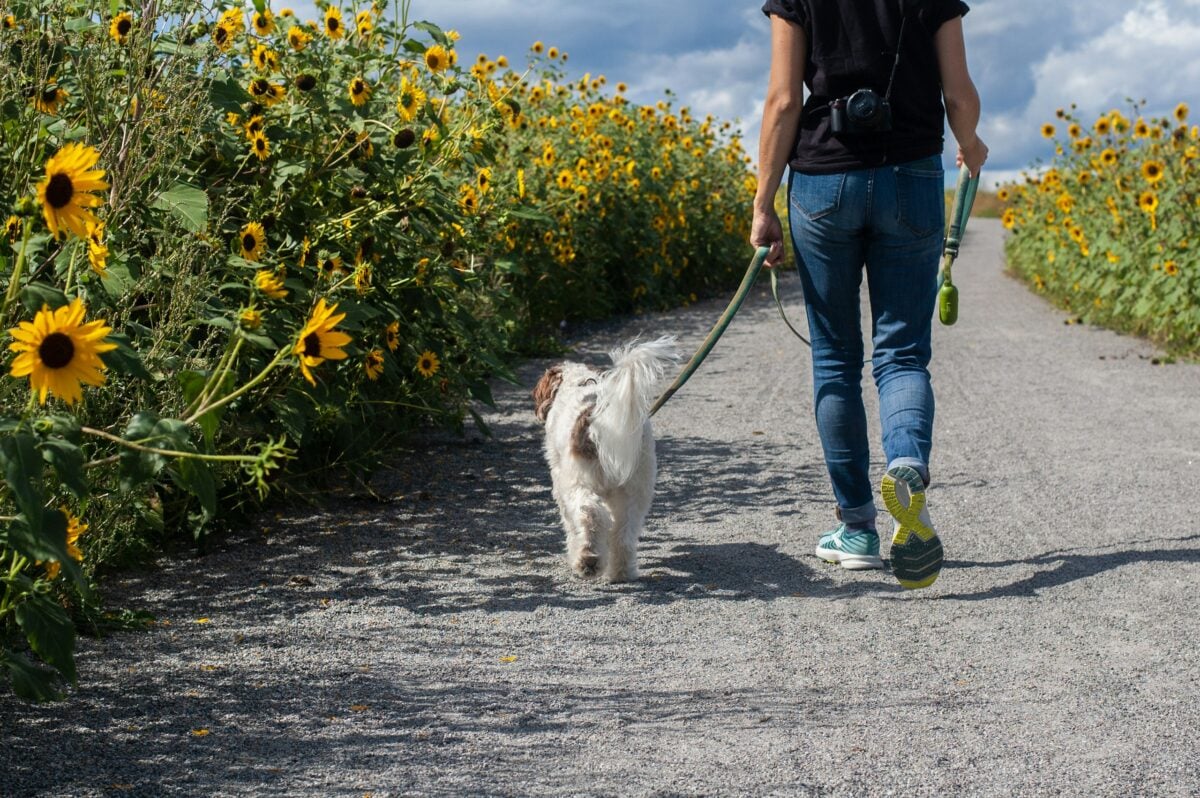
Over time, many dogs also become more relaxed with daily routines. They eagerly head toward the leash when it’s time for a walk, hop into the car without hesitation, or calmly follow you through familiar parts of the day because they’ve learned what to expect.
Training can strengthen this trust, too. When training is built on positive reinforcement, consistency, and patience, dogs begin to see their owners as reliable guides rather than unpredictable leaders.
The Takeaway: Trust gives dogs the confidence to follow your lead through unfamiliar situations because they’ve learned they can rely on you.
Can A Dog Trust You Without Doing All Of These Things?
Absolutely.
Every dog has a unique personality, history, and comfort level. Some are naturally affectionate and expressive, while others show trust in much quieter ways. Breed, age, past experiences, and individual temperament all influence how a dog communicates.
That’s why it’s important not to focus on any single behavior. Instead, look for an overall pattern.
A dog that sleeps soundly around you, remains relaxed in your presence, willingly accepts your care, and looks to you during uncertain moments is often showing a deep level of trust — even if they never rest their head on your lap or sleep belly-up.
The strongest sign of trust isn’t one specific habit. It’s the confidence your dog has in you across many different parts of everyday life.
Frequently Asked Questions
Trust isn’t something that develops overnight, and every dog expresses it a little differently. Here are answers to some of the most common questions owners have about how dogs build trust and the behaviors that often reflect it.
Don’t see your question? Respond in the comments, and we’ll get back to you!
How Do Dogs Show They Trust You?
Dogs often show trust through quiet, everyday habits rather than dramatic displays of affection. Sleeping soundly around you, relaxing their body language, choosing physical contact, allowing gentle handling, and looking to you for reassurance in unfamiliar situations are all common signs of trust.
No single behavior proves trust on its own. Instead, look for an overall pattern of behaviors that show your dog feels safe, comfortable, and confident in your presence.
How Long Does It Take For A Dog To Trust You?
It depends on the dog. A well-socialized puppy may develop trust within days or weeks, while an adult dog — especially one with an unknown history or previous trauma — may take months to fully settle in.
Consistency is one of the biggest factors. Positive experiences, predictable routines, gentle handling, and respecting your dog’s boundaries all help build trust over time.
Can An Independent Dog Still Trust You?
Absolutely.
Some breeds naturally show affection more subtly than others. Dogs like Chow Chows, Siberian Huskies, Bulldogs, and many livestock guardian breeds often value personal space and may not constantly seek cuddles or physical contact. That doesn’t mean they don’t trust you.
An independent dog may express trust by relaxing around you, willingly accepting your care, checking in during uncertain moments, or calmly choosing to spend time nearby without demanding attention.
Does Sleeping Next To You Mean Your Dog Trusts You?
For many dogs, yes. Sleeping is one of the most vulnerable times for a dog, so choosing to rest beside you often suggests they feel safe and secure in your presence.
However, sleeping nearby isn’t the only sign of trust. Some dogs simply prefer cooler spots or more personal space. It’s best to look at your dog’s overall behavior rather than relying on one sleeping habit alone.
Can Rescue Dogs Learn To Trust Again?
Yes, although it often takes time.
Many rescue dogs arrive in their new homes with little-known histories, and some may have experienced neglect, inconsistent care, or frightening situations. Building trust requires patience, predictable routines, positive reinforcement, and allowing the dog to move at their own pace.
As trust grows, many rescue dogs begin showing the same quiet habits discussed throughout this article, such as sleeping more deeply, relaxing around their owners, accepting gentle handling, and seeking reassurance during unfamiliar situations. Every small step is meaningful, and for many rescue dogs, trust is one of the greatest gifts they can learn to give again.
Keep Learning About Your Dog’s Behavior
If you’d like to learn more about what your dog is trying to tell you, these articles are a great place to start:
- Why Does My Dog Rest Their Head On Me? Learn why this sweet habit often reflects comfort, affection, and a close emotional bond.
- Why Does My Dog Lean Against Me? Learn more reasons why dogs lean on their owners and what this behavior may be telling you.
- Why Does My Dog Stare At Me? Not every stare means the same thing. Learn the difference between soft eye contact, hard stares, and attention-seeking looks.