When you purchase through links on our site, we may earn a commission. Here’s how it works.
Your dog starts chewing at their tail like something’s attacking them. Then you spot it.
A flea.
Table of Contents
Now it’s not just annoying. It’s urgent.
Because once fleas show up, they do not stay politely on your dog. They spread to the bed, the rug, the couch, and suddenly, your whole house feels contaminated.
The good news? You do not need to panic-buy a bunch of products or dump random DIY ingredients on your pup. There’s one thing that works fast for immediate relief, a few natural options that may help, and a couple of popular “remedies” you should skip completely.
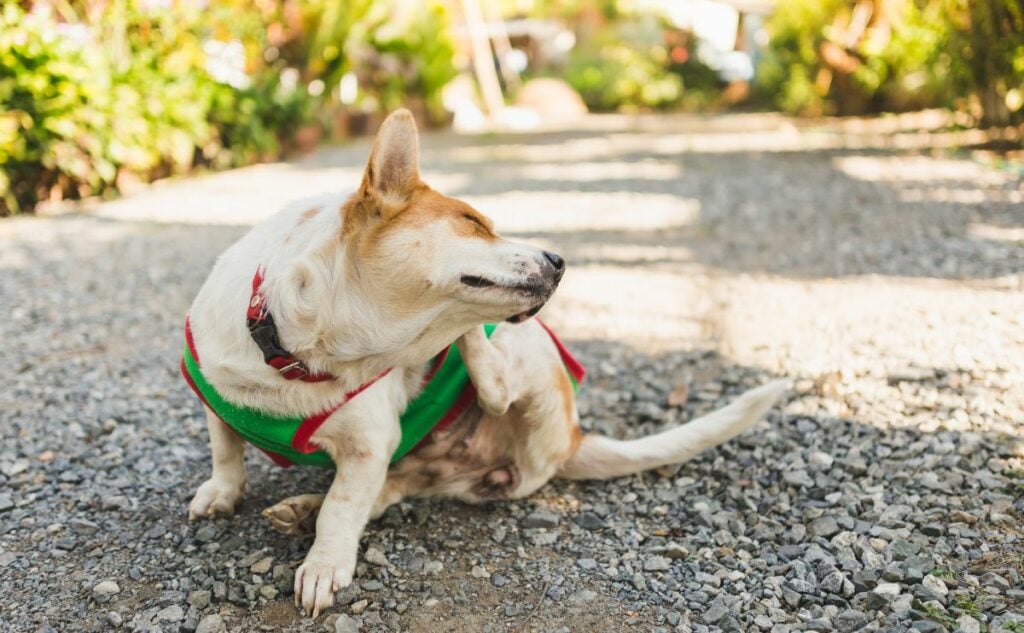
Quick Answer: What Actually Helps Fast
If you need to do something right now, start here:
- Grab a flea comb
- Use diluted Dawn in the comb water
- Comb slowly around the neck, back, and tail base
- Then wash bedding and vacuum the areas your dog uses most
That’s the fastest way to get visible fleas off your dog without jumping straight into harsher treatments. The Centers for Disease Control and Prevention (CDC) says every pet in the home should be treated, and that bathing with soap and water plus a flea comb can help kill adult fleas.
But here’s the part most people miss:
Getting fleas off your dog is only step one.
If you don’t deal with the eggs hiding in your house, the scratching usually starts all over again.
March is when flea season starts creeping back onto people’s radar, but fleas do not always wait for summer, especially indoors. The Cornell College of Veterinary Medicine notes the flea life cycle has four stages, with adults on the animal and the other stages in the environment, and says warm temperatures and moderate humidity make indoor spaces a prime place for fleas to thrive.
Which Flea Situation Are You In?
Pick the one that sounds most like your situation:
A. I just found a few fleas on my dog
B. My dog is scratching nonstop, and I need relief now
C. I treated my dog, but fleas keep coming back
D. I think the house or yard is the real problem
What Your Answer Usually Means
A: Start with a flea comb and a mild topical support option
B: Go straight to the emergency section first
C: You probably need to treat the home and dog together
D: Skip ahead to the house and yard sections before this turns into a repeat cycle
Most people land on B or C, which is why flea problems drag on longer than they should.
Next, let’s start with the one thing that makes every option work better.

Flea Myth vs. Fact
Some of the most common flea advice sounds right, but misses what is really going on.
Myth: Apple cider vinegar kills fleas
Fact: It may help repel them, but it won’t wipe out an infestation
Myth: If the scratching slows down, the fleas are gone
Fact: Eggs and larvae may still be hiding in bedding, rugs, and cracks
Myth: Natural always means safe
Fact: Some “natural” oils can be dangerous for dogs, especially puppies
Why a Flea Comb Matters More Than People Think
Before you bust out any home remedy for fleas, make sure you’ve got a flea comb, the unsung hero of DIY flea control.
These fine-toothed combs do two things no remedy can:
- Pull adult fleas off your dog immediately
- Help you track if your treatments are working
No flea comb? A tight-toothed baby comb works in a pinch, but you’ll want to grab the real deal for the best results.
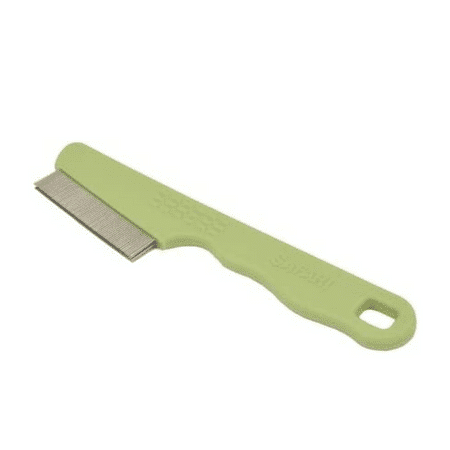
I recommend the Coastal Pet Safari comb, which is a go-to favorite for many pet owners. The fine, stainless-steel teeth pull out fleas, eggs, and flea dirt with every stroke, even on thick coats.
It’s gentle, easy to clean, and lasts (plus it’s under 10 bucks). Whether you’re going all-natural or pairing it with meds, this is the first thing every dog owner should grab when fleas hit.
Need Flea Relief Fast? Start Here
If you need something that works immediately and don’t want to waste time guessing, start here.
When the scratching won’t stop, and you need fast relief, there is one household item that actually works on contact.
Dawn dish soap.
It breaks down a flea’s outer layer, causing it to drown almost immediately.
But before you reach for the bottle, there’s something most people don’t realize.
Veterinarians warn that Dawn can dry out your dog’s skin, worsen irritation, and should be avoided if your pup has sensitive skin or possible skin infections.
So instead of giving your dog a full bath, use it more carefully.
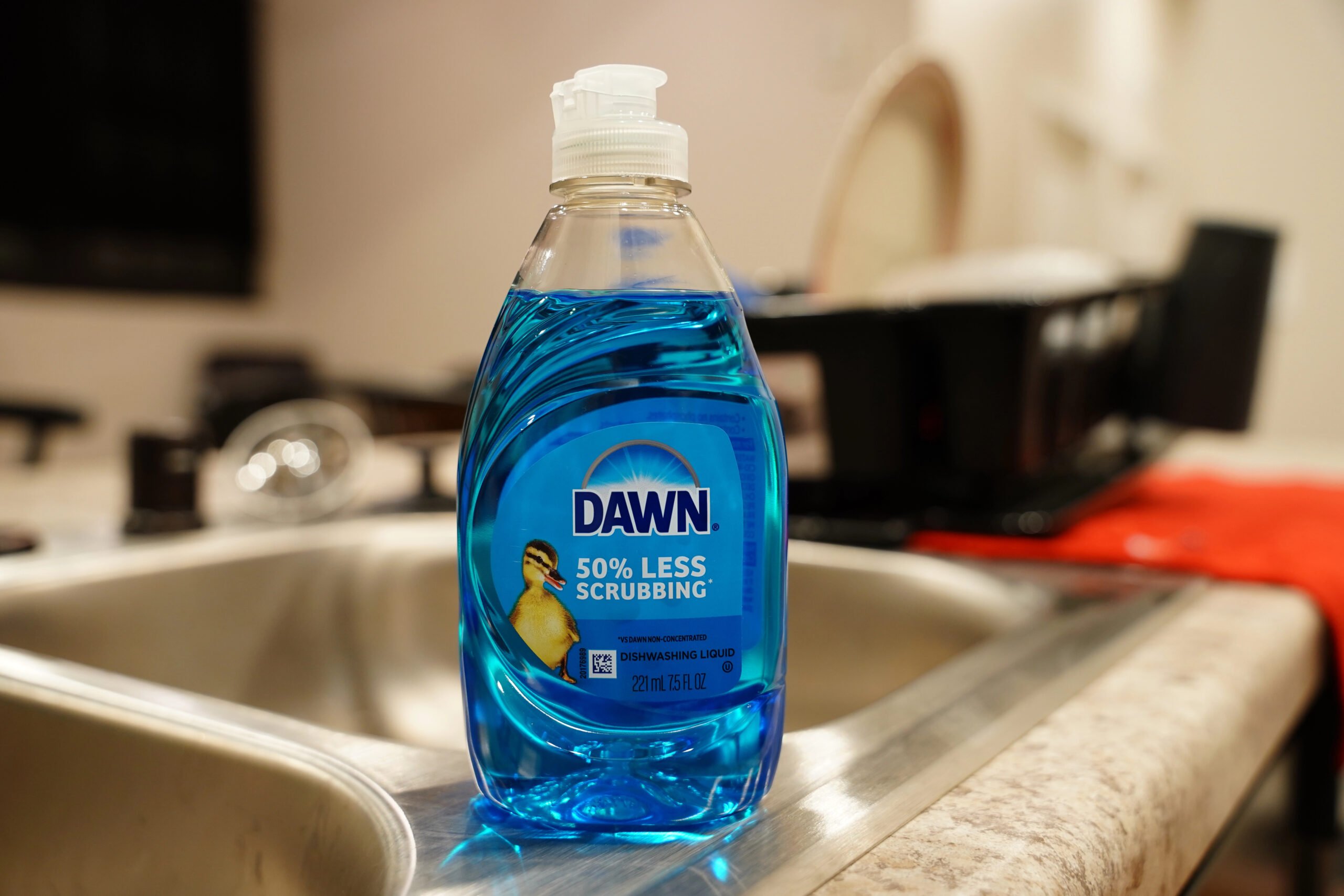
How to Use Dawn Without Overdoing It
- Dip a flea comb in a small bowl of diluted Dawn (1–2 drops in warm water).
- Comb slowly, especially around the neck and tail.
- The soap traps fleas and kills them on contact, with much less skin exposure.
Quick takeaway: Dawn works, but gently does it. Use it in a flea comb rinse, not a full soak, unless your vet gives the green light.
Why a Full Dawn Bath Can Backfire
It might seem like the fastest fix, but a full Dawn bath can do more harm than good if you rely on it too often.
- Dawn is designed to cut through grease, which means it also strips away your dog’s natural skin oils. That can leave their skin dry, irritated, and more sensitive to itching.
- For some dogs, especially those with allergies or existing skin issues, this can make scratching worse instead of better.
There’s another issue most people don’t think about.
A full bath only deals with the fleas on your dog at that moment. It does nothing for the eggs and larvae already hiding in your home, which is why fleas often seem to “come back” right after a bath.
That’s why using Dawn in small amounts, like in a flea comb rinse, is usually the safer way to get quick results without creating new problems.
Flea Eggs: The Part Most People Miss
Killing the fleas you can see is only part of the job.
The bigger problem is often the part you do not see right away: flea eggs.
They are tiny, pale, and easy to mistake for dust or dandruff. Worse, they do not stay neatly on your dog. They fall off into bedding, rugs, furniture, and floor cracks, which is why flea problems so often seem to come back out of nowhere.
This is also why a quick bath or a single treatment can feel helpful at first, then suddenly not feel like enough a few days later.
You can see what flea eggs look like in the video below:
Why Flea Eggs Matter So Much
Once adult fleas start feeding, they can begin laying eggs fast. Those eggs drop into the places your dog uses most, then hatch on their own timeline.
So even if your dog seems more comfortable today, the next wave may already be sitting on the carpet, dog bed, or couch cushions.
That is the part that makes flea problems drag on longer than people expect.
What Flea Eggs Usually Mean
If you are finding live fleas, assume eggs are already in the picture too.
- On your dog
- In the bedding
- In rugs and upholstery
- Along baseboards and cracks
Which means treating your dog matters, but treating the environment matters just as much.
That is where the next remedies can help, especially when you pair them with washing, vacuuming, and staying consistent long enough to break the cycle.
6 Natural Flea Remedies That May Help Next
Once you’ve handled the immediate problem, the next step is keeping fleas from coming right back.
This is where natural remedies can help, but not all of them work the same way. Some repel fleas. Some support your dog’s skin. A few may help reduce the problem over time.
And one of these is often misunderstood. Here’s where things start to get a little more nuanced.
1. Neem Oil: The Quiet Overachiever
Neem oil, derived from the seeds of the neem tree (Azadirachta indica), has been used for centuries as a natural insect repellent. It doesn’t kill fleas on contact, but it disrupts their life cycle, preventing eggs from hatching and making your dog a no-go zone for adult fleas.
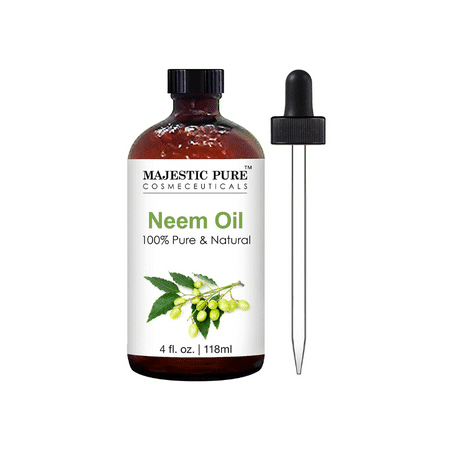
Neem oil is a carrier oil (not essential oil) with strong insect-repelling qualities. You can use it in shampoo or as a topical spray to repel and kill fleas on your pup. It’s also beneficial because it contains vitamin E, as well as omega-6 and omega-9 essential fatty acids, which are excellent for skin and coat health.
You’ll want to ensure that you purchase pure, cold-pressed neem oil. Several ways you can use it as a flea remedy include:
- Add 25 milliliters of neem oil to 400 milliliters of your dog’s shampoo
- Combine 1 part neem oil with 10 parts warm water and use as a topical spray daily
- Add 1 cup of neem leaves to 4 cups of water, simmer for 5 minutes, and strain out the leaves
We have a guide dedicated to the best flea and tick shampoo for dogs, which you can combine with neem oil for top results.
2. Coconut Oil: Soothing, Messy, Surprisingly Useful
Coconut oil contains certain fatty acids, which research has found to be an effective natural flea and tick repellent. It’s also believed that when this thick oil coats fleas’ exoskeletons, it restricts their movement and may even suffocate them.
Added benefits of coconut oil include its moisturizing, antibacterial, and antifungal properties, which help prevent skin infections caused by flea bites.
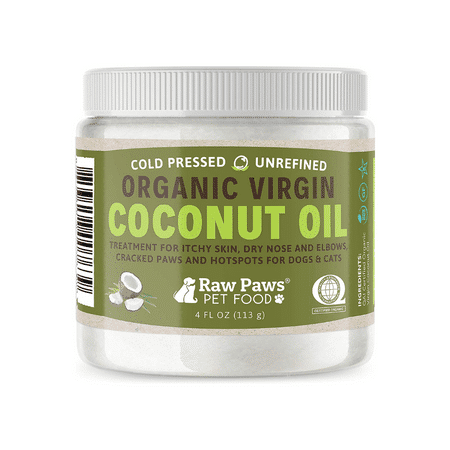
I recommend Raw Paws Organic Virgin Coconut Oil, which is cold-pressed, unrefined, and chemical and bleach-free, so it’s non-toxic for your furry friend.
For best results, apply a thick coating of coconut oil all over your dog and leave it on for at least 10 minutes. Rinse off with warm water and a small amount of shampoo, and remove the little pests with your flea comb.
3. Essential Oils: Helpful, but Easy to Mess Up
Several essential oils have flea-repellant properties. Cedarwood oil is among the most effective in repelling fleas, according to many holistic experts.
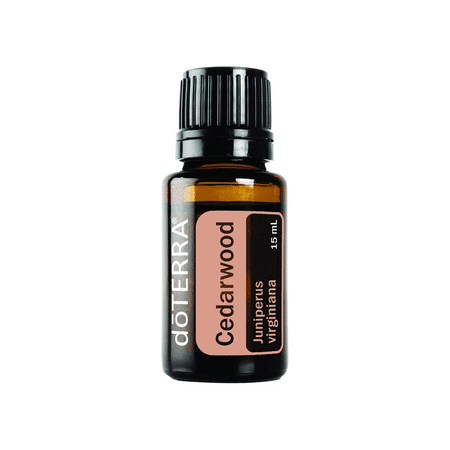
However, other dog-safe essential oils, such as eucalyptus, lavender, peppermint, rosemary, lemongrass, and verbena, are still effective in keeping fleas off your pup. DO NOT use tea tree oil. It’s toxic for dogs.
For average-sized dogs, a safe dilution ratio is one drop of essential oil to ten milliliters of carrier oil or water. For dogs, the best carrier oils to use include neem, coconut, grapeseed, jojoba, olive, sweet almond, sesame, or sunflower oil.
Note: If you have a cat, use extreme caution with essential oils, as the risk of toxicity is significantly higher in cats than in dogs. If your cat grooms your dog’s fur, you shouldn’t apply essential oils to your pup’s coat.
4. Rosemary and Lemon Spray: Cheap, Simple, Worth a Try
A cheap home remedy you might want to try is a lemon and rosemary spray. Both are natural flea repellents. Simply boil a lemon (cut into wedges) and a few rosemary sprigs in eight ounces of water for a few minutes. Let it cool, and add it to a spray bottle.
5. Apple Cider Vinegar: Repellent, Not a Killer
This is one of the most misunderstood flea remedies.
The theory behind apple cider vinegar (ACV) as a flea repellent is that the pH levels make your dog’s skin more acidic, which could be a turn-off for fleas. However, there’s no scientific evidence to support the claim that this actually works.
Still, some holistic veterinarians and anecdotal evidence suggest that ACV is effective as a topical spray. Simply mix six parts ACV with four parts water.
While you’ll see some websites advising you to feed dogs ACV in their water every day to help repel fleas, many vets say this could cause your furry friend gastrointestinal problems. If you’re considering feeding your dog ACV, consult with your veterinarian first.

I recommend this apple cider vinegar because it’s Bragg’s, the gold standard for raw, unfiltered apple cider vinegar. It’s organic, packed with the “mother” (aka the good bacteria), and free from added junk you don’t want near your dog’s skin or in their water bowl.
6. A Homemade Flea Spray That Covers More Bases
You may find that the following recipe is your best bet for a homemade flea spray for dogs. The recipe is by Dr. Andrew Jones, a former DVM with a popular following on the web and his YouTube channel.
This spray contains coconut oil, neem oil, cedarwood oil, witch hazel, aloe, and organic castile soap, ingredients that help repel and kill fleas while soothing irritated skin.
It’s essential to note that these home remedies may be effective for mild to moderate infestations, but you should consult your veterinarian if your dog is severely infested or has developed a skin rash or sores. Even holistic veterinarians turn to chemical treatments for severe cases.
Before You Put Anything on Your Dog, Read These 5 Tips
Just because something is “natural” doesn’t mean it’s automatically safe. Many common home remedies, especially essential oils, can cause skin irritation, allergic reactions, or even more severe issues if used incorrectly. Here’s how to protect your pup while using DIY treatments.
1. Always Dilute Essential Oils
- Never apply essential oils directly to your dog’s skin.
- Always follow directions about dilutions and application.
- Test a small area first and observe for signs of redness, itching, or unusual behavior.
If it smells strong to you, it’s way stronger to your dog. Go light, or skip it entirely.
2. Don’t Use Tea Tree, Clove, Or Pennyroyal Oils
- These are commonly listed in DIY flea remedies, but they’re also toxic to dogs, even in small amounts.
- Symptoms can include vomiting, tremors, and, in severe cases, liver damage.
When in doubt, leave it out. Stick to safer oils like lavender or cedarwood, and only use them with veterinary guidance.
3. Skip “Soak Your Dog in Vinegar” Hacks
- Apple cider vinegar sprays can help repel fleas, but a full soak or daily use can irritate your dog’s skin.
- If your dog has sensitive skin, open wounds, or existing irritation, avoid vinegar completely.
Use ACV as a light mist, not a marinade.
4. Don’t Overdo The Remedies
- Natural does not mean harmless in unlimited amounts.
- Over-applying oils or sprays can lead to skin dryness, inflammation, or allergic responses.
- Stick to the recommended frequencies, typically once or twice a week for most topicals.
More isn’t better. Let your dog’s skin breathe between treatments.
5. Puppies Need Special Caution
- Young dogs have thinner skin and developing organs, so they’re more vulnerable to toxins and irritants.
- Avoid all essential oils and concentrated remedies unless your vet gives the OK.

If your dog’s still tripping over their own ears, don’t experiment. Ask your vet first.
Don’t Want to DIY? These Natural OTC Options Are Easier
If fleas are a repeat problem, or you just don’t have time to mix lemon sprays at midnight, these natural, ready-to-use products are great to keep on hand. They’re faster than DIY and gentler than traditional chemical treatments.
Wondercide Sprays Review
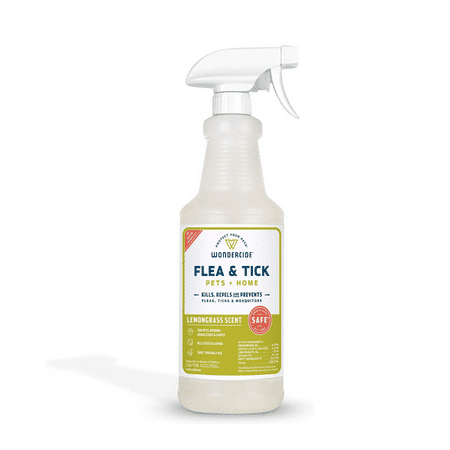
I recommend Wondercide’s USA-made line of products as the best OTC natural flea and tick treatment. They include holistic vet-approved organic essential and carrier oils that kill the flea and tick life cycle upon contact and provide ongoing prevention.
They offer natural sprays for topical use on your dog as well as home and yard control. Cedarwood oil is the primary essential oil.
Price
- Flea & Tick Spray For Pets & Home Starting At: Check Amazon for availability
- Flea & Tick Yard Spray: $37.99
Vet’s Best Flea + Tick Advanced Strength Shampoo Review
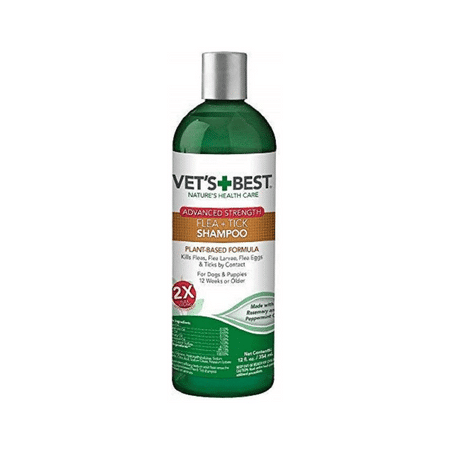
This advanced-strength dog shampoo kills fleas, flea larvae, flea eggs, and ticks on contact. It’s safe for puppies 12 weeks and older.
It contains 100% certified natural essential oils and plant-based ingredients, including thyme, cedarwood, rosemary, and peppermint oils.
Price
5 Flea Fixes That Sound Smart but Fall Short
By now, you’ve probably noticed that flea advice gets messy fast.
Some of the most popular remedies sound legit at first, but they fall apart when you count on them to do too much.
And a few can irritate your dog, or flat-out backfire, if you use them the wrong way.
1. Put Garlic in Dog Food
Common myth: Garlic makes your dog “unappetizing” to fleas. Reality: Garlic can be toxic to dogs, especially small breeds, or in high doses.
Hard pass. Fleas won’t flinch, but your vet might.
2. Use Tea Tree Oil On Skin
Just a few drops of undiluted tea tree oil can cause vomiting, tremors, or worse. Even diluted, it’s harsh and can irritate your dog’s skin.
Tea tree oil is too toxic to risk. Skip it.
3. One Bath Will Get Rid of Fleas
Common myth: If you bathe your dog once, the flea problem is over.
Reality: A bath may help remove some adult fleas, but it won’t solve the full infestation. Most of the flea life cycle is off your dog, in your home, yard, bedding, rugs, and furniture. That’s why fleas so often “come back” after a bath.
A bath can help with the immediate chaos. It’s not the whole plan.
4. All Essential Oils Are Safe
Oils like lavender and cedarwood may help repel fleas, but must be diluted. Others (like clove or pennyroyal) are flat-out dangerous. Use caution here. “Natural” is not a free pass.
Use only vet-approved oils and avoid using them on puppies or dogs with sensitive skin.
5. Coconut Oil Kills Fleas? Not Exactly.
Viral myth: Coconut oil suffocates fleas on contact.
Reality: There’s no scientific proof that it kills fleas. It can repel them, and it’s great for your dog’s coat, but it doesn’t kill them.
Coconut oil is a moisturizer, not a flea murder weapon. Don’t rely on it solo.
Treat the Dog, Sure… But Don’t Forget the House: 5 Ways to Break the Flea Cycle
If you only treat your dog and ignore your house, fleas will keep coming back like it’s a bed-and-breakfast. It’s crucial to get rid of the fleas in your home before they hitch a ride on your pup again.
What’s more, you’ll also need to eliminate flea eggs, pupae, and larvae to prevent future outbreaks. Here’s how to kick them out for good without foggers, toxic sprays, or chemical overkill.
1. Vacuum Like You’re Trying to Offend the Fleas
Vacuuming is one of the most effective ways to remove all four stages of the flea life cycle: eggs, larvae, pupae, and adults.
The Environmental Protection Agency (EPA) says daily vacuuming is the best initial control method for a flea infestation and specifically calls out carpets, cushioned furniture, cracks, crevices, and baseboards.
Hit carpets, rugs, hardwood floors, tile, and especially baseboards and couch cushions. Fleas love cracks and crevices, so be aggressive. Always empty the vacuum outdoors or dispose of the bag immediately after use.
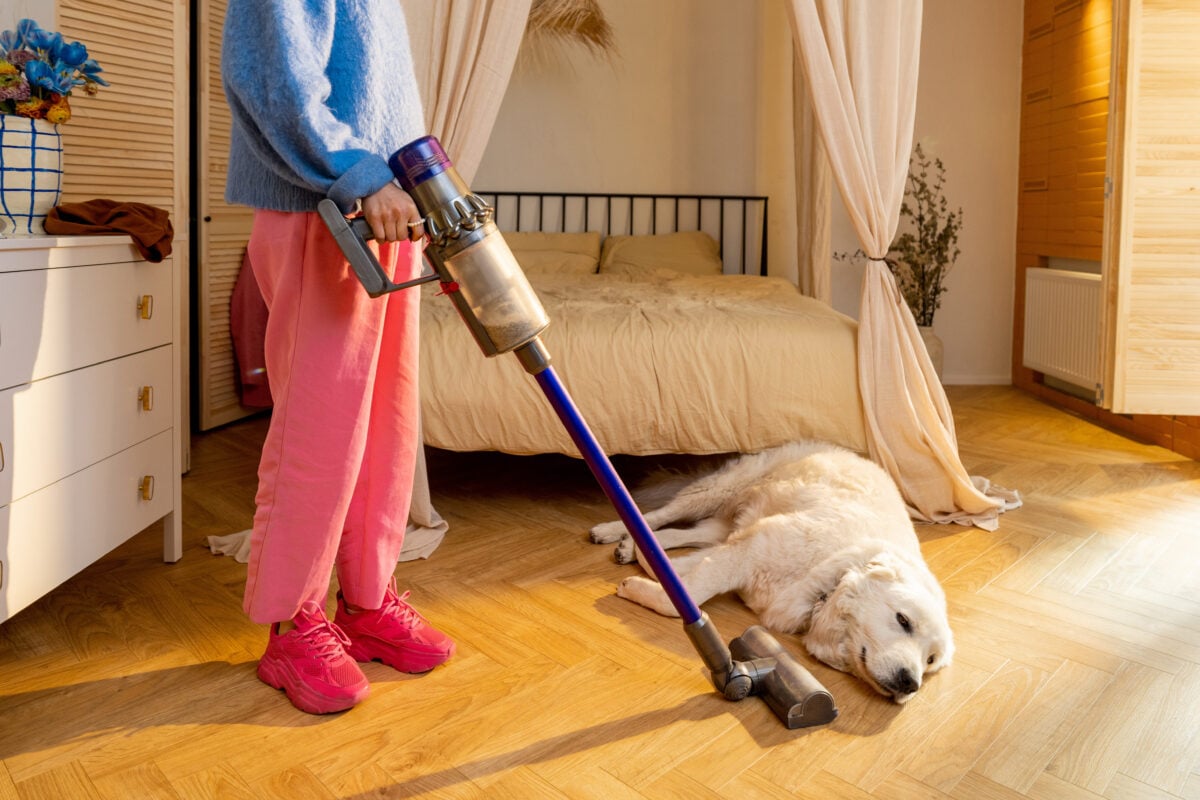
Your vacuum is not optional. Treat it like a flea-sucking machine of vengeance.
We have found the best pet vacuums and best pet robot vacuums on the market to help you stay on top of cleaning your home.
2. Diatomaceous Earth: Effective, but Use It Carefully
This fine powder, made from fossilized algae, kills fleas by destroying their exoskeletons, causing them to dehydrate and die.
Sprinkle food-grade diatomaceous earth (DE) on carpets, pet bedding, under furniture, and along walls. Leave it for up to 48 hours before vacuuming thoroughly.
DE is natural, safe (for floors), and brutally effective. Just keep it out of the air and off your pup. Don’t apply DE directly to your dog, as it can dry and irritate their skin.
3. The Baking Soda and Salt Trick
This pantry-powered duo also helps dry out flea eggs and larvae. Mix equal parts of salt and baking soda, and sprinkle the mixture generously across carpets and floors.
Let it sit for a few hours, then vacuum like a pro. This home remedy for fleas is cheap, simple, and surprisingly satisfying.
4. Heat Is Your Friend: Wash Everything
Fleas hate heat. Strip the house, including your sheets, your dog’s bedding, blankets, towels, and anything else they’ve touched. Run everything through the hot cycle in both the washer and dryer to kill any hidden eggs or larvae.
If it’s washable, it’s going in. Don’t give fleas a place to hide.

5. Natural House Sprays That Help
Skip the chemical foggers. A plant-powered spray, like Wondercide’s, kills fleas on contact and is safe for dogs, couches, and carpets.
Mist your furniture, rugs, baseboards, and dog bedding. You can even spray it directly on your pup. These are safe enough for your couch, strong enough for fleas, and no hazmat suit required.
Your Yard Might Be the Real Problem
Think the flea problem stops at your door? Think again. Fleas love shady, moist outdoor areas, and if you don’t treat your yard, they’ll hitchhike right back onto your dog. Here’s how to reclaim your lawn without drenching it in chemicals.
1. Use Beneficial Nematodes (Weird but Effective)
These microscopic, soil-dwelling worms sound creepy, but they’re a flea’s worst nightmare. Nematodes invade and kill flea larvae in your yard, naturally.
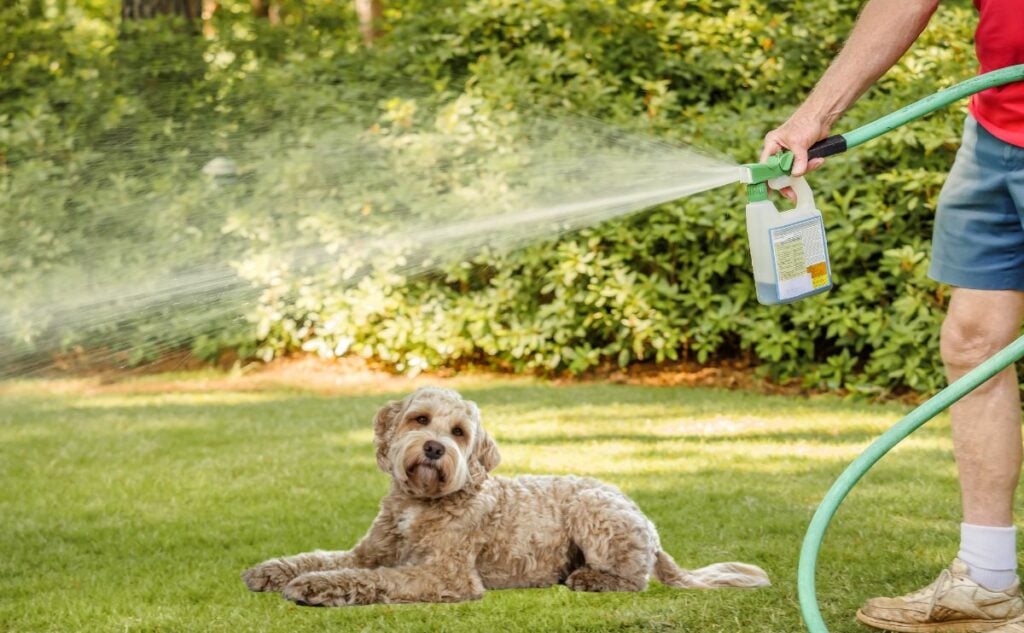
Apply them with a hose sprayer in shaded areas, under decks, and along fence lines. They’re totally safe for pets, people, and pollinators.
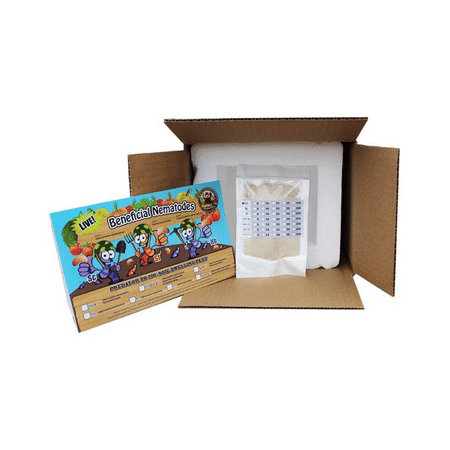
Many pet parents say they’re very effective in keeping fleas and many other pests out of the yard. You can find them at your local garden center or order them online. Mix them with water and spray them around your yard. (Use when soil temperatures are above 45 degrees for at least 2 weeks.)
If you’re looking to improve your yard, we’ve also found the best pet-safe lawn fertilizers.
2. Cedar Mulch and Chips
Cedar naturally repels fleas and ticks. Use cedar mulch in flower beds or along fence lines where your dog hangs out. It’s a safe and stylish way to keep fleas at bay.
3. Why Mowing Matters More Than You Think
Fleas thrive in dark, damp areas. Think tall grass, brush piles, and leaf litter. Keep your lawn mowed and your outdoor areas tidy to make the environment less attractive to fleas.
4. Pet-Safe Yard Sprays
Look for plant-based sprays, such as Wondercide’s Ready-to-Use Yard Spray, which utilizes cedar oil to repel and kill fleas. Attach it to a garden hose and treat high-risk areas, such as shaded corners, dog runs, or decks.
5. Plant a Flea-Repelling Garden
Some plants naturally deter fleas and add a nice touch to your landscaping. Safe picks include lavender, rosemary, sage, catnip, peppermint, and spearmint.
Place them near patios, dog lounging zones, or along fence lines. Always double-check for plant toxicity before planting, as some species can be harmful to dogs.
When Fleas Become More Than Just an Itch
Most flea problems start out annoying. Some stay there. Others turn into a bigger skin issue, a repeat cycle, or a reason to call your vet.
This is the part many dog owners do not realize at first. Sometimes, the fleas you can still see are not the whole problem. Sometimes, the reaction your dog is having is the real issue.
Flea Allergy Dermatitis: Why One Bite Can Cause a Big Reaction
Some dogs are not just itchy from fleas. They are extra sensitive to flea saliva, which means even one bite can set off a much bigger reaction than you would expect.
If your dog is scratching hard, chewing at the tail base, licking nonstop, or suddenly developing red, irritated, patchy skin, fleas may be doing more than just bothering them.
Some dogs develop flea allergy dermatitis (FAD), a painful skin condition triggered by a single flea bite.
This is often why one dog in the house seems miserable while another barely reacts at all. The number of fleas matters, but your dog’s sensitivity matters too.
Tapeworm Risk
Fleas can lead to another problem that most people do not think about right away.
Dogs can swallow infected fleas while grooming, and that is how tapeworms can enter the picture. You may not notice obvious symptoms at first, but some owners spot small, rice-like segments near the rear end or in fresh stool.
It is one more reason flea control is not just about stopping the scratching. It helps prevent the next problem, too.
Flea Bites: What They Can Look Like
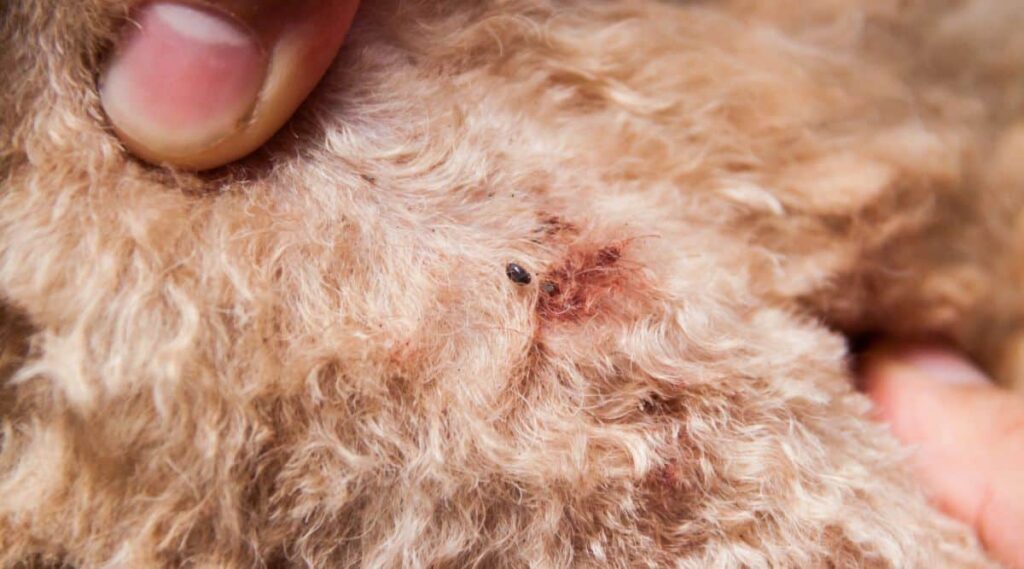
Flea bites do not always show up as obvious “bug bites,” but they can leave behind small red bumps, irritated skin, and intense itching.
You may notice the worst scratching around the tail base, lower back, belly, or inner thighs. Some dogs barely react, while others get very inflamed from even a small number of bites.
If your dog seems much itchier than the number of fleas would suggest, flea bites may be triggering a bigger skin reaction.
Signs It’s Time to Call Your Vet
Home care can help with mild flea problems, but there is a point where it makes sense to get your vet involved.
- Your dog is scratching so much that they cannot settle down
- The skin looks raw, red, scabby, or infected
- You are seeing hair loss, hot spots, or sores
- Your dog seems unusually tired or uncomfortable
- The fleas keep coming back even after you have treated the dog and the house
- You are dealing with a puppy, an older dog, or a dog with known skin issues
If things look like they are escalating instead of calming down, that is usually your sign to stop experimenting and get help.
Don’t Let One Flea Turn Into Fifty
This is where flea problems tend to snowball. You get a few off your dog, the scratching eases up, and it feels like the problem is handled.
Then a few days later, it starts all over again.
That is usually because adult fleas were only part of the story. Eggs and developing fleas can still be hiding in bedding, rugs, furniture, and cracks around the house.
If you only treat the dog and stop there, the cycle can keep restarting.
What to Do Today
If you found fleas today, keep it simple and do the basics well.
- Use a flea comb and focus on the neck, back, and tail base
- Use your chosen quick-relief method carefully
- Wash your dog’s bedding and anything else they sleep on
- Vacuum rugs, floors, furniture, and baseboards
- Keep an eye on the skin over the next day or two
You do not need to do everything at once. You do need to break the cycle before it gets more established.
How to Keep This From Happening Again
Once the immediate panic is over, prevention is what saves you from doing this all over again next month.
- Check your dog regularly with a flea comb, especially after outdoor time
- Wash bedding often during flea season
- Vacuum the spots your dog uses most
- Stay consistent with whatever prevention plan you trust most
- At the first sign of fleas, treat the dog and the environment together
The faster you catch it, the easier it is to control.
Bottom line: A small flea problem is much easier to stop than a full-blown repeat cycle. Take care of what is on your dog, deal with what is in your home, and do not ignore signs that your dog needs more support.
Don’t Let a Small Flea Problem Turn Into a Bigger One
You do not have to do everything at once, but acting quickly makes a big difference. Start with your dog, treat the areas they use most, and stay consistent long enough to break the cycle.
For a deeper step-by-step plan, check out our complete guide to getting rid of fleas on dogs. You’ll also find our top picks for natural flea and tick prevention products, plus ways to keep your home and yard from turning into a repeat problem.
Got a flea story? Tried a remedy that actually helped, or one that totally flopped? Drop it in the comments and help other dog owners figure out what’s worth trying and what’s not.