When you purchase through links on our site, we may earn a commission. Here’s how it works.
Reverse sneezing can sound scary the first time it happens. Your dog freezes, stretches their neck, and makes loud snorting or honking noises that look — and feel — alarming in the moment. Most dog owners panic at first, and honestly, that reaction makes sense.
Table of Contents
The reassuring part? Reverse sneezing is usually harmless, even though it looks dramatic. Episodes often last only seconds and resolve on their own.
In this guide, we’ll break down how to stop a dog from reverse sneezing, which natural home remedies may help, and when it’s time to call the vet, so you’re ready the next time it happens.
What Does Reverse Sneezing In Dogs Look & Sound Like?
I remember the first time my Cocker Spaniel mix, Tiny, had a reverse sneezing episode. He froze mid-step, stretched his neck forward, and started making loud snorting sounds that came out of nowhere. For a few seconds, I was convinced he was choking. Then it stopped, and he went right back to being his usual self.

That sudden start-and-stop is typical. Reverse sneezing isn’t the same as a regular sneeze. Instead of forceful air blowing out of the nose, air is rapidly pulled in through the nasal passages. During an episode, the soft tissues in the back of the throat briefly spasm, making it harder for air to move smoothly.
Most dogs show a few recognizable signs:
- Standing still with the neck extended and head tilted slightly back
- Flared nostrils and a closed mouth
- Lips pulled back, elbows angled outward
- Loud snorting, honking, or gag-like inhaling sounds
Episodes usually last a few seconds to a minute, though they can feel much longer when you’re watching them happen. Once it ends, most dogs act completely normal — no coughing, no distress, no lingering symptoms. This is one of the most significant clues that you’re dealing with reverse sneezing and not something more serious.
If that description sounds familiar, a quick check can help you feel more confident about what you’re seeing.
Quick Check: Is This Reverse Sneezing?
✔ Loud snorting or honking sounds on the inhale
✔ Neck stretched forward or head tilted slightly back
✔ The episode stops suddenly
✔ Dog acts completely normal right after
If you’re nodding yes to all of these, it’s very likely reverse sneezing and usually not an emergency.
Sometimes, seeing and hearing it makes everything click. This short video shows exactly what a typical episode looks and sounds like.
A Real-Life Reverse Sneezing Moment
If that looked unsettling, that reaction is entirely normal. Here’s what my colleague shared about her own experience.
The first time my dog Falkor, a Poogle, reverse sneezed, I panicked. We’d just come home from a long walk when he gulped water, shook his face, and suddenly made a loud, snorty, gagging sound that looked like choking.
About a minute later, it stopped. Falkor curled up for a nap like nothing had happened. My vet later explained it was reverse sneezing and showed me how to help if it happened again.
— Danielle DeGroot, Falkor’s Emotional Support Human & Canine Journal writer
Why Does Reverse Sneezing Happen?
Reverse sneezing happens when the tissues at the back of your dog’s throat and nasal passages become briefly irritated or overstimulated. That irritation triggers a reflexive spasm, causing your dog to pull air in rapidly instead of pushing it out like in a normal sneeze.
Veterinary experts at Cornell University explain that reverse sneezing happens when a dog rapidly pulls air inward due to irritation in the nasal passages or throat, which is why the sound is so distinct and alarming.
Think of it less as a breathing problem and more as a temporary throat or nasal reaction. The episode looks intense, but in most cases, your dog’s airway is not blocked, and oxygen is still moving in and out.
Because the upper airway is sensitive, even small changes, such as a new smell, sudden excitement, or dry air, can trigger it. Once the irritation settles, the reflex stops, and your dog goes right back to themselves.
Understanding this “why” is important because it explains why home remedies often work and why most episodes are short-lived rather than dangerous.
Common Causes Of Reverse Sneezing In Dogs
Reverse sneezing is usually triggered by mild irritation or stimulation of the upper airway. In many dogs, multiple factors are involved, which is why episodes can seem unpredictable.
1. Environmental Triggers
These are some of the most common culprits, especially in sensitive or allergy-prone dogs.
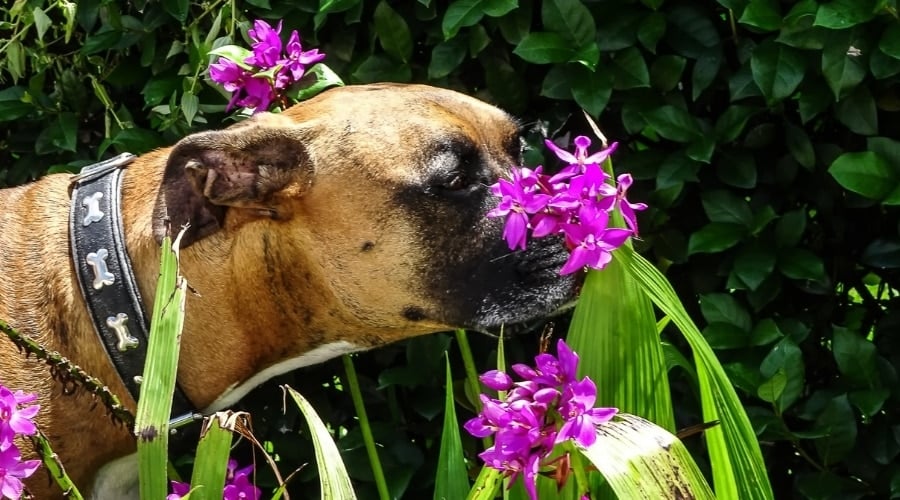
- Seasonal or indoor allergies (pollen, dust, mold)
- Smoke, perfumes, scented candles, or air fresheners
- Cleaning products or powders are used nearby
- Dry air, especially during winter or in air-conditioned homes
2. Activity & Behavior Triggers
Sudden changes in breathing or throat position can briefly irritate the soft tissues.
- Excitement or sudden bursts of activity
- Pulling hard on the leash during walks
- Eating or drinking too quickly, especially in eager eaters
3. Physical & Anatomical Factors
Some dogs are simply built in a way that makes reverse sneezing more likely.
- Narrow airways or an elongated soft palate
- Pressure from collars around the neck
- Smaller body size or compact airway structure
4. Less Common Medical Causes
These are less frequent but may lead to more persistent or intense episodes.
- Foreign material in the nasal passages (grass, dust, debris, etc.)
- The Merck Veterinary Manual notes that, while uncommon, nasal mites can cause repeated sneezing or reverse sneezing and may require veterinary treatment.
Most reverse sneezing episodes are triggered by allergies, excitement, or dry air and stop on their own within seconds. Less commonly, repeated or worsening episodes may indicate irritation that requires veterinary attention.
Which Trigger Sounds Like Your Dog?
- The Seasonal Sniffer – Spring and fall set it off
- The Overenthusiastic Greeter – Zoomies, doorbells, and guests
- The Competitive Speed Eater – Meals end, honking begins
- The Leash-Puller in Training – Shows up on walks with a collar
- The Unsolved Honking Case – No evident pattern at all
Many dogs fit more than one category. Noticing patterns makes episodes easier to manage.
Dog Breeds More Prone To Reverse Sneezing
Reverse sneezing can happen to any dog, but it’s more common in breeds with smaller, narrower, or shortened airways. In these dogs, even mild irritation can trigger that dramatic snorting reflex.
An observational study published in Veterinary Sciences found that reverse sneezing occurs more frequently in smaller dogs and breeds with certain airway traits.
You’ll see reverse sneezing more often in small breeds, including:
It’s also especially common in brachycephalic (short-nosed, flat-faced) breeds, such as:
Dogs with brachycephalic airway obstruction syndrome (BOAS) often have anatomical features, like a longer soft palate or tighter nasal passages, that make them more sensitive to airflow changes, excitement, and environmental irritants.
That said, breed alone doesn’t always mean there’s a problem. Many dogs in these groups experience occasional, harmless episodes throughout their lives.
It becomes more concerning when reverse sneezing increases in frequency, lasts longer than usual, or occurs alongside other symptoms, which is when it’s time to call the vet.
When Reverse Sneezing Is Normal — And When It’s Not
Occasional reverse sneezing is very common and, in most dogs, completely harmless. If episodes are brief, stop on their own, and your dog acts normal immediately afterward, there’s usually no cause for concern.
Reverse sneezing is generally considered normal when:
- Episodes last a few seconds to a minute
- Your dog recovers quickly and resumes normal behavior
- There’s no nasal discharge, coughing, or ongoing distress
- Episodes happen only once in a while
It’s time to pay closer attention if reverse sneezing becomes frequent, prolonged, or intense. A sudden increase in episodes over hours or days can signal irritation, inflammation, or another issue that needs evaluation.
This distinction matters because reverse sneezing can sometimes resemble other respiratory problems. Knowing what’s typical for your dog makes it much easier to spot when something isn’t.

Animal health organizations, like the People’s Dispensary for Sick Animals (PDSA), emphasize that occasional reverse sneezing is usually harmless, but persistent or worsening episodes should be checked by a vet.
Signs That Mean You Should Call the Vet
While most reverse sneezing episodes are harmless, there are times when the symptoms don’t fit the typical pattern and deserve a closer look. This is especially important if reverse sneezing starts to look more like a breathing problem than a brief nasal reflex.
Contact your veterinarian if you notice:
- Repeated episodes over a short period (hours or days)
- Nasal discharge, especially if it’s thick, yellow, green, or bloody
- Frequent pawing at the nose or face
- Reverse sneezing paired with regular sneezing or coughing
Seek veterinary care right away if your dog shows signs of respiratory distress, including:
- Increased effort to breathe or heavy abdominal movement
- Coughing or gagging, especially a dry, goose-honk sound or a wet cough
- Rapid breathing or gasping for air
- Bluish or purplish gums
- Exercise intolerance or sudden collapse
These symptoms can point to conditions that resemble reverse sneezing but are far more serious. If you’re ever unsure, it’s always safer to call your vet or seek emergency care, especially when breathing is involved.
Conditions Reverse Sneezing Is Commonly Confused With
If you’re watching your dog during an episode and thinking “This doesn’t look like a sneeze,” you’re not alone. Reverse sneezing often gets mistaken for other breathing or throat issues because of how intense it looks.
Choking
Choking causes ongoing distress rather than a quick stop. Dogs may paw frantically at their mouth, drool excessively, gag without relief, or continue struggling until the obstruction is removed.
Kennel Cough
Kennel cough produces a dry, goose-honk cough that repeats throughout the day. Unlike reverse sneezing, it doesn’t resolve in seconds and often lingers for days or even weeks.
Collapsing Trachea
Tracheal collapse is most common in small breeds and causes a chronic honking cough. Episodes are often triggered by excitement, exercise, or leash pressure and tend to worsen over time.
Asthma Or Lower Airway Disease
Lower airway issues may cause wheezing, labored breathing, or coughing that persists after the episode rather than stopping suddenly.
Heart Or Serious Breathing Issues
More serious conditions are usually accompanied by additional warning signs, such as rapid breathing at rest, pale or bluish gums, weakness, or collapse.
Quick reassurance:
If the episode is brief, stops on its own, and your dog acts normal immediately afterward, it’s far more likely to be reverse sneezing than an emergency.
How Do You Stop A Dog From Reverse Sneezing?
When reverse sneezing occurs, the most important thing to remember is to stay calm. Your dog is usually not in danger, and your reaction can influence how quickly the episode passes.
The goal in the moment is to interrupt the spasm and encourage a normal swallow or breath pattern. Many dogs respond to simple, gentle actions that help relax the throat and reset breathing.
Below are safe, commonly recommended techniques you can try during an episode. Not every method works for every dog, so it may take some trial and error to find what helps yours most.
6 Natural Home Remedies For Reverse Sneezing In Dogs
When reverse sneezing happens, gentle intervention can sometimes help shorten the episode. These techniques are safe to try at home and focus on relaxing the throat or encouraging normal breathing.
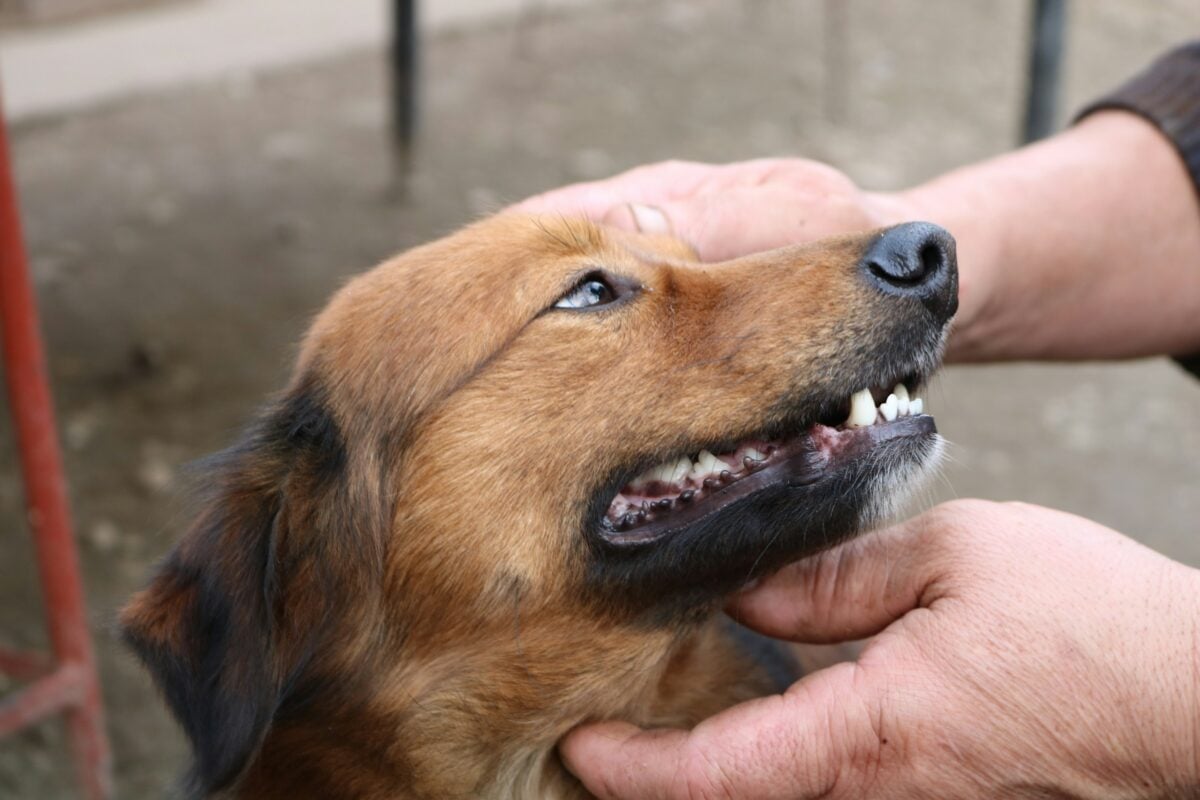
1. Gently Massage The Throat
Using light pressure, massage downward along your dog’s throat. This can help relax the muscles involved in the spasm and may shorten the episode.
2. Cover One Or Both Nostils
Briefly covering your dog’s nostrils for a second can trigger a swallow, which often helps stop reverse sneezing. This should be quick and calm, never forceful or prolonged.
3. Offer Water Or Something Safe To Lick
A small sip of water, a bit of wet food, or a treat can soothe throat irritation and help reset swallowing and breathing.
4. Gently Blow A Soft Puff Of Air
Lightly blowing a small puff of air toward your dog’s face may interrupt the breathing cycle and encourage normal airflow. It doesn’t need to be strong to be effective.
5. Use Moist Air
Dry air can worsen irritation. Sitting with your dog in a steam-filled bathroom for a few minutes, or using a humidifier, may help reduce irritation, especially if episodes occur often.
6. Provide Calm Reassurance & Distraction
Speaking softly, petting your dog, or gently redirecting their attention can help them relax. Staying calm yourself often helps the episode pass more quickly.
The goal is to keep interventions gentle, brief, and stress-free, remembering that most reverse sneezing episodes resolve on their own within seconds.
Natural Calming Options: What’s Okay — And What To Be Careful With
Some dogs are more likely to reverse sneeze when they’re overstimulated or stressed, which is why calming support, such as calming treats or CBD oil, sometimes works as a natural option. These approaches may help reduce the frequency of episodes, but they work best when used thoughtfully.

Calming herbs are sometimes used for dogs who reverse sneeze during excitement or stress, including chamomile, valerian root, and passionflower.
These herbs may support relaxation, but they’re not risk-free. They can interact with medications or underlying conditions, so it’s important to check with your veterinarian before using them.
Essential oils require extra caution. While peppermint or eucalyptus is often mentioned for breathing support, dogs are extremely sensitive to scent.
- Never apply essential oils directly to your dog
- Use diffusers sparingly and only in well-ventilated areas
- Stop use if sneezing or irritation worsens
It’s also important to match the approach to the trigger. If reverse sneezing is driven by allergies, anatomy, or airway irritation, calming supplements won’t address the root cause. They’re most helpful when stress or excitement is clearly a factor.
When in doubt, your vet can help you decide whether a calming option is safe or whether another strategy would be more effective for your dog.
What NOT To Do During A Reverse Sneezing Episode
When reverse sneezing looks intense, it’s easy to overreact. These well-intended actions can actually make things worse:
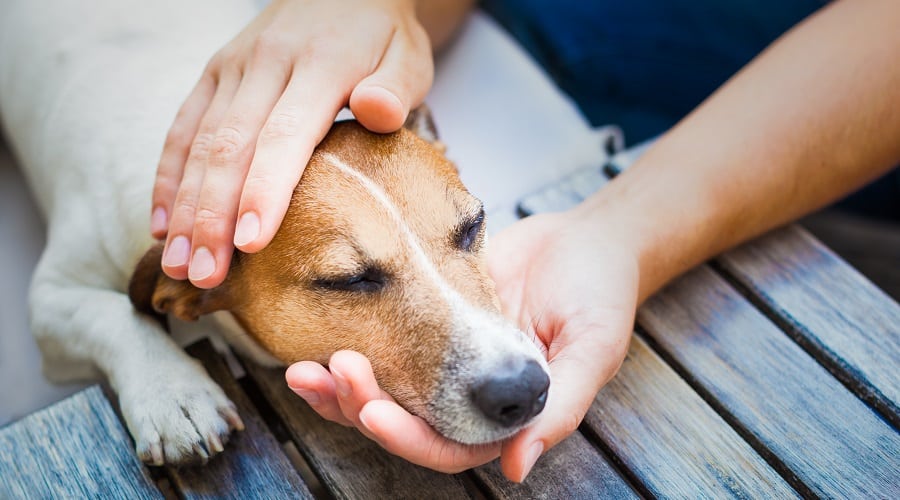
- Don’t panic or restrain your dog. Stress can prolong the episode.
- Don’t force the mouth open or pull on the tongue.
- Don’t spray anything into the nose or mouth.
- Don’t give human medications or nasal products.
- Don’t apply essential oils directly to your dog’s face or body.
Staying calm and using gentle techniques is almost always the better approach.
How To Help Prevent Reverse Sneezing Episodes
While you can’t always prevent reverse sneezing entirely, a few simple habits and environment changes can make episodes less frequent, primarily if your dog has known triggers.
1. Start With The Environment
Irritants in the air are one of the most common contributors. Limiting exposure to smoke, perfumes, air fresheners, cleaning sprays, and powders, especially in areas where your dog spends the most time, can reduce nasal and throat irritation. Regularly changing furnace or HVAC filters can also help improve overall air quality.
2. Pay Attention To Humidity
Dry air can irritate sensitive nasal passages and increase the likelihood of reverse sneezing. Using a humidifier during dry months may help, and some dogs benefit from brief exposure to moist air, such as sitting in a steamy bathroom for a few minutes.
3. Rethink Walking Gear
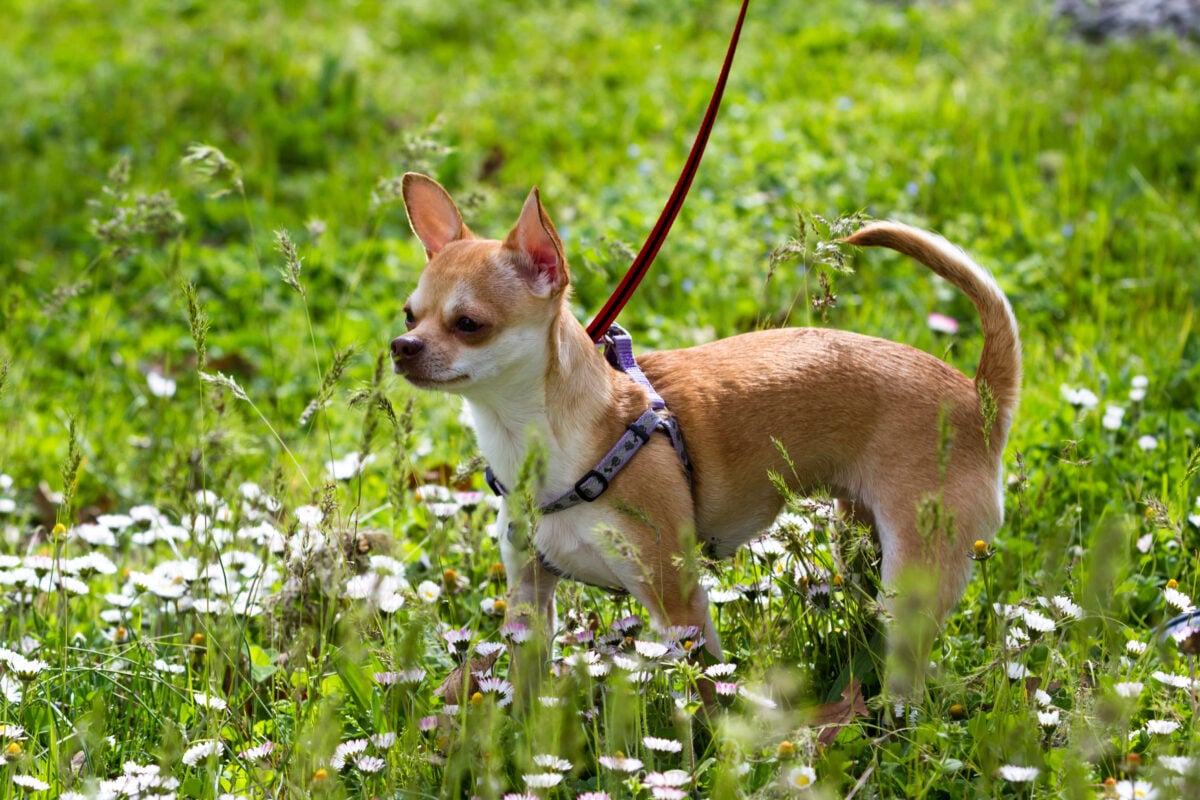
Pressure on the neck can trigger reverse sneezing in some dogs, particularly small or short-nosed breeds. Switching from a collar to a well-fitted harness often reduces throat irritation and helps prevent episodes during walks.
4. Slow Things Down At Mealtime
Dogs who eat or drink too quickly may irritate the soft palate or throat. Using a slow feeder or offering smaller, more frequent meals can help reduce post-meal episodes.
5. Manage Excitement When Possible
For dogs who reverse sneeze during high-energy moments, calmer routines, structured play, and predictable schedules may help limit overstimulation.
These steps won’t eliminate reverse sneezing in every dog, but they often reduce how often episodes happen — and help you feel more in control when they do.
Frequently Asked Questions
Reverse sneezing tends to raise the same questions for a lot of dog owners, especially the first few times you see it happen. Below are answers to the ones we hear most often.
If you don’t see your question here, feel free to share it in the comments. Chances are, another dog owner is wondering the same thing.
How Long Do Reverse Sneezing Episodes Usually Last?
Most episodes last a few seconds to under a minute, though they can feel much longer when you’re watching them happen. Once the episode stops, dogs typically act completely normal right away.
Can Reverse Sneezing Hurt My Dog?
In the vast majority of cases, no. Reverse sneezing looks dramatic, but it is usually harmless. The key signs that it isn’t dangerous are how quickly it resolves and how normal your dog seems afterward.
Is Reverse Sneezing The Same As Kennel Cough?
No. Reverse sneezing involves noisy inhaling and stops suddenly, while kennel cough causes a repeated, dry honking cough that persists over time and doesn’t resolve in seconds.
Can Reverse Sneezing Become More Frequent Over Time?
It can, especially if triggers like allergies, dry air, or excitement aren’t addressed. An increase in frequency is a good reason to check in with your vet.
Should I Worry If My Dog Reverse Sneezes Every Day?
Daily episodes aren’t typical and may point to ongoing irritation, allergies, or another underlying issue. While it’s not automatically an emergency, it’s worth a veterinary visit to rule out other causes.
Want To Better Understand Your Dog’s Triggers?
If your dog reverse sneezes often or you suspect allergies may be playing a role, learning what specifically irritates them can be helpful. At-home dog allergy test kits are designed to screen for sensitivities to a wide range of environmental triggers and food ingredients. You can learn how these kits work and whether they’re worth considering by checking out our reviews of the best at-home dog allergy test kits.
Have you noticed a pattern with your dog’s reverse sneezing — certain seasons, walks, foods, or moments of excitement? Paying attention to those details can make episodes easier to manage and help you know when something truly changes. Share your insights in our comments to help other pup owners.