
When you purchase through links on our site, we may earn a commission. Here’s how it works.
I was so nervous when I brought home my dog Falkor. I wasn’t nervous about adopting a new dog; I’m a seasoned dog owner. But I was worried about how to introduce dogs the right way, because one bad first meeting can permanently change how dogs see each other.
Table of Contents
Falkor was an unexpected rescue, and I didn’t have time to prepare much ahead of time. I knew the most challenging part wasn’t training or bonding, it was introducing him to my resident dog, Daisy.

I’d read horror stories, dogs rejecting new siblings, fights breaking out over food or toys, and long-standing resentment. I needed a plan, not just hope. I didn’t want to gamble.
This guide is exactly what I wish I had during those nerve-wracking first days.
Personal Experience: My Dog Was Excited… Until The Puppy Stayed
I had been thinking about a new pup for a while, but when Falkor crossed my path, it was literal love at first sight. Daisy, on the other hand, an aging Pitbull Labrador mix, was not exactly as thrilled.
When she first met Falkor, she was ecstatic. Tail wagging, butt wiggling, full-on welcome parade. I thought, “Wow, this is going to be easier than I expected.” In truth, it was not.
Daisy was smitten for about 24 hours. She sniffed him, circled him, and even tried to share her favorite toy. She looked at me like, “You got me a puppy? For real? You’re the best human ever.”
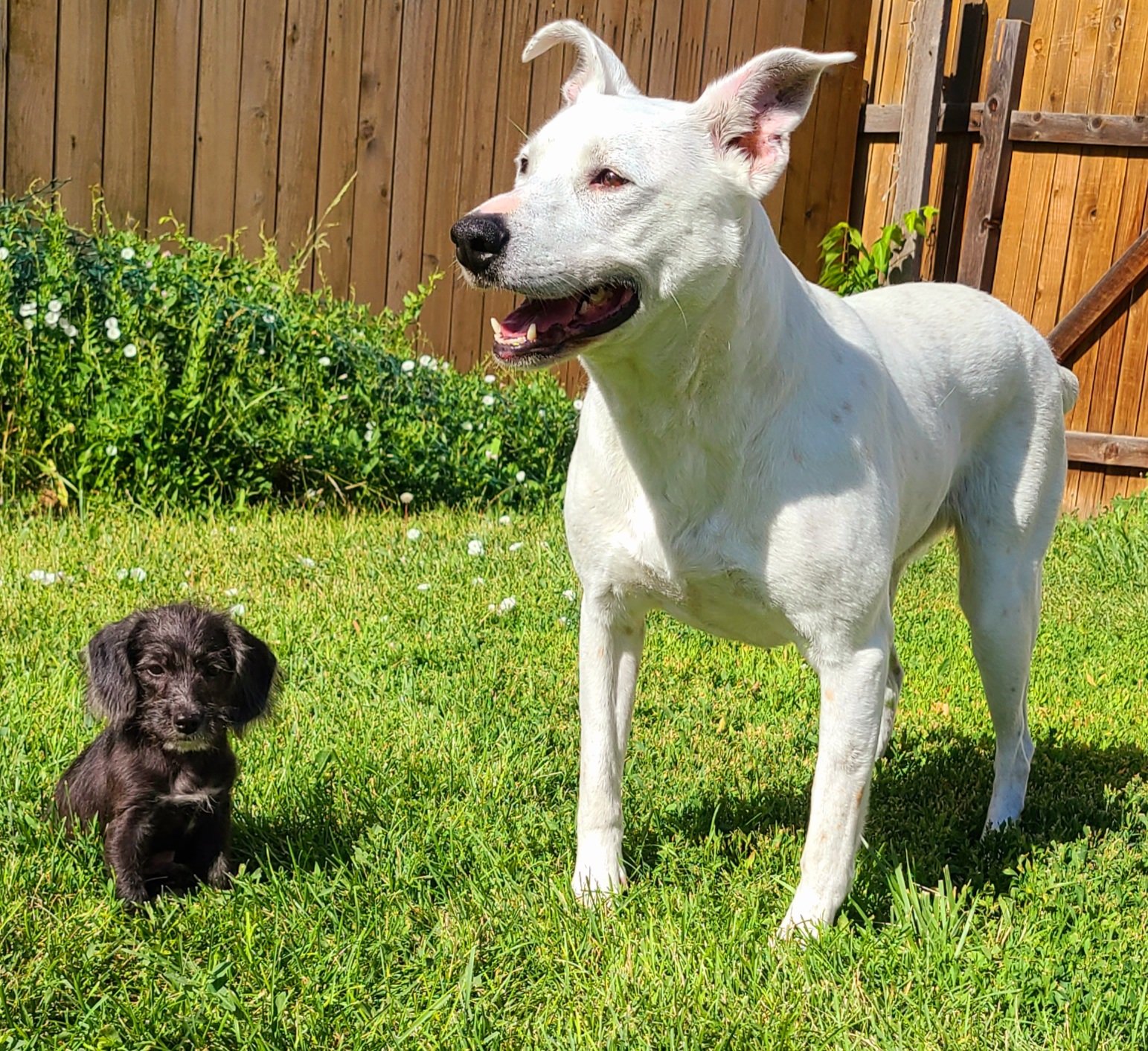
But then Falkor stayed. He chewed her blanket, peed on her favorite corner of the rug, and suddenly it was clear he wasn’t a guest. He was a long-term roommate with no sense of personal space, boundaries, or dignity when it came to furniture.
I watched the vibe shift from love-at-first-sniff to “this isn’t what I signed up for” faster than Falkor could knock over her food bowl.
It took time, weeks of structured introductions, space management, and a lot of patience. But slowly, they found their rhythm.
Now, they’re bonded in that perfect “we don’t always like each other, but we’ve got each other’s backs” kind of way.
Thinking Of Getting A Second Dog? Read This First
Before you plan introductions, it’s worth pausing to ask whether both dogs are actually set up to succeed.
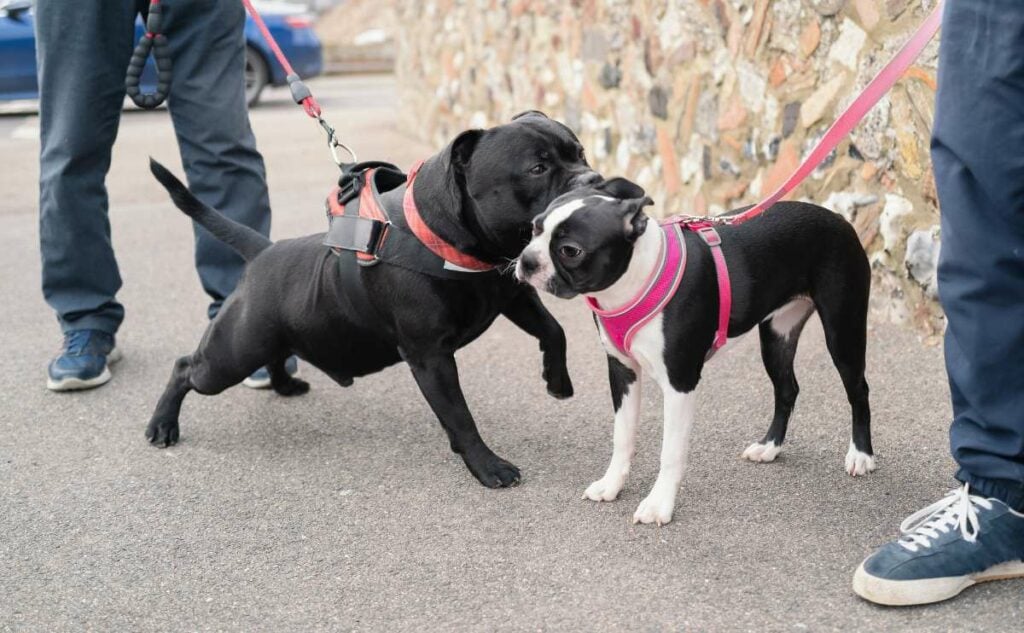
According to the American Pet Products Association (APPA), nearly 48% of dog-owning households have more than one pup. So if you’re thinking about adding a second (or even third) furry companion, you’re in good company.
But before you get too excited picturing double the tail wags and cuddle piles, remember this: your first dog didn’t ask for a roommate. They already have a routine, favorite spots, and your full attention. A new dog changes all of that overnight.
Adding another dog is more than a cute idea. It’s a major change in your current dog’s life, and they’ll need time, space, and support to adjust.
The good news is that with the right plan and mindset, most dogs can learn to coexist and even thrive together. But successful introductions start long before the first sniff.
Are Your Dogs Ready To Meet?
Before you schedule that first sniff, pause here. This is one of the most important parts of the entire process.
Are both dogs emotionally and behaviorally ready for the introduction? Ideally, most of the following should be true before you move forward:
- Your resident dog is generally dog-social and has had positive experiences with other dogs
- Neither dog shows resource guarding, such as growling over food, toys, or space
- Both dogs can respond to basic commands like “sit,” “leave it,” and “come”
- There’s no history of reactivity or aggression toward other dogs or animals
- The new dog or puppy is healthy, vaccinated, and beginning to trust you
- Each dog has had time to decompress in their current environment, especially after travel, shelter stays, or big changes
If most of these boxes are checked, you’re in a good place to begin.
If not, that’s okay. It doesn’t mean your dogs can’t succeed. It just means they may need more time, structure, or guidance from a trainer.
A slow, thoughtful start is always better than rushing and risking a bad first impression.
Playdate vs Moving In: Why The Stakes Are Different
Meeting at the park is one thing. Sharing a home is something else entirely.
A casual playdate lets dogs interact on neutral ground with minimal pressure. There’s space to disengage, new smells to explore, and no toys or food to guard. It’s a great way to test initial chemistry.
But when one dog is moving in, everything changes. Now you’re blending routines, resources, and personal space. Dogs who get along fine in short bursts might struggle when they’re together 24/7.
That’s why moving-in introductions need more structure, supervision, and patience. Start slow, give each dog space to adjust, and don’t assume early friendliness will automatically translate to long-term harmony.
How To Introduce Dogs In 5 Low-Stress, High-Success Steps
You’ve done the prep work. You’ve assessed whether both dogs are ready.

Now it’s time for the moment that matters most, the first meeting. Whether you’re introducing a playful puppy or a full-grown rescue, how you handle these early interactions can shape their entire relationship.
The goal isn’t instant friendship. It’s calm curiosity, a safe space, and controlled exposure. Think of it as a slow build, not a social sprint.
Here’s exactly what to do, step-by-step, to give your dogs the best possible start.
Step 1: Start Introductions In A Neutral Location
Introducing your new pup inside your current dog’s territory is like walking into someone’s kitchen and claiming the fridge. It’s not going to go well.

Instead, choose a neutral space for the first meeting. A quiet park, an empty trail, or even your backyard (if it hasn’t been claimed) can help both dogs start off on equal footing. Keep both on leashes, stay calm, and let them sniff, circle, and do all their weird dog diplomacy rituals without pressure.
This first impression sets the tone. You want curiosity, not conflict.
Why This Works: Neutral territory reduces territorial stress and lowers the odds of defensive reactions.
Step 2: Take It Slow & Supervise Closely
You’ve done the meet and greet. Great.
But don’t go tossing them both on the couch and hoping for the best. Dogs aren’t roommates on a reality show. They need structure.
- Start with short, supervised interactions. Use gates or crates to allow sniffing through barriers.
- Go on parallel walks (separate leashes, same path).
- Let them get used to sharing space before expecting them to share affection.
Every small success is a building block. The goal isn’t instant friendship. It’s tolerance first, trust second, and love later.
Common Mistake: Giving dogs full freedom together too quickly because the first meeting “went fine.”
Step 3: Give Both Dogs Equal Attention & Space
Here’s where things get tricky. You’re the prize. And your first dog knows it.
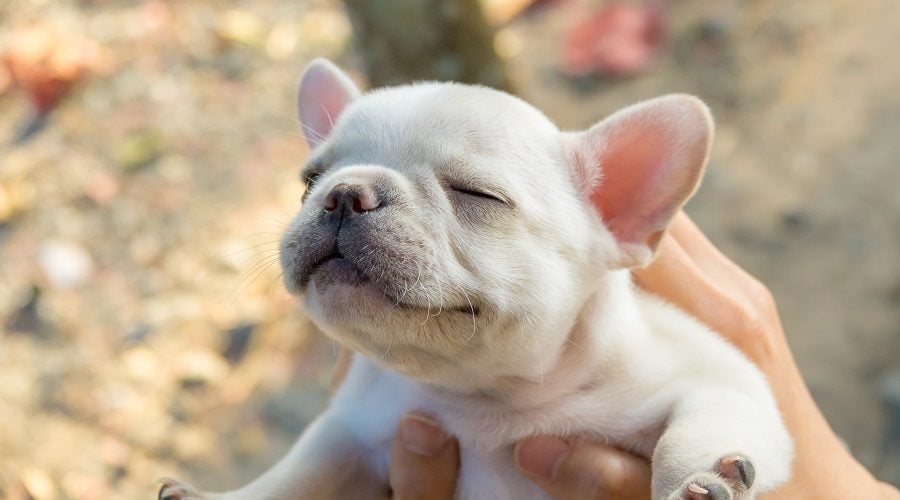
If you suddenly shower the new pup with affection while your original dog watches from the sidelines like a jilted ex, don’t be surprised if the mood shifts. Balance is everything.
- Pet both dogs equally
- Include both in routines like fetch or cuddle time
- Avoid praising one while correcting the other in the same moment
In the early weeks, it’s best to keep your dogs’ belongings separate. Give each dog their own food and water bowls, beds, toys, and resting spots. This helps prevent guarding behavior and gives each dog a sense of ownership and safety.
As trust builds, you can slowly introduce shared spaces and items, but start with clear boundaries to reduce tension.
You’re building a team, not picking sides. And dogs notice everything.
What To Watch For: Subtle tension when one dog consistently gets more attention, praise, or access to you.
Step 4: Don’t Let Dogs Share Bowls Early On
Food changes everything. Even the chillest dogs can become drama queens around a food bowl.

For the first few weeks, feed them in separate areas, different rooms, crates, or corners with a visual barrier. It teaches them one crucial rule: no one’s stealing your dinner here.
Eventually, you might work up to shared mealtimes, but early on, safety and stress-free meals matter more than convenience.
Why This Matters: Separate meals reduce stress and prevent food-related conflict before trust is established.
Step 5: Watch Their Body Language Carefully
Here’s your secret superpower as a dog parent: observation.

Watch their body language and behavior like a detective.
- Loose tails? Good.
- Whale eyes or growling? Time to slow down.
Dogs often whisper with posture before they shout with behavior.
Watch the hair on the top of their back and pay attention to the tail and ears. These can signal rising stress or discomfort, and they’re a cue to slow things down and create space before tension escalates.
You’re not just their caretaker. You’re their translator, referee, and emotional support human. The more you observe, the more you’ll know when to step in or step back.
Trust Your Instincts: If something feels off, it’s okay to pause and reset.
Introducing Adult Dogs vs Puppies: What Changes & Why It Matters
Introducing an energetic puppy to your adult dog is a different experience from bringing two adult dogs together. The foundation is the same: structure, supervision, and slow pacing. But the expectations and reactions can vary greatly depending on age and personality.
Age changes expectations, patience levels, and how quickly trust builds.
If You’re Introducing A Puppy
Puppies often come in full of energy, lacking boundaries, and brimming with curiosity. To your adult dog, this can feel overwhelming, like a toddler who never naps moving into their space.

What to keep in mind:
- Supervise closely. Puppies don’t always understand social cues and may push limits.
- Give your older dog an escape zone. A quiet room, bed, or crate where they can decompress.
- Don’t punish growling from your adult dog if the puppy is being too pushy. This is how dogs set limits and communicate discomfort.
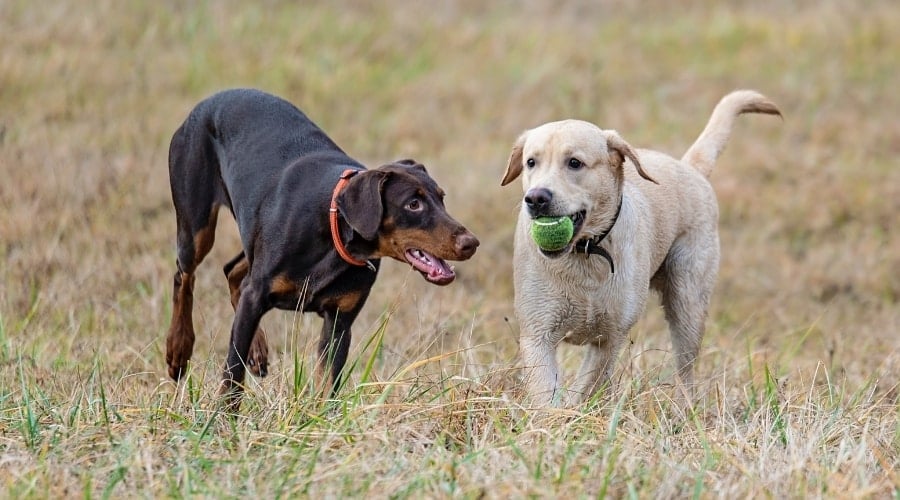
If You’re Introducing Two Adult Dogs
Adult dogs tend to have more defined boundaries and experiences that shape how they respond to others. This can mean smoother intros if both are social, or tension if either has a history of fear or reactivity.
What to consider:
- Take things slowly. Let them build trust through controlled interactions and shared routines.
- Pay close attention to body language. Adult dogs can signal discomfort subtly.
- Use parallel walks and shared calm time before allowing full freedom together.
Whether you’re introducing a high-energy puppy or two adult dogs with established habits, the rule is simple. Move at the pace of the more sensitive dog, and focus on safety, space, and small successes along the way.
How To Introduce Dogs (Video)
Below is a very helpful video from Zak George’s Dog Training Revolution on how to properly introduce dogs.
5 Tips For Common Problems: Troubleshooting Dog Introductions
Even with thoughtful preparation, dog introductions don’t always go perfectly. Small issues are common during the adjustment period, especially in the first few days or weeks, and most are temporary when addressed early.
Dogs are individuals with their own energy levels, communication styles, and past experiences. A moment of tension doesn’t mean the introduction has failed. It usually means someone needs more space, clearer boundaries, or a slower pace.
The key is recognizing problems early and responding calmly before they escalate. Here’s how to handle the most common bumps in the road.
1. Aggression: When Growls Turn Serious
A low growl during an intense moment is one thing. Lunging, snapping, or stiff, prolonged staring is another.
If either dog is showing signs of true aggression, pause all interactions immediately.
Try This
- Go back to parallel walks and visual-only exposure
- Use leashes or gates for safe separation
- Avoid high-stakes situations like mealtime or toys
Call In Help If: Aggression escalates or doesn’t de-escalate with space and time. A certified dog trainer or behaviorist can safely guide you through reintroductions.
2. Withdrawal: The “I’ll Be Over Here” Response
Some dogs won’t act out; they’ll simply retreat. If one dog is hiding, ignoring, or avoiding interaction altogether, it’s a sign they’re overwhelmed or unsure.

Try This
- Give them control over when and how to engage
- Offer praise or treats for brief positive interactions
- Create low-pressure, calm shared environments like sniff walks or sunbathing nearby
Important: Respect avoidance. Forcing interaction often backfires and increases stress.
3. Guarding Behavior: Resource Wars Begin
Does one dog growl when the other gets close to their food, toys, bed, or you? That’s resource guarding, and it can escalate quickly.
According to the American Society for the Prevention of Cruelty to Animals (ASPCA), puppies that grow up competing with littermates or other pets for food or attention may be more likely to develop guarding behaviors. When these early tactics, like growling or blocking access, prove successful, the behavior can become a lasting habit, especially in new environments where routines and resources feel uncertain.
Try This
- Feed dogs in separate rooms or crates
- Remove high-value items during shared time
- Reinforce calm behavior near shared resources with treats and praise
Call in Help If: Guarding intensifies or starts including you or your family members.
4. Mismatch In Energy: Calm Dog Meets Chaos Gremlin
If your older or mellow dog is overwhelmed by the new pup’s endless zoomies, tension can build fast.
Try This
- Schedule solo time for the calm dog to recharge
- Tire out the high-energy dog with walks, puzzles, or fetch before shared time
- Use crates or gates for structured breaks and decompression
Over time, they may adjust, but forcing closeness will only widen the gap.
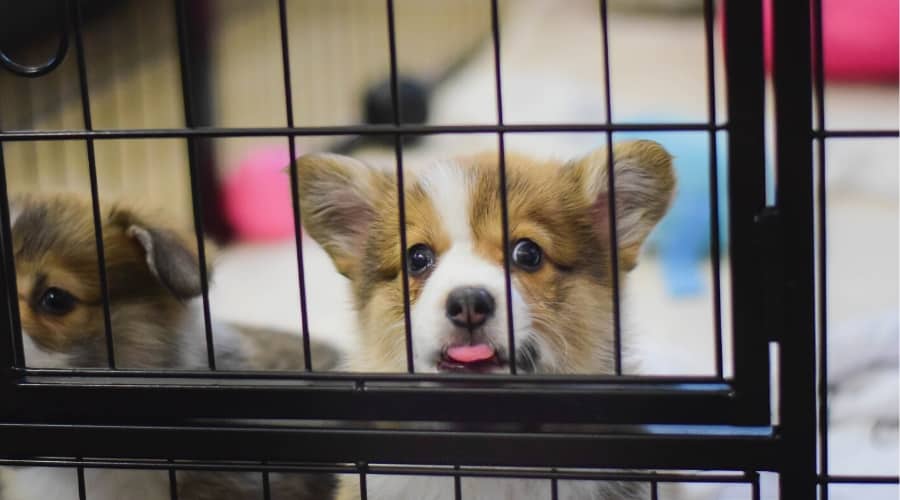
5. Crate & Gate Strategies: Building Trust With Boundaries
Crates and gates aren’t punishment tools. They’re your best allies in creating physical and emotional safety during the adjustment period.
Set It Up
- Let each dog have their own defined space
- Use gates to allow sniffing and visual contact without full access
- Rotate access to shared areas to prevent territorial claims
Gradual, controlled exposure builds familiarity without pressure, which helps both dogs build tolerance and eventually, trust.
New Dog, Same Rules: Keep It Consistent From The Start
It’s easy to give your new puppy or rescue dog a little leeway in the beginning. They’re adorable, overwhelmed, and probably testing every limit they can find.
But when you’re blending dogs in one household, consistency is more than a training tool; it’s a peacekeeper.
Your new dog isn’t just learning basic manners. They’re also watching how your other dog behaves, and picking up cues about what’s allowed and what’s not. If you apply different rules to each dog, confusion and tension will build quickly.
Start with clear, simple boundaries that both dogs understand:
- No peeing in the house
- No jumping on people
- No getting on furniture unless invited
- No stealing food or toys
The goal isn’t to be strict, it’s to be fair and predictable. The faster your new dog understands the expectations, the smoother your household will run, and the more confident your first dog will feel in their role.
Think of it as giving both dogs a sense of structure in the chaos of change. And when dogs feel secure, they behave better and bond faster.
It is also helpful to prepare your home for the new dog ahead of time if possible. Our short video below gives a quick run-through on how to puppy-proof your pad.
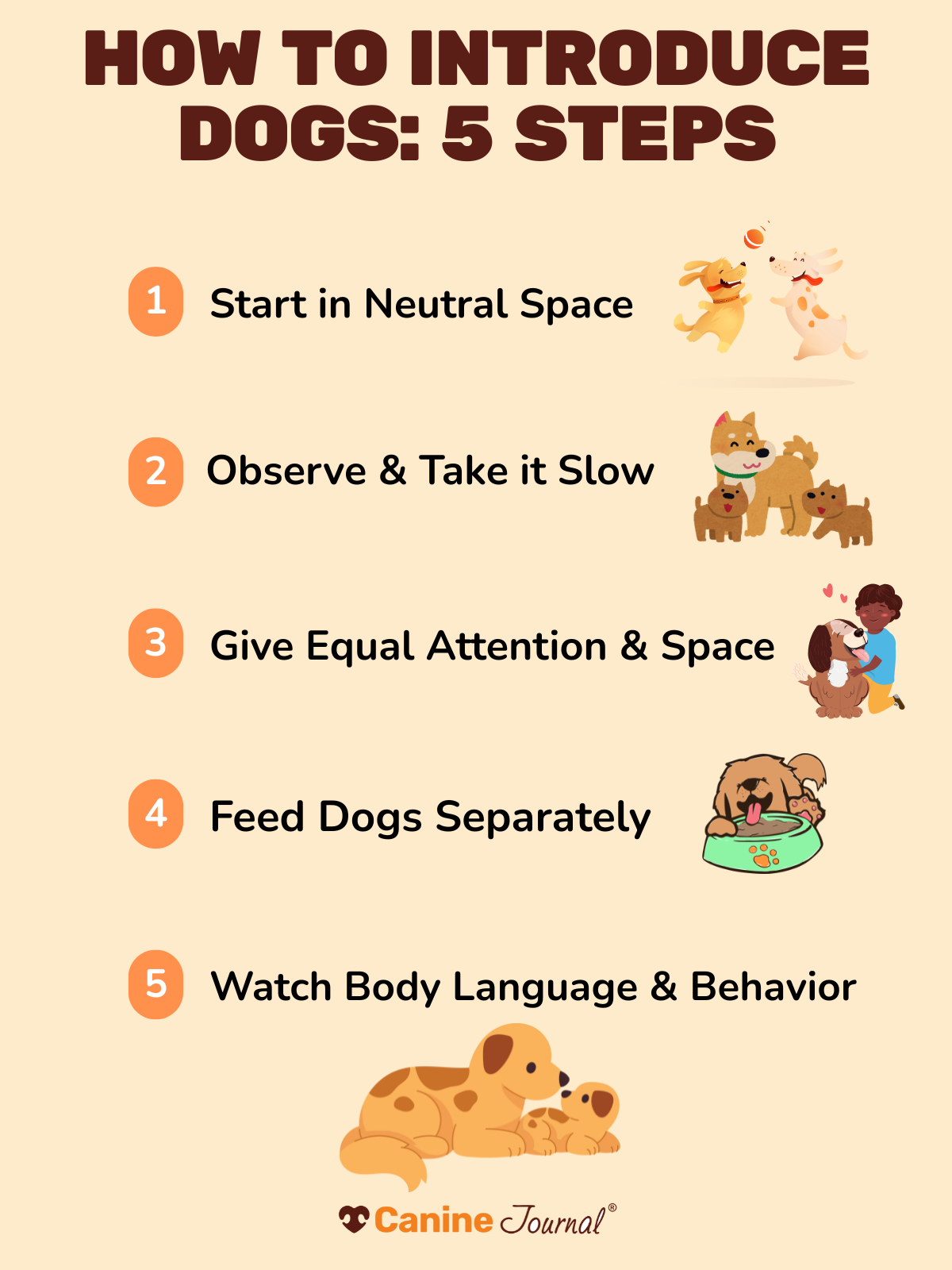
5 Keys To Success
If you remember nothing else, keep these five principles in mind when introducing dogs for the first time.
- Neutral space
- Keep a watchful eye and take it slow
- Give both dogs equal attention and space
- Feed both dogs separately
- Observe body language and behavior
If you remember these things, you can introduce any dog to another with limited aggression or tension. The important thing is always to be mindful of the situation and use your best judgment. When the time feels right to relax some of the rules and let dogs be dogs, you’ll know, and you will have created the best possible dynamic for your family.
Frequently Asked Questions
Introducing dogs can feel overwhelming, especially when you’re worried about doing something wrong or missing an important signal. These are some of the most common questions dog owners ask during the introduction process, along with clear, calm answers to help you move forward with confidence.
Don’t see your question? Respond in the comments, and we’ll get back to you!
How Long Does It Take For Dogs To Adjust To Each Other?
There’s no universal timeline. Some dogs settle in within a few days, while others need several weeks to feel comfortable sharing space. Progress often happens in small steps rather than overnight changes.
What matters most is consistency. Calm routines, structured interactions, and giving each dog time to decompress usually matter more than speed.
Is Growling Normal When Introducing Dogs?
Yes, light growling can be normal, especially early on. Growling is often a form of communication, not aggression. It can mean a dog is uncomfortable, overstimulated, or asking for space.
What matters is context. If growling is brief and followed by disengagement, it’s usually a signal to slow things down. Persistent growling, lunging, or snapping is a sign to pause introductions and seek professional guidance.
Should Dogs “Work It Out” On Their Own?
No. Letting dogs “figure it out” without supervision can backfire, creating lasting tension or fear. Dogs benefit from structure, boundaries, and calm human guidance during introductions.
Your role is to manage the environment so neither dog feels pressured to defend space, resources, or themselves.
Is It Better To Introduce Dogs Off-Leash Or On-Leash?
Early introductions are safest on leash in a neutral environment. Leashes allow you to guide movement and create space if needed.
Once dogs show relaxed body language and positive interactions, you can gradually allow more freedom in controlled settings. Avoid tight leashes, which can increase tension.
What If My Resident Dog Seems Jealous?
What looks like jealousy is often insecurity or uncertainty. Your dog may be reacting to changes in routine, attention, or personal space.
Maintaining familiar routines, giving both dogs individual attention, and keeping early interactions calm and predictable helps reduce this response over time.
When Should I Involve A Trainer Or Behaviorist?
If you see escalating aggression, intense resource guarding, or signs of fear that don’t improve with time and structure, it’s a good idea to bring in a certified trainer or behaviorist.
Early professional support can prevent minor issues from becoming long-term problems and help ensure everyone stays safe.
Can Dogs That Start Off Tense Still Become Friends?
Yes. Many dogs that don’t hit it off immediately go on to form strong, respectful bonds. Tension during early introductions doesn’t mean failure.
With patience, space, and thoughtful management, dogs often learn how to coexist and even enjoy each other’s company over time.
Help Your Dogs Thrive After The Introductions
Bringing a new dog home is a big transition, and you’re already doing the right thing by planning ahead. With a little structure, patience, and the right tools, your dogs can go from cautious introductions to a happy, balanced life together.
Whether you’re raising a puppy or welcoming a rescue, it’s not about getting everything perfect. It’s about making steady progress and creating a home where both dogs feel safe, seen, and loved.
If you’re ready for the next steps, here are some helpful resources:
- Online Dog Training Courses and Dog Training Apps – Easy, expert-led lessons to build better behavior at home
- How to Socialize a Puppy or Rescue Dog – Confidence-boosting tips for every age and stage
- How to Bond With a Rescue Dog – Build trust through calm routines and meaningful connection
You’ve laid the foundation, now keep building on it with patience and purpose. Every small step, every calm redirect, every quiet moment of trust is shaping the relationship between your dogs. It won’t always be easy, but it will be worth it. The bond you’re helping them form today is the one they’ll carry with them for life.