When you purchase through links on our site, we may earn a commission at no extra cost to you. Learn more.
Leaving your dog behind never feels right. You know they trust you to keep their world steady, even when you’re gone. And the thought of handing that responsibility to a stranger can twist your stomach faster than packing for the trip itself.
Table of Contents
You’ve heard the horror stories. The sitter who stopped showing up. The boarding staff who mixed up food and left a dog sick for days.
You’re the kind of pet parent who needs to know they’re safe, loved, and understood, not just fed on schedule. So the question isn’t whether someone will watch your dog. It’s who will do it best.
Pet Sitting vs Boarding: What’s The Real Difference?
When you strip away the marketing, “pet sitting” and “boarding” are two very different worlds for your dog.
Pet sitting keeps your pup in a home environment — either yours or the sitter’s — with familiar smells, a quieter pace, and one-on-one attention. It’s the closest thing to life as usual, just with a different human holding the leash.
Boarding puts your dog in a group setting, usually a kennel or dog hotel. It’s louder, busier, and full of stimulation.
For social dogs who love other pups, it can feel like summer camp. For anxious dogs, it can feel like moving into a dorm on the first day of college — a lot to take in all at once.
Quick Takeaway
Before you can decide what feels right, you need to understand what each option really looks like from your dog’s point of view — not just yours.
- Pet sitting is comfort and routine.
- Boarding is structure and social time.
The right choice depends on which environment makes your dog feel safest.
Why Your Dog’s Personality Matters More Than You Think
Not every dog handles change the same way. Some barely notice you’re gone; others spiral the moment your suitcase appears.
The right choice between pet sitting and boarding starts with knowing what kind of dog you have — and what environment helps them feel secure.
The Social Butterfly
These dogs thrive on company, noise, and play. Boarding can be heaven for them — constant stimulation, new smells, and round-the-clock activity.

Just make sure the facility groups by size and temperament so playtime doesn’t turn chaotic.
The Homebody
Routine is everything. These pups like familiar scents, predictable walks, and their own bed.

A sitter who keeps things calm and consistent can make your absence easier to handle.
The Anxious Or Senior Dog
For dogs who panic during thunderstorms or tire easily, boarding can be a daunting experience.

They do best with a sitter who can offer quiet comfort and personal attention.
The High-Energy Athlete
If your dog lives for the park, daycare-like boarding might be their version of a dream trip. Structured play and staff interaction keep boredom at bay — as long as the staff can match their energy safely.

Quick Takeaway
Match your dog’s personality to the environment.
- Comfort-seekers do best with a sitter.
- Social dogs may thrive in boarding.
The goal is less stress — for both of you.
The Cost Comparison: What You’ll Actually Pay
No one likes to put a price tag on peace of mind, but cost can be the deciding factor between a sitter and a boarding stay. The trick is knowing what those prices actually include and what they quietly don’t.
Pet sitting usually costs more per night because it’s personal. You’re paying for one-on-one care, flexible visits, and someone you trust to step into your routine.
Depending on location and services, expect $70 to $125 per day for in-home sitting or overnight stays. You can learn more in our article covering dog sitting rates.
Boarding can look cheaper upfront, typically $50 to $90 per night, but many facilities charge extra for the things you’d assume were included — like walks, playtime, or medication. Those “add-ons” can make a budget-friendly kennel as pricey as a sitter by the time you check out.
Quick Takeaway
- Pet sitting costs more but offers personal attention.
- Boarding costs less but often adds surprise fees.
Always ask what’s included before booking.
Pros & Cons At A Glance
Choosing between pet sitting and boarding isn’t about which option sounds better; it’s about which one fits your dog’s needs, personality, and comfort zone.
Seeing the pros and cons side by side can make the decision feel a lot clearer.
Pet Sitting: Comfort Comes First
Pet sitting is all about familiarity. Your dog stays in a quiet home environment surrounded by familiar smells, daily routines, and personal attention.
It’s ideal for dogs who crave consistency and one-on-one time, especially seniors, anxious pups, or those with medical needs.
| Pros | Cons |
|---|---|
| Home comfort and familiar surroundings | Higher nightly cost |
| Personalized care and flexible routine | Limited socialization |
| Lower risk of illness exposure | Can be hard to find a sitter you fully trust |
| Great for seniors, anxious dogs, or pets with medical needs | Less structure for high-energy dogs |
Quick Takeaway: Choose pet sitting if your dog values peace, quiet, and routine more than playtime. View our picks for best pet-sitting websites.
Boarding: Structure & Social Time
Boarding offers built-in socialization and a set schedule. It’s a good fit for dogs who love company and activity.

Most facilities provide supervised playtime, regular feeding, and staff on duty around the clock, but the noise and stimulation can overwhelm dogs who prefer calm environments.
| Pros | Cons |
|---|---|
| Constant supervision and trained staff | Can be loud or overstimulating |
| Structured schedule and social play | Higher exposure to germs or illness |
| Often more affordable than hiring a sitter | Add-on fees for walks, playtime, or medication |
| Great for social, confident dogs | Less personal attention overall |
Quick Takeaway: Choose boarding if your dog thrives on activity, structure, and social play — and can handle a little noise.
How To Find A Pet Sitter Or Boarding Facility You Can Actually Trust
You’ve probably heard at least one story that made you swear you’d never leave your dog with anyone again. The sitter who stopped showing up. The boarding staff who mixed up meals and sent a dog home sick.

Finding the proper care takes more than scrolling through reviews; it takes asking the right questions.
Questions To Ask A Pet Sitter
A professional sitter should feel like an extension of your own routine, not a gamble. Before booking, take time to meet them face-to-face and ask:
- Are you bonded and insured?
- What experience do you have with my dog’s breed, size, or medical needs?
- How many pets do you care for at once?
- Can you provide recent client references?
- What’s your backup plan if you get sick or have an emergency?
- How do you share updates — photos, texts, or calls?
Pro Tip: Always schedule a meet-and-greet before making a commitment. Watch how your dog reacts. If they’re uneasy or the sitter rushes the introduction, trust your gut.
Questions To Ask A Boarding Facility
A well-run facility should make transparency feel easy. During your tour, look for calm dogs, clean spaces, and staff who genuinely enjoy being there.
Then ask:
- What’s the staff-to-dog ratio?
- How are dogs grouped for playtime?
- What vaccines or flea prevention do you require?
- What’s your emergency or illness protocol?
- Which vet do you partner with for urgent care?
- Can I bring my dog’s own food, bed, and toys?
- How often do you send updates or photos?
Pro Tip: Don’t book without visiting in person. If it smells bad, feels chaotic, or staff dodge your questions, keep looking.
How To Prepare Your Dog (And Yourself) Before You Leave
Even the best setup can fall apart if your dog isn’t ready for it. A little prep goes a long way toward keeping everyone calm, especially you.
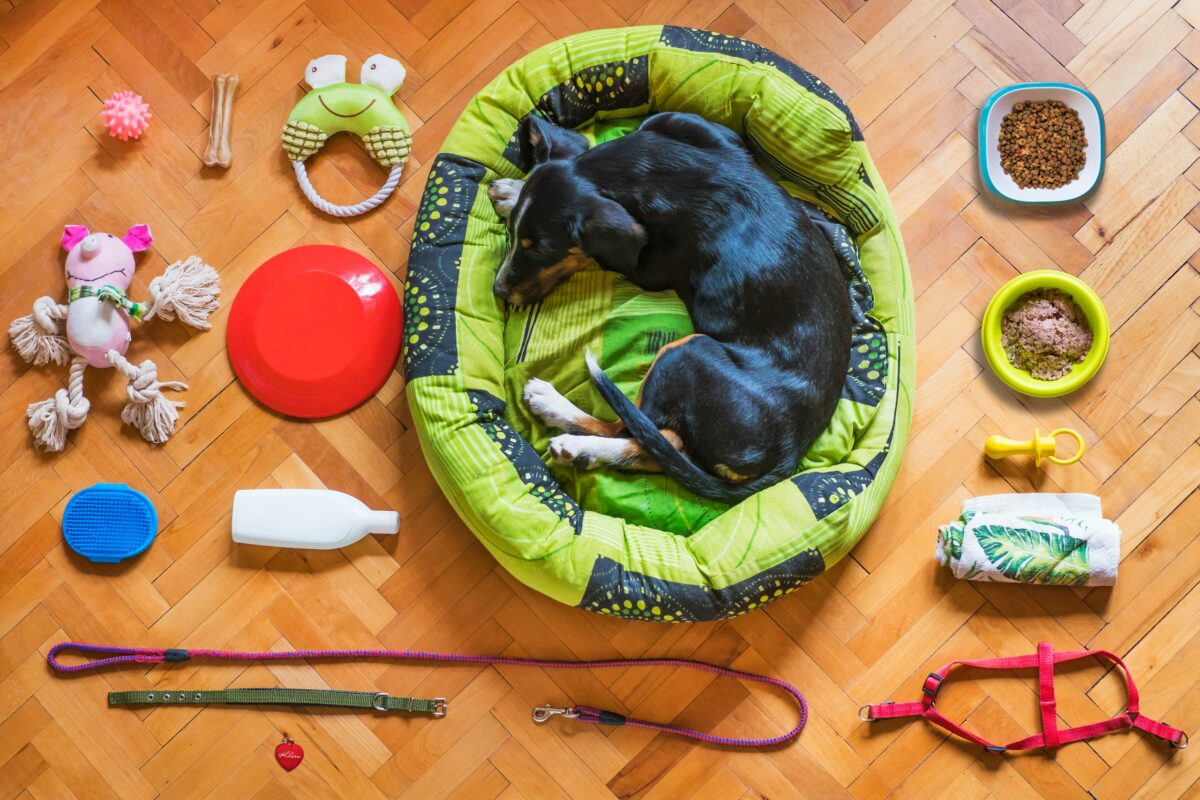
Maintain steady routines in the days leading up to your departure. Feed, walk, and play at the usual times so nothing feels different until the moment you go.
Dogs pick up on anxiety fast, so staying relaxed during packing and goodbyes helps them do the same. A calm attitude tells your dog that everything is normal.
- If you’re using a sitter, leave clear instructions for feeding schedules, medication, any quirks, and your veterinarian’s contact information.
- For boarding, pack a bag with labeled food portions, a familiar toy, and their bed or blanket to make the new space smell like home.
Most kennels require proof of up-to-date vaccinations, including rabies, bordetella (also known as kennel cough), and DHPP. Confirm those records with your vet before drop-off to avoid last-minute issues.
Do a short trial run if possible. Even a single overnight stay can help your dog adjust before a longer trip.
When it’s finally time to leave, skip the dramatic goodbye. A calm exit makes separation feel like no big deal.
Quick Takeaway: Familiar routines, current vaccines, and calm energy make all the difference. The more prepared you are, the easier the goodbye feels.
Which Option Works Best For Common Scenarios?
Sometimes the right choice depends less on personality and more on logistics. Use these common travel scenarios to guide your decision.
| Scenario | Best Fit | Why It Works |
|---|---|---|
| Weekend getaway | Boarding | A short stay keeps social dogs entertained without disrupting routine. |
| Two-week vacation | Pet sitter | Extended boarding can stress some dogs. A sitter keeps daily life consistent. |
| Work trip or conference | Either | Choose based on your dog’s comfort level and the facility or sitter you trust most. |
| Senior dog or dog with medical needs | Pet sitter | Personalized care ensures medication and rest stay on schedule. |
| High-energy or social dog | Boarding | Group play and structure help burn energy and prevent boredom. |
| Multi-dog household | Pet sitter | Siblings stay together and avoid separation anxiety. |
| Newly adopted or anxious dog | Pet sitter | A quiet home environment helps build confidence while you’re away. |
Quick Takeaway: Every dog handles time apart differently. Matching the situation to your dog’s needs keeps everyone happier when you reunite.
Red Flags To Watch Out For
A good sitter or facility welcomes your questions. A bad one makes you feel like you’re asking too many.

Trust your instincts. If something feels off, it probably is.
Watch for these warning signs:
- Vague or inconsistent communication
- Refusal to provide references or proof of insurance
- Unwillingness to let you visit the facility or meet in advance
- Strong odors, unclean spaces, or disorganized staff
- Overcrowded play areas or constant barking
- No vaccination requirements for boarding
- Reluctance to discuss emergency plans or vet access
If you notice any of these, keep looking. The right caregiver will respect your standards and want you to feel confident before leaving your dog in their care.
Quick Takeaway: Reputable sitters and facilities welcome questions, tours, and transparency. If someone rushes you to book, move on.
Real Story: Why Sticking To Routine Matters
We rarely board our dog, Sally, but recently did for a long weekend — and it didn’t go as I’d hoped. The staff and facility were great, but I brought her usual meals to keep her routine and prevent tummy issues, and all the food was returned untouched.
They’d clearly fed her something else and even gave her a bath, which I later learned isn’t standard there, so I suspect she may have gotten sick in her kennel.
When we got home, Sally had loose stools and clearly wasn’t feeling well. It was heartbreaking.
I’d strongly recommend confirming that anyone boarding your dog sticks to their regular diet. Sudden food changes can really upset their stomachs, even when everything else about the stay seems perfect.”
— Kimberly Alt, Pet Insurance Expert & Writer for Canine Journal
Frequently Asked Questions
Still unsure which option is best for your dog? These are the questions most pet parents search before booking care. Each one gets to the heart of what really matters for your dog’s happiness and safety.
Don’t see your question? Respond in the comments, and we’ll get back to you!
Is Pet Sitting Better Than Boarding?
It depends on your dog’s temperament. Shy, anxious, or older dogs often feel calmer with a sitter, while social, playful dogs enjoy the stimulation of a boarding environment.
Can My Dog Get Sick From Boarding?
Yes, dogs can catch respiratory illnesses such as kennel cough, especially in group settings. Look for facilities that require vaccinations, have proper ventilation, and are cleaned daily to reduce the risk.
What Should I Bring For My Dog’s Boarding Stay?
Pack enough food for the entire stay, clearly labeled by meal. Include any medications, a favorite toy, your dog’s bed or blanket, and a copy of vaccine records.
Familiar items help reduce stress in new surroundings.
How Do I Find A Pet Sitter I Can Trust?
Ask for references, verify insurance, and schedule a meet-and-greet before committing. A trustworthy sitter will encourage questions, communicate clearly, and make your dog feel at ease from the very first interaction.
Can I Check In On My Dog While I’m Away?
Absolutely. Many sitters and facilities now offer daily photos, short videos, or report cards. Some even provide live camera access so you can peek in anytime. Don’t hesitate to ask about the available communication options.
Do Dogs Miss Their Owners When They’re Boarded?
Most dogs adjust within a day or two, but familiar scents and routines make a big difference. Send their favorite blanket or toy, and make drop-off quick and positive so they don’t sense extra stress.
What If My Dog Has Anxiety Or Special Needs?
Look for sitters or boarding facilities experienced with anxious dogs. Ask if they use calming music, enrichment toys, or natural supplements.
For severe anxiety, you might discuss mild anti-anxiety aids with your vet before you travel.
Is Boarding Or Sitting Safer For Puppies?
Puppies are usually better off with an in-home sitter who can stick to their feeding, potty, and crate-training routine. They’re more vulnerable to stress and illness in crowded kennels.
Help Your Dog Stress Less While You’re Away
If your dog struggles with being alone, gentle support can make a big difference. Try calming treats for when you are away or see our guide on how to combat separation anxiety. You can also learn your dog’s body language cues to spot stress early and build more confidence in their care routine.