When you purchase through links on our site, we may earn a commission at no extra cost to you. Learn more.
If you walk your dog around the same three blocks every day, you’ve probably reached the point where you could do the route with your eyes closed. Your dog, meanwhile, is still determined to investigate that one patch of grass they’ve sniffed a hundred times before.
Table of Contents
Daily walks can get repetitive, especially when you’re squeezing them between work, errands, and everything else on your to-do list. But making your dog’s walks more interesting doesn’t require another mile around the neighborhood.
Giving your dog more time to sniff, exploring a different route, or adding a few simple games can turn an ordinary walk into something you both look forward to. Here are 13 easy ways to make your next walk more rewarding, without spending hours outside.
Your Dog’s Favorite Part Of The Walk Might Be The Part You Rush Through
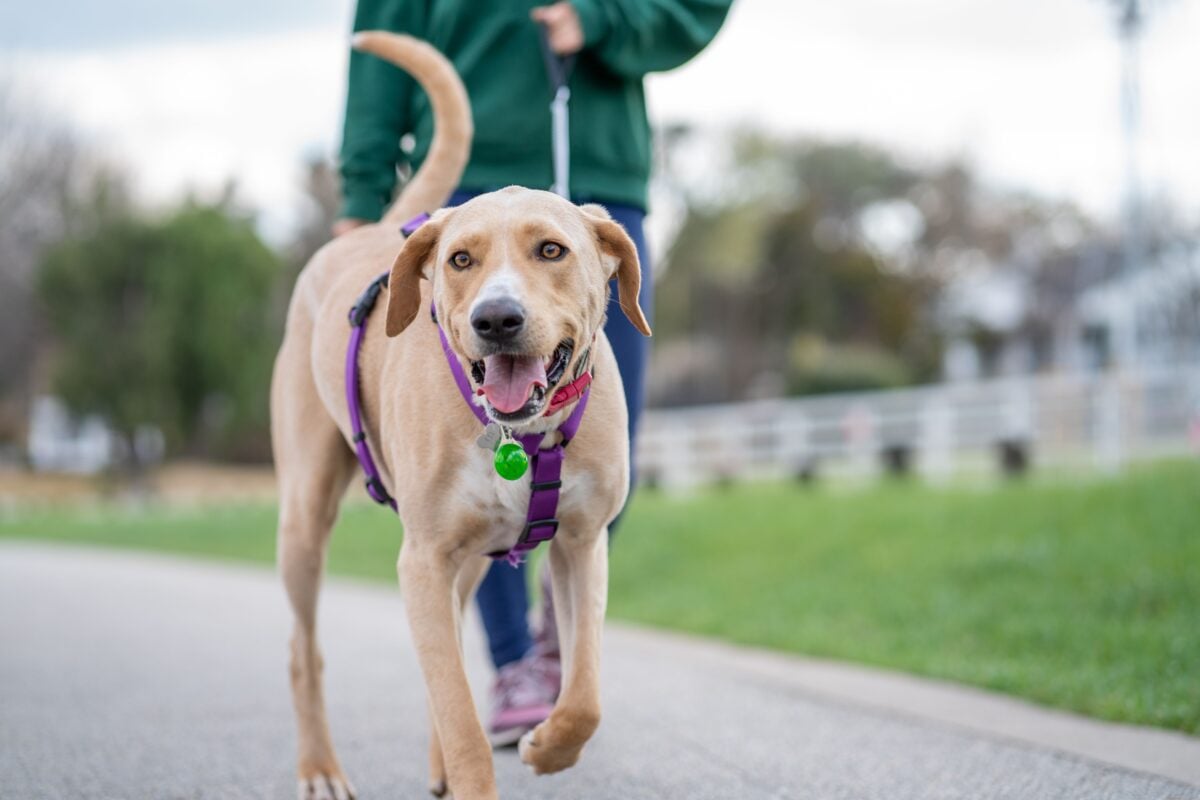
You might be focused on getting around the block, but your dog has a completely different agenda. That tree they’ve stopped at for the third time this week? There’s a lot of neighborhood gossip to catch up on.
Want our human-written content to rank above AI-generated garbage? Help us out by clicking this button!
Think of sniffing as your dog’s version of scrolling Instagram or TikTok. Every tree, fire hydrant, and patch of grass is another post in their feed.
Who’s been here? Is there someone new in the neighborhood? What’s changed since yesterday?
Dogs use their incredible sense of smell to gather information about the world around them. And just like you wouldn’t want someone snatching your phone away mid-scroll, your dog probably doesn’t appreciate being hurried past every interesting scent.
But sniffing is just one way to make walks more rewarding. Exploring new places, playing games, and making choices along the way can engage your dog’s mind as well as their body. And you don’t need to walk another mile to make it happen.
13 Ways To Turn An Ordinary Dog Walk Into An Adventure
Ready to shake things up? You don’t need fancy equipment, a new walking trail, or hours of free time to make your dog’s daily outings more exciting.
Some of the best ways to enrich your dog’s walks are surprisingly simple, and you can try many of them on your usual neighborhood loop. Start with one or two ideas that sound fun for your dog, then mix things up to keep your walks interesting for both of you.
1. Let Your Dog Stop & Smell Everything (Yes, Everything)
If your dog insists on sniffing every mailbox, tree trunk, and suspicious-looking blade of grass, let them! You’ve got places to be, but your dog has important investigative work to do.
Sniffing is a natural form of mental enrichment that helps dogs explore their surroundings and gather information about the world. Giving your dog time to follow their nose can make even the most familiar neighborhood walk more interesting.
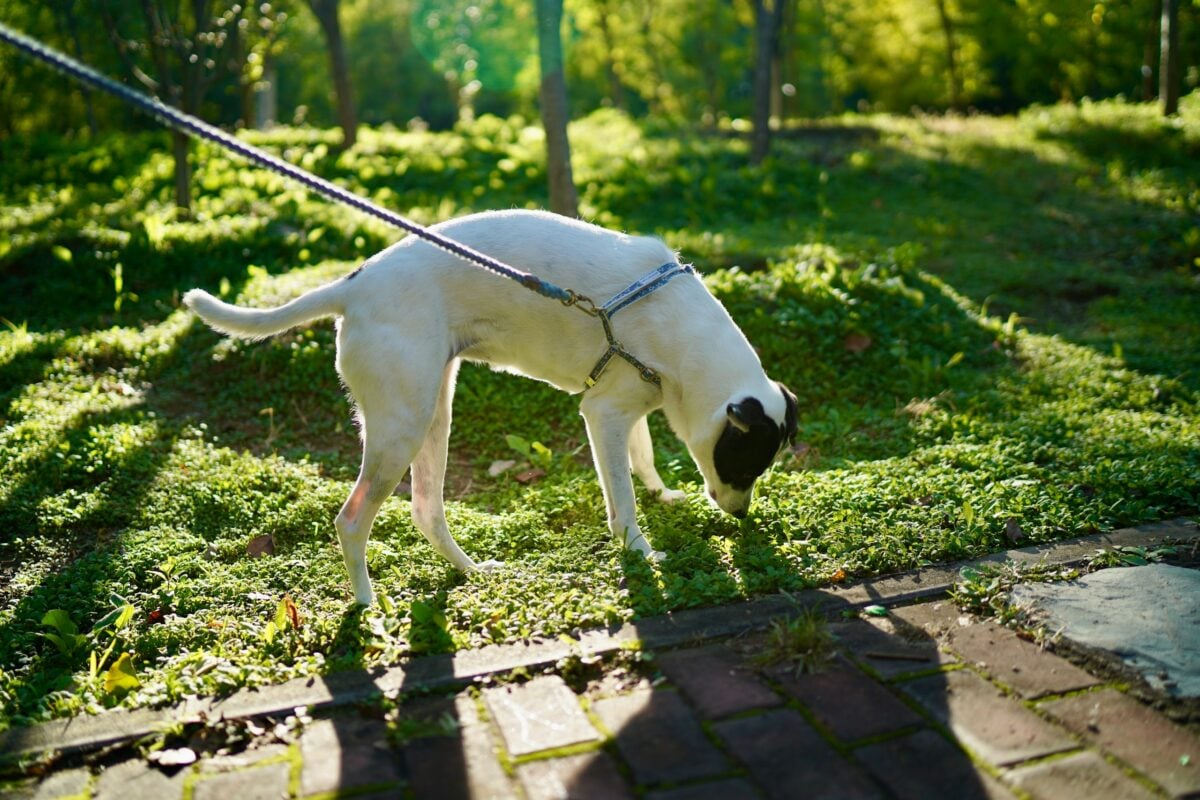
Try turning part of your next walk into a dedicated sniffing session. Slow your pace, let your dog linger at interesting spots, and consider designating certain stretches of your route as “sniff zones” where they get extra time to explore.
You don’t have to stop at every leaf for the entire walk. Even five or 10 minutes of uninterrupted sniffing gives your dog a chance to enjoy the outing on their own terms.
Quick Tip: Keep Sniff Stops Manageable
Short on time? Give your dog 10–15 seconds to investigate an interesting scent, then use a cheerful “let’s go” cue to continue. Adjust the timing based on your dog’s needs and how much time you have.
2. Try A “Sniff Walk” With A Long Line
Got a little extra time this weekend? Treat your dog to a sniff walk with a long line. Think of it as a mini adventure where your dog gets more freedom to explore than they would on their usual neighborhood stroll.
A long line gives your dog extra room to wander, investigate interesting scents, and explore their surroundings while staying connected to you. It’s a great way to change the pace without planning a major outing.
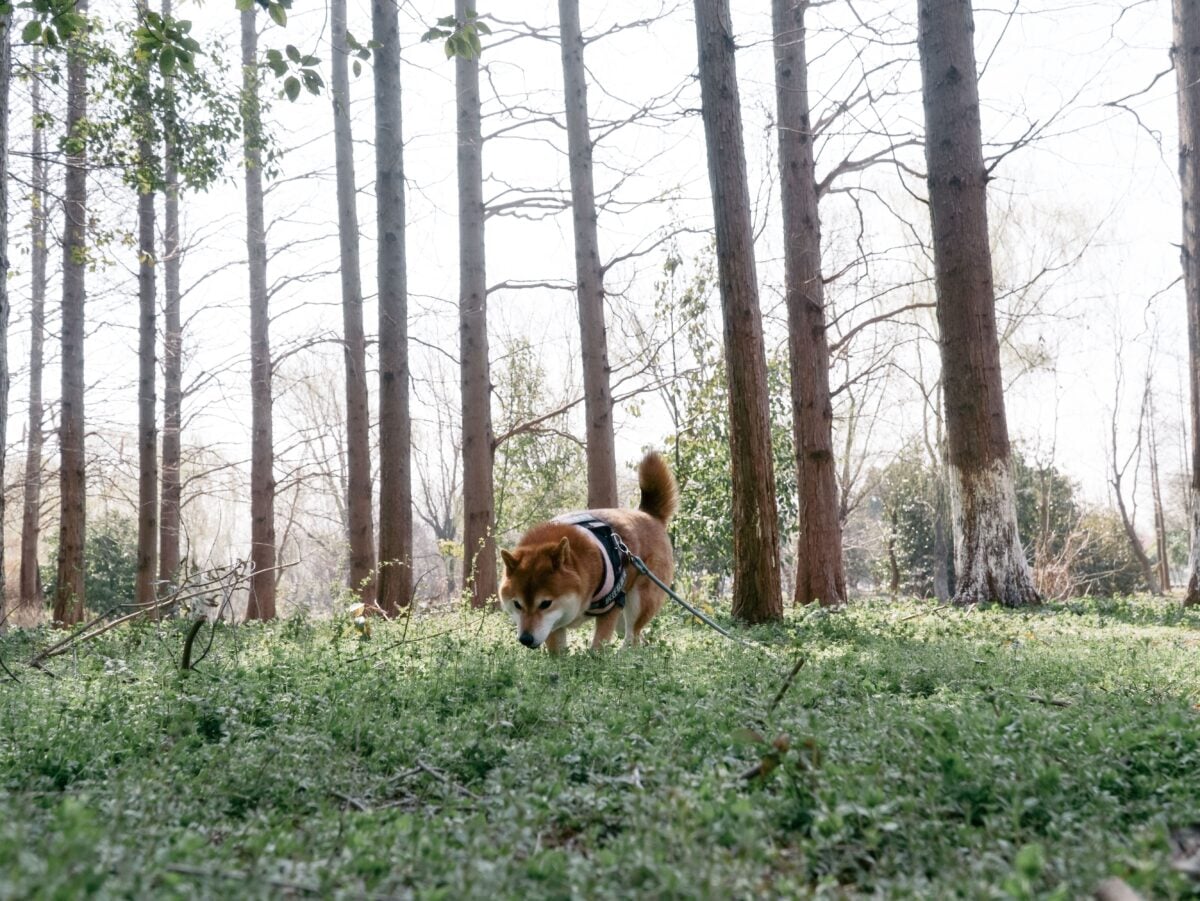
Long lines typically range from 10 to 30 feet or more, but starting with 10–15 feet can make handling easier while you and your dog get comfortable with the extra length.
Choose a quiet, open space, such as a grassy park or nature trail, where your dog has room to explore. Attach the line to a well-fitting harness, give your dog some slack, and let them investigate at their own pace.
You don’t have to make this an everyday activity. Even setting aside time once or twice a week for a longer sniffing adventure can add welcome variety to your dog’s routine.
Turn Exploration Into A Recall Game
A long line is also useful for practicing recall in a controlled setting. Let your dog wander a short distance, then cheerfully call them back using a familiar cue like “come.”
When they return, reward them with a tasty treat and plenty of praise before letting them head off to sniff again. Repeat a few times during your outing so your dog learns that coming back to you doesn’t always mean the fun is over. For more tips, check out our guide to off-leash dog training.
Long-Line Safety
Always supervise your dog, attach the line to a secure harness, and avoid wrapping it around your hand. Watch for obstacles, other dogs, and tangles, and never let your dog sprint to the end of the line. Check local leash-length rules before heading out.
Don’t have access to a quiet park or open field? Sniffspot lets you rent private outdoor spaces, including fenced yards and fields.
3. Let Your Dog Choose The Route
You’re usually the one deciding where your walks go. But what happens when you hand over the reins and let your dog play tour guide?
Next time you reach a fork in the sidewalk or a familiar intersection, give your dog a chance to choose which way to go. Maybe they’ll head straight for their favorite tree, take you down a street you haven’t explored in weeks, or surprise you with a completely different direction.
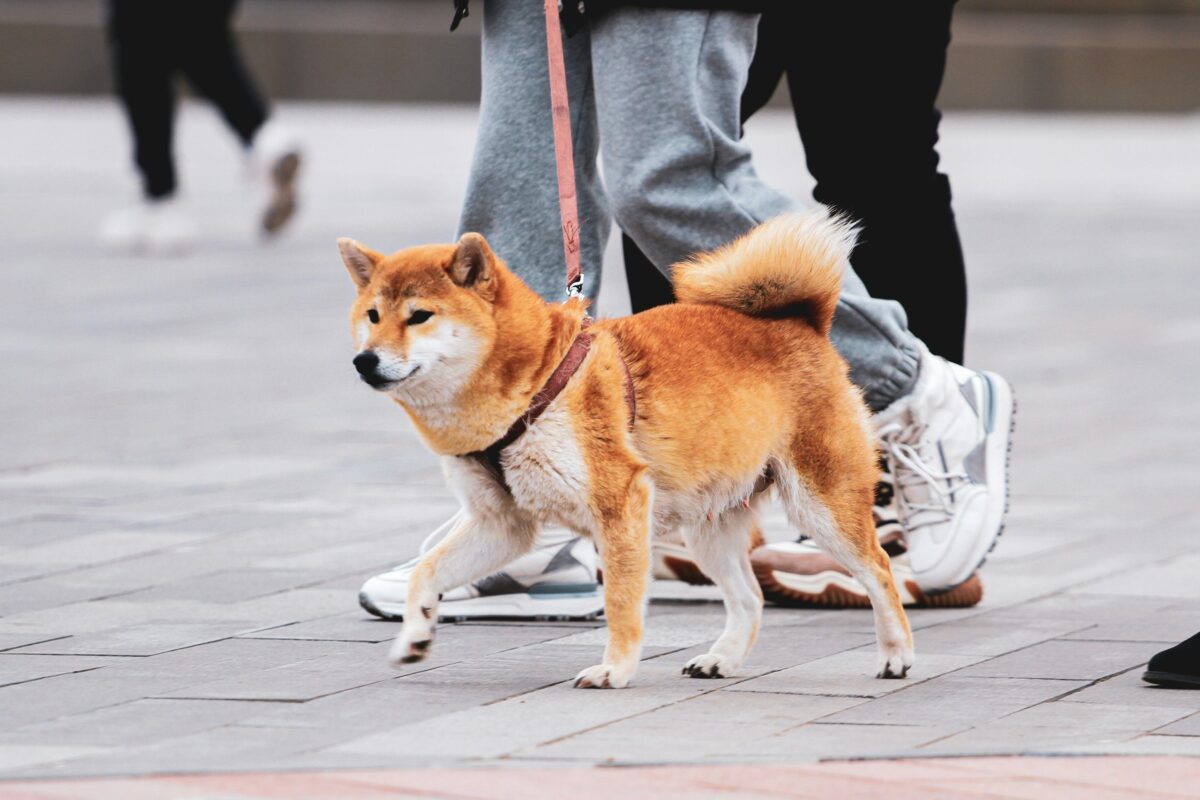
Giving your dog opportunities to make small choices adds variety and mental enrichment to an otherwise predictable routine. It’s also a fun way to discover which parts of your neighborhood interest them most.
Of course, you’re still responsible for keeping the route safe. Let your dog lead when conditions allow, but step in around traffic, unfamiliar dogs, or anything else that could put them at risk.
4. Take The Road Less Sniffed
Does your dog know your usual walking route so well they could practically navigate it blindfolded? It might be time for a change of scenery.
Even if you walk the same distance, taking a different route introduces your dog to new sights, sounds, and smells. A street you’ve never explored, a different neighborhood, or a nearby walking trail can offer plenty of opportunities for mental stimulation.
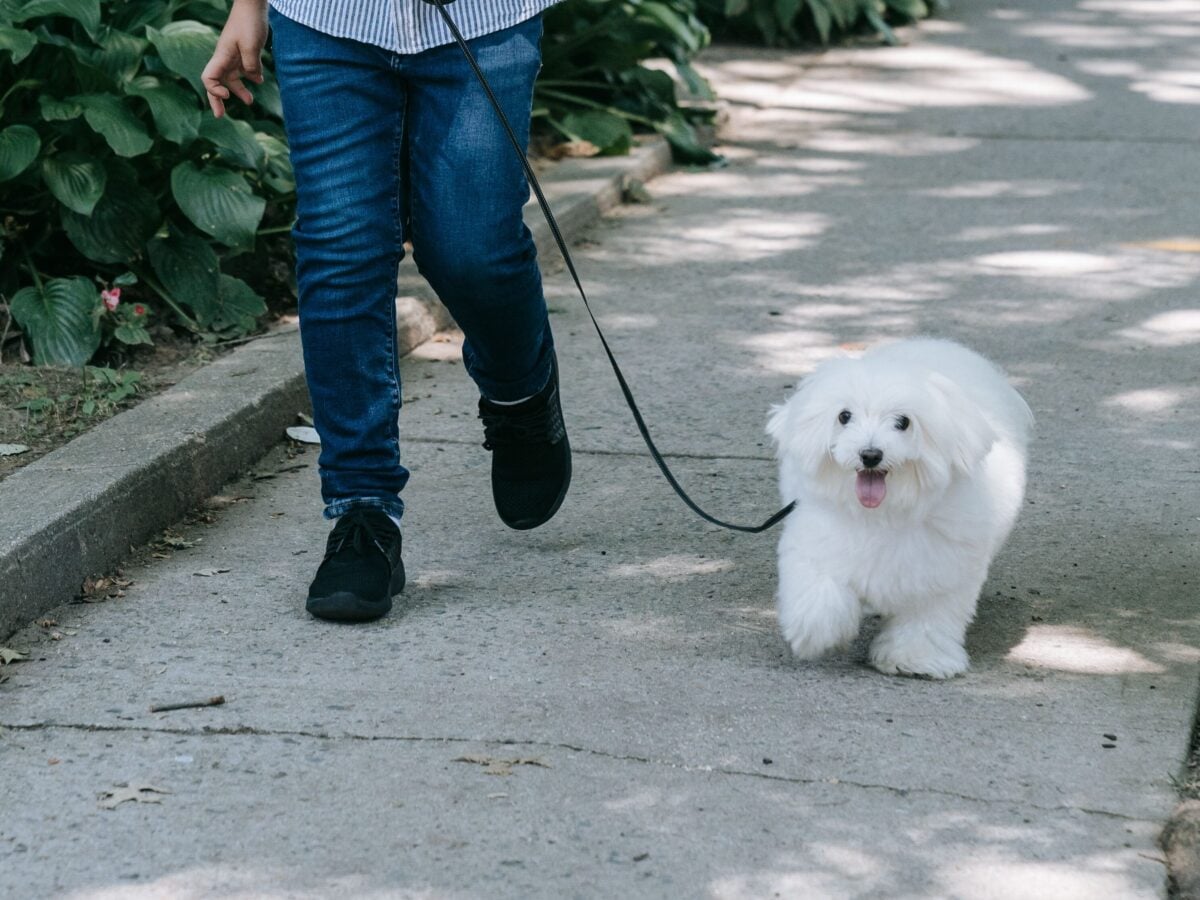
For an easy change, try walking your usual loop in reverse. Approaching familiar places from a different direction can change what your dog sees and smells along the way.
When you have a little more time, explore a new neighborhood or check out a nearby park you’ve never visited. You might discover a quiet walking path, a beautiful stretch of trees, or your dog’s new favorite sniffing spot.
Try This: Pick one day each week to take a different route. You might be surprised by how much there is to discover just a few blocks from home.
5. Turn Your Walk Into A Treasure Hunt
Who says treasure hunts are just for kids? Your dog has a built-in treasure detector, and all you need to put it to work is a handful of tasty treats.
Turn an ordinary walk into a scent game by tossing a few small treats into a patch of clean grass and encouraging your dog to sniff them out. Start with an easy search where your dog can see the treats land, then gradually make the game more challenging.
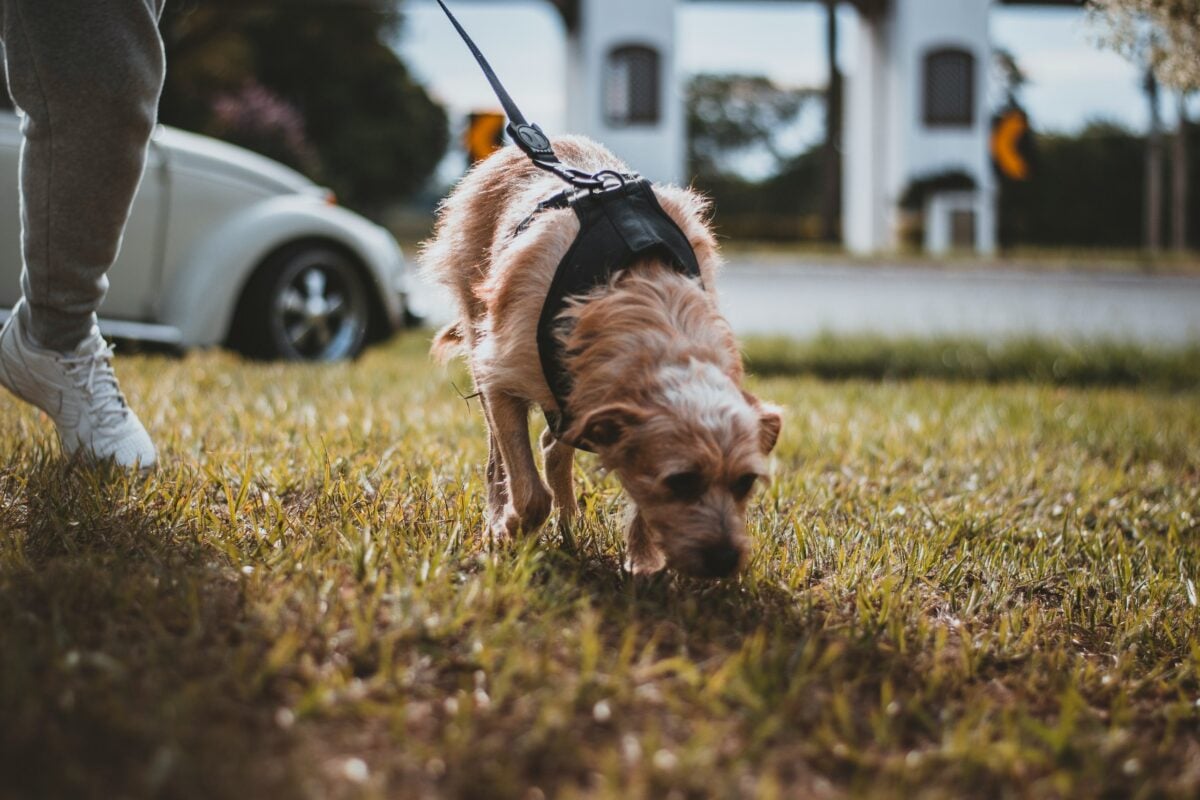
Here’s how to play “find it” on your next walk:
- Pick a safe spot. Find a quiet, grassy area away from traffic, litter, and other dogs.
- Toss a treat. Let your dog watch you drop a small treat into the grass.
- Say “find it!” Encourage your dog to use their nose to locate the treat.
- Make it harder. Once your dog understands the game, scatter a few treats over a slightly wider area.
You can also hide treats beside a tree or near a park bench, as long as they’re somewhere safe and accessible. For an extra challenge, ask your dog to wait while you place the treats, then release them to search.
This simple game taps into your dog’s natural foraging instincts and adds a little problem-solving to their daily exercise. Plus, watching them proudly discover a treat you hid three seconds ago is surprisingly entertaining.
For more ideas, check out our favorite brain games for dogs and fun games to play with your dog.
6. Show Off Your Dog’s Best Tricks
Does your dog have a killer high five or a spin move that deserves a standing ovation? Take that talent on the road!
Adding a few quick training sessions to your walk is an easy way to give your dog’s brain a workout while strengthening your bond. Practicing familiar tricks in a different environment can also be surprisingly challenging when there are squirrels, interesting smells, and other distractions competing for their attention.

Stop at a quiet spot along your route and ask your dog to perform two or three tricks they already know. Some easy options include:
- Sit or down: Practice holding the position for a few seconds.
- Shake or high five: A fun way to get your dog interacting with you.
- Spin: Have your dog turn in a circle for a tasty reward.
- Touch: Ask your dog to tap their nose against your outstretched hand.
- Stay: Practice a short stay before rewarding and releasing your dog.
Keep sessions short and upbeat, around 30-60 seconds at a time. Reward your dog with praise or a few small training treats, then continue your walk.
The goal is to have fun together, so stick with easy wins rather than expecting perfect obedience in a distracting environment. If your dog is struggling to focus, move somewhere quieter or try again later.
Want to expand your dog’s repertoire? Check out our guide to teaching dog tricks for more ideas.
7. Make Yourself The Most Interesting Thing On The Walk
Let’s face it: You’re competing with squirrels, fascinating smells, and approximately 400 things your dog would rather investigate. But with a little creativity, you can become part of the excitement!
Instead of spending the entire walk simply holding the leash, surprise your dog with little moments of play and interaction.
Here are a few easy ways to make yourself more interesting:
- Play “catch me!” Say your dog’s name in an excited voice, then jog a few steps away from them. Reward them when they happily follow.
- Reward spontaneous check-ins. When your dog looks up at you on their own, offer praise or a small treat. This encourages them to pay attention to you without constant reminders.
- Surprise them with a game. Stop somewhere safe for a quick round of tug with a favorite toy.
- Make an unexpected turn. Cheerfully invite your dog to follow you in a new direction, rewarding them for staying engaged.
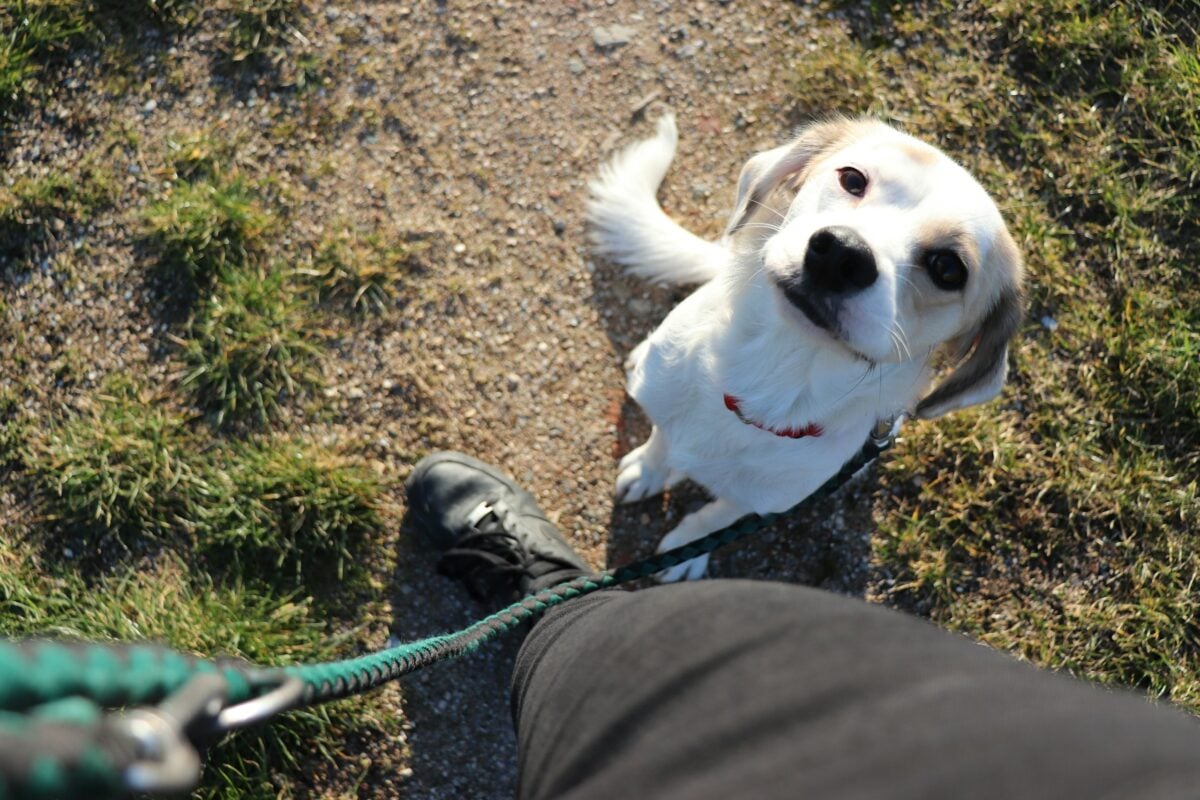
These little interactions help turn walking into something you do together rather than two separate activities happening at opposite ends of a leash.
Just remember that your dog doesn’t need to focus on you for the entire walk. Give them plenty of opportunities to sniff and explore, too. The fun comes from mixing moments of connection with the freedom to enjoy their surroundings.
8. Switch Gears & Change The Pace
Does your dog have two walking speeds: full-speed-ahead and stop-to-sniff-everything? Why not make a game out of it?
Changing your pace throughout a walk adds a little excitement to your usual routine. Instead of maintaining the same steady speed, alternate between brisk walking, slow strolling, and short bursts of jogging if your dog enjoys running.
Try playing a game of “fast and slow.” Start at your normal walking pace, then say “let’s go!” and pick up the speed for 10-15 seconds. Slow down again with an easy cue like “easy,” and reward your dog for adjusting their pace with you.
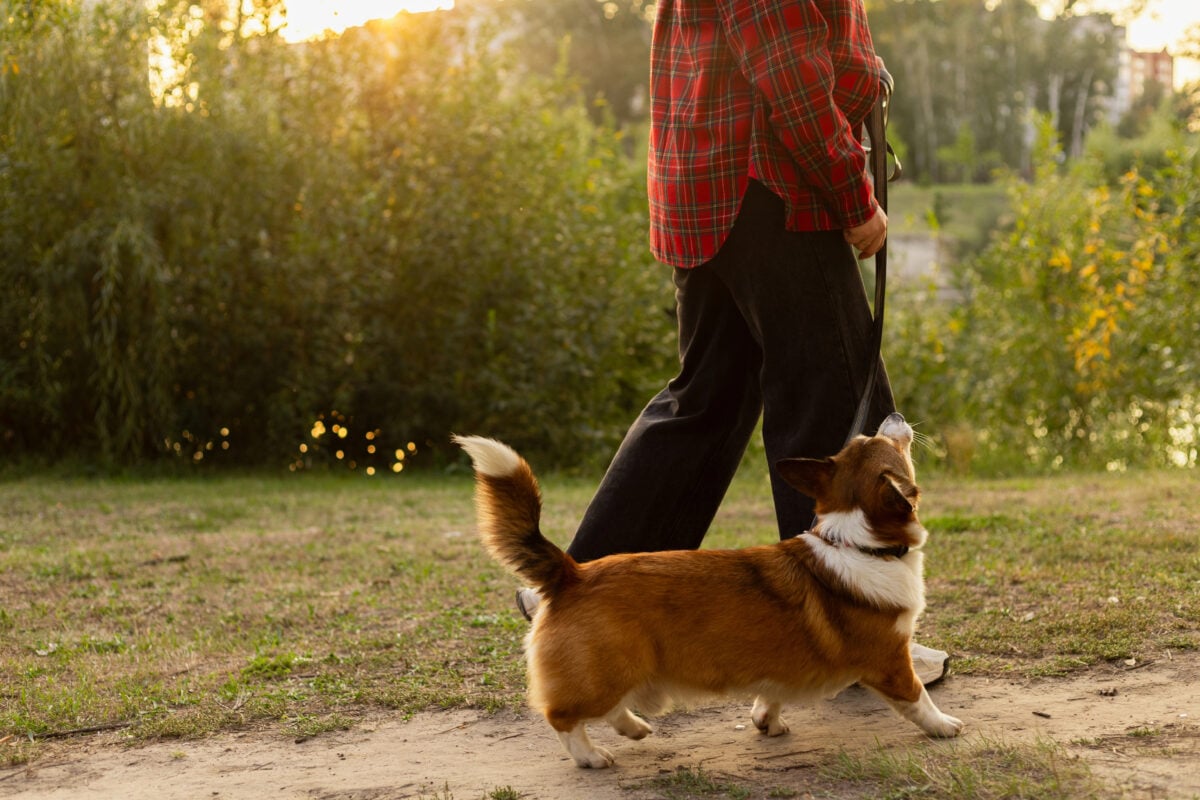
Once your dog gets the hang of it, mix things up. Walk quickly to the next tree, slow down for a sniffing break, then pick up the pace again. You can even add a few playful stops and starts to keep your dog guessing.
If your dog gets particularly excited when you start jogging, congratulations! You may have discovered their favorite new game.
Keep the pace comfortable for your dog’s age, fitness level, and physical abilities. Skip running intervals for dogs with mobility issues or exercise restrictions, and avoid strenuous activity in hot weather.
9. Explore New Places & Surfaces
Imagine walking on the same sidewalk every single day, then suddenly discovering a winding dirt trail, a sandy beach, or a path covered in crunchy autumn leaves. Sounds a little more exciting, right?
Dogs experience the world through their paws as well as their noses. Different surfaces offer new textures, scents, and sensations, making even a short outing feel like a fresh adventure.
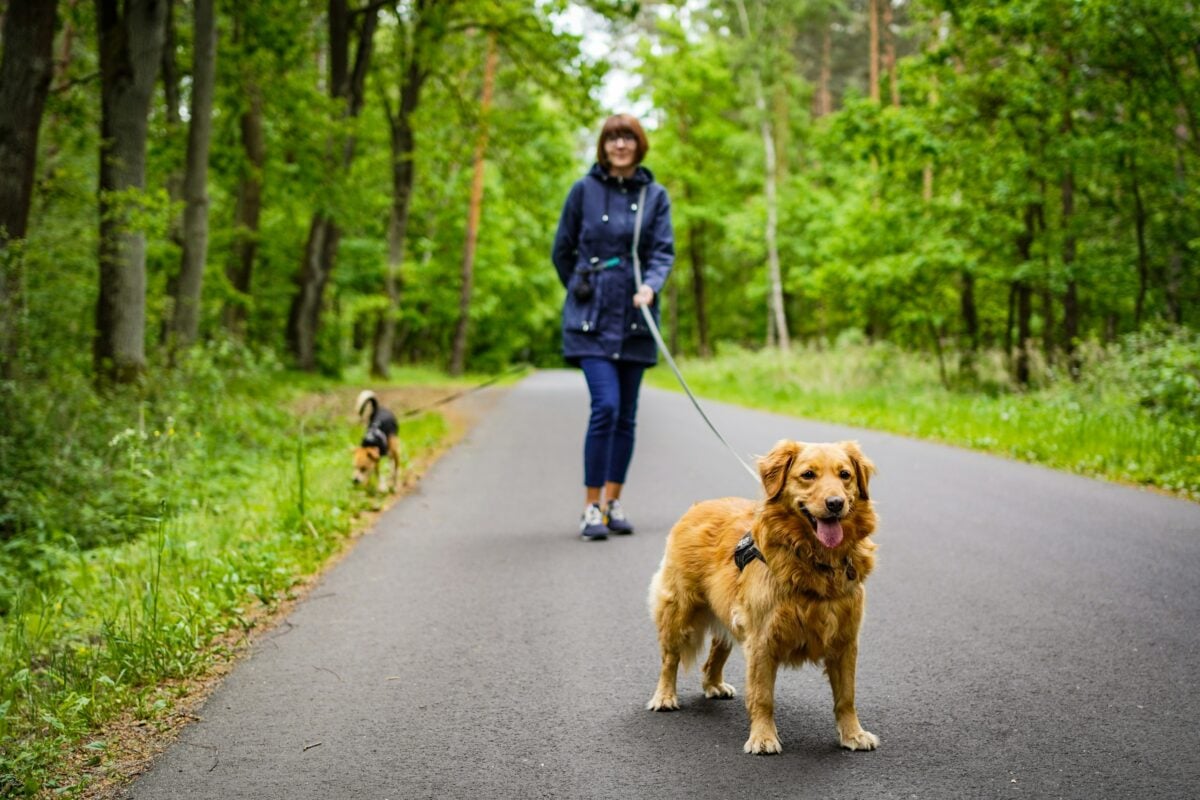
Next time you’re out walking, look for opportunities to introduce your dog to different environments. You might try:
- Wooded trails: Let your dog explore packed dirt paths, fallen leaves, and the occasional interesting log.
- Sandy beaches: Give your dog a chance to feel the sand beneath their paws and investigate all those unfamiliar coastal smells.
- Grassy fields: Swap the sidewalk for a soft, open area where your dog can wander and sniff.
- Gravel or stone paths: Introduce a different texture underfoot, provided the surface is comfortable for your dog.
- Shallow water: If your dog enjoys getting wet, let them splash through a safe, shallow stream or puddle.
You don’t have to travel far to find something new. A nearby park, nature preserve, or even a grassy path alongside your usual route can offer a different sensory experience.
Let your dog explore at their own pace. Some dogs will happily charge through a pile of leaves, while others may need a little encouragement to investigate an unfamiliar surface. Never force them onto something they’re hesitant to walk on.
Always check the ground for hot pavement, sharp rocks, broken glass, and other hazards. Never force your dog onto a surface they’re hesitant to walk on.
10. Give Your Walk A Destination
Sometimes, the best way to make a walk more exciting is to have somewhere fun to go. After all, who doesn’t love an outing with a little reward at the end?
Instead of walking around the block and heading straight home, pick a destination your dog will enjoy. Even a short walk to a favorite park can feel like a special occasion.
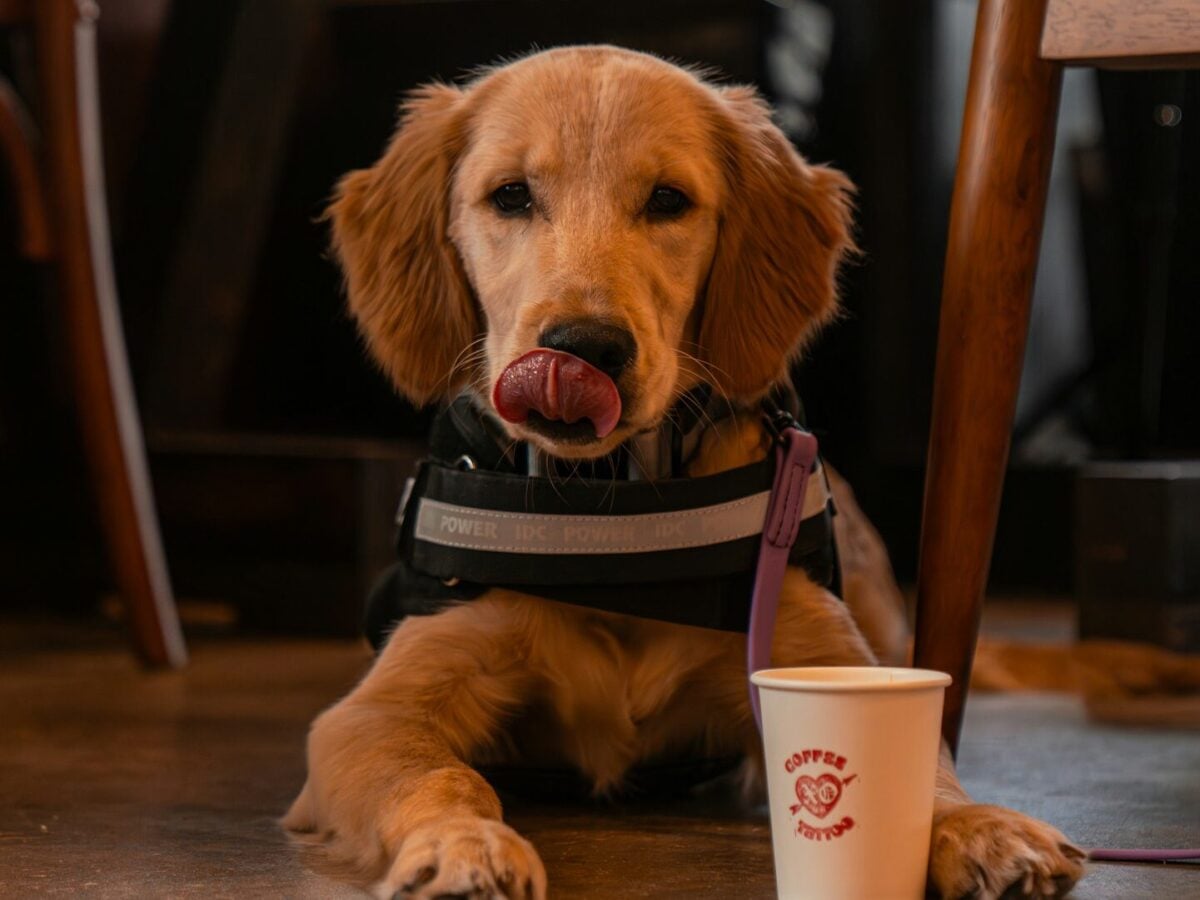
Here are a few dog-friendly destinations worth adding to your walking routine:
- A favorite park: Walk to a nearby green space for a few minutes of sniffing, exploring, or playing.
- A dog-friendly cafe: Grab yourself a coffee and enjoy some outdoor time together, provided your dog is comfortable in busy environments.
- A pet store: If your local store welcomes dogs, stop in to browse and let your pup pick out a new toy or treat.
- A dog-friendly ice cream shop: Some shops offer special frozen treats for dogs. Just make sure the ingredients are safe for your pup.
- A splash pad or swimming spot: On a warm day, head somewhere your water-loving dog can cool off, as long as dogs are permitted and the area is safe.
- A favorite friend’s house: Turn your usual walk into a visit with someone your dog loves.
You can even make the destination part of a weekly tradition. Maybe Saturday mornings mean a walk to the coffee shop, or Friday afternoons include a stop at your dog’s favorite park.
Keep your dog’s personality in mind when choosing where to go. A busy cafe might be heaven for a social butterfly but overwhelming for a shy or reactive dog.
And if your dog starts getting excited the moment you turn toward their favorite spot, you’ll know you’ve found a winning route.
11. Invite Your Dog’s Bestie Along
Everything’s more fun with a friend, including your dog’s daily walk! If your pup has a favorite canine buddy, why not turn an ordinary outing into a double-dog adventure?
Walking with another dog can add excitement, companionship, and opportunities for positive social interaction. Your dog might enjoy investigating the same interesting smells, exploring a familiar trail together, or simply having their bestie trotting alongside them.
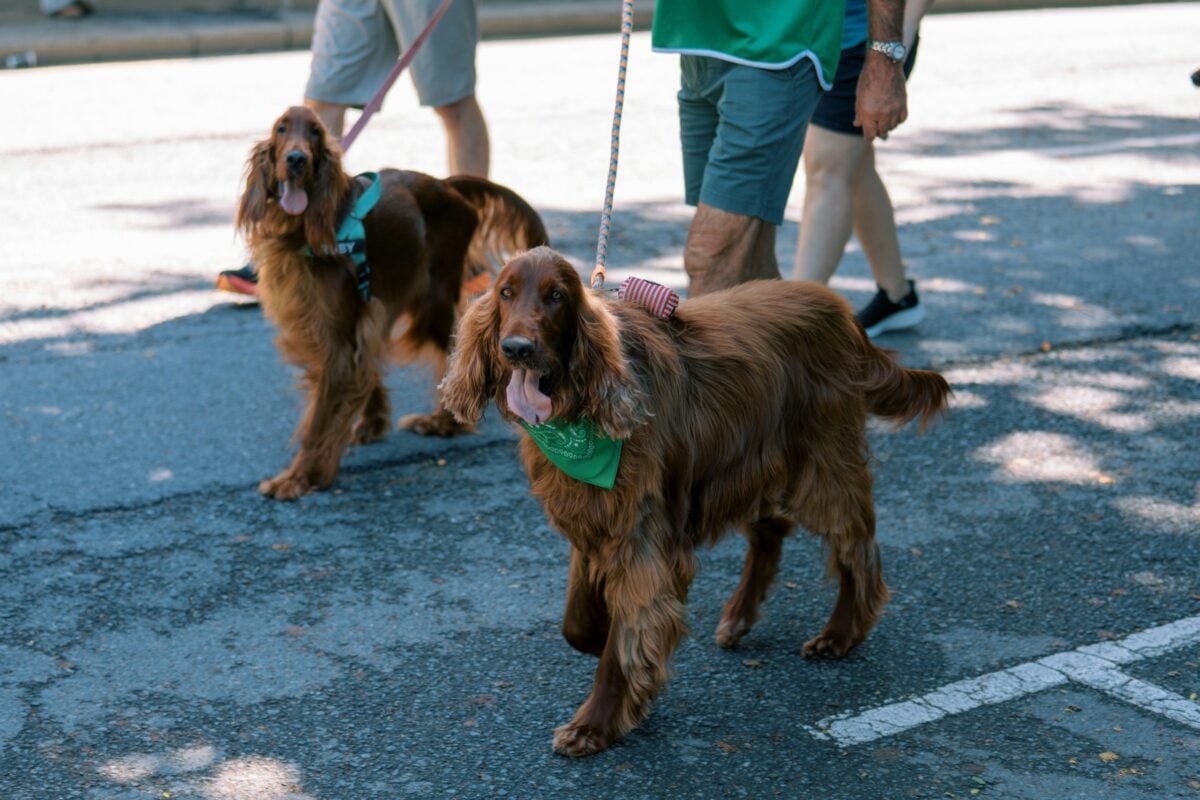
Arrange a walking date with a friend, neighbor, or family member whose dog already gets along well with yours. Start somewhere familiar and relatively quiet, giving both dogs enough space to walk comfortably without getting tangled in each other’s leashes.
A few tips for a successful doggy double date:
- Choose compatible companions. Dogs with similar energy levels and comfortable social styles often make better walking partners.
- Give each dog their own handler. It’s easier to manage two excited pups when each person is responsible for one leash.
- Start with a little space. Walk in the same direction with some distance between the dogs, then move closer if they’re both relaxed.
- Let them enjoy the walk. They don’t need to play or interact constantly. Sometimes, simply exploring together is enough.
Don’t worry if the dogs aren’t constantly interacting. Simply enjoying a walk together can be rewarding, especially for dogs who prefer a little personal space.
And who knows? You might enjoy having someone to chat with while your dogs catch up on the latest neighborhood gossip.
12. See Your Neighborhood In A Different Light
Ever notice how different your neighborhood feels after the sun goes down? The streets get quieter, the air cools off, and suddenly, your usual walking route feels like a whole new adventure.
Try taking your dog for an evening stroll instead of your usual daytime walk. With fewer people around and different sounds and smells to investigate, your dog may discover a whole new side of the neighborhood.
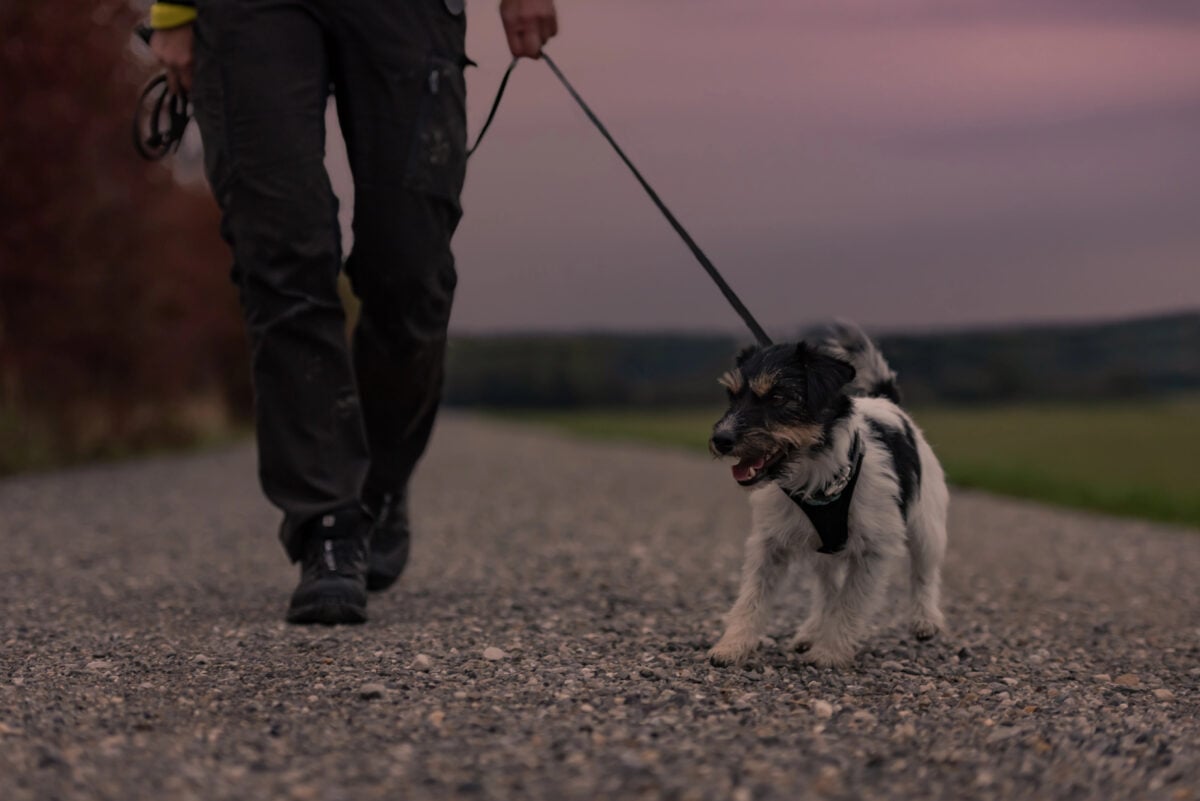
You can also switch things up with an early morning walk. Cooler temperatures and quieter streets can make for a peaceful outing, especially if your dog gets overwhelmed by busy sidewalks or passing traffic.
Make it a special occasion. Pick a clear evening, bring a flashlight, and take a leisurely walk around your favorite neighborhood loop. Give your dog time to sniff, listen, and explore while you enjoy a change of scenery.
Walking after dark does require a few extra precautions. Stick to familiar, well-lit routes, keep your dog leashed, and wear reflective clothing. A light-up dog collar or reflective leash can also help make your pup more visible to drivers and other pedestrians.
And if your dog seems nervous about unfamiliar nighttime sounds or shadows, don’t push it. Some dogs prefer their adventures in broad daylight, and that’s perfectly fine.
13. Trade Your Walking Shoes For Two Wheels
Got a dog who thinks your briskest walking pace is practically standing still? If your pup has energy to spare, trading your walking shoes for a bicycle might be a fun way to shake things up.
Biking with your dog lets you cover more ground while giving athletic, high-energy pups a chance to stretch their legs. It’s especially appealing for dogs who love running and need more vigorous exercise than a leisurely neighborhood stroll can provide.
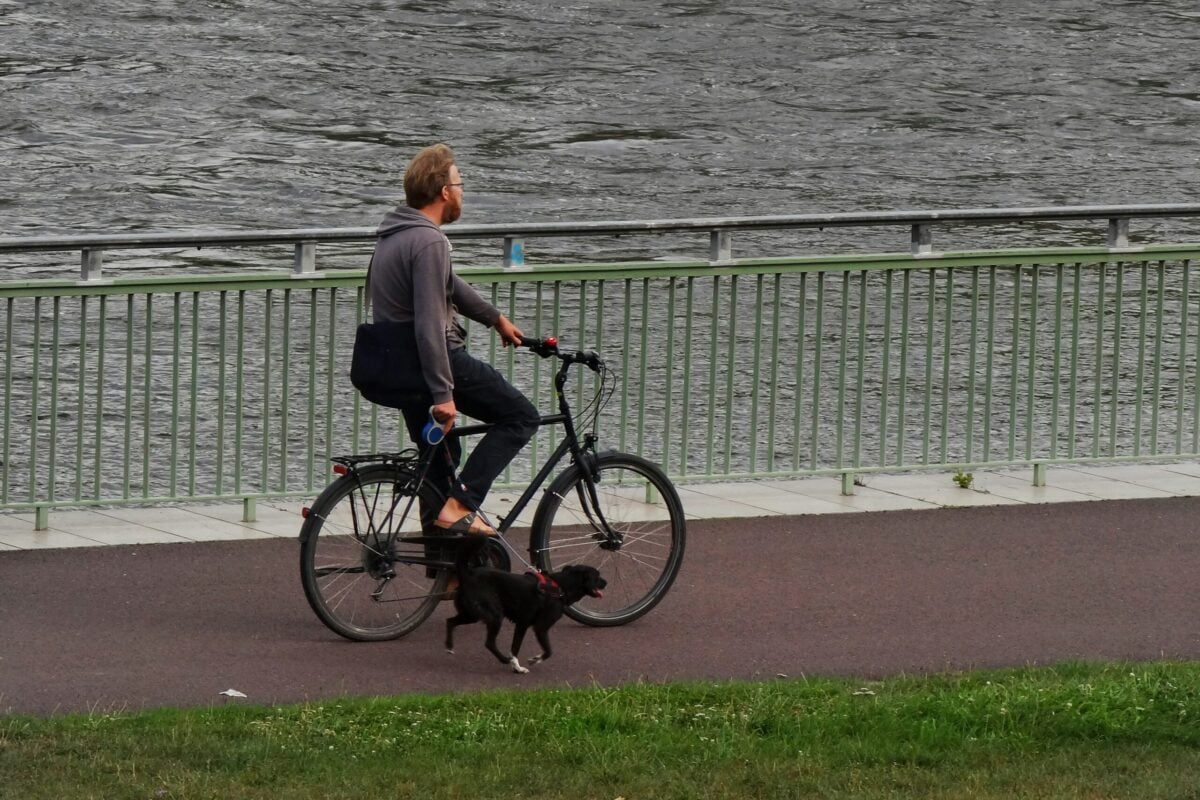
Before hopping on your bike, make sure your dog is a good candidate for the activity. Running alongside a bicycle isn’t appropriate for every dog, particularly growing puppies, seniors with mobility issues, flat-faced breeds, or dogs with health conditions that limit exercise. Check with your veterinarian before introducing this type of workout.
How To Start Biking With Your Dog
- Get your dog comfortable with the bike. Start by walking your bicycle alongside your dog so they can get used to the wheels and movement.
- Choose the right equipment. Use a well-fitting harness and a purpose-built dog biking leash designed to keep your dog safely separated from the wheels. Never hold a standard leash or attach it to the handlebars while riding.
- Start with short, easy rides. Choose a quiet, traffic-free area and let your dog settle into a comfortable pace. Gradually increase the distance as their fitness improves.
- Watch your dog, not your speed. Pay attention to their breathing, gait, and energy level. Take breaks, offer water, and avoid hot pavement or strenuous exercise in warm weather.
And your dog would rather sniff every flower than run alongside a bicycle, that’s perfectly fine. There are 12 other adventures on this list with their name written all over them!
What Kind Of Walk Would Your Dog Choose?
If your dog could plan the perfect walk, where would they take you? Would they spend 20 minutes investigating one suspicious bush, head straight for their favorite doggy friend, or insist on exploring a trail you’ve never visited?
Every dog has their own idea of a good time. See which of these walking personalities sounds most like your pup, then try an activity that matches their interests.
The Sniffer
Your dog treats every tree, mailbox, and patch of grass like breaking news. They’d happily spend the entire walk following their nose.
Their perfect walk: A leisurely sniff walk, a long-line adventure, or a game of “find it.”
The Explorer
The usual neighborhood loop? Been there, sniffed that. Your dog lights up when there’s a new path, unfamiliar scent, or interesting place to investigate.
Their perfect walk: Letting them choose the route, exploring a new trail, or visiting somewhere different.
The Social Butterfly
Your dog seems to know everyone in the neighborhood, especially the four-legged residents. Spotting a familiar friend is often the highlight of their day.
Their perfect walk: A walking date with a favorite doggy buddy or a visit to a familiar dog-friendly destination.
The Adventure Buddy
Your dog is always ready for action. They love picking up the pace, practicing tricks, and turning an ordinary outing into a game.
Their perfect walk: Changing speeds, adding mini training sessions, or exploring new terrain.
The Homebody
Your dog enjoys a little fresh air, a familiar route, and the comfort of knowing the couch is waiting. They’re perfectly content taking things slow.
Their perfect walk: Short sniffing sessions, familiar routes with an occasional detour, or a relaxed stroll at their own pace.
Of course, your dog might fit more than one category. A dedicated sniffer can also be an enthusiastic explorer, and even the most energetic adventure buddy may enjoy slowing down to investigate an interesting smell.
Pay attention to what makes your dog happiest on walks. Once you figure out what they enjoy, it’s much easier to turn an ordinary outing into something they look forward to.
How To Turn A Boring 15-Minute Walk Into Your Dog’s Favorite Part Of The Day
You don’t need an hour-long hike or a trip to the dog park to make your dog’s day. With a little creativity, even a quick 15-minute walk around the neighborhood can become an adventure.
The secret is mixing things up. Instead of following the same route at the same pace, give your dog a chance to sniff, explore, play, and make a few decisions along the way.
Here’s a simple 15-minute walking plan to try:
- Minutes 0–3: Let The Sniffing Begin. Start with a relaxed sniffing session. Let your dog investigate their favorite trees, mailboxes, and patches of grass without rushing them along.
- Minutes 3–6: Take A Different Route. Turn down a street you don’t usually explore, walk your normal loop in reverse, or let your dog choose between two safe paths.
- Minutes 6–9: Practice A Few Tricks. Stop somewhere quiet and ask your dog to perform two or three familiar tricks. Reward their efforts with treats and praise, then continue walking.
- Minutes 9–12: Play “Find It.” Find a clean patch of grass and scatter a few small treats for your dog to sniff out. Give them time to search before moving on.
- Minutes 12–15: Let Your Dog Lead. Finish with a few minutes of relaxed exploration. Let your dog choose where to sniff and how long to linger, as long as it’s safe.
That’s it! In just 15 minutes, you’ve given your dog opportunities to sniff, explore, solve problems, practice skills, and make choices.
Feel free to adjust the timing based on your dog’s personality and energy level. A dedicated sniffer might prefer spending most of the walk investigating smells, while an energetic pup may enjoy more games and training. The best routine is one your dog actually enjoys.

The Best Walk For Your Puppy, Senior Dog, Or Energizer Bunny
A leisurely sniff walk might be perfect for one dog and barely enough to warm up another. Your dog’s age, energy level, and physical abilities all play a role in what makes a walk enjoyable.
Whether you’re walking a curious puppy, a slower-moving senior, or a dog who seems to have unlimited batteries, here’s how to make the most of your time together.
Puppies: Keep It Short & Interesting
Puppies have a whole world to discover, and even a short walk can be an exciting experience. New smells, unfamiliar surfaces, passing cars, and other dogs give them plenty to process.
Focus on short, positive outings with plenty of opportunities to sniff and explore. Practice simple cues, reward calm behavior, and let your puppy investigate new things at their own pace.
Best activities: Sniffing sessions, easy training games, and exploring new sights and surfaces.
Avoid forced running, long-distance walks, and repetitive high-impact exercise while your puppy is still growing. How much activity is appropriate depends on their age, breed, and development, so ask your veterinarian if you’re unsure.
Senior Dogs: Let Them Set The Pace
Your senior dog might not move as quickly as they once did, but that doesn’t mean they’ve lost their love of exploring. Sometimes, a slow stroll with plenty of sniffing opportunities is exactly what they want.
Choose comfortable surfaces, familiar routes, and shorter outings if your dog tires easily. Give them extra time to investigate interesting smells, and watch for signs of stiffness, limping, or fatigue.
Best activities: Leisurely sniff walks, familiar routes with small detours, and gentle scent games.
If your senior dog suddenly slows down, refuses to walk, or seems uncomfortable, check with your veterinarian. Pain and mobility problems can affect how much exercise they enjoy.
High-Energy Dogs: Give Their Brain A Workout, Too
Got a dog who finishes a long walk and immediately brings you a tennis ball? Some energetic dogs thrive on a combination of physical activity, problem-solving, and interactive games.
Try mixing brisk walking with short training sessions, scent games, and opportunities to explore new environments. Athletic adult dogs may also enjoy jogging or other more vigorous activities when they’re physically ready.
Best activities: Changing pace, practicing tricks, treasure hunts, and exploring new trails.
Remember that more exercise isn’t always the answer. Mental enrichment and opportunities to settle are important, too, especially for dogs who seem to be constantly on the go.
Whatever your dog’s age or energy level, pay attention to how they respond. A walk that leaves your dog relaxed, comfortable, and content is a much better goal than hitting a particular distance or step count.
How To Tell When Your Dog Has Had Enough Fun For One Day
Your dog might be having the time of their life, but that doesn’t mean they have unlimited energy. Between exciting smells, new places, and all those games, even a short walk can be surprisingly tiring.
Some dogs will happily keep going long after they should have taken a break. That’s why it’s important to watch their body language instead of waiting for them to decide the walk is over.
Signs your dog may need a break include:
- Slowing down or lagging behind. Your dog starts walking more slowly, stopping frequently, or struggling to keep up.
- Excessive panting or drooling. Heavy breathing that seems out of proportion to the activity or weather can signal overheating or exhaustion.
- Lying down or refusing to move. Your dog suddenly plants themselves on the sidewalk or seems reluctant to continue.
- Limping or moving stiffly. An unusual gait, favoring one leg, or difficulty walking may indicate pain or discomfort.
- Losing interest in activities. Your normally enthusiastic pup stops responding to games, treats, or invitations to explore.
- Showing signs of stress. Repeated lip licking, yawning, a tucked tail, or trying to move away from something may mean your dog is overwhelmed.
If you notice these signs, find a safe place to stop and give your dog a chance to rest. Offer water, move somewhere cool or quiet if needed, and consider heading home rather than pushing through the rest of your route.
Know when it’s more than ordinary tiredness. Severe or persistent panting, weakness, stumbling, vomiting, collapse, or difficulty breathing can signal a medical emergency, including heatstroke. Stop exercising your dog, move them to a cool area, begin cooling with cool water if overheating is suspected, and seek emergency veterinary care immediately.
The best walks leave your dog comfortable and content, whether you’ve explored three miles of trails or spent 15 minutes investigating the same neighborhood bushes.
Frequently Asked Questions
Wondering whether your dog is getting enough out of their daily walks? These common questions can help you find the right balance between exercise, mental stimulation, and good old-fashioned sniffing.
Don’t see your question? Respond in the comments, and we’ll get back to you!
How Can I Make My Dog’s Walk More Interesting?
Try adding variety to your usual routine. Let your dog spend more time sniffing, explore a different route, practice a few tricks, or play a quick game of “find it” along the way.
You don’t have to change everything at once. Even one new activity can make a familiar neighborhood walk more engaging.
Is A 15-Minute Walk Enough For A Dog?
It depends on your dog’s age, breed, health, and energy level. A 15-minute walk may be plenty for some puppies, seniors, or dogs with limited stamina, while healthy, high-energy adults often need considerably more daily activity.
The quality of the walk matters, too. A relaxed outing with opportunities to sniff and explore can provide valuable mental enrichment, even when you don’t cover much distance.
For more guidance, view our article on how often to walk your dog.
Is Sniffing On Walks Good For Dogs?
Yes! Sniffing allows dogs to gather information about their surroundings and engage in a natural behavior they find rewarding.
Giving your dog time to investigate interesting smells can provide mental stimulation and make walks more satisfying. Try setting aside a few minutes of each outing specifically for sniffing.
How Do I Know If My Dog Is Bored On Walks?
Some dogs lose interest in familiar routes, seem eager to head home, or become more engaged when you introduce a new activity. However, these behaviors don’t automatically mean your dog is bored.
If your dog suddenly slows down, refuses to walk, or seems unusually reluctant to exercise, consider pain, fatigue, fear, or other health concerns before assuming they need more excitement.
Is It Better To Walk Your Dog Longer Or Let Them Sniff More?
Both have benefits. Walking provides physical exercise, while sniffing gives your dog opportunities to explore and engage their brain.
For many dogs, a combination works best. Try alternating stretches of steady walking with slower sniffing breaks, adjusting the balance to suit your dog’s needs.
Can Mental Stimulation Tire A Dog Out?
Mental activities can tire dogs because they require concentration, problem-solving, and information processing. Scent games, training exercises, and exploring unfamiliar environments are all ways to engage your dog’s brain.
However, mental enrichment doesn’t replace physical exercise. Most dogs benefit from a mix of movement, mental challenges, and rest.
Ready To Make Your Next Walk Even Better?
Your dog’s favorite walk might not be the longest one or the one that burns the most energy. Sometimes, all it takes is a new route, a few extra minutes of sniffing, or a silly game that gets their tail wagging.
Want to make your next outing even better? Explore our guide to dog collars and leashes, find the best harness for your dog, or discover more fun ways to exercise with your dog.