When you purchase through links on our site, we may earn a commission at no extra cost to you. Learn more.
Your dog does that dramatic little head tilt, and you melt. But what if that cute moment is more than just “aww”?
Table of Contents
Turns out, science says it could mean they’re solving a problem, reading your emotions… or maybe signaling something’s wrong. Let’s decode the tilt, from adorable to alarming.
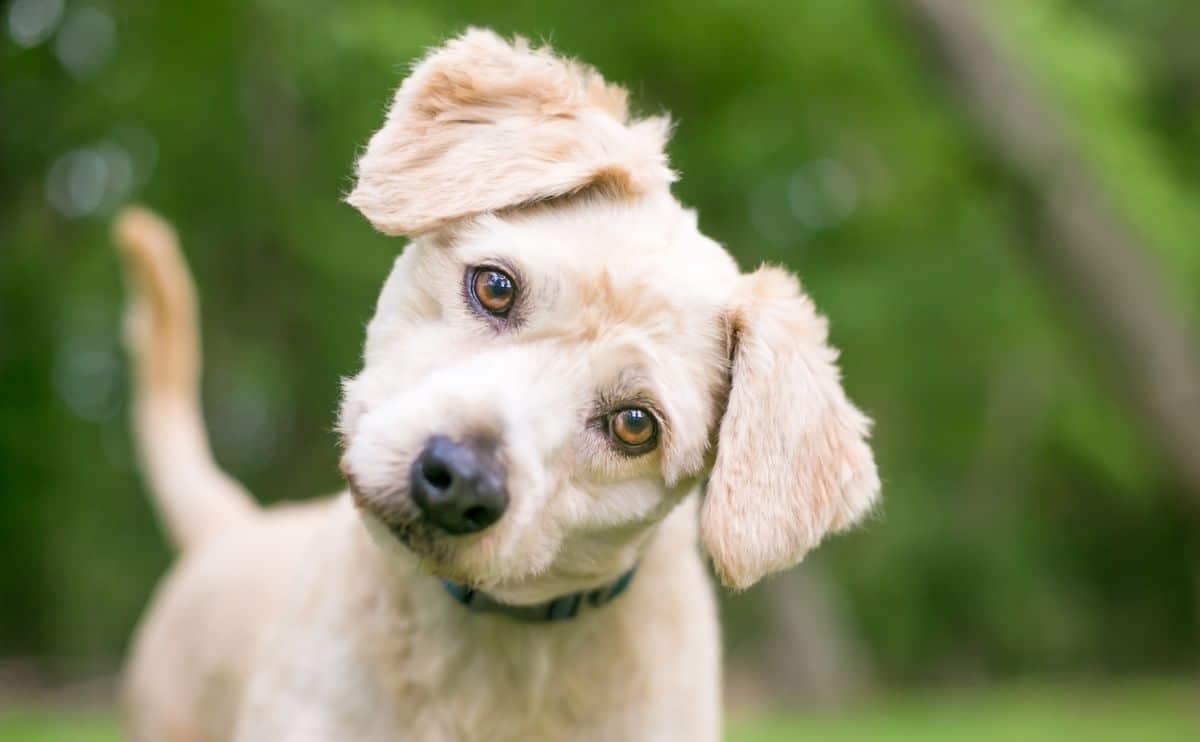
Quick Answer: What Does a Head Tilt Really Mean?
That head tilt your dog gives you? It’s not random, and it’s definitely not just to make you say “aww.”
According to canine behaviorists and a study, head tilting is linked to auditory processing, memory recall, emotional response, and learned behavior. In short, your dog may be:
- Trying to hear or locate a specific sound better
- Processing a word they recognize (like “walk” or “treat”)
- Adjusting their vision or field of view
- Reacting emotionally to your voice or facial expression
- Or yep, just doing it because you gave them attention last time
Basically, a head tilt usually means your dog is paying very close attention. It’s often a sign of mental engagement, curiosity, or communication, not just a random cute quirk.
Another common trigger for doggy head tilting? High-pitched, strange noises, like ambulances, fire trucks, or even squeaky toys. Here’s another strange noise most dogs tilt their heads at, try it on your special pooch:
But not all tilts are equal… and not all are innocent. Keep scrolling to learn the seven real reasons dogs tilt and how to spot the one that might mean a trip to the vet.
7 Reasons Dogs Tilt Their Heads
It’s Not Just to Look Cute
That signature sideways look your dog gives you? It’s not just for Instagram likes. Dogs tilt their heads for actual reasons, from hearing hacks to emotional bonding to straight-up manipulation.
Here’s what might really be going on inside that fluffy little brain.
1. They’re Trying to Hear You Better
Your dog isn’t being dramatic (this time). Tilting their head changes the position of their ears, which helps them figure out where a sound is coming from. It’s like they’re creating a DIY surround-sound setup.
Especially if you say a favorite word, such as “walk,” “treat,” or “grandma”, expect full tilt engagement. Meanwhile, “laundry” gets no reaction. Coincidence?
Another common theory to explain this behavior comes down to dog ear anatomy. Some experts hypothesize that dogs’ ear flaps, especially those with heavy, floppy ears, partially block sound transmission.
The theory is that this different anatomy makes it more difficult for our dogs to locate where a sound is coming from. But tilting their heads may help them hone in on the source of a strange sound.
2. They’re Adjusting Their Vision
For dogs with long snouts, the tilt isn’t just about hearing, it’s also about seeing around their own giant noses.
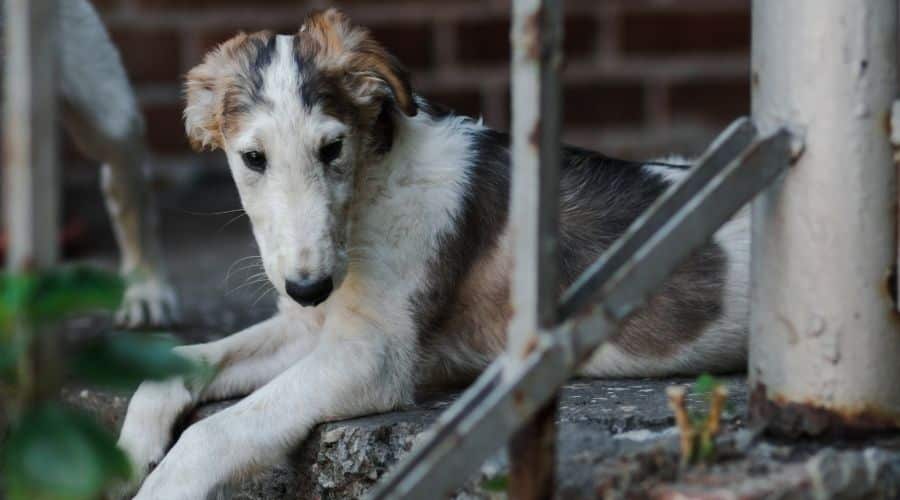
If you’ve got a Collie, Retriever, Borzoi, or Greyhound, they might tilt to get a clearer view of your face. Think of it like canine periscope mode. Bulldogs? They can see fine, but tilt anyway, because attention is universal.
3. They’re Processing a Word They Know
Dogs are smarter than we give them credit for. In one study, dogs who had learned to associate objects with words tilted their heads more often when they heard a familiar name.
Basically, they’re trying to figure out, “Did you just say ball? Or did you say mall? Because I’m only getting excited for one of those.”
4. They’re Reacting to Emotion in Your Voice
Dogs can hear emotion in your tone, and tilting may be their way of saying, “I’m listening… and I care.” They’re especially tuned in when you sound excited, stressed, or like you’re trying to say “good boy” in baby talk.
It’s part of how dogs have evolved to bond with humans by being ridiculously good at reading us. Better than our exes, honestly.
5. They’ve Learned It Gets Them What They Want
Head tilts = treats, pets, “aww” noises, and possibly going viral. Dogs are experts in positive reinforcement.
If your pup tilted once and got a laugh or snack, you just locked that move in forever. Some dogs even fake confusion just to work the system. You’re being played, and you love it.
6. They’re Confused
That tilt might be your dog’s version of raising an eyebrow. They’re concentrating and trying to figure it out.
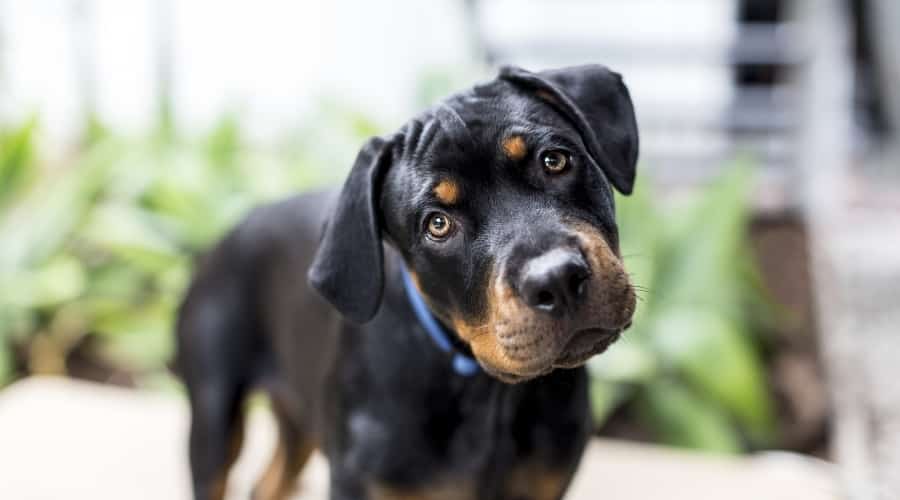
You said “stay,” but you’re holding a leash and wearing your sneakers? Mixed signals. The tilt is them trying to solve the puzzle of your chaotic human behavior.
7. Something Might Be Wrong
Okay, time to get serious. If your dog suddenly starts tilting their head a lot, especially without any sounds or commands, it might be a medical issue.
Common culprits include ear infections, vestibular syndrome (aka doggy vertigo), or neurological problems. If it’s paired with stumbling, rapid eye movements, or acting disoriented, call your vet ASAP. Cute is great. Healthy is better.
Next up: What if your dog’s adorable head tilt isn’t just charming but a warning sign? Let’s talk about when it’s not so cute.
When Dog Head Tilting Is Not So Cute: 3 Reasons
What a Head Tilt Could Be Telling You
Okay, so most head tilts are harmless and downright adorable. But what if your dog is tilting their head a lot, out of nowhere, or without any sound cue to trigger it?
This is when it might be less “aww” and more “uh-oh.”
A sudden, frequent, or unbalanced head tilt can be a sign of something going on beneath the fur, and it’s worth knowing the difference between a curious pup and one that’s feeling off.
Here are a few medical reasons a head tilt could be a red flag:
1. Vestibular Disease
A.K.A Doggy Vertigo
Vestibular disease affects your dog’s balance and orientation, kind of like they’re dizzy all the time. It’s common in older dogs and usually comes on suddenly.
Along with the tilt, you might notice:
- Trouble walking or standing
- Leaning to one side
- Rapid eye movement (nystagmus)
- Vomiting or lack of appetite
It can look scary, but it is often treatable and, in some cases, resolves on its own. Still, always check with your vet.
2. Ear Infections
Outer or Inner Ear
Dogs are prone to ear infections, especially those with floppy ears or allergies. An infection in the inner or middle ear can throw off your dog’s sense of balance, causing them to tilt their head, paw at their ear, or act unusually cranky.
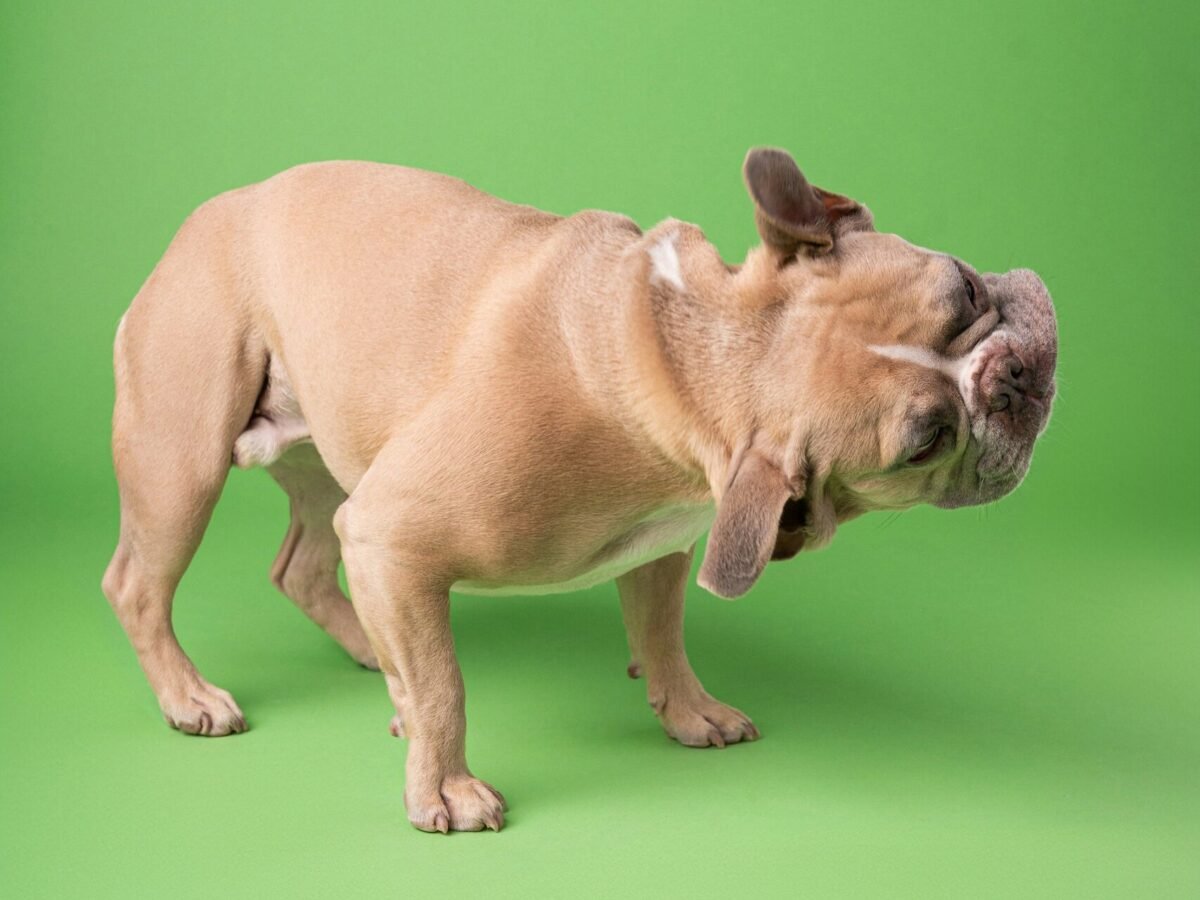
Other signs to watch for:
- Odor or discharge from the ear
- Redness or swelling
- Head shaking or scratching one side more than usual
If your dog’s acting off, scratching at their ears, or seems unbalanced, don’t ignore it. Check out our full guide on How to Treat Dog Ear Infections at Home and know when it’s time to call the vet.
3. Neurological Issues
Less commonly, a persistent head tilt could be tied to something more serious, like inflammation in the brain, trauma, or even a tumor.
This is rare, but if your dog seems disoriented, stumbles, or shows other changes in behavior, your vet may recommend imaging or further testing.
So, When Should You Call the Vet?
If your dog’s tilt is:
- New or sudden
- Frequent and unprompted (no sound or word triggered it)
- Combined with balance issues or odd behavior
It’s time to check in with your vet. Even if it turns out to be nothing, it’s better to be safe than sorry.
Bottom Line: Most tilts are harmless. But when the head tilt comes with other strange symptoms, don’t wait it out. Your dog might need more than just a cuddle.
Next up: Is your dog just smart or gifted? A surprising study says the tilt might reveal more than you think.
The Study That Shocked Researchers
Smart Dogs Tilt More
You thought your dog was just being cute. But according to scientists, that head tilt might actually be a sign of intelligence.
Researchers published a study in Animal Cognition that tested 40 dogs over three months. Their goal? See if dogs could learn the names of different toys and how they responded when hearing those names.
Here’s what they found:
Dogs that successfully learned the names of multiple toys, a.k.a. the “gifted word learners,” were significantly more likely to tilt their heads when their owners said the toy’s name.
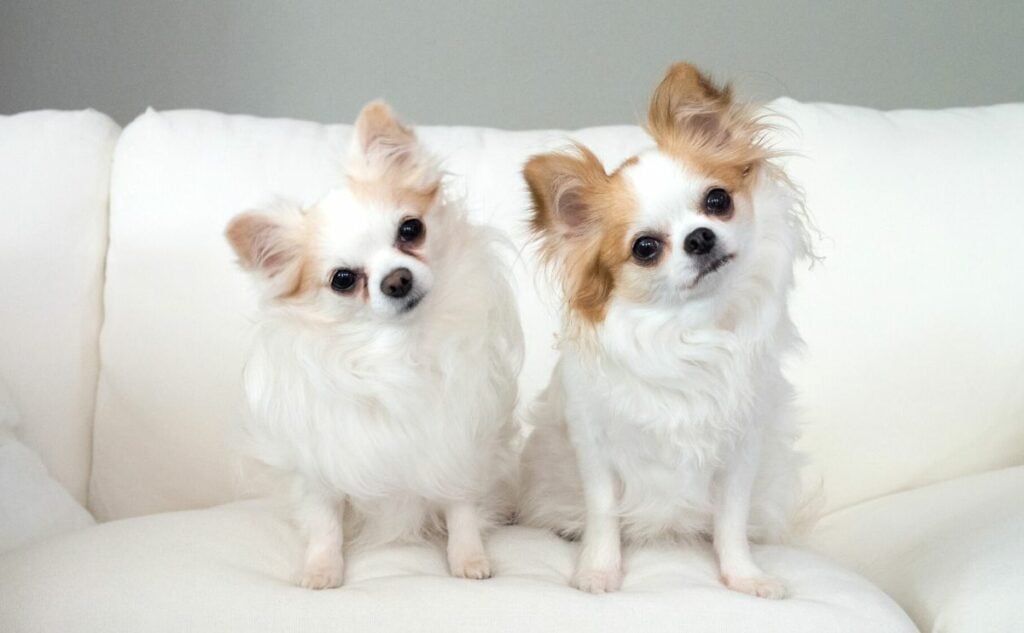
In fact, they tilted during 43% of the correct responses. And the other dogs? They only cocked their heads 2% of the time. So what does that mean? According to the researchers, the tilt may be a sign of:
- Focused listening
- Mental processing
- Memory retrieval
- Or possibly just… the dog trying really hard to understand and please their human
The researchers posited that these findings suggest a link between head-tilting and the canine brain’s concentration and processing of memory recall.
Left-Tilter or Right-Tilter?
Even more interesting? The tilting wasn’t random. Gifted dogs tended to tilt in the same direction every time, a possible indicator of brain lateralization (similar to how humans can be left- or right-handed).
This doesn’t mean your dog isn’t smart if they don’t tilt. But if they do, especially in response to specific words, it may be their version of saying, “I do understand you, I’m just double-checking.”
So yes, your dog might be cute… but also a low-key genius.
Next up: Want to test it yourself? Try saying these weird words or sounds and see if your dog tilts back. (Yes, there’s video.)
What Sounds Make Dogs Tilt Their Heads?
Try These at Home
Ready to see if your dog is a tilting prodigy? Good news: you don’t need a lab coat. Just your voice, some weird words, and maybe a squeaky toy.
Researchers (and thousands of amused dog owners) have discovered that certain tones, words, and sounds are way more likely to trigger a head tilt. So let’s test a few and see how your pup reacts.
Try Saying These Words
- “Treat” (obviously)
- “Walk”
- “Do you wanna…”
- “Grandma” (if she’s a frequent visitor)
- A word you’ve never said before, like “kumquat” or “spaghetti”, said in a very serious tone
Try varying your pitch, speed, or emotion as you say them. Sometimes it’s not what you say, but how you say it.
Weird Sounds That Often Trigger Tilts
- High-pitched squeaky toy (classic)
- Whistling (especially irregular patterns)
- The blub-blub sound you make when you blow through your lips (don’t lie, you’ve done it)
- The sound of a cat meowing or a baby crying (try playing one on your phone)
Share your results: Did your dog tilt? Tag us or drop your dog’s funniest trigger word in the comments!
What to Look For:
- Does your dog tilt to one side consistently?
- Do they tilt only when they know the word?
- Does your tone or pitch make a difference?
This is a fun way to learn more about how your dog listens, what they understand, and how they process sound, while also getting some adorable reactions along the way.
Have some fun with your furry friend, and play this video with them in the room. While you can find several similar videos on YouTube, this one did the trick with my pup.
Want to go viral? Record their best tilt and tag us on social. We won’t judge your baby voice. Promise.
Real Talk: What My Dogs Taught Me About the Head Tilt
Everyone has their own theory, but when I asked one of our team members about her experience with head-tilting dogs, she shared this:
I’ve shared my life with three fully committed head-tilters, each with their own little story behind the sideways stare.
My black Labrador, Bear, had a long battle with ear infections. When an infection started brewing, that tilt deepened, and he’d give those big, floppy ears a worried shake. It became our secret signal and his gentle way of saying, “Hey, something’s not right,” long before things got painful.
Then there was my tiny Chihuahua, Cookie, a once-in-a-lifetime dog, who couldn’t have weighed more than a bag of marshmallows. She’d tilt her head as if she were trying to read our souls. I swear she believed she could see better if she angled herself just right.
My youngest dog, Falkor, a Poogle, has this gentle little head tilt that could melt a glacier. He’ll look up with those soft eyes, tip his head just a touch, and suddenly the whole room feels warmer. It’s his quiet way of saying he wants to be close and he knows exactly how irresistible it is.
That tiny tilt has earned him countless cuddles, extra treats, and every bit of affection he asks for, usually without a single sound.
– Danielle DeGroot, Rescue Dog Mom & Writer for Canine Journal
Next up: Could your dog’s head tilt be more than just cute, maybe even a sign they’re feeling what you’re feeling? Let’s talk canine empathy.
Empathy or Instinct? The Emotional Meaning Behind the Tilt
Sometimes, a head tilt isn’t about hearing, seeing, or even scoring snacks. It might be your dog’s way of saying, “I’m with you.”
Dogs are highly attuned to human emotion; it’s part of how they evolved alongside us. When you speak in a soft, excited, or sad voice, your dog isn’t just hearing sound; they’re reading your tone, expression, and emotional state.
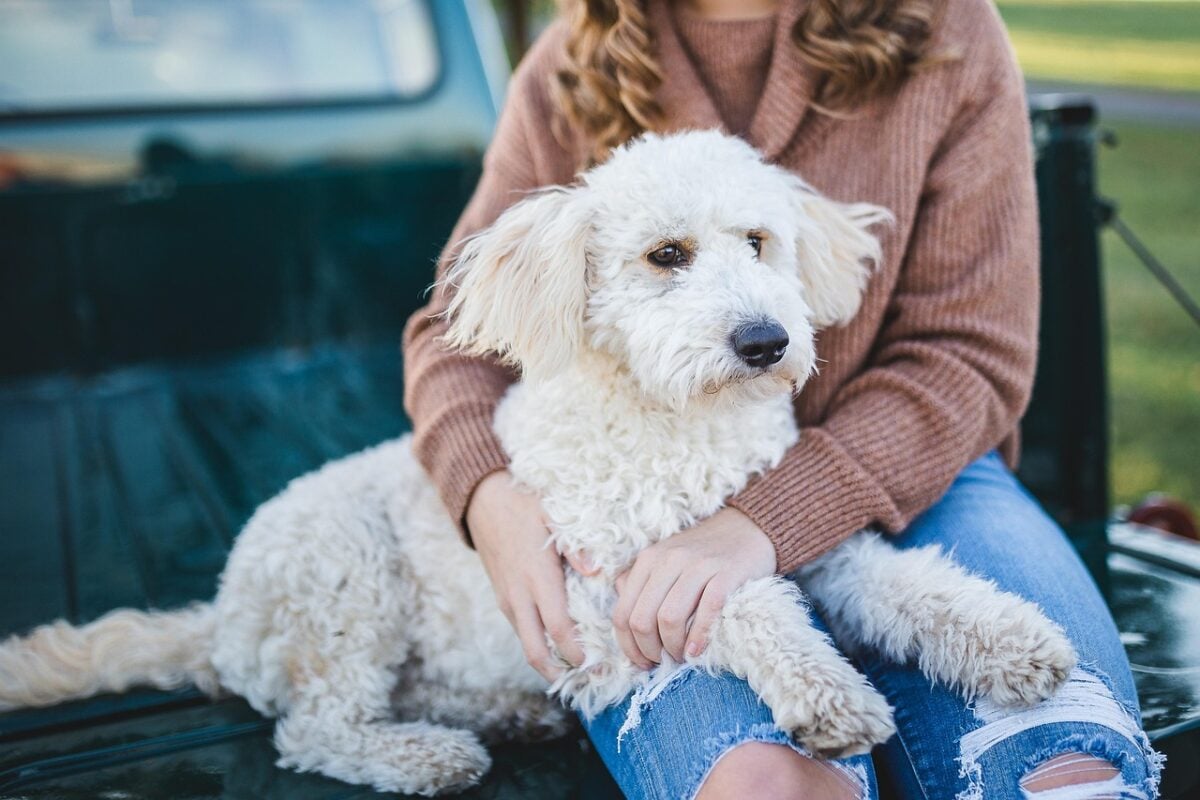
Some researchers believe head tilting is tied to empathy-like behavior in dogs. It’s not that they understand your problems (“My boss is the worst”), but they pick up on how you’re feeling and respond with attentiveness.
The Oxytocin Bond: Why Tilting Feels So Personal
This kind of behavior is linked to the oxytocin connection, the same “love hormone” that helps babies bond with parents. When you and your dog make eye contact or when your dog hears your voice and tilts their head, both of you may get a little oxytocin boost.
It’s one of the reasons we feel so connected to our dogs and why they seem to “just know” when something’s off.
So if your dog tilts their head when you’re talking, especially in a moment of emotion, it might not be confusion; it might be compassion. Cute and caring? Head tilt level: expert.
Next up: Can you actually teach your dog to tilt on command, or are they just freelancing for treats?
Can You Train a Dog to Tilt on Command? 4 Steps
Yes, and it’s just as adorable as it sounds.
If your dog already tilts occasionally when you say certain words or make funny sounds, good news: you’ve got a head start. Tilting is a behavior you can absolutely capture and reinforce, just like sit, shake, or “please stop staring at me while I eat.”
Here’s how to teach the tilt with no dog whispering required.
Step 1: Find Their Trigger
Say a word, sound, or phrase that usually gets your dog to tilt. This might be:
- “Do you wanna go for a walk?”
- A high-pitched noise (kissy sound, whistle, squeaky toy)
- Their favorite word (you know the one)
Step 2: Mark It + Reward It
The second they tilt their head, even just a little, say “Yes!” (or click, if you use a clicker) and immediately give them a treat. Timing is everything.

Step 3: Repeat It Like You’re Training for the Olympics
Practice the trigger-reward cycle a few times a day. After a while, your dog will start offering the tilt on purpose just to earn the treat. That’s when you can start to add a verbal cue like “Tilt!” or “What’s that?”
Step 4: Flex on Instagram
Once your dog’s a certified tilt-master, it’s show-off time. Use the cue, take the pic, drop a caption like “Deep in thought” and bask in the likes.
Is this the most practical dog trick? No. Is it delightful, photogenic, and oddly satisfying to train? Absolutely.
Next up: Puppies and tilting – when does this behavior even start? And why don’t tiny fluffballs do it right away?
Do Puppies Tilt Too? What Age Does It Start and Why
If you’ve ever tried talking to a puppy and didn’t get that classic head tilt, don’t worry, it’s not a flaw in the model.
Puppies don’t usually start tilting their heads right away. In fact, for the first few weeks or months, they’re still figuring out how ears and attention work, let alone how to process human sounds or fake confusion for cookies.
Most dogs begin tilting their heads between 8 and 16 weeks, once:
- Their ears are fully developed and can rotate independently
- They’ve started forming word associations (like “treat,” “ball,” and “uh-oh”)
- They realize humans are basically treat dispensers with emotional range
As they grow, they start picking up on tone of voice, body language, and yes, the fact that tilting their head makes you drop everything to fawn over them.
So if your tiny puppy isn’t doing it yet? Give them time. The tilt is coming. And when it does, you’ll wish you had your phone ready.
Pro tip: Want to see a tilt sooner? Try using exaggerated baby talk, high-pitched sounds, or your dog’s name in an excited voice. Bonus points if you make yourself sound ridiculous in public.
Next up: Some dogs tilt constantly. Others? Not so much. Let’s talk breed differences.
Tilt Wars: Which Dog Breeds Do It the Most?
Not all dogs are equal when it comes to dramatic head tilts. Some are natural-born tilters. Others? Not so much.
Breed can play a surprisingly big role in how often (and how dramatically) a dog tilts their head. It mostly comes down to skull shape, ear type, and how closely they track human speech. Basically, their longer muzzles partially obstruct their field of vision.
In a survey of 583 dog parents, Stanley Coren, a professor of psychology, found that 71% of owners of dogs with longer muzzles and narrower heads, and those with wider, intermediate-length muzzles, reported frequent head-tilting when they spoke to their dogs.
Breeds Most Likely to Tilt
These pups are basically built for it; long snouts, floppy ears, and high people-pleasing tendencies make them prime tilt material.
- Golden Retrievers
- Border Collies
- German Shepherds
- Labrador Retrievers
- Cocker Spaniels
- Collies
- Borzois
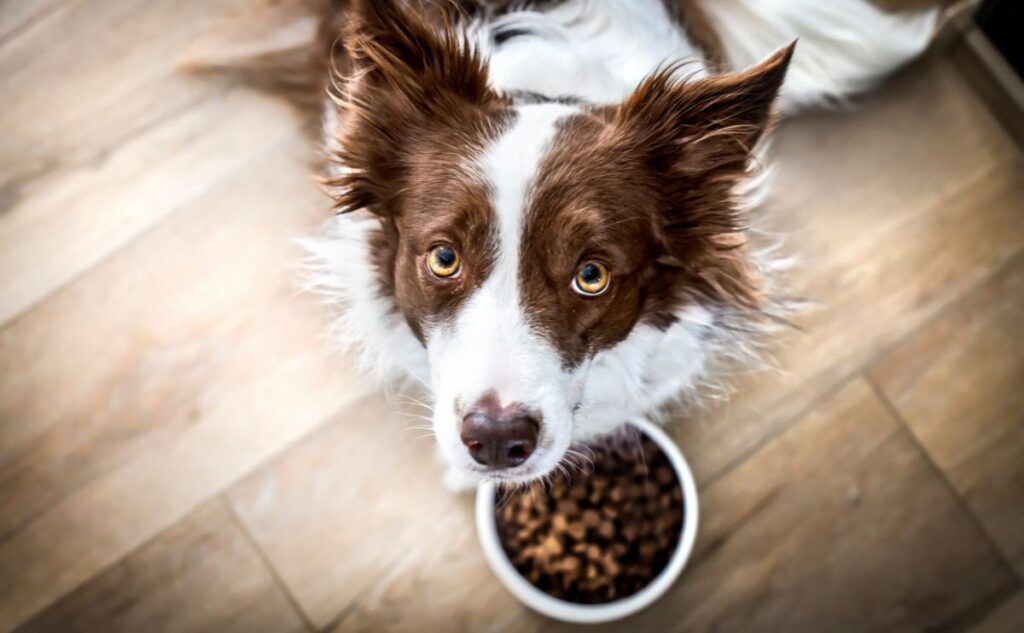
These breeds tend to be highly responsive to vocal cues, especially commands, emotional tone, and new words. Plus, their long muzzles make them more likely to adjust their head position just to see your face better.
Breeds Less Likely to Tilt
The survey found that the percentage of head tilters dropped to 52% among owners of flatter-faced, brachycephalic breeds. These short-snooted charmers may tilt less, but don’t take it personally. It’s often just a structural thing.
- Bulldogs
- Pugs
- Boston Terriers
- French Bulldogs
- Boxers
With flatter faces and wider fields of vision, these dogs don’t need to tilt as often to see or hear clearly. That said, some of them still do it, especially if they know it makes you laugh and reach for the treat bag.
Remember: Every Dog Is Different
Personality matters more than pedigree. Your Bulldog might be a full-time tilting machine, and your Border Collie might not care unless you say “sheep.”
If your dog’s not on the “top tilters” list, don’t worry. Just talk to them, play a weird sound, or use that high-pitched baby voice you swore you’d never use in public, and wait for the magic.
Next up: What if your dog’s head tilt isn’t about sound, sight, or smarts… but just straight-up emotional blackmail? Let’s talk about how they trained you.
Trained by Love: Why Your Dog Learned That Tilting = Treats
Let’s be honest: the first time your dog tilted their head, you probably gasped, smiled like an idiot, and immediately gave them a treat or a thousand kisses.
Guess what? They noticed.
Head tilting isn’t always some deep, cognitive doggy mystery. Sometimes it’s pure performance because your dog has figured out that it gets a reaction.
Dogs are masters of reward-based learning. They’re constantly picking up on what gets them attention, treats, or belly rubs, and repeating those behaviors to keep the good stuff coming.
That adorable tilt? It’s now part of their strategy.
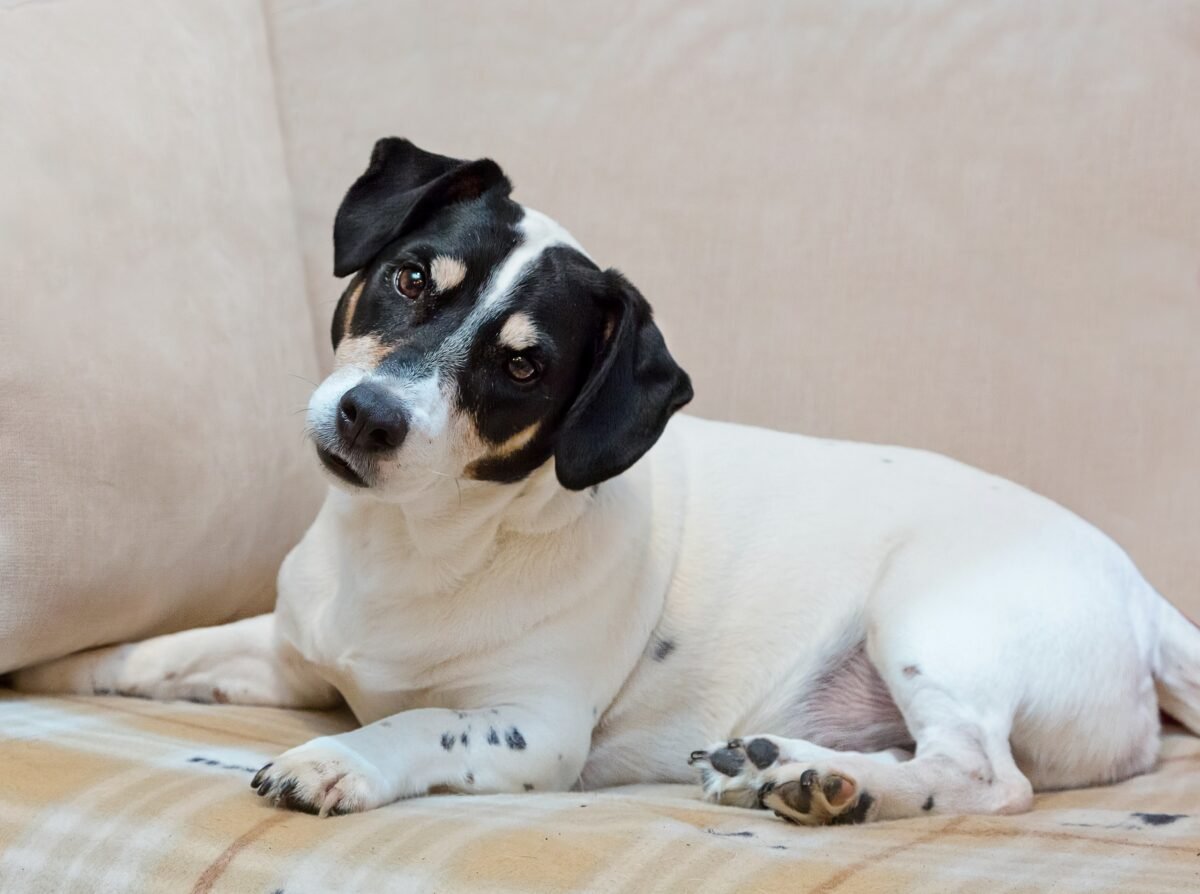
How It Happens
- Dog tilts → You say “AWWWW” and offer a cookie
- Dog tilts again later → Same result
- Dog thinks: “This is absolutely the move”
- Repeat forever
This is called operant conditioning, and your dog is probably better at using it on you than the other way around.
Dogs Aren’t Manipulative… Just Brilliant
They’re not plotting world domination (yet), but they are watching your every move. If something makes you happy and brings out the snacks, they’ll do it again. And again. And again.
Some dogs even exaggerate the tilt, holding it longer or combining it with a tail wag or lifted paw, just to stack their odds.
So the next time your dog tilts their head while you’re talking, ask yourself: “Are they confused… or just running their favorite scam?”
Either way, give them the treat. They earned it.
Decode Even More of Your Dog’s Weird & Wonderful Behavior
The head tilt is just one move in your dog’s never-ending performance, and once you start paying attention to their body language, you’ll realize they’re communicating in all kinds of hilarious, confusing, and oddly specific ways.
Ever wonder why your dog follows you from room to room like a furry little shadow? Or what it means when they gently mouth your hand but never bite down?
Some dogs even pee a little when they’re too excited, and we’ve definitely explained why crotch-sniffing is their go-to greeting (spoiler: it’s a social thing… not a personal attack).
Tell Us: What Makes Your Dog Tilt? Does your pup go full head tilt when they hear “treat”? Do they respond to weird sounds or one oddly specific word like “lasagna”? Drop your dog’s funniest, quirkiest, or most reliable head-tilt trigger in the comments and see which dog wins the “Most Dramatic Tilt” award.