The Emergency Room Mistake 90% Of Dog Owners Make — And Don’t Realize Until It’s Too Late

When you purchase through links on our site, we may earn a commission at no extra cost to you. Learn more.
It’s 11:00 pm. Your dog has been seeming off for a couple of hours. A limp. An unusual cough. Your sudden realization that your pup got into the garbage. You’ve told yourself that it’s probably nothing too serious. But by 11:39 pm, you’re standing in an emergency vet lobby, leash in hand and heart racing.
Table of Contents
You think the hardest part of this experience will be hearing the diagnosis. It’s not. The hardest part is when an estimate slides across the counter, and you’re asked for a large deposit before treatment can begin.
That’s the emergency room mistake most dog owners make. It’s not waiting too long or misreading symptoms. It’s arriving without a plan for the moment when love and money collide.

Inside The 11:39 pm Emergency Vet Visit
Emergency vet lobbies have a very specific energy. The lights are too bright. The room is too quiet. Someone else is whispering into their phone. A technician moves quickly past you with controlled urgency.
Your dog looks up at you like you know what’s happening.
You don’t.
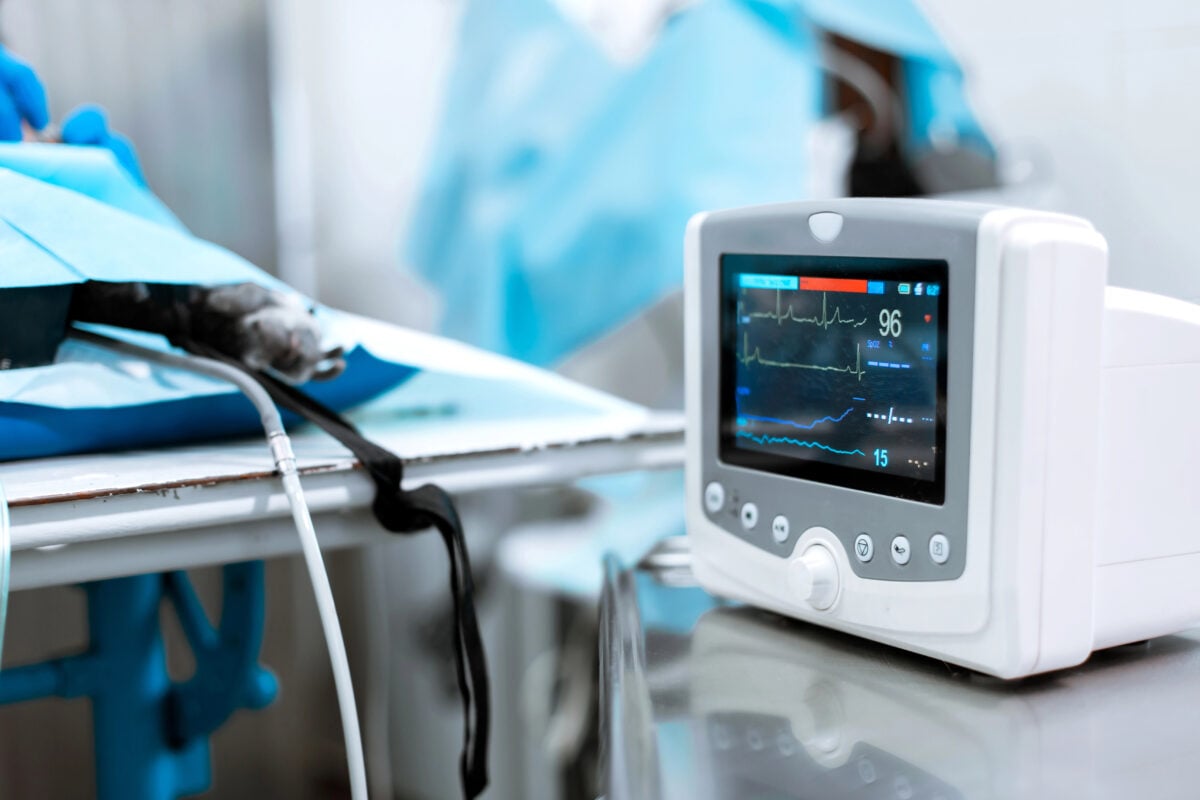
Emergency hospitals aren’t like your regular vet’s office. They’re built for unpredictability — staffed overnight, equipped for trauma, prepared for surgery at any hour. According to the American Veterinary Medical Association (AVMA), emergency clinics operate more like human ERs than typical daytime practices, with teams trained to triage and stabilize critical cases quickly.
That pace is reassuring, but it’s also expensive. Because every minute of that 24/7 readiness (the equipment, the surgical team on call, the ICU monitoring) exists before you ever walk through the door.
The “Triage Moment” — When Medical Care Meets Money
After the initial rush through the doors, things start moving quickly.
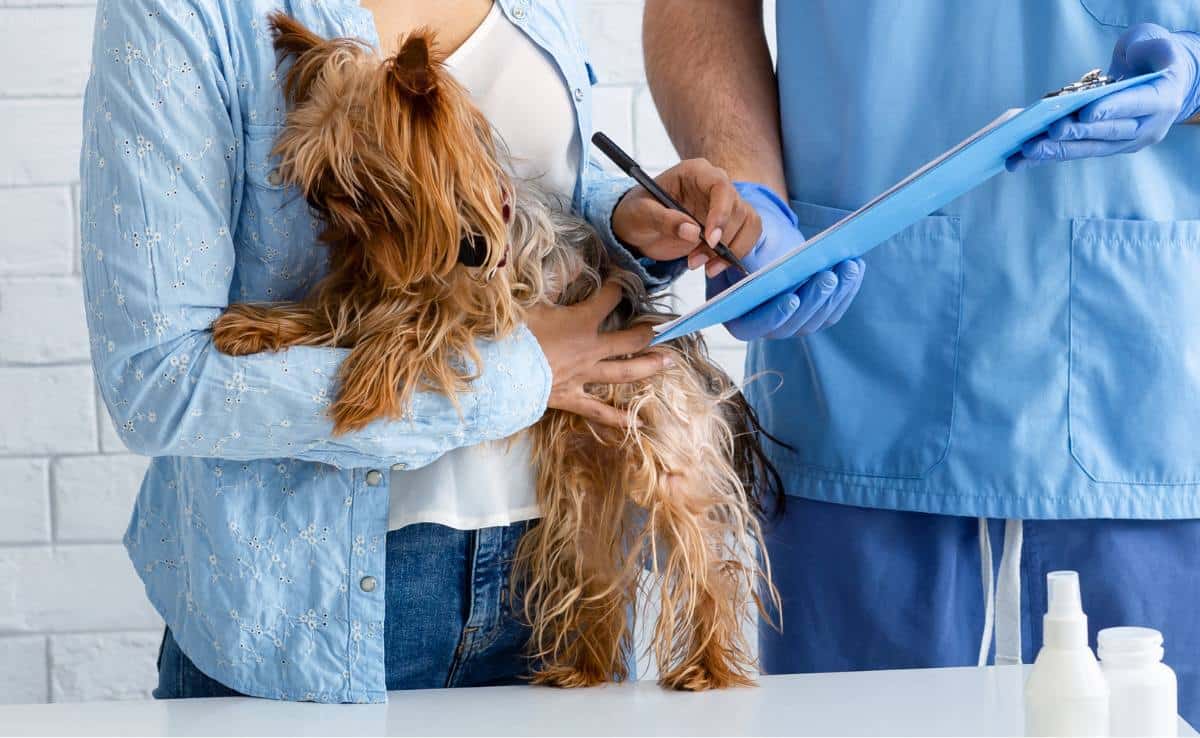
A technician takes your dog back for triage, checking breathing, heart rate, pain level, and responsiveness. You answer rapid-fire questions about symptoms and timing. Then you wait, trying to read meaning into every movement behind the swinging doors.
When someone returns, the conversation shifts. It’s no longer just about what might be wrong. It’s about what it will take to find out. Typically, that next step can include some combination of:
- Bloodwork
- X-rays
- Ultrasound
- Pain management
- Overnight hospitalization
Each recommendation is explained calmly and professionally.
Then the estimate appears. And before diagnostics or treatment begin, you’re asked for a hefty deposit.
This isn’t unusual. As WebMD notes, many emergency veterinary clinics require payment or a substantial deposit upfront before care can proceed. That’s the moment most pet owners don’t see coming. The diagnosis hasn’t happened yet, but the financial conversation already has.
It’s also the moment you remember that conversation with your neighbor about pet insurance and wish you’d made the decision before you needed it.
The Numbers Most Owners Aren’t Prepared For
Here’s where the emotional tension meets reality. Emergency care is expensive because it’s built for unpredictability. Staffing overnight teams, maintaining surgical suites, running advanced diagnostics, and monitoring patients in ICU-level care all carry real operational costs.
And those costs show up fast.

But what does that actually look like in numbers? Before you even reach a diagnosis, you may see:
- Emergency exam fee: $100–$300 (often more after hours or on weekends)
- Bloodwork: $150–$300+
- X-rays: $150–$400+
- Ultrasound: $400–$900
- Hospitalization: $200–$600 per day for standard care, or $500–$2,000 daily in the ICU
Those are just diagnostic and stabilization steps. When necessary medications, IV fluids, and surgery enter the picture, costs climb quickly.
Industry data compiled by Healthy Paws Pet Insurance shows that some of the most common emergency costs fall into ranges like:
- Foreign body removal surgery: $2,000–$7,000
- Bloat (GDV) surgery: $3,000–$7,500+
- Torn ligament/fracture repair: $2,000–$5,000
- Toxin ingestion: $300–$5,000
- Seizures: $1,500–$5,000
- Heat stroke: $1,500–$7,000
And these numbers aren’t rare cases. They reflect real claims tied to common emergencies — the swallowed foreign object, the sudden bloat episode, the fractured leg from an awkward jump.
WebMD similarly notes that emergency veterinary visits can quickly escalate into the thousands depending on diagnostics, hospitalization, and surgical needs.
The Possible Price Of “It’s Probably Nothing”
Most emergency visits begin with uncertainty. A subtle limp after jumping off the couch, vomiting and/or diarrhea, or a cough that sounds deeper than usual.
The thought pattern is almost always the same: “Let’s just monitor it.” And sometimes that’s reasonable. But sometimes “probably nothing” turns into something that can’t wait.
Below are three of the most common scenarios that escalate quickly because canine health issues are unpredictable.

“It’s Just A Limp”
Your dog lands awkwardly and is favoring a leg. You assume it’s a strain. At the ER, imaging reveals something more serious:
- Torn cruciate ligament
- Fracture
- Joint instability, like a patellar luxation
Diagnostics alone may involve:
- Exam fee
- Sedation
- X-rays
If surgery is required, fracture repair or ligament procedures can range from $2,000 to $5,000, depending on the severity and location. What started as “let’s see how he does overnight” becomes a surgical decision.
“He Swallowed A Sock”
This is one of the most common emergency triggers. At first, there’s just mild vomiting or lethargy. Then appetite drops. Then the vomiting doesn’t stop.
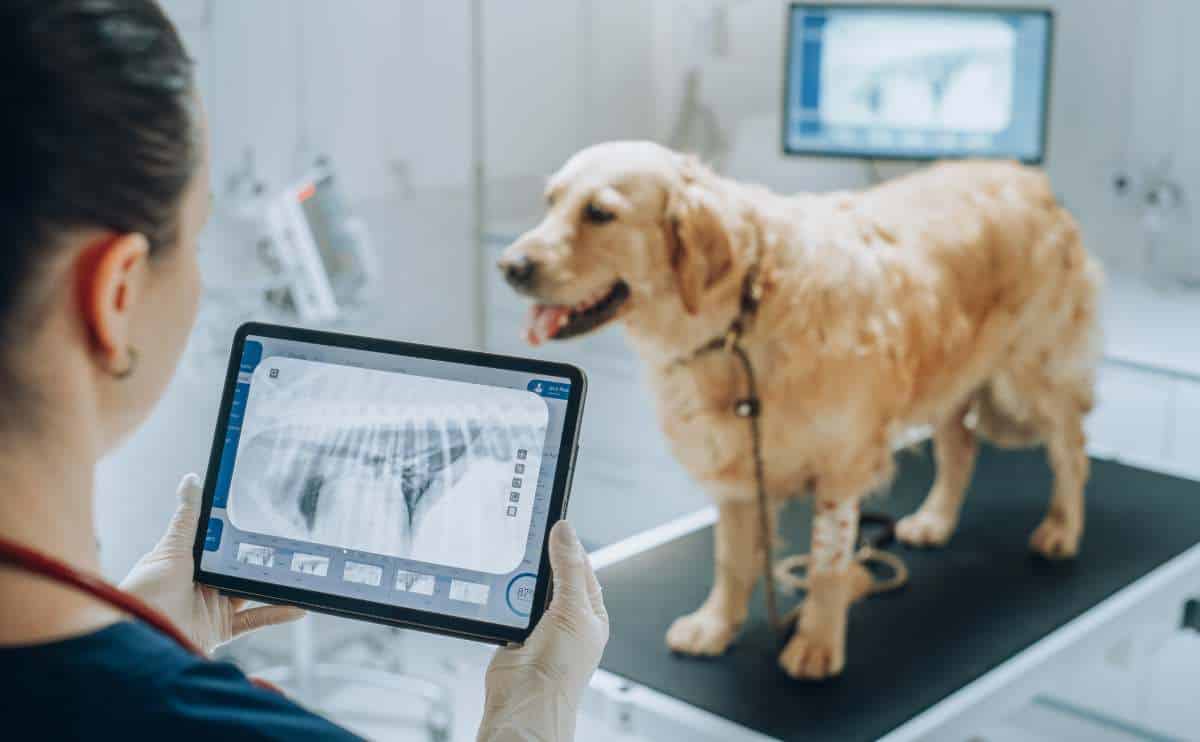
Foreign body obstructions can quickly become life-threatening if not addressed. According to Cornell University’s Riney Canine Health Center, gastrointestinal obstructions often require prompt intervention to prevent tissue damage or perforation.
Treatment may include:
- Induced vomiting (if caught early)
- Endoscopy
- Abdominal surgery
Surgical removal of a foreign object frequently falls in the $2,000–$7,000 range. And timing matters because waiting can increase both risk and cost.
“It’s Just a Cough”
Maybe it’s kennel cough. Or maybe it’s:
- Pneumonia
- Collapsing trachea complications
- Congestive heart failure
Respiratory distress can require:
- Chest X-rays
- Oxygen therapy
- IV fluids
- Overnight monitoring
Even without surgery, hospitalization alone can quickly push costs into the four-figure range.
The pattern is consistent. The health issue rarely looks like a $5,000 problem at first. That’s why the financial shock hits so hard. You weren’t preparing for catastrophe. You were responding to a symptom, and symptoms don’t come with price tags attached.
The Hidden Cost Of “Let’s Wait”
In many emergencies, time affects both outcome and cost. A foreign body caught early may require induced vomiting. Caught later, it may require surgery.
Mild dehydration can lead to hospitalization. A cough can become respiratory distress.
Hesitation rarely comes from indifference. It comes from financial uncertainty. But when decisions are delayed because the total cost is unclear, the medical situation can become more complex and more expensive.
The Emergencies Vets See All The Time
Emergencies don’t usually start with something dramatic. They start with something ordinary until it isn’t. Emergency clinics nationwide see these cases frequently:
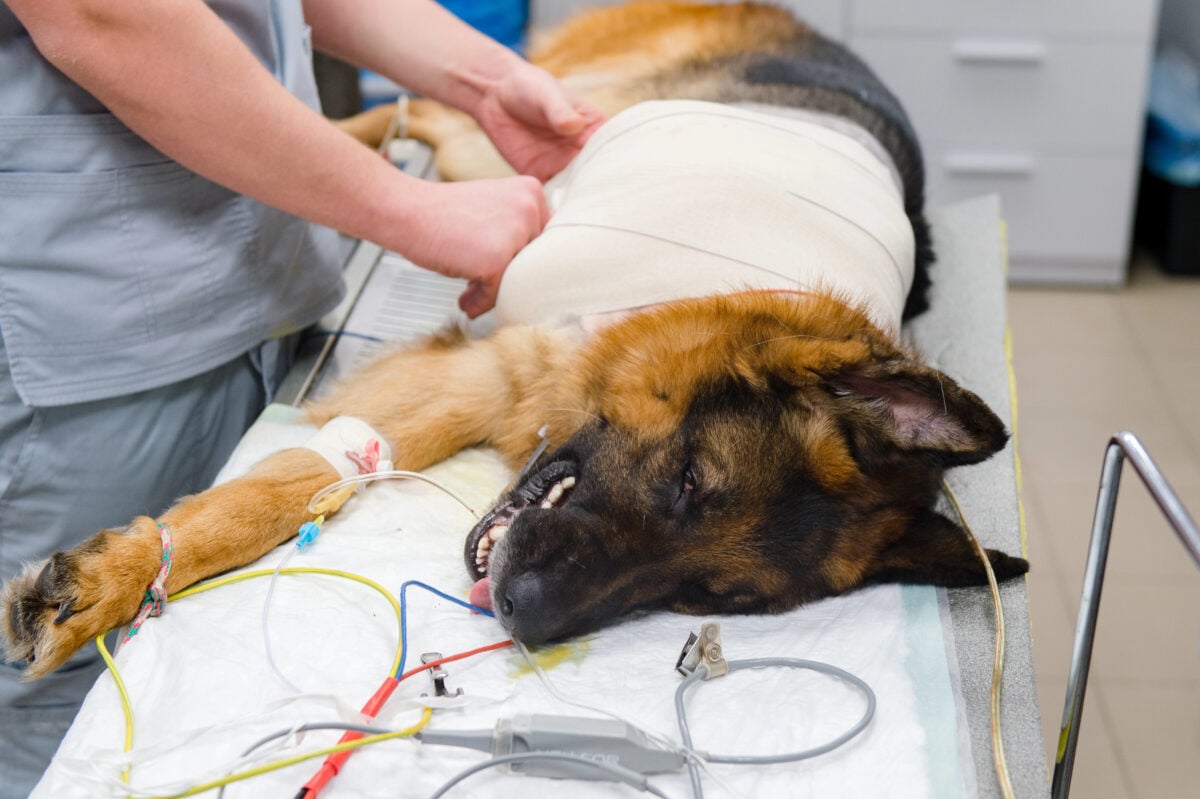
- Foreign body ingestion (toys, socks, bones, corn cobs)
- Toxic ingestion (chocolate, medications, xylitol, household chemicals)
- Bloat (Gastric Dilatation-Volvulus or GDV)
- Severe vomiting or diarrhea leading to dehydration
- Trauma (car accidents, falls, dog fights)
- Heatstroke
Some of these sound manageable at first. Others feel sudden and terrifying.
Take bloat, for example. Gastric dilatation-volvulus (GDV) is a life-threatening condition that can progress rapidly and requires immediate veterinary intervention. The Merck Veterinary Manual describes GDV as a true emergency because delayed treatment significantly increases mortality risk.
Or consider toxic ingestion. Even small amounts of certain substances, such as xylitol, a sugar substitute found in many gums and baked goods, can cause rapid drops in blood sugar and liver failure in dogs. The FDA has issued consumer warnings about the seriousness of xylitol toxicity in pets.
None of these situations comes with advance notice, and most escalate quickly.
Why We Assume It Won’t Be Us
Most emergency visits don’t start with recklessness. They start with normal life. A chew toy left out. A door left ajar. A dog who’s always been fine before.
Psychologically, we assume emergencies happen to “other” dogs. The ones who eat rocks, the ones who run into traffic, or the ones with pre-existing health issues.
But emergency vets will tell you the same thing: many critical cases involve well-loved, well-cared-for dogs in attentive homes. Risk isn’t about how much you love your dog. It’s about biology, chance, and timing.
Why Do Emergency Vet Hospitals Require Upfront Payment?
This part can feel jarring if you’ve never experienced it. You’re worried about your dog, and you’re trying to process medical information. And then you’re asked for a deposit before diagnosis and treatment begin. It can feel abrupt, but it isn’t arbitrary.
Emergency hospitals operate differently from most daytime veterinary clinics. They staff doctors and technicians overnight and maintain surgical teams on call. They keep advanced diagnostic equipment running around the clock. And they often treat cases without knowing whether reimbursement will ever come. That structure is about sustainability.
Myth: “Emergency Vets Are Just Overcharging”
Unlike human hospitals, veterinary clinics don’t have government reimbursement systems or large insurance networks absorbing unpaid balances. Most operate as private businesses responsible for payroll, equipment, medications, and specialty care.
The financial conversation doesn’t happen because your dog’s case is unusual. It happens because that’s how emergency veterinary medicine is built. And when you don’t expect that system, the shock hits twice: once emotionally and once financially.
When Panic Meets The Price Tag
This is where the shift happens, and it’s internal. The numbers are on the page. The recommendation is clear. But your brain isn’t processing it the same way it would on a normal Tuesday afternoon. It switches into protection mode. Not medical protection, but financial protection.
Instead of thinking about treatment, you start thinking about numbers.

- How much is available on your credit card?
- What’s in savings?
- What happens if costs go higher?
- Is there a “minimum” diagnostic or treatment option?
In high-pressure situations, our brains narrow focus to immediate survival — financial survival included. You’re trying to make the right choice for your dog while also protecting your household from long-term financial fallout.
The problem is that emergency medicine doesn’t wait for clarity. Every additional test or hour of hospitalization can affect both outcome and cost. Hesitation isn’t about love. It’s about uncertainty.
And uncertainty is what makes the triage desk so heavy. Because once you’re standing there, you’re not just deciding: “What’s wrong?” You’re deciding: “How far can we go to care for my dog?”
That internal calculation, happening in seconds, is the real emergency room mistake.
Quick Self-Check (Before You’re In A Lobby)
If your dog needed $4,000 in vet care tonight:
- Could you cover it without financing?
- Would you hesitate?
- Would you ask for a lower-tier option first?
- Would you need to transfer funds?
Be honest. That answer matters more than you think.
The “We’ll Just Use Savings” Assumption
A lot of responsible pup owners tell themselves the same thing: “We don’t need insurance. We’ll just use savings.”

On the surface, that sounds reasonable. Building an emergency fund is smart, and having a cushion is responsible. But here’s the uncomfortable math. If an emergency surgery costs $4,500 and your pet emergency fund has $1,200, you’re not short a little. You’re short a lot.
Even well-prepared households often underestimate how quickly costs stack up. It’s rarely one line item. It’s a cascade.
The AVMA encourages pet owners to plan financially for unexpected veterinary costs, whether through savings, pet insurance, or a combination of both. The crucial word there is plan. Without a pre-decided structure, the plan gets made under intense stress.
And when decisions are made under pressure, they tend to revolve around what’s immediately available — not what’s medically ideal.
Savings are valuable. But unless your fund can comfortably absorb a $3,000–$7,000 surprise, it may not provide the decision-making freedom people assume it will. That’s the gap most owners don’t recognize until they’re standing in it.
Emergency savings are designed for uncertainty. The problem is that veterinary emergencies often exceed what most people define as “an emergency cushion.”
How To Say “Do Whatever It Takes” Without Hesitation
Preparation can remove the financial panic in an already stressful situation. When financial boundaries are unclear, every recommendation feels heavier. You start filtering options by affordability rather than medical priority. Even small pauses — “Let’s wait,” “Is there a lower tier?” — can shift the trajectory of care.
Pet insurance is about removing the financial pause between recommendation and approval.
It turns this:
- “Let’s wait and see.”
- “Is there a cheaper option?”
- “Can we do the minimum for now?”
Into this:
- “Yes. Do what she needs.”
- “Run the tests.”
- “Schedule the surgery.”
When you already have pet insurance coverage in place, the decision has already been made calmly and ahead of time. That’s what a financial go-code really is. Being prepared for your furry family member.

Why You Can’t Wait Until After the Emergency
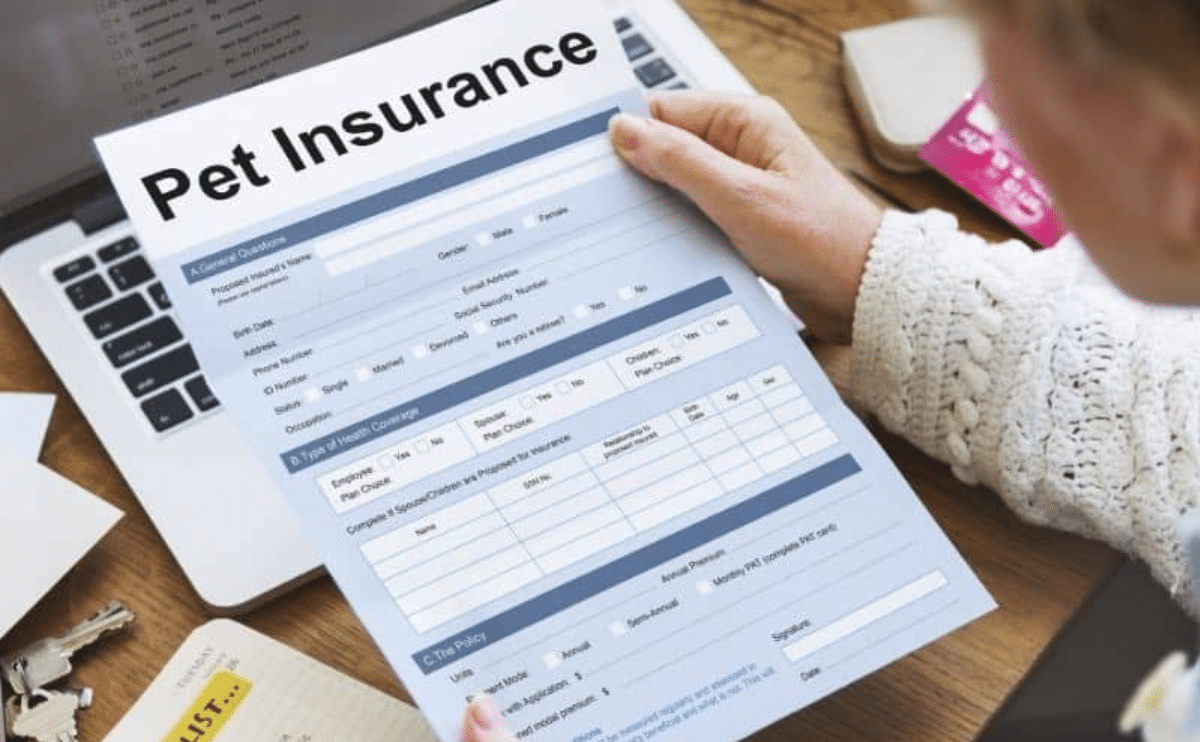
Here’s the part many owners don’t realize until it’s too late: You can’t buy coverage once the problem exists. Pet insurance works differently from human health insurance. Policies typically include:
- Waiting periods before coverage begins
- Exclusions for pre-existing conditions
- Defined coverage categories (accident-only vs. accident & illness)
That means if your dog swallows a sock tonight and you enroll tomorrow, that obstruction will be considered pre-existing. The window closes the moment symptoms appear.
The American Animal Hospital Association explains that pet insurance plans generally exclude conditions that showed signs before enrollment or during the waiting period. Coverage must be in place before the diagnosis.
Waiting feels harmless when your dog is healthy. But eligibility is built on health. And once that changes, so do your options.
The Simple Math Most Owners Avoid
Let’s take the emotion out of it for a moment. Imagine a single emergency surgery costs $5,000.
Now compare that to a pet insurance premium averaging $50–$70 per month (premium costs vary widely depending on your dog’s breed, age, and location).
Your pet insurance premium is roughly:
- $600–$840 per year
- $3,000–$4,200 over five years
One major emergency can equal years of premiums. And that’s not a worst-case scenario — it’s a common one. Industry claim data shows that surgeries for foreign body removal, fracture repair, and bloat regularly fall into the $2,000–$7,000+ range.
Real-Life Scenario: A $5,200 Limp

In 2022, my dog, Gary, developed a slight, persistent limp. It didn’t feel like an ’emergency’ at first, but after working through the specialists, the diagnosis was a serious CCL tear. The solution? TPLO surgery with a $5,200 price tag. This is the exact moment when many owners are forced to make a hard financial decision. Fortunately, I didn’t have to.
At the time, I had a pet insurance policy through Pets Best that cost $37/month. Because I had a $500 deductible and 80% reimbursement in place before the limp started, the ‘financial’ part of the surgery was a much smaller issue than having to pay the full bill. I remember staring at the estimate thinking, “If this were double, I’d still say yes.” But I also remember feeling relieved that I didn’t have to test that theory. I could focus 100% on Gary’s recovery instead of how I was going to pay for it.
– Jeff Butler, Goldendoodle Parent, Analytics & Partnerships for Canine Journal
What 80% Reimbursement Really Means
Let’s use this real example of how pet insurance math most commonly works. If your dog’s covered vet bill is $5,200, and you have a policy with a $500 deductible and 80% reimbursement, here’s what that looks like:
- Deductible: You pay the first $500
- Remaining balance: $5,200 – $500 = $4,700
- Coinsurance (your portion after deductible): You pay 20% of $4,700 = $940
- Insurance company pays: 80% of $4,700 = $3,760
- Total out-of-pocket vet cost to you: $500 (deductible) + $940 (coinsurance) = $1,440
Instead of covering the full $5,200 vet bill yourself, your share would be $1,440. That’s the difference preparation can make.
What $5,000 Really Represents
It helps to compare that $5,000 equals:
- 10 years of $42/month premiums
- 2-3 months of average rent in some areas
- A major appliance replacement
- A family vacation
Suddenly, “it’s just a limp” doesn’t feel financially small.
Could You Say “Whatever It Takes” Tonight?
This isn’t meant to scare you. It’s meant to clarify. If something happened to your pup tonight — a swallowed object, sudden collapse, a late-night accident — could you calmly tell the emergency vet:
“Do whatever it takes.”
Without checking your bank balance?
Without applying for financing?
Without asking for the “minimum” option first?
Owners deeply love their dogs. That’s not the issue. The issue is whether the financial structure around that love is already decided or left to be figured out in real time.

Look Into Coverage Before You Need It
If you’ve been meaning to look into pet insurance, this is a good time to do so when nothing is wrong. Not because disaster is guaranteed, but because eligibility depends on timing.
Right now, you’re calm, and your dog is healthy. You have mental space to compare:
- Deductibles
- Reimbursement percentages
- Waiting periods
- Monthly premiums
You can choose what feels realistic for your pup’s health and your budget. Learn more about the best pet insurance options and get a free quote using the form below.

Not Ready Yet? That’s Okay.
Getting a quote is one step. Understanding how emergency costs actually work is another. If you’re still sorting through the details, such as coverage limits, deposits, what’s typical, what’s not, that’s completely reasonable.
Before you make any decisions, let’s answer the questions most dog owners end up Googling later. The more clarity you have now, the steadier you’ll feel if you ever need to use it.
Frequently Asked Questions About Emergency Vet Costs & Insurance
This is where most people start Googling, usually at 10:47 pm. If we’ve missed yours, please don’t hesitate to ask us in our comments.
How Much Does An Emergency Vet Visit Cost?
It depends on what’s required, but even basic emergency care often starts in the hundreds before diagnostics begin. You may see:
- Emergency exam fee: $100–$250+
- Bloodwork: $150–$400
- X-rays: $300–$800
- Ultrasound: $400–$900
- Hospitalization (per night): $800–$2,000+
If surgery is required, total costs can range from $2,000 to $7,000+, depending on the condition. Industry cost data reflects these ranges across common procedures such as foreign body removal and bloat surgery.
Do Emergency Vets Require Payment Upfront?
In many cases, yes. Emergency clinics commonly require a deposit before diagnostics or treatment begin, and full payment is due before discharge.
This structure exists because veterinary hospitals operate without large insurance reimbursement systems and must cover staffing, medications, and equipment costs in real time.
What Happens If I Can’t Afford Emergency Surgery?
Options vary by clinic, but possibilities may include:
- Payment plans (if offered)
- Third-party financing services
- Adjusted treatment plans
- In some cases, difficult medical decisions
Does Pet Insurance Cover ER Visits?
Most accident-and-illness plans do cover emergency treatment related to covered conditions. This can include diagnostic tests, imaging, surgery, and more. Coverage details vary by provider and plan type.
What Doesn’t Pet Insurance Cover?
Pet insurance isn’t a magic solution, and coverage varies by provider and plan. However, most policies typically do not cover:
- Pre-existing conditions (illnesses or injuries that showed symptoms before enrollment or during the waiting period)
- Routine or preventive care, unless you’ve added a wellness plan
- Breeding-related expenses
- Cosmetic or elective procedures
Understanding these limitations is part of smart planning. The goal isn’t to assume insurance covers everything — it’s to know exactly what it does (and doesn’t) cover before you ever need to use it.
The Bigger Veterinary Cost Picture
Emergency visits tend to grab all the attention, but they’re only one piece of your dog’s lifetime medical costs. Routine exams, vaccinations, dental needs, diagnostics, chronic condition management — it all adds up over the years. Even when nothing dramatic happens, veterinary care is an ongoing investment in your pup’s health.
If you’re curious what typical vet expenses look like beyond emergency situations, our breakdown of average vet costs walks through pricing for everything from annual checkups to common procedures and long-term care. Understanding the full picture helps you plan smarter and avoid financial surprises at every stage of your dog’s life.
If you’ve ever sat in an emergency vet lobby, you know that moment — the waiting, the estimate, the decision. What caught you off guard — the cost, the deposit, or how fast the decision had to be made? Tell us in the comments. Someone reading this tonight may need your story.