When you purchase through links on our site, we may earn a commission at no extra cost to you. Learn more.
Seeing your dog suddenly walk backwards can be pretty strange, and it’s understandable to wonder if something is wrong. While some dogs do it because of fear, discomfort, or simply as a quirky behavior, the context in which your dog walks backward can offer important clues as to why.
Table of Contents
Is he doing it while playing, backing away from something, or seemingly out of nowhere? Paying attention to when the behavior happens, how often it occurs, and whether anything else seems unusual can help you determine whether it’s just one of your dog’s odd little habits or something that deserves a closer look.
So, when should you be concerned? I’ll explain the most common reasons dogs walk backward and what other signs to watch for so you can better understand what’s going on with your pup.
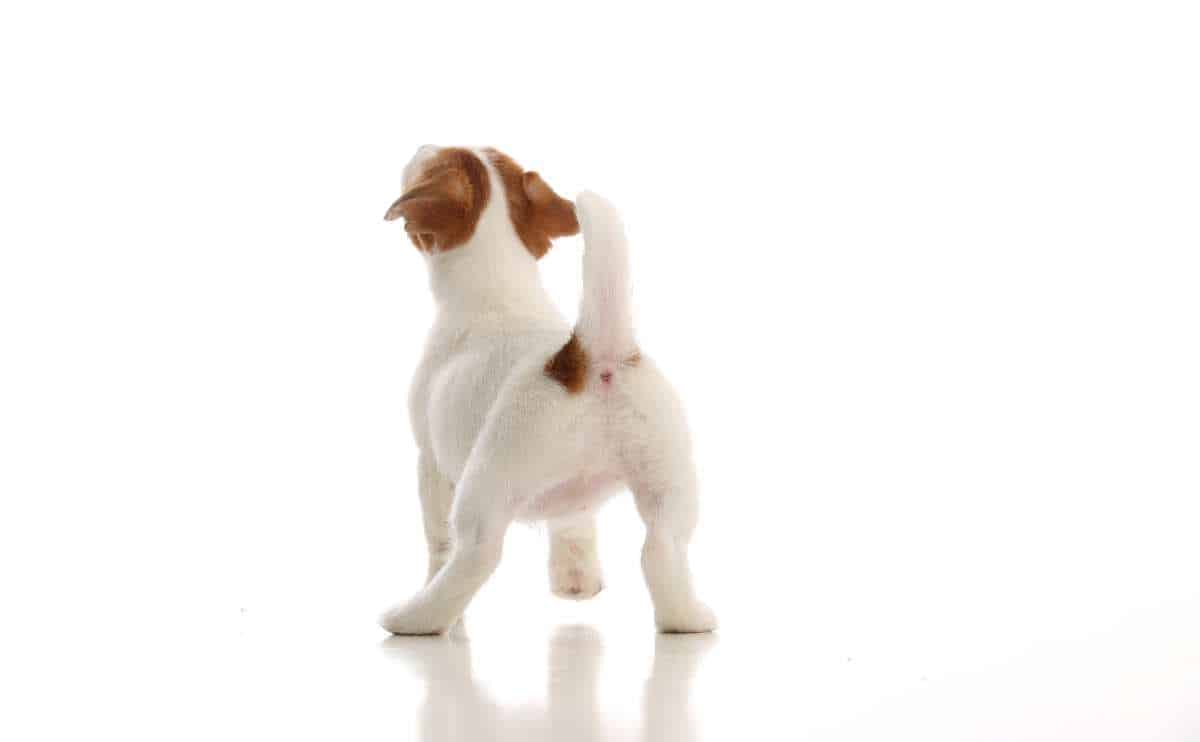
Can Dogs Walk Backward?
The short answer is yes. You can train your dog to walk backwards, and it’s also a behavior that can develop on its own for various reasons.
Is It Rare For Dogs To Walk Backward?
No, it is not rare for dogs to walk backward. They do so for a number of reasons. Some are harmless and may even be done as a trick or for fun, but sometimes, this behavior can indicate an underlying medical or neurological issue.
When Is Backward Walking Normal?
A dog walking backwards isn’t necessarily a reason to panic. Some dogs may do it occasionally because they’re playing, navigating a tight space, or reacting to something unfamiliar. However, if this behavior is new, happens frequently, or appears alongside other unusual symptoms, it’s worth paying closer attention.
It may be normal if your dog:
- Walks backwards occasionally and otherwise behaves normally
- Does it during play or when excited
- Can easily switch to walking forward
- Shows no signs of pain, weakness, or confusion
It may be concerning if your dog:
- Suddenly starts walking backwards for no obvious reason
- Does it repeatedly or seems unable to walk forward normally
- Appears unsteady, weak, confused, or disoriented
- Shows signs of pain or discomfort
- Has other changes in behavior, coordination, vision, or movement
If your dog’s backward walking is sudden or accompanied by other concerning symptoms, contact your veterinarian for advice.
Is My Dog Walking Backwards Something To Worry About?
Seeing your dog suddenly walk backward can be unsettling, but this behavior doesn’t always mean something is wrong. The circumstances surrounding it are important. A dog taking a few backward steps during play is very different from a dog that suddenly starts backing up while stumbling, falling, or appearing confused.
Use this quick guide to help you determine what to watch for and when it may be time to contact your veterinarian.
| What You’re Seeing | What It Could Mean | What To Do |
|---|---|---|
| Occasionally backs up during play | Normal movement or playful behavior | Monitor for changes |
| Only walks backward on hardwood or other slick floors | Poor traction, uncertainty, or fear of slipping | Add rugs or non-slip traction and observe |
| Backs away from loud noises, unfamiliar objects, or certain situations | Fear, anxiety, or avoidance | Identify and reduce the trigger when possible |
| Suddenly starts walking backward repeatedly | Pain, weakness, balance problems, or another medical issue may be contributing | Contact your veterinarian |
| Walks backward and has a head tilt, stumbles, or falls | Possible balance, vestibular, or neurological problem | Seek prompt veterinary advice |
| Walks backward and has a seizure or seems confused afterward | Seizure-related disorientation or another neurological concern | Contact your veterinarian |
| Senior dog walks backward and also wanders, gets stuck, or seems disoriented | Cognitive, sensory, or neurological changes may be contributing | Schedule a veterinary examination |
Remember, backward walking by itself isn’t a diagnosis. Pay attention to whether the behavior is new, how often it happens, what seems to trigger it, and whether you notice other changes in your dog’s movement or behavior.
If the backward walking begins suddenly or your dog is also struggling to stand, repeatedly falling, having seizures, showing significant weakness, appearing severely disoriented, or otherwise seems to be in distress, don’t wait to see if the behavior improves on its own. Contact your veterinarian or an emergency veterinary clinic for guidance.
Why Does My Dog Walk Backward?
So, why do dogs walk backward? If you’ve intentionally taught your dog to back up, there may be nothing unusual about the behavior. But if your dog suddenly starts walking backward without being trained to do so, there are several possible explanations, ranging from fear or uncertainty to an underlying neurological or medical issue.
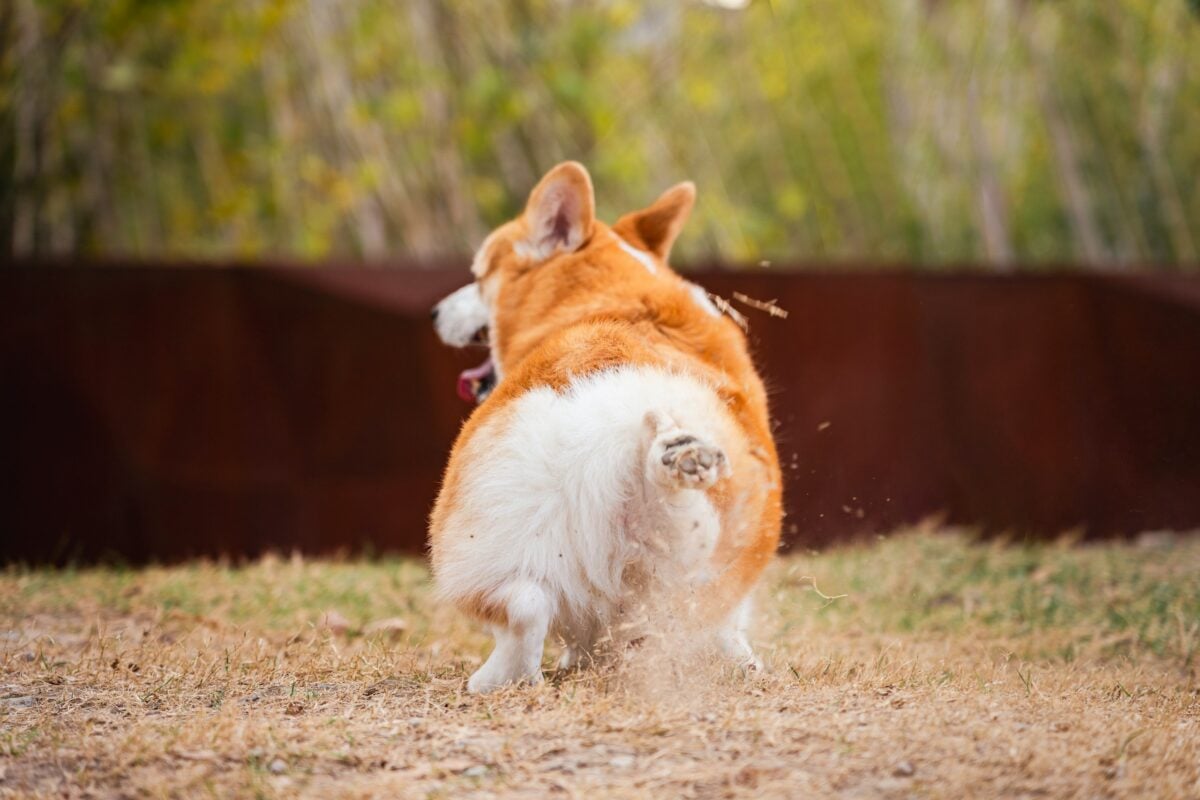
If this behavior is new or unusual for your pup, it’s a good idea to check with your veterinarian. Pay close attention to what happens while your dog is walking backward and whether you notice any other changes in his behavior or movement. These additional signs can help your veterinarian determine what may be causing the behavior.
Some signs to watch for include:
- Cowering
- Confusion
- Disorientation
- Dropped or flattened ears
- Becoming easily tired or winded
- Other out-of-character behaviors
- Signs of pain or discomfort
- Shaking or trembling
- Tail tucking
- Whimpering or whining
When Is Backward Walking A Cause For Concern?
Not all backward walking looks the same, and the situation surrounding it can provide useful clues for both you and your vet. Think about what was happening when you first noticed the behavior and whether your dog shows any other unusual signs.
You might notice your dog:
- Backing away from doorways: Your dog may hesitate or back up when approaching a doorway, especially if something on the other side makes him nervous or uncomfortable.
- Walking backward on hardwood or slippery floors: Some dogs back up when they don’t feel secure on slick surfaces and struggle to get traction.
- Backing up after loud noises: A sudden bang, alarm, or other startling sound can cause a dog to retreat backward as a fear response.
- Walking backward in circles: Repeated backward circling can be more concerning, particularly if your dog seems disoriented or has trouble moving normally.
- Suddenly walking backward as a senior dog: A new change in movement in an older dog deserves attention, especially if it comes with other changes in balance, coordination, or behavior.
- Walking backward with shaking, whining, or confusion: These additional signs may indicate that your dog is frightened, in pain, or experiencing a medical or neurological problem and should not be ignored.
The circumstances surrounding your dog’s backward walking can offer important clues about what’s causing it. If the behavior is new, frequent, or accompanied by other unusual symptoms, it’s best to have your veterinarian take a closer look.
What Medical Conditions Cause A Dog To Walk Backward?
There are a few different medical conditions that may contribute to your dog walking backward. In many cases, dogs walk backward to avoid discomfort or compensate for pain, weakness, or poor balance affecting the hind legs, abdomen, hips, or nervous system.
These causes can involve physical discomfort, neurological problems, or age- and behavior-related changes. Backward walking alone usually isn’t enough to determine the cause, so pay attention to when the behavior started and whether you notice other symptoms.
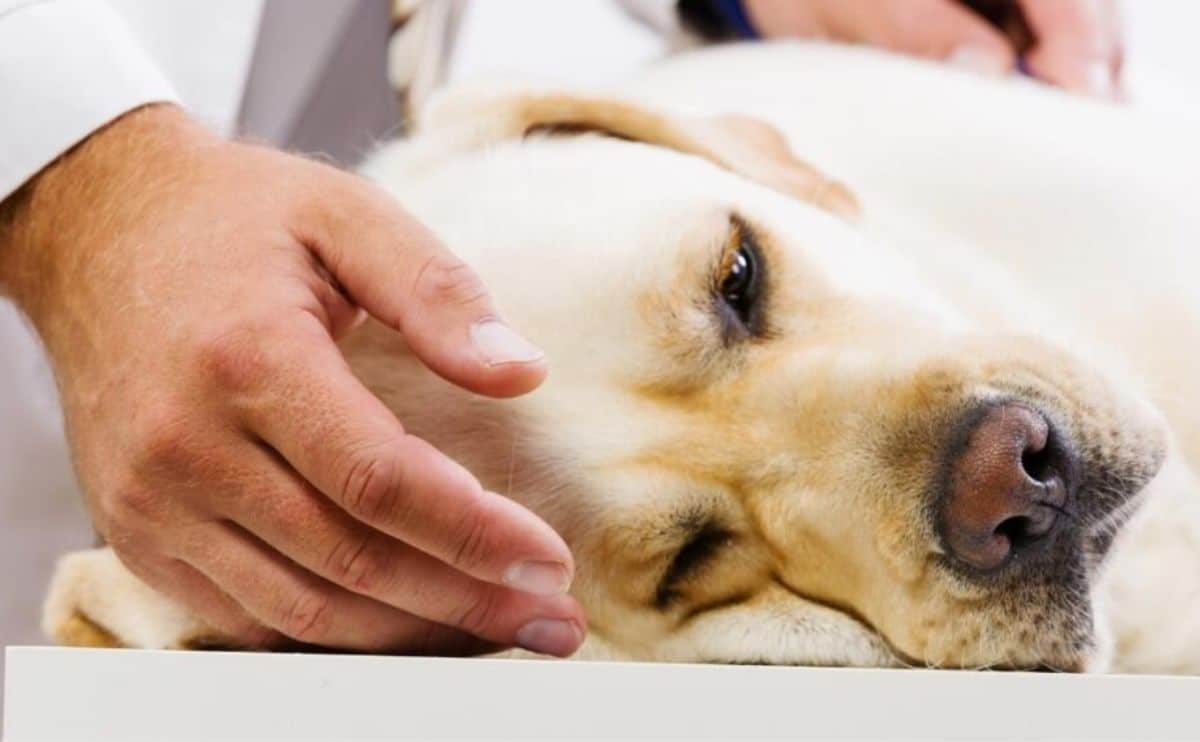
Possible Pain or Mobility Causes
- Arthritis
- Loose patella (kneecap)
- Impacted anal glands
- Joint problems
Pain or reduced mobility can change the way a dog moves. A dog with sore hips, knees, joints, or hind legs may shift their weight, hesitate to turn, take shorter steps, or move backward when trying to reposition themselves without putting pressure on an uncomfortable area.
Look for other signs of pain or mobility trouble, such as stiffness after resting, difficulty getting up, reluctance to climb stairs or jump, limping, licking at a painful area, or changes in posture. Dogs can be very good at hiding discomfort, so even subtle changes in movement can be worth noting.
Anal gland discomfort may affect movement differently. A dog with irritated or impacted anal glands may scoot, lick around the rear end, sit unusually, or move awkwardly because pressure around the anus is uncomfortable.
Possible Neurological or Balance-Related Causes
- Past trauma
- Seizures
- Epilepsy
- Anxiety
- Vestibular Syndrome
- Ataxia
Conditions affecting the brain, spinal cord, nerves, or balance system can interfere with a dog’s awareness of where their body is in space and how they coordinate their movements. In these cases, backward walking may occur alongside other unusual gait or balance changes rather than appearing as the only symptom.
For example, vestibular problems can cause loss of balance, leaning, falling, head tilt, or unusual eye movements. Ataxia refers to a lack of normal coordination and may make a dog appear wobbly, unsteady, or unsure of their footing. Dogs recovering from a seizure may also experience temporary confusion or disorientation that affects how they walk.
Previous injuries or trauma can sometimes contribute to lingering pain, weakness, or neurological problems, depending on the area affected. If your dog suddenly begins moving backward along with stumbling, weakness, falling, circling, head tilt, tremors, or noticeable confusion, contact your veterinarian.
Behavioral or Age-Related Causes
- Fear or anxiety
- Canine cognitive dysfunction in older dogs
Not every case of backward walking is caused by pain or neurological disease. Some dogs back away from objects, people, noises, flooring, or situations that make them uncomfortable or nervous. If the behavior consistently happens around the same trigger, fear or anxiety may be playing a role.
Senior dogs can also experience changes in awareness, memory, and navigation. Dogs with canine cognitive dysfunction may become disoriented in familiar places, get stuck around furniture or in corners, wander, stare into space, experience sleep changes, or seem unsure how to move around obstacles.
In older dogs, new backward walking deserves extra attention when it appears alongside confusion, house-training changes, altered sleep patterns, pacing, getting stuck, or changes in social behavior. These signs can have several possible causes, so a veterinary exam is important rather than assuming they are simply part of normal aging.
The key is to look at the whole picture. Backward walking is a behavior, not a diagnosis. When it happens, how often it occurs, and what other physical or behavioral changes accompany it can help your veterinarian determine whether your dog is simply reacting to their environment or may have an underlying health problem.
When Should I Call The Vet?
Occasional backward walking isn’t always a cause for concern, especially if your dog is otherwise acting normally. However, sudden or persistent backward walking is worth discussing with your veterinarian, particularly if it’s a new behavior. Watch for signs such as disorientation, confusion, falling or stumbling, a head tilt, circling, weakness, or difficulty walking normally.
You should also watch for signs that your dog may be in pain, such as whining, shaking, reluctance to move, or changes in posture. Changes in appetite or behavior, including sudden withdrawal, restlessness, or lethargy, are also important clues. If several of these symptoms appear together or your dog seems significantly unwell, contact your veterinarian promptly.
What To Record Before Your Vet Visit
If your dog’s backward walking keeps happening, keeping track of the behavior can help you spot patterns and give your veterinarian useful information. Pay attention to:
- When it started: Note when you first noticed the behavior and whether it’s becoming more frequent.
- Where it happens: Does it occur throughout the house or only in certain areas?
- How your dog reacts: Does your dog seem scared, confused, or uncomfortable, or does he otherwise act normally?
- Flooring: Does it happen more often on hardwood, tile, or other slippery surfaces?
- Stairs and doorways: Does your dog back up around stairs, doorways, or when entering certain rooms?
- Senior-dog confusion: If your dog is older, watch for getting lost in familiar areas, staring at walls, seeming disoriented, or other unusual changes in behavior.
If possible, take a short video when the behavior occurs. Showing your veterinarian exactly what your dog is doing can provide valuable clues that may be difficult to describe.

My Personal Experience With Dogs Walking Backwards
My dog Bear, a black Labrador Retriever, had epilepsy. He would have frequent seizures, which caused disorientation. Bear would often walk backward with a wobbly gait after a seizure. As he grew older, he started to show signs of cognitive decline and confusion, and this behavior increased.
My other dog, Daisy, a 12-year-old Labrador Pitbull mix, also walks backward as a fear response. She is very sensitive to loud noise and will become very panicky and nervous when she hears anything like a firework, a car backfire, power tools, or even loud yelling. When she has this fear response, she will freeze and then slowly back away from the thing that scared her. She also does this on smooth floors like tile or hardwood.
The takeaway: Backward walking itself isn’t a diagnosis. What happens before, during, and after the behavior is often more useful than the backward movement alone.
Frequently Asked Questions
Here’s a list of frequently asked questions about dogs walking backward. If I missed yours, let me know in the comments.
Why Has My Dog Started Walking Backward?
Your dog suddenly starting to walk backward may simply be them trying it out for fun, but it could also indicate one of the issues I’ve mentioned. Any type of sudden behavior change is worth talking to your vet about. Especially if it is accompanied by any other symptoms or odd behavior.
Why Does My Dog Walk Backward On Hardwood Floors?
This nervous behavior may be due to an unsafe feeling on the hardwoods or the room where the hardwoods are making the pup feel unsafe.
Why Do Dogs Walk Backwards Through Doors?
There may be something about the door that makes your pup fearful. If it’s only particular doors, once he’s in the doorway space, pay attention to how he reacts. Again, this may be fear-related.
Why Does My Dog Walk Backward Into A Room?
The cause of this behavior could be fear of the room, something in it, or even the doorways that your pup has to go through to get into the room.
Why Is My Puppy Walking Backward?
When a puppy is walking backward, the concerns are the same as they would be for an older dog. Pay attention to other behaviors and talk to your vet about what is going on.
Why Is My Dog Walking Backward In Circles?
Teaching your dog to walk backward in circles would be challenging, so this is quite likely a sign of concern. It could be due to an ear infection, an injury, or a neurological problem.
Why Is My Dog Walking Sideways?
Injury, pain, hip dysplasia, or neurological disorders can cause a dog to begin walking sideways. Learn more in our guide about why dogs may walk sideways and fall over. If you notice any sudden changes in behavior, notify your vet as soon as possible.
Can You Teach A Dog To Walk Backwards?
This two-minute video from Louby Love can give you some tips on how to train your pup to walk backward.
Behaviors Can Be A Sign of Something Else
When your dog walks backward, it can be a sign of something more serious. But walking backward isn’t the only behavior that can tell you something else is going on with your pup. Panting and pacing are other behaviors that may indicate that you need to discuss your dog’s behavior with your vet.
You may want to consider pet insurance for your pup. Even if they are healthy now, all dogs experience sickness and other medical issues as they live and age. Pet insurance can help cover the cost of care so you can focus on your fur baby’s recovery.

Keep An Eye On Changes In Your Dog’s Movement
Walking backward can be completely harmless in some dogs, especially if it happens during play, around slippery floors, or in response to something they are unsure about. What matters most is whether the behavior is new, frequent, or accompanied by other changes such as pain, weakness, stumbling, head tilt, circling, or confusion.
If something about your dog’s movement seems different, try to record a short video and note when it happens, how long it lasts, and what your dog was doing immediately beforehand. Those details can be extremely helpful if you need to discuss the behavior with your veterinarian.
Regular activity can also help you notice subtle changes in your dog’s mobility over time. Our guide on how often to walk a dog explains how exercise needs vary by age, breed, size, and health. If mobility problems are making walks difficult, you can also learn more about dog wheelchairs and other ways to help your pup stay active and comfortable.
Does Your Dog Walk Backward? Share Your Experience
Does your dog ever walk backward, and have you figured out what triggers it? Maybe it happens on slippery floors, when your pup is nervous or excited, or you discovered there was a health issue behind the behavior. We’d love to hear about your experience. Share your story in the comments below, including when you first noticed it and anything that helped you understand why your dog was doing it.