When you purchase through links on our site, we may earn a commission at no extra cost to you. Learn more.
One of the best things about dogs is their enthusiasm for life. They’re always ready for a walk, eager to greet visitors, and excited to be part of whatever you’re doing. But if you prefer a quieter home, all that enthusiasm can sometimes come with constant barking, excitement, and commotion.
Table of Contents
Whether you’re sharing walls with neighbors, working from home, welcoming a new baby, or simply looking for a more peaceful companion, these 16 breeds are known for their laid-back personalities, lower barking tendencies, and ability to bring a sense of calm to the home.
Start Here: Find Your Quiet Match
The quietest dog for you depends on your lifestyle.
- I want a small, peaceful companion → Start with the Small Breeds That Break the “Yappy Dog” Stereotype
- I want a calm, confident dog → See the Quiet Breeds With Calm Confidence
- I want an athletic dog with a great “off switch” → Check out the Surprisingly Quiet Sighthounds
- I want a big dog with a gentle personality → Head to the Gentle Giants That Keep the Peace
What Makes A Dog Quiet?
When most people think of a quiet dog, they think about barking. But that’s only part of the picture.
The breeds on this list earned their spot because they create a more peaceful home overall, not simply because they bark less often.
A Quiet Dog Is Often…
- Calm indoors and able to settle after exercise
- Less reactive to everyday sights and sounds
- More likely to bark with purpose instead of barking out of excitement or habit
- Content relaxing alongside their family
Quick Tip: If your main goal is finding a breed that rarely vocalizes, check out our guide to dog breeds that don’t bark. This list takes a broader look at what makes a dog feel like a peaceful companion.
Did You Know?
A dog’s original purpose often influences how vocal it is today:
- Companion breeds were bred to live closely with people and often have calmer, less reactive temperaments.
- Scent hounds were developed to work in packs, using deep bays and howls to stay connected while tracking game across long distances.
- Sighthounds relied on speed and eyesight rather than vocal communication while hunting.
- Arctic breeds traditionally worked in packs across vast, snowy landscapes. Instead of frequent alert barking, they’re more likely to communicate through dramatic howls, “talking,” yodels, and expressive whines.
Quiet Doesn’t Always Mean Low Energy
A calm dog isn’t necessarily a lazy one. Some of the quietest breeds on this list, including Greyhounds and Whippets, still enjoy regular exercise and thrive when they have an outlet for their energy.
What sets them apart is their excellent “off switch.” Once their needs are met, they’re happy to relax for the rest of the day.
Quiet Doesn’t Mean…
- They never vocalize.
- They’re low-energy.
- They don’t need training or mental stimulation.
- They’re happy being left alone all day.
- They’re the right fit for every household.
The best quiet dog is one whose temperament, exercise needs, and personality match your lifestyle.
These Quiet Dogs Might Surprise You
Not every quiet dog looks the part. Some of the breeds on this list are famous for racing, guarding, or their enormous size, yet they’re also among the calmest companions you’ll find at home.
- Greyhound – Famous for racing, but legendary couch potatoes with one of the best “off switches” in the dog world.
- Great Dane – Despite their towering size, they’re gentle, patient, and surprisingly quiet around the house.
- Bullmastiff – A powerful guardian that relies more on their calm presence than constant barking.
- Clumber Spaniel – Unlike many sporting breeds, they’re mellow, easygoing, and rarely bark without a reason.
16 Dog Breeds That Enjoy a Quiet Life
No dog is completely silent, but some are far more likely to spend the day quietly by your side than barking at every passing sound. The 16 breeds below represent a wide range of sizes, personalities, and lifestyles, yet all are known for one thing: helping create a calmer, more peaceful home.
4 Small Breeds That Break The “Yappy Dog” Stereotype
Small dogs have a reputation for making a lot of noise. While some breeds, like Pomeranians and Yorkshire Terriers, are quick to sound the alarm, these four prove that little dogs don’t have to be loud. Each is known for a calmer, more relaxed temperament that makes them an excellent fit for a peaceful home.
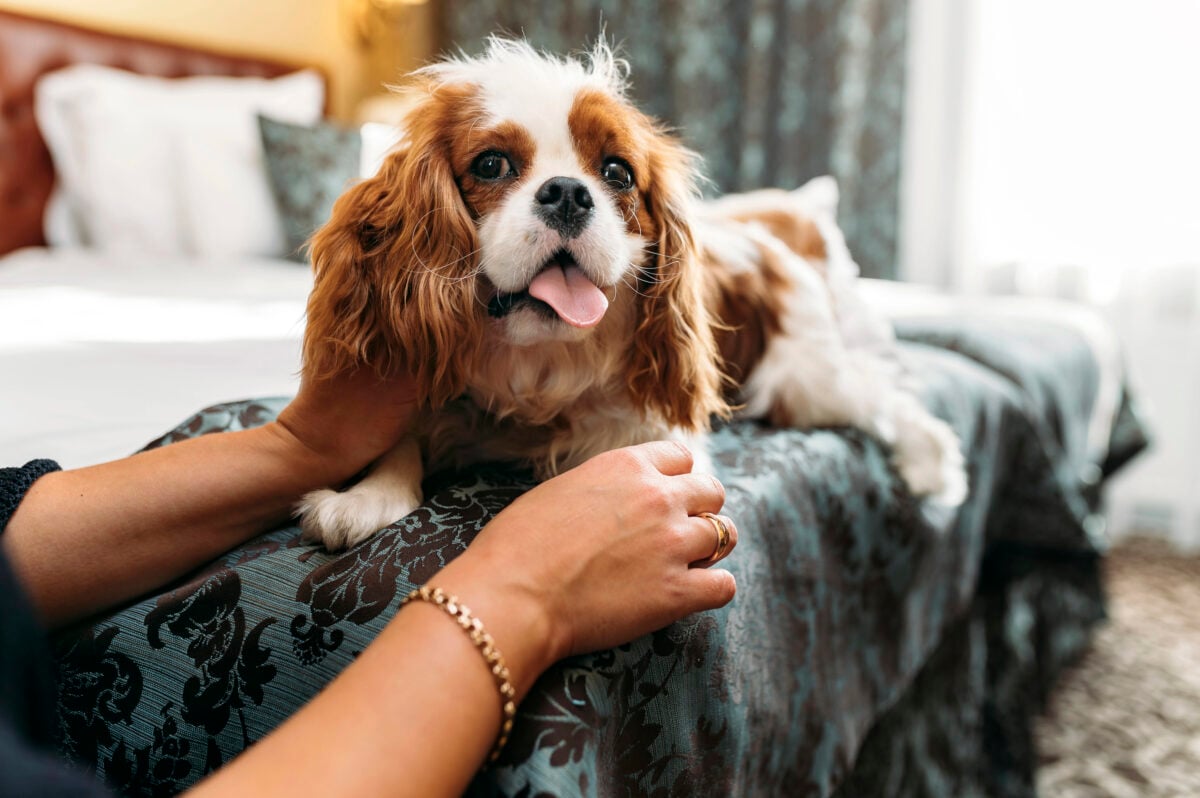
1. Cavalier King Charles Spaniel
The Cavalier King Charles Spaniel is an affectionate companion breed that’s happiest curled up beside their favorite person. Whether joining you on a walk or cuddling on the couch, they’re remarkably adaptable and bring a calm, comforting presence to the home. While they may still let you know when someone comes to the door, their friendly nature and moderate energy level make them one of the best small breeds for anyone looking for a quieter companion.
Why They Made Our List
- Calm, affectionate companion
- Typically quiet indoors
- Highly adaptable
- Friendly rather than reactive
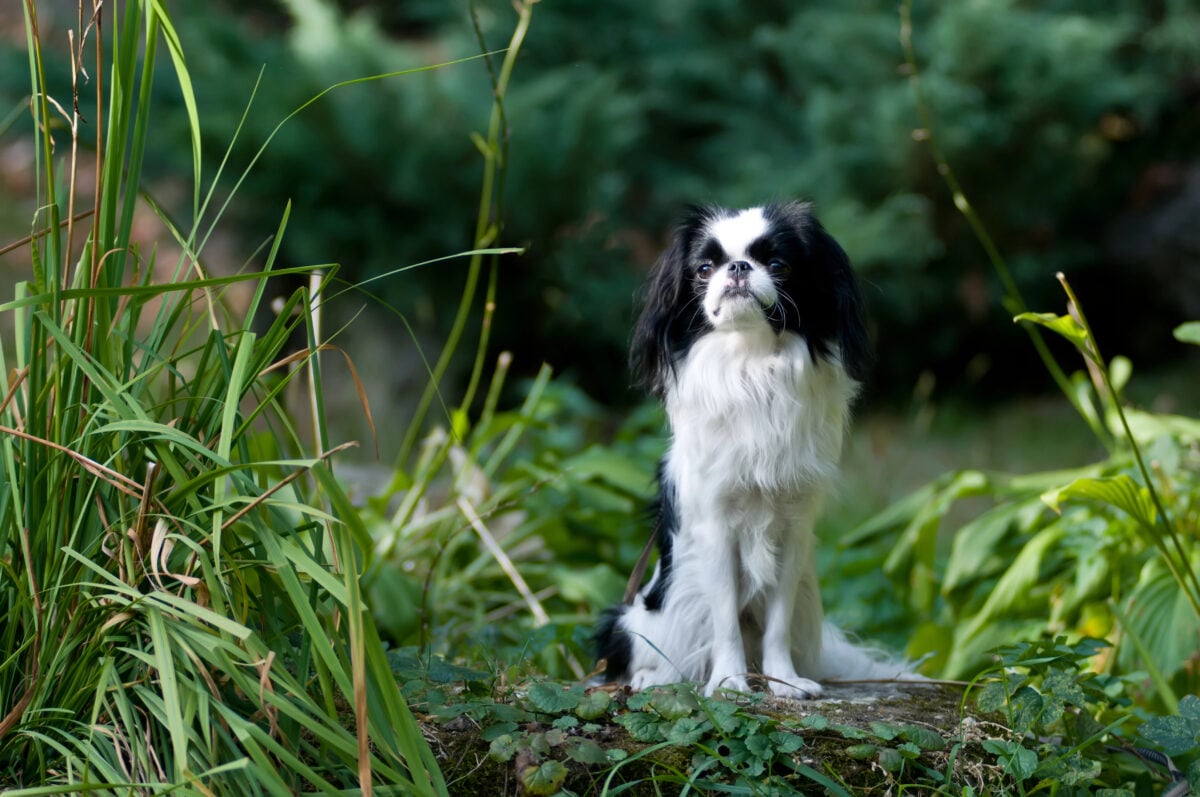
2. Japanese Chin
The Japanese Chin tends to observe the world instead of reacting to it. Often described as cat-like, this graceful little companion is naturally quiet, fastidious, and perfectly happy curling up beside their favorite person instead of making a fuss.
Why They Made Our List
- Naturally quiet and reserved
- Calm indoor companion
- Low tendency toward nuisance barking
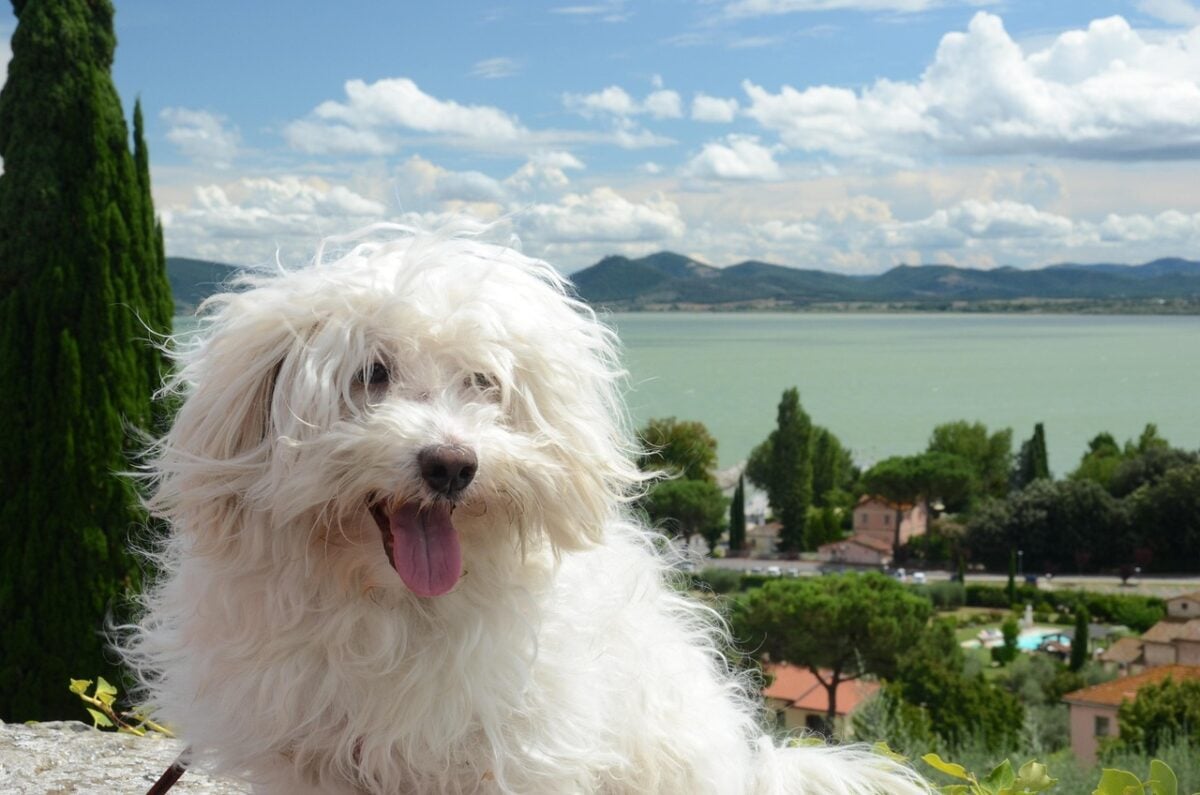
3. Bolognese
The Bolognese proves that not every fluffy little dog is a chatterbox. Easygoing and deeply devoted to their family, they’re happiest spending quiet time with their people and are content matching your pace, whether that’s playtime or an afternoon on the couch. Just keep in mind that this companion breed doesn’t enjoy being left alone for long periods.
Why They Made Our List
- Very low barking tendency
- Low exercise needs
- Highly adaptable to your lifestyle
4. Pekingese
The Pekingese carries themselves with a calm confidence that’s rare among small dogs. Independent and dignified, they’re more likely to quietly observe their surroundings than react to every little distraction, though they won’t hesitate to share their opinion when they think something deserves your attention.
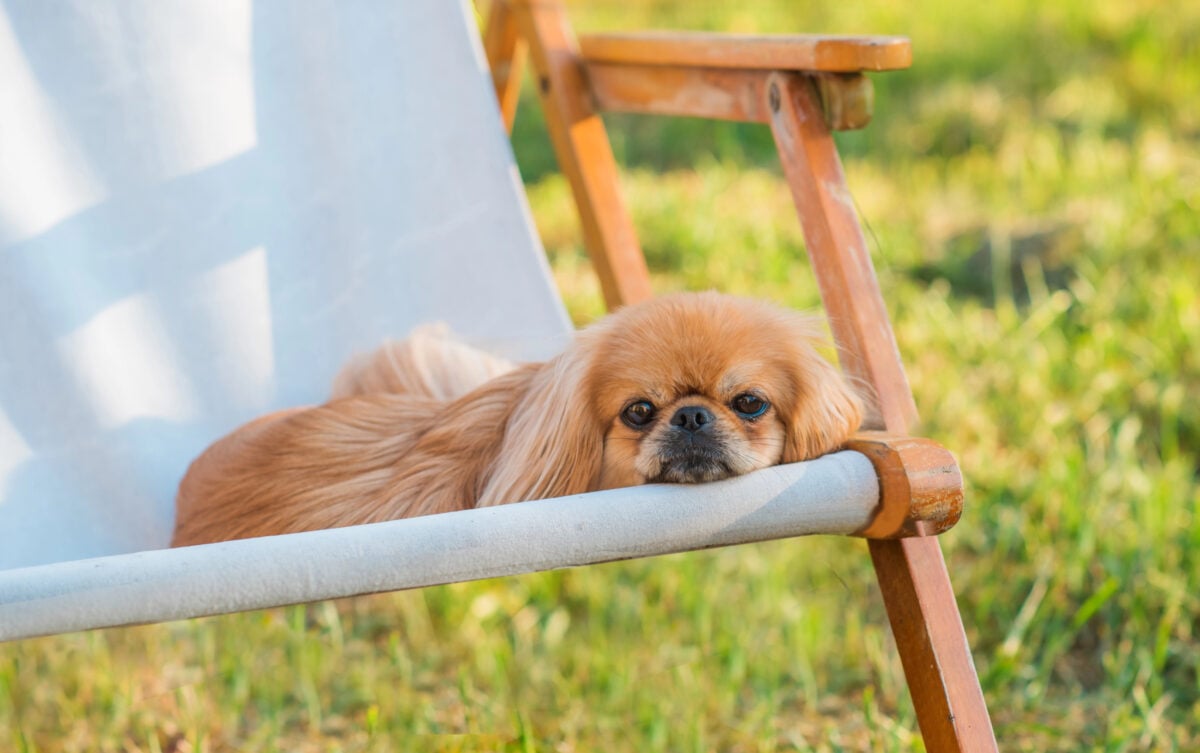
Why They Made Our List
- Calm, dignified temperament
- Independent but devoted
- Content with a slower pace of life
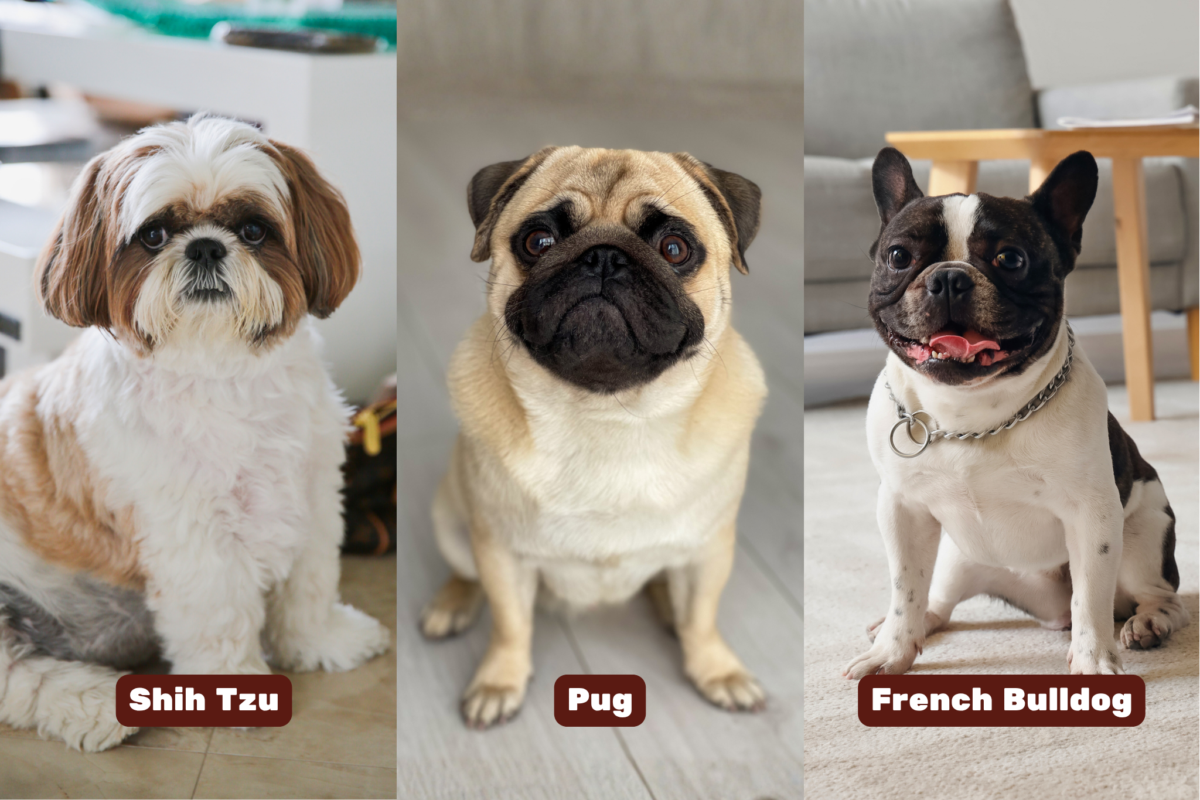
Looking For Other Quiet Small Dogs?
If these breeds aren’t quite the right fit, consider:
- Shih Tzu — affectionate, adaptable, and generally quiet around the home
- Pug — easygoing companion with a laid-back personality and low barking tendency
- French Bulldog — typically not a frequent barker, though their snorts, snores, and grunts can make them surprisingly noisy housemates
3 Quiet Breeds With Calm Confidence
Some dogs are naturally more even-keeled than others. These breeds tend to be calm, steady, and moderate in both their energy and temperament, making them excellent companions for anyone looking for a quieter home.
5. Shar-Pei
The Shar-Pei is a calm, self-assured breed that doesn’t waste energy making a fuss. Loyal to their family and naturally reserved with strangers, they’re typically quiet around the home and more likely to carefully assess a situation than bark at every unfamiliar sound. Early training and socialization are essential, however, to help them develop into a confident, well-mannered adult.
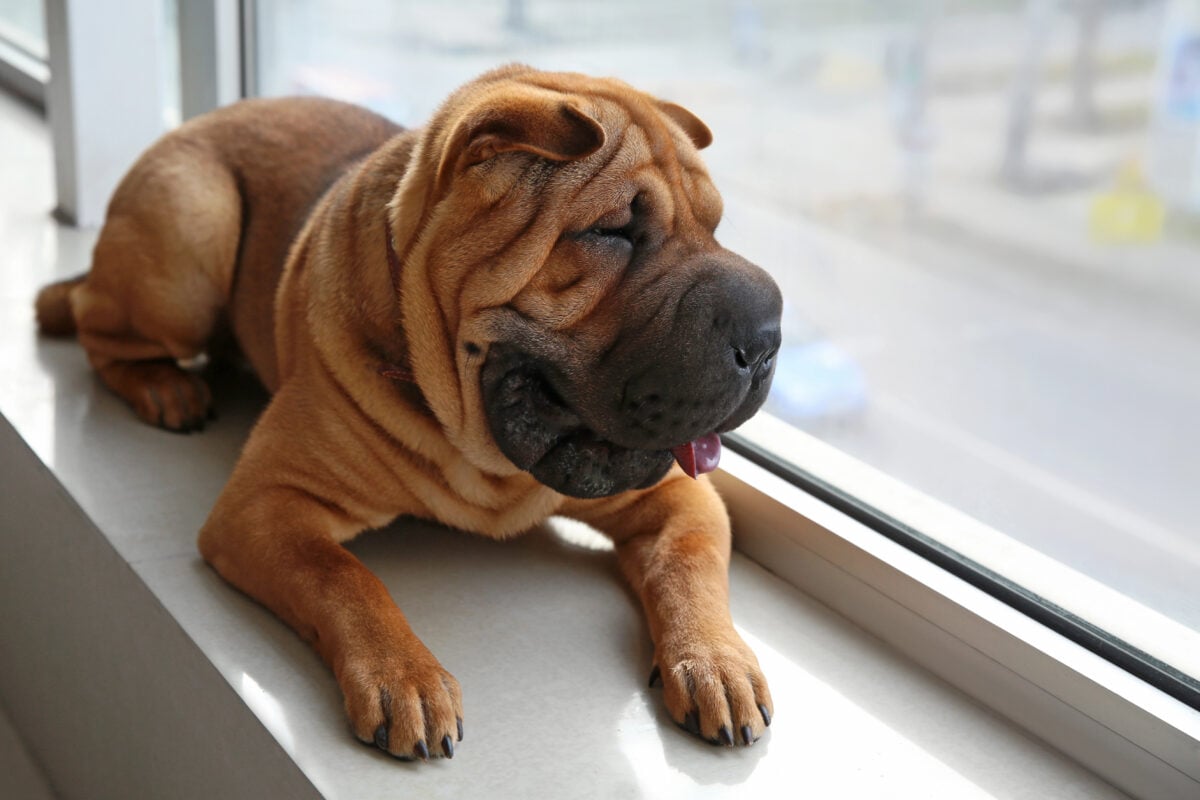
Why They Made Our List
- Calm, serene temperament
- Moderate energy needs
- Low tendency toward unnecessary barking
6. Chow Chow
The Chow Chow is one of the quietest breeds you’ll find, combining a serene temperament with a naturally dignified personality. While they’re often aloof with strangers, they’re deeply loyal to their family and are just as content relaxing at home as they are joining you for a leisurely walk.
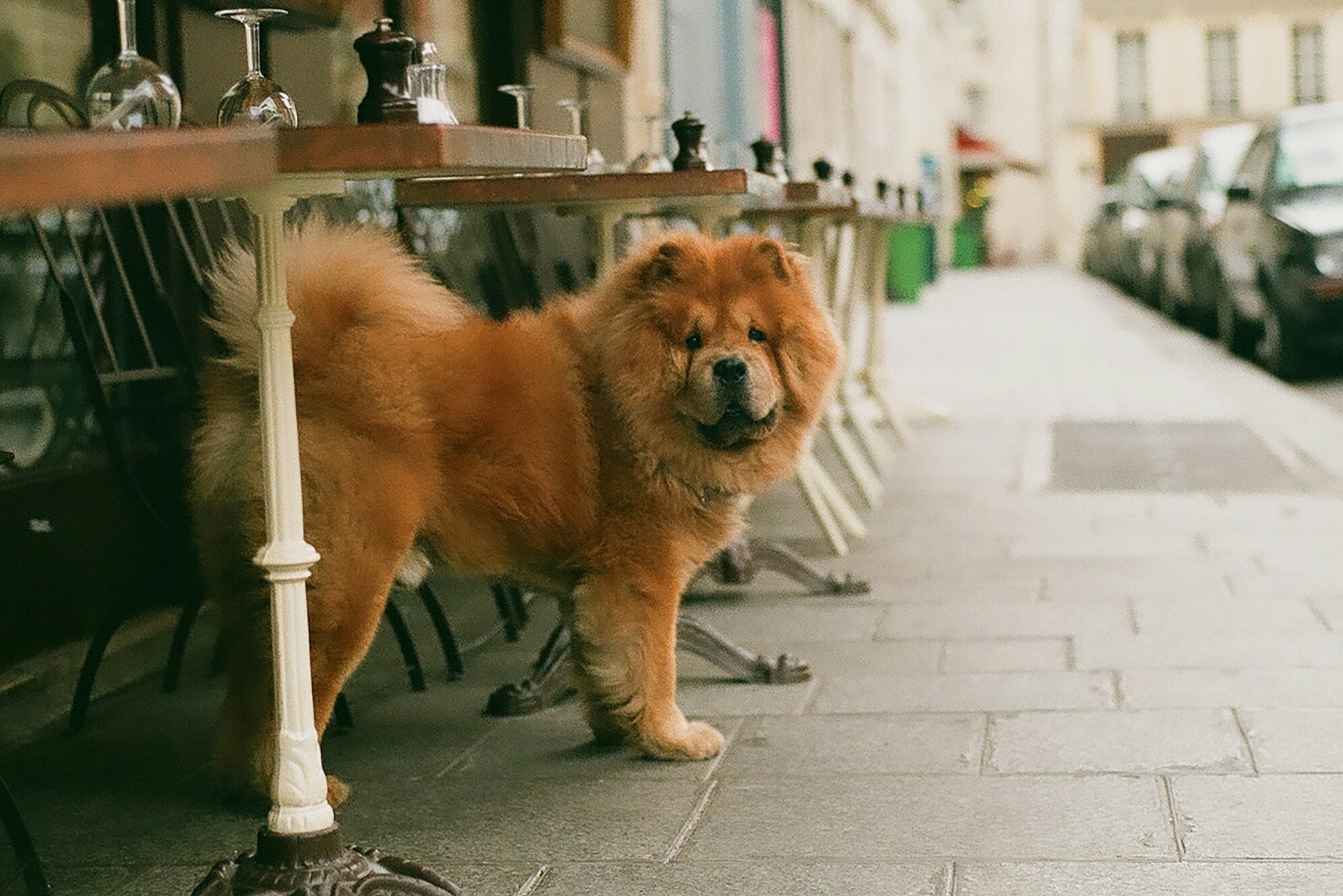
Why They Made Our List
- Exceptionally quiet breed
- Calm, dignified temperament
- Moderate exercise needs
- Adapts well to quieter lifestyles
7. Clumber Spaniel
The Clumber Spaniel is one of the most easygoing members of the sporting group. Friendly, gentle, and eager to please, they’re remarkably quiet indoors and rarely bark without a reason, making them an excellent choice for families looking for a more relaxed companion.
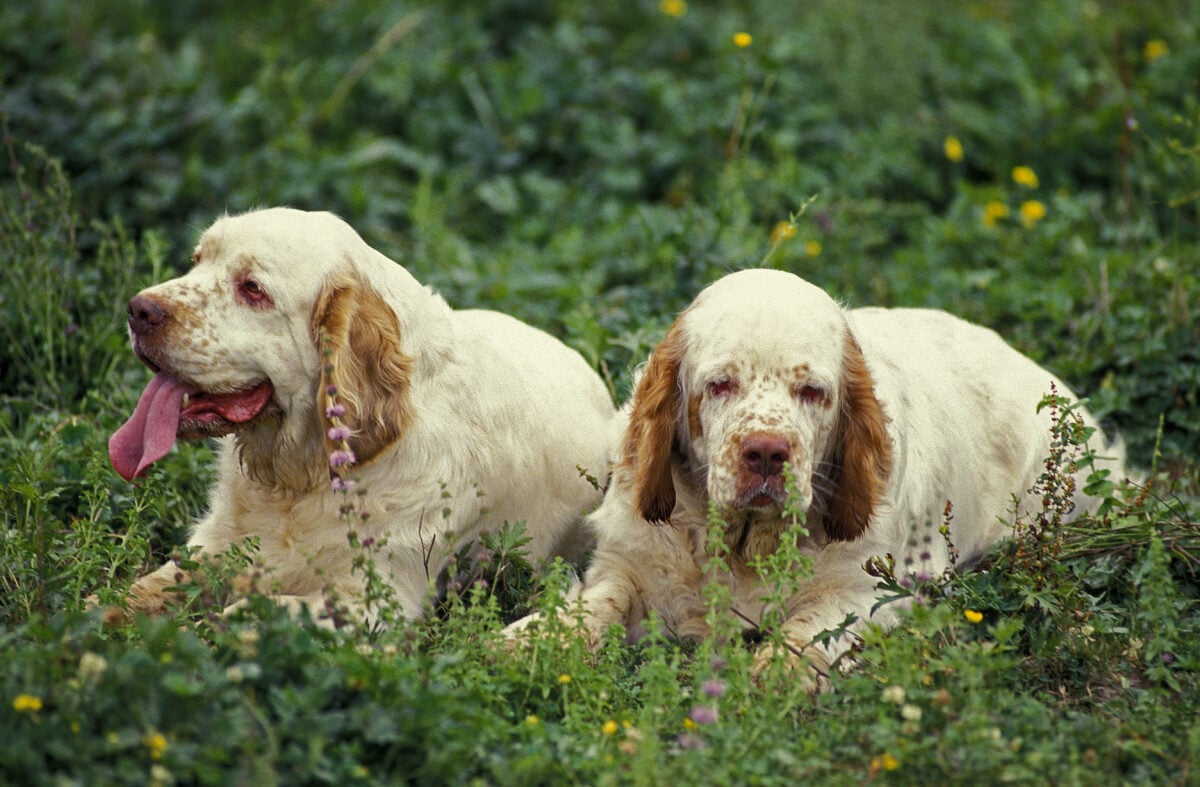
Why They Made Our List
- Very low tendency to bark
- Gentle, easygoing personality
- Moderate energy level
- Friendly without being boisterous
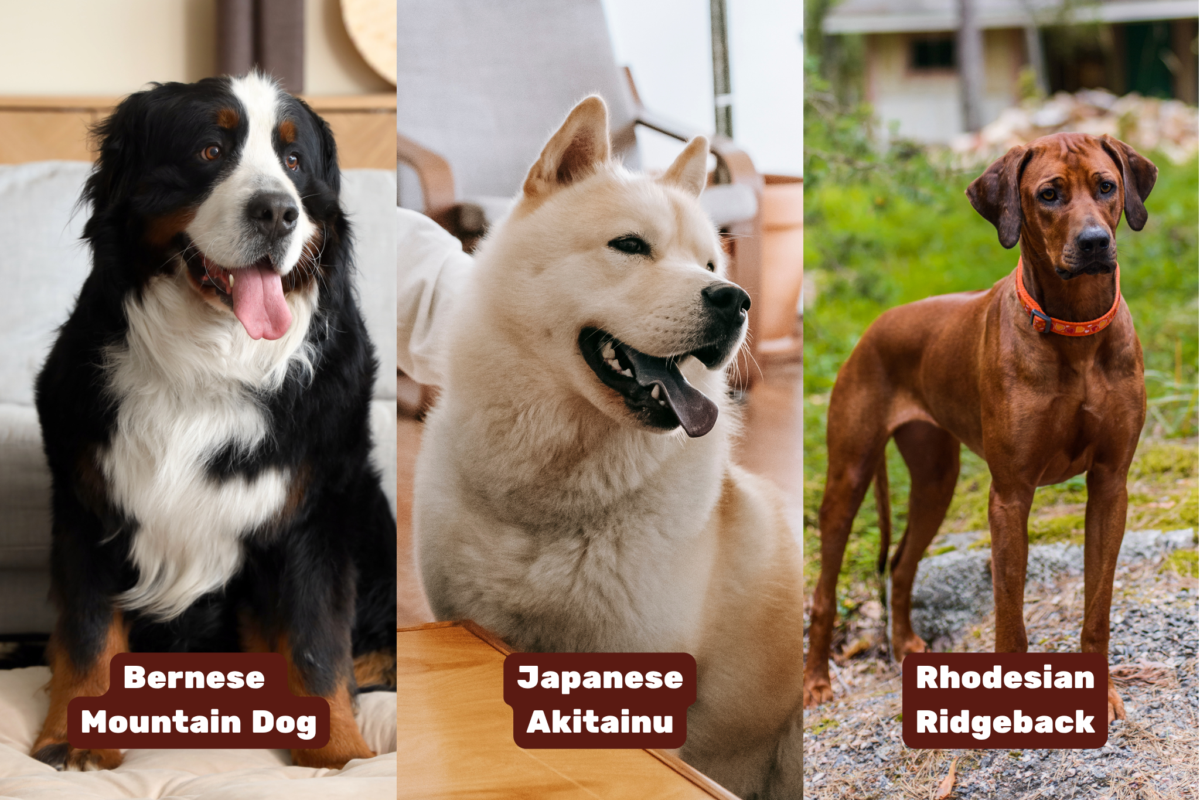
Prefer A Larger Calm Companion?
These breeds also have composed, steady temperaments:
- Bernese Mountain Dog — gentle, patient, and affectionate with family
- Japanese Akitainu— quiet, dignified, and naturally reserved around strangers
- Rhodesian Ridgeback — confident, even-tempered, and rarely barks without reason
3 Surprisingly Quiet Sighthounds
Sighthounds are built for incredible speed, so many people assume they’re constantly on the go. In reality, these athletic breeds are famous for their excellent “off switch.” Once they’ve had a chance to stretch their long legs, they’re usually content to spend the rest of the day lounging quietly at home.
8. Greyhound
The Greyhound may be famous for racing, but they’re equally famous for being couch potatoes. Gentle, sweet-tempered, and remarkably quiet, they’re perfectly happy relaxing for hours after a good walk or sprint, making them one of the calmest large dogs to live with.
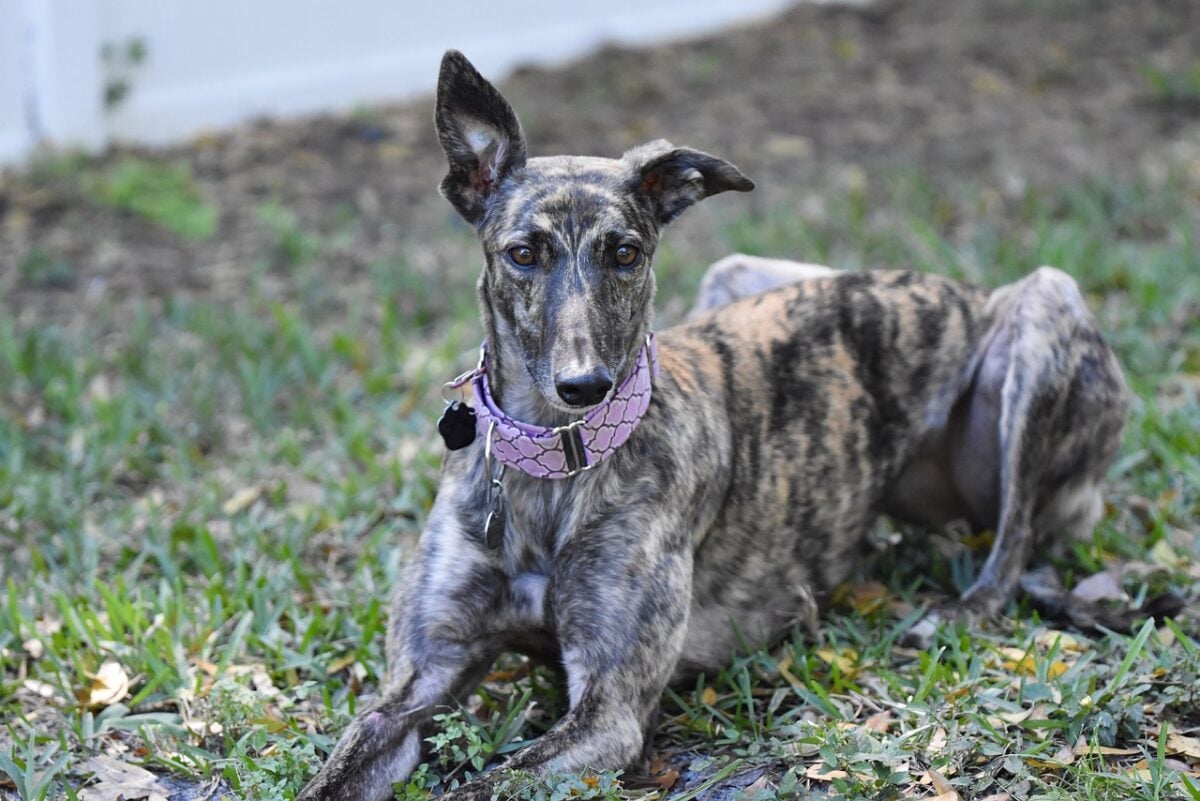
Why They Made Our List
- Exceptionally quiet indoors
- Gentle, sweet temperament
- Excellent “off switch”
9. Whippet
Think of the Whippet as a smaller Greyhound with the same peaceful personality. While they love the chance to run at full speed, they’re surprisingly calm indoors and are just as happy curling up beside their family for a long afternoon nap. Another bonus for apartment dwellers: Whippets rarely bark.
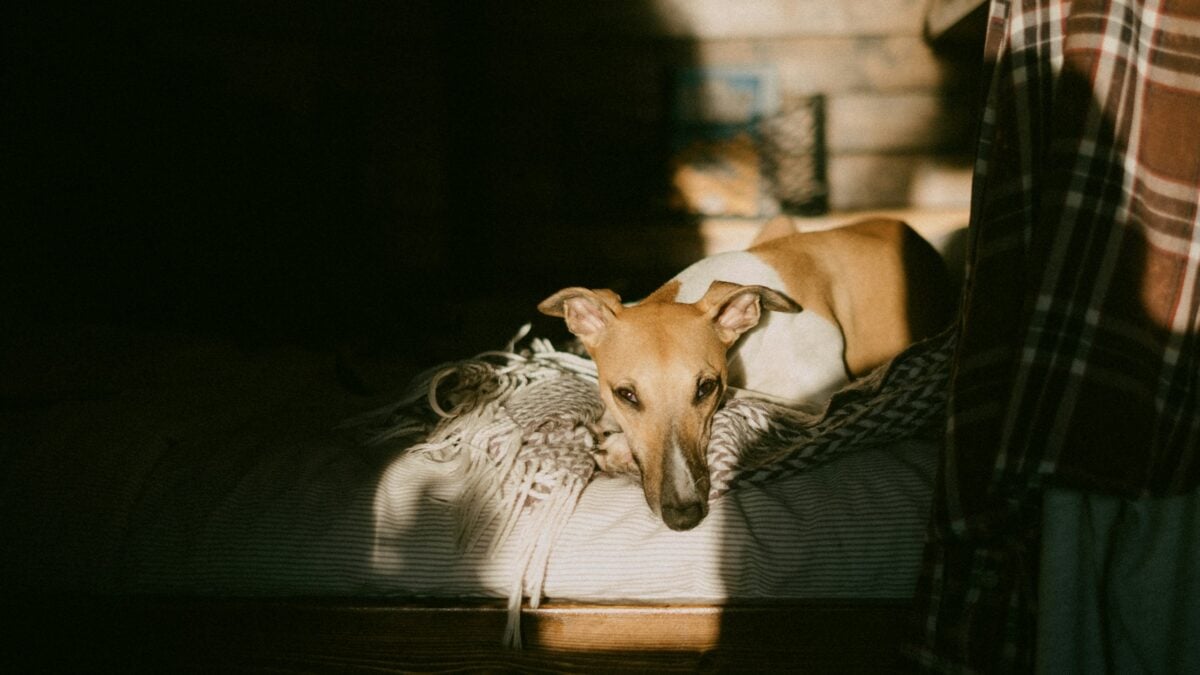
Why They Made Our List
- Very low barking tendency
- Calm, affectionate companion
- Excellent apartment dog with proper exercise
10. Borzoi
The Borzoi brings a quiet elegance to everyday life. Calm, agreeable, and often described as cat-like, they’re affectionate with their family but rarely overly demonstrative, preferring to relax in peaceful surroundings instead of constantly seeking attention.
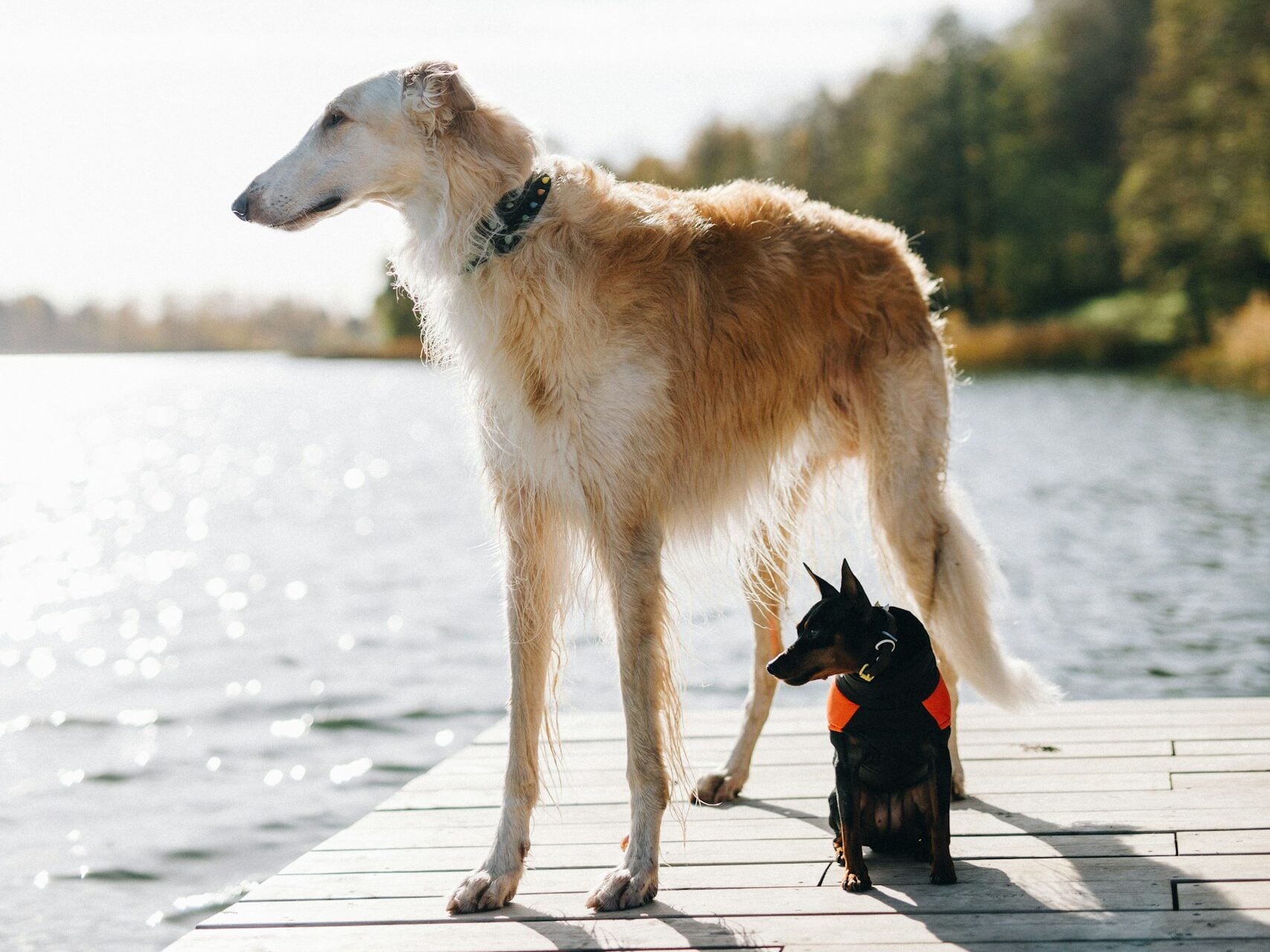
Why They Made Our List
- Low tendency toward barking
- Calm, agreeable temperament
- Gentle family companion
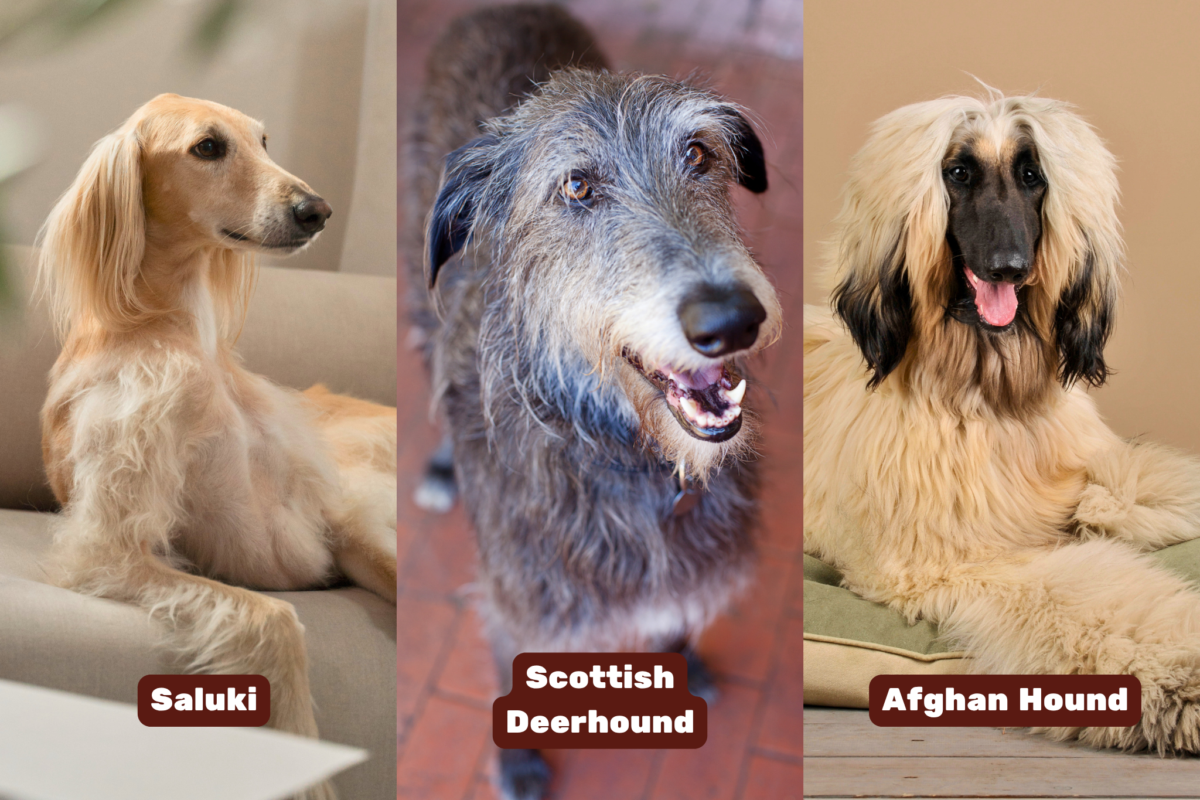
Explore More Quiet Sighthound
These elegant breeds also tend to be calm around the house:
- Saluki — graceful, gentle, and quietly affectionate
- Scottish Deerhound — relaxed indoors and famously gentle despite their size
- Afghan Hound — independent, dignified, and generally quiet at home
6 Gentle Giants That Keep the Peace
Big dogs often have big barks, but these gentle giants are known for their calm temperaments and surprisingly quiet personalities. While they may use their size to command attention, they’re generally content to relax with their family instead of barking at every little disturbance.
11. Great Dane
The Great Dane may be one of the world’s tallest dog breeds, but they’re also one of the gentlest. Patient, easygoing, and eager to please, these dogs are typically calm around the home and are just as happy stretching out on the couch as they are joining the family for a walk.
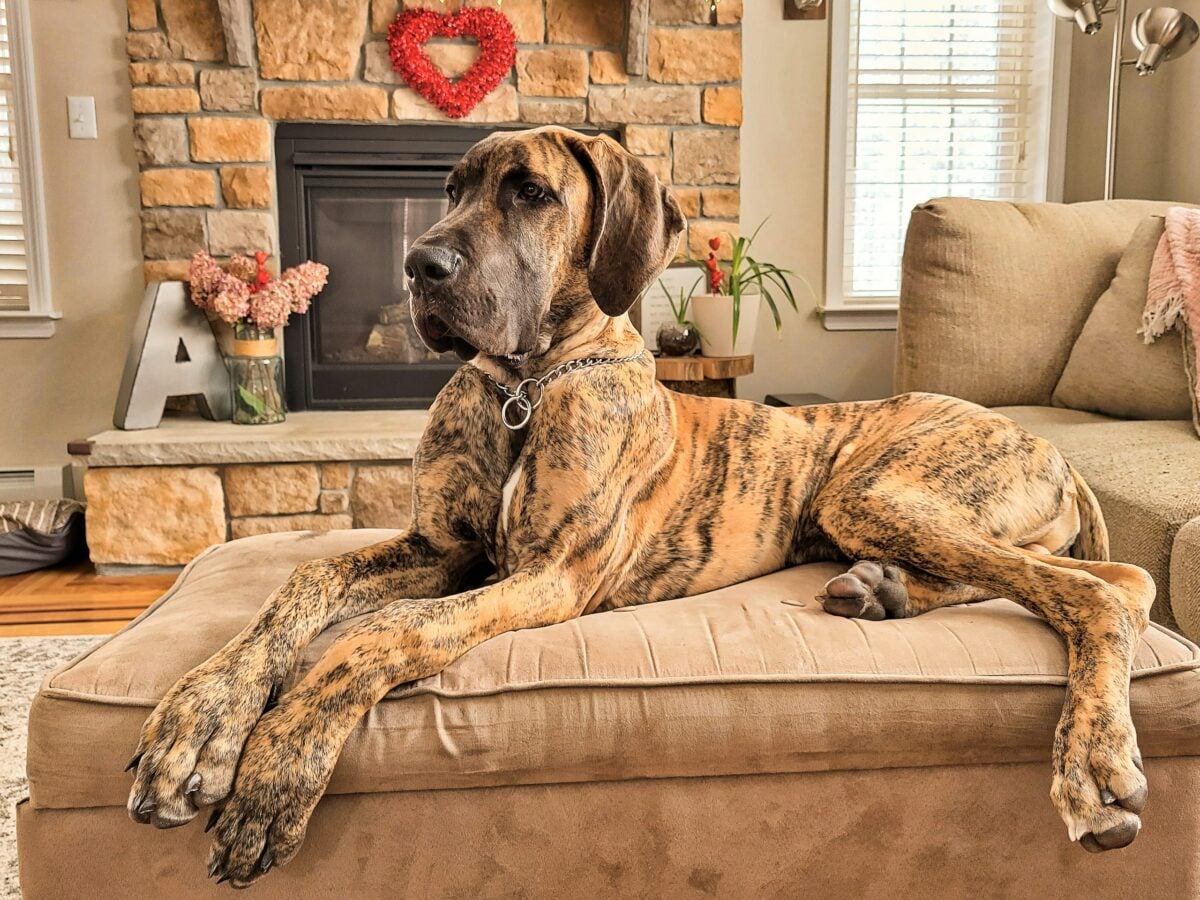
Why They Made Our List
- Easygoing, patient temperament
- Generally quiet indoors
- People-oriented companion
12. Newfoundland
The Newfoundland is famous for their sweet, gentle nature and remarkable patience. Despite their massive size, they’re one of the quietest giant breeds and are far more likely to quietly watch over their family than make a fuss about every passing distraction.
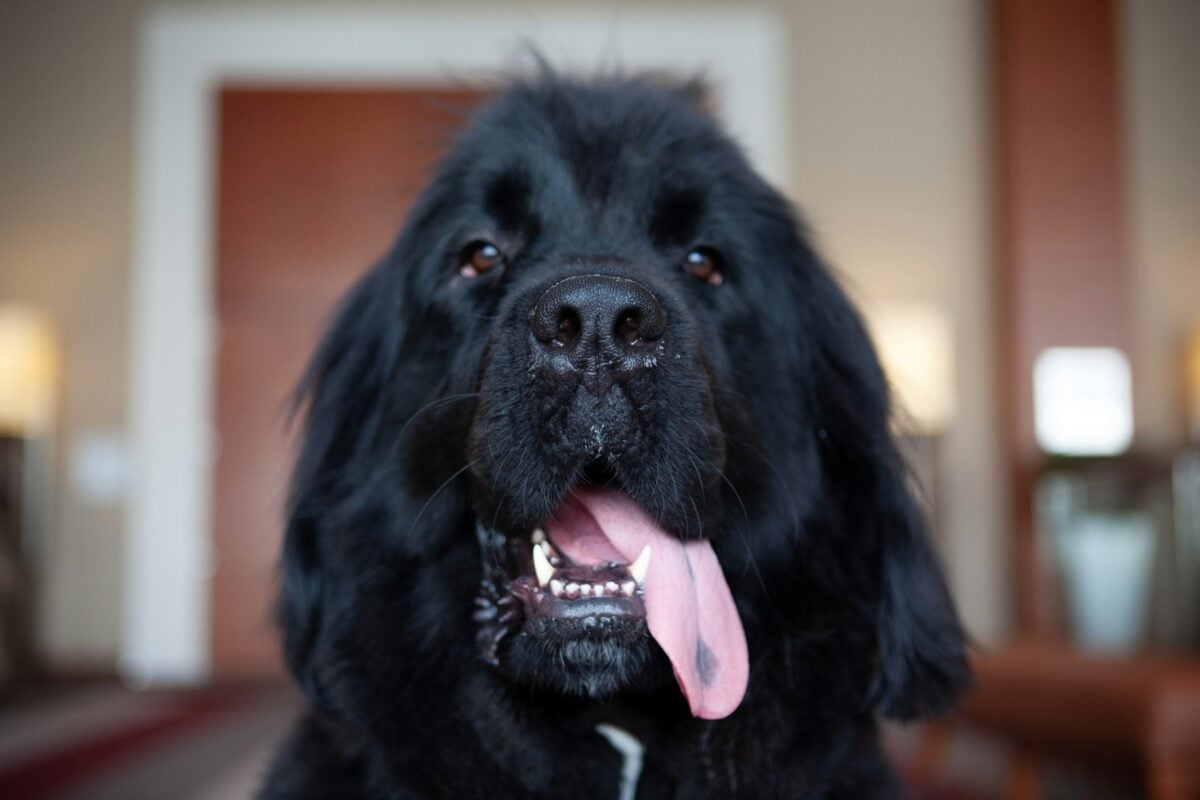
Why They Made Our List
- Very low tendency to bark
- Gentle, patient personality
- Moderate exercise needs
13. Bullmastiff
The Bullmastiff is a confident guardian that doesn’t believe in wasting energy. Rather than barking at every unfamiliar sound, they’re known for their calm, reliable temperament and quiet confidence, stepping in only when they believe it’s truly necessary.
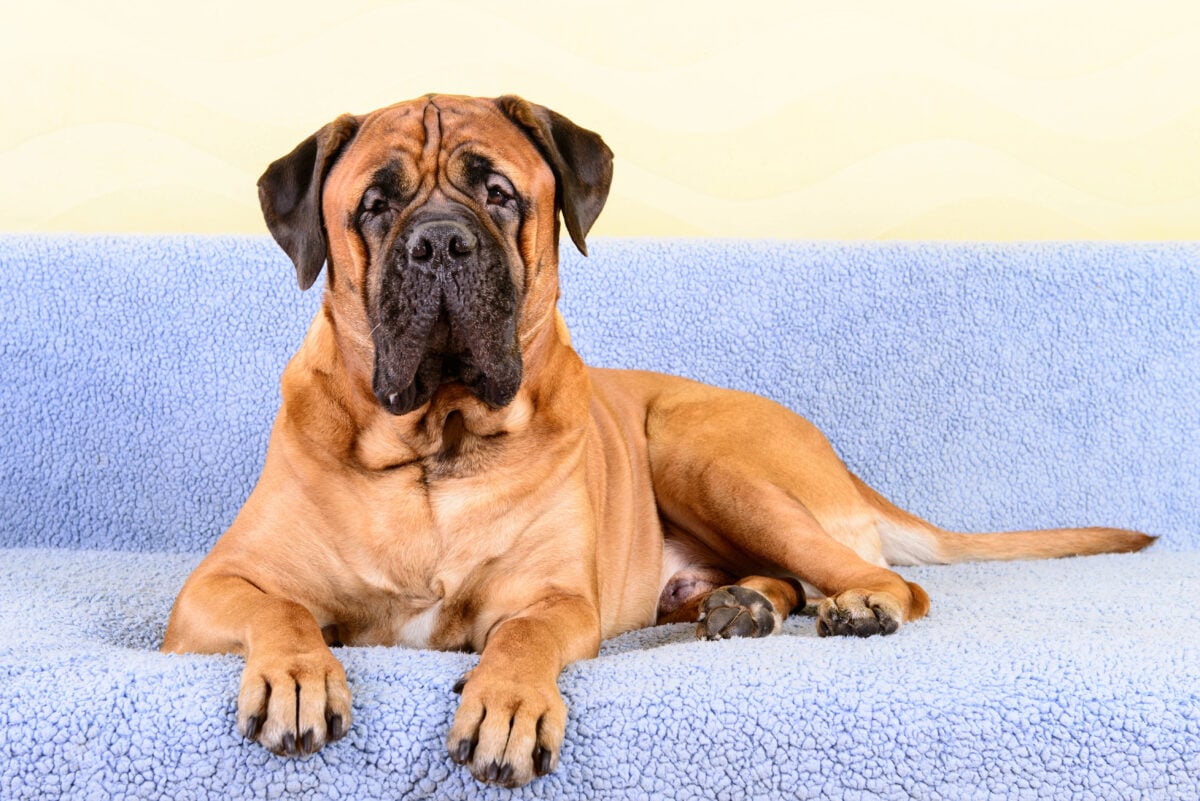
Why They Made Our List
- Low tendency toward barking
- Calm, confident guardian
- Reliable, biddable temperament
14. Saint Bernard
The Saint Bernard is every bit as gentle as their reputation suggests. Calm, patient, and affectionate, they’re known for taking life at an easy pace and are generally quiet companions despite their enormous size.
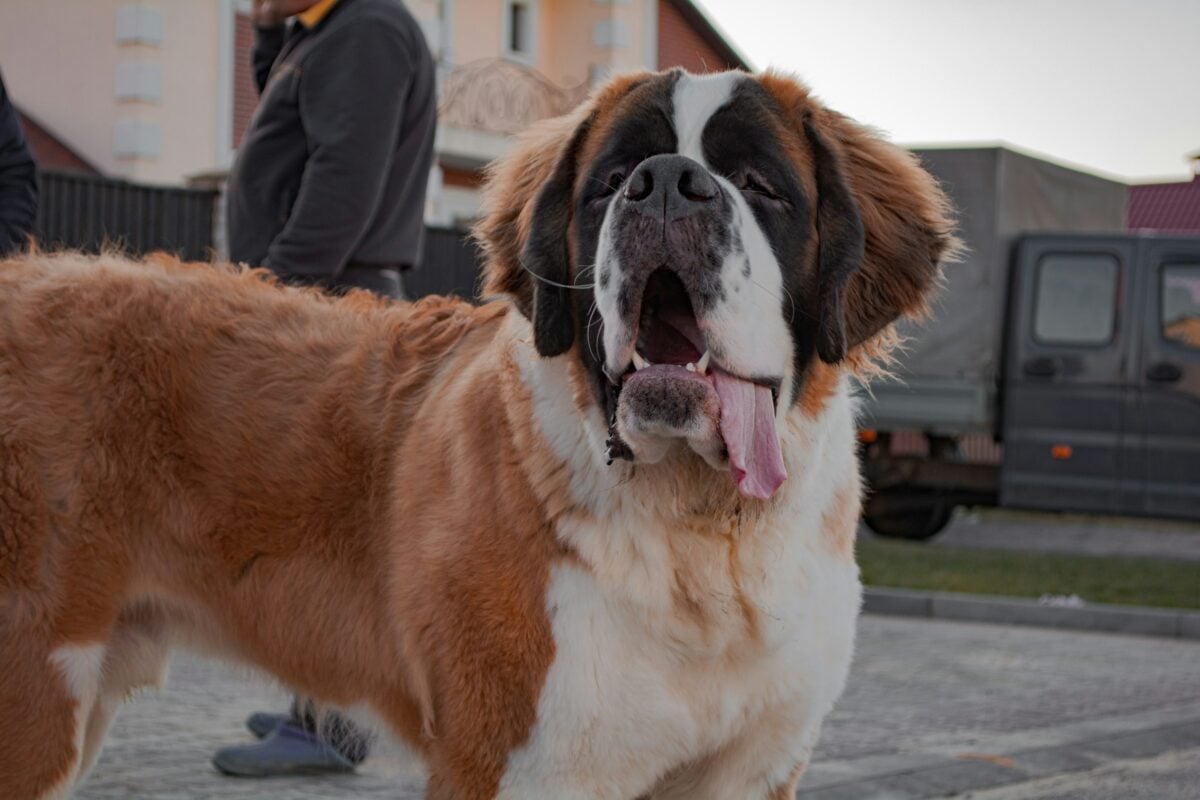
Why They Made Our List
- Quiet, gentle temperament
- Low barking tendency
- Patient with family
15. Mastiff
The Mastiff carries themselves with a quiet dignity that matches their impressive size. Good-natured and deeply loyal to their family, they’re naturally protective without feeling the need to bark constantly, although early training and socialization are important because of their powerful guardian instincts.
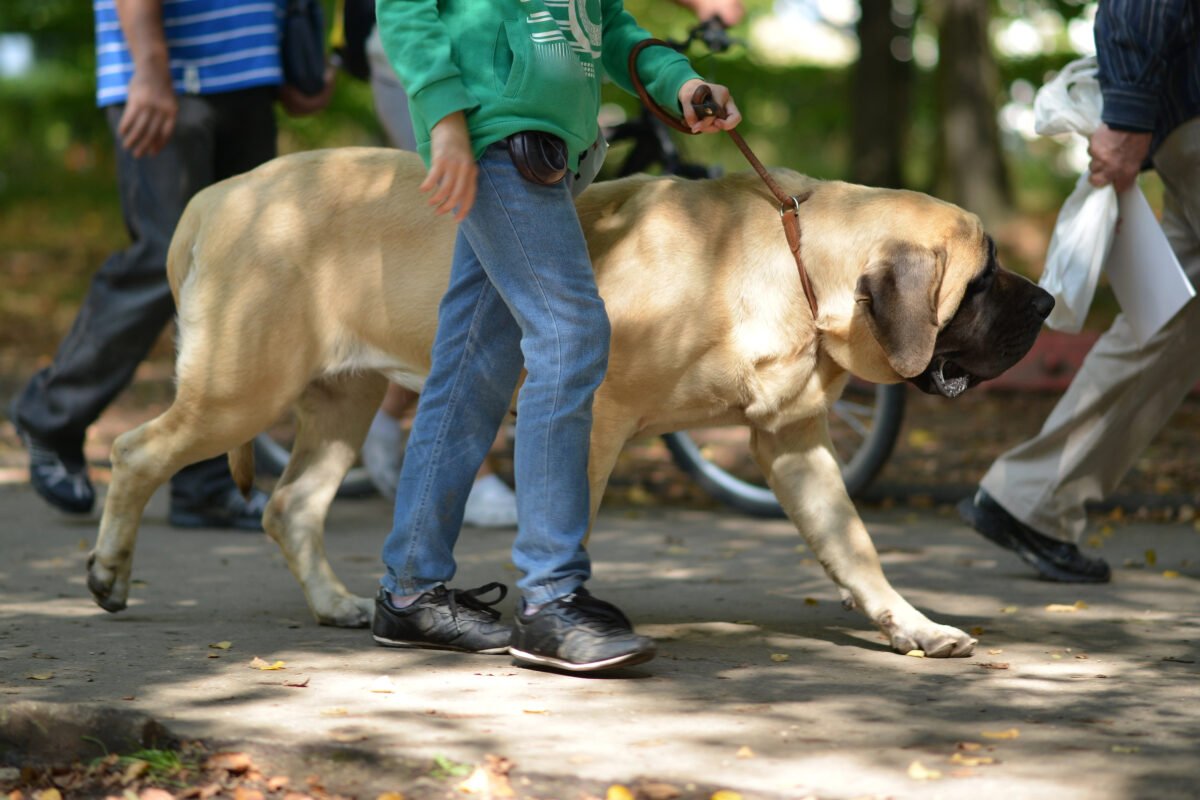
Why They Made Our List
- Quiet, dignified personality
- Low tendency toward barking
- Loyal family companion
16. Irish Wolfhound
Despite their towering height, the Irish Wolfhound is known for a calm, serene personality that makes them an exceptionally peaceful housemate. Gentle with their family and typically quiet around the home, they’re happiest when they can stretch out nearby and simply enjoy being part of everyday life.
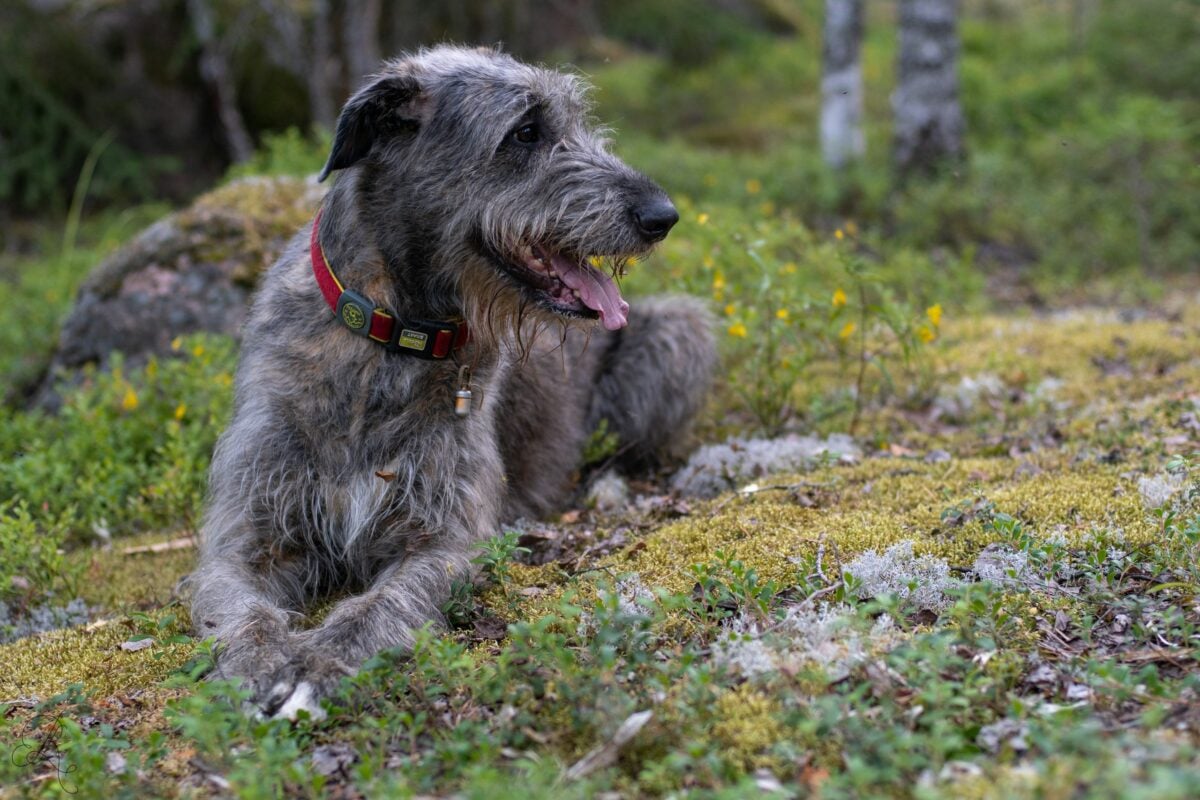
Why They Made Our List
- Calm, serene temperament
- Low barking tendency
- Gentle family companion
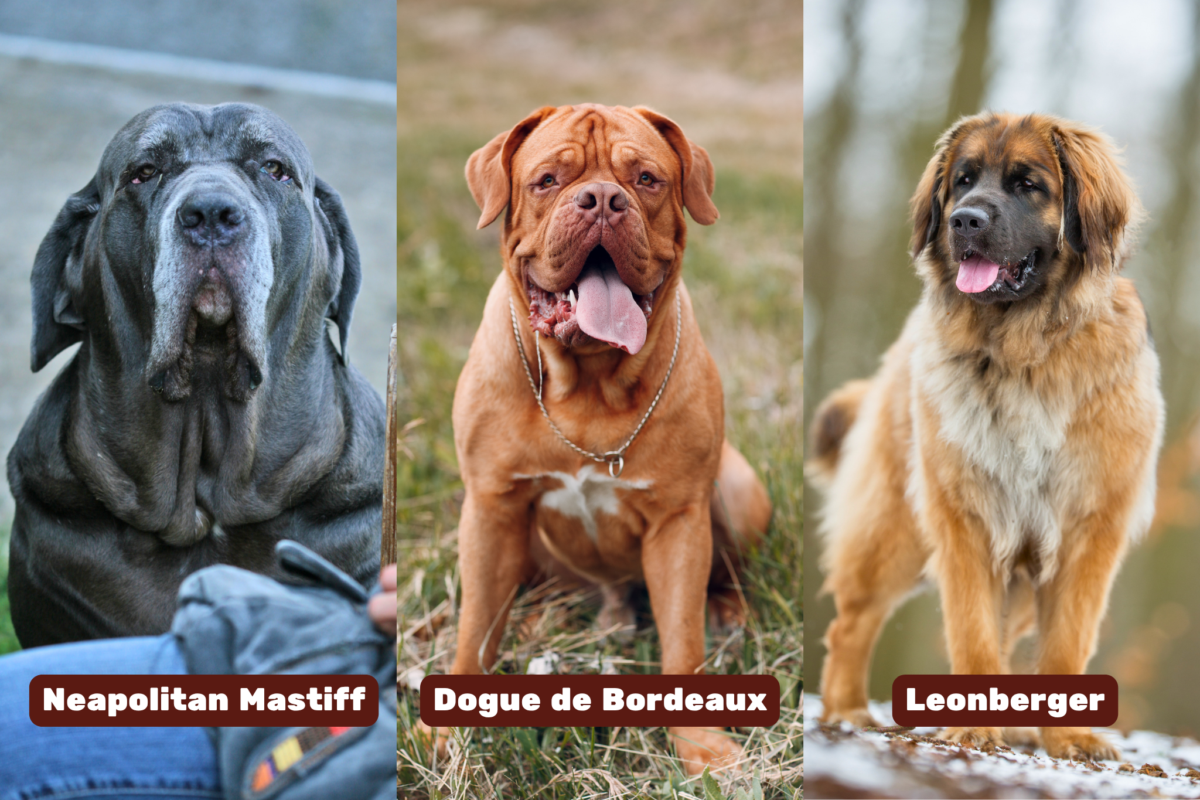
Like Giant Breeds? Also Consider…
If you’re drawn to large, calm dogs, these breeds are also worth exploring:
- Neapolitan Mastiff — loyal, watchful, and typically quiet around the home
- Dogue de Bordeaux — devoted family guardian with a calm, steady nature
- Leonberger — gentle, patient, and surprisingly calm for their size
Generally “Quiet”… But Not for Everyone
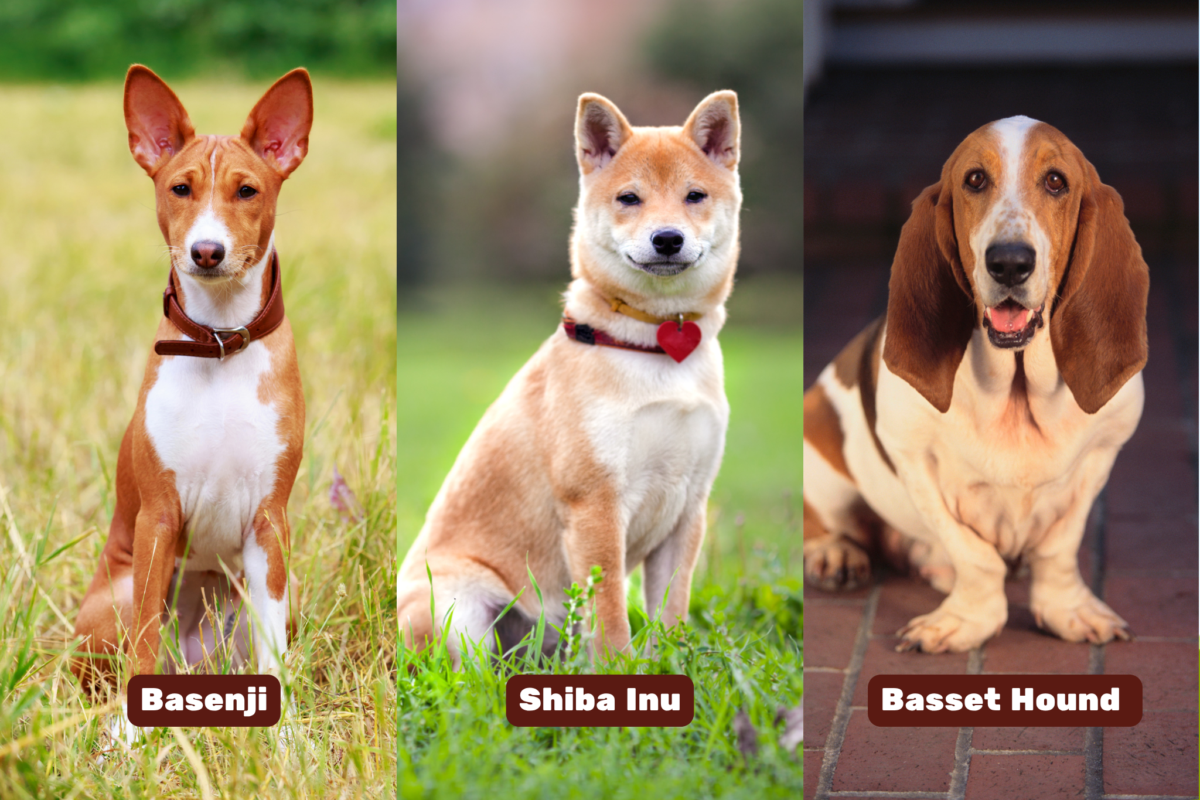
Some breeds have many of the qualities people associate with a quiet dog, but one instinct, personality trait, or vocal habit kept them from making our main list.
Basenji: The “Barkless” Dog
The Basenji rarely barks, but that doesn’t mean they’re silent. Instead, they communicate with distinctive yodels, whines, and other vocalizations that can surprise first-time owners. They’re also highly intelligent, energetic, and independent, requiring plenty of daily exercise and mental stimulation to stay happy.
Best for: Experienced owners who want an active, intelligent companion and don’t mind unconventional vocalizations.
Shiba Inu: Quiet… Until They Aren’t
The Shiba Inu is generally quiet around the home and isn’t known for nuisance barking, but they’re far from an easygoing companion. Independent, strong-willed, and naturally aloof, Shibas can be challenging to train and are famous for the dramatic “Shiba scream” when frightened, frustrated, or unhappy.
Best for: Owners who appreciate an independent dog and have the patience for consistent training.
Basset Hound: Calm, But Born to Bay
Basset Hounds are wonderfully laid-back around the house and often spend much of the day happily lounging. However, they were bred to communicate with hunters over long distances, and their deep, booming bay carries far. While they aren’t constant barkers, they’re definitely not quiet when they decide to use their voice.
Best for: Families who love an easygoing hound and don’t mind the occasional unmistakable bay.
Which Quiet Dog Fits Your Lifestyle?
Instead of asking which breed is the quietest, ask which quiet breed fits your daily life. Energy level, grooming, size, and independence all matter just as much as barking tendencies. Learn more about picking the right dog breed.
| If You Want… | Consider… |
|---|---|
| A small apartment companion | Japanese Chin, Bolognese, Pekingese |
| A relaxed work-from-home buddy | Cavalier King Charles Spaniel, Greyhound, Clumber Spaniel |
| A calm but independent dog | Chow Chow, Shar-Pei |
| A quiet running or walking partner | Whippet, Irish Wolfhound, Borzoi |
| A gentle family dog | Newfoundland, Saint Bernard, Cavalier King Charles Spaniel |
| A manageable companion for seniors | Japanese Chin, Bolognese, Greyhound |
| A laid-back couch companion | Pekingese, Cavalier King Charles Spaniel, Greyhound, Mastiff |
| A calm dog that still enjoys outdoor adventures | Clumber Spaniel, Irish Wolfhound, Bullmastiff |
Quick Reminder: No breed is completely silent. Every dog vocalizes occasionally to communicate, alert their family, or express excitement. The breeds on this list simply tend to bark less and remain calmer than average when their needs are met.
5 Myths About Quiet Dog Breeds
Let’s separate fact from fiction.
Myth #1: Quiet Dogs Don’t Bark
Every dog vocalizes sometimes. Quiet breeds simply bark less often and are less likely to vocalize at every passing sound.
Myth #2: Small Dogs Are Always Yappy
While some toy breeds are naturally vocal, others, like the Cavalier King Charles Spaniel, Japanese Chin, Bolognese, and Pekingese, are known for their calm personalities.
Myth #3: A Quiet Dog Doesn’t Need Exercise
Even relaxed breeds need daily walks, enrichment, and time with their family. A bored dog is often a noisier dog.
Myth #4: Large Dogs Are Louder Than Small Dogs
Some of the quietest breeds are also the biggest. Great Danes, Newfoundlands, Mastiffs, and Irish Wolfhounds are often remarkably peaceful companions.
Myth #5: Quiet Means Shy
Not at all. Some quiet breeds are outgoing and friendly, while others are more reserved. Quiet describes how a dog communicates, not their confidence or affection.
Can Training Make a Dog Quieter?
Yes, but training has limits. Training can reduce nuisance barking caused by boredom, excitement, or attention-seeking, but it can’t completely change a breed’s natural temperament. A Beagle will probably always be more vocal than a Greyhound, no matter how well trained they are.
If you’re hoping for a peaceful household, start by choosing a breed whose natural personality matches your lifestyle. Then reinforce that temperament with early socialization, consistent training, regular exercise, and plenty of mental enrichment.
The combination of genetics and good training almost always produces better results than relying on training alone.
Frequently Asked Questions
Still deciding whether a quiet dog is right for you? Here are answers to some of the most common questions about low-barking breeds, what influences vocalization, and what you can realistically expect from even the calmest companions.
Don’t see your question? Respond in the comments, and we’ll get back to you!
Is There A Dog Breed That Never Barks?
Even the Basenji, often called the “barkless dog,” still communicates through yodels, whines, growls, and other vocalizations. Every dog has a way of making themselves heard.
What Is The Quietest Dog Breed?
There’s no single winner, but breeds like the Clumber Spaniel, Chow Chow, and Bolognese consistently rank among the quietest because they rarely vocalize without a reason.
Why Do Some Dogs Bark More Than Others?
A dog’s barking habits are influenced by genetics, breeding purpose, training, environment, and individual personality. Breeds developed to alert, guard, herd, or hunt are generally more vocal than companion breeds.
Are Quiet Dogs Good for Apartment Living?
Many quiet breeds make excellent apartment dogs because they’re less likely to disturb neighbors with frequent barking. However, a good apartment dog also needs an energy level that matches your lifestyle.
Even low-barking breeds still require daily exercise, mental stimulation, and companionship to stay happy and well-behaved.
Want To Better Understand Why Dogs Bark?
Learning why your dog is vocal can help you tell the difference between normal communication and a behavior that may need training or management.
- Do Dogs Get Tired of Barking? Learn what happens when dogs bark for long periods and what excessive barking may be trying to tell you.
- Why Does My Dog Bark at Nothing? Discover the common reasons dogs seem to bark at invisible sights and sounds.
- Why Do Dogs Bark at Other Dogs? Understand the body language, emotions, and instincts behind one of the most common barking behaviors.