When you purchase through links on our site, we may earn a commission at no extra cost to you. Learn more.
Some dogs seem to rack up vet visits like loyalty points. Others somehow make it into their teens while acting like they’re still puppies. So what’s the difference?
Table of Contents
It’s not just luck. Research shows that certain breeds consistently show stronger longevity, lower mortality risk, and fewer inherited health problems than others. Factors like body size, skull shape, genetics, and even breeding history all play a role.
Below are dog breeds that stand out for their overall health and resilience, including several that quietly outperform the average dog by years.
What “Healthy Dog Breed” Actually Means
When people talk about “healthy dog breeds,” they often mean dogs that live a long time. But longevity alone doesn’t tell the whole story.
True breed health is about both lifespan and quality of life. A healthy breed is one that tends to avoid major inherited diseases, maintain mobility and vitality into older age, and show lower overall mortality risk across large population studies.
The Top 20 breeds highlighted above combine long median lifespans with relatively low mortality risk. Keep in mind that the breed profiles below include typical life expectancy ranges from breed organizations, which may differ slightly from the median lifespan values used in research studies.
Key Takeaway: A healthy breed isn’t just one that lives longer. It’s one that consistently stays healthier throughout its life.
20 Healthiest Dog Breeds
No dog is completely immune to health problems, but some breeds have a track record of staying healthier for longer.
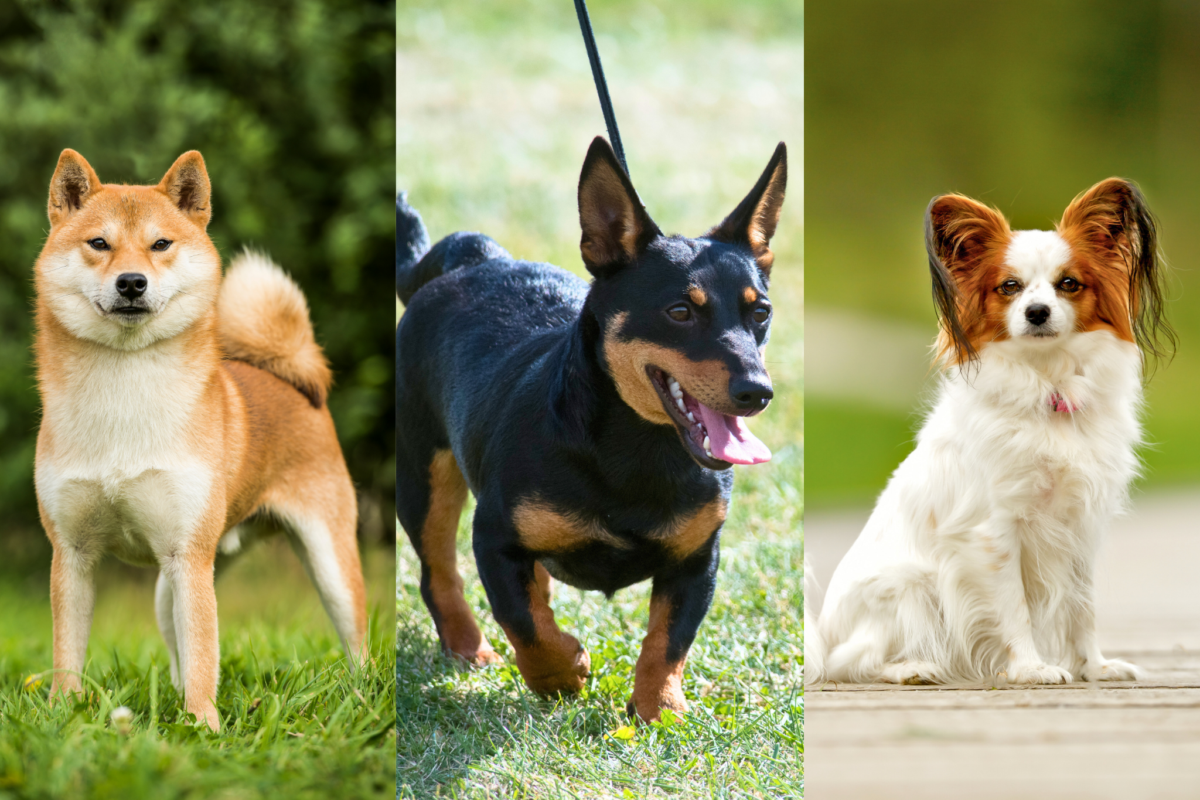
A massive 2024 study analyzed the longevity of hundreds of thousands of dogs across more than 150 breeds. Researchers looked at which dogs lived the longest, which had the lowest risk of early death, and what patterns emerged across size, genetics, and breed history. The breeds below appear in longevity data for their impressive lifespans and lower mortality risk.
Think of them as the breeds most likely to keep acting like puppies long after their muzzle starts turning gray.

Longest-Living Breeds With Exceptional Longevity
These dogs combine very long median lifespans with extremely low mortality risk. Many were historically bred primarily for companionship rather than heavy working roles, which may contribute to fewer structural health problems and longer overall lifespans.
1. Lancashire Heeler
The Lancashire Heeler looks a bit like someone shrank a working farm dog and gave it shorter legs. That long body and low-to-the-ground stance helped these dogs nip at cattle heels while staying clear of flying hooves.
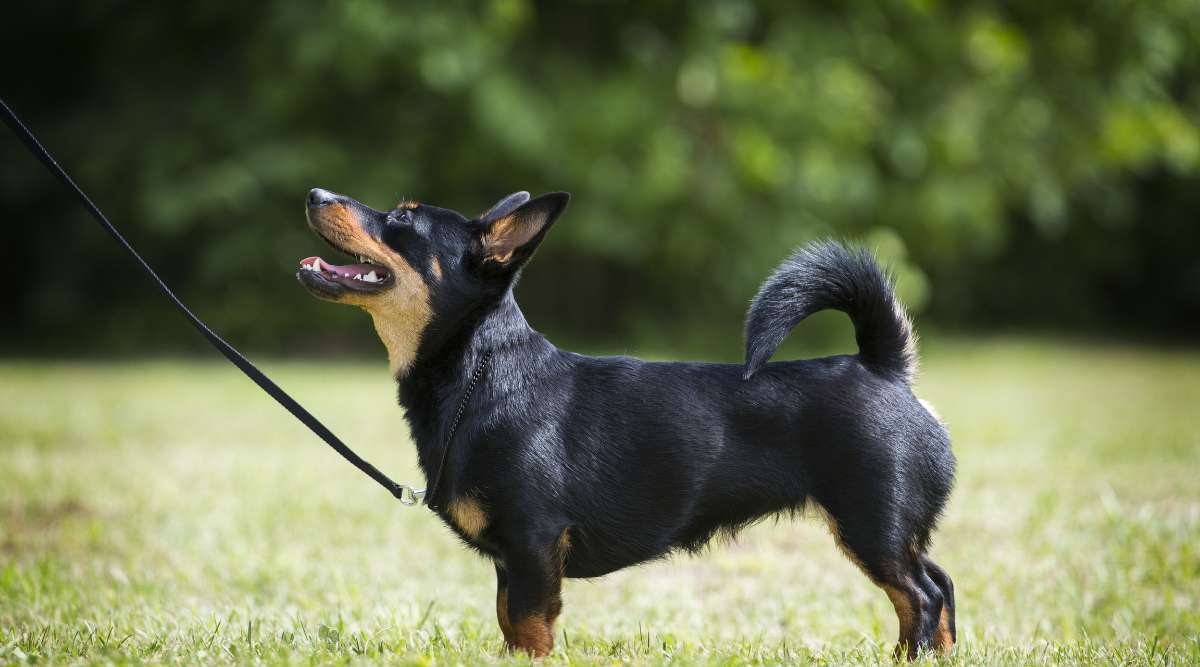
Developed in northern England as a cattle driver and rat catcher, Lancashire Heelers are quick, clever, and full of personality. Despite their small size, they’re energetic herding dogs that thrive when they have a job to do.
- Size: Small (9–17 pounds)
- Temperament: Alert, loyal, intelligent
- Energy Level: Moderate to high
- Coat Type: Short, dense weather-resistant coat
- Life Expectancy: 12–15 years
- Best For: Active households, experienced owners, farms or homes with room to explore
Health Note: Lancashire Heelers can occasionally develop inherited eye conditions, in particular primary lens luxation (PPL). Action by breeders has reduced the incidence of PPL within the breed.
2. Tibetan Spaniel
Despite the name, the Tibetan Spaniel isn’t actually a spaniel. These small companion dogs were developed in Tibetan monasteries, where they served as loyal companions and alert watchdogs perched on monastery walls.
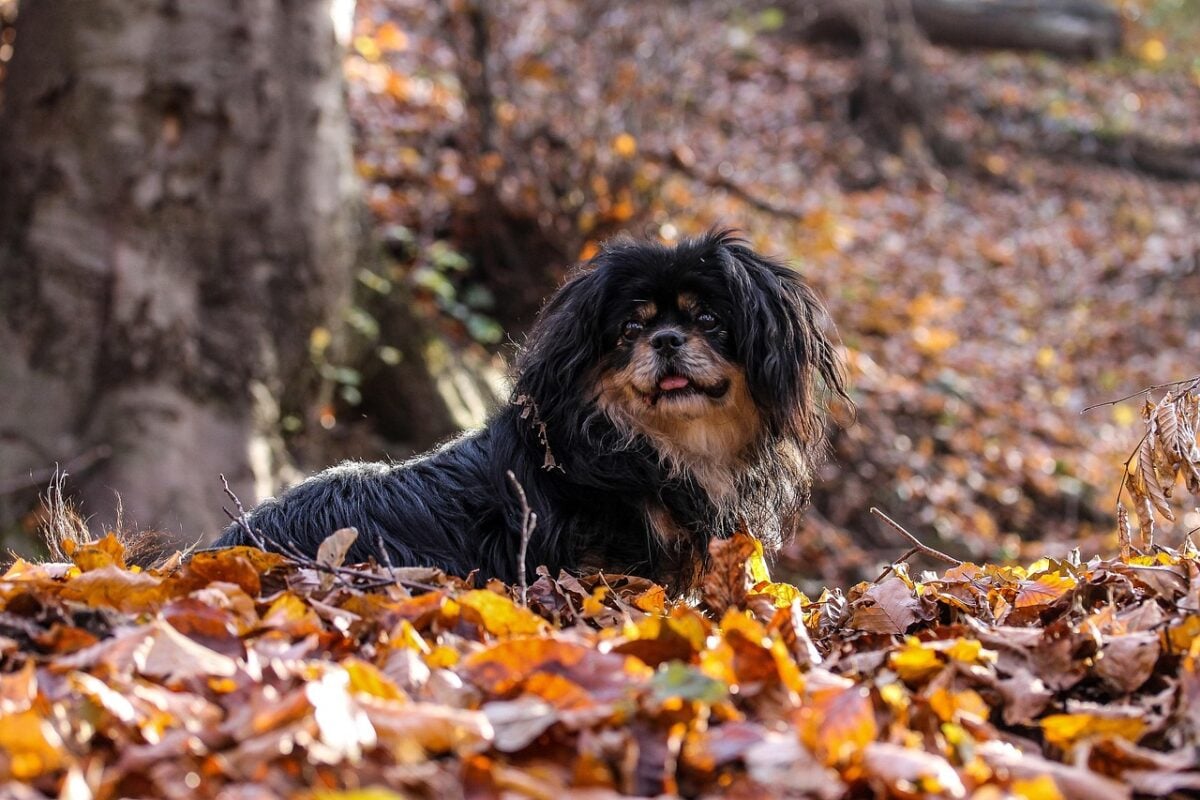
Independent but deeply devoted to their families, Tibetan Spaniels are known for their intelligence and strong sense of awareness. Many still love finding a prime spot in the house where they can quietly monitor everything going on below.
- Size: Small (9–15 pounds)
- Temperament: Affectionate, alert, independent
- Energy Level: Moderate
- Coat Type: Silky double coat with feathering around the neck and tail
- Life Expectancy: 12–15 years
- Best For: Families, apartment living, owners who enjoy a devoted but slightly independent companion
Health Note: Tibetan Spaniels can occasionally develop patellar luxation and progressive retinal atrophy (PRA), which can lead to blindness. Testing is recommended for breeders to avoid producing affected dogs.
3. Shiba Inu
Shiba Inus are famous for their fox-like faces, curled tails, and independent personalities. Originally developed in Japan to hunt small game in mountainous terrain, these compact spitz dogs are agile, alert, and surprisingly athletic for their size.
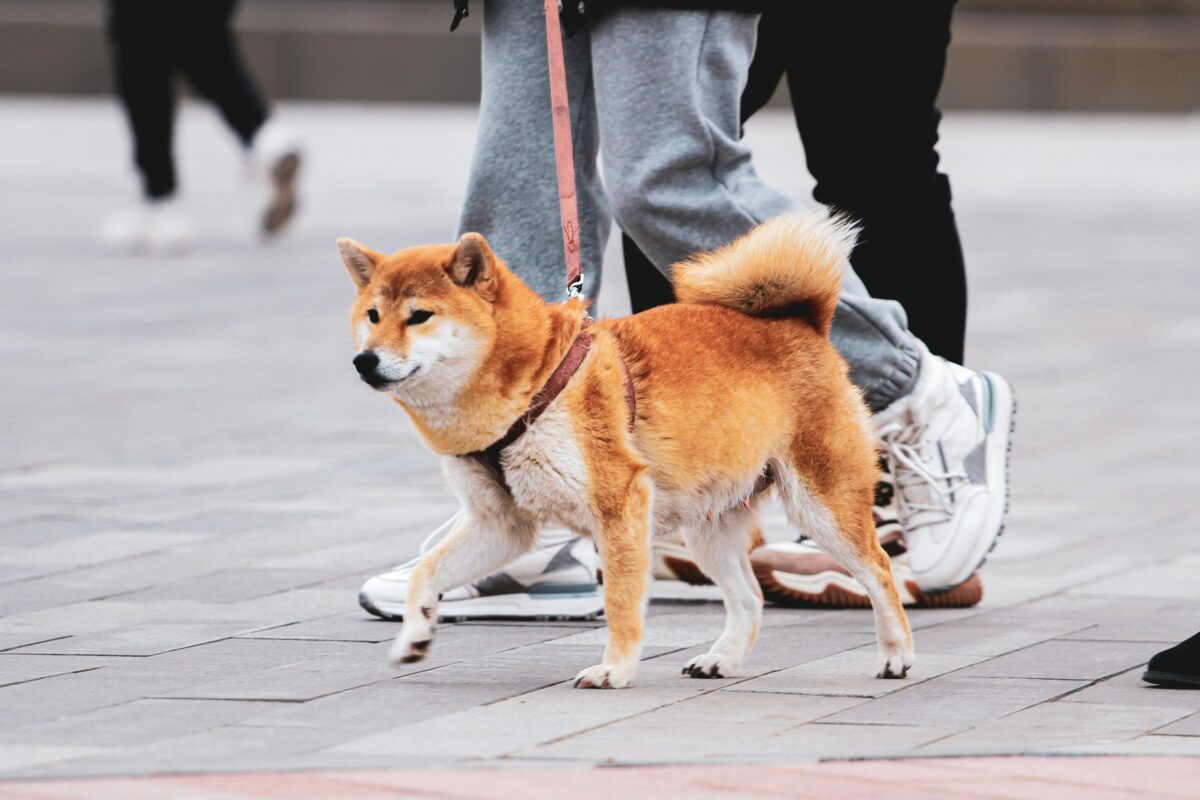
Shibas are often described as having cat-like agility. They’re excellent climbers and escape artists, known for scaling fences or scrambling onto furniture for the best vantage point. Keep that in mind when planning your backyard fencing.
- Size: Small to medium (17–23 pounds)
- Temperament: Independent, confident, alert
- Energy Level: Moderate to high
- Coat Type: Thick double coat with seasonal shedding
- Life Expectancy: 13–16 years
- Best For: Active owners who appreciate an alert, self-assured dog
Health Note: The most common health condition within the Shiba Inu breed is allergies. The national breed group also recommends breeders test for hip dysplasia, eye disorders, and patella luxation.
4. Papillon
Those butterfly-shaped ears may look delicate, but Papillons are surprisingly tough little athletes. Despite weighing under 10 pounds, they regularly compete in agility and obedience sports and are known for their speed, intelligence, and confidence.
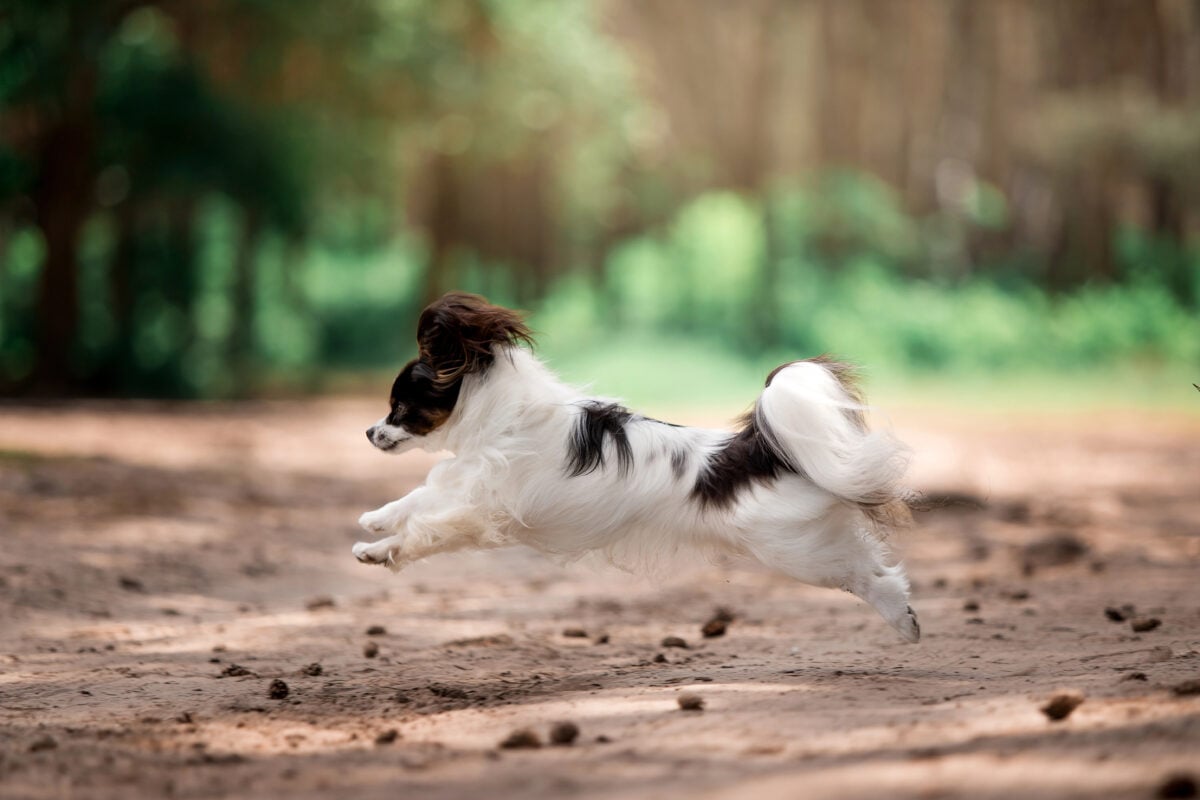
Papillons were bred as companion dogs for European nobility, but they’re far from fragile lapdogs. They’re lively, curious, and quick learners who often prefer being part of the action rather than sitting quietly on the sidelines.
- Size: Small (5–10 pounds)
- Temperament: Intelligent, friendly, confident
- Energy Level: Moderate to high
- Coat Type: Long, silky single coat with feathering on the ears and tail
- Life Expectancy: 14–16 years
- Best For: Owners who want a small dog that enjoys training and activities
Health Note: Papillons are gutsy and energetic, but they’re also very small. Careful handling, especially as puppies, is important to prevent injury. Breeders are encouraged to screen for eye, patella, and heart heath.

5. Bolognese
The Bolognese may look like a fluffy white cloud, but this ancient Italian companion breed has a reputation for being calm, sturdy, and deeply devoted to its people.
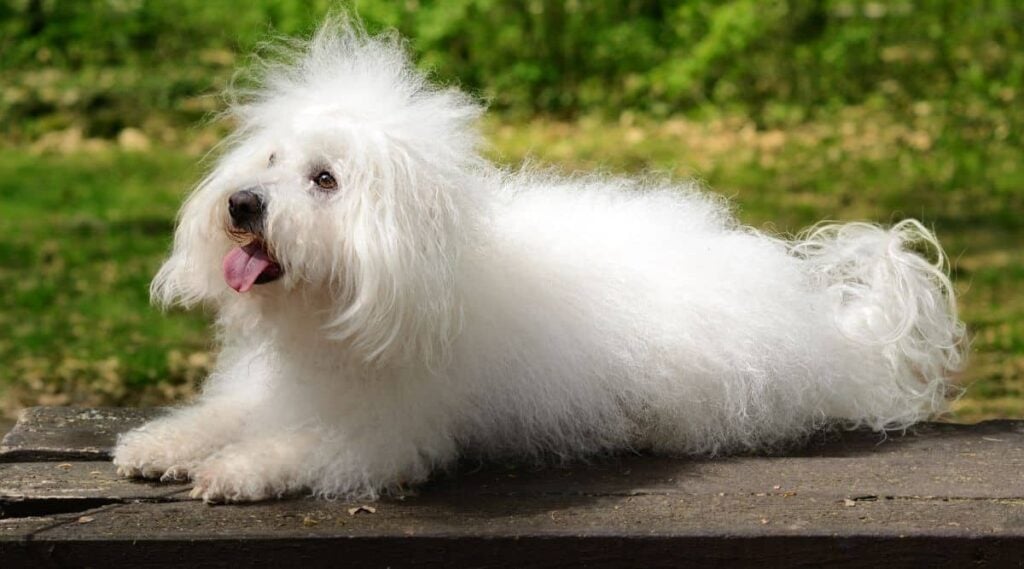
Unlike many toy breeds developed more recently, the Bolognese has remained relatively consistent in structure for centuries. They’re affectionate, observant, and tend to form strong bonds with their families while maintaining a gentle, easygoing temperament.
- Size: Small (6–10 pounds)
- Temperament: Loyal, affectionate, calm
- Energy Level: Low to moderate
- Coat Type: Long, cottony coat that forms soft curls rather than silky strands
- Life Expectancy: 12–14 years
- Best For: People looking for a devoted companion dog
Health Note: The Bolognese has low incidence of genetic disease. Breeders are encouraged to screen dogs for luxating patella and eye disorders as part of healthy breeding.
Terriers: The Longevity Powerhouses
Terriers dominate longevity research. Many were originally bred to be tough, adaptable working dogs with minimal exaggeration in structure, which may help explain their remarkable durability and long lifespans.
6. Border Terrier
Border Terriers look like they just wandered out of a Scottish pub, scruffy beard and all. Behind that rugged appearance is a tough little working dog bred to keep up with fox hunts across rough countryside.
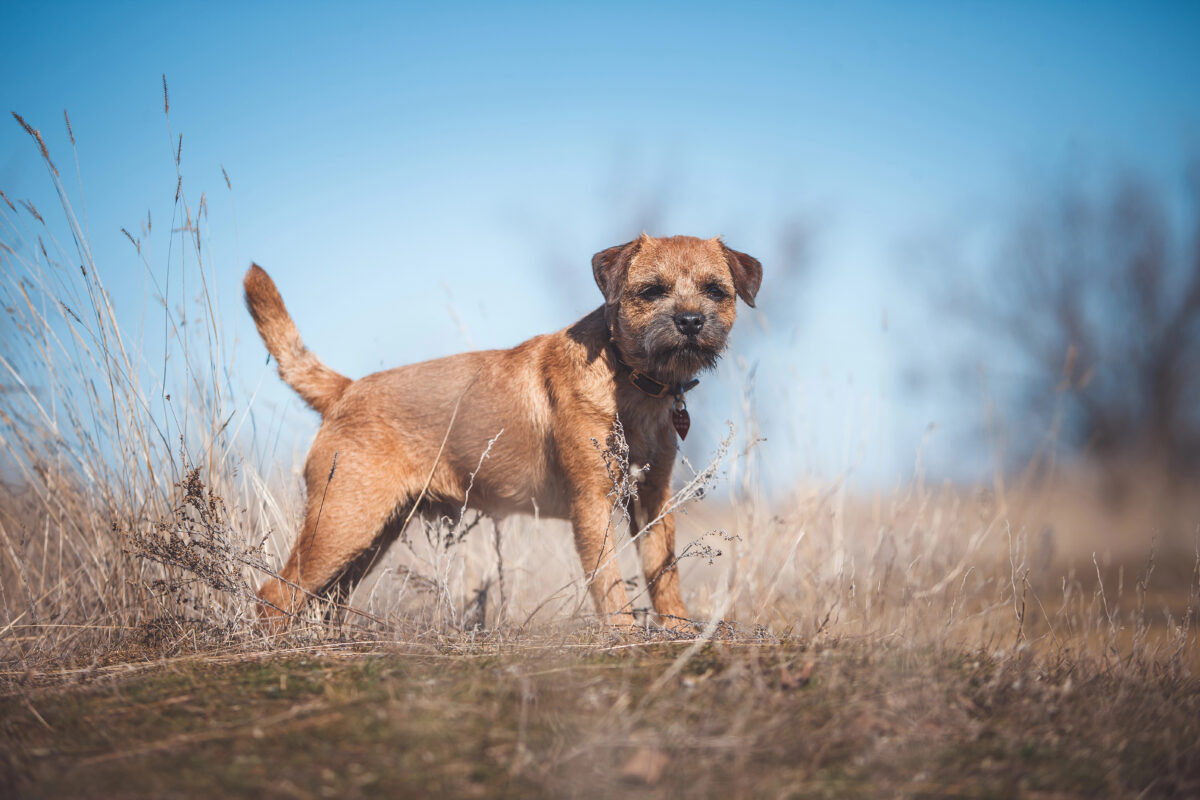
Developed along the border of England and Scotland, these terriers were built for endurance, agility, and determination. Even today, they’re known for their hardiness, easygoing nature, and ability to keep up with active households.
- Size: Small (11–16 pounds)
- Temperament: Friendly, determined, affectionate
- Energy Level: Moderate to high
- Coat Type: Dense, wiry coat designed to repel dirt and weather
- Life Expectancy: 12–15 years
- Best For: Active families and owners who enjoy outdoor activities
Health Note: Border Terriers can carry a rare inherited neurological condition called Spongiform Leukoencephalomyelopathy (SLEM), often called “shaking puppy syndrome.” Responsible breeders may also screen for issues such as hip dysplasia and eye disorders to reduce the risk.
7. Lakeland Terrier
The Lakeland Terrier may be small, but it carries itself like a much bigger dog. These bold, energetic terriers were originally bred to hunt foxes in the rugged Lake District of northern England.
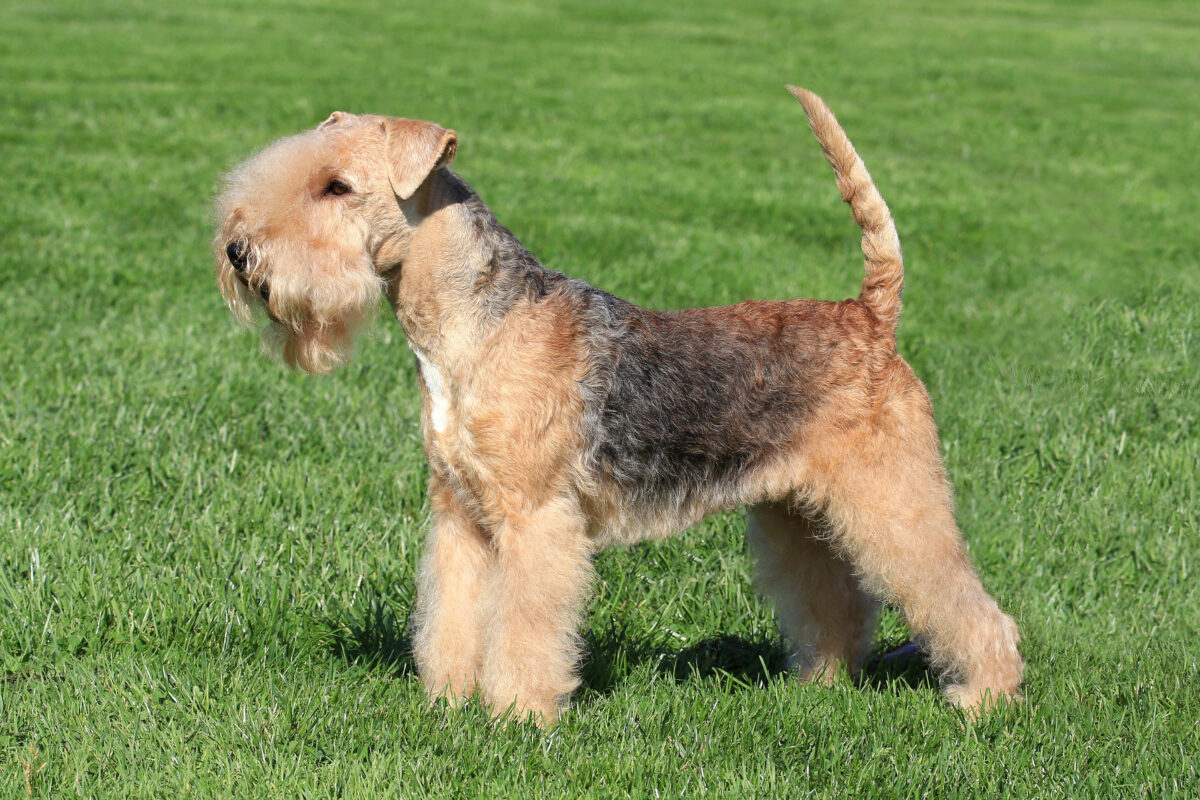
That working background gave them a fearless personality and impressive stamina. Lakelands are playful, confident dogs that thrive when they have space to explore and plenty of mental stimulation.
- Size: Small (15–17 pounds)
- Temperament: Bold, energetic, curious
- Energy Level: High
- Coat Type: Wiry, weather-resistant coat
- Life Expectancy: 12–15 years
- Best For: Experienced owners who enjoy active, confident dogs
Health Note: Lakeland Terriers have very few breed-specific health issues reported and are generally considered a hardy breed. Routine care, including ear checks and regular dental hygiene, helps maintain their health.
8. Cairn Terrier
If the Cairn Terrier looks familiar, that’s because one of the most famous dogs in film history was a Cairn named Toto in The Wizard of Oz. These lively little terriers were originally bred in Scotland to hunt rodents among rocky cairns, which is where the breed gets its name.
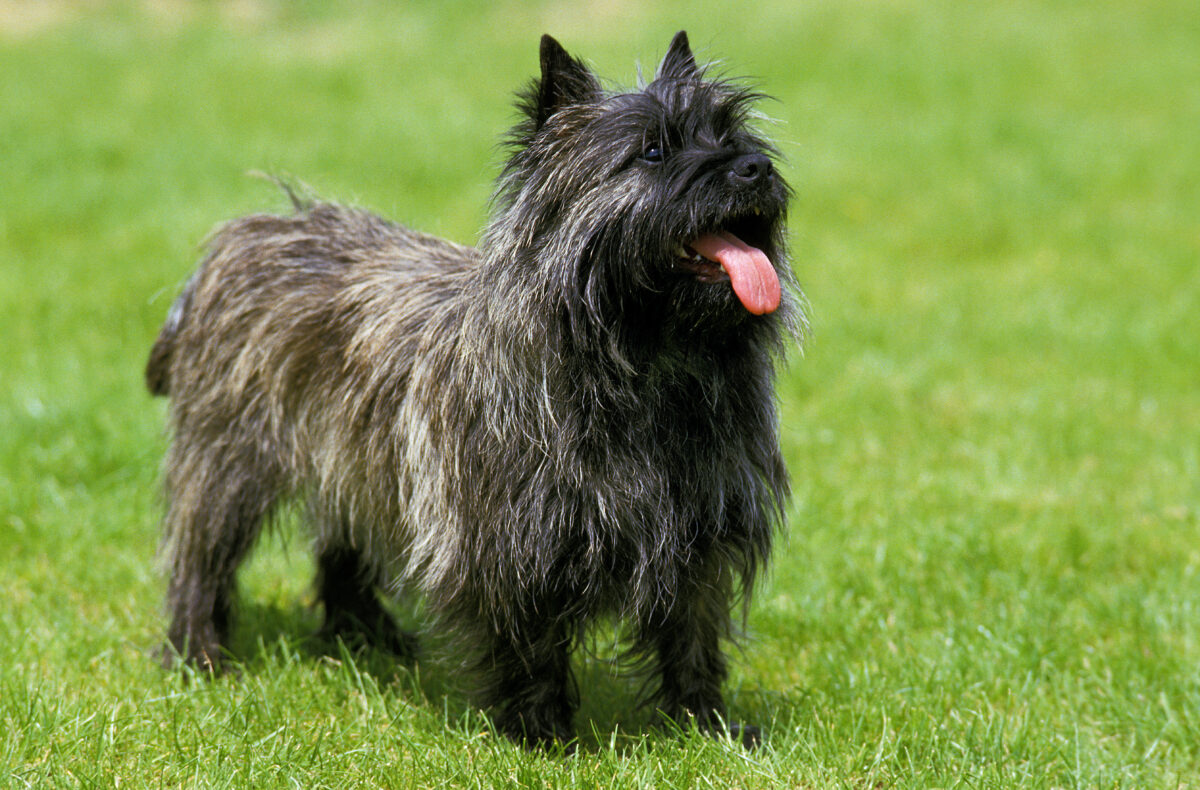
Cairns are known for their curiosity, independence, and endless enthusiasm. They’re sturdy, adaptable dogs that often remain playful and adventurous well into adulthood.
- Size: Small (13–14 pounds)
- Temperament: Curious, cheerful, busy
- Energy Level: Moderate to high
- Coat Type: Shaggy double coat that sheds dirt easily
- Life Expectancy: 13–15 years
- Best For: Active households and owners who enjoy a playful companion
Health Note: Cairn Terriers are generally a healthy, long-lived breed. Rare genetic conditions such as Globoid Cell Leukodystrophy (GCL) and portosystemic liver shunts can occur, but DNA testing and responsible breeding practices help reduce the risk.
9. Norwich Terrier
The Norwich Terrier is one of the smallest working terriers, but its personality is anything but small. Originally bred in England to hunt rats and other vermin, these compact dogs are fearless, energetic, and incredibly loyal to their families.

Unlike some terriers that prefer independence, Norwich Terriers tend to form very close bonds with their people. Their sturdy build and lively temperament make them excellent companions for active households.
- Size: Small (10–12 pounds)
- Temperament: Affectionate, fearless, playful
- Energy Level: Moderate to high
- Coat Type: Hard, wiry coat with a soft undercoat
- Life Expectancy: 12–15 years
- Best For: Families wanting a small but energetic companion
Health Note: Norwich Terriers are generally a healthy breed but can develop upper airway syndrome (NTUAS), a respiratory disorder that varies in severity. Breeders may also screen for eye disorders and orthopedic issues.
Small But Exceptionally Hardy Breeds
Several small companion breeds combine long lifespans with relatively low rates of inherited disease. That combination helps them show up repeatedly in population studies of dogs that stay healthy well into their senior years.
10. Havanese
Havanese are cheerful little companion dogs known for their silky coats, expressive eyes, and lively personalities. Originally developed in Cuba, they were bred primarily as household companions, which may partly explain their long history of relatively stable health and longevity.
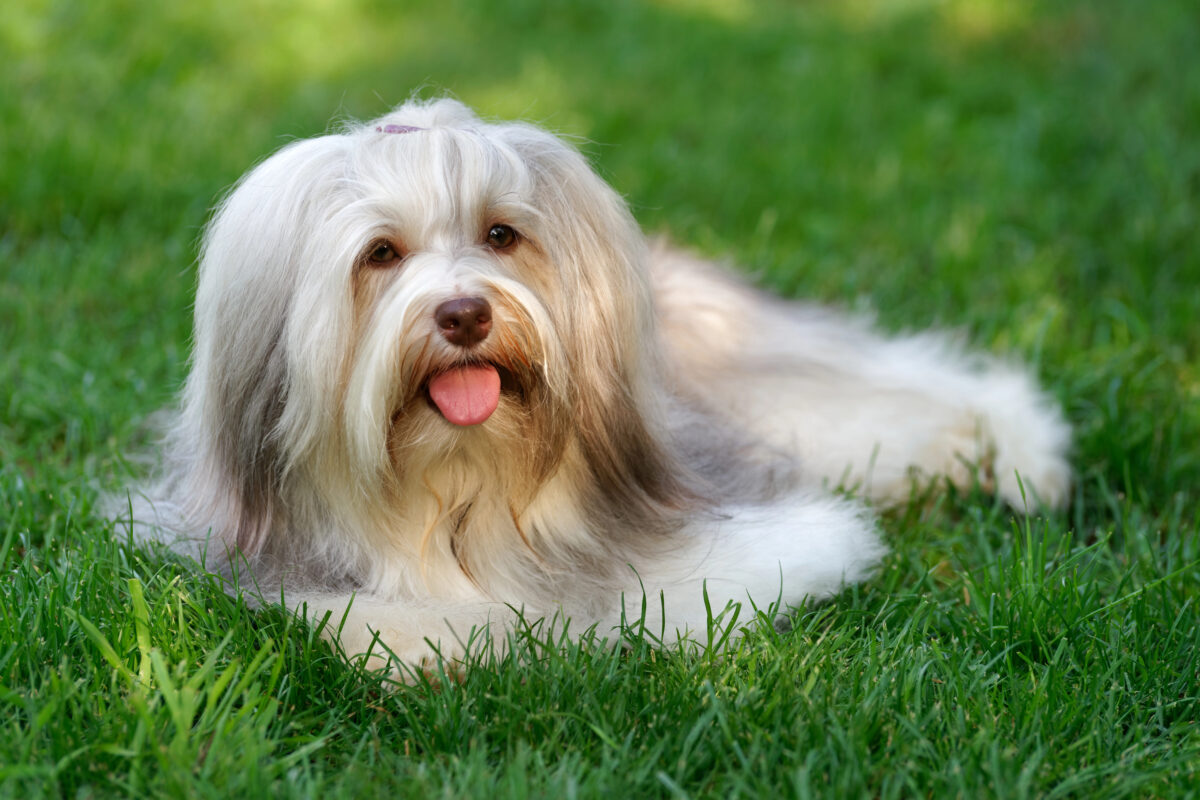
These dogs tend to be highly social and people-focused. Many follow their owners from room to room and thrive in homes where they receive plenty of interaction and play.
- Size: 7–13 pounds
- Temperament: Affectionate, playful, highly people-oriented
- Energy Level: Moderate; enjoys daily walks and playtime
- Coat Type: Long, silky coat that requires regular grooming
- Life Expectancy: 14–16 years
- Best For: Families, apartment living, owners wanting a social companion
Health Note: Havanese are generally healthy and long-lived but can be prone to conditions such as patellar luxation, eye disorders, Legg-Calve-Perthes disease, heart murmurs, eye disorders, and deafness. Health testing and careful breeding practices help reduce the incidence of these issues.
11. Schipperke
The Schipperke is a small but bold dog with a fox-like face, thick double coat, and an almost mischievous level of curiosity. Despite their compact size, they were historically used as watchdogs and vermin hunters on canal boats in Belgium.
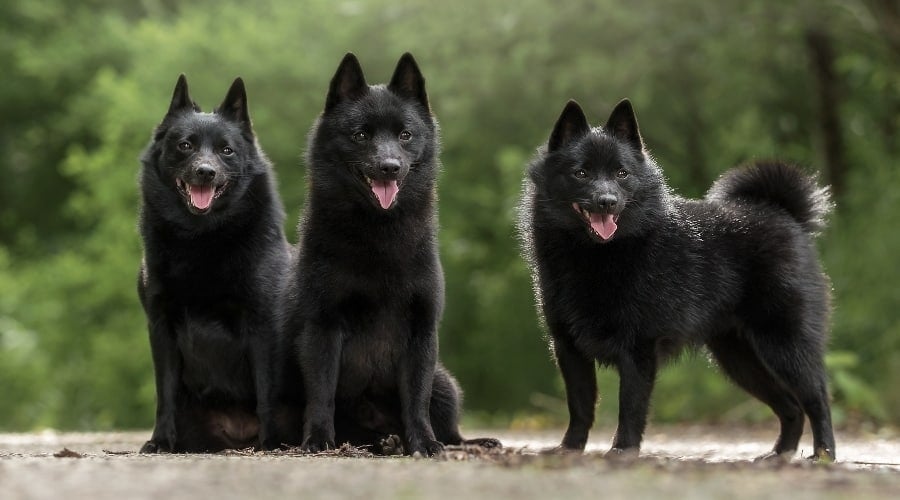
These dogs are famously alert and confident. They often behave like much larger dogs and enjoy having a job, whether that’s learning tricks, exploring the yard, or keeping an eye on household activity.
- Size: 10–16 pounds
- Temperament: Curious, alert, confident
- Energy Level: High; thrives on activity and mental stimulation
- Coat Type: Thick double coat with a distinctive mane-like ruff
- Life Expectancy: 12–16 years
- Best For: Active owners, homes that enjoy training and enrichment
Health Note: Schipperkes are generally healthy but can develop patellar luxation, thyroid disorders, eye disease, and Legg-Calve-Perthes disease. Breeders may also test for MPS IIIB, a rare inherited metabolic disorder.
12. Coton de Tulear
The Coton de Tulear is famous for its soft, cotton-like coat and upbeat personality. Originating in Madagascar, these small companion dogs were bred to live closely with people and quickly became known for their playful, almost clownish behavior.
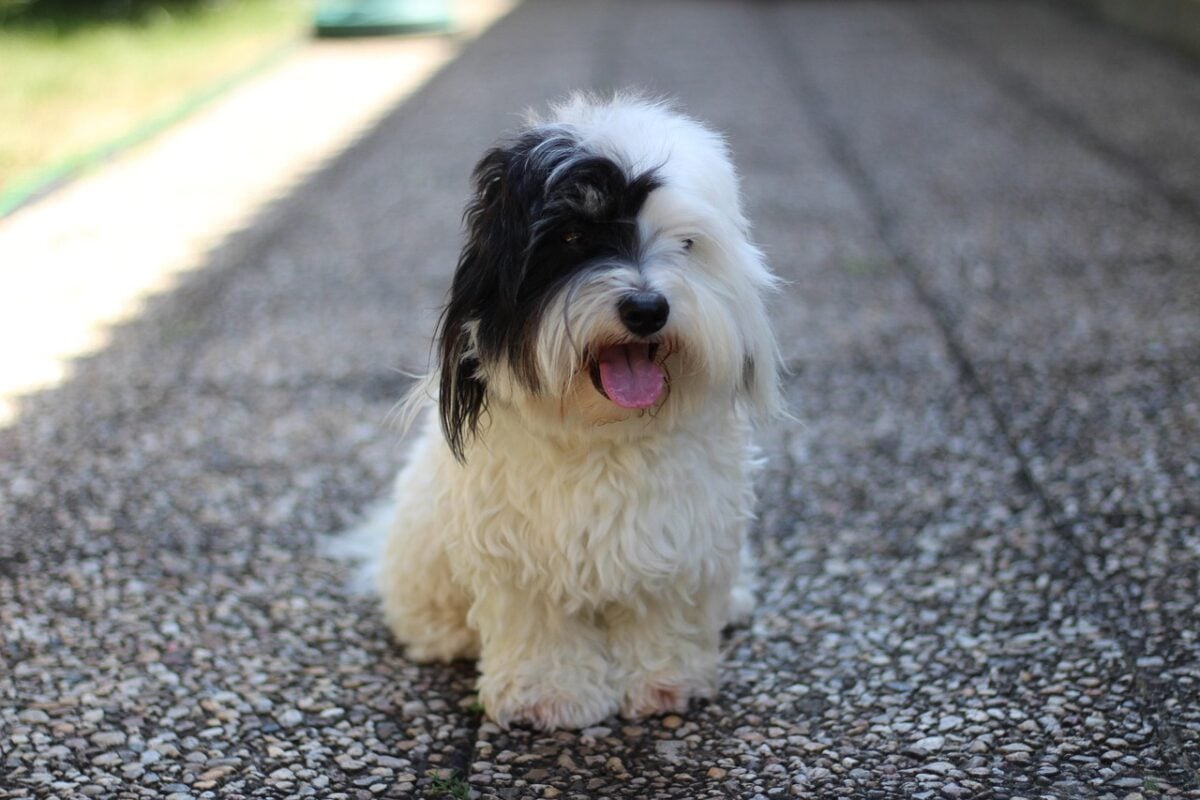
Cotons are typically adaptable and affectionate. Many enjoy participating in family activities and often develop strong bonds with their owners.
- Size: 8–15 pounds
- Temperament: Charming, affectionate, happy-go-lucky
- Energy Level: Moderate; enjoys games and short walks
- Coat Type: Long, soft coat that requires brushing to prevent tangles
- Life Expectancy: 15–19 years
- Best For: Families, first-time dog owners, companion-focused homes
Health Note: The Coton de Tulear have a low incidence of inherited disease but can occasionally develop hip dysplasia, patellar luxation, or certain eye conditions.
13. Miniature Dachshund
Miniature Dachshunds are instantly recognizable thanks to their long bodies, short legs, and confident personalities. Originally bred in Germany to hunt burrowing animals like badgers, these small hounds remain bold, determined, and surprisingly brave.
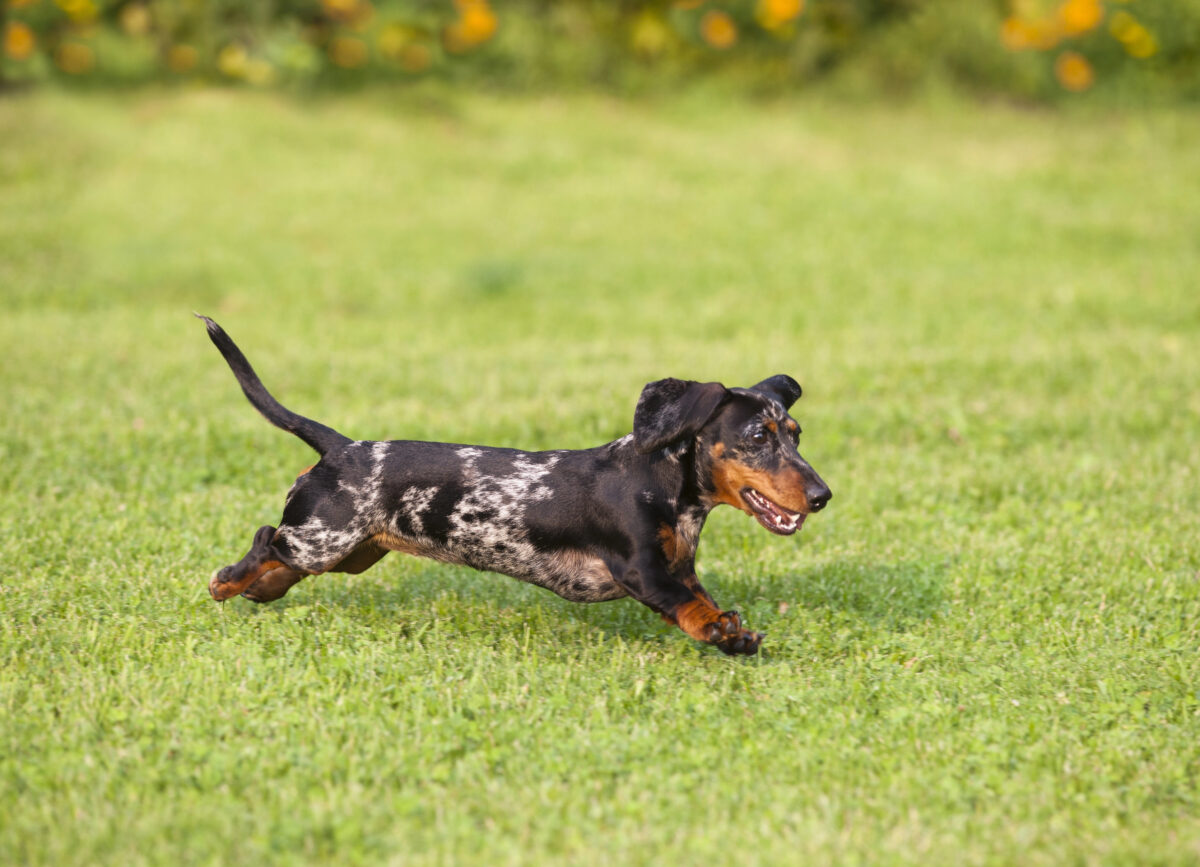
Despite their size, many Dachshunds behave like much bigger dogs. They tend to be curious, vocal, and enthusiastic about exploring their environment.
- Size: Under 11 pounds
- Temperament: Bold, curious, spunky
- Energy Level: Moderate; enjoys walks and scent-based games
- Coat Types: Smooth, longhaired, or wirehaired varieties
- Life Expectancy: 12–16 years
- Best For: Owners who appreciate a lively, personality-filled small dog
Health Note: Miniature Dachshunds have a higher risk of intervertebral disc disease (IVDD) due to their long spine and short legs. Maintaining a healthy weight and avoiding frequent jumping can help reduce strain on the back. Learn more about Dachshund health issues.
14. Italian Greyhound
Italian Greyhounds are slender, elegant dogs built for speed and agility. Despite their delicate appearance, they are surprisingly athletic and enjoy sprinting in short bursts.
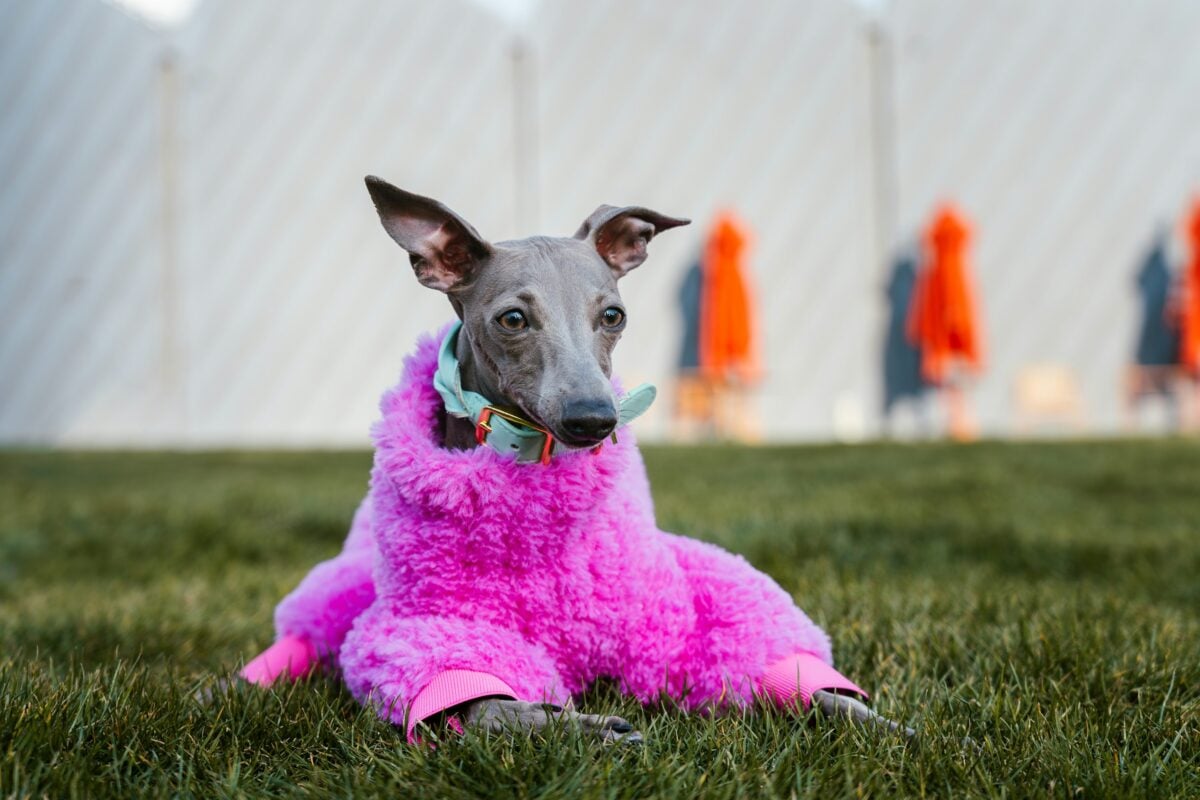
At home, however, they often transform into enthusiastic couch companions. Many Italian Greyhounds love curling up under blankets or seeking out the warmest spot in the house.
- Size: 7–14 pounds
- Temperament: Alert, sensitive, playful
- Energy Level: Moderate
- Coat Type: Short, smooth coat with minimal grooming needs
- Life Expectancy: 14–15 years
- Best For: Quiet homes, owners who enjoy close companionship
Health Note: Italian Greyhounds have very fine bones, which can make them more prone to leg fractures, especially during puppyhood. They are also highly sensitive to cold temperatures. The national breed club recommends monitoring for patella, thyroid, and eye health in breeder dogs.
Breeds That Defy The Size Rule
Small dogs tend to live longer overall, but a handful of other breeds still stand out for their longevity and relatively low mortality risk. These dogs prove that good genetics and balanced structure can matter just as much as size.
15. Large Munsterlander
The Large Munsterlander is an athletic German hunting dog known for its striking black-and-white coat and strong working instincts. Originally bred as a versatile gun dog, these dogs were expected to track, point, retrieve, and work long hours in the field.
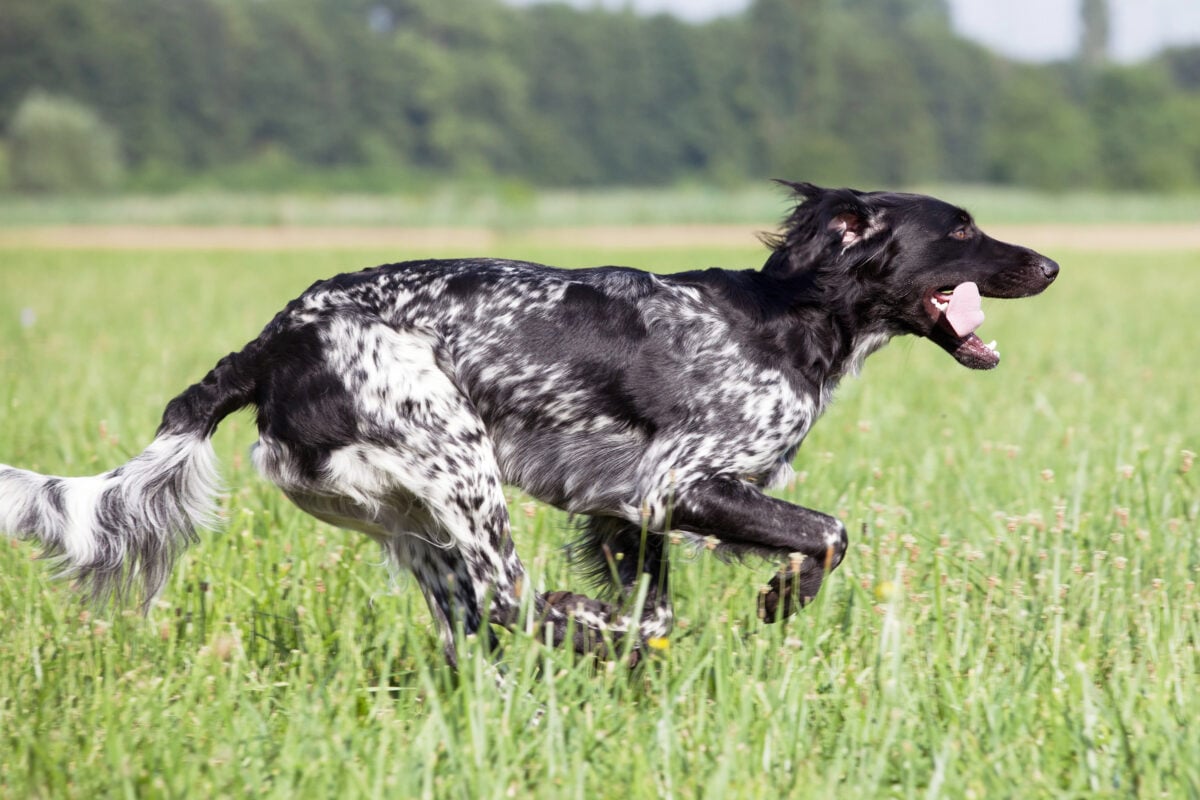
Despite their athletic build, Munsterlanders are known for their steady temperaments and strong bonds with their families. They typically thrive in active homes where they can exercise both their bodies and their minds.
- Size: 50–70 pounds
- Temperament: Affectionate, intelligent, eager to work
- Energy Level: High
- Coat Type: Medium-length feathered coat
- Life Expectancy: 12–14 years
- Best For: Active households, hunters, and owners who enjoy outdoor activities
Health Note: Large Munsterlanders are considered a robust breed, though hip and elbow dysplasia and hereditary cataracts can occur. Screening breeding dogs helps reduce these risks.
16. Welsh Springer Spaniel
Welsh Springer Spaniels are energetic sporting dogs recognized for their rich red-and-white coats and cheerful personalities. Historically used as flushing dogs for birds, they were bred to work closely with hunters while remaining attentive and responsive.
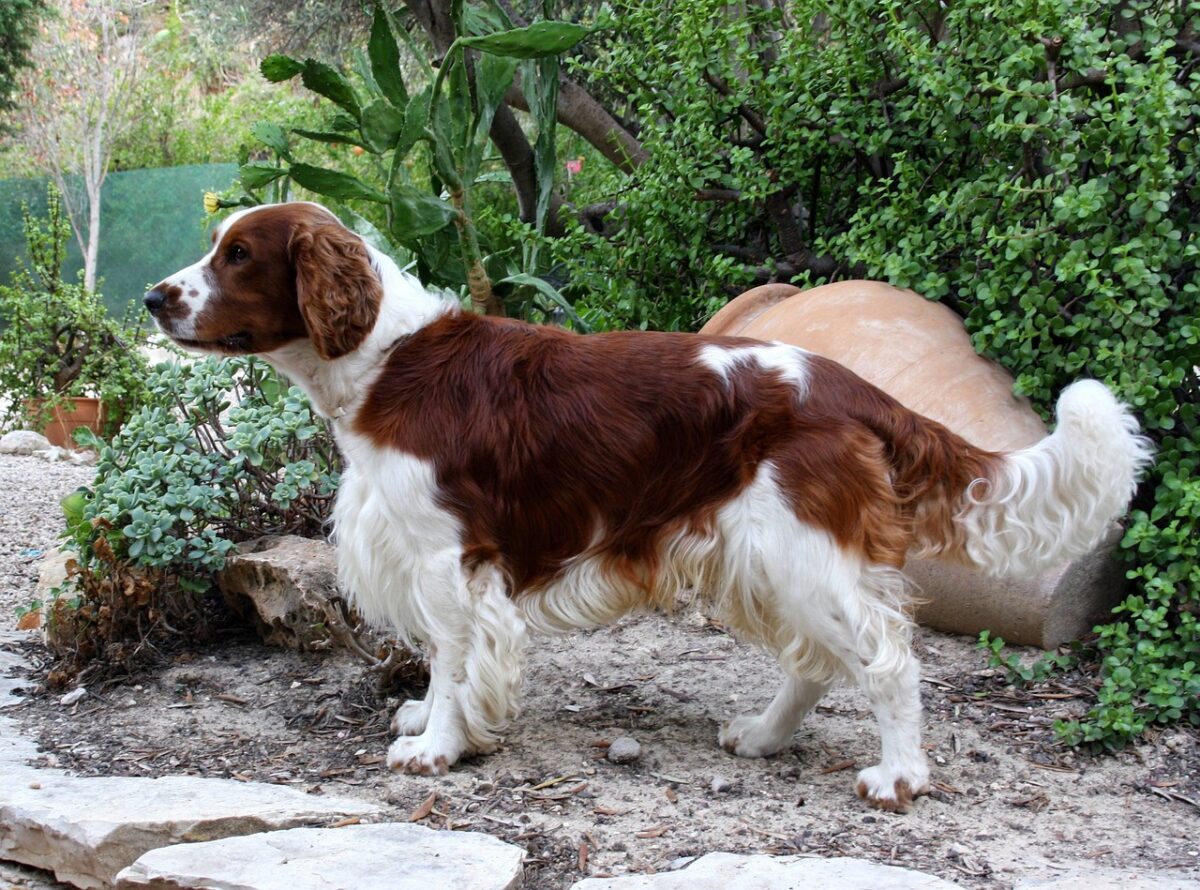
These spaniels tend to be affectionate and family-oriented while still maintaining the stamina of a working dog. Many enjoy hiking, swimming, and activities that let them stay active.
- Size: 35–55 pounds
- Temperament: Reserved, happy, affectionate
- Energy Level: High
- Coat Type: Medium-length silky coat with feathering
- Life Expectancy: 12–15 years
- Best For: Active families and owners who enjoy outdoor adventures
Health Note: Welsh Springer Spaniels can be prone to hip dysplasia, elbow dysplasia, autoimmune thyroiditis, and some inherited eye diseases. Responsible breeders typically perform orthopedic and eye screening.
17. Australian Cattle Dog
Australian Cattle Dogs are compact, muscular working dogs developed to herd cattle across long distances in harsh conditions. Their intelligence, endurance, and problem-solving ability made them indispensable to ranchers.
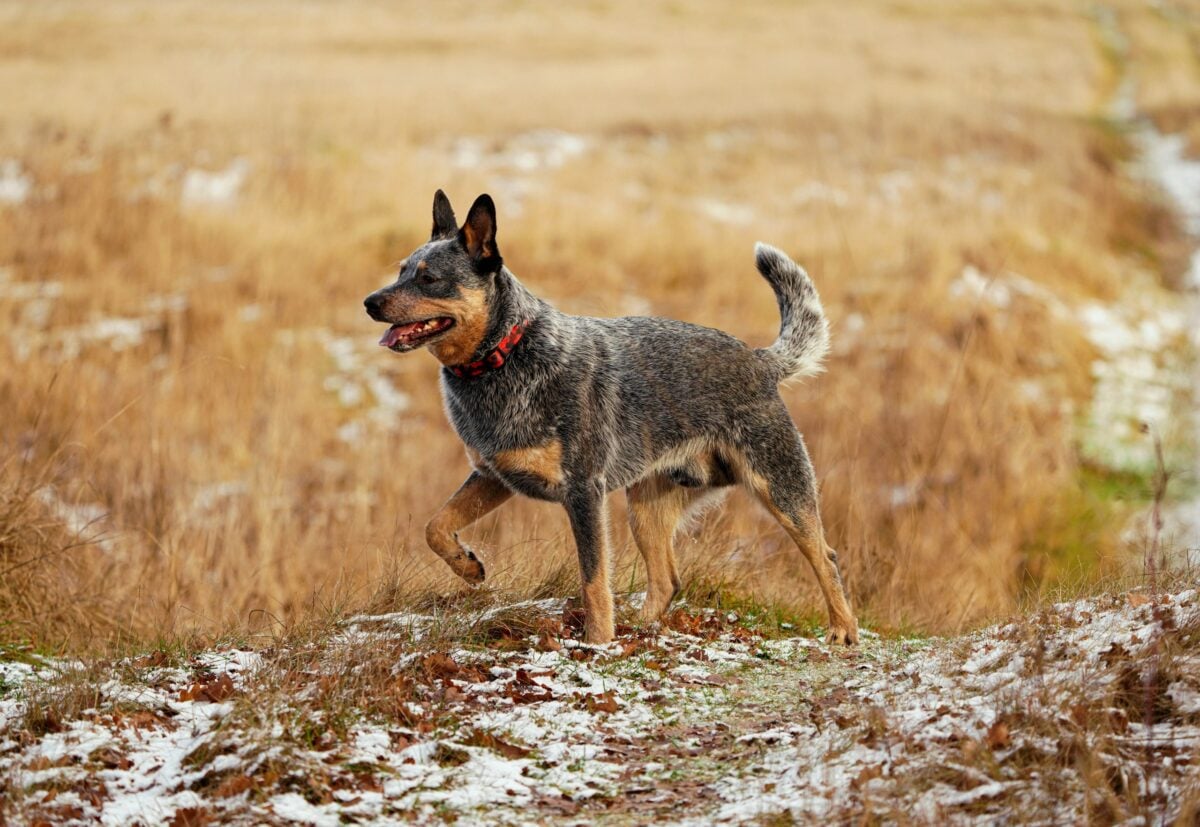
These dogs are known for their intense focus and strong work ethic. Many thrive when given structured activity such as agility training, dog sports, or jobs that challenge both their mind and body.
- Size: 35–50 pounds
- Temperament: Intelligent, energetic, driven
- Energy Level: Very high
- Coat Type: Short, dense double coat
- Life Expectancy: 12–16 years
- Best For: Highly active owners who enjoy training and structured activity
Health Note: Australian Cattle Dogs carry a gene linked to congenital deafness, particularly in dogs with extensive white markings, and progressive retinal atrophy (PRA). Breeders typically screen for these conditions along with hip dysplasia and primary lens luxation (PLL).
18. Poodle (Toy, Mini & Standard)
Poodles are widely known for their intelligence and elegant appearance, but they were originally developed as water retrievers in Germany. Their distinctive curly coat helped protect them in cold water while retrieving waterfowl.
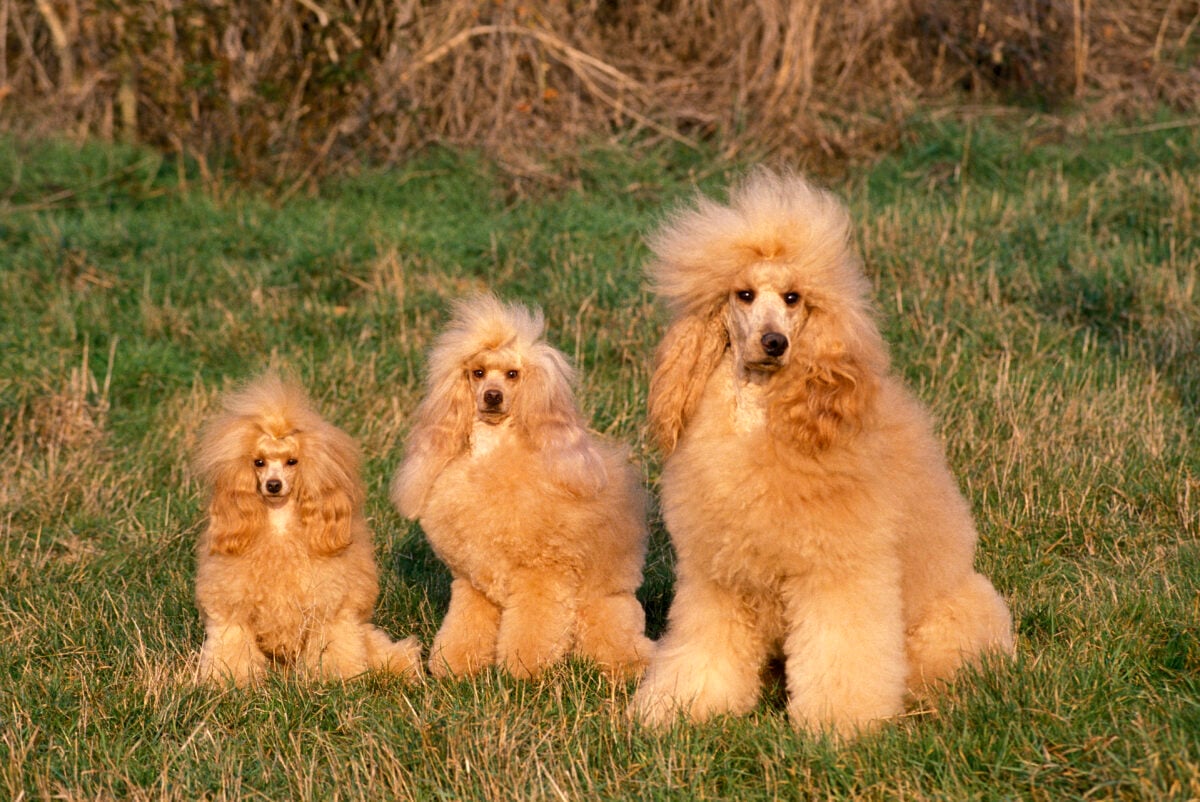
Today, Poodles are admired for their trainability and versatility. They often excel in obedience, agility, and other dog sports thanks to their sharp minds and eagerness to learn.
- Size: Toy, Miniature, and Standard varieties
- Temperament: Intelligent, responsive, energetic
- Energy Level: Moderate to high
- Coat Type: Dense curly coat that sheds very little
- Life Expectancy: 10–18 years
- Best For: Owners who enjoy training, dog sports, or interactive activities
Health Note: Poodles can develop hip dysplasia, certain eye disorders, and von Willebrand’s disease. Standard Poodles may also be prone to bloat and sebaceous adenitis, and breeders typically screen for these and other inherited conditions.
19. German Spitz (Mittel)
The German Spitz is a lively companion dog known for its thick double coat, fox-like face, and curled tail. This breed belongs to the ancient spitz family, which includes many hardy northern dogs.
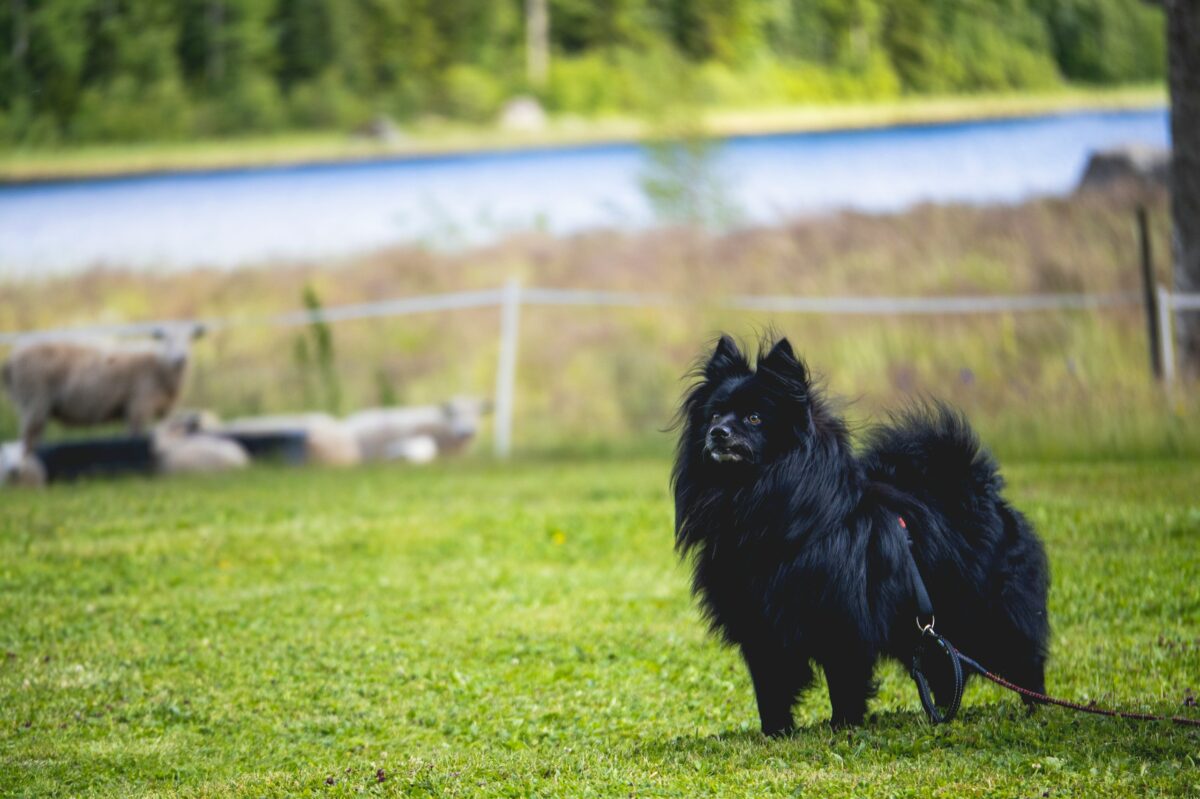
These dogs are alert and expressive. Many make excellent watchdogs and enjoy staying involved in household activity.
- Size: 15–25 pounds
- Temperament: Alert, devoted, lively
- Energy Level: Moderate to high
- Coat Type: Thick double coat with a fluffy mane
- Life Expectancy: 13–15 years
- Best For: Owners who enjoy a spirited companion with watchdog instincts
Health Note: German Spitz dogs are generally hardy but may occasionally develop joint issues and certain eye conditions, particularly in poorly bred lines.
20. Tibetan Terrier
Despite its name, the Tibetan Terrier is not actually a terrier. This shaggy mountain breed developed in Tibet, where it lived alongside monks and nomadic families as both a companion and watchdog.
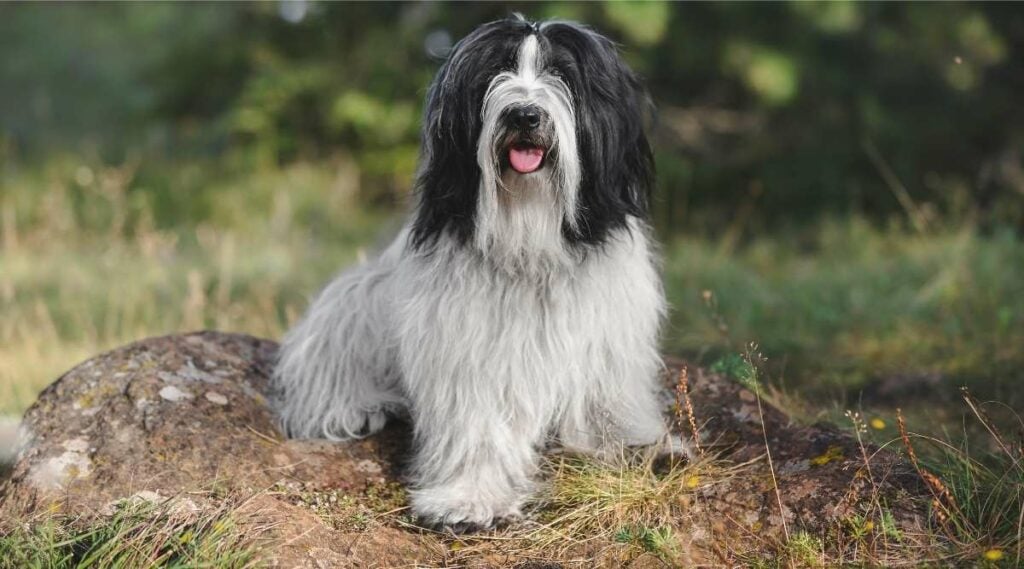
Tibetan Terriers are intelligent and observant dogs that tend to form close bonds with their families. Their sure-footed build and thick coat reflect their origins in rugged Himalayan terrain.
- Size: 18–30 pounds
- Temperament: Loyal, affectionate, sensitive
- Energy Level: Moderate to high
- Coat Type: Long, dense coat designed for cold climates
- Life Expectancy: 15–16 years
- Best For: Owners who want a devoted companion with a slightly independent streak
Health Note: Tibetan Terriers are generally healthy but can develop inherited eye conditions such as progressive retinal atrophy (PRA) and primary lens luxation (PLL). Breeders also screen for neuronal ceroid lipofuscinosis (NCL) and orthopedic issues such as hip or patella problems.
5 More Dog Breeds Known For Strong Health
These breeds didn’t make the Top 20, but they’re widely considered hardy, long-lived, or genetically resilient across veterinary research and breed health surveys:
- Basenji: An ancient African hunting breed with a relatively low genetic disease load, which may contribute to its reputation for strong health and longevity.
- Bearded Collie: This rugged Scottish herding dog was bred to work long hours in harsh weather, which helped preserve a balanced structure and durable genetics.
- Border Collie: Developed primarily for working ability and endurance rather than appearance, Border Collies tend to maintain a functional build that supports overall health.
- Jack Russell Terrier: This energetic hunting terrier is widely known as a long-lived breed, often maintaining its activity and stamina well into older age.
- Parson Russell Terrier: Closely related to the Jack Russell, this athletic terrier also has a relatively low genetic disease load, reflecting its long history as a functional working dog.
3 Reasons These Breeds Tend To Stay Healthier Longer
A dog’s health is shaped by several factors working together. Breed history, genetics, body size, and even skull shape can all influence how likely a dog is to develop certain diseases or experience early mortality.
Researchers studying canine longevity consistently find that these traits interact in complex ways. Understanding those patterns helps explain why certain breeds appear again and again in longevity studies and veterinary health surveys.
1. Breed History & Genetic Lineage
Many of the healthiest breeds share one important trait: they were historically bred for function rather than appearance.
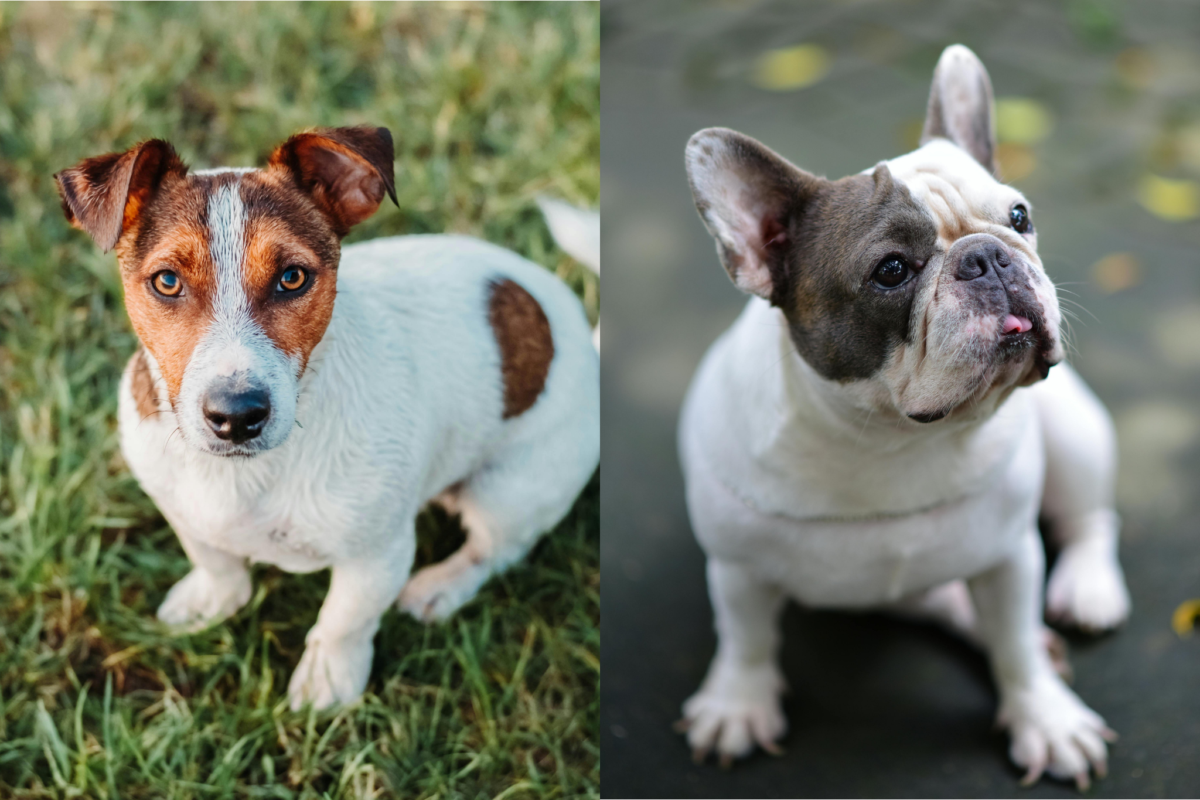
Working dogs such as terriers, herding dogs, and hunting breeds were selected for stamina, resilience, and the ability to perform demanding tasks. Over time, this type of selection often preserved balanced body structures and durable genetics.
Terriers in particular show up frequently in longevity research. Many were bred to be hardy working dogs with minimal exaggeration in structure, which may contribute to their long lifespans.
In contrast, breeds shaped primarily for exaggerated physical traits (such as extremely flat faces) can sometimes experience higher rates of inherited health problems. Even within the same breed, exaggerated features may increase the risk of certain health issues.
2. Body Size & Growth Rate
One of the most consistent findings in canine longevity research is that smaller dog breeds tend to live longer than larger ones. Interestingly, this contrasts with the pattern seen across most mammals, where larger animals typically outlive smaller ones. (Think humans compared with mice.)
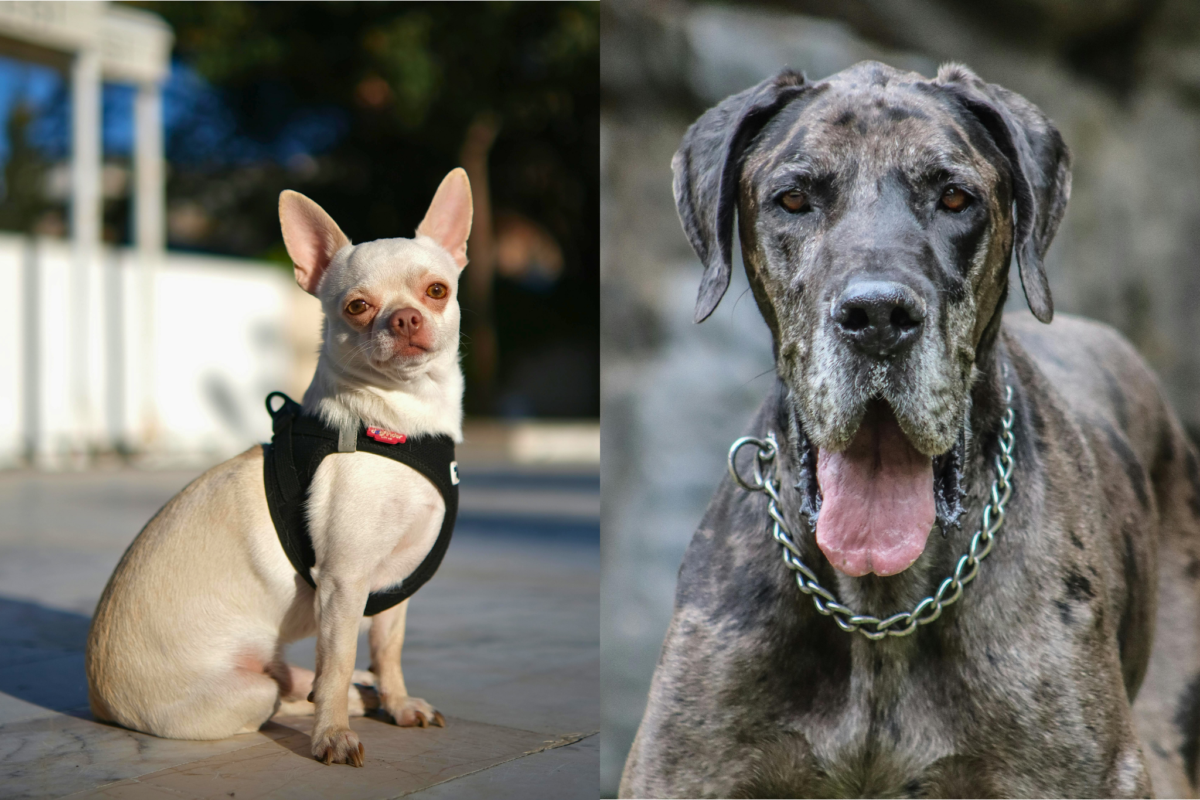
One explanation relates to development. Large and giant breeds grow rapidly during puppyhood, which has been linked to oxidative stress, increased cancer risk, and greater strain on joints and metabolism. This is also why slow, steady growth supported by large-breed puppy food is often recommended for puppies expected to reach a larger adult size.
However, as the earlier list shows, a few larger breeds still demonstrate excellent longevity when their structure and genetics remain balanced.
3. Skull Shape (Cephalic Index)
A dog’s skull shape, measured using the cephalic index, can also influence long-term health outcomes.
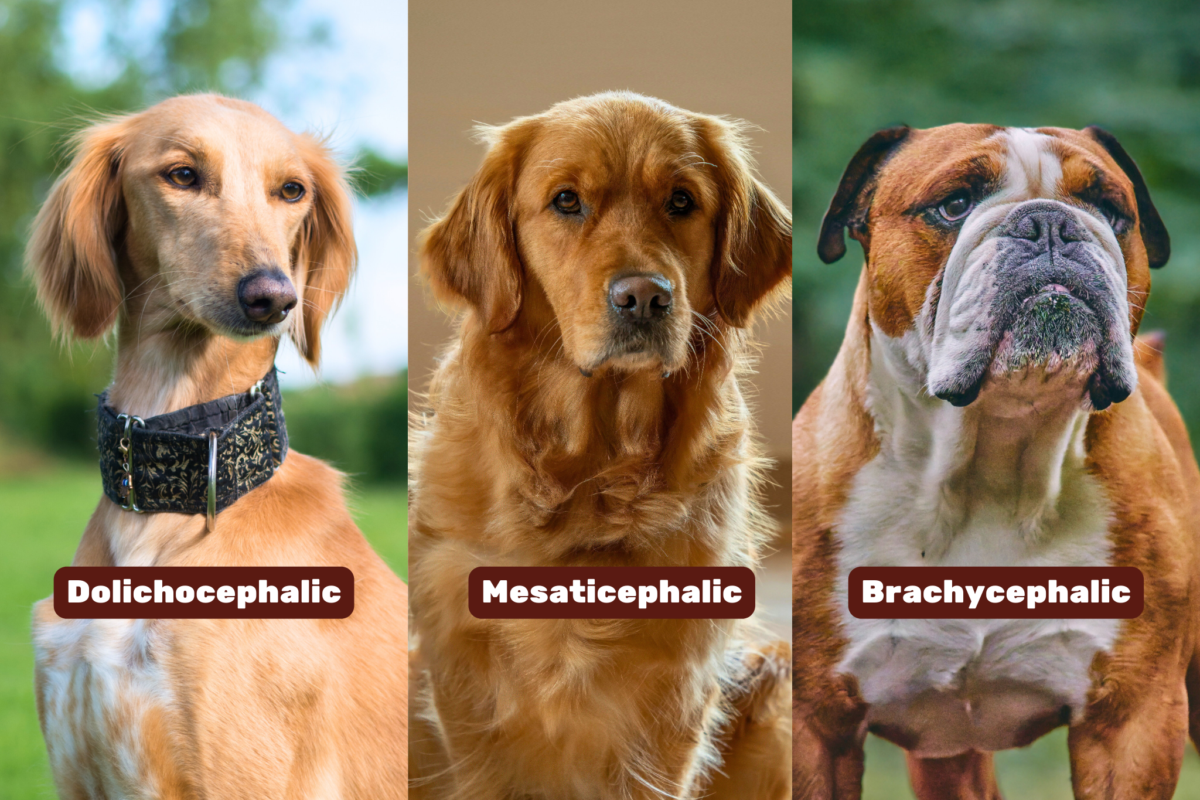
Breeds with extremely shortened skulls (known as brachycephalic breeds) often experience higher rates of respiratory problems, eye issues, and heat intolerance.
Non-brachycephalic breeds — known as mesocephalic or dolichocephalic breeds — generally avoid many of these structural complications, which may contribute to better overall health outcomes.
Quick Takeaway: How These Factors Work Together
No single trait determines whether a dog breed tends to live longer. Longevity usually comes from several protective traits working together.
For example:
- A small-to-medium, mesocephalic working breed, such as the English Cocker Spaniel or Pembroke Welsh Corgi, often have less health challenges thanks to moderate body size, balanced skull structure, and a history of being bred for function.
- A medium-to-large, brachycephalic breed, such as the Chow Chow or Chinese Shar Pei, may face greater health challenges due to factors like body mass, structural exaggeration, and genetic bottlenecks.
In short: Breeds with moderate size, balanced anatomy, and functional breeding history tend to show lower mortality risk across populations.
10 Dog Breeds With The Highest Mortality Risk
Not every breed enjoys the same health advantages. While some dogs are known for longevity and resilience, others face greater health challenges due to their size, structure, or genetic history.
That doesn’t mean these breeds can’t live happy, fulfilling lives. It simply means certain physical traits — like extremely large bodies or very short snouts — can increase the risk of specific health problems.
- Presa Canario: Giant mastiff-type guardian breed with the highest early death risk, reflecting the challenges that often come with extreme size.
- Caucasian Shepherd Dog: Massive livestock guardian breed with the shortest median lifespan, highlighting how giant body size can affect longevity.
- Cane Corso: Powerful mastiff-type working dog whose large size and rapid growth are linked to higher mortality risk across the breed.
- Mastiff: One of the heaviest dog breeds, where extreme body mass is often associated with shorter average lifespans.
- French Bulldog: Flat-faced companion breed whose brachycephalic structure is linked to breathing and other health challenges. Certain color patterns such as merle may also increase the risk of genetic problems.
- Bulldog: Heavy-bodied, flat-faced breed known for a number of structural health issues that can affect lifespan.
- Neapolitan Mastiff: Giant mastiff breed with very heavy body structure and higher rates of orthopedic disease.
- Saint Bernard: Enormous working breed with rapid growth rates and elevated risk of certain cancers.
- Leonberger: Giant working breed known for relatively high cancer risk compared with many other breeds.
- Great Pyrenees: Large livestock guardian breed where size-related health issues can influence average lifespan.
Which Healthy Dog Breed Is Right For You?
Longevity is only one part of the picture when choosing a dog. While some breeds consistently show longer lifespans and lower mortality risk, the healthiest dog for you is also one that fits your lifestyle, living space, and activity level.
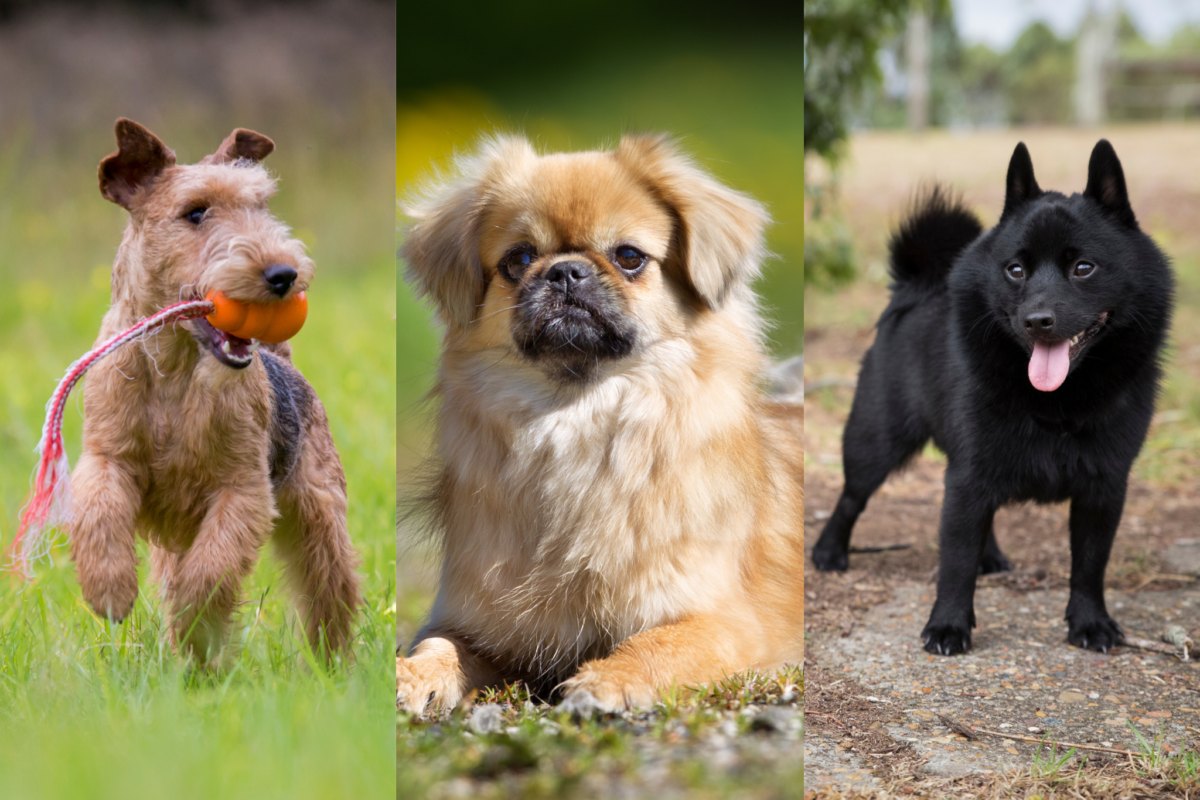
If Longevity Is Your Top Priority
Breeds that combine long median lifespans with lower mortality risk include several terriers, spitz-type breeds, and small companion dogs. Examples include:
- Border Terrier
- Lakeland Terrier
- Shiba Inu
- Shipperke
- Papillon
- Tibetan Spaniel
These breeds tend to benefit from moderate body size, balanced anatomy, and a history of being bred for function rather than extreme physical traits.
If You Have Kids Or Other Pets
Some long-living breeds are naturally more tolerant and social with family members and other animals. Others — especially terriers and primitive hunting breeds — can have stronger prey drive.
Breeds that often adapt well to family households include:
- Havanese
- Coton de Tulear
- Poodle
- Welsh Springer Spaniel
Breeds like Shiba Inu and Schipperke, while long-lived, may be more independent and can show stronger instincts to chase small animals.
If You Want A Friendly, People-Oriented Companion
Many of the longest-living breeds were originally developed as companion dogs and tend to form strong bonds with their families. Examples include:
- Papillon
- Havanese
- Coton de Tulear
- Bolognese
These breeds are typically affectionate and enjoy spending time close to their owners.
If You Want A More Active Dog
Several long-lived breeds were originally developed for work and tend to thrive with regular physical and mental stimulation. Examples include:
- Australian Cattle Dog
- Border Terrier
- Lakeland Terrier
- Welsh Springer Spaniel
These dogs often enjoy activities like hiking, training, and dog sports.
If You Prefer A Small, Apartment-Friendly Dog
Many of the longest-living breeds are also small enough to adapt well to apartment or city living:
- Tibetan Spaniel
- Italian Greyhound
- Coton de Tulear
- Havanese
Even so, these dogs still benefit from daily exercise and mental enrichment.
If You Prefer A Larger Dog
While many of the longest-living breeds are small, a few medium-to-large dogs still show relatively strong longevity and lower mortality risk compared with other breeds their size:
- Large Munsterlander
- Australian Cattle Dog
- Welsh Springer Spaniel
These breeds are notable because they maintain relatively strong health outcomes despite their larger size, likely due to balanced body structure and a long history of being bred for active working roles rather than extreme physical traits.
Health Starts With Responsible Breeding
Regardless of breed, individual health depends heavily on breeding practices and veterinary care. Look for breeders who:
- Perform recommended genetic health testing
- Prioritize temperament and structural soundness
- Avoid extreme physical traits
Check out our guide on how to find a reputable dog breeder. Adopting from shelters or breed-specific rescues can also be a great option, especially if you’re open to mixed-breed dogs.
Are Mixed Breeds Actually Healthier?
For years, we believed mixed-breed dogs were automatically healthier because of “hybrid vigor,” the idea that genetic diversity reduces inherited disease. While mixed-breed dogs can benefit from a wider gene pool, recent large-scale research paints a more nuanced picture.
Some purebred dogs can live just as long or even longer than mixed breeds.
Ultimately, health outcomes depend less on whether a dog is purebred or mixed and more on:
- Responsible breeding practices
- Genetic testing and health screening
- Proper veterinary care
- Lifestyle factors such as diet, exercise, and weight management
In other words, a well-bred purebred dog can be just as healthy as a mixed breed, while poorly bred dogs of any background may face higher health risks.
How To Choose A Healthy Puppy
Choosing the right puppy can significantly influence long-term health outcomes. Responsible breeders prioritize genetic health testing, structural soundness, and temperament, not just appearance.
When evaluating a breeder, look for those who:
- Perform recommended genetic health testing for the breed
- Provide veterinary records for parents and puppies
- Avoid breeding dogs with extreme physical traits
- Raise puppies in clean, well-socialized environments
It’s also wise to research common health conditions for your chosen breed and ask breeders how they work to reduce those risks.
If you’re considering adoption, many shelters and rescues can provide valuable insight into a dog’s temperament, health history, and lifestyle needs.
5 Ways To Keep Your Dog Healthy At Every Life Stage
Genes don’t act in isolation. Environmental factors such as diet, exercise, stress levels, and weight management can influence how certain genes are expressed — a process known as epigenetic regulation.
In practical terms, this means two dogs with similar genetics may experience very different health outcomes depending on lifestyle and care.
Healthy habits can’t change a dog’s DNA, but they can influence how the body uses that genetic blueprint over time.
1. Feed A Balanced, High-Quality Diet
Nutrition is the foundation of canine health. A balanced diet tailored to your dog’s breed, age, size, and activity level supports healthy growth, strong muscles, and a resilient immune system.

Key nutrition tips include:
- Choose complete, high-quality dog food appropriate for your dog’s life stage
- Avoid overfeeding and limit treats to 10% or less of daily calories
- Watch for signs of food sensitivities or digestive problems
- Consider supplements like omega fatty acids, probiotics, or joint-support formulas based on your pup’s needs
Good nutrition helps support healthy skin, joint function, and long-term metabolic health.
2. Keep Your Dog Physically & Mentally Active
Regular exercise helps maintain a healthy weight, supports heart health, and prevents boredom-related behaviors. The right amount of exercise varies by breed, but most dogs benefit from:
- Daily walks and outdoor activity
- Interactive play or training sessions
- Mental enrichment, such as puzzle feeders or scent games
Mental stimulation is just as important as physical activity, especially for intelligent working breeds.
3. Stay On Top Of Preventative Veterinary Care
Routine veterinary visits help detect health issues early, often before symptoms become serious. Preventative care typically includes:
- Vaccinations and parasite prevention
- Annual or biannual wellness exams
- Screening for common age-related health issues
- Dental care and teeth cleaning
Early detection and preventative care can significantly improve long-term outcomes for many health conditions.
4. Maintain A Healthy Body Weight
Weight management is one of the most important factors influencing a dog’s lifespan.
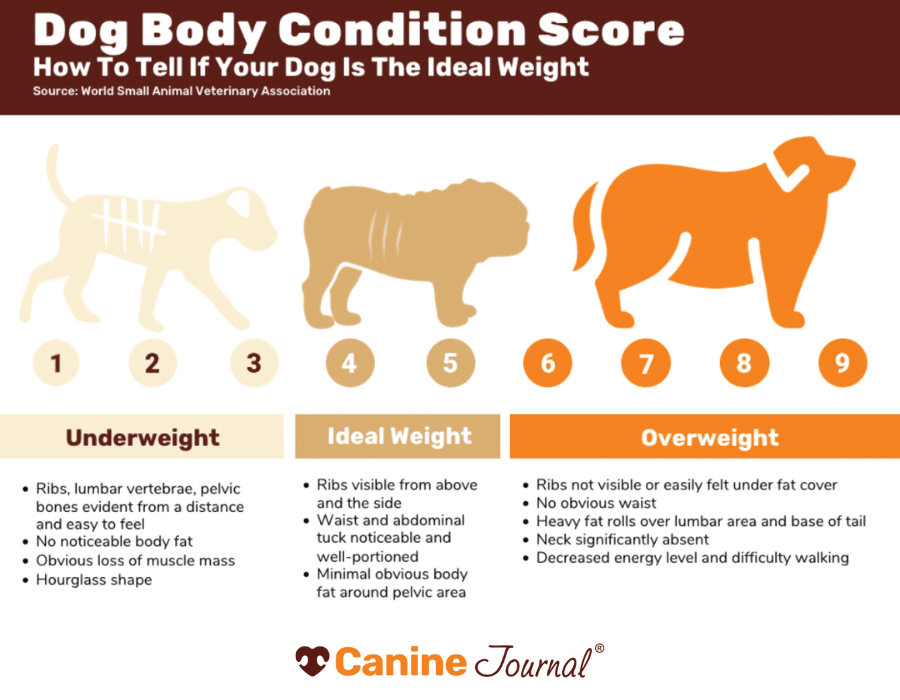
Even a few extra pounds can increase the risk of joint problems, diabetes, heart disease, and reduced mobility and energy levels. Measured meals, regular exercise, and limiting table scraps can help keep your dog at a healthy weight throughout life.
5. Consider Sterilization Timing Carefully
Spaying or neutering can provide important health and population-control benefits, but timing matters.
Research suggests that early sterilization may influence:
- Growth plate development
- Joint health in large breeds
- Certain cancer risks
For some dogs, especially large or giant breeds, veterinarians may recommend waiting until physical maturity before sterilization.
The ideal timing depends on factors such as breed, size, and sex. Your veterinarian can help determine the most appropriate timing for your dog.
Frequently Asked Question
Choosing a healthy dog involves more than just breed. Genetics, lifestyle, veterinary care, and responsible breeding practices all influence how long dogs live and how healthy they remain throughout life. These common questions can help clarify some of the biggest factors that affect canine longevity.
Don’t see your question? Respond in the comments, and we’ll get back to you!
Are Purebred Dogs Less Healthy Than Mixed Breeds?
Not necessarily. While mixed-breed dogs may benefit from greater genetic diversity, research shows that some well-bred purebred dogs can live just as long — or even longer — than crossbred dogs when responsible breeding and proper care are involved.
What Dog Breeds Tend To Live The Longest?
Small-to-medium breeds with balanced anatomy often live the longest. Terriers, spitz-type breeds, and small companion dogs frequently appear among the longest-living breeds in population studies.
Why Do Large Dog Breeds Usually Have Shorter Lifespans?
Large and giant dogs grow rapidly and carry more body mass, which places greater strain on the heart, joints, and metabolism. This accelerated aging process is one reason larger breeds tend to have shorter average lifespans than smaller dogs.
Does Skull Shape Affect Dog Health?
Yes. Dogs with extremely short muzzles (brachycephalic breeds) often experience breathing problems, heat intolerance, and other structural health challenges that can increase health risks across the population.
What Factors Have The Biggest Impact On A Dog’s Lifespan?
The most important influences on longevity include genetics, body size, diet, weight management, exercise, and preventative veterinary care. Dogs that maintain a healthy weight and receive regular medical care often live significantly longer.
Can Lifestyle Really Affect A Dog’s Health And Longevity?
Yes. Diet quality, exercise, mental stimulation, weight control, and preventative care can all influence how a dog’s body ages. Even dogs with strong genetic health can develop problems if lifestyle factors are neglected.
Your Dog’s Health Starts With The Right Care
While breed traits can influence longevity, every dog benefits from proactive health care and informed decision-making.
If you want to learn more about protecting your dog’s health, these guides can help:
- Best dog vitamins for overall wellness
- How to help your dog maintain a healthy weight
- Signs your dog may need veterinary care
By combining responsible breeding, preventative care, and healthy daily habits, you can give your dog the best possible chance at a long, happy life.