
When you purchase through links on our site, we may earn a commission. Here’s how it works.
Labradoodles have become one of the most popular family dogs thanks to their friendly personalities, high intelligence, and soft, curly coats. As a cross between a Labrador Retriever and a Poodle, they combine traits from two famously lovable breeds.
Table of Contents
But like any dog, Labradoodles can be prone to certain health issues. Because they inherit genetics from both parent breeds, some conditions appear more frequently in this mix. Understanding the most common Labradoodle health problems can help you recognize symptoms early and make better decisions about your dog’s care.

Planning Ahead For Vet Bills
Labradoodles are affectionate, energetic dogs that quickly become beloved family members. But like many popular breeds, they can be prone to several inherited health issues, which often involve repeat vet visits, testing, medications, or even surgery.
Planning ahead can make those situations much easier to manage. Pet insurance can help offset unexpected veterinary costs so you can focus on your dog’s care rather than the bill.
Learn more about the best pet insurance options for Labradoodles and request a free quote using the form below.

Wait, Aren’t Designer Dogs Healthier Than Purebreds?
Many people assume hybrid crossbreeds, like Labradoodles, are automatically healthier than purebred dogs. However, research from the Royal Veterinary College in the U.K. found that popular designer dogs—including Labradoodles, Cavapoos, and Cockapoos—showed similar overall health risks to their parent breeds when researchers analyzed 57 common canine health conditions.
10 Common Labradoodle Health Issues
Labradoodles are generally healthy dogs, but their mixed Labrador Retriever and Poodle genetics can still carry inherited health risks from either parent breed. Some of the most commonly reported issues in Labradoodles affect the joints, skin, ears, eyes, and digestive system.
Not every Labradoodle will experience these problems, but understanding the conditions the breed may be predisposed to can help owners recognize symptoms early and seek treatment before minor issues become more serious.
A Veterinarian’s Perspective On Labradoodle Health Problems
To better understand how these conditions manifest in real-world practice, I spoke with Dr. Rebecca MacMillan, BVetMed, BSAVA, PGCertSAM, MRCVS, a veterinarian and surgeon at a small-animal clinic in the United Kingdom.
“In my experience, these are generally healthy dogs, but being a crossbreed doesn’t guarantee protection against illness,” says Dr. MacMillan. “Genetics are complicated, and it is possible for Labradoodles to inherit health problems from both Poodles and Labradors.“
Based on Dr. MacMillan’s clinical experience and current veterinary research, this guide explores the 10 most common Labradoodle health issues, including symptoms to watch for, how each condition is diagnosed, and available treatment options.
1. Allergies & Skin Problems
Skin allergies are one of the most common health concerns in Labradoodles. Because they inherit genetics from both Labrador Retrievers and Poodles, many Labradoodles are prone to allergic skin disease that often requires long-term management.
Their dense, curly coats can also trap moisture and irritants close to the skin, potentially worsening inflammation and increasing the risk of secondary skin infections.

“Labradoodles are very prone to skin allergies,” explains Dr. MacMillan. “These can be triggered by food, parasites, or environmental allergens, such as pollen or house dust mites. Allergies aren’t curable, but they can usually be managed with medication and dietary adjustments.”
Labradoodles may also develop sebaceous adenitis, an inherited autoimmune skin disease most commonly associated with Standard Poodles. This condition damages the sebaceous (oil) glands that keep the skin and coat healthy, often leading to chronic skin and coat problems that require ongoing management.
Allergy Symptoms
Common signs of allergies and skin disease include:
- Persistent scratching, licking, or chewing
- Red or inflamed skin
- Flaky, greasy, or foul-smelling coat
- Small bumps, scabs, or pustules
- Patchy hair loss
- Swelling around the face, lips, or paws
Diagnosis & Treatment
Diagnosing allergies often requires a step-by-step approach. Veterinarians may use elimination diet trials, blood or skin testing, and environmental adjustments to identify triggers.
Treatment varies depending on the cause but may include prescription diets, allergy medications, medicated shampoos, or long-term management plans. Because many dogs require ongoing treatment, costs can increase over time.
Consider An At-Home Dog Allergy Test
At-home allergy tests may help identify possible food sensitivities or environmental triggers. While they don’t replace veterinary diagnostics, sharing the results with your vet may help guide further testing and treatment.
2. Recurring Ear Infections
Ear infections are another issue veterinarians commonly see in Labradoodles. Their ear shape and coat characteristics can make the ear canal more prone to moisture buildup.
“I see plenty of Labradoodles at my practice with ear infections,” says Dr. MacMillan. “These can be related to underlying allergies, but their floppy ears, dense ear fur, and natural love of water can also make infections more likely.”
If left untreated, ear infections can become extremely painful and may lead to chronic inflammation, thickened ear canals, hearing loss, or permanent ear damage. Repeated infections can also make future flare-ups harder to treat.
Ear Infection Symptoms
Common signs of an ear infection include:
- Scratching the ears or the surrounding area
- Redness or swelling in the ear canal
- Strong ear odor
- Yellow, brown, or bloody discharge
- Hair loss around the ear
- Scabs or crusting near the ear flap
- Rubbing the ear against the floor or furniture
Diagnosis & Treatment
Ear infections require veterinary diagnosis. Your veterinarian will examine the ear canal and typically test a sample of ear debris to determine whether yeast, bacteria, or both are causing the infection.
Treatment usually includes thorough ear cleaning along with topical or oral medications such as antifungals, antibiotics, or anti-inflammatory drugs.
Because Labradoodles can be prone to recurring infections, especially when allergies are involved, follow-up exams and ongoing ear care are often necessary to prevent future problems.
3. Hip & Elbow Dysplasia
Hip dysplasia and elbow dysplasia are developmental joint disorders that can affect Labradoodles. Because both Labs and Poodles can carry genes linked to these conditions, Labradoodles may inherit a predisposition from either parent breed.
Hip dysplasia occurs when the hip joint doesn’t fit properly into the socket. Over time, this abnormal movement can lead to joint instability, cartilage damage, and arthritis.
Elbow dysplasia develops when the bones of the elbow joint don’t align correctly during growth, which can cause pain, stiffness, and lameness.
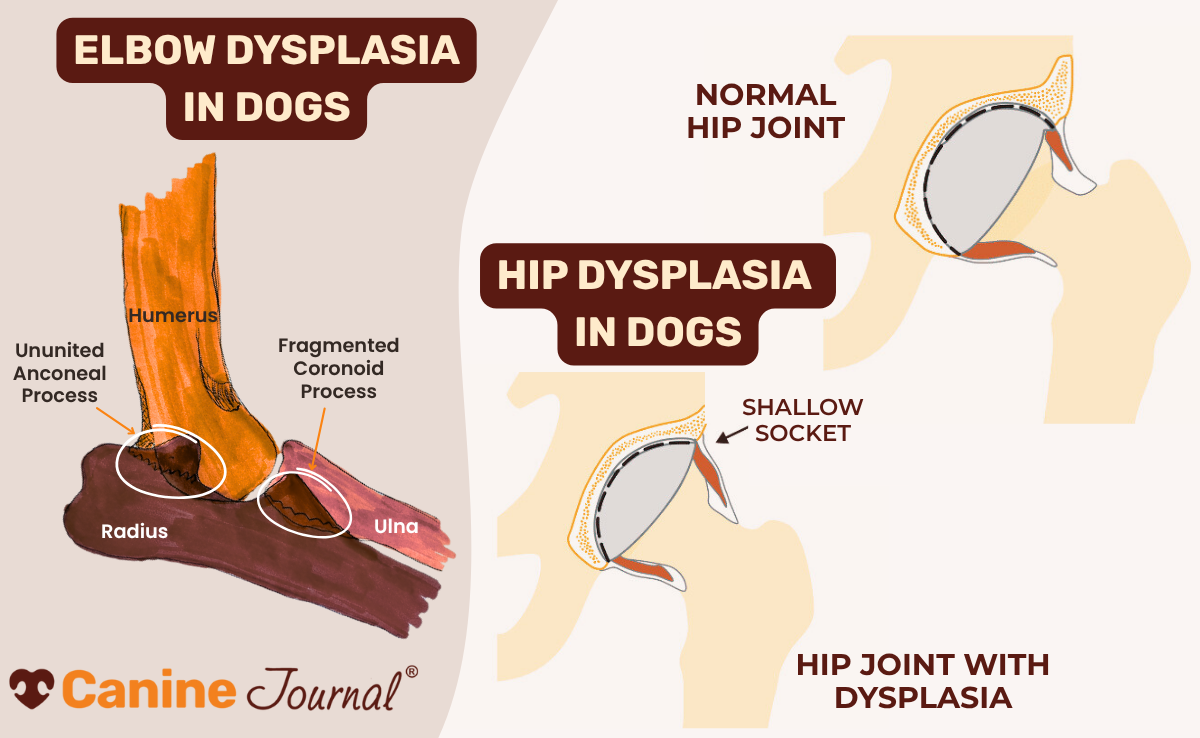
Both conditions can worsen as a dog ages, particularly if excess weight or high-impact activity puts additional stress on the joints.
Hip & Elbow Dysplasia Symptoms
Common signs of hip or elbow dysplasia include:
- Difficulty standing up
- Unusual or stiff gait
- Lameness in one or more legs
- Struggling to climb stairs
- Reduced activity or exercise intolerance
- Muscle loss around the affected joints
Diagnosis & Treatment
Diagnosing dysplasia typically involves a physical examination and imaging, most often X-rays, to evaluate the joint’s structure and determine the severity of the condition.
Treatment depends on how advanced the disease is.
- Mild cases can often be managed with weight control, joint supplements, anti-inflammatory medications, and physical therapy.
- More severe cases may require surgical intervention, such as corrective joint procedures.
Prevention Tip
If you’re choosing a Labradoodle puppy, look for reputable breeders who screen their breeding dogs for hip dysplasia through organizations like OFA or PennHIP.
Maintaining a healthy weight, providing low-impact exercise, and supporting joint health early can also help reduce stress on developing joints.
4. Cranial Cruciate Ligament Tears
Cranial cruciate ligament (CCL) tears are a fairly common orthopedic injury in active dogs, including many Labradoodles. The cranial cruciate ligament stabilizes the knee joint and helps keep the leg bones aligned during movement.

When this ligament stretches or tears, the knee becomes unstable and painful. Injuries often occur during running, jumping, or sudden changes in direction, especially in energetic dogs that place significant stress on their joints.
Maintaining a healthy body weight and supporting strong muscle development can help reduce strain on the knees. However, some dogs may still develop ligament injuries due to genetics or joint structure.
CCL Rupture Symptoms
Common signs of a CCL tear include:
- Limping or sudden lameness
- Difficulty bearing weight on the affected leg
- Swelling around the knee joint
- Stiffness after rest
- Muscle loss in the affected leg
- Reduced activity or reluctance to exercise
Diagnosis & Treatment
Veterinarians typically diagnose CCL injuries through a physical examination of the knee joint, often followed by X-rays to evaluate joint damage and rule out other causes of lameness.
Treatment depends on the severity of the ligament injury. Mild cases may sometimes be managed with rest, anti-inflammatory medication, and physical therapy. However, complete tears often require surgery to stabilize the joint.
After surgery, structured rehabilitation and controlled activity are essential to support healing and help the dog regain normal mobility.
5. Gastric Dilatation Volvulus (Bloat)
Gastric dilatation-volvulus (GDV), commonly called canine bloat, is a life-threatening emergency that can affect large, deep-chested dogs, including some Labradoodles. The condition occurs when the stomach fills with gas and then twists, cutting off blood flow and trapping the contents inside.
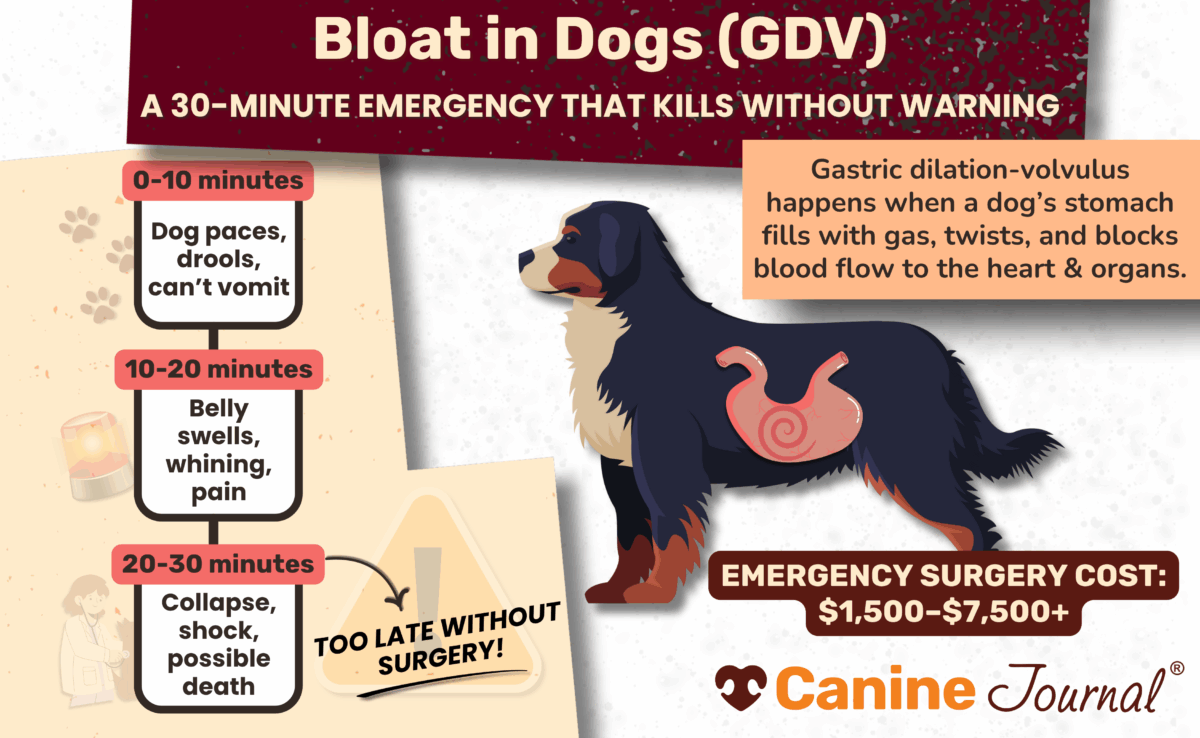
Because Labradoodles may inherit the deep chest structure of Standard Poodles and Labradors, they can be at increased risk compared with smaller or narrower-bodied breeds. GDV can develop very quickly and requires immediate veterinary care.
While the exact cause isn’t always clear, factors such as eating too quickly, exercising right after meals, stress, or large meals may increase risk. Even with treatment, GDV can be fatal if not addressed rapidly.
It is often triggered by dogs eating or drinking too fast. Anywhere from 15 to 30% of dogs do not survive canine bloat.
Bloat Symptoms
Signs of GDV can appear suddenly and may include:
- Distended or hard abdomen
- Unproductive retching or dry heaving
- Restlessness or pacing
- Pale gums
- Excessive drooling
- Collapse or signs of shock
Diagnosis & Treatment
Veterinarians typically confirm GDV through a physical examination and abdominal X-rays, which reveal gas buildup and possible stomach torsion. Blood tests may also be used to evaluate shock and organ function.
Treatment depends on the severity of the condition. In early stages, veterinarians may attempt gas decompression, IV fluids, and stabilization. However, if the stomach has twisted, emergency surgery is required to untwist it and secure it in place — a procedure called gastropexy.
Survival rates improve significantly when treatment is provided quickly, which is why rapid veterinary care is critical.
Prevention Tip
While GDV cannot always be prevented, some steps may help reduce risk.
- Feed smaller meals throughout the day.
- Use a slow-feeder bowl.
- Discourage rapid eating.
- Avoid vigorous exercise immediately before and after meals.
6. Addison’s Disease
Addison’s disease (hypoadrenocorticism) is a hormonal disorder in which the adrenal glands fail to produce enough cortisol and aldosterone, two hormones that regulate stress response, electrolyte balance, and blood pressure.
The condition is most commonly associated with Standard Poodles, which means some Labradoodles may inherit a genetic predisposition.
In many dogs, Addison’s disease develops when the immune system mistakenly attacks the adrenal glands, gradually damaging their ability to produce hormones. Less commonly, it can occur due to infection, trauma, or certain cancers affecting the adrenal glands.
Although the disease can develop slowly, severe cases may lead to an Addisonian crisis, a medical emergency that requires immediate veterinary treatment.
Addison’s Disease Symptoms
Symptoms can be vague and may come and go, which sometimes makes the condition difficult to recognize early. Common signs include:
- Fatigue or muscle weakness
- Vomiting or diarrhea
- Increased thirst and urination
- Loss of appetite or weight
- Shaking or trembling
- Dehydration or collapse in severe cases
Diagnosis & Treatment
Veterinarians usually begin diagnosis with blood tests that check electrolyte levels, particularly low sodium and high potassium, which are common indicators of Addison’s disease. The diagnosis is typically confirmed using an ACTH stimulation test, which measures how well the adrenal glands respond to hormone signals.
Treatment depends on the severity of the condition.
- Mild or stable cases are usually managed with lifelong hormone replacement therapy, often involving daily oral steroids and periodic injections.
- If a dog develops an Addisonian crisis, emergency treatment may include IV fluids, corticosteroids, and hospitalization until electrolyte levels and blood pressure stabilize.
With consistent medication and regular veterinary monitoring, most dogs with Addison’s disease can live long, healthy lives.
7. Epilepsy
Epilepsy is a neurological disorder that causes recurrent seizures. The condition is often inherited and may appear in young adult dogs, typically between six months and six years of age.
Because Poodles have a known genetic predisposition to epilepsy, some Labradoodles may inherit an increased risk.

A seizure occurs when there is a sudden surge of abnormal electrical activity in the brain. Episodes can vary widely in severity.
Some dogs may briefly appear dazed or unresponsive, while others experience full-body convulsions that can last anywhere from 30 seconds to a few minutes.
Seizure Symptoms
Signs of a seizure episode may include:
- Shaking
- Tremors
- Convulsions
- Muscle spasms
- Temporary loss of awareness or responsiveness
Diagnosis & Treatment
Diagnosing epilepsy usually involves ruling out other potential causes of seizures. Veterinarians may perform blood tests, neurological exams, and sometimes advanced imaging such as MRI scans to look for underlying conditions affecting the brain.
Although epilepsy cannot be cured, it can often be managed successfully with anti-seizure medications prescribed by a veterinarian. Regular monitoring and medication adjustments can help reduce seizure frequency and severity, improving the dog’s overall quality of life.
8. Multiple Eye Disorders
Labradoodles can inherit several genetic eye conditions from their Labrador Retriever and Poodle parent breeds. Some disorders primarily affect vision, while others cause pain, inflammation, or structural damage to the eye if left untreated.
Because dogs often hide signs of discomfort, eye problems may be more advanced by the time owners notice symptoms. Early recognition and prompt veterinary care are important for protecting both comfort and long-term vision.
Common Eye Disorders in Labradoodles
Some of the eye conditions more commonly seen in Labradoodles include:
- Cataracts: Clouding of the eye’s lens that gradually reduces vision and may eventually lead to blindness. Surgery is typically the only effective treatment once vision becomes significantly impaired.
- Glaucoma: A condition involving increased pressure inside the eye, which can cause severe pain and may lead to rapid, irreversible vision loss without immediate treatment.
- Progressive retinal atrophy (PRA): An inherited degenerative disease that slowly damages the retina, leading to gradual and permanent vision loss over time. Currently, there is no cure for PRA.
Symptoms
Many eye conditions share similar warning signs, including:
- Squinting or excessive blinking
- Redness, inflammation, or cloudiness
- Sensitivity to light
- Yellow or green discharge
- Pawing at the face or rubbing the eyes
Diagnosis & Treatment
Eye problems should always be treated as time-sensitive medical issues. Veterinarians diagnose eye disorders using comprehensive eye exams, which may include tear production tests, corneal staining, and measurements of intraocular pressure to evaluate the health of the eye.
Treatment depends on the specific condition and severity. Options may include prescription eye drops, lubricants, antibiotics, anti-inflammatory medications, or surgery.
In many cases, early diagnosis greatly improves the chances of preserving vision and preventing long-term damage.
9. Cancer
Cancer is one of the more serious health concerns seen in Labradoodles, particularly as dogs reach middle age and beyond. Because Labradoodles inherit genetics from both Labrador Retrievers and Poodles, they may also inherit some of the cancer risks associated with those breeds.
For example, Labrador Retrievers have the fifth-highest cancer rates among popular breeds, according to a Nationwide Insurance study. Both Labradors and Poodles are also known to develop several types of tumors that can appear in Labradoodle mixes.
Some cancers more commonly diagnosed in Labradoodles include:
- Lymphoma, which affects the lymphatic system
- Mast cell tumors, a common type of skin cancer
- Hemangiosarcoma, an aggressive cancer affecting blood vessels
- Osteosarcoma, a bone cancer that can cause severe pain and lameness
Veterinarians may sometimes discover cancer during exams for what initially appears to be a minor issue. Dr. MacMillan recalls one such case:
I once treated a sweet older female Labradoodle who came in with a swollen dew claw. It didn’t respond to conservative treatment, which made me suspicious that something more serious might be going on.
I removed the affected digit and sent it for analysis, which confirmed a malignant melanoma, a cancer more commonly seen in larger dogs with darker coats.
Thankfully, there was no evidence the cancer had spread, and she recovered very well after surgery.
Cancer can develop quietly in the early stages, which is why routine veterinary exams and early evaluation of unusual lumps, swelling, or persistent sores are so important.
Possible Warning Signs of Cancer
Symptoms vary depending on the type and location of the cancer, but may include:
- New or growing lumps or swellings
- Changes in appetite, thirst, or weight
- Persistent digestive problems
- Difficulty urinating or defecating
- Lethargy or reduced stamina
- Non-healing sores or unexplained bleeding
Diagnosis & Treatment
Veterinarians diagnose cancer through a combination of physical exams, imaging tests, blood work, and biopsy or tissue sampling. Identifying the specific cancer type helps determine the most appropriate treatment plan.
Treatment may involve surgery, chemotherapy, radiation therapy, or palliative care, depending on the cancer type, stage, and the dog’s overall health.
While not all cancers can be cured, early detection can significantly improve treatment options, comfort, and quality of life. In some cases, supportive care focused on comfort may be the most compassionate approach.
10. Heart Disease
Heart disease can affect Labradoodles, particularly as they reach middle age and their senior years. Because Labradoodles inherit genetics from both Labrador Retrievers and Poodles, they may also inherit some of the cardiac risks seen in those breeds.
Heart disease may develop due to degeneration of the heart valves, irregular heart rhythms (arrhythmias), or conditions such as dilated cardiomyopathy (DCM).
Over time, these problems can interfere with the heart’s ability to pump blood efficiently throughout the body, potentially leading to heart enlargement or congestive heart failure if left untreated.
Heart Disease Symptoms
Symptoms of heart disease may develop slowly and can include:
- Persistent coughing
- Labored or rapid breathing
- Fatigue or reduced stamina
- Decreased tolerance for exercise
- Weight loss or muscle wasting
- Blue or gray gums
- Collapse or fainting episodes
Because early symptoms can be subtle, routine veterinary exams and cardiac screening become increasingly important as dogs age.
Diagnosis & Treatment
Veterinarians typically diagnose heart disease using echocardiography (heart ultrasound) to evaluate the heart’s structure and function. Chest X-rays may also be used to assess heart size and detect fluid buildup in the lungs.
Treatment depends on the type and stage of heart disease. Some dogs require monitoring only in early stages, while more advanced disease may be managed with medications such as pimobendan, diuretics, or other heart-supporting drugs.
Although most heart conditions cannot be cured, early diagnosis and proper treatment can slow disease progression and improve quality of life.
Other Labradoodle Health Concerns
While the conditions above are among the most common health issues in Labradoodles, this breed may also develop other medical problems throughout life. Some are inherited from Labrador Retrievers or Poodles, while others are influenced by diet, activity level, or aging.

- Obesity: Labradoodles are often highly food-motivated, which can lead to weight gain if portions and exercise aren’t carefully managed.
- Digestive problems: Food sensitivities, allergies, or inflammatory bowel disease (IBD) can cause chronic digestive upset.
- Patellar luxation: A condition where the kneecap slips out of place, causing intermittent lameness.
- Hypothyroidism: A hormonal disorder that can lead to weight gain, lethargy, and skin problems.
- Von Willebrand’s disease: An inherited blood-clotting disorder that can cause excessive bleeding after injury or surgery.
- Exercise-induced collapse (EIC): A genetic condition that can cause weakness or collapse after intense activity.
- Periodontal disease: Dental disease is common in dogs and can lead to pain, tooth loss, and systemic infection if untreated.
- Intervertebral disc disease (IVDD): A spinal condition that can cause back pain, nerve damage, or mobility problems.
Average Costs For Several Labradoodle Health Problems
Treatment costs for common Labradoodle health issues can vary widely depending on the severity of the condition, geographic location, and treatment required.
The estimates below are based on pet insurance claims data from providers such as Embrace and Fetch, which track real veterinary expenses reported by policyholders.
Average treatment cost ranges may include:
- Hip dysplasia: $1,500–$6,000
- Elbow dysplasia: $1,500–$4,000
- CCL tear: $6,000 to $7,500
- Epilepsy: $3,000 – $5,000
- Ear infection: $400–$600
- Eye inflammation: $300–$500
These figures represent typical ranges rather than exact costs, and complex cases requiring surgery, hospitalization, or long-term care can be significantly more expensive.
Frequently Asked Questions
Here are some of the most common questions readers ask about Labradoodle health. If you don’t see your question answered here, feel free to ask in the comments.

What’s The Average Labradoodle Lifespan?
Labradoodles typically live 12 to 15 years. Smaller varieties such as Mini Labradoodles often live a bit longer, sometimes reaching their late teens.
Genetics, preventive veterinary care, nutrition, exercise, and early detection of health issues all play important roles in a dog’s lifespan.
What Do Most Labradoodles Die From?
The most common causes of death in Labradoodles include cancer (such as lymphoma), gastric dilatation-volvulus (bloat), and heart disease, including conditions like dilated cardiomyopathy.
Why Are Labradoodles Predisposed To So Many Health Issues?
Like many mixed breeds, Labradoodles can inherit health risks from both parent breeds—Labrador Retrievers and Poodles. Certain traits, such as large body size, deep chest structure, and high energy levels, may also contribute to conditions like joint injuries or bloat.
In addition, the rapid popularity of Labradoodles has led to some irresponsible breeding practices. Dogs bred without proper health screening may be more likely to develop inherited conditions.
Are Labradoodles High-Maintenance Dogs Health-Wise?
Labradoodles can be moderately high maintenance when it comes to health care. Many require ongoing management for allergies, ear infections, skin issues, or joint concerns.
Routine grooming, regular veterinary exams, and early treatment of minor health issues can help prevent more serious complications later.
Can You Prevent Health Problems In Labradoodles?
Not all health issues can be prevented, but early detection and consistent preventive care can make a significant difference.
Maintaining a healthy weight, managing allergies, keeping ears clean and dry, feeding a balanced diet, and scheduling regular veterinary visits can help reduce the severity or frequency of many common conditions.
What’s The Best Diet For Labradoodles?
A high-quality, well-balanced diet plays an important role in supporting a Labradoodle’s long-term health. Proper nutrition can help manage concerns such as skin allergies, weight gain, joint stress, and immune health while supporting energy levels and overall vitality.
You can explore our recommendations in our guide to the best dog food for Labradoodles, along with these helpful resources:
Have you had a Labradoodle with one of these health conditions? Share your experience in the comments — your story may help another owner navigating the same situation.