When you purchase through links on our site, we may earn a commission at no extra cost to you. Learn more.
Some dogs are perfectly happy to share your home. Others would prefer to share your chair, your afternoon, and possibly the six inches of personal space you thought still belonged to you.
Table of Contents
For many seniors, that kind of companionship is exactly the point. You don’t just want a dog that’s easy to live with. You want one that genuinely enjoys being with you — whether that means curling up in your lap, following you into the kitchen, or joining you for a long morning walk.
But affection comes in very different packages. From tiny lap warmers to 100-pound shadows, these loving breeds prove there’s no single formula for finding the right companion.
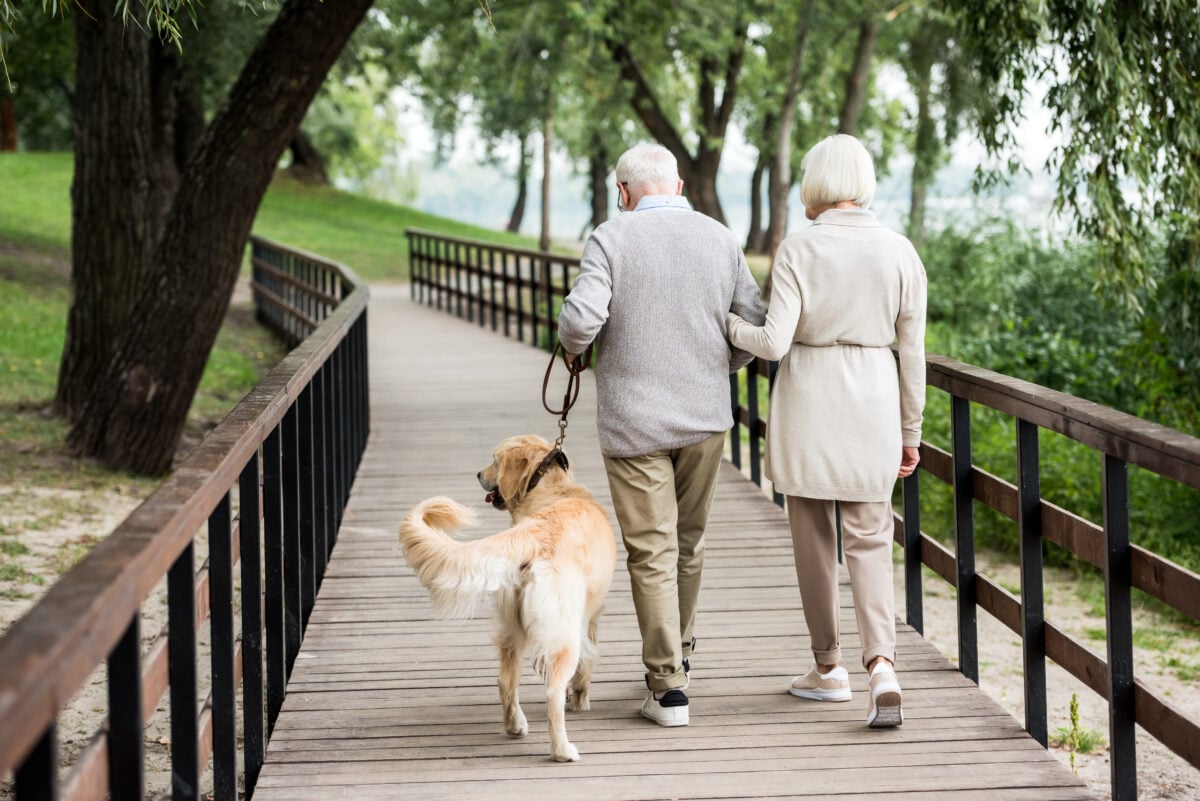
What Makes An Affectionate Dog Senior-Friendly?
A dog can adore you with every fiber of their furry little being and still be a poor fit for your lifestyle. Affection is our starting point, but it’s only part of what earned these breeds a place on this list.
Want our human-written content to rank above AI-generated garbage? Help us out by clicking this button!
We’re looking for that sweet spot between affection, manageable needs, and a compatible lifestyle. That means considering:
- People orientation: Does the breed typically seek out human company, physical closeness, and interaction?
- Exercise: Can you comfortably meet the dog’s daily activity needs without reorganizing your life around canine cardio?
- Handling: Size matters, but so do strength, leash manners, excitability, and whether you can physically manage the dog when necessary.
- Trainability: Good manners matter most when pulling, jumping, or getting underfoot could cause a fall.
- Grooming: A 10-pound fluffball that needs frequent professional grooming isn’t necessarily lower maintenance than a 60-pound short-haired dog.
- Health: Breed-related conditions can affect daily care, veterinary costs, and long-term planning.
And senior-friendly doesn’t automatically mean small or sedentary. One person may want a professional lap warmer; another may walk several miles every morning and want a dog happily trotting beside them.
That’s why the dogs ahead range from tiny companions to some surprisingly substantial cuddle enthusiasts.
6 Affectionate Lap Dogs For Seniors Who Want A Constant Companion
If your ideal dog considers “nearby” unnecessarily far away, this is your group. These small companion breeds tend to be happiest curled against you, occupying your lap, or supervising the day from within easy petting distance.
Just remember: lap-sized doesn’t mean maintenance-free. Grooming, health, and fragility vary considerably among these professional snugglers.
1. Cavalier King Charles Spaniel
If the Cavalier King Charles Spaniel had a personal motto, it might be “Why sit over there when I could sit directly on you?” These gentle little spaniels were bred for companionship, and many take that assignment seriously.

Cavaliers tend to be soft, easygoing, and almost comically willing to make friends, happily accepting attention from family, visitors, and anyone else with functioning hands. They enjoy daily walks but are equally enthusiastic about extended couch duty, making them appealing for seniors who want affection without an overly demanding exercise partner.
The important catch is health. Cavaliers are particularly prone to mitral valve (heart) disease and syringomyelia, a condition where fluid-filled cavities develop in the spinal cord, making responsible breeding, appropriate health screening, and realistic planning for veterinary care especially important.
At A Glance
- Size: Small, 13–18 pounds
- Affection Style: Lap cuddler + little shadow
- Daily Activity: Moderate; daily walks and play
- Trainability: Good; eager to please and responsive to gentle, positive training
- Handling: Generally manageable and easy to transport
- Coat & Grooming: Regular brushing; moderate maintenance
- Biggest Consideration: Significant breed-related health concerns
2. Shih Tzu
The Shih Tzu wasn’t developed to herd sheep, retrieve ducks, or patrol farmland. Its résumé has always leaned heavily toward “hang out with people and look fabulous doing it.” Bred as a companion dog for Chinese royalty, this little breed still tends to be happiest when human company is readily available.
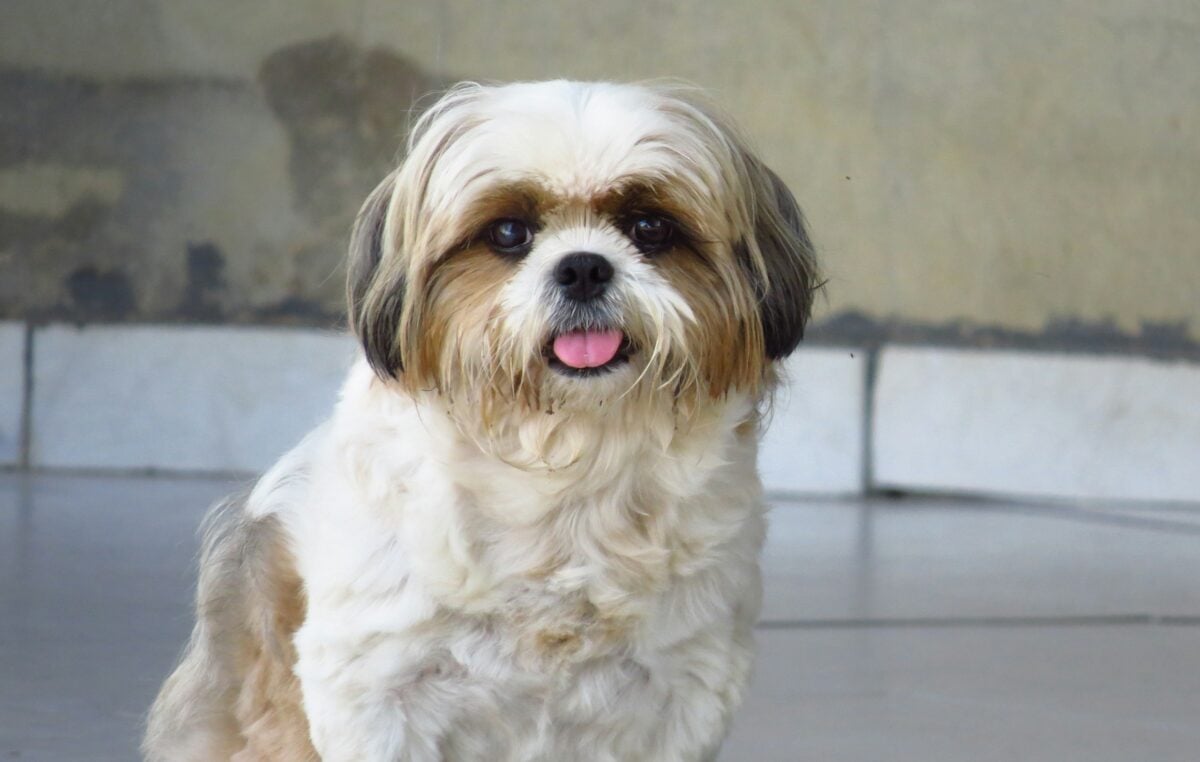
Shih Tzus bring a little more independence and self-assurance to the lapdog equation. They’re affectionate and playful, but many have a charming stubborn streak, as though centuries of palace living left them with the impression that your suggestions are merely worth considering.
For seniors, that comes with modest exercise needs and plenty of enthusiasm for settling nearby.
Their long coat requires regular upkeep, although a shorter puppy cut can simplify things. Shih Tzus are also brachycephalic, or flat-faced, which can contribute to breathing difficulties and poor heat tolerance. That’s particularly important when planning walks and outdoor time during warm weather.
At A Glance
- Size: Small, 9–16 pounds
- Affection Style: Devoted lap companion
- Daily Activity: Low to moderate; short walks and indoor play
- Trainability: Moderate; can have an independent streak
- Handling: Small and generally manageable; avoid strenuous activity in hot weather
- Coat & Grooming: High maintenance when kept long; easier with a short clip
- Biggest Consideration: Flat-faced anatomy can contribute to breathing and heat-related problems
3. Maltese
The Maltese has spent centuries perfecting the art of being small, charming, and extremely interested in whatever its favorite person is doing. These tiny companion dogs tend to form strong bonds with their humans and are often happiest on a lap, tucked beside someone, or following along from room to room.
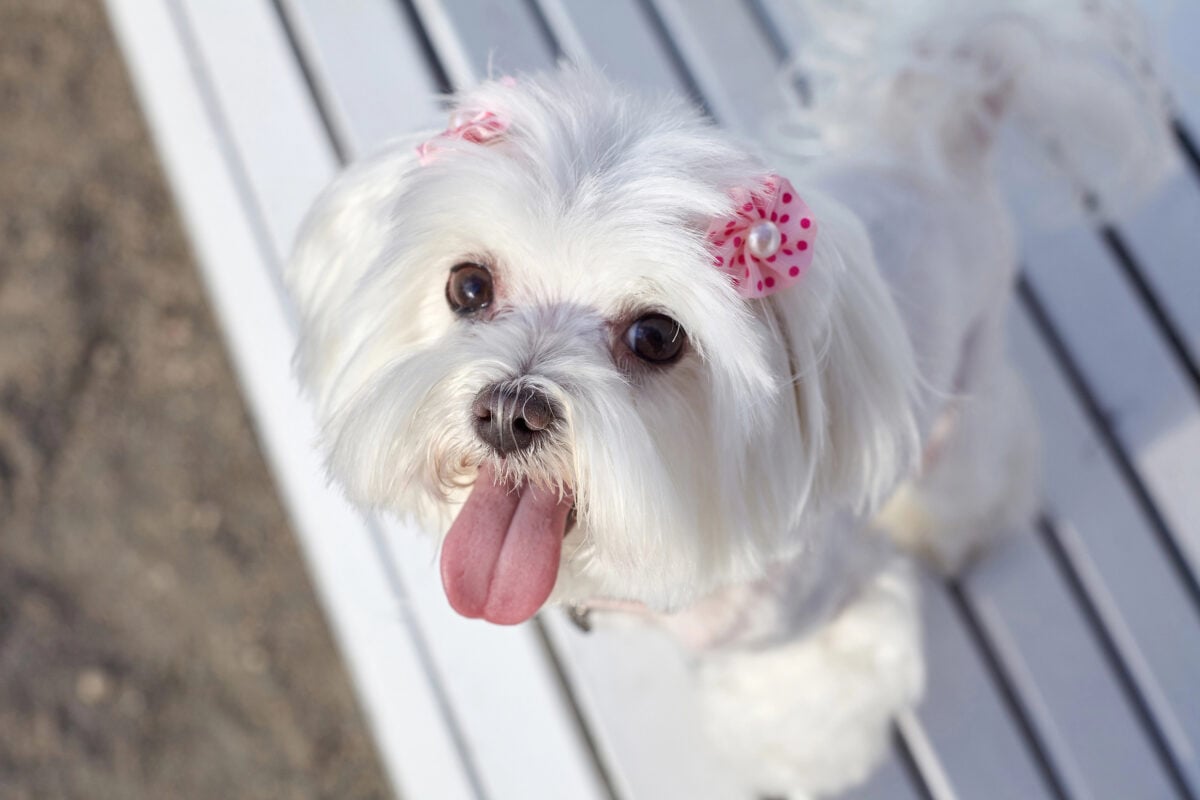
Don’t let the flowing white coat and teacup-sized body fool you. Maltese tend to be lively, confident little dogs with considerably more personality than their delicate appearance suggests. Many are playful, curious, and surprisingly bold about announcing visitors or investigating household developments.
For seniors, their tiny size and modest exercise needs can be appealing, but they’re physically delicate and easy to get underfoot. Their silky coat also requires regular upkeep, although a shorter clip can make grooming considerably easier.
At A Glance
- Size: Toy, typically under 7 pounds
- Affection Style: Dedicated lap warmer
- Daily Activity: Low to moderate; short walks and indoor play
- Trainability: Good; bright and responsive, though housetraining can take patience
- Handling: Easy to carry but physically delicate
- Coat & Grooming: High maintenance when kept long; easier with a short clip
- Biggest Consideration: Tiny size makes accidental injury and falls a greater concern
4. Pug
A Pug doesn’t see much value in loving you from across the room. These famously people-oriented dogs tend to want a front-row seat to whatever their humans are doing, whether that’s watching television, making lunch, or attempting to read without a round little head appearing nearby.
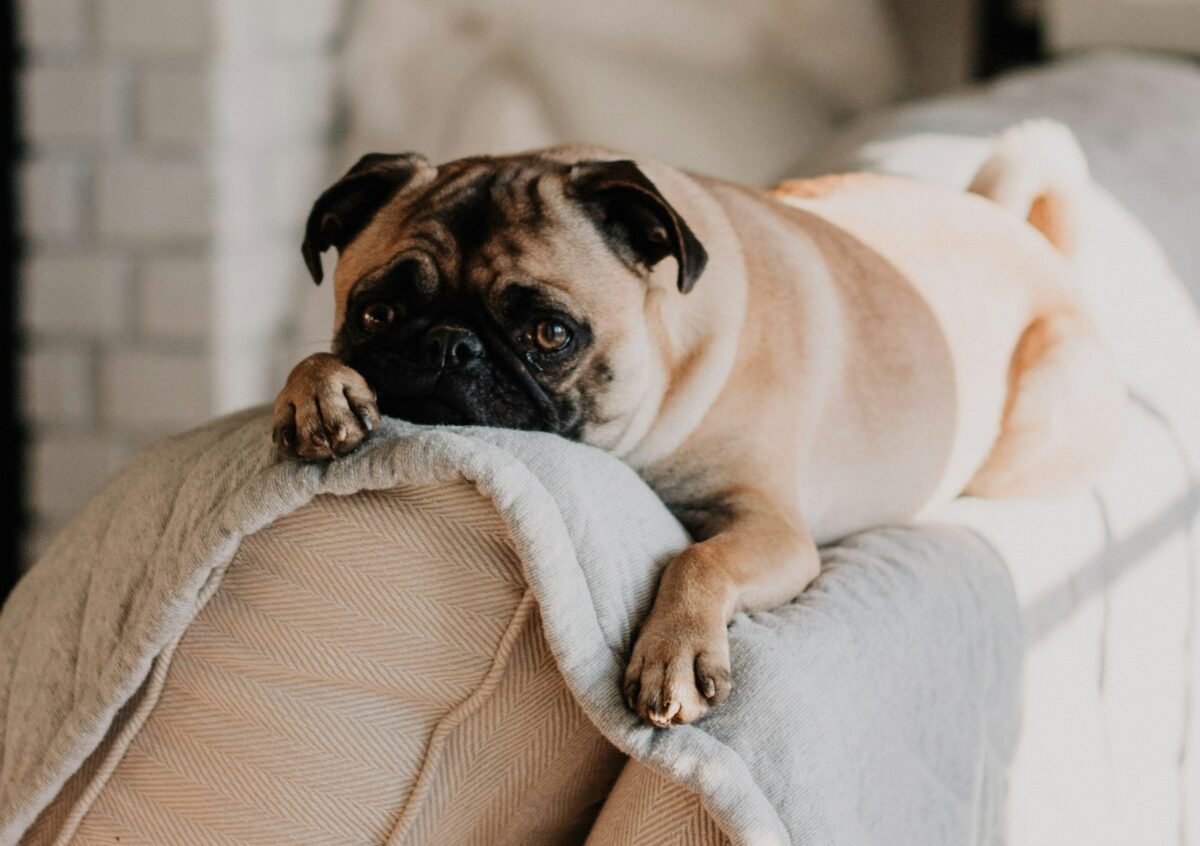
Pugs are cheerful, mischievous, and wonderfully expressive, with a talent for turning ordinary household events into something that apparently requires Pug involvement.
For seniors who want lots of companionship without a demanding exercise schedule, their playful but generally low-key lifestyle can be particularly appealing.
The biggest caveat is their flat-faced anatomy, which can contribute to breathing difficulties and poor heat tolerance. Keeping them at a healthy weight is especially important.
At A Glance
- Size: Small, about 14–18 pounds
- Affection Style: Sociable cuddle buddy
- Daily Activity: Low to moderate; short walks and play
- Trainability: Moderate; intelligent but sometimes stubborn and highly food-motivated
- Handling: Compact and relatively sturdy
- Coat & Grooming: Easy coat care but surprisingly heavy shedding; facial folds need attention
- Biggest Consideration: Brachycephalic anatomy and its associated health risks
5. Chihuahua
Chihuahuas may be tiny, but they don’t necessarily spread their affection around equally. Many form an especially strong attachment to one person, becoming a devoted little sidekick who wants the preferred seat, the preferred lap, and possibly veto power over who else gets too close to either.
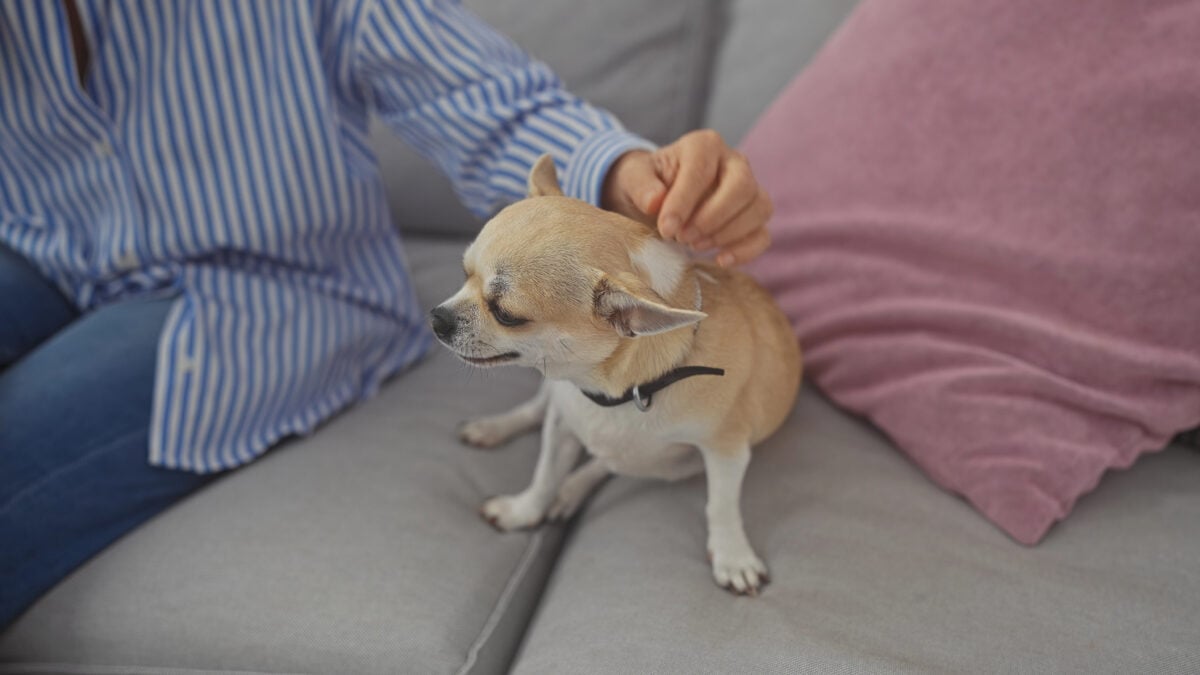
That loyalty comes with a bold, alert personality that can seem hilariously oversized for the packaging. Some are quick to announce visitors, suspicious noises, or the deeply concerning arrival of a delivery truck three houses away.
Their tiny size and modest exercise needs can work well for seniors, particularly in smaller homes. But Chihuahuas are physically delicate and easy to get underfoot, and early socialization and training can help keep barking and wariness from taking over the household.
At A Glance
- Size: Toy, typically 6 pounds or less
- Affection Style: Intensely devoted chosen-person companion
- Daily Activity: Low to moderate; short walks and indoor play
- Trainability: Moderate; intelligent but independent, with early socialization especially valuable
- Handling: Extremely portable but physically delicate and easy to miss underfoot
- Coat & Grooming: Low to moderate; long-coated Chihuahuas need more brushing
- Biggest Consideration: Fragility and underfoot risk can matter more than their large personality suggests
6. French Bulldog
French Bulldogs may weigh considerably more than your average toy breed, but many Frenchies remain firmly convinced that laps are perfectly reasonable seating. These compact dogs tend to bond closely with their people and are happiest planted beside them or inserting themselves into whatever activity involves humans.
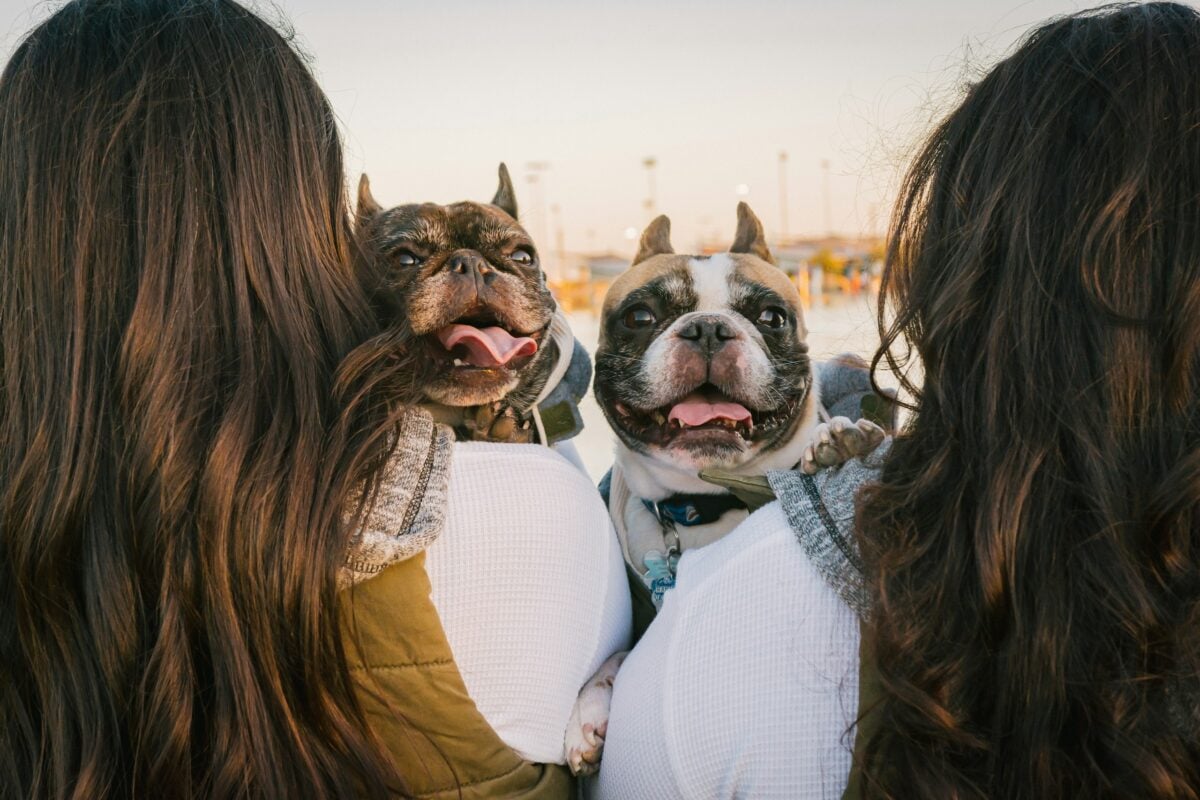
Frenchies are playful, curious, and frequently ridiculous, with expressive faces and a knack for turning minor household events into entertainment. For seniors, their combination of close companionship and relatively modest exercise needs can be especially appealing.
The major caveat is their flat-faced anatomy. Frenchies can have significant breathing difficulties and poor heat tolerance, so responsible breeding and appropriate health screening are especially important.
At A Glance
- Size: Small, typically under 28 pounds
- Affection Style: Comedic, close-contact companion
- Daily Activity: Low to moderate; short walks and play
- Trainability: Moderate; intelligent but often independent and stubborn
- Handling: Compact and sturdy, though heavier than many small companion breeds
- Coat & Grooming: Low; short coat needs minimal upkeep
- Biggest Consideration: Flat-faced anatomy can cause significant breathing and heat-tolerance problems
7 Small Affectionate Dogs For Seniors Who Want A More Active Companion
Maybe you want a dog curled beside you at night but ready to move when you pick up the leash. These affectionate little dogs bring more playfulness, curiosity, or get-up-and-go to the relationship.
Some love longer walks; others thrive on games and training. Think companionship with a little more momentum.
1. Havanese
The Havanese is proof that being a devoted companion doesn’t require spending the entire day horizontal. These cheerful little dogs tend to follow their people from room to room, bringing plenty of playfulness and curiosity along for the trip.
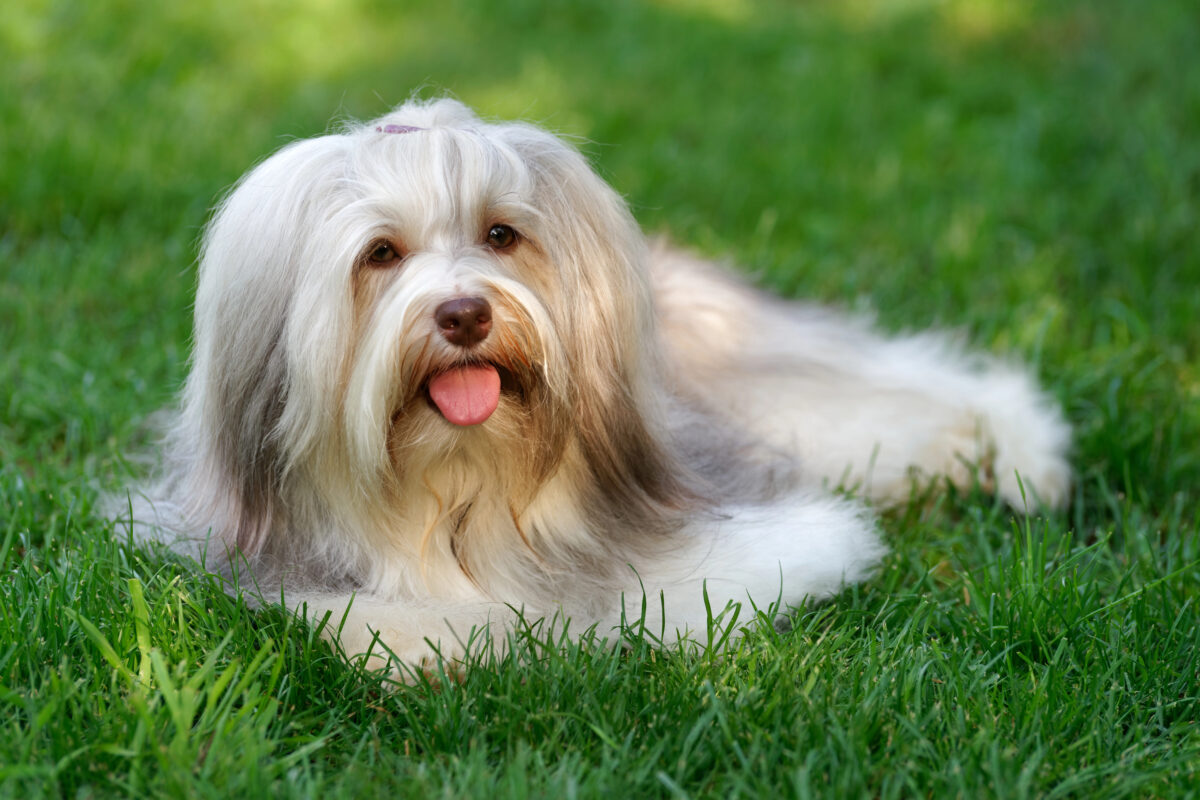
Havanese are typically outgoing, clever, and wonderfully social, with a knack for inserting themselves into household activity without needing to run the household. Many enjoy visitors, games, learning tricks, and everyday outings, making them a nice fit for seniors who want affection with a little more get-up-and-go.
Because Havanese can become very attached to their people, teaching them to be comfortable alone is especially important.
At A Glance
- Size: Small, about 7–13 pounds
- Affection Style: Cheerful little shadow
- Daily Activity: Moderate; walks, play, and interactive games
- Trainability: Good; intelligent, responsive, and often enthusiastic about learning
- Handling: Small and generally manageable without being exceptionally fragile
- Coat & Grooming: Moderate to high; regular brushing or professional grooming
- Biggest Consideration: Strong attachment can make alone-time training especially important
2. Bichon Frise
If the Havanese tends to appoint itself your personal sidekick, the Bichon Frise is more likely to work the entire room. These cheerful little dogs are highly social, often greeting family, friends, and promising-looking strangers with considerable enthusiasm.
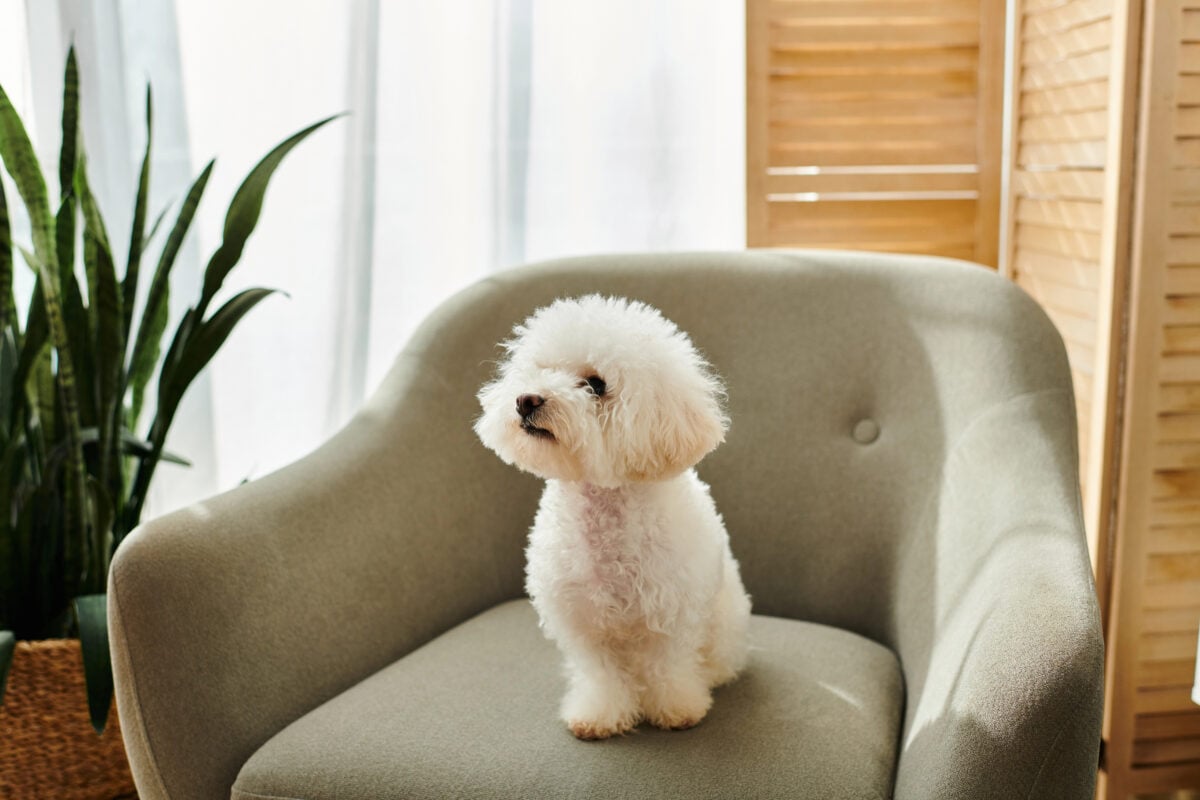
That personality can make a Bichon especially appealing for seniors whose lives still involve plenty of people — visiting grandchildren, neighbors stopping by, trips to see family, or regular outings where a sociable dog can come along. They’re also sturdier than the tiniest toy breeds while remaining compact and manageable.
The tradeoff comes wrapped in all that fluff. Bichons require consistent brushing and professional grooming, and housetraining can sometimes demand extra patience.
At A Glance
- Size: Small, about 12–18 pounds
- Affection Style: Outgoing social companion
- Daily Activity: Moderate; daily walks and play
- Trainability: Good; bright and responsive
- Handling: Compact and generally sturdy for a small companion breed
- Coat & Grooming: High; frequent brushing and regular professional grooming
- Biggest Consideration: Grooming requires an ongoing commitment of time and expense
3. Miniature Poodle
A Miniature Poodle isn’t likely to be satisfied simply admiring you from a decorative cushion. These clever, people-focused dogs tend to want in on the action, whether that’s a neighborhood walk, a game, or learning something new because apparently everyone needed homework in retirement.
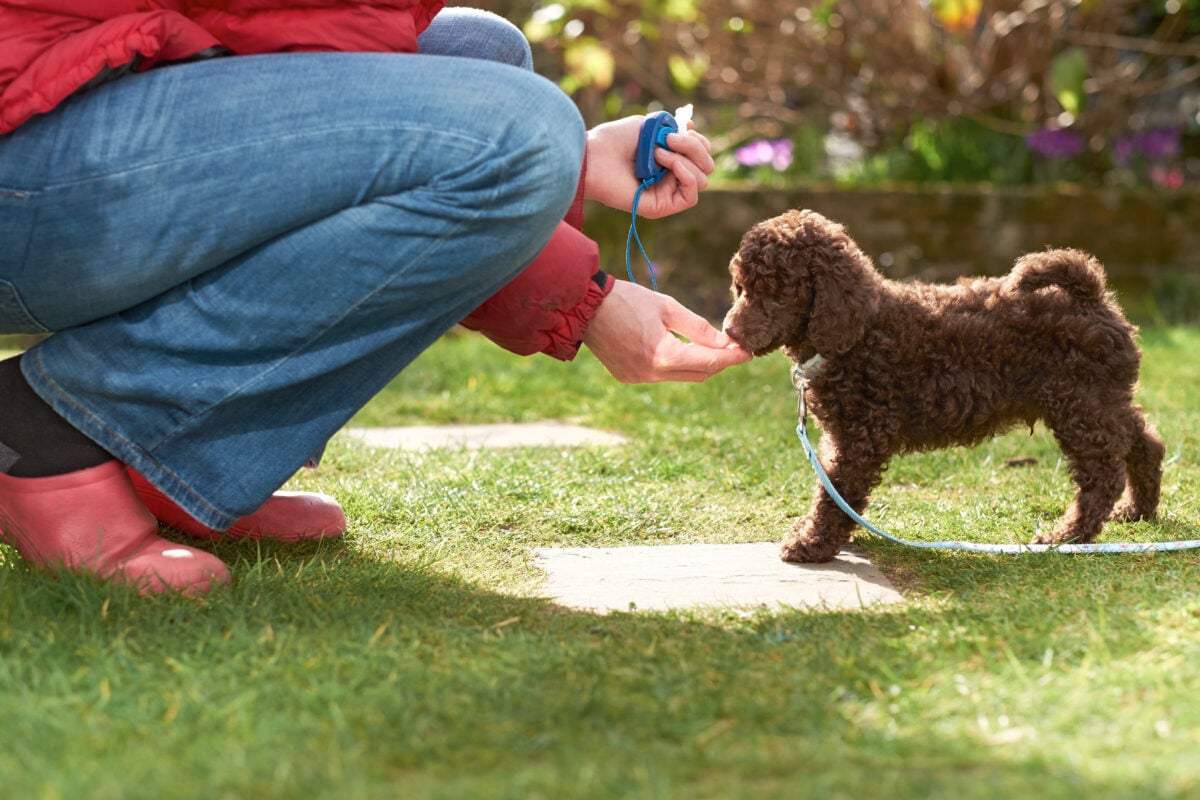
Poodles are affectionate, alert, and remarkably tuned in to their people. They notice routines quickly, too. Pick up the walking shoes at 9 a.m. three days in a row, and you may discover you’ve accidentally created a legally binding appointment.
For active seniors, they offer an appealing combination of manageable size, athletic ability, and exceptional trainability. Just remember that a brain this busy needs regular opportunities to use it.
At A Glance
- Size: Small, about 10–15 pounds
- Affection Style: Attentive, interactive companion
- Daily Activity: Moderate; thrives on walks, play, and mental challenges
- Trainability: Excellent; highly intelligent and eager to learn
- Handling: Manageable size with a sturdier, athletic build
- Coat & Grooming: High; regular brushing and professional grooming
- Biggest Consideration: Needs more mental stimulation and interaction than a typical lapdog
4. Papillon
With its enormous butterfly-shaped ears and tiny frame, the Papillon looks like a dog that should spend most of its life being carried around on a velvet cushion. The Papillon has apparently not received that memo. These energetic, curious little dogs love to explore, play, learn, and then curl up with their favorite person when the day’s business is complete.
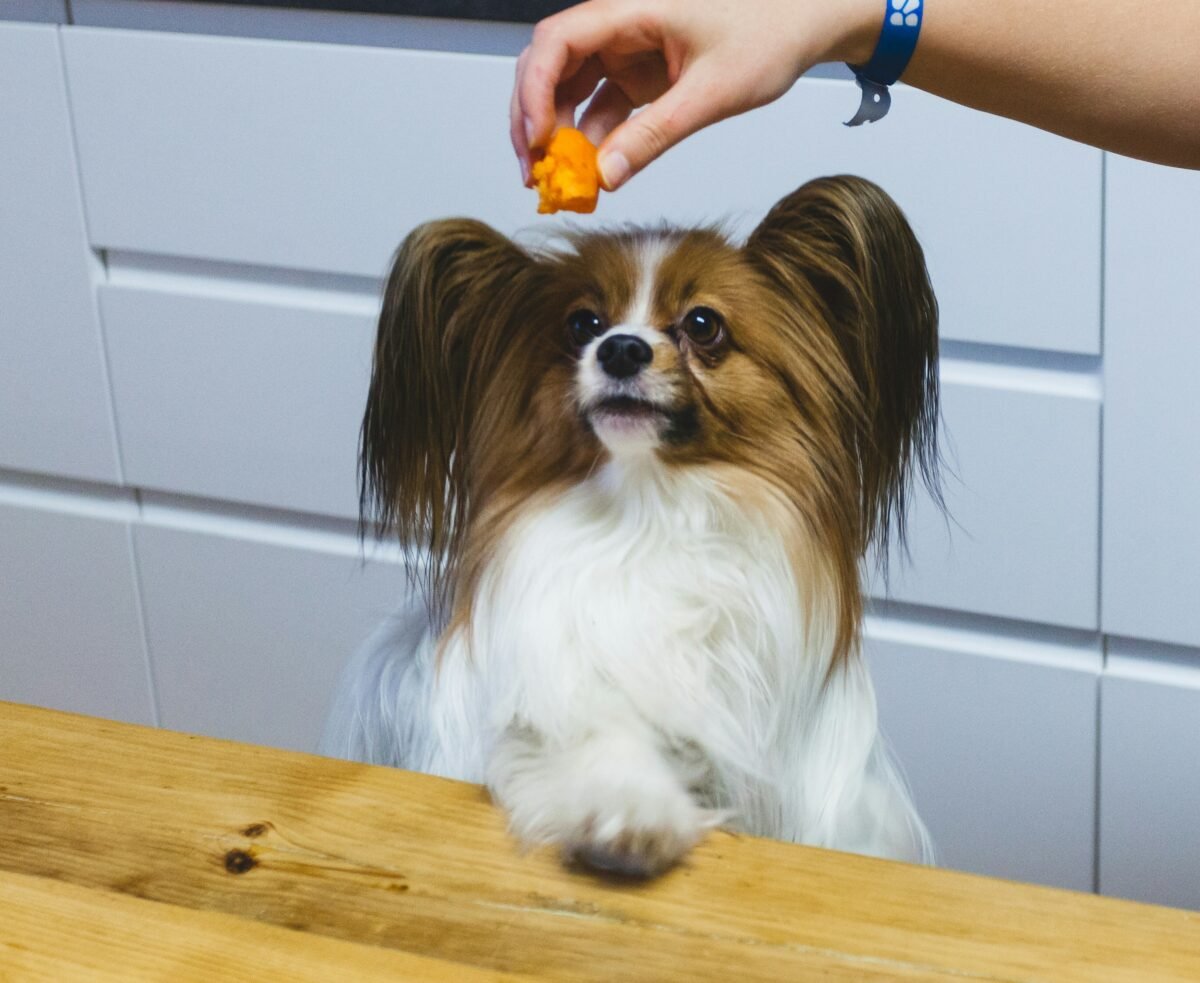
Papillons are bright, affectionate, and surprisingly confident, making them a great match for active seniors who want a very small dog without necessarily wanting a sedentary one. They’re highly trainable and often thrive on walks, games, and learning new tricks.
The main practical consideration is their fine-boned build. They may behave like tiny athletes, but falls and accidental steps can still cause serious injuries.
At A Glance
- Size: Toy, about 5–10 pounds
- Affection Style: Lively, attentive sidekick
- Daily Activity: Moderate; enjoys walks, play, and mental challenges
- Trainability: Excellent; exceptionally bright and responsive
- Handling: Extremely portable but physically delicate
- Coat & Grooming: Moderate; regular brushing, with no elaborate trimming required
- Biggest Consideration: Tiny frame requires care despite the breed’s surprisingly athletic personality
5. Boston Terrier
The Boston Terrier has earned the nickname “American Gentleman,” although living with one may occasionally make you question how strictly the gentleman portion is enforced. These compact dogs tend to be affectionate, sociable, and entertaining, with expressive faces and a playful streak.
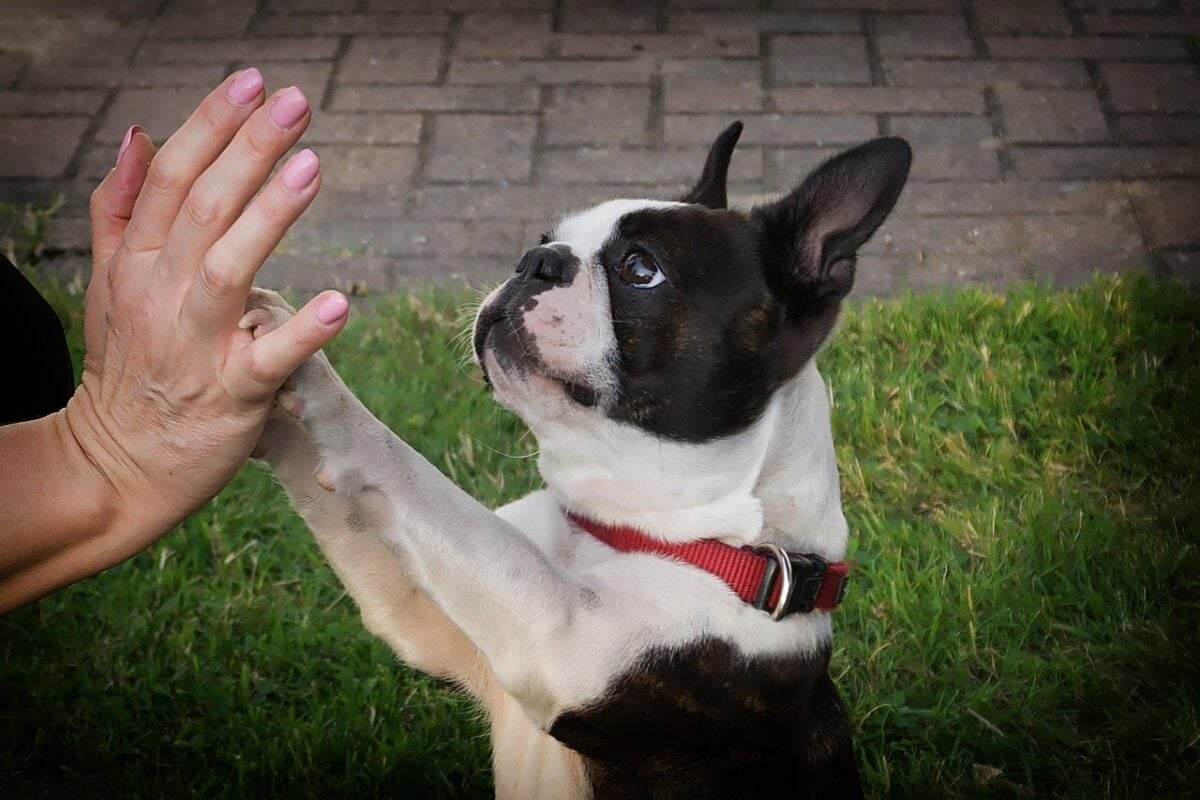
Many Bostons are people-focused without needing to spend every waking minute in someone’s lap. They enjoy being involved, greeting visitors, playing, and settling beside their humans afterward — an appealing balance for seniors who want a dog that keeps the household lively without demanding hours of exercise.
They’re also sturdier than many small breeds. The main caveat is their flat-faced anatomy, which can make breathing and temperature regulation harder, especially in hot weather.
At A Glance
- Size: Small, about 12–25 pounds
- Affection Style: Playful, sociable companion
- Daily Activity: Moderate; daily walks and play
- Trainability: Good; intelligent and responsive with some occasional stubbornness
- Handling: Compact and relatively sturdy; generally manageable for many seniors
- Coat & Grooming: Low; short coat requires minimal upkeep
- Biggest Consideration: Flat-faced anatomy can limit heat tolerance and strenuous activity
6. Lhasa Apso
The Lhasa Apso is affectionate, but it tends to reserve its deepest devotion for people who have actually earned membership in the household. Originally bred as an indoor sentinel in Tibet, this little dog still has an alert, observant streak and may regard unfamiliar visitors as something requiring further investigation.
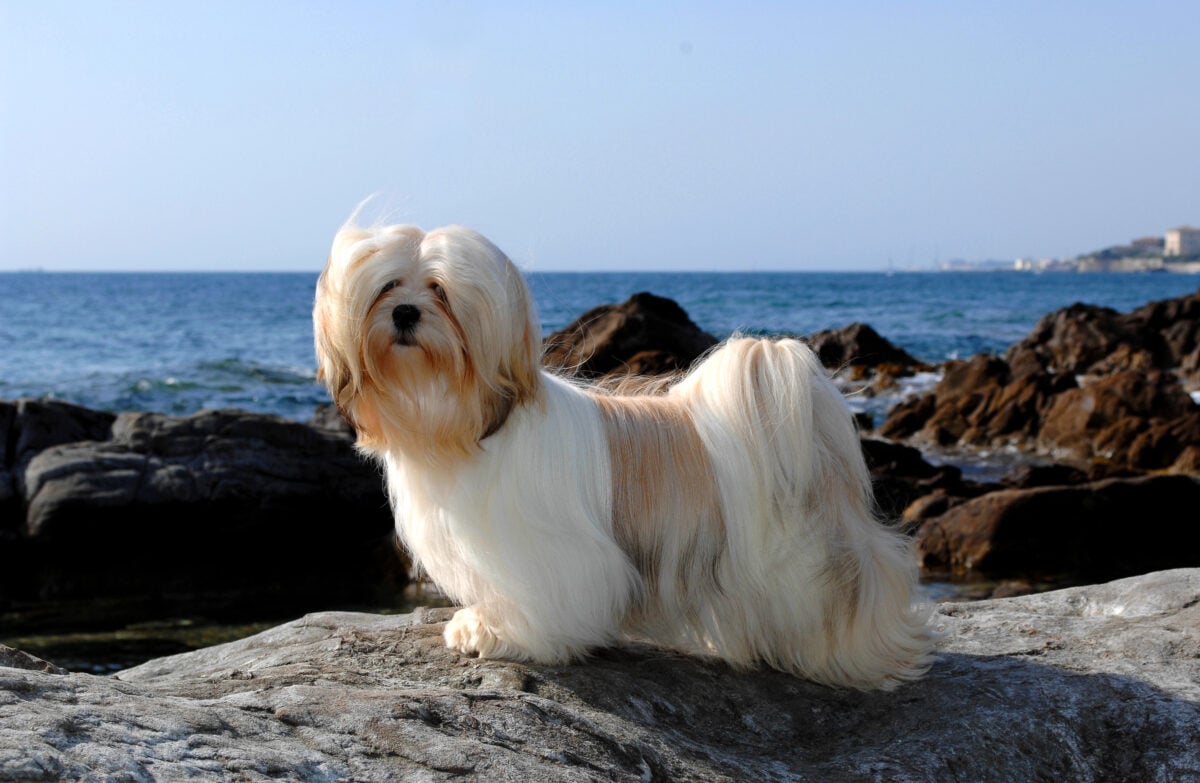
With family, Lhasas can be loving, playful, and deeply loyal. They often enjoy staying near their people without requiring constant physical contact, making them appealing for seniors who want companionship without a dog permanently attached like an additional limb.
That independent streak can make training a little more challenging, and their long coat requires regular upkeep. A shorter trim can make grooming considerably easier.
At A Glance
- Size: Small, about 12–18 pounds
- Affection Style: Loyal, independent companion
- Daily Activity: Low to moderate; daily walks and play
- Trainability: Moderate; intelligent but independent-minded
- Handling: Compact and generally manageable
- Coat & Grooming: High when kept long; easier with a shorter clip
- Biggest Consideration: Independent temperament and alert barking may not suit every household
7. Pembroke Welsh Corgi
The Pembroke Welsh Corgi may have short legs, but nobody remembered to tell the rest of the dog to take it easy. These bright, energetic herding dogs form strong bonds with their families and tend to take considerable interest in whatever their humans are doing.
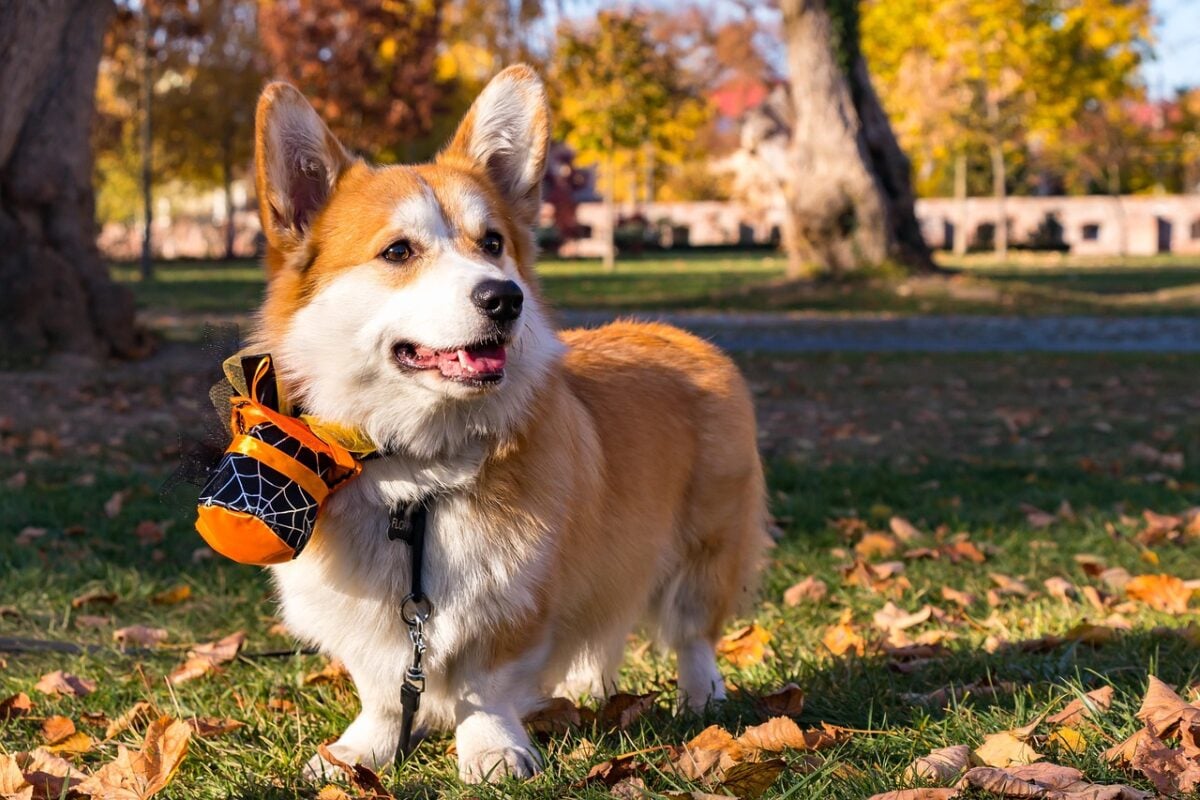
Corgis are affectionate, outgoing, and full of opinions, happiest when they have walks to take, games to play, things to learn, and household developments to supervise. That makes them a strong match for active seniors who want a sturdy, interactive companion, rather than a traditional lapdog.
They’re highly trainable, but their intelligence means they can develop their own extracurricular activities when bored. They can also be enthusiastic barkers and surprisingly strong for their size.
At A Glance
- Size: Small to medium, about 22–30 pounds
- Affection Style: Involved, energetic sidekick
- Daily Activity: Moderate to high; regular walks, play, and mental stimulation
- Trainability: Very good; intelligent and capable, with an independent streak
- Handling: Compact but sturdy and stronger than its short stature suggests
- Coat & Grooming: Moderate; easy coat care but substantial shedding
- Biggest Consideration: Higher exercise and stimulation needs than most small dogs on this list
5 Loving Medium & Large Dogs For Active Seniors
Not everyone wants a dog you can tuck under one arm. These affectionate medium and large breeds offer more substantial walking and outing companions for seniors who want a little more dog by their side.
Size does raise the stakes, though. Strength, leash manners, and training matter considerably more when the other end of the leash weighs 60 pounds.
1. Cocker Spaniel
Cocker Spaniels occupy a useful middle ground: big enough to feel sturdy, small enough that everyday handling doesn’t require a contingency plan. These affectionate sporting dogs tend to bond closely with their families and happily move between joining you for a walk and claiming the nearest spot on the couch.
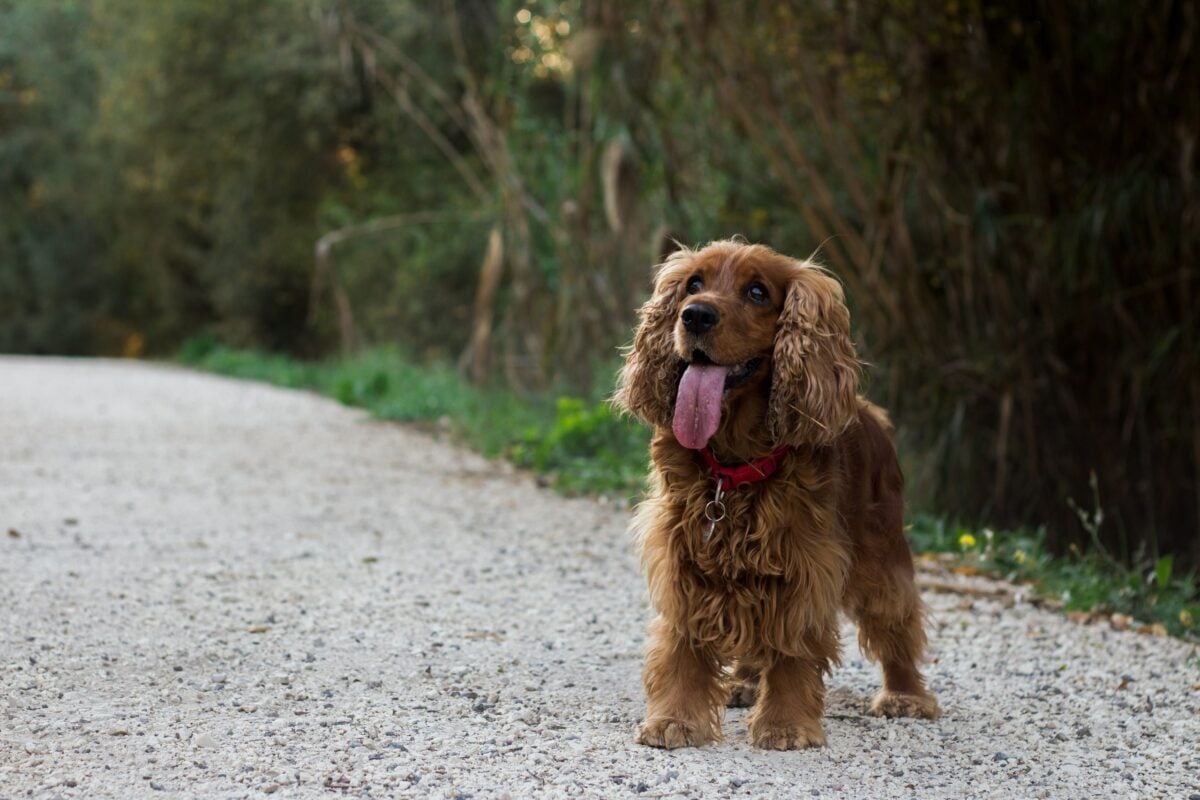
Cockers are known for a sweet, merry personality with a sensitive side underneath all those ears. Many respond strongly to their owner’s tone and thrive with gentle, positive training, which can make the relationship feel especially close.
For seniors who want more activity than a traditional lapdog without moving into large-dog territory, a Cocker can be an appealing compromise. Just remember that the glamorous coat and trademark ears require consistent upkeep.
At A Glance
- Size: Medium-small, about 20–30 pounds
- Affection Style: Sweet, emotionally tuned-in companion
- Daily Activity: Moderate; enjoys daily walks, play, and outings
- Trainability: Good; intelligent and responsive to gentle, positive training
- Handling: Sturdy but relatively manageable for many active seniors
- Coat & Grooming: High; regular brushing, grooming, and ear care
- Biggest Consideration: Coat and ear maintenance require consistent attention
2. Labrador Retriever
Labrador Retrievers don’t make their affection difficult to detect. They’re famously social, enthusiastic, and deeply interested in being part of family life, whether that’s walking beside you, sprawling at your feet, or greeting you after a 10-minute absence as though you’ve returned from a lengthy expedition.
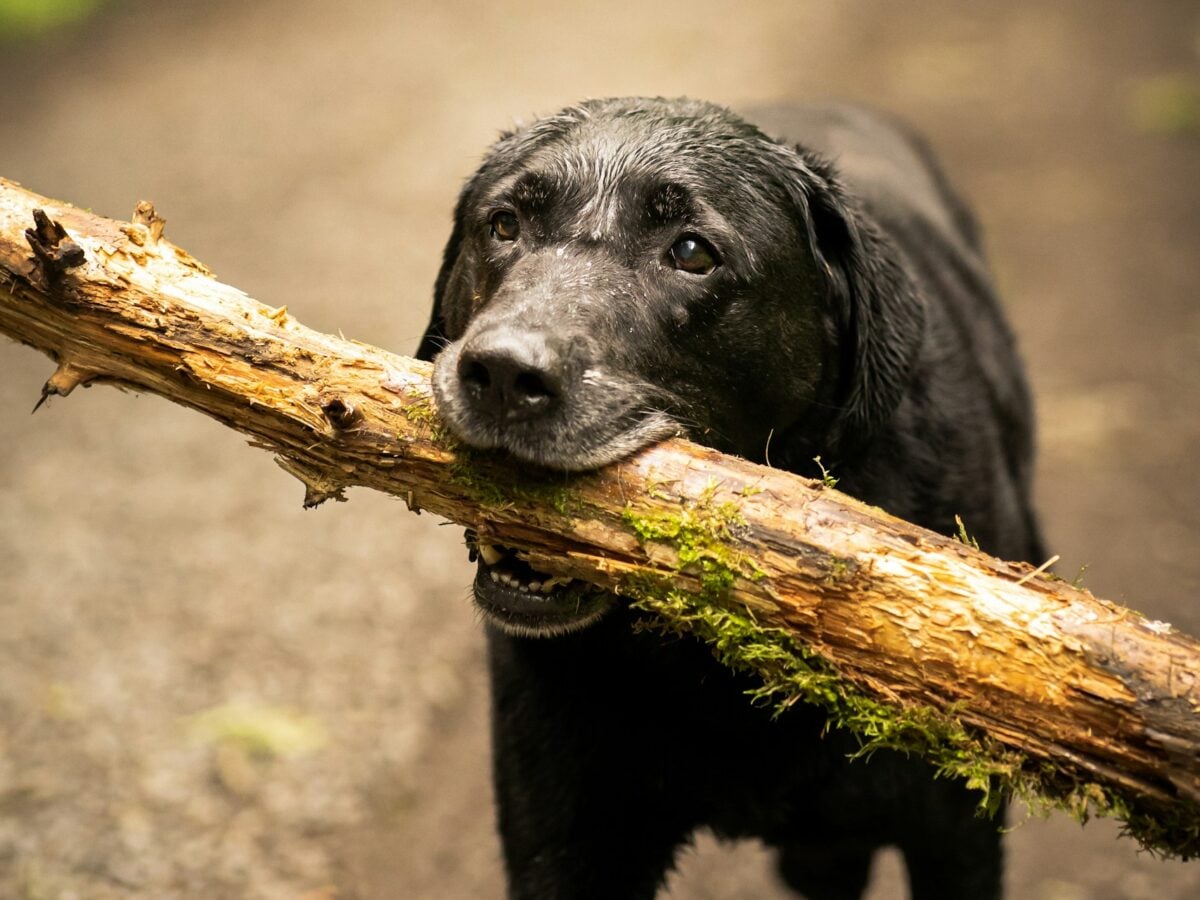
Labs tend to approach people, games, food, puddles, and much of life with the same philosophy: this looks promising. That enthusiasm is enormously endearing, but it can also be a lot of dog.
For an active senior comfortable handling a larger breed, a mature, well-trained Lab can be a wonderful companion. Young Labs, however, can be strong, bouncy, and impulsive enough to turn an ordinary leash walk into an upper-body workout you didn’t schedule.
At A Glance
- Size: Large, about 55–80 pounds
- Affection Style: Enthusiastic, devoted best friend
- Daily Activity: Moderate to high; regular walks, play, and active outings
- Trainability: Excellent; intelligent, eager, and typically highly food-motivated
- Handling: Strong and exuberant, particularly when young
- Coat & Grooming: Low maintenance, but expect substantial shedding
- Biggest Consideration: A young or poorly trained Lab can be physically demanding to manage
3. English Bulldog
The English Bulldog isn’t likely to stare longingly at the horizon and wonder when today’s 10-mile hike begins. This stocky companion is generally more interested in where you are, where the comfortable furniture is, and whether those two locations can somehow be combined.
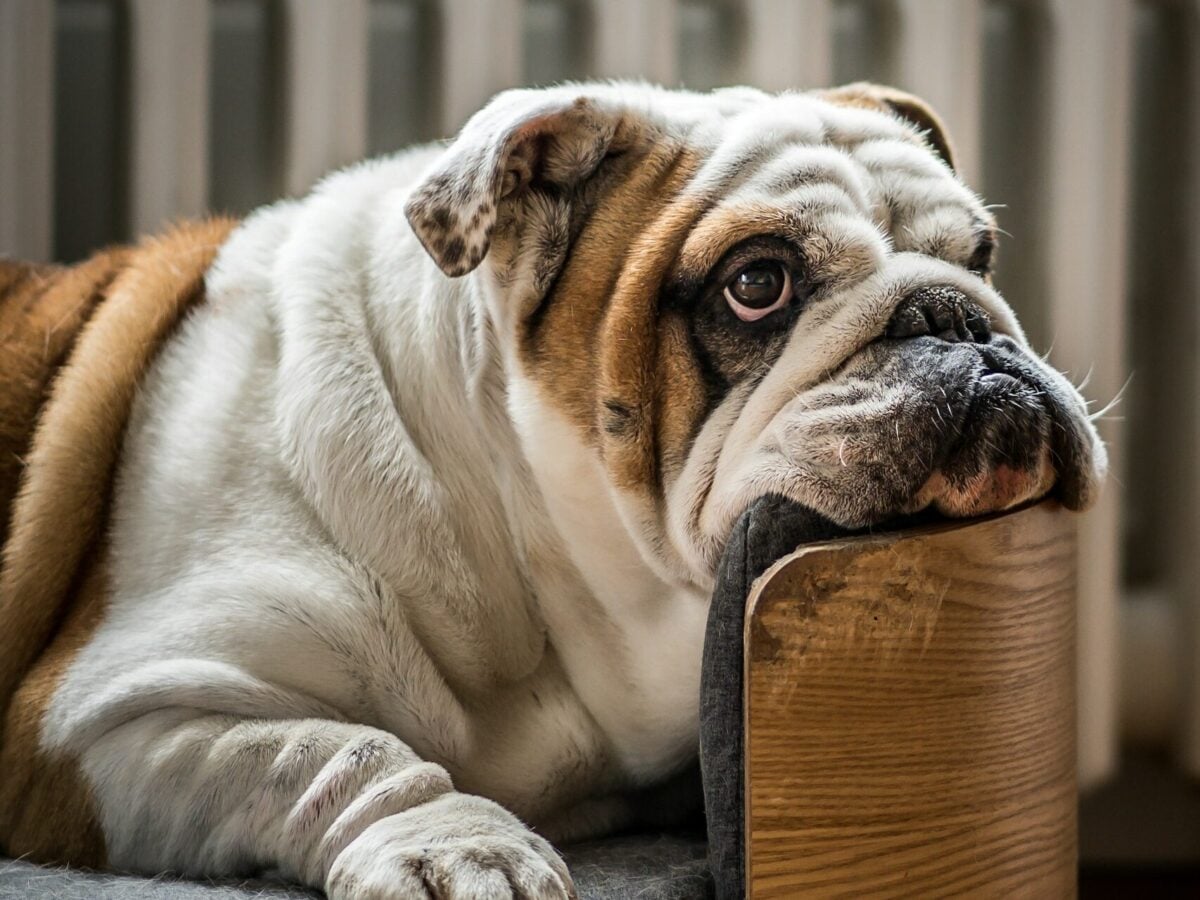
Bulldogs tend to be affectionate, easygoing, and wonderfully expressive, often forming close bonds without requiring constant entertainment. There’s usually a stubborn streak, too. A Bulldog may understand exactly what you’ve asked and still need a moment to review whether the proposal aligns with current management priorities.
For seniors who want a substantial companion without a demanding exercise schedule, that laid-back personality can be appealing. Just remember that Bulldogs are dense, powerful dogs, and their flat-faced anatomy makes heat and strenuous activity particular concerns.
At A Glance
- Size: Medium, about 40–50 pounds
- Affection Style: Easygoing, devoted couch companion
- Daily Activity: Low to moderate; short walks and gentle play
- Trainability: Moderate; intelligent but famously independent-minded
- Handling: Compact but surprisingly heavy and powerful
- Coat & Grooming: Low to moderate; easy coat care with regular skin-fold maintenance
- Biggest Consideration: Flat-faced anatomy can cause significant breathing and heat-tolerance problems
4. Golden Retriever
Golden Retrievers have a reputation for loving nearly everyone they meet, and many seem genuinely puzzled by the idea that a stranger might simply remain a stranger. Their warmth often extends beyond family to visitors, neighbors, children, and anyone willing to participate in the Golden Retriever social program.

Gentle, friendly, and highly people-oriented, Goldens tend to be attentive companions who genuinely enjoy being included in everyday life.
For an active senior who wants a substantial walking and outing companion, a mature, well-trained Golden can be a terrific fit. They’re highly trainable, but don’t underestimate their size and youthful exuberance. And then there’s the fur: Goldens shed generously enough to ensure you’re never entirely without one.
At A Glance
- Size: Large, about 55–75 pounds
- Affection Style: Warm, socially generous companion
- Daily Activity: Moderate to high; regular walks, play, and active outings
- Trainability: Excellent; intelligent, eager to please, and responsive
- Handling: Substantial and potentially exuberant, particularly when young
- Coat & Grooming: Moderate; regular brushing and considerable shedding
- Biggest Consideration: Size and exercise needs make a mature, well-trained dog especially appealing for many seniors
5. Greyhound
Greyhounds look like they should wake up every morning demanding a vigorous training schedule. In reality, many adult Greyhounds are astonishingly enthusiastic about lying down. Give them appropriate daily exercise and a soft place to land afterward, and these elegant athletes can be remarkably relaxed housemates.
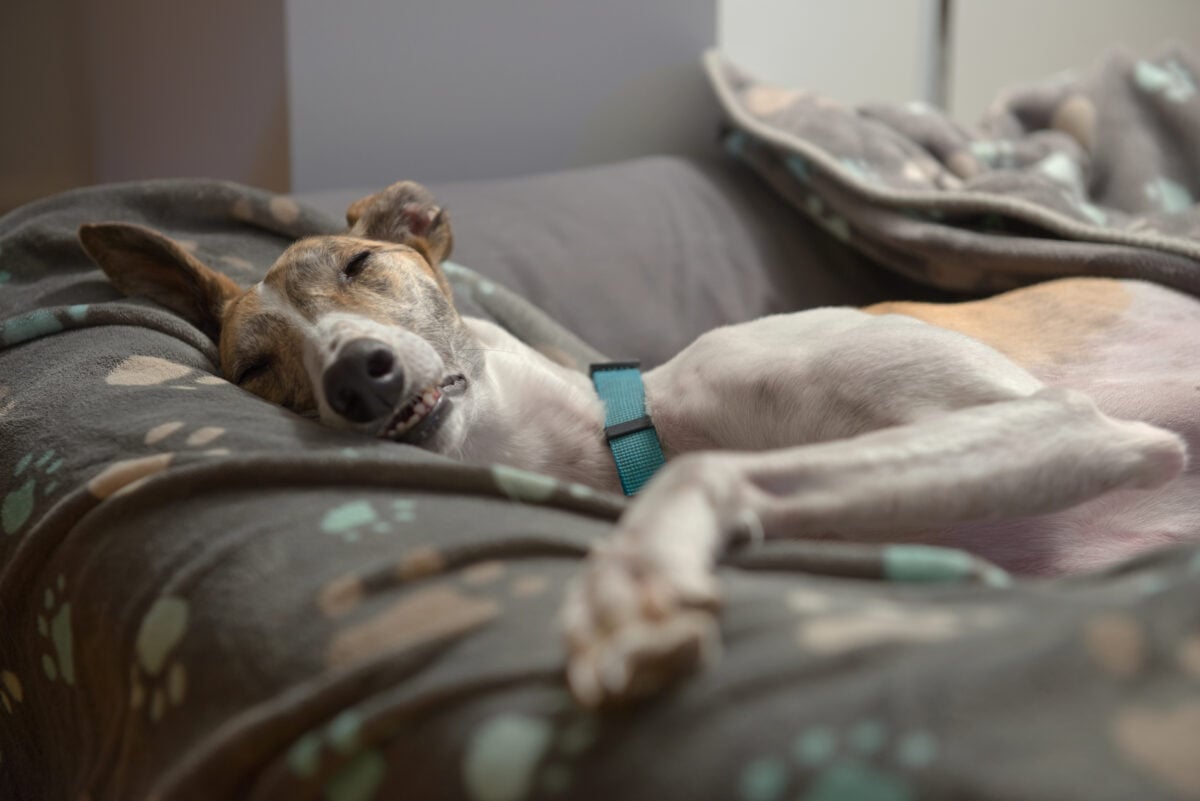
Greyhounds tend to be gentle, sensitive, and somewhat understated. Many show affection by following you into another room, settling nearby, and considering companionship successfully accomplished.
That calmer indoor temperament can make them a good fit for seniors who want a larger dog without the nonstop exuberance of some sporting breeds. Size still matters for handling and transportation, and their prey drive makes secure exercise areas particularly important.
At A Glance
- Size: Large, about 60–70 pounds
- Affection Style: Gentle, low-key companion
- Daily Activity: Moderate; daily walks with opportunities for safe bursts of speed
- Trainability: Moderate; sensitive and responsive but often independent
- Handling: Tall and large, though relatively lean and often calm indoors
- Coat & Grooming: Very low maintenance; may need extra warmth in cold weather
- Biggest Consideration: Large size and prey drive require thoughtful handling and secure exercise
2 Affectionate Gentle Giants For Seniors Who Want A Big Dog
Some lifelong big-dog people have absolutely no intention of downsizing to something that fits in a tote bag. For the right senior, these gentle giants can offer enormous affection.
They’re our most conditional recommendations: strength, mobility, space, transportation, and access to help all matter when your devoted companion weighs 100 pounds or more.
1. Bernese Mountain Dog
The Bernese Mountain Dog may look like it belongs outside hauling something through the Alps. Still, many would rather be inside, leaning their considerable body weight against a favorite person. These affectionate giants tend to form especially close bonds with their families.
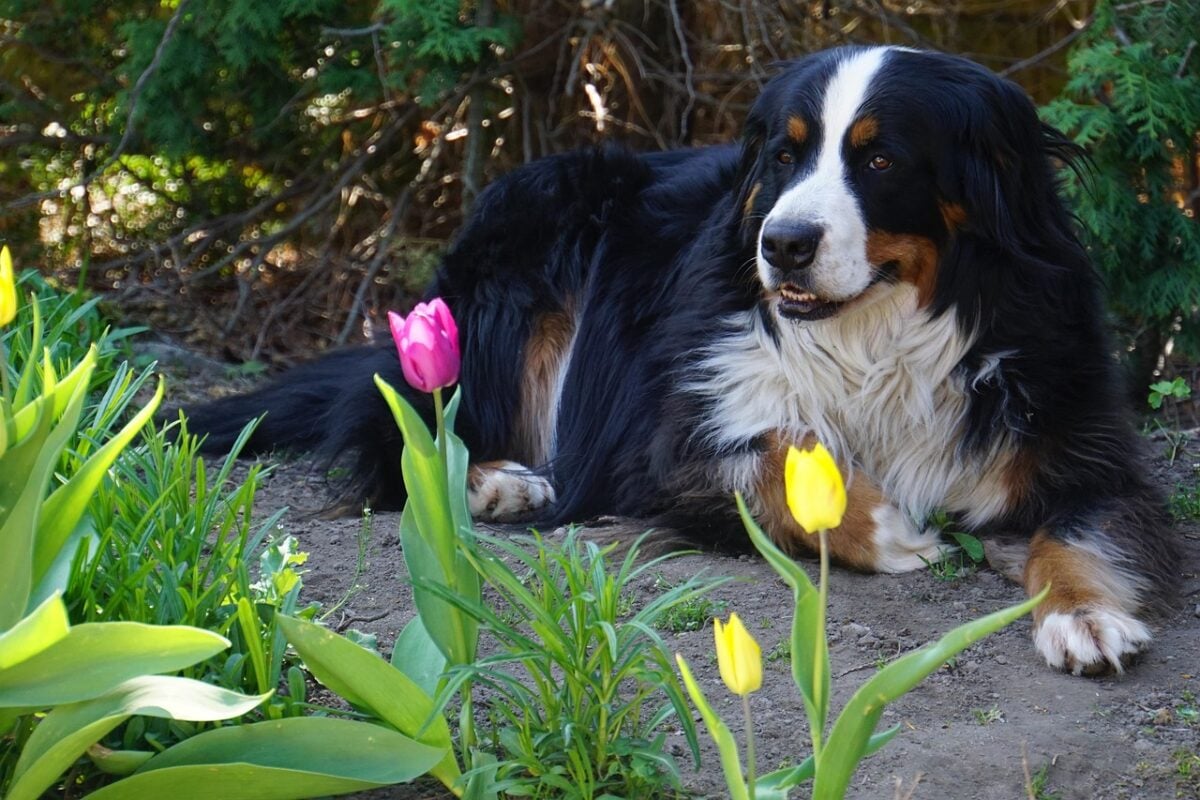
A sweet, sensitive quality often lies beneath all that fur. Many Berners are friendly but not relentlessly outgoing, preferring their own people and sometimes taking a little time to warm up to strangers.
For an active, experienced senior who genuinely wants a big dog, a mature Berner can offer devoted companionship without the intensity of some working breeds. Their substantial size requires excellent leash manners, while heavy shedding, heat sensitivity, and a relatively short lifespan warrant consideration before you fall for that magnificent face.
At A Glance
- Size: Large to giant, about 70–115 pounds
- Affection Style: Gentle, devoted family companion
- Daily Activity: Moderate; regular walks and outdoor activity
- Trainability: Good; intelligent, sensitive, and responsive to positive training
- Handling: Large and powerful; reliable leash manners are essential
- Coat & Grooming: Moderate; regular brushing with heavy seasonal shedding
- Biggest Consideration: Size, shorter lifespan, and significant breed-related health concerns
2. Newfoundland
Who says a lapdog has to fit in your lap? Newfoundlands are famously sweet, people-oriented dogs that often seem unaware they occupy roughly the same amount of space as a small piece of furniture. Many adore being close to their families and bring a calm, steady presence to the relationship.
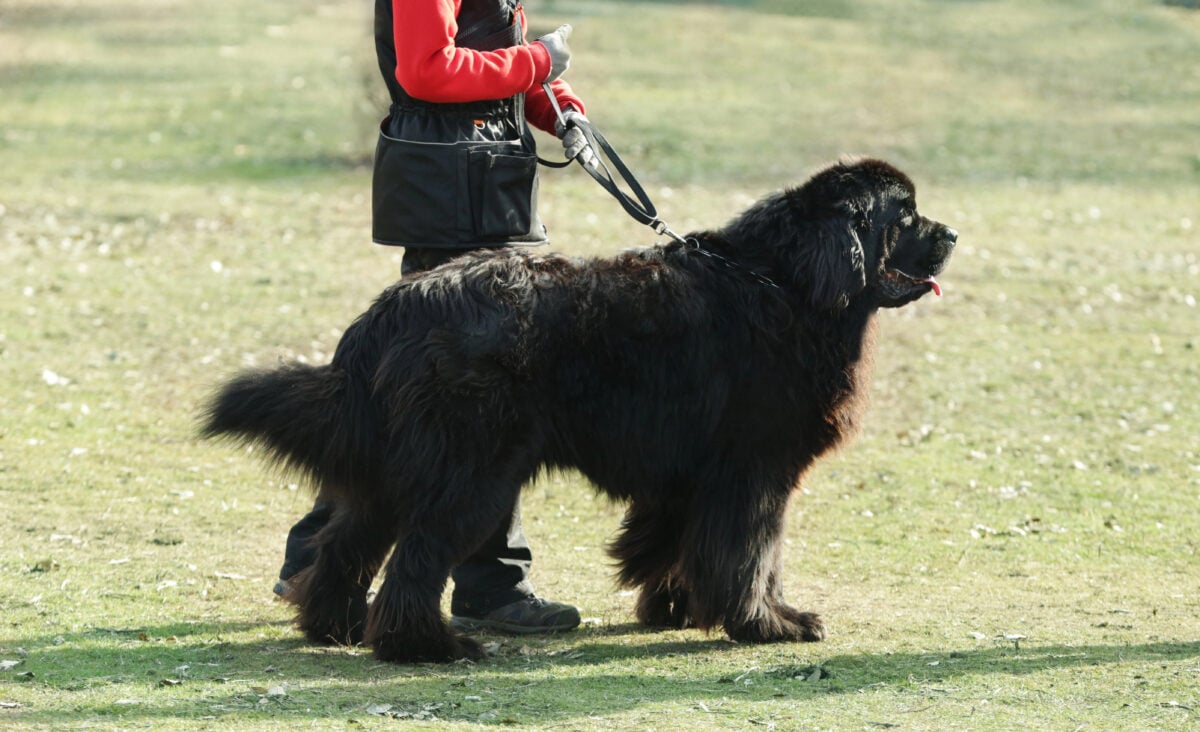
Newfies tend to be patient, gentle, and remarkably good-natured, often content to join family life without making every moment an event.
For the right senior, that mellow temperament can be enormously appealing. But a calm 120-pound dog is still a 120-pound dog, so safe handling and a realistic transportation plan are essential. Their thick coat also requires considerable upkeep, and drool is less an occasional occurrence than part of the interior decorating scheme.
At A Glance
- Size: Giant, about 100–150 pounds
- Affection Style: Calm, gentle heavyweight
- Daily Activity: Moderate; regular walks and appropriate low-impact exercise
- Trainability: Good; intelligent, willing, and generally responsive to patient training
- Handling: Extremely large and powerful despite a typically gentle temperament
- Coat & Grooming: High; frequent brushing, heavy shedding, and plenty of drool
- Biggest Consideration: Everyday logistics become a serious factor with a dog this large
The Right Breed At The Wrong Age Can Be The Wrong Dog
Finding a breed that fits your lifestyle is only part of the decision. A six-month-old Labrador launching toward a squirrel and a settled five-year-old Lab walking politely beside you can feel like two entirely different dogs.
For seniors especially, age can dramatically change how manageable a dog is day to day.
| Life Stage | What To Expect |
|---|---|
| Puppy | Potty training, chewing, frequent supervision, and lots of training |
| Adolescent | More strength and stamina, testing boundaries, distractibility, and potentially enthusiastic pulling, jumping, or other still-developing manners |
| Adult Dog | Known size, clearer temperament and energy level, and potentially established household and leash manners |
| Senior Dog | Often calmer with more predictable routines and lower exercise needs, but potentially greater medical needs |
An adult dog can be particularly appealing because there’s less guesswork. You can evaluate the dog’s actual size, energy level, personality, and manners rather than trying to predict what a puppy will become.
Foster-based rescues can be especially useful. A foster family may already know whether a dog walks nicely on leash, settles at home, handles stairs, enjoys visitors, and fits comfortably into the kind of daily routine you actually live.
Small Doesn’t Automatically Mean Easier
It’s easy to assume the smallest dog will be the easiest to manage. But a 7-pound companion can still present different challenges, not necessarily fewer ones.
Tiny dogs can be fragile, difficult to see underfoot, and surprisingly quick. Picking one up may require frequent bending or crouching, while a calm, well-trained medium-sized dog might actually be easier for some seniors to navigate around the house and walk safely.
Rather than choosing by weight alone, think about how the individual dog moves through your everyday life: Can you walk them confidently, get them into the car, manage stairs together, and provide care if they’re sick or injured?
The easiest dog to manage may not be the smallest one.
Before You Choose, Check The Breed’s Health Risks
Breed-related health risks can affect both care and lifetime costs, so investigate them before bringing a dog home. If you’re buying from a breeder, ask about recommended health screenings and request documentation. If you’re adopting, ask for any available veterinary history.
Thinking About Pet Insurance? Timing Matters
Pet insurance is generally most beneficial before health problems appear. Why? Because policies typically exclude pre-existing conditions. If you’re bringing home a new companion, consider coverage early rather than waiting for an unexpected injury or illness to occur. See our reviews of the best pet insurance providers for coverage options, exclusions, waiting periods, and more.
Breed Gets You Close. Individual Temperament Makes The Match.
Breed tendencies can narrow your search, but two dogs of the same breed can differ considerably in energy, confidence, affection, and manners. When meeting a potential companion, pay attention to how comfortably the dog settles, walks on leash, responds to handling, and fits your normal routine.
Foster-based rescues can be especially helpful because foster families have seen the dog in a home. They may already know whether your prospective companion handles stairs, greets visitors politely, sleeps through the night, or spends every afternoon conducting surveillance from the front window.
Before You Fall In Love, Ask Yourself These 6 Questions
It’s remarkably easy to meet a pair of brown eyes, feel one strategically placed paw on your knee, and begin renegotiating requirements you considered nonnegotiable 10 minutes earlier.
Before choosing a dog, ask yourself:
- How much walking do I genuinely want to do every day? Think normal Tuesday, not the ambitious version of yourself who apparently hikes every morning.
- Could I safely control this dog if they suddenly pulled? Training helps, but unexpected squirrels happen.
- Could I move the dog in an emergency? If not, is reliable help nearby?
- How much grooming am I willing to do — or pay for?
- Does my home create practical obstacles? Consider stairs, slippery floors, outdoor space, and pet restrictions.
- Who could care for my dog if I temporarily couldn’t? Illness, surgery, injury, or travel can make backup help invaluable.
Frequently Asked Questions
Here are some questions we see most often from our readers when they’re looking for affectionate breeds for seniors. Don’t see yours here? Ask us in our comments.
Are Male Or Female Dogs More Affectionate?
Sex alone isn’t a reliable predictor of affection. Breed tendencies, genetics, socialization, life experiences, and individual personality are generally more useful clues. If cuddling and closeness matter to you, spend time with the individual dog rather than choosing primarily by sex.
Can An Affectionate Dog Be Too Clingy?
Absolutely. There’s a difference between a dog that loves being near you and one that struggles whenever you’re apart. Excessive following, distress when you leave, destructive behavior, or frantic vocalizing can signal separation-related problems rather than simply an affectionate personality.
What If I Can’t Walk A Dog Every Day?
A yard isn’t a complete substitute for exercise, but not every dog needs long daily walks. Depending on the individual dog, shorter outings combined with indoor play, training games, food puzzles, and other enrichment may work well. Look for lower-activity adults rather than assuming a small breed will automatically need less exercise.
Can A Senior Adopt A Dog If They Travel Frequently?
Yes, but your backup-care plan becomes part of choosing the dog. Consider how comfortably the dog handles other people and environments, along with whether you’ll use a trusted family member, pet sitter, or boarding facility. A dog that becomes distressed away from one particular person may make frequent travel considerably more complicated.
Is A Rescue Dog A Good Choice For A Senior?
It certainly can be. An adult rescue can offer something a puppy can’t: a personality you can already evaluate. Foster-based rescues may also know how the dog behaves on leash, around visitors, when left alone, and during an ordinary day at home. Ask about known medical history, previous living situations, and any behavioral or handling concerns before adopting.
Want To See More Breed Options?
Affection may get a breed onto your shortlist, but the best match is the dog whose energy, personality, size, and everyday needs fit naturally into your life.
If you’re still weighing your options, keep exploring based on what matters most to you:
- Want a dog who’s perfectly happy taking life at a slower pace? Meet these lazy dog breeds that tend to prefer short walks and long naps.
- Living in a smaller space—or planning to downsize? Explore our best dogs for apartments to see which breeds can thrive without a sprawling house or backyard.
- Is the bond itself your biggest priority? These best companion dog breeds were practically built for closeness.
- Want a companion who may be less demanding than their reputation suggests? Meet these dogs that are easier to live with than people think, with some surprisingly manageable possibilities.
Which breed would you choose as your perfect retirement companion? Maybe you already share your home with a professional lap warmer, enthusiastic walking buddy, or 100-pound dog who remains convinced they’re lap-sized. Tell us about your dog in the comments, especially if there’s an affectionate breed you think deserves a spot on this list. Your experience might help another reader find their perfect match.