Newfoundland vs Great Pyrenees: One’s a Lifeguard, One’s a Bodyguard – Which Fits Your Life?

When you purchase through links on our site, we may earn a commission. Here’s how it works.
Think you’re choosing between two giant fluffy teddy bears? Nope. You’re actually choosing between a dog who’d jump into freezing water to save you… and a dog who would glare at a wolf until it reconsiders its life choices.
Table of Contents
Both are huge, both are lovable, but only one fits your daily chaos. Not sure whose side you’re on when it comes to the Newfoundland vs Great Pyrenees? Let’s break down which gentle giant belongs in your home before one of them steals your couch.
Newfoundland vs. Great Pyrenees
The 10-Second Cheat Sheet
Not here for a long read? Here’s the ultra-fast breakdown of what actually matters when choosing between these two walking throw pillows.
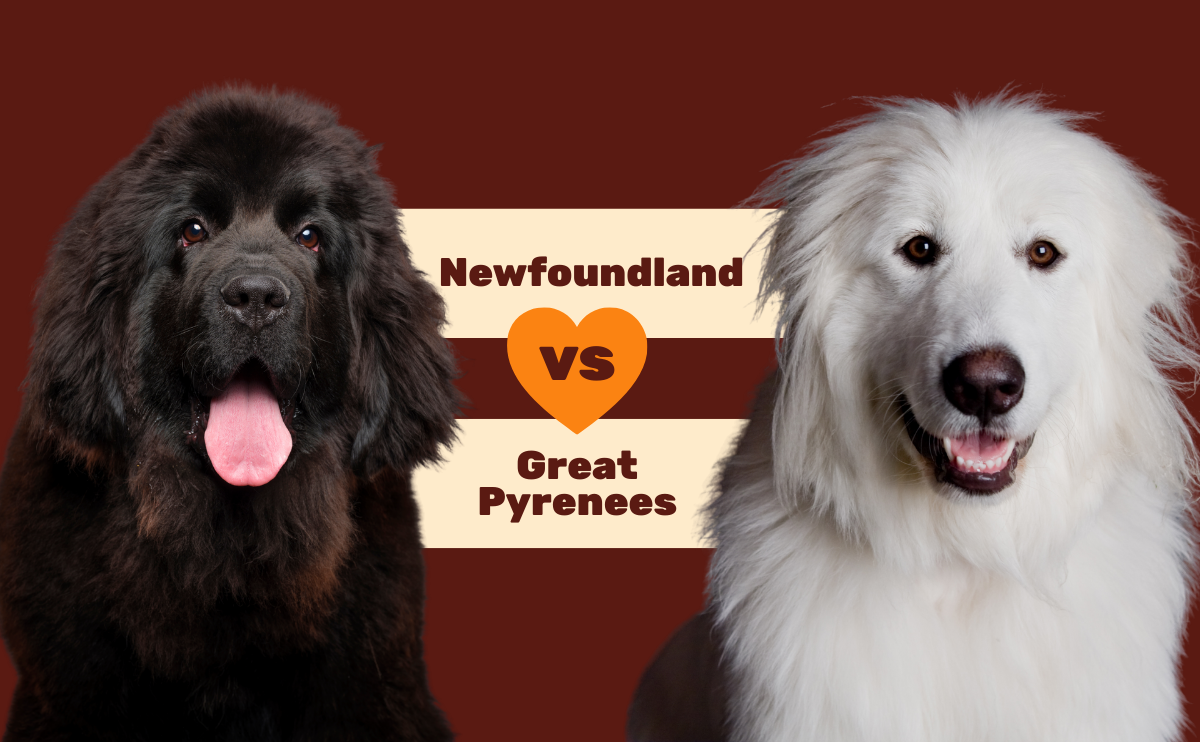
The Newfoundland
The Lifeguard
- Personality: Sweet, clingy, people-pleasing marshmallow
- Best For: Families, kids, anyone who wants a giant cuddle buddy
- Energy: Steady; enjoys walks and absolutely loves water
- Noise Level: Generally quiet
- Mess Factor: High drool, moderate shedding
- Training: Easier; wants to make you happy
The Great Pyrenees
The Bodyguard
- Personality: Calm, independent thinker, “I’ve got this” confidence
- Best For: Homes with space, land, or anything worth guarding
- Energy: Low but alert; patrolling is their preferred exercise
- Noise Level: Known to bark at anything suspicious
- Mess Factor: Heavy seasonal shedding
- Training: More difficult; instinct-driven and stubborn
Quick Takeaway
- If you want a gentle cuddle bear, choose a Newfoundland.
- If you want a calm guardian who watches everything, choose a Great Pyrenees.
Up Next: How each breed behaves around kids, guests, and other pets, and which one fits your household better.
Family Life: Kids, Guests & Other Pets
Who’s the Better Fit?
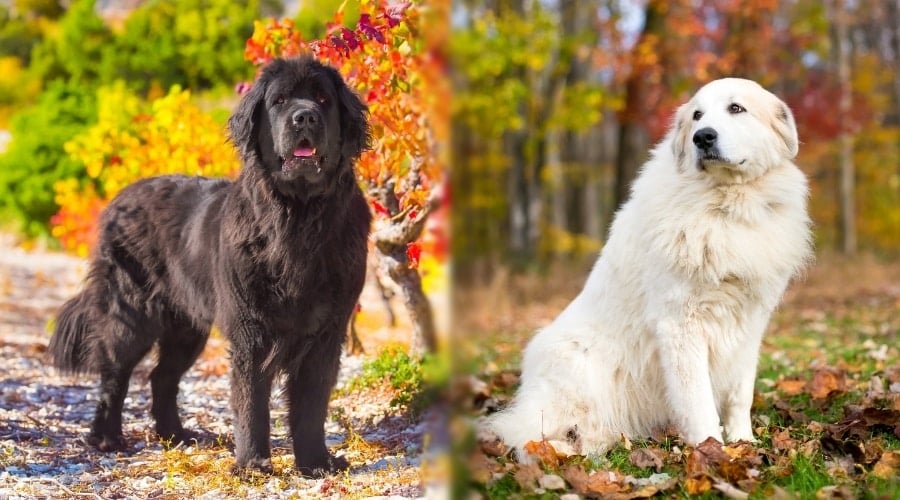
If you’re choosing a giant dog, you probably want to know one thing first: Will this enormous creature be nice to my family or accidentally knock Grandma into a wall? Let’s break it down.
With Kids
- Newfoundland: The Newfie is basically a 150-pound babysitter who takes payment in snacks. Gentle, patient, and shockingly aware of where their giant paws go. Great for families with toddlers looking for a true gentle giant.
- Great Pyrenees: Loves kids, but in a “I will guard these small humans with my life” kind of way. Very sweet, very protective, slightly dramatic if they think danger is nearby (like a delivery driver or a leaf). They are one of the best family guard dogs.
With Guests
- Newfoundland: Your Newfie will greet guests like they’re long-lost cousins. Expect leaning, sitting on feet, and drool distributed evenly across the room.
- Great Pyrenees: Your Pyrenees will size up every guest like they’re applying for a security clearance. Once approved, they’re calm and polite. Until then? Suspicious squint.
With Other Pets
- Newfoundland: Loves everyone. Cats, dogs, hamsters, your Newfie assumes the whole house is one big team-building exercise.
- Great Pyrenees: Typically fine with other animals, especially ones they consider part of their “flock.” But they do have opinions and may try to manage the household like a furry middle manager.
Quick Takeaway
- Choose a Newfoundland if you want instant family harmony.
- Choose a Great Pyrenees if you want a gentle guardian who treats your household like a VIP-only zone.
Up Next: A hilarious personality showdown, Lifeguard vs. Mountain Bodyguard.
Personality Showdown: Newfoundland vs Great Pyrenees
Lifeguard vs. Mountain Bodyguard
If these two breeds had human jobs, the Newfoundland would be the overly enthusiastic camp counselor, and the Great Pyrenees would be the quiet security guard who takes their night shift very seriously. Same fluff level, very different vibes.
Newfoundland
Newfies are sweet, goofy, emotional support humans disguised as dogs. They want to be involved in everything, including family time, chores, bathroom breaks, and important life decisions.
Their default setting is “happy to help,” even if that help is mostly drooling on your shoes.
Great Pyrenees
Pyrs are calm, thoughtful, and always one suspicious noise away from doing a full perimeter check. Their instinctive guarding nature also makes them very protective of their owners and can be hostile toward intruders.
They love their families deeply but prefer to show affection through silent protection rather than cuddling on top of you like a weighted blanket that breathes.
Quick Takeaway
- A Newfoundland wants to do whatever you are doing.
- A Great Pyrenees wants to make sure nobody bothers you while you’re doing it.
Up next: which one is actually easier to train, and which one will quietly ignore you with confidence?
First-Time Owner? Here’s Which Breed Is Easier to Train
If you’ve never trained a giant breed before, good news: one of these dogs wants to impress you, and the other… well, the other believes they are in charge, and you’re just there to provide snacks and electricity.
With most large dogs, early and frequent training is a critical part of their development. Their mental energy levels are high, and they can develop bad habits if left unchecked.
Start with training and socialization immediately from when they are a puppy to get the best-behaved Pyrenees or Newfie.
Newfoundland
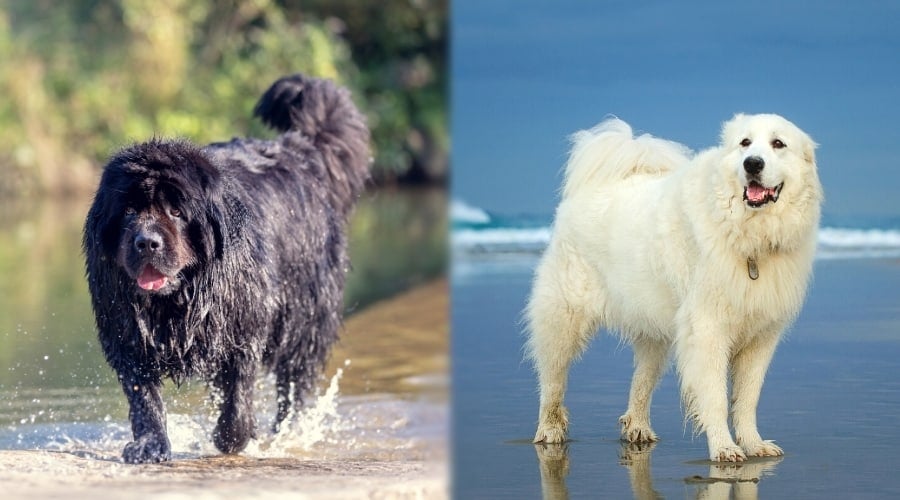
Newfies are people-pleasers with big hearts and even bigger enthusiasm. They try hard, they listen well, and they respond quickly, mostly because they desperately want you to think they’re a good dog (they are).
One of their original responsibilities was rescuing people from danger, so they needed to be highly adaptable and open to learning the skills required to save people. They are slightly more energetic and won’t be as lazy as Pyrenees.
If dog training were school, Newfies would be the kid in the front row, handing out extra pencils.
Great Pyrenees
Pyrenees were bred to make decisions alone on mountaintops, so telling them to sit can feel like negotiating with a fluffy philosopher. It’s not that they’re disobedient; they just genuinely believe they know better.
You’ll give a command, and they’ll pause like, “Hmm… interesting suggestion.”
Quick Takeaway
- Choose a Newfoundland if you want a giant dog that trains like a big, eager student.
- Choose a Great Pyrenees if you respect a dog with strong opinions and are okay with repeating yourself.
Up next: can you actually live with one of these giant fluffballs, space, noise, and lifestyle reality checks?
Could You Actually Live With One?
Space, Noise & Lifestyle Fit
Before you fall in love with either of these giant fluff machines, take a moment to picture your home, your yard, your neighbors… and your tolerance for suspicious barking at 3 a.m.
Space Needs
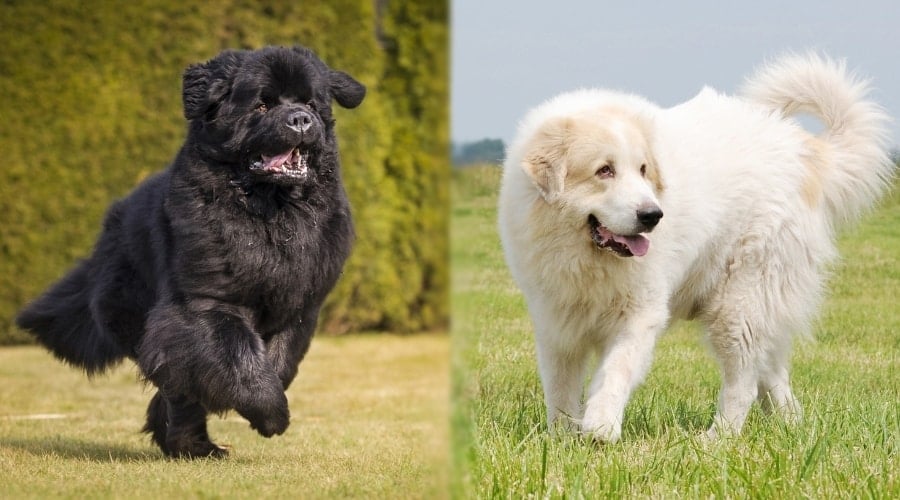
- Newfoundland: Surprisingly adaptable if walked daily, but still a living ottoman with opinions. They prefer room to stretch, flop, and dramatically sigh when you won’t share snacks.
- Great Pyrenees: Ideally needs a yard to patrol. Not because they’re energetic, but because they feel spiritually called to “keep watch.” Apartment living is possible, but your neighbors must love barking. A lot.
Noise Levels
- Newfoundland: Fairly chill. Occasional woofs, grumbles, and whale-like groans when getting up from the floor.
- Great Pyrenees: Let’s be honest, they bark like it’s their job, because it was their job for thousands of years. Shadows? Suspicious. Birds? Potential threat. Amazon delivery? Possible invasion.
Lifestyle Fit
- Newfoundland: Best for families who want a gentle companion who blends into daily life. They enjoy activity but won’t judge you for binge-watching shows while sharing popcorn.
- Great Pyrenees: Great for people who appreciate a calm dog with a protective streak. They’re low-energy but always on duty, like a friendly roommate who never stops monitoring the front door.
Quick Takeaway
- Choose a Newfoundland for a quieter, more laid-back home life.
- Choose a Great Pyrenees if you want a calm companion who treats your house like Fort Knox.
Up next: just how much fur, shedding, and seasonal chaos each breed brings into your home.
Fluff, Shedding & the ‘Fur Everywhere’ Reality Check
If you’ve ever wondered what it’s like to live inside a snow globe filled with dog hair, owning either of these breeds will give you the whole immersive experience. Let’s talk mess.
Shedding Levels
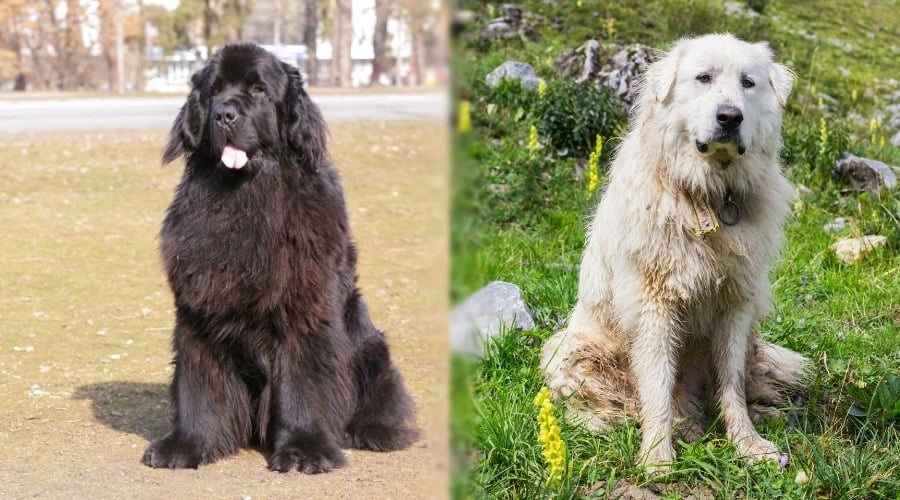
- Newfoundland: Steady shedding year-round, plus heavy seasonal blowouts. You will find fur on your clothes, in your car, and mysteriously inside closed drawers.
- Great Pyrenees: A full-blown fur explosion twice a year, with steady shedding throughout the year. One shake and it looks like someone opened a pillow factory in your living room. Expect drifts of white fluff migrating through the house like gentle tumbleweeds.
Drool & Cleanliness
- Newfoundland: A legendary drooler. Water bowls, floors, pant legs, guests, absolutely nothing is safe. Keep a towel handy at all times unless you enjoy the “freshly slimed” aesthetic.
- Great Pyrenees: Much less drool, but still messy in their own way. Their coat picks up leaves, sticks, and sometimes entire branches. Basically, an outdoor souvenir collector.
Home Impact
- Newfoundland: Better if you can handle moisture. Think damp kisses, damp jowls, damp… everything.
- Great Pyrenees: Better if you can handle vacuuming. Frequently. Possibly forever.
Quick Takeaway
- Choose a Newfoundland if drool doesn’t scare you.
- Choose a Great Pyrenees if you prefer fur over slime.
Up next: how much exercise, food, and daily energy each giant fluffball actually needs.
Eating, Exercise & Everyday Energy Levels
Both of these dogs are huge, but they burn (and eat) their calories in very different ways. Think of one as a slow-and-steady hiking buddy and the other as a part-time lifeguard who also happens to love snacks.
Exercise Needs
- Newfoundland: Enjoys steady daily walks and absolutely lights up around water. Swimming is their happy place. They don’t need intense workouts, just regular movement, so they don’t convert into a giant floor potato.
- Great Pyrenees: Low-energy but alert. They prefer slow patrols around the yard over jogs or games of fetch. Exercise is less about speed and more about “protecting their territory from imaginary threats.”
Food Requirements
- Newfoundland: Big dog, big appetite. Will happily inhale whatever you offer. Needs portion control to avoid becoming a furry ottoman with legs. Check out the best dog food for Newfies.
- Great Pyrenees: Surprisingly modest eaters for their size. Slower metabolism, fewer calories needed. They eat like they’re budgeting, which is considerate of them. Check out our best food for Great Pyrenees guide.
Daily Energy Levels
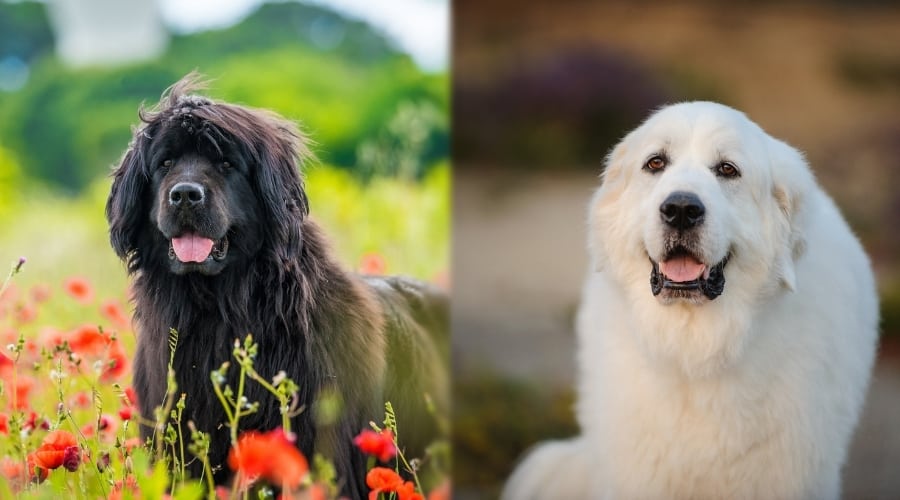
Both Pyrenees and Newfies are of the slower variety when it comes to large dogs. They will happily lie on the sofa for hours or loaf about the house after a long walk.
- Newfoundland: Friendly, steady, and always down for family outings. Like a giant Golden Retriever with a part-time swimming career.
- Great Pyrenees: Calm, serene, and always monitoring something only they can see. They spend half the day resting and the other half staring intensely into the distance.
Quick Takeaway
- Choose a Newfoundland if you want a family-friendly dog with moderate daily needs and optional water adventures.
- Choose a Great Pyrenees if you prefer a calm, low-energy guardian who requires space but not much structured activity.
Up next: the health issues every prospective owner should know before choosing a gentle giant.
Health & Lifespan
What Owners Wish They Knew Sooner
Giant dogs come with giant hearts and giant vet bills. Both breeds are lovable tanks, but their size means you’ll want to know what typically shows up on the vet’s radar as they age.
Common Health Issues
Because of their size, both breeds are at risk for bloat, and you should make yourself aware of the symptoms. It is a life-threatening condition that requires medical intervention immediately.
- Newfoundland: Prone to joint problems like hip and elbow dysplasia, plus certain heart conditions. Translation: keep an eye on their movement, appetite, and anything that looks “off.” They’re tough but not subtle about discomfort.
- Great Pyrenees: Similar joint risks, with the added possibility of bone conditions due to their guardian ancestry. They tend to mask pain, so you may not notice issues until they decide to stop pretending everything is fine.
Lifespan
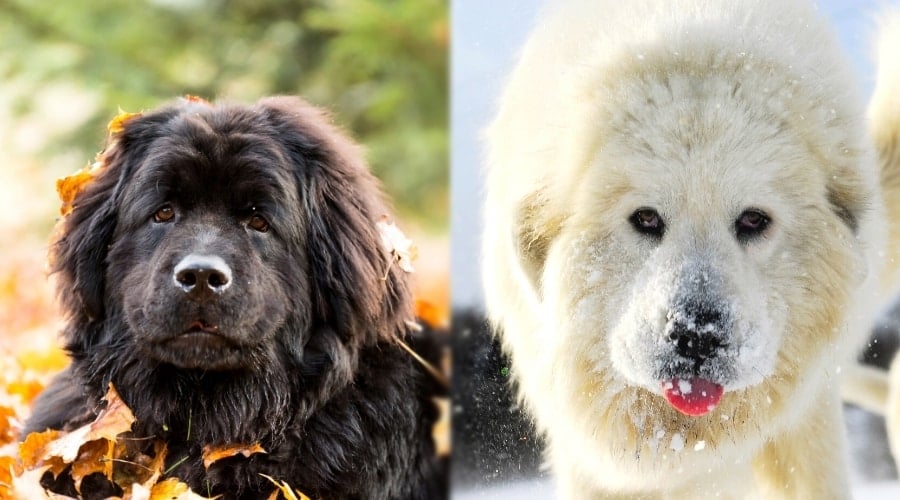
- Newfoundland: Typically shorter-lived among giant breeds. Think around the 9–10-year range. They pack a lot of love into every year, though.
- Great Pyrenees: Often a bit longer-lived, around 10–12 years. Their calm, low-energy nature helps stretch out their time with you.
Vet Costs & Care
- Newfoundland: Higher frequency of skin and ear issues due to moisture, drool, and thick coats. Regular checkups and grooming go a long way.
- Great Pyrenees: Fewer moisture-related problems, but may have more orthopedic expenses if joint issues appear. And yes, giant-breed medications cost more than the small-dog version.
Quick Takeaway
- Choose a Newfoundland if you’re ready for a gentle giant who may need extra joint and cardiac attention.
- Choose a Great Pyrenees if you want a calmer dog with similar risks but generally fewer early-life issues.
Up next: what these giants cost upfront and what they cost long-term once they move into your house and your wallet.
Puppy Prices & Lifetime Costs
The Real Budget Breakdown
Big dogs come with big love… and equally big expenses. Before falling for one of these gentle giants, it’s worth knowing what your wallet is signing up for.
Puppy Prices
The price you pay for the dog will depend on the breeder’s reputation and the quality of their genetic lineage. Breeders will also list things like size, fur pattern, color, and temperament into their dogs’ price.
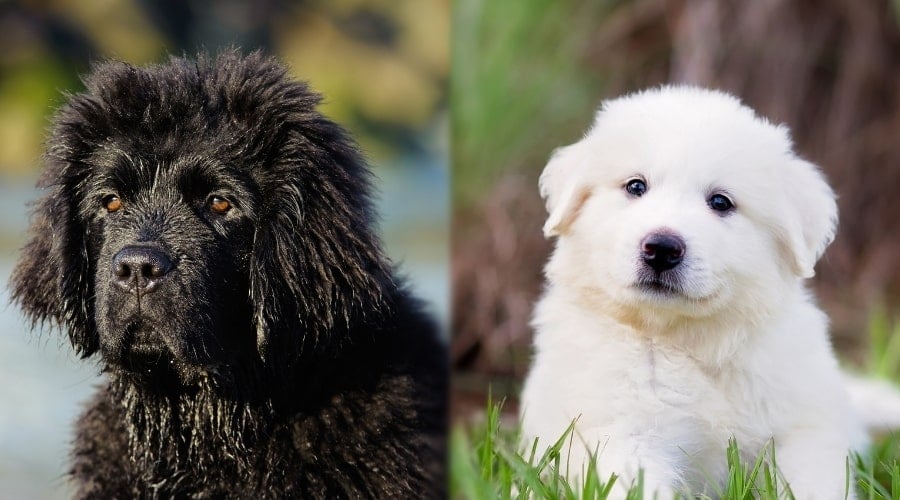
- Newfoundland: Usually starts around the $2,000 range and climbs depending on color, lineage, and breeder reputation. Landseer patterns? Often pricier. Basically, the more “bear-like,” the higher the bill.
- Great Pyrenees: Generally a bit more affordable up front, starting around $1,500. Still, champion lines or farm-working backgrounds can raise the price, sometimes in the region of $4,500. You’re paying for fluff and centuries of guarding instincts.
Food & Supplies
- Newfoundland: Eats like someone who just finished lifeguarding an entire beach. Expect higher monthly food costs. Large beds, large crates, large everything, your budget will notice.
- Great Pyrenees: Surprisingly moderate eaters, but their size still demands giant-breed everything. Fencing may also need upgrading. Remember, these dogs believe the perimeter must be secured at all times.
Grooming & Maintenance
- Newfoundland: Professional grooming can get expensive, especially during peak shedding months. And don’t forget drool towels, which will mysteriously disappear as soon as guests arrive.
- Great Pyrenees: Less grooming cost overall, but more vacuuming. You may go through vacuums the way other people go through phone chargers.
Vet Bills
- Both breeds: Larger dogs = larger doses = larger invoices. Joint care, preventative screenings, and emergency treatments can get pricey.
Quick Takeaway
- Choose a Newfoundland if you’re ready for higher grooming and food costs.
- Choose a Great Pyrenees if you’d rather spend money on vacuum bags than drool cleanup.
Up next: the lightning-round decision guide that tells you exactly which gentle giant belongs in your home.
Which Gentle Giant Should You Choose?
Still torn between these two oversized clouds with legs? Here’s the fastest way to decide without flipping a coin or adopting both (tempting, but not recommended for your furniture).
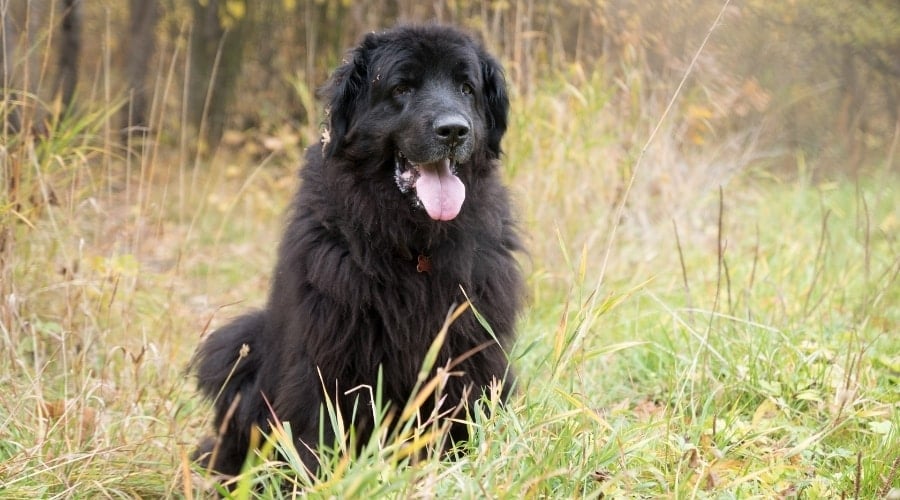
Choose a Newfoundland If…
- You want a friendly, affectionate dog who thinks you hung the moon.
- Drool on your pants doesn’t count as a wardrobe malfunction.
- You’d love a family-oriented giant who’s great with kids and easy(ish) to train.
- Swimming, water games, and outdoor adventures sound fun.
- You prefer a quieter home without constant “alert reports.”
Choose a Great Pyrenees If…
- You want a calm guardian who treats your home like a sacred fortress.
- You appreciate a dog with confidence, independence, and strong protective instincts.
- Barking doesn’t bother you or your neighbors.
- You have space for them to patrol and judge passing squirrels.
- You want a low-energy, low-drama companion (except when the mail arrives).
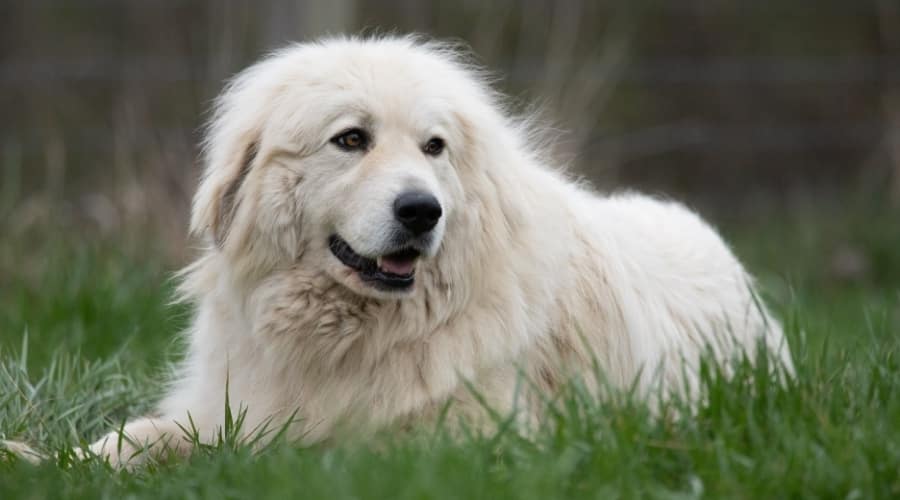
Up next: quick answers to the most common questions people ask about these two giant, lovable breeds.
FAQs: Newfoundland vs Great Pyrenees
Every giant-dog lover has a few burning questions before choosing between these two massive fluffballs. Here are the fastest, clearest answers to the things people ask most.
If I missed your question, drop it in the comments, because we love helping readers figure out which gentle giant truly fits their life.
Are Newfoundlands or Great Pyrenees Better With Kids?
Both are great with children, but Newfoundlands are famously gentle and tolerant. Great Pyrenees love kids, too, but lean more into “protective guardian” mode.
Which Dog Is Easier to Train?
Newfoundlands by a mile. They want to please. Great Pyrenees prefer to think for themselves and may respond to commands after a brief philosophical debate.
Which One Sheds More?
They both shed in dramatic seasonal waves and steadily year-round.
Do Both Breeds Drool?
Newfoundlands: yes, and proudly. Great Pyrenees: much less, unless water, food, or excitement is involved.
What Colors Do Newfoundlands & Great Pyrenees Come In?
Newfoundlands come in black, brown, gray, or the famous Landseer pattern (white with black patches). They’re basically giant teddy bears in multiple flavors.
Whereas Great Pyrenees are almost always solid white, sometimes with light tan, gray, or badger markings. It’s part of their “blend in with sheep” job description.
Can They Live in Apartments?
It’s possible but challenging. Newfoundlands adapt better; Great Pyrenees may alert the entire building to every hallway noise.
Which One Is Better for First-Time Owners?
Newfoundlands tend to be more beginner-friendly thanks to their easygoing, eager-to-please nature.
Do Newfoundlands or Great Pyrenees Make Better Guard Dogs?
The Great Pyrenees wins this one easily. They’re natural protectors who take guard duty very seriously. Newfoundlands can protect, but they’d rather greet intruders with a warm welcome and maybe a slobbery kiss.
Which Breed Is Better for Hot Climates?
Neither loves the heat, but Newfoundlands struggle the most due to their dense, water-resistant coats. Great Pyrenees tolerate warmth slightly better but still prefer shade, AC, and your cold tile floors.
Are Newfoundlands or Great Pyrenees More Affectionate?
Newfoundlands are full-body snugglers who assume you enjoy being pinned under 150 pounds of love. Great Pyrenees love affection too, but on their terms, usually after they’ve confirmed the perimeter is secure.
Which Breed Lives Longer?
Great Pyrenees typically have the edge with a 10–12 year lifespan. Newfoundlands average closer to 9–10 years. Calm dogs tend to age gracefully; water-rescue powerhouses burn energy faster.
Do These Breeds Get Along With Cats?
Usually yes. Newfoundlands treat cats like small, judgmental siblings. The Great Pyrenees may attempt to “protect” the cat whether it asked for this honor or not.
Before You Bring Home Your Gentle Giant… Read This First
Both Newfoundlands and Great Pyrenees are massive, lovable dogs, and setting them up for success starts with the right gear: an orthopedic dog bed to support their giant joints and a properly sized large crate to give them safe space without feeling cramped.
Consider a GPS collar in case your Great Pyrenees decides to patrol the entire neighborhood or your Newfoundland wanders off to find the nearest lake. Lastly, extra-tough chew toys that can survive jaws the size of your hand are another big win.
Tell Us About Your Gentle Giant! Have you lived with a Newfoundland, a Great Pyrenees, or both? We’d love to hear what life is really like with these giant fluffballs. Share your stories, surprises, funny moments, and hard-earned lessons in the comments.