When you purchase through links on our site, we may earn a commission at no extra cost to you. Learn more.
You know that feeling when you stand up, and your dog stands up, too. You walk to the kitchen, and they’re right behind you. Bathroom? Obviously. Sit back down? Somehow, they beat you there.
Table of Contents
At some point, it hits you. This isn’t random, and it isn’t just affection. Your dog has chosen you.
When dogs imprint on a person, it shows up in quiet, everyday ways that feel deeply personal. The constant check-ins. The emotional radar. The way they seem calmer just by being near you. If you’ve ever wondered whether your dog sees you as more than just their favorite treat dispenser, the signs your dog imprinted on you are often already woven into your daily routine.
What Does It Mean When A Dog Imprints On You?
Imprinting is when a dog forms a strong emotional bond with a specific person. It usually develops over time, once your dog decides you are safe, predictable, and worth keeping track of.
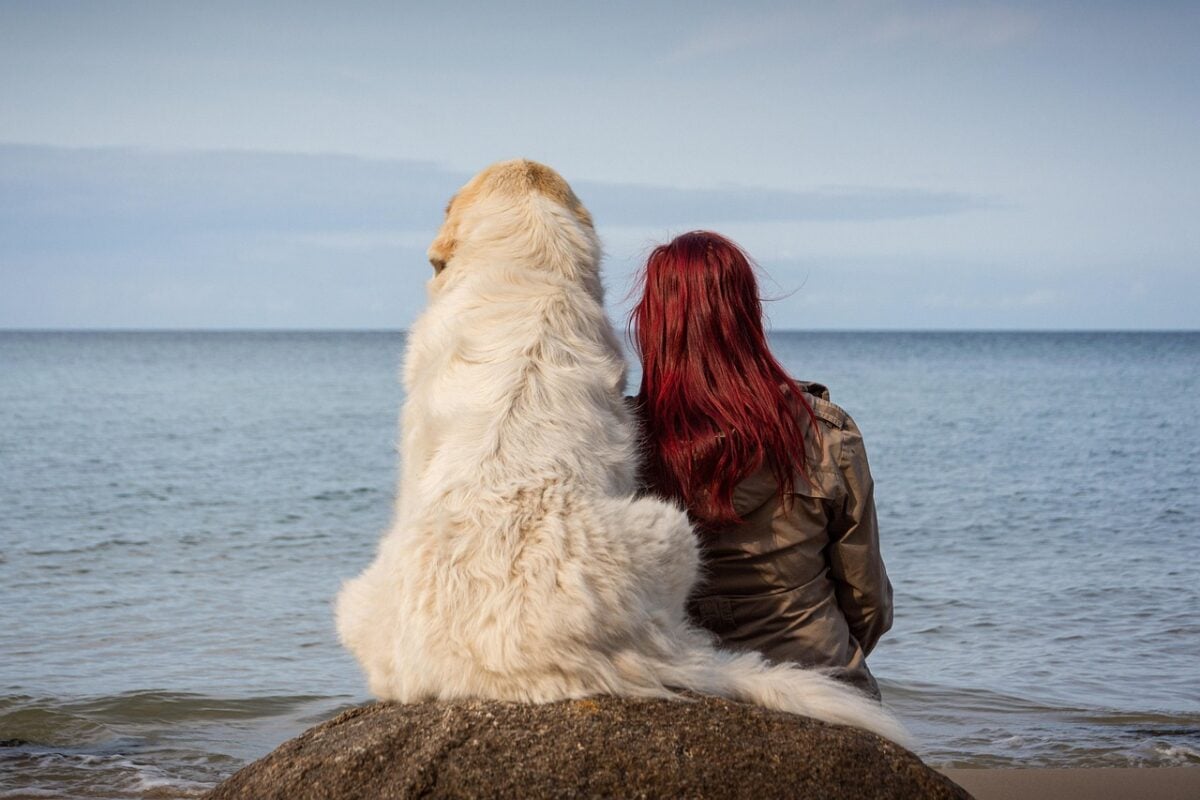
Dogs may live with multiple people, but many choose one favorite. This is the person they trust most, follow from room to room, and keep casually informed of their whereabouts.
If your dog watches your movements, responds quickly to your voice, and seems more at ease simply because you are nearby, it may not be a coincidence. It may be imprinting.
12 Signs Your Dog Has Imprinted On You
Every dog shows attachment a little differently, but when one has truly imprinted on you, the signs are hard to miss.
Some are sweet. Some are slightly inconvenient. And a few might make you wonder whether your dog has appointed themselves your full-time supervisor.
But taken together, these behaviors all point to the same conclusion. You’re their person now.
1. They Follow You Everywhere
You stand up to grab a glass of water, and before you reach the kitchen, you hear paws behind you. By the time you turn around, your dog is already there, watching closely as if this trip required supervision.
Dogs who have imprinted on a person prefer constant proximity. Being near you feels reassuring, which means they want to know where you are, what you are doing, and why you are doing it, even if the activity is walking five feet and then stopping for no clear reason.
2. They Mirror Your Mood
You have a stressful day, and your dog suddenly becomes quieter, clingier, and unusually alert to your movements. On days when you are relaxed or cheerful, that same dog appears lighter, bouncier, and much more willing to participate in life.
Imprinted dogs tend to synchronize emotionally with their person. They notice your tone of voice, posture, and energy shifts and adjust their own behavior. They remain aligned with whatever emotional atmosphere you bring into the room, whether it’s calm, chaotic, or mildly unhinged.
3. They Instinctively Offer Comfort
You haven’t said anything out loud, but your dog knows something is off. Without being called, they settle near you or place their head against your leg as if offering quiet support. An imprinted dog often reacts to how you feel. It’s learned attention.
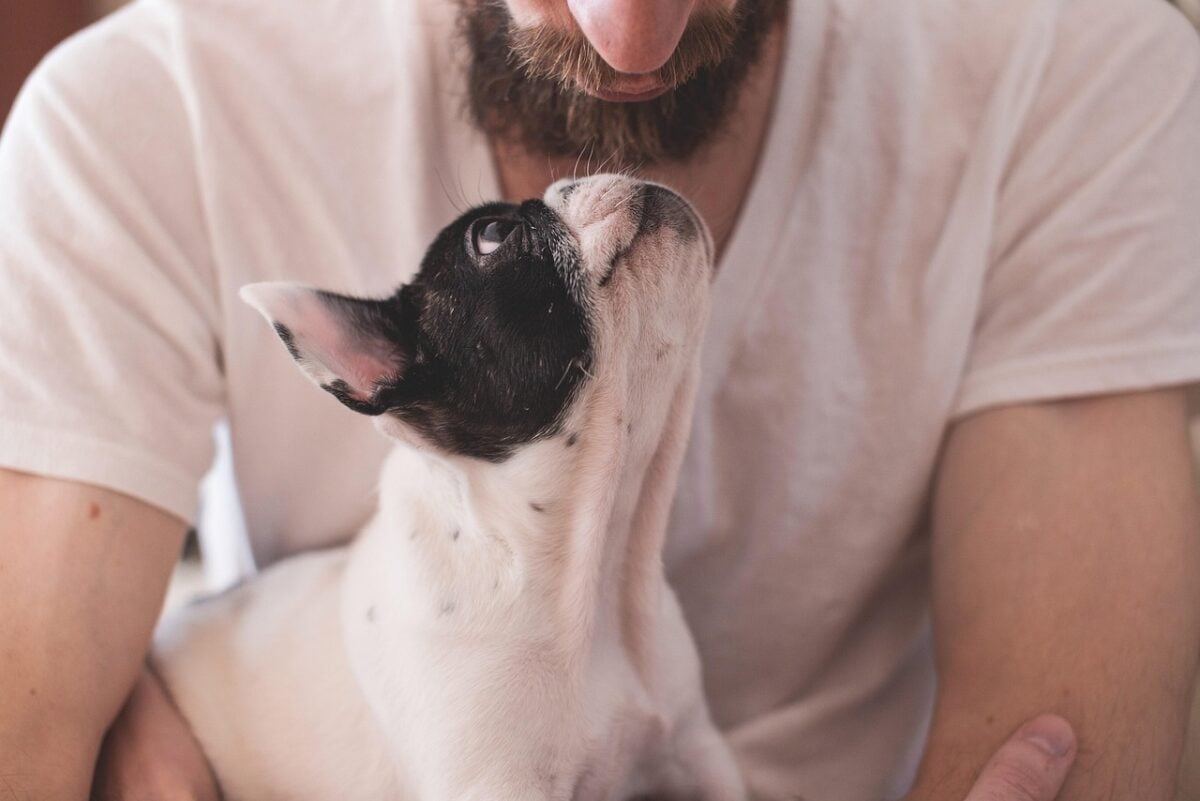
Dogs that imprint on someone spend so much time observing them that subtle changes start to stand out. This sensitivity allows them to respond with comfort or closeness when their person needs it most.
4. They Bring You “Gifts”
You’re suddenly presented with a toy, a sock, or something unidentifiable from the yard, placed carefully at your feet. Your dog waits expectantly, as though this exchange is deeply meaningful.
For an imprinted dog, bringing objects is a form of social sharing. You’re now part of their inner circle, which apparently includes favorite toys, stolen laundry, and whatever suspicious item they found outside and deemed important.
5. They Sleep Near You
At bedtime or naptime, your dog positions themselves close enough that at least one part of their body remains in constant contact with yours. Even when there ample space is available or a dog bed is nearby, distance isn’t an acceptable option.
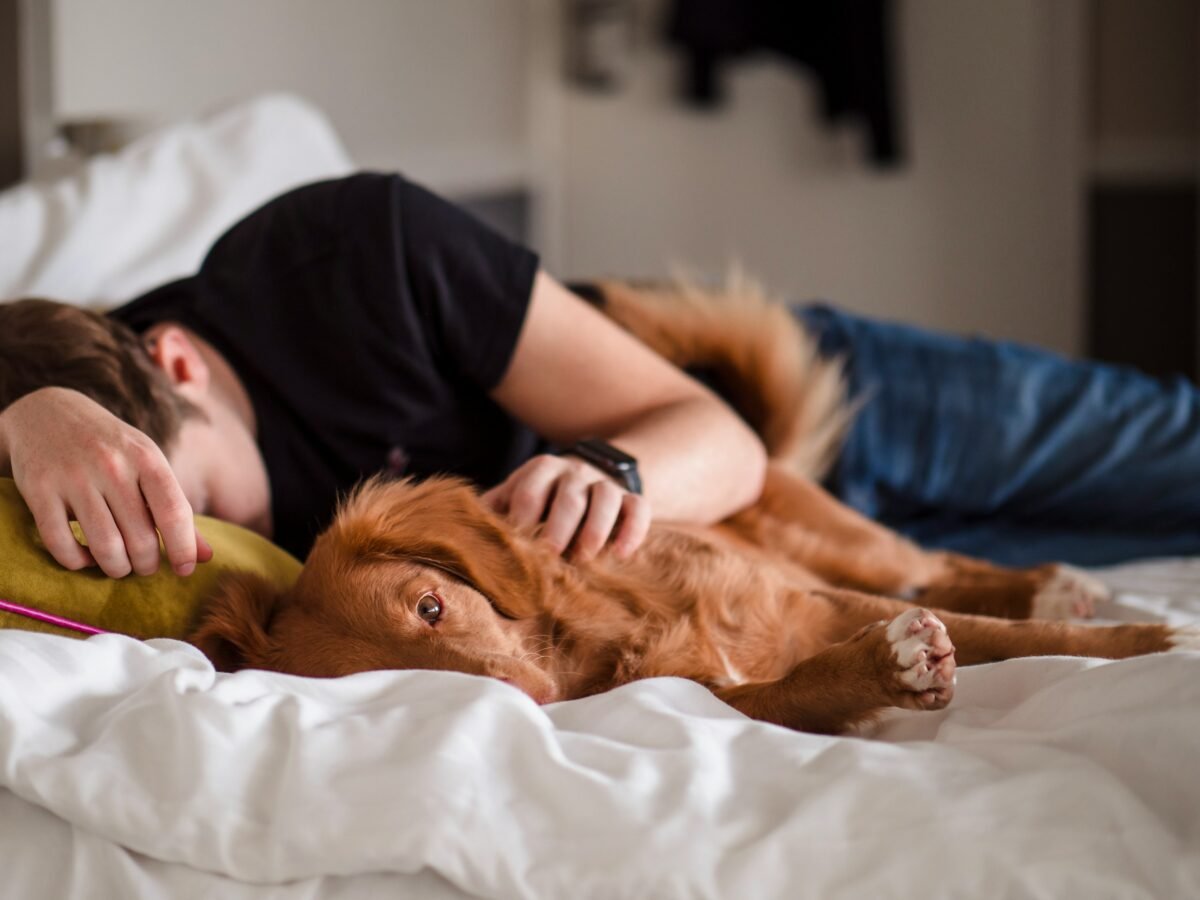
Sleep is a vulnerable time for dogs, and choosing to rest near someone reflects deep trust. Imprinted dogs feel safest when they can maintain physical contact, even if that contact involves a single paw placed firmly on you for accountability purposes.
6. They Seek Physical Contact On Their Own Terms
If your dog regularly leans on you, nudges your hand when you stop petting too soon, or places their head on you with no regard for personal space, that behavior is often very deliberate. It’s another common sign your dog has imprinted on you.
Dogs that imprint on a person don’t wait politely for affection. They request it directly. A casual lean becomes a complete transfer of body weight. A gentle nudge turns into a reminder that your hand has essential responsibilities. This behavior reflects comfort, security, and a desire to stay emotionally aligned, rather than a need for constant attention.
7. They Always Check In With You
You’re walking along, and your dog suddenly stops to look back at you, just to make sure you’re still there and have not wandered off for reasons unknown. Once they confirm your presence, they proceed as if this brief headcount were absolutely necessary.
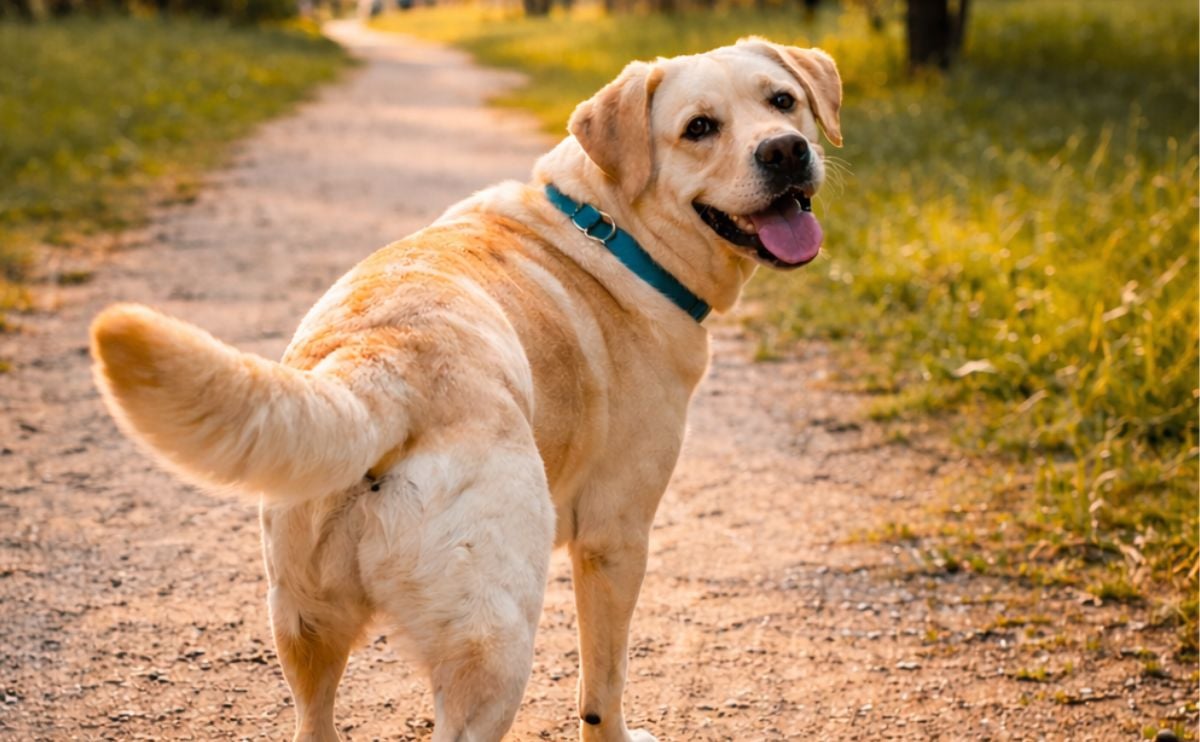
Dogs who have imprinted on a person use these check-ins to stay emotionally oriented. You are their reference point, which means they need to verify that the group is still intact and moving correctly, even if that direction leads to the same block you walk every single day.
8. They Make and Hold Eye Contact With You
You catch your dog staring at you, and instead of looking away, they maintain eye contact with unsettling confidence. But this isn’t the intense stare they give squirrels or the vacuum cleaner. The look feels calm and intentional rather than challenging or anxious.
Imprinted dogs are especially comfortable using eye contact as a bonding tool. Holding your gaze helps them feel connected and reassured, even if you are doing something unimportant, like scrolling through your phone while they sit across the room conducting a silent evaluation.
Science Behind the Stare
A study published in Science found that mutual eye contact between dogs and their owners can increase oxytocin in both, strengthening the bond in a way similar to human parent–child attachment. In other words, that long look is doing more than being cute.
9. They Listen To You More Than Anyone Else
If your dog suddenly develops selective hearing the moment someone else gives instructions, it’s not stubbornness. It’s a preference. Imprinted dogs tend to prioritize their chosen person’s cues, even in the presence of distractions.
Your tone, expressions, and expectations carry more weight because your dog has learned to trust your guidance above all others. When you call them, they hesitate less. When you correct them, they adjust faster. When you ask them to do something, they actually consider it.
10. They’re Overjoyed When You Return
If your dog reacts to your return like you’ve just come back from a long expedition, even if you were only gone for 10 minutes, that enthusiasm usually has a reason. Their excitement escalates instantly, their body moves in several directions at once, and they appear genuinely relieved that you survived whatever you were doing without them.
Dogs that have imprinted on a person do not treat reunions casually. Your return represents safety and stability, which explains why even a trip to the mailbox can be met with enthusiasm typically reserved for major life events.
11. They Seek You Out For Comfort
A loud noise, an unfamiliar situation, or an object that feels mildly suspicious causes your dog to move closer to you immediately. They sit beside you, lean against you, or stare at you expectantly, waiting for confirmation that this is not, in fact, an emergency.
When dogs imprint, their person becomes their emotional filter. Seeking you out during stressful moments shows that your dog trusts you to interpret the world and decide whether calm is appropriate or concern is justified.
12. They Act Protective of You
You notice your dog becoming alert when someone approaches you, even if that person appears harmless and uninterested. Your dog positions themselves nearby, watching closely, as though this interaction requires supervision.
Imprinted dogs often develop a quiet protectiveness toward their chosen person. This attentiveness stems from attachment rather than aggression and reflects your dog’s instinct to keep an eye on situations involving you, just in case.
Bonding vs. Imprinting: What’s the Difference?
At this point, you’re likely wondering if there’s a difference between imprinting and bonding — and if it really matters! Bonding and imprinting are related, but they’re not quite the same thing.
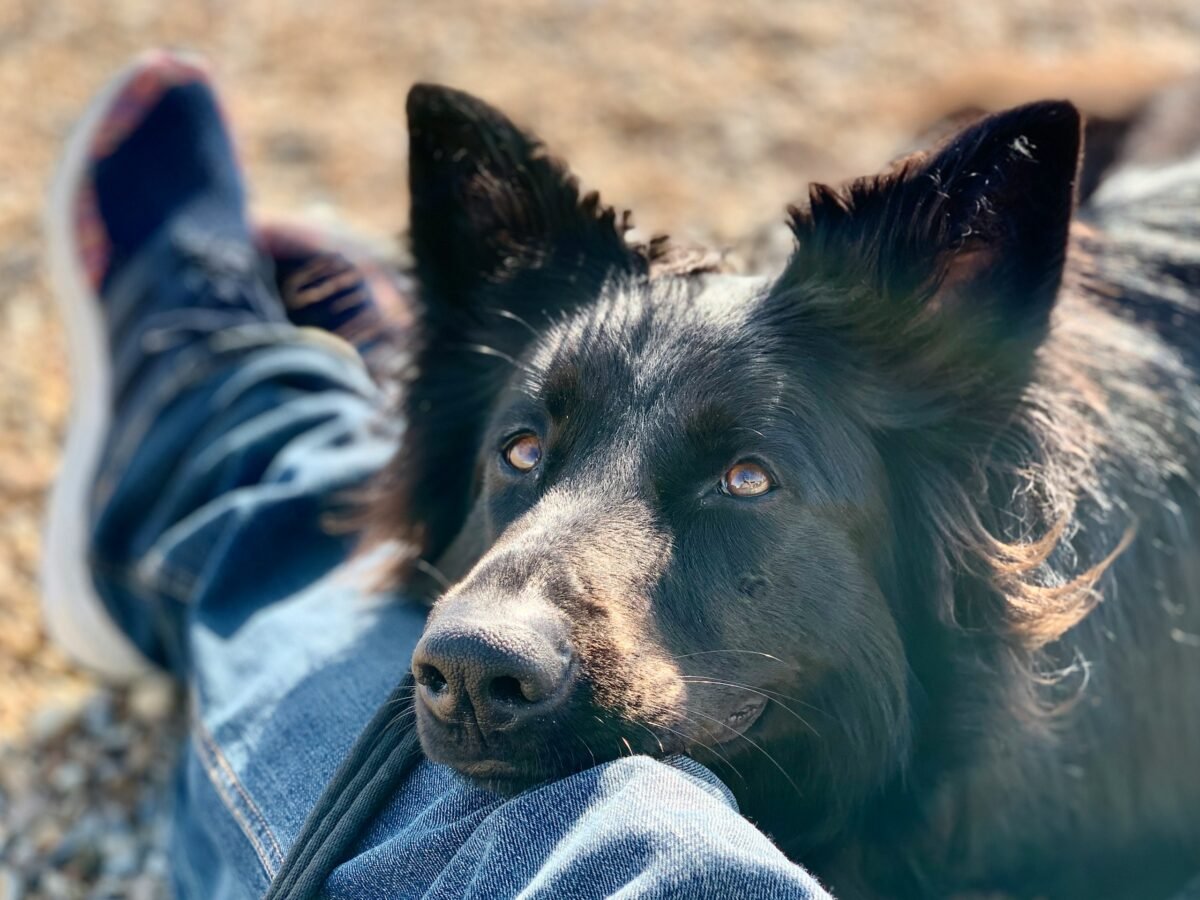
- Bonding is flexible and social. Dogs can bond with multiple people through shared routines, positive interactions, and time spent together. These bonds can strengthen, shift, and expand over a dog’s lifetime.
- Imprinting is deeper and more directional. An imprinted dog forms a primary emotional attachment to one person who becomes their main source of safety, guidance, and emotional regulation.
You can think of bonding as friendship and imprinting as choosing a home base. Many dogs bond with the whole household, but imprint most strongly on the person they trust most instinctively.
Both are healthy. Bonding builds relationships, while imprinting shapes attachment. When the two work together, dogs feel secure, confident, and connected without becoming dependent.
When Does Dog Imprinting Start? A Simple Timeline
Dog imprinting develops gradually during early life, not in a single defining moment. These early weeks matter because a puppy’s brain is actively deciding who feels safe, who belongs, and how relationships work.
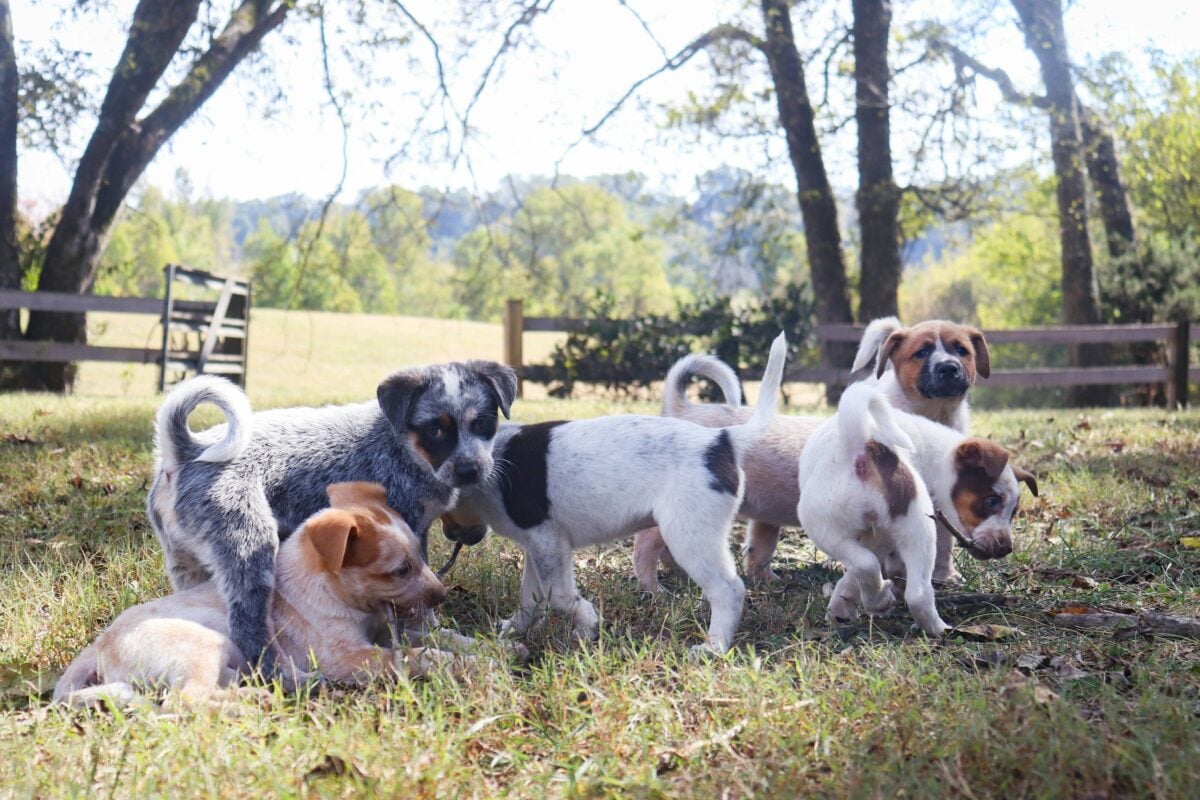
According to the American Veterinary Medical Association, the most critical socialization window for puppies generally falls between 3 and 14 weeks of age, which is why experiences during this time can shape attachment in the long term.
Stage 1: Canine Imprinting (3–7 Weeks)
This is when puppies learn how to be dogs. They focus almost entirely on their mother and littermates, learning bite inhibition, social boundaries, and canine body language through play and correction.
Veterinary behaviorists consistently note that early litter interaction is critical for the development of normal dog-to-dog social skills later in life.
Stage 2: Human Imprinting (7–12 Weeks)
This is when humans start to matter in a big way. Puppies become especially receptive to people, routines, and gentle handling. Experiences during this stage strongly influence whether humans feel predictable, trustworthy, and emotionally safe.
The American Veterinary Society of Animal Behavior emphasizes that positive human exposure during this period has long-term effects on confidence and attachment.
Stage 3: Fear Imprinting (8–12 Weeks)
At the same time, puppies are opening up and becoming more sensitive. Stressful or overwhelming experiences can stick more easily during this window, which is why calm introductions and patience matter.
Experts note that early fear experiences can leave lasting impressions, though they are not permanent with proper support.
Quick Reassurance For Adult Dogs
Even if your dog missed part of this timeline, imprinting is still possible. Many adult and rescue dogs form deep, healthy attachments later in life. It simply takes time, consistency, and emotional safety.
Can Your Dog Become Too Attached?
Yes, a dog can become too attached, but imprinting itself is not the problem. The issue arises when attachment crosses the line from a healthy connection into emotional distress whenever you are not present.
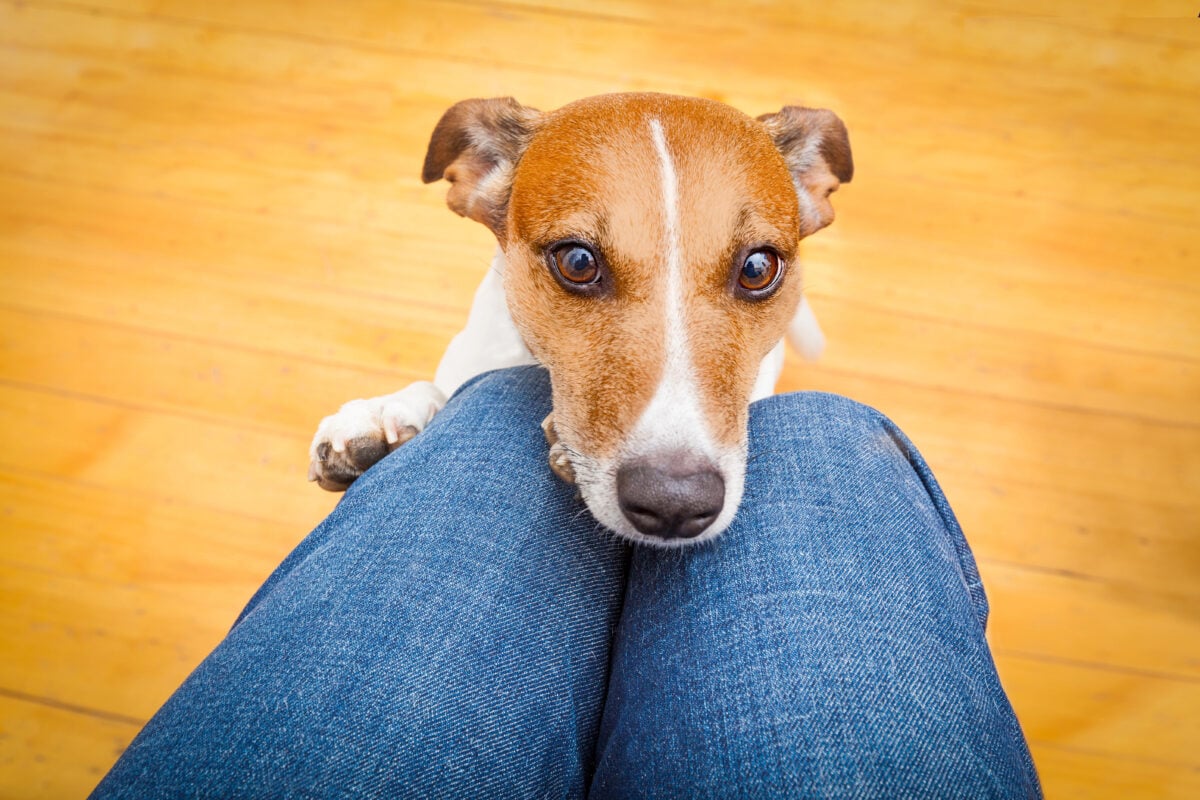
A dog who has imprinted on you should feel secure, not panicked. Healthy imprinting allows a dog to relax when you leave, settle independently, and trust that you will return on a predictable schedule.
Unhealthy attachment, on the other hand, often shows up as excessive anxiety, pacing, vocalizing, or destructive behavior the moment you walk out the door.
The difference usually comes down to confidence. An imprinted dog sees you as a stable base, while an overly attached dog feels unable to cope without constant access to you. One bond supports independence, and the other quietly undermines it.
It is also worth noting that strong attachment can sometimes look dramatic without actually being unhealthy. Some dogs simply greet enthusiastically, follow closely, and prefer your company without experiencing distress when you leave. In those cases, what looks like clinginess is often just affection combined with a social personality.
When Attachment Starts To Feel Stressful
If your dog struggles when you are gone, the goal is not to reduce your bond but to expand their sense of security. The focus should be on helping your dog feel confident and settled, even when you’re not in the room.
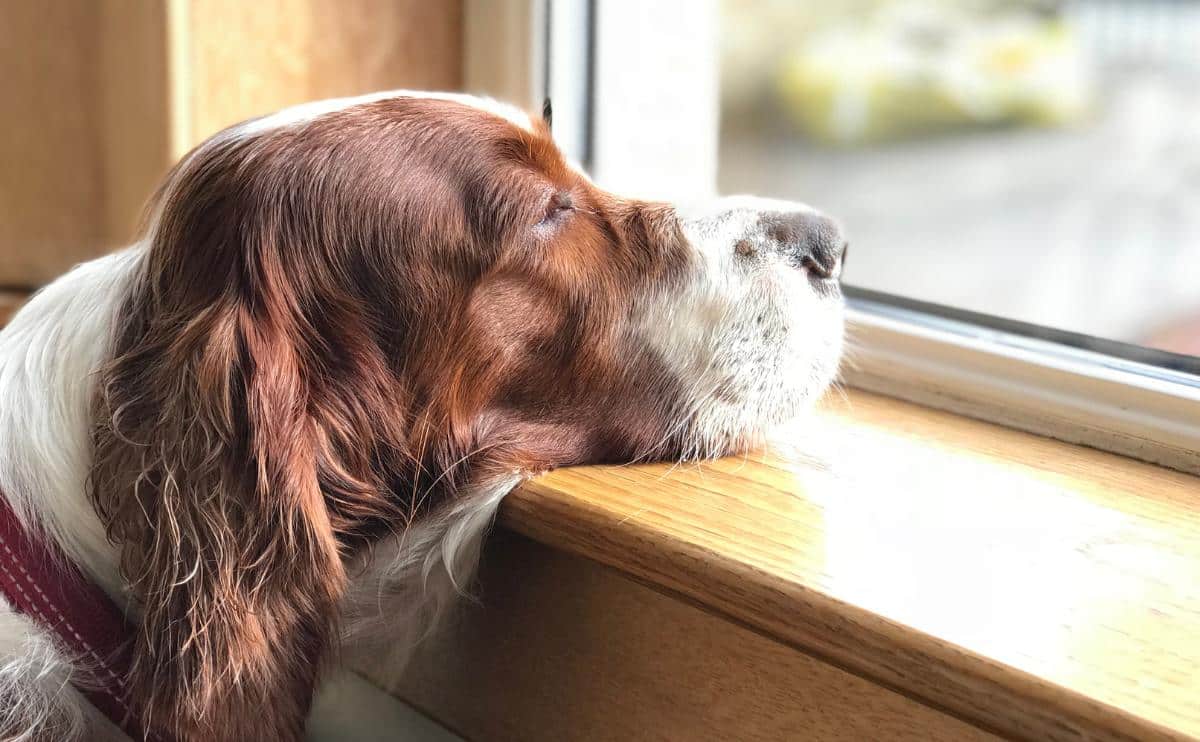
Practical ways to support a dog who has trouble being alone include:
- Keep departures low-key, avoiding emotional goodbyes that can make leaving feel dramatic or alarming.
- Stick to predictable routines, so your dog learns that your comings and goings follow a pattern.
- Provide mental enrichment, such as puzzle toys, lick mats, or food-dispensing toys, to give your dog something positive to focus on while you are away.
- Encourage short periods of independence, like resting on their own bed or staying in another room while you’re home.
- Reward calm behavior, especially when your dog chooses to settle rather than follow you everywhere.
In other words, your dog can love you deeply without needing to supervise your every movement. Even the most devoted dogs benefit from learning that alone time does not mean abandonment, and that you always come back, even if you forgot your phone and returned immediately.
When To Get Help
Strong attachment is normal, but professional help is worth considering if your dog shows ongoing distress when you leave. This may include persistent barking, howling, or whining, destructive behavior, pacing, or panic that does not improve with routine changes.

It is also important to seek help if your dog struggles to calm down after you return, or if their anxiety appears to be getting worse over time. These signs suggest your dog is having trouble coping when alone, not simply missing you.
The American College of Veterinary Behaviorists urges owners to seek professional help as early as possible. A trainer, veterinarian, or dog behaviorist can help identify whether separation anxiety or another issue is at play.
Getting support early does not weaken your bond. It simply helps your dog learn that being alone is safe, even when they would strongly prefer to supervise your every move.
Frequently Asked Questions
Have more questions about dog imprinting and bonding? Here are a few things people often wonder when trying to decode their dog’s behavior. Don’t see yours? Ask us in the comments!
Can A Dog Imprint On A Human?
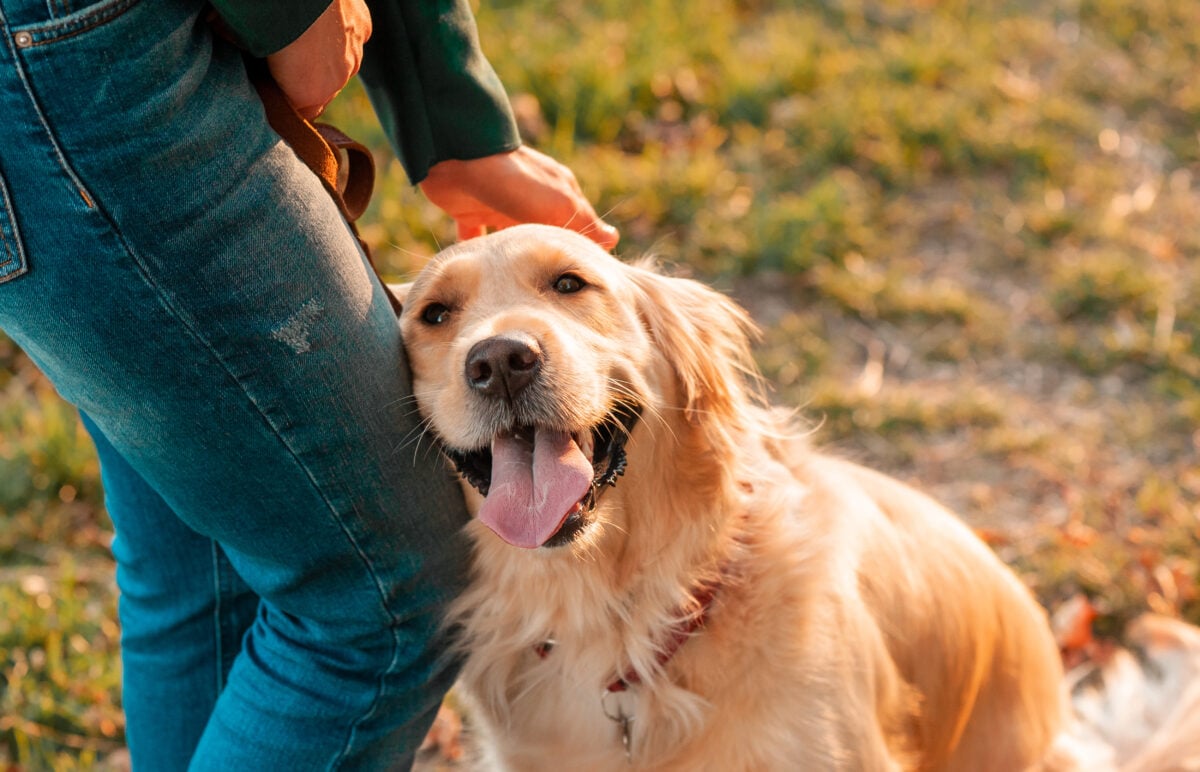
Yes, dogs can and often do imprint on humans. Because dogs are highly social animals, they naturally form strong emotional attachments to the people who consistently care for them, communicate clearly, and provide a sense of safety and stability.
In most households, dogs do not imprint on “people in general,” but on one primary person who becomes their main emotional reference point. This imprinting can happen in puppyhood or later in life, including with adult or rescue dogs, and it develops gradually through everyday interactions rather than a single defining moment.
Can Dogs Imprint On More Than One Person?
Yes, they can. Many dogs have one primary person and a few trusted secondary people. Imprinting doesn’t mean your dog ignores everyone else. It simply means one person tends to carry the most emotional weight.
Can An Adult Rescue Dog Imprint On Me?
Absolutely. Adult dogs are fully capable of imprinting, especially when they finally experience consistency, safety, and emotional stability. It may take longer and look more cautious at first, but the attachment can still be just as strong.
Does Imprinting Cause Separation Anxiety?
Not on its own. Imprinting and separation anxiety aren’t the same thing, though they can overlap. Anxiety is driven by fear and distress, while imprinting is rooted in trust. When anxiety appears, it usually reflects unmet emotional needs rather than attachment itself.
My Dog Seems More Bonded to My Spouse Than Me. What Can I Do?
This happens more often than people admit. Dogs gravitate toward whoever they associate with calm, predictability, and positive experiences. If you want to strengthen your bond, focus on shared routines, relaxed time together, and low-pressure interactions. Competing for attention rarely helps, but consistency usually does.
How Can I Strengthen My Bond With A New Dog?
Bonding grows through small, repeatable moments, not big gestures. Calm interactions, predictable routines, low-pressure time together, and steady reactions all help your dog learn that you are reliable. Trust builds quietly, often before you realize it is happening.
How Long Does It Take For A Dog To Imprint?
There’s no universal timeline. Some dogs connect quickly, while others take months to fully settle. Imprinting happens gradually as your dog learns that your presence is predictable, safe, and emotionally steady.
Understanding Your Pup’s Quirky Behavior
Every dog bonds differently, and imprinting does not look the same in every household. Some dogs follow you everywhere, some watch quietly from across the room, and some express attachment in ways that are subtle but deeply felt.
If you’re curious about how dogs form bonds, communicate emotions, and show attachment in different ways, these related guides can help:
Which signs feel most familiar in your home? Does your dog have a habit that made you stop and think, “Oh wow, that’s us”? Share your experience in the comments. Chances are, another dog parent is noticing the exact same thing.