When you purchase through links on our site, we may earn a commission at no extra cost to you. Learn more.
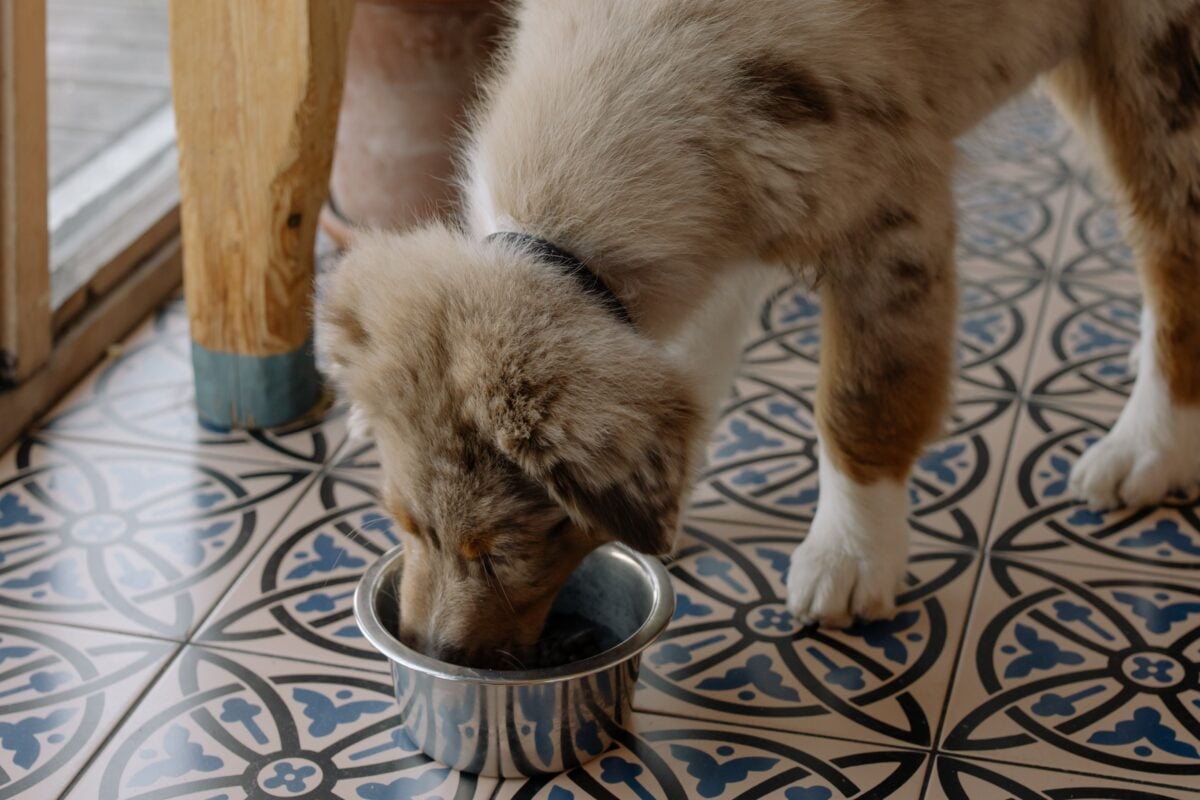
Your dog’s water bowl is empty again, and you could swear you just filled it.
Table of Contents
Maybe they’re drinking longer, coming back more often, or suddenly waking you up for a middle-of-the-night potty break. When you know your dog’s normal routine, a change like this can be hard to ignore—and even harder not to worry about.
Sometimes there’s a simple explanation, like hot weather, extra exercise, or a change in food. Other times, increased thirst can be an early clue that something else is going on.
So what should you pay attention to next?
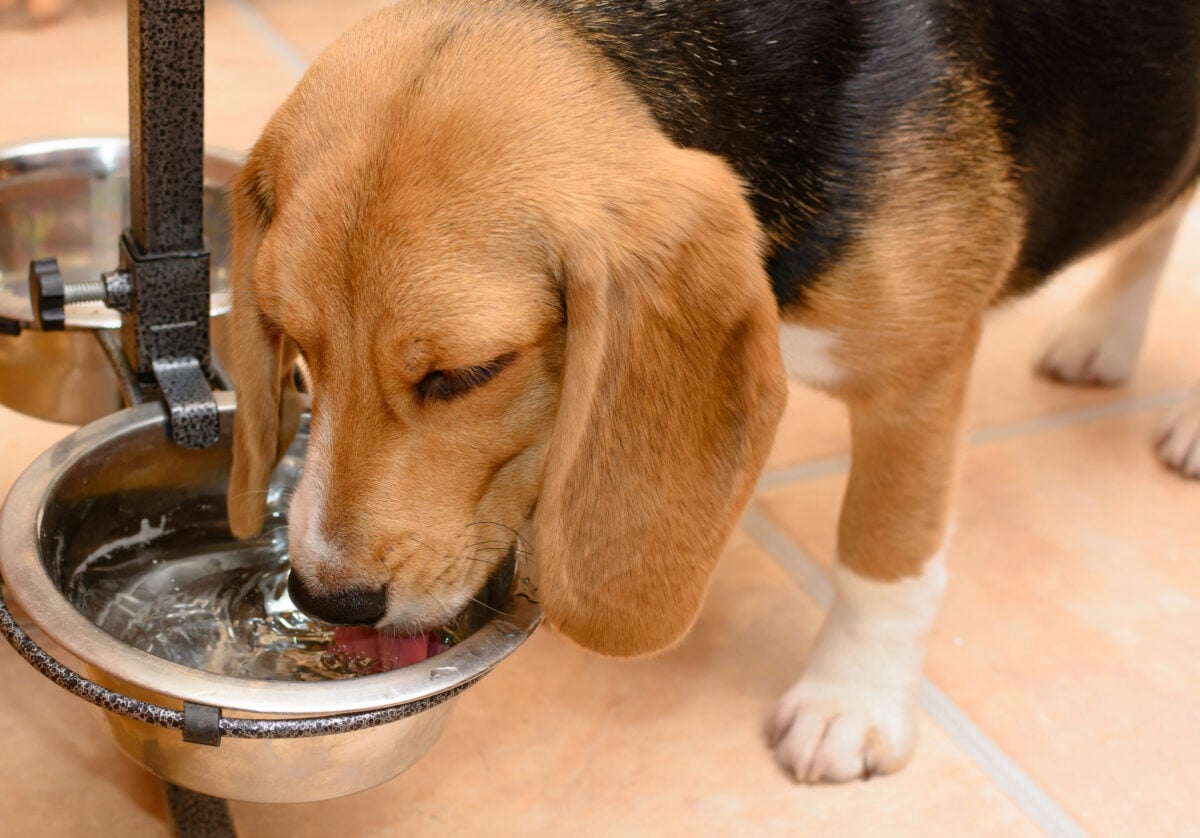
5 Everyday Reasons Your Dog May Be Drinking More Water
Start with the simplest question: Has anything changed around your dog that could reasonably make them thirstier?
That may sound obvious, but when you’re worried, it’s easy to jump straight to the possibilities you don’t want to think about. Heat, exercise, food, and routine changes can all make a noticeable difference at the water bowl—and sometimes the timing gives you the answer.
1. It’s Hotter Than Usual
Dogs rely heavily on panting to cool themselves, and that process causes them to lose moisture. On a hot or humid day, more drinking is exactly what you’d expect.
You may notice an especially enthusiastic visit to the bowl after time in the yard, a walk in warm weather, or even a sunny afternoon spent supervising the neighborhood from the porch.
The useful clue is what happens afterward. If the extra thirst appears with the heat and eases as your dog cools down, the explanation is obvious. Heavy panting, weakness, vomiting, confusion, or collapse are different signs and can point to heat illness.
2. Your Dog Has Been More Active
A longer walk, an energetic play session, a hike, daycare, or 47 rounds of “throw it again” can all send a dog looking for water.
Again, timing matters. A dog who drinks more after an unusually active morning shows a different pattern than one who suddenly starts draining the bowl despite sleeping through most of the afternoon.
Changes in activity can be easy to overlook, especially when they happen gradually, or someone else in the household has taken over a few walks.
3. You Changed Their Food
This one can catch owners by surprise.
Wet dog food contains considerably more moisture than dry kibble. If you recently switched from canned food to dry food, or simply started serving less wet food, your dog may need to make up some of that missing moisture at the water bowl.
The same thing can happen if you stopped adding water or broth to meals.
So your dog may drink much more, even though part of the change is simply where their daily water is coming from.
4. They Ate Something Saltier Than Usual
A salty snack can make dogs thirsty just as it can us.
Table scraps, people food, or an unusually salty treat may result in an extra trip or two to the bowl. Some veterinary diets are also formulated to encourage increased water intake.
A little extra drinking after a dietary indiscretion is one thing. Sudden, relentless thirst is harder to explain away with the piece of ham that mysteriously disappeared from the counter.
5. Their Routine Changed
Travel, boarding, a change in feeding times, more time outdoors, a different walking schedule, or even spending the day somewhere warmer can all shift when and how much a dog drinks.
Some dogs also drink less while they’re away from home and then make up for it when they return.
This is where knowing your dog helps. If the water bowl changed at the same time as the rest of their day, you may already have your first clue.
What Changed Before The Water Bowl Did?
If none of those explanations jumped out immediately, think back over the last few days. Sometimes the useful clue showed up before the thirst did.
- Has the weather been warmer?
- Have walks, playtime, or outdoor time increased?
- Did you change foods or start feeding less wet food?
- Any new treats, table scraps, or salty foods?
- Has your dog traveled, boarded, or had a schedule change?
- Any vomiting or diarrhea?
- Did they recently start a new medication or change doses?
- Or has nothing else changed at all?
That last possibility is the one that deserves a closer look.
Before You Worry About Disease, Check The Medicine Cabinet
If nothing obvious has changed with your dog’s weather, activity, food, or routine, take one more look at their medications before your mind heads somewhere scarier.
Several drugs can noticeably increase thirst and urination. Common examples include:
- Corticosteroids: Drugs like prednisone or dexamethasone, used for allergies or inflammation, often trigger heavy thirst, panting, and hunger.
- Diuretics: Water pills like furosemide cause dogs to lose more water through urine, which naturally makes them drink more to compensate.
- Anti-Seizure Medications: Drugs like phenobarbital often increase a dog’s appetite and water intake.
- Too Much Thyroid Medication: If a dog receives more levothyroxine than they need, excess thyroid hormone can cause increased thirst and urination, along with signs like panting, restlessness, or weight loss.
The timing can offer an important clue. Did the extra drinking begin after your dog started a new medication or had a dose changed?
Don’t stop or reduce a prescribed medication on your own. Instead, let your veterinarian know what you’re seeing and when it started.
The Biggest Clue May Be What Happens At The Other End
If heat, activity, food, routine, and medications don’t seem to explain the change, pay attention to what happens after your dog drinks.
Are they also producing noticeably more urine?
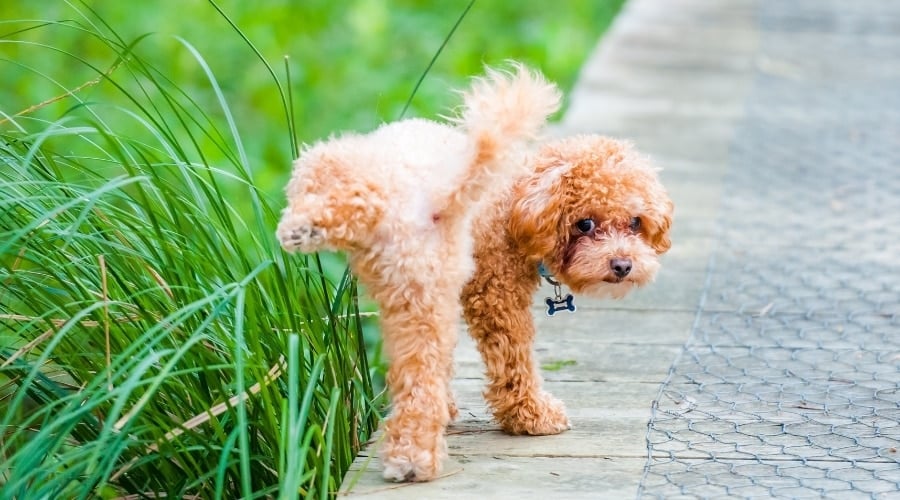
That combination matters because increased thirst and increased urine production often go hand in hand. Veterinarians call them polydipsia (drinking excessively) and polyuria (producing excessive urine), or PU/PD for short.
And here’s the part that isn’t always obvious: sometimes the extra drinking isn’t the original problem.
With several medical conditions, a dog begins passing larger amounts of dilute urine and losing more water from the body. They become thirstier because they’re trying to replace what they’re losing.
You might notice:
- Longer or much larger pees
- More substantial trips outside
- New accidents in a previously house-trained dog
- Needing to go out during the night
If you already have that nagging feeling something has changed, urination is one of the most useful details to watch.
More Pee Isn’t The Same As Trying To Pee More Often
There’s an important difference between a dog producing much more urine and one who keeps asking to go outside but passes only a little.
Frequent squatting, straining, urgency, discomfort, or blood in the urine can point toward irritation or disease in the urinary tract rather than classic PU/PD.
If your dog is making big pees and drinking more, that gives your veterinarian a very different clue than repeated trips outside for a few drops.
Does Age Affect How Much Dogs Drink?
Age can change which explanations rise to the top of the list.
Puppies naturally have smaller bladders, higher activity levels, and less predictable routines, so frequent drinking and potty trips can be harder to interpret. What matters most is a noticeable change from their usual pattern.
With adult dogs, established habits often make the shift easier to spot. You know roughly how often the bowl needs filling and how many trips outside make up a normal day.
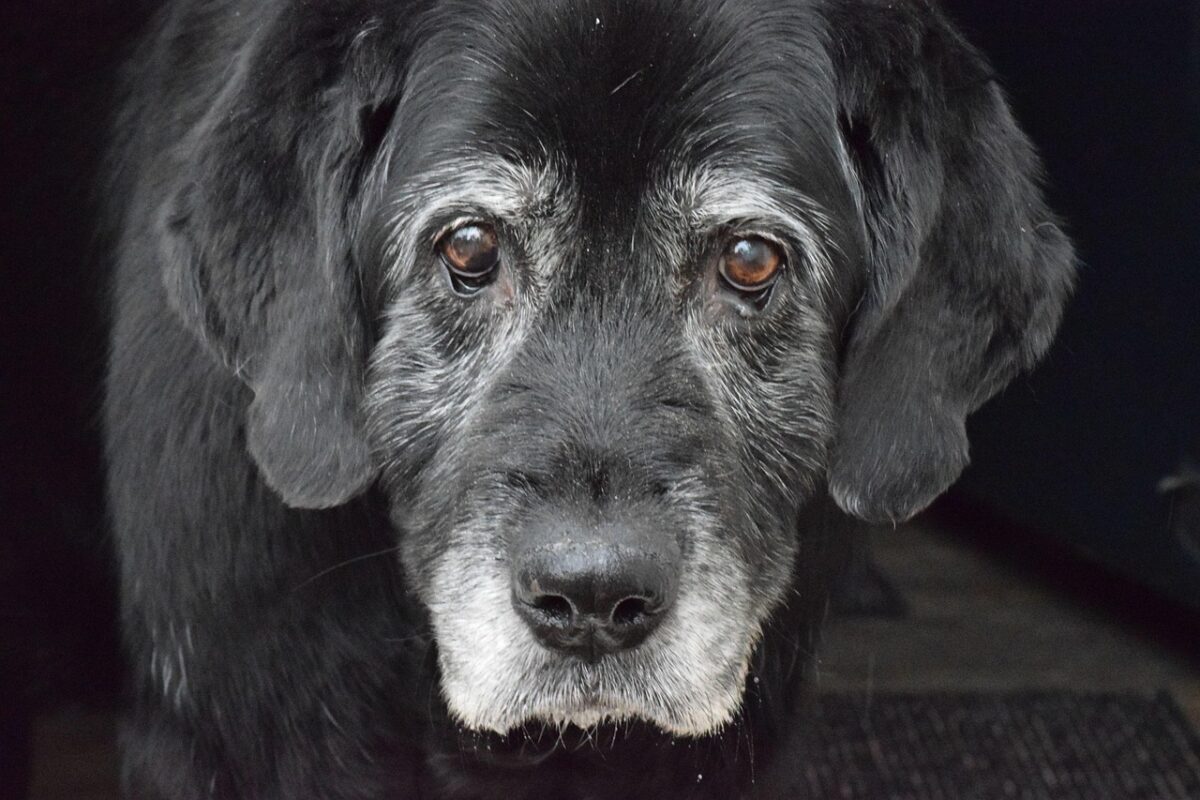
And with senior dogs, a new thirst pattern can feel especially hard to ignore. Many medical conditions become more common with age, so an unexplained increase in drinking deserves a little more attention.
Age doesn’t tell you what’s wrong. It simply changes which possibilities your veterinarian may consider first.
Medical Reasons A Dog May Suddenly Start Drinking More
If you’ve ruled out the obvious possibilities and your dog is still drinking noticeably more, an underlying health problem becomes more important to consider.
That can be unsettling, especially if your dog is older or you’ve already noticed other small changes that didn’t seem connected at first. But those accompanying details, such as appetite, weight, urination, energy, and panting, can give your veterinarian useful clues about what may be going on.
1. Diabetes Mellitus
With diabetes, a dog doesn’t have enough effective insulin to move glucose from the bloodstream into the cells that need it. Blood sugar rises, and some of that excess glucose eventually spills into the urine.
The glucose pulls extra water into the urine, so the dog urinates more and becomes thirstier as it tries to replace what it’s losing.
Other signs can include:
- Increased urination
- Increased appetite
- Weight loss despite eating normally or more
- Lower energy
- Cloudy eyes or cataracts
That combination of more drinking, more peeing, a strong appetite, and unexplained weight loss is particularly useful to mention to your vet.
2. Kidney Disease
The kidneys do much more than filter waste. They also help control how much water the body keeps by concentrating urine when necessary.
When kidney function declines, the kidneys may lose some of their ability to concentrate urine properly. More water leaves the body in that dilute urine, and your dog may start drinking more to compensate.
Other changes can include:
- Increased urination
- Reduced appetite
- Weight loss
- Vomiting
- Lower energy
This can be especially easy to notice in a senior dog whose daily habits have been predictable for years: suddenly the bowl, the potty schedule, or both stop following the old routine.
3. Cushing’s Disease
Cushing’s disease develops when a dog’s body is exposed to too much cortisol, a hormone involved in metabolism, stress response, and many other normal body functions.
Increased drinking and urination are among its most common signs.
You may also notice:
- A much bigger appetite
- Increased panting
- A pot-bellied appearance
- Muscle weakness
- Thinning hair or skin changes
- Lower energy
Cushing’s often creates an interesting pattern because no single change necessarily screams “illness.” A dog may simply seem thirstier, hungrier, more prone to panting, and a little different physically, but eventually those pieces start looking connected.
4. Urinary Tract Infections
A urinary tract infection (UTI) most commonly involves the bladder, where bacteria cause inflammation and make a dog feel like they need to urinate more often.
The pattern can look a little different from the large amounts of dilute urine associated with conditions like diabetes or kidney disease. You may instead notice:
- Frequent requests to go outside
- Repeated squatting or leg lifting
- Passing only small amounts of urine
- Straining or discomfort
- Blood in the urine
- New accidents indoors
Some dogs with urinary infections may also drink more, particularly if the infection involves more of the urinary tract. But frequent little pees aren’t necessarily the same thing as producing much more urine overall.
5. Liver Disease
The liver does an extraordinary number of jobs, from processing nutrients and medications to removing toxins and helping regulate metabolism. When liver function is impaired, increased drinking and urination can sometimes be part of the picture.
Other possible signs include:
- Reduced appetite
- Vomiting or diarrhea
- Weight loss
- Lethargy
- A swollen abdomen
- Yellowing of the eyes, gums, or skin
Liver disease can take many forms, and some dogs show few obvious signs early on. Bloodwork is often what first points your veterinarian toward a liver problem.
6. Pyometra
If your dog is an unspayed female, increased thirst deserves extra attention.
Pyometra is a serious bacterial infection of the uterus that most often develops several weeks after a heat cycle. Along with drinking and urinating more, dogs may become lethargic, lose their appetite, vomit, or develop vaginal discharge.
But a closed pyometra may cause no visible discharge at all. The cervix stays closed while infected material remains trapped inside the uterus, and affected dogs can become very ill rapidly.
A sick unspayed female—particularly one who recently went through a heat cycle—should be evaluated promptly.
Other Conditions Your Vet May Consider
- Kidney infection (pyelonephritis): Can affect kidney function and cause increased thirst, urination, fever, vomiting, or lethargy.
- Addison’s disease: Low adrenal hormone levels can disrupt fluid and electrolyte balance, sometimes causing increased thirst alongside weakness or digestive upset.
- High blood calcium (hypercalcemia): Can interfere with the kidneys’ ability to conserve water and may occur with several underlying diseases.
- Certain cancers: Some cancers can increase thirst by affecting organs, hormones, or blood calcium levels.
- Leptospirosis: A bacterial infection that can damage the kidneys and change drinking and urination patterns.
- Diabetes insipidus: A rare hormone-related disorder that causes very dilute urine and intense thirst.
- Electrolyte abnormalities: Imbalances in minerals like sodium or potassium can affect fluid balance and urine concentration.
- Psychogenic polydipsia: A rare behavioral condition in which a dog drinks excessive water even though the body doesn’t need the extra fluid.
How Much Water Is Too Much?
By this point, you may be wondering whether what you’re seeing is just more than usual or enough to be considered excessive.
Healthy dogs typically drink about 40–60 milliliters of water per kilogram of body weight each day, although weather, exercise, diet, and other factors can shift that amount. Veterinarians generally consider intake above 100 mL per kilogram per day to be excessive, or polydipsia.
Here’s what those numbers look like in the water bowl:
| Dog Weight | Typical Daily Water Intake | Amount Considered Excessive |
|---|---|---|
| 10 lbs | About ¾–1¼ cups | More than about 2 cups |
| 20 lbs | About 1½–2¼ cups | More than about 4 cups |
| 40 lbs | About 3–4½ cups | More than about 7¾ cups |
| 60 lbs | About 4½–7 cups | More than about 11½ cups |
| 80 lbs | About 6–9¼ cups | More than about 15¼ cups |
| 100 lbs | About 7¾–11½ cups | More than about 19¼ cups |
These numbers are helpful context, not a pass/fail test. If your dog has suddenly gone from barely making a dent in the bowl to draining it every day, you don’t need to wait for the math to tell you something has changed.
Remember that food counts, too: dogs eating canned or fresh food may get considerably more water from meals than dogs eating dry kibble.
How To Measure How Much Water Your Dog Drinks In A Day
For a more accurate picture, measure how much water you put in your dog’s bowl in the morning, then measure what’s left 24 hours later. A bowl with measurement markings can make this easier.
Keep the setup consistent, and account for spills, shared bowls, or other pets sneaking a drink. In a multi-dog household, you may need to monitor your dog separately for a short period while still giving everyone unrestricted access to fresh water.
If the amount is clearly increasing—or your dog is also urinating much more often—share those numbers with your veterinarian.
Safety Warning: Don’t Take The Water Bowl Away
If your dog is drinking and urinating more, it can be tempting to limit water, especially when you’re dealing with accidents or middle-of-the-night potty trips.
Don’t restrict access to fresh water unless your veterinarian specifically tells you to.
With several causes of excessive thirst, your dog is drinking more because their body is already losing too much water through urine. Taking the bowl away doesn’t fix the problem; it can worsen dehydration.
And don’t try a DIY “water deprivation test” at home. Those tests, when appropriate, need veterinary supervision.
When Should You Call The Vet?
If your dog is drinking more but you can point to a clear reason—like a hot day, extra exercise, or a recent food change—and everything else seems normal, it may be reasonable to watch the pattern for a short time.
But if the extra thirst keeps happening without an obvious explanation, it’s time to talk to your veterinarian.
Make An Appointment If:
- You’re consistently refilling the bowl more often than usual
- Your dog is also producing noticeably more urine
- They’ve started waking at night to drink or go outside
- A previously house-trained dog begins having accidents
- Their appetite, weight, energy, or behavior has changed
- The increased thirst continues even though nothing else in their routine has
You don’t need to wait until your dog crosses a precise water-intake threshold. A persistent change from the dog you know is useful information on its own.
Get Veterinary Help More Promptly If:
- Your dog seems weak, very lethargic, or collapses
- They’re vomiting repeatedly
- They show signs of heat illness
- They keep trying to urinate, but little or nothing comes out
- An unspayed female seems ill, particularly after a recent heat cycle
- Their condition seems to be worsening quickly
When you’ve been watching your dog for years, that feeling that “this isn’t normal for them” is worth bringing to the vet, even if you can’t yet explain exactly what changed.
What To Track Before Your Vet Appointment
If you’re planning to call your vet, you don’t need to arrive with a perfect spreadsheet. But a few details can make the conversation much more useful.
Over the next day or two, if your dog seems otherwise stable, pay attention to:
- How much water they’re drinking, if you can measure it
- How often you’re refilling the bowl
- Whether they’re drinking during the night
- How often they’re urinating
- Whether those pees are larger than usual or just more frequent
- Any new accidents in the house
- Changes in appetite
- Weight loss or gain
- Vomiting or diarrhea
- Changes in energy, panting, or behavior
- Recent food, treat, or medication changes
It also helps to note when you first realized something was different. “She’s been drinking more for about five days” gives your veterinarian more to work with than trying to reconstruct the timeline in the exam room while your dog investigates the trash can.
What Might The Vet Check?
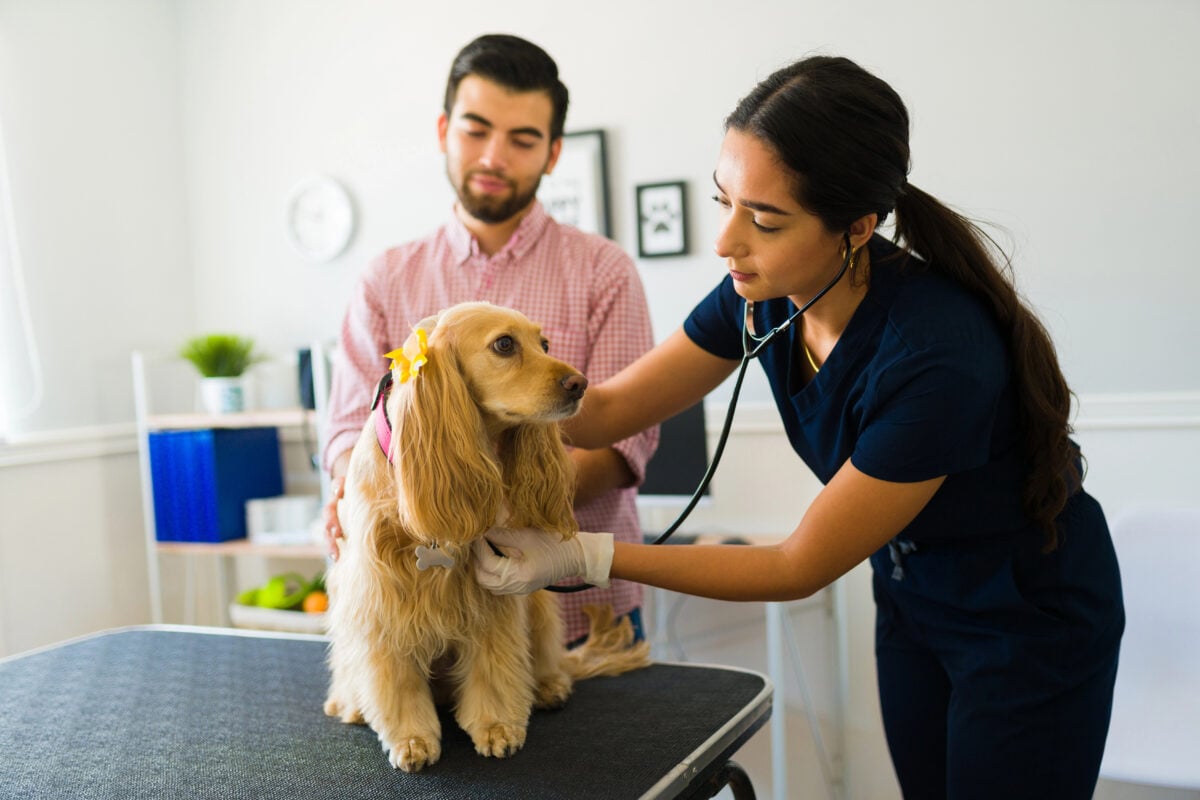
Because increased thirst can have many causes, your vet will usually start by looking for the bigger pattern rather than testing for one specific disease right away.
That often includes:
- A physical exam and review of symptoms
- Urinalysis to see how concentrated the urine is and look for glucose, infection, blood, or other abnormalities
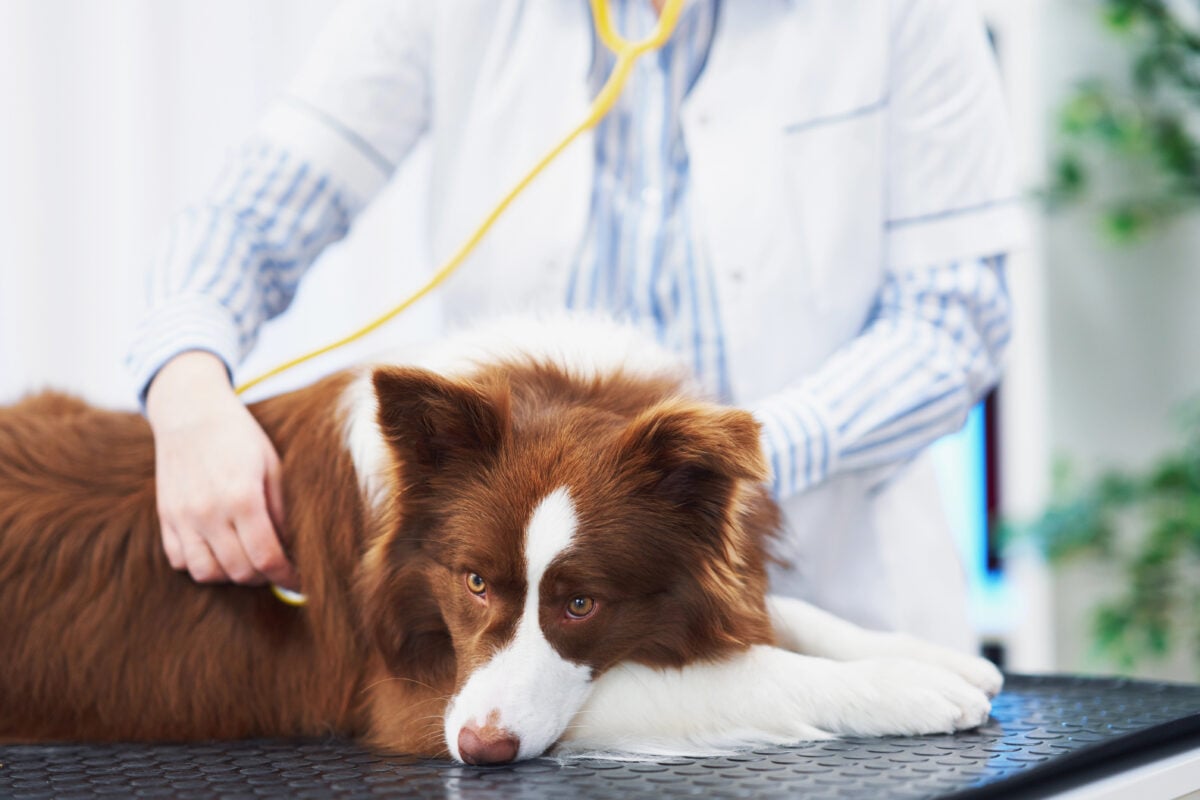
- Bloodwork to evaluate things like kidney function, blood sugar, liver values, electrolytes, and signs of infection or inflammation
From there, the results may point toward more targeted testing for conditions such as diabetes, Cushing’s disease, kidney disease, or infection.
The details you’ve been tracking at home can help your vet decide which direction makes the most sense first.
How Pet Insurance Can Help With Vet Costs
If your dog needs testing or treatment for an unexpected health problem, pet insurance may help cover eligible costs associated with diagnosing and treating illnesses.
That can include expenses such as testing, imaging, hospitalization, or ongoing treatment when they’re covered under your plan.
One important limitation is pre-existing conditions. Pet insurance policies generally don’t cover health problems that showed signs or were diagnosed before coverage began, so it’s worth understanding those exclusions when comparing plans.
If you’re considering coverage, check out our guide to the best pet insurance providers to learn more.
Frequently Asked Questions
Still trying to make sense of what you’re seeing? Here are a few common questions about increased thirst in dogs. If yours isn’t covered, leave it in the comments, and we’ll do our best to point you in the right direction.
Why Is My Dog Drinking More Water At Night?
A bedtime drink isn’t unusual. What matters is whether nighttime drinking is new or becoming more frequent.
A dog who suddenly wakes up to drink may simply be warmer, more active, or eating differently. But repeated nighttime drinking, especially if it comes with new nighttime potty trips, can be another sign that overall thirst and urine production have increased.
Can Dehydration Make A Dog Drink A Lot Of Water?
Yes. Dogs may drink heavily after losing more water than usual through exercise, hot weather, panting, vomiting, or diarrhea.
The question is why they became dehydrated in the first place. A big drink after a long hike makes sense. Repeated episodes of intense thirst without an obvious reason deserve a closer look.
Can Stress Or Anxiety Make A Dog Drink More?
It can, but stress shouldn’t be the first explanation for a major new increase in thirst.
Some dogs may drink more during excitement or stressful situations, and a rare condition called psychogenic polydipsia can cause excessive drinking without an underlying physical disease. Veterinarians generally rule out medical causes before reaching that conclusion.
What If My Dog Is Drinking More But Not Peeing More?
That can happen, particularly if your dog is losing extra moisture through panting, heat, exercise, vomiting, or diarrhea instead of through urine.
But if the increased thirst continues without an obvious explanation, it’s still worth discussing with your vet. Changes in urination are an important clue, but they aren’t required for increased thirst to matter.
Can A Dog Drink Too Much Water?
Yes, but acute water intoxication is different from the persistent increased thirst discussed in this article.
Water intoxication can happen when a dog swallows a large amount of water quickly, for example, during prolonged swimming, repeatedly retrieving toys from water, or biting at a hose or sprinkler. It can dangerously dilute the sodium in the bloodstream and requires prompt veterinary attention.
When More Drinking Changes The Rest Of The Routine
More water often means more trips outside, earlier morning wake-ups, or the occasional accident from a dog who hasn’t had one in years. While you’re figuring out what’s behind the increased thirst, a few practical adjustments can make that new routine easier to manage.
If you’re dealing with the other end of all that extra water, you may also want to learn about:
- How long dogs can safely hold their pee, and when your dog may need more frequent bathroom breaks
- How urinary incontinence differs from simply needing to pee more often
- How to get dog pee smell out of carpet when an unexpected accident has already happened
- Best dog diapers to help manage accidents while you’re figuring out what’s causing the increased urination
If your dog’s drinking habits have suddenly changed, tell us what you noticed first in the comments below. Was it the empty bowl, extra trips outside, nighttime drinking, or something else?