
When you purchase through links on our site, we may earn a commission at no extra cost to you. Learn more.
You’d never say it at a dinner party, but here goes: Some people just don’t like dogs. Not even a little. Not even the puppy ones.
Table of Contents
Whether it’s the barking, the slobber, the jumpy “love me or die” energy, for some folks, dogs are less “man’s best friend” and more “anxiety on four legs” or “overhyped annoying creatures”. Sound familiar? You’re not alone, and you’re definitely not broken.
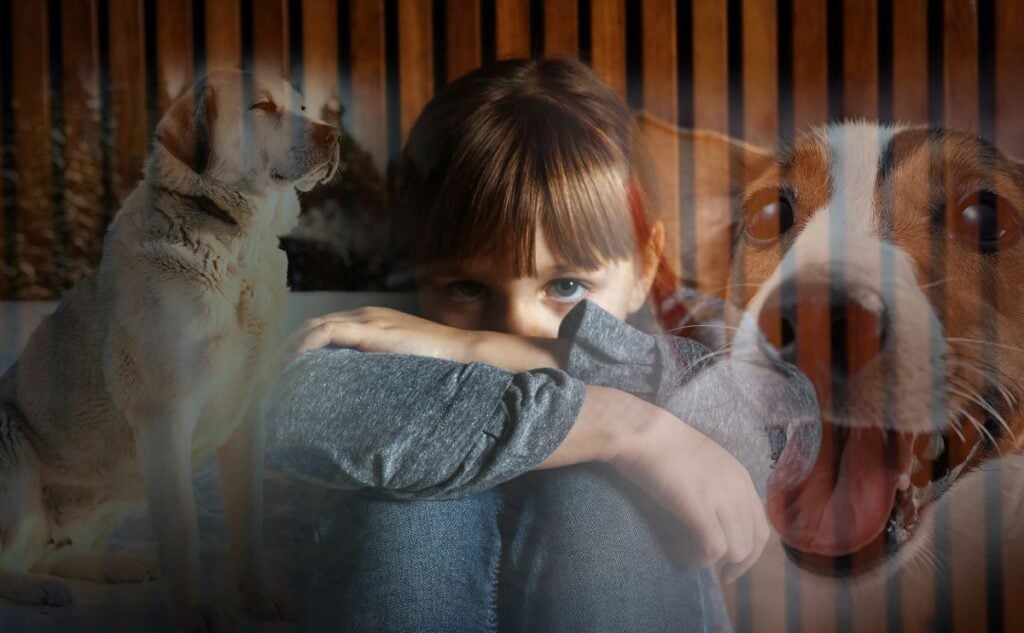
How Common Is It to Not Like Dogs?
Admitting you don’t like dogs is like saying you microwave fish at the office; people act like you’re the problem.
But here’s the truth: not everyone loves dogs, and a solid chunk of people are totally fine saying it. According to research by the Animal Welfare Research Institute (AWRI) and a YouGov survey:
Want our human-written content to rank above AI-generated garbage? Help us out by clicking this button!
- 12% of Americans say they don’t like dogs (for comparison, 35% said the same about cats.)
- 40% of Americans see someone as less trustworthy if they don’t like animals
Surprisingly, there’s not much “data” on this psychological phenomenon. But what there is suggests that 1 in 8 people didn’t blame allergies, time, or money, just straight-up dislike.
And let’s not forget: those are just the people who were comfortable admitting it on a survey. You can bet plenty more keep it to themselves to avoid the judgment.
Top 11 Reasons People Say They Hate Dogs
Not everyone who dislikes dogs was bitten as a kid or raised in a no-pet household. For some people, dogs just don’t vibe. They’re loud, they’re unpredictable, and they’re in your personal space – all the time.
In surveys, forums, and casual conversations, the same complaints come up again and again. These aren’t rare opinions; they’re just the ones people rarely say out loud. Here are the most common reasons people say they don’t like dogs.
1. The Barking. All. The. Time.
Dogs bark at doorbells. They bark at squirrels. Some bark just because the wind changed direction. For people who value peace and quiet, the constant noise is more than annoying; it’s mentally exhausting.
Especially in apartments or tight neighborhoods, barking dogs can feel like a daily assault on your sanity.
If barking dogs drive you up the wall, you’re not alone. You’re probably wondering, do they ever get tired? Or are they just wired to bark forever? We broke it down in this no-fluff explainer: Do Dogs Get Tired of Barking?
2. The Smell
Let’s be honest: most dogs don’t smell like roses. That “dog smell” is a real thing, particularly if they’re not groomed often or just came in from the rain.
Add in the scent of their food, their breath, or whatever they rolled in at the park, and for some people, it’s simply too much. For anyone with a sensitive nose, dogs can be walking odor machines.
3. The Hyper Energy
Many dogs have endless energy and zero chill. They jump on guests, sprint through houses, knock things over mid-zoomies, and act like every second is an emergency.
While some find high-energy dogs and their behavior endearing, others find it chaotic and anxiety-inducing. Not everyone wants to live in a household that feels like a canine theme park.
4. The Licking
Some people think a slobbery lick is sweet. Others think it’s disgusting. Dogs lick faces, hands, arms, legs, and sometimes places that make everyone uncomfortable. And since dogs use the same tongue to clean themselves and other dogs’ butts, the hygiene concern isn’t exactly irrational.
If you’re someone who likes personal space and doesn’t want to be licked in the mouth, this one’s a dealbreaker.
5. The Cleanup
Dog ownership can feel like a full-time cleaning job. Between shedding, muddy paw prints, drool trails, chewed-up belongings, and the ever-present smell of dog in the carpet, it’s a lot of work.
And that’s not even counting outdoor cleanup, especially in yards where stepping in something unpleasant is just one wrong move away.
If you’re dog-curious and just can’t deal with the shedding, we’ve got you covered. Check out our roundup of non-shedding dog breeds that won’t leave your home looking like a lint roller graveyard.
6. The Boundary Issues
Dogs don’t always understand (or respect) personal space. They jump on couches uninvited, stick their noses in awkward places, and follow people into bathrooms like it’s normal behavior.
For some, this is affection. For others, it feels invasive and exhausting, especially when owners treat it like a quirky charm instead of what it is: poor boundaries.

7. They Just Don’t Like Them
This is the one no one wants to say, but it’s valid. Some people just don’t like dogs.
Not because of trauma, fear, or allergies. They simply don’t enjoy being around them, and that’s enough of a reason. It doesn’t mean they’re evil or cold-hearted. It just means they don’t connect with dogs the way others do.
8. Lack Of Exposure
Some people have never been around dogs during their childhood or for most of their lives. For them, our canine companions are simply foreign furry beings they don’t understand.
Without prior exposure to dogs, their knowledge about them is quite limited. It’s a common human tendency to feel uneasy or fearful about things we’re not familiar with.
9. Traumatic Past Experience
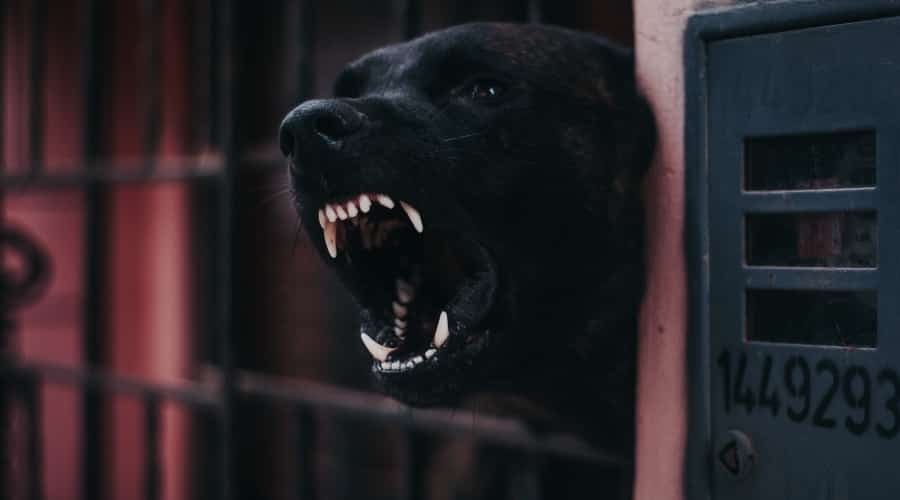
One of the most understandable reasons for disliking dogs can stem from a bad past experience, like being attacked or bitten by a dog.
Other situations can also leave long-lasting psychological scars, such as being chased or barked at by a dog as a child. People with these experiences can be more vulnerable to developing cynophobia.
10. A Bias From Your Upbringing
People who were raised in an anti-dog family may carry this attitude into adulthood. After all, if your parents told you that dogs are bad your entire childhood, it’s understandable to not like them, especially if you’ve never had a positive experience with a dog.
Others may have been raised to believe that a canine’s place is outdoors and that dogs are too dirty to come into the home.
11. Religious Beliefs
While no major religion fully bans dogs, some interpretations of Islam consider dogs ritually impure, especially in the context of prayer and cleanliness.
As a result, contact with or ownership of dogs, particularly inside the home, may be discouraged in certain Muslim communities.
The Bottom Line: Disliking dogs isn’t rare. It’s just rarely talked about. And if you relate to any of these reasons, or all of them, you’re far from alone.
Why I Don’t Like Dogs
Sunflower Bryant, a comedian and video creator, made some waves when she posted this YouTube video several years ago.
What’s Going On in the Brain of Someone Who Doesn’t Like Dogs?
Disliking dogs isn’t just about barking or shedding; those are surface-level triggers. Underneath that reaction is a complex mix of brain wiring, emotional associations, learned responses, and cultural context.
In other words, it’s not just what dogs do, it’s how your brain interprets what they do. Here’s what science tells us about how dog aversion might actually work:
1. The Brain Scans for Threat
The human brain is constantly assessing the environment for safety. For some people, dogs, especially large or high-energy ones, trigger the amygdala, the brain’s threat detector.
That might not mean full-blown fear, but it can create an undercurrent of unease. Barking, sudden movement, or intense eye contact can all heighten this reaction, even in people without trauma.
2. Negative Experiences Get Stored & Replayed
If someone had a bad experience with a dog (being bitten, chased, knocked over, or even just startled), their brain may store that event in memory systems that influence future reactions.
Later, when encountering a dog, the brain recalls the past threat and responds with discomfort, even if the current dog is harmless.
3. Low Familiarity = Low Trust
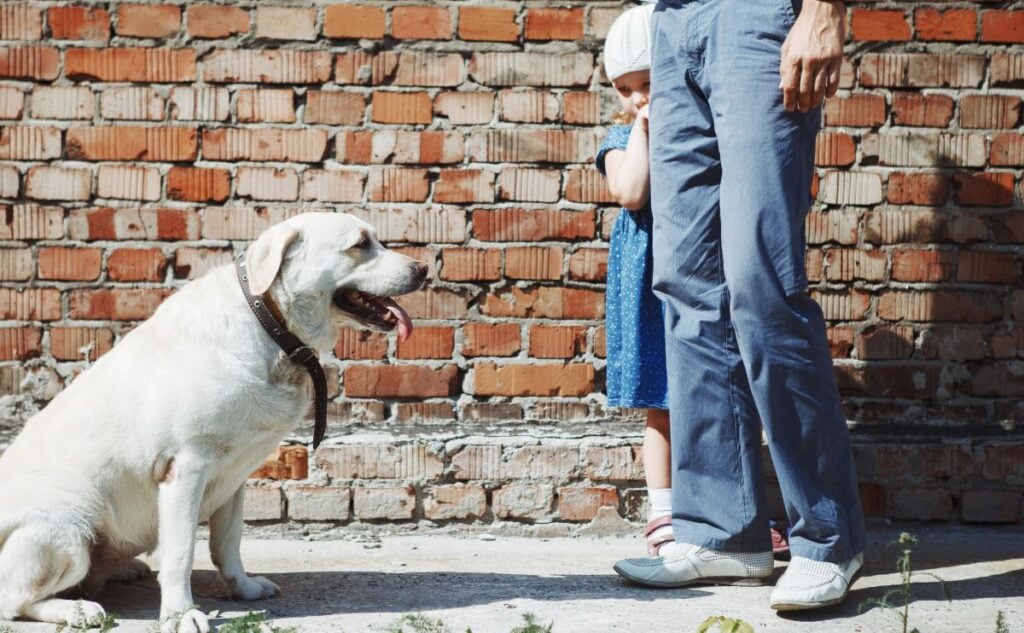
People who didn’t grow up around dogs often have fewer positive emotional associations to draw from. The brain is less likely to release feel-good chemicals like oxytocin or dopamine when interacting with dogs, because those neural pathways were never built.
Instead of comfort, they may feel uncertainty or mild stress.
4. Sensory Overload
For people with heightened sensory sensitivity, often seen in anxiety disorders, PTSD, or neurodivergent conditions, dogs can be overwhelming.
Barking activates the startle reflex. Licking can feel invasive. Strong smells or sudden movements can send the brain into a defensive state, which might register emotionally as irritation or dislike.
5. Identity, Autonomy & Boundaries
Some people don’t respond negatively to dogs themselves, but rather to the social culture around dogs, like the expectation to pet them, tolerate them in public spaces, or allow them in homes.
For someone who deeply values personal autonomy and boundaries, the constant presence of dogs (and dog owners’ assumptions) can create resistance or resentment.
6. Cultural Conditioning
Not all cultures view dogs as family. In many parts of the world, and in certain U.S. households, dogs are considered dirty, dangerous, or simply animals meant to live outside. These beliefs shape the emotional tone someone brings into adulthood. It’s not a phobia, it’s a view.
The Bottom Line: Dog lovers often assume that dislike must come from trauma or a “bad childhood.” But in many cases, the brain is simply responding in a way that makes sense based on experience, identity, and environment. It doesn’t mean anything is wrong. It just means you’re wired differently.
Is It Fear Or Just a Strong Gut Reaction?
There’s a big difference between fear, discomfort, and simply not enjoying being around dogs. Understanding the difference can help explain your own reaction or help others be more empathetic toward it.
1. Cynophobia: When It’s Clinical
Cynophobia is the clinical term for a phobia of dogs. It involves intense fear, anxiety, or even panic when encountering a dog, sometimes even when just seeing one on TV or hearing barking in the distance.
According to The Cleveland Clinic, cynophobes can experience intense anxiety or even a full-blown panic attack when they hear a dog bark, see a film featuring a dog, or visit a location where a dog could be present.
Like all phobias, it’s not about logic. It’s about a powerful fear response that hijacks the nervous system. Cynophobia is relatively rare, but very real.
2. Discomfort ≠ Phobia
Most people who dislike dogs don’t have a phobia; they just feel uneasy. Maybe they don’t like being jumped on, or flinch when a dog barks suddenly.
That’s not fear. That’s low-level discomfort, often rooted in unfamiliarity or bad experiences that didn’t rise to the level of trauma. These people may avoid dogs, but don’t panic around them.
3. The “No Thanks” Reaction
Then there’s a third category, people who aren’t scared or even uncomfortable. They’re just not into dogs. No fear. No baggage. Just a clear sense that they don’t want a dog in their space, on their lap, or in their lifestyle.
They may be calm around dogs, but they’re not charmed by them. And that’s valid, too.

Understanding where you fall on that spectrum matters. It can help you explain your feelings to others more clearly and remind yourself that you’re not overreacting. Whether it’s a stress response or just a solid “no thanks,” it’s still your boundary.
Quick Takeaway: Not all dog dislike is rooted in fear. Sometimes, it’s just preference, and that’s not something that needs fixing.
Is It Cultural or Just the Way You Were Raised?
Sometimes, disliking dogs isn’t about fear, personality, or trauma; it’s about culture.
In some families, dogs are treated like children. In others, they’re seen as dirty, dangerous, or strictly outdoor animals. And in many cultures and religions, dogs simply don’t have the same emotional status they do in mainstream American households.
1. Family Norms Shape Everything
If you grew up in a household where dogs weren’t allowed inside, weren’t cuddled, or weren’t talked about affectionately, it’s unlikely you developed strong positive feelings toward them.
For some people, dogs were guard animals. For others, they were pests. That early environment creates a lens that shapes how dogs are perceived later in life, even unconsciously.
2. Cultural Differences Across Countries
In many Western countries, dogs are considered family. In other parts of the world, they are seen as working animals, street dwellers, or even health hazards.
If someone was raised in a country or community where dogs are not domesticated or are viewed with caution, that perception doesn’t disappear just because they move to a dog-friendly place.
3. Social Pressure to “Love Dogs”
In U.S. culture, especially, dog ownership is heavily romanticized. People are expected to love dogs, or at least tolerate them. If you come from a culture or upbringing where dogs weren’t part of the picture, the pressure to conform can feel frustrating or alienating.
Some people pretend to like dogs just to avoid judgment, even when it feels completely inauthentic.

Verdict: Not all dog dislike is psychological. Sometimes it’s cultural, spiritual, or simply the result of different life experiences. And that’s just as valid as any other reason.
Can You Learn to Like Dogs Later in Life?
Short answer: yes. But only if you want to.
Some people go from “dogs are gross” to “okay, this one’s kind of cute” over time. Others start off neutral and slowly grow more comfortable, especially if they’re around calm, well-trained dogs or see how much others enjoy them.
It doesn’t always turn into love, but it can turn into tolerance or even unexpected affection. Here’s how that shift sometimes happens:
1. Exposure in Small Doses
A big, loud, jumping dog might overwhelm you. But a calm, older dog who minds their own business? That’s a different experience. Positive exposure, especially with low-energy, non-invasive dogs, can help rewire your response over time.
No pressure. No expectations. Just repeated, low-stress interactions.
2. Personal Motivation
Some people start to open up to dogs because of relationships, roommates, or even their own kids. Wanting to connect with someone who loves dogs can create motivation to try again.
When it’s your choice, and not something forced on you, openness becomes easier.
3. Reframing the Story
If you grew up thinking dogs were dirty or dangerous, it can be hard to see them as lovable. But learning more about dog behavior, training, and breed differences can reshape that mental image.
For some people, simply understanding why dogs do what they do helps soften their reactions.
4. Letting One Dog Change Your Mind
Every once in a while, someone meets a dog that doesn’t fit their assumptions. A rescue with gentle eyes. A friend’s dog who respects boundaries. A quiet senior dog that just wants a nap buddy. These one-on-one experiences can challenge long-held beliefs and open the door, just a crack.

Photo by Emma Braby for Canine Journal, © Cover Story Media, Inc. 2024.
I’ve had dogs my whole life, but none quite like Bonkers, my senior rescue mix who somehow feels more like a therapist than a pet. He’s so relaxed, so quietly gentle, that even people who don’t like dogs find themselves sitting beside him without realizing it.
I’ve had friends, full-on dog skeptics, say things like, “Okay… he’s not like a normal dog.” And they’re right. Bonkers doesn’t jump, lick, or crowd people. He senses when someone’s unsure and just… gives them space.
I’ve even had friends bring their kids over – kids who were scared of dogs after a bad experience – and ask if they could “try again” with Bonkers. He just lies there, lets them come to him, and slowly helps rebuild trust that someone else’s dog may have broken.
I’m not saying Bonkers makes everyone love dogs. But I’ve seen him help people feel safe around one again, and that’s something special. Sometimes the right dog isn’t the loud one or the excited one. It’s the one who knows when not to do anything at all.
Are Dogs Overrated? 5 Spicy Takes From Non-Dog People
Let’s be real: to some people, dog culture has gotten way out of hand.
Matching outfits. Dog birthday parties. Instagram pages with more followers than humans. Designer strollers. College funds. Pet custody agreements.
For non-dog people, this all starts to feel… a little much. And while they may not say it out loud, the opinions are out there: spicy, honest, and sometimes hilarious.
Here are a few of the most common “dogs are overrated” takes you’ll see floating around forums, comment sections, and very filtered group chats:
1. “They’re not babies. They’re animals.”
Some people struggle with the way dogs are treated like toddlers with fur. Special diets, luxury accessories, and strollers make it hard to understand where the pet ends and the human begins.

2. “Dog people don’t think the rules apply to them.”
Ever watched someone let their off-leash dog run wild at a park, in a restaurant, or through someone else’s yard? For non-dog people, this feels less like ‘friendly enthusiasm’ and more like a total lack of boundaries.
3. “Having a dog looks exhausting.”
Between vet bills, early morning walks, dog hair on everything, and the constant planning around their needs, dog ownership can look less like joy and more like unpaid labor.
4. “People use dogs as personality substitutes.”
Not everyone, of course. But you’ve probably met someone whose entire identity seems to revolve around being a ‘dog mom’ or ‘dog dad.’ For some, it comes off as shallow or performative, especially online.
5. “The worship is a little cult-y.”
Dogs are fine. But to non-dog people, the idea that dogs are universally lovable, morally superior to humans, and the ultimate test of empathy… starts to feel a little like blind devotion.
Are these harsh? Sure. But for people who feel like they’re constantly expected to praise dogs just to be accepted, this kind of venting can feel like relief.
Quick Takeaway: Dog culture is loud. These takes give voice to the quieter side of the conversation.
Confessions From the Anti-Dog Internet Underground
Think you’re the only one who doesn’t like dogs? Think again.
There are entire corners of the internet, some anonymous, some very public, where people openly share what they really think about dogs. And it’s not just complaints about barking or poop bags.
It’s full-on vent sessions from people who feel like they’ve been silently judged for not loving the world’s favorite pet.
The r/Dogfree subreddit alone sees over 44,000 visitors every month – a mix of dog-averse users venting, sharing relatable stories, and finding solidarity in a world that often doesn’t make space for their perspective.
These aren’t trolls or cartoon villains – they’re everyday people looking for a break from the expectation that everyone must adore dogs all the time.
I explored a few dog-disliking forums and confession spaces. Here’s what people are actually saying when no one’s around to glare at them:
“I’m tired of pretending I like dogs just to avoid being called a psychopath.”
Some people feel they have to fake enthusiasm around friends or dates, just to seem normal. It’s not that they hate dogs… they just don’t want one licking their face, and they’re sick of explaining why that’s okay.
“I’ve been barked awake every day for a year. My roommate’s dog is ruining my life.”
Living with someone else’s dog, especially one that isn’t trained, can turn everyday life into a stress loop. These posts show how much quiet resentment builds up when dog ownership is imposed on people who never wanted it.
“Dog people are the worst part of dogs.”
It’s a common theme: the dogs themselves aren’t always the issue; it’s the owners. From letting dogs jump on strangers to assuming everyone wants to interact with their pet, many non-dog folks feel like basic boundaries are constantly crossed.
“I joined a ‘dog-free’ Facebook group and it changed my life.”
There are real communities online where people bond over the relief of not owning dogs and not having to pretend they want to. These spaces offer validation, humor, and a break from the dog-worshipping culture so common on social media.
“If a dog is your best friend, I feel sorry for you.”
Some confessions cut deep. For people who value complex human relationships, the glorification of dogs as emotional replacements feels hollow. Posts like this are less about hate and more about sadness for the state of human connection.
Verdict: These aren’t just edgy comments or one-off rants. They’re honest expressions from people who feel isolated in a society that treats dog affection as a moral standard. For them, finding others who feel the same is like finally exhaling.
The Stigma of Being a Dog Disliker
Disliking dogs isn’t just unusual; for many, it’s treated like a moral flaw.
In movies, the villain hates dogs. In real life, dating profiles say “must love dogs” like it’s a baseline for decency. And if a dog doesn’t like you? People act like that’s some kind of cosmic judgment on your soul.
As Andrew Hager of the Presidential Pet Museum put it in a 2019 HuffPost interview:
People believe that someone who has a good relationship with a dog must be a good person, because they believe animals can judge character.
That belief fuels a powerful stigma: if you don’t like dogs, you must not be trustworthy. Or empathetic. Or lovable. And that’s backed up by the survey stats I mentioned earlier.
And it doesn’t stop at perception. Many people say their dog aversion has affected:
- Dating: “Must like dogs” is nearly a given on apps. Say you don’t? Swipe left.
- Friendships: Some people hesitate to invite friends over who don’t like dogs at all.
- Social status: Others report being shamed, mocked, or treated as if something’s wrong with them.
One Redditor on r/Dogfree put it this way:
If I even dare say I don’t like dogs, I’m the devil with no soul.
This isn’t just personal discomfort; it’s social rejection based on a preference most people never even think to question.
It’s Okay Not to Like Dogs
Here’s the part no one ever says out loud: It’s okay not to like dogs.
You don’t have to justify it with trauma, and you don’t have to soften it with “but I like puppies.” In fact, you don’t have to explain yourself at all.
We live in a culture where loving dogs is seen as a personality requirement. But not everyone feels that way, and that doesn’t make you cold, broken, or suspicious. It makes you honest.
Maybe you’re allergic, overstimulated, or you had a bad experience. Or maybe, you just genuinely don’t like dogs.
That doesn’t mean you wish them harm. It doesn’t mean you can’t appreciate a well-behaved one from afar. It just means your emotional wiring runs differently, and that’s allowed.
Want to Raise a Dog That Respects Boundaries?
Not everyone loves dogs, and that’s okay, but it’s up to us as dog owners to train ours to behave respectfully in a shared world. Obedience training builds a solid foundation so your dog listens the first time, especially in social situations.
Leash training helps stop your dog from pulling toward strangers who may not want to interact. Reliable recall means you can call your dog away before it jumps, licks, or barges into someone’s space.
And if you need help? We’ve reviewed the best online dog training courses to guide you step by step, from basic manners to advanced behavior fixes.
Your Turn To Confess! Do you secretly dislike dogs but smile through the slobber anyway? Are you a proud dog-lover who thinks this article was written by a monster? Or maybe you’re just here to see if anyone else flinches when a wet nose touches their leg at brunch. Drop your take on dogs in the comments.