When you purchase through links on our site, we may earn a commission at no extra cost to you. Learn more.
Why do dogs press against you when they sleep? Usually, it’s adorable and meaningful.
Table of Contents
If your dog has ever pinned you to the edge of the bed while they sprawl out like a furry little landlord, you know this nighttime habit is both ridiculous and ridiculously sweet.
Having your dog press against you while they sleep is equal parts adorable and space-stealing. But what’s really behind this snuggly habit?

Most of the time, it comes down to something sweet: your dog feels safe, warm, relaxed, and deeply connected to you. Of course, dogs are dogs, so sometimes it can also be about claiming the coziest spot in the bed like a tiny four-legged squatter with no sense of personal space.
Want our human-written content to rank above AI-generated garbage? Help us out by clicking this button!
Here’s everything you need to know about why dogs sleep pressed against their humans and what this cuddly behavior really means.
Watch: What Your Dog’s Sleeping Spot Says About Them
Does your dog sleep like this, too? Watch this behavior in action and see what their favorite spot may say about how they feel.
8 Reasons Why Your Dog Presses Against You When They Sleep
Dogs do not usually choose a sleeping spot at random. Where they sleep, how close they get, and which part of their body they press against you can all say something about how they feel.
Sometimes it is about affection. Sometimes it is about comfort, habit, or security. And sometimes, it is a mix of all three.
So what is your dog really getting out of turning into a furry little sidecar at bedtime? Here are the most common reasons.
1. Security and Pack Instinct
Dogs are descendants of wolves, and in the wild, pack animals sleep huddled together for safety. By pressing against you, your dog is instinctively protecting their vulnerable spots and using you as a literal shield against potential nighttime threats. You are their pack leader, and physical contact equals safety.
Dogs are social animals, and closeness helps them feel safe. The Merck Vet Manual explains that dogs often communicate through touch, scent, and social behavior. The American Kennel Club (AKC) notes that dogs often lean or perchon their humans when they are seeking affection, feeling anxious, wanting security, or guarding.
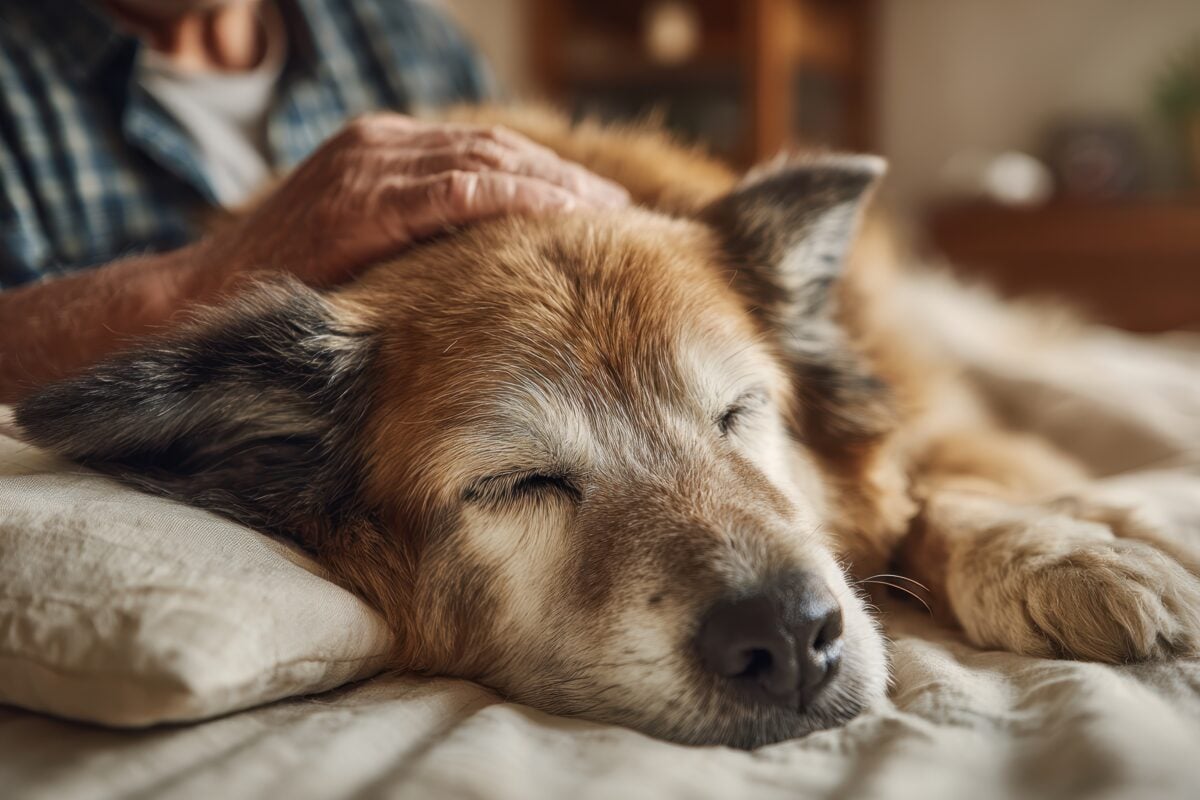
Pressing against you while they sleep can be an instinctive way to settle in and relax, especially during a vulnerable time like bedtime. To your dog, being close to you often means being in the safest place possible.
- Dogs are naturally drawn to safe, familiar sleeping environments.
- Physical contact can help some dogs relax faster at bedtime.
- This behavior may be even more common in new environments or during stressful changes.
2. Affection and Bonding
Sometimes the reason is simple: your dog loves you. Physical closeness is one way dogs show trust and attachment, and sleeping pressed against you can be a sign that they feel deeply connected to you.
Just like humans hug or hold hands, dogs use physical touch to express love. Pressing against your leg or back is their way of saying, “I love you, and I want to be close to you.”
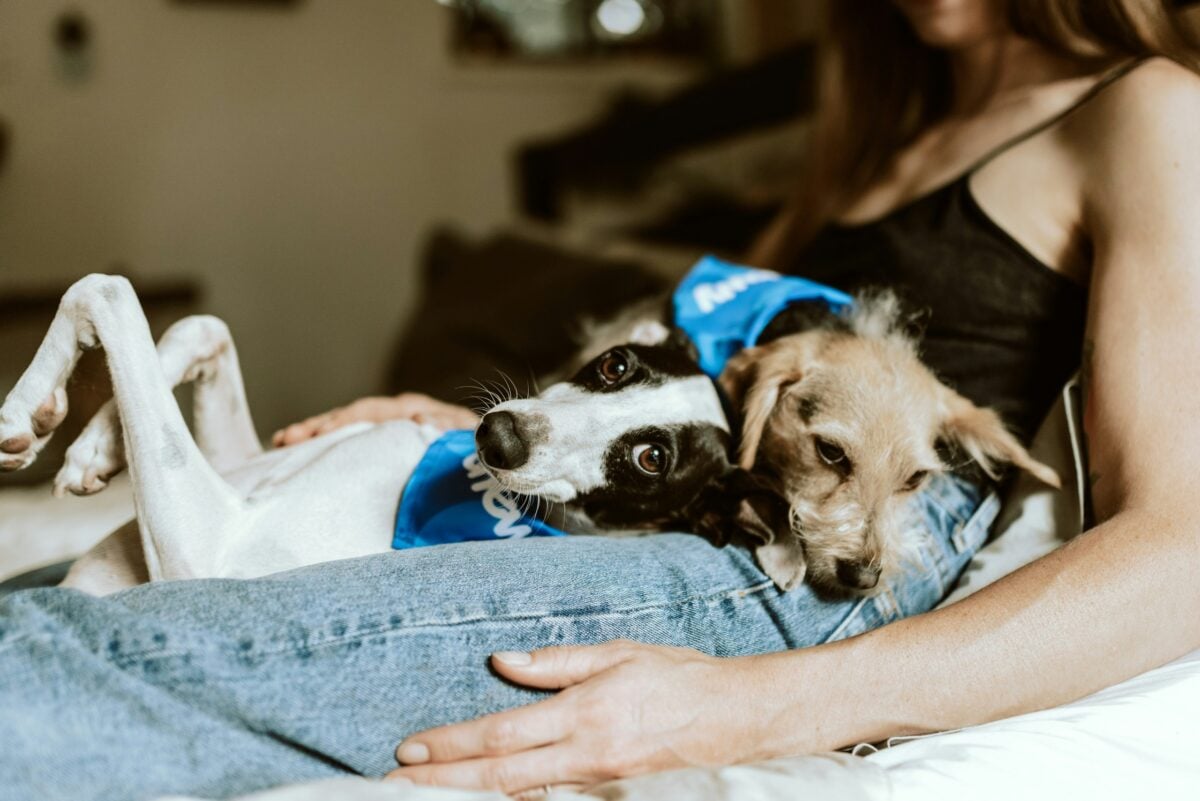
Physical closeness can reflect real attachment. One peer-reviewed study found that dogs’ attachment to their owner was associated with measurable differences in sleep structure, which supports the idea that the owner’s presence matters to how dogs settle and sleep.
- Sleeping is a vulnerable activity, so closeness often signals trust.
- Dogs often choose to rest near the people they feel most attached to.
- For many dogs, nighttime cuddling is part of how they strengthen social bonds.
3. Warmth and Comfort
You are essentially a giant, 98.6-degree radiator. Even dogs with thick double coats appreciate a warm, cozy spot to rest, especially during cooler months. Pressing against you is the most efficient way to steal some of your body heat.
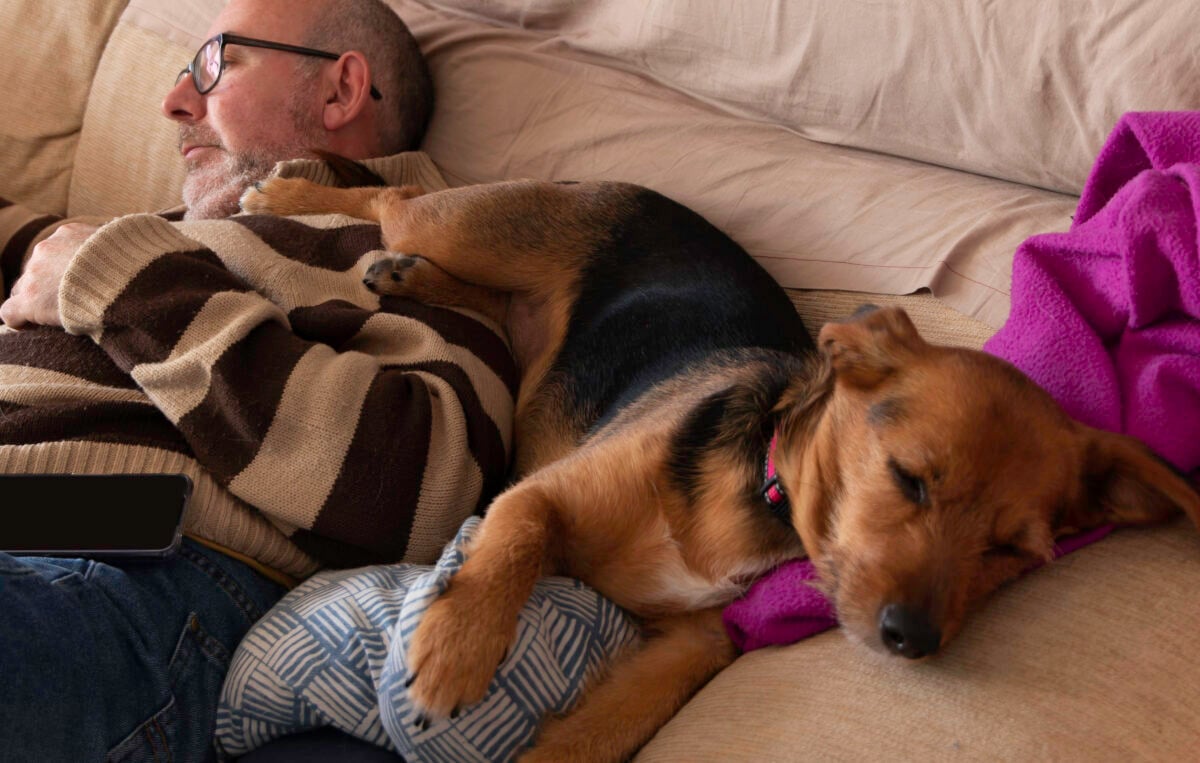
Pressing against you can help them stay warm and comfortable, especially if they are small, short-haired, older, or especially fond of soft, snuggly places.
- Smaller dogs tend to seek out warmth more often than large breeds.
- Older dogs may enjoy heat because it feels soothing on stiff joints.
- Dogs that love blankets, sunny spots, and lap time are often comfort-seekers in general.
4. Protective Instincts
Some dogs like to stay close because they want to keep watch over their favorite person. Sleeping against you may put them in a position where they feel ready to alert you if something seems off, even if that “threat” is just the mail truck three houses away.
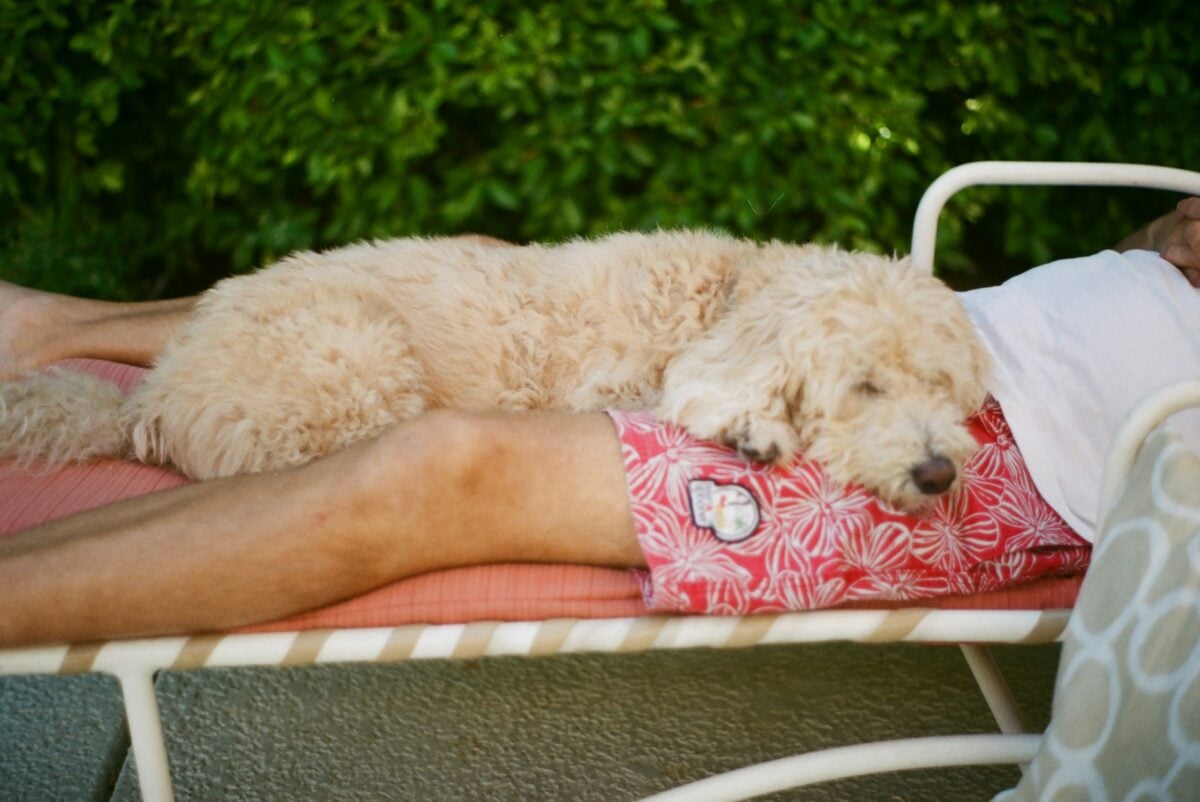
It’s a two-way street. Your dog isn’t just seeking your protection; they are also offering theirs.
- Some dogs naturally position themselves where they can monitor the room.
- Breeds with strong guarding or watchdog instincts may be more likely to do this.
- Staying close can help your dog feel like they are doing their job.
5. Reassurance or Anxiety
For some dogs, pressing against you is a way to feel more settled and secure.
For dogs prone to stress (like during a thunderstorm or fireworks), leaning against their owner provides deep pressure therapy. The solid contact grounds them, lowers their heart rate, and makes them feel secure.
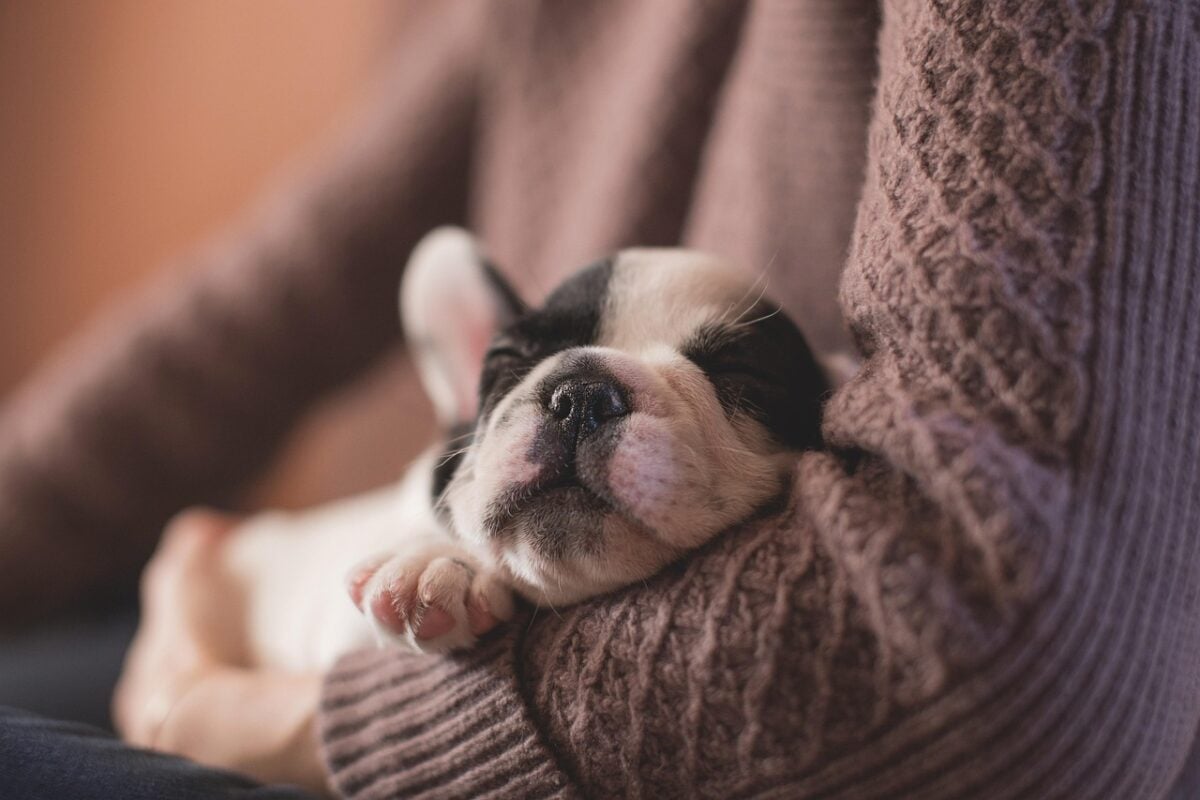
This physical tethering is especially common in dogs with separation anxiety. By keeping their body pressed against yours, they ensure that if you try to get up and leave the room, they will wake up immediately. It’s their way of making sure you don’t disappear while they let their guard down.
Separation-related behavior in dogs is a real welfare concern, and AVMA reports that what people often call “separation anxiety” may reflect deeper frustration-based distress rather than simple clinginess. If your dog suddenly becomes much more attached at night or seems distressed when left alone, it is worth bringing up with your veterinarian.
- Physical contact can be soothing for dogs dealing with stress or routine changes.
- Extra clinginess may show up during storms, fireworks, travel, or big household changes.
- If your dog seems panicked when separated from you, it may be worth talking to your vet.
6. Scent and Familiarity: Claiming You As Theirs
Dogs find comfort in familiar smells, and you are one of their favorite scents in the world. Sleeping pressed against you surrounds them with that comforting familiarity, which can help them feel more secure and at ease.
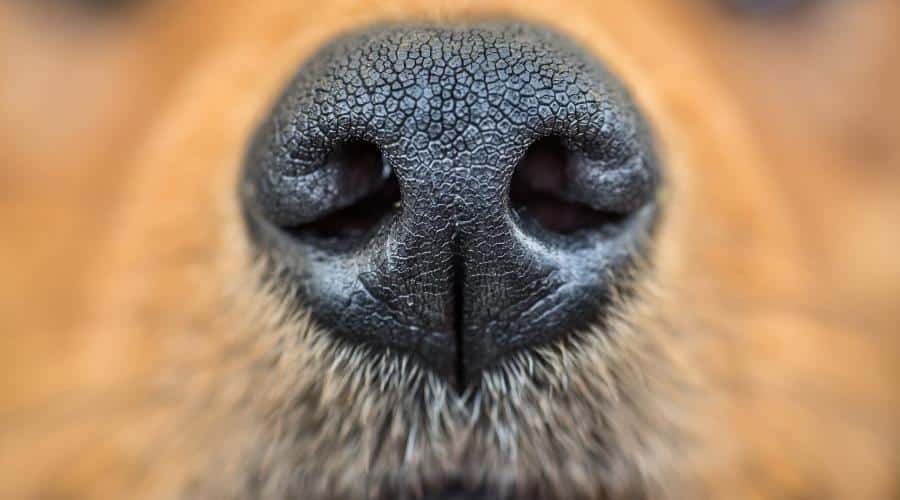
Dogs have scent glands in their paws and faces, but they also leave their unique scent just by rubbing their fur against things. By pressing their body against yours, they are actively mingling their scent with yours. It’s a subtle way of telling the rest of the world (and any other pets in the house), “This human is mine.”
- Dogs rely heavilyon scent to understand their environment.
- Your bedding, clothes, and skin all carry familiar smells your dog associates with comfort.
- This may be one reason dogs choose your side of the bed or your spot on the couch.
7. Habit From Puppyhood
Many dogs grow up sleeping in a pile with their littermates, where constant body contact means warmth and safety. For some, that early comfort carries into adulthood, and sleeping pressed against you becomes a natural extension of that puppyhood habit.
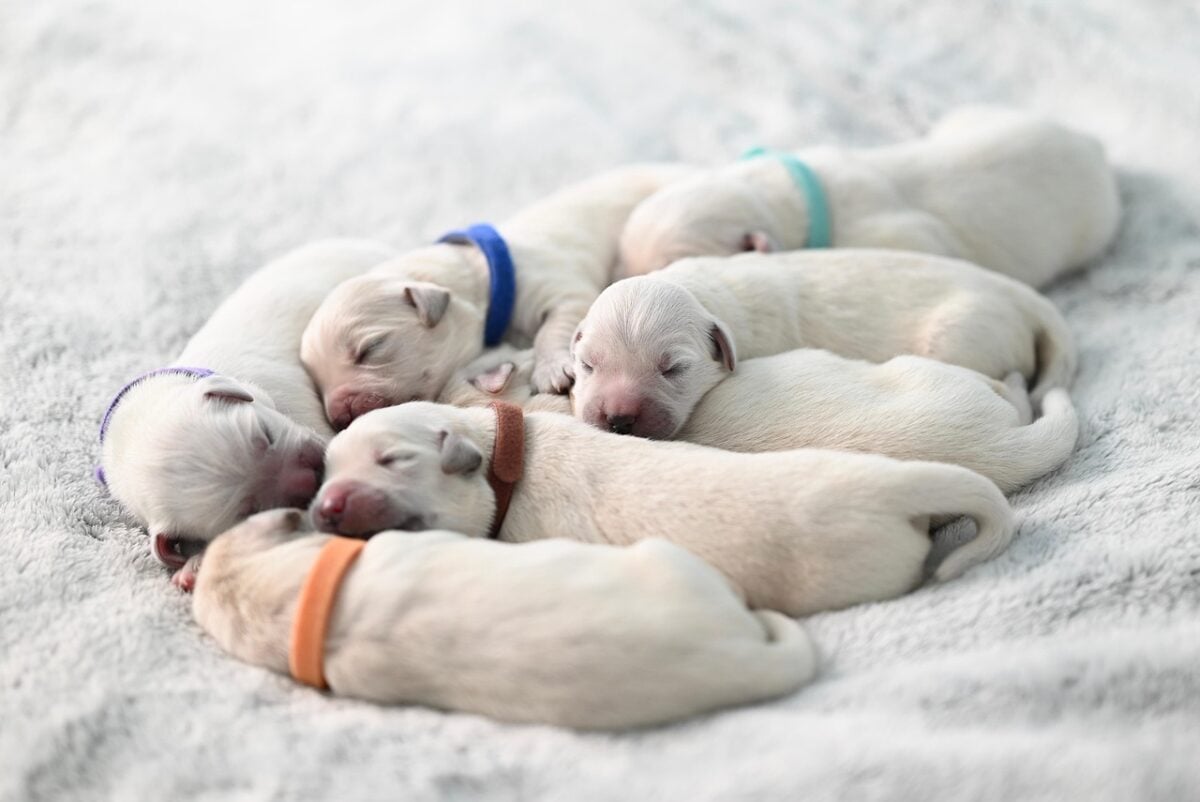
The AKC notes that very young puppies depend on external warmth, and the AKC’s 4-H dog manual states that puppies seek touch from littermates to stay warm. That makes adult snuggling a reasonable carryover for some dogs, even if it is not the only reason.
- Puppies are used to sleeping with constant body contact.
- Early sleep habits often carry over into adult routines.
- Dogs that were especially cuddly as puppies may keep that preference for life.
8. Sensitivity to Your Emotions
Dogs are remarkably tuned in to human emotions. If you are stressed, sick, sad, or just having an off day, your dog may pick up on it and stay closer than usual. In some cases, pressing against you may be their way of offering comfort and staying connected.
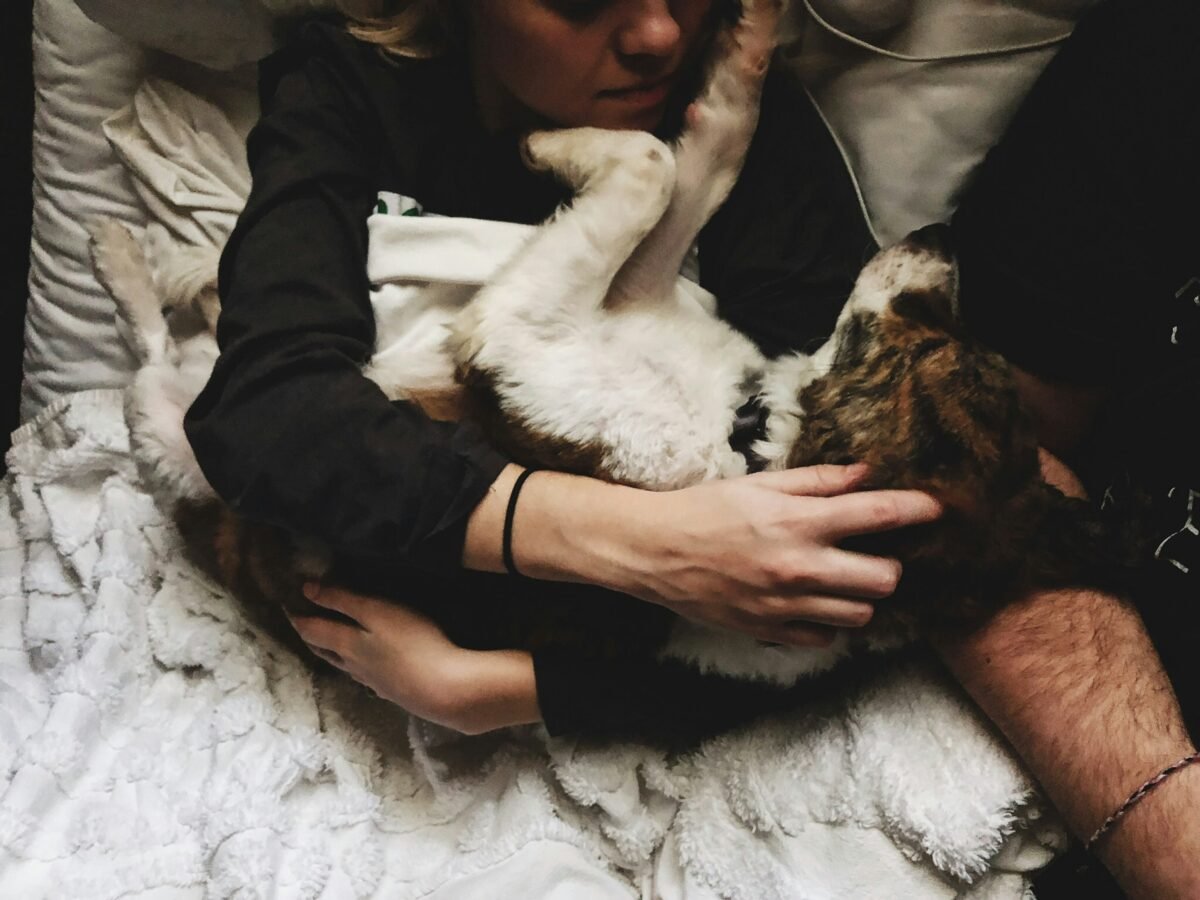
Recent research found that dogs behaved differently dependingon their owner’s emotional state, and earlier studies suggest dogs may show empathy-like responses or emotional contagion. That makes it plausible that some dogs press closer when their person seems stressed or unwell.
- Dogs are highly observant of changes in body language, tone, and routine.
- Some dogs become more affectionate when their person is upset or not feeling well.
- Extra closeness may reflect attachment, empathy, or simple curiosity about what has changed.
Nighttime Drama: Why Your Dog Snuggles Close Then Moves to the Floor
Does your dog start the night plastered against your side, then abandon you for the floor somewhere around 2 a.m.?
Rude, but usually very normal. Dogs run warmer than we do, so once they’ve soaked up enough body heat and settled into a deeper sleep, they may head for a cooler spot. The floor, the foot of the bed, or even a different room can simply be their way of getting comfortable again.
Typical Canine Sleep Cycle
Dogs sleep a lot more than humans do, usually around 12 to 14 hours a day.
Like us, they cycle through wakefulness, non-REM sleep, and REM sleep, but their sleep cycles are much shorter. That means they can drift into REM fairly quickly, which is why you may notice twitching paws, soft woofs, or little “running” motions not long after they doze off.
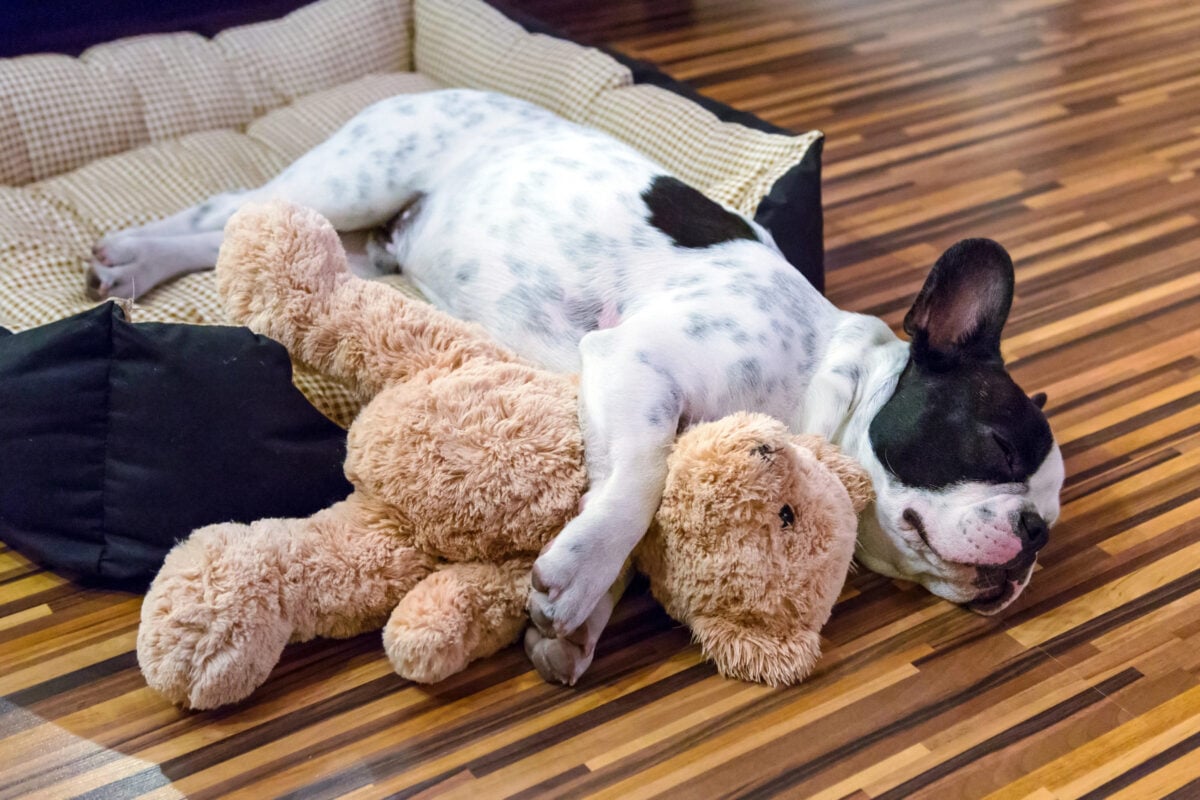
The Science Behind the Snuggle
Snuggling is not just cute. It can also be calming. Close contact can help reinforce the bond between dogs and their humans, and affectionate interaction is often linked to feelings of trust, comfort, and relaxation.
In other words, when your dog presses against you, they may not just be stealing your side of the bed. They may also be settling in where they feel safest.
Bonus Perks
Sleeping near your dog can feel genuinely comforting for humans, too. For some people, it adds a sense of warmth, companionship, and emotional security at the end of the day. Of course, whether it helps or hurts your sleep depends a lot on whether your dog is a quiet cuddler or a midnight acrobat.
My little dog, a Poodle-Beagle mix and truly the light of my life, loves to sleep pressed right up against me. Those daily cuddles are the best, and even when he turns into a tiny furry space heater with no respect for personal space, I cannot help but love every second of it.
There is something incredibly sweet about being the place your dog feels safest.
Are You Encouraging the “Velcro Dog”?
Maybe a little. If your dog gets pets, praise, or attention every time they press against you, they may start to see that closeness as especially rewarding. That is not necessarily a bad thing, but it can become a problem if your dog struggles to settle without constant physical contact.
A cuddly dog is one thing. A dog that cannot relax unless they are touching you is another.

How To Encourage (Or Discourage) Sleep Cuddles
If you love nighttime snuggles, make it easy for your dog to settle calmly beside you. Invite them up at bedtime, keep the routine consistent, and reward relaxed behavior instead of excited climbing, pawing, or pacing.
If you would rather keep a little more personal space, consistency matters most. Redirect your dog to a cozy bed nearby, use a simple cue like “bed” or “place,” and reward them when they settle there calmly. Mixed signals make this much harder, so try not to allow cuddles one night and banish them the next.
When the Snuggles Cross the Line: What’s Not Normal
Pressing against you while sleeping is usually sweet, harmless, and totally normal.
But if your dog’s sleep behavior suddenly changes or starts coming with other concerning signs, it may be worth a closer look. The behavior itself is not always the problem. Often, it is the change in behavior that matters most.
If your dog becomes much clingier than usual, seems restless at night, or starts reacting aggressively when someone comes near you, those can be signs that something more than simple affection is going on.
8 Red Flags To Watch For
- Sudden clinginess: An independent dog who suddenly needs constant nighttime contact may be reacting to stress, pain, or illness.
- Restlessness or pacing at night: If your dog cannot settle, keeps getting up, or seems unsettled for long periods, discomfort or anxiety may be part of the picture.
- Whining, panting, or trembling: These signs can point to stress, fear, pain, or difficulty relaxing.
- Aggression around the bed: Growling, stiffening, snapping, or guarding you from a partner, child, or other pet is not normal cuddling behavior.
- Suddenly avoiding contact: A dog who normally loves to sleep pressed against you but abruptly pulls away may be dealing with pain, illness, or discomfort.
- Confusion or nighttime wandering: In older dogs, pacing, staring, disorientation, or wandering at night can sometimes be linked to cognitive decline.
- Changes in breathing while resting: Occasional dream twitching is normal, but labored breathing, repeated coughing, or signs of distress during sleep deserve attention.
- Difficulty getting comfortable: Constant shifting, circling, or reluctance to lie down can sometimes signal joint pain, stiffness, or another physical issue.
When To Call Your Vet
Reach out to your veterinarian if the behavior change is sudden, intense, or comes with other symptoms like loss of appetite, lethargy, limping, vomiting, diarrhea, coughing, or unusual vocalizing. If your dog seems distressed rather than simply extra cuddly, it is always better to check in sooner rather than later.
In most cases, a snuggly dog is just being a snuggly dog. But if something feels off, trust your gut. You know your dog’s normal better than anyone.
Can I Train My Dog Not To Sleep Against Me?
You sure can. You can teach your dog to sleep next to you, at your feet, or in their own bed without turning bedtime into a nightly cuddle negotiation. The key is to make the alternative sleep space feel just as safe, cozy, and rewarding as sleeping pressed against you.
Start with a comfortable dog bed in a quiet spot close to where you sleep. Many dogs adjust more easily if their bed is still near you, rather than being moved across the room or into another space right away. Soft bedding, a familiar blanket, and a consistent bedtime routine can all help make that spot more appealing.
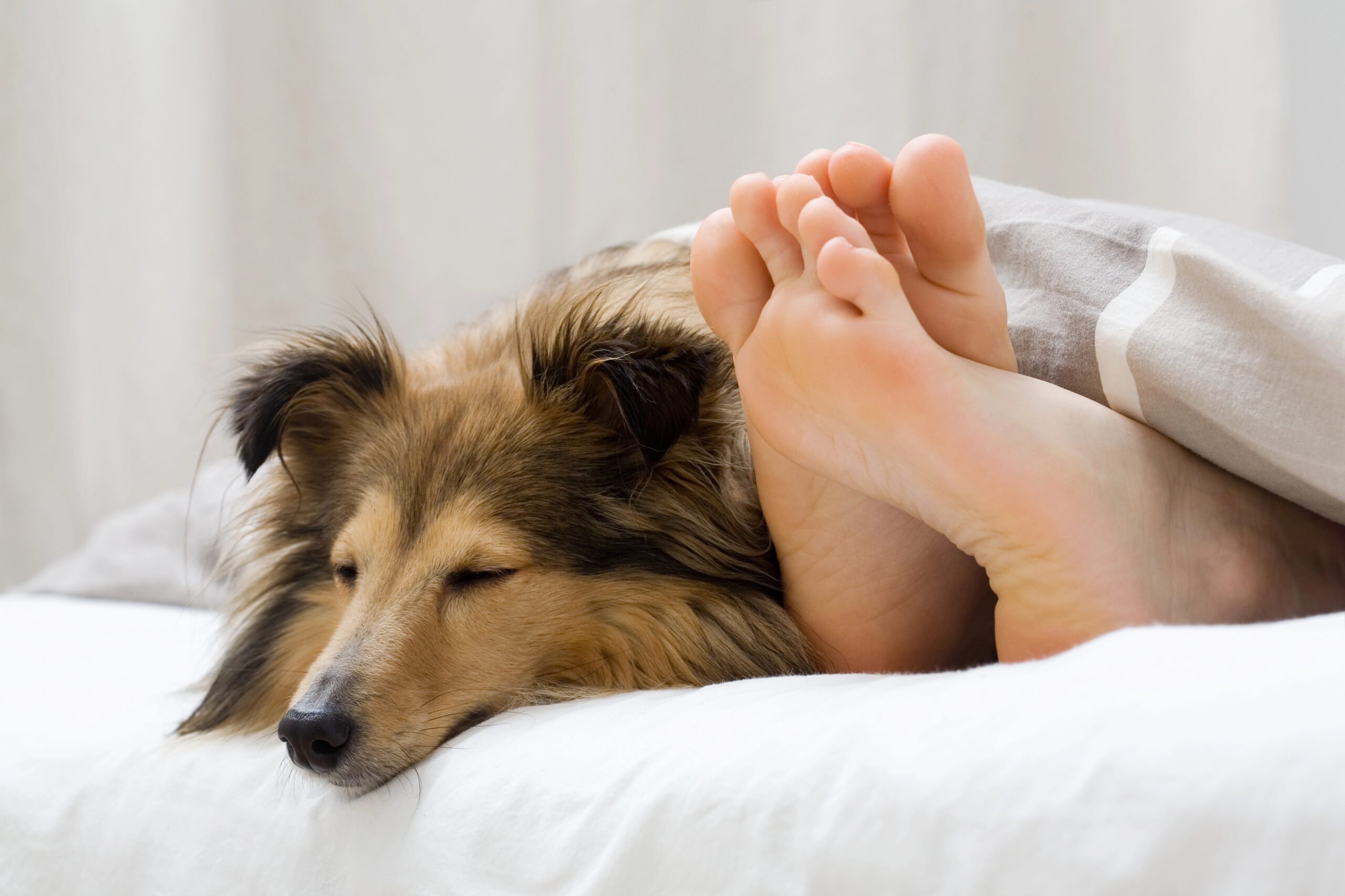
When your dog climbs onto you or tries to wedge themselves against your body, calmly redirect them to their own bed using a simple cue like “bed,” “place,” or “off.” Then reward them once they settle there quietly. The goal is not to punish cuddling. It is to teach your dog that their own sleep space is a great option too.
- Keep the new sleep spot close by at first: Dogs usually adjust better when they still feel near their person.
- Reward calm settling: Give praise, a treat, or gentle attention only after your dog relaxes in their own bed.
- Use the same cue every night: Consistency helps your dog understand what you want.
- Avoid mixed signals: Letting them sleepon you one night and pushing them away the next can slow the training process.
- Be patient: Dogs learn new sleep habits best through repetition, not frustration.
If your dog is especially clingy, start small. You might first teach them to sleep beside you without pressing against you, then gradually encourage more space over time.
For dogs with anxiety, older dogs, or dogs showing sudden changes in sleep behavior, it is worth talking with your veterinarian before making big changes to the routine.
Should I Let My Dog Sleep In Bed With Me?
That really comes down to your dog, your sleep, and your household.
For some people, bed-sharing means extra bonding, comfort, and warmth. For others, it means less sleep, more dog hair, and a nightly battle for blanket custody.
- If your dog is calm, healthy, and not guarding the bed, it is usually a personal preference.
- If sleep is getting disrupted or behavior problems are showing up, separate sleep spaces may be the better choice.
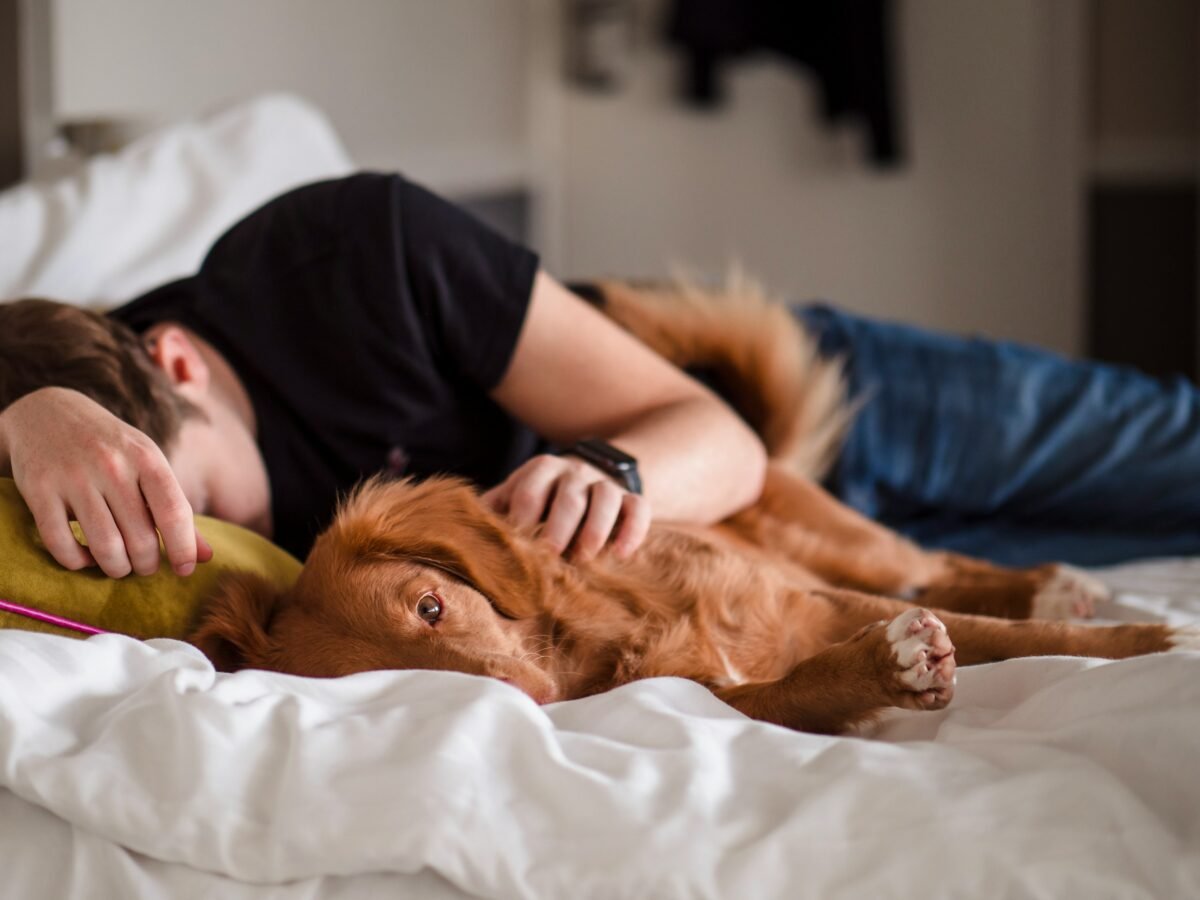
What It Means When Your Dog Sleeps By Your Head, Feet, Or On Your Stomach
Where your dog sleeps can be just as telling as how they sleep.
- By Your Head: Dogs who sleep near your head may be drawn to your scent, warmth, and breathing. It is often a sign that they want maximum closeness.
- By Your Feet: This can be a nice middle ground between closeness and independence. Your dog is near you, but not completely glued to you.
- On Your Stomach: Usually seen more often with smaller dogs, this spot combines warmth, contact, and closeness in one very committed sleeping choice.
Watch: What Your Dog’s Sleeping Spot Says About Them
Does this look familiar? Watch this behavior in action and see what your dog’s favorite sleeping spot may reveal about their comfort, mood, and bond with you.
Now that you’ve seen these sleep positions in action, you might be realizing something… your dog definitely has a “type.”
Some dogs pick one position and stick to it. Others treat the night like a full rotation schedule.
How Dogs Communicate With Their Bodies While They Sleep
Even while asleep, dogs say a lot with their body language.
- Ears: Relaxed ears usually signal deep comfort. If the ears are twitching or swiveling, your dog may be in a lighter stage of sleep and still tuning in to what is happening around them.
- Tail: A loose, relaxed tail often means your dog feels safe and settled. A tightly tucked position may be more about warmth or a preference for curling up tightly.
- Paws: Twitching toes or paddling paws usually show up during dream sleep. Yes, there is a decent chance your dog is chasing something extremely important in their dreams.
12 Dog Sleep Personalities: Which One Is Yours?
Just like people, dogs have their own very specific sleep styles. Some are polite little foot warmers. Others sleep like tiny home invaders who believe personal space is a scam.
If your dog has strong bedtime opinions, they may fit one of these unofficial sleep personalities.
- The Boulder: This dog presses their full body weight against your back and then becomes impossible to move. They may not be large, but somehow they sleep with the force of a concrete block.
- The Shifter: This dog never stays in one place. They start by your head, drift to your side, and somehow end up at your feet by morning, like they are running a full nighttime relocation program.
- The Pretzel: This one curls into a shape that looks completely impossible, often with one paw in your ribs and their spine apparently ignoring all known laws of anatomy.
- The Foot Warmer: Not too clingy, not too distant. This dog likes to stay close without taking over the whole bed. They are the most respectful cuddlers in the house, which frankly feels suspicious.
- The Bed Hog: This dog begins the night small and compact, then slowly expands until they are taking up 80 percent of the mattress. Bonus points if they sleep sideways.
- The Furnace: Always hot. Always dramatic. This dog presses against you for warmth, then abandons you the second they overheat, usually with a sigh like you were the problem.
- The Velcro Sleeper: If they are asleep, they are touching you. Leg, hip, feet, shoulder, it does not matter. This dog treats physical contact like a bedtime requirement, not a preference.
- The Sentry: This dog likes to sleep by the edge of the bed, near the door, or at your feet like they are on an overnight security detail. They may be resting, but in their mind, they are absolutely on duty.
- The Pillow Thief
Instead of curling up beside you like a normal dog, this one goes straight for the pillow. Usually yours. Apparently, your neck support is also part of the bonding experience. - The Starfish: This dog sleeps flat on their side with legs stretched in every direction, claiming as much square footage as possible. It is an impressive display of confidence for someone who contributes nothing to the mortgage.
- The Little Spoon: This is the dog who nestles against your stomach or chest like they were made for naps. Sweet? Yes. Slightly suffocating? Also yes.
- The Sleep Ninja: You go to bed alone-ish, and wake up with a dog somehow tucked under the blanket, across your legs, or directly behind your knees with no memory of how they got there.
Most dogs are not just one type, either. Many are a Boulder at 10 p.m., a Furnace at midnight, and a Shifter by sunrise.
Do Dogs Sleep With You When You Are Sick?
In some cases, yes, they will.
Dogs are incredibly observant and may pick up on changes in your scent, routine, movement, or energy when you are not feeling well. Some pups respond by becoming more affectionate or staying physically closer than usual, which can feel a lot like comfort.
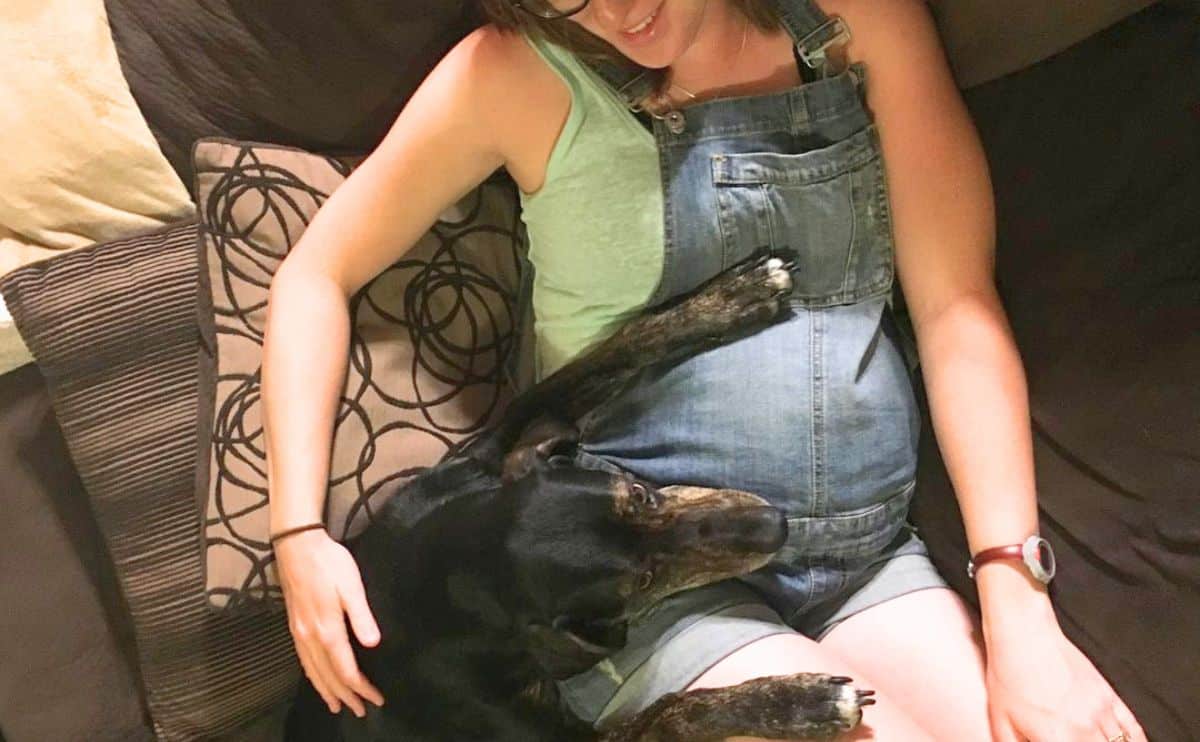
Do Dogs Sleep Against You When You Are Pregnant?
They can. Pregnancy brings changes in scent, routine, body temperature, and movement, and some dogs seem to notice all of it. Some become clingier or more attentive, while others simply act curious about the change.
Every dog is different, but extra closeness during pregnancy is something many owners report.
Frequently Asked Questions
Every dog has their own weirdly specific sleep habits, so chances are you may still have a few questions. If you do not see yours here, drop it in the comments. We would love to hear about your dog’s favorite sleeping spot, odd bedtime routine, or full-on bed hog behavior.
Why Does My Dog Sleep With Their Back Pressed Against Me?
This usually comes down to trust and comfort. Your dog feels safe enough to fully relax while staying in close contact, and pressing their back against you can be an easy, cozy way to settle in for the night.
Is It Safe To Let My Dog Sleep On Me Every Night?
Usually, yes, if your dog is calm, healthy, and not disrupting your sleep. It may be less ideal if you have allergies, immune concerns, or a dog who thinks your torso is premium real estate.
Why Does My Dog Prefer One Person To Sleep With?
Dogs often choose the person they feel most bonded to, safest with, or most rewarded by. Feeding, routine, affection, and overall attachment can all influence who gets chosen as the preferred sleep buddy.
How Can I Get My Dog To Sleep Next To Me?
Make the space comfortable, keep your bedtime routine consistent, and reward calm settling. Just do not force it. Some dogs love to cuddle all night, while others prefer to keep a little elbow room.
Why Does My Dog Sleep Against Me Then Suddenly Leave?
Most of the time, they got too warm, wanted more space, or shifted into a different sleep stage. It is very common and usually not a sign your dog has decided the relationship is over at 2 a.m.
Can Pressing Against Me Mean My Dog Is Anxious?
Sometimes, yes. Many dogs sleep close simply because they feel safe and bonded, but if the behavior becomes sudden, intense, or comes with whining, pacing, or distress when you move away, anxiety may be part of the picture.
Why Does My Dog Sleep By My Feet Instead Of Next To Me?
Sleeping by your feet can be your dog’s way of staying close while still keeping a little space. For some dogs, it is the perfect middle ground between cuddling, guarding, and claiming a comfortable spot on the bed.
Why Does My Dog Only Sleep Against Me Sometimes?
Dogs are not robots, and their sleep preferences can change from night to night. Temperature, mood, stress levels, routine changes, and simple comfort all play a role in whether they want to be glued to your side or stretched out solo.
Is It Normal For My Dog To Suddenly Start Sleeping Closer To Me?
It can be. Changes in routine, weather, stress, age, or comfort can all make a dog more clingy at night. But if the change feels dramatic or comes with other unusual behavior, it is worth paying closer attention and checking with your vet if needed.
Should You Wake a Sleeping Dog?
In most cases, it is better to let sleeping dogs lie. Waking a dog abruptly can startle them, especially during deep sleep, and some dogs may react before they are fully awake. If you do need to wake your dog, use your voice or a soft noise first rather than reaching in with your hand.
Other Weird Dog Sleeping Behaviors That Might Surprise You
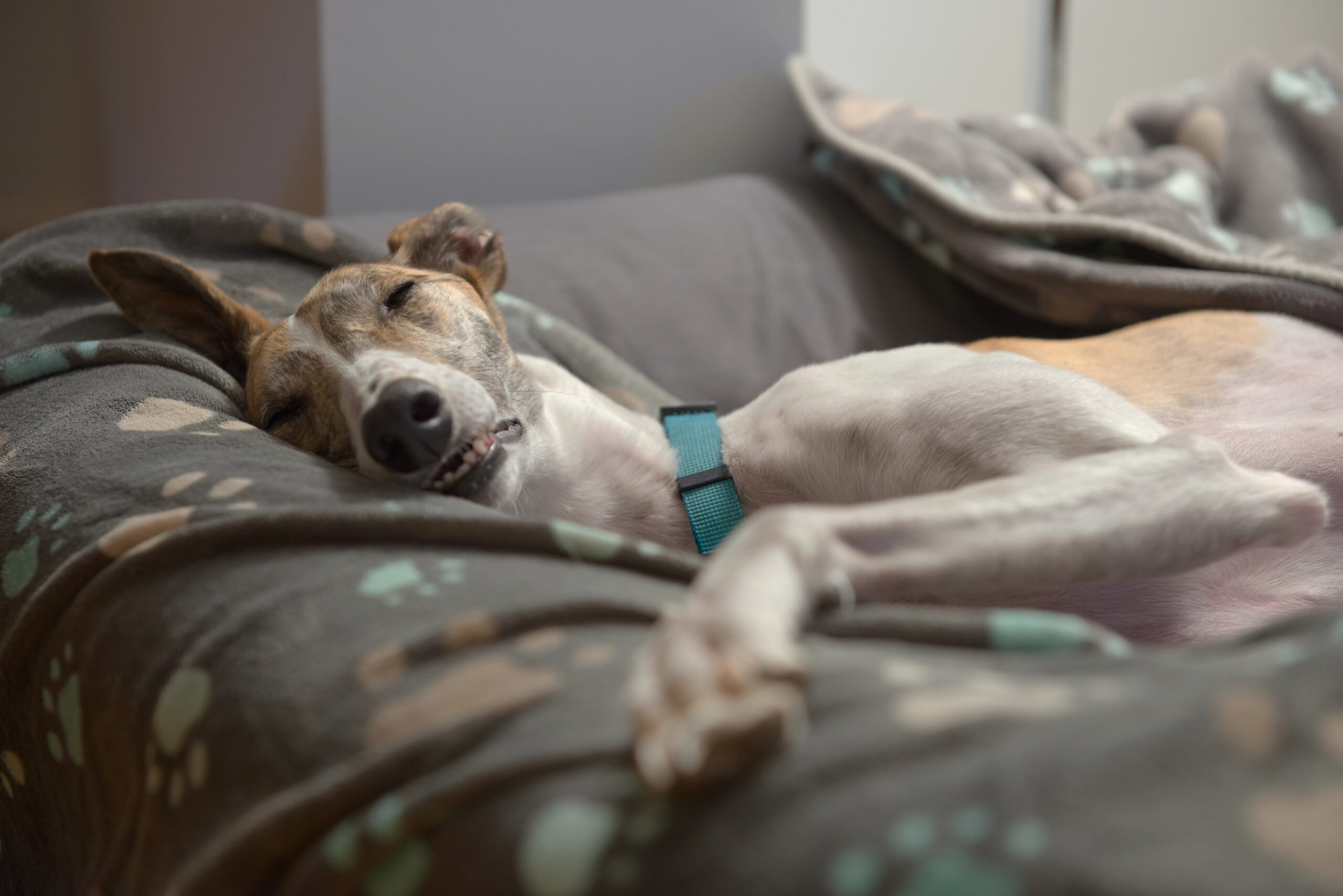
Sleeping pressed against you is just one of the many odd little things dogs do at bedtime. Some sleep belly-up, some twitch and “run” in their dreams, some puppies breathe faster than expected, and some dogs snore loud enough to shake the room. Most of the time, these sleep quirks are completely normal.
A dog sprawled on their back usually feels safe, relaxed, and comfortable. Twitching, paddling paws, and soft little barks are also common during dream-heavy sleep. But loud gasping, repeated pauses in breathing, restless pacing, or sudden changes in sleep habits can be worth a closer look.
The big takeaway: dogs can be wonderfully weird sleepers. For many dogs, that dream-filled sleep feels even better when they are curled up in the place they feel safest… pressed right up against you.
Does Your Dog Sleep Like This Too?
Does your dog press up against you like a tiny furnace… or take over the entire bed like they pay rent? Tell us in the comments. I want to hear your dog’s sleep habits, weird positions, and full-on bedtime chaos.
Because somehow, even when they steal all the space… we wouldn’t have it any other way.