When you purchase through links on our site, we may earn a commission at no extra cost to you. Learn more.
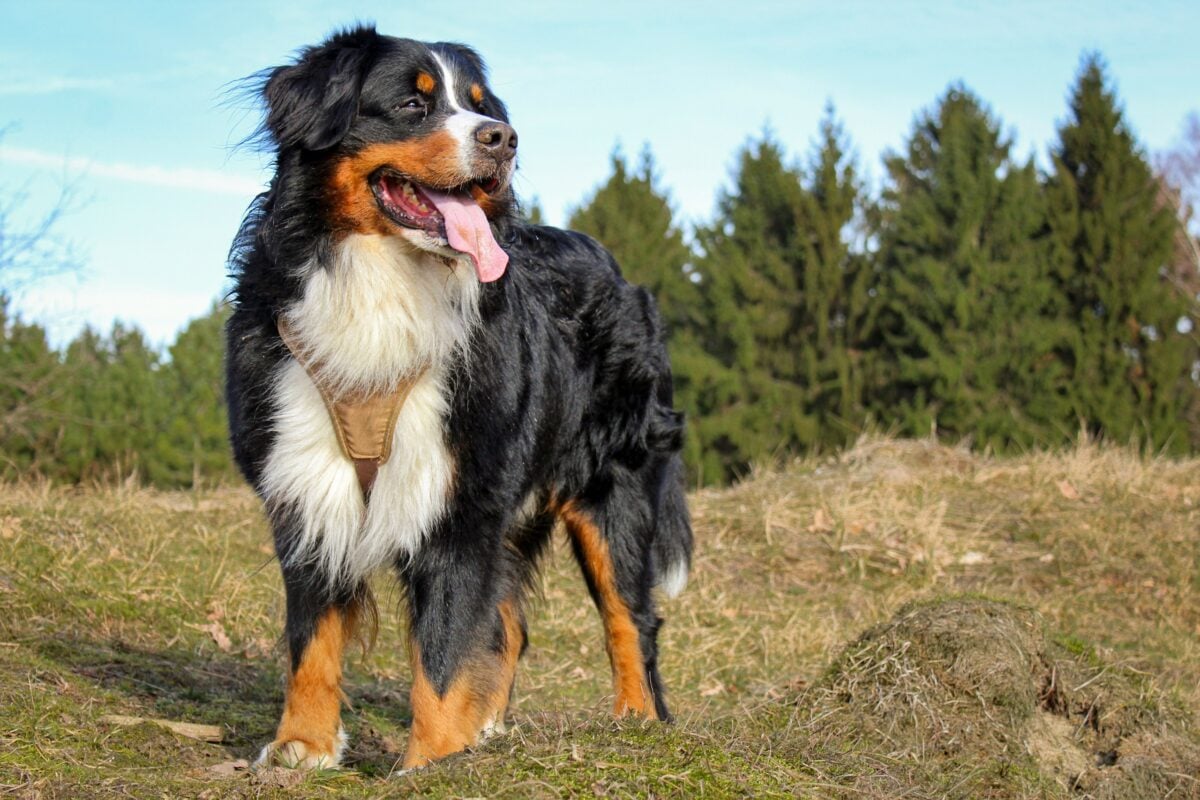
Bernese Mountain Dogs are famous for their gentle temperament, striking tri-color coats, and devotion to their families. These big, affectionate dogs often act like oversized lapdogs and tend to bond closely with their people.
Table of Contents
Unfortunately, the breed is also known for having a shorter lifespan than many other dogs. Berners are prone to several inherited conditions and serious illnesses that owners should understand early.
Knowing the most common Bernese Mountain Dog health issues can help you spot symptoms sooner, make informed breeding or adoption decisions, and prepare for potential veterinary costs.
Planning Ahead For Vet Bills
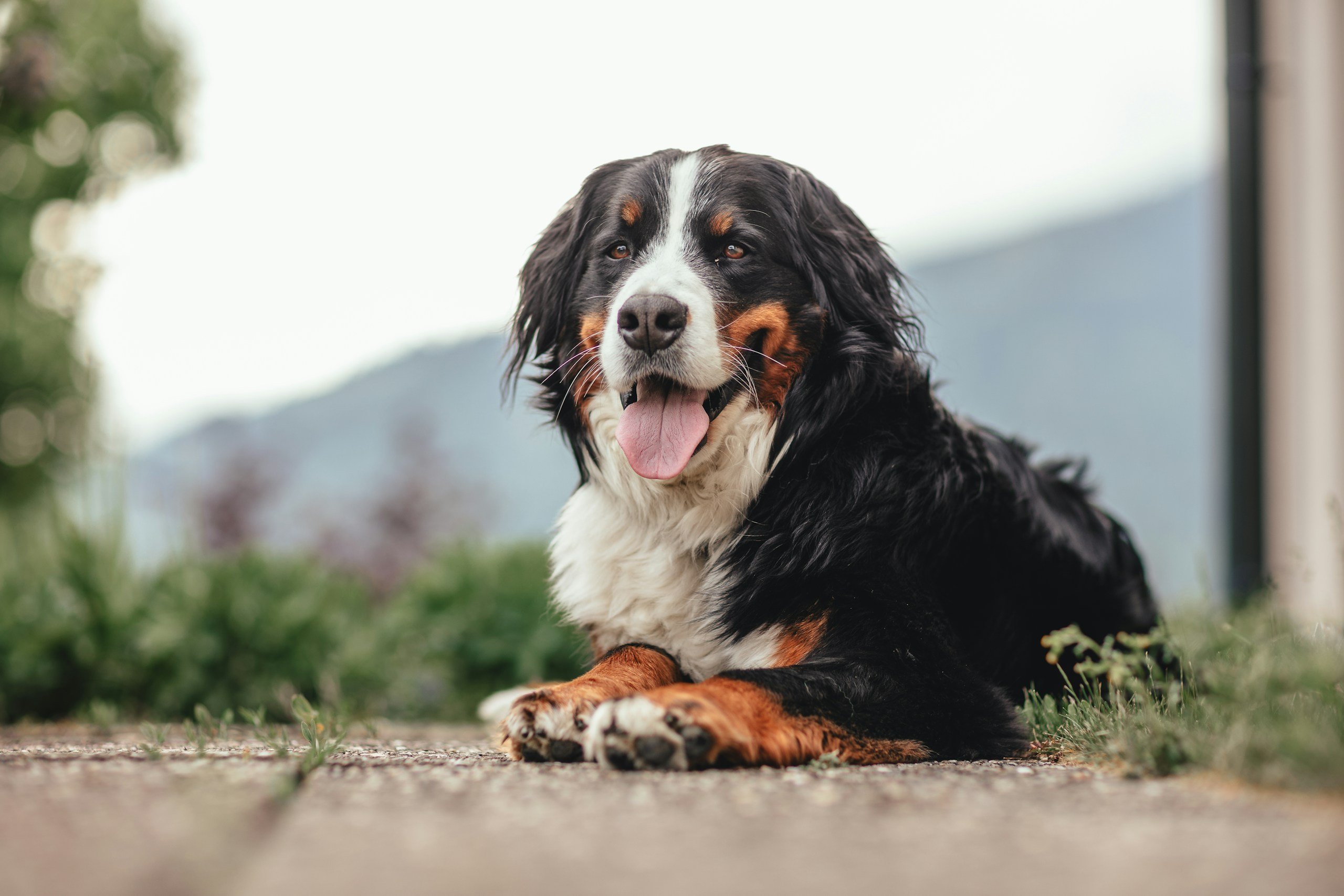
Bernese Mountain Dogs are large dogs, and large dogs often come with large veterinary bills. Many of the conditions this breed develops involve orthopedic surgery, emergency care, or long-term treatment.
Want our human-written content to rank above AI-generated garbage? Help us out by clicking this button!
Because of these risks, many Bernese Mountain Dog owners choose to enroll their dogs in pet insurance while they are still young and healthy. A good policy can help cover unexpected costs and prevent difficult financial decisions during a medical emergency.
You can learn more in our guide to the best pet insurance for Bernese Mountain Dogs to see how coverage works in real situations.
The Health Issue Bernese Mountain Dogs Are Most Known For
If there is one health concern Bernese Mountain Dogs are especially known for, it is cancer. Compared with many other breeds, Berners have an unusually high rate of certain aggressive cancers.
One of the most notable is histiocytic sarcoma, a disease that is rare in most dogs but occurs disproportionately in this breed. Lymphoma and other cancers also occur frequently in Bernese Mountain Dogs. These conditions are one of the main reasons the breed’s average lifespan is shorter than many other large dogs.
Some Bernese Mountain Dogs may also develop serious blood-related disorders, including immune-mediated diseases or cancers that affect blood cells. Because these conditions often require specialized diagnostics, hospitalization, or long-term treatment, they can become one of the more expensive medical issues owners face.
This also helps explain why veterinary costs for blood disorders in Bernese Mountain Dogs can exceed $9,000–$12,000 in some cases, according to pet insurance claim data.
Understanding the health risks associated with the breed can help owners watch for early warning signs and work closely with their veterinarian to monitor their dog’s health.
10 Common Bernese Mountain Dog Health Problems
Below are the most common health problems seen in Bernese Mountain Dogs. These conditions range from inherited diseases to orthopedic disorders and life-threatening emergencies.
1. Histiocytic Sarcoma
Histiocytic sarcoma is an aggressive cancer that affects a type of immune cell called histiocytes. While rare in most breeds, it is one of the most common cancers in Bernese Mountain Dogs and accounts for a significant number of deaths in the breed.
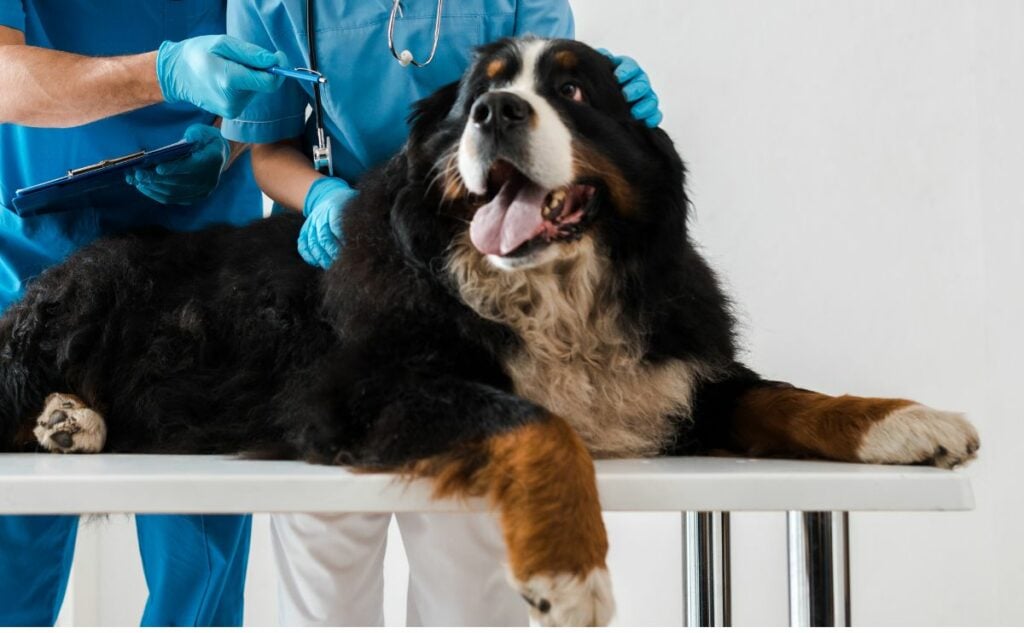
The disease can spread quickly through organs such as the lungs, spleen, lymph nodes, and bones. Because it progresses rapidly, early detection is difficult and treatment options are limited.
Histiocytic Sarcoma Symptoms
- Lethargy
- Loss of appetite
- Weight loss
- Lameness or joint swelling
- Difficulty breathing
- Enlarged lymph nodes
Diagnosis & Treatment
Veterinarians diagnose histiocytic sarcoma using imaging, biopsies, and blood testing. Treatment may include chemotherapy or palliative care, but the disease often progresses quickly.
You can learn more about different forms of cancer in dogs and how they are treated.
Can Cancer Risk Be Reduced?
Genetics play a major role in cancer risk for Bernese Mountain Dogs. Responsible breeding programs may reduce risk by screening bloodlines and avoiding dogs with known hereditary cancers.
Early detection can still improve outcomes. Routine veterinary exams and prompt attention to unusual symptoms can help identify cancers sooner.
2. Hip Dysplasia
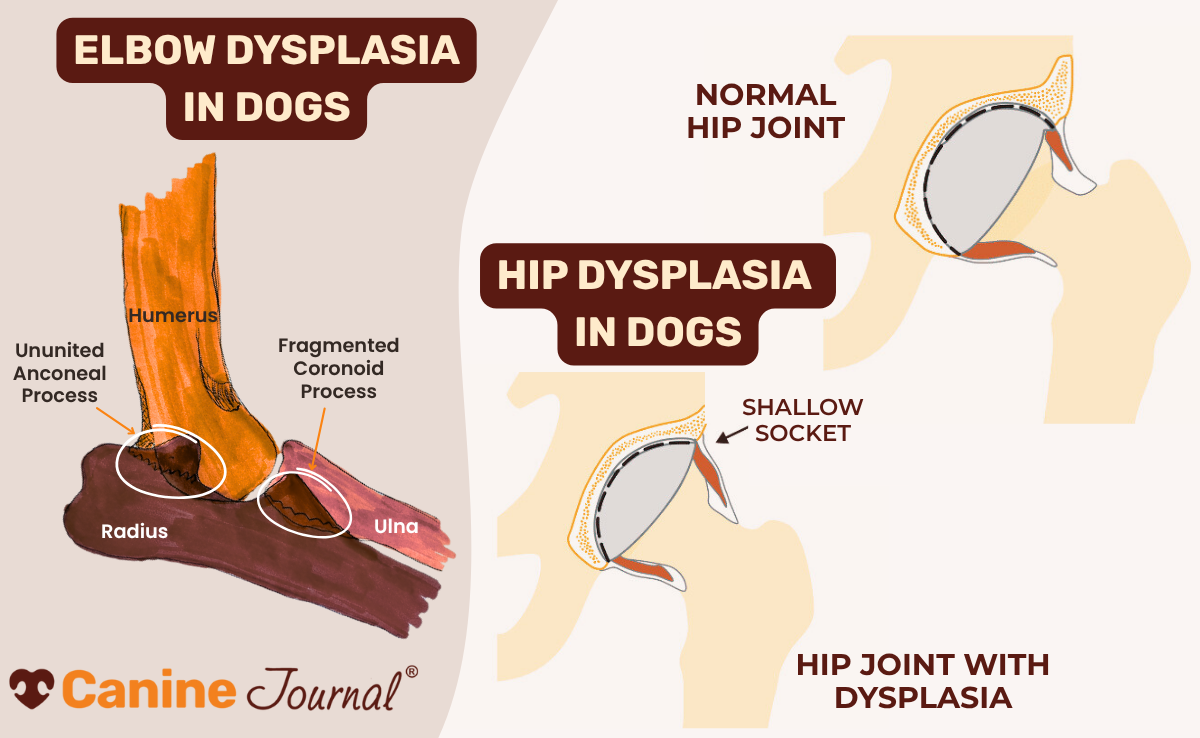
Hip dysplasia is a hereditary orthopedic condition in which the hip joint develops abnormally. The femur does not fit properly into the hip socket, causing instability and eventually leading to arthritis.
This condition is common in many large and giant breeds, including Bernese Mountain Dogs.
Symptoms
- Difficulty standing up
- Limping after exercise
- Bunny-hopping gait when running
- Decreased activity
- Muscle loss in the hind legs
Diagnosis & Treatment
Veterinarians diagnose hip dysplasia using physical exams and X-rays. Treatment may include weight management, medications, joint supplements, or surgery in severe cases.
Many dogs also benefit from rehabilitation therapies such as physical therapy, hydrotherapy, laser therapy, or massage therapy. These treatments can improve mobility and reduce pain.
Owners may also explore supportive options like fish oil, CBD, or joint supplement blends to help manage inflammation.
Can Hip Dysplasia Be Prevented?
Hip dysplasia is largely genetic, but proper growth and weight management can reduce stress on developing joints. Keeping puppies lean and feeding a balanced large-breed diet is especially important. You can learn more in our guide to the best Bernese Mountain Dog food.
3. Elbow Dysplasia
Elbow dysplasia is another inherited joint disorder that commonly affects large breeds. The condition occurs when the elbow joint develops abnormally during growth, leading to joint instability and arthritis.
Symptoms often appear while the dog is still young.
Symptoms
- Front-leg limping
- Pain after exercise
- Reduced range of motion in the elbow
- Joint swelling
- Holding the affected leg away from the body
Diagnosis & Treatment
Veterinarians diagnose elbow dysplasia using X-rays or advanced imaging such as CT scans. Treatment may involve anti-inflammatory medications, joint supplements, physical therapy, or surgery.
Rehabilitation options such as hydrotherapy, laser therapy, and massage therapy may also help improve mobility and reduce discomfort.
Breeders often perform elbow evaluations to reduce the risk of passing this condition to puppies. Learn more about elbow dysplasia in dogs.
Reducing Joint Stress In Large Breed Puppies
Large breed puppies grow rapidly during their first year of life. Feeding a balanced large-breed diet and avoiding excessive weight gain can reduce strain on developing joints.
Controlled exercise is also important. Activities like repetitive jumping or running on hard surfaces can increase joint stress during growth.
4. Gastric Dilatation Volvulus (Bloat)
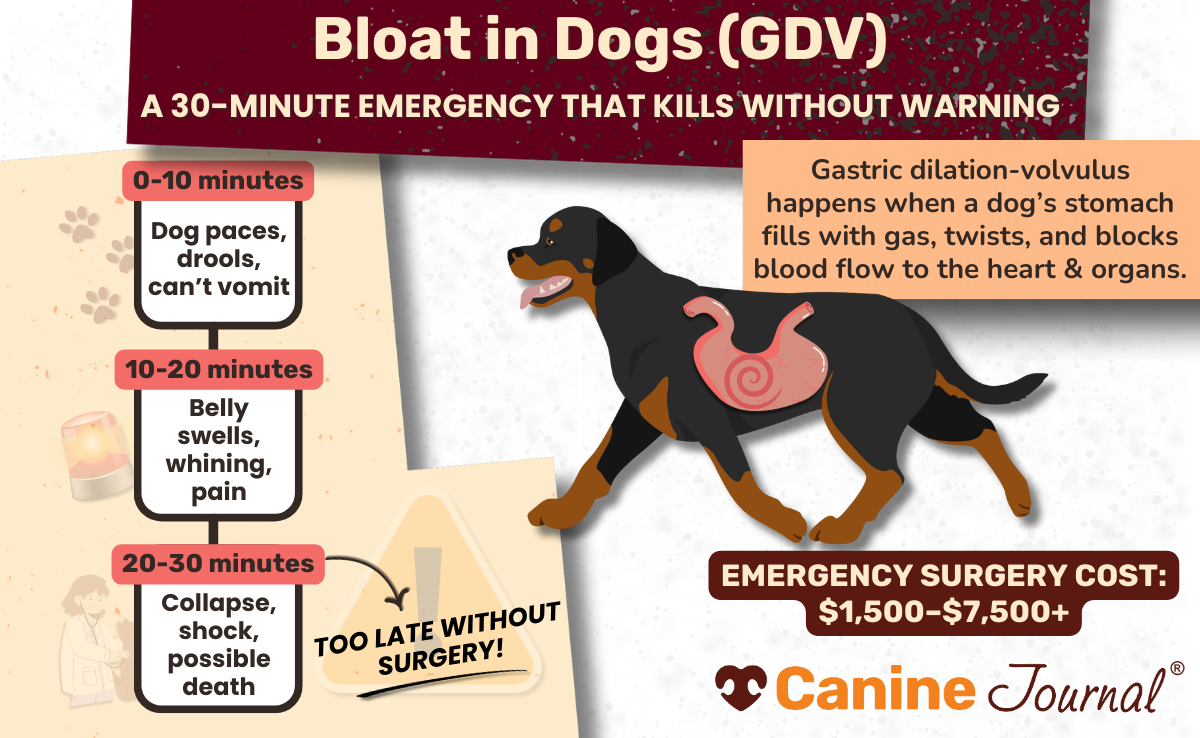
Gastric dilatation volvulus, commonly called bloat, is a life-threatening emergency that affects deep-chested breeds like Bernese Mountain Dogs. The stomach fills with gas and may twist, cutting off blood flow to vital organs.
Without emergency treatment, the condition can become fatal within hours.
Symptoms
- Swollen abdomen
- Unproductive vomiting
- Excessive drooling
- Restlessness or pacing
- Pale gums
- Difficulty breathing
Diagnosis & Treatment
Veterinarians diagnose bloat using physical exams and imaging. Emergency treatment typically involves decompressing the stomach and performing surgery to reposition it.
Many dogs undergo a preventive surgical procedure called gastropexy, which attaches the stomach to the abdominal wall to reduce the risk of future torsion.
How To Reduce The Risk Of Bloat
Although bloat cannot always be prevented, several strategies may reduce risk.
- Feed smaller meals instead of one large meal
- Avoid vigorous exercise immediately after eating
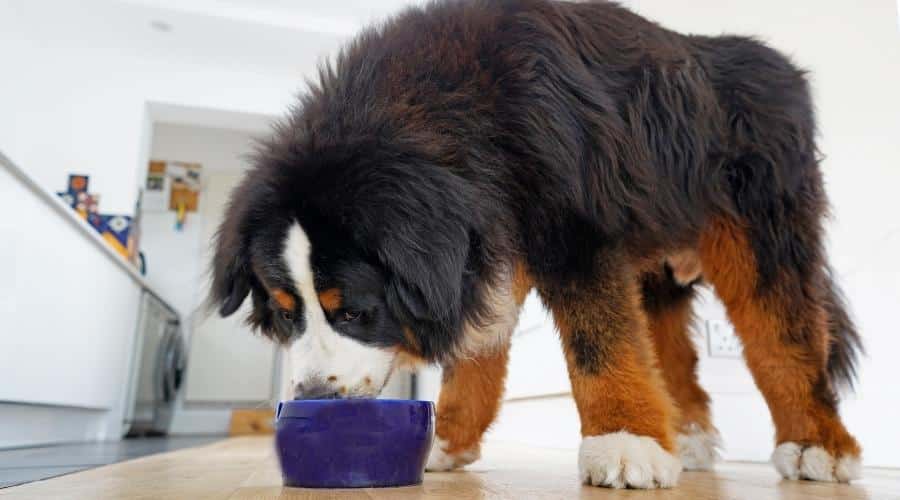
- Use slow feeders for dogs that eat quickly
- Avoid elevated food bowls
- Discuss preventive gastropexy surgery with your veterinarian
5. Lymphoma
Lymphoma is another cancer commonly seen in Bernese Mountain Dogs. It affects the lymphatic system and can occur in lymph nodes, organs, or bone marrow.
While serious, lymphoma often responds better to chemotherapy than many other cancers.
Symptoms
- Enlarged lymph nodes
- Fatigue
- Loss of appetite
- Weight loss
- Fever
Diagnosis & Treatment
Diagnosis typically involves biopsies, blood tests, and imaging. Treatment usually includes chemotherapy and supportive care.
You can learn more about lymphoma in dogs and available treatment options.
6. Progressive Retinal Atrophy (PRA)
Progressive retinal atrophy is an inherited eye disease that causes gradual degeneration of the retina. Over time, affected dogs develop vision loss that eventually leads to blindness.
Some forms appear early in life, while others develop in adulthood.
Symptoms
- Night blindness
- Dilated pupils
- Bumping into objects
- Hesitation in unfamiliar environments
- Reluctance to explore new places
Diagnosis & Treatment
Veterinarians diagnose PRA through eye examinations and genetic testing. Unfortunately, there is no cure, but most dogs adapt well to vision loss. Responsible breeders often screen breeding dogs for inherited eye diseases.
7. Von Willebrand Disease
Von Willebrand disease is the most common inherited bleeding disorder in dogs. It occurs when the body does not produce enough of a protein needed for proper blood clotting.
Dogs with this condition may experience prolonged bleeding even after minor injuries or surgical procedures.
Symptoms
- Nosebleeds
- Bleeding gums
- Blood in urine
- Blood in stool
- Excessive bleeding after injury or surgery
Diagnosis & Treatment
Veterinarians diagnose the condition using blood tests and genetic screening. Testing is especially important before surgery or dental procedures.
There is no cure, but dogs can live normal lives with proper management.
Breeders can reduce the risk of passing this condition to puppies by performing DNA screening on breeding dogs. Learn more about dog DNA testing and genetic screening tools.
8. Degenerative Myelopathy
Degenerative myelopathy is a progressive neurological disease that affects the spinal cord. It slowly damages nerve signals that control movement in the hind legs.
The disease usually appears in middle-aged or older dogs and gradually worsens over time.
Symptoms
- Weakness in the hind legs
- Difficulty standing
- Dragging the back paws
- Loss of coordination
- Progressive paralysis
Diagnosis & Treatment
There is currently no cure for degenerative myelopathy. Veterinarians diagnose the disease through neurological exams, genetic testing, and imaging to rule out other conditions.
Supportive care may help maintain mobility for longer. Many dogs benefit from physical therapy for dogs, hydrotherapy, and other rehabilitation treatments.
9. Cruciate Ligament Injuries
Cruciate ligament injuries are similar to ACL tears in humans. The ligament that stabilizes the knee joint becomes partially or completely torn, causing pain and instability.
Large breeds like Bernese Mountain Dogs are particularly vulnerable due to their size and weight.
Symptoms
- Sudden limping in a rear leg
- Difficulty putting weight on the leg
- Stiffness after rest
- Reduced activity
- Swelling around the knee
Diagnosis & Treatment
Veterinarians diagnose cruciate ligament injuries through physical exams and imaging tests. Many dogs require surgery to stabilize the knee joint. Recovery also includes rehabilitation therapy.
You can learn more about cruciate ligament surgery costs for dogs and what recovery typically involves.
Preventing ACL Injuries In Large Dogs
Maintaining a healthy weight is one of the most important ways to reduce strain on the knee joints. Excess body weight significantly increases the risk of ligament injuries.
Joint support may also help protect long-term mobility. Many owners use fish oil, joint supplements, or other supportive therapies for joint health. View our picks for best dog food for joint health.
10. Panosteitis (Growing Pains)
Panosteitis is a painful inflammatory condition that affects the long bones of growing dogs. It is often called growing pains and typically occurs in large and giant breed puppies between about 5 and 18 months of age.
Symptoms
- Sudden limping that may shift between legs
- Pain when the bones are pressed
- Lethargy
- Fever in some cases
- Decreased appetite
Diagnosis & Treatment
Veterinarians usually diagnose panosteitis through a physical exam and medical history. X-rays are sometimes used to confirm the diagnosis or rule out other bone diseases that can cause similar symptoms.
Treatment focuses on pain management and limiting intense activity during flare-ups. Your veterinarian may prescribe anti-inflammatory medication or other pain medications for dogs. Some owners also explore supportive options such as natural pain relief for dogs while their puppy grows out of the condition.
Supporting Healthy Growth In Large Breed Puppies
Rapid growth can place stress on developing bones and joints. Feeding a balanced large-breed puppy diet helps support controlled growth and proper skeletal development.
You can learn more about proper nutrition in our guide to Bernese Mountain Dog food.
Other Health Problems Of Bernese Mountain Dogs
In addition to the more common conditions outlined above, Bernese Mountain Dogs may develop several other health issues. While these occur less frequently, they can still affect comfort, mobility, and overall health.
- Allergies – Bernese Mountain Dogs can develop environmental or food allergies that cause itching, skin irritation, ear infections, or digestive upset.
- Hypothyroidism – This hormonal disorder slows metabolism and may lead to weight gain, lethargy, hair loss, or skin problems.
- Epilepsy – Some Bernese Mountain Dogs experience seizure disorders that require long-term medication and veterinary monitoring.
- Aseptic meningitis – This inflammatory condition affects the membranes around the brain and spinal cord. It can cause neck pain, fever, lethargy, and neurological symptoms that require veterinary treatment.
- Osteochondrosis (OCD) – A developmental joint condition that can occur in large-breed puppies as cartilage fails to form properly in growing joints.
- Heart disease – Certain Berners may develop congenital or acquired heart conditions that affect circulation and exercise tolerance.
- Eye disorders – In addition to PRA, Bernese Mountain Dogs can develop problems such as cataracts, cherry eye, and other dog eye problems.
- Heat sensitivity – Because of their thick double coat, Bernese Mountain Dogs are more vulnerable to overheating and heat stroke in warm climates.
Why Bernese Mountain Dogs Have Shorter Lifespans
Bernese Mountain Dogs are beloved for their calm temperament and loyalty, but they are also known for having a shorter lifespan than many other breeds.
The American Kennel Club estimates that Bernese Mountain Dogs typically live 7–10 years. However, large population studies provide a slightly different perspective.
In a UK analysis of more than 580,000 dogs, Bernese Mountain Dogs had a median survival of about 10.1 years, meaning half of the 1,116 Berners in the study lived longer than that age and half died earlier.
Several biological factors influence canine longevity, including genetics, breed history, and body size. Large and giant breeds tend to age faster than smaller dogs, which contributes to their shorter average lifespans.
Research has also found that dogs belonging to the “Mountain” ancestral group — which includes breeds such as the Bernese Mountain Dog, Saint Bernard, and Great Pyrenees — tend to have median survival times 3.5 to 4.6 years shorter than other purebred dog groups, even after accounting for body size.
Cancer is another major factor affecting Bernese Mountain Dog longevity. Conditions such as histiocytic sarcoma and lymphoma occur more frequently in this breed than in many others, which significantly influences overall lifespan.
That said, genetics are only part of the story. Environmental factors such as diet, exercise, weight management, and veterinary care can influence how genes are expressed in the body over time.
While you cannot change your dog’s DNA, supporting your Berner with proper nutrition, regular exercise, and preventative veterinary care can help promote overall health and may allow them to enjoy more healthy years.
Average Costs For Several Common Bernese Mountain Dog Health Issues
Many Bernese Mountain Dog health problems are not one-time expenses. Chronic conditions, complex surgeries, and emergency treatments can add up quickly, especially in large breeds that may require specialized care.
Costs vary widely depending on location, severity, and treatment plan. Still, the estimates below reflect average pet insurance claim data from major providers and offer a realistic look at what owners may face.
According to Fetch Pet Insurance, average claim costs for Bernese Mountain Dogs include:
- Gastric dilatation-volvulus (bloat): $2,073–$3,499+
- Blood disorders: $9,835–$12,928+
- Hip dysplasia treatment: $4,219–$5,500+
Data from Embrace Pet Insurance shows ranges for other common Bernese Mountain Dog conditions:
- Hip dysplasia: $1,500–$6,000
- Elbow dysplasia: $1,500–$4,000
- Aseptic meningitis: $1,500–$4,000
- Osteochondrosis (OCD): $2,000–$4,000
While not every Bernese Mountain Dog will experience these conditions, the figures highlight how quickly veterinary costs can escalate when large-breed health issues are involved.
For many owners, planning ahead through savings, pet insurance, or a combination of both helps ensure medical decisions are based on what’s best for the dog rather than the cost of treatment.
How To Help A Bernese Mountain Dog Live Longer
While genetics play a role in lifespan, daily care can still have a meaningful impact on your dog’s overall health and quality of life. Supporting healthy habits early and maintaining them throughout adulthood can help reduce risk factors and improve long-term well-being.
Here are several ways owners can help Bernese Mountain Dogs live healthier, fuller lives.
1. Maintain A Healthy Weight
Excess weight puts additional strain on joints, the heart, and other organs. Large breeds like Bernese Mountain Dogs are particularly vulnerable to mobility problems when they become overweight.
Feeding appropriate portions, avoiding excessive treats, and monitoring body condition can help prevent obesity and reduce stress on the hips and elbows.
2. Provide Regular, Moderate Exercise
Bernese Mountain Dogs benefit from consistent physical activity, but extremely intense exercise is not necessary. Daily walks, hiking, swimming, and interactive play help maintain muscle tone and support cardiovascular health.
Regular movement also helps prevent weight gain and keeps joints flexible as dogs age.
3. Feed A High-Quality Diet
Proper nutrition supports immune function, muscle development, and overall health. Choose a well-balanced diet formulated for large breeds and appropriate for your dog’s life stage.
Puppies should receive food designed for large-breed growth, which helps regulate bone development and may reduce the risk of certain orthopedic issues.
4. Schedule Regular Veterinary Checkups
Routine veterinary visits help detect health issues early, when treatment may be more effective. Your veterinarian may recommend blood work, orthopedic monitoring, or other screening tests based on your dog’s age and risk factors.
Because Bernese Mountain Dogs are predisposed to several inherited conditions, preventive care plays an important role in long-term health.
5. Choose A Responsible Breeder
If you are purchasing a Bernese Mountain Dog puppy, responsible breeding practices matter. Reputable breeders screen their dogs for inherited diseases and aim to reduce the risk of genetic health problems.
While health testing cannot eliminate all risks, it can significantly improve the odds of producing healthier puppies.
6. Pay Attention To Early Warning Signs
Owners who know their dog’s normal behavior are often the first to notice subtle changes. Loss of appetite, unusual lethargy, limping, swelling, or persistent digestive issues should always be evaluated by a veterinarian.
Early detection can make a major difference in treatment options and outcomes.
Frequently Asked Questions
Bernese Mountain Dogs are beloved for their calm temperament and affectionate nature, but many prospective owners have questions about their health, lifespan, and care needs. The answers below address some of the most common concerns people have before bringing a Berner into their home.
Don’t see your question? Respond in the comments, and we’ll get back to you!
How Long Do Bernese Mountain Dogs Usually Live?
Most Bernese Mountain Dogs live between 7 and 10 years. Their lifespan is shorter than many other breeds, largely due to the breed’s higher risk of certain cancers and large-breed health conditions.
While genetics play a role, proper nutrition, exercise, and preventive veterinary care can help support a longer and healthier life.
Are Bernese Mountain Dogs Prone To Hip Problems?
Yes. Like many large breeds, Bernese Mountain Dogs have a higher risk of hip dysplasia and elbow dysplasia. These conditions occur when joints do not develop properly, which can lead to arthritis and mobility problems later in life.
Maintaining a healthy weight, providing appropriate exercise, and feeding large-breed puppy diets can help reduce stress on developing joints.
Do Bernese Mountain Dogs Require A Lot Of Grooming?
Bernese Mountain Dogs have a thick double coat that sheds year-round and more heavily during seasonal changes. Regular brushing helps remove loose fur, prevent matting, and keep their coat healthy.
Most owners find that brushing several times per week helps manage shedding.
Are Bernese Mountain Dogs Good Family Dogs?
Bernese Mountain Dogs are known for their gentle temperament and strong bond with their families. They are often patient with children and enjoy being involved in daily household activities.
However, their large size means they do best in homes where they have enough space to move comfortably.
Learn More About Living With A Bernese Mountain Dog
Bernese Mountain Dogs are affectionate, loyal companions, but they do require thoughtful care and preparation. Understanding their grooming needs, housing requirements, and potential health risks can help you create the best environment for your dog.
If you are considering adding one of these gentle giants to your family, these guides can help you learn more about daily life with the breed:
- Do Bernese Mountain Dogs Shed?
- Best Crates For Bernese Mountain Dogs
- Popular Bernese Mountain Dog Mixes
Learning about the breed’s personality, care requirements, and potential health challenges ahead of time can help ensure you and your Bernese Mountain Dog enjoy many happy years together.