When you purchase through links on our site, we may earn a commission at no extra cost to you. Learn more.
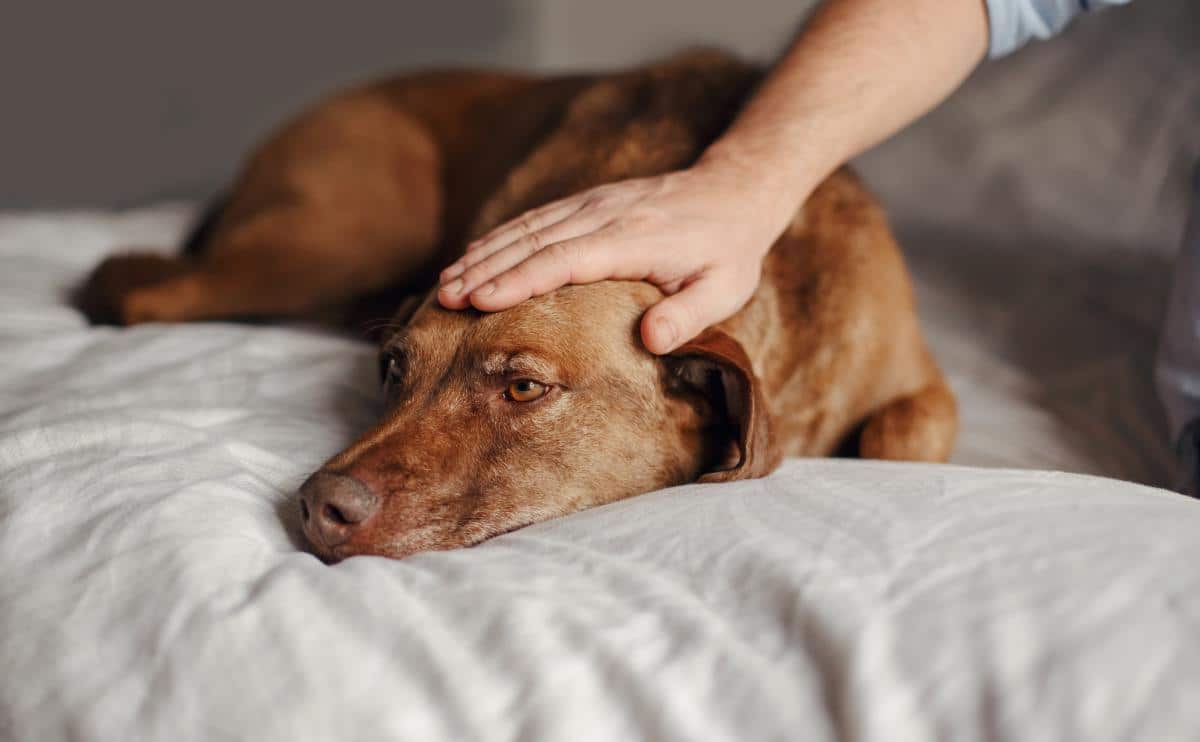
If your dog is panting, pacing, hiding, trembling, or suddenly acting differently, remove the immediate stressor if you can and give them a quiet, comfortable place to decompress.
Table of Contents
A stressed dog can show subtle behavior changes before obvious signs appear. When your dog suddenly seems restless, withdrawn, clingy, or unusually reactive, it’s easy to feel that something is wrong.
Stress in dogs is common and can be triggered by fireworks, visitors, travel, boredom, or changes in routine. This guide explains what causes stress, how to calm your dog, and when to seek professional help.

What Causes Stress In Dogs?
Sometimes, you can tell something has changed with your dog almost instantly. They may start pacing when guests arrive, refuse to settle after a thunderstorm, or seem unusually withdrawn after you move to a new home. In many cases, these behaviors are your dog’s way of responding to stress.
Stress is a normal biological response that helps dogs react to challenges or unfamiliar situations. A brief stress response isn’t necessarily a bad thing; it can help your dog stay alert and respond to potential danger.
However, when stressful situations happen repeatedly, or your dog doesn’t have enough time to recover, stress can become chronic. Over time, ongoing stress may affect your dog’s behavior, immune system, digestion, and overall well-being.
The good news is that once you understand what’s causing your dog’s stress, you can often make simple changes that help them feel safer and more relaxed.
See our FAQ section below for some more detailed questions and answers about dog stress symptoms.
Changes At Home
Dogs thrive on familiarity, so even positive life events can feel overwhelming at first. Common household changes that may trigger stress include:
- Bringing home a new puppy or dog
- Welcoming a new baby
- Having house guests stay over
- Moving to a new home
- Rearranging furniture or changing your dog’s usual resting spots
These situations introduce unfamiliar sights, sounds, smells, and routines. Allow your dog time to adjust and keep as much consistency as possible to make transitions easier.
Loud Or Unfamiliar Events
Some dogs are especially sensitive to sudden or unpredictable noises. Even confident dogs may become stressed when they can’t identify where a sound is coming from or when it seems impossible to escape it.
Popular triggers include fireworks, thunderstorms, construction work, vacuum cleaners, and other loud household appliances. Noise sensitivity is one of the most common causes of stress and fear-related behavior in dogs, so don’t be surprised if your normally calm companion struggles during these events.
Travel And Outings
Many everyday activities involve unfamiliar environments, handling, or confinement, all of which can increase stress levels. Your dog may become stressed during car rides, boarding or daycare stays, grooming appointments, and veterinary visits.
Even if these experiences are necessary, pairing them with positive reinforcement and giving your dog time to decompress afterward can make future trips less stressful.
Daily Routine Changes
Dogs quickly learn what to expect each day. When that routine suddenly changes, it can leave them feeling unsettled.
Examples include:
- An owner returning to work after spending more time at home.
- Feeding meals at different times.
- Skipping regular walks or play sessions.
- Changes to sleeping arrangements.
Keeping feeding times, walks, and rest periods as consistent as possible helps many dogs adjust more easily to change.
Lack Of Physical And Mental Stimulation
Not all stress comes from frightening events. Sometimes it’s simply the result of unmet needs. Dogs that don’t receive enough physical exercise or mental enrichment may develop frustration that eventually turns into stress.
These are the common causes:
- Boredom
- Spending long periods alone.
- Too little exercise.
- Not enough opportunities to sniff, explore, train, or solve food puzzles.
Enrichment activities, interactive play, and regular exercise don’t just burn energy; they also help many dogs cope better with everyday challenges.
Does your dog seem especially distressed whenever you leave the house? The problem may go beyond everyday stress. Learn more in our guide, Dog Anxiety: Why Your Pup Acts Like You Died Every Time You Leave the Room, which explains the causes, symptoms, and treatment options for separation-related anxiety.
Stress vs. Anxiety vs. Fear: What’s the Difference?
It’s easy to use stress, fear, and anxiety interchangeably, but they don’t mean the same thing. Understanding the difference can help you respond appropriately and recognize when your dog may need more than a quiet place to relax.

Every stressed dog communicates differently, but most show changes in body language and behavior. Learning to recognize these signs early can help prevent temporary stress from becoming a long-term problem.
At a glance, here’s how these emotional states compare:
| Stress | Fear | Anxiety |
|---|---|---|
| A response to a current challenge or demanding situation | A response to an immediate, identifiable threat | Persistent anticipation of a future threat, even when no danger is present |
| Often temporary and resolves once the situation improves | Usually ends once the threat disappears | Can continue long after the trigger is gone—or without any obvious trigger at all |
| May be managed with environmental changes, rest, and routine | Improves by increasing distance from the trigger and helping the dog feel safe | Often requires behavior modification and, in some cases, veterinary treatment |
Stress Is A Response To A Current Challenge
Stress is your dog’s response to a physically or emotionally demanding situation, such as meeting unfamiliar visitors, riding in a car, or visiting the veterinarian. In most cases, it improves once the situation ends and your dog has time to recover.
Fear Has A Clear Trigger
Fear happens when your dog perceives an immediate threat. That trigger could be a loud thunderstorm, an approaching unfamiliar dog, or a vacuum cleaner suddenly switching on. The goal of a fearful dog is simple: stay safe.
In many cases, fear subsides once the trigger is removed or your dog can move to a safer environment. Helping your dog feel secure, rather than forcing them to confront something they’re afraid of, is often the most effective response.
Anxiety Can Persist Even When Nothing Is Happening
Anxiety is different because it isn’t always tied to what’s happening in the moment. Instead, an anxious dog may constantly anticipate something unpleasant, causing them to remain on edge even when there’s no obvious danger.
For example, a dog with separation anxiety may begin pacing or whining as soon as they notice you picking up your keys because they’ve learned to expect being left alone. Dogs with chronic anxiety often benefit from a combination of behavior modification, environmental management, and guidance from a veterinarian or veterinary behaviorist, especially if it affects their quality of life.
If your dog becomes distressed every time you leave the house, they may be experiencing more than everyday stress. Learn more in our guide, Separation Anxiety In Dogs: The Real Reason Your Pup Freaks Out When You Leave, where we cover common triggers, symptoms, and treatment options in greater detail.
How To Recognize a Stressed Dog
Before you can help your dog, you first need to recognize that something isn’t right. A stressed dog may show changes in body language or behavior, such as panting when it’s not hot, pacing, trembling, hiding, excessive licking, or becoming unusually vocal. These signs often appear alongside a stressful event, such as a thunderstorm, visitors, travel, or changes in routine.
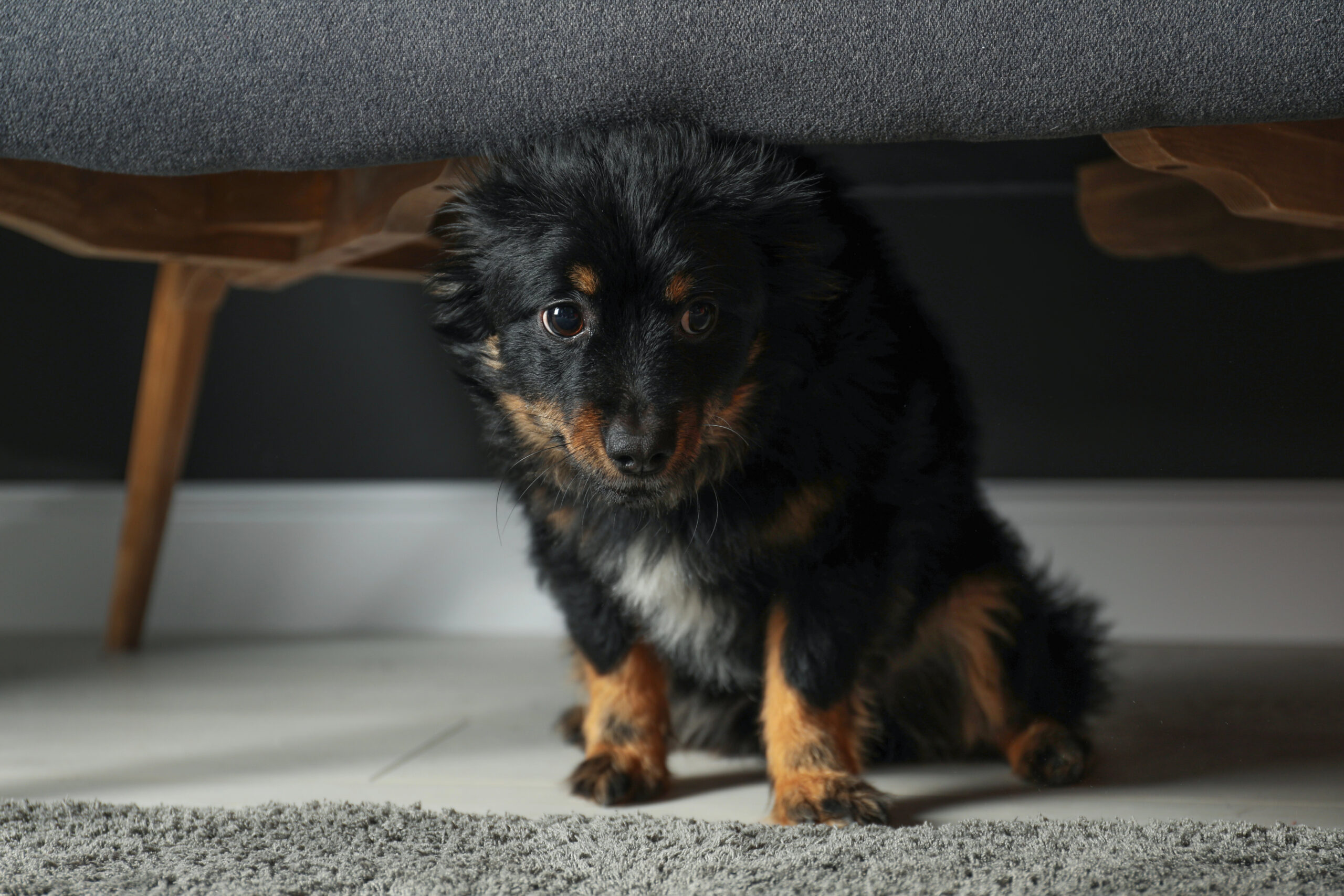
Rather than focusing on a single behavior, look for several signs occurring together and consider what’s happening in your dog’s environment. If your dog’s behavior is sudden, severe, or persistent, it’s a good idea to schedule a veterinary examination to rule out an underlying medical condition.
For a closer look at the subtle body language and early warning signs that many owners miss, read our guide to Signs Your Dog Is Secretly Stressed.
6 Tips To Calm A Stressed Dog Immediately
Helping a stressed dog feel safe should always be your priority. Once you’ve identified what’s causing your dog’s stress, focus on reducing the trigger and creating a calm environment where they can recover.
Every stressed dog responds differently, but providing reassurance, maintaining a calm demeanor, and giving your dog space when needed can help prevent stress from escalating into fear or panic.
1. Remove Or Reduce The Trigger
The quickest way to calm a stressed dog is to reduce their exposure to whatever is overwhelming them. If possible, move your dog away from the stressful situation instead of expecting them to “push through it.”
For example, you can:
- Move indoors or to a quieter room during fireworks or thunderstorms.
- Give guests time to settle before asking them to greet your dog.
- Keep your dog out of crowded rooms during parties or family gatherings.
- Increase your distance from unfamiliar dogs or busy environments during walks.
Reducing your dog’s exposure to the trigger gives their nervous system a chance to settle and prevents stress from escalating into fear or panic.
2. Create A Safe Space At Home
Give your dog a quiet place where they can retreat without being disturbed. This could be a crate they’ve been positively trained to use, a spare room, or a quiet corner with familiar bedding.
A safe space may include:
- A crate associated with positive experiences.
- A quiet room
- Familiar bedding
- A covered den
- White noise to mask sudden sounds.
Never use this space as punishment. Let your dog choose when they need it.
Are you using a crate to help manage separation-related stress? Choosing the right setup can make a big difference. Our guide to Best Dog Crates For Separation Anxiety: Soothing An Anxious Pup explains what features to look for and how to create a crate environment that supports, not increases, your dog’s sense of security.
3. Stay Calm Yourself
Dogs often respond to their owner’s emotions. Speak calmly, move slowly, and avoid punishing behaviors such as hiding, trembling, or panting. Punishment can increase fear instead of reducing it.
4. Use Gentle Touch If Your Dog Wants It
Many dogs find calm, reassuring touch comforting, but only if they choose to engage with you. If your dog moves away or seems uncomfortable, give them space instead.
If they enjoy physical contact, try:
- Long, slow strokes from the neck down the shoulders and back.
- Gentle, steady pressure rather than quick pats.
- Sitting quietly beside them and allowing them to lean into you if they wish.
5. Redirect Their Attention With Enrichment
Once your dog begins to settle, offering an enrichment activity can help redirect their focus and encourage calmer behavior.
Good options include:
- Lick mats spread with dog-safe treats.
- Frozen Kong toys.
- Puzzle feeders
- Snuffle mats that encourage natural foraging.
These activities engage your dog’s brain, encourage natural behaviors, and may help reduce stress by giving them something productive to focus on.
Looking for more ideas? Explore our guide to brain games for dogs to discover simple activities that provide both mental stimulation and enrichment.
6. Try Calming Music Or White Noise
Some dogs relax with background music or white noise, particularly during fireworks or thunderstorms. Studies suggest classical music may reduce signs of stress in some dogs, although results vary. Use music alongside other calming strategies rather than as a standalone solution.
Long-Term Ways to Help a Stressed Dog
Looking after a stressed dog involves more than simply responding during stressful situations. Long-term stress management focuses on meeting your dog’s physical, emotional, and mental needs every day.

Providing regular exercise, mental enrichment, predictable routines, and positive experiences helps many dogs become more resilient and better equipped to cope with life’s everyday challenges. These healthy habits can significantly improve the well-being of a stressed dog and reduce the likelihood of future stress-related behaviors.
Prioritize The Right Amount Of Exercise
Regular exercise is one of the most effective ways to reduce stress, but “more” isn’t always better. The ideal amount depends on your dog’s age, breed, health, and energy level.
- Working breeds, such as Border Collies, Australian Shepherds, and Belgian Malinois, typically need vigorous daily exercise combined with mentally challenging activities. Without enough physical and mental outlets, they may become frustrated or develop stress-related behaviors.
- Puppies benefit from shorter play sessions spread throughout the day, along with opportunities to safely explore new sights, sounds, and environments. Overexercising growing puppies can place unnecessary strain on developing joints.
- Senior dogs still need regular activity, but gentler walks and low-impact exercise are usually more appropriate. Staying active can help maintain mobility while also reducing boredom and restlessness.
Keep Your Dog’s Mind Busy
Mental stimulation is just as important as physical exercise. Dogs are natural problem-solvers, and giving them appropriate ways to use their brains can help prevent boredom, frustration, and chronic stress.
Simple enrichment activities include:
- Short positive reinforcement training sessions.
- Scent work and “find it” games.
- Puzzle feeders
- Food-dispensing toys.
- Rotating toys to keep them interesting.
Training also strengthens communication between you and your dog, helping build confidence and trust. Are you looking for structured training ideas? Read our DIYK9 Review: Are These Dog Training Courses Effective And Worth Your Money? to see whether the program is a good fit for your dog and training goals.
Stick To A Predictable Routine
Dogs thrive on knowing what to expect. A consistent daily routine helps many dogs feel more secure because it reduces uncertainty about what’s coming next.
Whenever possible, keep these parts of your dog’s day predictable:
- Feeding times
- Walk schedule
- Play and training sessions
- Rest and sleep
- Bathroom breaks
A predictable routine helps many dogs feel more secure and cope better with occasional changes.
Manage Your Dog’s Environment
Sometimes the easiest way to reduce stress is to change the environment instead of expecting your dog to adapt.
Depending on your dog’s triggers, helpful adjustments might include:
- Applying window film if your dog reacts to people or dogs outside.
- Closing curtains during fireworks or busy periods.
- Using a white noise machine or fan to mask startling sounds.
- Installing baby gates to block access to stressful areas of the home.
- Avoiding known triggers whenever practical while gradually building positive experiences through training.
Environmental management isn’t about avoiding every challenge forever. Instead, it helps prevent your dog from becoming overwhelmed while you work on building their confidence and coping skills.
For dogs with persistent fears, especially noise phobias, veterinary behavior experts recommend combining environmental changes with behavior modification and, in some cases, medication rather than relying on any single strategy.
Calming Products That May Help
The following calming products may provide additional support, particularly during stressful events. However, view these products as part of a broader management plan, not a quick fix.

Pressure Wraps
Pressure wraps apply gentle, constant pressure around a dog’s torso. Some dogs appear calmer while wearing them, although scientific evidence supporting their effectiveness is limited. They may be worth trying alongside behavior modification but shouldn’t be relied on as a standalone treatment.
Pheromone Products (Adaptil)
Pheromone products such as Adaptil release a synthetic version of the dog-appeasing pheromone. They may help some dogs during stressful events, but research shows inconsistent results. Because they’re low risk, veterinarians sometimes recommend them as part of a broader treatment plan.
Vet-Approved Supplements
Some supplements, including melatonin, L-theanine, alpha-casozepine, and tryptophan, may help certain dogs. Because effectiveness varies and supplements can interact with medications, consult your veterinarian before using them.
CBD Oil
Research on CBD for canine anxiety is still limited, and current evidence doesn’t support it as a first-line treatment. If you’re considering CBD, discuss it with your veterinarian first and choose products that provide third-party testing and clear dosing information.
For a closer look at the current evidence, safety considerations, and product recommendations, read our guide to Best CBD Oil For Dogs: An All-Natural Way To Ease Anxiety And Pain?
Calming Beds
Calming beds may provide a comfortable place for dogs to rest, but there’s little evidence that they reduce anxiety on their own. They’re best used alongside environmental management and behavior modification.
Remember: Products Aren’t A Substitute For Treatment
If your dog’s stress is frequent, severe, or begins affecting their quality of life, calming products alone are unlikely to solve the problem. Persistent anxiety often requires a combination of behavior modification, environmental management, and, in some cases, prescription medication.
For dogs diagnosed with anxiety disorders, your veterinarian may recommend medications such as clomipramine as part of a comprehensive treatment plan. Learn more about how this medication works, its potential side effects, and when it’s appropriate in our guide to Clomipramine For Dogs With Canine Anxiety.
What Happens When Your Stressed Dog Experiences Chronic Stress?
A stressed dog that experiences ongoing stress may develop behavioral or physical health problems. If your dog’s stress continues despite your efforts, it’s important to consult your veterinarian to identify the underlying cause and create an appropriate treatment plan.
Occasional stress is a normal part of life, and most dogs recover quickly once the situation has passed. However, when stress becomes frequent or never seems to go away, it can begin affecting far more than your dog’s mood. Chronic stress places prolonged demands on the body, which may contribute to physical health problems and a reduced quality of life over time.
Signs That Stress May Be Taking A Toll
If your dog’s stress persists for weeks or months, you may notice changes that extend beyond anxious behavior, including:

- Digestive problems, such as vomiting or frequent stomach upset.
- Reduced appetite or reluctance to eat.
- Skin issues, including excessive licking, chewing, or scratching that can lead to irritation or infections.
- Repeated diarrhea or changes in bowel habits.
- A lowered quality of life, with less interest in playing, exercising, exploring, or interacting with family members.
These signs aren’t specific to stress alone and can also indicate underlying medical conditions. That’s why it’s important to have your dog examined by a veterinarian if these symptoms persist or worsen.
Stress Colitis: When Stress Affects The Digestive System
One of the more common digestive consequences of chronic or intense stress is stress colitis, which is inflammation of the large intestine. While stress isn’t the only possible cause of colitis, stressful events can trigger flare-ups in some dogs.
A dog with stress colitis may develop:
- Frequent, urgent bowel movements.
- Small amounts of diarrhea.
- Mucus in the stool.
- Bright red blood in the stool.
- Straining during defecation.
These symptoms can resemble those of infections, parasites, dietary intolerance, or inflammatory bowel disease, so they shouldn’t automatically be attributed to stress. Your veterinarian may recommend fecal testing, dietary changes, medication, or additional diagnostic tests to determine the underlying cause.
When To Contact A Professional
Getting support early can prevent temporary stress from developing into chronic anxiety or more serious behavioral problems.
Schedule A Veterinary Visit If…
Contact your veterinarian if you notice any of the following:
- Stress lasts for several weeks or keeps returning despite your efforts to reduce triggers.
- Your dog’s appetite changes, whether they’re eating much less or refusing food altogether.
- Aggression develops, especially if your dog begins growling, snapping, or biting when they didn’t before.
- Self-injury occurs, such as excessive licking, chewing, or scratching that causes sores or hair loss.
- Vomiting or diarrhea continues, particularly if it’s recurrent or accompanied by lethargy, blood, or dehydration.
These signs may be caused by stress, but they can also indicate an underlying medical condition such as pain, gastrointestinal disease, hormonal disorders, or neurological problems. Your veterinarian can determine whether a health issue is contributing to your dog’s behavior before recommending the most appropriate treatment.
Your Veterinarian May Recommend Additional Support
Depending on your dog’s diagnosis, your veterinarian may suggest working with one or more professionals. A certified dog trainer can help teach new coping skills, build confidence, and address learned behaviors using positive reinforcement techniques.
If your dog’s problems are more complex, such as severe fear, aggression, compulsive behaviors, or persistent anxiety, you may be referred to a veterinary behaviorist. These specialists have advanced training in animal behavior and work alongside your primary veterinarian to develop individualized treatment plans.
Veterinarians are also the only professionals who can diagnose medical causes of behavioral problems and prescribe medications when appropriate.
Medication May Be Part Of The Solution
For dogs with moderate or severe anxiety, medication may reduce distress enough for behavior modification to be effective. Your veterinarian can determine whether medication is appropriate based on your dog’s symptoms.
Also, it’s worth understanding what your insurance policy may cover. Our guide, Does Pet Insurance Cover Ultrasounds?, explains when pet insurance typically covers ultrasounds and what costs you may be responsible for.
If getting to a veterinary clinic is difficult, a mobile veterinary service may also be an option for routine examinations and follow-up care. Learn what to expect in our The Vets Review: Is This Mobile Vet Service Worth It?
Get Multiple Pet Insurance Quotes Instantly

Frequently Asked Questions
Here are some questions our readers often ask about stress in dogs.
What Do I Do If A New Puppy Stresses My Older Dog?
Bringing a new puppy home can be stressful for an older dog, especially if they’re used to a quieter routine or having the home to themselves. Introduce your new puppy gradually, and give your older dog plenty of space, breaks, and one-on-one attention.
Supervise their interactions and make sure each dog has access to separate resting areas, food, toys, and other important resources. Your older dog may set boundaries with the puppy, but repeated growling, snapping, hiding, or other signs of stress shouldn’t be ignored.
If they’re still struggling to adjust after a couple of weeks, consider working with a professional trainer or behaviorist. You can find an in-person dog trainer or try an online dog training class. We recommend Doggy Dan’s Calming Code Method as one option to consider.
Do Dogs Yawn When Stressed?
Dogs yawn when they’re tired or bored, but they also yawn when they’re stressed. A stressful yawn can last longer and be more pronounced than a sleepy or bored yawn. Dogs often exhibit frequent, excessive yawning when they’re stressed.
Do Dogs Shed More When Stressed?
Stress can temporarily increase shedding in some dogs. Persistent or excessive hair loss, however, may indicate an underlying medical condition and should be evaluated by a veterinarian.
Can Dogs Throw Up From Stress?
As dog owners, we know dogs vomit for many reasons, but stress can cause a dog to vomit in severe cases of anxiety. Why? When a dog is severely stressed, his muscles can tense up, causing vomiting in some cases.
Can Stress Cause A UTI In Dogs?
Stress may contribute to urinary changes in some dogs, but blood, straining, or frequent urination should be checked by a veterinarian because infection and other urinary conditions need to be ruled out.
In dogs who are predisposed to urinary tract infections (UTIs), stress is a factor that can bring them on. UTIs can also be common in dogs who suffer from chronic stress and anxiety. If you’re wondering if the blood in your dog’s urine is from stress, it could be if your dog has a UTI.
Can Stress Cause Diarrhea In Dogs?
Stress can trigger diarrhea and stress colitis in some dogs. However, diarrhea has many possible causes, so persistent, bloody, or severe diarrhea should always be evaluated by a veterinarian.
Can Stress Cause Pancreatitis In Dogs?
It’s highly unlikely that mental stress alone causes pancreatitis in dogs. The major causes include a high-fat diet (even one fatty meal can trigger the condition), obesity, diabetes, some medications, and physical trauma to the body. Also, some breeds are at a higher risk of developing pancreatitis, including Miniature Schnauzers and some smaller terriers and toy breeds.
Can Stress Cause Seizures In Dogs?
Stress can be a seizure trigger in some dogs, particularly dogs with epilepsy or an existing seizure disorder. Stressors can include changes in your dog’s environment or routine, loud noises, bright, flashing lights, car rides, etc.
Can Dogs Die From Stress?
Stress alone rarely causes death, but chronic stress can worsen existing medical conditions and reduce overall well-being. If your dog develops persistent behavioral or physical changes, consult your veterinarian.
Common Causes Of Stress In Dogs (& Relief Tips)
While the video below focuses on the Pekingese breed, many of the causes of stress and relief strategies apply to many other breeds that suffer from stress and anxiety.
Need More Help With Your Dog’s Stress Or Anxiety?
Most owners will care for a stressed dog at some point, whether loud noises, travel, changes at home, or unfamiliar situations cause the stress. By understanding what causes stress, recognizing the warning signs early, maintaining a consistent routine, and providing plenty of exercise, enrichment, and reassurance, you can help your dog feel calmer and more secure.
If your stressed dog continues to show signs of stress or develops persistent behavioral or physical changes, don’t ignore the problem. Early intervention and guidance from your veterinarian can improve your dog’s quality of life and prevent temporary stress from becoming a long-term issue.
Learn about the causes and types of dog anxiety. Remember, each case is different, and your canine has specific needs. If you’d like help determining a plan for your pup’s condition, contact your vet and a Certified Applied Animal Behaviorist (CAAB) or a board-certified veterinary behaviorist.
Has Your Dog Ever Been Stressed? Share Your Story
Every dog responds to stress differently, and your experience could help another pet parent. Tell us in the comments what caused your dog’s stress, which signs you noticed, and what helped them feel calm and comfortable again.