When you purchase through links on our site, we may earn a commission. Here’s how it works.
Some dogs look like nature hit “Compress” and called it a day. Their faces are short, squished, and permanently expressive, like they’re reacting to something you can’t see. And somehow, that design flaw turned into one of the most beloved looks in the dog world.
Table of Contents
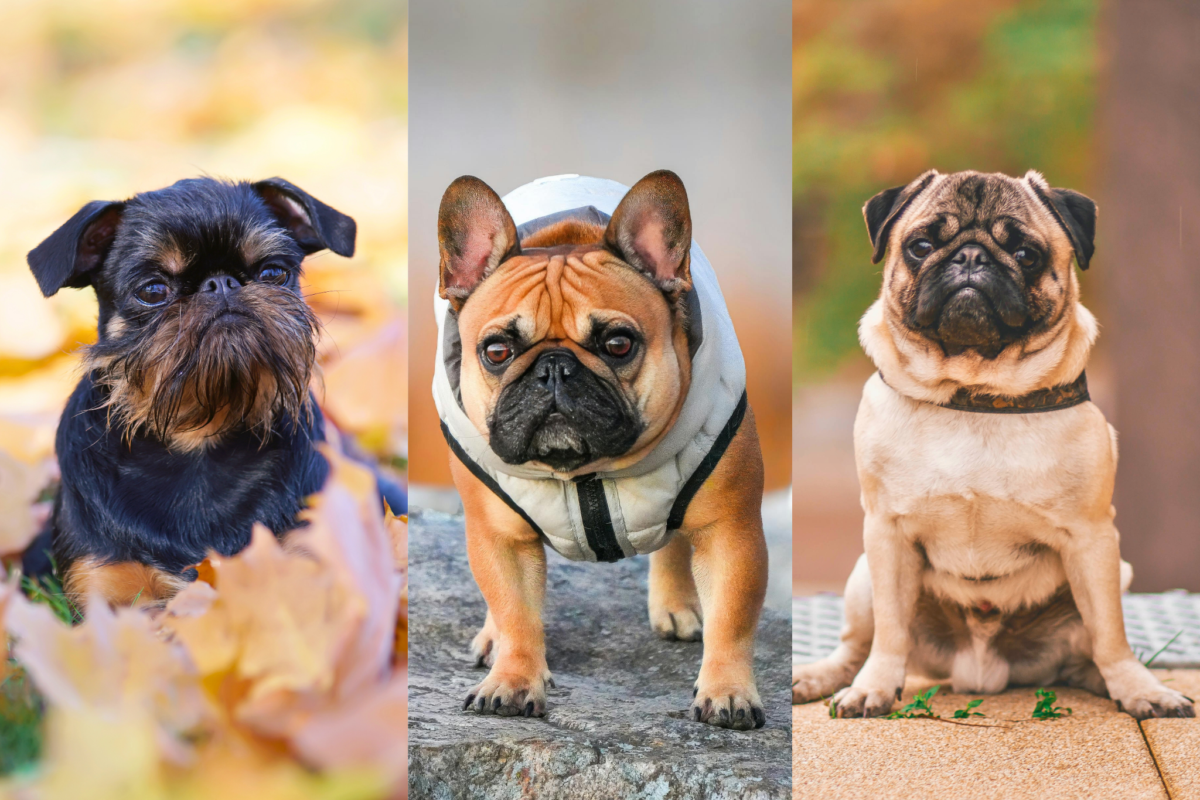
These dogs are known as brachycephalic dogs, a term that simply means they have shortened skulls and flat faces. It’s what gives them those iconic smooshed noses, wide eyes, and sounds that range from gentle snorts to full-blown sleep commentary. Cute, yes. Subtle, absolutely not.
Start Here: What “Brachycephalic” Really Means
Brachycephaly isn’t just a fancy way of saying “flat-faced.” It refers to dogs with shorter skulls and compressed nasal passages, which gives them that signature smooshed look.
This head shape is the result of selective breeding over generations and is one of the main ways canine skulls are classified.
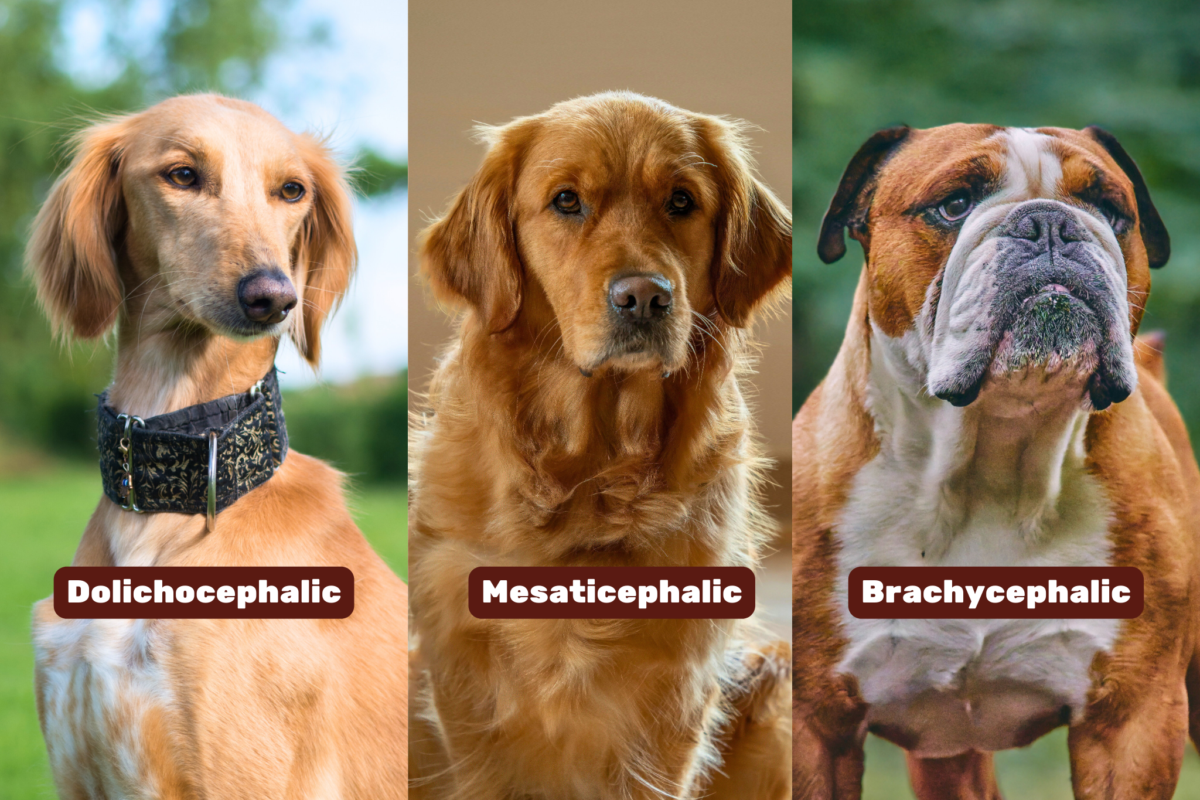
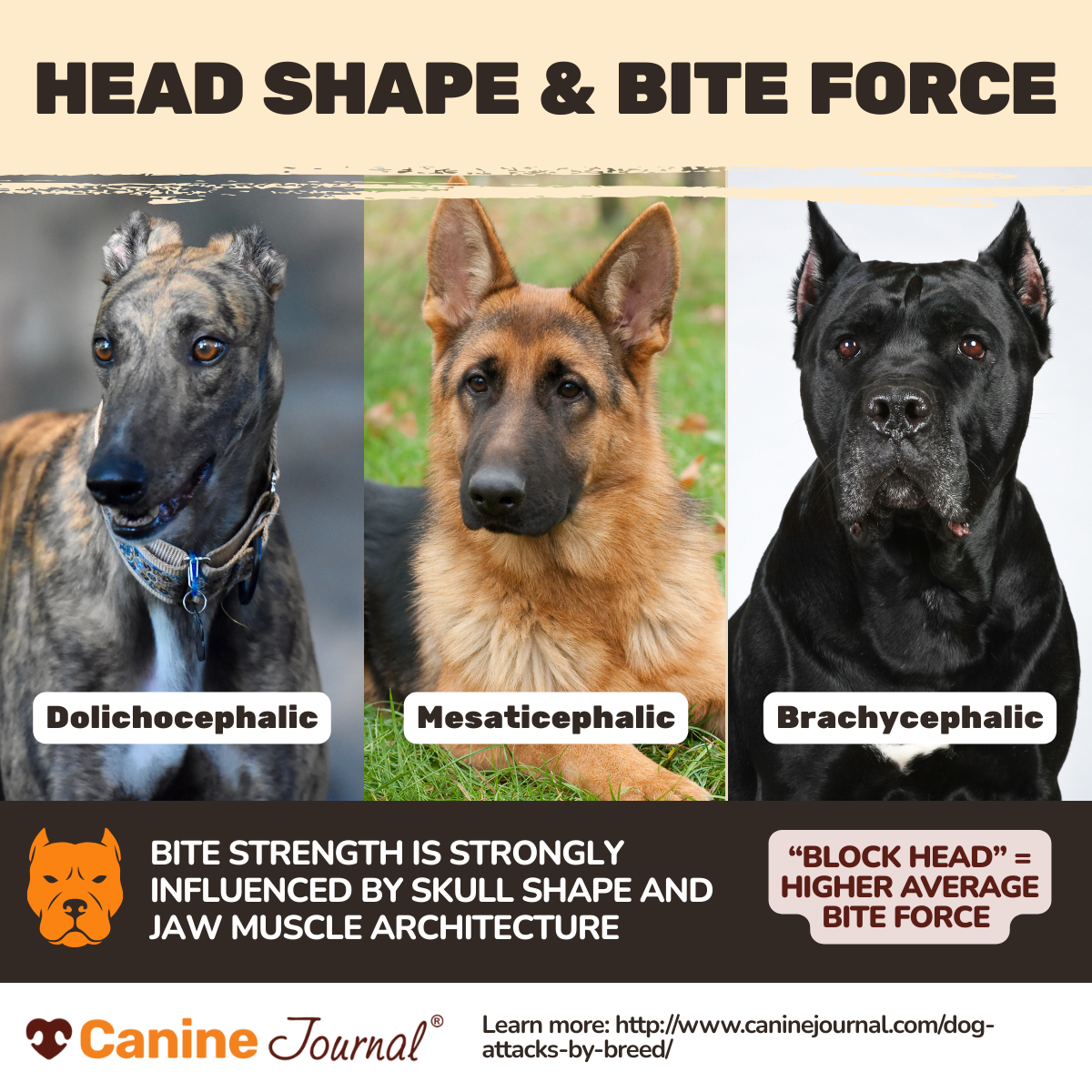
Dogs are generally grouped into three head-shape categories:
- Dolichocephalic – long-nosed dogs
- Mesocephalic – dogs with medium-length skulls
- Brachycephalic – dogs with shortened skulls and flatter faces
These differences don’t just affect how dogs look. Head shape also influences behavior, exercise needs, and what day-to-day life with that dog is actually like.
The Science Behind Skull Shape (And Why Definitions Vary)
Skull shape exists on a spectrum, not in neat boxes. One commonly referenced way researchers describe skull shape is the cephalic index (CI), which compares skull width to skull length. While definitions vary slightly, CI ranges are often grouped like this:
- Dolichocephalic (long-headed): CI below 50
- Mesocephalic (medium-headed): CI between 50 and 60
- Brachycephalic (short-headed): CI above 60
The higher the CI, the shorter and broader the skull.
What This Looks Like In Real Life
To make those numbers more tangible, here’s how they play out across familiar breeds.
Chihuahuas typically fall within the brachycephalic range, with an average CI around 72. On the other hand, French Bulldogs are considered highly brachycephalic, with reported CI values exceeding 100, which helps explain their especially compact, scrunched facial structure.
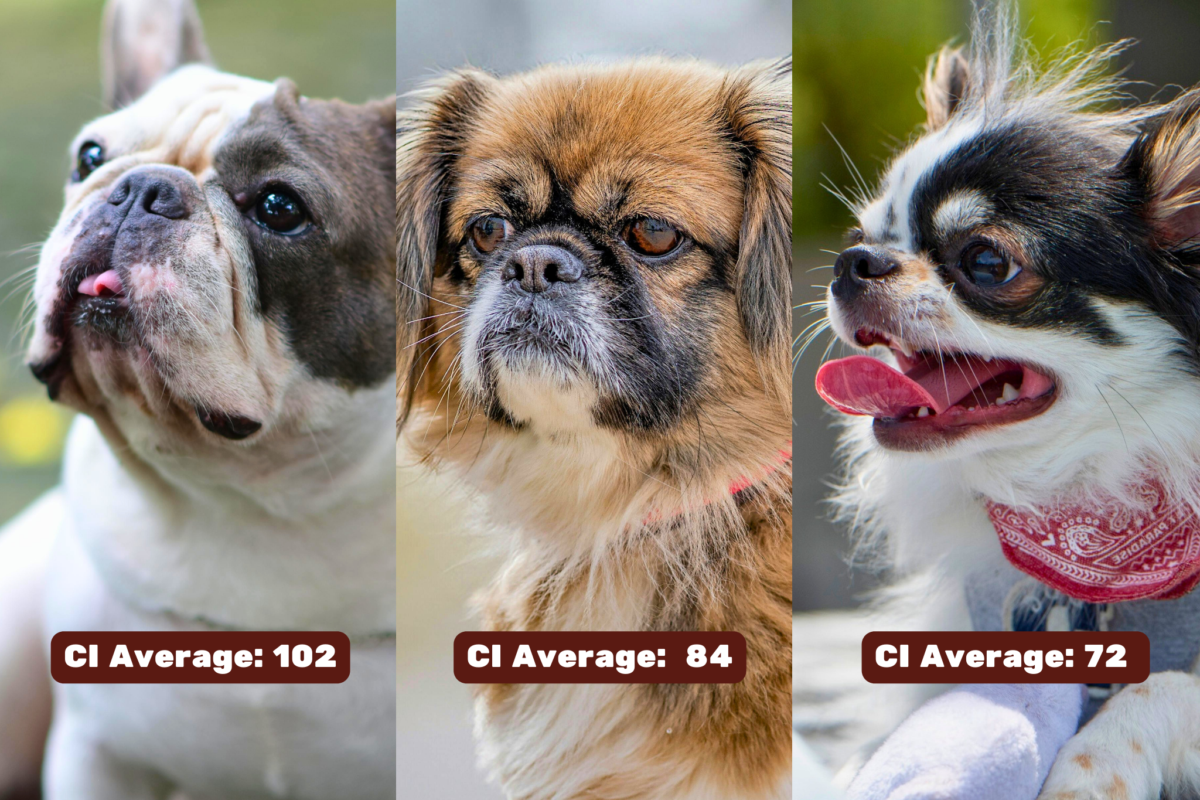
Here’s a snapshot of average cephalic index values by breed for comparison:
- Pug: 98
- Brussels Griffon: 96
- English Bulldog: 87
- Shih Tzu: 80
- Cavalier King Charles Spaniel: 76
- Boxer: 67
For contrast, longer-nosed and medium-skulled breeds tend to fall much lower:
- Irish Setter: 43
- Greyhound: 46
- Rough Collie: 47
- German Shepherd: 50
- Leonberger: 54
- Golden Retriever: 56
These ranges help explain why some dogs are unmistakably flat-faced, while others sit closer to the middle — even if they share certain facial traits.
3 Reasons Why We Love Flat-Faced Dogs
There’s a reason flat-faced dogs inspire instant devotion. Even people who have never owned one often feel an immediate pull toward brachycephalic breeds.
Science helps explain why, but the experience itself feels simple: these dogs are emotionally magnetic. Below are a few of the biggest reasons flat-faced dogs tend to form such strong bonds with humans.
1. They’re Cute (In A Way Our Brains Are Wired To Respond To)
Brachycephalic dogs tend to retain exaggerated “baby-like” facial features well into adulthood, including larger eyes, rounder heads, and shorter noses.
Researchers refer to this as infant schema (or kindchenschema), and it’s the same set of traits that trigger caregiving and nurturing responses in humans toward babies.
In other words, our brains are primed to find these faces appealing. That’s why flat-faced dogs are often described as irresistibly cute, expressive, and emotionally engaging, even when they’re doing very little.
2. They’re Fun (Highly Social, Expressive & Engaging)
Flat-faced dogs are often perceived as happier, more comical, and more playful by both owners and the general public. Studies suggest they’re quicker to make eye contact with unfamiliar humans and tend to engage readily in social interaction.
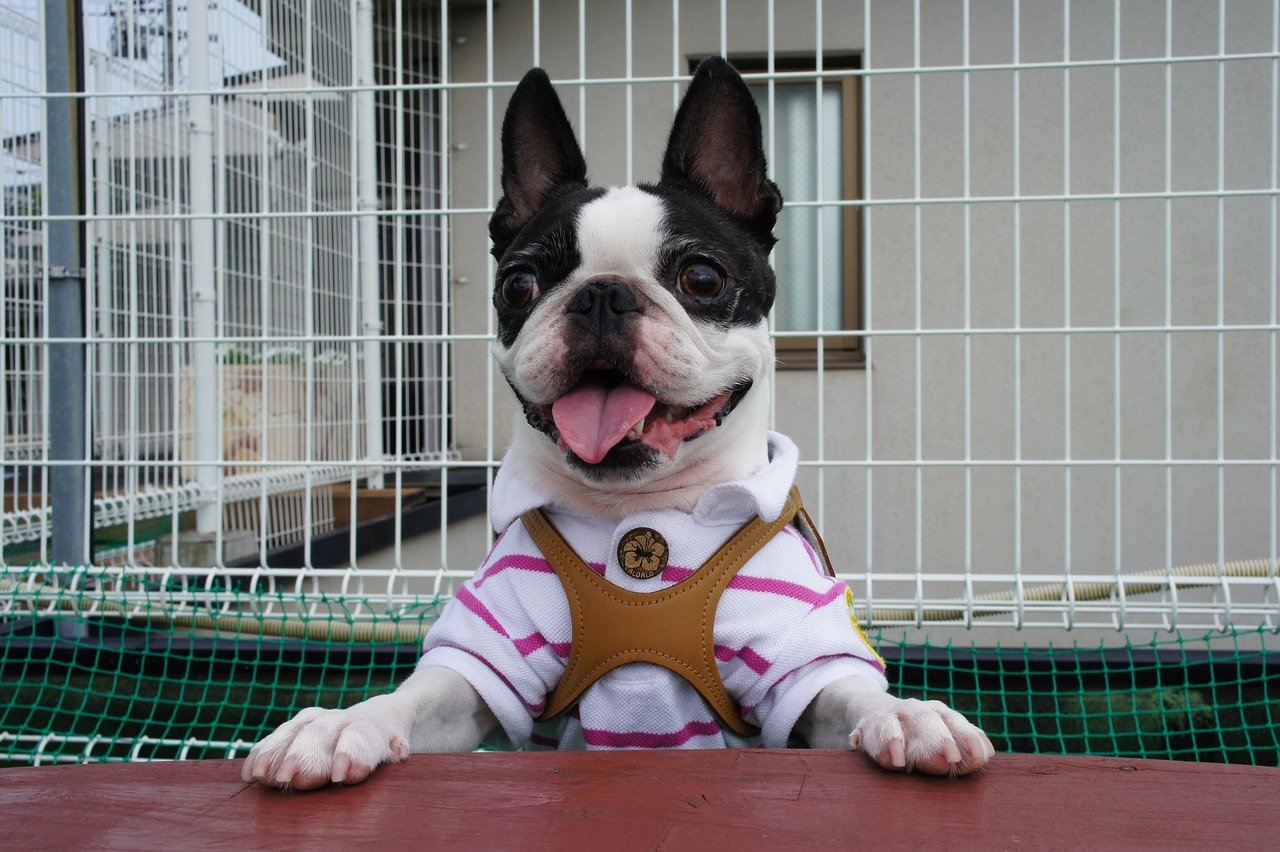
They’re also especially good at reading and responding to human cues, including following pointing gestures and maintaining focused attention. This creates strong human-dog communication loops, where it feels like you’re genuinely interacting with your dog, not just issuing commands.
For many people, this high level of expressiveness and social feedback is what makes living with a flat-faced dog so emotionally rewarding.
3. They’re Adaptable (And Fit Modern Lifestyles Well)
Many brachycephalic dogs are naturally less endurance-driven and more people-oriented than long-nosed, high-stamina breeds. They often prefer shorter bursts of activity followed by downtime, which makes them appealing to owners who want companionship without hours of daily exercise.
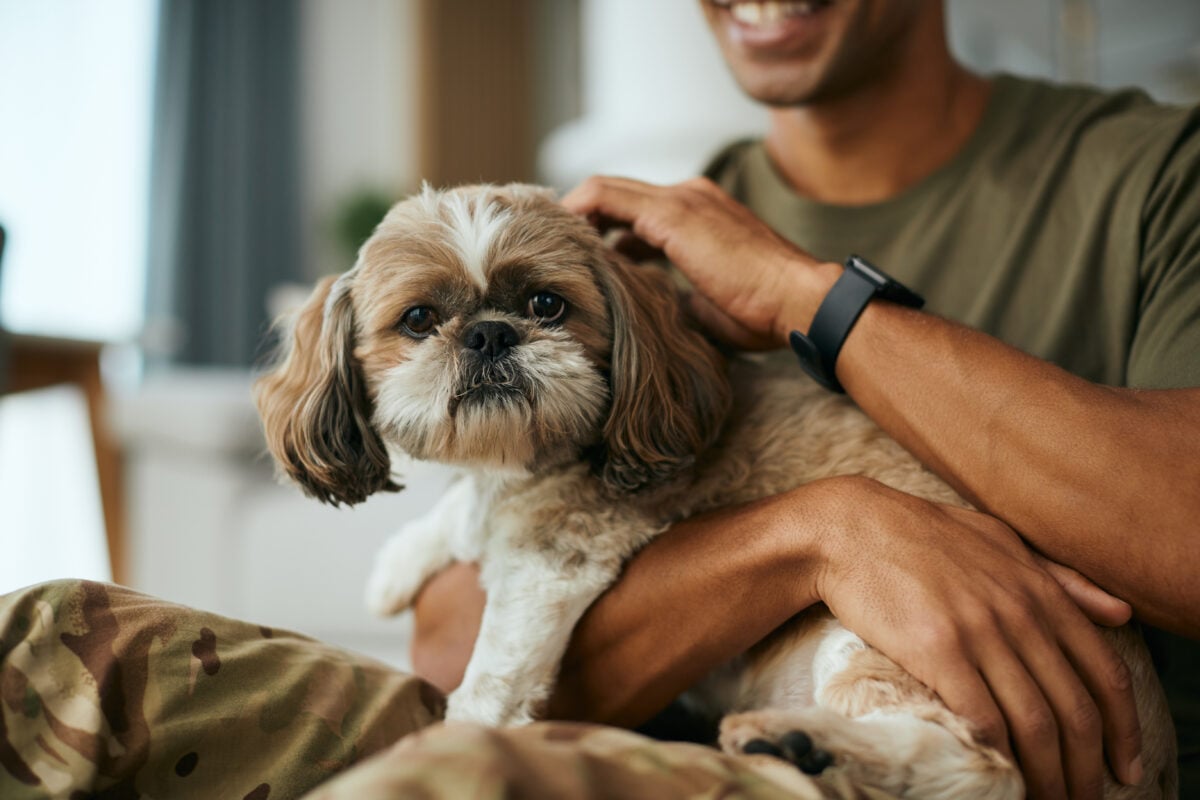
That adaptability is a big part of their popularity.
Flat-faced dogs tend to thrive in apartments, busy households, and routines centered around human schedules. While their lower activity needs require thoughtful management over time, their lifestyle compatibility is a major reason people feel so connected to them.
25 Flat-Faced (Brachycephalic) Dogs, Sorted By Type
Below, we’ve grouped 25 brachycephalic dogs by what they’re actually like to live with, not just how they look on paper.
This breakdown focuses on size, temperament, energy level, and lifestyle fit, because those details matter far more than breed labels alone.
Tiny Gremlins (Compact, Cute & Occasionally Chaotic)
These dogs may be small, but they bring a level of confidence and mischief that feels wildly disproportionate to their size.
They are expressive, opinionated, and often convinced they’re in charge of the household. Life with them is never dull, even when they’re just sitting still and judging you.
1. Brussels Griffon
Brussels Griffons look like tiny, opinionated creatures who’ve seen things and would like to discuss them. They’re intensely expressive, deeply attached to their people, and often behave like emotionally complex little roommates rather than dogs.
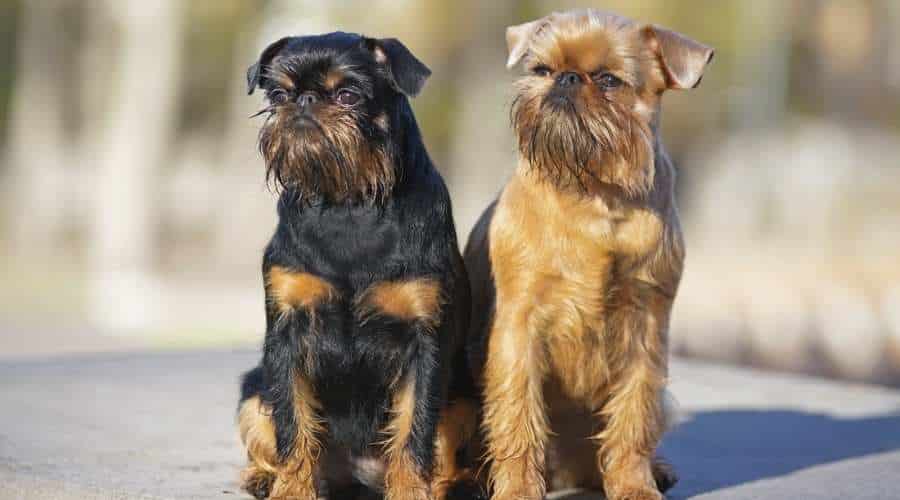
- Energy level: Moderate
- Temperament: Alert, sensitive, mischievous
- Sociability: Very bonded to their people, cautious with strangers
- Noise level: Moderate, expressive
Best Suited For: Owners who love expressive dogs, quieter households, people who want a low-shedding dog
2. Affenpinscher
Often described as “monkey-like,” the Affenpinscher is curious, bold, and utterly unaware their small size. These dogs are playful and mischievous, with a confident streak that makes them feel larger than life.
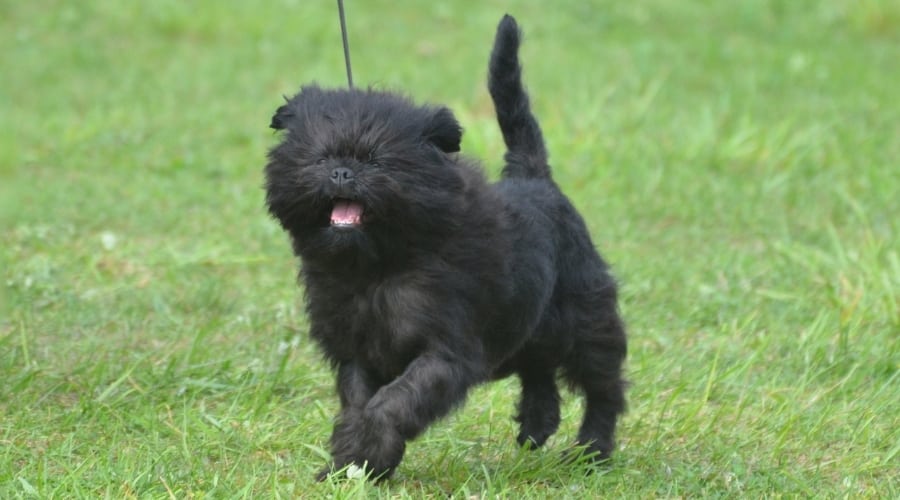
- Energy level: Moderate
- Temperament: Confident, playful, independent
- Sociability: Loyal to family, selective socially
- Noise level: Moderate
Best Suited For: Experienced owners, people who enjoy spirited dogs, smaller households
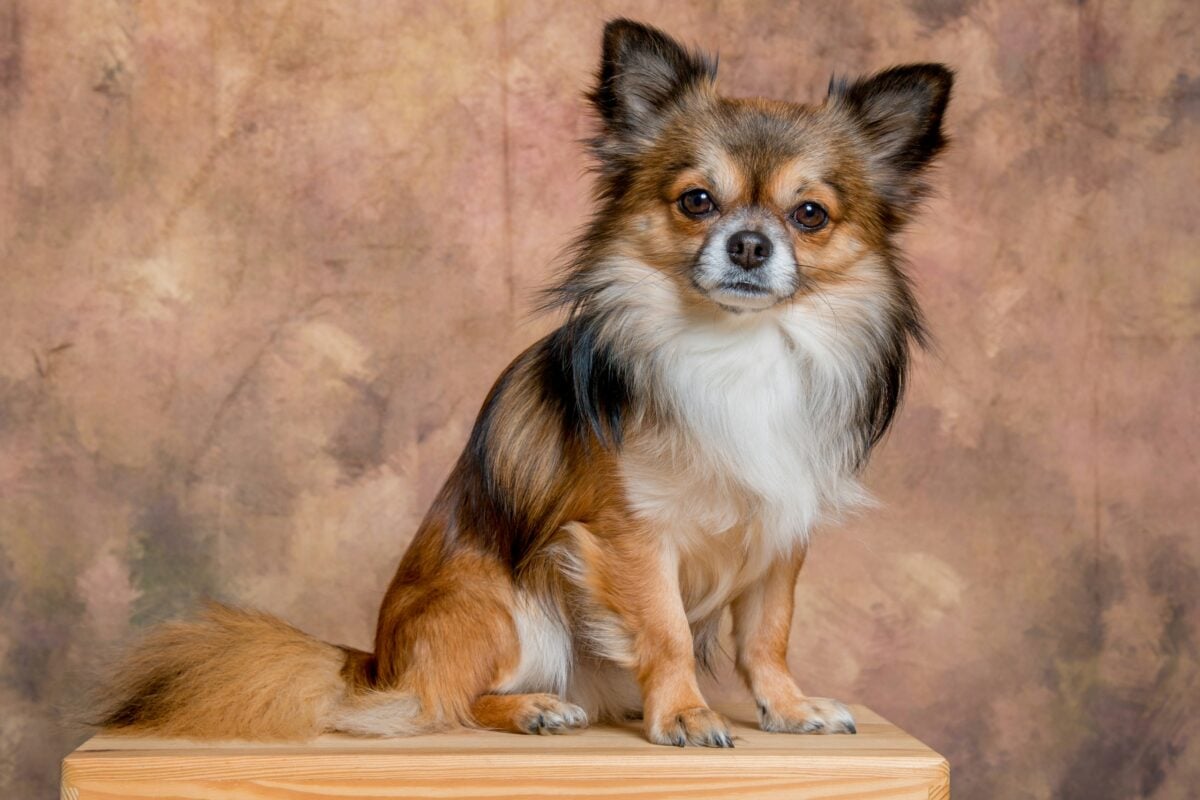
3. Chihuahua (Apple Head)
Apple head Chihuahuas are one of the smallest dogs in the world, and their rounded skull, short muzzle, and prominent eyes place them firmly in brachycephalic territory. They’re intensely expressive, deeply bonded to their people, and often far bolder than their size suggests.
- Energy level: Low to moderate; short bursts of activity followed by plenty of rest
- Temperament: Alert, confident, and often stubbornly self-assured
- Sociability: Very attached to their person; can be selective with strangers
- Noise level: Moderate to high; quick to vocalize opinions
Best Suited For: Apartment living, single-person households, and owners who want a tiny dog with a big personality and strong emotional attachment
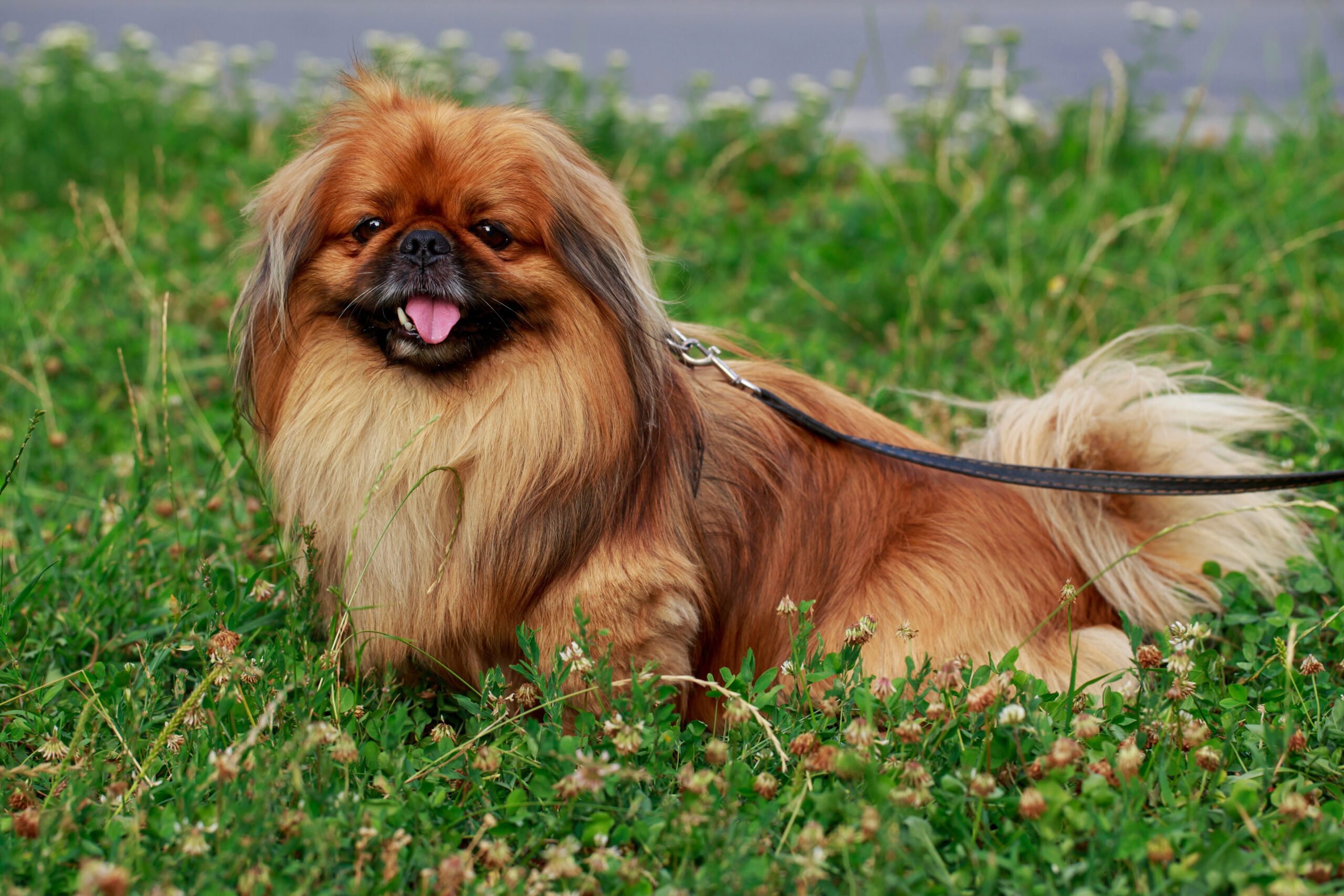
4. Pekingese
The Pekingese carries itself like royalty, even when doing absolutely nothing. They’re calm, self-possessed, and often amused by the idea of following commands, preferring instead to be admired from a comfortable spot.
- Energy level: Low
- Temperament: Independent, dignified, affectionate on their terms
- Sociability: Loyal to family, reserved with others
- Noise level: Low to moderate
Best Suited For: People who appreciate independence, owners who don’t mind a little attitude
5. Japanese Chin
Japanese Chins are graceful, cat-like companions with a playful, mischievous streak. They’re known for their expressive faces, light-footed movement, and tendency to perch on furniture like tiny royalty surveying their domain.

- Energy level: Low to moderate
- Temperament: Gentle, playful, alert
- Sociability: Affectionate with family, polite with guests
- Noise level: Low
Best Suited For: Apartment dwellers, calm households, people who hate barking
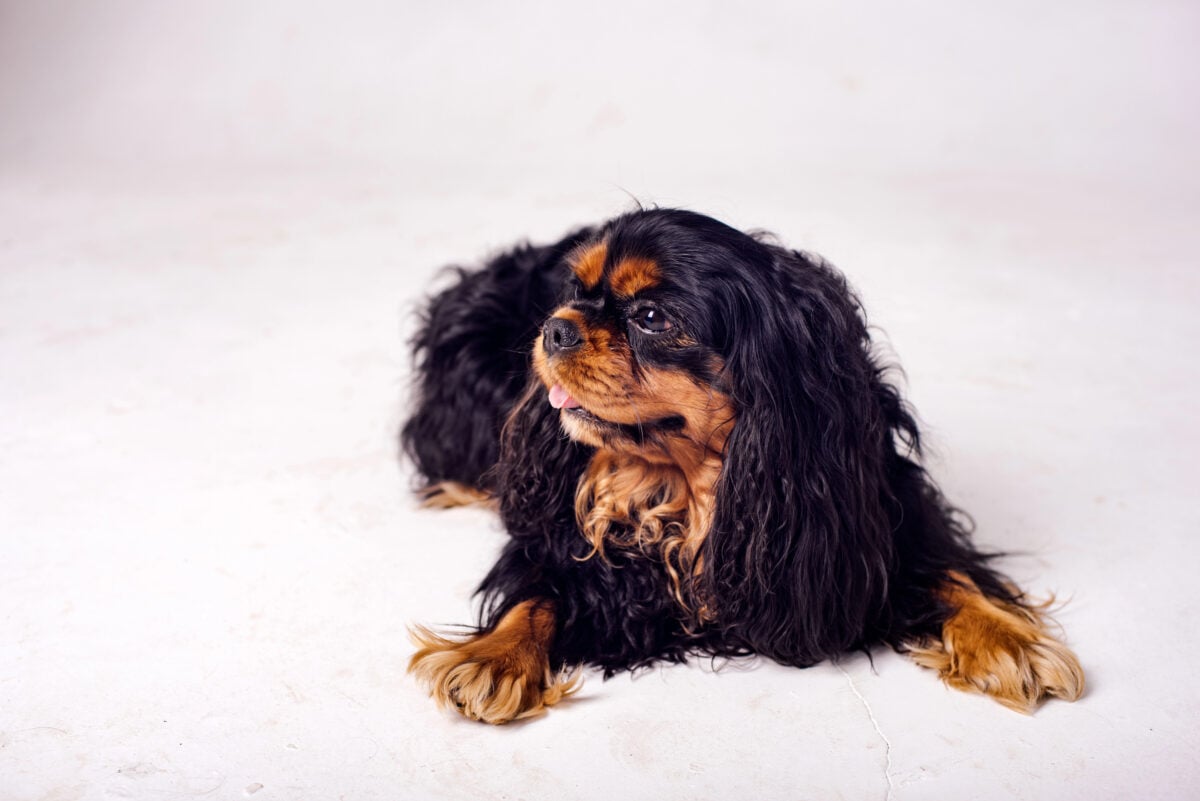
6. English Toy Spaniel
English Toy Spaniels (often referred to as King Charles Spaniels) are sweet-natured, affectionate, and happiest when curled up next to their favorite person. While less chaotic than some other tiny gremlins, they still have a mischievous charm that shows up in their expressive eyes and quiet determination.
- Energy level: Low
- Temperament: Gentle, affectionate, calm
- Sociability: Very people-oriented
- Noise level: Low
Best Suited For: Relaxed households, seniors, people who want a devoted lap companion
Socially Acceptable Weirdos (Goofy & Good-Natured)
These are the flat-faced dogs everyone seems to know, love, or have met at least once.
They’re friendly, expressive, and perpetually unserious, with faces that look like they’re reacting to a joke you didn’t hear. Life with them is loud, affectionate, and usually pretty funny.
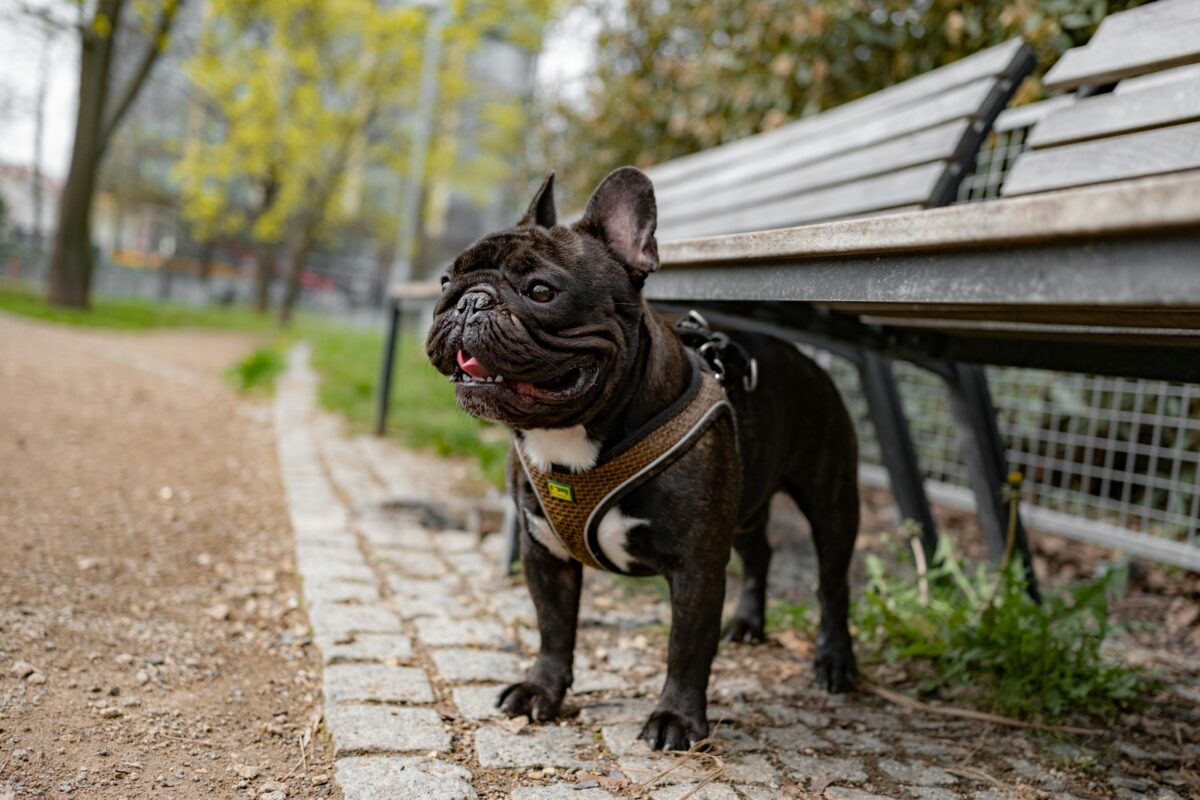
7. French Bulldog
French Bulldogs are charming, people-obsessed companions who want to be involved in everything, even if that involvement is mostly supervising from the couch. They’re expressive, stubborn in a funny way, and extremely good at getting attention without trying very hard.
- Energy level: Low to moderate
- Temperament: Affectionate, playful, stubborn
- Sociability: Very people-oriented and social
- Noise level: Snorts, grunts, and dramatic sighs
Best Suited For: Remote workers, social households, owners comfortable with high-maintenance breeds
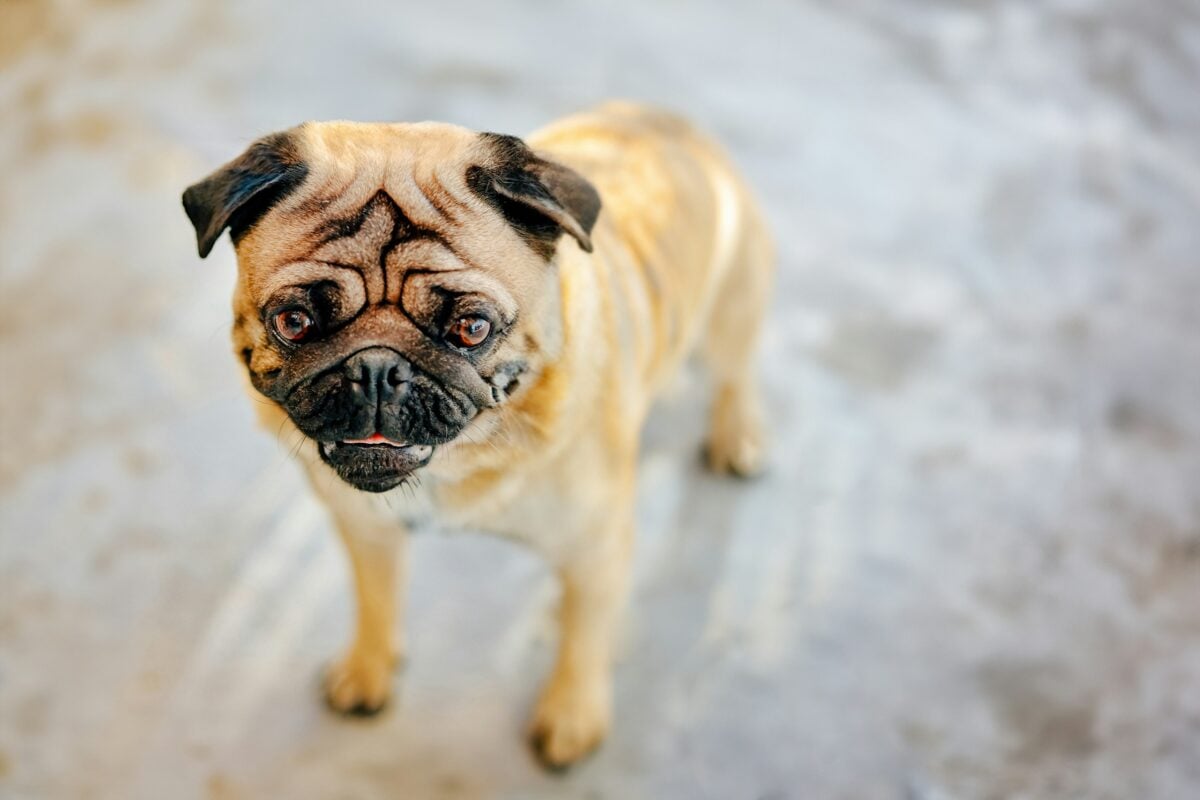
8. Pug
Pugs are cheerful, affectionate dogs with a strong sense of humor and absolutely no shame. They love people, love food, and love being part of the action, even if that action is just sitting in the middle of the room observing.
- Energy level: Low to moderate
- Temperament: Friendly, silly, easygoing
- Sociability: Extremely social with people and pets
- Noise level: Snoring and snorting are common
Best Suited For: Families, social homes, people who enjoy a constant companion with a sense of humor
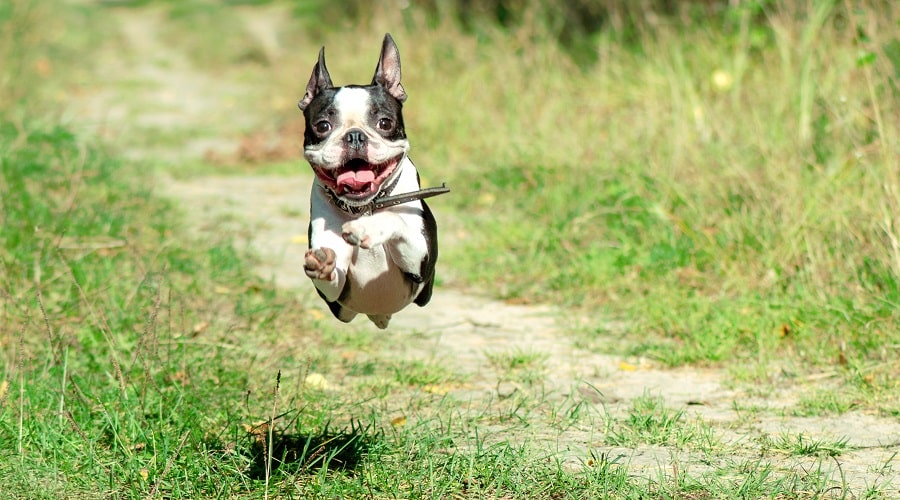
9. Boston Terrier
Boston Terriers are bright, playful, and often described as natural entertainers. They’re affectionate without being clingy and tend to bring an upbeat, good-natured energy wherever they go, usually with impressive zoomies followed by immediate rest.
- Energy level: Moderate
- Temperament: Friendly, playful, intelligent
- Sociability: Social and adaptable
- Noise level: Generally quiet, occasional snorts
Best Suited For: Active households, families, people who want a playful but manageable dog
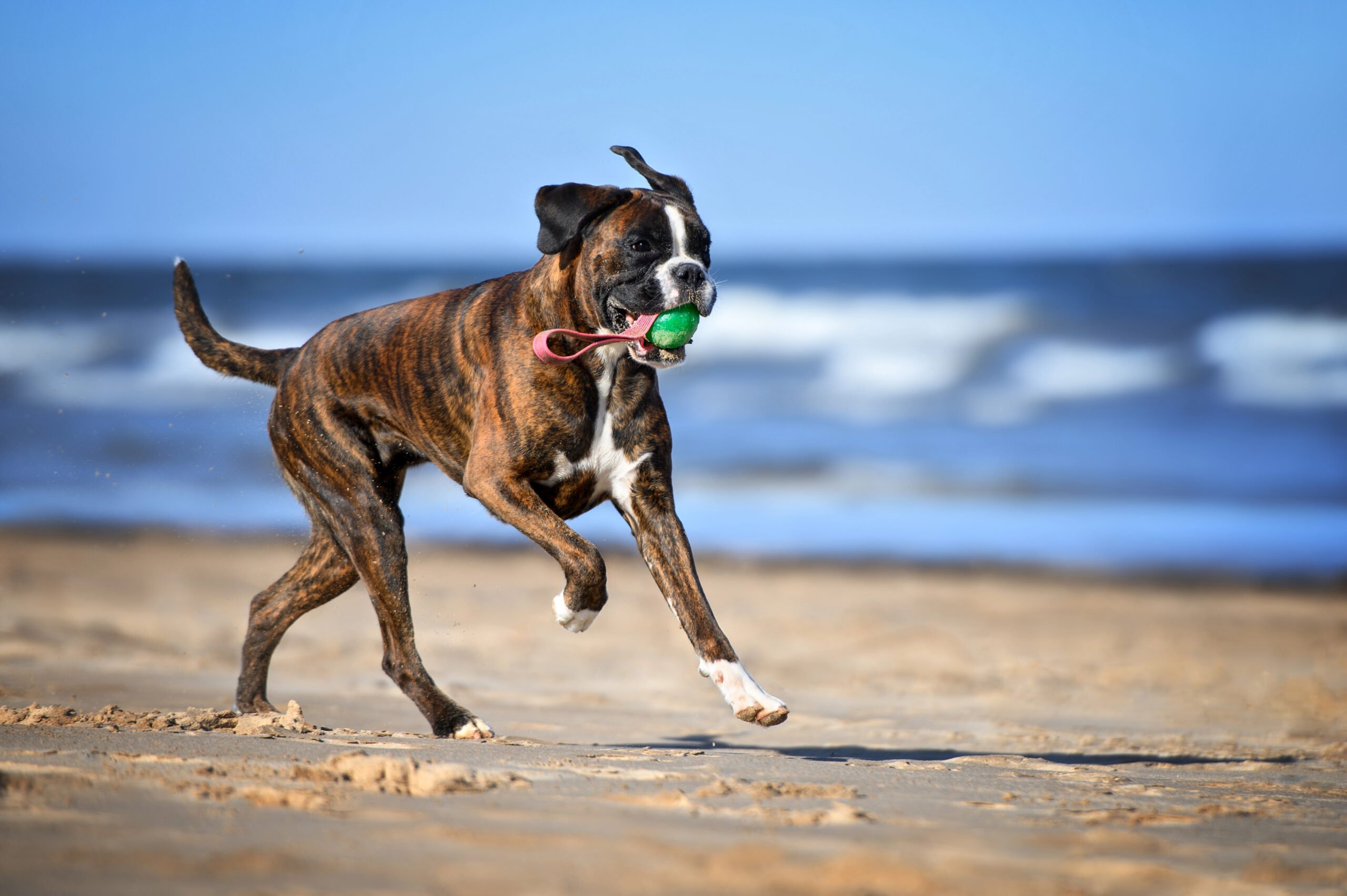
10. Boxer
Boxers are famously goofy, bouncy dogs who never quite outgrow their puppy phase. They’re affectionate, expressive, and deeply bonded to their people, often greeting life with full-body enthusiasm and very little self-awareness.
- Energy level: High
- Temperament: Playful, loyal, exuberant
- Sociability: Very people-focused and friendly
- Noise level: Generally quiet, expressive through movement
Best Suited For: Active families, experienced owners, people who enjoy an energetic and affectionate dog
11. Pomeranian
Pomeranians combine a softly shortened muzzle with an outsized personality wrapped in a cloud of fur. Their expressive faces and people-focused nature land them comfortably in the companion category.

- Energy level: Moderate; enjoys play but doesn’t require long exercise sessions
- Temperament: Confident, curious, and entertainingly dramatic
- Sociability: Friendly with family, alert around strangers
- Noise level: High; known for frequent barking
Best Suited For: Owners who want a lively, expressive companion and don’t mind a vocal dog with opinions
Big Softies In Smooshed Packaging (Large “Lap” Dogs)
These dogs may look intimidating at first glance, but their personalities tell a very different story.
They are affectionate, people-oriented, and often convinced they’re much smaller than their actual size. If allowed, they would happily spend most of their time lounging near their favorite humans, preferably with some part of their body touching yours.
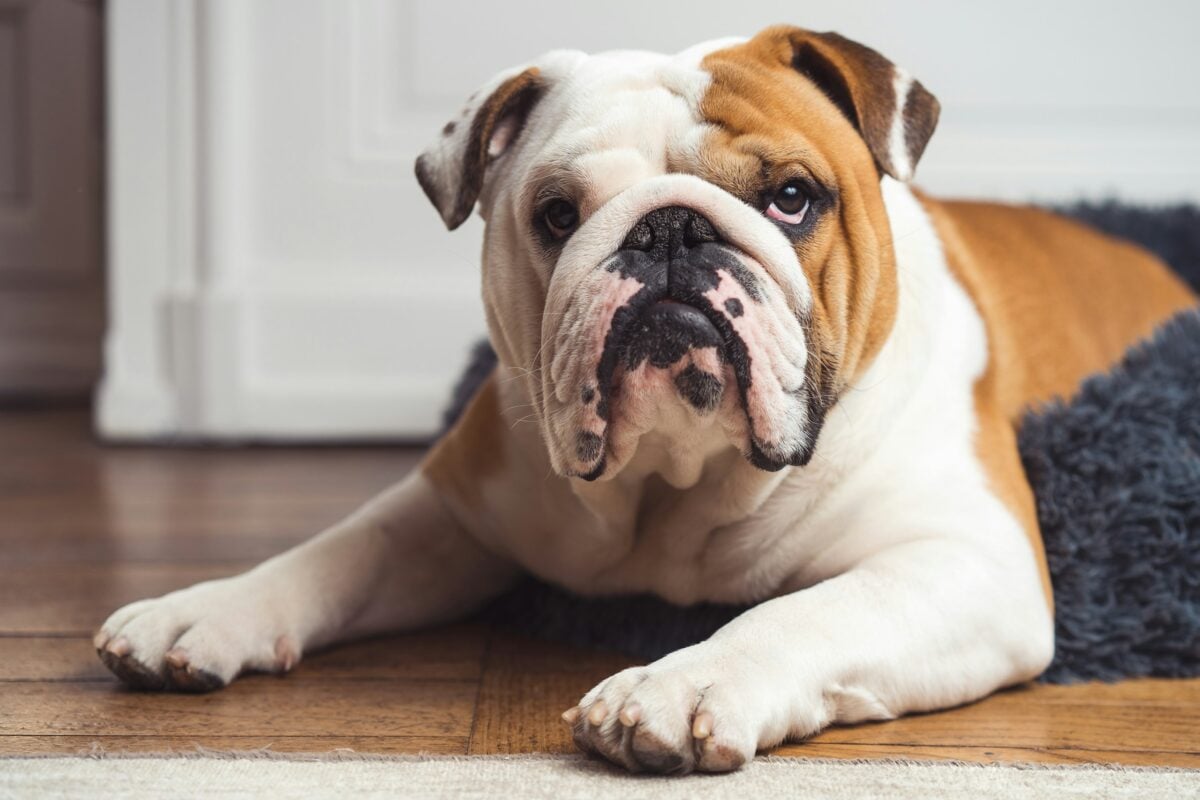
12. English Bulldog
English Bulldogs are famously laid-back companions with a stubborn streak and a deep appreciation for comfort. They’re affectionate without being too needy and tend to approach life at a relaxed pace, often preferring a good nap over just about anything else.
- Energy level: Low
- Temperament: Calm, loyal, stubborn
- Sociability: Friendly with family and familiar faces
- Noise level: Snorts, grumbles, and occasional dramatic breathing
Best Suited For: apartment dwellers, relaxed households, people who appreciate a slow-moving companion
13. Dogue de Bordeaux
The Dogue de Bordeaux is an intensely loyal, emotionally sensitive dog that forms strong bonds with its family. Despite their imposing size, they are gentle at heart and happiest when close to their people, often leaning or resting against them whenever possible.
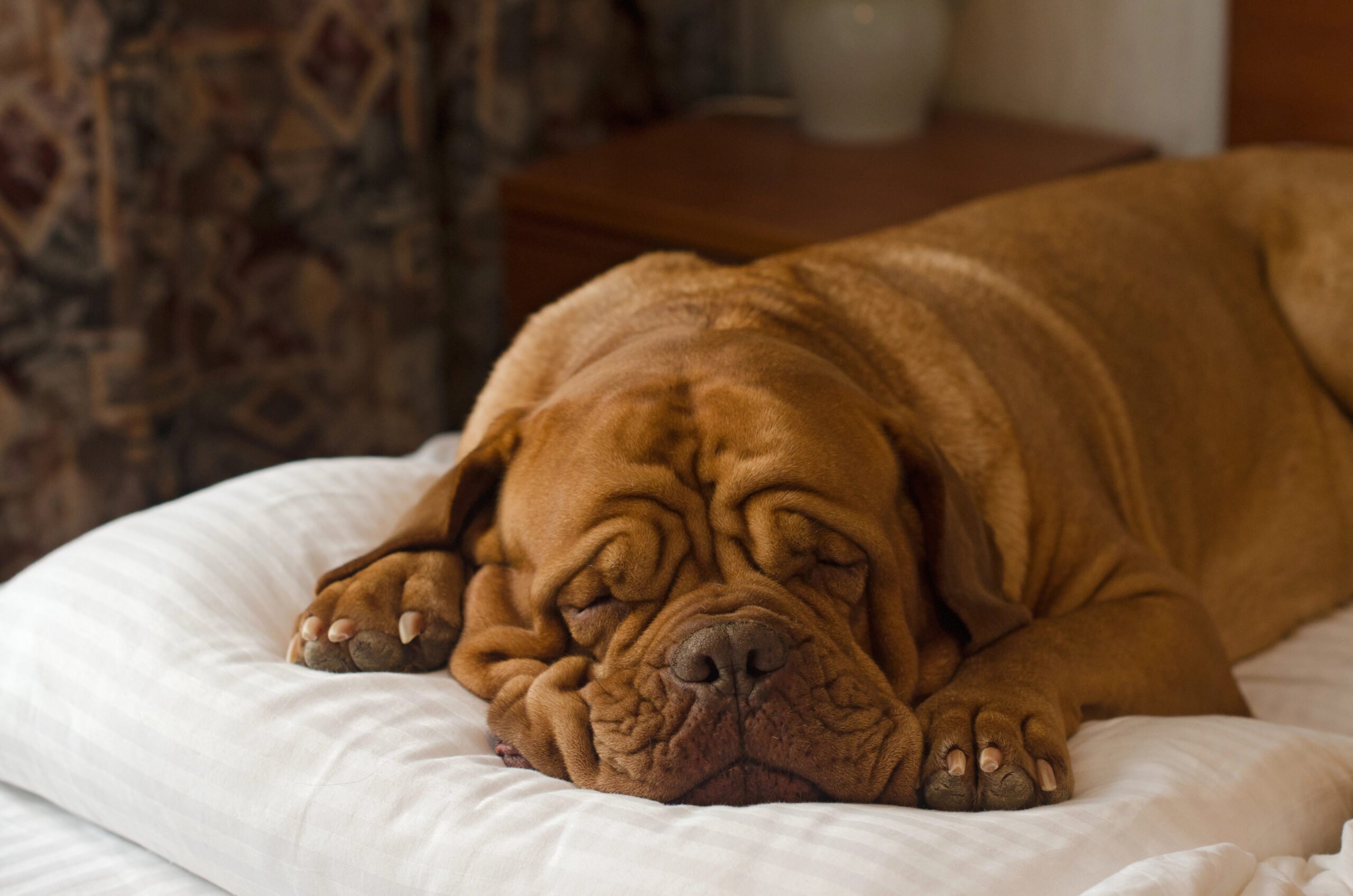
- Energy level: Low to moderate
- Temperament: Devoted, calm, protective
- Sociability: Very attached to family, reserved with strangers
- Noise level: Generally quiet, occasional drooling included
Best Suited For: Experienced owners, quieter homes, people who want a devoted companion
14. Bullmastiff
Bullmastiffs are calm, steady dogs with a strong sense of loyalty and a surprisingly gentle demeanor. They’re observant rather than reactive and tend to stay close to their people, quietly keeping an eye on things while enjoying downtime.
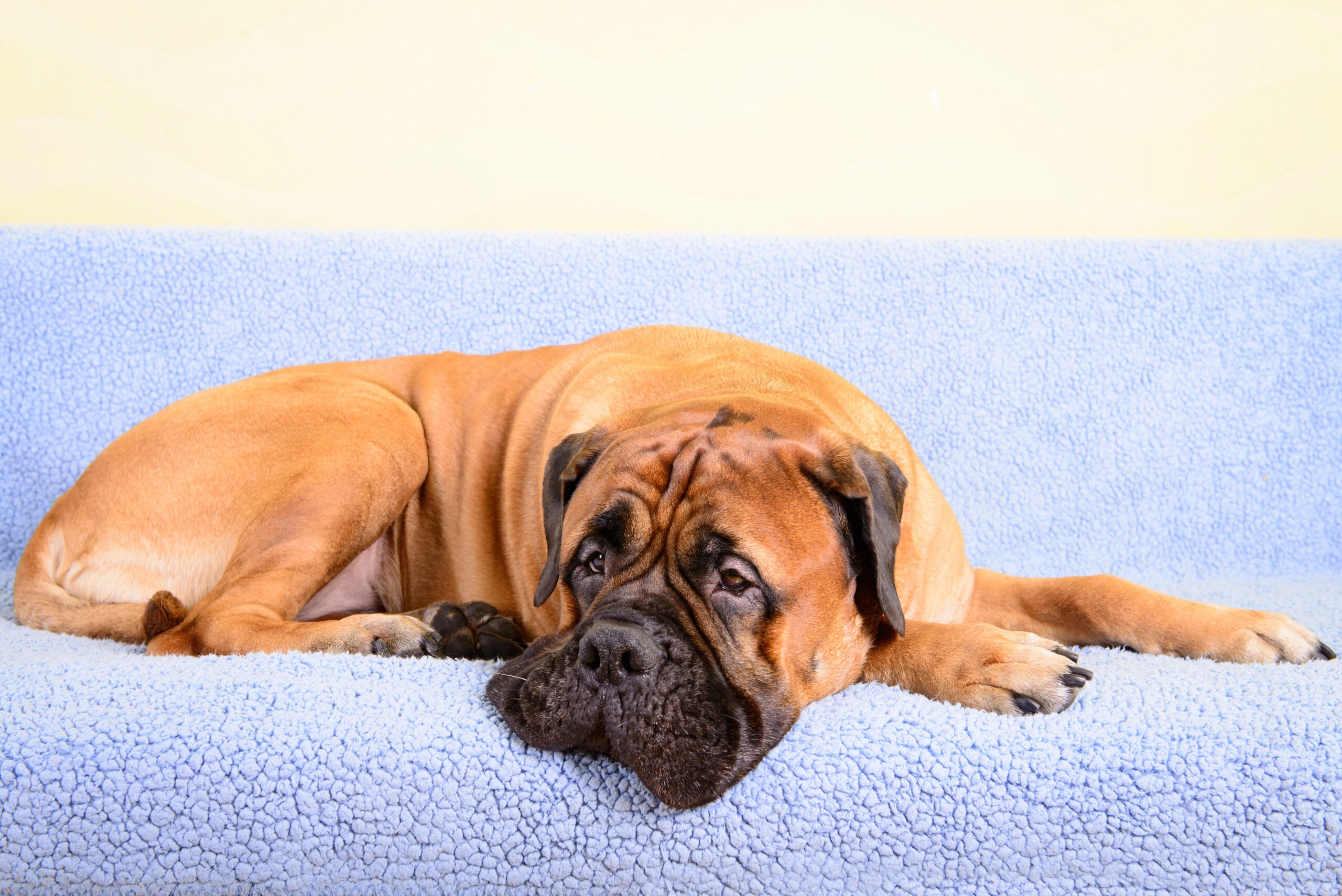
- Energy level: Low to moderate
- Temperament: Gentle, loyal, confident
- Sociability: Affectionate with family, neutral with others
- Noise level: Low
Best Suited For: Families with space, experienced dog owners, people who want a calm but protective presence
15. Neapolitan Mastiff
Neapolitan Mastiffs are massive, droopy, and deeply devoted to their families. Beneath all those wrinkles is a sensitive, affectionate dog that prefers lounging near their people and observing the world rather than actively engaging with it.
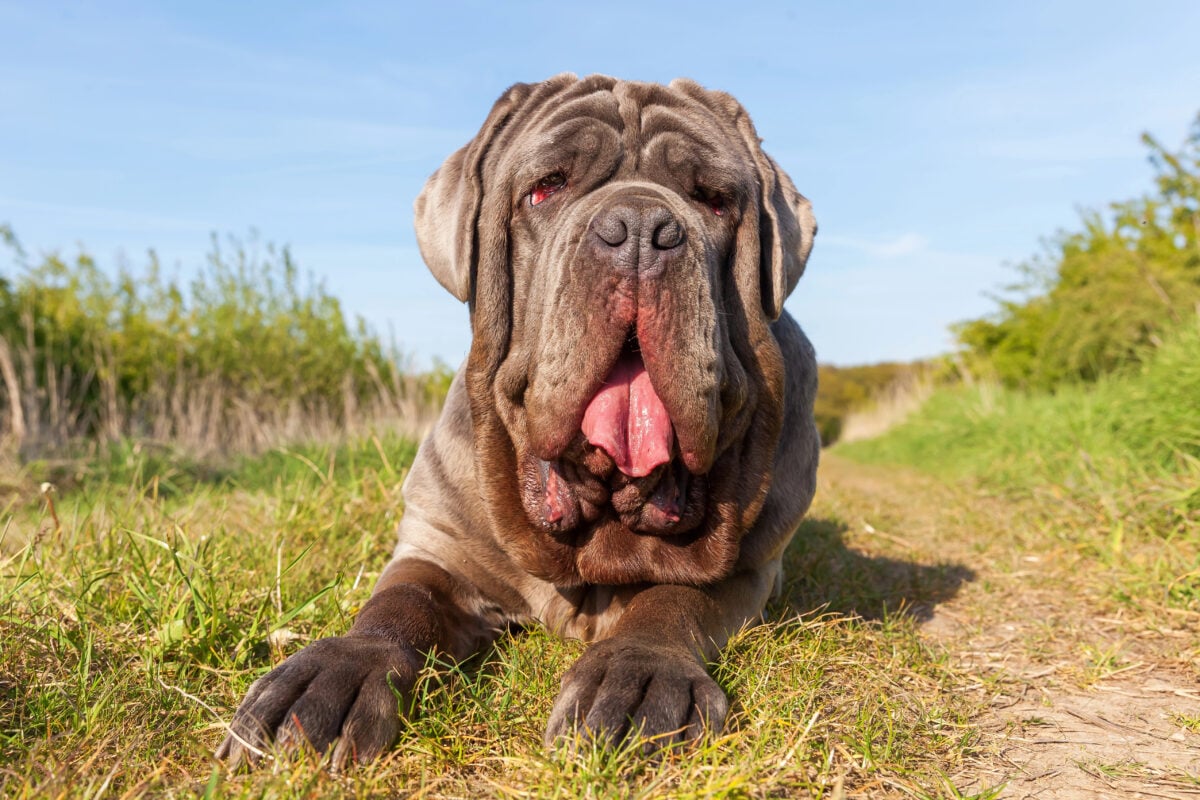
- Energy level: Low
- Temperament: Calm, loyal, reserved
- Sociability: Very bonded to family, cautious with strangers
- Noise level: Low, with occasional snoring
Best Suited For: Experienced owners, quiet households, people who don’t mind sharing their space with a very large shadow
Low-Key Companions For High-Key Households
Not every flat-faced dog needs constant stimulation or a packed schedule. These breeds tend to be calm, adaptable, and happiest simply being nearby, even in busy homes.
They’re well-suited to households with noise, movement, or unpredictable routines, as long as they have a safe place to settle and a favorite person within reach.
16. Cavalier King Charles Spaniel
Cavaliers are affectionate, gentle dogs that seem hard-wired for companionship. They’re emotionally intuitive and thrive on closeness, often content to follow their people from room to room without demanding constant attention.
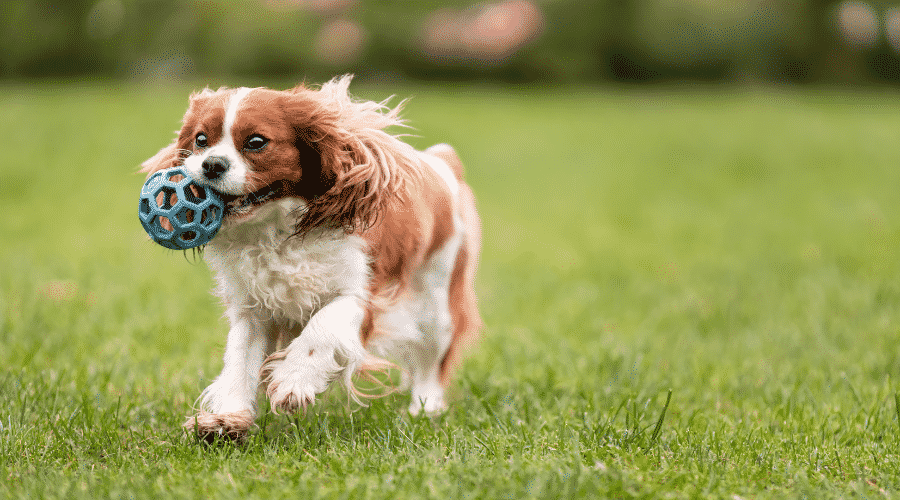
- Energy level: Low to moderate
- Temperament: Gentle, affectionate, emotionally attuned
- Sociability: Very people-oriented and friendly
- Noise level: Low
Best Suited For: Families, first-time dog owners
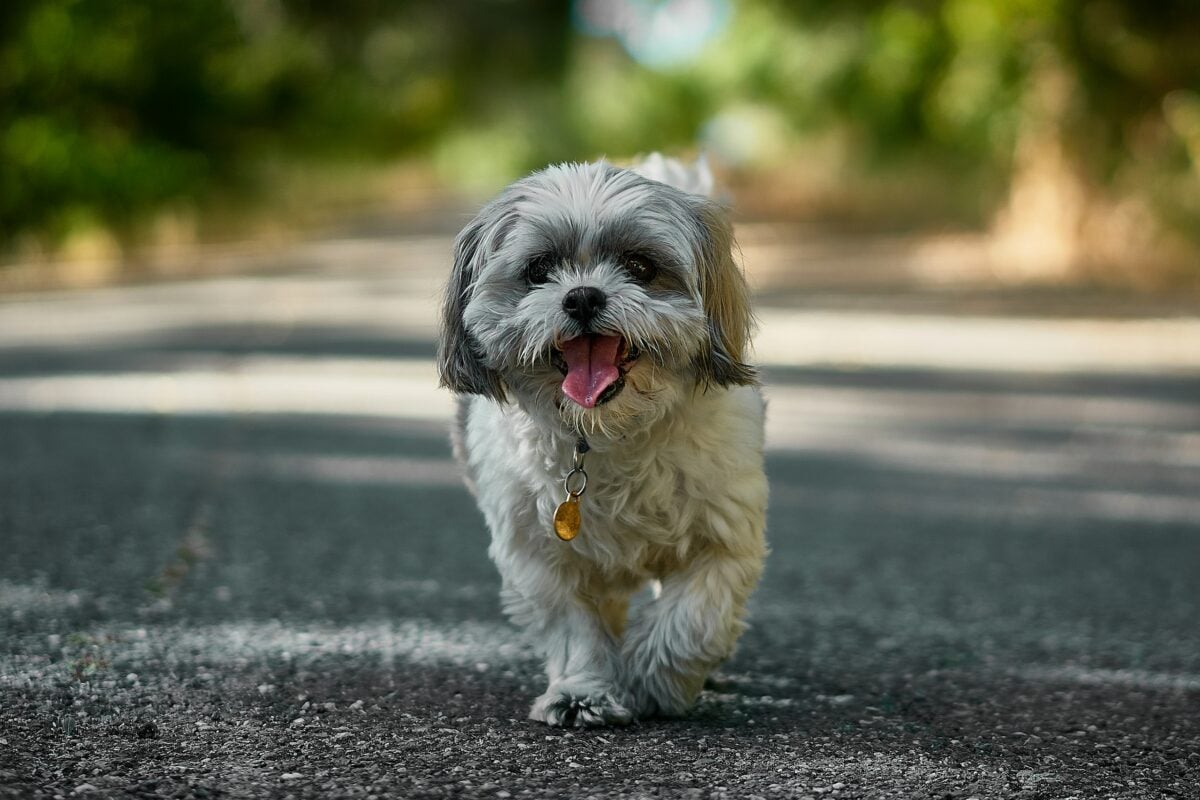
17. Shih Tzu
Shih Tzus are easygoing, friendly dogs that adapt well to a variety of home environments. They enjoy attention but don’t require nonstop engagement, making them well-suited to households that are busy but not chaotic.
- Energy level: Low
- Temperament: Friendly, relaxed, adaptable
- Sociability: Social with family and familiar people
- Noise level: Low
Best Suited For: Apartment dwellers, families, people who want a low-maintenance companion
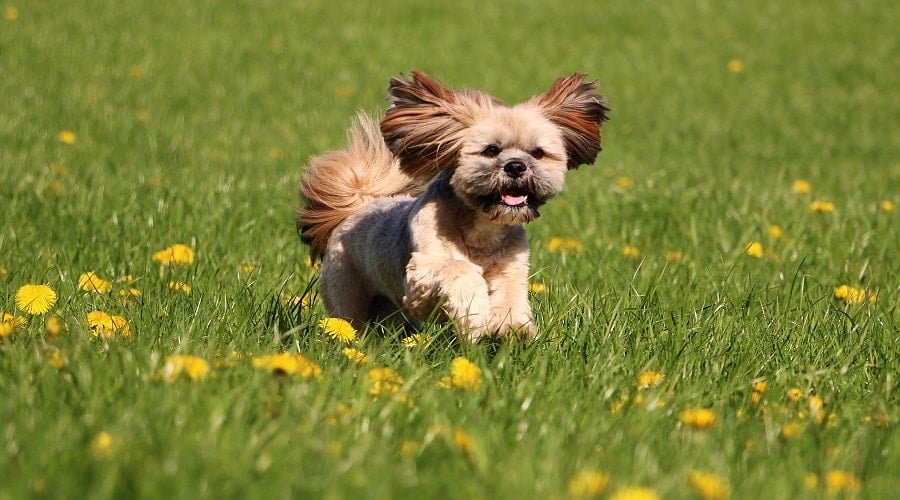
18. Lhasa Apso
Lhasa Apsos are independent, observant dogs that tend to take their time warming up. They’re calm and composed, often choosing a quiet vantage point to keep an eye on the household rather than actively participating in every activity.
- Energy level: Low
- Temperament: Independent, loyal, alert
- Sociability: Devoted to family, reserved with others
- Noise level: Low to moderate
Best Suited For: Quieter households, experienced owners, people who appreciate a more independent companion
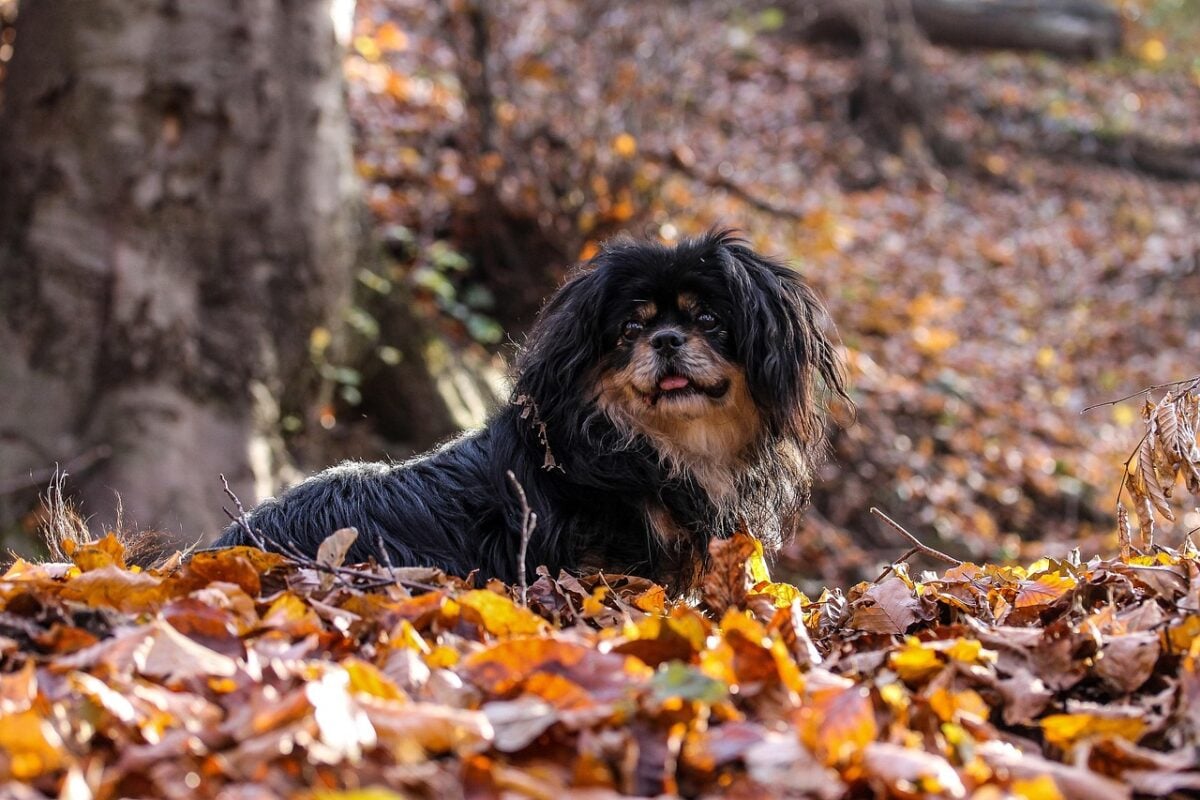
19. Tibetan Spaniel
Tibetan Spaniels were bred specifically as companion dogs, often living closely with monks and families. Their slightly shortened muzzle and expressive eyes give them a thoughtful, observant look that matches their calm, watchful personality.
- Energy level: Low to moderate; content with light daily activity
- Temperament: Independent, calm, and quietly confident
- Sociability: Loyal with family; reserved but polite with strangers
- Noise level: Low to moderate; alert but not excessive
Best Suited For: People who want a relaxed, affectionate companion that doesn’t demand constant attention or activity
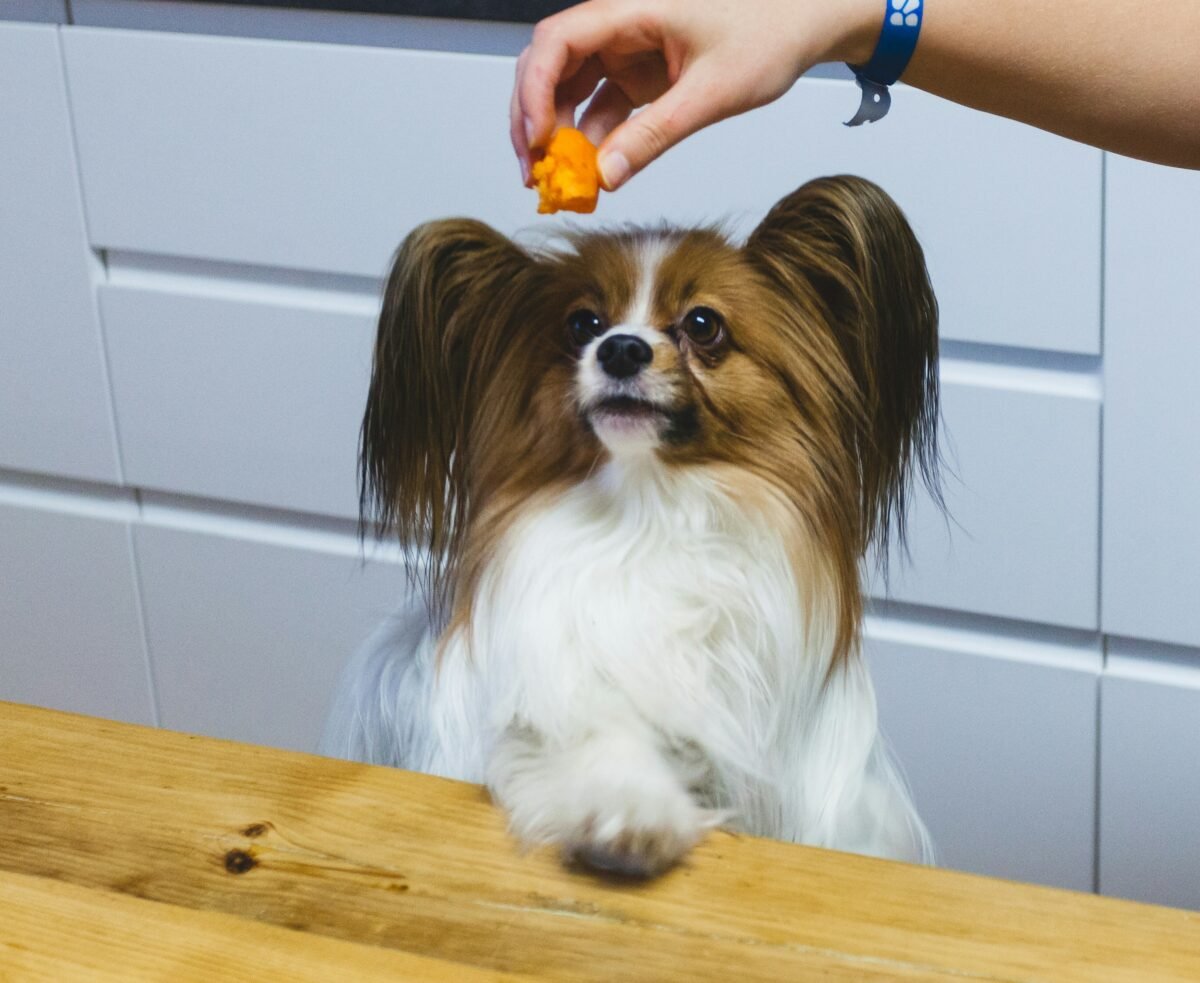
20. Papillon
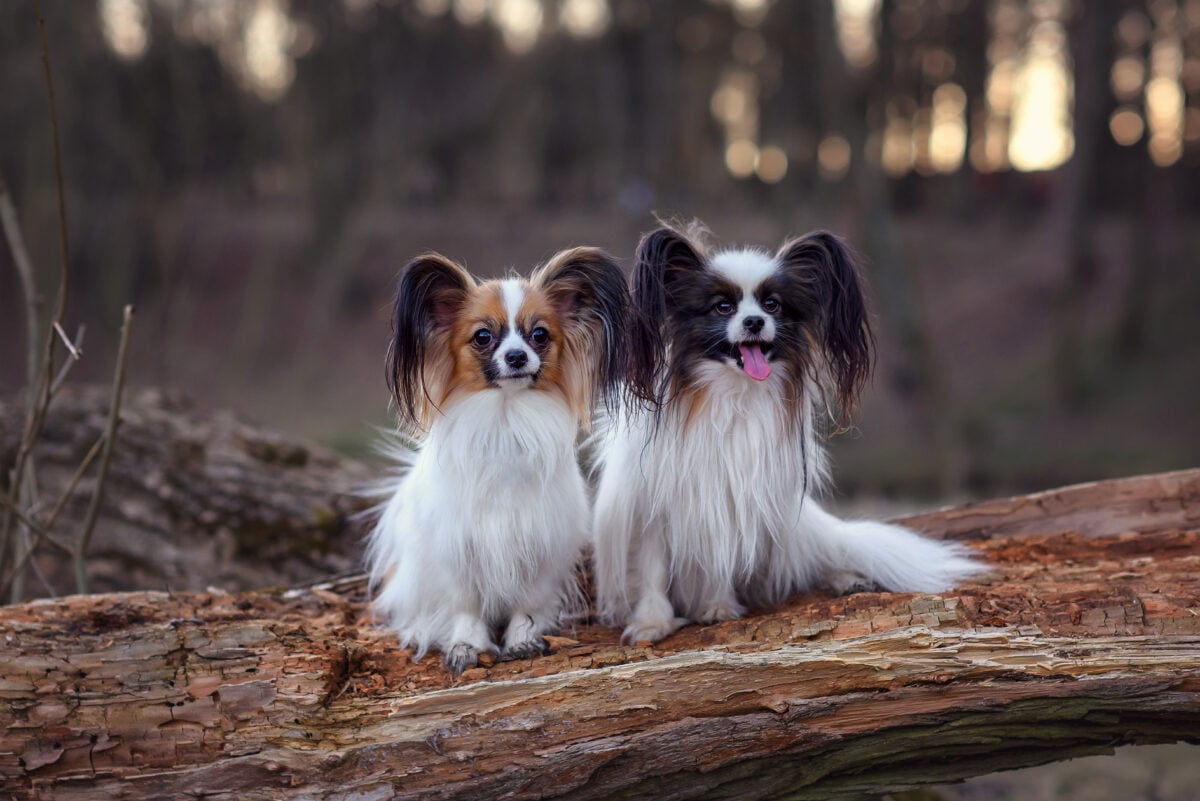
Papillons are known for their intelligence and charm, blending delicate looks with surprising athletic ability. They have a short but well-defined muzzle and large, expressive eyes.
- Energy level: Moderate to high for a toy breed
- Temperament: Intelligent, eager, and highly responsive
- Sociability: Very people-oriented and generally outgoing
- Noise level: Moderate; vocal but not constant
Best Suited For: Owners who want a small dog that enjoys learning, interaction, and mental stimulation
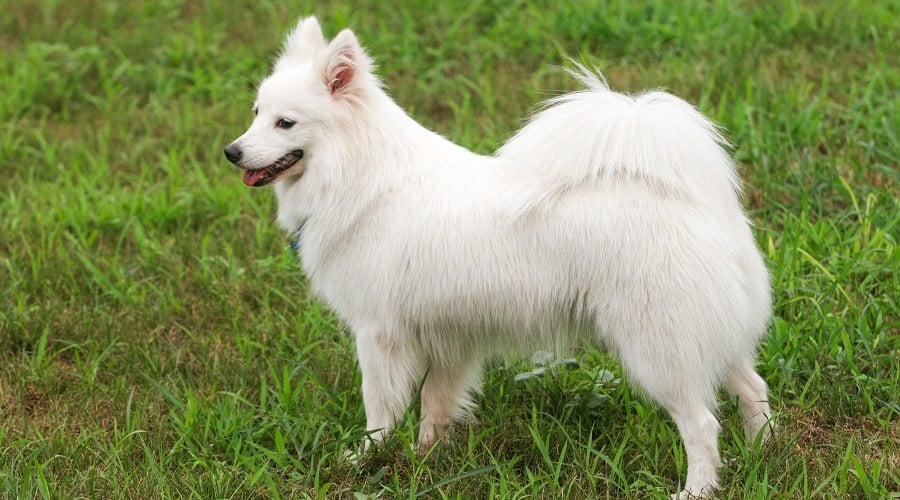
21. Japanese Spitz
Japanese Spitz technically fall within brachycephalic measurements, though their spitz-type build and longer-looking muzzle make them visually different from most flat-faced dogs. They’re cheerful, adaptable companions that bring more energy than others in this category but remain manageable in structured households.
- Energy level: Moderate to moderately high
- Temperament: Playful, friendly, and eager to participate
- Sociability: Very social with family and generally friendly with others
- Noise level: Moderate
Best Suited For: Active households that want a people-focused dog with more enthusiasm than endurance and the ability to settle indoors when properly exercised
Dogs With Jobs (And Dogs Who Pretend They Have One)
These flat-faced dogs weren’t initially bred just to look cute on the couch. Many of them have roots in working, guarding, or utility roles, even if their modern “job” is mostly supervising the household.
They tend to be confident, purposeful, and a little more serious than some of the goofier breeds, though that seriousness often softens once they’re settled into family life.
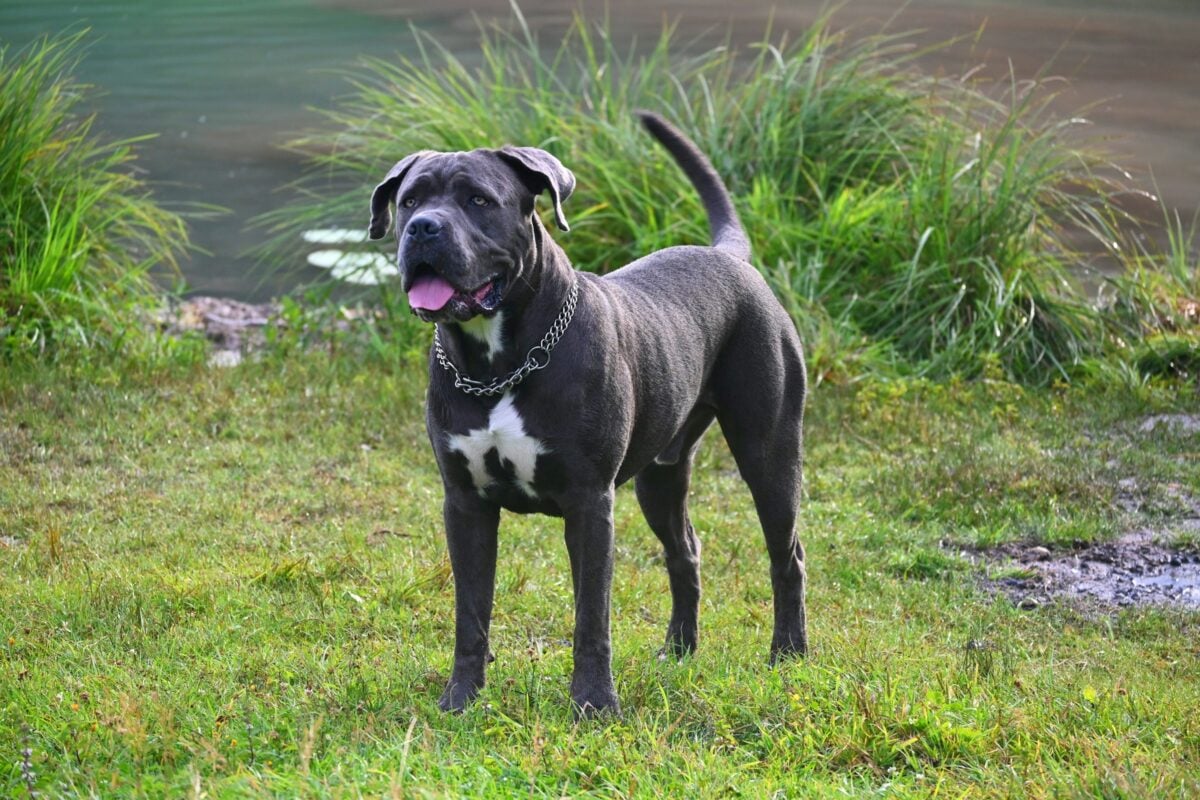
22. Cane Corso
Cane Corsos are powerful, intelligent dogs with a strong sense of purpose and loyalty. They form deep bonds with their families and tend to approach life thoughtfully, often watching situations closely before deciding how to respond.
- Energy level: Moderate
- Temperament: Confident, loyal, serious
- Sociability: Very bonded to family, reserved with strangers
- Noise level: Low
Best Suited For: Experienced owners, structured households, people comfortable with powerful, protective dogs
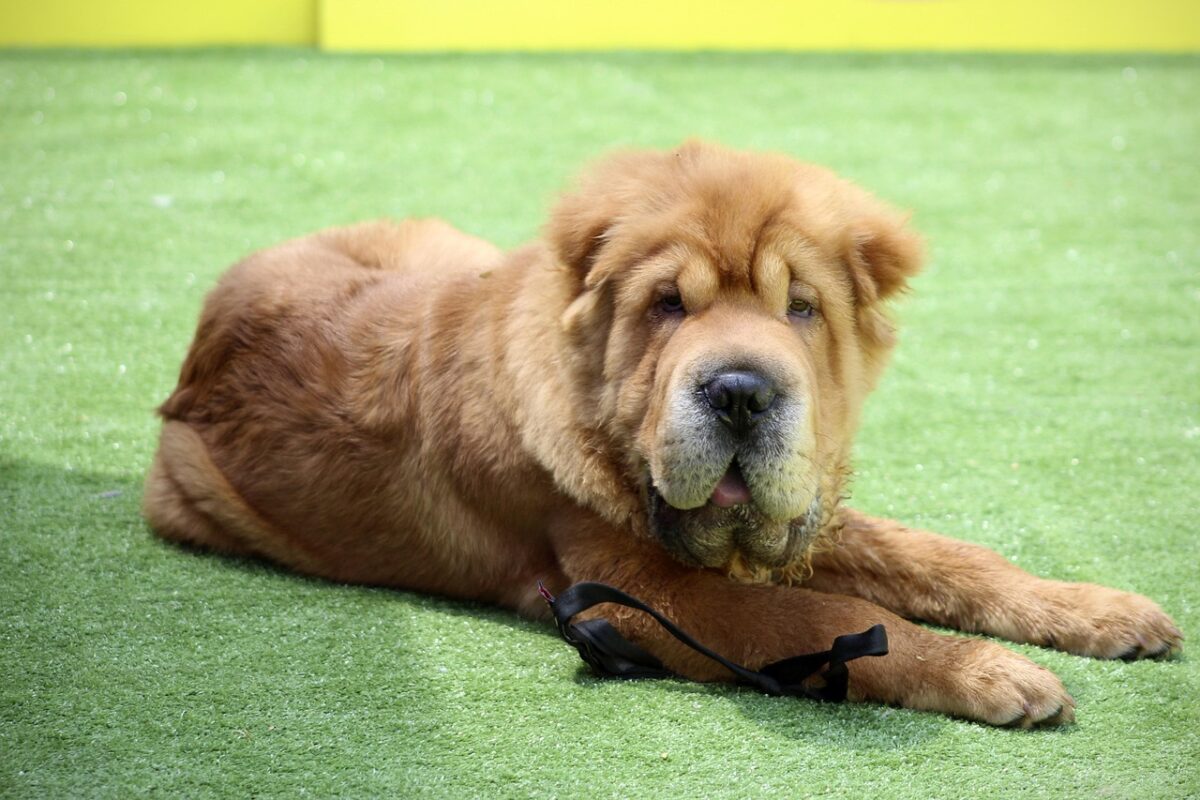
23. Shar Pei
Shar Peis are independent, observant dogs known for their distinctive wrinkles and calm demeanor. They’re not overly demonstrative, but they form strong attachments to their people and prefer predictable routines over constant stimulation.
- Energy level: Low to moderate
- Temperament: Calm, reserved, independent
- Sociability: Loyal to family, selective with others
- Noise level: Low
Best Suited For: Experienced owners, people who appreciate quiet companionship
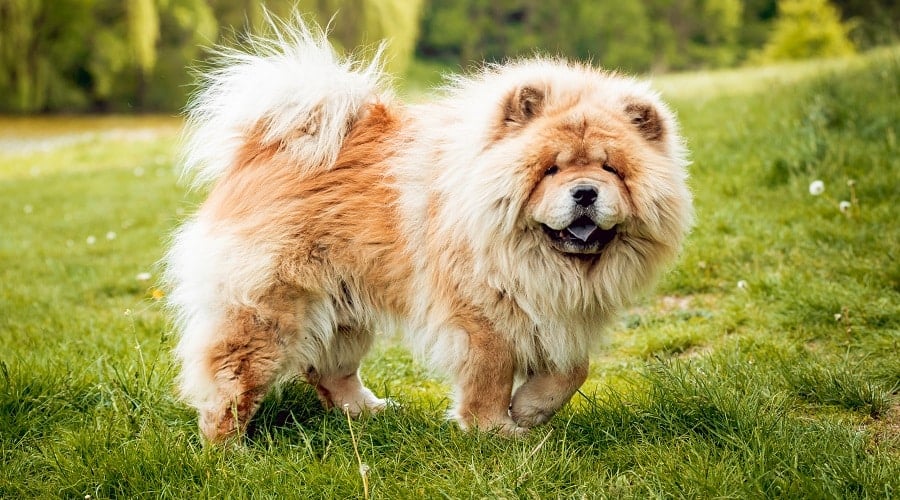
24. Chow Chow
Chow Chows are dignified, self-contained dogs with a strong sense of independence. Often described as cat-like, they value their space and tend to bond closely with a small circle of people rather than everyone they meet.
- Energy level: Low to moderate
- Temperament: Aloof, loyal, calm
- Sociability: Reserved, bonds deeply with family
- Noise level: Low
Best Suited For: Calm households, experienced owners, people who respect a dog’s boundaries
25. Staffordshire Bull Terrier
Staffordshire Bull Terriers are affectionate, people-loving dogs with a strong, muscular build and a playful side. Despite their tough appearance, they’re known for their devotion to family and their enthusiasm for companionship.
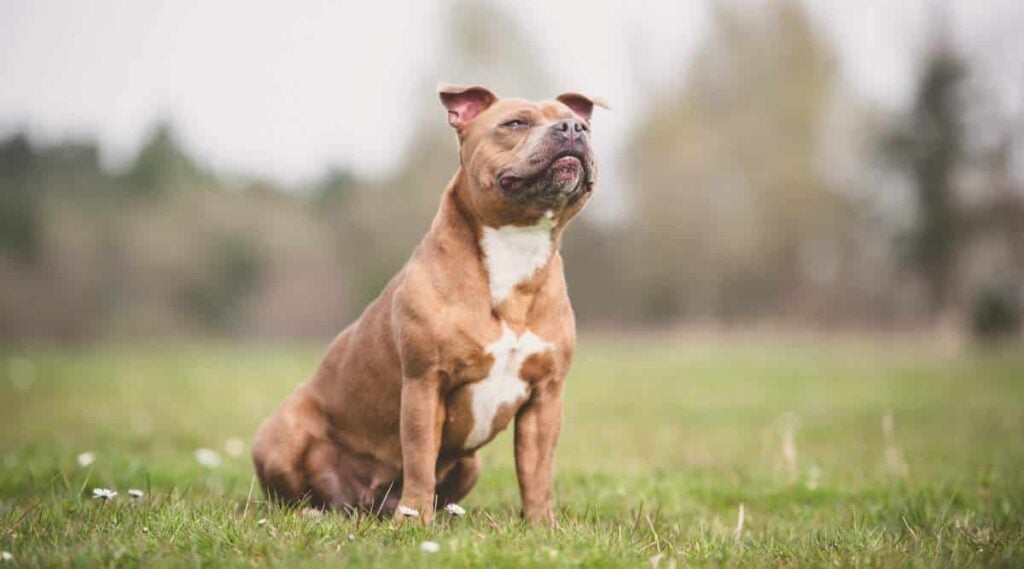
- Energy level: Moderate to high
- Temperament: Loyal, affectionate, energetic
- Sociability: Very people-oriented, friendly with familiar faces
- Noise level: Low to moderate
Best Suited For: Active families, experienced owners, people who want a strong but affectionate companion
How Snout Shape Affects Function (A Quick Comparison)
Understanding the differences between long-, medium-, and short-skulled dogs helps explain why certain breeds excel at endurance, tracking, guarding, or companionship.
Dolichocephalic Dogs (Long-Nosed)
Examples: Greyhound, Saluki, Doberman Pinscher
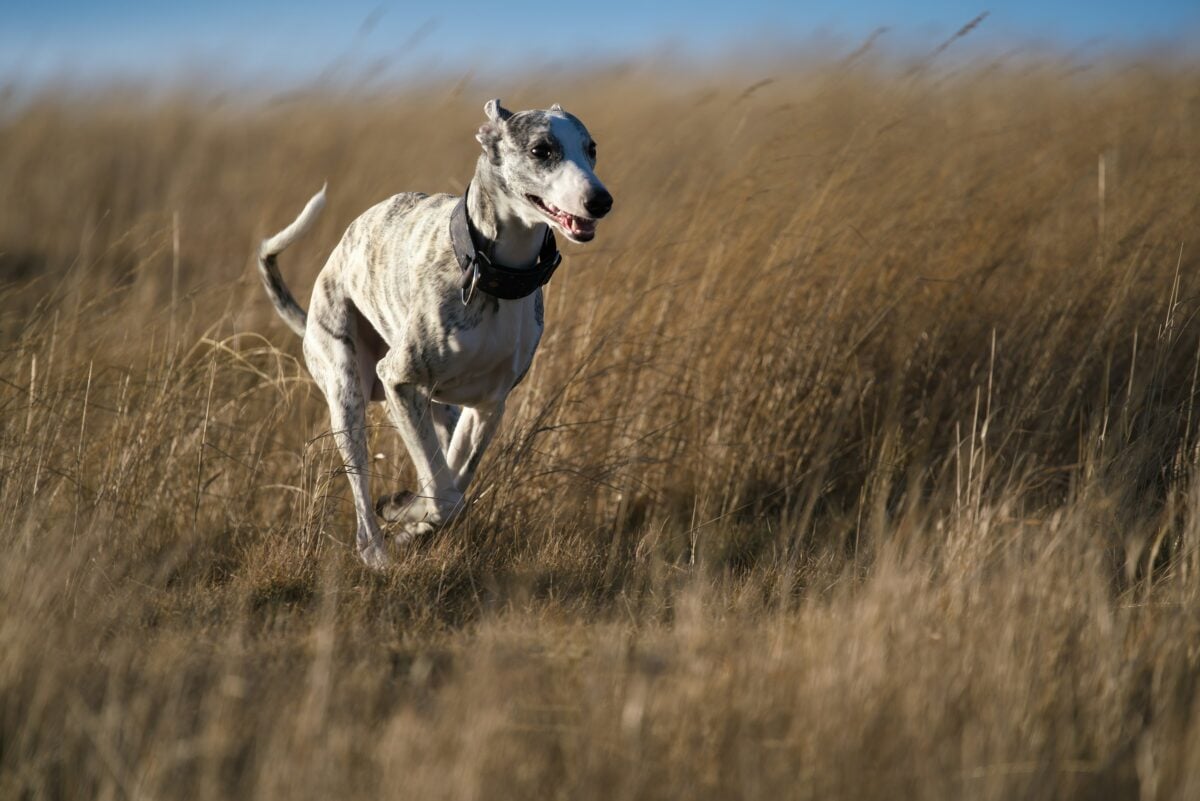
- More efficient breathing & cooling: Longer airways support more effective panting and thermoregulation, reducing the risk of overheating during exercise.
- Wider peripheral vision: Common in sighthounds, this skull shape supports spotting movement over long distances.
- Advanced scenting ability: Elongated nasal passages house a highly developed olfactory system, making these dogs well suited for tracking, search-and-rescue, and scent work.
Mesocephalic Dogs (Medium-Length Skulls)
Examples: Labrador Retriever, Bull Terrier, Beagle
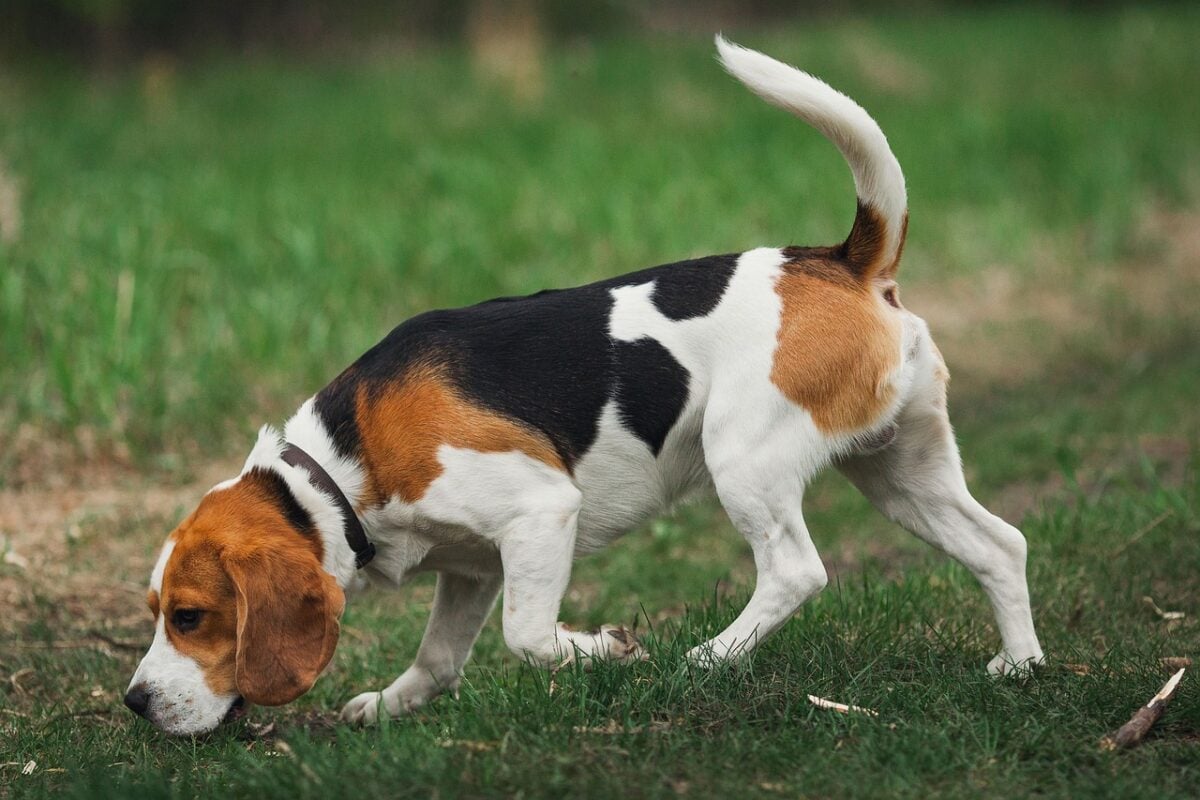
- Versatility: Their skull structure supports a wide range of working roles, from scent detection to assistance work and companionship.
- Balanced anatomy: These dogs tend to have fewer conformation-related health issues involving breathing, eyes, and dental alignment.
- Longer average lifespan: Studies consistently show mesocephalic dogs live longer, on average, than other breeds.
Brachycephalic Dogs (Shortened Skulls)
Examples: Bulldogs, Pugs, Boxers
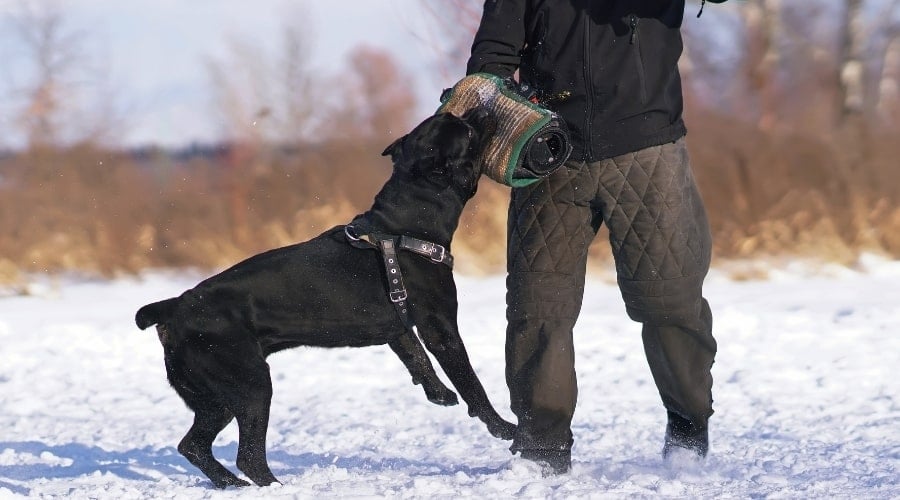
- High social engagement: These dogs are faster to establish eye contact with unfamiliar humans and are more successful at following human pointing gestures when compared to dogs with more typical head shapes.
- Stronger bite force: Their compact jaw structure allows for mechanical bite advantage, though actual bite strength still varies significantly by breed, size, and the individual dog.
The Reality Check: Caring For Flat-Faced Dogs
Flat-faced dogs are lovable, expressive, and often extremely attached to their people. But their unique anatomy also means they experience the world a little differently than longer-nosed breeds.
Flat-faced dogs didn’t happen by accident. Their shortened skulls and compact faces are the result of artificial selection, shaped over generations by breeders prioritizing appearance.
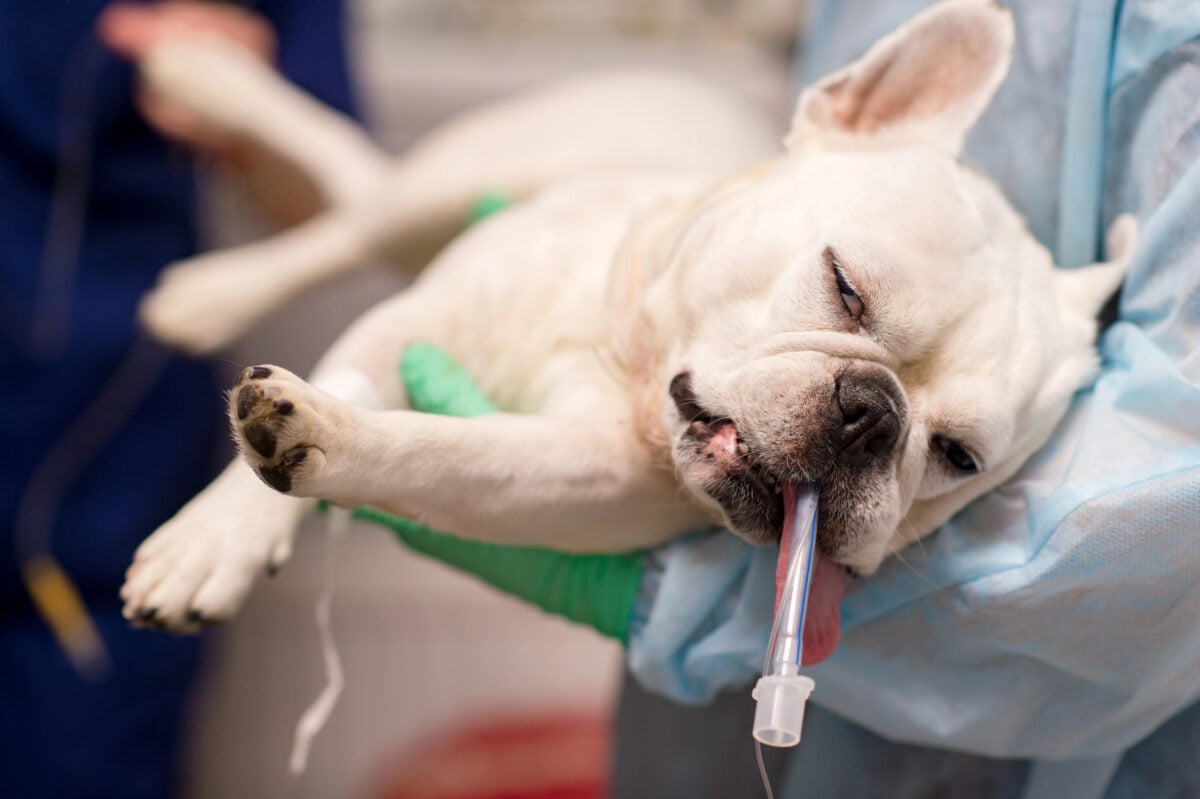
In many cases, this has produced dogs people adore — but it has also increased the risk of certain health and welfare challenges, especially in breeds with extreme brachycephaly.
It’s important to note that not all brachycephalic dogs experience serious health problems. The degree of risk varies widely by breed, individual anatomy, and breeding practices.
Across the board, however, dogs with more extreme facial compression tend to experience more complications than those with moderate or mild brachycephalic traits.
Health Conditions Linked To Brachycephaly
Research shows that dogs with brachycephaly are more likely to experience a range of medical issues, including:
- Respiratory disease
- Eye disease (due to prominent, exposed eyes)
- Dystocia (difficult or assisted births)
- Spinal disorders
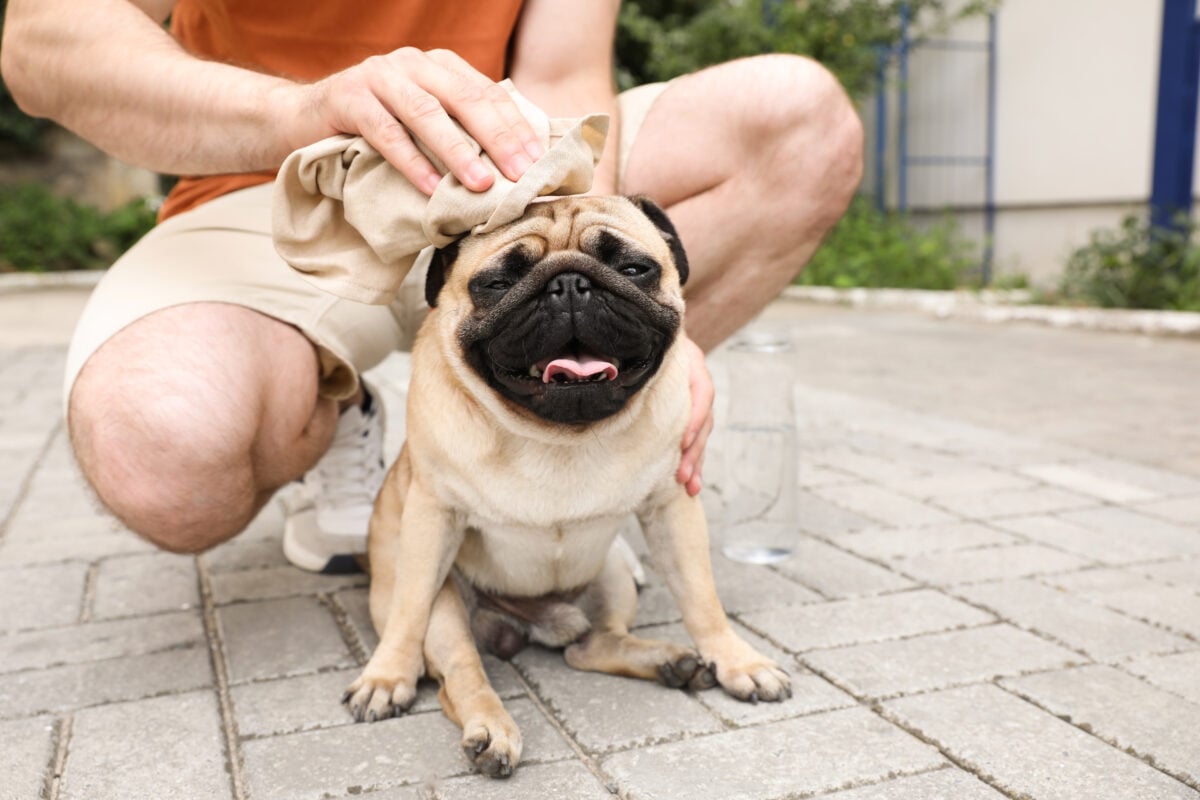
- Heat stroke and pneumonia
- Increased challenges with sedation and anesthesia
In addition, many flat-faced dogs experience dermatological issues (such as skin fold infections) and dental problems related to crowded or misaligned teeth. These risks don’t apply equally to every dog, but they become more common as facial structure becomes more extreme.
Longevity Matters
Research show that dogs with extreme brachycephaly have a shorter median lifespan (around 8.6 years) compared with moderate and non-brachycephalic dogs, which average closer to 12.7 years.
This is why responsible breeding matters so much. Reputable breeders work to preserve the look people love without pushing anatomy beyond what’s healthy, prioritizing functional breathing, mobility, and overall well-being over exaggerated features.
Brachycephalic Syndrome (BOAS)
Some flat-faced dogs are prone to what’s commonly called brachycephalic syndrome, also known as BOAS. This refers to a group of structural traits that can affect breathing, heat regulation, and exercise tolerance.
Breathing efficiency, temperature control, and stamina can all be impacted, especially in hot or humid conditions. Many brachycephalic dogs do best with shorter walks, frequent breaks, and environments where cooling is easy and accessible.
If you want the full deep dive, check out our guide on brachycephalic syndrome to understand its causes and how it shows up in everyday life.
Common Considerations For Flat-Faced Breeds
- Heat sensitivity: These dogs overheat more easily and should avoid strenuous activity in warm weather.
- Breathing quirks: Noisy breathing, snorts, and snoring are common, but a vet should always check sudden changes.
- Exercise needs: Most do best with moderate, low-impact activity rather than endurance exercise.
- Weight management: Extra weight can make breathing harder, so maintaining a healthy body condition is especially important.
When To Be Extra Mindful
Flat-faced dogs may need additional care during:
- Hot summer months
- Travel or air transport
- Periods of stress or excitement
- Illness or recovery from surgery
Being proactive in these situations makes a noticeable difference in their comfort and well-being.
Pet Insurance: A Consideration For All Dog Owners
Even if your flat-faced dog is healthy today, unexpected accidents or illnesses can happen with any breed. Many pet parents choose to explore pet insurance as part of a long-term care plan to help manage the cost of veterinary care when surprises occur.
If you’d like to see options and factors to consider, check out our guide on the best pet insurance — it can help you compare plans and decide what might fit your family’s needs.
Frequently Asked Questions
Flat-faced dogs are popular, lovable, and often misunderstood. These are some of the most common questions people have when researching brachycephalic breeds or living with one day to day.
Don’t see your question? Respond in the comments, and we’ll get back to you!
Is BOAS Treatable?
BOAS is not a curable condition. However, surgery can alleviate the symptoms to improve their breathing and quality of life.
Different types of surgery are available depending on the affected areas and their severity. For example, nostrils can be widened, the soft palate can be thinned and shortened, or they can partially remove tonsils.
If left untreated, BOAS can lead to secondary health problems such as larynx collapse, cardiac issues, and chronic gastritis.
Which Dog Breeds Experience Brachycephalic Syndrome The Most?
Brachycephalic syndrome is most commonly associated with breeds that have very short noses, narrow airways, and compact skulls. This often includes breeds like Bulldogs, French Bulldogs, Pugs, and other dogs with pronounced flat faces.
That said, the severity can vary widely from dog to dog. Not every brachycephalic dog will experience the same challenges, and factors like genetics, body condition, and overall health all play a role.
Are Flat-Faced Dogs Harder To Care For Than Other Breeds?
They’re not necessarily harder, but they often require more awareness. Paying attention to heat, exercise limits, and weight management goes a long way toward keeping flat-faced dogs comfortable and healthy.
Is It Safe For Brachycephalic Dogs To Fly?
Air travel can be more complicated for flat-faced dogs due to breathing and temperature concerns. Some airlines restrict brachycephalic breeds, and veterinarians often recommend avoiding air travel when possible. If travel is necessary, it’s best to consult your vet and the airline well in advance.
Planning For Life With A Flat-Faced Dog
Brachycephalic dogs bring a lot of personality into a home, but they also benefit from thoughtful, everyday setup. Small choices, like using a flat-faced dog bowl that’s easier to eat from, understanding how much food to feed your dog to maintain a healthy weight, and knowing the early signs of illness in dogs, can go a long way in supporting their comfort and well-being. With the right expectations and a little planning, brachycephalic dogs can thrive as affectionate, entertaining companions.