When you purchase through links on our site, we may earn a commission. Here’s how it works.
Chihuahuas may be tiny, but their personalities are anything but — bold, opinionated, and deeply loyal to their people. That feisty confidence often masks the fact that their small size and long lifespan come with health challenges many owners don’t expect.
Table of Contents
From dental disease to heart conditions, Chihuahuas are prone to several issues that can quietly affect their comfort and longevity. Knowing what’s common and recognizing early warning signs can go a long way toward protecting your Chihuahua’s health and quality of life.

Planning Ahead For Vet Bills
Chihuahuas are prone to several long-term health issues, and vet bills can add up faster than many owners expect. For many owners, pet insurance can help manage the cost of diagnostics, treatments, and even surgeries tied to breed-related newly diagnosed conditions.
Learn more about the best pet insurance options for Chihuahuas and get a free quote using the form below.

10 Common Chihuahua Health Problems
Chihuahuas may be one of the smallest dog breeds, but they tend to pack a lot into a long lifetime, including a higher risk for specific health issues. Their tiny frames, delicate bones, and genetic predispositions can make them more vulnerable to problems that aren’t always obvious at first glance.
Because Chihuahuas are masters at acting tough (even when they’re not feeling great), symptoms can be easy to miss until a condition is already advanced. To better understand what Chihuahua owners are most likely to face, I spoke with Dr. Hannah Godfrey, BVetMed MRCVS, a practicing veterinarian experienced in treating toy breeds.
Below are the 10 most common health problems seen in Chihuahuas, along with key symptoms to watch for so you can take action early if something doesn’t seem right.
1. Dental Disease
Dental disease affects nearly all Chihuahuas. Their tiny mouths often lack space for a complete set of teeth, leading to crowding, plaque buildup, and early gum inflammation. Without routine care, these issues can progress quickly.
The most common Chihuahua health issue that I see in practice, by far, is dental disease — gingivitis, infections, and tooth loss. Because the breed has such a small mouth with lots of tiny teeth, there are lots of nooks and crannies for food, debris, and bacteria to build up, meaning that practically every Chihuahua I see over the age of two years old has some sign of dental disease or tartar buildup.
Even with excellent tooth brushing, it can be tricky to reach those hard-to-reach areas, so Chihuahuas usually need a dental descale and polish, and an oral assessment at least once during their lifetime.
– Dr. Hanna Godfrey, BVetMed MRCVS
Chis are also prone to retained baby teeth, where puppy teeth fail to fall out as adult teeth erupt. When this happens, food and bacteria become trapped between teeth, increasing the risk of infection and accelerating periodontal disease.
Left untreated, dental disease doesn’t just affect the mouth — it can contribute to heart, liver, and kidney problems and may shorten a Chihuahua’s lifespan.
Dental Disease Symptoms
- Bad breath
- Red, swollen, or bleeding gums
- Visible tartar buildup
- Difficulty chewing food
- Excessive drooling
- Loose or missing teeth
Diagnosis & Treatment
Veterinarians diagnose dental disease through oral examinations, often followed by dental X-rays performed under anesthesia to assess damage beneath the gum line.
Treatment depends on severity and may include professional dental cleaning, antibiotics, pain management, and tooth extractions when infection or decay is present. Dental care is not cosmetic — it plays a critical role in preventing chronic pain, systemic infection, and organ damage.
Prevention tips:
- Brush their teeth regularly at home.
- Schedule annual professional dental cleanings.
- Choose diets, treats, and chews designed to support oral health.
Consistent dental care can dramatically improve a Chi’s comfort, health, and longevity.
2. Luxating Patella
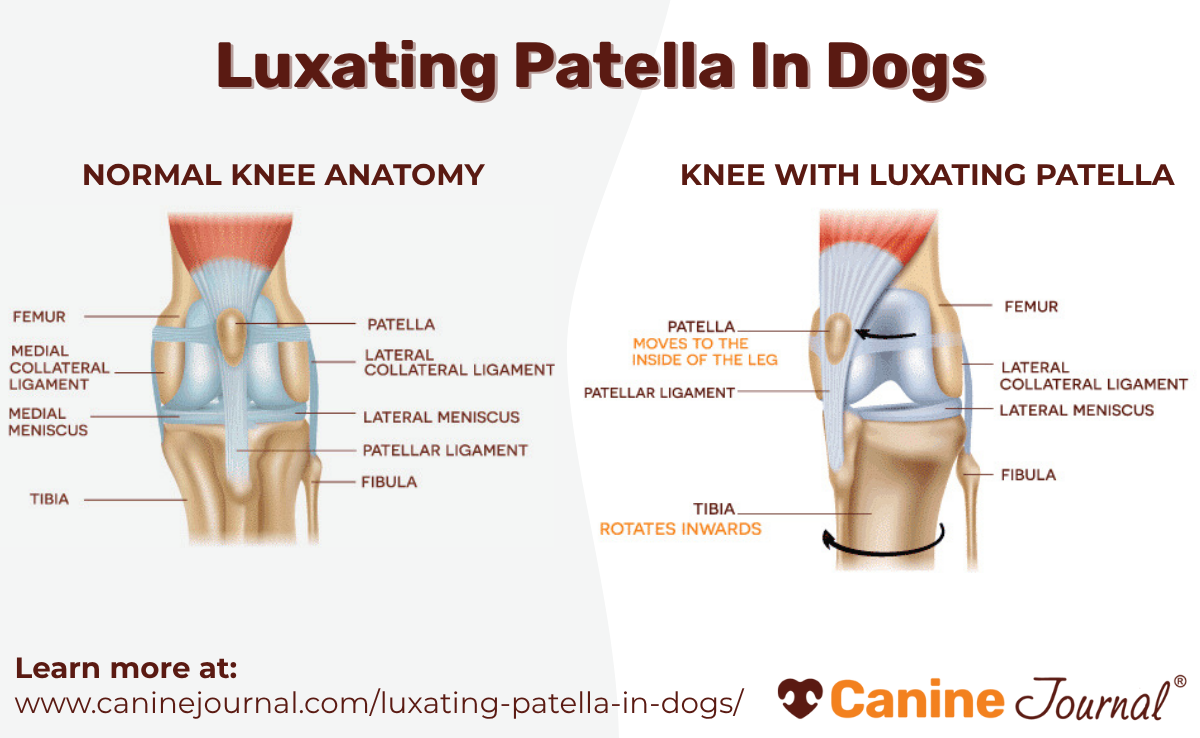
Luxating patella is one of the most common orthopedic problems in Chihuahuas. It occurs when the kneecap (patella) slips out of its normal groove, disrupting how the knee joint moves. In a breed with tiny legs and delicate joints, this instability can quickly lead to pain, mobility issues, and early arthritis.
Research published in Veterinary Medicine: Research and Reports says that Chis are among the breeds most commonly affected, and the condition often occurs in both hind legs.
Early on, the kneecap may slip back into place on its own, making the issue seem minor. Over time, however, repeated slipping worsens joint damage and can significantly increase discomfort if left untreated.
Luxating Patella Symptoms
- Limping or favoring one back leg
- Intermittent hopping or skipping while walking
- Sudden lifting of a rear leg during movement
- Stiffness, reluctance to jump, or abnormal gait
Diagnosis & Treatment
Veterinarians typically diagnose a luxating patella during a hands-on physical exam by assessing knee stability. X-rays may be recommended to evaluate joint alignment and check for arthritis or secondary damage.
Treatment depends on the severity of the condition:
- Mild cases may be managed with weight control, activity modification, joint supplements, and pain medications.
- Moderate to severe cases often require surgery to realign the kneecap and stabilize the joint, especially if mobility or quality of life is affected.
Early diagnosis matters. Addressing a luxating patella sooner can help slow joint damage and preserve long-term comfort in Chihuahuas.
3. Legg-Calvé-Perthes Disease
Legg-Calvé-Perthes disease (LCPD) is a painful hip condition most often seen in young toy breeds, including Chihuahuas. In affected Chis, the blood supply to the head of the femur is disrupted, leading to weakening and gradual deterioration of the bone. As the femoral head breaks down, the hip joint becomes unstable and increasingly painful.
This condition typically appears between 5 and 12 months of age, often just as a Chihuahua puppy becomes more active. Without treatment, the collapsing hip joint can severely limit mobility and lead to chronic pain. Because Chihuahuas are small and lightweight, early symptoms are sometimes subtle and easy to dismiss as clumsiness or temporary soreness.
Legg-Calvé-Perthes Disease Symptoms
- Pain or discomfort during exercise
- Lameness or favoring one rear leg
- Stiffness in the back legs
- A “bunny hopping” run
- Difficulty getting up, running, or climbing stairs
- Struggling with longer walks
- Muscle loss in the affected hind leg
- Loss of interest in physical activities they previously enjoyed
Diagnosis & Treatment
Diagnosis typically involves a hands-on orthopedic exam, followed by X-rays of the hip joint to confirm femoral head deterioration and joint collapse.
Surgery is usually required to treat Legg-Calvé-Perthes disease. The most common procedure involves removing the damaged femoral head to relieve pain, followed by post-operative rehabilitation to restore strength and mobility. With proper treatment and recovery, many Chihuahuas regain good function and can return to an active, comfortable life.
4. Hypoglycemia
Hypoglycemia occurs when a dog’s blood sugar drops dangerously low, and Chihuahuas are especially vulnerable due to their tiny size and fast metabolism. Missing a meal, overexertion, stress, illness, or even excitement can trigger a sudden drop in glucose levels, particularly in young Chi puppies.
Many puppies outgrow hypoglycemia as they mature, but it can still affect adult Chis, especially those with underlying health conditions. Hypoglycemia is a medical emergency, and without prompt treatment, severe cases can lead to seizures, loss of consciousness, or even death.
Hypoglycemia Symptoms
- Lethargy or weakness
- Loss of appetite
- Loss of coordination or stumbling
- Shaking or trembling
- Disorientation or confusion
- Vomiting
- Tremors or seizures
- Fainting or loss of consciousness
Early intervention can be lifesaving. If you notice mild symptoms and your vet has approved it in advance, rubbing a small amount of corn syrup, honey, or a glucose supplement (such as Nutri-Cal) on your Chihuahua’s gums may help stabilize blood sugar temporarily. This is not a substitute for veterinary care, but it can help buy time during an episode.
Diagnosis & Treatment
Your veterinarian will begin with a thorough physical exam and medical history, especially if hypoglycemia episodes are recurring. Diagnostic testing may include blood glucose measurements, a complete blood count, routine blood chemistry, urinalysis, and insulin levels. In some cases, imaging such as an ultrasound may be recommended to rule out liver abnormalities, tumors, or pancreatic issues.
Treatment depends on severity.
- Mild cases may respond to oral glucose supplementation and dietary adjustments.
- Severe or recurring cases often require hospitalization and IV glucose therapy, along with treatment of any underlying condition such as liver shunts, Addison’s disease, diabetes, kidney disease, or cancer.
With proper management and close monitoring, many Chihuahuas recover well and go on to live healthy, active lives.

5. Heart Disease
Heart disease is a significant concern in Chihuahuas, especially as they age, but some conditions can appear much earlier in life. Small breeds like Chis are genetically predisposed to specific heart problems that range from congenital defects present at birth to progressive valve disease that develops over time.
The two most common heart conditions seen in Chihuahuas are patent ductus arteriosus (PDA) and mitral valve disease (MVD).
Patent Ductus Arteriosus (PDA)
Patent ductus arteriosus is a congenital heart defect diagnosed in some Chihuahua puppies. Before birth, a normal blood vessel (the ductus arteriosus) allows blood to bypass the lungs. After birth, this vessel should close on its own. In puppies with PDA, it remains open, causing abnormal blood flow between the heart and lungs.
When left untreated, PDA places extra strain on the heart, leading to fluid buildup, heart enlargement, and eventually congestive heart failure. The condition often worsens as a puppy grows, which is why early detection is critical.
PDA Symptoms
- Heart murmur
- Abnormal pulse
- Excessive sleeping or fatigue
- Difficulty breathing
- Poor exercise tolerance
- Stunted growth
PDA is often first suspected when a heart murmur is detected during a routine puppy exam. Diagnosis typically involves an echocardiogram (cardiac ultrasound), sometimes paired with chest X-rays to assess heart size and blood flow.
Treatment is highly effective when caught early and usually involves either surgical correction or a minimally invasive catheter-based procedure to close the abnormal vessel.
Mitral Valve Disease (MVD)
Mitral valve disease is the most common acquired heart disease in adult and senior Chihuahuas. It occurs when the mitral valve, which separates the left atrium and left ventricle, weakens and fails to close correctly. As blood leaks backward, the heart works harder, gradually enlarges, and may eventually lead to congestive heart failure.
MVD is progressive, and it is one of the leading causes of heart failure in older Chis.
MVD Symptoms
- Persistent coughing
- Difficulty breathing
- Fatigue or lethargy
- Reduced tolerance for exercise
- Weight loss
- Blue or gray-tinged gums
- Collapse in advanced cases
A diagnosis of MVD is typically made using an echocardiogram, which allows a veterinarian or veterinary cardiologist to assess valve function and heart enlargement. Chest X-rays may also be used to check for fluid buildup in the lungs if heart failure is suspected.
No cure reverses mitral valve damage, but treatment can significantly improve quality of life and slow disease progression.
- Dogs without heart enlargement may not require medication right away.
- Once enlargement occurs, medications such as pimobendan can help delay the onset of heart failure.
- If congestive heart failure develops, additional medications may be prescribed to manage symptoms and support heart function.
With early monitoring and proper treatment, many Chihuahuas with heart disease can continue to enjoy a good quality of life for years.
6. Collapsing Trachea
Tracheal collapse is a progressive airway condition commonly seen in Chihuahuas and other toy breeds. It occurs when the cartilage rings that support the windpipe weaken over time, causing the trachea to flatten and partially collapse during breathing. As airflow becomes restricted, coughing and breathing difficulty gradually worsen.
This condition most often affects middle-aged and senior Chis, though symptoms may appear earlier in genetically predisposed dogs. While a collapsing trachea isn’t curable, early recognition and proper management can significantly improve a Chihuahua’s comfort and quality of life.
Tracheal collapse is a health condition I see quite often in this breed that often requires treatment. Dogs with tracheal collapse make quite a typical noise when they cough, and I remember a pet carer running in with her Chihuahua because he’d started ‘honking like a goose’ and couldn’t breathe.
While she was convinced something might be stuck in his throat, it was actually his windpipe collapsing that was causing the obstruction (and the noise). This dog improved on medical treatment, although some more severe cases need to see a specialist for surgery to place an implant.
– Dr. Hannah Godfrey, BVetMed MRCVS
Collapsing Trachea Symptoms
Symptoms tend to worsen over time. The final symptoms listed below indicate a respiratory emergency and require immediate veterinary care.
- Persistent, dry, “honking” cough
- Coughing when picked up or when pressure is applied to the neck
- Gagging, retching, or vomiting associated with coughing
- Wheezing or noisy breathing
- Difficulty breathing
- Blue or gray gums or tongue
- Fainting or collapse
Diagnosis & Treatment
Diagnosis typically begins with a physical exam, followed by imaging such as chest X-rays. More advanced diagnostics may include fluoroscopy, which allows real-time imaging of the trachea as your Chihuahua breathes, or bronchoscopy performed under anesthesia to directly visualize the airway.
There is no cure for collapsing trachea, but most cases can be managed medically. Treatment may include medications such as cough suppressants, corticosteroids, bronchodilators, sedatives, or anti-anxiety drugs, as well as antibiotics if infection is present.
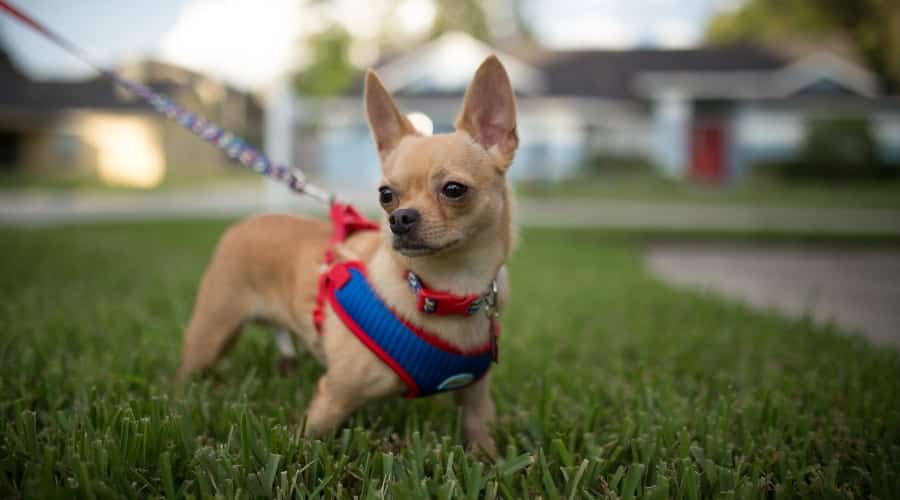
Lifestyle adjustments also play an essential role in symptom control. Veterinarians often recommend switching from a collar to a dog harness, maintaining a healthy weight, avoiding smoke and airborne irritants, and limiting exposure to hot or humid conditions, all of which can worsen coughing episodes.
With consistent management and monitoring, many Chihuahuas with collapsing trachea can remain comfortable and active for years.
7. Multiple Eye Disorders
Chihuahuas are at higher risk for several eye disorders, including cataracts, glaucoma, progressive retinal atrophy (PRA), and chronic dry eye, also known as keratoconjunctivitis sicca (KCS).
These genetic eye conditions can gradually impair vision or, in severe cases, threaten the eye itself. Because eye problems can progress quickly — and dogs often hide discomfort — early recognition is especially important.
Common Eye Disorders in Chihuahuas
Chis are most commonly affected by the following eye conditions:
- Cataracts occur when the lens of the eye becomes cloudy, blocking light from reaching the retina. As cataracts mature, vision progressively declines and may eventually lead to blindness. Surgery is the only effective treatment when vision is significantly impaired.
- Glaucoma results from increased pressure inside the eye, leading to pain and potentially permanent vision loss if left untreated.
- Dry eye (keratoconjunctivitis sicca) occurs when tear production is insufficient, leading to chronic irritation, inflammation, and a higher risk of infection.
- Progressive retinal atrophy (PRA) is an inherited disease that causes gradual degeneration of the retina. While not painful, it eventually leads to blindness, and there is currently no cure.
Eye Disorder Symptoms
Many eye conditions share similar warning signs:
- Squinting or excessive blinking
- Redness, inflammation, or cloudiness
- Sensitivity to light
- Yellow or green discharge
- Pawing at the face or rubbing the eyes
Diagnosis & Treatment
Eye problems in Chihuahuas should always be treated as time-sensitive. Veterinarians diagnose eye disorders using a combination of eye exams, staining tests, tear production measurements, and intraocular pressure testing.
Treatment depends on the specific condition and severity and may include prescription eye drops, lubricants, antibiotics, anti-inflammatory medications, or surgery. Prompt treatment is critical — early intervention can mean the difference between preserving vision and permanent eye damage or loss.
8. Spinal Problems
Chihuahuas are prone to spinal injuries and intervertebral disc disease (IVDD), a condition that affects the cushioning discs between the vertebrae. When a disc bulges or ruptures, it can press on the spinal cord, leading to pain, nerve damage, and, in severe cases, paralysis.

IVDD can develop gradually or suddenly in Chis. Some dogs show subtle stiffness or reluctance to move at first, while others decline rapidly over hours or days. Because of their small size and delicate spines, even minor jumps, falls, or rough handling can increase the risk of spinal injury.
IVDD Symptoms
Signs may appear slowly over weeks or months, or progress rapidly within hours or days.
- Unsteady, wobbly, or abnormal walking
- Hunched posture or a tense neck and back
- Crying out or yelping in pain
- Reluctance to move, jump, or be handled
- Loss of bladder or bowel control
- Partial or complete paralysis
Diagnosis & Treatment
Diagnosis usually begins with a neurological exam, followed by imaging such as X-rays, and in more serious cases, advanced imaging (CT or MRI) to assess spinal cord compression.
Early intervention is critical for the best outcome.
- Mild cases may be managed with pain medication, anti-inflammatory drugs, strict activity restriction, and physical therapy.
- Moderate to severe cases often require surgery to relieve pressure on the spinal cord and reduce the risk of permanent nerve damage.
9. Hydrocephalus
Hydrocephalus is a serious neurological condition seen more often in Chihuahuas than in many other breeds. It occurs when cerebrospinal fluid accumulates around the brain, increasing pressure inside the skull. This condition is commonly associated with toy breeds with domed heads and may also be linked to the presence of a molera, or soft spot, on the skull.
Hydrocephalus in Chis is usually congenital, meaning it develops before or shortly after birth, though symptoms may not become evident until a Chi is several weeks or months old. Increased pressure on the brain can interfere with normal neurological function, leading to coordination problems, behavioral changes, and seizures. Severity varies — some Chihuahuas have mild, manageable symptoms, while others are more seriously affected.
Hydrocephalus Symptoms
- Seizures
- Poor coordination or difficulty walking
- Abnormally large or domed head (especially in puppies)
- Lethargy or mental dullness
- Vision problems
- Difficulty with training or learning
- Pressing the head against walls or furniture
Diagnosis & Treatment
Diagnosis typically involves a neurological exam, along with imaging such as ultrasound (in puppies with open moleras), CT scans, or MRI to assess fluid buildup around the brain.
Treatment depends on severity.
- Mild to moderate cases are often managed with long-term medications to reduce fluid production, control seizures, and decrease brain inflammation.
- Severe cases may require surgical placement of a shunt to drain excess fluid away from the brain. Surgery is performed by veterinary specialists and can be costly, but it may significantly improve quality of life in carefully selected cases.
Hydrocephalus is a lifelong condition, but with early diagnosis and consistent management, some Chihuahuas can live comfortable, stable lives.
10. Obesity
Obesity is one of the most common — and most preventable — health problems in Chihuahuas. Chis may be tiny, but they’re often highly food-motivated and prone to overeating, especially when treats and table scraps become part of the routine. Even a small amount of extra weight can have an outsized impact on a Chihuahua’s health.

Because of their small frames and delicate joints, just a few extra ounces can worsen existing conditions such as joint disease, spinal problems, heart disease, and collapsing trachea. Excess weight also increases the risk of diabetes, reduces stamina, and can significantly lower a Chi’s overall quality of life.
Obesity Symptoms
- Noticeable weight gain or loss of a visible waist
- Difficulty feeling the ribs under a layer of fat
- Reduced energy during walks or play
- Reluctance to jump or climb stairs
- Increased stiffness or worsening mobility issues
Diagnosis & Treatment
Veterinarians assess weight using a body condition score (BCS), which evaluates rib coverage, waist definition, and fat distribution. Regular weigh-ins are especially important for Chihuahuas, as small changes can be easy to miss day to day.

Weight management focuses on dietary control and safe, regular exercise. This often includes portion control, limiting treats to no more than 10% of daily calories, and incorporating low-impact activities such as short walks or controlled play. In some cases, veterinarians may recommend prescription weight-management diets or joint-support supplements.
Gradual, sustained weight loss is key. Maintaining a healthy weight can significantly reduce strain on a Chihuahua’s joints, spine, heart, and respiratory system — helping your Chi stay comfortable and active longer.
Other Chihuahua Health Issues
In addition to the more common conditions listed above, Chihuahuas can experience several other health issues that owners should be aware of. These problems may be less common, but they can still affect a Chi’s comfort, behavior, and long-term health if left unaddressed.
- Sensitive stomach
Some Chis experience frequent gastrointestinal upset, which may be linked to food sensitivities, allergies, inflammatory bowel disease (IBD), or stress. - Anal sac impaction
This occurs when anal gland fluid thickens and fails to drain properly, leading to discomfort, scooting, licking, or infection. - Skin problems and allergies
Chihuahuas may develop environmental or food-related allergies that cause itching, redness, hair loss, or recurrent skin infections. - Reverse sneezing
Many Chis experience episodes of rapid, forceful inhalation that sound alarming but are usually harmless. While common, frequent or severe episodes should still be discussed with a veterinarian. - Portosystemic (liver) shunts
These congenital abnormalities prevent the liver from properly filtering toxins from the blood. Affected Chihuahuas may show neurological signs, poor growth, behavioral changes, or chronic digestive issues. - Bladder stones
Some Chis are prone to urinary crystal or stone formation, which can cause pain, urinary blockages, or repeated urinary tract infections. - Behavioral concerns, including aggression
Fear-based aggression, resource guarding, or reactivity can sometimes be linked to pain, anxiety, poor socialization, or underlying medical conditions.
While not every Chihuahua will experience these issues, recognizing early warning signs and maintaining regular veterinary care can help catch problems before they become serious.
DNA testing can offer valuable insights into a Chihuahua’s genetic health risks, especially for inherited conditions that may not show symptoms early in life. Some at-home dog DNA tests screen for markers linked to conditions like degenerative neurological conditions, metabolic disorders, or drug sensitivities, which can help owners and veterinarians plan ahead.
Average Costs For Several Common Chihuahua Health Issues
Many Chihuahua health problems aren’t one-time expenses. Chronic conditions, repeat flare-ups, and surgical interventions can add up quickly — especially over a Chi’s long lifetime.
Below are average pet insurance claim estimates reported by major providers for conditions commonly seen in Chihuahuas. Actual costs vary based on location, severity, and treatment plan, but these figures offer a realistic snapshot of what owners may face.
According to Fetch Pet Insurance, average claim costs for Chihuahuas include:
- Walking abnormalities: $2,400–$3,500
- Gastric issues: $1,900–$3,100
- Oral inflammation and dental disease: $1,400–$2,000
Data from Embrace Pet Insurance shows similar ranges for other common Chihuahua conditions:
- Patent Ductus Arteriosus: $2,500-$5,000
- Patellar luxation surgery: $1,500–$3,000
- Legg-Perthes Disease: $1,500-$3,000
For many Chihuahua owners, planning ahead — whether through savings, pet insurance, or a combination of both — can help ensure medical decisions are guided by what’s best for the dog, not just the cost of care.
Frequently Asked Questions
Below are answers to the questions readers most often ask about Chihuahua health. If you don’t see your question here, feel free to ask us in the comments.

What Is The Average Chihuahua’s Lifespan?
According to the American Kennel Club, Chihuahuas have an average lifespan of 14 to 16 years, making them one of the longer-lived dog breeds. That said, not every Chi reaches this range. Lifespan varies based on genetics, overall health, weight, and lifestyle.
Preventive care plays a significant role. Routine vet visits, dental care, weight management, and early treatment of health issues can significantly improve a Chihuahua’s chances of living a long, comfortable life. Some well-cared-for Chis live into their late teens.
What Do Chihuahuas Usually Die From?
Recent studies and veterinary data suggest that heart disease, lower respiratory tract disorder, and traumatic injury are among the leading causes of death in Chihuahuas. Because of their small size, Chis are especially vulnerable to injuries from falls, being stepped on, or accidents involving larger dogs.
Many of these risks are tied to breed-specific predispositions, which is why early monitoring and lifestyle adjustments can make a meaningful difference.
Why Are Pugs Predisposed To So Many Health Issues?
Chihuahuas are prone to certain health problems due to a combination of genetics, small body size, and selective breeding. Their delicate bones, crowded teeth, sensitive airways, and long lifespans increase the likelihood of dental disease, orthopedic injuries, heart conditions, and neurological issues compared to some other breeds.
That doesn’t mean health problems are inevitable. Responsible breeding, preventive care, and informed ownership go a long way toward reducing risks and improving long-term outcomes.
What’s The Best Diet For Pugs?
Feeding a high-quality, nutritionally balanced diet plays a major role in a Chihuahua’s long-term health. Proper nutrition supports immune function, dental health, joint stability, and healthy weight — all areas that are especially important for Chis given their small size and breed-specific risks.
Choosing food that matches your Chihuahua’s age, activity level, and any existing health conditions can help reduce the likelihood of obesity-related complications and support overall vitality. Portion control is just as important as ingredient quality, since even small amounts of overfeeding can have a big impact on a Chi’s body.
If you’re looking for guidance, check out our top picks for the best dog food for Chihuahuas at every life stage. You may also find these related guides helpful:
Every Chihuahua is different. What health challenges have you faced with your Chi, and what’s helped the most? We’d love to hear your experience in the comments below.