
When you purchase through links on our site, we may earn a commission at no extra cost to you. Learn more.
If your dog won’t stop licking their paws, rubbing their face on the carpet, or scratching until their skin turns red, seasonal allergies could be the reason.
Table of Contents
In dogs, allergies rarely look like sneezing. They look like itching. Here’s how to tell if it’s seasonal allergies, what else it could be, and what actually helps.

Start Here: Is This Seasonal Allergies Or Something Else?
When dogs develop seasonal allergies, the signs are often subtle at first.
A little extra head shaking. A bit more scratching than usual. Maybe a faint musty smell you can’t quite place.
Want our human-written content to rank above AI-generated garbage? Help us out by clicking this button!
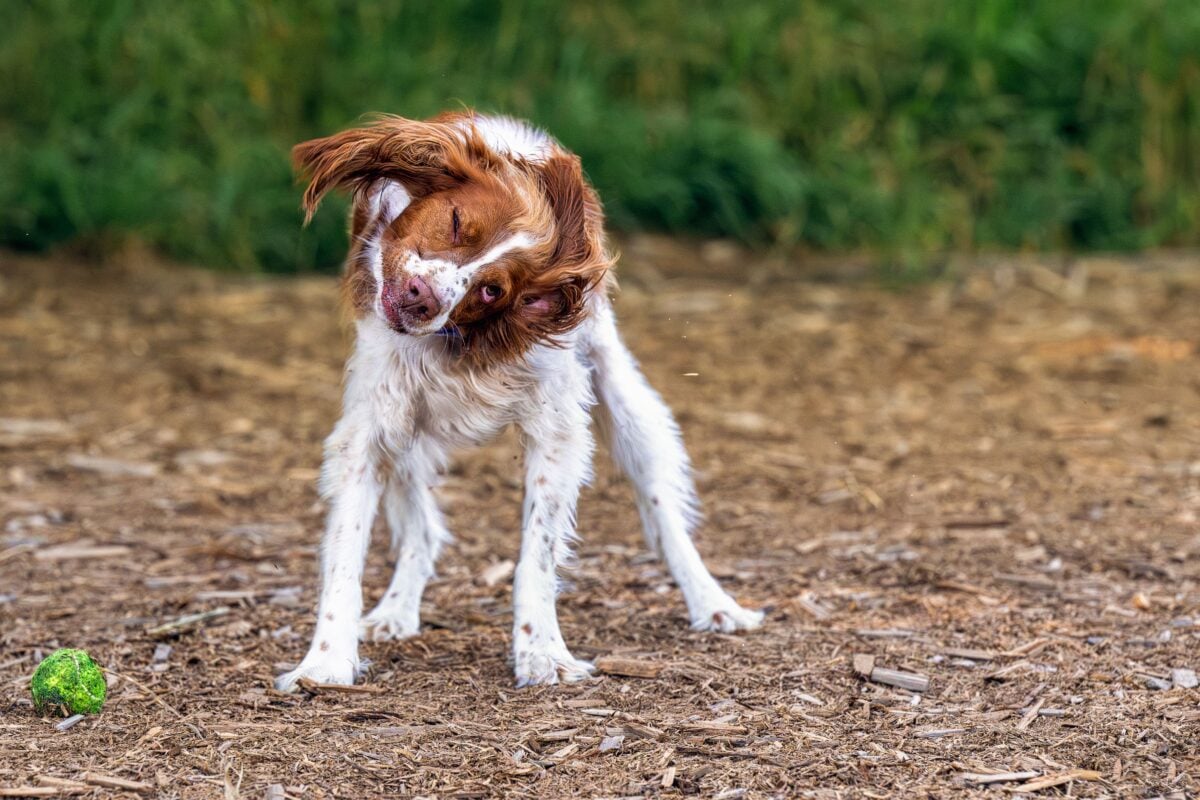
Over time, though, it becomes clear something isn’t right. Before assuming it’s allergies, it helps to run through a quick check.
The 60-Second Symptom Check
Seasonal allergies in dogs most commonly show up as skin problems:
- Licks or chews their paws daily
- Gets recurrent ear infections
- Rubs their face on furniture or carpet
- Has a red belly or inner thigh rash
- Develops thinning fur in irritated areas
- Smells yeasty or musty despite bathing
If your dog licks their paws daily, gets recurring ear infections, and has red belly skin, seasonal allergies are very likely.
You can read more about the broader picture in our guide to allergies in dogs, but seasonal triggers have a few specific patterns we’ll break down below.
When To Call Your Veterinarian Immediately
Most allergy flare-ups are uncomfortable, not dangerous. But some situations require prompt care.
Contact your vet if your dog:
- Has raw, bleeding, or oozing skin
- Develops thick ear discharge or severe head shaking
- Shows swelling of the face or muzzle
- Has sudden lethargy or breathing difficulty
- Stops eating or seems painful
Those signs can indicate infection, severe inflammation, or a different underlying condition.
Don’t Wait If You See: Raw skin, thick ear discharge, facial swelling, breathing difficulty, or sudden lethargy.
What Do Seasonal Allergies Look Like In Dogs?
In humans, allergies usually mean sneezing, watery eyes, and congestion. In dogs, allergies almost always mean skin.
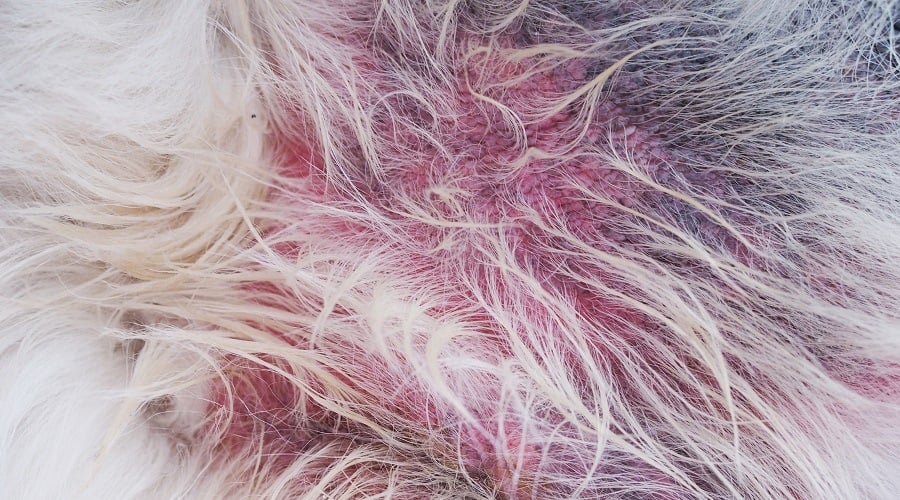
The medical term veterinarians use is atopic dermatitis. It describes an inherited tendency for the immune system to overreact to environmental triggers like pollen, grass, mold spores, or dust mites.
Instead of nasal congestion, dogs develop inflammation in the skin barrier.
The Most Common Symptoms
Seasonal allergies in dogs typically include:
- Persistent itching
- Red or inflamed skin
- Paw chewing or licking
- Recurring ear infections
- Hair thinning in irritated areas
- Greasy, flaky, or thickened skin over time
Some dogs also experience:
- Mild eye discharge
- Red or watery eyes
- Occasional sneezing
If eye symptoms are prominent, you may also want to review our guide to dog allergies and eyes or safe eye drops for dogs.
While respiratory signs can happen, they’re much less common than skin irritation. If your dog is sneezing frequently, see our breakdown on dog sneezing for other possible causes.
Where Dogs Get Itchy First
Certain areas are more vulnerable because they’re exposed and have thinner skin.

Most commonly affected areas include:
- Paws (especially between toes)
- Ears
- Face and muzzle
- Armpits
- Inner thighs
- Belly
- Base of tail (must rule out fleas here)
If your dog is licking their paws constantly after walks or waking up at night to scratch, seasonal allergies move higher on the list.
You can also explore our broader guide on dog skin allergies for related patterns.
Why It Usually Starts Between 6 Months And 3 Years
Most dogs with seasonal allergies show symptoms for the first time between six months and three years of age. That’s because environmental allergies are genetic. Some dogs inherit a weaker skin barrier and a more reactive immune system.
It’s not something they “catch.” Their immune system is wired to overreact.
Certain breeds are especially prone, which we’ll cover shortly.
Seasonal Allergies vs Food Allergies vs Fleas
Here’s where things get confusing. All three conditions can cause itching. All three can look nearly identical in early stages.
But treatment differs significantly.
| Seasonal Allergies | Food Allergies | Flea Allergy | |
|---|---|---|---|
| Triggers | Pollen, grass, mold, dust mites | Protein source (chicken, beef, dairy most common) | Flea saliva |
| Timing | Often worse in spring and fall | Year-round | Can occur any time fleas are present |
| Most Affected Areas | Paws, ears, belly, face | Paws, ears, generalized itching | Base of tail, lower back, hindquarters |
| GI Symptoms | Rare | More common (soft stool, vomiting, gas) | No |
| Improves With Weather Changes? | Often yes | No | No |
| First Step | Rule out fleas, consider allergy testing if persistent | Veterinary-guided elimination diet | Strict flea prevention and treatment |
Seasonal Allergies
- Often worse in spring and fall
- Triggered by pollen, grass, mold, dust mites
- Commonly affects paws, ears, belly
- May fluctuate with weather changes
- Typically begins between 6 months and 3 years
Food Allergies
- Usually year-round
- Does not improve with weather change
- May include gastrointestinal symptoms
- Requires elimination diet to diagnose
If food is suspected, your veterinarian may recommend a prescription diet trial before making changes on your own. See our review of the best dog food for allergies for more on that process.
Flea Allergy Dermatitis
- Intense itching at tail base and lower back
- Can occur even without visible fleas
- Improves quickly with proper flea control
Even one flea bite can trigger a major reaction in sensitive dogs. That’s why vets always rule out fleas first. If you’re unsure, review how to get rid of fleas on dogs to make sure prevention is solid.
Still Not Sure?
- Worse during certain seasons → likely environmental
- Year-round itching → consider food
- Tail-base itching → rule out fleas first
What About Mange Or Other Skin Conditions?
Skin parasites like mange can also cause severe itching and hair loss. These conditions often require skin scrapings and prescription treatment.
If your dog’s itching seems extreme or spreads rapidly, learn more about mange in dogs to understand how it differs from allergies.
When To Consider Allergy Testing
If your dog’s symptoms persist despite ruling out fleas and food triggers, your veterinarian may suggest testing.
Options include:
- Intradermal skin testing
- Blood allergy panels
- Elimination diet trials
- At-home allergy kits (screening only)
Testing isn’t always necessary, but it can help tailor long-term management, especially in severe cases. We break down pros and cons in our full guide to the dog allergy test.
When Is Allergy Season For Dogs?
For many dogs, allergy flare-ups peak in the spring and fall when pollen counts are highest.
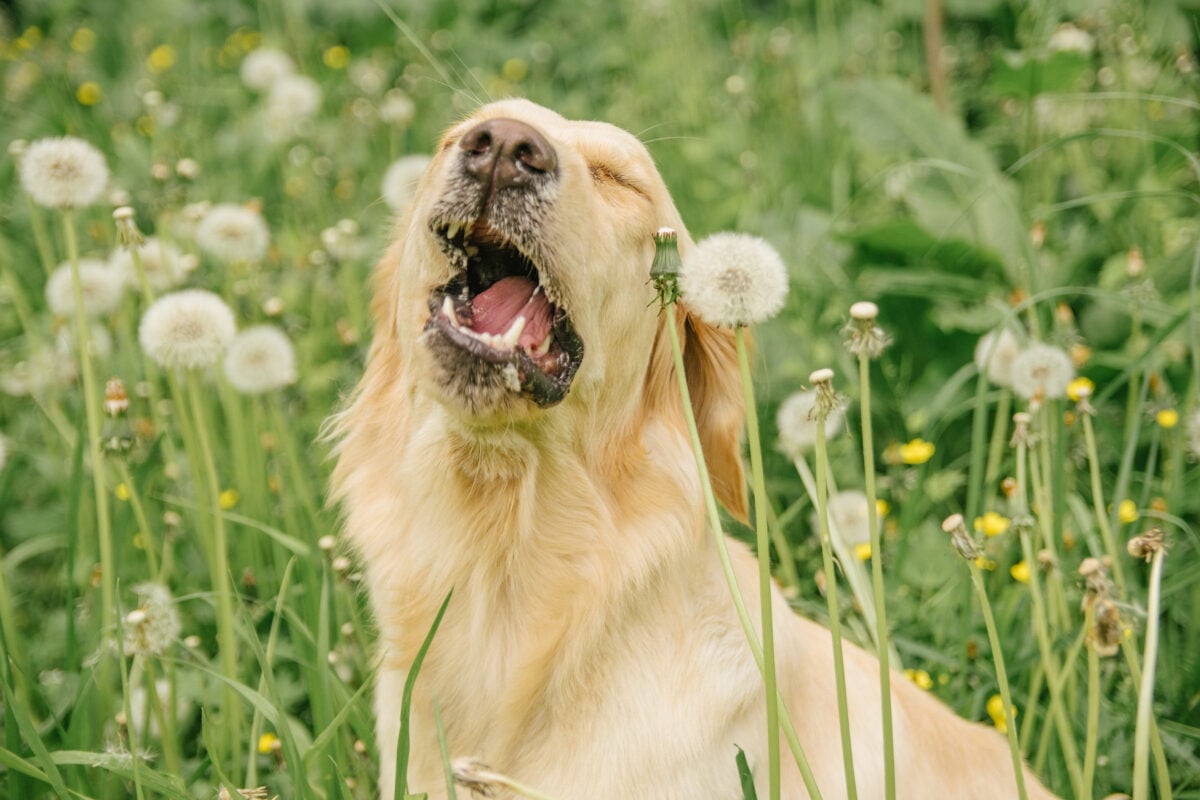
Trees in early spring. Grasses in late spring and summer. Ragweed in fall.
But some dogs itch year-round.
That’s because environmental allergens aren’t limited to outdoor pollen. Mold spores, dust mites, and indoor allergens can trigger symptoms in any season.
So if your dog improves when winter arrives and flares again when plants bloom, seasonal allergies are likely. If symptoms never fully disappear, environmental allergies may still be involved, just with multiple triggers.
Why Some Dogs Are More Prone To Seasonal Allergies
Seasonal allergies are not random. They’re genetic.
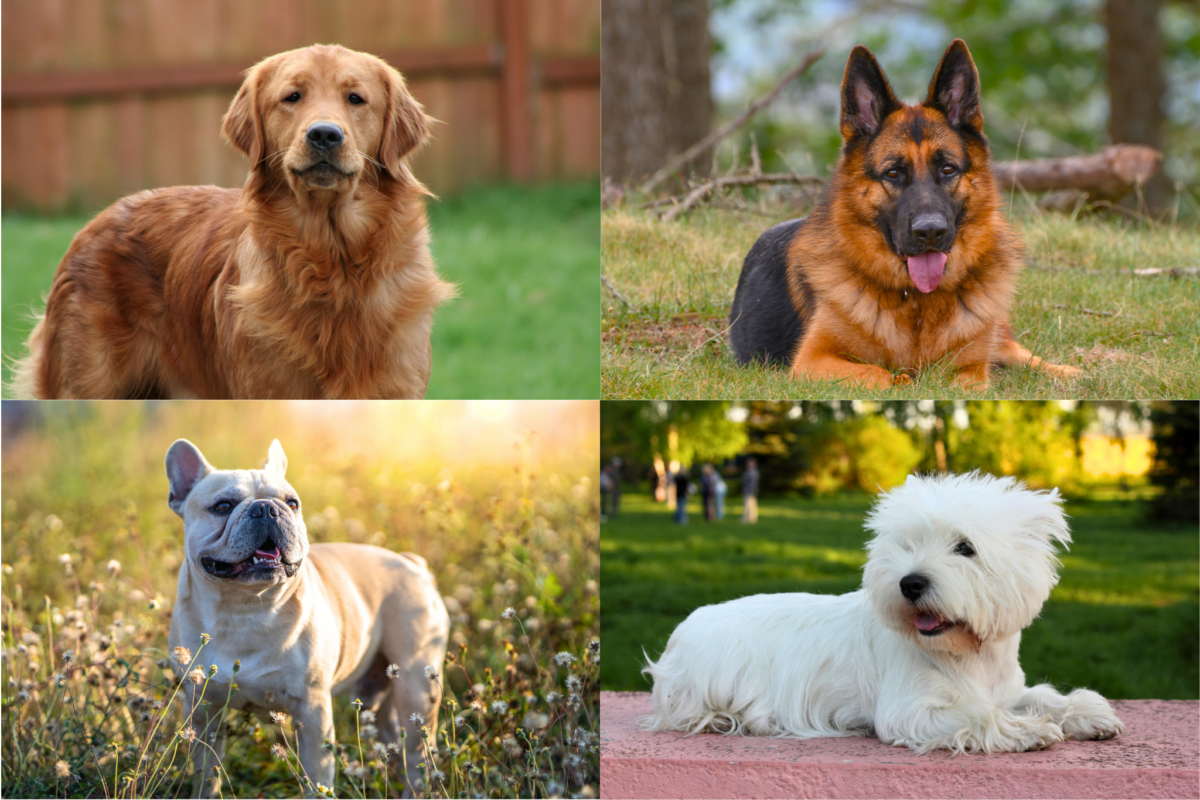
Some dogs inherit a weaker skin barrier and a more reactive immune system. That means allergens penetrate more easily, and inflammation ramps up faster.
Veterinarians call this predisposition atopy. Once symptoms begin, they tend to recur annually and may gradually worsen without management.
Breeds Frequently Affected By Atopic Dermatitis
Certain breeds show significantly higher rates of environmental allergies. These include:
- Golden Retrievers (see Golden Retriever health issues)
- Labrador Retrievers (see Labrador Retriever health issues)
- West Highland White Terriers
- Scottish Terriers
- Cocker Spaniels (see Cocker Spaniel health issues)
- Dalmatians
- German Shepherds (see German Shepherd health issues)
- English Bulldogs (see English Bulldog health issues)
- French Bulldogs (see French Bulldog health issues)
- Lhasa Apsos
- Shar-Pei
- Shih Tzus (see Shih Tzu health issues)
Flat-faced breeds may be especially prone due to skin folds and chronic inflammation. You can read more about brachycephalic dogs and their unique challenges.
That said, mixed breeds can absolutely develop seasonal allergies. No dog is immune.
What Untreated Seasonal Allergies Turn Into
This is where many pet parents get caught off guard. Allergies rarely stay mild. Without management, they often follow a predictable progression.
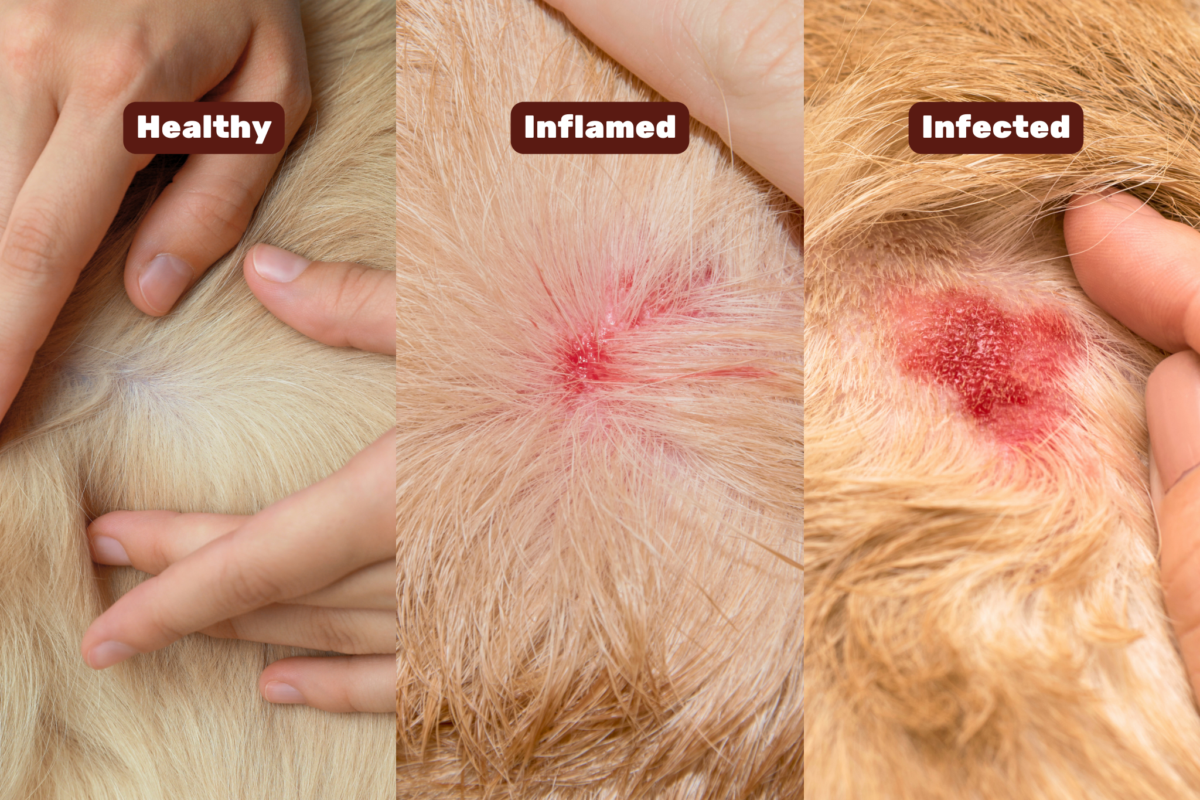
Stage 1: Mild Itching
- Occasional paw licking
- Light scratching
- Subtle redness
At this stage, many owners assume it’s temporary.
Stage 2: Chronic Inflammation
- Persistent redness
- Hair thinning
- Thickened or darkened skin
- Constant licking
The skin barrier becomes compromised. Inflammation becomes self-perpetuating.
Stage 3: Secondary Infection
- Strong yeast or musty odor
- Oozing or crusting skin
- Painful ear infections
- Increased head shaking
Once infection sets in, itching intensifies. Scratching increases. The cycle accelerates.
Allergy Escalation Happens Slowly — Until It Doesn’t. Early intervention prevents infections, which are far harder (and more expensive) to treat.
Why Benadryl Often Doesn’t Work (And What Actually Does)
When your dog starts itching, many people reach for antihistamines first.
It makes sense. That’s what humans use. But dogs are not small humans.
In dogs, histamine is only part of the itch pathway. By the time you see active scratching, inflammation is already well underway. That’s why medications like diphenhydramine (Benadryl) often provide little to no relief once symptoms are obvious.
We break down safe dosing and expectations in our guide to Benadryl for dogs, but the short version is this: Antihistamines may help mildly affected dogs as prevention. They rarely stop an active flare-up.
What Veterinarians Use Instead
Veterinary treatment usually focuses, licensed via reducing inflammation rather than blocking histamine alone.

Common options include:
- Prescription antihistamines (for mild cases)
- Anti-inflammatory medications
- Short courses of steroids for severe flare-ups
- Targeted immune-modulating drugs
- Injectable therapies for long-term control
- Allergen-specific immunotherapy
You can read a broader overview in our full guide to dog allergy treatment and best allergy medicine for dogs. For dogs with confirmed environmental triggers, allergy shots for dogs may reduce long-term reactivity over time.
Key Takeaway: There is no single “silver bullet.” Management is usually layered.
What To Do During A Flare-Up (Quick Action Plan)
If your dog is actively itching right now, focus on control — not experimentation. Here’s a practical, step-by-step plan.
5-Steps For Allergy Flare-Ups
- Check the ears immediately. Look for redness, odor, discharge, or head shaking.
- Inspect paws and belly. Look for redness between toes and under arms.
- Bathe with a medicated shampoo. This removes surface allergens and soothes inflammation.
- Avoid sudden food changes. Switching foods mid-flare often complicates diagnosis.
- Call your veterinarian if skin is raw or oozing. Secondary infections require prescription treatment.
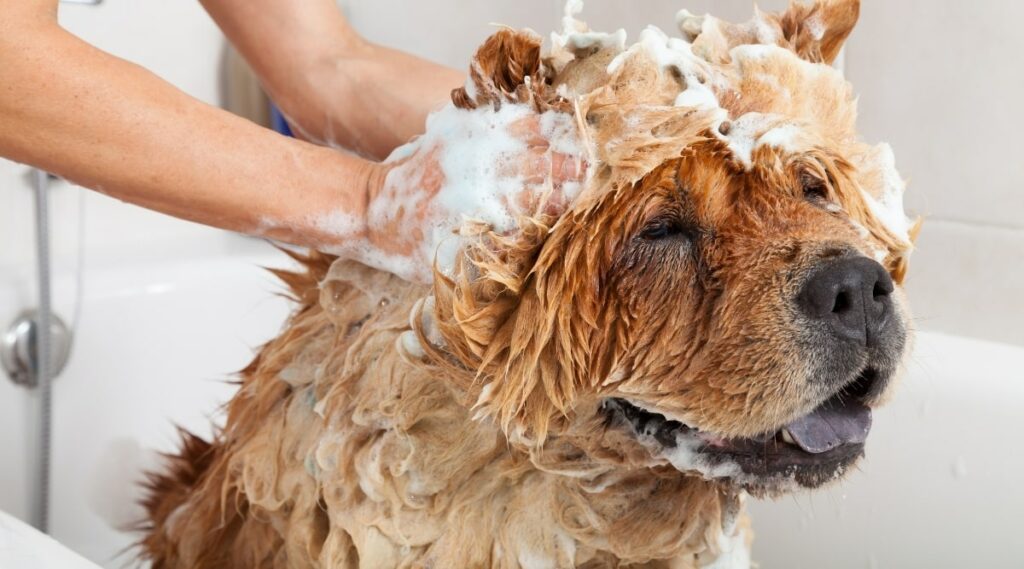
Why Bathing Matters So Much: Bathing physically removes pollen and environmental allergens before they penetrate deeper into the skin barrier. You can review ingredient recommendations in our guide to the best dog shampoo for allergies.
Long-Term Management: Reducing Future Flare-Ups
Once a flare is controlled, prevention becomes the priority. Think of seasonal allergies as a maintenance condition. The goal is to reduce how often flares happen — and how intense they become.
1. Reduce Allergen Exposure
Small adjustments can make a noticeable difference:
- Wipe paws after walks
- Keep grass trimmed
- Avoid outdoor activity during peak pollen hours
- Wash bedding weekly
- Use HEPA vacuum filters
If you know the specific allergen, these adjustments become even more targeted.
2. Bathing & Moisturizing Strategy
Frequency depends on severity.
- Mild symptoms: every 2–3 weeks
- Moderate symptoms: weekly
- Severe flare periods: every 3–4 days (with vet guidance)
Look for:
- Fragrance-free formulas
- Proper pH for dogs
- Soothing ingredients like oatmeal
- Moisturizing agents to support the skin barrier
Allergy-prone dogs benefit from consistent skin support, not occasional bathing.
3. Supplements That May Help
Omega-3 fatty acids support skin barrier function and reduce inflammation. Fish oil and flaxseed oil are great options. You can learn more in our guide to fish oil for dogs.
Other options include targeted dog allergy supplements.
Always consult your veterinarian before starting supplementation to ensure proper dosing.
Allergy Season Survival Kit
A simple toolkit can make flare management much easier. Keep these on hand:
- Medicated shampoo
- Gentle ear cleaner
- Paw wipes
- Omega-3 supplement
- Flea prevention
- Your vet’s phone number saved
It’s all about staying prepared. When you recognize early symptoms, quick action prevents escalation.
Does Diet Really Help Seasonal Allergies?
This is one of the most common questions pet parents ask. If the allergy is environmental, changing food will not cure it; however, diet can absolutely influence how severe flare-ups become.

Environmental allergies damage the skin barrier. A well-balanced diet supports repair and immune regulation. Think of diet as support — not a magic fix.
When A Food Change Makes Sense
A dietary trial may be helpful if:
- Symptoms are year-round
- GI issues accompany itching
- Seasonal pattern is unclear
- Medications aren’t working as expected
In those cases, your veterinarian may recommend a prescription elimination diet. If you’re exploring options, our review of the best dog food for allergies breaks down common approaches.
How Much Do Seasonal Allergies Cost To Manage?
Seasonal allergies are common — and they are manageable — but they are not always inexpensive. Costs vary widely depending on severity and treatment approach.
Initial Evaluation
- Veterinary exam: $50–$100
- Skin testing or blood testing: $200–$400+
- Cytology for ear infections: additional fees
If testing is recommended, you can read more about what’s involved in our dog allergy test guide.
Medications
Monthly costs may include:
- Prescription anti-inflammatories
- Injectable immune-modulating therapies
- Topical ear medications
- Medicated shampoos
Depending on the dog, this can range from $30 to $150+ per month during active seasons.
Allergy Shots (Immunotherapy)
Allergen-specific immunotherapy can reduce long-term reactivity in some dogs. Upfront and ongoing costs vary, but many owners find it helpful for severe cases. Learn more in our breakdown of allergy shots for dogs.

Does Pet Insurance Cover Allergy Treatment?
Some plans cover allergy diagnostics and treatment, including immunotherapy. Coverage varies by provider and policy. We explain details in our guide to does pet insurance cover allergy shots and testing.
Why Seasonal Allergies Seem More Common Than Ever
Many pet parents feel like allergies are increasing. You’re not imagining it.
Several factors likely contribute:
- Longer pollen seasons
- Warmer temperatures
- Increased urban environmental exposure
- More indoor time with dust mites
- Improved awareness and diagnosis
Environmental changes mean dogs are exposed to allergens for longer periods each year. For predisposed dogs, that can mean earlier onset and more intense flare cycles.
When To See A Veterinary Dermatologist
Most seasonal allergies can be managed by a primary care veterinarian. But referral may be helpful if:
- Flare-ups are frequent and severe
- Multiple medications fail
- Chronic ear infections persist
- Allergy testing is being considered
- Secondary infections are recurring
A veterinary dermatologist specializes in complex skin disease and may offer advanced testing or immunotherapy protocols. For dogs who suffer significantly each year, that level of expertise can be worthwhile.
Frequently Asked Questions
Seasonal allergies can feel repetitive and frustrating, especially when symptoms come back each year. Below are answers to the most common questions pet parents ask about seasonal allergies in dogs.
Don’t see your question? Respond in the comments, and we’ll get back to you!
What Month Are Dog Allergies The Worst?
Spring and fall are the most common peak seasons due to pollen levels. However, dogs allergic to indoor allergens may itch year-round.
Can Seasonal Allergies Cause Ear Infections?
Yes. The ear canal is lined with skin. When inflammation develops due to environmental allergens, yeast and bacteria can overgrow.
Recurrent ear infections are often one of the first signs of seasonal allergies.
Do Puppies Get Seasonal Allergies?
Most dogs develop symptoms between six months and three years of age. Very young puppies are less likely to show true environmental allergies.
Can Dogs Grow Out Of Seasonal Allergies?
Environmental allergies are usually lifelong. Symptoms may fluctuate in severity, but complete resolution is uncommon without management.
Are Some Breeds More At Risk?
Yes. Retrievers, Terriers, Bulldogs, and brachycephalic breeds show higher rates.
Can Seasonal Allergies Cause Sneezing Or Eye Discharge?
Occasionally. But in dogs, itching is far more common than respiratory symptoms.
If your dog is sneezing frequently, review our guide to dog sneezing. If discharge is present, see dog eye discharge home remedy for guidance.
What Should You Read Next?
If your dog’s itching isn’t fully explained yet, here are the next best steps:
- For a full overview of all allergy types, start with our guide to Allergies In Dogs.
- If you’re weighing medication options, see our breakdown of the Best Allergy Medicine For Dogs.
- Curious whether testing makes sense? Learn more about the Dog Allergy Test.
- Managing flare-ups at home? Explore the Best Dog Shampoo For Allergies and our guide to Fish Oil For Dogs.
- If ear infections are part of the pattern, review our advice on Dog Allergy Treatment.