When you purchase through links on our site, we may earn a commission. Here’s how it works.
When your dog is sick and won’t eat, it’s hard not to panic. Food is usually the one constant in a dog’s day — the moment they perk up for, the routine they never miss. So when a full bowl sits untouched, it can feel like something is deeply wrong.
Table of Contents
A loss of appetite in dogs often goes hand in hand with illness. Sometimes it’s a short-term response to nausea, pain, stress, or fatigue. Other times, it’s one of the first signs that a medical issue needs attention. The hard part is knowing which situation you’re in.
This guide is designed to walk you through the process step by step, from the moment your dog skips a meal to the point where home care is no longer enough. We’ll cover what to do first, how to gently encourage eating, what to feed a sick dog with no appetite, and when it’s time to stop troubleshooting and call your veterinarian.
You don’t need to do everything at once. You just need to know what comes next.
Why Sick Dogs Stop Eating
Before jumping straight to food fixes or home remedies, it’s helpful to understand why appetite can disappear when dogs are unwell. Appetite loss is often the body’s response to discomfort.
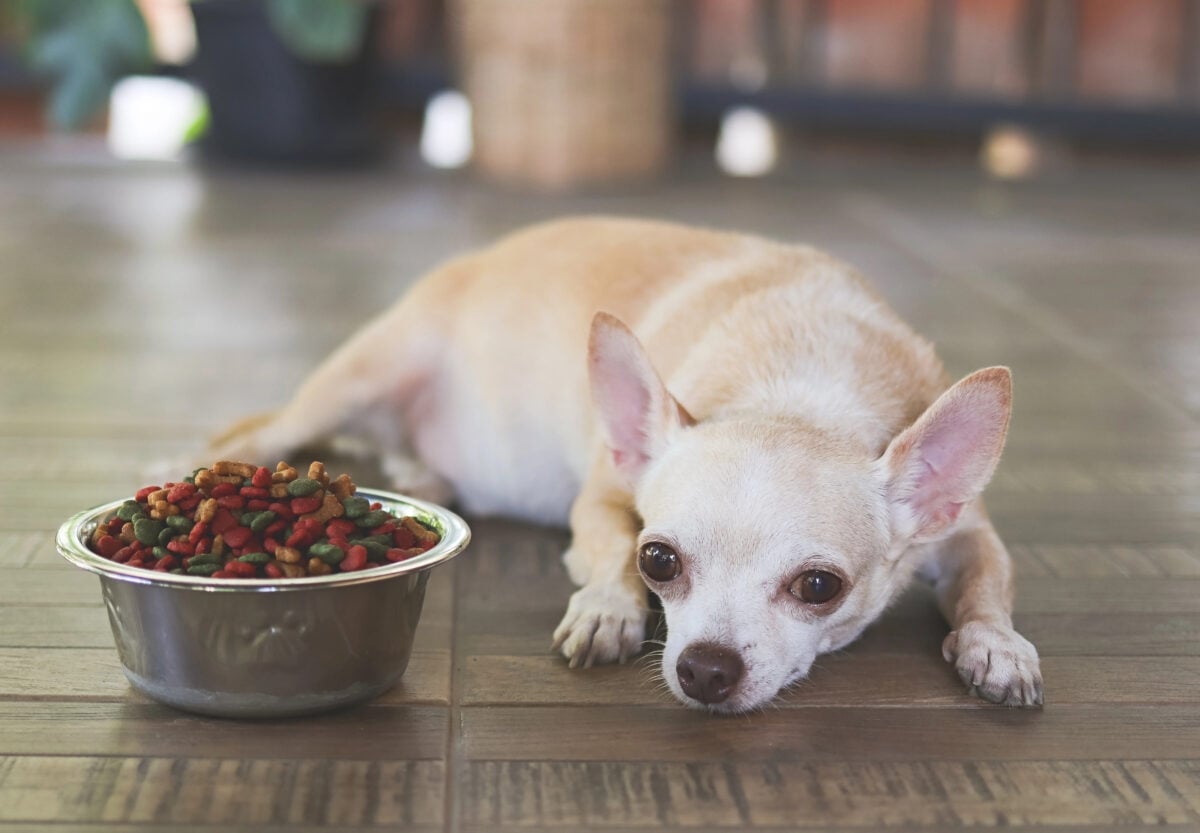
When a sick dog won’t eat, it feels different than a skipped meal on a typical day. On a healthy day, dogs might turn down food because they’re distracted or already full. When they’re sick, refusal tends to look more deliberate — sniffing the bowl, turning away, or walking off entirely.
Appetite loss is one of the most common signs of illness in dogs. It shows up when the body is dealing with something that makes eating feel unpleasant, unnecessary, or even risky.
Common reasons include:
- Stomach upset or nausea can make eating feel like too much, even when the illness is mild.
- Ongoing or chronic conditions like digestive disease, kidney or liver problems, parasites, or hormonal imbalances often cause appetite loss that doesn’t resolve on its own.
- Illness, fever, or infection can drain energy and suppress appetite while the body focuses on healing.
- Dental pain or mouth discomfort may cause dogs to approach the bowl and walk away because chewing hurts.
- Medication side effects can dull appetite, even when the medication is helping in other ways.
- Recovery from surgery or injury often comes with a temporary loss of interest in food.
- Stress from being unwell, including vet visits, confinement, and routine changes, can also shut down appetite.
In many cases, appetite loss is the body’s way of saying, “I don’t feel well enough to process food right now.”
Important takeaway:
A sick dog skipping one meal isn’t automatically an emergency. But repeated refusal, especially when paired with behavior changes, deserves closer attention.
Dogs Don’t Always Lose Their Appetite In The Same Way
Some dogs refuse food entirely and won’t take a single bite. Others nibble just enough to get by. Some turn down their regular meals but accept treats, soft foods, or hand-feeding. These differences matter because they tell you how severe the problem may be.
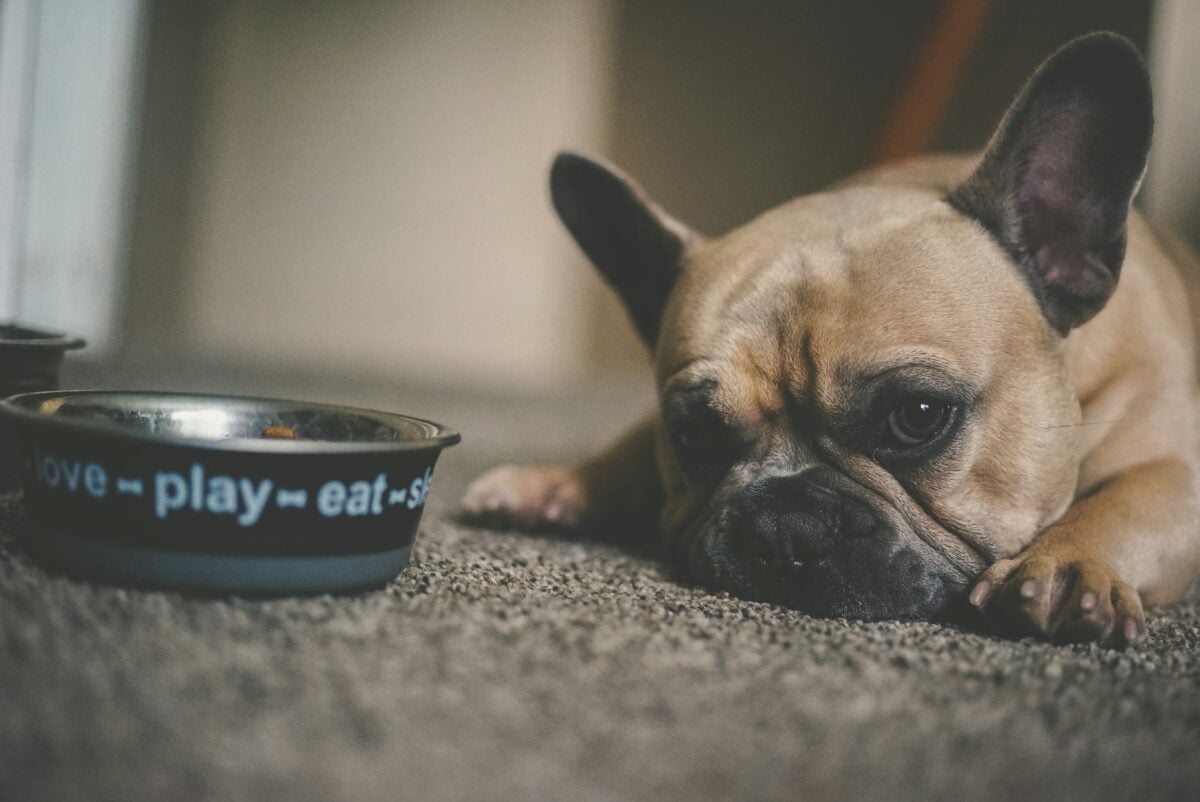
A sick dog who won’t eat but still drinks water, responds to you, and remains alert is very different from a dog who won’t eat and appears withdrawn, lethargic, or uncomfortable. Behavior often tells you more than the bowl does.
Signs that appetite loss may be mild and temporary:
- Your dog is still drinking water
- Energy level is only slightly reduced
- Bathroom habits are mostly normal
- Interest returns briefly, even if they don’t eat much
Signs that appetite loss may be more serious:
- Refusal to drink water
- Lethargy or weakness
- Vomiting or diarrhea
- Weight loss
- Hiding, trembling, or signs of pain
If your dog is mildly ill, staying hydrated, and still mostly acting like themselves, gentle home remedies for a dog’s appetite can be reasonable to try for a short period. But if appetite loss comes with worsening symptoms, waiting can make things more complicated.
So how do you know when it’s safe to wait, and when it’s time to act?
When Not Eating Becomes An Emergency
When your dog is already sick, an untouched food bowl feels heavier. You’re not just wondering if they’re being picky. You’re watching for signs, counting hours, and asking yourself whether you can manage this at home or if it’s time to call for help.
Not every sick dog who skips a meal is in danger. At the same time, appetite loss is one symptom you should never ignore for too long. The line between “wait and watch” and “call the vet now” usually comes down to time, hydration, and how your dog is acting overall.
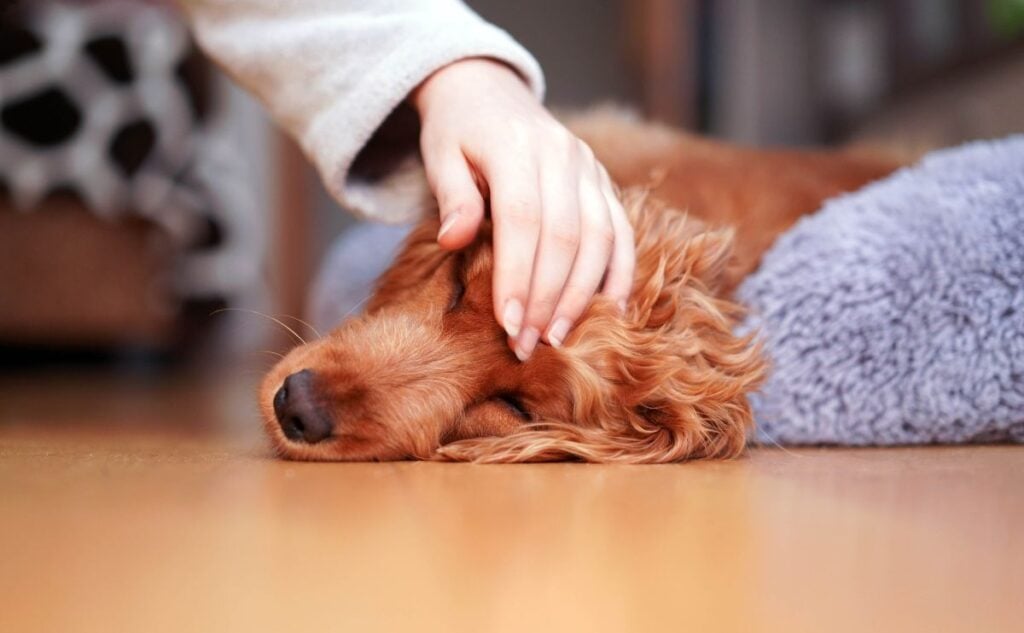
How Long Can a Sick Dog Go Without Eating?
Most otherwise healthy adult dogs can miss one meal or even a whole day without serious harm, especially if they’re still drinking water and are responsive.
But when dogs don’t feel well, eating often drops to the bottom of their priority list. Their body is focused on managing discomfort, inflammation, or nausea — and food just doesn’t register the same way.
If a sick dog hasn’t eaten for 48 hours, that’s a turning point. At that point:
- Dehydration becomes more likely
- Weakness and muscle loss can begin
- Underlying issues may worsen
- Recovery becomes harder
Key point:
A sick dog who has not eaten for two days needs veterinary guidance, even if they seem mostly okay. See our guide on how long a dog can go without eating to learn more.
Infographic: Signs To Watch For When Your Dog Stops Eating
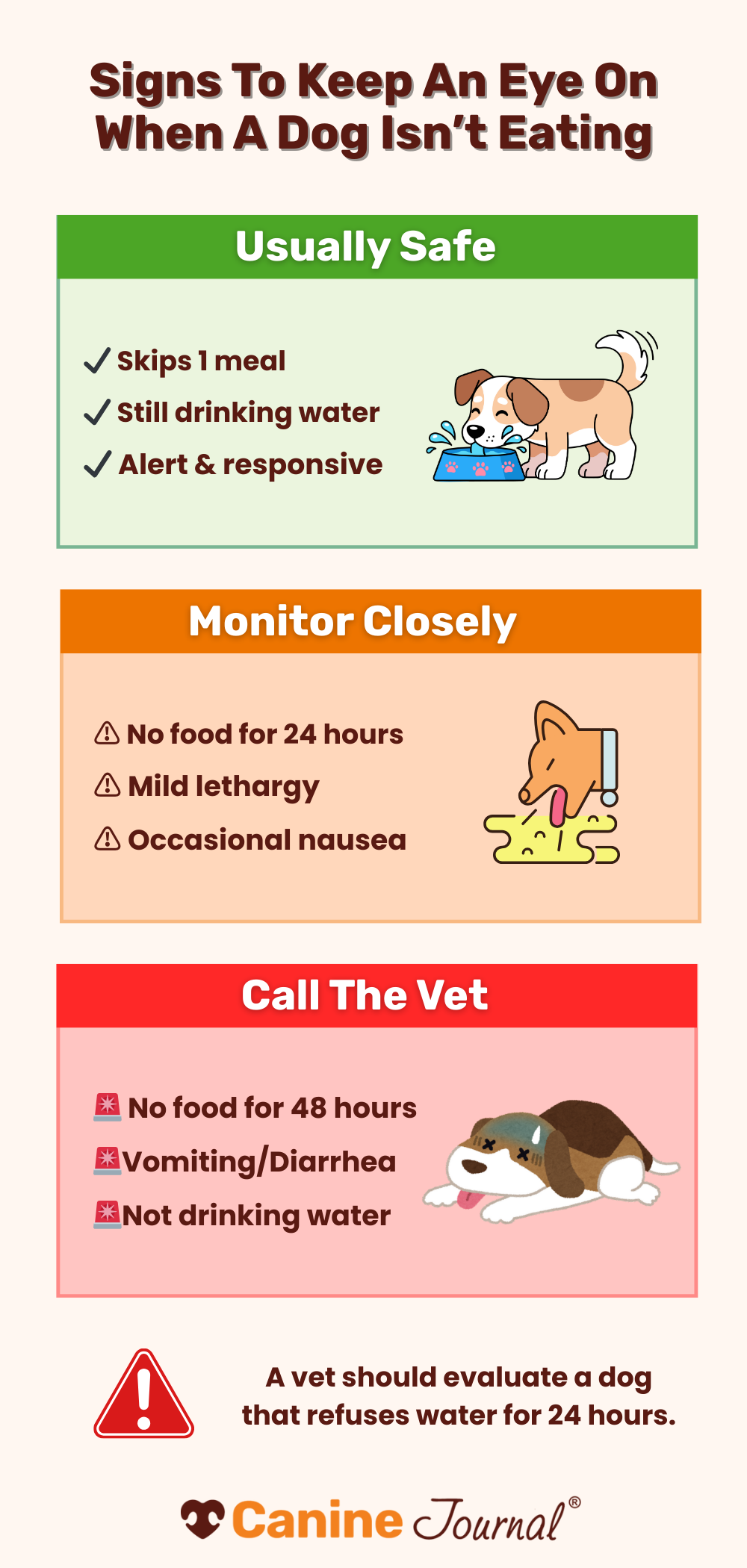
Why Drinking Water Matters More Than Food At First
Dogs can tolerate short periods without food. They cannot tolerate dehydration. If your sick dog refuses food but continues drinking water, that’s a reassuring sign.
If your sick dog refuses both food and water, that’s a medical emergency. Merck Veterinary Manual warns owners that water should never be withheld unless their dog is receiving supplemental fluids, such as either under the skin (subcutaneously) or directly into the blood vessels (intravenously).
Hydration supports:
- Circulation
- Kidney function
- Digestion
- Temperature regulation
- Medication effectiveness
This is why hydration always takes priority, even when trying home remedies for a sick dog not eating.
Signs That Mean You Should Call Your Vet Right Away
Appetite loss rarely happens in isolation when a dog is truly unwell. You should contact your veterinarian promptly if your sick dog is not eating and shows any of the following:
- Not drinking water
- Lethargy or weakness
- Vomiting or repeated nausea
- Diarrhea or constipation
- Noticeable weight loss
- Coughing, gagging, or wheezing
- Signs of pain or discomfort
- Behavior changes, such as hiding, withdrawal, or unusual quietness
These signs suggest that appetite loss is being driven by illness, pain, or dehydration that cannot be safely managed at home.
Puppies, Seniors, and Chronically Ill Dogs Need Faster Care
Some sick dogs should never “wait it out.” For these dogs, even a brief loss of appetite deserves a call to the vet.
- Puppies have limited energy reserves and can decline quickly.
- Senior dogs are more likely to have underlying conditions that affect appetite.
- Dogs with diabetes, kidney disease, liver disease, or cancer should be evaluated sooner rather than later.
Bottom line:
If your gut says something is wrong, trust that feeling. You live with your dog. You know what’s normal for them. When in doubt, it’s always okay to ask for help.ng isn’t right, trust them.
If your dog is stable, hydrated, and alert, you can move into gentle feeding support.
How To Get A Sick Dog To Eat (A Step-by-Step Plan)
When a dog refuses food, most of us want to fix it right away. But eating can’t be rushed when a dog isn’t feeling well. The goal isn’t to force food down their throats. It’s to make eating feel comfortable again. These steps start simple and become more hands-on only if needed, so you can stop as soon as something works.

Step 1: Give It A Little Time
If your dog skipped one meal but is still drinking water, alert, and mostly acting like themselves, it’s often okay to pause before jumping in. Dogs aren’t wired to eat on a strict schedule. When they’re dealing with stress, mild nausea, or fatigue, appetite is often the first thing to fade.
During this waiting period, focus on the bigger picture. What matters most is that:
- Your dog continues to drink water
- There is no vomiting or diarrhea
- Their energy level is close to normal
If those signs stay steady, giving your dog a little breathing room can prevent unnecessary stress around food. However, waiting is not appropriate if your dog is weak, dehydrated, or refusing water.
If waiting doesn’t help, it’s time to adjust the food itself.
Step 2: Make Food Smell Stronger & More Appealing
When dogs are sick, their sense of smell often dulls. Since smell plays a huge role in appetite, boosting aroma and palatability can make a surprising difference.
Try this first:
- Warm your dog’s food slightly in your microwave, but make sure it’s never hot
- Add a small amount of warm water or broth
- Stir their food to release the scent
Even dogs who refuse cold food may take an interest once the smell becomes stronger.
Safety note: Always check the temperature with your finger before offering food.
If smell alone doesn’t work, a small boost may help.
Step 3: Add A Small Temptation (Mixed In)
If warmed food still isn’t tempting, a small addition can make a difference.
Safe short-term options include:
- Plain boiled or shredded chicken
- Meat-based baby food
- Low-sodium bone broth
Mix these into your dog’s regular food rather than serving them alone. Why? The idea is to help your dog start eating again without creating picky eating habits once they recover. Keep portions small and increase only if needed.
If your dog still hesitates, comfort may be the issue.
Step 4: Try Hand-Feeding
Some sick dogs don’t refuse food because they aren’t hungry. They refuse it because they feel unsure, uncomfortable, or unsettled. In those moments, hand-feeding can provide reassurance and help lower their guard.
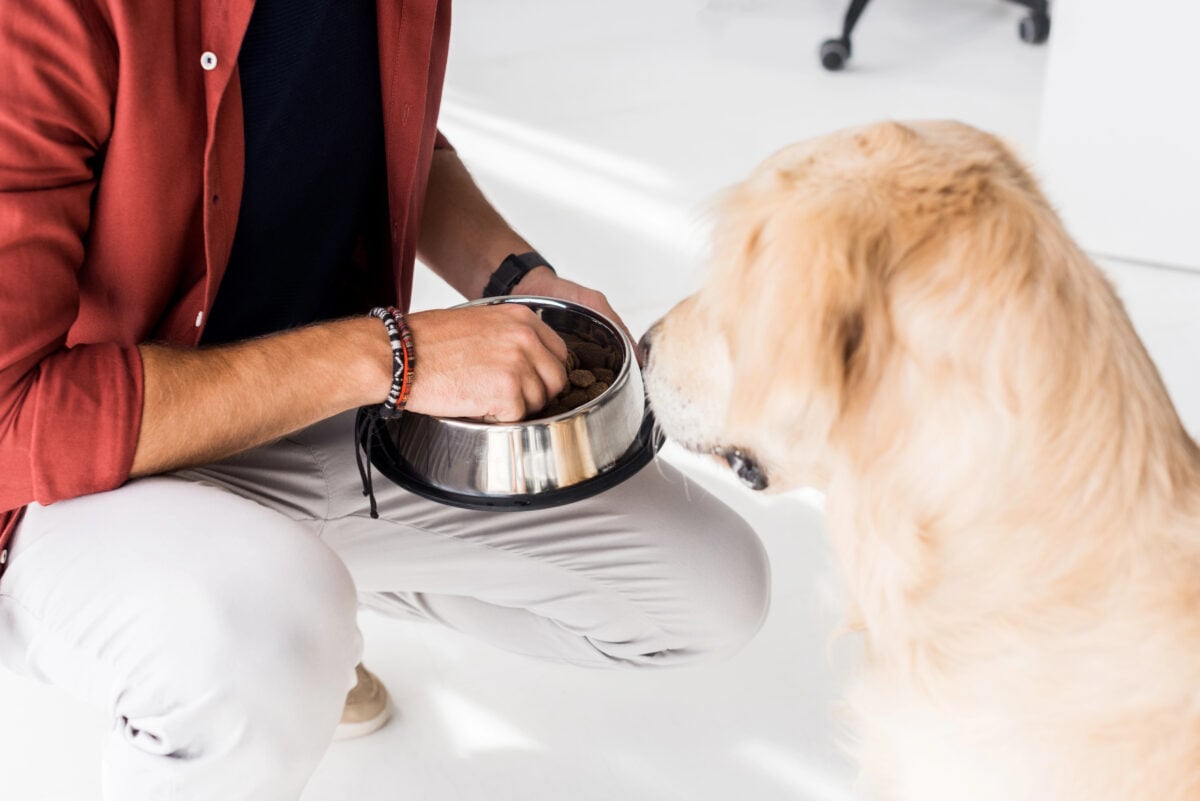
Offering a few bites from your hand can make eating feel safer, especially if your dog is anxious or not feeling like themselves. Often, once they take a few bites this way, they’ll continue eating on their own.
If your dog turns their head away or seems uncomfortable, stop. Hand-feeding should feel supportive, not pressured.
If eating still feels difficult, look at the environment.
Step 5: Adjust The Feeding Environment
Where your dog eats can matter just as much as what they eat. Sick dogs are more sensitive to noise, movement, and stress, and even minor disruptions can be enough to shut down appetite.
Veterinary Partner recommends feeding your dog in a quiet space away from other pets and household activity. Sitting nearby without hovering can help some dogs feel more secure. Keeping meal times calm and predictable gives your dog one less thing to worry about when they’re not feeling well.
If none of these steps work, pause before escalating.
Step 6: Syringe Feeding Is A Last Resort
Using a syringe to offer liquids or watered-down food should only be considered if your dog has gone 48 hours without eating and your veterinarian has said it’s safe to do so.
This method carries risks if done incorrectly, including choking or aspiration. It’s not meant to replace eating, and it should never involve forcing food into a resistant dog’s mouth.
If syringe feeding becomes necessary, your veterinarian should guide you through exactly how to do it safely.
Natural Home Remedies For A Sick Dog Not Eating
These remedies are meant to support appetite, not replace veterinary care. If your dog’s condition isn’t improving, home remedies should never delay a call to the vet.
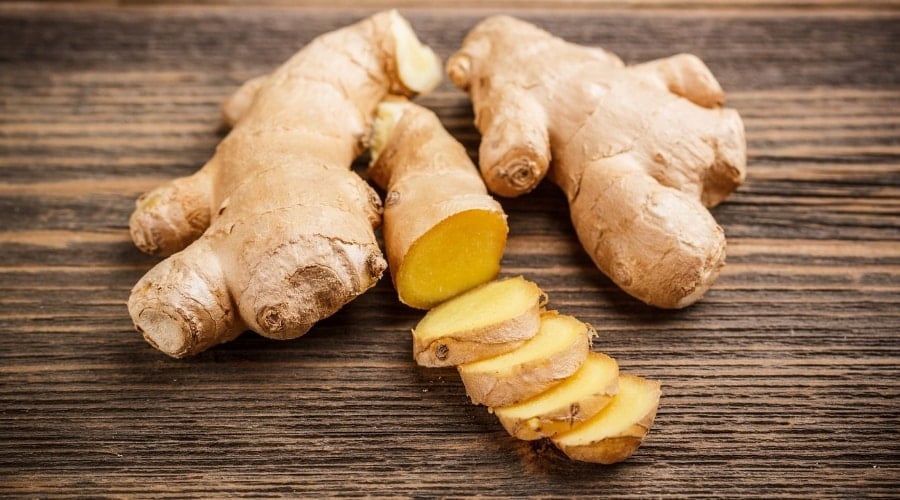
1. Ginger For Mild Nausea
Ginger is commonly used to help with nausea, and in small amounts, it can be helpful for some dogs who feel queasy and uninterested in food.
When ginger may help:
- Mild stomach upset
- Motion-related nausea
- Occasional vomiting without other symptoms
How to offer it safely:
- Use plain, fresh ginger or ginger powder
- Mix a very small pinch into food or broth
- Start low and stop if vomiting or discomfort worsens
Important: Ginger should not be used if your dog has bleeding disorders, is on certain medications, or has ongoing vomiting. Always use caution.
2. Chamomile Tea For Upset Stomachs & Stress
Chamomile has mild calming properties and may help dogs who are nauseous due to stress or digestive discomfort.
How it may help:
- Gentle stomach soothing
- Stress-related appetite loss
- Mild intestinal irritation
How to use it:
- Brew chamomile tea and let it cool completely
- Offer a small amount mixed into food or water
- Never force your dog to drink it
3. Bone Broth As Gentle Support
Bone broth is one of the most effective home remedies for boosting a dog’s appetite because it combines hydration, scent, and nutrition in one step. Just be sure to choose a dog-friendly bone broth that’s low in sodium and free of seasonings, such as garlic or onions.
Why it helps:
- Strong smell encourages interest
- Easy to digest
- Adds moisture and electrolytes
You can pour a small amount over food or offer it alone if your dog refuses solids.
What To Avoid With “Natural” Remedies
Not everything labeled natural is safe for dogs. It’s best to avoid:
- Essential oils added to food
- Herbal supplements that aren’t approved for pets
- Apple cider vinegar
- Human supplements or teas with unknown ingredients
A Note On Supplements & Appetite Boosters
Over-the-counter supplements claiming to “restore appetite” often lack regulation and can mask symptoms without addressing the cause. If appetite loss lasts more than 48 hours, supplements are not the answer.
Key takeaway:
Natural remedies can help when appetite loss is mild and short-lived. They should never delay veterinary care when symptoms persist or worsen.
What To Feed A Sick Dog With No Appetite
Once you’ve adjusted how you’re offering food, the next step is deciding what to put in the bowl. When a dog is sick, the wrong food can make nausea worse, while the right one can help them tolerate eating again, even in small amounts.
This section focuses on what to feed a sick dog with no appetite, starting with the easiest options to digest and moving toward foods that support recovery as appetite slowly returns. Think of these as short-term choices meant to get your dog through illness, not long-term diet changes.
1. First, Focus On Smell & Texture
When dogs feel unwell, dry kibble is often the first thing they reject. Smell, moisture, and softness can make food feel more manageable.
Wet dog food is often the easiest place to start. It smells stronger, has a softer texture, and adds moisture. Warming it slightly or mixing in a little warm water or broth can help release the aroma.
If that still doesn’t work, meat-based baby food can help break the barrier. Choose single-protein options like chicken, turkey, or lamb. Baby food is easy to lick and swallow, which makes it useful for dogs with nausea or mouth pain.
When solid food isn’t happening at all, bone broth can help keep things moving. It provides hydration, gentle nutrients, and a scent that often sparks interest. Use low-sodium broth with no seasoning and start with small amounts.
2. Once Your Dog Is Willing To Eat, Keep It Bland
If your dog will eat a little but not much, this is the time to stick with simple, gentle foods.
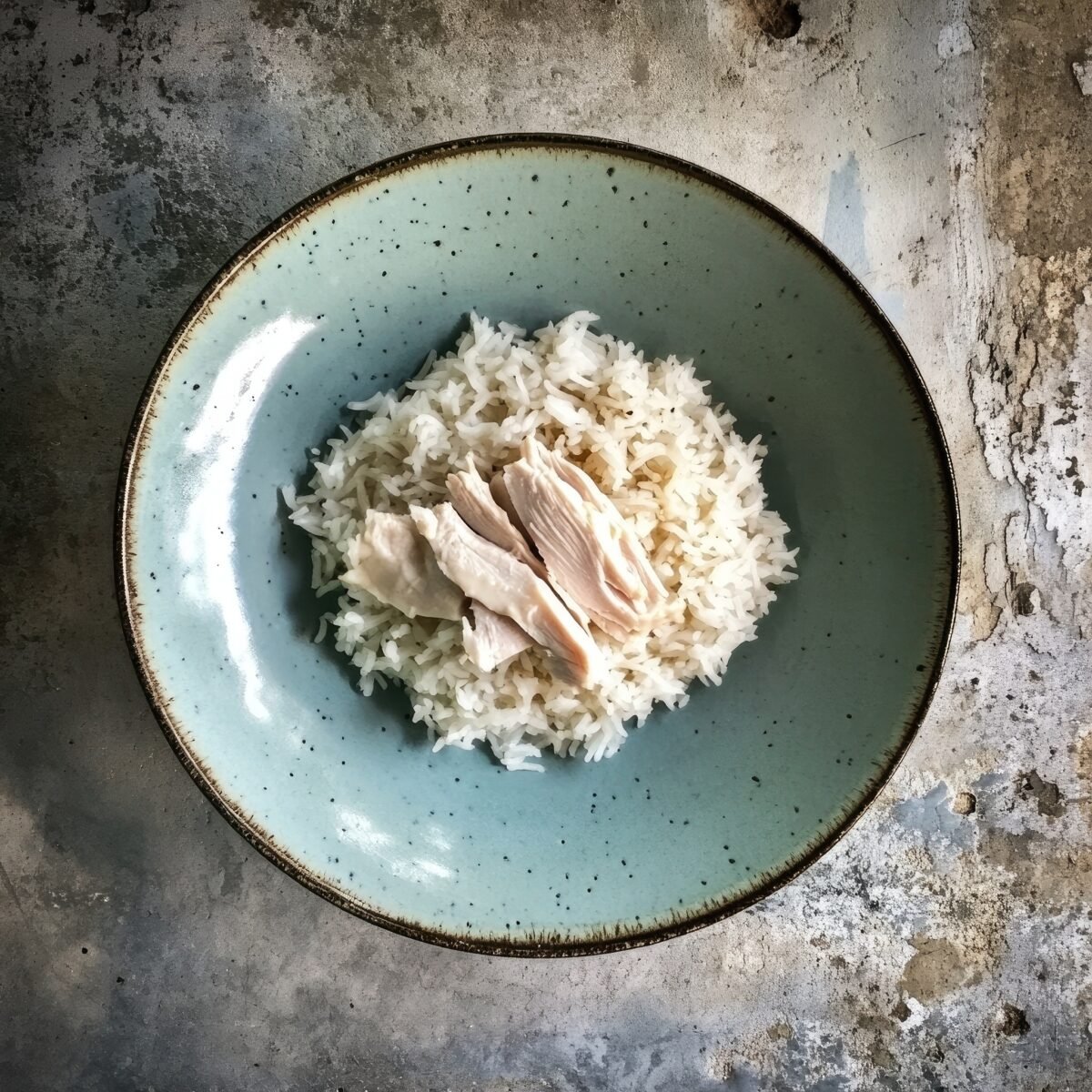
- Plain shredded chicken is easy to digest and appealing. It should be boiled, unseasoned, with the skin and fat removed, then shredded into small pieces.
- A simple chicken and white rice recipe is another safe option. It’s low in fat, easy on the stomach, and simple to portion. Use only plain boiled chicken and white rice, with no oils, butter, or seasoning.
- Plain canned pumpkin can support digestion and help regulate stool. Use only plain pumpkin, not pie filling, and start with 1 to 4 tablespoons, depending on your dog’s size.
3. As Appetite Returns, You Have a Few More Options
Some dogs need variety as their appetite slowly comes back. Good choices include:
- Plain oatmeal cooked in water can be easy to tolerate.
- Small amounts of canned tuna or mackerel packed in water can be mixed into other foods.
- Fully cooked, plain mashed potatoes may also work.
These should be temporary supports, not long-term meals.
How Much To Feed While Your Dog Is Sick
When appetite is low, small, frequent portions are easier to tolerate than large, infrequent ones.. Offer a few bites at a time, wait a few hours, and try again if your dog shows interest. Stop if they turn away. Forcing food can worsen nausea and make future meals harder.
What NOT To Feed A Sick Dog With No Appetite
When your dog isn’t eating, avoid foods that can worsen nausea, irritate the stomach, or slow recovery.
- Rich or fatty foods
Fried foods, fatty meat trimmings, gravy, drippings, and cheese-heavy meals can trigger vomiting, diarrhea, or even pancreatitis. - Foods with garlic, onion, or heavy seasoning
Garlic and onions are toxic to dogs, even in small amounts, and are common in leftovers and human broths. According to the ASPCA, these ingredients can damage red blood cells and should never be fed to dogs. - Milk and dairy products
Many sick dogs are lactose intolerant. Dairy can cause vomiting, gas, and diarrhea, even in small amounts. - Processed meats
Bacon, ham, sausage, and pepperoni are high in fat, salt, and preservatives and can worsen dehydration and stomach irritation. - Sugary or artificially sweetened foods
Sugar offers no benefit, and foods containing xylitol are extremely dangerous and can cause life-threatening drops in blood sugar.
Important reminder:
When in doubt, skip it. Simple, bland foods are always the safest choice for a sick dog.
Again, Don’t Forget Hydration
When your dog isn’t eating, it’s easy to fixate on the food bowl. But hydration is actually more urgent than calories, especially during the first day or two of illness. A dog can go longer without food than without water, and dehydration can make every other symptom worse.

How Long Can a Dog Go Without Water?
Most dogs can tolerate a short period of reduced food intake, but going without water for even a day can start to cause problems. Dehydration affects circulation, digestion, kidney function, and overall recovery.
Key point:
A dog that refuses water for 24 hours should be evaluated by a veterinarian.
How To Encourage A Sick Dog To Drink Water
Never force water into your dog’s mouth. That can lead to aspiration pneumonia, which is extremely dangerous. Instead, try gentle encouragement.
Safe ways to increase water intake include:
- Offering fresh, cool water more frequently
- Letting your dog lick ice cubes
- Offering water from your hand or fingers
- Adding a small amount of low-sodium bone broth to water
- Using vet-approved electrolyte solutions if recommended
Sometimes changing the bowl, the location, or the water temperature is enough to spark interest.
Signs Of Dehydration To Watch For
If your dog isn’t eating, keep a close eye out for dehydration. These signs can develop quietly.
Common signs include:
- Dry or sticky gums
- Lethargy or weakness
- Loss of skin elasticity
- Sunken or dull-looking eyes
- Dry nose
- Panting without exertion
If you notice any of these signs of dehydration, especially combined with refusal to drink, veterinary care is needed immediately.
When You Should Contact Your Vet
Trying home remedies can be helpful when appetite loss is mild and short-lived. But there are clear moments when waiting is no longer the safest choice. Knowing when to stop troubleshooting at home and involve your veterinarian can prevent a minor issue from becoming a serious one.
Call Your Vet If Appetite Loss Comes With These Symptoms
You should contact your veterinarian promptly if your dog’s refusal to eat is paired with any of the following:
- Not drinking water
- Repeated vomiting or nausea
- Diarrhea or constipation
- Lethargy or weakness
- Unexplained weight loss
- Pain, whining, or discomfort
- Coughing, gagging, or labored breathing
- Behavior changes, such as hiding or withdrawal
These signs suggest that appetite loss may be linked to illness, pain, or dehydration that needs medical treatment.
Time Matters More Than Many Owners Realize
Even without additional symptoms, time alone can be a reason to call the vet.
- 24 hours without eating warrants close monitoring
- 48 hours without eating or drinking should trigger a veterinary visit
- Any refusal in puppies, seniors, or medically fragile dogs should be addressed sooner
It’s Always Okay to Call and Ask
Many pet owners worry about overreacting. But calling your vet does not mean committing to expensive tests or treatment. It simply means getting guidance on whether home care is appropriate.
When Pet Insurance Can Help
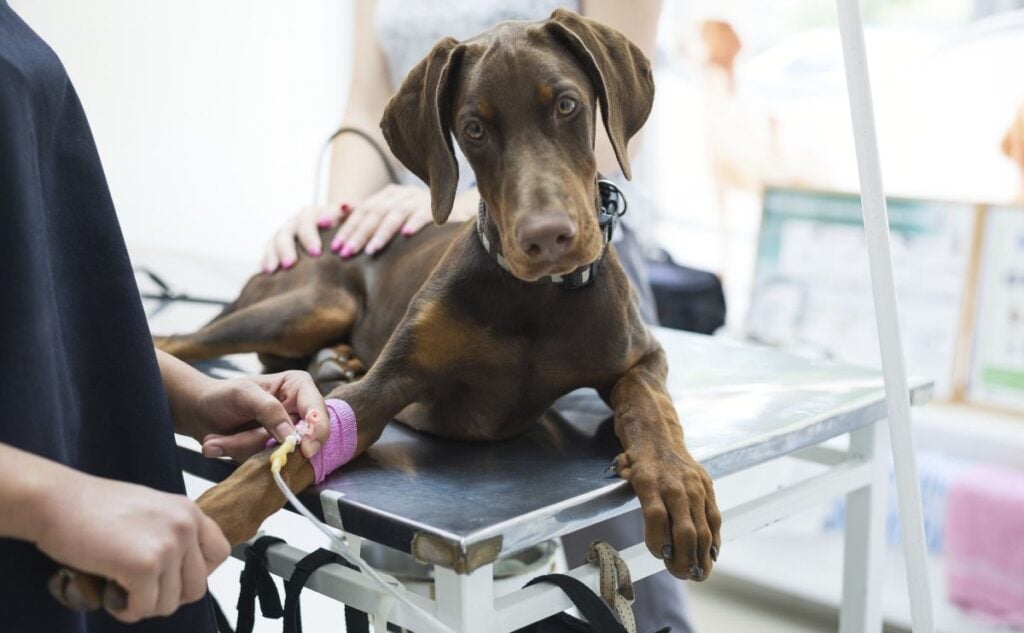
If your dog’s appetite loss leads to a vet visit, pet insurance can take a lot of pressure off an already stressful situation. Diagnostic tests like bloodwork, X-rays, ultrasounds, IV fluids to treat dehydration, and medications for nausea or infection can add up quickly.
Many pet insurance plans help cover these costs when appetite loss is tied to a new illness, injury, or emergency, especially if treatment escalates beyond a simple exam.
Pet insurance is most helpful when you don’t want to delay care because of cost concerns. Appetite loss is often one of the first signs of a bigger issue, and having coverage can make it easier to say yes to testing or treatment sooner rather than waiting it out.
Just remember that most plans don’t cover pre-existing conditions, so insurance works best when it’s in place before problems start—not after your dog is already sick.
See our expert’s guide on the best pet insurance providers to see how they compare and whether insuring your pup is worth the investment in your dog’s health.
Frequently Asked Questions
If your dog isn’t eating, you’re not alone. These are the most common questions dog owners ask when food suddenly becomes uninteresting to a pup who usually never misses a meal. Don’t see yours here? Ask us in our comments.
When Shouldn’t I Feed My Sick Dog?
If your dog has been vomiting or has active diarrhea, it is usually best to wait at least 12 hours after the last episode before offering food again. Feeding too soon can irritate the stomach and trigger vomiting again.
If vomiting or diarrhea lasts longer than 24 to 48 hours or worsens, veterinary care is needed. Important: Water should still be offered during this time unless your vet advises otherwise.
How Much Should I Feed My Sick Dog?
There is no one-size-fits-all amount. When dogs are sick, small portions offered frequently are easier to tolerate than full meals.
A good approach:
- Offer a few bites
- Wait a few hours
- Stop if your dog turns away
Let your dog guide the pace. Forcing food often backfires and can worsen nausea.
Should You Force-Feed A Sick Dog?
Force-feeding should never be the first option.
Syringe feeding may be recommended in some cases, but only after a veterinarian has evaluated your dog and given clear instructions. Feeding incorrectly can cause aspiration, which is dangerous and sometimes life-threatening.
If your dog has gone 48 hours without eating, the safest course is to seek medical guidance, not force.
Can Home Remedies Replace a Vet Visit?
Home remedies for a dog’s appetite can help in mild, short-term situations, such as brief stomach upset or stress. They are not meant to replace veterinary care when symptoms persist.
Still Worried About Your Dog’s Eating Habits?
If your dog’s appetite issues are part of a bigger pattern, these guides may help you figure out what’s going on next and when to act:
- Does my dog have a food sensitivity?
- Best dog food for picky eaters
- Why is my dog throwing up undigested food?
- Best dog food for weight gain
If you’ve been through this with your dog before, what helped them start eating again? Share your experience in the comments. Your story may help another worried dog owner scrolling for answers late at night.