When you purchase through links on our site, we may earn a commission at no extra cost to you. Learn more.
Some dogs want to be wherever you are, preferably curled up in your lap. Others are perfectly happy keeping you company from the other end of the couch. Either way, there’s something pretty wonderful about having a dog who loves being part of your life.
Table of Contents
Of course, finding that kind of companionship without signing up for endless grooming, marathon walks, or constant demands for attention is another matter.
That’s where these 20 affectionate, relatively low-maintenance dog breeds come in. From devoted lapdogs to surprisingly laid-back larger dogs, they offer plenty of love without quite so many day-to-day demands.
Start Here: Find Your Perfect Dog in 30 Seconds
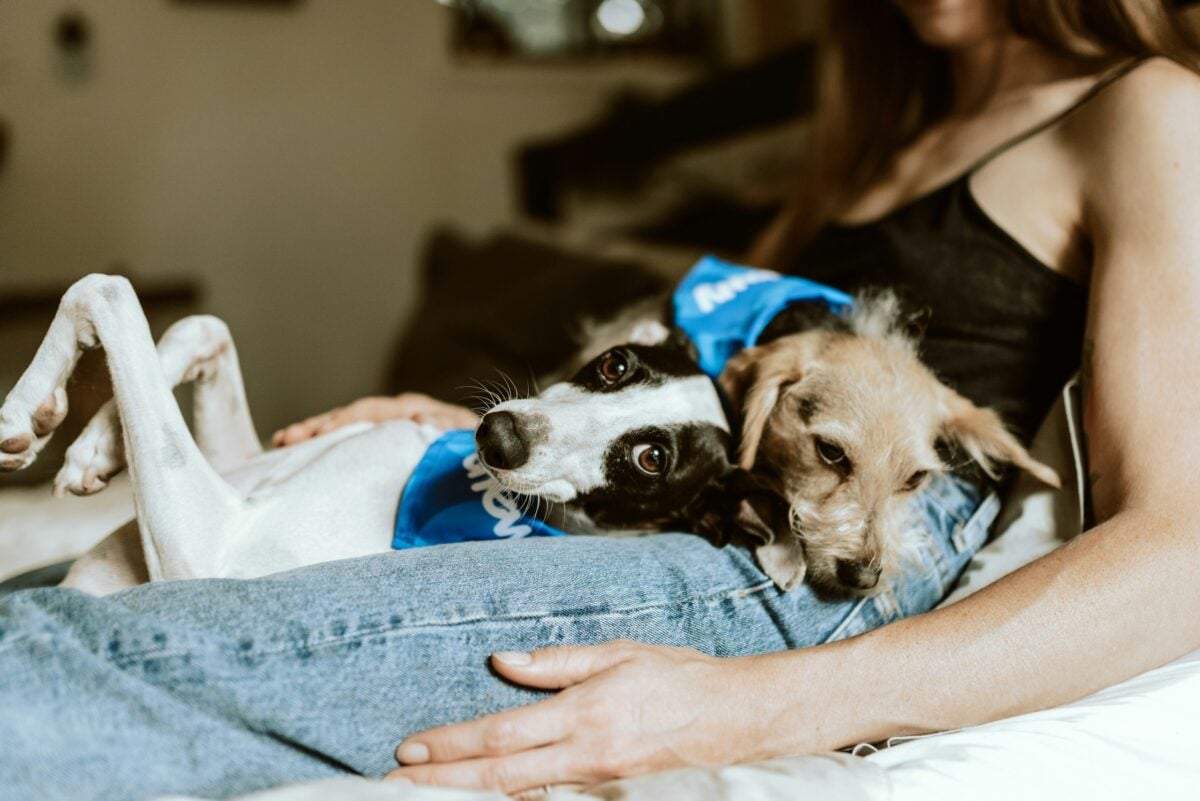
Want a dog that’s big on affection but a little lower maintenance than a Pug (health issues), Golden Retriever (shedding galore), or Beagle (a nose that never quits)? Start by thinking about what kind of companionship you’re looking for.
- I want the best balance of affection and easy care → Start with The Sweet Spot.
- I want to discover breeds I’ve never considered → Explore the Hidden Gems.
- I want a loving dog that’s easier to manage than I’d expect → Meet the Surprisingly Manageable Breeds.
- I want a small dog that defies the stereotypes → Check out Small Dogs, Big Surprises.
Pick Your Match: What Do You Actually Want Day to Day?
Everyone wants a dog that loves them. The bigger question is what you want that love to look like, and where you’re willing to put in more work.
- “I want a dog that practically lives in my lap.” You’re looking for a cuddly companion that actively seeks physical affection. You’re also comfortable with a dog that may want plenty of your time and attention.
- “I love a fluffy dog, and I don’t mind the upkeep.” Regular brushing, shedding, or professional grooming isn’t a dealbreaker if the breed’s other needs fit your lifestyle.
- “I’d rather spend time walking than brushing.” You’re happy to provide more exercise and outdoor adventures in exchange for a simpler grooming routine.
- “I want a dog that loves me without being my second shadow.” You appreciate affection and companionship, but prefer a dog with a more independent streak.
- “I want a dog that’s happy to take it easy.” You’re looking for a companion that enjoys daily walks and playtime but can settle down and relax without constant entertainment.
No matter which sounds most like you, the goal is to find a dog whose needs fit comfortably into your everyday routine.
What Makes a Dog Affectionate & Low Maintenance?
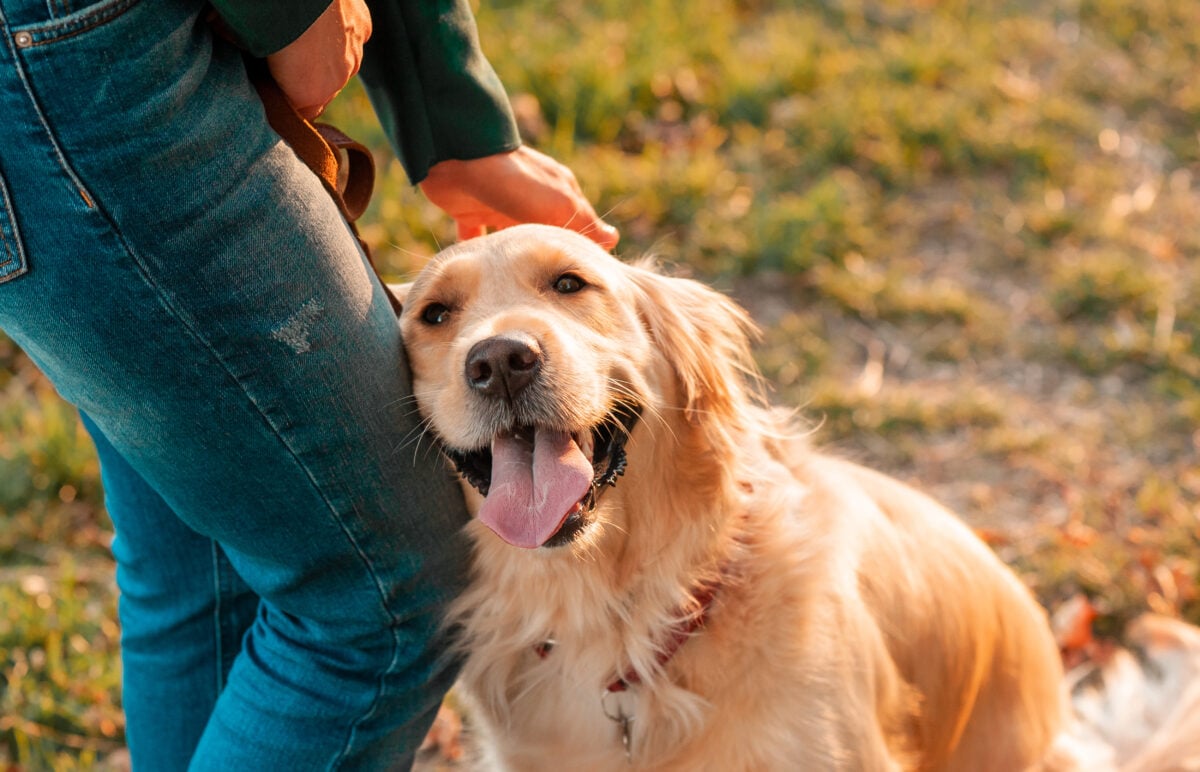
A dog can be affectionate without being clingy and low maintenance without spending 20 hours a day on the couch. So how did we decide which breeds deserve a spot on this list?
What Makes a Dog Affectionate?
You know the five love languages? Just as people show love in different ways, dogs have their own ways of expressing affection.
Some are all about physical touch, squeezing themselves into your lap, leaning against your legs, or resting their head on your knee. Others prefer quality time, following you around the house, bringing you their favorite toy, or just hanging out nearby.
The key is that affectionate dogs tend to form close social bonds with people and regularly seek positive interaction with them.
- Seeks physical closeness: Enjoys cuddling, leaning, lap time, or resting against family members.
- Enjoys quality time: Actively seeks opportunities to spend time with people, whether playing, walking, or relaxing together.
- Forms strong social bonds: Shows attachment, familiarity, and preference for trusted people.
- Expresses friendly social behavior: Responds positively to attention, play, and affection from trusted people.
- Enjoys cooperative interaction: Finds shared activities rewarding, including training, play, and other tasks performed alongside people.
- Shows affection consistently: Has a well-established breed tendency toward human companionship.
Not every affectionate dog checks all six boxes. Some are enthusiastic snugglers, while others show their devotion by quietly keeping you company. Both can make wonderful companions.
What Makes a Dog Low Maintenance?
A short coat and a fondness for napping are certainly helpful, but there’s more to easy dog ownership than that.
- Manageable exercise needs: Can stay physically healthy and content without requiring hours of vigorous exercise.
- Reasonable mental stimulation needs: Enjoys training, toys, and enrichment without requiring a working-dog level of daily mental activity.
- Straightforward grooming: Has a manageable coat, shedding level, and bathing routine.
- Manageable health risks: Does not have a particularly high inherent burden of serious inherited conditions, chronic health management, or specialized daily medical care.
- Trainability and cooperation: Generally responsive to consistent training without requiring advanced handling skills.
- Reasonable independence: Can learn to relax without constant attention and tolerate appropriate periods alone.
- Adaptability: Adjusts reasonably well to ordinary changes in household schedules, surroundings, visitors, or daily routines.
- Manageable social behavior: Does not typically require specialized management around people, other animals, or common household activity.
- Practical size and everyday handling: Can be transported, walked, groomed, and physically managed without requiring major accommodations or unusual expenses.
No dog is maintenance-free, and low maintenance doesn’t mean low commitment. Every dog needs exercise, training, veterinary care, attention, and companionship.
Top 20 Affectionate & Low-Maintenance Dog Breeds
The breeds on this list offer a particularly rewarding kind of companionship without requiring an unusually demanding lifestyle. They’re known for forming close bonds with their people while having relatively manageable needs for exercise, grooming, training, and everyday care.
Some are devoted lapdogs; others are quietly affectionate. Each has its own quirks and trade-offs, but all 20 offer a compelling combination of love and livability.
The Sweet Spot: 5 Affectionate, Easy-Living Breeds
Big on affection, with everyday care needs that are easier to manage.
These five breeds offer some of the strongest combinations of affection and manageable care. They’re known for forming close bonds with their people without requiring an unusually demanding lifestyle.
1. Tibetan Spaniel
Despite the name, the Tibetan Spaniel isn’t actually a spaniel. These little dogs once kept watch over Tibetan monasteries, and many still enjoy perching on the back of the couch or another prime lookout spot to keep an eye on the household.
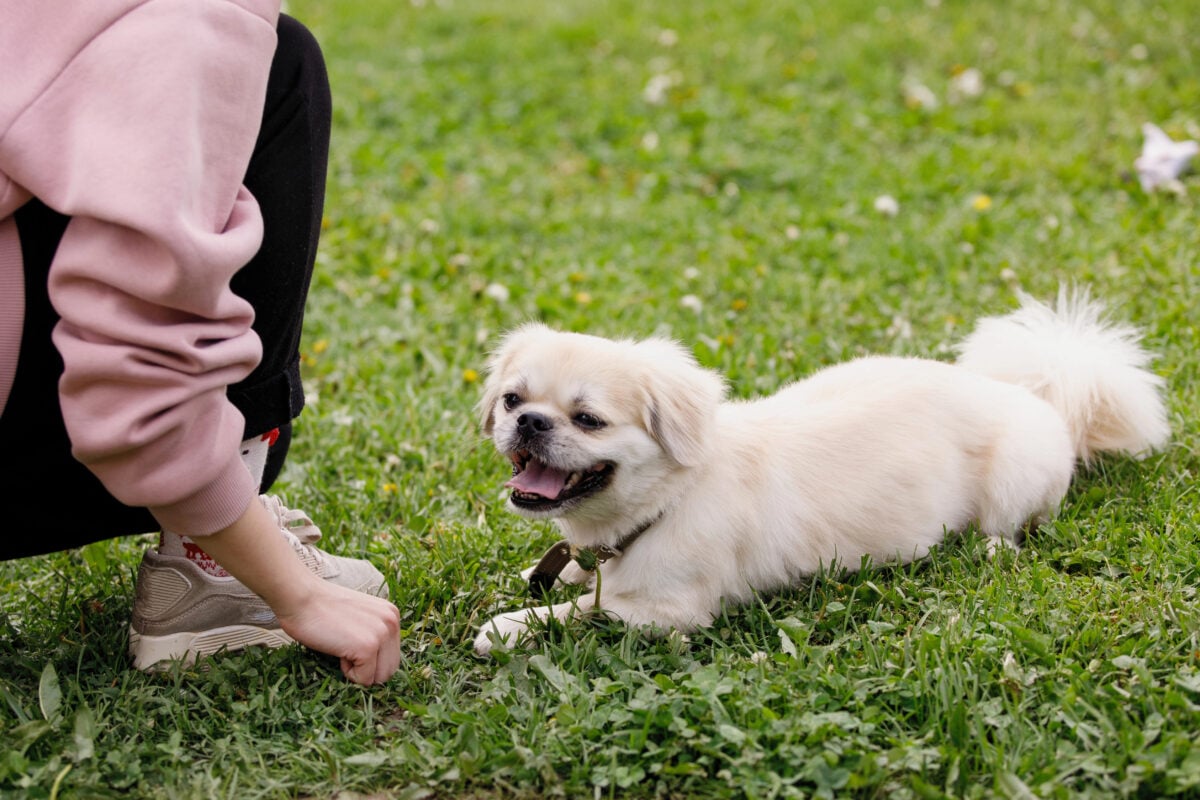
Tibetan Spaniels are affectionate without being overly clingy, forming close bonds with their families while remaining confident enough to spend time alone. They’re generally content with daily walks, regular play, and occasional brushing rather than frequent trips to the groomer.
At A Glance:
- Size: Small (9–15 pounds)
- Temperament: Alert, confident, playful
- Energy Level: Moderate; enjoys walks and playtime
- Trainability: Moderate; intelligent and responsive with an independent streak
- Grooming/Shedding: Low to moderate; occasional brushing, seasonal shedding, and minimal matting
- Social/Adaptability: Adaptable to daily changes, good with children, friendly but sometimes aloof with strangers
- Life Expectancy: 12–15 years
- Best For: Devoted companionship without constant physical clinginess
Health Spotlight: The Tibetan Spaniel is featured among our healthiest dog breeds, thanks in part to its longevity and generally favorable health profile.
2. American Hairless Terrier
The American Hairless Terrier proves you can have plenty of terrier personality without finding dog hair on every piece of furniture. Developed from the Rat Terrier, this unusual breed is playful, curious, and especially fond of spending time with its people.
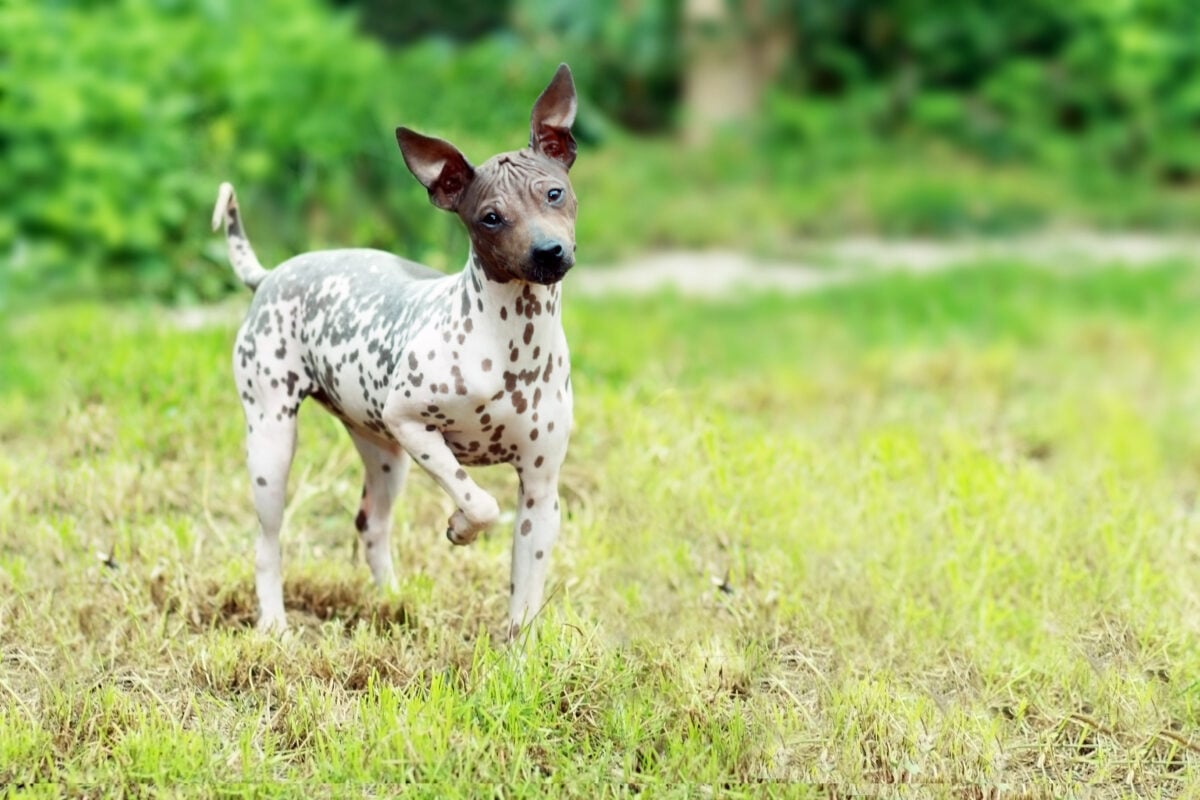
American Hairless Terriers offer an appealing mix of affection, trainability, and manageable exercise needs. They’re happy to join you for walks and games before curling up beside you, although the hairless variety needs protection from sunburn and cold weather.
At A Glance:
- Size: Small (12–28 pounds)
- Temperament: Alert, energetic, curious
- Energy Level: Moderate; enjoys daily walks, play, and interactive activities
- Trainability: High; intelligent and eager to please
- Grooming/Shedding: Very low; low shedding, but hairless dogs need skin and weather protection
- Social/Adaptability: Highly adaptable to routine changes, good with young children, generally friendly with strangers
- Life Expectanc: 14–16 years
- Best For: Low grooming demands and interactive companionship
3. Coton de Tulear
The Coton de Tulear has been called the royal dog of Madagascar, but there’s nothing particularly formal about this cheerful little companion. Cotons are natural entertainers, known for their playful antics, happy-go-lucky personalities, and tendency to follow their favorite people from room to room.

Their exercise needs are manageable, and they’re generally eager to please, making them enjoyable companions for a variety of households. The biggest tradeoff is grooming: Their signature cotton-soft coats shed very little but require frequent brushing to prevent mats, especially when kept long.
At A Glance:
- Size: Small (8–15 pounds)
- Temperament: Cheerful, charming, playful
- Energy Level: Moderate; enjoys daily walks, games, and indoor playtime
- Trainability: Moderate to high; eager to please and responsive to positive reinforcement
- Grooming/Shedding: High grooming, very low shedding; frequent brushing required, although a short puppy cut helps simplify care
- Social/Adaptability: Outgoing with strangers, generally good with children and other pets; dislikes prolonged time alone
- Life Expectancy: 15–19 years
- Best For: Owners happy to trade grooming for cuddling, attention, and companionship
4. Whippet
Whippets may be built like miniature racehorses, but they’re surprisingly enthusiastic about doing absolutely nothing. Once they’ve had enough exercise, most are happy to spend the afternoon curled up on the couch, preferably under a blanket or pressed against their favorite person.
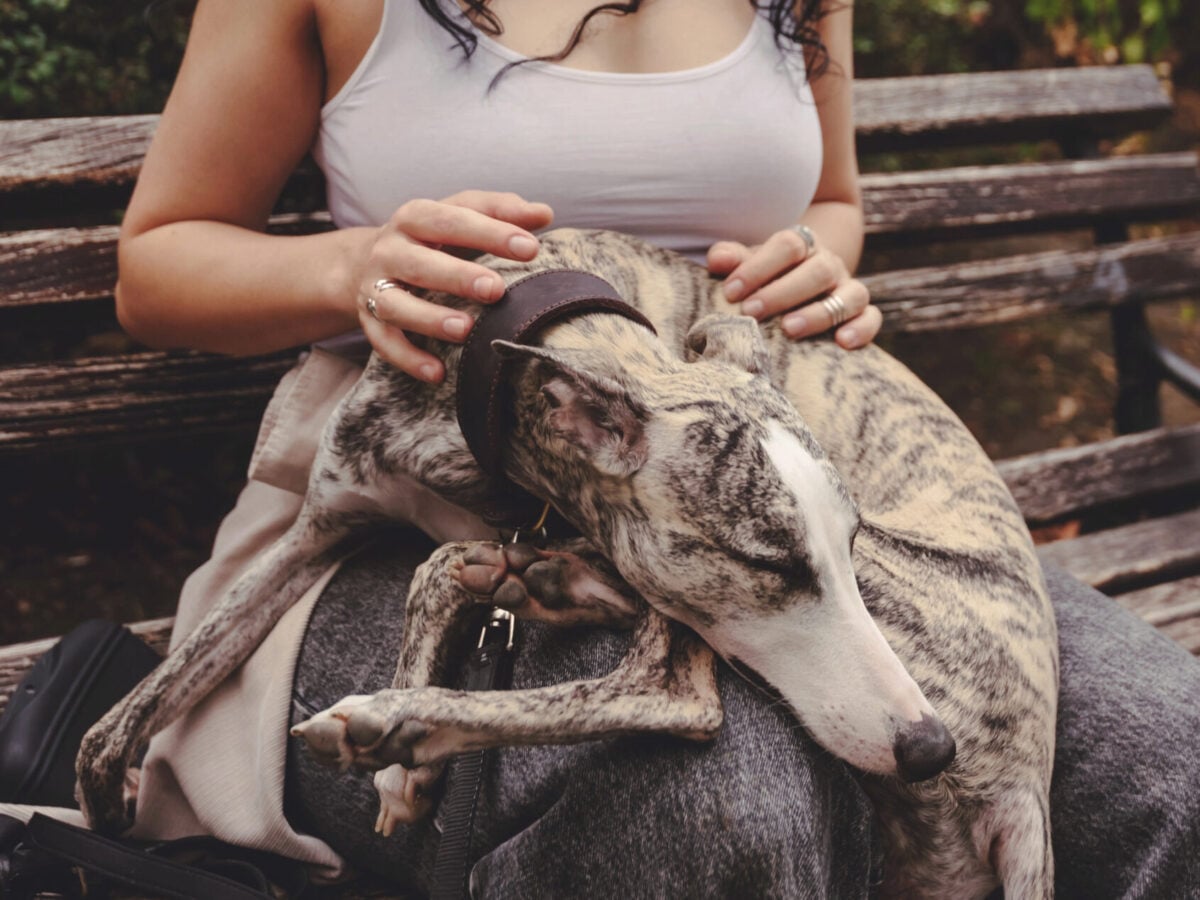
These gentle, affectionate sighthounds are remarkably easy to groom and generally quiet indoors. They do need regular exercise and safe places to run, however, and their strong prey drive means off-leash adventures require careful planning.
At A Glance:
- Size: Medium (25–40 pounds)
- Temperament: Amiable, calm, playful
- Energy Level: Moderate to high outdoors; generally calm indoors after exercise
- Trainability: Moderate; smart but mischievous and easily distracted
- Grooming/Shedding: Very low grooming, low shedding; occasional brushing
- Social/Adaptability: Gentle with children, generally sociable with dogs; strong prey drive around smaller animals
- Life Expectancy: 12–15 years
- Best For: People who enjoy regular activity and plenty of cuddling
Did You Know? Whippets are among the surprisingly quiet dog breeds. They’re generally not excessive barkers, making them an appealing choice for anyone who appreciates a peaceful home.
5. Glen of Imaal Terrier
Most terriers have a reputation for being lively little troublemakers, but the Glen of Imaal Terrier tends to take a more laid-back approach to life. Originally bred for hunting in Ireland, these sturdy, short-legged dogs have plenty of courage without quite the same nonstop intensity associated with some terrier breeds.
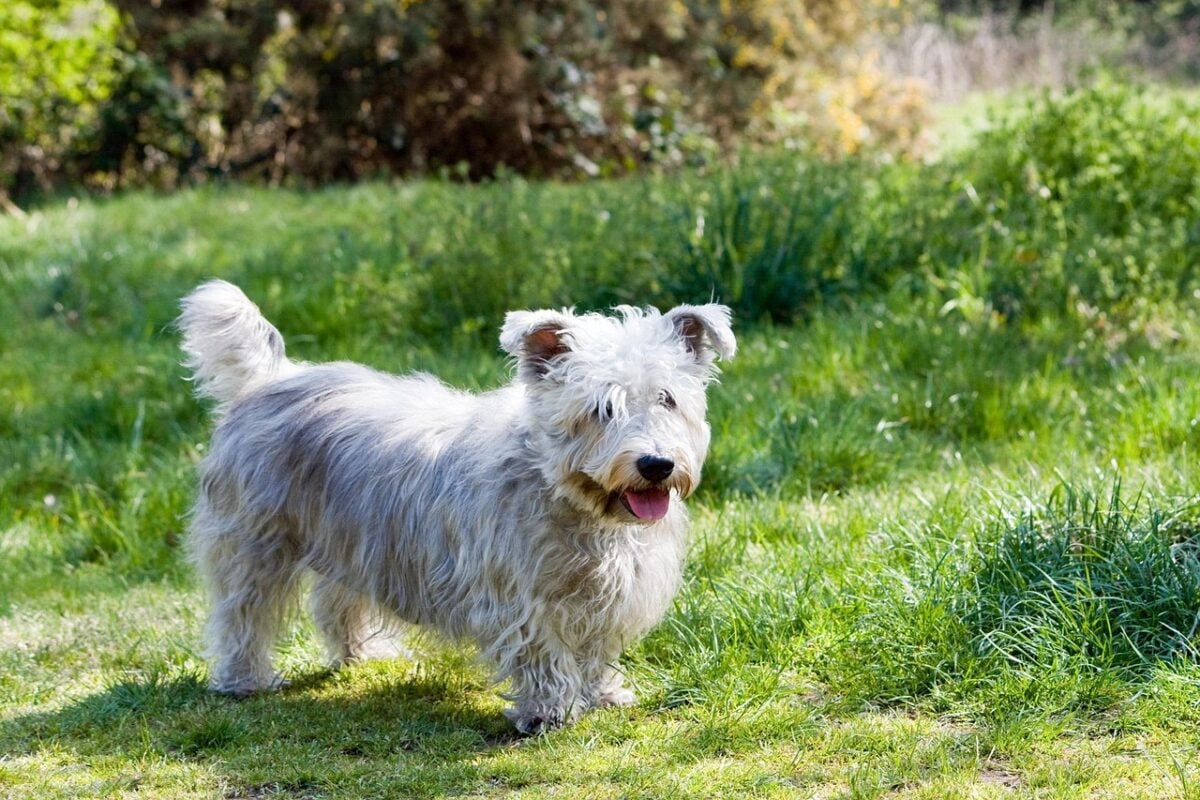
Glens are affectionate, gentle, and generally content with moderate daily exercise. Their wiry coats shed very little with proper care, although periodic hand-stripping and strong hunting instincts mean they’re not entirely fuss-free.
At A Glance:
- Size: Small to medium (32–40 pounds)
- Temperament: Spirited, gentle, determined, bold
- Energy Level: Moderate; daily walks and play, with time to relax indoors
- Trainability: Moderate; intelligent and capable of learning quickly, but independent and sometimes stubborn
- Grooming/Shedding: Moderate grooming, very low shedding; periodic hand-stripping
- Social/Adaptability: Good with children; may be selective with other dogs and chase small pets
- Life Expectancy: 10–15 years
- Best For: Family attachment and terrier personality at a more relaxed pace
Hidden Gems: 6 Little-Known Breeds With a Whole Lot of Love
Lesser-known breeds with plenty of love to give and surprisingly manageable needs.
These six breeds might not be household names, but they’re well worth getting to know. Each offers a rewarding combination of affection and companionship, with unique qualities that make them appealing alternatives to more familiar breeds.
6. Eurasier
The Eurasier looks like a fluffy little bear crossed with a wolf, but its personality is far gentler than its appearance might suggest. Developed specifically as a family companion, this German breed is known for its calm, balanced temperament and close attachment to its people.
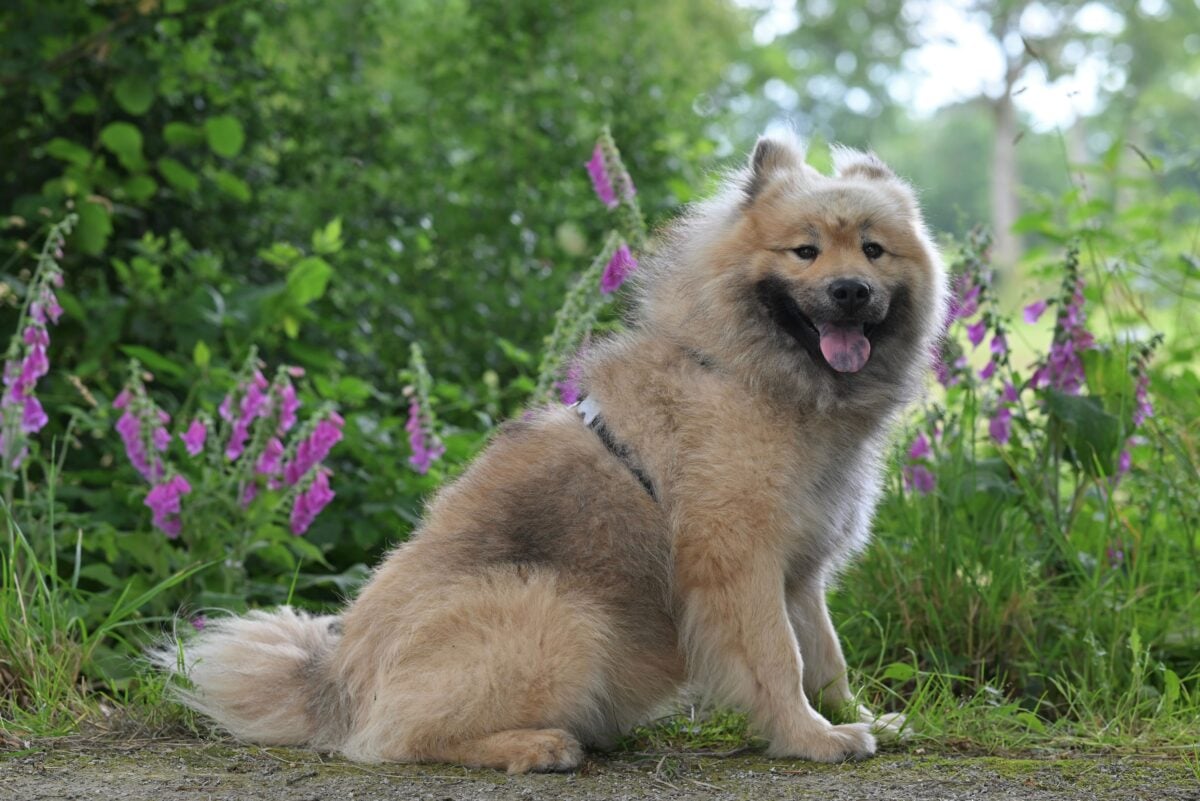
Eurasiers enjoy daily walks and outdoor activities but generally know how to settle down indoors. They’re also relatively quiet, although their thick double coats require regular brushing and can produce an impressive amount of loose fur during seasonal shedding.
At A Glance:
- Size: Medium to large (40–70 pounds)
- Temperament: Calm, confident, family-oriented
- Energy Level: Moderate; enjoys daily walks and outdoor play but relaxes well indoors
- Trainability: Moderate; intelligent and willing to learn, although sometimes independent
- Grooming/Shedding: Moderate grooming, heavy seasonal shedding
- Social/Adaptability: Good with children and familiar pets, reserved with strangers; dislikes prolonged separation
- Life Expectancy: 12–16 years
- Best For: Families seeking devoted companionship with affection reserved for their inner circle
7. Bolognese
The Bolognese is the epitome of “just happy to be here” energy. These fluffy little Italian companions are calm, easygoing, and perfectly content matching your pace, whether that means a little playtime or an afternoon on the couch.
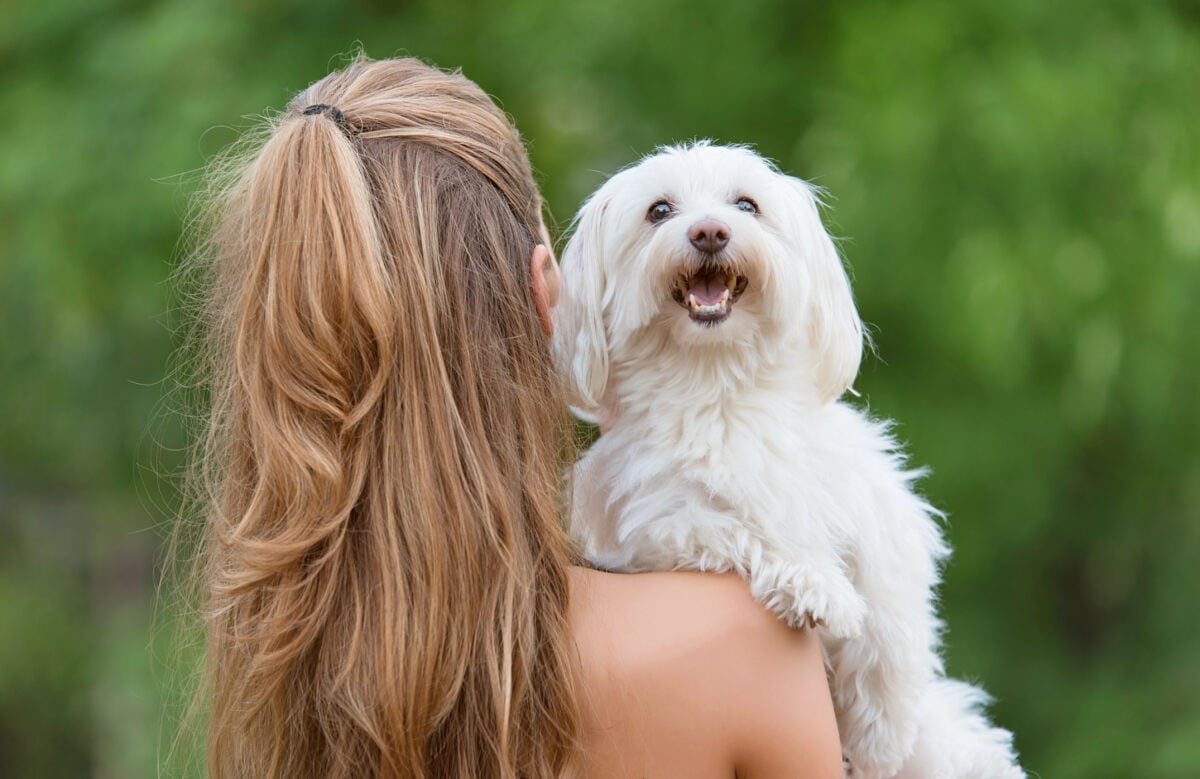
They’re also surprisingly quiet for a small dog, with a very low tendency to bark. And despite all that fluff, Bolognese dogs barely shed, making them a popular choice for people looking for an allergy-friendlier companion.
At A Glance:
- Size: Small (6–10 pounds)
- Temperament: Calm, easygoing, devoted, playful
- Energy Level: Low; enjoys short walks and indoor play
- Trainability: High; attentive and generally eager to please
- Grooming/Shedding: High grooming, very low shedding; frequent brushing required
- Social/Adaptability: Good with young children and other dogs; may struggle when left alone
- Life Expectancy: 12–14 years
- Best for: Quiet, close companionship
8. Löwchen
With a name that translates to “little lion dog,” the Löwchen has a rather grand title for such a small, cheerful companion. Its traditional lion haircut, complete with a shaved rear end and fluffy mane, only adds to the charm of a breed that’s been keeping Europeans company for centuries.
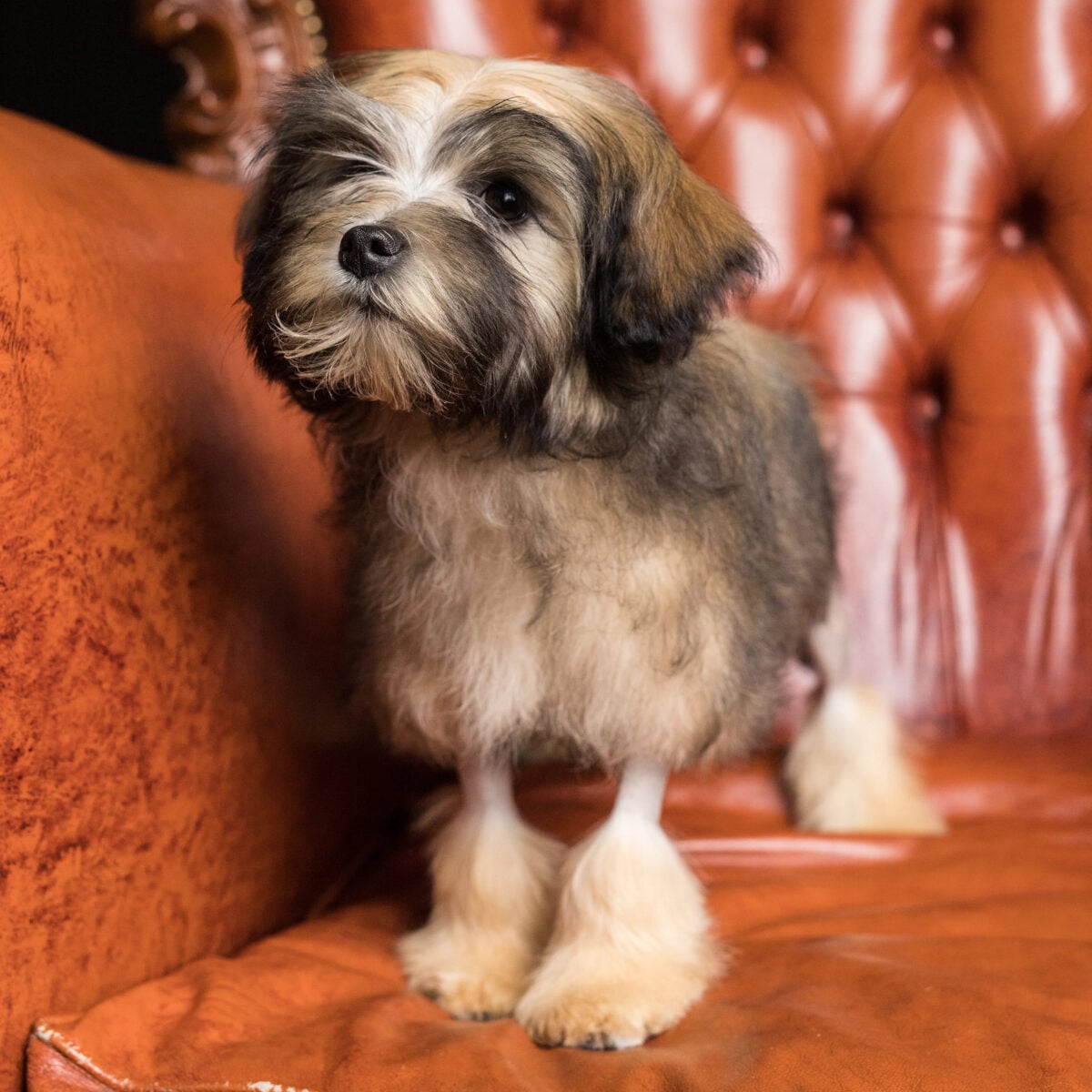
Löwchens are sociable, entertaining dogs that enjoy being part of everyday family life. They’re generally easy to train, don’t need excessive exercise, and shed very little. And while their long coats require regular care, owners can skip the elaborate lion cut in favor of a simpler, shorter trim.
At A Glance:
- Size: Small (approximately 15 pounds)
- Temperament: Outgoing, lively, confident
- Energy Level: Moderate; enjoys walks, games, and interactive play
- Trainability: Moderate to high; intelligent, eager to please, and quick to learn
- Grooming/Shedding: Moderate to high grooming, low shedding; regular brushing and trims
- Social/Adaptability: Friendly with children, visitors, and other pets; adaptable to different households
- Life Expectancy: 13–15 years
- Best For: Sociable households wanting playful companionship and lots of cuddles
Did You Know? The Löwchen earns a spot on our lists of affectionate small dogs and low-shedding breeds, but there’s a catch: This rare little companion is also one of the most expensive dog breeds to purchase.
9. Cesky Terrier
The Cesky Terrier looks a bit like a Scottish Terrier with a softer hairstyle and a more relaxed attitude. Developed in the Czech Republic, these short-legged dogs were bred for hunting, but they’re generally mellower, quieter, and more cooperative than many of their terrier cousins.
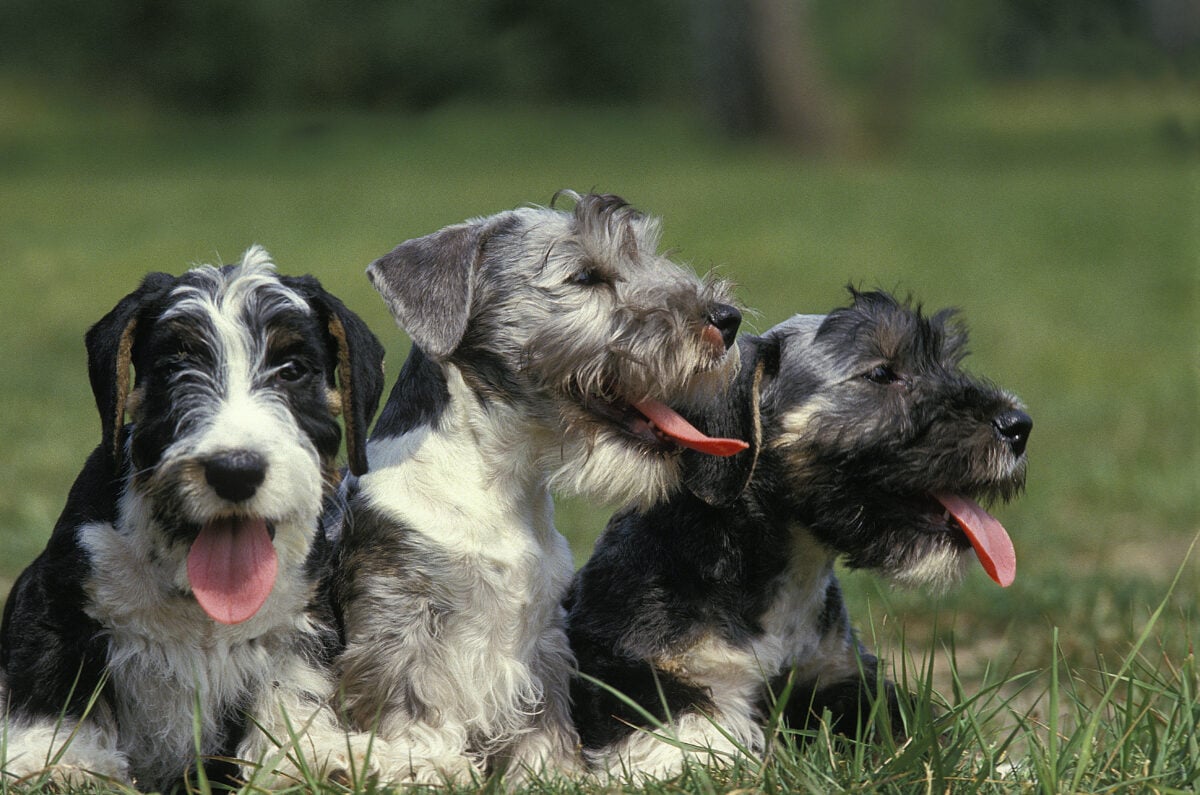
Ceskys enjoy daily walks, playtime, and spending time with their families without requiring constant activity. Their silky coats shed very little and are clipped rather than hand-stripped, although prospective owners should still plan for regular grooming and a strong prey drive.
At A Glance:
- Size: Small (14–24 pounds)
- Temperament: Friendly, adventurous, playful
- Energy Level: Moderate; enjoys walks and play without needing nonstop activity
- Trainability: Moderate; more cooperative than many terriers, but can be determined
- Grooming/Shedding: Moderate grooming, low shedding; regular clipping
- Social/Adaptability: Good with children and other dogs, friendly with strangers; strong prey drive
- Life Expectancy: 12–15 years
- Best For: Family devotion and playful companionship
10. Russian Toy
The Russian Toy may weigh less than 6.5 pounds, but these tiny companions have plenty of personality packed into their little frames. Lively, confident, and playful, they’re just as happy chasing after a toy as they are curling up in someone’s lap.
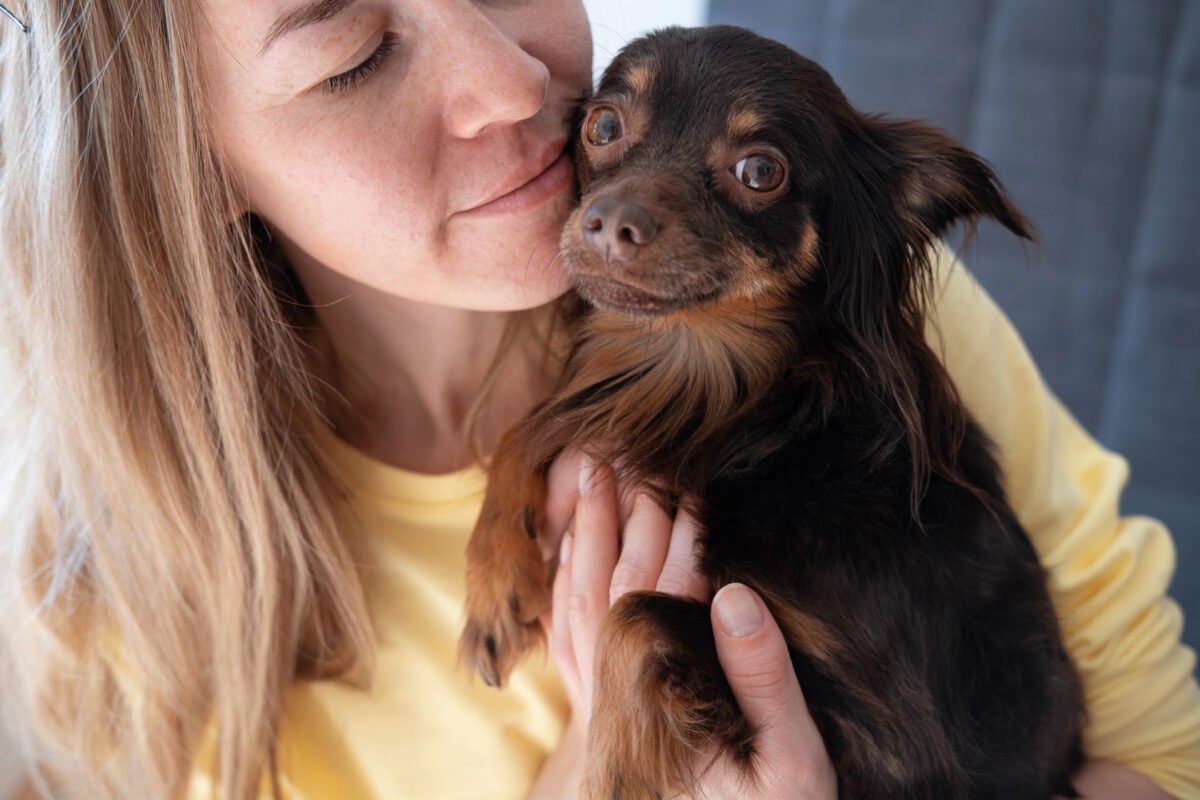
Russian Toys come in smooth-coated and longhaired varieties, both with relatively manageable grooming needs. They’re also intelligent and eager to please, although their delicate size means they need careful handling and are generally better suited to homes with older children.
At A Glance:
- Size: Toy (up to 6.5 pounds)
- Temperament: Friendly, lively, smart, courageous
- Energy Level: Moderate; active and playful, with exercise needs that are manageable in small spaces
- Trainability: Moderate to high; intelligent and eager to please, sometimes with a stubborn streak
- Grooming/Shedding: Low grooming, low shedding; occasional brushing
- Social/Adaptability: Best with older children, adaptable to small homes, sometimes reserved with strangers
- Life Expectancy: 12–14 years
- Best For: Singles or adults seeking a tiny, devoted companion
11. Xoloitzcuintli
Pronounced “show-low-eats-QUEENT-lee,” the Xoloitzcuintli has been around for thousands of years, making it one of the world’s oldest dog breeds. Also known as the Mexican Hairless Dog, the Xolo is a calm, thoughtful companion that tends to form strong bonds with its family while remaining watchful around strangers.
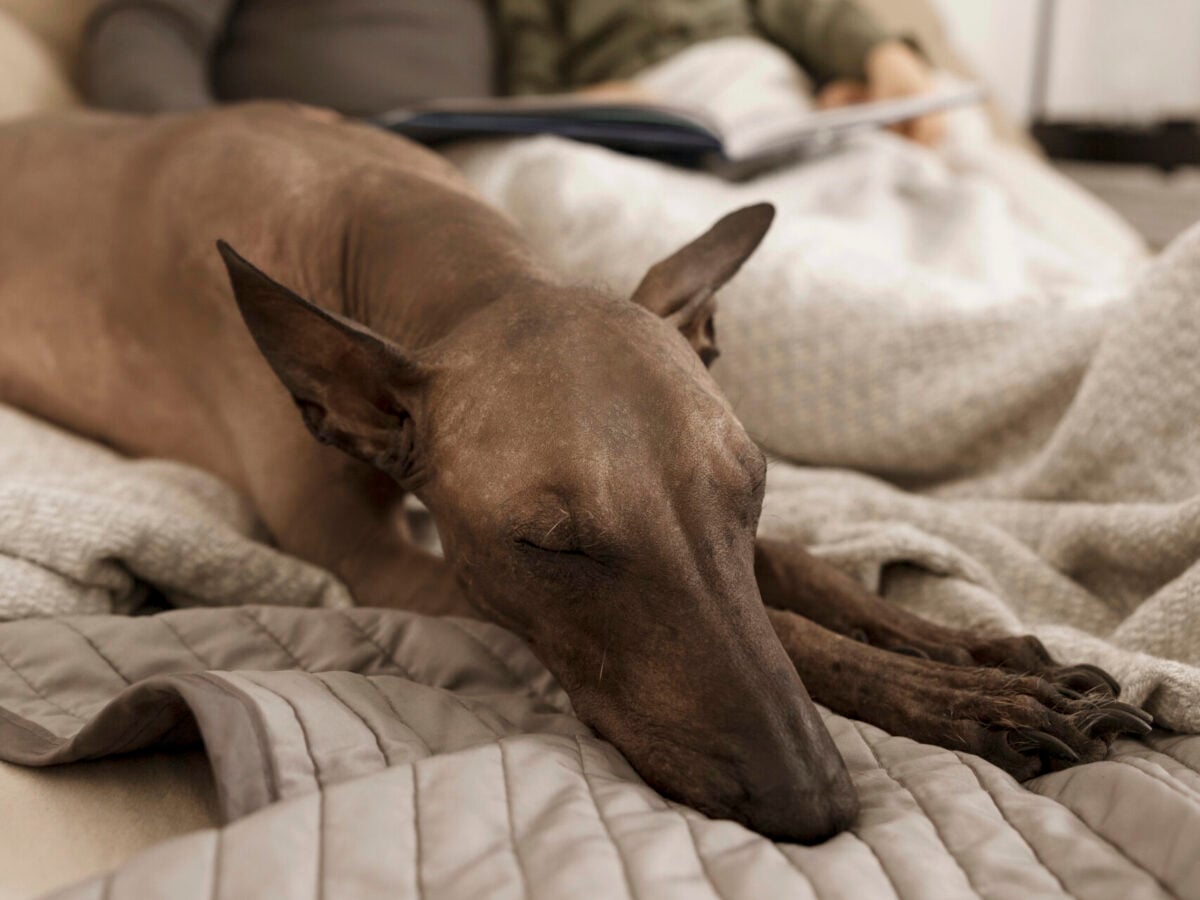
Xolos come in three sizes and both hairless and coated varieties, offering more flexibility than their unusual appearance might suggest. They generally have manageable exercise and grooming needs, although hairless dogs require special attention to skin care, sun protection, and cold weather.
At A Glance:
- Size: Toy (10–15 pounds), miniature (15–30 pounds), or standard (30–55 pounds)
- Temperament: Calm, alert, loyal
- Energy Level: Moderate; enjoys daily walks, playtime, and regular mental stimulation
- Trainability: Moderate; intelligent and responsive to consistent, positive training, but sometimes independent
- Grooming/Shedding: Very low shedding; hairless varieties need skin and sun protection
- Social/Adaptability: Adaptable to routine changes; reserved with strangers, benefits from early socialization and consistent routines
- Life Expectancy: 13–18 years
- Best For: Deep one-on-one bonds and selective affection
Fun Fact: The Xoloitzcuintli also earns a spot on our list of dog breeds with the longest lifespans. With a life expectancy of 13–18 years, these ancient companions may have plenty of years of love and loyalty to offer.
Easier Than You’d Think: 5 Affectionate Breeds With Manageable Needs
More manageable than their appearance, reputation, or breed history might suggest.
These five breeds may not be obvious choices for low-maintenance companions, but they offer some pleasant surprises. From surprisingly relaxed personalities to care needs that are easier to manage than you’d expect, each offers a rewarding balance of affection and everyday livability.
12. Greyhound
You might expect a dog capable of reaching 40 mph to need endless exercise, but Greyhounds are surprisingly enthusiastic about lounging around the house. These gentle, sweet-natured dogs are often happiest stretching out on the couch, preferably somewhere soft enough to accommodate those long legs.
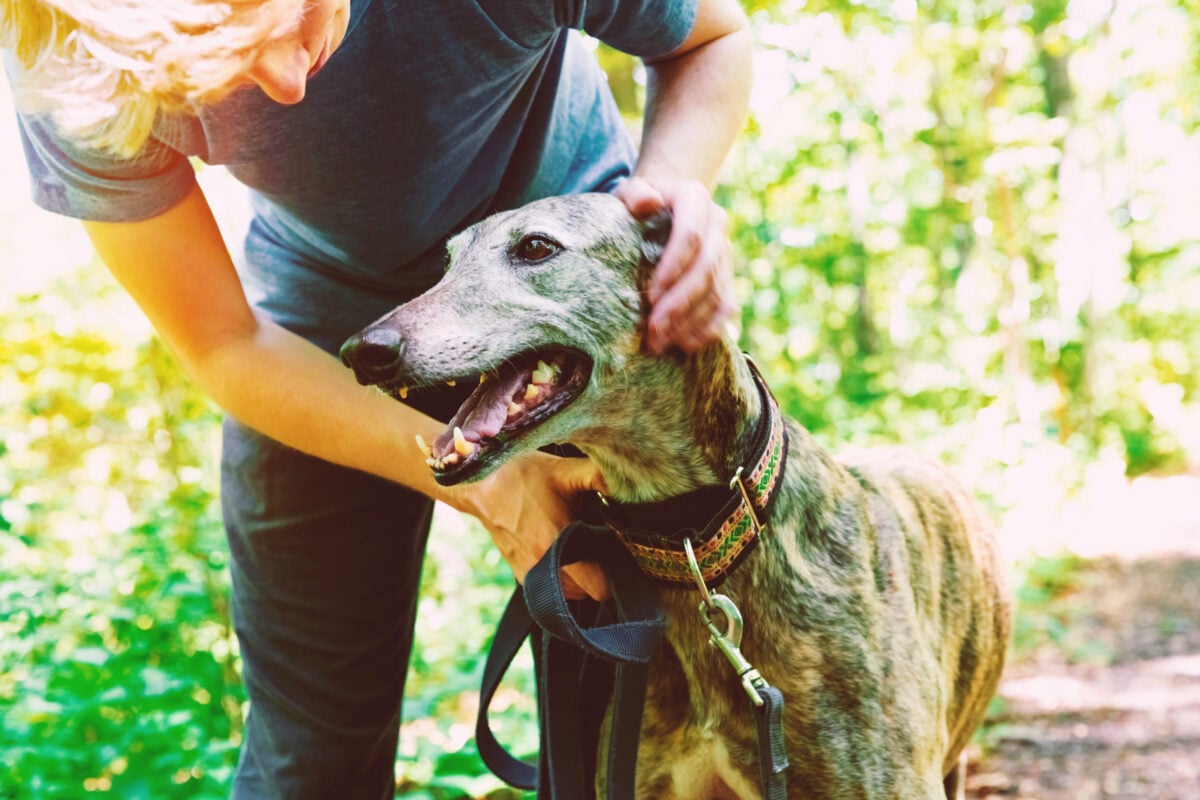
Greyhounds need regular walks and safe opportunities to run, but they’re generally calm and quiet indoors once their exercise needs are met. Their short coats are incredibly easy to maintain, although their strong prey drive means secure fencing and careful supervision around smaller animals are important.
At A Glance:
- Size: Large (60–70 pounds)
- Temperament: Friendly, gentle, calm, sensitive
- Energy Level: Moderate; enjoys daily walks and occasional sprinting, with plenty of downtime
- Trainability: Moderate; intelligent but independent, responds best to gentle, reward-based training
- Grooming/Shedding: Very low grooming, low shedding; occasional brushing
- Social/Adaptability: Generally gentle with children and other dogs; may chase smaller animals
- Life Expectancy: 10–13 years
- Best For: Quiet households seeking companionship without constant clinginess
13. Keeshond
With its enormous, fluffy coat, foxlike face, and distinctive markings that look like little spectacles, the Keeshond is hard to overlook. Nicknamed the “Smiling Dutchman,” this cheerful companion has a friendly, people-loving personality and a long history of keeping families company aboard Dutch barges.
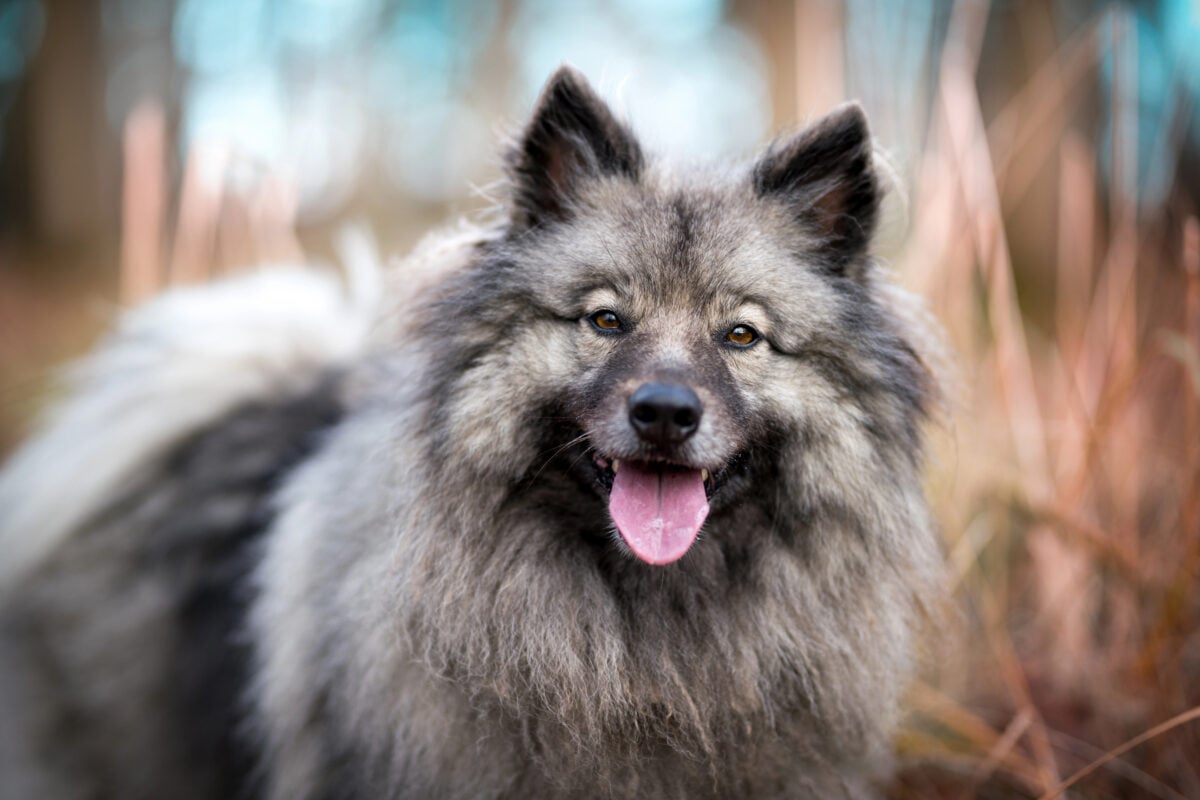
Despite all that fur, Keeshonden don’t need hours of strenuous exercise or an elaborate grooming routine to stay happy. They’re generally content with daily walks, playtime, and regular brushing, although seasonal shedding can be substantial and they aren’t shy about barking when something catches their attention.
At A Glance:
- Size: Medium (35–45 pounds)
- Temperament: Cheerful, outgoing, intelligent
- Energy Level: Moderate; enjoys daily walks, games, and time with family
- Trainability: High; quick to learn, eager to please, and responsive to positive reinforcement
- Grooming/Shedding: Moderate grooming, heavy shedding; weekly brushing
- Social/Adaptability: Friendly with children, strangers, and other pets; can be vocal
- Life Expectancy: 12–15 years
- Best For: Social families wanting a people-loving companion and don’t mind shedding
Love the Siberian Husky‘s looks but not its demanding lifestyle? The Keeshond offers a similar fluffy, northern-dog appearance with more moderate exercise needs and generally less of a tendency to roam. It’s one of our recommended alternatives in our guide to high-maintenance dog breeds.
14. Smooth Collie
When most people picture a Collie, they think of Lassie and that magnificent, flowing coat. The Smooth Collie has the same gentle, intelligent, family-oriented personality in a much shorter-haired package, making it an appealing alternative for anyone who loves Collies but doesn’t want quite so much coat maintenance.
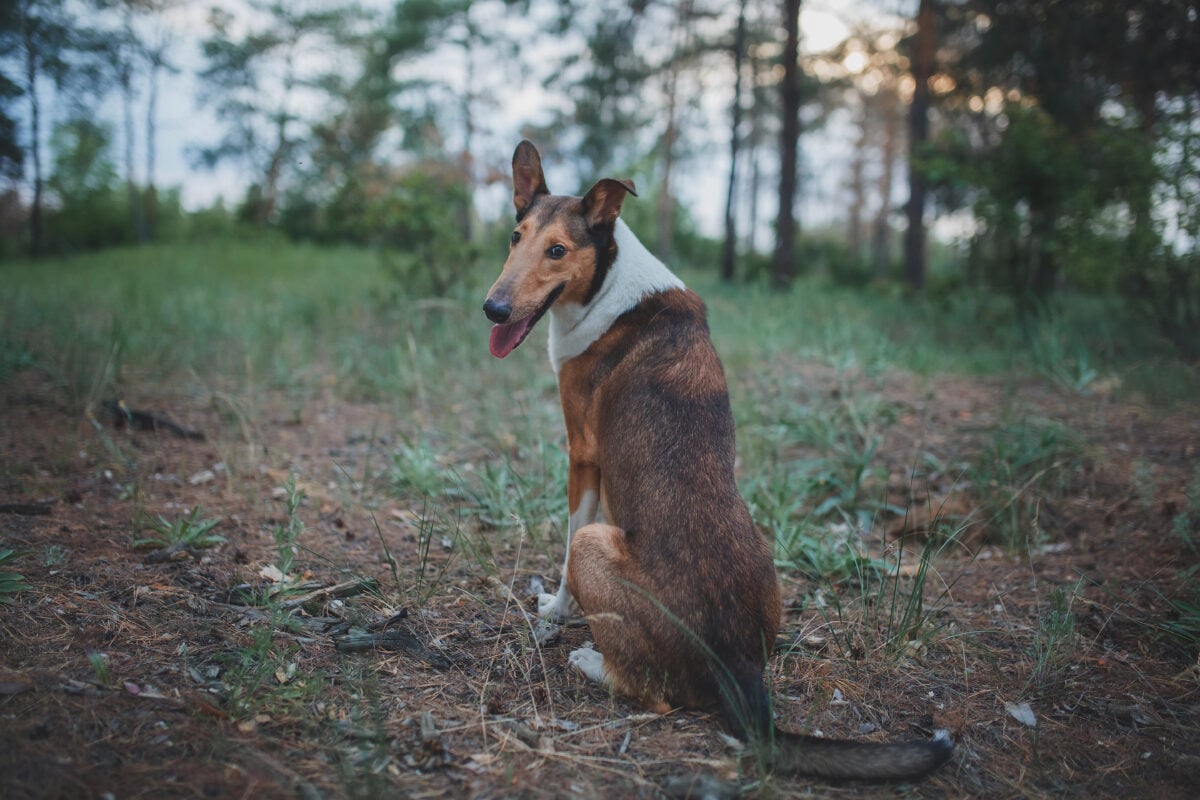
Smooth Collies are eager to please and generally easy to train, with exercise needs that are manageable for reasonably active households. Their short double coats still shed, particularly during seasonal changes, but they require less intensive brushing than their longhaired cousins.
At A Glance:
- Size: Medium to large (50–75 pounds)
- Temperament: Gentle, intelligent, responsive
- Energy Level: Moderate; enjoys daily walks, play, and activities with family
- Trainability: High; eager to please, sensitive, and generally quick to learn
- Grooming/Shedding: Low to moderate grooming, moderate to high shedding
- Social/Adaptability: Generally good with children and other pets; adaptable with sufficient exercise; may bark to alert
- Life Expectancy: 12–14 years
- Best For: Families seeking a gentle, devoted dog that enjoys being involved
Smooth Collie vs. Rough Collie: They’re the same breed! Rough Collies have long, flowing fur, while Smooth Collies have a shorter, easier-to-maintain coat. Both share the breed’s gentle, intelligent temperament, earning the Collie a spot on our list of healthiest dog breeds for seniors.
15. Border Terrier
The Border Terrier has the scruffy good looks of a dog that’s just returned from an adventure, which isn’t far from the truth. Originally bred to work alongside foxhounds along the English-Scottish border, these cheerful little terriers are known for their friendly personalities and ability to get along with people and other dogs.
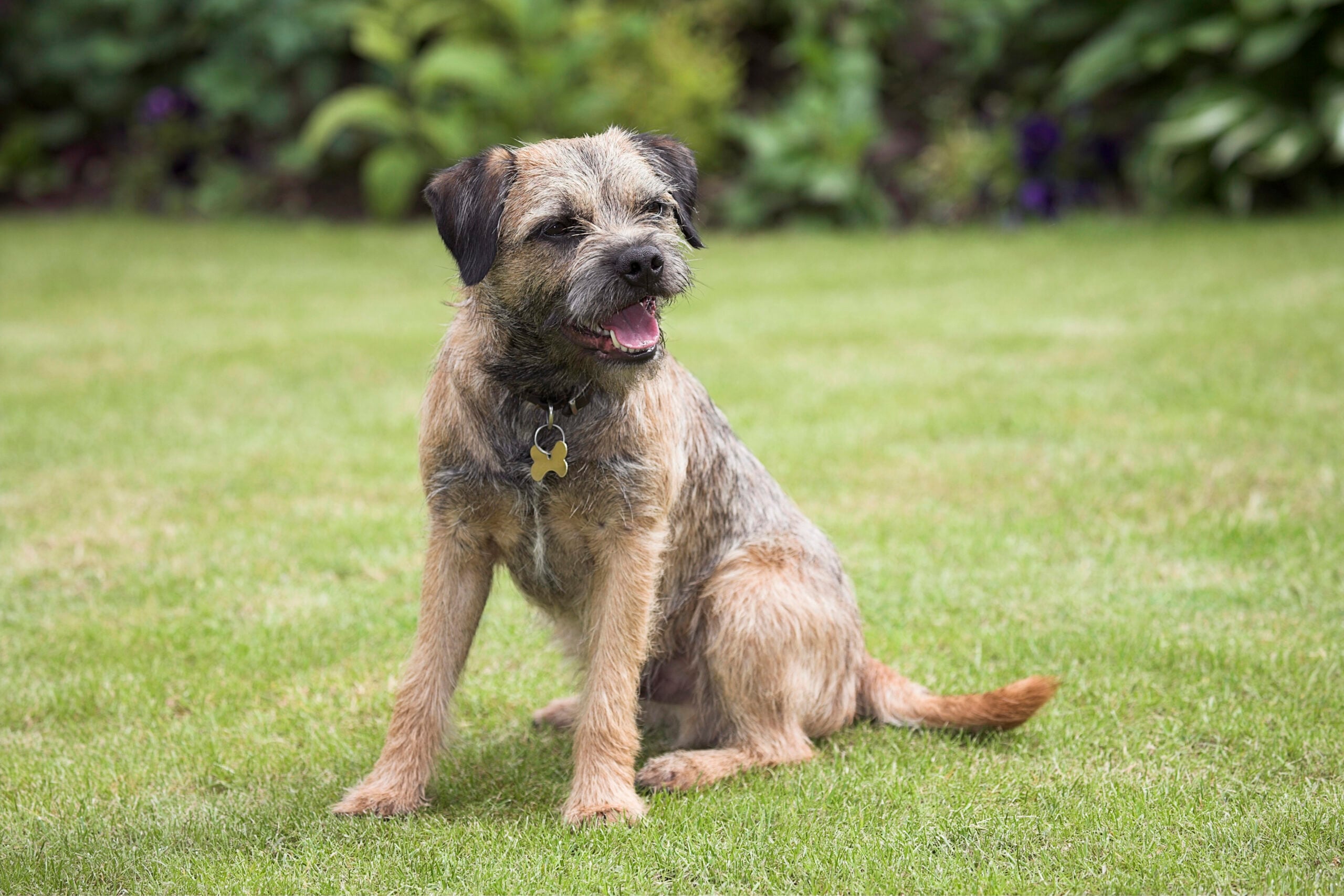
Border Terriers are typically easier to train and more cooperative than some of their terrier cousins, but they still need plenty of exercise and opportunities to explore. Their weather-resistant coats are relatively easy to maintain with routine brushing, although periodic hand-stripping helps preserve their wiry texture and manage shedding.
At A Glance:
- Size: Small (11.5–15.5 pounds)
- Temperament: Cheerful, spirited, good-natured
- Energy Level: Moderate to high; enjoys daily exercise, outdoor adventures, and interactive play
- Trainability: Moderate to high; intelligent and generally cooperative, but can be independent when something catches their interest
- Grooming/Shedding: Low to moderate grooming, seasonal shedding; periodic hand-stripping
- Social/Adaptability: Friendly with family and generally sociable with other dogs; strong prey drive around small pets
- Life Expectancy: 12–15 years
- Best For: Active owners who enjoy play, adventures, and shared activities
Small Dogs, Big Surprises: 4 Affectionate Breeds That Defy Expectations
Small in size, with personalities and abilities that challenge the usual stereotypes.
These four breeds challenge common assumptions about small dogs and, in some cases, their own breed reputations. From surprising athleticism and intelligence to personalities that defy expectations, they offer more than you might expect from such little companions.
16. Papillon
Those butterfly-shaped ears may look delicate, but the Papillon is a surprisingly capable little athlete. Despite weighing just 5–10 pounds, Papillons excel at agility, obedience, and learning tricks, making them a wonderful choice for someone who wants a clever, interactive companion.
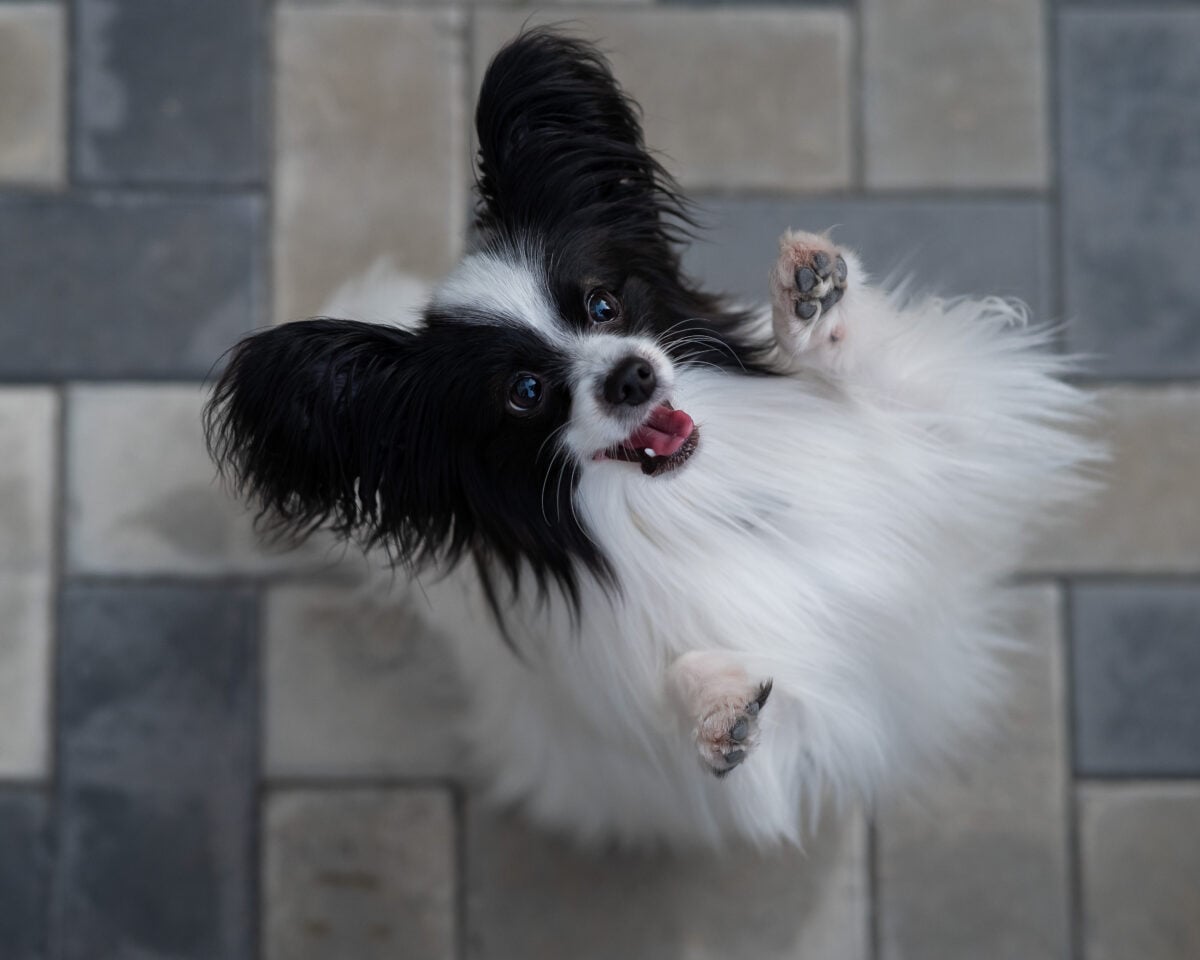
Their intelligence and eagerness to please make training relatively straightforward, while their exercise needs are manageable with daily walks and playtime. And despite their long, silky coats, Papillons are surprisingly easy to groom because they lack the thick undercoat that makes some fluffy breeds more demanding.
At A Glance:
- Size: Toy (5–10 pounds)
- Temperament: Smart, confident, lively
- Energy Level: Moderate to high; enjoys games, walks, and mental challenges
- Trainability: High; eager to please, quick to learn, and excellent at tricks and dog sports
- Grooming/Shedding: Low to moderate grooming, moderate shedding; occasional brushing
- Social/Adaptability: Friendly and adaptable; best with children who can handle small dogs gently
- Life Expectancy: 14–16 years
- Best For: People who enjoy training, play, and interactive companionship
Small Dog, Serious Brainpower! The Papillon makes our list of the smartest dog breeds based on trainability, outperforming many much larger dogs. Papillons also make our list of intelligent breeds for companionship and service.
17. Smooth-Coat Chihuahua
Chihuahuas have a reputation for being nervous, noisy little dogs, but this tiny breed has much more to offer than the stereotypes suggest. With proper socialization and training, Chihuahuas can be confident, devoted companions that form exceptionally close bonds with their people.
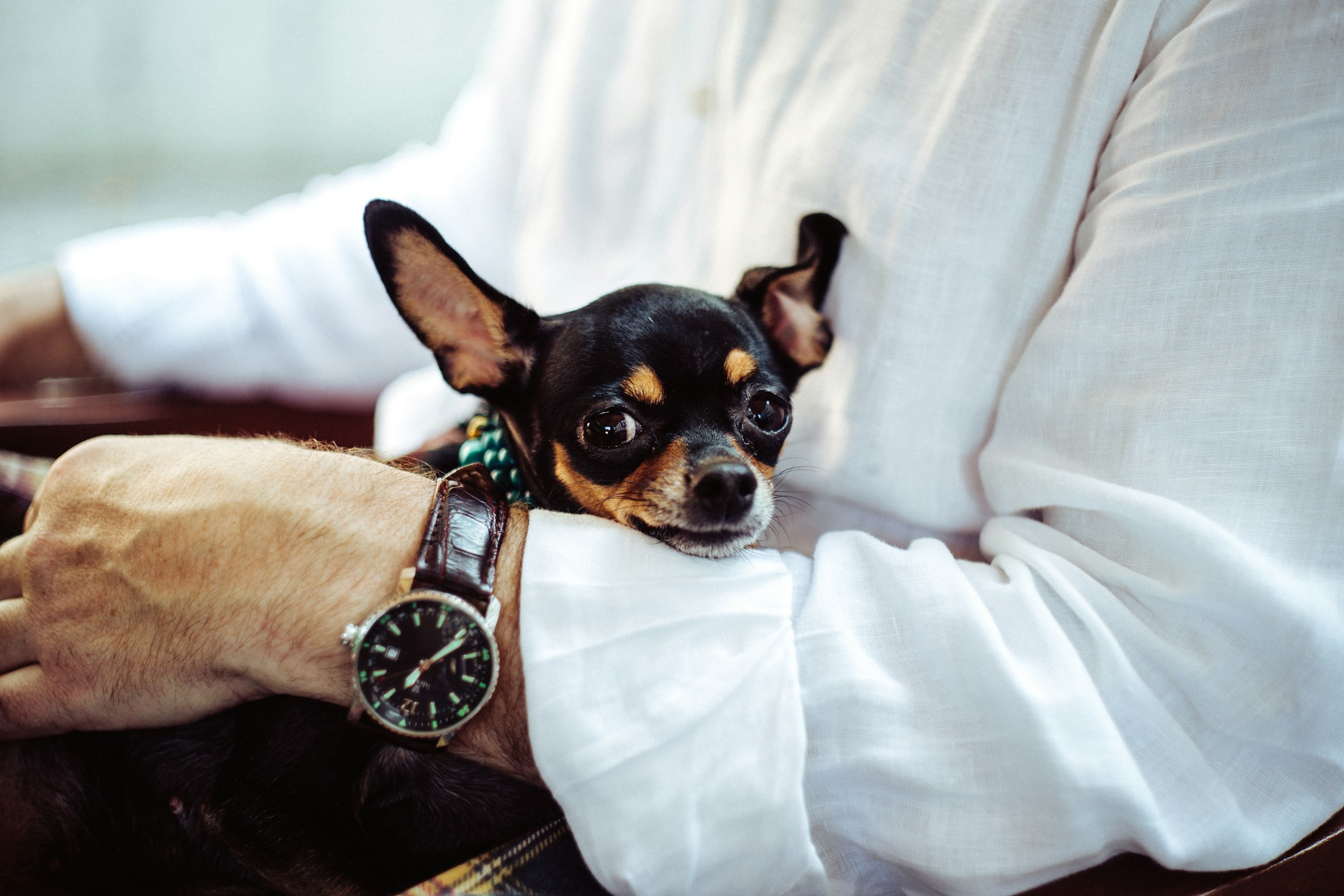
The smooth-coated variety is especially appealing for its simple grooming routine, and its small size makes daily exercise relatively manageable. Chihuahuas still need training, mental stimulation, and regular dental care, but they’re a practical choice for someone who wants a little dog with a big personality.
At A Glance:
- Size: Toy (typically 2–6 pounds)
- Temperament: Confident, alert, spirited
- Energy Level: Low to moderate; enjoys short walks and indoor play
- Trainability: Moderate; intelligent and capable, but benefits from patience and consistent training
- Grooming/Shedding: Very low grooming, moderate shedding; occasional brushing
- Social/Adaptability: Sometimes cautious around strangers; generally better suited to homes with older children
- Life Expectancy: 14–16 years
- Best for: One-on-one companionship and strong bonds with a favorite person
18. Havanese
The Havanese is Cuba’s only native dog breed, and these cheerful little companions seem to have inherited a talent for making friends wherever they go. Outgoing, playful, and remarkably adaptable, Havanese dogs are known for their entertaining personalities and ability to fit into all kinds of households.
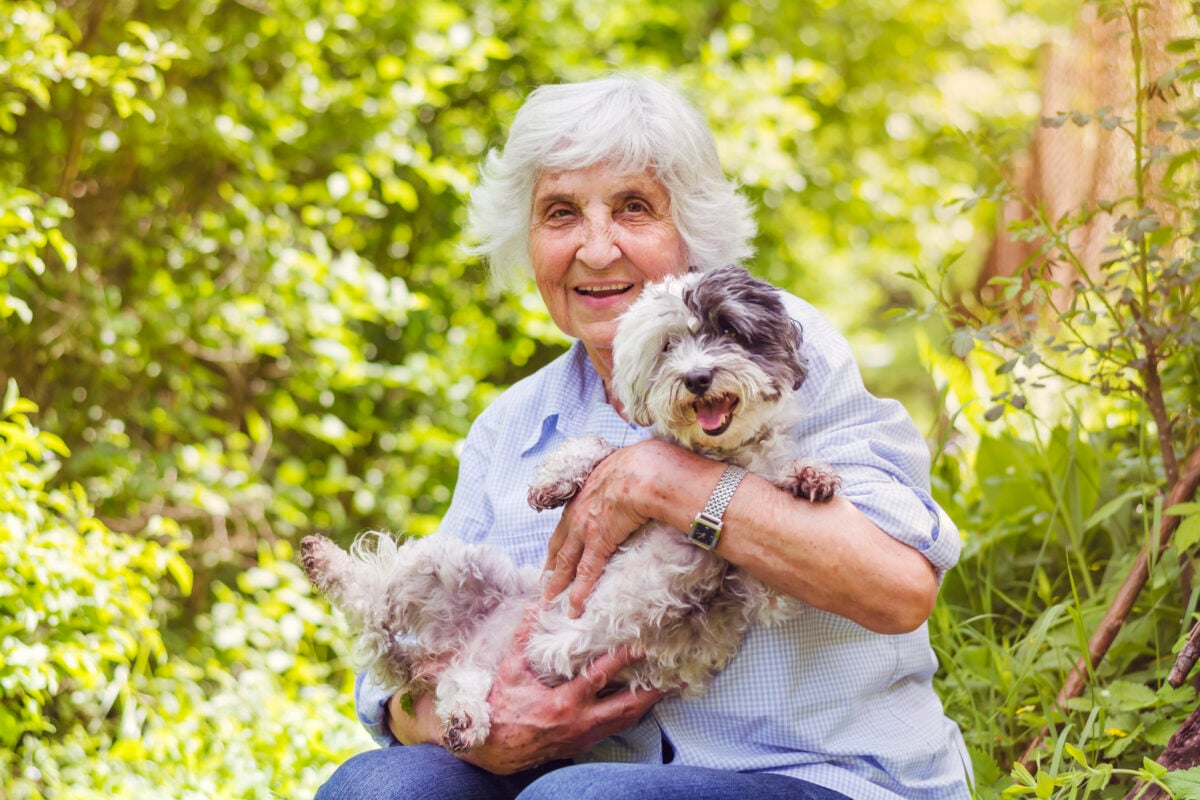
They’re generally easy to train, enjoy moderate daily activity, and can be perfectly happy in an apartment or smaller home. Their silky coats shed very little but require frequent grooming, and these people-loving dogs aren’t especially fond of spending long hours alone.
At A Glance:
- Size: Small (7–13 pounds)
- Temperament: Cheerful, outgoing, playful
- Energy Level: Moderate; enjoys walks, indoor games, and interactive play
- Trainability: High; intelligent, eager to please, and responsive to gentle, positive training
- Grooming/Shedding: High grooming, very low shedding; frequent brushing
- Social/Adaptability: Friendly with children, visitors, and other pets; dislikes prolonged time alone
- Life Expectancy: 14–16 years
- Best for: Social households wanting a friendly, outgoing companion
19. Bichon Frise
The Bichon Frise looks like a little white powder puff, but a surprisingly sturdy, playful dog hides beneath all that fluff. These cheerful companions are known for their friendly, outgoing personalities and ability to make themselves at home in a wide variety of households.
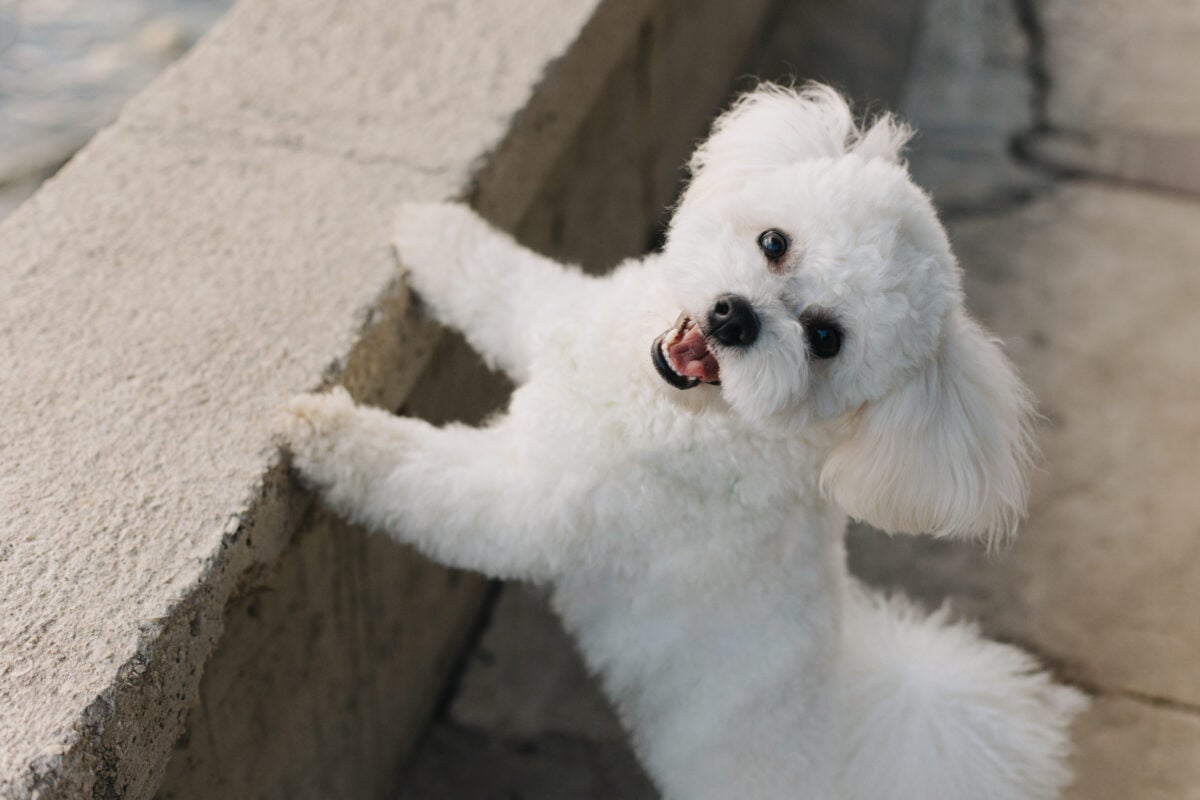
Bichons have manageable exercise needs, enjoy learning tricks, and are generally sociable with people and other pets. Their biggest maintenance requirement is grooming: Those beautiful white curls shed very little, but they need regular brushing and professional trims to prevent matting.
At A Glance:
- Size: Small (12–18 pounds)
- Temperament: Cheerful, playful, curious
- Energy Level: Moderate; enjoys daily walks, playtime, and occasional bursts of activity
- Trainability: Moderate to high; intelligent and responsive to positive reinforcement, although housetraining can require patience
- Grooming/Shedding: High grooming, very low shedding; regular brushing and trims
- Social/Adaptability: Sociable with children, strangers, and other pets; adaptable to different households
- Life Expectancy: 14–15 years
- Best For: Families or singles seeking a cheerful, sociable lap companion
20. Biewer Terrier
The Biewer Terrier may be tiny, but there’s nothing delicate about its enthusiasm for life. These cheerful little companions are surprisingly playful, easygoing, and eager to join in on family activities, whether that’s a game of fetch or an afternoon relaxing together.
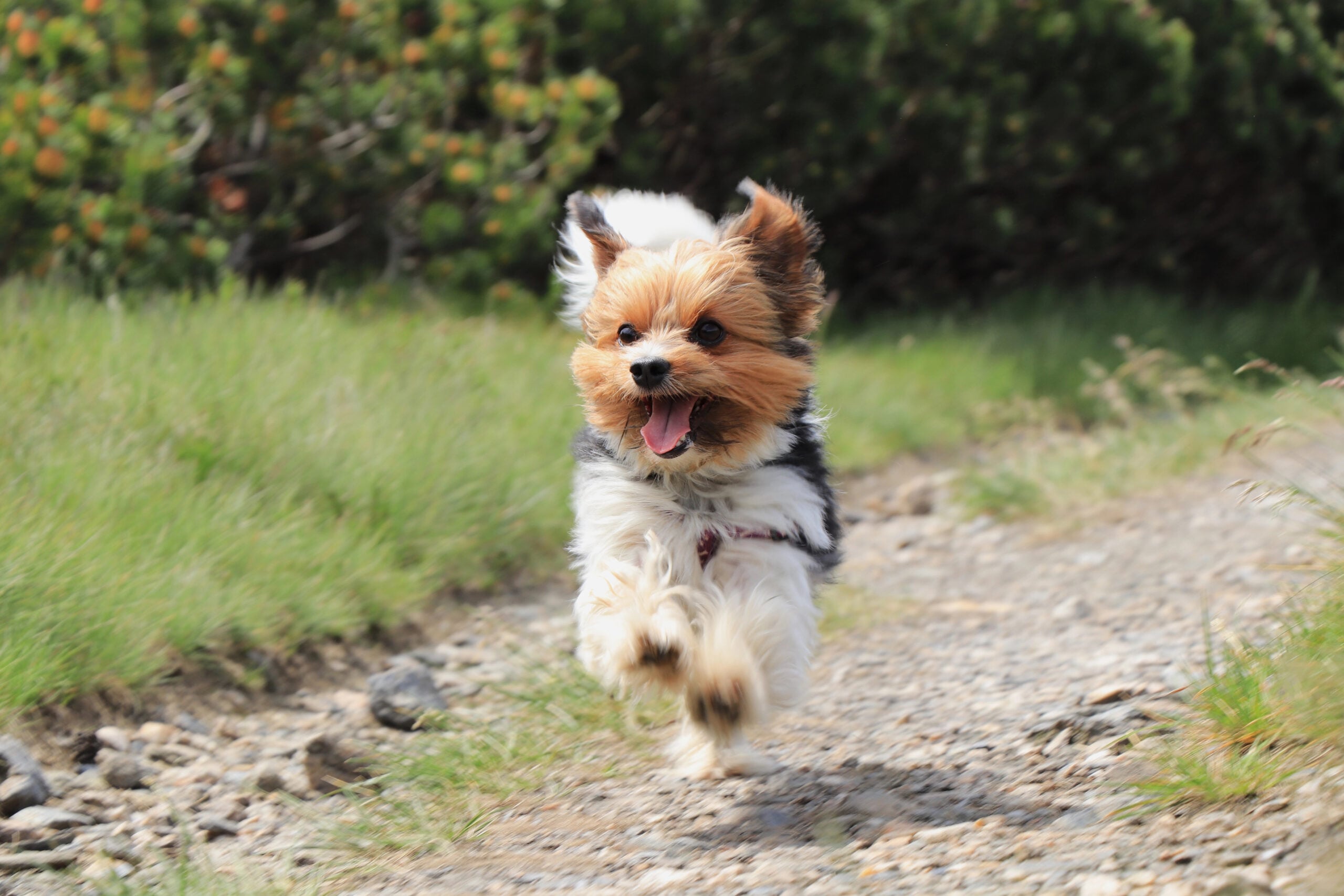
Although descended from Yorkshire Terriers, Biewer Terriers are recognized as a separate breed and are often described as having a particularly mellow, friendly disposition. Their exercise needs are modest, and they shed very little, although keeping that beautiful coat long requires daily brushing.
At A Glance:
- Size: Toy (4–8 pounds)
- Temperament: Cheerful, friendly, playful
- Energy Level: Low to moderate; enjoys indoor play, short walks, and family activities
- Trainability: Moderate to high; intelligent and willing to learn, although house training may require extra patience
- Grooming/Shedding: High grooming, very low shedding; frequent brushing or shorter trims
- Social/Adaptability: Generally friendly with people and pets; best with gentle handling
- Life Expectancy: Approximately 16 years
- Best for: Lap time, playful companionship, and close family bonds
Which Affectionate, Low-Maintenance Dog Is Right for You?
Still having trouble narrowing down your favorites? Sometimes the best way to choose is to focus on what matters most in your everyday life.
Whether you want a dog that follows you everywhere, gets along with your cats, or can happily entertain itself for a while, these quick picks can help you find the right fit.
I Want a Velcro Dog
Some dogs would happily spend the entire day attached to your side. If you love having a constant companion, these affectionate breeds are worth a closer look.
- Havanese: Loves attention, cuddling, and following favorite people around
- Coton de Tulear: Thrives on close companionship and being involved in daily life
- Bolognese: Forms strong attachments and enjoys staying close to familiar people
- Whippet: An enthusiastic snuggler who often wants to share your couch and blankets
- Russian Toy: Forms close bonds and enjoys spending time with its favorite people
Love this kind of companionship? Explore more Velcro dog breeds that rarely want to leave your side.
I Love a Dog With a Sense of Humor
If you want a companion who keeps you entertained, these playful personalities can make even ordinary days more fun.
- Coton de Tulear: Known for amusing antics and a playful personality
- Löwchen: Cheerful little entertainer who loves attention and games
- Papillon: Clever, lively, and always ready for another activity
- Biewer Terrier: Playful, curious, and full of entertaining little quirks
- Border Terrier: Playful, curious, and always ready for a little mischief
I Want a Dog That Loves Everyone
Some dogs save their affection for a select few. Others seem delighted to meet just about anyone, making them especially appealing for social households.
- Bichon Frise: Cheerful, outgoing, and typically friendly with visitors
- Havanese: Sociable and eager to interact with familiar people and newcomers
- Coton de Tulear: Friendly, playful, and enthusiastic about companionship
- Löwchen: Confident, outgoing, and happy to join social activities
- Keeshond: Outgoing, friendly, and generally happy to meet new people
I Have Cats or Other Small Animals
Already sharing your home with a cat or another pet? These breeds may be worth considering, especially when raised and socialized with other animals.
- Papillon: Playful and sociable, often comfortable sharing a home with cats
- Havanese: Generally friendly and accepting of other household pets
- Bichon Frise: Sociable and often comfortable in multi-pet households
- Smooth Collie: Typically tolerant of familiar pets, although herding instincts may appear
Breed tendencies aren’t guarantees. Individual temperament, prey drive, and careful introductions matter most around cats and other small animals.
I Want a Dog That’s Easy to Train
If you enjoy teaching tricks or simply want a responsive companion, these breeds are known for their intelligence and willingness to learn.
- Papillon: Exceptionally intelligent and quick to master new skills
- Smooth Collie: Eager to please, attentive, and responsive to training
- Havanese: Cooperative, people-oriented, and enthusiastic about learning
- American Hairless Terrier: Intelligent and enjoys interactive training sessions
Learn more in our guide to the dog breeds that are easiest to train.
I Need a Dog That Can Handle Some Alone Time
You want a loving companion, but you also need a dog that can settle when you’re occupied or away from home.
- Tibetan Spaniel: Independent enough to enjoy occasional time alone
- Glen of Imaal Terrier: Self-reliant and capable of learning to relax alone
- Greyhound: Often comfortable relaxing quietly without constant attention
- Whippet: Can enjoy independent downtime after sufficient exercise
Explore our guide to dogs without separation anxiety for more breeds that may handle time apart more comfortably.
A Quiet Dog Is a Must
If you appreciate a peaceful household, these breeds tend to be less vocal than many other dogs.
- Greyhound: Typically quiet and content to relax indoors
- Whippet: Rarely barks without a reason
- Bolognese: Generally quiet and well-suited to a calmer home
- Glen of Imaal Terrier: Less inclined toward excessive barking than many terriers
For more peaceful companions, explore our lists of surprisingly quiet dog breeds and dogs that don’t bark much.
I’d Rather Skip the Grooming Salon
If you’d rather spend your time cuddling than brushing, these breeds have relatively straightforward coat-care needs.
- American Hairless Terrier: Little to no coat maintenance, although skin protection is essential
- Whippet: Short, smooth coat that needs minimal brushing
- Greyhound: Easy-care coat with relatively little grooming
- Smooth-Coat Chihuahua: Simple brushing and bathing requirements
- Xoloitzcuintli: Hairless variety requires no brushing or professional coat trims, but needs regular skin care and sun protection
I Want a Dog That Can Settle Indoors
You enjoy walks and playtime, but you also want a companion who’s happy to relax after the day’s activities.
- Greyhound: Famous for its relaxed indoor temperament
- Whippet: Enjoys bursts of activity followed by plenty of lounging
- Bolognese: Content with a quieter routine and close companionship
- Eurasier: Generally calm indoors when given sufficient daily activity
- Cesky Terrier: Comparatively mellow for a terrier and happy to relax after daily activity
I’m a Senior Looking for a Loving Companion
Looking for a dog that offers plenty of affection without an exhausting daily routine? These breeds may be especially appealing.
- Bichon Frise: Cheerful, sociable companionship with modest exercise needs
- Tibetan Spaniel: Devoted, adaptable, and comfortable with a quieter routine
- Greyhound: Gentle, quiet companionship with minimal grooming demands
- Border Terrier: Playful, affectionate companionship for more active seniors
- Havanese: Friendly, adaptable, and eager to please
For more options, explore our guide to the best dogs for seniors.
Love These Popular Dogs? Consider These Lower-Maintenance Alternatives
Love the personality or appearance of a popular breed but have reservations about its care needs? These alternatives share some of the qualities that make those dogs so appealing, with potentially easier grooming, exercise, health, or everyday management.
| If You Love… | Consider Instead | Why It May Be Easier |
|---|---|---|
| Golden Retriever | Smooth Collie, Havanese, Coton de Tulear | Friendly, gentle, and eager to please, with simpler grooming or more manageable exercise needs |
| Labrador Retriever | Smooth Collie, American Hairless Terrier | Playful, intelligent, people-loving companions with lighter exercise and grooming demands |
| French Bulldog | Smooth-Coat Chihuahua, American Hairless Terrier | Small, playful companions without the same flat-faced breathing concerns |
| German Shepherd | Smooth Collie, Eurasier | Intelligent, devoted companions with more moderate exercise or guarding demands |
| Border Collie | Smooth Collie, Papillon, American Hairless Terrier | Smart, trainable, interactive companions without the same intense working-dog demands |
| Beagle | Border Terrier, Cesky Terrier, Glen of Imaal Terrier | Cheerful, sturdy companions with generally less scent-driven behavior or barking |
| Pomeranian | Tibetan Spaniel, Russian Toy | Lively, devoted little dogs with simpler grooming options |
| Cavalier King Charles Spaniel | Tibetan Spaniel, Bolognese, Havanese | Sweet, affectionate companions with less health risks |
| Shih Tzu | Bolognese, Coton de Tulear, Bichon Frise | Fluffy, affectionate companions without the same flat-faced breathing concerns |
| Yorkshire Terrier | Biewer Terrier, Russian Toy, Papillon | Tiny, lively companions with mellower personalities or simpler grooming |
| Goldendoodle | Havanese, Coton de Tulear, Bichon Frise | Friendly, fluffy, low-shedding companions with more predictable coats and manageable exercise needs |
Could a Mixed-Breed Dog Be an Even Better Match?
Some of the most affectionate, easygoing dogs don’t belong to any particular breed. A mixed-breed dog can offer the same loving companionship as a purebred, sometimes with a combination of traits that fits your lifestyle even better.
One advantage of adopting an adult dog is that you can often get a clearer picture of its personality, energy level, size, and grooming needs. A foster-based rescue may also be able to tell you how a dog behaves around children, cats, visitors, or when left alone.
The key is to evaluate the individual dog rather than assuming a particular breed mix will guarantee certain traits. Mixed breeds can inherit a wide range of characteristics, and they’re not automatically healthier or easier to care for than purebreds.
If you’re open to adoption, consider meeting a few adult dogs whose temperaments and everyday needs match what you’re looking for.
Frequently Asked Questions
Finding a dog that’s both affectionate and relatively low-maintenance involves more than choosing the right breed. Here are a few common questions to consider before deciding.
Don’t see your question? Respond in the comments, and we’ll get back to you!
What Is the Most Affectionate, Low-Maintenance Dog Breed?
The Tibetan Spaniel is one of our strongest overall choices, combining family devotion with moderate exercise needs, relatively simple grooming, and an independent personality. Whippets and Greyhounds are also excellent options for people who appreciate gentle, cuddly companions with easy-care coats.
Are Small Dogs Easier to Care for Than Large Dogs?
Small dogs generally cost less to feed, are easier to transport, and need less physical space, but their grooming, training, and attention needs can be just as demanding. A Greyhound, for example, may be easier to groom and quieter indoors than a tiny, high-maintenance lapdog.
Can a Dog Be Affectionate Without Being Clingy?
Absolutely. Tibetan Spaniels, Greyhounds, and Eurasiers can form strong bonds with their families while maintaining a degree of independence. Affection doesn’t always mean constant cuddling or following you from room to room.
Which Affectionate Dog Breeds Shed the Least?
The American Hairless Terrier and hairless Xoloitzcuintli shed little to no coat hair, while the Bolognese, Coton de Tulear, Havanese, and Bichon Frise also shed very little. However, low shedding doesn’t necessarily mean easy grooming, and no dog is completely hypoallergenic.
Can Low-Maintenance Dogs Still Develop Separation Anxiety?
Yes. Any dog can experience separation-related distress, regardless of its breed or reputation for independence. Gradually teaching a dog to feel comfortable alone, providing appropriate enrichment, and maintaining a predictable routine can help.
Is It Better to Adopt an Adult Dog or Get a Puppy?
An adult dog may be an easier fit if you want a clearer picture of its size, personality, energy level, and existing habits. Puppies of every breed require substantial time for house training, socialization, supervision, and learning household routines.
Still Deciding? Find Your Kind of Companion
The best match isn’t necessarily the easiest dog on paper; it’s the one whose personality, needs, and quirks fit comfortably into your everyday life. If you’re still weighing your options, these guides can help narrow your search:
- Most Affectionate Small Dog Breeds: Meet little companions with an especially big capacity for love.
- Low-Shedding Dog Breeds: Explore breeds that may leave less fur around your home.
- Dogs Without Separation Anxiety: Discover breeds that may be more comfortable with a little independence.