When you purchase through links on our site, we may earn a commission at no extra cost to you. Learn more.
He was the kind of dog that turned heads at the park: broad chest, alert eyes, tail wagging like a metronome of joy. Half German Shepherd, half Pitbull, he was fiercely loyal, endlessly energetic, and surprisingly gentle with the kids tugging at his ears.
Table of Contents
The German Shepherd Pitbull mix is more than just a striking blend of two strong breeds; this dog is a companion with heart, intelligence, and a deep desire to belong. But this mix isn’t for everyone. They thrive with purpose, patience, and a confident owner who understands their needs.
Whether you’re considering adoption or just curious about what life is like with this remarkable hybrid, you’ll want to understand their temperament, health, and daily needs, because choosing this dog means choosing commitment and a whole lot of love in return.
 Weight40-90 pounds
 Height18-24 inches
 Lifespan10-14 years
 ColorsBlack, Brown, Black & Tan, Red, White
If you are not certain of your dog’s genetic makeup, you can use an at-home DNA test kit to find out.
Meet the Parents: German Shepherd & American Pitbull Terrier
The German Shepherd Pitbull mix is what’s known as a hybrid, or “designer dog” — the intentional cross between two purebred parents: the American Pitbull Terrier and the German Shepherd. While the term “designer dog” may sound trendy, the result is often a loyal, intelligent, and uniquely lovable companion.
These intentional mixes can offer benefits like improved genetic diversity and a blend of desirable traits from both parent breeds. But perhaps more importantly, they help challenge the outdated notion that mixed breeds are somehow “less than” their purebred counterparts — which can increase their chances of being adopted.
To understand what life with a GSD-Pit mix might look like, it helps to first get familiar with the two breeds that shape this dog’s personality, behavior, and needs. Let’s take a closer look at each one.
American Pitbull Terrier
The American Pitbull Terrier originated in the United States, hence the name, but its ancestral roots begin in England and Ireland. She is characterized as a medium-sized canine from the Molosser breed group with short coats of diverse colorations. Adult Pitbulls range from 35 to 90 pounds and 14 to 24 inches in height.
There are a few dogs that get recognized as American Pitbull Terrier-type breeds, but only one dog is the APBT.
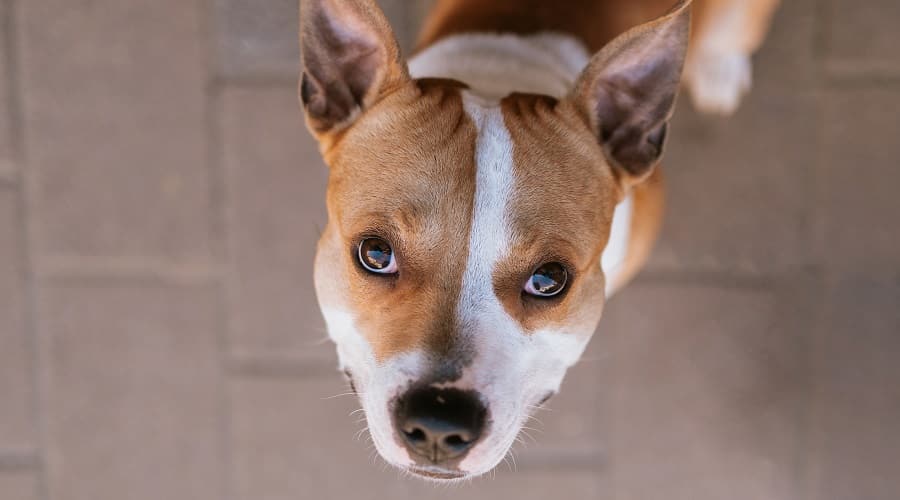
Despite her intimidating appearance, due to her muscular build and a reputation for aggression, Pitbulls are actually a well-tempered and generally friendly breed. She does especially well with children and makes a wonderful family dog.
She has an average lifespan of about 14 years. Pitbulls are commonly mixed with other breeds and can have a variety of different coat colors, including brindle.
German Shepherd
The modern-day German Shepherd is descended from German herding dogs. She became popular in the United States in the early 1900s and has since become a breed commonly used by the military and police forces due to her intelligence, loyalty, and trainability. She is also a popular breed choice for Service Animals.
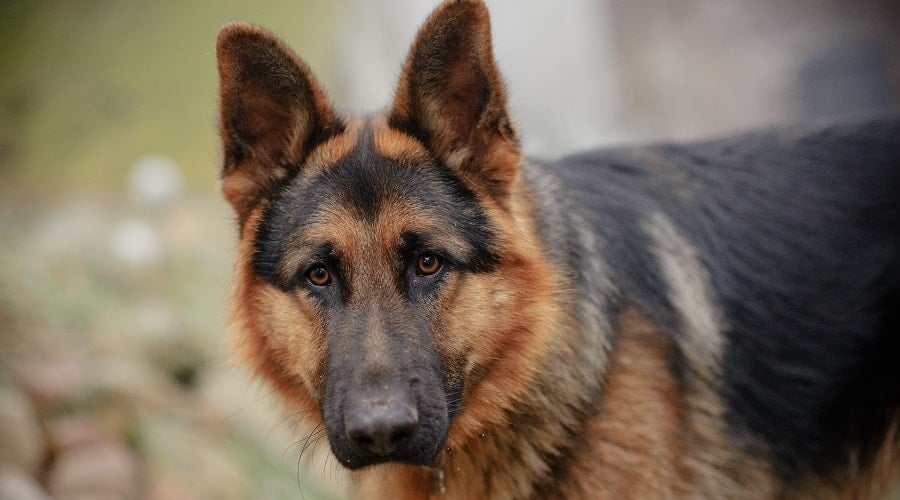
German Shepherds are both strong and agile, making them quite the athletic specimens. Fully grown, German Shepherds are commonly between 22 and 26 inches tall and between 50 and 90 pounds, with females running a bit smaller than males. She has a protective nature and develops a close bond with her owner.
The AKC describes her as “confident, courageous, and smart.” German Shepherds have an average lifespan of 12 to 15 years and can have many different lengths of coat. There are many common GSD mixes, including the German Shepherd Chow Chow mix and the German Shepherd Lab mix.
Meet the German Shepherd Pitbull Mix
The GSD Pitbull Mix is what you get when you try to get the best of both breeds. With this designer dog, you’ll get the loyalty of the American Pitbull Terrier (otherwise known as the “Nanny Dog”) with the mix of the working ability and discipline of the German Shepherd.
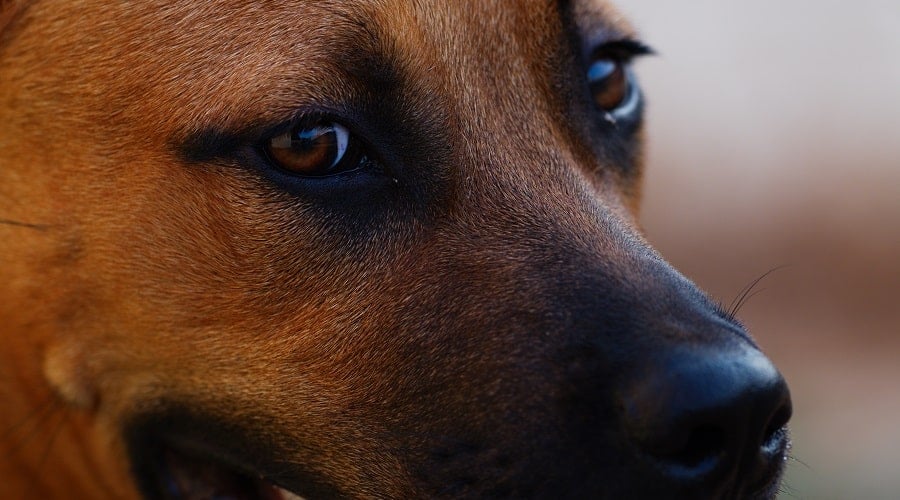
Your pup will likely take more characteristics from one of its parent breeds over the other. Which traits it takes is purely a matter of chance. These breeds are often compared against each other, so let’s look at some of the different characteristics of this mix, as well as what you might commonly expect.
See the German Shepherd Pitbull Mix in Action
Curious what these pups are really like? Sometimes, seeing is believing. Here’s a quick look at German Shepherd Pitbull mix puppies — full of energy, personality, and charm. It’s easy to fall in love with their big eyes, playful nature, and fearless curiosity! Warning: Cuteness overload ahead.
What Does a German Shepherd Pitbull Mix Look Like?
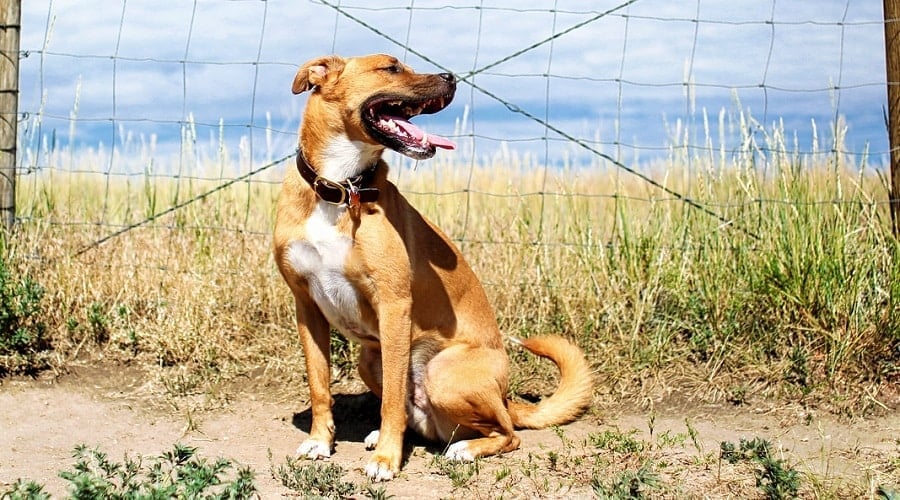
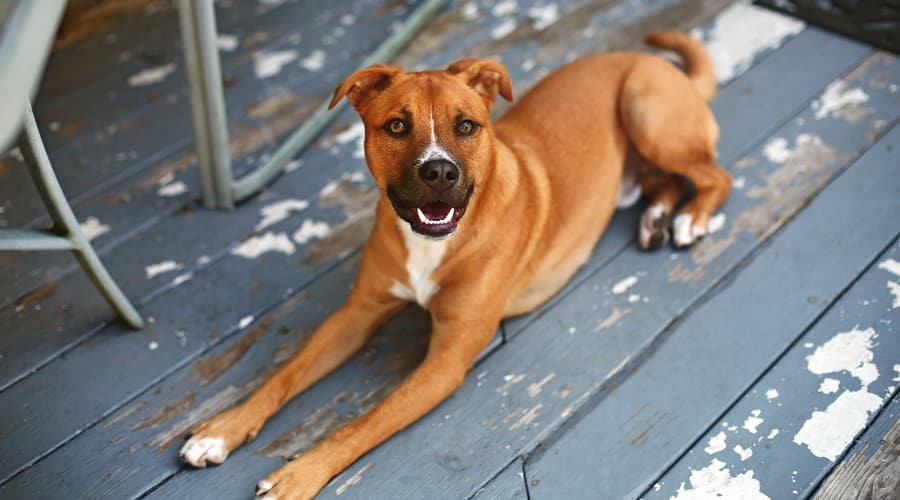
Discussing the appearance of a hybrid breed is never a certainty. Every litter is different, and the characteristic parent genes each pup will receive vary. Nevertheless, a Pitbull German Shepherd’s appearance is inclined to favor her Pitbull side. She is likely to resemble a larger Pitbull, sporting a broad head and short muzzle.
- Muscular yet lean — a perfect balance of strength and agility.
- Ears may stand tall like a Shepherd or flop forward like a Pitbull.
- Common coat shades: black, tan, fawn, brindle, and even rare silver-gray.
- Broad chest and confident stance give this mix a “ready-to-work” look.
- Often resembles a larger, stockier Pitbull with Shepherd-like alertness.
- Eyes are expressive and intelligent — often amber or warm brown.

Both German Shepherds and Pitbulls have a lean and muscular physique, so you can expect a German Shepherd Pitbull Mix to be equally as powerful and agile. It’s not uncommon for her to have bent or flopped-over ears.
Temperament: Loyal, Protective, and Full of Personality
Just like appearance, it can be hard to predict the exact personality of a designer dog, as she could inherit any configuration of her parents’ dispositions.
German Shepherds are known as loyal, intelligent, and protective, while Pitbulls are devoted, faithful, and affectionate. You can expect a Pitbull German Shepherd mix to exhibit any number of these traits.
- Exceptionally loyal and bonds deeply with their family.
- Protective instincts make them natural watchdogs — alert, not aggressive.
- Thrives when included in daily family life and routines.
- Incredibly affectionate once trust is earned — a “velcro dog” personality.
- Can be cautious with strangers but warms up quickly with proper introductions.
- Needs consistent leadership to prevent dominant behavior toward other pets.
When raised correctly, a Pitbull German Shepherd mix is incredibly affectionate. She may try to dominate other dogs and has a propensity to want to be the pack leader. However, she is well-mannered in a home with proper exercise, training, and socialization. These positive influences are imperative to curbing her more domineering instincts.
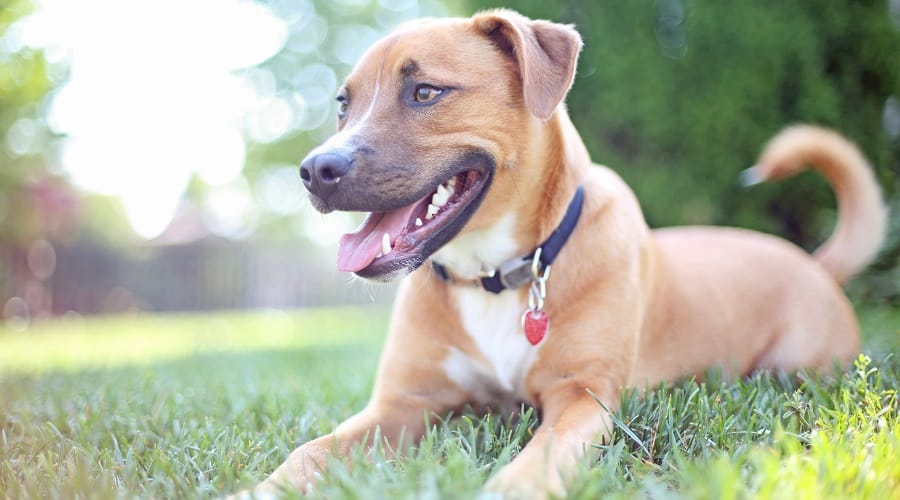
Although she can entertain herself, she mostly enjoys being around her people and craves love and attention. As a result, German Shepherd Pitbull mixes make great family dogs.
Training a GSD Pitbull Mix: Smart, Stubborn & Worth It
Proper training is particularly important for a German Shepherd Pitbull mix. As mentioned, she is a very dominant breed of dog, which can manifest into stubborn or aggressive behavior. She requires consistent efforts to train effectively so that this behavior can be controlled, and you are respected as her leader.
The good news is, German Shepherds and Pitbulls are both breeds with high intelligence, so she’s bound to be a quick learner in comparison to other dogs!
- Highly intelligent — eager to please when training feels like a “job.”
- Positive reinforcement (treats, play, praise) works better than punishment.
- Start socialization early to build confidence and reduce reactivity.
- Teach impulse control: waiting at doors, sitting before meals, and calm leash walks.
- Crate training helps establish security and routine.
- Thrive with advanced training like agility, obedience, or scent work.
If possible, training and socialization should begin when she is a puppy, usually beginning as early as seven weeks old. However, don’t let this discourage you from adopting an older dog.
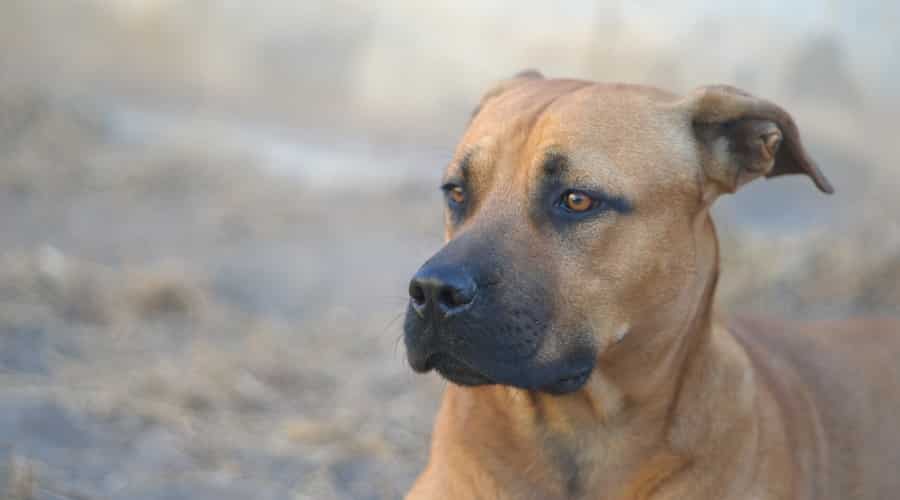
Always use positive reinforcement, even when she is being stubborn. Positive reinforcement strengthens the bond you share with your dog and allows you to develop a relationship based on trust and respect.
Retraining Adult Dogs: Breaking Bad Habits
If you’re adopting an older GSD-Pit mix, don’t worry—training is still possible, but it requires extra patience. Many rescues or rehomed dogs may come with baggage, like leash reactivity, fearfulness, or excessive barking. Focus first on building trust before attempting to correct behavior.
Use calm, consistent commands and avoid harsh discipline. Positive reinforcement still works wonders at any age—especially when paired with regular routines and gentle boundaries. In more complex cases, professional trainers with experience in large working breeds can help guide the process.
Leadership & Dealing With Dominance
This mix often inherits a strong-willed personality, especially if raised without boundaries. They may try to assert control through guarding behaviors, pulling on walks, or ignoring commands. To prevent this, you must become a confident and consistent leader—not by using intimidation, but by showing clear expectations and following through every time.
Establish rules early, such as waiting before meals, walking calmly on a leash, and not jumping on people. If you notice pushy or possessive behavior, redirect it early with structured obedience and calm, assertive corrections.
Positive Reinforcement Techniques That Work
Avoid outdated dominance-based methods, which can damage the trust-based bond this dog thrives on. Instead, lean into positive reinforcement:
- Use high-value rewards: Think boiled chicken, peanut butter, or tug toys.
- Keep sessions short but frequent: 5–10 minutes, 3–4 times per day.
- Marking behaviors: Use a clicker or a short marker word like “yes” to clearly signal when they’ve done something right.
- End on a win: Always stop training on a success to keep motivation high.
This breed wants to work. Give them a job, set them up for success, and they’ll exceed your expectations.
Exercise & Living Needs: Can You Keep Up with This Active Mix?
Pitbull German Shepherds are energetic by nature and have the potential to be destructive when bored. Her size and temperament make her unsuited for apartment living.
The ideal living situation would include a spacious backyard to run around freely, with a fence to help curb her protective nature.
- Needs about 90 minutes of physical activity daily to stay balanced.
- Ideal activities: hiking, running, fetch, or tug-of-war.
- Mental stimulation is just as important — use puzzle toys or obedience games.
- Without enough exercise, boredom can turn into chewing or barking.
- Best suited to homes with a fenced yard or an active lifestyle.
- Apartment living is possible only with strict daily exercise routines.
In general, she requires around 90 minutes of exercise daily, preferably at a brisk pace. Physical activity is not the only thing to consider with Pitbull German Shepherds. She is an incredibly smart breed that also requires a lot of mental stimulation. This can be achieved through daily training exercises and interactive toys.
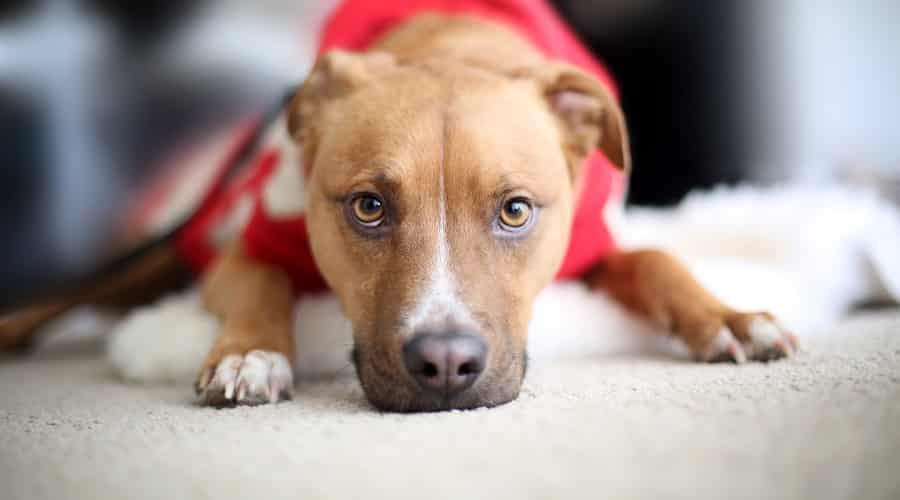
As is common with most dogs, many naughty behaviors can be dramatically reduced with proper exercise. In the case of the German Shepherd Pitbull mix, tendencies towards aggression, destructive behavior, digging, and excessive barking can surface when she has too much pent-up energy.
Best Activities for Physical & Mental Stimulation
This mix excels when both their body and brain are challenged. Some of the best activities include:
- Brisk walks or jogs: Ideal for building endurance and bonding time.
- Fetch or tug-of-war: Great for burning energy and reinforcing obedience commands.
- Agility courses: Use cones, tunnels, or hurdles to test both their body and mind.
- Puzzle toys and food-dispensing games: Help reduce boredom indoors.
- Obedience training sessions: Mental work can be just as tiring as physical play.
Keep in mind, this mix thrives when exercise is consistent. Sporadic outings won’t cut it — they crave daily purpose.
How Big Will Your German Shepherd Pit Mix Get?
Pitbulls are generally characterized as medium-sized canines, whereas German Shepherds tend to be larger. The Pitbull German Shepherd Mix is typically classified as a large breed, with males averaging between 40 and 90 pounds and females between 30 and 70 pounds. Fully grown, most Pitbull German Shepherd mixes stand between 18-24 inches tall.
- Medium-to-large build with athletic proportions.
- Typical adult weight: 40–90 pounds, depending on sex and genetics.
- Height ranges from 18–24 inches at the shoulder.
- Males tend to be heavier and more muscular; females leaner and more agile.
- Growth can be unpredictable in mixed breeds — be ready for variation!
- Strong frame means early joint care (diet + controlled exercise) is key.
It’s important to be aware of the implications of owning a larger breed of dog, such as higher food and medical costs. With mixed breeds, their potential size is unpredictable.

Be aware that if you adopt a Pitbull German Shepherd, she may reach the higher end of the weight and height statistics listed above. Prepare for that possibility and make sure your life has room for a companion of that size!
Health & Lifespan: What to Expect and Watch For
The average lifespan of a well-cared-for German Shepherd Pitbull is about 12 years with proper exercise and a balanced diet. While she is generally healthy and agile, it’s important to have regular check-ups with your vet and keep her up to date on all her vaccines and immunizations.
Common Genetic Conditions (Hip Dysplasia, Skin Issues)
While mixed breeds are often hardier than their purebred counterparts, the German Shepherd Pitbull mix can still inherit certain health issues. Two of the most common are:
- Hip Dysplasia: A condition where the hip joint doesn’t fit properly, causing pain, stiffness, and eventual arthritis. This is especially common from the German Shepherd side.
- Skin Sensitivities: Inherited from the Pitbull side, this mix may suffer from issues like Demodex mites or general allergies, leading to itching, rashes, or hair loss.
Other potential health concerns include elbow dysplasia, bloat, and heart conditions. Regular vet checkups and early screenings are key to catching these issues before they escalate.
While no formal scientific studies have focused exclusively on the German Shepherd Pitbull mix, research into the parent breeds provides meaningful insight. German Shepherds are known to have a genetic predisposition to hip dysplasia, while American Pitbull Terriers are more commonly affected by skin conditions and allergies.
These inherited risks should inform your approach to preventive care, including early screenings, joint support, and dermatological monitoring as your dog matures.
Pre-Adoption Health Checklist
If you’re buying from a breeder or adopting a pup, ask for:
- Health clearances for both parent dogs, especially for hips and elbows
- Vaccination and deworming records
- Proof of early vet visits and screenings
- Any known history of skin issues or food sensitivities
Reputable breeders and well-run rescues should be happy to provide this information. If they hesitate, that’s a red flag.
Preventive Care: Vet Visits, Vaccines, and More
Preventive care is your first defense against chronic conditions. Here’s what to prioritize:
- Annual checkups: Even healthy dogs benefit from a yearly vet visit.
- Vaccinations: Keep your dog’s core vaccines (rabies, distemper, parvo) up to date.
- Flea/tick and heartworm prevention: Especially if your dog spends a lot of time outdoors.
- Dental care: Regular brushing and dental chews can prevent infections that affect overall health.
Signs It’s Time to See the Vet
Even if your dog is generally healthy, certain symptoms should never be ignored:
- Limping or stiffness after exercise
- Persistent scratching, hair loss, or irritated skin
- Lethargy or loss of appetite
- Swollen joints or noticeable weight gain/loss
- Difficulty standing, climbing stairs, or jumping
Early intervention often leads to easier treatment and a better outcome. With proper care, this breed can live a healthy life, with an average lifespan of 10 to 14 years.
German Shepherd Pitbull mixes are prone to joint issues, allergies, and other health concerns, which means vet bills can add up fast. Pet insurance can help you manage the unexpected cost of treatments and surgeries for breed-specific conditions.
Feeding a German Shepherd Pitbull Mix: Diet Tips & Guidelines
Most large, active breeds require a high-calorie intake, and the German Shepherd Pitbull is no different. It is recommended to provide 3-4 cups of high-quality, grain-free dry food daily, providing 1200-2700 calories for males and 900-2100 calories for females.
Many brands list a feeding guide on their products, based on size and activity.
- Feed 3–4 cups of high-quality, protein-rich food per day (adjust for size).
- Grain-free or sensitive-skin formulas often work best.
- Divide meals into two feedings to prevent bloat and regulate energy.
- Omega-3 fatty acids (salmon oil) support skin and joint health.
- Monitor weight regularly — avoid free feeding large breeds.
- Always provide fresh water, especially after exercise.
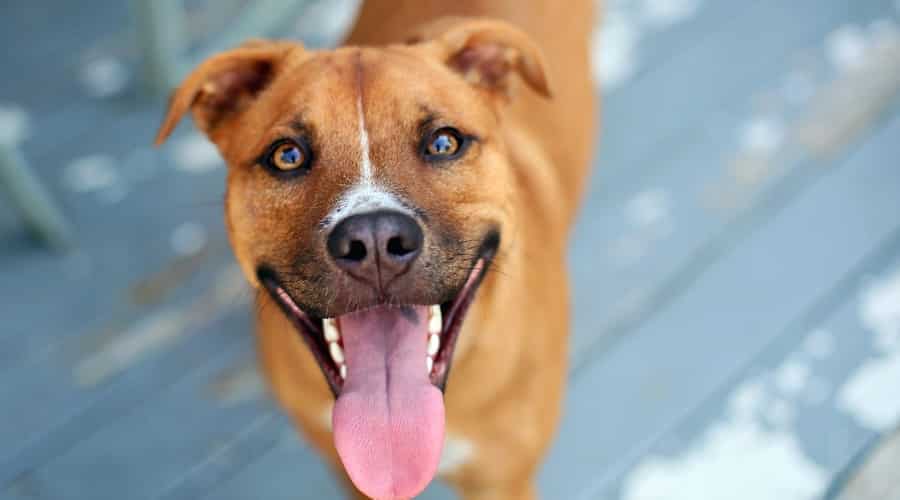
These are just guidelines, however, and it is important to speak with a vet to make sure you’re covering all essential nutrients with an appropriate amount of protein and calories.
Choosing the Right Dog Food for This Mix
Look for high-quality dry dog food (kibble) that lists a named animal protein (like chicken, beef, or salmon) as the first ingredient. Ideal food will be:
- Grain-free or made with easily digestible whole grains
- Free from fillers like corn, soy, or artificial dyes
- Formulated for medium- to large-breed dogs
For dogs with known food allergies or sensitive stomachs, consider limited-ingredient or prescription formulas recommended by your vet.
Supplements to Support Joints, Skin, and Digestion
Because this mix may inherit joint and skin sensitivities, adding specific supplements can help support their health:
- Glucosamine and chondroitin: Support joint cartilage and mobility
- Omega-3 fatty acids: Reduce inflammation and improve coat condition
- Probiotics: Aid digestion and immune system balance
Always consult your veterinarian before adding supplements, especially for puppies or dogs with existing health conditions.
Preventing Overfeeding and Bloat
Large, deep-chested breeds like this one can be at risk for gastric dilatation-volvulus (bloat). To help prevent it:
- Feed smaller, controlled meals twice daily
- Limit heavy activity immediately before and after meals
- Use a slow-feed bowl if your dog eats too quickly
Also, monitor your dog’s weight regularly. Obesity puts added stress on joints and can worsen inherited health problems.
Coat Type & Color Variations: From Brindle to Black & Beyond
As mentioned above, a Pitbull German Shepherd mix is inclined to favor its Pitbull genetics in appearance. This remains true for her coat, which is normally straight and short-to-medium in length. She does well in warmer climates due to her shorter coat.
- Coat type varies: short like a Pitbull or medium-length like a Shepherd.
- Colors include black, tan, brindle, red, brown, and occasionally white.
- Moderate shedder year-round — seasonal shedding increases in spring/fall.
- Dense, straight coat with smooth texture.
- Not hypoallergenic, but easy to maintain with weekly brushing.
- A quick wipe with a grooming mitt keeps shine and removes loose fur.
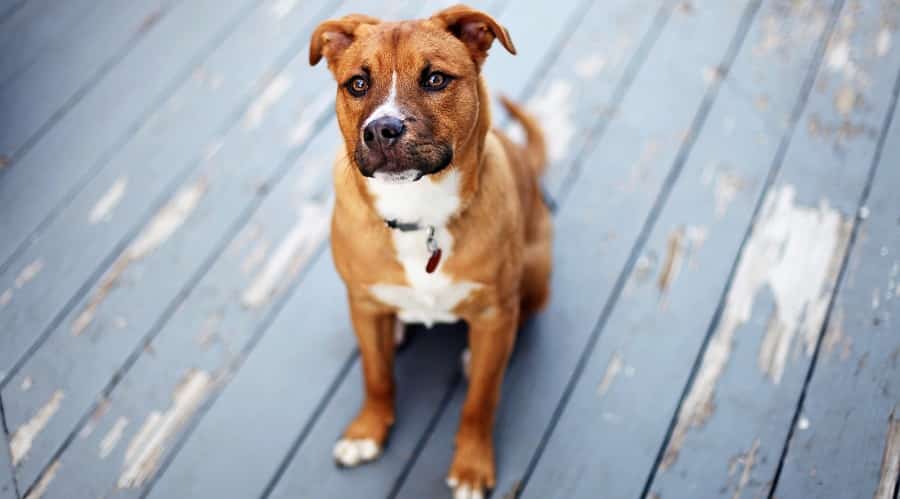
While German Shepherds frequently sport identical coat coloring, Pitbulls come in many different colors, and so does this mix. Pitbull German Shepherd hybrids commonly have fawn, brown, tan, and black coats, and more uncommonly, white and grey coats. She sheds a moderate amount throughout the year and is not considered to be hypoallergenic.
Grooming Needs: Low Maintenance, but Not No Maintenance
If you’re looking for a breed that has easier grooming requirements compared to other breeds, the German Shepherd Pitbull is a great option! She requires low-to-medium maintenance due to her short coat and moderate shedding.
- Brush 2–3 times per week to control shedding and distribute oils.
- Bathe only once a month to avoid stripping natural skin oils.
- Use hypoallergenic or sensitive-skin shampoos.
- Trim nails every 3–4 weeks; clean ears weekly to prevent infections.
- Check for hot spots or skin redness — common in short-coated mixes.
- Introduce grooming early to build calm, positive associations.
Due to her propensity for sensitive skin, a German Shepherd Pitbull mix should only be given baths when needed and not more than once a month. Overbathing can strip natural oils and cause dry skin. It’s also helpful to use shampoos designed for sensitive skin types, as they will be less harsh on her skin.
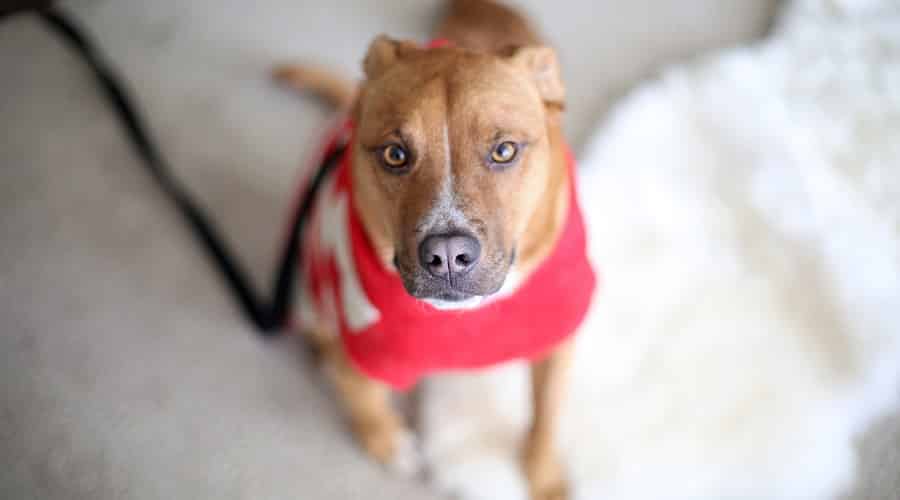
Keeping her ears clean is important, especially if they are bent or flopped over, as this reduces air circulation and can increase the risk of ear infections.
Her nails should be trimmed every few weeks to keep her paws hygienic and healthy. All of this should be started at a young age to avoid aggression or fear towards grooming routines later in life.
Buying or Adopting a GSD Pit Mix: What It Costs & What to Ask
Designer dog breeders are all over the internet, and typically, a simple search will put you in contact with one.
However, with hybrid breeds growing in popularity, it’s very important that you find a reputable, trusted breeder that operates ethically and in the best interest of their dogs. Supporting breeders with questionable practices contributes to the maltreatment of animals.
- Reputable breeders charge $500–$1,200+, depending on lineage.
- Always meet the puppy’s parents to assess temperament and health.
- Ask for health clearances on hips, elbows, and skin conditions.
- Avoid “puppy mills” — low prices often mean unethical conditions.
- Adoption from a rescue typically costs $100–$300 with vetting included.
- Ethical breeders will interview you as carefully as you interview them.
Reading reviews, requesting health certificates, meeting the puppies in person, and seeing the parent dogs can all give you peace of mind that the breeder you are buying from is legitimate. Never purchase from puppy mills or puppy farms, which are not only inhumane, but the dogs bred from these places are often unhealthy.
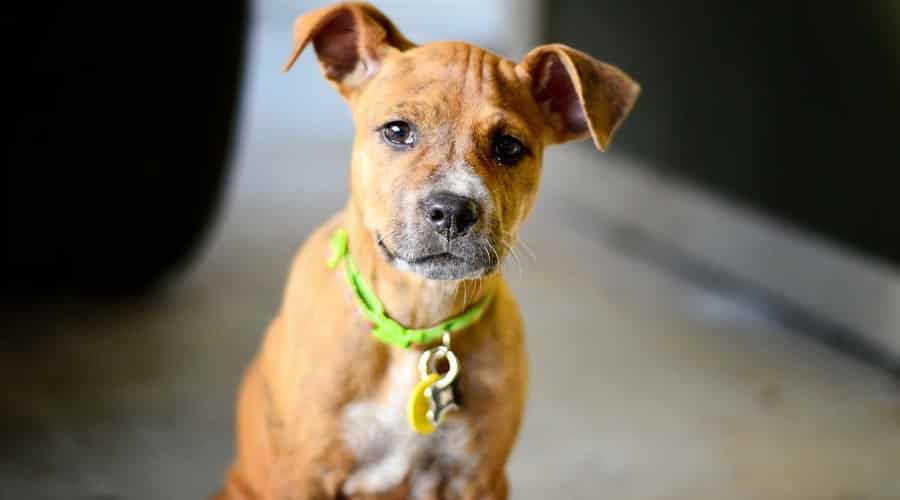
A German Shepherd Pitbull Mix litter size is generally between 5 and 10 pups, with a wide range of colorings and personalities. If you are purchasing from a breeder, it’s helpful to meet the puppies first.
Keep in mind, prices from breeders can increase if the canine possesses unique or distinct characteristics, like an unusual coat or eye color. More importantly, you’ll want to meet your new pup first to make sure her personality meshes well with your life!
Pitbull German Shepherds cost $800 and up, but can be much lower if you are rescuing from a local shelter. These organizations typically charge a donation fee to cover a portion of the medical costs, so your new pup can come home healthy!
Why Adoption Is a Great Option for This Misunderstood Mix
Hands down, adopting a German Shepherd Pitbull mix from a rescue organization is the best thing you can do.
This is one of the most common hybrid breeds in animal shelters today, and they continue to have a low adoption rate due to their stigma as aggressive. Many are in desperate need of loving homes.
- Many GSD-Pit mixes end up in shelters due to misunderstandings about the breed.
- Adoption saves lives and supports ethical pet ownership.
- Rescue dogs may already be house-trained or socialized.
- Patience and consistency help a rescued dog adapt and trust again.
- Contact local German Shepherd, Pitbull, or mixed-breed rescues.
- Shelter staff can match you with a dog that fits your energy and lifestyle.
Rescuing a dog in need is not only saving a life, but it is also an extremely rewarding experience for everyone involved. It’s also usually far cheaper than paying for a puppy.
Yes, your German Shepherd Pitbull mix may have a little extra behavioral baggage you need to deal with. But the emotional reward will far outweigh the time you’ll spend retraining your new canine companion. Please consider adoption!
Frequently Asked Questions About the German Shepherd Pitbull Mix
Still have questions about life with this powerful and intelligent mix? Here are answers to some of the most common things prospective owners want to know, from grooming to temperament to how well this breed fits into family life. If you don’t see yours, drop it in the comments and we’ll get back to you.
Is the German Shepherd Pitbull mix good with kids?
Yes — with the right training and socialization, this mix can be incredibly affectionate and protective of children. They bond deeply with their “pack” and often become loyal family guardians. However, due to their strength and energy, supervision is important around small children, especially during play.
Do they get along with other dogs and pets?
This mix can live peacefully with other dogs when raised or properly introduced together. However, their Pitbull lineage may bring in some same-sex aggression or dominant behavior. Early socialization, neutering, and strong leadership are key. Caution is advised with smaller pets like cats or rabbits unless the dog is raised with them from puppyhood.
How much do they shed?
Moderately. Most German Shepherd Pitbull mixes have short to medium-length coats and shed year-round, with heavier seasonal shedding in spring and fall. Weekly brushing is usually enough to manage loose hair and keep their coat looking healthy.
Are they aggressive or dangerous?
Not inherently. Like any breed, behavior depends on training, environment, and genetics. This mix is confident, protective, and strong-willed — but with consistent guidance, early socialization, and positive reinforcement, they can be stable, loving companions. Responsible ownership makes all the difference.
Can this mix be left alone during the day?
Not for long stretches. This breed thrives on companionship and purpose. Left alone too long, they can become anxious or destructive. If you work long hours, consider hiring a dog walker or enrolling your dog in doggy daycare.
Are German Shepherd Pitbull mixes good for first-time dog owners?
They can be, but it depends on the owner’s willingness to commit to training, structure, and daily exercise. Their intelligence is a strength, but their strength is also a responsibility. New owners should be prepared to invest time and energy up front.
Is the German Shepherd Pitbull Mix Right for Your Family?
If you’re looking for a loyal, intelligent, and protective companion who thrives on purpose and connection, the German Shepherd Pitbull mix might be a perfect fit. This hybrid breed is deeply devoted to its people and brings a mix of athleticism, heart, and sharp intuition to the home. They do especially well with active families who can include them in daily life, outdoor adventures, and ongoing training.
That said, this isn’t a low-maintenance dog. Their energy, strength, and need for mental stimulation require time, structure, and patience. If your family has the space — both physically and emotionally — to give this mix what they need, the reward is a lifelong bond with one of the most devoted dogs you’ll ever meet.
Raising a Happy, Healthy German Shepherd Pitbull Mix
At the heart of every great dog-human bond is trust, structure, and love, and that’s especially true for the German Shepherd Pitbull mix. This breed thrives when they have a job to do, a routine to follow, and a family that includes them in daily life. Consistent training, regular exercise, and plenty of positive interaction go a long way in shaping a confident, well-balanced companion.
Don’t underestimate the power of the little things: a daily walk, a new puzzle toy, praise for calm behavior, or even just time spent together. When their mental and physical needs are met, this mix blossoms into a joyful, loyal dog who wants nothing more than to be your shadow, your protector, and your best friend. In return, they’ll give you their full heart, every single day.
Have You Lived With a German Shepherd Pitbull Mix?
We’d love to hear your story! Whether it’s a funny habit, a training breakthrough, or just what makes your dog special, share your experience in the comments and help others learn what life with this amazing mix is really like.