When you purchase through links on our site, we may earn a commission at no extra cost to you. Learn more.
Did your dog just poop something that looks like raspberry jam? That moment hits like a punch to the gut. “Is that BLOOD? Is my dog okay? Do we neeinsd to rush to the ER?” You’re not overreacting. And you’re definitely not the first dog parent to desperately Google home remedies while panicking in the backyard.
Table of Contents
A few months ago, my senior pup, Tiny, walked outside, strained, and left behind a slick, red, gelatinous puddle that looked exactly like raspberry preserves. Within hours, he went from seeming “a little off” to frighteningly lethargic. We were at the emergency vet before I even had shoes on.
That’s how fast this kind of bloody, mucousy diarrhea can take a turn. Here’s the part I wish I had known as soon as I spotted it. This weird, jam-like poop sometimes points to a condition that can dehydrate dogs in hours. But not always.
And while there are gentle, vet-approved home remedies that can help in mild cases, the first step is knowing when home care is safe and when it’s absolutely not. I learned the hard way.
Want our human-written content to rank above AI-generated garbage? Help us out by clicking this button!
What Does Raspberry-Jam Dog Poop Actually Mean?
When a dog suddenly produces bright red, jelly-like poop, vets call this hematochezia — fresh, undigested blood coming from the lower gastrointestinal tract. In other words, the blood is new. And it’s coming from the colon, rectum, or sometimes the very end of the small intestine.
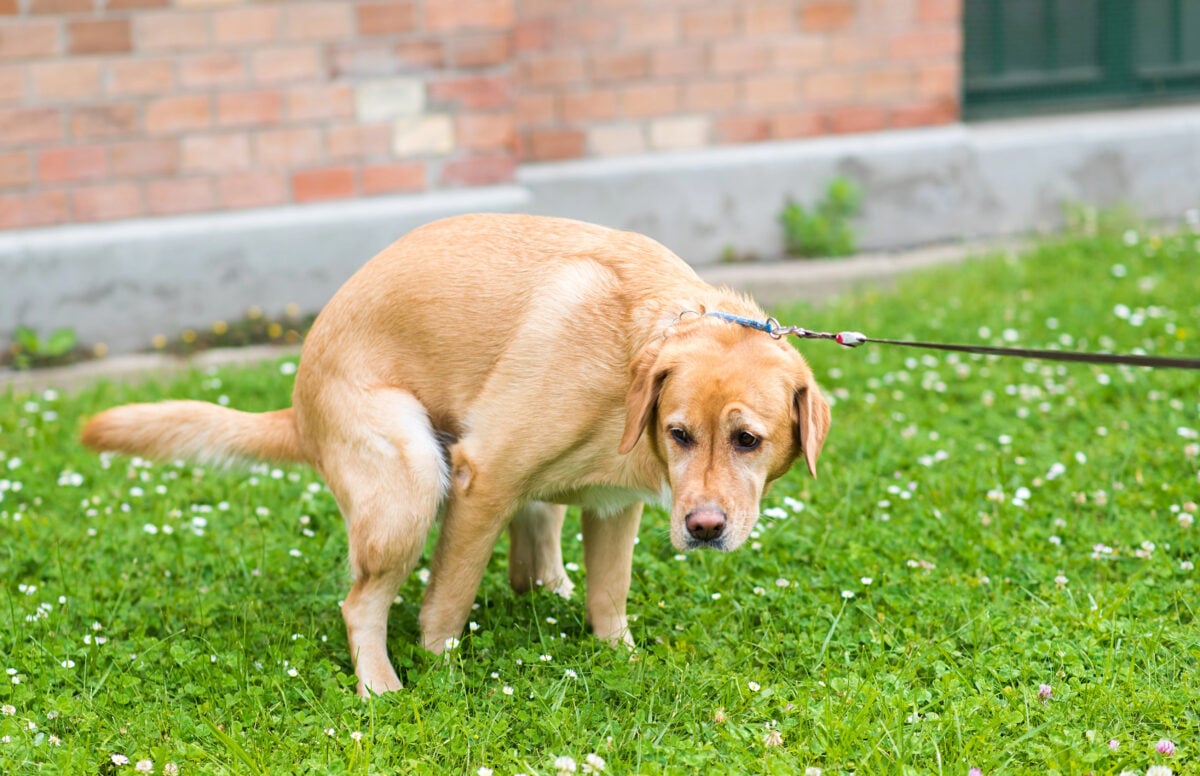
Unlike dark, tarry stool (called melena), which points to bleeding higher up in the GI tract, hematochezia appears bright red because the blood hasn’t been digested. When it mixes with mucus from an irritated colon, it creates that distinctive “raspberry jam” appearance many dog parents describe.
Here’s what’s happening inside your dog’s body:
- Inflammation irritates the colon, causing it to produce excess mucus
- Tiny blood vessels in the intestinal lining break, releasing fresh blood
- The two combine into a red, gelatinous coating on or around the stool
In mild cases, this can happen due to simple digestive upset, like eating a new treat or switching food too fast. But in more severe cases, this combination of bright red blood plus mucus is a hallmark symptom of acute hemorrhagic diarrhea syndrome (AHDS), a condition that can cause dehydration within hours.
Before we break down other causes, let’s look at AHDS — the condition veterinarians see most often when a dog presents with “raspberry jam” diarrhea.
Acute Hemorrhagic Diarrhea Syndrome (AHDS): The Most Common Cause Of “Raspberry Jam” Stool
When a dog suddenly develops watery, bloody, jelly-like diarrhea, veterinarians often suspect one condition first: acute hemorrhagic diarrhea syndrome (AHDS), formerly termed hemorrhagic gastroenteritis (HGE).
What makes AHDS especially dangerous is how quickly it causes severe dehydration.
Why AHDS Is So Dangerous (and Fast)?
AHDS hits like a storm. One moment, your dog is acting normal, and the next, you’re staring at a puddle of bloody, red mucus (with or without stool). According to experts, AHDS causes the colon to leak large volumes of fluid and blood, leading to:
- Rapid dehydration
- Electrolyte imbalance
- Dangerous drops in blood pressure
And it happens shockingly quickly. Even giant dogs can crash, and small dogs can decline twice as fast.
What AHDS Stool Looks Like
Dogs with AHDS don’t usually produce normal diarrhea. Instead, you’ll often see:

- Bright red, watery diarrhea
- Thick, gelatinous mucus
- Slime-like stool that spreads rather than piles
- A foul, metallic odor
- Sometimes: nothing but liquid blood + mucus
If what came out of your dog looks like raspberry preserves, strawberry jelly, red Jell-O water, or bloody pudding, this is the pattern vets recognize instantly.
AHDS Symptoms (In The Order They Usually Appear)
Most dogs show a predictable symptom pattern. If your dog has three or more of these, AHDS jumps higher on the suspicion list.
Early Signs
According to Veterinary Partner, 80% of dogs with AHDS experience vomiting around 10 hours before the bloody diarrhea appears. And in 50% of the time, this vomiting contains blood.
- Vomiting
- Sudden watery diarrhea
- Red mucus coating the stool
- A strong, unusual odor
- Straining but producing mostly liquid
Progressive Signs
- Refusing food
- Shaking, whining, or restlessness
Danger Signs (Seek Immediate Care)
- Lethargy or collapse
- Dry gums or sunken eyes
- Skin “tenting” when you pinch the shoulder
- No interest in water
- Pure blood with little to no stool
If you’re seeing danger signs, skip all home remedies and go straight to an emergency vet.
What Causes AHDS?
The exact trigger is still being studied, but experts believe AHDS can be linked to:
- Overgrowth of Clostridium perfringens bacteria in the intestines
- Sudden changes in gut flora
- Dietary indiscretion (eating garbage, new foods, table scraps)
- Stress or anxiety
- Underlying food intolerance or hypersensitivity
While any dog can be affected by AHDS, smaller breeds, such as Yorkshire Terriers, Miniature Pinschers, Miniature Schnauzers, Miniature Poodles, and Maltese, have higher rates of the condition.
Is AHDS Life-Threatening?
Yes — if untreated. Once dehydration begins, it snowballs. Waiting even a few hours to see if it improves can be dangerous. However, the hopeful part is that with fast veterinary care, most dogs recover within 12 to 24 hours.
Can AHDS Be Treated At Home?
No. Because dehydration happens so fast, AHDS is one of the few GI issues that cannot safely be treated with home remedies alone. What can be done at home (once your vet approves) is supportive care after treatment, which we’ll cover later in the article.
Other Causes of Raspberry-Jam Stool In Dogs (Some Mild, Some Serious)
Seeing blood and mucus in your dog’s poop doesn’t always mean AHDS, but it does mean something is irritating, inflaming, or damaging the lower GI tract. Here are the most common causes veterinarians see.
1. Sudden Diet Changes (Mild But Very Common)
A quick food switch, a new treat, or even a holiday table scrap can send a dog’s colon into overdrive. This causes colitis, or inflammation of the colon, which often looks like:
- Loose or soft stool
- Straining to defecate
- Streaks of bright red blood
- Mucus coating the stool
The good news? Diet-triggered colitis usually improves with a bland diet and supportive home remedies (when approved by your vet).
2. Dietary Indiscretion (Garbage, Toys, Toxins & “Oops” Moments)
Dogs are notorious for eating things they shouldn’t, and both foreign objects and toxins can irritate the GI tract enough to cause blood and mucus in the stool, as well as life-threatening conditions.
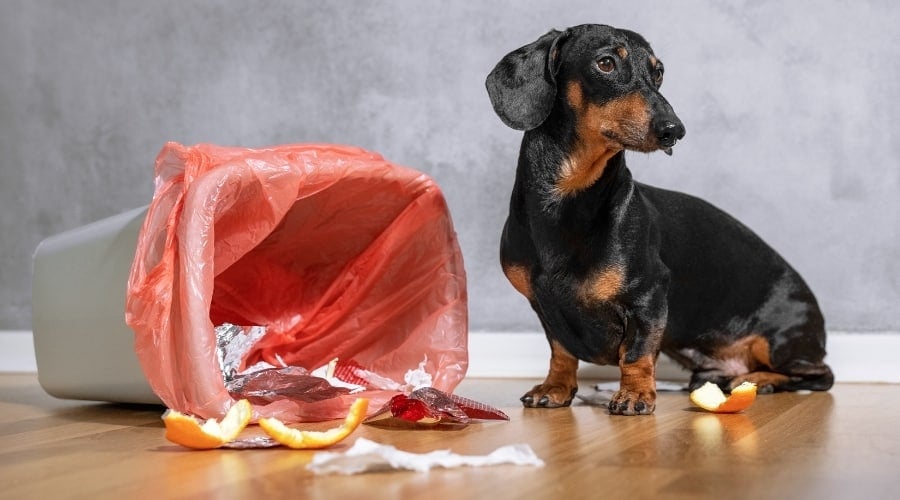
Common offenders include:
- Parts of toys, sticks, bones, or fabric
- Spoiled or contaminated food
- Poisonous plants or toxic foods
- Rodent poison
- NSAIDs or other human medications
- Xylitol, an artificial sweetener that’s highly toxic to dogs
Huge Red Flag:
If your dog vomits repeatedly or can’t keep water down, this may be an intestinal blockage or toxin reaction — go to an emergency vet immediately.
3. Food Allergies Or Intolerances (Chronic & Easy To Miss)
Dogs who are allergic or sensitive to certain ingredients, such as chicken, beef, dairy, eggs, and wheat, can develop recurrent mucus and occasional blood. You may also see:
- Gas
- Soft stool or intermittent diarrhea
- Itchy skin
- Excessive paw licking
- Ear infections
Food intolerance is one of the most underdiagnosed GI conditions. Switching to a limited-ingredient diet or an elimination diet under your vet’s guidance can be life-changing.
4. Intestinal Parasites
Parasites are still a leading cause of bloody stool in dogs, especially in puppies, recently adopted dogs, and dogs exposed to standing water or contaminated soil. Different parasites produce different “looks.”
- Giardia: slimy diarrhea with mucus and sometimes blood (often rancid-smelling)
- Whipworms: intermittent stool with fresh red blood
- Hookworms: blood loss with darker stool (possible anemia)
- Coccidia: watery, stinging diarrhea, especially in puppies
As VCA Hospitals explains, even dogs on monthly preventatives can still contract certain parasites. A stool test (fecal float or antigen test) by your vet is the only way to know for sure.

5. Bacterial Infections
Bacterial infections from Salmonella, Campylobacter, or Clostridium can be messy, fast-moving, and often produce blood, slime, and diarrhea together. Other symptoms may include:
- Fever
- Vomiting
- Weakness
- Foul-smelling stool
Dogs eating raw diets have a significantly higher risk of Salmonella and Campylobacter, according to experts at Tufts Cummings School of Veterinary Medicine.
6. Parvovirus (Parvo)
Parvo, a highly contagious virus, can produce profuse bloody diarrhea that often smells metallic or sweet. It’s most common in puppies and under-vaccinated dogs. Parvo symptoms include:
- Vomiting
- Fever
- Exhaustion
- Bloody diarrhea
- Rapid decline
If you notice these symptoms, it’s important to take your dog to the vet as soon as possible because the mortality rate of untreated cases is 90%. A simple in-clinic parvo test identifies it within minutes.

7. Pancreatitis
When the pancreas becomes inflamed, digestive enzymes misfire and begin irritating the GI tract. This can cause:
- Vomiting
- Abdominal pain
- Mucousy or bloody diarrhea
- Shaking
- Hunched posture
- Poor appetite
Pancreatitis is commonly linked to high-fat meals, holiday scraps, garbage ingestion, and obesity, but it also has a genetic component — breeds such as Miniature Schnauzers, Yorkshire Terriers, and Cocker Spaniels are at a higher risk.
8. Other Gastrointestinal Issues
These conditions are less common but can still cause bright red blood, mucus, or discomfort during bowel movements.
- Irritable bowel disease (IBD):
A chronic inflammation of the GI tract that causes recurring diarrhea with mucus, intermittent blood, gas, and weight fluctuations. - Growths, polyps, or GI tumors:
Abnormal growths in the colon or rectum (more common in seniors) that lead to bright red blood, straining, discomfort, and sometimes weight loss. - GI ulcers:
Open sores in the digestive tract that can cause fresh red blood or black/tarry stool, often paired with vomiting and reduced appetite. - Anal gland problems:
Impacted or infected anal glands can leak blood or mucus and may rupture if abscessed, causing sudden bleeding. - Lower-GI trauma:
Hard stool or straining from constipation can create small tears that leave bright red streaks of blood on the stool.
When To Contact Your Vet
A little bit of mucus or a speck of blood can happen with mild digestive upset. But large amounts of bright red, jelly-like blood, or watery bloody diarrhea are never something to monitor casually.
Signs It’s An Emergency
Go straight to an emergency vet if your dog has:
- Suspected toxin ingestion
- Nonstop vomiting or vomiting blood
- Excessive rectal bleeding
- Pale, white, or gray gums
- Extreme lethargy, collapse, or trouble breathing
- Refusing water or can’t keep water down
- Bloody diarrhea lasting 12–24 hours
Puppies, senior dogs, and very small breeds should be seen immediately, even if symptoms aren’t as serious as the ones listed above. They can become dehydrated much more quickly than other dogs.
Signs That Need Same-Day Vet Attention
These symptoms don’t always require emergency hospitalization, but they should be seen today, not tomorrow:
- Moderate blood mixed with mucus
- Repeated bouts of diarrhea
- Mild dehydration (tacky gums, slight lethargy)
- Abdominal discomfort
- Refusing food but still drinking
- Any “raspberry jam” appearance that happens more than once
Prompt care here helps prevent a mild issue from turning into AHDS or severe dehydration. If you’re unsure, the safest option is always to err on the side of caution and contact your vet as soon as possible.
7 Home Remedies For Bloody Mucus In Dogs’ Stool (ONLY If Your Vet Says It’s Safe)
Finding blood and jelly-like mucus in your dog’s stool is terrifying, but once your veterinarian confirms it’s not an emergency, supportive home care becomes a powerful tool to help calm the gut and get your dog feeling better again.
Think of these remedies as gentle reset buttons for the digestive system. They don’t replace medical treatment, but they can help your dog recover faster, stay hydrated, and avoid another flare-up.
Below are the most commonly recommended, vet-approved home remedies for mild cases of colitis, diet upset, or stress diarrhea.
1. Short Fasting Period (12–24 Hours)
Fasting gives the gastrointestinal tract a break from inflammation. This is typically recommended for adult dogs only — never puppies, seniors with medical conditions, or toy breeds prone to hypoglycemia. When the colon is inflamed, every meal pushes the GI tract to keep working when it needs rest.
A short fast can:
- Reduce irritation
- Decrease mucus production
- Help stool return to normal consistency
Always provide access to fresh water.
2. Transition To A Bland Diet
Once the fasting period ends, a bland diet helps reintroduce food without overwhelming the intestines. Stick to simple, low-fat, easy-to-digest ingredients like:
- Boiled chicken (no skin, no fat) and plain white rice (see our recipe)
- Boiled turkey and plain white rice
- Boiled potatoes (a good alternative for grain-sensitive dogs)
Feed small, frequent meals (3 to 4 times) throughout the day rather than one big meal. Most dogs show improvement within 24 to 48 hours on this diet.
Pro tip: When transitioning back to regular food, mix 75% bland diet + 25% kibble, and slowly increase over 3 to 5 days to avoid another flare-up.
3. Add Plain Canned Pumpkin (Natural Fiber Support)
Pumpkin is one of the easiest, safest home remedies for mild colitis.

I’ve added pumpkin to Tiny’s diet when his stomach has been upset in the past, and it worked wonders. Plain pumpkin helps:
- Soothe the gut lining
- Firm up loose stool
- Normalize stool consistency
Use plain pumpkin only — not pie filling. Pie filling contains spices and other ingredients that aren’t healthy for our pups.
General dose: 1 teaspoon per 10 lbs of body weight once or twice per day.
4. Use A Probiotic Formulated For Dogs
The gut contains billions of bacteria. When things get disrupted, due to stress, new foods, or bacterial imbalance, diarrhea (and bloody stool) can follow. Probiotics for dogs help bring the bacterial environment back to normal and can shorten recovery time. They can help with:
- Mild colitis
- Diarrhea from stress
- Recurrent mucus
- Stool irregularity
Did You Know?
Probiotics can also help improve your pup’s immune system, skin and coat health, responses to anxiety, and other conditions.
5. Support Hydration (Critical For Safety)
Even mild diarrhea can cause fluid loss. At home, you can support hydration with:
- Plenty of fresh water
- Ice cubes
- Low-sodium bone broth
- Water from boiled chicken
This helps protect against dehydration while your dog’s gut recovers. Avoid human electrolyte drinks unless your vet specifically approves one.

6. Slippery Elm (Vet-Approved Only)
Holistic veterinarians commonly recommend slippery elm bark (Ulmus rubra) as a safe and effective natural remedy for acute diarrhea in dogs. It works by forming a protective, gel-like coating (mucilage) that soothes inflammation and irritation in the digestive tract.
Some vets recommend it for mild colitis, but the dosage depends on your dog’s weight, so use it only with veterinary guidance.
What NOT To Do At Home
Some common “home treatments” actually make things worse. Avoid:
- Pepto-Bismol (unless you get vet approval)
- Imodium (dangerous for several breeds, including Herding breeds)
- Any human GI medication (unless your vet prescribes it)
- Raw food diets during GI flare-ups
- High-fat treats or table scraps
- Spicy or seasoned foods
- Waiting to contact your vet for more than 24 hours if blood persists
When in doubt, don’t give it. A single call to your vet can prevent a mild issue from becoming an emergency.
Veterinary Treatment For Bloody Stool
If your dog’s symptoms require professional care, here’s what veterinarians typically use to stabilize and treat bloody diarrhea.
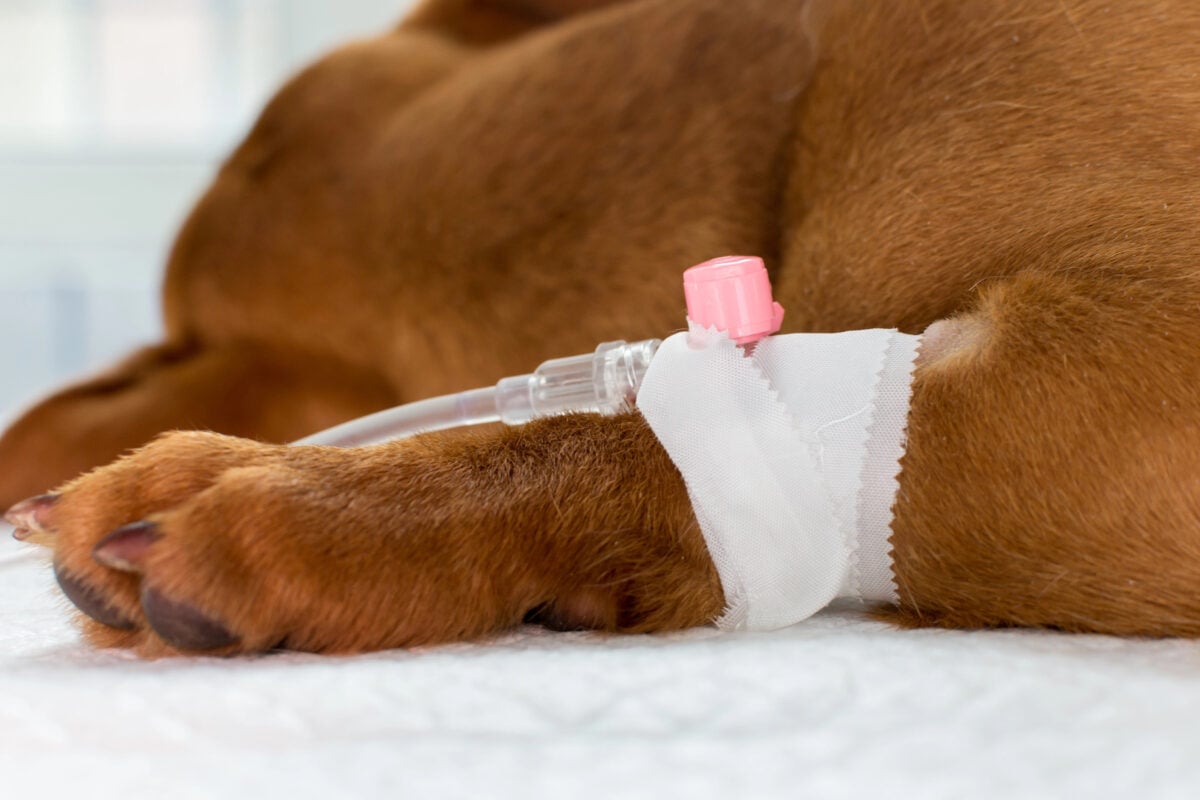
IV Fluids & Electrolyte Therapy
The cornerstone of treating severe bloody diarrhea is fluid replacement. Dogs with AHDS almost always need IV fluids. IV fluids help:
- Restore hydration
- Support blood pressure
- Correct electrolyte imbalance
- Improve circulation to the GI tract
Medications To Soothe The Intestines
Depending on the cause, your vet may prescribe one or more of the following medications, which help reduce irritation and promote healing.
- Antiemetics (Cerenia, ondansetron): control nausea and vomiting
- GI protectants (sucralfate): form a protective barrier over ulcers and irritated or inflamed areas of the gastrointestinal tract, shielding them from stomach acid
- Antacids/proton pump inhibitors (omeprazole, pantoprazole): used to reduce the amount of acid produced in the stomach
- Anti-inflammatories (depending on diagnosis)
Anti-Parasite Medication
If your vet detects parasites, vets commonly use fenbendazole, metronidazole, and ponazuril (for coccidia). These are highly effective and often resolve symptoms within a few days.
Antibiotics (When Indicated)
Dogs with confirmed bacterial infections, severe colitis, toxin-producing bacteria, and a secondary GI infection may need antibiotics like metronidazole or amoxicillin-clavulanate. Antibiotics should be used only when deemed necessary by your vet. They’re not effective for all cases of diarrhea.
Surgical Treatment
If a foreign object, tumor, or obstruction is found, surgery may be required. Foreign bodies cannot be fixed at home — these always require veterinary care. Signs suggesting an intestinal blockage include:
- Persistent vomiting
- Inability to keep water down
- Straining or unable to poop
- Abdominal pain
- Weakness
- Restlessness
- Aggressive behavior when the abdomen is touched
- Ongoing blood
How Pet Insurance Can Help When GI Problems Arise
Bloody diarrhea often strikes without warning, and the emergency vet bill can be steep. Diagnostics alone, such as fecal tests, bloodwork, X-rays, and ultrasound, can add up fast. Add treatment and hospitalization to the mix, and you could be facing thousands of dollars in vet bills.
Most pet insurance policies cover the following items:
- Diagnostics
- Emergency vet treatment
- Hospitalization
- IV fluids
- Medications (may require a plan upgrade depending on the provider)
- Surgery (if needed)
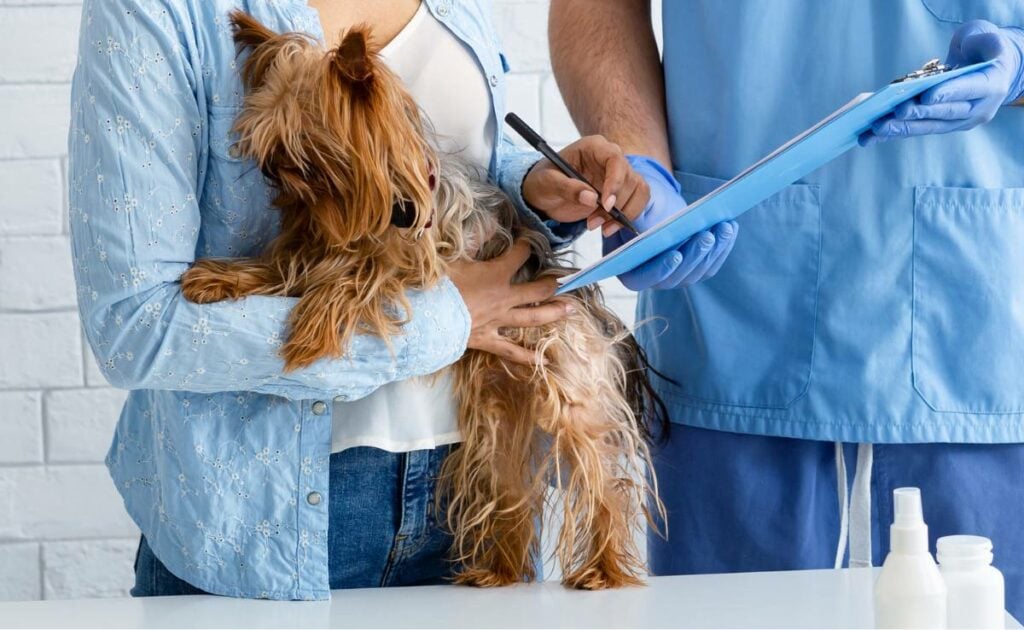
Pet insurance can be a lifesaver for many unexpected illnesses and accidents, but it won’t cover pre-existing conditions. If your dog has had bloody stool or digestive problems before enrolling, those issues usually aren’t eligible for reimbursement. That’s why it’s important to enroll your pup before health problems arise. See our expert guide on the best pet insurance providers to learn more.
Frequently Asked Questions
Here are the answers dog parents look for most often when dealing with bloody, jelly-like poop. Have questions about your dog? Drop them in the comments. We’re here to help.
Can I Treat My Dog’s Bloody Stool at Home?
Sometimes, but only with a vet’s approval. Mild cases caused by dietary changes or stress may respond to a bland diet, pumpkin, and probiotics. However, large amounts of blood, weakness, vomiting, or refusal to drink require immediate veterinary care.
Is Raspberry-Jam Poop The Same As Parvo?
Not necessarily. Both AHDS and parvo can cause bloody diarrhea, but:
- Parvo is highly contagious
- Puppies are most at risk
- Vomiting and rapid decline are common
- Parvo requires hospitalization
- A simple in-office parvo test can confirm it
Can Stress Cause Bloody Diarrhea?
Yes. Stress-related colitis is extremely common and can cause mucus, straining, and streaks of red blood. Triggers include:
- Boarding
- Loud noises
- Travel
- New dogs in the home
- Major routine changes
Is AHDS Contagious?
The current veterinary consensus indicates that AHDS is not contagious. It’s related to internal bacterial shifts and not transmission from dog to dog.
Should I Save A Stool Sample?
Yes. If your dog has blood in their stool, save a sample in a plastic bag or lidded container. This helps your vet test for:
- Parasites
- Infections
- Bacterial overgrowth
- Inflammatory markers
How Long Does It Take For Bloody Stool To Go Away?
If the cause is mild (dietary indiscretion or stress), improvement may happen within 24 to 48 hours. If the cause is AHDS, improvement typically begins 12 to 24 hours after IV fluids begin.
Does Your Pup Have Recurring Digestive Issues?
If your pup is dealing with ongoing tummy troubles, be sure to check out our guide to dog poop colors. Yes, it’s gross, but our pup’s poop color can sometimes shed light on what’s happening with their health.
Have you ever found blood in your pup’s stool? Share your experiences in our comments. It may help other pet parents dealing with this problem.